




Abstract
Space Tourism is the new type of tourism that created a buzz in the tourism sector after the successful landing of SpaceX craft to Earth. In this scenario, the study aims to find the sentiments of individuals regarding space tourism on Twitter. The study used Python programming to extract the tweets and used R programming to analyze tweets' sentiments. The analysis shows that most individuals show trust, and they are anticipating when we can travel to space. Also, few people fear and have negative sentiments regarding the possible ill effects out of it. However, the majority are excited about space tourism.
Introduction to Space Tourism
In recent decades an ancient aspiration of humanity, which is space travel, became progressively achievable. 1 Presently, space tourism phenomena have gone beyond film and fiction as industries such as transportation, hospitality, energy, exploration, and construction work for new business opportunities on other planets. Whereas space travelers from 37 countries experienced this phenomenon, and by 2027 it is predicted to be worth $27 billion.2,3 Studies estimate annual growth of 18%–26% from 2020 to 2030 as it has attracted the attention of tourists, government, and business houses. 4 However, deciding where to build a spaceport does not merely follow industrial or economic criteria but also geographical ones. 5
The major effect of the success of SpaceX is an alarming call for the space industry. There will be a significant progression of the industrial landscape anticipated in the future with new venture capitalists and new suppliers, changes in the value chain dynamics, different kinds of services, and events such as mergers and acquisitions. Whereas, in the short run, the possible situation is an escalation of mergers and acquisitions between “start-ups and legacy actors” in the field of space. 6 New technological innovations will enhance commercial space tourism and, with lone travelers and adventurers, will start functioning soon. Space tourism's sustainability issues such as environmentally focused technology (“enhancing the multi-sensorial virtual space experience”) and due to global climate change regulations, there will be constricted national initiatives are having significant influences. There will be ethical issues that will surge in connection with supplementary signs of progress in space tourism. Also, with the growing inequalities between rich and poor, fairness in determining ownership and responsibility for compensation of the space environment, and eventually, there will be a challenge of safeguarding the human race in the case of a global disaster. 7 However, Spector 8 thinks that there should be a smaller amount of impacts on the environments of both the Earth and any place in space that besieged as a small regiment of immensely improved posthumans who could explore and settle in the areas of outer space having absolute autonomy on that.
After the successful landing of SpaceX craft to Earth, there was a trend started on Twitter about space tourism. Many individuals started to imagine travelling to space as a tourist. This development created more avenues for the space tourism business to move further.
Materials and Methods
This study deals with Twitter users' sentiment analysis toward space tourism after SpaceX craft successfully landed back on Earth. In this study, social media platform Twitter was used for the data collection. Tweets extracted using the hashtag #SpaceTourism using Python Programming. A limited number of tweets were extracted because of Application Programming Interface restrictions from August 11 to August 13. These tweets are saved in the text file from Python programming. For sentiment analysis of tweets, R programming software is used, and through that word cloud and a graphical representation of sentiments and emotions generated depicting the sentiment of tweets extracted.
Results
Word cloud of the frequency of words connected space tourism represented in Figure 1, where we can see words connected to websites and the word “theme” having more frequently used, and we can see the word “space” discussed frequently. We can also see people discussing more words such as the area, object, and status. Word cloud shows that individuals link space tourism with these words, and few future space tourism companies sharing their willingness.
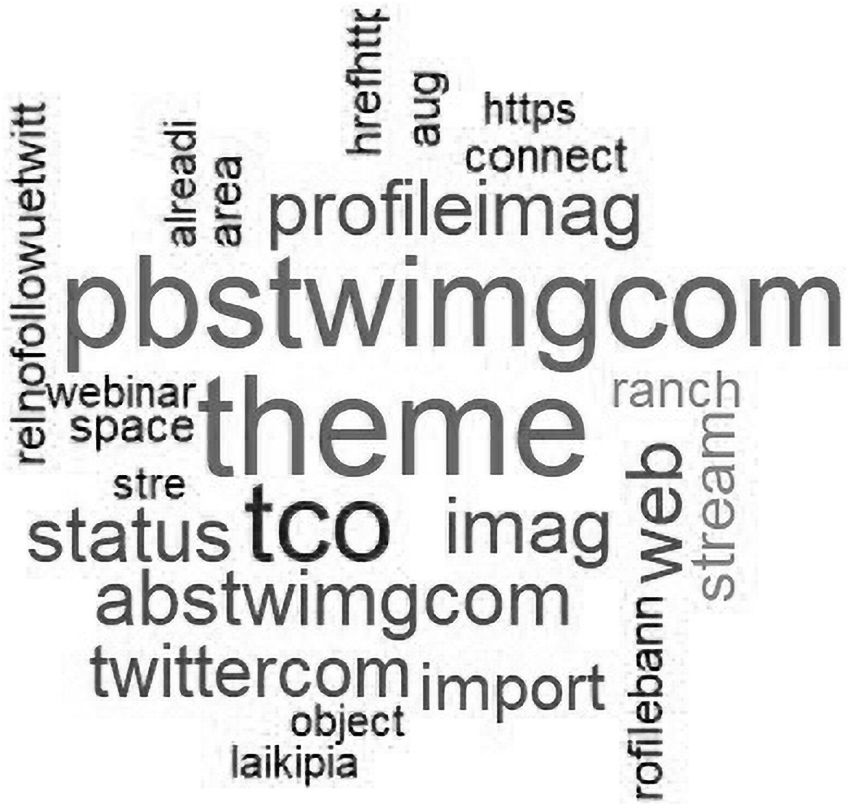
Word cloud of space tourism in extracted tweets.
Figure 2 showcases the sentiment about space tourism. The chart indicates that most twitters have sentiments such as trust and anticipation; this is obviously because of SpaceX's successful landing back to Earth. Whereas people also have negative sentiments as the next majority toward it because of reasons such as environmental aspects. The next one is joy, and here many people may think about it because it will make them enjoy different experiences. Fear, disgust, sadness, and surprise will follow the sentiments mentioned earlier as these show few people are worried about what may happen if it fails or are not in the stage of believing space tourism is accurate.
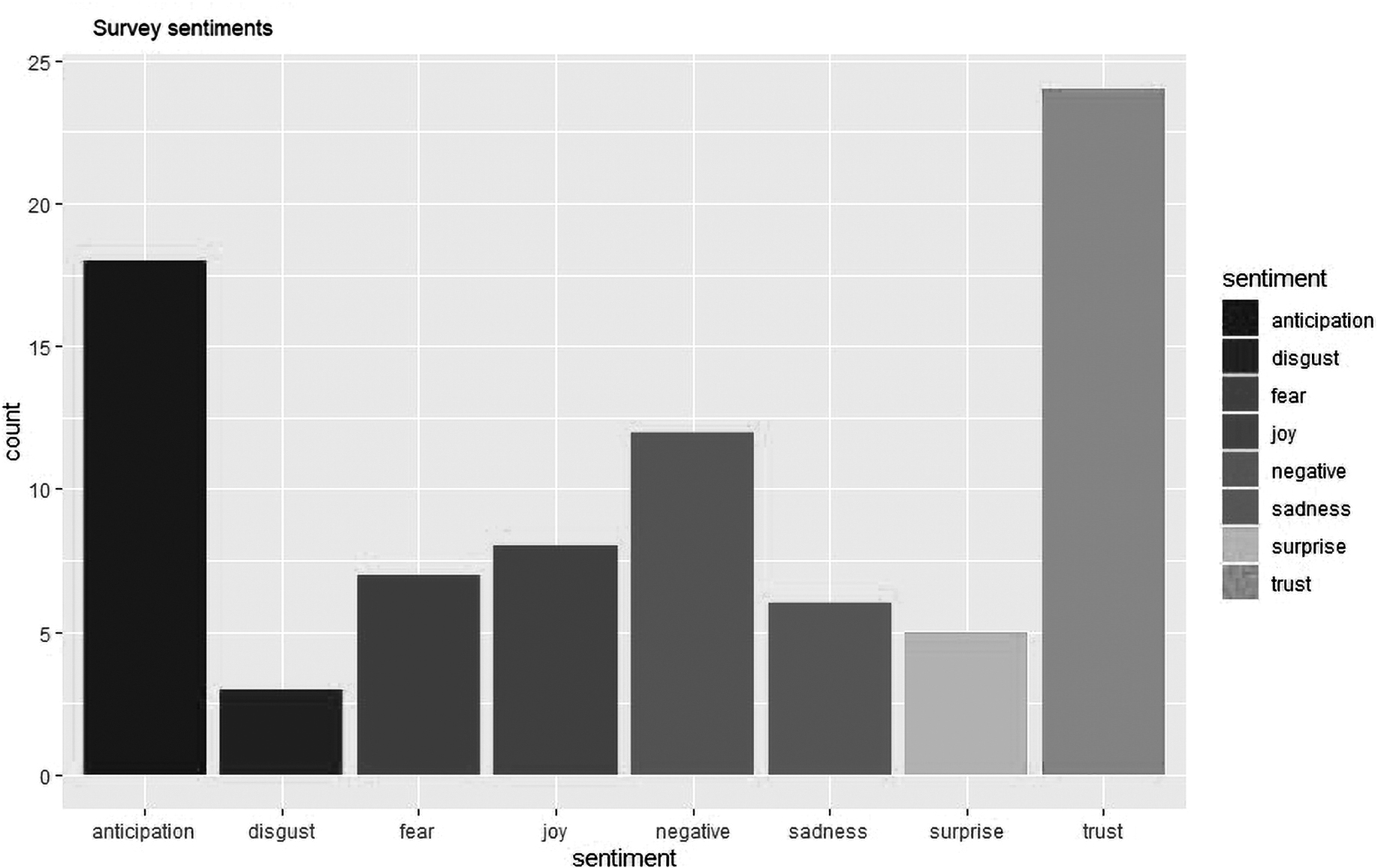
Sentiments toward space tourism—a graphical representation.
Conclusion
Overall, it can be observed that based on these expressions of their emotions and sentiments, the majority of individuals are showing trust, and they are anticipating when we can travel to space. Also, few people fear and have negative sentiments regarding they may have ill effects out of it. However, the majority are excited about space tourism.
Future studies can analyze the profound behavioral impacts of anticipating space tourism and empirical studies on individuals' behavioral patterns toward space tourism across different geographical areas. Another research area would be analyzing after-effects in space travelers who had already been there for scientific studies.
Footnotes
Author Disclosure Statement
No competing financial interests exist.
Funding Information
No funding was received for this article.