




Abstract
Astrotourism is special interest tourism that can complement traditional tourism and leverage community livelihood and empowerment. This article aims to explore the possibility of developing astrotourism in Kerala by conducting a study in areas identified as astrotourism spots where solar eclipse 2019 was first visible in India. The data were collected from the inbound and domestic tourists who witnessed the event. The study found that the study areas have ample potential for developing astrotourism but lack professional integration. The study establishes that any destination with astrotourism resources can be developed as a special tourism niche in an alternative tourism perspective with due importance on carrying capacity levels and scientific aspects as the visits happen due to intrinsic and extrinsic motivations. Furthermore, the study emphasizes India's increased relevance in the global space science map and points out its potential as a future space tourism destination.
Introduction
The relationship of human beings with natural phenomena is as old as human history. Humankind feared and worshipped the natural occurrences and remained as a source of curiosity and enthusiasm, motivating to learn about and experience these occurrences from the dawn of human history. The planets and the moon were mentioned in the old literature written more than 3,200 years, reflecting human beings' curiosity toward celestial objects and events. 1 Popular destinations, such as Machu Picchu in Peru, Teotihuacan in Mexico, Stonehenge in the United Kingdom, Jantar Mantar in India, and Neil Island in Andaman and Nicobar Islands, India,2,3 connect astronomy with history and tourism.
Astrotourism is an emerging special interest tourism niche that complements traditional tourism. The evolution of astrotourism is particularly relevant when science, scientific ethics, and methodology serve as the major pathways of modern society to prosperity and well-being,4,5 and the way to evade or mitigate climatic aftermath changes resulting in disasters.6,7 Many researchers actively studied astrotourism.8–12 It involves visiting the astronomical observatories (contemporary, modern, and ancient), getting familiarized with the astronomy-related work and instruments for personal pleasure or entertainment.11,12
Other than the typical astrotourism resources, the optical phenomena (northern lights, rainbows, halos, meteors) can also be sources of attraction, categorized as nocturnal, diurnal, and crepuscular. 11 Stars classification, sky-gazing, comets, or meteor showers can be classified as nocturnal; solar/lunar eclipses or rainbows would be categorized as diurnal; sunrises and sunsets are categorized as crepuscular phenomena. 8 The most significant astrotourism resource is the dark night sky. 10 From a demand perspective, astrotourists include the common public to professional astronomers, 9 including nature lovers, astronomers, astrophotographers, videographers, bloggers, vloggers, students, scientists, and researchers.
Nowadays, many astrotourists travel to view solar eclipses, which occur 2 or 3 times in a year and probably last only for 2 to 8 min. 13 The astrotourism activity location may be national parks, sanctuaries, specific astronomical or archaeological sites, and astronomical observatories. 14 Space tourism is another niche tourist concept, 15 and India's space mission plans may offer scope for growth in this direction.
As a country and its vast number of villages with diverse topography, India has rich potential to develop astrotourism. The clear night skies of Himalayan and desert regions give an immense opportunity for India to develop astrotourism. The possibility of amalgamating astronomical resources and tourism in India is evidenced in Hanle in Ladakh, Mandu in Madhya Pradesh, and Jantar Mantar in Jaipur and Delhi. 16
In association with the International Astronomical Union, India, the Global Himalayan Expedition is working toward expanding terrestrial astrotourism. 16 At the Pangong Lake in Ladakh, an astrostay has already been set up wherein visitors photograph the serene lake during the day, and at night, the locals enrich tourists' experience by narrating folklores and traditions while escorting to spot galaxies and constellations. 16 The well-trained “astropreneurs” (locals from the local area) assist the astrotour with the stargazing mobile app “Stellarium” for stargazing and a Dobsonian telescope. 16
Kerala, a principal state of India, known as “God's own country” initiated the first eco-sensitive astrotourism project “Manjampothikunnu” in Kasaragod district for integrated astrotourism development and has established astrotourism facilities such as binoculars and an astronomical telescope to enjoy the distant view of historical attractions, estuaries, and the vast Arabian Sea from the top of the hill. 17 Kerala witnessed a large flow of inbound and domestic tourists to places that are identified as spots in India first to witness the solar eclipse 2019 (Fig. 1).
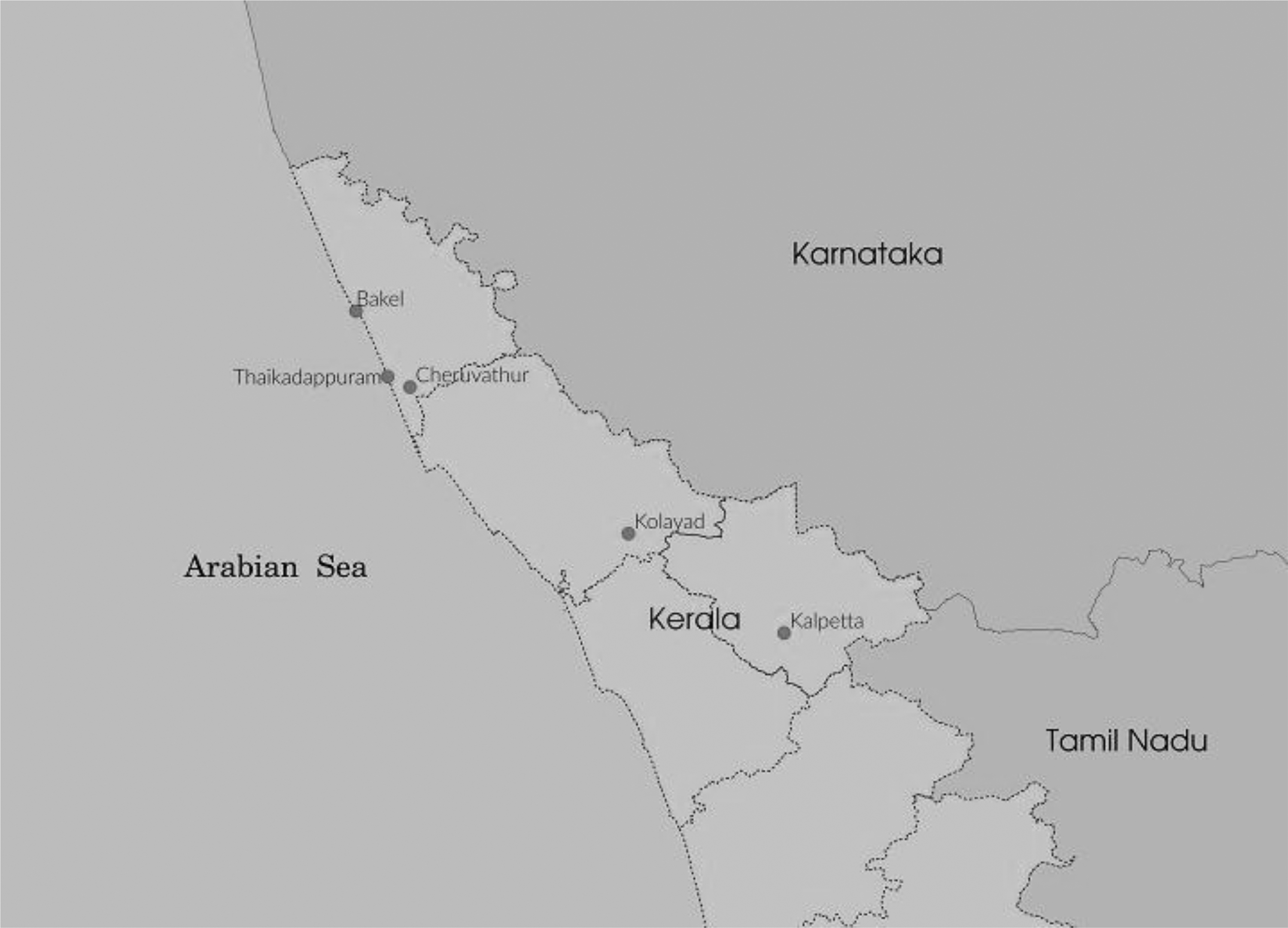
Location map.
Twinning of Astronomy and Tourism
Astronomy can be linked to tourism possibilities in an alternative tourism perspective and can be twinned together to have a “win-win” strategy without much negative impact on nature, health, and life where the necessary resources are pristine nature and astronomical facilities. Globally, half of the people miss the opportunity to view stars due to clouds, light pollution, and therefore, remote places have become potential spots for astrotourism. 18 Increased urbanization and the resulting air pollution mostly clouded the view in major cities; thus, stargazing has become a common phenomenon that is perceived as a selling point for tour operators. 19 Considering the opportunity, many countries such as Balkan countries, the United States, Tanzania, Chile, New Zealand, Spain, South Africa, Kenya, Portugal, Canada, and few specific regions such as Hawaii have already started developing “celestial ecotourism.”20,21
“Astronomy and World Heritage” initiative of UNESCO 5 showed the close relationship between existing cultural tourism sites, landscapes, monuments, and astrotourism. Many countries and regions have identified this sustainable tourism niche's potential to develop rural and backward areas that are otherwise difficult to achieve infrastructural and economic development. The Government of Chile is giving due importance to the eclipses, with promotional campaigns on education, health, tourism, and safety, and attempts to position themselves as a privileged place for stargazing. 22
Viewing the potential of few places which are sufficiently dark for astronomical observations, some national parks in Europe and the United States have now been categorized as “dark sky preserves.” 19 Similarly, the Karoo rural region in South Africa also identified the potential of astrotourism for local community development. 23 Idaho, a northwestern U.S. state, famous for its mountainous landscapes, has been selling the solar eclipse since 2015 with an “almost sold out” status. 19
The literature on the magical experiences has revealed a sensitizing experience of a Chinese astrotourist, hailed from a polluted place, whose tears were rolling down when he viewed the Milky Way for the first time, from the dark Idaho Mountains. 19 African skies remain the most accessible and most prominent astronomy laboratories as the continent's location is under the more transparent night sky. 24 Northern Norway Tourist Board noted that demand for astrotourism has increased since 2013. Meanwhile, deserts in Botswana, Namibia, and Iran are marketed as the best stargazing sites with ample dark spaces. 19 Several astrotourism sites are situated in elevated areas and are free from atmospheric and light pollution.
Sunrises and sunsets near the seas have their most reflection in the water, and they make outstanding features of colors that can attract nature photographers and tourists. 8 To observe the night sky and view fainter celestial objects, urban people, particularly from the developed countries, travel long distances. Cultural heritage and cultural landscapes related to the sky (astronomical heritage) are indispensable resources for astrotourism and archaeoastrotourism. 14
Probably, astrotourism can bring tourists and tourism activities close to pristine nature.9,13 It can complement the day's traditional tourist activities by having a complementing natural extension into the nighttime. 25 A beautiful sky with stars, sunset and sunrise, visible constellations, and unique calm moments under the sky and near the sea will give tourists a unique experience. 26 Science motivated travelers to consume regular touristic infrastructure such as resorts, hotels, and catering establishments; transportation modes; and the latest audiovisual technology for related events such as seminars and experiments (Fig. 2). 27

Observation of solar eclipse in the study area.
Compatibility for Rural Development
For astrotourism, the unique attraction, perhaps, the sky is always available. 8 It can be a “niche offering” 28 through rural tourism, where agriculture and traditional practices can also be showcased. 29 This specific niche includes special activities different from mass tourism and forms an essential aspect of experiential tourism, offering knowledge-rich involvements. 9 Developed tourism infrastructure is one of the by-products of astrotourism development, which will be an asset for any rural area. Besides, enhanced networks of stakeholders, capacity development training for tour guiding and/escorting, better connectivity, production of arts and crafts, and marketing are the possible impacts. 24
Like any other business, astrotourism derives the possibility of private entrepreneurs who can offer the basic components of tourism, such as accommodation, transportation, and package tours. Opportunities for increased collaborations among tourism stakeholders, local populations, and scientific organizations also arise. 9
It is considered a viable option for tourism promotion in rural areas, which are known for their lower pollution level and beautiful landscape and can act as a tool to revitalize the economy. 23 It can provide immense opportunities to economically and socially empower remote and marginalized communities by creating new arenas of livelihoods and diversified income trajectories. Community-centered astrostays open up arenas for local economy revival, livelihood creation, and empowerment while business opportunities arise in supplementary accommodations such as homestays and tents, and showcasing of arts and crafts.
Kanianska et al. 30 narrated that astrotourism is a modern eco-tourism niche. Based on the previous studies, this study defines astrotourism as sustainable nature-friendly tourism that leverages the unpolluted night skies from suitable places on earth, enjoying celestial phenomena and gathering scientific knowledge about astronomical and environmental activities. This particular niche can balance a destination in terms of its economic and environmental sustainability, and it does not require huge investment to develop and maintain the astrotourism resources where nature itself will allow experiential tourism. Visitors are interested in the natural environment and experiences that offer flexibility.31,32
Kerala: A Potential Hot Spot of Astrotourism
Kerala can be identified as a tourism route that can bring various activities and attractions together, under a single theme to be marketed as a collective tourism brand. 28 The geographical location, light-pollution free skies, the globally acclaimed tourism brand, and the variety of tourist attractions allow astrotourism attractions within the existing tourism setup. The best time to sky-watch is the new moon day with a cloudless sky.
Kerala's geographical location, near the equator, guarantees a premium star view that can be witnessed in one night. Kerala also has rural but developed locations that are not affected by light pollution, allowing people to experience night skies' complete glory.
The state also has vibrant amateur astronomy communities that conduct regular camps for enthusiasts and educate the public. 33 Kerala also has science parks and planetariums in Thiruvananthapuram, Kozhikode, and Kochi. Many schools, organizations, and local government bodies also encourage scientific activities such as nature camps and sky-watch camps. With readily available optical telescopes, binoculars, and peripherals at extremely economical prices, combined with training of astrotour guides supported by available expertise, Kerala can quickly and sustainably exploit the benefits of this novel, rapidly growing brand of tourism without undue waste of time and resources (Fig. 3). 25
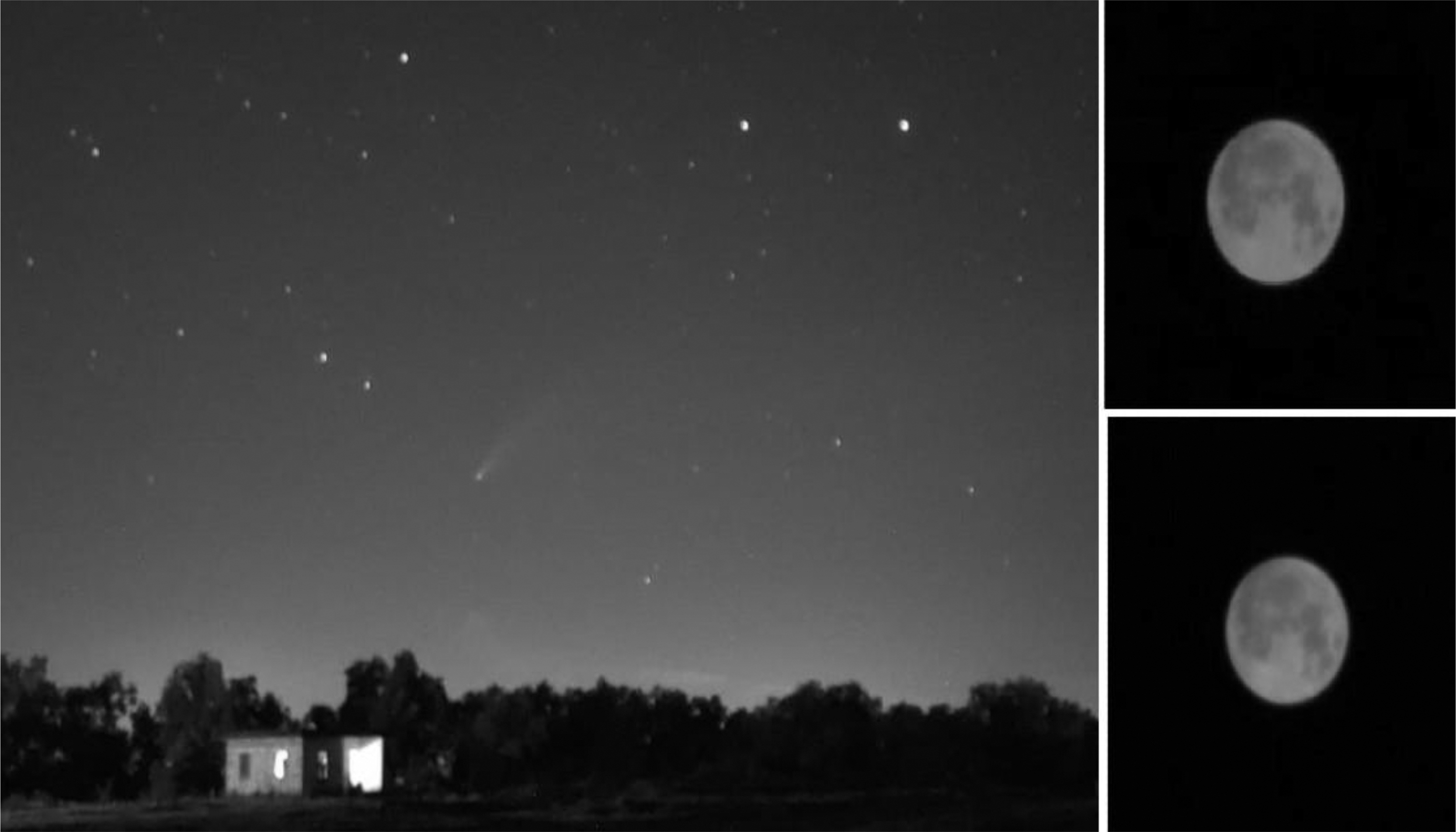
Night sky at the study area.
The sustained success of astrotourism in any region depends on how the destination can fulfill its visitors' expectations. Understanding visitor's expectations is crucial while promoting special interest tourism such as astrotourism; therefore, destinations can plan, implement, develop, and improve specific products and services in the right destinations. 8 There are many studies that discuss nature and its possibility of tourism. But the literature is scanty on the assessment of a specific destination to develop tourism, particularly in terms of destination attributes. Most of the studies are conducted in the western and African contexts.
The current study aims to assess the perceived importance and perceived performance of destination-related attributes using importance–performance analysis (IPA). IPA is a powerful strategic tool that helps organizations to effectively allocate resources and setting priorities.34,35 The study is significant as there is a paradigm shift in tourism trends in the post-COVID-19 scenario where outbound travel is replaced by domestic, local, and rural tourism. The situation demands more and more special tourism niches as it is less exploitive and small scale leaving less impact on the environment and health. In this context, an exploratory study on the possibility of this niche tourism development is significant particularly when it focuses on community interactions and the consequent economic development.
Methodology
The study explored tourist perceptions and their real-time experiences at the time and spots of the solar eclipse on December 26, 2019, along with their satisfaction levels. The researchers have adopted quantitative research approach to measure the constructs under the study. The participant data were collected by using a self-completion survey questionnaire. Each respondent in the study was briefed about the study, and informed consent was obtained from the respondents. The visitor sample included 145 tourists (inbound and domestic) who witnessed the solar eclipse 2019 at places such as Cheruvathur, Thaikadappuram, Kolayad, Kalpetta, and Bekal in the districts of Kasaragod, Kannur, and Wayanad, where the solar eclipse was first visible in India with clarity.
The study's uniqueness is that the samples were collected from the event spot at the time of the solar eclipse (within 2 h after the solar eclipse). Hence, it received a more reliable and valid response. The participants included specific astrotourists (active researchers who search for the locations of the astronomical events) and serendipitous astrotourists (who just happened to be at the astrotourism destination at the time of solar eclipse).
The questionnaire had 3 parts. The first part included items to gather information on sociodemographic variables. The second part measured the visitors' satisfaction level, and the third part measured the visitors' perception and importance to various items under 5 constructs in a 5-point Likert scale. The Likert scale is used for measuring the perception of tourists by rating the degree to which they agree or disagree with a statement. In the third part, 21 items on different dimensions of a potential astrotourism destination on the Likert scale express their perception and experience related to the various constructs in the 5-point Likert scale. Through the review of the literature, the researchers of the study have developed 7 destination resources-based constructs to investigate the differences in the expected and perceived level of destination resources.
Measures and Constructs
Through the literature review, the researchers of the study developed a scale that best describes the astrotourism destination attributes to investigate the difference in the expected and perceived level of destination resources. Tourism factors (both natural and human-made or symbiotic) will make a tourist feel good about visiting an area. Sustainable tourism routes necessitate strong linkages between tourism products and services, particularly in rural areas. 23 Destination competitiveness, mainly, natural resources, and the prospect to form sustainable consumption areas within these natural settings are the significant determinants.36–38
Physical integrity is also viewed as a generic indicator of any destination38,39 where the serenity, calmness, traffic system, and hygienic environment directly impact tourist experience.38–40 It is already established that touristic infrastructure is an essential determinant in the decision-making process. 41 Services, especially at the destination, are critical to making the tourists at ease, especially in a faraway and different cultural setting. Provision of ethnic food, accommodation, necessary infrastructural facilities such as better roads, air connectivity to the home country, safety, and security are often considered essential destination factors.38–40,42
Astrotourists expect to have an aesthetic experience, enthralled by a complete scene of integrated skyscrapers and landscapes, where they can observe celestial bodies and their own experience. 13 Astrotourists demand high knowledge content and outstanding quality and therefore necessitate a professional management approach. 9 Many researchers38,43,44 found that the experience predicts overall satisfaction. The experience depends on infrastructure, accessibility, cultural aspects, cuisine, and tourist amenities.38,45
In a new product development plan, the target market needs to be identified for establishing the profile of the potential visitors and their associated expectation and experience (satisfaction) levels. 46 IPA was employed to assess the experience and the importance and satisfaction levels to achieve this objective. It will give an overview of the demand and supply of the destination attributes. The IPA used the average score of items for both importance and performance variables and created a 2-dimensional grid (Fig. 4) to identify the area's strength and weakness as an astrotourism destination. It could also identify the prospects for improvement that will lead to strategic planning. 47
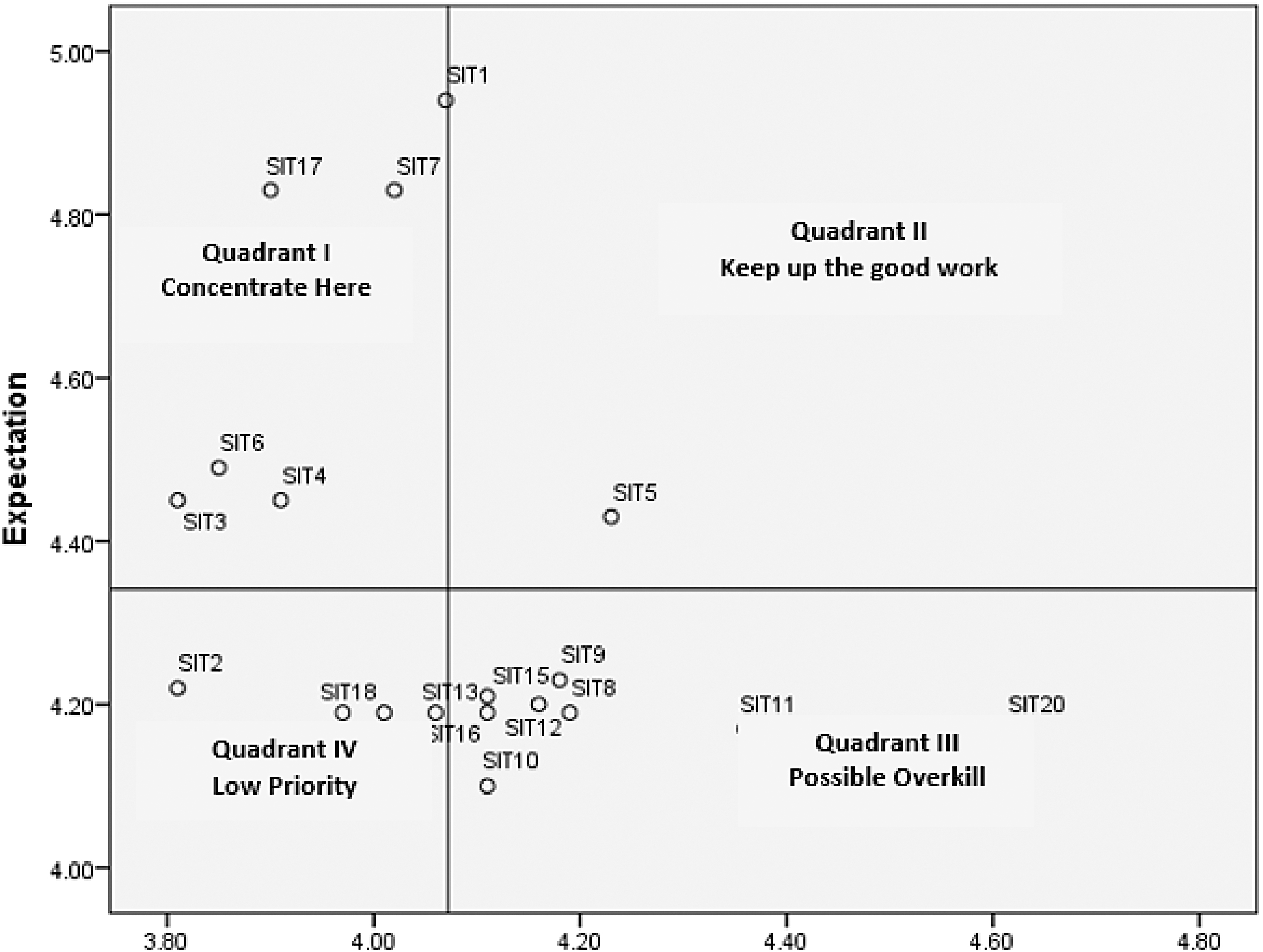
IPA grid. IPA, importance–performance analysis.
The results drawn from the grid are evaluated according to strong points (keep up the good work) and flaws (concentrate here). The resulting matrix with the 4 quadrants helps to formulate plans and programs to develop the destination while giving due importance to reduce the negative gap scores between importance and performance levels.
Results
Demographic Profile of the Respondents
The demographic profile, travel characteristics, choice of accommodation, source of information on the event, travel group composition, and travel motivation are collected through a structured questionnaire. The number of respondents in the survey was 145. The demographic profile and the travel characteristics of 145 respondents are presented in Table 1. The majority of the respondents were males. Eighty-two percent of respondents were aged 21–50 years. About 76% of the respondents were domestic travelers. In terms of occupation, students, researchers, journalists, and professors constitute about 41%. Sixty-eight percent of the respondents were graduates. Most of the respondents visited Kerala more than twice.
Sociodemographic Profile and Travel Characteristics of the Respondents
The highest frequency of length of stay among respondents was 2 to 3 days, followed by 4 to 5 days. Social media and personal word of mouth were important sources of information for the respondents in the study. In terms of travel group composition, most of the respondents visited along with their family members and with students. More than half of the respondents opted for hotels as a choice of accommodation, followed by resorts and guest houses. In terms of travel motivation, more than 60% of respondents visited the destination for astronomical research and education. About 53% of the respondents observed the eclipse along with a small group of people with similar interests. More than 60% of the respondents liked staying for a few more days in Kerala.
Expectation and Perception on Destination Attributes
Various destination-related attributes that make a destination more attractive to astrotourism are identified by reviewing the literature. Both expectation and perception scores on destination attributes were collected from the respondents using a 5-point Likert scale, where “1” stands for “Not at all important/Very bad” and “5” stands for “Highly important/Very good.” The mean value of both expected and perceived destination attributes is presented in Table 2.
Mean Value of Both Expected and Perceived Destination Attributes
The result in Table 2 indicates that except for 4 destination attributes, the perceived score on various destination-related attributes are lower than the importance value. The mean importance score higher than 4 indicates that visitors to this celestial event prioritized all the attributes. The highest essential destination attributes are quality of the night sky, followed by the area's calmness, experts' professionalism in scientific explanations of the event, and professionalism in managing the event. In terms of perceived destination attributes, the natural environment's attractiveness at the destination, safety and comfort of the place, and the experts' knowledge dissemination capacities are perceived high.
However, only 13 destination attributes of 20 have a mean value of more than 4. The score and the negative gap between the expected and perceived destination attributes indicate that destination managers need to improve multiple aspects to develop the study area to be a prominent astrotourism destination. The overall average satisfaction score of 3.8 with a standard deviation of 0.9 indicates that visitors have moderate satisfaction with their experience at the destination.
IPA Grid
The mean score of importance and performance of destination attributes is plotted in the IPA grid. Based on the mean score, the axes were drawn on the grid. As shown in Figure 4, the grid is divided into 4 quadrants.
Attributes in the Quadrant 1 denote the high priority area where destination marketers need to concentrate more to enhance visitors' experience. A total of 6 attributes are perceived as highly important by the visitors, but the destination failed to fulfill the expectations. Other than the quality night sky, scientific facilities for watching the eclipse, scientific knowledge of the experts, professionalism in managing the event, accommodation facilities, and the presence of scientific experts who can explain the celestial event are the crucial areas that need more attention from the destination managers.
In Quadrant II, the experts' knowledge dissemination capacities need to be continued; it is the attribute most expected and well perceived by the visitors to the event. In Quadrant III, there are 8 attributes where the destination can exceed the expectation of the visitors. Destination managers must reduce their effort and allocation of resources. There are 5 attributes in Quadrant IV. The destination managers may give low priority to improvement and resource allocation as both expectation and perceived values are low compared with other destination attributes.
Discussion
The present study aimed to investigate tourists' overall perceptions and importance of astrotourism during solar eclipse 2019 and thereby bring out the possibility of developing astrotourism in Kerala. Astrotourism resources during the solar eclipse event were perceived above average, yet leaving a negative gap. Astrotourism resources in terms of the locations with best “seeing” as well as “transparency” 14 offer the advantage of unpolluted diaphanous night skies, service, and product/service offerings.
The study shows that effective organization of the entire astro event with scientific explanations, professionalism, and knowledge dissemination through scientific experts at the astrotourism site is highly significant. The occurrence of eclipses is short happenings, lasting only for a few moments, necessitates travel and accommodation arrangements for the visitors. Arrangement of accommodation units to the optimum number of visitors and equipment for astrotourism activity is vital to stimulate destination attractiveness.
Tourists can be invited to experience the dark skies in national parks and enjoy the night skies' mysteries in a relaxed atmosphere after an arduous daytime nature excursion. Moreover, when adopting a supply viewpoint, the leading resource for astrotourism is high-quality night skies, which always rely on conditions of the atmosphere, light pollution, and weather, which are not controllable. 9 The study shows that the study area has ample scope for developing astrotourism destination as it has attractiveness, connectivity, esthetic design, and beauty.
Professionalism is essential for astrotourists; however, a gap was noted in the study. Here, it is to be noted that astrotourism can attract tourists, media, academicians, and researchers who otherwise may not visit a specific place, which confirms the finding of Getz and Page. 48 It requires professional integration, including progressive destination management strategies and proper governance systems. 9 The study findings show that aesthetic experience is essential and perceived high. It shows that the destination factors are also perceived as good, and the gap is less except for the condition of roads.
This result validates the finding of Getz and Page 48 that astrotourism endorses tourism system model, where attractions, accommodation, amenities, transportation, and other various ancillary services have been consumed or explicitly developed to enrich the offer of the destination, impacting the overall destination development beyond a narrow emphasis on generic tourism.
The physical integrity gap is also high, significantly the score for “calmness of the area.” This may be due to the destination's overcrowding to witness the event, which was widely marketed and promoted through the visual, print, and social media as a destination where the 2019 solar eclipse is first visible in India. The results show that the natural environment is beautiful and perceived higher than the importance score, even though the tourism possibility is perceived low. The overall gap is high, indicating that the destination has to improve to attain a remarkable achievement in astrotourism.
The destination factors may not be the push factors for a potential astrotourism destination, but its absence may disappoint them. It can be explained by the Herzberg 2-factor theory of motivation, 49 which states that satisfaction and dissatisfaction are produced by various factors where specific predictors may not create satisfaction, whereas the absence of these predictors may dissatisfy them. The study findings confirm Herzberg's theory that destination factors and physical integrity impact an astrotourism destination's quality, even though these factors alone will not be enough to attract astrotourists.
The motivation for attending an event is highly intrinsic. It is associated with the escaping theory. 50 The escapist nature pushes people to attend events and natural occurrences for generic outcomes, such as change, learning, entertainment, socializing, and doing something innovative. The pull factors may be the specific motivations connected with the event as in the case of professionals who attend specific conferences, workshops due to their educational contents and job requirements, or the possibilities for networking. 51
Despite having good scores for all the destination attributes, the results show that a potential astrotourism destination that is professionally managed will have a sustainable advantage. If destination factors can complement the unique tourism niche, an astro-destination can be developed. This finding is consistent with the previous sustainable model developed for Kerala's medical tourism niche. 38 The finding also validates the finding of Trauer 52 that mostly astrotourists combine intrinsic (leisure) and extrinsic motivations (career-related advancements or in the pursuit of offered rewards).
Astrotourism needs balanced facilities belonging to generic benefits such as leisure and specific benefits such as learning and research, and therefore, touristic and scientific facilities such as observatories are indispensable. For astrotourism, a portfolio approach is required, including strategic plans comprising various interrelated activities and events in the host community through collaboration to achieve the maximum benefit.
Destinations must predecide the benefits and methods of measurement of their assets' value on a short-term and long-term basis. 48 There is a greater possibility for astrotourism as a “hallmark tourist event” that can exist only with the host community's support. 53 A holistic understanding of the needs, attitudes, motivations, and expectations of the potential visitor's experiences is a prerequisite while developing and promoting astrotourism. 48 The sustained success of the astrotourism in any region depends on how the destination can fulfill the visitors' expectations; therefore, destinations have to plan, implement, develop, and improve specific products and services in the right destinations 8 with special emphasis on experiential astrotourism.
Astrotourism keeps people closer to science, innovation, nature, and knowledge in a less exploitative way and can be used as a unique selling proposition in boosting the visitor numbers, ultimately resulting in the destination's marketing beyond the seasonal limitations. 48 It can create a destination loveable and more attractive, create employment opportunities in the local communities with an enhanced capacity building, 48 and provide avenues for stakeholder collaborations and scientific organizations. 9 Escorting services and scientific explanations are integral parts of astrotourism package.
According to Pechlaner et al., 54 destination images and event quality will determine event satisfaction. Success and sustainability demand that communities and stakeholders work together to market regional attractions, small scale and distant from major cities and markets. 55 There should be a framework integrating different aspects such as astrotourism and non-astrotourism attractions, improved tourism value chain, infrastructure development, resource management, branding, and promotion for astrotourism development. 23 Specific tourism policy and proper governance are essentials for the successful takeoff and process of astrotourism. 9
The study provides researchers and policymakers to replicate similar niche tourism products by exploring the strengths, weaknesses, and opportunities. It contributes to the existing literature and recommends conducting more academic studies to identify the possibility of astrotourism in a pro-poor tourism approach and its impacts on rural development. The study has its limitations. The study was cross-sectional and exploratory, were collected in 2 h of the solar eclipse 2019, making the sample size small from a statistical viewpoint.
Despite the limitations, the study offers significant insight on the importance of destination attributes, which is essential for an astrotourism destination to sustain its advantage. The study explored the possibility of developing Kerala as an astrotourism destination using IPA. The study found that astrotourism development requires an integrated development of the entire region, and it will pave the way for regional and rural development. Since it necessitates less investment, it will be easier to develop a potential spot as an astrotourism destination where nature is blessed with celestial attractions.
The way forward for astrotourism in Kerala and India is promising. It can also co-brand astrotourism in its cap if a deliberate planning and development plan is adopted, particularly in the post-COVID-19 scenario. The evidence of tourism arrivals to local and regional tourism destinations in the post-COVID-19 scenario shows that there is ample scope for diversified tourism products such as astrotourism, particularly in the northern districts of Kerala where the study has been conducted, which is free from pollution due to the absence of metropolitan cities and large open space available.
Footnotes
Author Disclosure Statement
No competing financial interests exist.
Funding Information
This research received no specific grant from any funding agency in the public, commercial, or not-for-profit sectors.