




Abstract

To the Editor:
Viable C. difficile spores are found commonly in healthcare facilities on humans and inanimate objects, and in the air. One study found viable C. difficile spores on the hands of 20 of 34 (59%) hospital personnel [3]. Several studies have reported the finding of viable C. difficile spores in from 34%–58% of samples of surfaces including floors, beds, sinks, tables, and light switches in the rooms of patients with C. difficile infections despite room cleaning before the sampling [4,5]. Another study collected high airborne levels of viable C. difficile spores in 23 of 31 (74%) samples from two hospital wards [6]. In a further study, viable spores of C. difficile were found on 33% (34/102) of toilets in rooms that housed patients with C. difficile infections after a thorough toilet cleaning [7]. Clostridium difficile produce long-lived spores that can remain viable for up to 5 mos on dry hospital surfaces [8]. We report the case of a woman who developed C. difficile infection of a prosthetic left knee that required above-knee amputation.
A 61-year-old Caucasian woman had for many years experienced mild hypothyroidism, asthma, and depression. She had no serious health problems, with no history of diabetes, hypertension, or immune deficiency, and had no history of smoking, alcohol, or illicit drug use. At age 56 she had injured her left knee after falling from a ladder. She had pain and stiffness in the knee for 1 yr after this, which was treated with analgesics and physical therapy. At age 57 the patient underwent arthroscopic surgery to remove a ruptured Baker cyst in her left knee and later had further arthroscopic surgery to remove a torn left lateral meniscus.
At age 58 the patient underwent a total left-knee arthroplasty, after which she experienced continued discomfort in her left knee and noted it to be warm, painful, and swollen, making it difficult for her to bear weight. At 25 mos after her knee replacement she underwent arthroscopic surgery to remove a large amount of scar tissue from the treated knee. Cultures done at the time revealed Pseudomonas infection, which was treated with intravenous (IV) ceftriaxone and oral ciprofloxacin. At 26 mos after receiving her prosthetic knee it was removed and her left leg was put in an immobilizer for 7 mos.
A second artificial knee was placed at 33 mos, but the patient's knee remained swollen and tender. The second artificial knee was removed 5 wks after being implanted, an antibiotic spacer was installed, and the knee was immobilized with cement blocks and artificial rods. Figure 1 is a photograph of the patient's left knee taken shortly before removal of the second artificial knee.
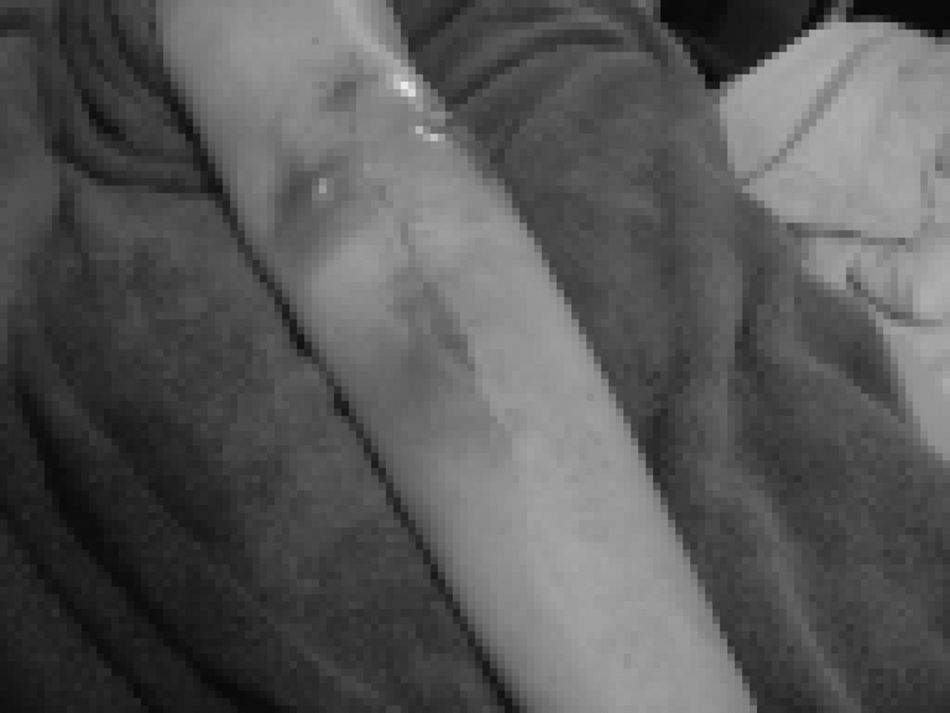
Left knee just prior to removal of second artificial knee.
During removal of the patient's second artificial knee, samples of tissue and fluid aspirate from the patient's left knee and femur were collected for microbial culture and analysis by polymerase chain reaction (PCR). Two cultures from the femur grew sparse colonies of C. difficile on Port-A-Cul (PAC) anaerobic medium (Becton Dickinson, Franklin Lakes, NJ), but no tests of these isolates' antibiotic sensitivity were done because of the organism's sparse growth, and no other organisms were cultured from these specimens. However, in a PCR assay (Roche Molecular Diagnostics, Pleasanton, CA) done at the Mayo Clinic in Rochester, MN, tissue samples of the knee and femur tested positively for the tcdC gene of C. difficile, as described by Sloan et al. [9], which is believed to be a regulator of production of the organism's A and B toxins.
Following the removal of her second artificial knee, the patient was treated with IV piperacillin-tazobactam for 4 wks and then for 3 wks with metronidazole. However, she experienced worsening pain, stiffness, and erythema in her left leg. Three weeks after removal of the second prosthetic knee she developed sepsis with frequent fever (to about 101 oF) and associated lightheadedness and nausea, accompanied by altered mental status.
At 36 mos after her first knee replacement the patient had an above-knee amputation of her left leg with placement of a vacuum pump in the wound. She recovered uneventfully from the operation and her mental status, fever, and nausea gradually resolved. However, she continued to have pain in the amputation stump at 31 months after amputation. The patient did not experience diarrhea during her treatment, and no stool samples were collected from her for the detection of C. difficile.
The case of this patient exemplifies the ability of C. difficile to infect organs other than the colon in immunocompetent individuals. The patient was given several courses of antibiotics, including piperacllin-tazobactum and clindamycin. She had no history of diarrhea or other digestive symptoms and had normal white blood cell counts and normal liver and kidney function. It is uncertain whether or not she acquired the C. difficile infection of her knee during her surgical procedures or through hematogenous spread from an asymptomatic colon. At least 17 cases of C. difficile bacteremia have been reported in the literature [10, 11], most of them involving intestinal obstruction, perforation, or colonic surgery.
However, there is a paucity of data about the efficacy of systemic antibiotics in treating extracolonic C. difficile infections and about antibiotic penetration and efficacy in and around prosthetic joints. It is not clear whether the antibiotics used to treat colonic infections with C. difficile, such as metronidazole and vancomycin, are effective for extra colonic infections, and the treatment of a C. difficile infection of an artificial knee may be particularly problematic.
Preventing the acquisition of C. difficile requires surveillance, precautions in contacts, hand hygiene, cohorting, and cleaning of the hospital environment. Various studies have reported significantly lower rates of hospital-acquired C. difficile with the use of vinyl gloves [12] and frequent hand washing with soap and water [13]. A study on a bone marrow transplant ward reported significantly lower rates of C. difficile-induced diarrhea in rooms cleaned with 10% bleach than in those cleaned with quaternary ammonium detergents [14].
Clostridium difficile is a common nosocomial pathogen with serious effects. Clinicians must be on the alert for both colonic and extracolonic infections with C. difficile and provide prompt evaluation and antibiotic treatment when they occur. Proper precautions and cleaning of hospital surfaces is needed to reduce the nosocomial acquisition of C. difficile with the goal of preventing both colonic and extracolonic infections with this common and dangerous pathogen.