




Abstract
Background:
At a tertiary referral and Level I trauma center, current institutional guidelines suggest initial aminoglycoside doses of gentamicin or tobramycin 4 mg/kg and amikacin 16 mg/kg for patients admitted to surgical intensive care units (SICUs) with suspected gram-negative infection. The objective of this study was to evaluate initial aminoglycoside dosing and peak serum drug concentrations in critically ill surgery patients to characterize the aminoglycoside volume of distribution (Vd) and determine an optimal standardized dosing strategy.
Methods:
This retrospective, observational, single-center study included adult SICU patients who received an aminoglycoside for additional gram-negative coverage. Descriptive statistics were used to evaluate the patient population, aminoglycoside dosing, and Vd. Multivariable linear regression was applied to determine variables associated with greater aminoglycoside Vd. The mortality rate was compared in patients who achieved adequate initial peak concentrations versus those who did not.
Results:
One hundred seventeen patients received an aminoglycoside in the SICUs, of whom 58 had an appropriately timed peak concentration measurement. The mean Acute Physiology, Age, and Chronic Health Evaluation (APACHE) II score was 27.8 ± 8.9. The Vd in patients receiving gentamicin, tobramycin, and amikacin was 0.49 ± 0.10, 0.41 ± 0.09, and 0.53 ± 0.13 L/kg, respectively. Together, the mean aminoglycoside Vd was 0.50 ± 0.12 L/kg. Gentamicin or tobramycin 5 mg/kg achieved goal peak concentrations in 24 patients (63.2%), and amikacin 20 mg/kg achieved the desired concentrations in nine patients (50.0%). Net fluid status, Body Mass Index, and vasopressor use were not predictive of Vd. There was no difference in the in-hospital mortality rate in patients who achieved adequate peak concentrations versus those who did not (26.8% versus 26.7%; p = 0.99).
Conclusion:
High aminoglycoside doses are needed in critically ill surgery patients to achieve adequate initial peak concentrations because of the high Vd. Goal peak concentrations were optimized at doses of gentamicin or tobramycin 5 mg/kg, and amikacin 20 mg/kg.
Aminoglycosides often are used in combination with other antimicrobial agents as empiric therapy for serious gram-negative infections, including when multi-drug–resistant organisms are suspected. Aminoglycosides exhibit concentration-dependent activity, with higher peak concentrations resulting in greater bactericidal effect. A ratio of free peak drug concentration to minimum inhibitory concentration (MIC) ≥10 is associated with a better clinical response to aminoglycoside therapy [1,2]. Utilizing a traditional dosing strategy for gram-negative infection to meet this pharmacodynamic target and optimize the peak to MIC, the recommended goal peak concentrations are 10 mg/L for gentamicin or tobramycin and 40 mg/L for amikacin.
Aminoglycoside doses needed to achieve initial goal peak concentrations are based on the volume of distribution (Vd) of the drug. In the general population, aminoglycoside Vd has been demonstrated to be 0.25 L/kg; however, the Vd can be significantly higher in critically ill and surgery patients [3–5]. In these patients, the Vd is increased because of factors such as large-volume fluid resuscitation, infusion of blood products, third spacing, vasopressor use, surgery, and positive-pressure ventilation [6,7]. Additionally, the increasing incidence of obesity contributes to a larger absolute Vd in the overall population [8]. This increase in Vd in critically ill patients can lead to suboptimal aminoglycoside concentrations if not accounted for when dosing, resulting in potential treatment failure and antimicrobial resistance [9,10]. Therefore, individualized pharmacokinetic dosing of aminoglycosides is necessary for good outcomes in critically ill patients [11].
Based on previous research at our institution, a traditional dosing strategy is used for patients in the surgical intensive care units (SICUs) who receive an aminoglycoside, as opposed to extended-interval dosing, to minimize the risk of toxicity in patients with poor renal function. Institutional guidelines recommend an initial one-time dose of gentamicin or tobramycin of 4 mg/kg or of amikacin of 16 mg/kg. Recommended therapeutic drug monitoring includes a peak concentration sample drawn one hour after the infusion is complete and an eight-hour concentration to enable calculation of patient-specific pharmacokinetic parameters to determine subsequent dosing. Despite these recommendations, clinicians in the SICUs utilize a variety of dosing strategies in part because of concerns about particularly high Vds in this population. The purpose of this study was to evaluate initial aminoglycoside dosing and peak concentrations in critically ill surgery patients in order to characterize the aminoglycoside Vd in this population and determine an optimal initial standardized dosing strategy.
Patients and Methods
Study design
This was a retrospective, observational, single-center study performed in a tertiary referral, Level I trauma and transplant center. Demographic and medical information related to drug indication (i.e., treatment or prophylaxis), drugs administered, drug concentrations, patient location, actual body weight, Body Mass Index (BMI), primary surgical service, Acute Physiology, Age, and Chronic Health Evaluation (APACHE II) score, and in-hospital mortality was reviewed. Patients were included if they received an initial dose of gentamicin, tobramycin, or amikacin in a SICU from August 2016 to September 2018 and if they had a sample drawn for an initial peak aminoglycoside concentration measurement 30 to 90 minutes after the end of the infusion. Subsequent aminoglycoside courses were excluded. The study was approved by The Johns Hopkins Medicine Institutional Review Board (IRB).
Study outcomes
The primary outcomes were the median aminoglycoside Vd and the weight-based dose needed to achieve initial goal peak concentrations. Volume of distribution was calculated using the following equation:

Actual body weight was used if the BMI was <30 kg/m2. Adjusted body weight was used if the BMI ≥30 kg/m2 under the following equations:



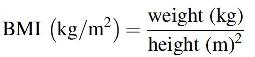
To determine the weight-based dose needed to achieve goal peak concentrations, each patient's aminoglycoside Vd was used to calculate an expected initial peak concentration according to the following equation:

A range of weight-based doses (3 to 6 mg/kg for gentamicin and tobramycin and 12 to 24 mg/kg for amikacin) was evaluated to determine an optimal initial aminoglycoside dosing strategy. Factors considered for each strategy included the lowest, median, and highest expected peak concentrations, as well as the number of patients below, within, and above goal peak ranges. For this evaluation, goal peak concentrations were 8 to 12 mg/L for gentamicin or tobramycin and 32 to 48 mg/L for amikacin. These ranges accounted for 20% variance on either side of the goal peak concentrations of 10 and 40 mg/L, respectively.
Patient characteristics associated with differences in aminoglycoside Vd were evaluated. The in-hospital mortality rate was compared in patients who achieved adequate initial peak drug concentrations (at least 8 mg/L for gentamicin or tobramycin and at least 32 mg/L for amikacin) versus those who did not.
Statistical analysis
Descriptive statistics were used to evaluate the patient population, aminoglycoside dosing, and primary outcome of Vd. Comparisons for the secondary outcomes were evaluated by χ2 and Wilcoxon rank sum tests for categorical and continuous data, respectively. An alpha level of 0.05 was used for all statistical comparisons. Multivariable linear regression was used to determine variables associated with increased aminoglycoside Vd. A multivariable logistic regression was planned to determine variables associated with in-hospital mortality. Analyses were performed using STATA Statistical Software version 15 (Stata Corp LP, College Station, TX).
Results
Patient characteristics
One hundred seventeen patients were screened. Forty-three did not have an initial peak concentration measurement, of whom 21 patients (48.8%) were receiving the aminoglycoside for prophylaxis and did not require an initial peak concentration sample. Of the 96 patients who required an initial peak concentration value, 74 (77.1%) had this concentration measured, and 58 (60.4%) had this concentration measured at the appropriate time of 30–90 minutes after the end of the aminoglycoside infusion.
Of the 58 patients who had an appropriately timed initial peak concentration measurement, nine (15.5%) had a calculated creatinine clearance (CrCl) >100 mL/min based on the Cockcroft-Gault equation at the time of aminoglycoside administration. For these patients, true peak concentrations (Cp(0)) were calculated on the basis of the patient-specific elimination rate constant using two aminoglycoside concentrations. Two patients were excluded, as they did not have a second concentration measured, and an elimination rate constant could not be calculated. This led to 56 patients being included in the final analysis.
Patient characteristics are outlined in Table 1. Gentamicin was the most commonly administered aminoglycoside. One-third of patients (n = 21; 37.5%) had a BMI ≥30 kg/m2. Half of the patients were receiving continuous renal replacement therapy, and three (5.4%) were receiving intermittent hemodialysis. The mean APACHE II score was 27.8 ± 8.9. Most patients (71.4%) were receiving vasopressors at the time of aminoglycoside administration. The most common surgical service was abdominal organ transplant followed by acute care surgery.
Patient Characteristics (n = 56)
Using Cockcroft-Gault equation with most recent serum creatinine concentration prior to aminoglycoside administration; excluding patients on continuous renal replacement therapy.
APACHE II = Acute Physiologic Assessment and Chronic Health Evaluation; CrCl = creatinine clearance; IQR = interquartile range; SD = standard deviation.
Vd and optimal dosing
The mean aminoglycoside Vd was 0.50 ± 0.12 L/kg (Table 2). When analyzed separately, the Vd of gentamicin, tobramycin, and amikacin were each within one standard deviation of this value. Volume of distribution was not predicted by BMI, net fluid status, or vasopressor use (Table 3).
Aminoglycoside Volume of Distribution
SD = standard deviation; Vd = volume of distribution.
Multivariable Linear Regression for Factors Affecting Volume of Distribution, R2 = 0.1306
On the day prior to aminoglycoside administration, in L.
CI = confidence interval.
At a weight-based dose of gentamicin or tobramycin 4 mg/kg, 20 patients (52.6%) had expected initial peak concentrations within the goal range (Table 4). The median expected peak concentration with this dose was 8.3 (interquartile range [IQR] 7.0–9.9) mg/L. Fifteen patients (39.5%) had expected peak concentrations below the goal range, with the lowest expected peak concentration of 6.1 mg/L. Three patients (7.9%) had expected peak concentrations above the goal range, with the highest value of 15.7 mg/L.
Weight-Based Initial Dosing: Gentamicin and Tobramycin (n = 38)
Actual body weight was used if Body Mass Index (BMI) was <30 kg/m2. Adjusted body weight was used if BMI was ≥30 kg/m2.
IQR = interquartile range.
At a weight-based dose of gentamicin or tobramycin 5 mg/kg, 24 patients (63.2%) had expected initial peak concentrations within the goal range. The median expected peak concentration with this dose was 10.4 (IQR 8.7–12.3) mg/L. Three patients (7.9%) had expected peak concentrations below the goal range, with the lowest value being 7.7 mg/L. Eleven patients (28.9%) had expected peak concentrations above the goal range, with the highest value being 19.6 mg/L.
At a weight-based dose of amikacin 16 mg/kg, seven patients (38.9%) had expected initial peak concentrations within the goal range (Table 5). The median expected peak concentration with this dose was 29.4 (IQR 24.8–36.2) mg/L. Ten patients (55.6%) had expected peak concentrations below the goal range, with the lowest value being 21.1 mg/L. Seven patients (38.9%) had expected peak concentrations above the goal range, with the highest value being 63.2 mg/L.
Weight-Based Initial Dosing: Amikacin (n = 18)
Actual body weight was used if body mass index (BMI) was <30 kg/m2. Adjusted body weight was used if BMI was ≥30 kg/m2.
IQR = interquartile range.
At a weight-based dose of amikacin 20 mg/kg, nine patients (50.0%) had expected initial peak concentrations within the goal range. The median expected peak concentration with this dose was 36.7 (IQR 31.0–45.3) mg/L. Five patients (27.8%) had expected peak concentrations below the goal range, with the lowest value being 26.4 mg/L. Four patients (22.2%) had expected peak concentrations above the goal range, with the highest value being 79.0 mg/L.
Clinical outcomes
There was no difference in the in-hospital mortality rate in patients who achieved adequate peak concentrations of at least 8 mg/L for gentamicin or tobramycin and at least 32 mg/L for amikacin versus those who did not (26.8% versus 26.7%; p = 0.990). In a univariable logistic regression for in-hospital mortality, variables of age, APACHE II score, surgical service, or adequate peak concentrations were not significant (Table 6). Therefore, multivariable analysis was not performed.
Univariable Logistic Regression for Factors Associated with In-Hospital Mortality
Gentamicin and tobramycin: ≥8 mg/L; amikacin: ≥32 mg/L.
APACHE = Acute Physiology, Age, and Chronic Health Evaluation; CI = confidence interval; OR = odds ratio.
Discussion
The mean aminoglycoside Vd in this study of critically ill surgery patients was 0.50 L/kg, which is twice that of the Vd observed in the general population. This Vd also is higher than those observed in other studies of critically ill patients, which ranged from 0.27 to 0.43 L/kg [12]. Several of these studies lack information related to factors associated with an increase in aminoglycoside Vd; therefore, comparisons with this study regarding patient population cannot be made [5,9,13–15].
A goal peak concentration range of 8 to 12 mg/L for gentamicin or tobramycin and 32 to 48 mg/L for amikacin was used to predict optimal initial dosing (see Tables 4 and 5), allowing for 20% variance on either side of the target peak concentrations of 10 and 40 mg/L, respectively. Targeting a peak to MIC ratio of ≥10, initial peak concentrations of 10 mg/L for gentamicin or tobramycin and 40 mg/L for amikacin are common empirically using a traditional dosing strategy before microbiologic data are available [1]. These empiric target peak concentrations are appropriate for organisms with an MIC of ≤1 mg/L for gentamicin or tobramycin and ≤4 mg/L for amikacin. However, organisms with higher MICs require higher peak concentrations, and therefore higher aminoglycoside doses, to meet the desired pharmacodynamic parameter.
At the institution-recommended gentamicin or tobramycin doses of 4 mg/kg, about half of the patients achieved expected initial peak concentrations within the goal range; however, this strategy was limited by the nearly 40% of patients who had expected peak concentrations below goal. Expected initial peak concentrations were optimized at a dose of 5 mg/kg using actual body weight if BMI was <30 kg/m2 and adjusted body weight if BMI was ≥30 kg/m2. Although more patients achieved goal expected peak concentrations with the 5.5 mg/kg dosing strategy, a greater number of patients were above the goal peak range, with the highest expected peak concentrations >20 mg/L. The gentamicin or tobramycin 5 mg/kg dosing strategy balances the number of patients with expected peaks within the goal range with those above and below that range.
For amikacin, the expected initial peak concentrations were optimized at a dose of 20 to 22 mg/kg using actual body weight if BMI was <30 kg/m2 and adjusted body weight if BMI was ≥30 kg/m2. The highest expected peak concentrations for these dosing strategies were well above the upper limit of the goal range at 79.0 and 86.9 mg/L, respectively. Of note, these peak concentrations were calculated for a patient whose Vd was 0.25 L/kg, which was the smallest Vd of the patients included in the study. At institution-recommended doses of 16 mg/kg, more than half of the patients had expected peak concentrations below goal. Additionally, although the 24 mg/kg strategy achieved goal expected peak concentrations as often as did the 20 mg/kg strategy, more than 40% of patients receiving 24 mg/kg had expected peak concentrations above goal. Between the 20 and 22 mg/kg dosing strategies, the 20 mg/kg strategy is better aligned with the overall aminoglycoside Vd of 0.5 L/kg observed in this study and thus may be the better approach for standardization.
A study by Dorman et al. evaluated a gentamicin or tobramycin 3 mg/kg initial dose strategy in SICU patients at our institution [16]. One-hour peak concentrations >8 mg/L were achieved in only 50% of patients, suggesting this dosing strategy is inadequate in critically ill surgery patients. The authors calculated a gentamicin or tobramycin 3.7 mg/kg initial dose would achieve a peak concentration of at least 8 mg/L, and they ultimately suggested a dose of 4 mg/kg.
In that study, the median Vd was 0.29 L/kg, compared with a mean of 0.50 L/kg in this study [16]. The patients in the study published by Dorman et al. were less acutely ill, with a mean APACHE II score of 12 compared with 27.8 in this study. These differences suggest that the characteristics of and pharmacokinetics in patients in whom aminoglycosides are utilized at present is different from those from 20 years ago.
One explanation for the patient differences between these two studies is the development of new antimicrobial drugs. Cefepime, piperacillin-tazobactam, and meropenem, broad-spectrum agents that are used for serious gram-negative infections, were U.S. Food and Drug Administration-approved in the mid-1990s [17]. As use of these agents has increased, the practice of reserving aminoglycosides for patients with multi-drug–resistant organisms, many of whom are more acutely ill, has become more common [18]. Administration of aminoglycosides, particularly to the most critically ill patients, who have high aminoglycoside Vds, necessitates more aggressive dosing of these agents.
Numerous studies have evaluated aminoglycoside dosing in the critically ill using an extended-interval strategy [19–21]. This dosing strategy uses once-daily aminoglycoside administration based on the principles of population Vd and patient-specific clearance in order to maximize concentration-dependent bacterial killing as well as the post-antibiotic effect of aminoglycosides [22]. In the general patient population, doses of 7 mg/kg for gentamicin or tobramycin and 15–25 mg/kg for amikacin are used to target peak concentrations of at least 20 mg/L and 60 mg/L, respectively, although peak concentrations typically are not monitored with this strategy [23,24].
Extended-interval aminoglycoside dosing is not utilized routinely in our SICU patient population given the high incidence of profound renal impairment and greater Vd. In this study, more than 50% of patients were receiving renal replacement therapy. Patient-specific aminoglycoside dosing with monitoring of peak concentrations is preferred in this population because of the potential for excessive drug exposure and the risk of toxicity with extended-interval aminoglycoside dosing [25].
There are several limitations to this study. The retrospective design limits the ability to establish cause-and-effect relations between initial peak aminoglycoside concentrations and clinical outcomes such as mortality. Additionally, the single-center design limits the applicability of these results to SICU patients at other institutions. The design, along with the small sample size, limited the feasibility of identifying predictors of change in Vd. Microbiologic data, adverse effects, or patients at extremes of weight were not evaluated. Lastly, initial peak concentrations were not obtained in nearly 25% of patients. Future efforts at our institution will focus on ensuring obtainment of initial aminoglycoside peak concentrations and standardized initial dosing.
Conclusions
In this study of critically ill surgery patients, the aminoglycoside Vd was twice that of the population norm, illustrating the need for high initial aminoglycoside doses in a high-acuity surgery population. Doses of gentamicin or tobramycin 5 mg/kg and amikacin 20 mg/kg optimized the initial goal peak concentrations.
Footnotes
Acknowledgment
Some of these data were presented at the Eastern States Conference for Pharmacy Residents and Preceptors in Hershey, Pennsylvania, in April 2019. Some of these data were presented as an abstract at the Society of Critical Care Medicine Annual Congress in Orlando, Florida, in February 2020.
Funding Information
No funding was received for this work.
Author Disclosure Statement
There are no conflicts of interest to disclose.