




Abstract

To the Editor:
Mesenteric lymphangioma is a rare malformation of the lymphoid system in children. 1 In this report, we describe a case of mesenteric lymphangioma complicated by infection in a pediatric patient.
A 3-year-old child presented with acute abdominal pain accompanied by vomiting, which consisted of stomach contents. Abdominal computed tomography (CT) revealed a cystic mass measuring approximately 12 × 9 × 5 cm with internal septations (Fig. 1). The child subsequently underwent surgical intervention. During the operation, a multi-locular cyst approximately 12 × 9 × 5 cm in size was identified within the mesentery, and a small amount of white cyst fluid was noted within its capsule. The final pathologic diagnosis confirmed mesenteric lymphangioma (Fig. 2). Escherichia coli was isolated from the culture of the cyst fluid, and the patient recovered well following appropriate treatment with cephalosporin antibiotics.
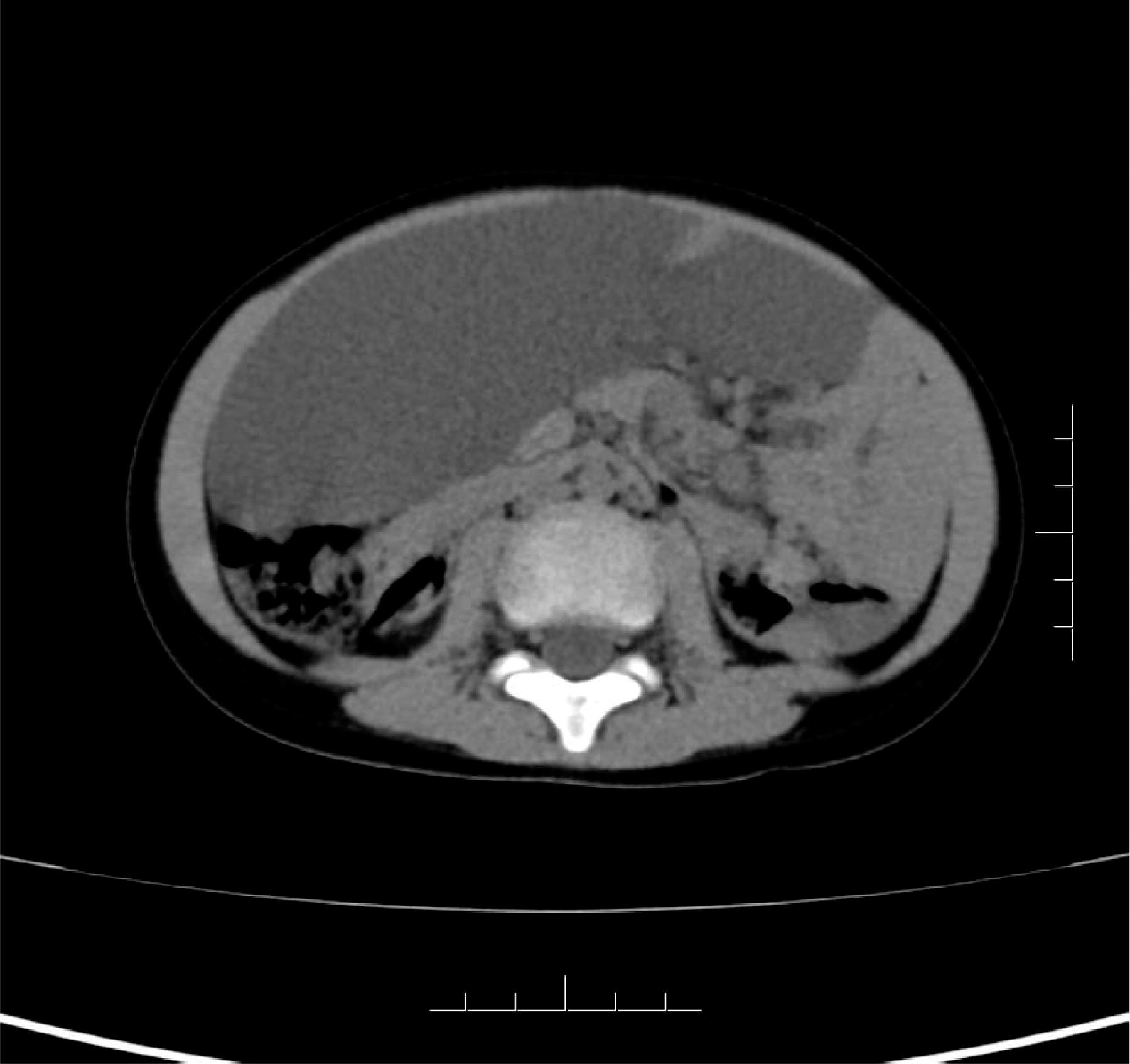
Abdominal CT showed a cystic space of about 12 × 9 × 5 cm with internal septum. CT = computed tomography.
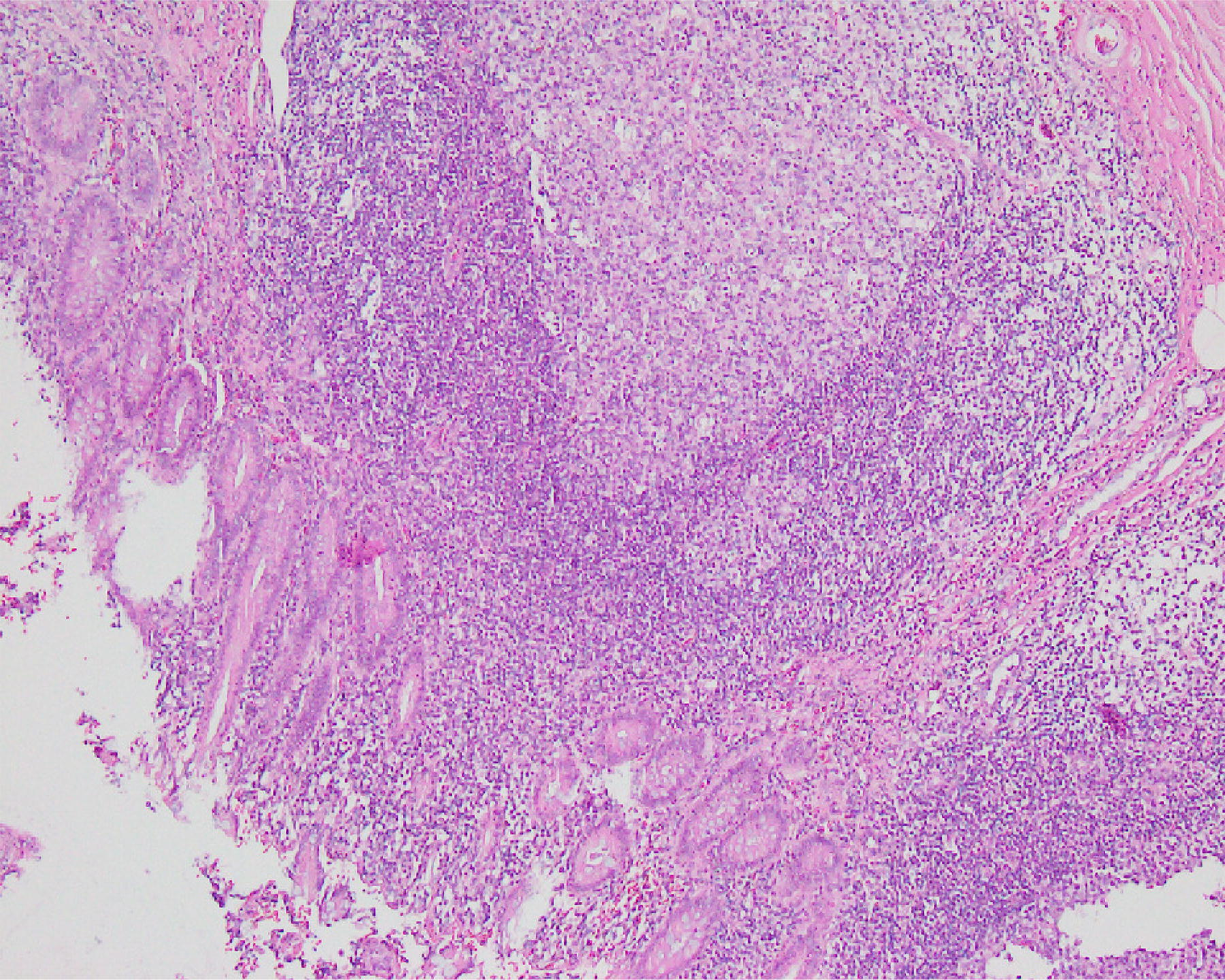
Post-operative histopathology diagnosis was mesenteric lymphangioma.
Lymphangiomas in children are characterized as lump-like lesions composed of numerous thin-walled lymphatic vessels, commonly located in areas such as the head, neck, and axillae. 2 Mesenteric lymphangioma is particularly rare, accounting for less than 1% of cases. Typically lacking distinctive clinical manifestations, mesenteric lymphangiomas may present with symptoms such as abdominal pain, distension, and vomiting. 3 Appropriate complementary examinations include ultrasound, CT scans, and magnetic resonance imaging; however, histologic examination remains the gold standard for diagnosing mesenteric lymphangioma. The prognosis for patients with mesenteric lymphangioma is generally favorable; recurrence after complete resection is uncommon. Therefore, surgical intervention is considered the primary treatment modality for this condition. In cases where mesenteric lymphangioma is complicated by infection, it is essential to select sensitive and effective antibiotic therapy based on post-operative bacterial culture results.
Footnotes
Author Disclosure Statement
The authors declared no potential conflicts of interest with respect to the research, authorship, and publication of this article.
Ethics Approval and Consent to Participate
Informed consent from patients was obtained for this study, and their anonymous information will be published in this article.
Funding Information
No funding was received for this article.