



Abstract
China Reveals Plan to Drastically Reduce Steel and Coal Use by 2020
China's eastern Shandong province has unveiled new targets to cut steel and coal production capacity, eliminate outdated aluminum smelters, and change to cleaner energy as part of a broader nationwide anti‐pollution push. According to a report by Reuters, Shandong's Environmental Protection Bureau (SEPB) plans to cut pig iron production capacity by 600,000 tons and crude steel by 3.55 million tons by the end of this year. Coal production capacity will be cut from 156 million tons currently to 140 million tons by 2020. And, more than 70 percent of heating provided in the winter months to rural areas will be derived from clean energy sources by 2020, SEPD notes. The company will transition away from coal through increased imports of natural gas from other provinces and liquefied natural gas (LNG). SEPB says it will increase LNG consumption to about 8 percent by 2020. It targets a reduction in the use of fertilizers by 6 percent and pesticides by 10 percent by 2020 compared to 2015 levels. China is in the fifth year of a War on Pollution aimed at reversing the damage done to the country's environment since the economy opened up in 1978, Reuters reports.
Rapidly Sinking Jakarta Could Lead to Chaos in Indonesia
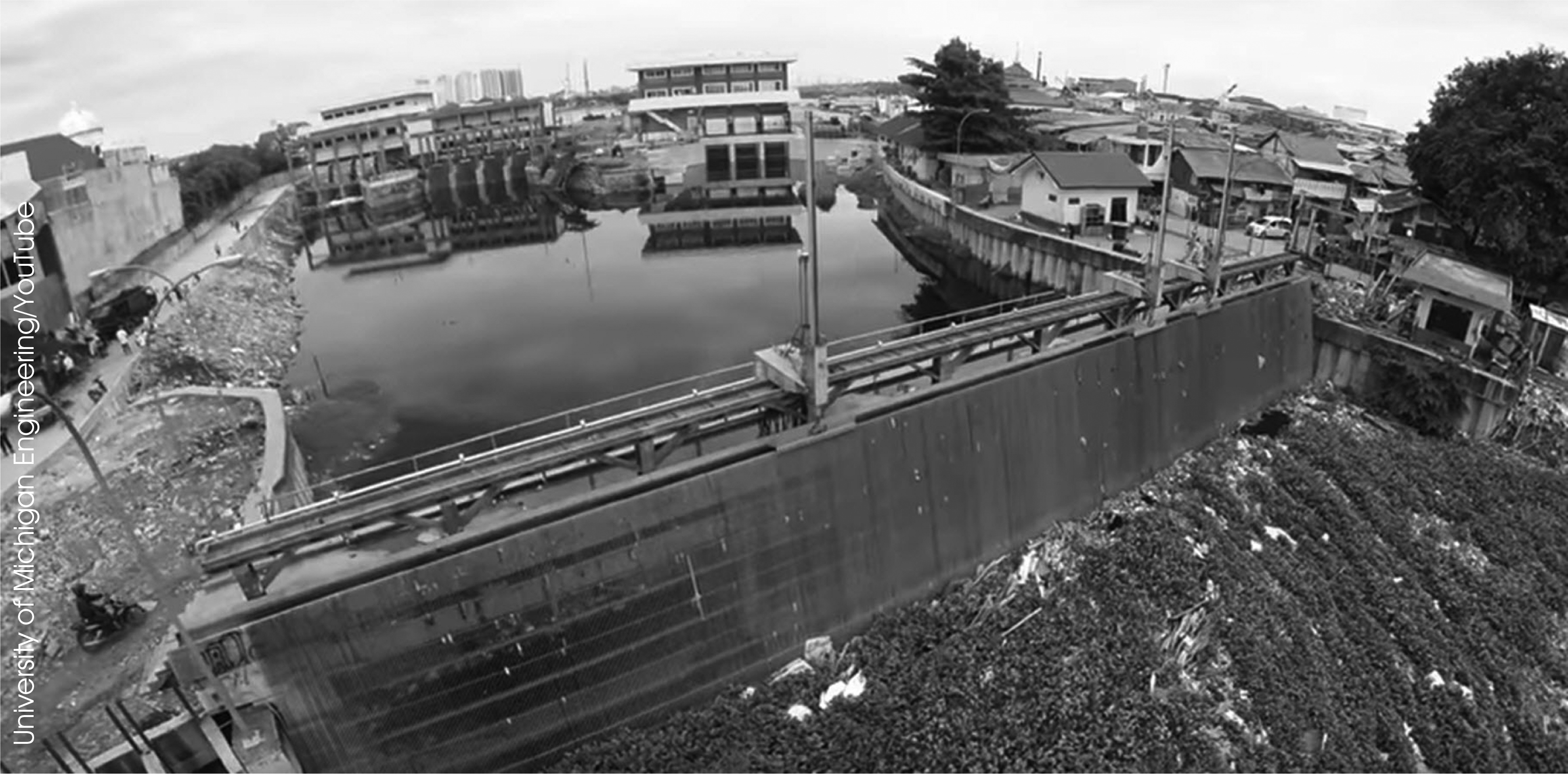
One of the world's most densely populated cities could be washed away in 30 years. According to a report by BBC News, Jakarta, Indonesia's 10 million‐person capital, is sinking by an average of almost 6 inches per year. At that rate, researchers at the Bandung Institute of Technology (BIT) predict that 95 percent of the city will be submerged by 2050. The culprit is a rapidly declining supply of groundwater, which is being heartily consumed by about three‐fourths of the city's populace. As the water disappears, the land above the water table begins to sink. Compounding the problem are real estate developers who continue to build luxury apartments, drawing more people to the area, BBC News reports. Experts say the only way to stop the city from going underwater is to stop all groundwater extraction and rely solely on other sources of water, such as rain or river water or piped water from human‐made reservoirs. “This is no laughing matter,” says BIT Professor Heri Andreas, who has studied Jakarta's plight for the past 20 years. “Everyone has a right, from residents to industries, to use groundwater so long as this is regulated. The problem is that they take more than what is allowed.” Jakarta generates more than one‐fifth of Indonesia's gross domestic product and it would “create an economic nightmare” for the country's 261 million people if it were submerged, Andreas adds.
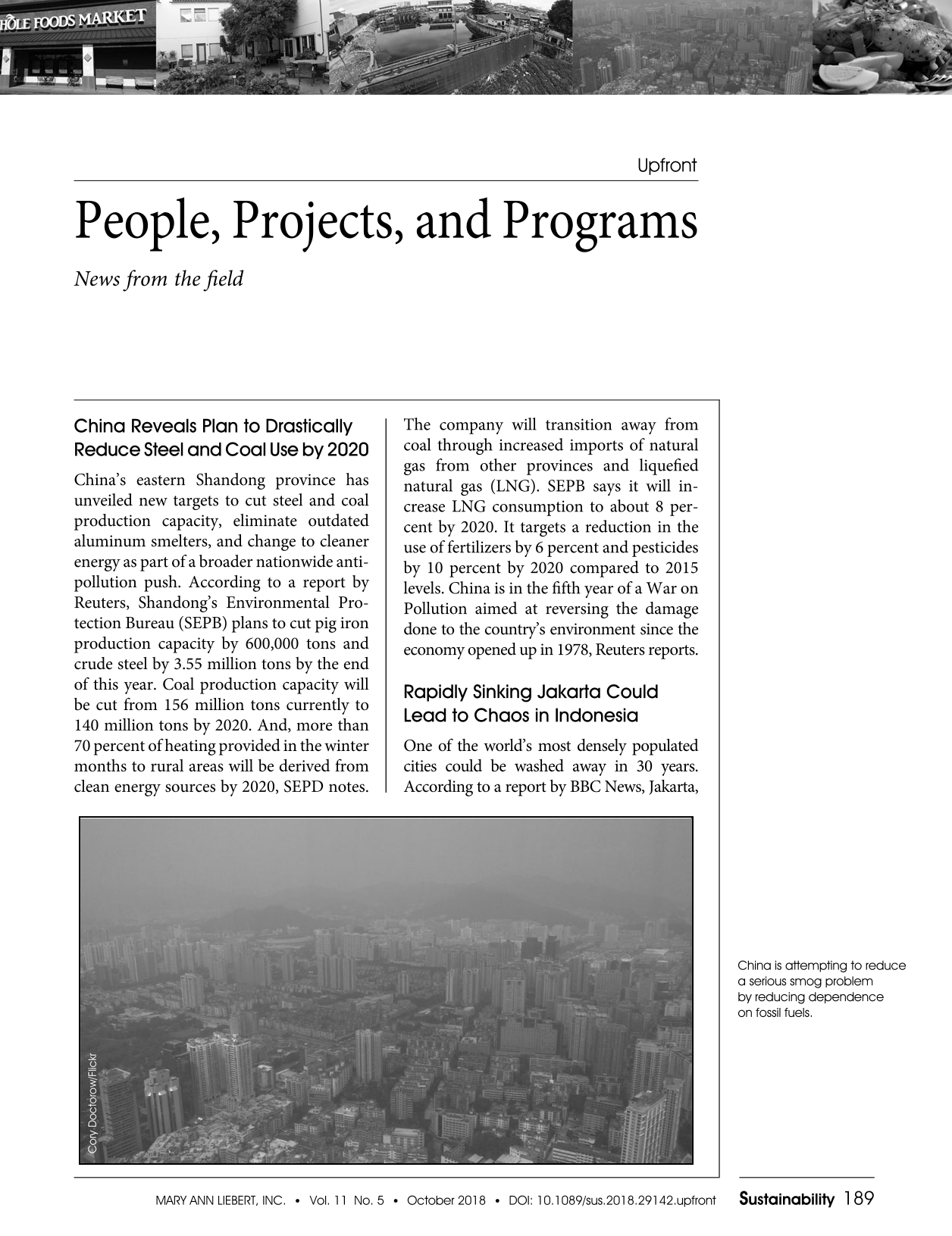
China is attempting to reduce a serious smog problem by reducing dependence on fossil fuels.

Despite use of dykes and other measures, the city of Jakarta is sinking by nearly six inches per year due to lost groundwater.
China‐African Effort Takes on Dual‐Continent Sustainability
China and 53 African countries have entered a partnership designed to stimulate capacity development, technical support, environmental policy dialogue, and mobilization of funds for environmental projects and programs in both regions. According to a report from the planetary health advocate program UN Environment, the venture also calls for construction of a China‐Africa Environmental Cooperation Center in Nairobi. The center will serve as a forum for environmental policy interaction and dialogue to give support to all nations that are involved in trying to achieve sustainable development goals, UN Environment Deputy Executive Director Joyce Msuya says. “This is our handshake between Africa, China, and UN Environment, to put things in place that will enable us to realize the objectives of taking care of our environment,” says Tom Amolo, political and diplomatic secretary in the Ministry of Foreign Affairs of Kenya. Key partners to the initiative currently include member countries of the African Union and the African Ministerial Conference on the Environment. A formal announcement of the establishment of the Center is expected to be made during the Summit of the Forum on China‐Africa Cooperation (FOCAC) to be held in September in Beijing.
With 3‐D Printers, Ocean Plastics Are Becoming Prosthetics
An Anacortes, WA‐based nonprofit is taking resource‐consuming technology and using it with a huge source of environmental waste to battle a centuries‐old problem. The Million Waves Project (MWP) has begun using 3‐D printers to create prosthetic limbs from plastic recovered from Earth's oceans. According to nonprofit founder Chris Moriarty, using the printers to inexpensively make the limbs is nothing new. More than 40,000 people worldwide need prosthetics but can't afford them. But with growing presence of environmental threats such as the Great Pacific Garbage Patch—a mass of ocean plastic twice the size of Texas—it made sense to “take something deplorable and turn it into something amazing.” Moriarty, his wife Laura, and several other local medical and environmental experts launched Million Waves in April after securing partnerships with other nonprofits that specialize in plastic waste removal and processing. MWP has since has given away 18 prosthetic arms or hands to children and adults around the world. Now the nonprofit is raising money to supply prosthetic limb assembly kits to other volunteers in developing nations. There are some limitations: The limbs aren't strong enough to be used as legs or feet, and overall durability isn't as long as traditional metal‐made units. But overall, the process is a life changer for everyone involved. “This project has taken on a life of its own, one that we're extremely grateful for,” Moriarty says. “We feel extremely lucky and honored to be able to do this.”
What was once a threat to ocean life— plastic waste—is being transformed into free prosthetic limbs for children and adults worldwide.

Whole Foods Tops GP Sustainable Seafood Market List
Austin, TX‐based Whole Foods Market earned the top spot on the Greenpeace 2018 sustainable seafood ranking report, with the highest overall score among the 22 U.S supermarkets surveyed. According to the annual Carting Away the Oceans list, Whole Foods also had the top individual score for policy, largely due to its launching of new sustainable tuna standards in 2017, and for advocating for policy improvements in fisheries' management. It is the fifth time the chain has topped the list. The store's overall score placed it among the report's Leading Green Retailers. The other chains in this category were Hy‐Vee, ALDI, and the grocery division of Target, and they ranked second, third, and fourth overall, respectively. In contrast, longtime sustainable foods leader Trader Joe's dropped from seventh in 2017 to 14th this year due to its “lack of initiatives and customer engagement,” according to the report. Compared to 2017, all 22 chains have made dramatic improvement in their sustainability efforts, but there is room for improvement. According to David Pinsky, senior oceans campaigner at Greenpeace, none of the stores have comprehensive plans in place for eliminating single‐use plastics, a judging criteria implemented this year. The full report can be found at www.greenpeace.org.
Improved seafood management practices have made Whole Foods Market the nation's No. 1 green grocery chain, according to the Greenpeace 2018 ranking.

Paris Turns to an Oasis to Battle Climate Change
The city of Paris is testing a plan to lower temperatures within the city with “islands of cool.” According to a report in The Guardian, “Project Oasis” calls for conversion of concrete schoolyards into green spaces by using items such as green walls, vegetable planters, expanded areas of shade, and drainable concrete surfaces that can absorb water when it rains. If all goes as planned, all 800 of the schools in Paris will be transformed into green spaces by 2040. Paris Chief Resilience Officer Sébastien Maire also wants to open the spaces to vulnerable people during heatwaves, and eventually wants the general public to enjoy them outside of school hours. Parks and gardens make up only 9.5 percent of Paris, the lowest proportion of any European city. By comparison, London has 33 percent green space and Madrid 35 percent. Meanwhile, the City of Lights has the highest population density in Europe. Vincent Viguié, a research scientist at the International Research Centre on the Environment and Development, says the plan is only a good start. “Vegetation in schools is one step towards putting more vegetation in the city, which could have an overall microclimate effect and cool the entire city,” Viguié says. “It's nice, but it's not sufficient.”
Green spaces at Parisian schools are the latest major step in the city's effort to lower rising temperatures.

Banning Plastic Straws Good First Step, More Needed
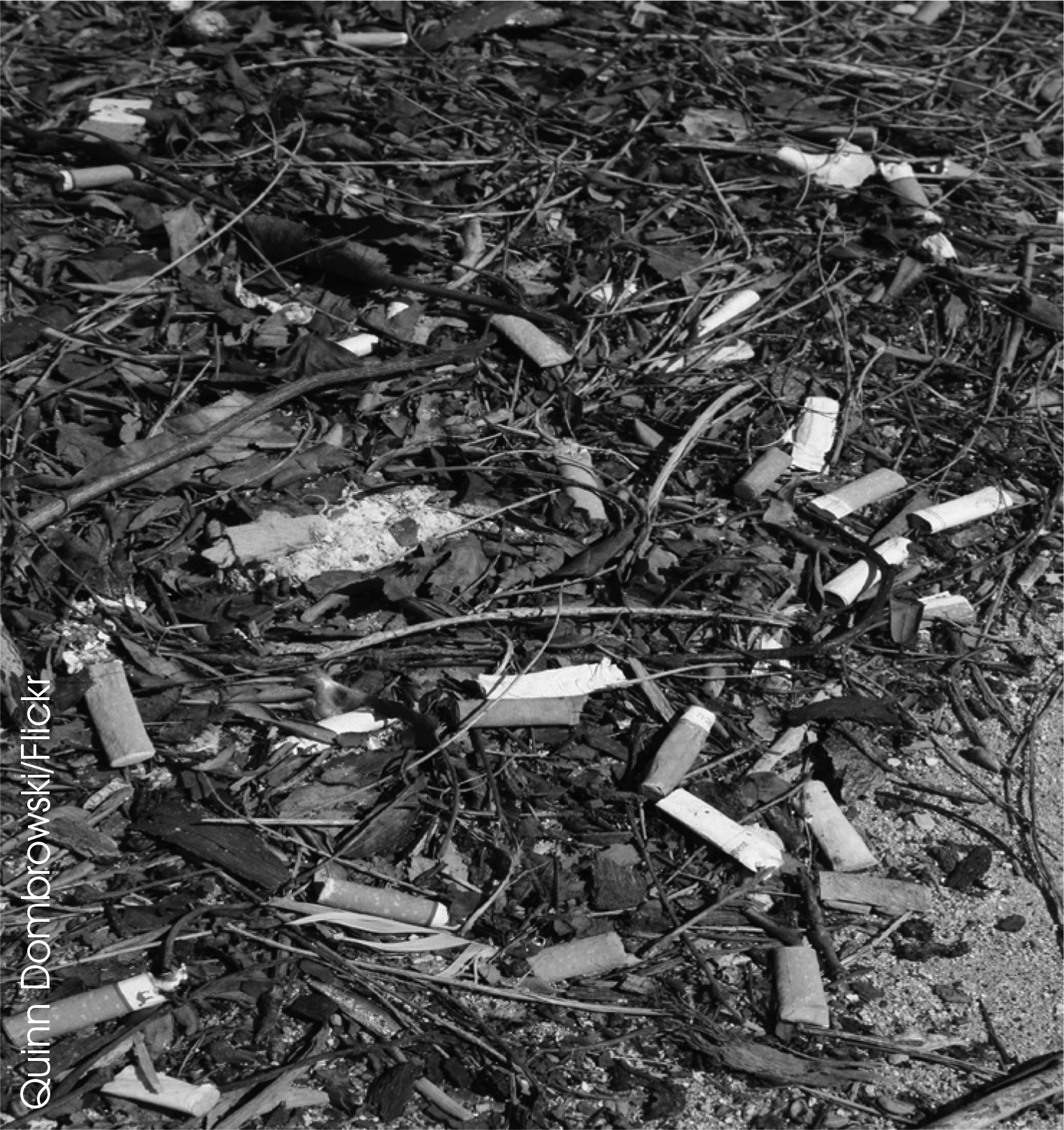
Plastic straws have been the poster child for threats to the environment, but they are not the worst anti‐green, everyday item people should look out for. According to a report in The Insider, cigarette butts—all 4.5 trillion of them casually tossed away annually—are the biggest source of land waste, followed by 1 trillion non‐recycled plastic bags. Abandoned fishing gear, a.k.a. ghost gear, is dumped into the ocean each year to the tune of 640,000 tons. More than 1.5 million plastic bottles were pulled from the world's coastlines in 2016, along with an estimated 20 million nonrecyclable plastic bottle caps since 1988, a major choking hazard for ocean life. As for straws? “In the grand scheme of things, banning straws won't make a big dent in that overall problem,” Bloomberg News reports. “If all 8.3 billion plastic straws that are found along beaches across the globe suddenly washed into the ocean, it would still only account for 0.03 percent of the 8 million metric tons of plastic that goes into the water annually. [But] straws would be a first step in a larger and much‐needed shift away from plastics.”
Compared to cigarette butts, plastic straws are literally a drop in the ocean in terms of poorly discarded waste throughout the world.
Seafood Consumers Now Favor Price Over Sustainability
Consumers overwhelmingly believe there is a need to protect seafood and the oceans for future generations, but they are less likely to pay more for a sustainably sourced product, according to a study from the Marine Stewardship Council (MSC). The council's report, conducted by research firm GlobalScan, found that 83 percent of consumers believe in keeping oceans safe for wildlife, and 70 percent want product labels that indicate where and how the seafood was obtained. Seventy percent of respondents also would switch to another type of fish if it is sustainably caught. But consumers have also started putting price ahead of concerns about seafood's green status—54 percent in 2018 vs. 46 percent in the firm's 2016 survey—a “notable change” in buyer attitudes, according to GlobalScan researchers. MSC Marketing Director Richard Stobart believes the change is due to consumer confusion about what is and is not considered sustainable, rather than a tightening of pocketbooks. “Customers really do care about the oceans … and it's more important than ever to cut through the clutter and deliver an easy way for people to enjoy to choose sustainable seafood,” Stobart says. “With a rising consumer focus on price, it is critically important that they have a range of clearly labeled sustainable options at the right price point.” GlobalScan's report may be found at www.msc.org.
Green‐certified seafood is becoming more popular among consumers, but the product's price tag is an even bigger buying factor, according to the Marine Stewardship Council.

Millennial Favorite Everlane to Switch to “Clean Silk”
Direct‐to‐consumer clothing maker Everlane, a popular brand among millennials because of its stylish and ethically produced garments, has decided to up its sustainability reputation. According to a report in Fashionista, the New York City‐based company has revamped its entire lineup with “clean silk.” The overhaul is taking place in three parts. The first, which has already been implemented, involves using a LEED‐certified factory and a dye house that is Bluesign‐certified (proven to be free of harmful substances). Phase two, coming in 2020, will see the brand transition to working entirely with regenerative, organically farmed silk. The third phase, starting in 2022, will require the silk to also be dyed and washed with 100 percent recycled water and renewable energy. “Where we have come from has been more focused on the social side of manufacturing—making sure the workers are treated well and paid fairly, and that there's no human trafficking,” says Everlane Product Director Kim Smith. “Now, we're taking it to another level and building in the environmental and sustainable side.” These shifts are being made possible, Smith adds, because of Everlane's partnership with Nanchong Fashion Foundation Manufacturing Ltd., China, which recently built a new energy‐efficient manufacturing facility and is working on developing its own organic silk farm. “The firm approached us about a year ago, and its vision dovetailed nicely with Everlane's internal strategy conversations about how to move toward a greener future,” Smith notes.
Global Warming Continues to Be Less of a Myth in US
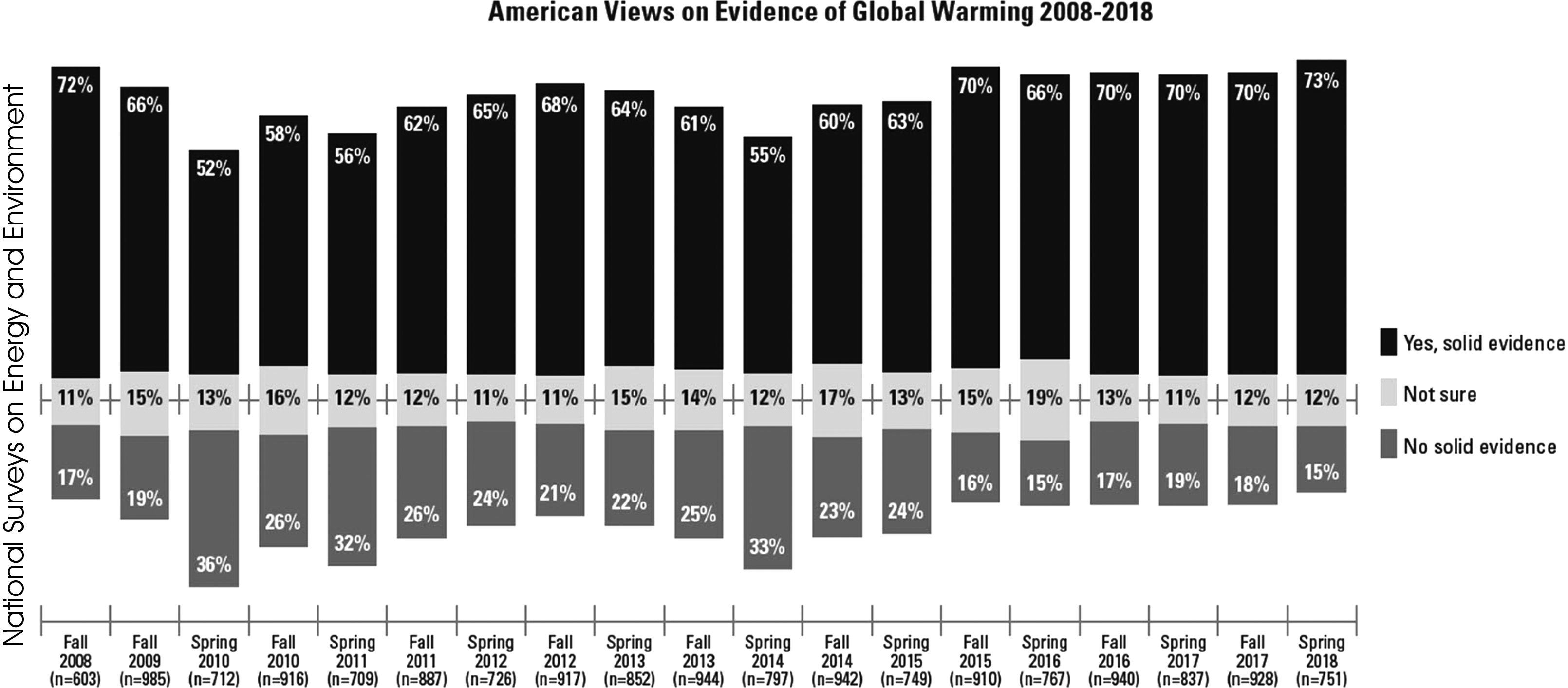
Nearly three of four Americans now acknowledge that there is solid evidence that global warming exists, and another six in 10 say that humans are at least partially responsible, according to a study by the National Surveys on Energy and Environment. The numbers are the largest since 2008. Similarly, 90 percent of Democrats recognize climate change, as do half of Republicans surveyed. The study, compiled with research by the University of Michigan and Muhlenberg College, also found that 78 percent of Democrats agree that humans have something to do with the change, compared to 35 percent of Republicans. “People are telling us they are experiencing a climate that isn't what they remember in the past and the evidence itself, such as declining polar ice, is having an effect,” study coauthor Chris Borick notes. “Americans are moving to a lot more confident space on this topic.”
A factory in China dedicated to the use of sustainably produced silk will be a key to a new clothing line by manufacturer Everlane.

More Americans than ever are convinced that global warming exists in some manner, while fewer say it is not happening, or have not decided either way.
Reebok Unveils Landfill‐Edible Corn‐ and Cotton‐Made Shoe
In an effort to keep discarded products out of landfills, athletic shoe manufacturer Reebok has developed footwear made from corn and cotton. According to Bill McInnis, vice president of Reebok's Future Team, the “NPC U.K. Cotton+Corn” shoe has a top made from 100 percent organic cotton, a sole made from a corn‐based rubber substitute, and an insole made from castor bean oil. No dyes were used for the chalk‐colored kicks. and they come in 100 percent recycled packaging. The product is the first in a planned line of corn‐made shoes, with the goal being to create one that can decompose in six months. “Typical shoes are still made from oil‐based plastics that can sit around in landfills for hundreds of years when you're done with them,” McInnis asserts. “We're focusing on creating shoes from things that grow, bio‐compost and [things that] can be replenished.” The shoes, which can be composted or buried in the backyard to become fertilizer, are available online for $95 a pair. Reebok's effort follows similar moves by Adidas, which offers shoes made of ocean plastic, and Nike, which sells shoes made of recycled leather.
NASA Satellite Shows Continuing Trends in Earth's Groundwater
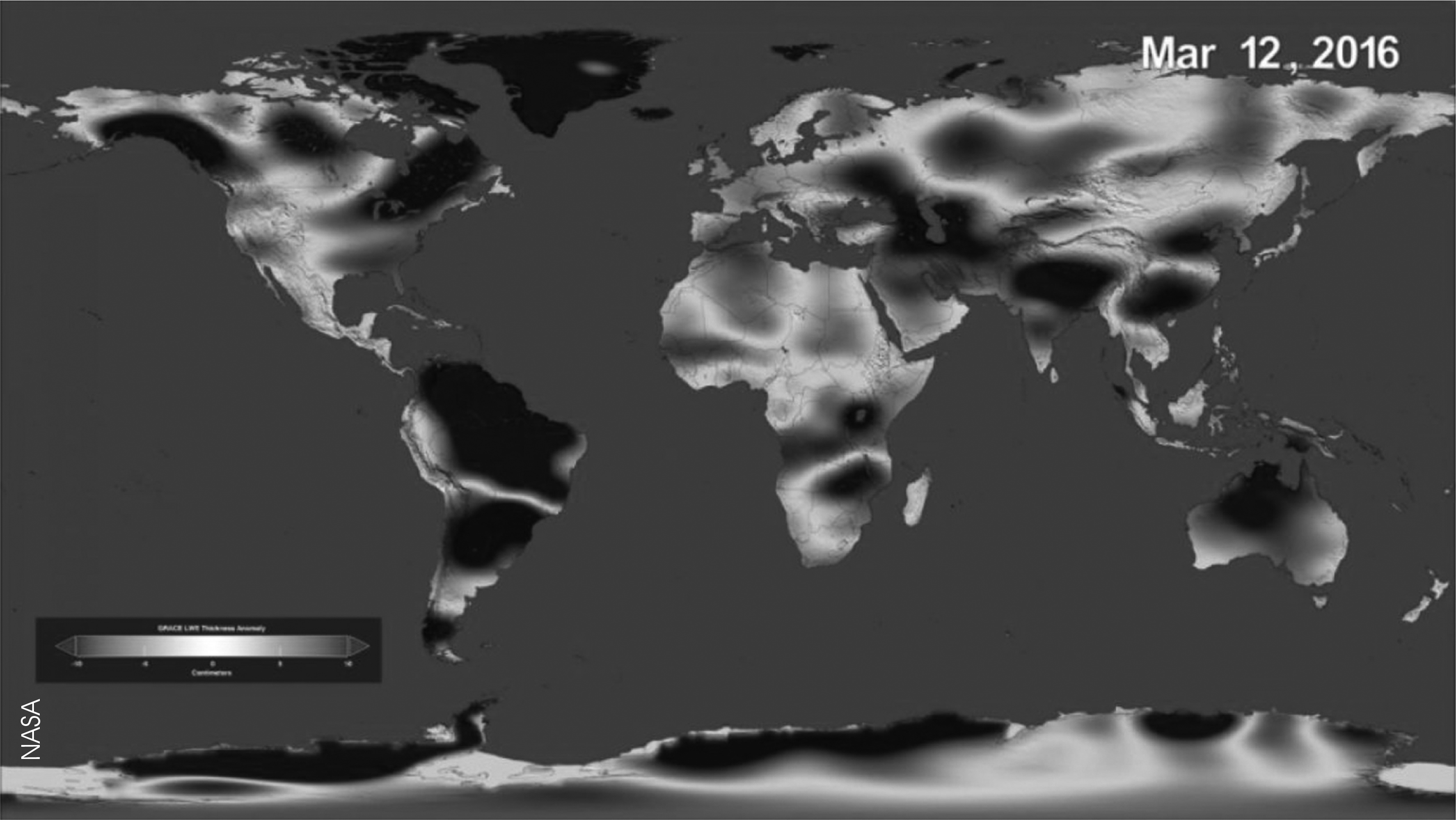
A first‐ever study combines NASA satellite observations of Earth with data on human activities to map where—and why—freshwater is changing around the globe. The consensus: Earth's wet areas are getting wetter, while dry areas are getting drier. According to “Emerging Trends in Global Freshwater Availability,” a study produced by researchers from NASA and the University of Maryland, the changing environmental pattern is due to factors such as human water management practices, human‐caused climate change, and natural climate cycles. “What we are witnessing is major hydrologic change,” asserts coauthor James Famiglietti of NASA's Jet Propulsion Laboratory. “We see, for the first time, a very distinctive pattern of the wet land areas of the world getting wetter—those are the high latitudes and the tropics—and the dry areas in between getting dryer. Embedded within the dry areas, we see multiple hotspots resulting from groundwater depletion.” Researchers studied global trends in freshwater in 34 regions worldwide from 2002 to 2016 and discovered that water loss is clearly driven by warming climate, such as the melting ice sheets and alpine glaciers, but other human‐made losses, such as those caused by unsustainable agricultural practices, are also major factors. Drought is another factor, which can be seen in California, where eight dry years from 2007 to 2015 led to additional groundwater withdrawals by Central Valley farmers. There are also cases where groundwater increased during the survey period, such as in Northern Botswana, and although this is a natural, patterned occurrence, it is not likely to continue, according to Matt Rodell, lead author of the study report and chief of the Hydrological Sciences Laboratory at NASA's Goddard Space Flight Center. The study appears in the science journal Nature.
As freshwater availability changes around the world—shown here with wetter areas in light grey and dark grey—NASA is tracking it by satellite.
Citing Safety, Some Stores are Thumbs‐Down on Reusable Containers
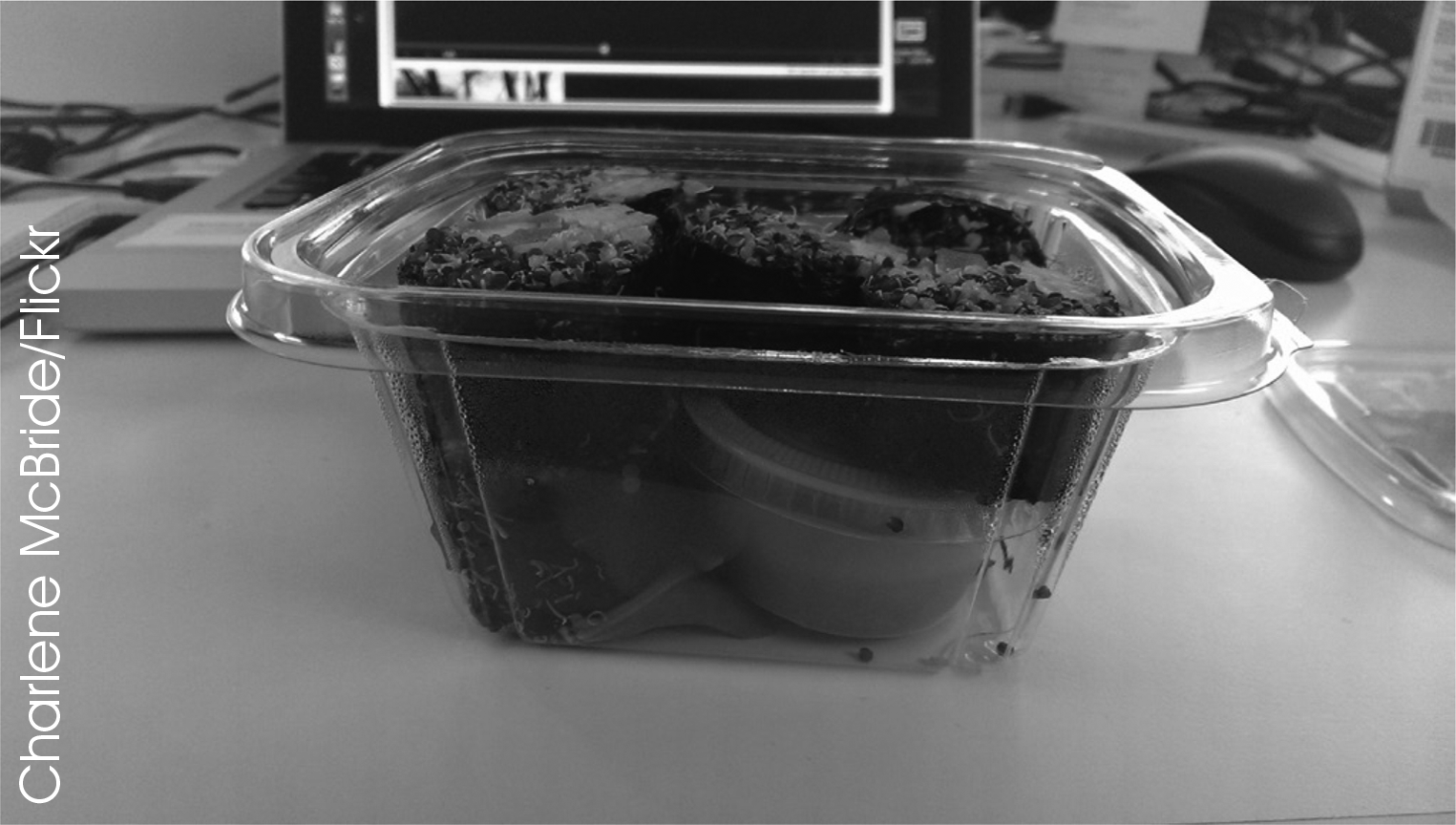
Reusable containers have become an easy and low‐cost way to help the environment. But not every company is 100 percent on board with the idea, for health and safety reasons. Customers of New Zealand supermarket chain Countdown recently implemented a ban on reusables because it cannot guarantee users have properly sanitized the containers, opening up the stores to liability issues if customers get sick after the food is purchased, according to a statement by the company. “We understand and appreciate that some customers want to bring their own containers, but we have to balance that effort with our overarching obligation to guarantee food safety,” Countdown notes, adding that it is considering alternatives to a full ban. Some New Zealand stores already have guidelines in place that allow reuse of some storage containers. Supermarket chain Foodstuffs allows previously used and washed containers for products that will be cooked immediately, such as raw meats. Other stores limit containers to items that usually do not attract dangerous bacteria, such as bulk dry whole grains or sugar. Grocers also know they will need to develop policies soon, as New Zealand's government will begin phasing out single‐use plastic bags in stores as of July 2019.
Envirofriendly as they might be, everyday storage containers, used for bulk items, for instance, aren't accepted at all grocery stores due to health and safety concerns.
Bright Idea: UC System Launches Million Light Bulb Challenge
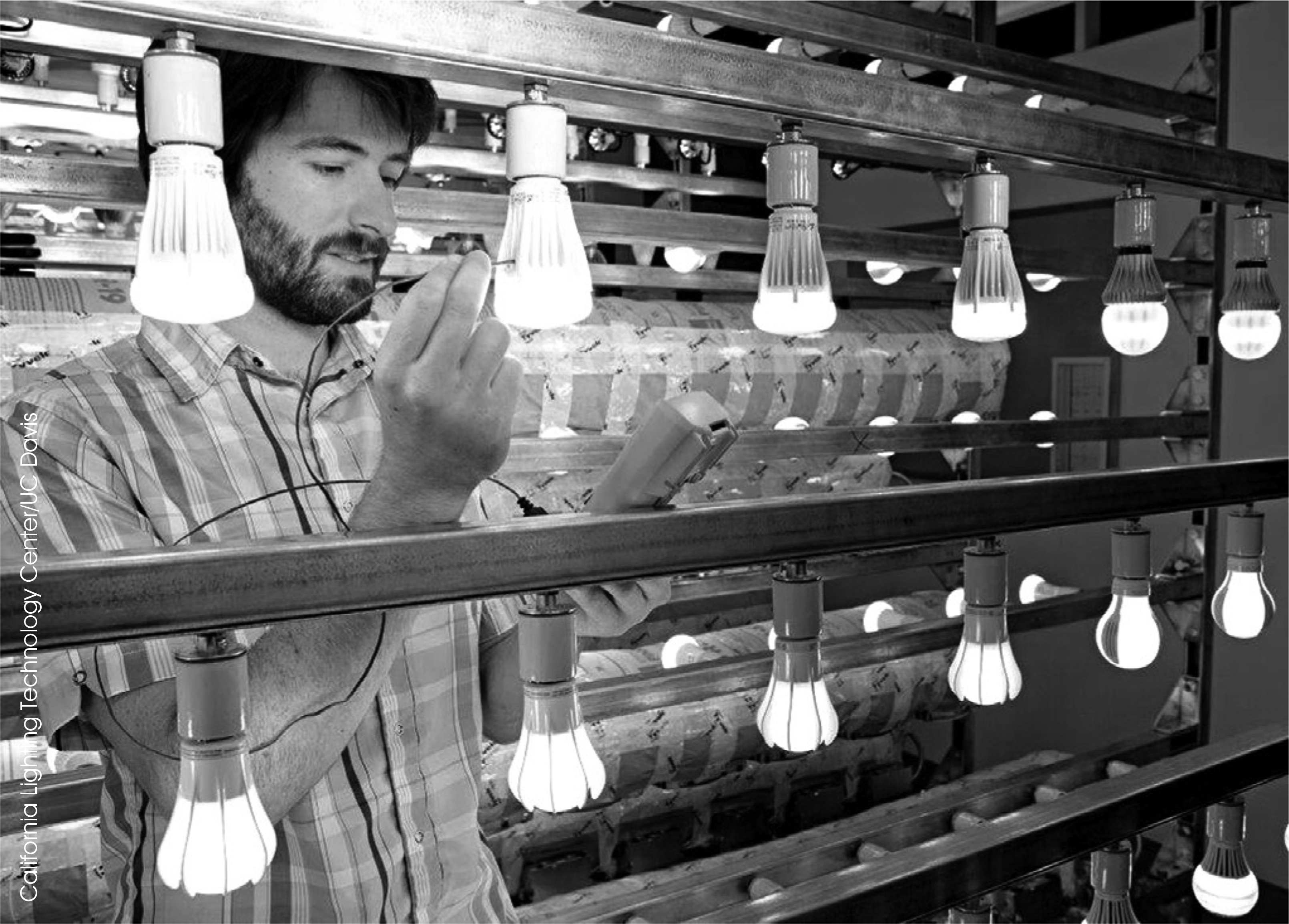
The University of California is overseeing a statewide effort to advance the purchase of one million energy‐efficient light bulbs for campus buildings and residences across the state. According to a UC press release, the Million Light Bulb Challenge community buy program enables all UC students, staff, faculty, and alumni to purchase light bulbs at nearly half the price of online competitors. The program is also part of UC's goal of reaching operational carbon neutrality by 2025. UC is collaborating with the California Community College system, the California State University system, and the California Department of General Services. “High‐quality LED light sources help reduce our carbon footprint, reduce our energy use, and save money,” explains UC President Janet Napolitano. “We are excited to launch this challenge and swap out at least one million inefficient light sources.” Light‐emitting diode (LED) bulbs are the main light source for most consumers, but it is often difficult to know which bulb to purchase as stores are filled with products that vary in terms of color appearance, dimming ability, and longevity, according to Michael Siminovitch, director of the UC Davis California Lighting Technology Center. “Our goal was to take the guesswork and confusion out of the process and ensure that everyone gets a great light at a great price,” he says. “Energy‐efficient lighting is a key step in reducing our carbon footprint as a society, and everyone can contribute to this effort by replacing incandescent and CFL light bulbs with high‐performance LED options.” More information about the Million Light Bulb Challenge may be found at www.millionlightbulbchallenge.org.
The University of California's Million Light Bulb Challenge makes it possible for students, staff, faculty, and alumni to buy LED light bulbs at nearly half the price of online competitors.
First Bags, Now Balloons Pose a Threat to Ocean Health
With so much attention being focused on trying to rid plastic straws from the environment, a second form of plastic may soon be headed for extinction: the party balloon. According to a report in Time magazine, some groups are already taking action against an item that is a quiet threat to ocean life and a common entrant into landfills. Clemson University has stopped its football tradition of releasing 10,000 balloons into the air before games. The town of New Shoreham, RI, has passed a new law that prohibits the sale and use of balloons in city limits. And a few states restrict balloon releases to some extent. “The issue of straws has really broadened the marine debris issue,” asserts Emma Tonge, Marine Debris Program communications coordinator for the National Oceanic and Atmospheric Administration. “[But] people might not realize balloons are also a danger because of their light and whimsical image.” Although they are not a prominent form of debris found in coastal cleanups, they are still common enough to be hazardous to marine animals, which can also get entangled in balloon strings, she notes. Kenneth Lacoste, first warden of New Shoreham, RI, believes people will soon have no problem with a new form of balloon watching. “Plastic bags were once seen as harmless,” he says. “But many places now ban them.”
Party balloons can be almost as dangerous to the environments as plastic straws and bags.

Solar Tree Brings New Life and Awareness to Jordan
The University of Jordan (UJ) is launching an off‐grid solar energy tree to raise awareness about renewable energy and the involvement of university students in project implementation. According to a UJ Director of Water, Energy, and Environment Motasem Seidan, the solar tree's 18 branches, or tubes, are built to gather the beams of sunlight throughout the day and absorb the maximum amount of solar energy. The peak value capacity of the 7‐meter‐high tree is about 2 kilowatts, with the ability to light ten lighting units at the center of the university. The tree can absorb and save sunlight within its batteries for days when the sun does not appear.“It's not only about a project in renewable energy; it's about raising awareness and making students feel at home when it comes to innovation and practical work,” says Seidan. “We wanted to build something different with an environmental approach, and we chose the tree structure as a symbol of nature.” It's also a tip of the hand to government, which can use an example of the money‐saving side of solar. “In 2011, 96 percent of Jordan's energy was imported, and only 20 percent of the national GDP was from the energy sector,” Seidan notes. “Jordan has a strategic location for solar and renewable energy projects; this sector needs to be invested in. We need to go in this direction to achieve self‐reliance.”
Fracking in US Hits Record Levels over Five‐Year Period
Between 2011 and 2016, fracked oil and gas wells in the United States pumped out record‐breaking amounts of wastewater laced with toxic and radioactive materials, according to a new Duke University study. The study, “The Intensification of the Water Footprint of Hydraulic Fracturing,” concludes that the amount of wastewater from fracking rose 1,440 percent during that five‐year period. Over the same time, the total amount of water used for fracking rose roughly half as much, 770 percent. “Previous studies suggested hydraulic fracturing does not use significantly more water than other energy sources, but those findings were based only on aggregated data from the early years of fracking,” asserts Avner Vengosh, professor of geochemistry and water quality at Duke's Nicholas School of the Environment. And if prices should rise, the researchers predict that the spike in water use will continue to climb. Over the next dozen years, the amount of water used for fracking extraction could grow up to 50 times higher when fracking for shale gas and 20 times higher when fracking for oil. “Even if prices and drilling rates remain at current levels, our models still predict a large increase by 2030 in water use and wastewater production,” says Andrew J. Kondash, the report's lead author. The study appears in the journal Science Advances.
Water used to support the explosive search for deep oil—better known as fracking—grew by 1,440 percent from 2011 to 2016.

U of Edinburgh Charging More for Throwaway Cups, Less for Reusables
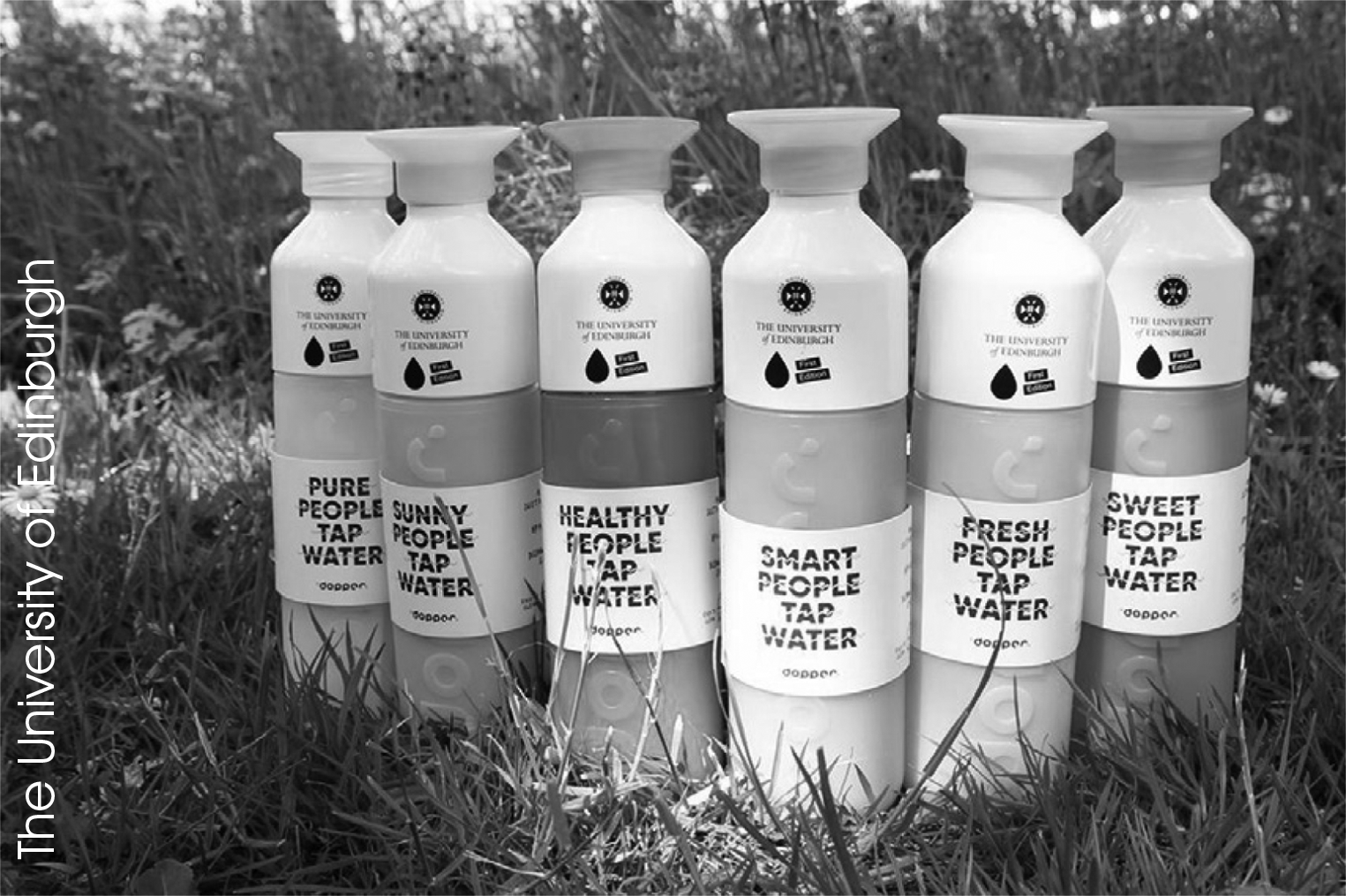
In a bid to cut disposable plastic waste, the University of Edinburgh and the school's Students' Association have made it easier and cheaper for staff and students to use reusable coffee cups and water bottles on campus. According to a school press release, all university‐owned and Students' Association cafes now accept any reusable cup. Also, the cafes now charge approximately [USD] 32 cents to buy a disposable cup during meals, and offer discounts to those students who bring their own. A survey of local coffee chains and other universities shows that charging for disposables rather than discounting for the use of reusables is an effective method of reducing waste, according to the university. It's not the first time Edinburgh has made efforts to encourage sustainable thinking when it comes to their food. In June, the university and the Students' Association announced that more free drinking water points were being installed across the campus to allow staff and students easier access to free water, and to reduce the amount of single‐use bottles used on campus.
Stone Stackers are Piling Troubles on the Environment
Stone stacking, a popular hobby and emerging art form, is having an adverse environmental effect on places where it occurs. According to a report by The Guardian, tourists who flock to beaches and islands to craft miniature monuments are unintentionally destroying nesting grounds for birds and sanctuaries for invertebrates. They are also increasing erosion by removing natural barriers. In addition, there is the chance a stacker may harm ancient ruins. “A forest of stacked stones destroys all sense of the wild,” notes Guardian natural history writer Patrick Barkham. “Stacks are an intrusion, enforcing our presence on others long after our departure. It's an offense against the first and most‐important rule of wild adventuring: leave no trace.” An alternative would be to designate specific areas for stone stacking, to protect as much land as possible. But policing such an action would prove difficult, and getting people to always go along with the idea would be virtually impossible, Barkham adds. “Sheer quantities of people turn inconsequential behavior into acts with consequences,” he writes. “If we want to enjoy what's left of our wild world, we have to be more aware than ever of our impact upon this Earth.”
Reusable bottles and cups are giving Edinburgh University students a tiny bonus for thinking green.
Stone stacking can stimulate creativity, be therapeutic, and simply just be fun—but it can also be a threat to the environment.

UMD Professor Awarded $1.1M for Sea‐Level Rise Research
The National Institute for Food and Agriculture (NIFA) has awarded Katherine Tully, PhD, assistant professor of Plant Science and Landscape Architecture at the University of Maryland (UMD), $1.1 million to continue research on sea‐level rise and saltwater intrusion on Maryland's Eastern Shore. According to a UMD press release, saltwater intrusion reduces soil quality and crop productivity, and increases pollution of nutrients like nitrogen and phosphorus in local waterways around the Chesapeake Bay. Tully's research combines crop research, wetland ecology, geological and chemical analyses, and economic modeling to determine what crop management strategies work in saltier environments. Her studies look for and identify practical applications that will be the most cost effective and profitable for farmers while also protecting the environment. “The first European colonies were established in the Chesapeake Bay region, making this home to some of America's first farmlands. Sadly, some of the farms losing land to sea level rise date back to the 1630s,” explains Tully, who is also assistant professor at UMD's College of Agriculture and Natural Resources. “In some places, tidal marshes are not just taking over fields, but creating ghost towns. It is another side effect of our changing climate and a threat to our agricultural industry and the viability of farming in this area.” The project's outreach initiatives will include webinars, the creation of educational materials, and train‐the‐trainer sessions to help ensure that as many people as possible are alerted to the problem.