




Abstract
Articular cartilage (AC) is the weight-bearing tissue in diarthroses. It lacks the capacity for self-healing once there are injuries or diseases due to its avascularity. With the development of tissue engineering, repairing cartilage defects through transplantation of engineered cartilage that closely matches properties of native cartilage has become a new option for curing cartilage diseases. The main hurdle for clinical application of engineered cartilage is how to develop functional cartilage constructs for mass production in a credible way. Recently, impressive hyaline cartilage that may have the potential to provide capabilities for treating large cartilage lesions in the future has been produced in laboratories. The key to functional cartilage construction in vitro is to identify appropriate mechanical stimuli. First, they should ensure the function of metabolism because mechanical stimuli play the role of blood vessels in the metabolism of AC, for example, acquiring nutrition and removing wastes. Second, they should mimic the movement of synovial joints and produce phenotypically correct tissues to achieve the adaptive development between the micro- and macrostructure and function. In this article, we divide mechanical stimuli into three types according to forces transmitted by different media in bioreactors, namely forces transmitted through the liquid medium, solid medium, or other media, then we review and summarize the research status of bioreactors for cartilage tissue engineering (CTE), mainly focusing on the effects of diverse mechanical stimuli on engineered cartilage. Based on current researches, there are several motion patterns in knee joints; but compression, tension, shear, fluid shear, or hydrostatic pressure each only partially reflects the mechanical condition in vivo. In this study, we propose that rolling–sliding–compression load consists of various stimuli that will represent better mechanical environment in CTE. In addition, engineers often ignore the importance of biochemical factors to the growth and development of engineered cartilage. In our point of view, only by fully considering synergistic effects of mechanical and biochemical factors can we find appropriate culture conditions for functional cartilage constructs. Once again, rolling–sliding–compression load under appropriate biochemical conditions may be conductive to realize the adaptive development between the structure and function of engineered cartilage in vitro.
Introduction
A
In a world of mechanical stimuli, changes in the structure and function of biological tissues are regulated by the mechanical envitronment.3,4 Wolff's law indicates that the structure of bones is affected by stress and adapts to the mechanical environment. Studies have shown that the weight-bearing AC also presents the adaptation between its structure and function. 5 AC is a vital supporting structure in humans and plays a role in absorbing shocks and reducing friction. Mechanical stimulus is a key factor in maintaining the physiological phenotype of chondrocytes and the growth of cartilage. 6 AC is exposed to dynamic and complex stimuli, and loads on AC are distributed to collagen fibers, proteoglycans, and liquid in ECM. The formation of highly organized collagen fibrils is related to mechanical stimuli from the embryonic period to maturity.7,8 The distribution of fibrils, proteoglycans, and chondrocytes presents specific structure and alignment with complicated mechanical properties. In summary, AC is highly sensitive to mechanical stimuli to ensure that it adapts to the surrounding environment. 9
However, malformation, trauma, or degeneration usually occurs to AC with negative impacts on health. At present, although autologous cartilage implantation has been widely used in clinical application, it is still unable to treat serious lesions of AC. 10 Therefore, it is required to find an appropriate therapeutic plan with minimum risk and cost and maximum efficacy and efficiency. Under these circumstances, CTE has become a suitable model in vitro to develop engineered cartilage. 11 Characteristics and function of the engineered cartilage should closely match the native cartilage to repair the defects and recover the function of synovial joints after implantation. Bioreactors are utilized to mimic the physiological and chemical environment to culture engineered cartilage in vitro. 12 Related studies and reviews have pointed out that different options of seed cells, scaffolds, biochemical, and mechanical stimuli will have different effects on gene expression of chondrocytes and the content of collagen and proteoglycan.13–19
Mechanical stimuli play a crucial role of four key elements in engineered cartilage construction in vitro: seed cells, scaffolds, biochemical factors, and mechanical stimuli. It is impossible to obtain functional engineered cartilage in the absence of mechanical stimuli. In recent years, studies on bioreactors have made remarkable progress. Some scientists have produced impressive hyaline cartilage and improved its functional properties in experimental research.20–23 For example, Nims et al. improve functional properties of engineered cartilage constructs through physically constrained culture under orbital shaking in a novel cage growth system. 20 Ng et al. find that disc culture with ECM coating by self-assembling human mesenchymal stem cells (hMSCs) forms stratified hyaline cartilage with uniform deposition of glycosaminoglycan (GAG) and type II collagen and improves long-term functional tissue properties. 21 Cigan et al. predict that high seeding density of human chondrocytes in agarose under orbital shaking produces tissue-engineered cartilage approaching native mechanical and biochemical properties. 22 Last year, Moutos et al. have used adult stem cells to develop whole human-sized hip ball-like cartilage hemisphere construct based on a 3D woven scaffold in jar bioreactors on an orbital shaker. The construct is capable of tunable and inducible anticytokine production for total joint resurfacing of injured and osteoarthritic hip joints and has the potential to provide mechanical functionality and restore the joint surface immediately upon implantation. 23 It seems that engineered cartilage with high quality in the aforementioned publications may have the potential to repair large cartilage defects for clinical application. Although numerous teams are devoting efforts to related research, which mechanical stimulus is more important in affecting cartilage development in vitro still remains contentious.
In this article, we will divide mechanical stimuli into three types, force transmitted through the liquid medium, solid medium, or other media. Then, we review and summarize the research status in cartilage bioreactors, mainly focusing on the effects of different mechanical stimuli as well as comparing and analyzing the features of different bioreactors. Last, we propose a viewpoint on the functional structure development of engineered cartilage.
Application of Bioreactors in CTE
Mechanical stimuli promote the development and function–maintenance of cartilage, as well as the effective integration between the transplanted cartilage and host cartilage.24,25 In knee joints, the relative motion between the tibia and the femur generates fluid shear, hydrostatic pressure (HP), compression, shear, and other stimuli on AC. Furthermore, AC is also impacted by different conditions of nutrients, pH, and gas concentration. As a result, we should consider the in vivo mechanical environment besides biochemical factors when designing cartilage bioreactors, aiming at exerting appropriate mechanical stimuli, to develop engineered cartilage that possesses higher compression and shear strength, similar structure and function to native cartilage.
In earlier time, Petri dishes were the simplest bioreactors widely used in laboratories to provide essential nutrition for the growth of tissues. 26 In the wake of deeper research on mechanobiological characteristics of AC, many novel bioreactors are suggested by providing stirring, rotating, perfusion, tension, compression, hydraulic pressure, sliding, or rolling, etc., as mechanical conditions.
Bioreactors can apply mechanical stimuli, for example, pressure, tension, fluid shear stress, or HP on tissues, each stimulus partially reflects the stress state of native cartilage. Furthermore, bioreactors can also provide noncontact forces, for example, electric field force, magnetic force, microgravity, acoustic wave, and heat. In addition, the construction of cartilage in bioreactors needs an environment involving controlled pH, CO2 concentration, oxygen partial pressure (PO2), and temperature, as well as the controlled content of nutrients, growth factor, and sterility, which are normally provided in bioreactors researching on mechanical conditions.
There are two main advantages for using bioreactors in CTE. On one hand, bioreactors could replicate necessary physical and mechanical environment for the growth and development of cartilage. On the other hand, by means of online measurement and digital image processing technology, we can assess impacts of different culture conditions on the behavior and status of chondrocytes to improve cartilage development in vitro. 27 We need ideal bioreactors, but first we need to identify the appropriate mechanical environment.
Forces Transmitted Through Liquid Medium: HP, Fluid Shear, or Their Combination
AC is exposed to fluid shear stress, HP, and other loads in the liquid environment. Body fluid is essential for cultivating tissues in physiological environment and therefore appropriate hydrodynamic conditions in bioreactors will benefit the secretion of GAG and collagen in ECM and improve the appearance and mechanical properties of engineered cartilage. 28
When people are walking, knee joints switch cyclically between moving and stationary states. As a result, AC is exposed to cyclic HP. The peak value of physiological pressure on human AC is approximately 10–20 MPa.29,30 Kraft et al. find that static hydrostatic load significantly increases the gene expression of collagen and proteoglycan. What is more, self-aggregating suspension culture model of chondrocytes with mechanical precondition might be propitious to the phenotype of hyaline cartilage with many features similar to native cartilage. 31 Mizuno and Heyland study the effects of cyclic HP on differentiation of chondrocytes and discover that cyclic HP significantly boosts up the synthesis of ECM.32,33 Correia et al. embed human adipose-derived stem cells in gellan gum, then apply constant HP or pulsatile HP separately. In this experiment, it is found that pulsatile low pressure (0.4 MPa) enhances the secretion of ECM, whereas continuous low pressure (0.4 MPa) inhibits that. 34 Tarng et al. use oscillatory laminar flow and hydrodynamic pressure simultaneously to generate oscillatory shear stress and directional fluid pressure and mimic the motion of joints. The ECM composition, cell distribution, and mechanical properties of engineered cartilage resemble native AC in this experiment. 35 HP is uniformly distributed on the whole surface of engineered cartilage, which is easy to be applied in large-scale culture. However, HP may fail in the formation of a hierarchical structure similar to native cartilage just due to uniform distribution of force.
Stirring stimuli generate fluid shear stress, which has a positive impact on adhesion of cells and scaffolds, and the phenotype of chondrocytes. 36 Pei et al. design a double-chamber stirring bioreactor to construct bone and cartilage composites and repair osteochondral defects in goats by surgery. It is noted that the engineered cartilage has better reparative effects. 37 A centrifugal bioreactor (CCBR) is able to balance drag, buoyancy, and centrifugal forces and adapts to high-density suspension culture of mammalian cells. Detzel et al. add a perfusion system to a CCBR for the isolation and culture of chondrocytes without any introduction of foreign material. 38 At present, products from a CCBR are isotropic tissues without functional structure, so it may be more suitable for cell expansion. If we want to tap the potential of CCBR to obtain functional engineered cartilage, other mechanical stimuli should be involved.
To develop functional cartilage constructs, it is essential to have cognizance of the relevance between various environmental factors, and then apply targeted stimulation. One main function of bioreactors is to identify the effects of different culture conditions on the behavior and status of chondrocytes. Petri et al. investigate the effects of continuous perfusion and cyclic compression on bone marrow mesenchymal stem cells (BMSCs) on collagen scaffolds. It is considered that continuous perfusion enhances cell proliferation, while mechanical stimuli foster cell differentiation. 39 Seidel et al. utilize a bioreactor providing perfusion and mechanical stimulation to find the optimal culture conditions for cartilage. They modify separately the amplitude and frequency of static and dynamic compression, and then evaluate the structure, composition, and function of engineered cartilage to define the best conditions for functional cartilage. 40 Hydrodynamic parameters could modulate biochemical, histological, and mechanical properties of engineered cartilage. The velocity and direction of the fluid and the shear stress will affect the structure and appearance of engineered cartilage during in vitro construction. 41 Elder and Athanasiou propose that HP ameliorates biochemical or mechanical properties of engineered tissue. The physiological pressure, especially HP at 5–10 MPa, contributes to improving the performance of cartilage; intermittent HP contributes to the differentiation of MSCs and embryonic stem cells, but high HP at 30–50 MPa has an adverse effect on chondrocytes and inhibits cell metabolism. 42 The possible regulation mechanism of HP on cartilage construction is also revealed by Schröder and Chen.43,44 To research on the effects of HP plus perfusion on gene expression of chondrocytes, Zhu et al. conduct a series of experiments and find that the synergistic effect of HP plus perfusion will benefit differentiation, but inhibit the catabolism of chondrocytes. Moreover, providing HP after perfusion could benefit the growth of chondrocytes. These conclusions show that different sequences of stimuli may have different consequences when exploring the interrelationship between them in bioreactors. 45
Force Transmitted Through Solid Medium: Compression
Compression is commonly applied in many bioreactors. When a knee joint is moving, the articular facets contact and extrude mutually and cause compression on cartilages. Moreover, as the main load-bearing tissue in knee joints, AC is normally exposed to approximately 0.5–7.7 MPa pressure on average.46–48 The average deformation of AC reaches 13% of its thickness under physiologic compression. 49 For two decades, some scientists have developed bioreactors to provide compression at different frequencies. 50 The effects of cyclic deformation on mechanical properties of engineered cartilage have been investigated. Compression increases the Young modulus of engineered cartilage and significantly enhances the secretion of cartilage oligomeric matrix protein (COMP) and collagen. 51 Researches on cell deformation demonstrate that dynamic compression causes the deformation of cell and nucleus. Unconfined compression leads to radial expansion of cells and generates radial and circumferential tensile strains; tension may regulate the differentiation of stem cells.52–54 In general, compression has positive effects on cartilage culture.
Dynamic compression causes axial deformation of engineered cartilage, resulting in a liquid flow and changing the pressure gradient and fluid potential energy. Plenty of experiments have been conducted to study the effects of compression with different amplitudes at different frequencies on the growth and differentiation of cartilage tissues. Cashion et al. find that compression at 1 Hz leads to chondrogenic differentiation of MSCs, while compression at 100 Hz results in an osteogenic phenotype. Different frequencies could cause completely contrary effects on the differentiation of MSCs, but the dividing line of frequency between cartilages and bones is not sharp. 55 Lujan et al. design a bioreactor that generates static or dynamic unconfined compression, from 0.1 to 10 N at 1 or 10 Hz. Cartilage specimens can be loaded separately or simultaneously in six culture chambers. This bioreactor could serve as a batch-testing platform for researchers to apply accurate mechanical stimulation on samples and evaluate material properties. 56 Li et al. conduct an axial compression loading experiment on mouse BMSCs in decalcified bone matrix (DBM) for 21 days. Nutrients, pH, and PO2 are balanced at an appropriate level and wastes are removed timely. It is demonstrated that dynamic compression enhances the proliferation of mouse BMSCs, elevates the activity of alkaline phosphatase, and increases the content of calcium. PO2 and pH in this bioreactor can be regulated to provide a physiological or pathological analog. 57 Xu et al. use a voice coil motor to generate high-frequency axial loads. This bioreactor can apply tension, compression, and shock loads on cartilage samples at a frequency up to 200 Hz with a loading stroke up to 30 mm.58,59 Li et al. seed rabbit chondrocytes into DBM scaffolds, then culture the samples under cyclic compression at 0.1 Hz with the different strain (0–5%, 0–10%, and 0–20%). It is found that 0–10% compressive strain at 0.1 Hz has the best effect on cell proliferation in this case. 60
Continuous mechanical stimulation benefits the secretion of ECM, the gene expression of cells, and chondrogenesis. Nebelung et al. apply continuous cyclic 10% compressive strain at 0.3 Hz on samples for 2 weeks, the results show that the expression of type II collagen genes increases significantly. 61 Similarly, Correia et al. culture KUM5 cell samples under continuous cyclic 15% compressive strain at 1 Hz for 2 weeks, and the expression of ECM-related genes is observed. 62 Hoffmann et al. find that sinusoidal dynamic compression and perfusion could enhance the mineralization of ECM during the hypertrophy of cartilaginous constructs. 63 Lin et al. apply dynamic compression on cartilage. In this case, viability and proliferation of chondrocytes are not significantly affected, whereas the frequency of compression has significant effects on metabolic activities. When the compressive strain at 2 Hz increases to 40%, the production of lactic acid becomes statistically higher. 64 Sodium alginate has superior biocompatibility and degradability to decrease inflammation. When bovine nasal chondrocytes are seeded into alginate gel scaffolds, direct compression and fluid shear stress will promote the synthesis of GAG and collagen in mature chondrocytes.65,66
Bioreactors are important to generate physiological loads in mechanobiological researches. Actually, native bone and AC are exposed to dual-frequency compression that consists of low-frequency and high-amplitude compression (LFHAC) and high-frequency and low-amplitude compression (HFLAC). When people are walking, LFHAC comes from the contraction of main muscle and the reaction force of the ground, whereas HFLAC is an auxiliary force from the traction of small muscle groups and ligaments.67–69 Therefore, Zhang et al. propose a novel musculoskeletal mechanics model comprising LFHAC and HFLAC. The bioreactor is illustrated in Figure 1. At each moment during the loading period, there is a composite of compression at two separate frequencies. The range of low frequency is 1–3 Hz and the range of high amplitude is 0–3 mm, while the range of high frequency is 0–200 Hz and the range of low amplitude is 0–60 μm. In this case, the solute transfer in cartilage is more significant under dual-frequency compression. 70 Hence, we suggest that dynamic dual-frequency compression may be appropriate mechanical stimuli for cartilage construction in vitro.
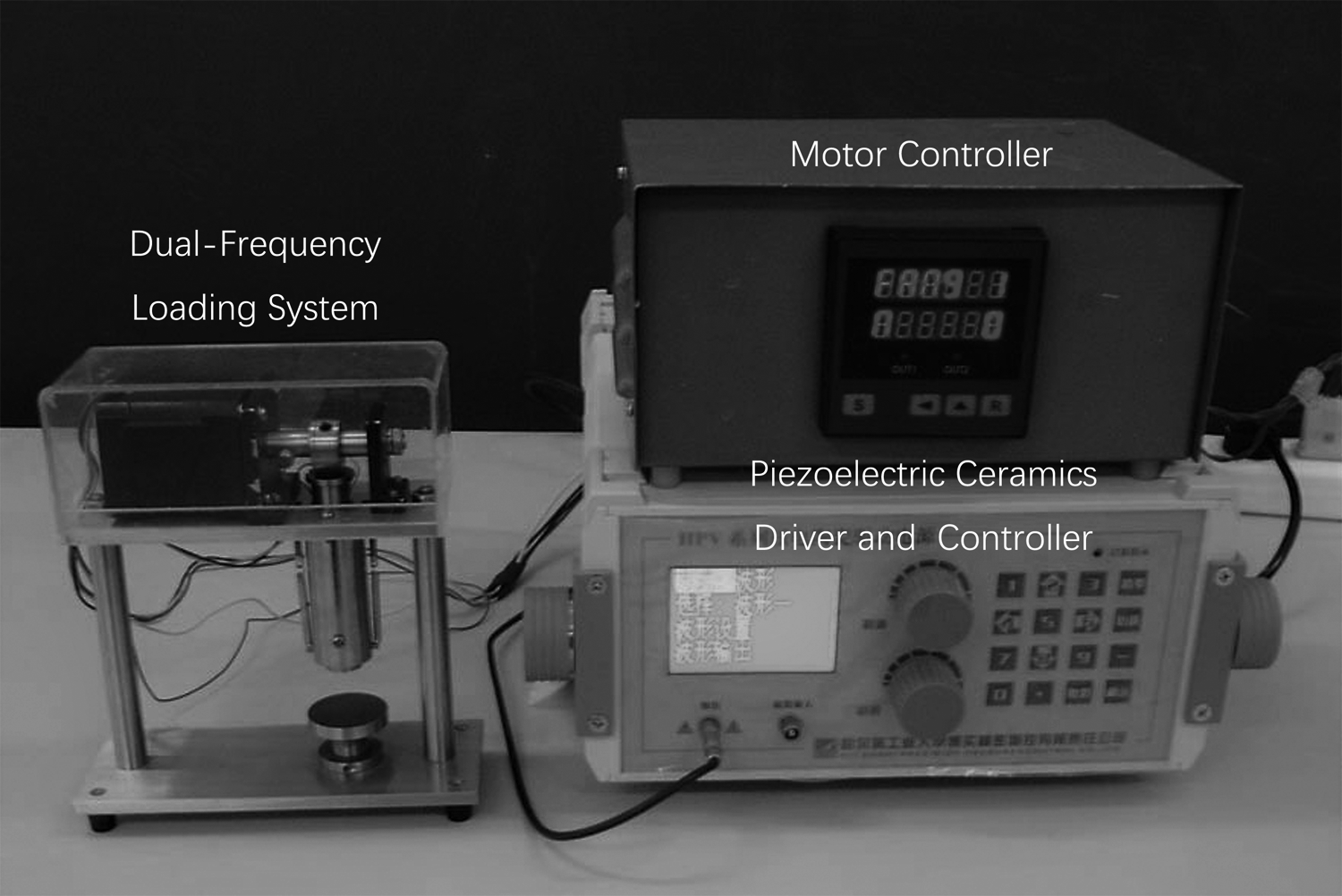
Novel dual-frequency loading system.
In addition, the dynamic compressive loads mentioned above also have shortcomings. First, the radial pressure is uneven on cartilage samples, higher in the center, but lower around the circumference; second, the mass transfer is restricted in the center. This is negative to the transport of nutrients and the excretion of wastes. As a result, Zhang et al. propose a cyclic compression bioreactor with multiloading positions to overcome the disadvantages of uneven distribution of compression. 71
Forces Transmitted Through Solid Medium: Compression Plus Shear Stress
AC develops a highly adaptive structure between its function and surrounding mechanical environment. The synovia in the articular cavity provides essential nutrients for cartilages and lubricates their surfaces. When a knee joint moves, the femur and the tibia come in contact, and rolling and sliding are two relative motions during this process. Rolling generates compression, while sliding generates shear. Rolling and sliding loads exist simultaneously in knee joints. Consequently, compression or shear alone may not fully improve the performance of engineered cartilage.
At present, mechanical stimuli in most bioreactors involve only one or two external forces; this may be insufficient for cartilage construction in vitro. Experimental data from Dr. Stoddart's research group suggest that involving shear and compression may be a useful mechanism to enhance the properties of tissue-engineered tissue before implantation. 72 While in the laboratory of Dr. Alini, reciprocating surface motion superimposed on cyclic compression is applied for generating tissue-engineered constructs from various chondrocyte populations. 73 Guided by those pioneers in the field of CTE, we propose that rolling–sliding and compression combine to generate better cartilage. As is shown in Figure 2, Sun and Zhang formulate a hypothesis that rolling plus compression enhances the cultivation of functional cartilage constructs; they develop a rolling–compression bioreactor to mimic the complex mechanical environment in knee joints. This bioreactor provides multiple mechanical stimuli and ameliorates the mechanical properties of engineered cartilage.74–76 Huang et al. seed BMSCs onto agarose scaffolds and mimic the dynamic sliding motion between two cartilage surfaces by regulating the contact area and the strain rate through combining different spherical indenter's diameter, sliding velocity, and axial deformation. After 21 days, the results demonstrate that sliding contact elicits alterations in type II collagen and proteoglycan and ameliorates the tensile strength of BMSC constructs. 77 Grad and his team conduct similar experiments and conclude that sliding motion modulates the stiffness and friction coefficient at the surface of engineered cartilage. 78
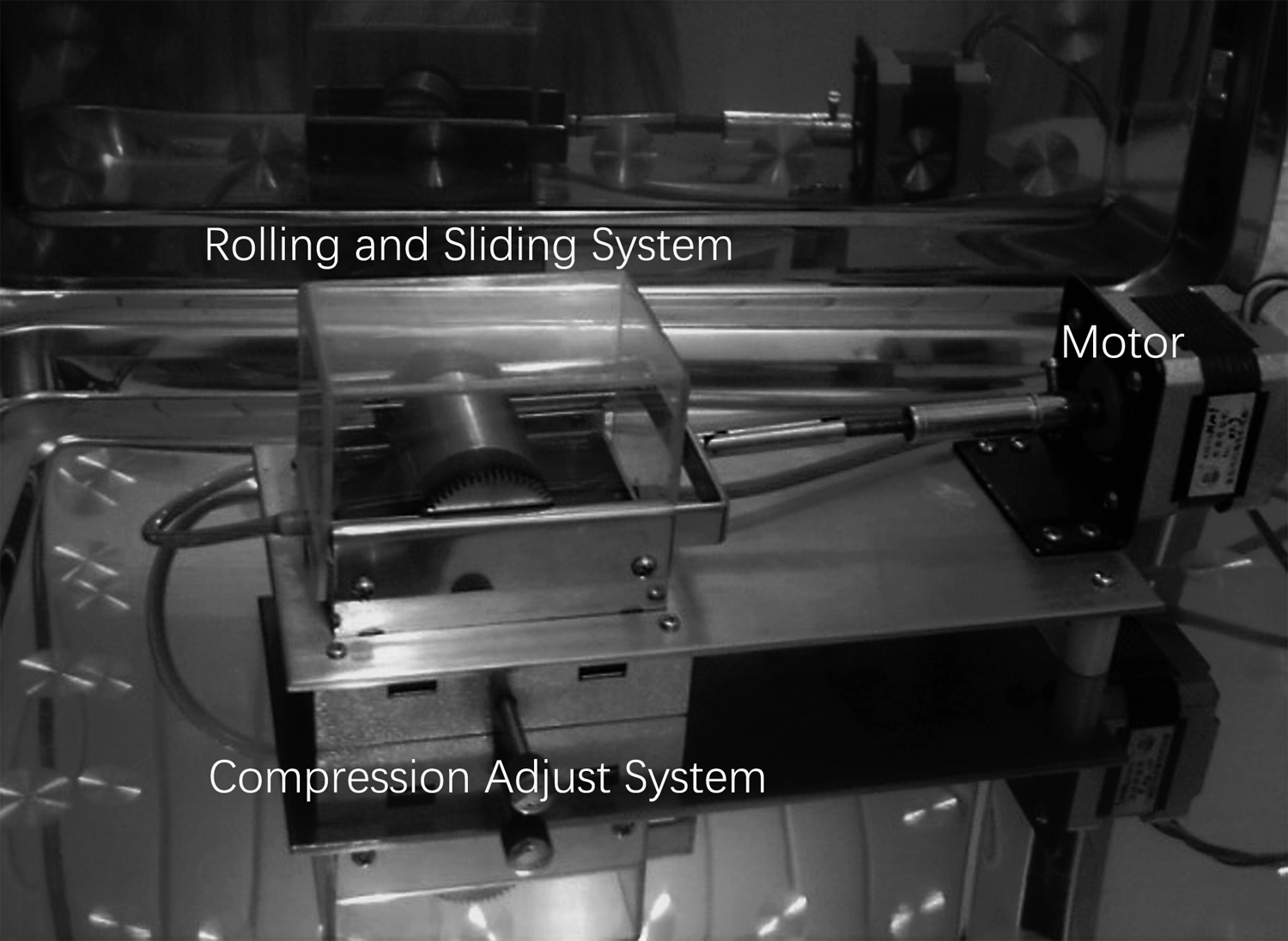
Rolling–sliding and compression bioreactor.
Dynamic shear exerts forces in a horizontal direction on engineered cartilage, leading to the change in flow shear stress and pressure gradient. Many researchers put forward a new approach, applying a composite of shear in the horizontal direction and compression in the vertical direction on cartilage constructs, to mimic the mechanical environment in knee joints. Schätti et al. exert surface shear plus cyclic axial compression on hBMSC-polyurethane composites in the absence of exogenous growth factors. It is noted that shear or compression, respectively, is insufficient for inducing hBMSCs to secrete type II collagen and differentiate into cartilage. However, dynamic shear plus compression results in a significant increase in the chondrogenic gene expression and the secretion of type II collagen and GAG. 79 Bilgen et al. apply biaxial orthogonal loads on chondrocytes on agarose scaffolds. The minimum uniaxial displacement is 5 μm. The results show that uniaxial compression increases Young's modulus and the deposition of proteoglycan, whereas biaxial loading only increases the disposition of proteoglycan and collagen. 80 Besides, similar studies about the effects of physiological compression plus shear on the synthesis of ECM are conducted by Guo, Yusoff, and their teams.81,82 In view of abovementioned researches and experiments, we suggest that dynamic compression in the vertical direction may result in the vertical alignment of the fibril structure in the deep zone of AC, while the dynamic shear in the horizontal direction may lead to the horizontal alignment of the fibril structure in the surface zone of AC. Meanwhile, the magnitude of forces may influence the behavior of cells and the property of tissues; homogeneous distribution of loads may enhance the metabolism of cells and the mass transfer in cartilage constructs.
Utilizing bioreactors and online measuring tools enables investigation of the effects of different mechanical stimuli on the behavior and status of chondrocytes and optimize the functional construction of cartilage. Di-Federico et al. apply biaxial loads on chondrocyte-seeded agarose constructs. The specimens are exposed to cyclic compression and shear at 1 Hz for 48 h and show no appreciable loss of cell viability or mechanical integrity. This bioreactor enables research on the response curve of chondrocytes to complex physiological stimuli, especially observing the variation of ECM synthesis. 83
Forces Transmitted Through Other Media: Electromagnetic Force, Microgravity, Ultrasonic, etc.
Optimal conditions for the proliferation of cells are always changing along with the growth and development of tissues, so creative ideas and serious consideration are necessary when pondering over the functional construction of cartilage. To search for more potential appropriate mechanical stimuli, many researchers have put forward various innovative ideas involving different noncontact forces, for example, microgravity, electromagnetic force (EMF), ultrasonic, and extracorporeal shockwaves (ESW), for the construction of functional engineered cartilage.84–86
Studying the mechanobiological responses of engineered cartilage is a way to optimize its functional construction. Ji and He suggest that the utilization of ESW is hypothesized to enhance proliferation, chondrogenic differentiation, and cartilage ECM production of target cells seeded on bioactive scaffolds. 87 Experimental results from Zhu et al. show that the mass transfer efficiency of glucose and TGF-β2 in RWVB under microgravity is faster in achieving a final equilibrium compared with culture in static culture conditions, and microgravity promotes the cellular proliferation and chondrogenic differentiation of ADSCs inside chitosan/gelatin hybrid hydrogel scaffolds. 88 Subramanian A. and his team have long been engaged in CTE research. They develop a bioreactor for investigating the response of cells to ultrasonic. It is found that ultrasonic has positive effects on the proliferation of chondrocytes and the maintenance of chondrogenic phenotype, as well as the expression of the marker gene.89,90 Study by Wang et al. indicates that pulsed ultrasonic promotes the chondrogenic and hypertrophic differentiation of stem cell pellets in specific culture conditions. 91 These cases have proved the potential application of ultrasonic on CTE.
Noninvasive magnetic field could benefit cartilage regeneration, which is widely used in clinical treatment of bone fracture, avascular necrosis, and osteoarthritis (OA). The presence of inflammatory cytokines during chondrogenesis, for example, interleukin-1β (IL-1β), reduces the efficacy of cartilage engineering repair procedures by preventing chondrogenic differentiation. The study by Ongaro et al. shows a significant role of EMFs in counteracting the IL-1β-induced inhibition of chondrogenesis. 92 Electromagnetic and mechanical stimuli have synergistic effects and partly promote chondrogenesis. Hilz et al. research on the effect of combined mechanical and electromagnetic stress on the functional construction of cartilage. They seed bovine chondrocytes onto 3D polyurethane scaffolds and then exert compression and electromagnetic stimuli at 60 Hz on the samples (sinusoidal EMF of 1 mT, 2 mT, or 3 mT). In this study, electromagnetic stimuli at 3 mT plus mechanical loads are highly favorable for improving the production of ECM. However, further study is required to understand the relationship between the two stimuli. 93 In another case, Tsai et al. find that extremely low-frequency pulsed electromagnetic field may regulate osteogenesis when studying the differentiation of hBMSCs in vitro. 94 These researches illustrate that a notable difference exists in the regulatory mechanisms between animal cells and human cells. In addition, Brady et al. invent a bioreactor that provides static and time-varying high-throughput magnetic fields combined with compression, aiming at studying synergistic effects of EMF and mechanical stimuli on chondrocytes. 95
Synergy of Mechanical and Biochemical Stimuli in Bioreactors
Researchers have developed various bioreactors and studied the effects of different mechanical stimuli on cartilage tissue. However, engineers often ignore the importance of biochemical factors to the growth and development of engineered cartilage. In our point of view, only by fully considering synergistic effects of mechanical and biochemical factors can we find appropriate culture conditions.
Cartilage is always in an anoxic environment in vivo, so oxygen content may also have significant influence on the development and differentiation of cartilage. Wernike et al. exert dynamic compression and low oxygen tension on bovine articular chondrocytes seeded on polyurethane scaffolds under normoxic (21% oxygen content) and hypoxic (5% oxygen content) conditions separately for 4 weeks, along with cyclic axial compression (10–20% strain) at 0.5 Hz for 1 h/day. In this case, samples in the hypoxic group show higher content of GAG and more stable phenotype of cells. It can be concluded that mechanical stimuli and low oxygen tension combine to regulate the chondrocytic phenotype. 96 After that Schrobbac et al. also study the effects of oxygen content on the proliferation and differentiation of human articular chondrocytes. 97
Growth factors (GFs) are endogenous molecules that promote the growth of cells and enhance the phenotype of chondrocytes, including TGF, FGF, IGF, and PDGF. 98 Mechanical stimuli alone may not be able to result in the differentiation of MSCs in the absence of exogenous GFs. 9 One key to CTE is to understand the mechanism how GFs regulate the growth of cartilage; for instance, TGF-β1 enhances the differentiation of hBMSCs into chondrocytes when cultured under static conditions. Albro et al. demonstrate that the alternative supplementation of additional exogenous latent TGF-β enhances biosynthesis uniformly throughout tissue constructs, leading to enhanced, but homogeneous tissue growth, and suggest that latent TGF-β can be used as an important tool for the generation of large-sized, clinically relevant functional AC constructs. 99 Carmona-Moran and Wick seed hBMSCs into polycaprolactone scaffolds and apply surface shear stress and flow perfusion on the samples in the presence of TGF-β1 to examine the results of the chondrocyte phenotype. In this experiment, the stimuli promote the proliferation of cells and production of proteoglycans, as well as differentiation of hBMSCs into chondrocytes. 100 Nazempour et al. find that the oscillatory fluid pressure and TGF-β3 act synergistically to improve Young's modulus and the mechanical property of engineered cartilage. 101 Moreover, HP and GFs may also have synergistic effects on the functional construction of cartilage. After optimization, the combination of HP, exogenous GFs, and mechanical stimuli will benefit the functional construction of cartilage. 42
The development of AC diseases may be the result of complicated interactions between catabolic stimuli and anabolic stimuli. 102 Nutrients, for example, glucose and vitamins, and metabolites, for example, lactic acid, also affect the growth, differentiation, and apoptosis of cells. Omata et al. research on the influence of vitamin C and compression on the mechanical property of regenerated cartilage. In this case, they apply uniaxial compression on bovine chondrocytes in the presence of vitamin C. The results conclude that mechanical stimuli enhance the supply of nutrients and improve the synthesis of ECM, which are necessary for repairing large AC defects. 103 In particular, Spitters et al. invent a bioreactor that generates gradients of nutrients, GFs, and GF antagonists. This brings us a completely novel model for studying the metabolism of cartilage in vitro. 104
In the process of functional cartilage construction in vitro, a variety of biochemical factors, for example, PO2, CO2 concentration, GFs, nutrients and metabolites, temperature, and pH, 105 will change the culture conditions to influence the process and result of cartilage construction. Instead of on their own, these factors often change in relation to another. Therefore, it is necessary to consider carefully the synergy among diverse stimuli when designing bioreactors to provide better culture conditions.
Discussion
As we noted above, physiological stimuli are essential for the growth and development of cartilage, as well as the sustainability of function maintenance. Bioreactors are aiming at replicating the internal environment for the cultivation of functional tissues in vitro. Furthermore, bioreactors are applied to study the influence of different conditions on cartilage, such as investigating the pathogenesis of diseases, for example, OA, and testing the efficacy of new drugs. 106 These are advantages of utilizing bioreactors.
Many scientific institutions are engaged in researching on bioreactors for CTE. The design of bioreactors tends to be modular, dynamic, and standardized. 107 A combined multifunctional bioreactor based on a linear motor invented by Wang et al. is shown in Figure 3. The modular design of this bioreactor integrates dynamic tension, dynamic compression, surface shear, rolling and sliding, and dual-frequency compression components. 108 In this review, each bioreactor varies with different research purposes, and a slight or wide discrepancy remains between the experimental results and conclusions. Nevertheless, there is no doubt that appropriate and reasonable mechanical stimuli contribute to the growth and development of functional cartilage in general.
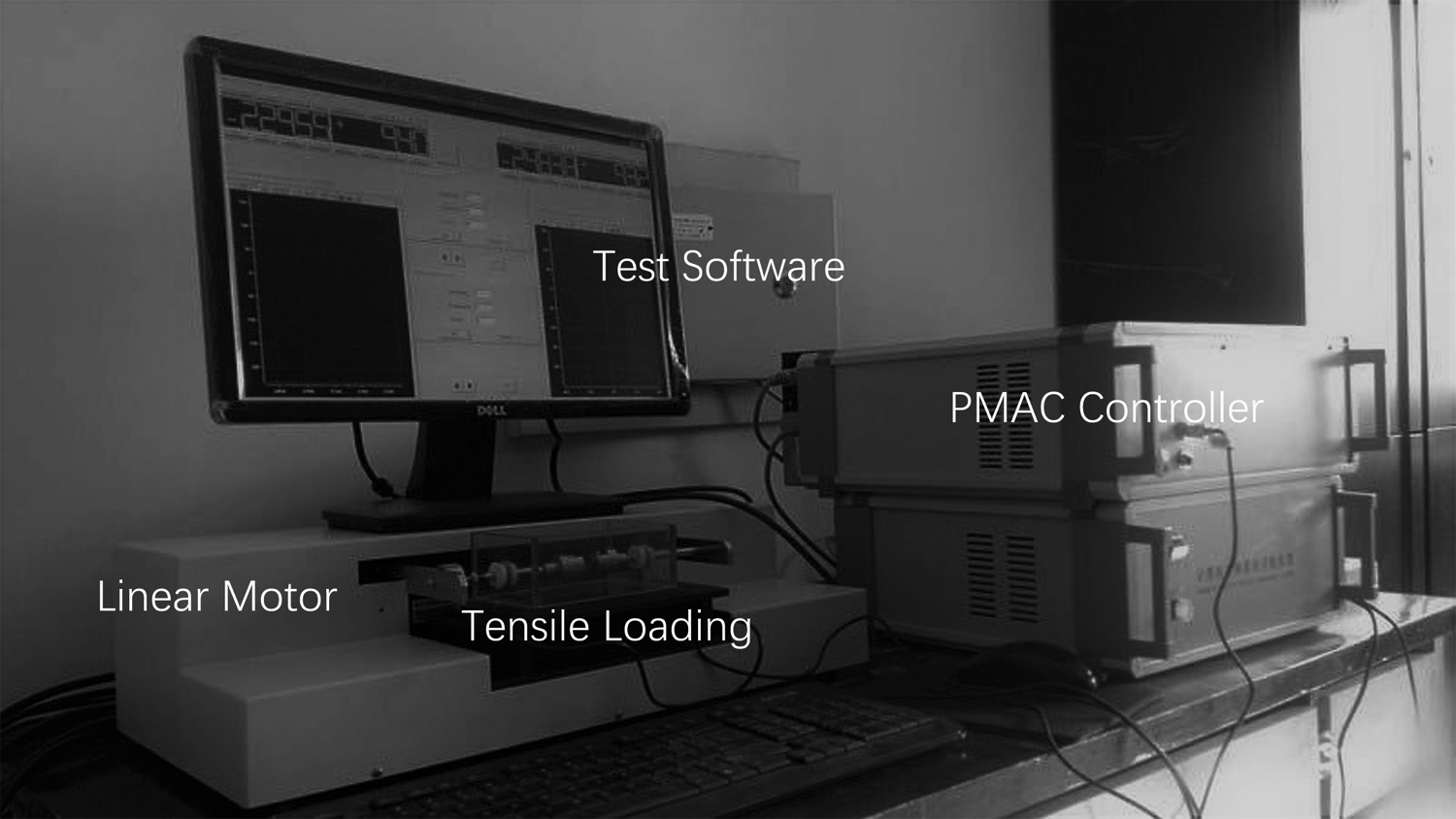
Novel combined multifunctional bioreactor based on linear motor.
As for bioreactors mentioned in this review, these stimuli partially reflect the internal psychological environment. We suggest that we should deeply study the effects on AC of each stimulus and then determine a typical and comprehensive mechanical condition for the functional construction of cartilage. The main points of the qualified mechanical conditions are as follows: First, constrained culture. The four sides of the transplanted cartilage come in contact with the host cartilage after implantation into the cartilage defect; consequently, the host cartilage will constrain the lateral expansion and deformation of the engineered cartilage when exposed to loads. Researchers should consider constrained culture when designing jigs in bioreactors. Second, flexibility in loads. Currently, we use bioreactors to exert given loads on engineered tissues at a given time. We think that this loading pattern may cause the memory effect of cartilage and affect the results of experiments. AC is exposed to diverse loads varied all the time along with the changes in metabolism or movements. These changes should be considered in the design of loading patterns in bioreactors. For instance, collecting data from human body motion by experiment or monitoring, then applying these data to the design of bioreactors. Third, variety in loads. Cartilage lives in a complex mechanical and physiological environment. At present, mechanical conditions in most bioreactors involve only one or two external forces. This may be insufficient for functional cartilage construction. Therefore, multiaxial loads can be applied to the design of bioreactors. 109 Fourth, biochemical factors. A wealth of antioxidant factors, anti-inflammatory factors, nutrients, and chemical factors should be added to the construction of cartilage to replicate, even optimize, the physiological environment in vitro and achieve functional construction of engineered cartilage.
The structural and mechanical characteristics of cartilage are adaptive to the environment. Wang et al. believe that the stimulation of free swelling, followed by mechanical loading, will be more conducive to the chondrogenesis.110,111 The in vitro culture of cartilage should be based on the results of theoretical and experimental studies to find appropriate mechanical conditions. First, they guarantee the function of nutrition uptake and waste excretion for cell metabolism; and second, they mimic the movement of joints and exert essential mechanical and biochemical stimuli on engineered cartilage to achieve its functional construction. In our opinion, rolling–sliding–compression load is a combination of various mechanical stimuli, with synergistic effects of appropriate biochemical conditions under lateral confined constraint culture; will be conducive to the metabolism of cells and the mass transfer in engineered cartilage; and will realize the adaptation of engineered cartilage between structure and function.
In recent years, researchers mainly focus on selecting seed cells and embedding them onto scaffolds and then applying mechanical or biochemical stimuli on cartilage constructs in bioreactors to acquire functional engineered cartilage. Various problems still need to be solved, for example, how to replicate internal physiological environment in bioreactors; how to enhance the effective and stable phenotype of chondrocytes and the secretion of ECM; how to avoid pollution in the process of in vitro culture; and how to promote the effective integration and prevent degeneration of engineered cartilage and host cartilage. Tonnarelli et al. have developed a streamlined production process for CTE. The seeding, amplification, and differentiation of cells are within a perfusion bioreactor system to lower operating costs. 112 Schon et al. have reviewed the prospects of applying modular assembly techniques and strategies for fabrication of advanced tissue-engineered cartilage constructs. 113 Sometimes, it is difficult to get all the data we want through experiments. Therefore, numerical simulation based on a computational model becomes an effective instrument to predict the mechanical properties of cartilage; the changes of deformation, stress, and strain; and the process of damage evolution, mass transfer, and growth.114–117 Our team has also studied the mechanical behavior of cartilage and got some interesting conclusions.118–121
Generally, collagen fibers, proteoglycans, and liquid in ECM support loads in mature AC. There are only a few chondrocytes in AC that have limited influence on its mechanical properties. During the process of fibration, changes in parameters, for example, collagen or crowding agent concentration, draw rate, flow rate, temperature, and pH, will substantially improve the morphology and strength of fibers. 122 We hypothesize that if we culture collagen–gel constructs in the presence of active substances and appropriate GFs, then exert mechanical stimuli on the samples, we may be able to obtain functional engineered constructs approaching native cartilage. The engineered constructs can use the body as a native bioreactor after transplantation and finally repair cartilage defects.
One major ingredient of native cartilage is type II collagen, which has self-assembly properties. It will be organized in bundles of aligned fibrils under mechanical conditions. Saeidi et al. find that shear stress induces highly organized collagenous structures.123,124 Cheng et al. get bundles of highly aligned fibrils produced from type I collagen through electrical stimuli. 125 These results show that as one of the main components bearing loads in cartilage, collagen will be highly aligned and organized in a certain direction with an observable improvement in mechanical properties under appropriate mechanical conditions. In this way, it is possible to produce self-assembled cartilage tissues. This will be a potential research field with the support of 3D printing technology in the future.
Conclusion and Prospects
AC is inherently avascular, so mechanical stimuli play the role of blood vessels in its metabolic process to exchange substances with the external world. The key to functional cartilage construction is finding out appropriate mechanical stimuli. First, they should ensure the acquisition of nutrition and excretion of wastes in cartilage to meet the requirements of cell metabolism; and second, they should mimic the movement of joints and apply essential mechanical stimuli on engineered cartilage to achieve functional construction. Native AC is exposed to complex mechanical loads. Compression, tension, shear, fluid shear, or HP each only partially reflects its stress state. Moreover, biochemical stimuli also have significant influence on the growth and development of cartilage. Thus, we suggest that only by fully considering synergistic effects of mechanical and biochemical factors can we find appropriate culture conditions for functional cartilage constructs. Hence, rolling–sliding–compression load under appropriate biochemical conditions will have synergistic effects on the metabolism of cells and mass transfer in cartilage tissues and may benefit the development of engineered cartilage in vitro.
Bioreactors have been widely utilized in the construction of engineered cartilage. The diagnosis and treatment of cartilage diseases in clinical application will gradually become individualized, which requires customized construction of engineered cartilage in vitro. The performance test of engineered cartilage should also become detailed and nondestructive, for example, using ultrasonic or MRI scan for online monitoring.126–128 The combination of medicine science and engineering will be a trend in the development of CTE. For one thing, it is necessary to go on with basic research in mechanobiology to understand the regulating mechanism of the growth and differentiation of cartilage; for another, the results and parameters from theoretical researches should be flexibly applied to the design of bioreactors from an engineered point of view.129–139 This requires further collaboration among biomedicine, clinical medicine, and engineering fields. We believe that the application of bioreactors will be gradually extended from laboratory researches to commercial production, making CTE a routine therapy for clinical treatment of AC defects and lesions in the future.
Footnotes
Acknowledgments
The project is partly supported by the National Natural Science Key Foundation of China (No. 11432016) and the National Natural Science Foundation of China (Nos. 11672208, 11572222, and 11402172).
Disclosure Statement
No competing financial interests exist.