T
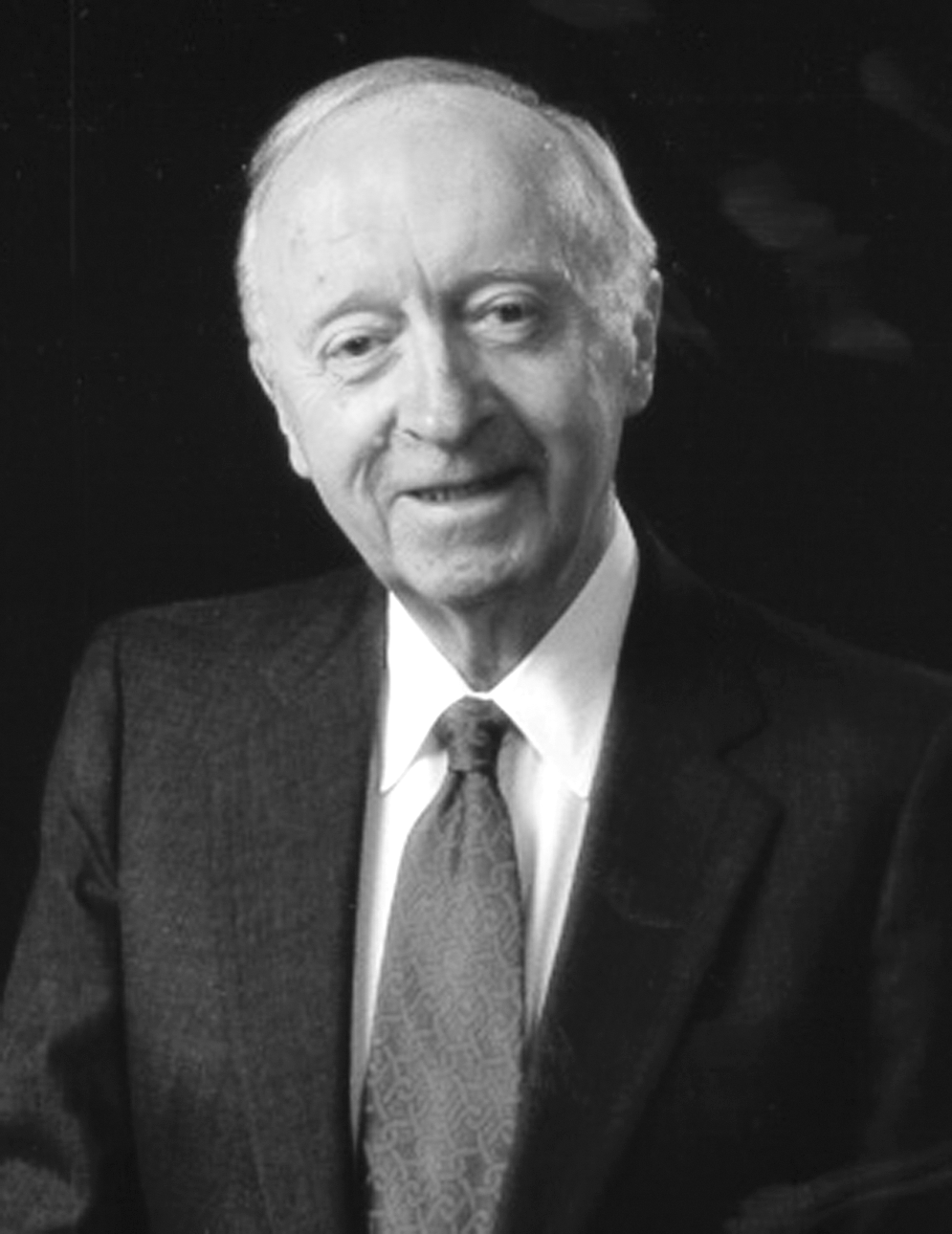
hyroidology lost one of its major movers when Dr. John Maxwell McKenzie died in Miami on April 30, 2009, more than 50 years after first describing the famous McKenzie bioassay for thyrotropin. He was 81 years of age and a former president of the American Thyroid Association (1984–1985). Max was a Scotsman by way of Canada and the United States, but he retained the love of his homeland throughout his life. He graduated from St. Andrew's University in Dundee in 1950 and went as a medical officer to Korea before returning to Dundee. There he continued his residency and lectured in pharmacology before being sent to work with Edwin B. Astwood in Boston at a salary of $3600/year. While in Dundee, he had been introduced to the use of radioiodine for the measurement of protein-bound iodine in patients and used this knowledge in the development of a mouse thyrotropin bioassay in Astwood's laboratory. This was stimulated by a visit from Dick Purves from Otago in New Zealand who, with Duncan Adams, had developed a system using the more impractical guinea pig. These circumstances are reviewed in an interview published in Thyroid in 2001 (1) in which Max McKenzie surveyed his work relating to thyroid-stimulating antibodies. In 1959 he joined McGill University in Montreal and became Chief of Endocrinology and Metabolism while maintaining his research interest in Graves' disease. He remained in Montreal for many years and it was not until 1981 that he moved to become Chief of Endocrinology and Chair of Medicine at the University of Miami. Although he did not enjoy administration, he proved to be an outstanding division chief and chairman while continuing as an outstanding scientist and an extraordinarily compassionate physician who valued human dignity above everything else. Supportive, respectful, thoughtful, and encouraging are some of the words that former lab members and mentees use to describe Max. He was always focused on the academic progress of the young faculty members but also saw life beyond science and kept a high spirit of friendship while entertaining long discussions about opera and other cultural affairs. Max used to be a prominent figure at the Laurentian Hormone Conference, which he attended on an annual basis, and his family would join him each Wednesday for a “family” day. Max retired from practice in 2006 and was honored by the Department of Medicine's Division of Endocrinology, Diabetes and Metabolism with a fellowship training program in his name, and a fund is forming for a named thyroid lectureship in the division.
Max met his devoted wife Vieno Kangas in Boston during his time with Astwood. They were married 51 years. In addition to his wife, Max McKenzie is survived by two sisters, Elsbeth and Joy in Scotland; daughters Lesley Zilberstein of Seattle, Washington, and Ann Gailey of Pinecrest, Florida; and sons Ian of Miami and Gordon of Delray Beach, Florida. His great presence will always be treasured by his family and friends who had the pleasure of knowing a very fine human being—a gentleman and a scholar.