




Abstract

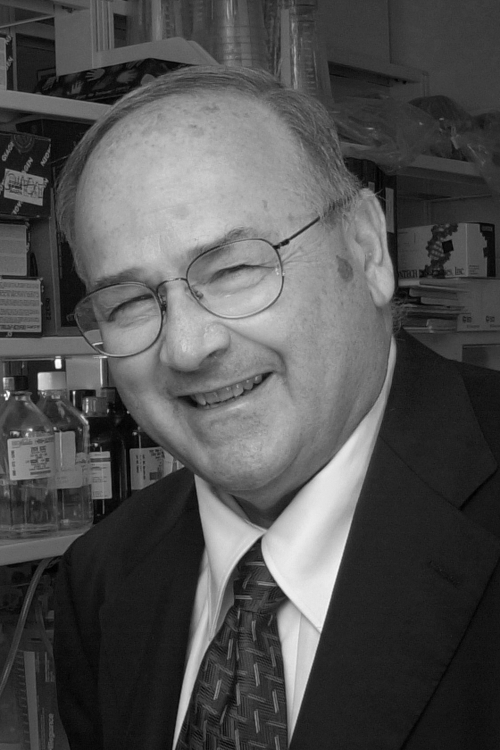
At any given time in Len's NIH lab, there were physicians, postdoctoral fellows, students, international visitors, and a host of collaborators. The group was diverse and stimulating. While science was the primary focus, the atmosphere fostered new and shared cultural interaction. Len's lucent and vivid demonstrations of new techniques provided a formidable educational experience. Many remembered their time in Len's lab as the most productive of their career, but equally important were their new friends and broadened cultural experience which were treasured gifts for years to come.
Len's scientific contributions are almost too numerous to describe. He published over 400 scientific papers and holds 13 patents. He pioneered studies of monoclonal antibodies to the thyrotropin receptor (TSHR) and also showed that there were multiple autoantibodies to TSHR including those that inhibited thyrotropin (TSH) binding. He was an early proponent of the concept that TSH and its receptor were coupled to multiple signal systems rather than only cyclic adenosine monophosphate transduction. He and his colleagues showed that the calcium-inositol triphosphate-arachidonic acid pathway was critical to the growth and function of thyroid cells and that this system was stimulated by thyroid autoantibodies. Len's lab established that insulin/insulin growth factor 1 was critical to the synthesis of thyroglobulin and the action of TSH. He was interested in the relationship of the luteinizing hormone (LH) receptor to the TSHR, and together with colleagues at NIH, he showed that activating mutations in the LH receptor caused familial precocious puberty. He collaborated with others to improve the measurement of antibodies to the TSHR so that the assay could be used more effectively in the management of Graves' disease. He also discovered abnormal major histocompatibility complex (MHC) class I regulation in thyroid cells and proposed that methimazole may modify autoimmune thyroid disease by altering this abnormal MHC class I regulation. He and his colleagues verified this hypothesis by showing that methimazole prevented experimental systemic lupus erythematosus in mice.
The discovery and cloning of FRTL5 cells, in close collaboration with Saverio Ambesi Impiombato and Haden Coon, provided the thyroid community with a remarkable tool. Len generously shared FRTL5 cells with numerous colleagues around the world, requesting only that they be used for scientific purposes. The patents for FRTL5 cells and assays were the basis for the first reproducible clinical assay for thyroid-stimulating immunoglobulin. The commercial reimbursement was captured by the not-for-profit Interthyr Research Foundation established in 1982 and provided hundreds of young scientists and physicians with travel grants and start-up research funds, again illustrating Len's wonderful self sacrifice and generosity.
Len was an active and devoted member of the American Thyroid Association (ATA). He attended the meetings regularly and presented his research there with enthusiasm. In 1999 he received the Sidney H. Ingbar Distinguished Lectureship Award of the ATA. Len received honorary doctorate degrees from universities in Japan and Italy and was a Visiting Professor in many universities here and abroad.
Although Len ran a busy research program, he was always available to discuss research problems with distant colleagues. He gave marvelous and practical advice about scientific issues that advanced the research of many people.
Len was devoted to his wife, Miriam, and to his daughters, Andrea and Aimee.