




Abstract

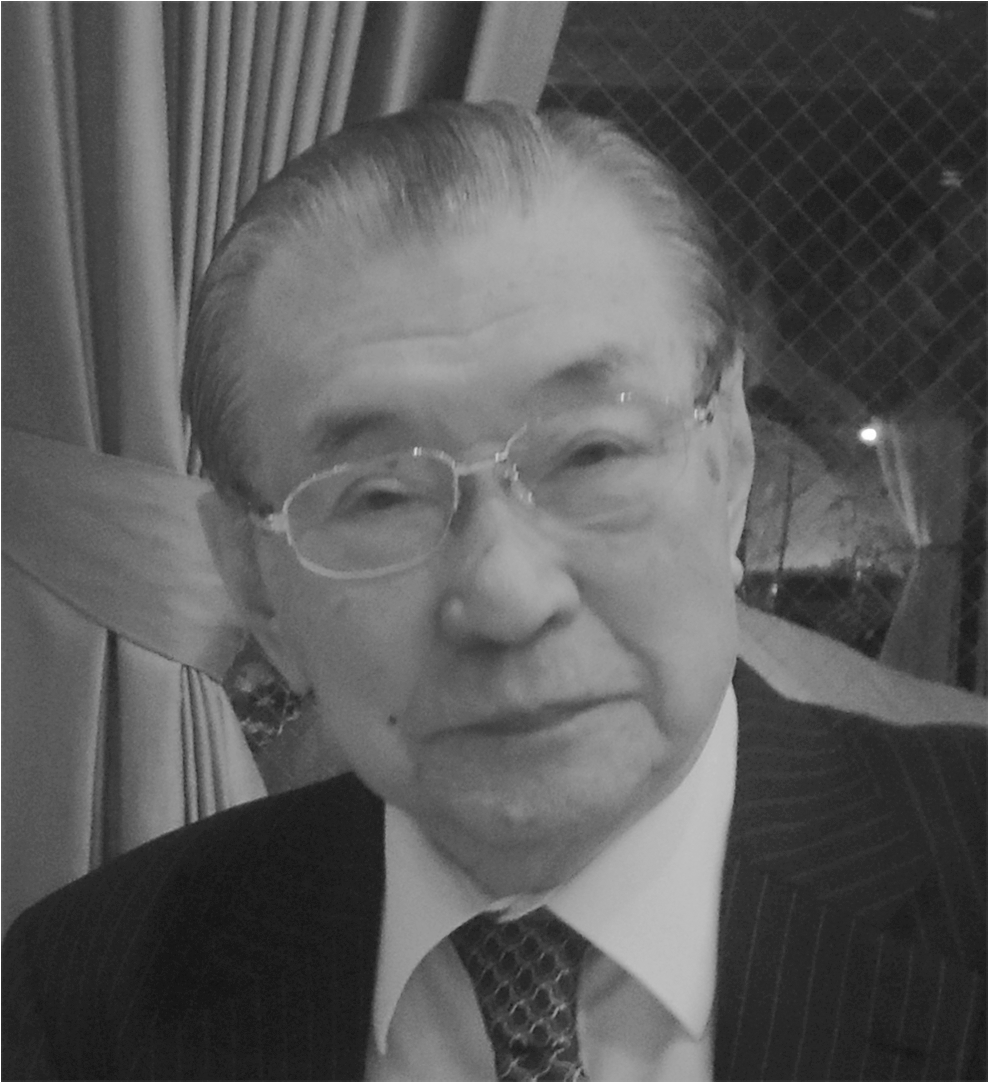
Shigenobu Nagataki, MD, PhD, Professor Emeritus of Nagasaki University, at the 59th annual meeting of Japan Thyroid Association on November 3, 2016, in Tokyo (photo: Shunichi Yamashita).
T
Shigenobu Nagataki graduated from the School of Medicine, Tokyo University, in 1956, and spent a two-year research fellowship in Medicine at Harvard Medical School. Here, he studied iodine metabolism in health and disease, focusing on the utility of radioisotopes in the assessment of thyroidal economy and pathophysiology under the mentorship of Professor Sidney Ingbar. His first publication in an international journal related to his doctoral thesis appeared in Endocrinology in 1961 (1). Together with Dr. Ingbar, he published a series of fundamental studies on iodine metabolism (2 –4). After he became a full professor at Nagasaki University School of Medicine in 1980, Shigenobu Nagataki worked in the field of autoimmune thyroid diseases, specializing on the pathophysiology of Graves' disease. From 1994 to 1997, he served as a Director of the World Health Organization (WHO) Collaborating Centre for Research on Thyroid Diseases; the Center has now been renamed as the WHO Collaborating Centre for Research on Radiation-Induced Thyroid Diseases and Surgical Treatment of Radiation Injuries in Nagasaki. In September 1997, Shigenobu Nagataki became Professor Emeritus of Nagasaki University.
Professor Nagataki has contributed tremendously to thyroidology, radiation medicine, and radiation disaster medicine. He worked for more than 25 years for the Chernobyl medical aid programs and various related research studies (5,6). During the last years, after the Fukushima nuclear power plant accident, he devoted himself to the mitigation of the aftermath effects of the Fukushima accident in his role as the chief member of the Nuclear Disaster Expert Group of the Cabinet Secretariat of Japan, as well as the President of the Radiation Effects Association of Japan (7,8). He also continued to serve as the honorary president of the Asia and Oceania Thyroid Association (AOTA), and was honorary member of many academic and governmental societies internationally and nationally such as the Japan Endocrine Society.
Shigenobu Nagataki is the author of more than 700 articles in English, including a number of monographs and book chapters. His academic carrier serves as an inspiring example of a successful career for young investigators and physicians in Japan. Professor Emeritus Shigenobu Nagataki had a wonderful character and humanity. He was able to extend his unique heartfelt hospitality toward everybody, and he had many friends in academic societies such as the American Thyroid Association, the AOTA, the European Thyroid Association, the Latin American Thyroid Society, and of course the Japan Thyroid Association.
Innumerable friends and colleagues in Japan and across the world mourn Shigenobu Nagataki's passing. Many of us, whose clinical, scientific, or even administrative careers and achievements have been influenced by Professor Nagataki, will miss him sorely. He will always be remembered as an outstanding professional and a truly great man.