




Abstract


Dr. Jerome M. Hershman.
Dr. Jerome Hershman, a past president of the American Thyroid Association (ATA) and founding editor-in-chief of the organization's flagship journal, Thyroid, passed away on July 18, 2022, shortly before his 90th birthday. Dr. Hershman was a distinguished professor of medicine emeritus at the University of California Los Angeles David Geffen School of Medicine and past chief of endocrinology at the VA Greater Los Angeles Healthcare System. Known to many as Jerry, he was a brilliant clinician, educator, researcher, and mentor who impacted the lives of so many in the thyroid community and beyond, over the course of his nearly seven-decade career. He remained extremely active in his personal life and various professional roles until just recently.
Dr. Hershman was born in Chicago, Illinois, as the younger of two boys to parents who had come from Poland. He was a proud graduate of Roosevelt High School, Northwestern University, which he attended on a full tuition scholarship, the California Institute of Technology, for a master of science degree studying the characterization of DNA structure under the Nobel Laureates Drs. Alexander Rich and Linus Pauling (which he completed in just nine months), and the University of Illinois College of Medicine, where he did research with Dr. Howard Armstrong investigating plasma protein turnover.
Dr. Hershman completed a rotating internship at Cook County Hospital in Chicago and his medical residency at the Beth Israel Deaconess Medical Center in Boston, after which he served two years as a captain and internist in the U.S. Air Force. He then went on to complete his endocrine fellowship at the New England Center Hospital, where he trained under Dr. E.B. (Ted) Astwood and first became interested in thyroid research, and at the VA Boston Hospital. Dr. Hershman has had a long and esteemed career of laboratory and clinical investigation, teaching, and providing patient care at VA and affiliated university hospitals in Chicago, Birmingham, and Los Angeles.
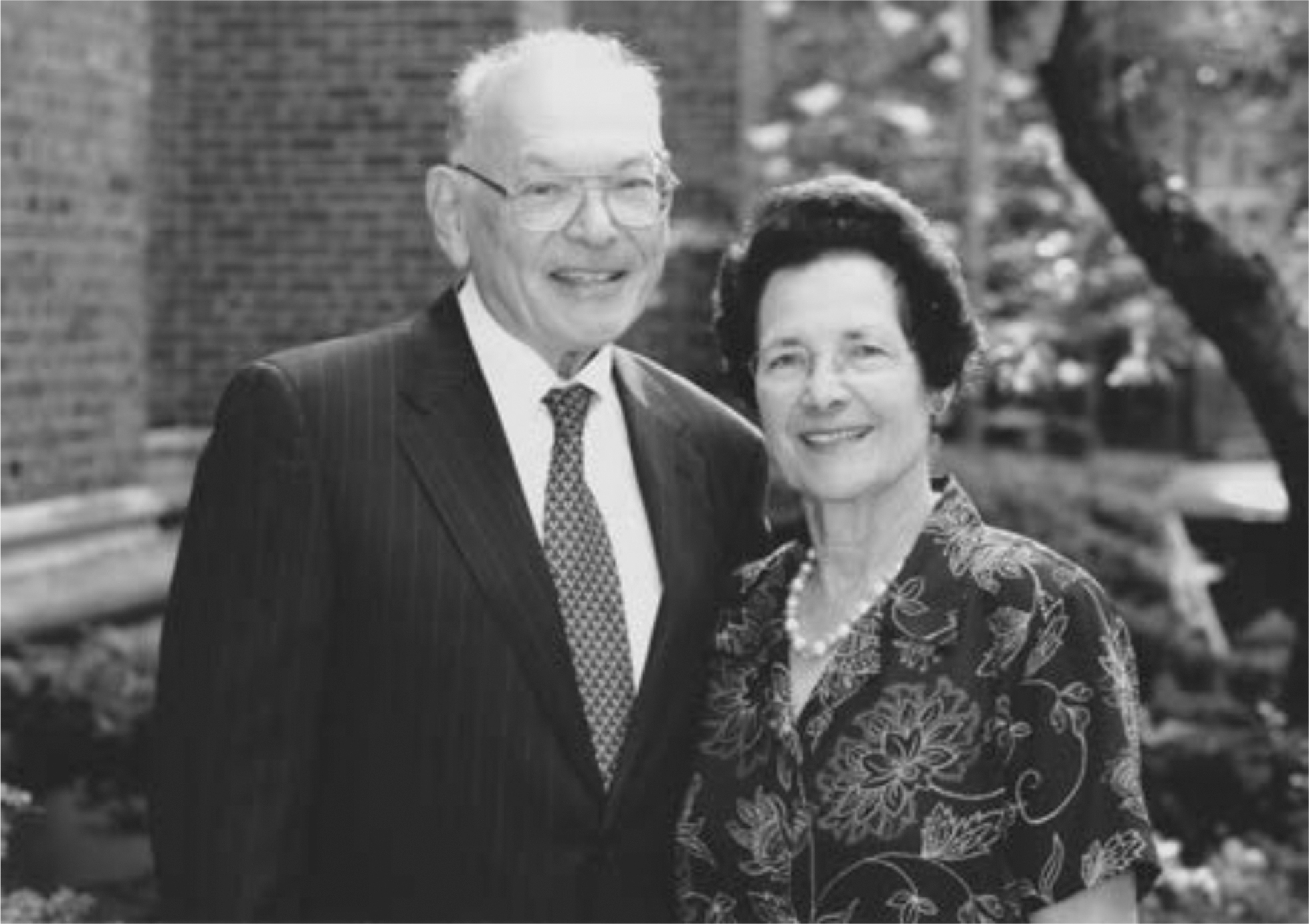
Dr. Jerome and Fleurette Hershman.
Dr. Hershman was a prolific thyroid researcher, having published over 500 original research articles and authoritative book chapters and reviews in the field of thyroidology. He has contributed greatly toward what we consider the basics of thyroid physiology and pathophysiology today through his broad and impactful research contributions.
Although his earlier work focused on thyroxine deiodination and the effects of propylthiouracil use in rats, Dr. Hershman's most seminal work has been recognition of the thyrotropic activity of human chorionic gonadotropin (hCG); development of a bioassay for thyrotropin (TSH) and subsequent development of a highly sensitive radioimmunoassay for its measurement; the response of TSH to thyrotropin releasing hormone (TRH) stimulation; investigation of thyroid function changes in nonthyroidal illness and response to thyroxine treatment; the thyroidal changes that may occur with amiodarone use; the effects of vasopressin, TRH, and cytokines on thyroid function; and his contributions toward our understanding of factors that regulate iodine uptake and growth of thyroid cancers.
Dr. Hershman was a passionate advocate of the ATA and served in many of its leadership roles and supported a wide range of its programs. Perhaps his greatest accomplishment for the ATA was his willingness to take on the inaugural editorial leadership of the nascent journal, Thyroid, which many members felt was too risky for such a small society and would never achieve prominence. Thyroid was initially published quarterly and Dr. Hershman shepherded it to be indexed (Index Medicus at the time).
In the early days, Jerry would go through the poster session at the ATA and Endocrine Society Annual Meetings with a stack of cards with Thyroid submission information, personally inviting submissions from authors of interesting work. He served two terms as editor-in-chief and was very gratified to see the success of the editor-in-chiefs who followed him, and the journal reaching and sustaining an impact factor greater than 6, exceeding all expectations. Dr. Hershman mentored me (Greg) in journal editing by appointing me to serve as associate editor. The main responsibility was to serve as editor when Dr. Hershman was away, which required direct access to the journal office (a desk and file cabinet in Dr. Hershman's laboratory) and being able to process and move article folders and paper copy reviews.
Dr. Hershman was also past editor-in-chief of the ATA journal, Clinical Thyroidology, that he led for eight years, an example from which I (Angela) learned a lot from before following in his footsteps in the same role. Dr. Hershman's eye for editorial excellence, through critical review of the articles to be summarized in the journal, has been key toward the success of the ATA's publications program.
Among Dr. Hershman's multiple honors was his receipt of the ATA's John B. Stanbury Pathophysiology Medal, which recognizes outstanding research contributions that contribute to the understanding of thyroid physiology or pathophysiology. In his career and leadership within the ATA, Dr. Hershman has also been honored with the receiving of the ATA's Sidney H. Ingbar lectureship and the distinguished service awards.
At the West Los Angeles VA Medical Center, where he spent most of his academic career, Dr. Hershman was instrumental in building the endocrine division, where he ran the inpatient endocrine service and endocrine clinics during the early days of our division. He started an endocrinology fellowship in the mid 1970s and served as the program director almost 25 years, until he passed leadership (to Greg) in 1999. Dr. Hershman was beloved by the fellows and he stayed connected to them for their entire career, many serving as volunteer clinical faculty in the VA outpatient clinics.
During the course of his research career, Dr. Hershman mentored 65 postdoctoral research fellows, many who have gone on to have highly productive academic careers and who serve as division and departmental leaders across the country. Jerry and his wife, Fleury, opened their home regularly to fellows and trainees for many social occasions, serving as a family to many who had come to Los Angeles from around the world.
Dr. Hershman had seemingly boundless energy, enthusiasm, and an optimistic outlook on the many activities he enjoyed. He was an avid fan of outdoor sports such as tennis, birdwatching, hiking, and skiing, as well as attending cultural events with his wife Fleury and their large group of friends. Dr. Hershman will be deeply missed by his friends, colleagues, and thyroid family that is the ATA. We are grateful that he was interviewed in late 2021 by Dr. Terry Davies, through which Dr. Hershman was so wonderfully captured in a piece published in the journal that he founded. 1
Angela M. Leung, MD, MSc and Gregory A. Brent, MD
Division of Endocrinology, Diabetes, and Metabolism
Department of Medicine
UCLA David Geffen School of Medicine
VA Greater Los Angeles Healthcare System
Los Angeles, California
USA
E-mail:
When I heard the sad news of Jerry's passing, his kind smiling face immediately emerged in my mind. That is what I have remembered most about him since the first time we met at an ATA Annual Meeting about 40 years ago. With a big smile, he came over to talk to me and made some positive comments about the work I presented. I did not know him then, but I was struck by his genuine interest in my work, his deep understanding of thyroid biology and pathology, and his sincere encouragement to a junior fellow like me. Since then, while I did not have an opportunity to work directly with him, I considered him to be my mentor.
I consulted him about the direction of my research and career options, asked for his support for my career advancement, and received his guidance in journal selection for my article submissions. He never failed to respond promptly, honestly, and generously with words of wisdom. In late June of this year, I was at a crossroads about whether I should accept an invitation for a chief editorial position for a journal. Without hesitation, I reached out to Jerry for advice. He responded by laying out the pros and cons in detail, which helped me reach a sound decision.
During this time in late June, Jerry was in a difficult health situation, which I did not know about. I am deeply touched by Jerry's care for me, his dedication to mentorship, and his strong desire to help others. Jerry was an excellent teacher and a passionate mentor who helped to shape the researcher I have become in the thyroid field. He was a model for me to strive for, to become the best mentor I can be for my fellows. Thank you, Jerry, for the precious gifts that you have given me.
Sheue-yann Cheng, PhD
Chief, Gene Regulation Section
National Cancer Institute
National Institutes of Health
Bethesda, Maryland
USA
I
It gave us an opportunity to reminisce about our past professional and friendly interactions. This rambling conversation focused on our collaboration in the 1980s on TSH gene expression in the pituitary, but soon moved to some of the other areas in the thyroid field that entranced Jerry in his long career. These you all know well and can document so much better than me. But we recalled his contributions to the regulation of thyroid hormone synthesis and secretion, circadian rhythm of pituitary release of TSH, thyroid hormone metabolism, nonthyroidal illness syndrome, and thyroid cancer, just to name a few.
One area in which Jerry contributed significantly, and I will highlight, was the phenomenon of hormonal crosstalk, specifically involving hCG and TSH. This emanated from his seminal report in the NEJM in 1971 where he described the excessive hCG production and secretion from an hydatidiform mole associated with thyrotoxicosis. He further was among the first to describe the association of hyperemesis gravidarum, elevated hCG, and thyrotoxicosis. These endocrine vignettes led to hypothesizing and ultimately proving the pathophysiological mechanism of hCG/TSH crosstalk.
His interest in hCG and TSH intersected strongly with those in my laboratory at Harvard, and this led to the aforementioned work on thyroid hormone regulation of TSH and other pituitary hormones, such as growth hormone and prolactin, in normal and transformed pituitary cells.
In subsequent years, I greatly enjoyed Jerry's company. I was always impressed by his natural inquisitive nature with a curiosity that led to many questions. Often unassuming ones but always to the point. For example, he jumped into molecular endocrinology even as the field was just being birthed. Measuring mRNA levels in tissue is certainly old hat now but it was not then. Jerry not only was not afraid to work with these tools with his strong band of students, fellows, and staff, he embraced them. There were so many ATA, ITC, and other meetings that I had the pleasure to enjoy with him.
When I visited LA and the West LA VA Hospital, Jerry was always the most gracious and welcoming host. He and Fleury—always a great traveling companion—truly loved travel both near and far, and a good meal. In addition, and importantly, Jerry never missed an opportunity to play tennis wherever we were together, and I was always happy to oblige. These provide my warmest recollections.
A well-loved and admired physician, scientist, and teacher, Jerry will be most remembered fondly as a wonderfully kind and gentle giant of a thyroidologist. We will all truly miss him.
William (Bill) Chin, MD
Professor of Medicine Emeritus
Harvard Medical School
Boston, Massachusetts
USA
I
I realized who he was because of my interest in hCG and the TSH receptor that was stimulated by his work. I was already developing a project at NIH with Bruce Nisula, who was working on characterizing hCG glycosylation, and once Bruce learned that I had experience with the TSH receptor, he had asked me to look at his urinary hCG preparations and their interaction with TSH binding. This later resulted in a 1979 article in Journal of Clinical Endocrinology and Metabolism, which is rarely quoted, but at least Jerry Hershman was very interested to learn what I was doing.
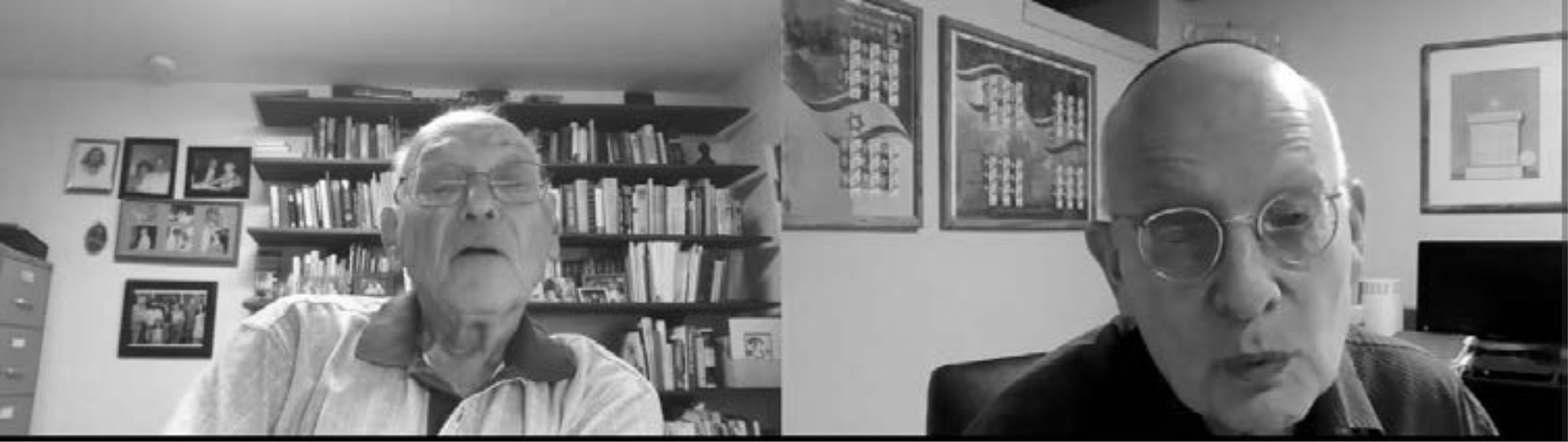
Dr. Hershman being interviewed by Dr. Terry Davies. 1
At that time in my life, I had already realized that the world contained very few people with the combined characteristics of intelligence, wisdom, and kindness (nothing has changed since). I had been trained by Reginald Hall in Newcastle, United Kingdom, who was one of these rare people and who pulled me into thyroidology. But as soon as Jerry and I started talking, I soon realized that I had been lucky enough to find an American version and one full of enthusiasm for our common interests—even religion!
We subsequently met and talked at almost every ATA meeting, and dinner with our wives was a regular occurrence, although he never forgave me for later beating him to a 1992 publication in Journal of Clinical Endocrinology and Metabolism (with Yaron Tomer) showing that purified hCG interacted with recombinant TSH receptor—finally satisfying all skeptics that still doubted the phenomenon. It was, therefore, a special pleasure and privilege to succeed Jerry Hershman as the second editor of the ATA journal Thyroid. Jerry was the founding editor and had nurtured the journal to some early success against the advice of many ATA members, and he considered the journal to be his “baby.”
He was delighted at my agreeing to take on the work that at that time involved paper articles piled in multiple boxes! Despite our friendship, he believed in “trust but verify” to such an extent that he flew to New York, with the boxes, to inspect the office where I would work on the journal and the assistant who would help me. Luckily for me, he was satisfied with the arrangements, so the boxes became mine until the subsequent digital transformation, which is an entirely different story….
In June 2021, I decided that Jerry Hershman would be a great person for me to do a historical video interview with , to learn more about his career. Although at 89 years of age, he was still fit and vigorous and able, and he was enthusiastic about the idea. We did the interview through Zoom, with which he had no trouble, and I was eventually able to edit our talk down to an article in Thyroid. 1 This was such a pleasure for me and required no effort. The conversation flowed and I gradually learned, admittedly with some difficulty, how TSH contamination had ruined his early studies on hCG. If you have not read the interview, you will surely enjoy it, and the unedited video exists for archiving. I will so miss my friend.
Terry F. Davies, MD
Florence and Theodore Baumritter Professor of Medicine
Icahn School of Medicine at Mount Sinai
New York, New York
USA
I
I first met Dr. Hershman in 1982 at a symposium on thyroid hormone metabolism, to which he had been invited, at the Reisensburg Castle of the University of Ulm, Germany, where I was a fellow at the time in the Internal Medicine Department. Jerry's many highly discerning comments impressed me, as had also his articles, particularly his 1971 seminal article on the use of TRH testing in clinical thyroidology, authored with Haigler et al.
After this, we met regularly, beginning in 1992, at the annual meetings of the ATA, in which I had become an active member. In 1998, we hosted the European Thyroid Association meeting in Athens, Prof. D. Koutras and I invited Jerry both to the meeting and to the satellite symposium, on the island of Kos, dedicated to developments in TRH. He was accompanied by his beloved wife, Fleurette—and Jerry was especially taken with our visit to the tree of Hippocrates, an emblematic site in the city of Kos. Our inspiring discussions on TRH and thyroid hormones measurement during those days are fondly remembered. Jerry had profound knowledge of history and I enjoyed talking with him about Hippocratic medicine, and also about Thermopyles and other historic events.
In 2000, Dr. Hershman most kindly acted as my mentor in counseling me and recommending me to join the editorial board of the journal Thyroid, a huge honor for me, and I continued to serve as an associate editor since 2012.
Jerry may be numbered among the very most important names in the history of thyroid disease and treatment, one who deeply inspired and motivated many colleagues. He will be greatly missed.
Leonidas Duntas, MD, PhD
Professor of Endocrinology and Internal Medicine
Secretary of the European Thyroid Association
Evgenideion Hospital
Unit of Endocrinology, Metabolism and Diabetes
University of Athens
Athens
Greece
J
These choices illustrate Jerry's determination for a well-grounded scientific background. They explain why he was recruited to head an endocrine division. As an endocrine fellow, I naively thought of “Hershman” as a long-standing member of the endocrine pantheon. After all, he was making important observations regarding TSH and the effects of synthetic TRH in humans, among them a report documenting the concept of hypothalamic hypothyroidism. Later I began to appreciate other aspects of Jerry's nature, including his diverse interests and the support he offered to a wide range of people.
I am grateful for the advice he gave me when I was treasurer of the ATA and for appointing me as an associate editor of Clinical Thyroidology. Scores of people in the ATA and sister societies have been encouraged and counseled by Jerry at meetings when he made the rounds of posters or encountered them at social events. At these events he never failed to introduce his charming wife, Fleury. Most recently, in reading tributes to Jerry, I note that his devotees included patients, professional colleagues, members of his workforce, students, and his associates in the Plato Society, one who wrote “What an incredible man! He exuded caring, intelligence and love. I adored him and the wisdom he shared.”
Charles H. Emerson, MD
Professor Emeritus
University of Massachusetts Chan Medical School
Worchester, Massachusetts
USA
A
During the meeting in Portland in 1998, I met Jerry and Fleury on a sidewalk, an encounter that I remember in all details to this day. Jerry asked me about details on Pendred's syndrome and pendrin, then the focus of my work. The next week, this discussion was followed by an invitation to write a review for Thyroid on Pendred's syndrome and the identification of the genetic defect a century after its first clinical description.
Jerry was the founding editor of Thyroid, a publication that began in 1990, and under his leadership the journal quickly grew in prominence. A few weeks after submitting my review article, I received first invitations to evaluate articles for Thyroid. Then, after contributing a few reviews, Jerry asked me to join the editorial board. Little did I know to what extent this would impact my career and activities.
Over the years, Jerry always showed keen interest in my work and career, and he always had words of encouragement and wisdom whenever we met, either at ATA meetings or during several of his visits to Northwestern University. A Chicago native and a graduate of Northwestern University, where he received his bachelor of science in chemistry and spent part of his early career, Jerry had many interesting stories about the city and his alma mater, and how they changed over time.
But what I particularly enjoyed were Jerry's accounts on the work with Ted Astwood on thionamides, the contributions to the development of the first TSH assays, the synthesis of TRH with Jim Pittman's group, and the characterization of the thyroid-stimulating activity of hCG. What an incredible spectrum of contributions to the field of thyroidology, and there are other topics that could be added!
In 2012, when I submitted my application to become the editor-in-chief of Thyroid after Jerry (1990–1999), Terry Davies (2000–2007), and Charles Emerson (2008–2012), the discussions with the former editors were central for my reflections and the decision process. Jerry's enthusiastic support and advice was, of course, particularly meaningful.
Jerry's tremendous contributions to the ATA and thyroidology have also been highlighted in other contributions to this In Memoriam. The scope of his opus and his exemplary citizenship are simply impressive, and it remains difficult to capture them comprehensively.
We miss Jerry as a colleague, a master clinician and scientist, a tireless contributor to many missions of the ATA and endocrinology, and— above all—a very generous friend and mentor. We can only marvel and be grateful for all he has done and how he has touched us.
Peter Kopp, MD
Professor of Medicine and Médecin Chef
Division of Endocrinology, Diabetology and Metabolism
University of Lausanne, Switzerland
Adjunct Professor of Medicine
Northwestern University
Chicago, Illinois
USA
L
There was the breadth of his knowledge, curiosity, and accomplishments, ranging as they did from basic science to clinical medicine. There was his commitment to professional service as president of the ATA, founding editor-in-chief of Thyroid, and editor of the extraordinarily useful Clinical Thyroidology. There was his integrity as an investigator, educator, editor, and speaker. And there was, as I came to know him personally, the balance in his life between an amazingly productive career and his outside interests and commitment to family.
In remembering Jerry, I recall something special about the rhythm of conversation with him—whether it was about thyroid research, a clinical case, or social banter. There were those pauses: the few seconds of contemplative silence before he responded, the time he spent really considering what you had just said and formulating a reply that was direct, well informed, insightful, and generous. I think those pauses reflected both the regard that Jerry had for others and the respect that he had for the truth.
Paul W. Ladenson, MD
John Eager Howard Professor of Endocrinology and Metabolism
Johns Hopkins School of Medicine
Baltimore, Maryland
USA
I
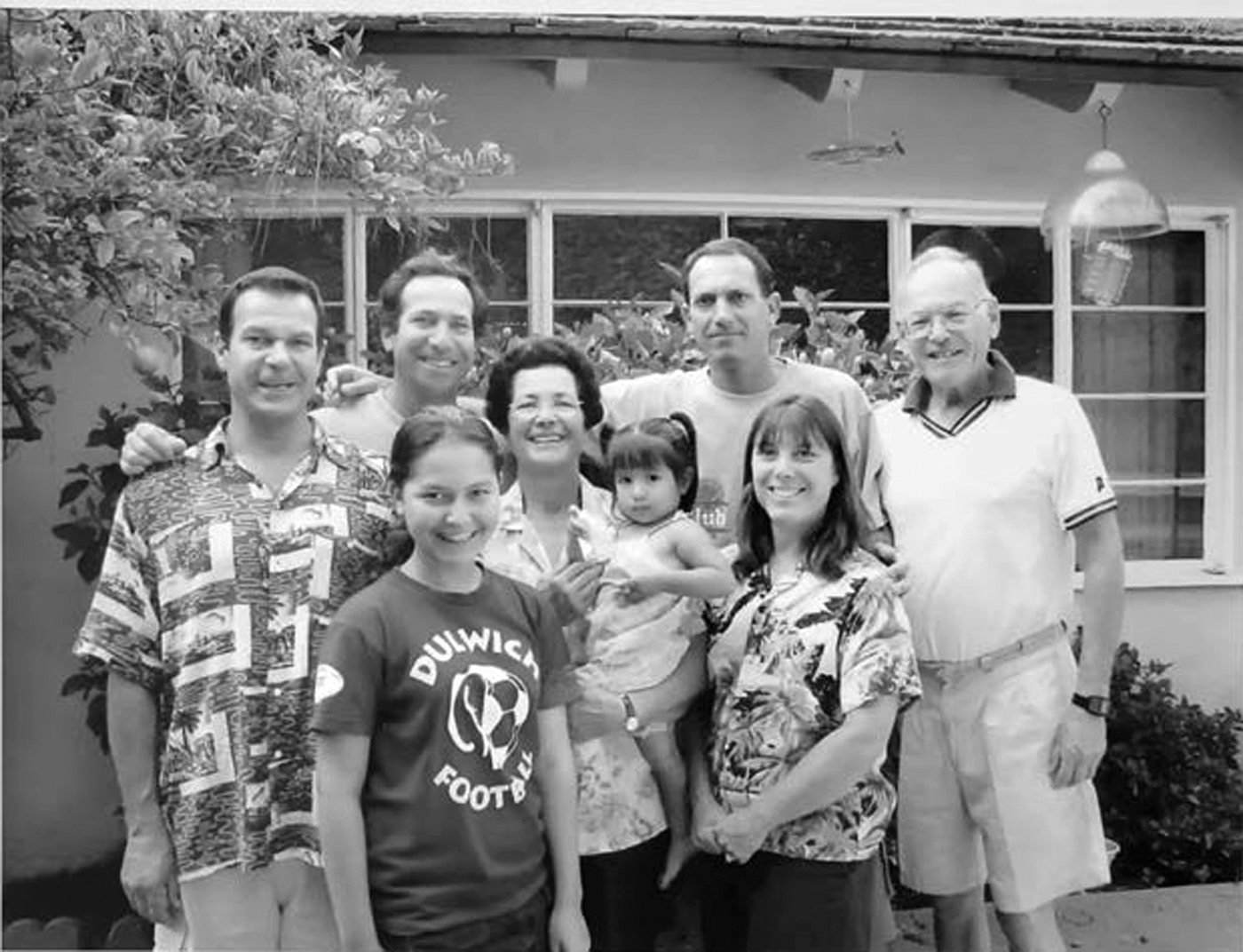
Dr. Hershman with his family.
He possessed a vast knowledge of the thyroid, but was always thirsting for more. This was evidenced by his continued active research, even into his 80s. Truly remarkable. His grand rounds were always spot on and up to date, yet still pushed the boundaries when appropriate. Jerry will be missed locally, nationally, and internationally.
Jonathan LoPresti, MD, PhD
Associate Professor of Clinical Medicine
Keck School of Medicine
University of Southern California
Los Angeles, California
USA
J
Since then, I have had the privilege to collaborate with him professionally on several studies related to pregnancy and thyroid disease. Jerry was always knowledgeable in American and European history, up to date in all topics of endocrinology, and an exceptional listener. We became fast friends, playing tennis on the weekends with our wives Fleurette and Florence. He was an avid mountain climber, taking trips with his family.
He continued to take walks in the mornings and play tennis until a few months before his death, always devoted to exercising both mind and body. Fleurette and Jerry were classical musical afficionados regularly attending chamber and philharmonic music performances. He was an avid football fan, and although soccer is the true futbol in my eyes, I was grateful to Jerry and Fleurette for their annual invitation to watch the Super Bowl and share laughs over a delicious dinner.
The endocrine family has lost a very distinguished academician, a superb educator both in the laboratory and at bedside, and a deeply compassionate human being. He was a mentor to his students and a devoted father of three boys. I will miss my friend, colleague, mentor, and companion in travel and tennis, and cherish the memories we made with Fleurette and my late wife Florence.
Jorge H. Mestman, MD
Professor of Medicine and Obstetrics and Gynecology Emeritus
Keck School of Medicine
University of Southern California
Los Angeles, California
USA
W

Dr. Hershman enjoying a hike with his family.
His impact in these areas was immense and is covered in greater detail by others who worked more closely with him. However, it cannot be repeated enough how effectively Jerry shepherded the initiation of our premier journal, Thyroid, as its founding editor more than 30 years ago. The success of Thyroid was not assured at its outset and the members of our society are fortunate that Jerry was at the helm. It will be difficult to come to future meetings and not encounter his bounding greetings and camaraderie.
Basil Rapoport, MD
Professor of Medicine Emeritus
Sandra McLachlan, PhD
Professor of Medicine Emeritus
Department of Medicine
David Geffen School of Medicine at UCLA
Los Angeles, California
USA
I
Jerry moved to LA several years later, and I was fortunate to get to know him as a friend and colleague. I often invited him to speak at an annual thyroid symposium I hosted. Why frequently, instead of occasionally? Well, his presentations were always clear, up to date, and clinically relevant. Jerry was an excellent teacher. He was also a dedicated mentor to younger physicians, even in his 80s. He was a giant in our field. He is sorely missed by the Los Angeles endocrine community, as he is by the ATA community.
Peter Singer, MD
Professor of Clinical Medicine
Chief, Clinical Endocrinology, Emeritus
Keck School of Medicine
University of Southern California
Los Angeles, California
USA
I
He was always a straight shooter, but knew that cynicism had its place in the world at large as well as in science (e.g., Ken Sterling's constant growl about the nuclear receptor supposedly being the only site of thyroid hormone action). As an editor, his critiques were always served with bit of encouragement. He looked for studies of disease mechanisms to serve as leavening for the steady diet of clinical studies, especially if they left questions of generalizability as an aftertaste.
Our last get together was this May at their home in Sherman Oaks, when their son Michael was visiting from his resort and bakery in eastern Thailand. He made us juice from oranges just picked from Jerry's trees, plus fantastic coffee and pastries, including the most delicious and high-calorie brownies we have ever tasted. Jerry's enthusiasm and optimistic outlook remain a treasured memory.
Stephen W. Spaulding, MD, CM
Emeritus Professor of Medicine
University at Buffalo, SUNY
Buffalo, New York
USA
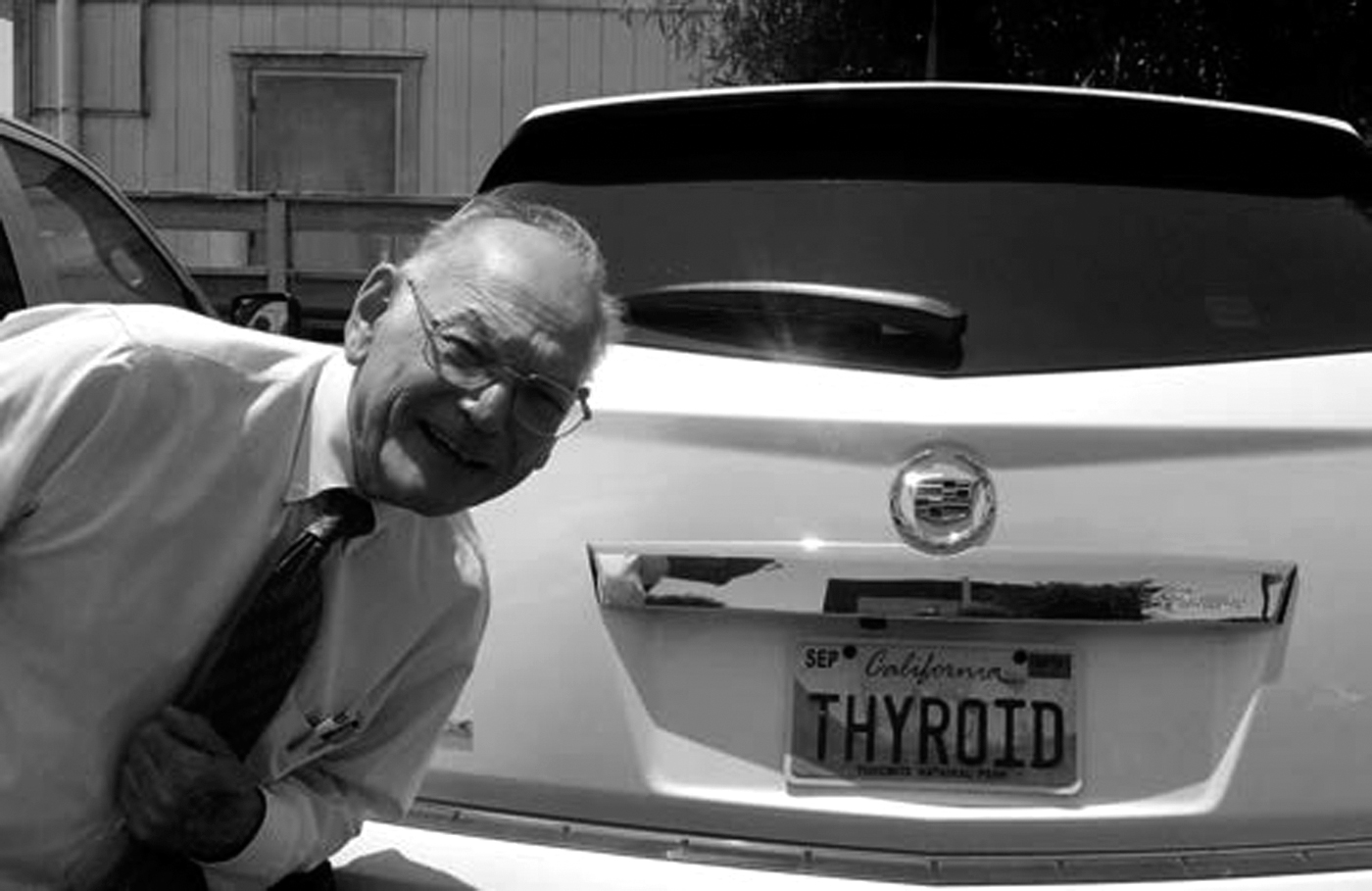
Dr. Hershman with license plate announcing his passion for the thyroid.