




Abstract

Virginia A. LiVolsi passed away on March 7, 2024, and the world lost a giant in the field of thyroid studies (Fig. 1). Virginia’s extensive body of work as an author speaks volumes about her dedication to advancing the field. Through her research and numerous publications, she shared her insights and findings, contributing to the collective knowledge of thyroid diseases. However, Virginia’s impact extended far beyond her contributions as a researcher and author. She was also a compassionate and exceptional mentor to countless pathologists. Many in the field credit her guidance and support for their own success. Her ability to nurture and inspire others was truly remarkable, and her legacy will live on through the work of those she mentored.
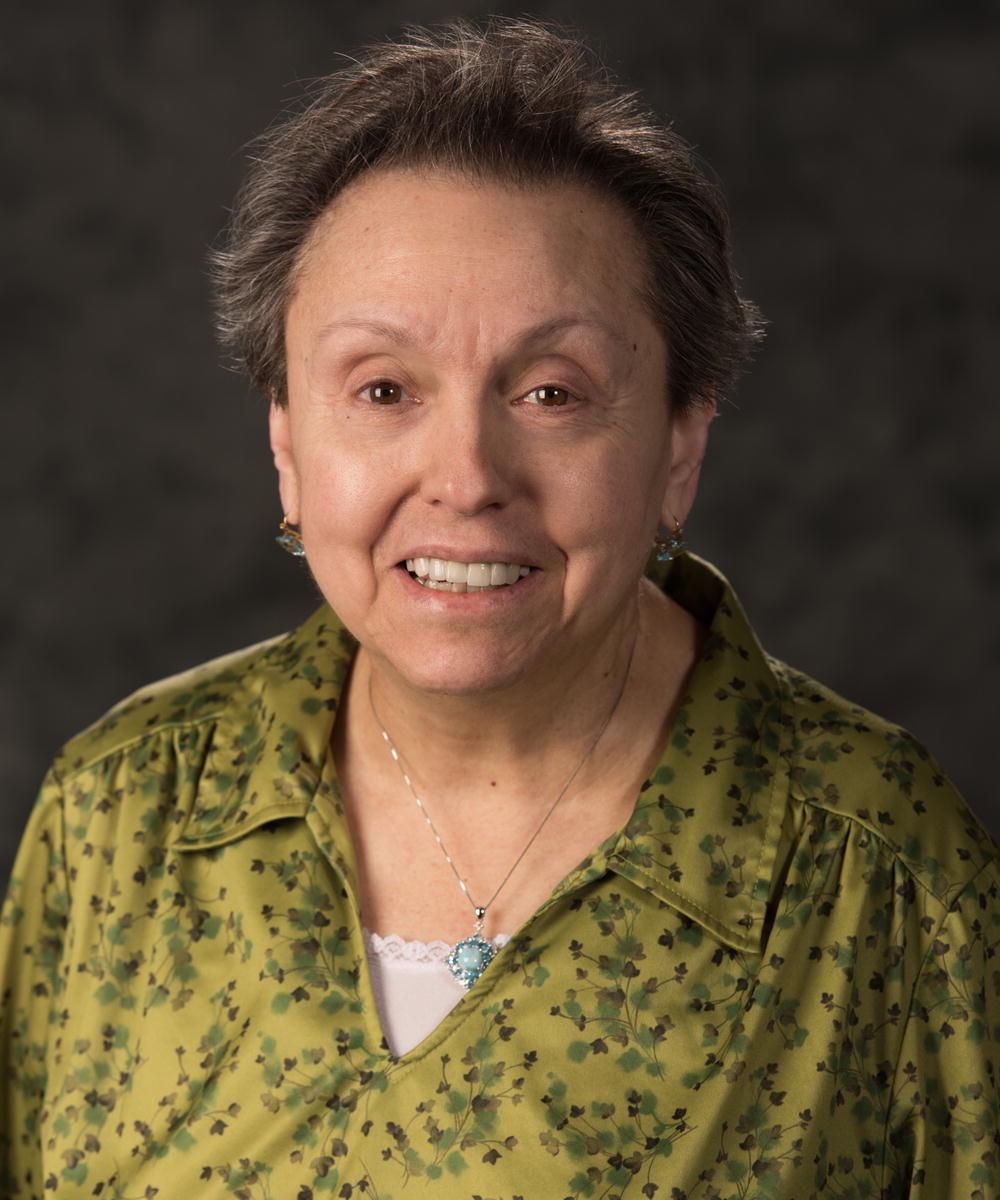
Dr. Virginia A. LiVolsi.
In this collection of comments and remembrances, we celebrate the life and career of an intelligent strong woman who dedicated her whole life to her passion for surgical pathology, especially that of the thyroid gland.
Virginia was born in the Bronx, NY, on July 29, 1943. She was always very proud of being from the Bronx, cherishing her typical accent, and she was equally proud of her family’s Sicilian heritage which she threatened to use on anyone who gave her trouble! Virginia’s closest family members were her mother and her aunt, with whom she lived until they passed away and she lived alone with her great companions—her dear cats named: Loki, Rhett, Haley, and Lily andromeda.
A student of Karl Perzin at Columbia, Virginia went on to a faculty position at Yale where she reported many of her seminal observations. In the mid-1980s, she moved to the University of Pennsylvania in Philadelphia where she remained for the rest of her life.
It is not possible to overstate the impact Virginia had on thyroid pathology. She studied papillary carcinomas, clarified the critical threshold for nuclear atypia that defined malignancy, and she declared the demise of follicular carcinoma. She was fascinated by oncocytic lesions and recognized their exquisite sensitivity to hypoxia following aspiration biopsy. She defined WHAFFT (pronounced with a strong Bronx “aaa”) and paraganglioma-like adenoma of thyroid, now known as hyalinizing trabecular tumor, because she loved crossword puzzles! She collaborated with many colleagues to clarify the molecular basis of thyroid cancers and she took great pride in her extensive biorepository that was far larger than just thyroid.
Virginia was a true teacher. She was always eager to take on a new student and provide them with knowledge while challenging them to do more and better. However, she did not tolerate fools and she also did not tolerate macho men. Early in her career, she organized a small group of like-minded colleagues to create the club she named “DWIPs”—Difficult Women in Pathology” (Fig. 2). The mascot was a vulture, and the moniker was “sclero koulourakia,” Greek for “tough cookie.” Those who were invited to join this exclusive club were truly honored to be considered tough enough! She honestly believed that all men are created equal, and all women are created superior.

“DWIP” card created by Dr. LiVolsi. DWIP, Difficult Women in Pathology.
Pathologists, endocrinologists, and surgeons all around the world learned from her, feared her, and loved her. She was endowed with many honors and awards from different organizations, but the ones she loved the most were those from her trainees. Her legacy continues in the work of her students, friends, and colleagues who continue to pursue advances in this field (Fig. 3).
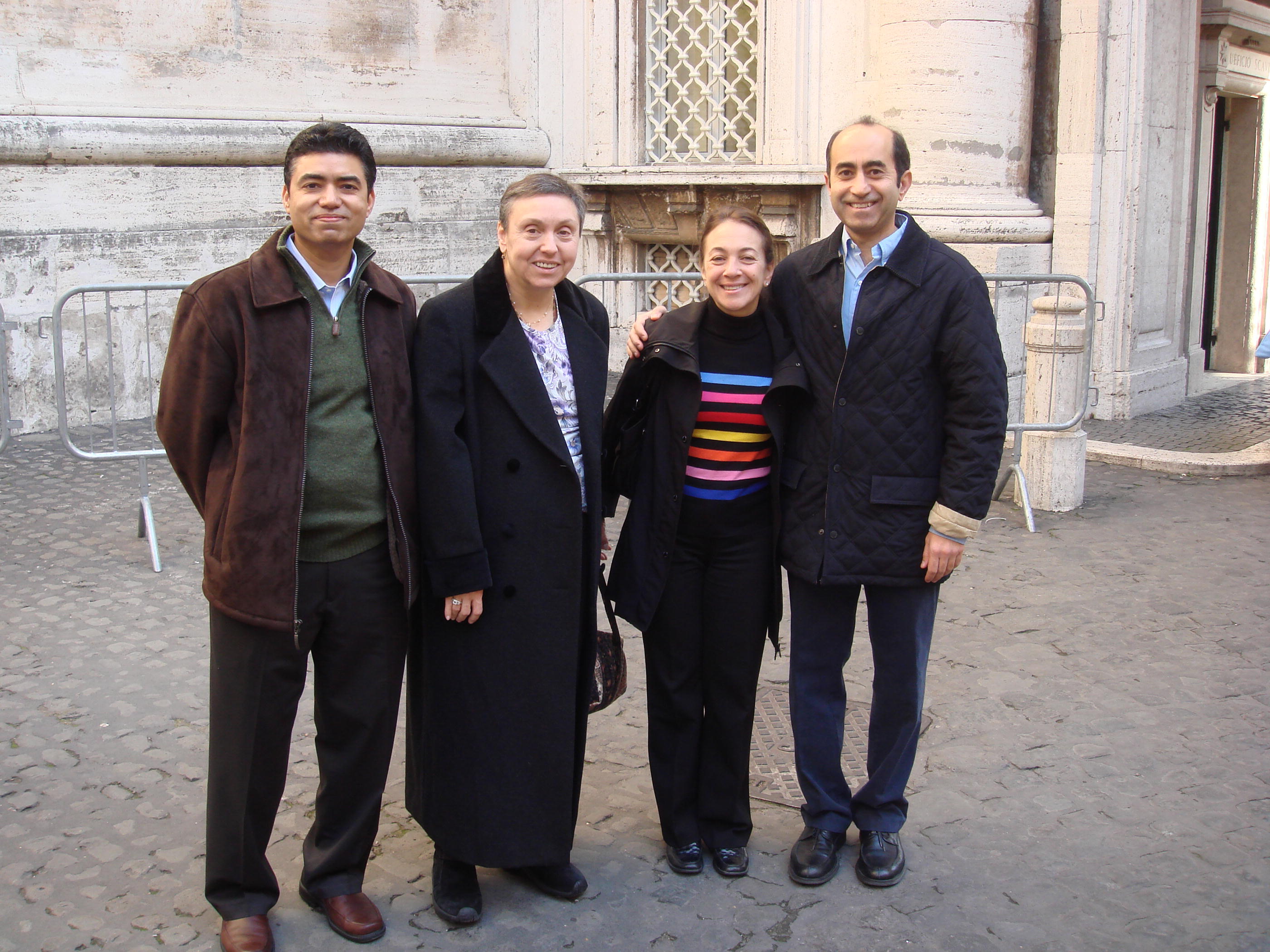
Dr. LiVolsi with her colleagues and friends in Rome 2007, during a course in Thyroid Diseases at Catholic University of Rome. Left to right: Dr. Baloch, LiVolsi, Asa, and Ezzat.
Zubair Baloch, MD, PhD
Professor of Pathology
University of Pennsylvania
Perelman School of Medicine
Philadelphia, PA
E-mail:
Sylvia L. Asa, MD, PhD
Professor of Pathology
Case Western Reserve University
Cleveland, OH
E-mail:
Virginia LiVolsi: The Guide
I met Dr. LiVolsi on my first day at Yale. She was the new attending from New York, and I was a first-year resident. It did not take me long to realize how much pathology she knew and what a good teacher she was. And what a privilege!! she became my mentor, guide, teacher, adviser, and friend for the rest of her life. She encouraged me to give a course in pathology with her at USCAP, my first ever and I was petrified. But when I got to the conference room, there she was, wearing a sweater with Lucy from Snoopy in the front. I laughed and forgot all my fears. She was the best example of honesty, integrity, and knowledge in our profession. There are no words than can express the tremendous gratitude and appreciation that I will always have for her. She was part of my family as well, and we all celebrate that we could share together many precious moments. Dr. LiVolsi asked me many times to call her Virginia, but I had too much respect for her, and I couldn’t.
I don’t say goodbye Virginia, we will meet again and then we will think of another thyroid project.
With all my affection always.
Maria J. Merino
Senior Investigator & Chief of Surgical Pathology
National Cancer Institute
Bethesda, MD
E-mail:
Virginia LiVolsi: The Mentor
During my time at Penn, I was fortunate to have the unique opportunity to work one-on-one with Dr. LiVolsi for over a year. Under her mentorship, I learned an immense amount of thyroid pathology, wrote a slew of endocrine-related papers, and heard a variety of stories about Dr. LiVolsi’s life. Of course, a substantial portion of her personal anecdotes surrounded the adventures (and misadventures) of her many cats. Despite her claim to not have any favorites, her cat Loki poised himself as the main character. In fact, his frequent presence in her stories inspired the eponymous name of these personalized teaching sessions: the “LOKI (LiVolsi Organized Knowledge Initiative) Fellowship.” As I transitioned from resident to neuropathology fellow, I could not escape the hold of endocrine pathology. By chance (fate?), I collected a higher-than-average number of cases of metastatic papillary thyroid carcinoma to brain. Together, Dr. LiVolsi and I composed an abstract for the 2022 American Thyroid Association meeting in Montreal. We had a lot of fun traveling together, collecting pens and other assorted trinkets, getting invited to and attending a party in the basement of a local bar/restaurant, and enjoying the annual banquet, even if she did refuse to dance or participate in a karaoke duet with me. Eventually, it came time for me to entertain job opportunities. To commemorate the end of my time as the inaugural LOKI fellow, Dr. LiVolsi had made me a certificate signed by her and paw-stamped by Loki. Since I had an official certificate, I listed it on my CV. As Dr. LiVolsi transcends all pathology subspecialties, this LOKI fellowship came up many times during my job interview for an academic neuropathology position. While I cannot be certain, I do think it aided in the acquisition of my current position, where the framed certificate now hangs proudly in my office.
It is difficult to formulate the right words to describe the essence of Dr. LiVolsi and how she impacted my love of pathology, my academic career, and, most importantly, my life. While I regard her at the highest level as one of the best mentors and teachers, she was primarily, a dear friend and I consider myself so lucky to have crossed paths with her in this lifetime. Aside from teaching me pathology and supporting my academic career, she helped me navigate difficult personal situations, gave practical advice that also allowed me to gain perspective and insight, and was a great confidante (as one example, she was the first faculty member to whom I announced my pregnancy). Even after I graduated and moved to Texas, I called her frequently to check in and chat. I visited her this past January where we met for lunch and I was finally able to meet her cats, including the famous Loki. As I prepared to pull out of her driveway that day, I acknowledged that she “doesn’t do hugs,” waved good-bye to her, and told her I would be in touch for another lunch date the next time I was in Pennsylvania. Sadly, that opportunity never came. While that was the last time I saw her in person, I know she lives on in her vast contributions to pathology and the many people she has trained and influenced over her lengthy and esteemed career. She will always have a special place in my heart as one of my formative mentors and I strive to be even a fraction of the mentor and pathologist that she was.
Maria Gubbiotti, MD, PhD
Assistant Professor of Pathology
MD, Anderson Cancer Center
Houston, TX
E-mail:
Virginia LiVolsi: The Premier Pathologist
LiVolsi was not only the premier endocrine pathologist of her generation, but also a world-class head and neck pathologist (her first publications were in salivary gland!). She is also regarded as one of the greatest general surgical pathologists to walk the Earth. Her moniker was the “Queen of the Butterfly Gland, “but all surg path was her domain.
Dr. LiVolsi was one of the key figures in my academic life. She was a “tiger mom” like maternal figure that trained me as a resident when I knew extraordinarily little. My first time with her on frozen section service featured her berating a surgeon for a subpar specimen. To my shock, the surgeon listened and apologized. Since when does the pathologist dare contest a surgeon? Well, at least since Dr. LiVolsi. I came to understand that it was not only her diagnostic ability that the clinicians respected, but her attention to what her diagnosis meant to patients, something that she always put at the forefront.
Her legacy extends beyond pathology and even medicine. For me, she epitomized the mentorship style of “training” not just “teaching.” In other words, the education she provided was functional, even with her consult reports. So, to paraphrase her consult report style, “In summary then…,” Dr. LiVolsi was a world-class pathologist with unparalleled diagnostic acumen, and a tough but caring mentoring style that puts her up there with all the other pathology greats and then some.
Raja Seethala, MD
Professor of Pathology
University of Pittsburgh Medical Center
Pittsburgh, PA
E-mail:
Virginia LiVolsi: An Encyclopedia of Pathology
Dr. Virginia LiVolsi was a singular mentor in my training and throughout my academic life. As a trainee, I rode the train in with her every morning (the 5:45 am “Li Volsi Express” is what I called it) to the hospital, and every morning, it was like talking to an encyclopedia of pathology. She could close her eyes and cite the relevant literature and talk in salient detail about a diagnosis like it was right in front of her. Any topic and any organ. These remain singularly impactful and inspiring moments and cherished memories in my life. She was a tough teacher, but she was also kind. When I became a faculty member, she regularly checked on me: calls, emails, and the annual meal together at the USCAP meeting. She was quick to help with opportunities, and she always provided great advice. More than anything else, she always inspired excellence. A constant in every interaction was a reminder to keep working hard and never give up. I called her on most holidays because I knew she was by herself. Her trainees and colleagues from HUP were part of what she considered to be her family, and I am forever grateful to have been among those. While most people claim excellence, there are few people that we encounter in our lives like Dr. LiVolsi, who model excellence and who inspire us to want to be our best. That was Dr. LiVolsi. She will be missed by many colleagues, past and present trainees, and friends; but her legacy will live on in the lessons and experiences of those who had the privilege to learn from her.
Michael Tetzlaff, MD, PhD
Professor of Pathology
University of California,
San Fransisco, CA
E-mail:
Virginia LiVolsi: A Friend
In my career, thru Cornell and Harvard, I’ve met some talented people. People who, often, take some understanding of their talent. Virgina was not like that, she was real. Virginia’s global expertise extended from straight forward PTC to high grade lesions to FNA artifactual changes and microscopic “rests” in lateral neck nodes. She taught me, as she taught generation of surgeons, what thyroid path is. Period. But she was a real human. Liked (loved) cats, even perhaps especially the sick ones. She also liked “The” Bronx. I asked her Virigina, is that like “The” Vatican, and she would say …” Yes, like The Vatican, Greg.”
I will miss her expertise, but I sadly mourn the passing of her friendship.
“… a few light taps upon the window pane made him turn to the window… The time had come for him to set out on his journey westward. Yes, the newspapers were right, snow was general all over Ireland. It was falling on every part of the dark central plain, on the treeless hills, falling softly upon the bog of Alan and farther Westwood falling softly into the dark mutinous Shannon waves. It was falling too upon every part of the churchyard on the hill where Michael Fury lay buried. It lay thickly drifted on the crooked crosses and the headstones and of the spears of the little gate, on the barren thorns. His soul swooned slowly as he heard the snow falling faintly through the universe and faintly falling like the descent of their last end upon all the living and the dead.”
- James Joyce The Dubliners Barnes and Nobel NY 1992
Gregory W. Randolph, MD, FACS, PACE
Professor of Otolaryngology – Head and Neck Surgery
Harvard Medical School,
Boston, MA
E-mail:
Virginia LiVolsi: An Inspiration
Virginia was an inspiration for lifelong learning, continuously marveling at the intricate composition of the human body and the science that drives discovery. She was a friend, mentor, teacher, and colleague whose honesty, humor, intellect, and curiosity made her a beloved and integral part of both the international thyroid community and her local community at Penn. One story that always continues to make me smile is something she told me over 20 years ago. We were discussing a rare thyroid tumor, and she recounted a tale about a pathology colleague on his last day before retirement. He was smiling as he examined a surgical specimen. When asked why, he replied that he was seeing something new for the first time. Virginia shared many moments like this with all of us, embodying the joy of teaching and the wonder of learning.
Susan Mandel, MD
Professor of Medicine and Radiology
University of Pennsylvania,
Perelman School of Medicine
Philadelphia, PA
E-mail: