




Abstract

Introduction
Incentives for better coordination of care are part of the United State's effort to improve the quality of healthcare while reducing the cost. The Affordable Care Act contains provisions for Accountable Care Organizations (ACOs), which would receive traditional Medicare fee-for-service payments and become eligible to share in any financial savings gained while meeting specified quality standards. Telemedicine, telehealth monitoring, electronic health records, and other technology will help health systems, physicians, long-term care facilities, and other providers more efficiently track and coordinate the care of patients.
“We view telemedicine as a tool to not only improve quality care for patients but also integral to the future of the ACOs,” said colorectal surgeon Andrew R. Watson, M.D., vice president of the University of Pittsburgh Medical Center (UPMC) International and Commercial Services Division and medical director of the Center for Connected Medicine, of which UPMC is a founding partner (Fig. 1). “The only way to do this is in a virtual fashion. I firmly believe telemedicine will play a central role in facilitating the rollout in the maturation of ACOs.”
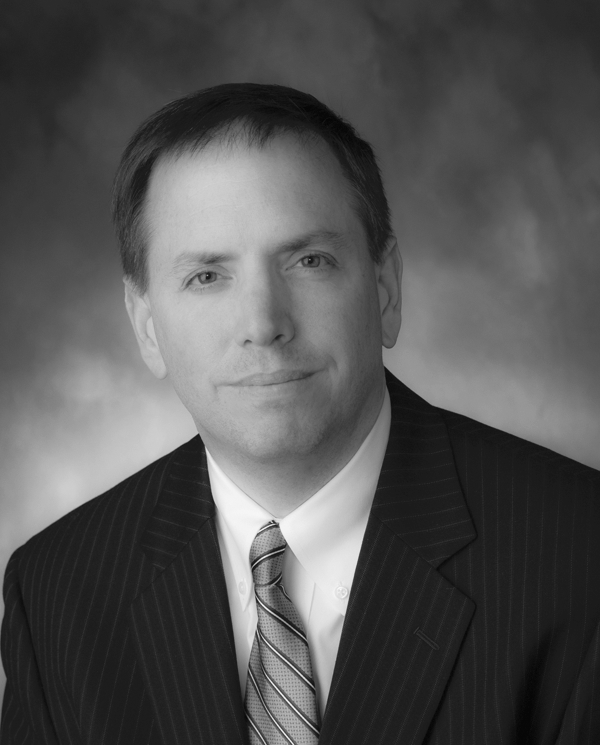
Andrew R. Watson, M.D., believes telemedicine will play a pivotal role in the success of accountable care organizations. Photo credit: University of Pittsburgh Medical Center.
Watson practices telemedicine in rural hospitals and performs telerounds. He has found the technology plays a key role in the patient-centered medical home. UPMC brings allied health professionals and specialists into the primary care doctor's office, where a nurse is present to assist with the examination.
“It's a much more powerful way to do business and work with patients,” Watson said. “There's a high degree of patient satisfaction.”
About ACOs
ACOs are not new. The Centers for Medicare and Medicaid Services (CMS) and private insurers have piloted the concept in demonstration projects. The Kelsey-Seybold Clinic, a 360-physician, multispecialty practice in Houston, Texas, has worked collaboratively across settings for years, accepting capitated payments to successfully manage specific populations. Nationwide Children's Hospital in Columbus, Ohio, manages the care of 285,000 at-risk children on Medicaid and reports to be the largest pediatric ACO in America. Now, the possibility of delivering more care through ACOs is moving closer to reality.
The CMS-proposed ACO rule, issued at the end of March 2011, mentions the use of telehealth 7 times and electronic health records and information exchanges 24 times. Better information will be critical in ACOs' success. The government encourages ACOs to “draw upon the best, most advanced models of care, using modern technologies, including telehealth and electronic health records, and other tools to continually reinvent care in the modern age.” ACOs will be eligible for shared savings in 2012.
“The changes in health reform are aligning the incentives to work with telemedicine,” said Fran Turisco, M.B.A., a research principal at CSC, a healthcare-consulting firm in Waltham, Mass. “It's incentivizing providers to use whatever technology and tools are available to make the most of what they offer to their patient population to keep them healthy and out of the doctor's office and out of the hospital.”
Getting a Head Start
Other than UPMC, several organizations have not waited for the final rule to start moving toward more coordinated care and to incorporate telemedicine into their operations.
“In thinking about bundled payments and penalties for readmissions, we needed to redesign how we deliver healthcare,” said Mark Starling, M.D., chief medical officer at Banner Heart Hospital in Mesa, Ariz. “We read the tea leaves and said it is going to be hard for people, facilities, or systems to respond to it when it gets here. If you don't have it in play, it will be difficult to catch up and survive.”
Banner Heart Hospital created more consistent discharge patient-education materials used in the hospital, in the skilled-nursing facility, and in home care, which monitors the health system's telehealth program. In addition, the hospital provides a 30-day postacute care plan, including physician appointments within 7 days, cardiac rehabilitation, a transition physician home visit, and home nursing care and monitoring.
“We're using telehealth in the context of the heart-failure continuum of care as a tool to support patients' education after they leave the hospital,” Starling said.
Banner also has partnered with nursing homes that are not part of the health system and is educating the facilities' staff members who use Banner Health order-sets, protocols, and educational materials, and link the patient with Banner's telemonitoring and social services programs when patients go home.
“We're all going to be accountable for this care and all paid in one lump sum,” Starling said. “If we don't partner, we're not going to be left standing. There will be winners and losers.”
Banner patients put on telehealth have had lower rates of readmission, of about 5%, than other patients, Starling said (Fig. 2). The hospital is now evaluating whether low-readmission rates will hold when only high-risk patients, the 25%–30% who would typically return to the hospital in short order, receive telehealth services.
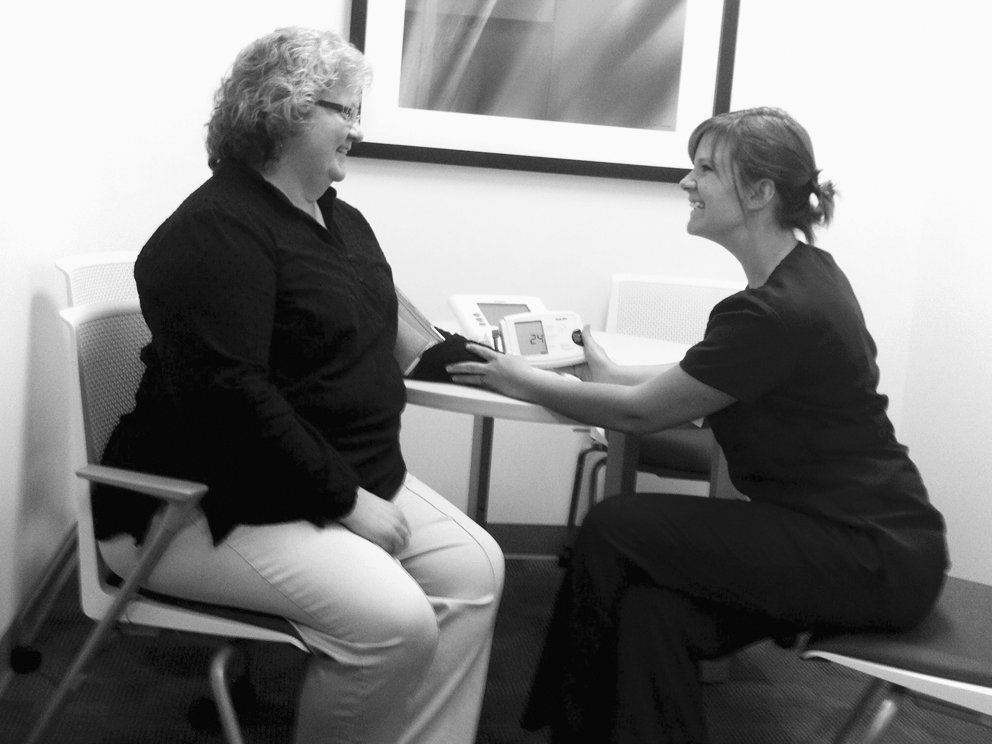
A nurse shows a patient at Banner Heart Hospital how to use the telehealth monitoring system. Photo credit: Banner Health.
Existing Telemedicine Providers See Opportunity
“Telemedicine can be one of the keys to the kingdom,” said Joe Peterson, M.D., CEO of Specialists on Call of Westlake Village, Calif. “Telemedicine is a tremendous way to attach a device to the patient—not a blue-tooth enabled scale but a videoconferencing device—so I can talk to Mr. Smith.”
Peterson added that achieving good outcomes is about relationships. He said Specialists on Call, a provider of specialty telemedical care, is exploring providing patient teleconferencing services. He does not consider it technologically different.
Marc Goldyne, M.D., Ph.D., FAAD, clinical professor of Dermatology at the University of California, San Francisco and chairman of the Teledermatology Special Interest Group for the American Telemedicine Association, began providing teledermatology services in 1999, primarily to patients living in underserved inland regions of the state who were referred by local primary care providers, and he anticipates that demand will grow faster than medicine's abilities to fulfil the need.
“Telemedicine is easy to do, but what's complicated is putting it into the legacy system we have,” said Goldyne, citing government and insurer regulations and hospital credentialing. Even so, he said, overhead is less for telemedicine providers, and that can cut the cost of care.
Virtual Radiologic Vice President Les Mann also anticipates an increase in the use of telemedicine with the advent of ACOs. Virtual Radiologic provides teleradiology services in coordination with local radiation practices, extending their hours and subspecialty services (Fig. 3).
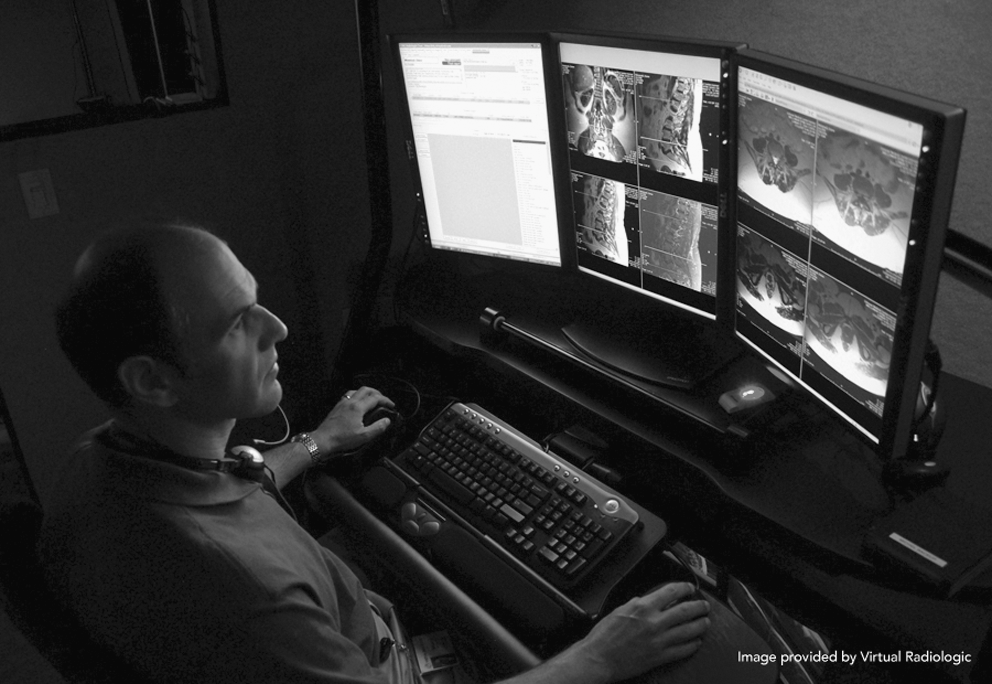
A Virtual Radiologic radiologist reviews imaging studies. Photo credit: Virtual Radiologic.
“The full integration of clinical services will become increasingly important,” Mann said.
Telemonitoring to Encourage Better Self-Care
UPMC uses telemonitoring to watch patients' progress and preemptively treat before they need emergency department care or a hospital admission.
“We have to work with patients where they want it and when they want it, which is at home when they don't feel well,” Watson said. “If we cannot predict when they do not feel well, it has to be all of the time.”
Home telemonitoring, in which patients check their vital signs, blood sugar, weight, or oxygen saturation and transmit the information with telehealth devices, offers the opportunity to catch condition changes between scheduled office visits, but it is still not widely adopted, in a large part because it is not reimbursed.
Reimbursement presents the largest barrier, said Watson, predicting that when consumers and employers demand it, that will drive the technology forward.
The Department of Veterans Affairs, a single-payor health system, has successfully used such devices to reduce hospital days. ACOs may create that incentive for the private sector.
“Greater adoption is going to take a value proposition, someone getting enough money out of implementing this to make it work paying for [the equipment and monitoring],” said Daniel Feinberg, M.B.A., director of Northeastern Health Informatics graduate program and an assistant clinical professor of Health Informatics at Northeastern University in Boston. “With performance-based contracts the theory is the benefit accrues to the provider spending money on the system. That's what it's going to take.”
Patient Acceptance and Responsibility
Research conducted by Beth Mynatt, Ph.D., a professor at Georgia Tech's School of Interactive Computing in Atlanta, found that older adults will accept technology in their home. In fact, one participant in the study evaluating sensors to track movement and activity in the home told Mynatt she felt less lonely and more connected.
“When these tools create a sense of connection, that's an emotionally powerful thing,” Mynatt said.
As the patients become more accustomed to smartphones, Internet connections and other technology, they have come to expect it in care provision, said Mynatt, whose current research involves diabetes disease management using smartphone technology to connect patients with the diabetic educator.
“Most healthcare takes place in our homes and daily lives, and you will need to have tools and technology that allow you to tap into where healthcare is moving,” Mynatt said. “[Patients] will accept it, because it increases their independence. It creates an emotional connection and a sense of security.”
Currently, where the data go from weeks of blood sugar tests or blood pressure readings varies. Home health agencies using the technology typically have a nurse monitoring reports coming from patients. Those data typically do not populate the physician's electronic medical record and, Feinberg said, liability issues remain unsolved. For instance, who would be liable if a patient went to bed with a 350 mg/dL blood sugar reading on the glucometer attached to the telehealth device and falls into a coma. Obviously, the patient, but would the home health agency, the physician, or the ACO also share in that responsibility?
Feinberg thinks patients could store the information at Google Health or Microsoft HealthVault and bring the physician a print out, send the provider a note, or access it during an office visit.
Turisco fears allowing the patient to send the information could overwhelm the physician.
“What you need is a combination of technology that picks up on trends,” Turisco said. She indicated some products will provide directions to the patient, and, then when the patient does not respond as expected, will alert the physician, the nurse, the care coach, or someone else who can intervene.
“What we're trying to do with telemedicine is not only use the technology to connect but also to help the patient be more responsible,” Turisco said.
Peterson advocates a different approach, believing that increasing patient responsibility is a suboptimal strategy for an ACO. Rather, he said, the ACO will need to provide videoconferencing that allows the ACO's nutritionists or other allied professionals and providers to interact with the patients to keep them out of the hospital.
“As the ACO, I'm the person motivated that the (patient) does well,” Peterson said. “No blue-tooth enabled technology will come close to delivering the information a medical practitioner gets when able to look at you.”
Networking
Joe Peterson, M.D.
CEO
Specialists on Call
31200 Via Colinas, Suite 203
Westlake Village, CA 91362
818‐597‐9690
Marc Goldyne, M.D., Ph.D., FAAD
Clinical Professor of Dermatology
University of California, San Francisco
350 Parnassus Ave., Suite 404
San Francisco, CA 94117
415‐929‐9122
Daniel Feinberg, M.B.A.
Director of Northeastern Health Informatics Graduate Program and Assistant Clinical Professor of Health Informatics at Northeastern University in Boston
360 Huntington Ave.
Boston, MA 02115
617‐373‐5005
Mark Starling, M.D.
Chief Medical Officer
Banner Heart Hospital
6644 East Baywood Ave.
Mesa, AZ 85206‐1797
480‐321‐2000
Andrew Watson, M.D.
Vice President
UPMC International and Commercial Services Division
U.S. Steel Tower, Floor 62
600 Grant St.
Pittsburgh, PA 15219
412‐647‐7114
Beth Mynatt, Ph.D.
Professor
Georgia Tech School of Interactive Computing
Tech Square Research Building
85 Fifth Street NW
Atlanta, GA 30308
404‐894‐7243
Les Mann
Vice President, Virtual Radiologic
11995 Singletree Lane, #500
Eden Prairie, MN 55344
952‐595‐1295
Fran Turisco, M.B.A.
Research Principal at CSC
404 Wyman Street, Suite 355
Waltham, MA 02451
781‐290‐1745
The Information Hurdle
Whether discussing the move to ACOs or implementing telemedicine in daily practice, interconnectivity remains a challenge.
“How you bring telemedicine or virtual data into an electronic health record (EHR) is a ubiquitous problem in medicine,” said Watson, who dictates or enters information about his remote visits directly into the rural hospital's electronic record.
The federal government has offered up to $27 billion in incentives to implement and meaningfully use health information technology. 1 To receive the funds, providers should meet a core group of requirements, such as ordering medications electronically and using an order entry system that checks for drug interactions and allergies, and choose 5 from a menu of 10 other operations. Telemedicine tools, essentially the clinical application of health information technology, will be the conduit from information input to meaningful use of electronic data.
“Telemedicine is going to force a lot of hospitals and organizations to do it,” Peterson said.
Among the functions the systems should possess to achieve meaningful use is the capability to electronically exchange key clinical information among providers and with patient-authorized entities. However, to meet the Stage 1 capabilities for 2011 and 2012, the provider and the hospitals should perform only one test of their capability to electronically exchange key clinical information, not actually use the transfer of data in providing care. 2
For ACOs to truly function smoothly, clinicians will need access to patients' medical records across healthcare settings. However, even for providers who use electronic medical records, interoperability among systems rarely exists.
“The electronic health record in the physician health office or the ACO will be the key application that will allow this [coordination] to be part of care delivery, rather than a one-off solution, like the [ACO] pilots,” Turisco said.
Feinberg said that several companies are working on interoperability, but without an established standard—this could lead some providers to purchase systems that become obsolete.
“We've moved faster than the standards are ready for,” Feinberg said.
Goldyne's telemedicine practice uses a health record software application that sends data in an e-mail to the referring provider. In addition, a password encrypted online record system provides access to patient information shared by him and the referring providers—but that file does not automatically download to the patients' electronic medical record (EMR). The learning curve and ability to seamlessly enter data for many systems is difficult and takes clinicians time.
“It's how to fit it into the medical workflow that's a big challenge, and we haven't got there,” Goldyne said.
Peterson added that the 130 hospitals that rely on Specialists on Call communicate by fax, because integration is fraught with difficulties.
“For some period of time, the recordkeeping is going to be the most cumbersome part of it,” Peterson said. “When the magnitude of the savings available is large enough, people will find a way to do it… For the average practitioner, the operational challenges are daunting. Yet telemedicine represents a big jump forward in ACOs getting a lot of different resources out to patients.”
Those health systems taking the leap understand the possibilities telemedicine and telemonitoring can offer to help them achieve better patient outcomes and greater financial success with their ACOs.
“UPMC believes smart technology will have a central role in our future, along with accountable care and good science,” Watson said. “With that trifecta, that's healthcare of the future—healthcare in the cloud, healthcare at home, healthcare at work, healthcare when and where you want it—very exciting.”