




Abstract
Background:
Heart failure (HF) is a chronic condition causing nearly 1 million hospital admissions annually in the United States with 25% of patients rehospitalized within 30 days.
Introduction:
The purpose of this study was to investigate whether telemanagement of HF patients throughout the post-acute continuum of care would reduce rehospitalization rates and improve patient self-care knowledge and satisfaction.
Materials and Methods:
HF patients discharged to a skilled nursing facility (SNF) received telemanagement by HF clinicians with opportunity for continuation at home with assistance of home healthcare (HHC) nurses. Wireless sensors worn at SNF and home captured continuous health information visible to HF clinicians on secure cloud database. Point-of-care devices were available at SNF. Patients had scheduled and as-needed video visits with audio and auscultation capacity with HF clinician. HF education was provided by SNF and HHC nursing. Patients were compared with historical control group receiving standard care at same SNF.
Results:
Patients receiving telemanagement had 29% lower rehospitalization rates (17% vs. 24%), despite higher predicted rehospitalization risk. Median age was 81. Seven of eight patients who were rehospitalized in the telemanagement group had advanced HF symptoms (New York Heart Association Class IV). Five patients in telemanagement group were receiving continuous inotrope infusions. Patients reported good satisfaction and self-care knowledge.
Discussion:
Reduction of rehospitalization rates was clinically significant in population of advanced age and HF symptoms. Technology enhanced communication content and timeliness across the post-acute care continuum.
Conclusion:
Post-acute telemanagement may reduce rehospitalization rates even in high-risk, older HF populations.
Introduction
Heart failure (HF) is a chronic, progressive syndrome affecting 5.1 million adults in the United States and is responsible for over 1 million hospitalizations per year. 1,2 Twenty-five percent of patients are rehospitalized within 30 days, and hospitals face increasing reimbursement penalties for excess rates. 2,3 In addition, HF is the most common cause for readmissions to hospitals after any hospitalization. 4 The overall national cost of HF, including both direct expense such as healthcare and medication, and indirect expense, including days of missed work, is an estimated 30.7 billion U.S. dollars. 5
Telemedicine is a healthcare delivery model, which may reduce rehospitalizations, emergency department (ED) visits, and prevent or limit illness severity or exacerbations. 6 The term telemanagement is used in this context to imply a telemedicine intervention in chronic disease management. A CINAHL and PubMed MeSH database search was performed with combinations of terms “telehealth or telemedicine or tele-management,” “continuum of care,” “skilled nursing facility,” “nursing home,” and “heart failure.” Search revealed no results describing use of telehealth as a portal for providing continuity of care along a continuum from an acute hospital to skilled nursing facility (SNF) to home, although many studies utilized telemedicine in each setting independently. This study evaluated the use of a telehealth system and remote telemanagement of patients with HF in coordination between HF clinicians and post-acute staff. The objectives were to evaluate whether continuous monitoring via telehealth would decrease rehospitalizations and improve patient self-care knowledge and satisfaction. In addition, this study sought to determine if incorporating the use of point-of-care (POC) testing within the SNF would allow for quicker medical intervention.
Materials and Methods
Study Design
The study was a prospective nonrandomized trial comparing a historical control group receiving standard care with a prospective intervention group receiving standard care plus telemanagement. Standard care included skilled nurse level of care at Brookwood SNF by staff training in caring for patients with HF with standard laboratory and diagnostic services available. The setting was after discharge from a tertiary acute-care hospital to a suburban post-acute SNF and then home with home healthcare (HHC). The protocol was approved by The Christ Hospital Health Network's (TCHHN) Institutional Review Board (IRB). Patients were eligible if they had a primary or secondary diagnosis of HF, were in need of a SNF level of care, and were established with The Ohio Heart and Vascular Cardiology group. Patients were excluded if they were unable to provide informed consent, unable to physically use the telemanagement equipment, had no caregiver to assist them, or enrolled in hospice. Patients were identified by the HF team or social work department in the hospital or upon arrival to SNF by the HF Coordinator. Patients were enrolled after informed consent was obtained and agreement to utilize SNF (and HHC if needed). Vital sign parameters were determined by the HF clinician for each patient to trigger notification and were sent to the SNF at time of discharge.
Enrolled patients received telemanagement care at the SNF, including video sessions, POC laboratory testing, and vital sign monitoring from HF clinicians for up to 30 days. Patients discharged to home after SNF stay received up to 30 additional days of monitoring with Stay Well HHC. HF clinicians and home health nurses had access to video, remote auscultation with stethoscope, and vital signs trends. Interactive telemanagement video sessions with HF clinician facilitated by SNF/HHC after transition from hospital to SNF and from SNF to HHC were performed as needed for change in patient condition. Live patient data were downloaded to the Zephyr dashboard, which was visible to SNF staff continuously. A color-coded stratification system displayed patients with out-of-range data on the dashboard for prioritization of care at the SNF. HF clinicians and HHC staff accessed the dashboard as needed or at designated appointments or home visits. Patients could also review their vital signs, activity, and weight trends on the dashboard.
Written HF education was provided to patients by the SNF and HHC nursing staff on the topics of signs and symptoms of HF, how to communicate changes in condition to appropriate medical personnel, diet, medications (usage, side effects, and compliance), daily weights, and activity. Patient and caregiver were instructed on how to utilize the equipment before discharge home.
Sample Size
A target total sample size of 143 was calculated using Goodness-of-fit with a moderate effect size, 0.05 α error probability, and 0.80 power.
Materials/Technology/Equipment
Materials were purchased/leased through Medtech Global USA, LLC and KBC Global, Inc. Telehealth system deployment and training were provided to HF Clinicians, SNF, and HHC staff. Telehealth systems utilized in each setting are described in Table 1. The Medtronic Zephyr BioModule was a small sensor worn on the patient's chest wall that collected heart rate, respirations, body position, and single-lead electrocardiogram (Fig. 1). The BioModule, a Nonin pulse oximeter, ForaCare™ blood pressure cuff and weight scale were wirelessly connected to a Samsung Tablet (Fig. 2) and a clinician dashboard in the cloud. The BioModule unit was recharged every 12 h. SNF staff assisted and educated the patient on how to utilize equipment for daily “check in” of vital signs and weight. The Abbott i-STAT was used at the SNF for POC testing of B-type Natriuretic Peptide, a marker of worsening HF, and Chem 8+ (basic metabolic panel). HF clinicians utilized a Samsung Surface Pro tablet with video camera (Vidyo HIPAA secure video) and Littmann TeleSteth® Bluetooth Stethoscope in the HF clinic office for remote patient assessment at both SNF and at the patient's home. SNF and HHC staff facilitated each visit, preparing and presenting the patient and moving the tablet camera and stethoscope as needed. Patients continued to be monitored at home once discharged from SNF level of care. Patients were sent home with their individual tablet and BioModule. Home measurements of vital signs and weight were taken daily and appeared on the dashboard for clinicians to review. Either Wi-Fi or 4G capability was required for transmission of data, including video interactions and cloud access.
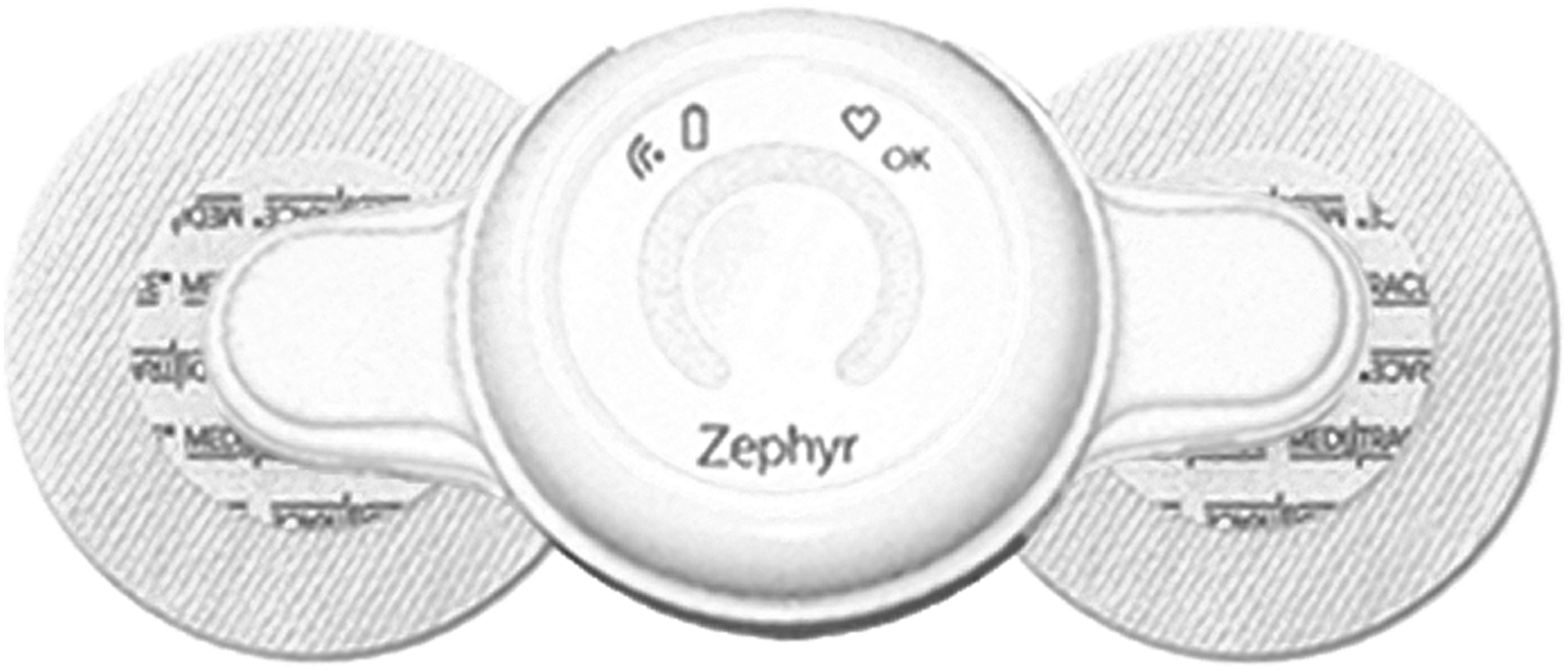
BioModule sensor worn by patients.
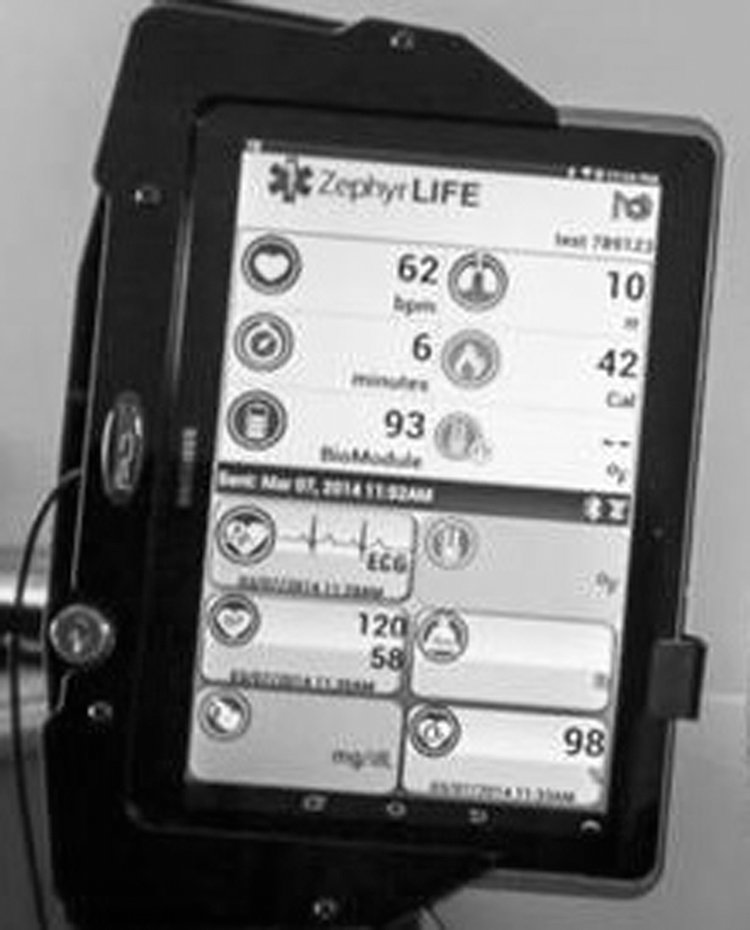
Samsung tablet used by patients and post-acute staff.
Telehealth Systems
BNP, B-type Natriuretic Peptide; HF, heart failure; HHC, home healthcare; SNF, skilled nursing facility.
Data Collection and Analysis
Thirty-day rehospitalization data were collected utilizing electronic health record (EHR) review and facility/agency reporting. Patient satisfaction and self-care knowledge were measured using a questionnaire (Table 2) and teach-back of HF education. The number and type of therapy (care interventions), number and length of video conferences, number of on-site visits by SNF provider, number of patient transports, and number of provider office visits were tracked by the SNF. Length of stay was determined from the hospital and SNF EHR. HHC agency reported number and length of video conferences and number of homecare visits.
Patient Satisfaction Questionnaire
Patient data, including age, gender, comorbidities, baseline laboratory values and vital signs, ejection fraction (EF), and Yale New Haven Hospital Center for Outcomes Research and Evaluation (CORE) readmission risk score, were collected for both groups. 7 New York Heart Association (NYHA) class was collected for the telemanagement group.
Data were analyzed using parametric (e.g., t-tests) and nonparametric (e.g., chi-square) statistics to detect differences between groups. Multiple regression analysis was performed using generalized linear model fitting, where study variables found to be significant between groups were regressed on 30-day readmission event outcome. A p-value of <0.05 was determined to be statistically significant.
Results
Study Sample
A total of 323 patients were screened upon admission to the SNF. Thirty-one declined and 243 did not meet inclusion criteria. Forty-nine patients were enrolled in the study over a 21 month time period (March 2014–December 2015). Patient ages ranged from 24 to 98 with a median age of 81 years old. Forty-six of the 49 patients admitted from The Christ Hospital. There were 18 males and 31 females. Twenty-one patients had HF with reduced EF with an average EF of 22%. Twenty-eight others had a preserved EF. The majority were NYHA Class IV, having advanced HF with symptoms at rest. Five patients were on continuous inotrope infusions. One patient elected to end the study after discharge from SNF on day 11 due to home hospice enrollment. Two patients expired during the 30-day time period, leaving 46 patients to complete the entire 30 days of monitoring. A total of 28 patients were referred to Stay Well for HHC and additional 30 days of home monitoring. Ninety-two patients receiving standard care were retrospectively compared with the study group.
Patients in the historical control group had significantly higher systolic blood pressure, baseline serum sodium level, hematocrit, rates of depression, and fluid/electrolyte/acid-based disorders and significantly lower blood urea nitrogen (BUN). There were no significant differences in age, gender, EF, or other comorbidities, laboratories, or vital signs (Table 3). There were significantly more patients with a primary diagnosis than a secondary diagnosis of HF in the telemanagement group, although in a multiple regression analysis, this factor did not significantly predict readmission.
Patient Characteristics
Denotes statistical significance, p = <0.05.
BUN, blood urea nitrogen; DM, diabetes mellitus; mmHg, millimeters of mercury.
Readmission Rates
A total of eight patients (17.39%) were rehospitalized within 30 days postdischarge, compared with 23.9% in the historical control group. Two patients readmitted for HF reasons (4.35%) and six readmitted for other causes (13.04%), including abdominal pain, renal failure (2 patients), hyponatremia, fall with fracture, and hypercapnia. Seven of the eight patients who readmitted were NYHA Class IV. There was no significant difference in age or sodium level between patients who readmitted and did not readmit in the telemanagement group. In a multiple regression analysis, electrolyte imbalance at time of admission upon admission to SNF was shown to be the major predictor of 30-day readmission despite study cohort (telemanagement group or control group). Patients who readmitted within the telemanagement group had significantly higher EF. The telemanagement group had significantly higher CORE score predicting rehospitalization risk (29.4% ± 5.1%) compared with the historical group (23.9% ± 5.1%) (Table 4).
Outcomes
Denotes statistical significance, p = <0.05.
ACE-I, angiotensin converting enzyme inhibitor; CORE, Center for Outcomes Research and Evaluation.
Patient Self-Care Knowledge
All patients/caregivers in the telemanagement group could verbalize signs and symptoms of HF at the time of discharge from SNF. All patients/caregivers could demonstrate proper use of equipment at time of discharge from SNF. All patients/caregivers could verbalize understanding of when to contact the appropriate medical personnel for change in condition. All patients verbalized understanding of HF diet, medication usage, including side effects and compliance, monitoring of daily weights, and understanding of daily exercise recommendations.
Patient Satisfaction
Patients reported “good” (70%) or “excellent” (30%) satisfaction with the intervention. Patients commented that they were “thankful,” “excited,” and “did not want it to end.” Patients reported excellent (14.3%), good (71.4%), satisfactory (0%), fair (14.3%), and poor (0%) satisfaction with the use of the equipment at home. Patients who were fairly satisfied had a history of nonadherence, felt bothered by changing of the sensor, charging of the tablet, taking daily vital signs and weight, or had difficulty connecting to Wi-Fi/4G connections.
Length of Stay
The average length of stay of the telemanagement group was 9.3 days during the initial hospitalization, 25.4 days at the SNF, and 45 days with HHC (Table 4).
Time Requirements
Average time spent for a video call was 34 min, including 5 min for equipment preparation by SNF staff, 8 min for nursing assessment, 16 min for the provider video assessment, and 5 min to debrief and update plan of care with patient/caregiver. Patient, family, and staff time was saved by reducing transportation and preparation time for in-office healthcare provider visits. At home, setup and duration of each video call increased the time of the nursing visit by 25–30 min.
The time to intervention for medication adjustment was significantly reduced, from an average of 1,080 to 6 min for angiotensin converting enzyme inhibitor (ACE-I), 5,760 to 5 min for beta blocker, and 3,641 to 5 min for diuretics. Time to send to ED was reduced from an average of 84 to 15 min. Time for new laboratory orders and results was reduced from 116 min with standard laboratories sent from SNF to an average of 12 min with the POC laboratory (Table 4).
Number of Interventions
The average number of video sessions per patient at the SNF was 1 (range 0–3) and 1 at home (range 0–5). Patients had an average of eight cardiac medication adjustments at SNF. Patients had an average of 7.4 on-site physician visits at the SNF with an average of 1.2 in-office visits. Each patient had an average of 12 HHC nursing visits. SNF POC testing was utilized 117 times and resulted in further intervention 20% of the time.
Assessment Findings
Identified new diagnoses of atrial fibrillation and pneumonia through video session assessment, utilizing single-lead electrocardiogram (ECG) and stethoscope.
Financial Implications/Cost
The overall cost for telehealth equipment was $1,386.00 per patient or $30.24 per patient per day. Hospital savings was estimated at $9,234.54 based on the institution's readmission cost.
Technical Challenges/Issues Identified
There were several instances of HHC visiting a patient's home to resolve equipment issues. The biopatch required daily changing and charging, which was felt to be inconvenient to some patients. Some patients had challenges with strength of 4G coverage. Some patients found the equipment to be technically challenging, but had caregivers available to help them.
Discussion
Patients in the telemanagement group had an absolute risk reduction of −6.51% compared with the control group or a 27.24% relative risk reduction. This is clinically significant for patients and for healthcare groups, especially in this study population with high-risk characteristics (age, comorbidities, and advanced HF symptoms) and higher predicted readmission rates. With Center for Medicare and Medicaid Services (CMS) penalties for hospital readmission rates above expected risk-adjusted values, interventions demonstrating lower than expected rates are integral in reducing penalty risk.
HF-cause readmission rates were low in the telemanagement group. Non-HF-cause readmissions were due to exacerbations of conditions previously identified as risk factors for readmission (kidney disease). 8 Patients in the telemanagement group had significantly higher baseline BUN. This, coupled with the significantly higher frequency of fluid, electrolyte, acid/base disorders (the strongest readmission predictor in our regression model), may have contributed to the observed readmission rate in the telemanagement group not being significantly lower than that of the control group.
Telemanagement of HF patients discharged to SNF and home was feasible but required designated staff to facilitate care. The technology and surrounding structure of patient care coordination enhanced communication between the discharging team, the patient, the SNF, HHC agency, and HF clinicians. The technology was well received with high patient satisfaction and ease of use reported even in elderly patients with HF. Patients who required caregiver assistance experienced increased interaction with use of the technology.
There were no statistical differences between historical and telemanagement groups in time to intervention due to low sample of interventions with recorded time; however, the reduction in time from days and hours to minutes was clinically significant. Medications used in treatment of HF require laboratory monitoring, and decreased time required for basic laboratory results allowed for reduced time to medication adjustment. Video visits replaced the required 7-day HF follow-up appointment as the study progressed, reducing travel time, transportation costs, nursing support during travel, and providing the coordination needed for close follow-up.
The study limitations were in the nonrandomized design and failure in achieving target sample size for the telemanagement group. This was due to lower than anticipated volume of patients meeting inclusion criteria at the hospital and at the SNF. One major factor was location and patient preference for post-acute care at a SNF closer to home. Another limitation is that the historical group did not have mortality or HF-cause rehospitalization data collected. The time-to-intervention data was not available for many interventions done. Strengths include the consistency of nursing staff at the SNF, consistency in HF clinicians.
We conclude that telemanagement can be used to achieve reduced readmission rates even in high-risk populations requiring SNF level of care after HF hospitalization. The Christ Hospital and Brookwood Retirement Community both have guideline driven, accredited HF programs in place; the addition of telemanagement and POC testing to this already elevated standard of care showed improvement in time to intervention and rehospitalization rates. This technology could also be expanded across other disease states and could possibly be included in bundled payment services and other shared risk, managed care models. This technology will offer services and interaction with healthcare providers and reduce readmission cost and risk of potential penalties.
Footnotes
Acknowledgments
We acknowledge the original, thoughtful vision and conception of this project by colleagues Kim Barrows, RN, and Nancy Rector, MT (ASCP) SM. Appreciation is also extended to the staff at Brookwood Retirement Community (Healthcare Management Group), Cincinnati, Ohio, whose commitment was key to the success of this endeavor, especially Mindy Brewer, RN, and Tashua Woods-Stroup. This research was partially supported by grants from Abbott Point of Care, Inc., and The Christ Hospital Foundation.
Disclosure Statement
No competing financial interests exist.