




Abstract
Objective:
This article describes the situation analysis of endemic and emerging zoonoses, and includes prevention and control of zoonoses in Oman. It also suggests possible recommendations toward elimination and risk reduction of emerging zoonoses.
Methods:
Epidemiologic information has been drawn from official to assess the situation. There has been significant progress in reducing the risk of brucellosis, Middle East Respiratory Syndrome Coronavirus, Crimean–Congo hemorrhagic fever, and cutaneous leishmaniasis. Rabies, West Nile fever, Q fever, and cystic hydatid disease have been confined to wildlife or livestock.
Results:
There is an increasing threat of emerging and re-emerging zoonoses in Oman due to globalization of travel and trade, development activities, and impact of climate change and vector bionomics. Prevention, control, and subsequent elimination of zoonoses on a sustainable basis shall not be possible without intersectoral collaboration between the human and animal health sectors. There are challenges for establishing such strong collaboration and coordination mechanisms in Oman. Institutional and cultural barriers, data and resource sharing, and national capability for rapid and effective investigation of zoonotic infections and emerging zoonoses in humans and animal reservoirs are among others.
Conclusions:
In the light of achievements made on the prevention and control of zoonoses in Oman during the past decades, priority zoonoses should be identified for elimination, and continuous efforts should be made to further strengthen a holistic multidisciplinary and multisectorial approach for controlling zoonoses at source. Pivotal interventions would include urgent adoption of “One Health” strategic approach as well as establishment of a robust, integrated surveillance system with a strong laboratory investigation capacity to eliminate priority zoonoses and minimize the risk of entry, establishment, and spread of emerging zoonoses in Oman.
Introduction
Azoonosis is any disease or infection that is naturally transmissible from animals to humans and vice versa (Foster et al., 2018). Zoonotic diseases are considered the earliest known communicable diseases, and account for 60% of all communicable diseases and 75% of the emerging human diseases (Taylor et al., 2001).
Zoonoses can be caused by bacteria, fungi, mycobacteria, parasites, viruses, and prions. Routes of transmission of zoonoses to humans include direct contact, indirect contact, food borne, or vector borne. The disease symptoms in humans range from mild and self-limiting to fatal (Leslie and McQuiston, 2007).
In the recent years, importance of zoonoses and their public health effects have been well recognized worldwide. Human population growth and need for more food, intensive human and wildlife migration, unplanned urbanization, increased international travel and trade of animals and animal products, and intensification of animal production using unconventional methods have caused an increase in the number and types of zoonoses among humans (Jones et al., 2008). Climate change that has affected the pattern of vector blooming, use of antibiotics as growth promoters for food production that has led to difficulty in treating multidrug-resistant bacteria, unavailability of vaccines or underuse of available ones, bioterrorism and global health security, and a more lethal form of disease in humans than animals portray the zoonoses. In addition, large population of migrant workers and increased frequency of air travel in the Gulf region have acted as risk factors for introduction of airborne and exotic zoonotic diseases (Jones et al., 2008, Hotez et al., 2012). Some zoonoses such as influenza can also cause pandemics as humans can be infected with avian, swine, and other zoonotic influenza viruses, such as avian influenza virus subtypes A(H5N1), A(H7N9), and A(H9N2), and swine influenza virus subtypes A(H1N1), A(H1N2), and A(H3N2) (Zoonoses, 2018).
Globally, it is estimated that zoonoses cause over one billion cases of infection and millions of deaths every year. Over 30 new human pathogens have been detected in the last three decades, and ∼75% of these have originated from animals (Jones et al., 2008).
In the Eastern Mediterranean Region (EMR) of WHO, the exact extent of the health burden of zoonoses in humans is not known. The region continues to witness both sporadic and epidemic occurrences of emerging zoonoses (Hotez et al., 2012). Recently, outbreaks of Q fever in Afghanistan (Aronson, 2008, WHO, 2018), Iraq (Hartzell et al., 2007) and Crimean–Congo hemorrhagic fever (CCHF) in Afghanistan and Oman (Leung-Shea and Danaher, 2006, Hartzell et al., 2007, Aronson, 2008, Mofleh and Ahmad, 2012) have been marked as a seasonal surge in Iran (Al-Abri et al., 2017) and Pakistan (Athar et al., 2002, Sheikh et al., 2005, Rai et al., 2008, Mofleh et al., 2013, Chinikar et al., 2012). Nosocomial outbreak of the disease has also been reported in the recent years in Iraq (Aradaib et al., 2011), United Arab Emirates (Elata et al., 2011), and Sudan (Onyango et al., 2004, Aradaib et al., 2010, Elata et al., 2011).
The sudden expansion of rift valley fever, endemic in sub-Saharan Africa along the animal trade routes to Yemen (World Health Organization, 2000), Saudi Arabia (Arishi et al., 2000, Madani et al., 2003), and Sudan (Hassan et al., 2011) is a characteristic example of geographic expansion of emerging zoonoses in the region. Furthermore, many of the zoonoses have been described in the Arabian Peninsula (Hassan et al., 2011). Other main cause of outbreak of zoonoses is the massive movement of humans and animals to the countries of EMR during the hajj period. This occasion is accompanied by sacrifice of sheep, goats, cattle, and camels, thus highlighting the potential and increasing risk of emerging zoonoses.
The National Program of Zoonoses in Oman
Oman is one of the 22 countries in the EMR of the World Health Organization (WHO). It is located in the southeastern corner of the Arabian Peninsula with a coast that extends 3,165 km from the Strait of Hormuz. Oman's borders include Yemen to the south, and the Kingdom of Saudi Arabia and United Arab Emirates to the west (Fig. 1).
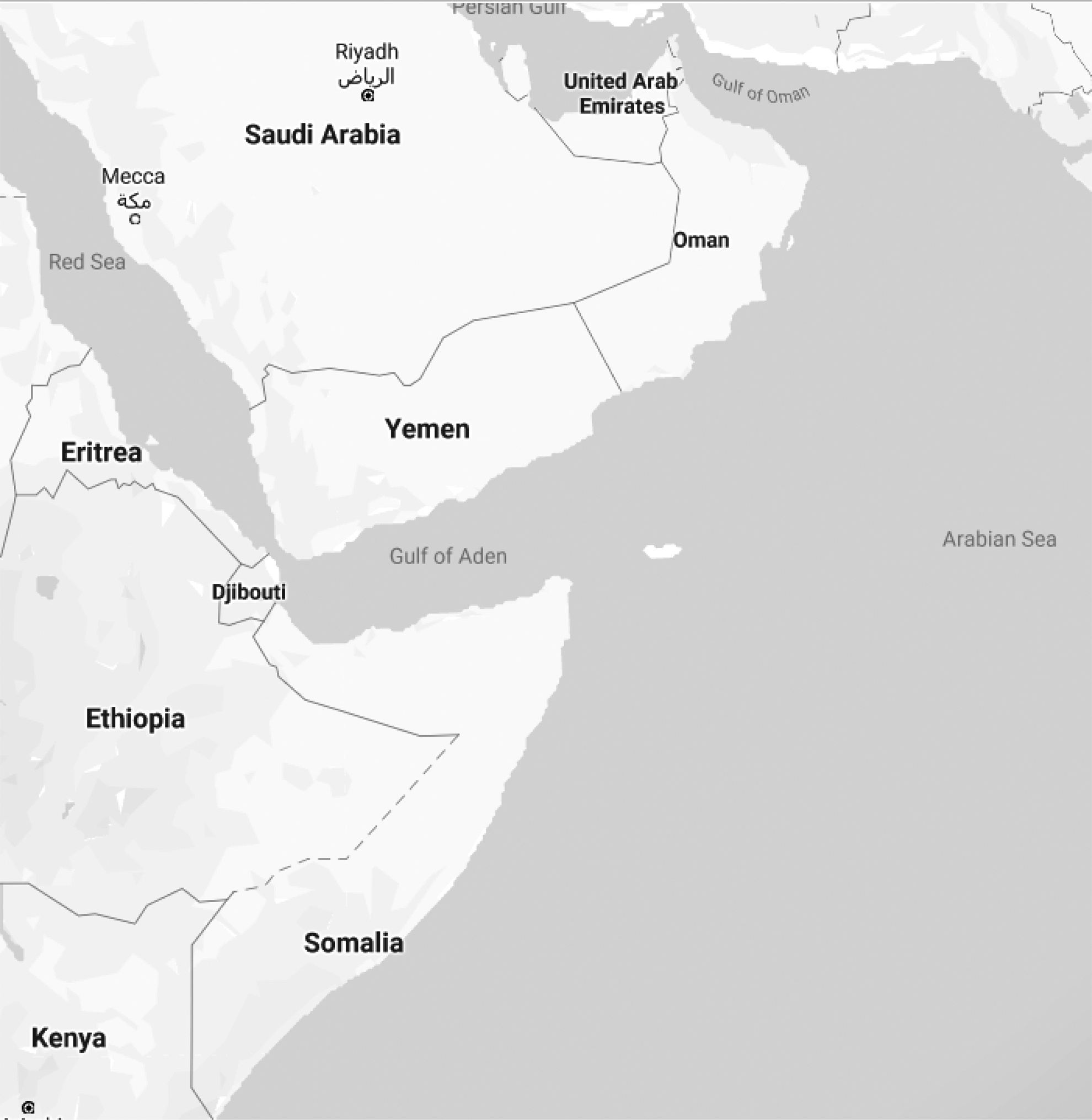
Map of Oman.
The national zoonotic surveillance (NZS) in Oman was launched in 1991 and is part of integrated communicable disease surveillance, aiming at reducing the morbidity and mortality of zoonoses (Ulrich Wernery, 2014). Oman has also established an independent Joint Zoonotic Intersectorial Technical Expert Committee to review the status of zoonoses, aiming at providing advice on corrective actions for achieving and maintaining successful control of zoonoses in the country.
Furthermore, reporting of some zoonotic disease was integrated into the National Communicable Disease Surveillance System under the group B notifiable disease list, which has to be notified within 7 days. All zoonotic-related activities, including surveillance and laboratory testing of suspected cases, were financially supported by the Ministry of Health (MOH) and Ministry of Agriculture and Animal Health (veterinary sector).
The surveillance was implemented at several levels: suspected cases are registered at primary health care (PHC) clinics, and then, they are referred to the nearest secondary or tertiary level clinics for confirmation of diagnosis and treatment of cases.
The national guidelines for several zoonotic diseases, namely brucellosis, CCHF, leishmaniasis, Middle East Respiratory Syndrome Coronavirus (MERS-CoV), rabies, schistosomiasis, and food-borne diseases, have been developed. The policy and package of care to be delivered through zoonotic strategy along with related Standard Operating Procedures, including contact tracing, were published in the Manual on Communicable Diseases (Ministry of Health, Sultanate of Oman, 2017). The strategy included case notification, client flow, testing flow and roles along with responsibilities of the health team in PHC, and follow-up. Furthermore, contact tracing was declared, which has been widely implemented (Ulrich Wernery, 2014).
There is a dearth of published studies describing the holistic approach to zoonotic diseases in Oman (Scrimgeour et al., 1999, Ministry of Health, Sultanate of Oman, 2017); therefore, in this report, we have described the progress made on zoonotic diseases, major achievements, the challenges ahead, and the way forward.
Methodology
Zoonoses data were collected between 1981 and 2017 from various sources, including (a) the Community Health and Diseases Surveillance Newsletters 1992–2011; (b) the annual health statistical reports 1995–2017 (Al Awaidy and Farag, 2017); (c) the Ministry of Health (MOH) annual progress reports (2000–2011); (d) the Ministry of Health, Oman, “Health vision 2050” (Ministry of Health, Oman, 2017); and (e) the manuals for the national communicable diseases (Ministry of Health, Sultanate of Oman, 2017). Incidence of zoonoses per 100,000 population was also calculated, and data analysis was conducted using Epi-Info 6 software with p-value <0.05 as a cutoff point for significance of the association using chi-square test.
Results
Brucellosis
Brucellosis is the most common zoonotic disease in Oman (Idris et al., 1993, El-Amin et al., 2001, MOH, Oman, 2014, Ministry of Health, Oman, 2017). Brucella melitensis is widely circulated in camels, goats, sheep, and cattle in Oman [MOH, Oman, 2017; El Tahir and Nair, 2011; El Tahir et al., 2018; National center for Statistics and information). Nationally, the brucellosis incidence rate declined from 20/100,000 population (371 cases) in 1992 to 8/100,000 population (376 cases) in 2017 (Table 1). However, the incidence rate has shown an upward trend from 2013 to 2017 (from 5 to 8/100,000 population).
Disease Cases and Incidence, Oman
Between 2013 and 2017, Dhofar Governorate, which constituted 9.7% of the country's population (National center for Statistics and information), reported 81% (1431) of total brucellosis cases nationally (average incidence rate of 77/100,000 population). The disease was mostly prevalent in the mountains and green areas. Fewer than 19% (267) of the cases were reported from northern Governorates of the country, mainly from North Batina and Dhakhiya Governorate (average incidence rate of 20/100,000 and 16/100,000 population, respectively). During the same period, the disease, age-specific rate per 100,000 was 42, 44, 55, 59, 31, 27, 23, and 26 for ages 0–4, 5–9, 10–14, 15–19, 20–24, 25–34, 35–44, and >45 years, respectively. Eighty percent (1145) of the cases were male. Sixty-three percent (908) of the cases occurred due to ingestion of unpasteurized milk or fresh unpasteurized cheese from infected goats or sheep, while 83% had a history of direct contact with animals, mainly cattle (MOH, 2014; El-Amin et al., 2001; Idris et al., 1993; El Tahir and Nair, 2011; El Tahir et al., 2018; National center for Statistics and information; Al-Rawahi, 2015).
Middle East Respiratory Syndrome Coronavirus
The first laboratory-confirmed case of MERS-CoV in Oman was reported in October, 2013 in a 68-year-old Omani man from Dakhliyah Governorate (Al-Abaidani et al., 2014). Since then sporadic cases have been notified to reach a total of 11 laboratory-confirmed cases, and the last case was notified in March 2018 (WHO, 2018). Only two (18%) cases of 11 were secondary cases. Ten (91%) cases were male and the median age was 56 years (range 20–79 years). All patients were reported as symptomatic with a clinical spectrum that ranged from mild respiratory illness to severe pneumonia and multiorgan failure. The total mortality rate was reported at 9% (one case).
Eight cases (73%) had a history of contact with camels. Diabetes mellitus was the most common comorbidity among all eight cases. No cases were reported among the health care workers. Furthermore, MERS-CoV antibodies among dromedary camels in Oman had been detected (Perera et al., 2013, Reusken et al., 2013, Al-Abaidani et al., 2014, Chantal et al., 2014, WHO, 2018).
Crimean-Congo hemorrhagic fever
A clinical case of CCHF was first reported in 1995. In 1996 (Schwarz et al., 1995, Scrimgeour et al., 1996), more cases were sporadically reported across the country. The first serosurvey to assess the prevalence of CCHF virus infection among occupational groups was implemented in 1995–1996. The results revealed evidence of CCHF infection among butchers who were at increased risk of getting CCHF as compared with individuals with other occupations (Williams et al., 2000). Another cross-sectional survey implemented during 2013–2014 revealed a prevalence of 7.1% positive serum samples among camels (Body et al., 2016).
Between 2013 and 2017, a total of 80 cases have been reported, which met the case definition (Ministry of Health, Oman, 2017) giving an average rate of 0.4/100,000 population. Of the total cases, 48 (60%) were Omani nationals. The mean age was 36 years (range 15–70 years) and 72 (90%) were male. The foreign-born population constituted 40% (32) of the reported cases, of which 16 (50%) were from Bangladesh, 8 (25%) from Pakistan, 5 (16%) from Yemen, and one case each from India, Somalia, and Sri Lanka. Most of the cases were either working in a slaughterhouse or directly handling the animals.
During the same period, most of the cases were reported in the Dhofar Governorate (average rate 3.2 per 100,000 population), North Batinah and Dhakhiliya Governorates (average rate 2.6 per 100,000), and North and South Sharqiya and Buraimi Governorates (average rate 54 per 100,000 population). The cases reported during this period showed a clustering pattern coinciding with Eid festival that was associated with a significant increase in slaughtering of animals across the country. The overall fatality rate was 72% (58/80). No secondary case transmission was reported among the contacts or health care workers. Based on an analysis of complete or partial sequences of the viral S-segment of CCHF, the study revealed circulating clade IV (Bente et al., 2013).
Schistosomiasis
Schiostosomiasis mansoni was first identified in a farm at Salalah, Dhofar Governorate in 1979 along with its vector (snail: Biomphalaria arabica). The disease may have been introduced by migrant workers coming from endemic countries. In 1989, 28% of 47 farm workers, 12% of 99 adults, and 1% of 389 children attending the clinic at Salalah Wilayat (district) had serologic evidence of exposure. A simultaneous snail survey revealed for the first time that Bulinus wrighti, a potential host for Schistosoma haematobium, was present in the district. Urinary schistosomiasis was not identified. The control program was reactivated, and by 1994, the incidence of schistosomiasis among migrant workers continued to be the source of infection. Further, national surveillance continued to ensure that the disease has not been reintroduced, and this included evaluation of Salalah Wilayat (district) residents with serologic evidence of residual infection. Resurgence of infections with S. mansoni was identified during 1999 and 2000 in a few schools in the mountainous area of Salalah Wilayat after 5 years of absence in the same area.
Transmission of schistosomiasis due to S. mansoni in Oman has been documented and certainly reached a very low level (<1%) in Dhofar Governorate (Idris et al., 2003, WHO, 2007, Al Abaidani et al., 2016). WHO defines elimination of this disease as prevalence of heavy-intensity infections <1% in all sentinel spot-check sites to date (WHO, 2012). New cases of schistosomiasis might occasionally occur, but are likely to be asymptomatic and with no clinical significance due to the low intensity of infection. Between 2013 and 2017, only two cases aged 10 and 14 years had been reported (MOH, 2017). S. mansoni and S. haematobiun were also occasionally detected among imported cases (Yemeni nationality); however, transmission was not locally documented.
Rabies
The rabies surveillance was launched in Oman in August 1990 and was integrated into the national communicable diseases program. The first human rabies case was reported in April 1990, in an Omani male from the Yankul Wilayat al Dhahira Governorate. Based on the passive surveillance system, the last local rabies case was notified in 2003. Imported cases were notified on an average of one case annually. The last case of rabies was reported in August 2016. Vaccination against rabies among humans was conducted across the country.
In 2013, a national study on rabies indicated that animal rabies in Oman is currently endemic, and the proportion of positive rabies samples obtained from sand foxes ranged between 59% and 64%. Further, the rabies transmission has been confined to a sylvatic cycle of sand foxes (Anonymous, 1992, Ata et al., 1993, Allard, 1998, Al Ismaily et al., 2002, Hussain et al., 2013, Body et al., 2014). In addition, the molecular characterization of nucleoprotein genes of the rabies virus showed 99% homology. Hence, enzootic cycle of rabies is maintained by wild foxes in Oman (Al-Bahry et al., 2007).
Foodborne salmonellosis
Cases of foodborne diseases (FBDs) have been reported under syndrome surveillance of food poisoning, and foodborne salmonellosis (FBS) is considered as one of the major foodborne pathogens (MOH, 2017). Between 2000 and 2017, the average annual cases of FBS represented ∼7% of the total cases of FBD, especially affecting children (65%). Forty percent of the food handler isolates were resistant to ampicillin and cottrimoxazole. There was no resistance to ciprofloxacin.
A study was conducted on 1242 isolates among food handlers, and the results yielded carrier prevalence of 1.2% with salmonella, of which 15 (1.2%) were resistant to one or more antibiotics, of those, 41% were resistant to ampicillin, 42% to cotrimoxazole, 22% to chloramphenicol, and none of the isolates were resistant to ciprofloxacin (Al-Bahry et al., 2007).
Toxoplasmosis
In 1994, a serosurvey among children and adults showed the prevalence rates of 62% and 54%, respectively (Idris et al., 1994). Two other studies published in 1995 showed the prevalence to be 42.3% among pregnant women (Elbualy et al., 1995). Another study in 1996 showed the prevalence to be 39.5%, 21%, and 10.5% among pregnant women, children, and blood donors, respectively (Idris et al., 1996) (Table 2). These studies showed a wide disparity in the prevalence of toxoplasmosis in Oman among children and pregnant women, ranging between 21% and 62% and 39.5% and 42.3%, respectively.
Prevalence of Toxoplasmosis Among Groups, Oman
Q fever
The first two clinical cases of Q fever were reported in 1997 and 1999 (MOH, 2010). The first case was presented with chronic pericarditis and the second one with acute pneumonia. No human infection cases were reported in the subsequent years. In 2001, study on a randomly selected group of 102 adult population from different provinces in northern Oman revealed that 10 (9.8%) were seropositive for previous Coxiella burnetii infection. Examination of sera from a randomly selected group of 54 healthy goats from eight different herds and from three different provinces of Oman, obtained by the Veterinary Research Center in Muscat, revealed that 28 (52%) were infected, and five sheep, each from one of the four herds, were seropositive for C. burnetii (Elnour et al., 2001, Scrimgeour et al., 2003, MOH, 2010).
Leishmaniasis
Leishmaniasis notification is mandatory under the group B notifiable disease list since 1991 and has been integrated into the communicable disease surveillance. Between 2013 and 2017, cases declined from 0.1 to 0.04/100,000 population.
Visceral leishmaniasis (VL) has been reported since 1970, mainly in children living in the foothills of the northern mountains and in the southern Dhofar Governorate. In the early 1990s, the annual number of notifiable cases ranged between 14 and 40 cases, thus indicating low endemicity.
By 1992, 36 VL cases were reported. Between 1993 and 1999, 33 children were treated in the Sultan Qaboos University Hospital (Balkhair and Ben Abid, 2008). Epidemiology and entomological studies of the patients indicated that children in the outskirts of villages, close to rocky foothill, were at high risk of contracting the infection. Spraying operations were conducted in the affected areas to interrupt the transmission. Over the past 20 years, only sporadic cases (<10 per year) have been recorded, several of which are from border areas of Yemen, and focal rural foothill and mountainous areas of al Sharqiya and Dhahira Governorates. In 2008, one case of leishmania/HIV coinfection due to L. infantum was reported for the first time (Scrimgeour et al., 1991).
Cutaneous leishmaniasis (CL) has not been reported in Oman until 1986 when 50 cases were reported, 43 of whom were migrant workers from Sudan. This was followed by a major outbreak of CL in Khartoum, Sudan (Scrimgeour et al., 1999). Leishmania tropica was characterized as a causative agent in one of the patients. For both types of leishmaniasis, between 2013 and 2017, there was no indication of seasonality or known areas of significant disease transmission.
CL, caused by Leishmania major, occurs sporadically in Oman with the suspected vector being Phlebotomus papatasi (Scrimgeour et al., 1999, Al-Kitani et al., 2017). In 2008, there were seven reported cases of CL, which were scattered cases from Muscat, Dhofar, North al Batinah, al Dhakhliya, and Buraimi Governorates. Diagnosis facility and treatment by pentavalent antimonalis are available in all the referral hospitals.
Cystic echinococcosis (hydatidosis) disease
A number of seroepidemiologic surveillance and molecular studies in several livestock species on cystic echinococcosis have been carried out in Oman. The disease is considered as one of the endemic diseases of the country among animal population as it gets established through abattoir. A seroepidemiologic study on cystic echinococcosis (Echinococcus granulosus) in the livestock in six municipal abattoirs around Oman revealed 14.6% of the livestock that produced positive antibodies against EgAgB, which included camels (22.4%), cattle (12.9%), sheep (12.2%), and goats (10.9%). While in case of imported and local livestock, the disease rates were 15.2% and 14.7%, respectively (Abuelhassan, 2010).
Myiasis
The first two cases reported in 1998 were caused by Oestrus ovis that is locally known as dis'sa. Cases were presented with symptoms of acute conjunctivitis from Wadi Alhawasna, North Batinah, and Muscat Governorates (Victor and Bhargva, 1998, Aich et al., 2015). The first case of bronchial myiasis was reported in 2014 with respiratory distress (Al-Ismaily and Scully, 1995). A case of 13-year-old Omani boy was presented with bronchial mass resulting from the inhalation of mature larvae. Another two cases developed myiasis on the palate (Mohammad et al., 2008).
Leptospirosis
In 2008, the first case of leptospirosis with coinfection of dengue was reported in Oman (Al Abaidani et al., 2017). Four cases of nontravel-related leptospirosis in Oman were also reported between 2010 and 2012 (Idris and Al-Awfy, 1990).
The magnitude of the disease in Oman is not yet known.
Taeniasis
Oman never reported indigenous Taeniasis case; however, a Taenia solium infected case has been reported (WHO, 2018).
West Nile virus infection
In March 2003, the first reported indigenous infection was confirmed in four horses in Seeb Wilayat (Muscat Governorate), with the identified vector as Culicine mosquitoes. The first laboratory-examined human case of West Nile virus (WNV) encephalitis was a 50 years old male from Fanja Willayat, Bidbid (Muscat Governorate). The case was confirmed on July18, 2013, and the patient passed away on August 5, 2013. Since then no notified cases have been reported.
Other zoonoses
Anthrax and psittacosis diseases have not been notified in Oman.
Discussion
Zoonoses cause human mortality and morbidity, and such diseases also affect livestock's production, decrease availability of food and create barriers for international trade.
Oman can be ranked as a low-incidence country for many zoonoses where no anthrax and psittacosis diseases have been reported and leishmaniasis, schistomiasis, and rabies have steadily declined. However, some diseases such as brusellosis have been declining in some parts of the country while emerging in other areas to reach higher rates. In addition, an emerging MERS-CoV infection and epidemic-prone diseases, such as CCHF, Q fever, and FBD, remain challenging.
The decline of some zoonosis was mainly attributed to established surveillance system for both humans and animals with adequate and trained human resources in hospitals, with invariable adoption of better treatment modalities, appropriate laboratory capacities, monitoring, follow-up, case findings, contact tracing, screening, and evaluation system. In addition, well-financed national programs have been in place where the program activities have been integrated into the health care services. Reporting and registry were mandatory and were integrated into the National Communicable Disease Surveillance System across the country. The provision of disease care, control, and prevention services was insured free of charge for all national and foreign-born population.
Challenges and future directions
Challenges for an effective zoonoses control program depend on the nature and ecology of the disease; however, there are a few overarching challenges to be addressed by Omani health system. The primary challenges faced for effective implementation of zoonoses control policies, strategies, and plans lie within the limited effective multisectoral collaboration between the main stakeholders (human health, animal health, wild life, and food safety) that must include integration of zoonoses surveillance of human and animal health, working together on emerging zoonoses (including influenza) at the animal–human interface for rapid risk assessment and response, sharing resources toward a synergized action and filling gaps in national and Governorate capabilities for rapid and effective investigation of and response to zoonotic infections and outbreaks.
The next overarching challenge is limited eradication programs as well as low vaccination rates against certain zoonoses in Oman. While brucellosis is largely dependent on the attitudes and behavior of the people, it can be eliminated by effective measures, such as controlled animal migrations and vaccination of large and small animals as well as conduction of research, to identify human behaviors that tend to affect transmission.
Rabies is a vaccine-preventable disease in both humans and animals. WHO, the Food and Agriculture Organization of the United Nations, and the World Organization for Animal Health and the Global Alliance for Rabies Control (GARC) launched the End Rabies Now campaign, which aimed at zero human rabies deaths by 2030 worldwide [78]. Henceforth, Oman should aim toward rabies elimination targets and strategies in line with the global directions where animal rabies vaccination needs to be adopted.
For MERS-CoV, national multisectoral fewer than One Health platforms for MERS-CoV need to be strengthened at the human–animal interface for information sharing, surveillance, and joint outbreak investigations. Indeed research needs to address the knowledge gaps of how humans become infected by animal or environmental sources in the communities, identify the risk factors for infection in humans, and identify human behavior that leads to MER-CoV transmission.
Taking into account CCHF infection, the disease mortality rate is still high and realizing its association with Eid festival slaughtering, it is essential to understand the epidemiology, transmission dynamics, and implantation of individual and community educational strategies toward limiting spread of CCHF.
Transmission of schistomiasis has reached very low levels. Thus, additional investigations might be warranted to ensure collection of evidence that would sustain the country's claim that schistomiasis elimination is feasible (Idris et al., 2003, WHO, 2007, Al Abaidani et al., 2016). In addition, there is a need for sustained and successful control activities in low transmission areas to intensify control of schistosomiasis infections in the high transmission areas.
FBD is one of the major causes of salmonelosis outbreaks in Oman, especially among children. The prevention and control of FBD through the provision of hygienic food and water supply as well as through appropriate management of wastewater represent a major challenge that must be handled appropriately, along with strengthening of the surveillance for food handlers and investigation of outbreaks.
Toxoplasmosis is endemic in Oman with high prevalence (42.3%). However, little is known about the disease seroprevalence and its burden of congenital toxoplasmosis in Oman. Hence, it will be interesting to study the disease among cats and rodents.
The serosurvey for Q fever was conducted by providing evidence that it was widespread among goats, sheep, and other livestock throughout the country. Further, we suspected that Q fever was widely prevalent in the human population in Oman. Strengthened national multisectoral for Q fever at the human–animal interface for information sharing, surveillance, and joint outbreak investigations needs to be guaranteed.
There is currently no evidence of active transmission of leishmaniasis in Oman. CL is reported sporadically from northern and southern Governorates, and by the fact, very few people sleep outside. Furthermore, there is no evidence of active leishmaniasis transmission area; however, the animal reservoir host has not been established in Oman. Therefore, leishmaniasis does not form a public health threat in Oman at this point of time.
Oman has temperate climates, and thus, an increased likelihood of leptospirosis of getting unnoticed. In addition to locally acquired leptospirosis, the disease may be acquired by travelers abroad. Leptospirosis is a potentially serious but treatable disease. Therefore, it is necessary to increase awareness and knowledge of the disease as a public health threat.
The prevalence of cystic echinococcosis (hydatidosis) among livestock is high, and there is a lack of surveillance of human echinococcosis, but available data from livestock suggested that it is considered as a highly endemic and an important public health problem (Victor and Bhargva, 1998). Cases were randomly seen in our health services; however, these were not officially reported. The main factors contributing to persistence of echinococcosis are large shepherd dog populations.
Uncontrolled disposal of offal and other slaughter waste and importation of live animals with echinococcosis is applicable to Oman. Prevention of hydatidosis in humans primarily involves regular deworming of dogs, the definitive hosts.
The cystic echinococcosis (hydatidosis) disease needs to be integrated into passive surveillance of the national surveillance system. Strengthening of collaboration between human and animal health sectors is essential to understand the epidemiology and transmission dynamics implantation of individual and community educational strategies as well as keeping dogs away from areas with infected viscera (e.g., abattoirs) is paramount.
Myiasis ophthalmomyiasis and other clinical disease presentations may not be a serious public health problem in Oman, but a nationwide survey of all Myiasis cases may be granted.
Anthrax and psittacosis diseases were not reported in Oman, while for leptospirosis the magnitude of the disease in Oman needs to be identified. Further, for Taeniasis, Oman needs to opt for disease verification procedure.
For WNV fever, it is important for health care workers to consider the differential diagnosis of cases of aseptic meningitis and encephalitis, and promptly report cases to public health authorities. Understanding the epidemiology, seasonality, and geographic distribution of these viruses will assist in early clinical recognition. Prevention depends on the community and household efforts to reduce vector populations (e.g., applying insecticides and reducing breeding sites), personal protective measures to decrease exposure to mosquitoes and ticks (e.g., use of repellents and wearing protective clothing), and screening of blood donors.
Some of the key actions include the following: (i) Roll out of “one-health” approach for forging improved coordination and collaboration between veterinary, human, food, and environment sector; (ii) an urgent need to obtain a suitable national zoonotic elimination follow-up task force and implementation of efficient systematic monitoring; (iii) improvement in surveillance and data sharing of emerging zoonoses including influenza at the animal–human interface for rapid risk assessment, response; (iv) expansion of the capability for rapid and effective investigation of zoonotic infections and emerging zoonotic outbreaks with an emphasis on intersectoral partnerships; (v) use of modern tools and new regimens, and swift introduction of drugs, with special attention to private institutions; and (vi) an efficient supervision and monitoring system needs to be established at the Governorate level.
Conclusions
In Oman, transmission of many zoonoses has been either eliminated per international guidelines or has reached to that level where it is no more a public health threat. However, potential threat of emerging infectious diseases including zoonoses remains high due to globalization, developmental activities, and climate change. Therefore, a more resilient health care system, robust surveillance system, and multisectorial approaches to zoonoses will be crucial to sustain disease elimination status and to prevent re-entry, establishment, and spread of exotic and emerging zoonoses in Oman. The most appropriate direction for Oman would be the adoption of “One Health” approach taking into consideration the existing global and regional strategic frameworks for prevention, control, and subsequent elimination of zoonotic diseases to minimize the socioeconomic and public health impact of emerging zoonotic diseases in the country.
Footnotes
Acknowledgments
We are highly indebted to Ali Bin Moosa, Ali Jaffer Mohammed, late Ahmed Al Ghassani, Ahmed Al Saidi, Mohammed Al Hosani, Mahmoud Shaaban, Khaled Al Mushaikhi, Salem Al Kathery, Idris Al Obaidani, Euan M. Scrimgeour, Firdosi R. Mehta, Saher Shuqaidef, Magda Al Waheibi, Alireza Mafi, Salim Paker, GONGAL, Gyanendra, and Governorate epidemiologist staff for their guidance and support.
Author Disclosure Statement
No competing financial interests exist.
Funding Information
No funding was received for this article.