




Abstract
Baculovirus is an efficient system for the gene expression that can be used for gene transfer to both insect and different vertebrate hosts. The nucleocapsid gene (N) of the infectious bronchitis virus was cloned in a baculovirus expression system for insect cell expression. Dual expression vectors containing IBV N and spike (S) proteins of the avian infectious bronchitis virus were engineered under the control of human and murine cytomegalovirus immediate-early enhancer/promoter elements in combination with the baculoviral polyhedrin and p10 promoters for simultaneous expression in both vertebrate and insect cells. Transduction of the N gene in the insect Sf9 cells revealed a high level of protein expression. The expressed protein, used in ELISA, effectively detected chicken anti-IBV antibodies with high specificity. Transduction of mammalian and avian cells with BacMam viruses revealed that dual expression cassettes yielded high levels of protein from both transcription units.
Introduction
I
Autographa californica multicapsid nucleopolyhedrovirus (AcMNPV) is a member of the family Baculoviridae. Recombinant AcMNPVs are extensively used for the production of recombinant proteins in insect cells (19) and have become an important tool for laboratory as well as industrial-scale production of various heterologous proteins (20,21). Although capable of entering vertebrate cells and releasing genomic DNA into the nucleus, AcMNPV does not replicate in vertebrate cells and represents a viral expression system with high biosecurity (22 –25). The species-specific nature of the infection is at least in part dependent on the baculovirus promoters, which are active only in lepidopteran cells. AcMNPV recombinants carrying mammalian cell-active expression cassettes, so-called BacMam viruses, are suitable vectors for gene delivery into vertebrate cells (26 –30). BacMam viruses are easy to generate with low cost effective, possess a broad cell type range with no detectable gene expression driven by AcMNPV promoters, and they do not replicate in the vertebrate cells (31).
In this study, the expression cassettes for dual expression of both N and S genes of avian infectious bronchitis virus M41 strain were constructed using strong enhancer/promoter elements from murine and human cytomegaloviruses (MCMV, HCMV). In addition, expression cassette for N gene of the IBV was designed to be used for diagnostic purposes. Bac–bac and BacMam viruses expressing the green fluorescent protein (GFP) directed by the different regulatory sequences in transduced cells were used to evaluate relative expression levels. Antihistac and polyclonal anti-IBV antibodies were used to screen the specific protein expression in the transduced cells.
Materials and Methods
Cells
High five insect cells (BTI-TN-5B1-4, Invitrogen™, Cat No B855-02) and Spodoptera frugiperda (Sf9) insect cells (ATCC® CRL-1711™) were used for baculovirus production. The cells were grown in Grace's supplemented insect medium containing 10% FCS, 100 U penicillin/mL, and 100 μL streptomycin/mL. Recombinant baculoviruses were generated from transfer vectors based on pFastBacDual (Invitrogen, Karlsruhe, Germany), and plaque purified as described in the manufacturer's manual. Recombinant viruses were propagated in Sf9 cells, and virus titers were determined according to the endpoint dilution method by Spearman and Kärber (32). Bovine pharyngeal cell line 244 (KOP-R; Insel Riems, Germany, collection of cell lines), and chicken embryo fibroblasts were maintained in Dulbecco's modified Eagle medium supplemented with 10% fetal calf serum (FCS), 2.4 mM l-glutamine, 100 U of penicillin per mL, and 100 μg of streptomycin per mL. Cell cultures were incubated at 37°C in a humidified atmosphere containing 5% CO2.
Vector
IBV nucleocapsid cloning in the baculovirus for invertebrate expression (rN-bac–bac)
All cloning strategies were conducted as previously described (33). The amplicon containing the partial N gene was subcloned from Psp riems nucleo (developed previously in our laboratory) using blunt end ligation protocol. Briefly, the N-gene was first excised from the plasmid using NcoI and AvrII restriction enzymes, treated with Klenow and subcloned into buculovirus expression vector: pFBD-p10Uni ie=pFBD Sac His-CMI ie*-GFP MCS. The buclovirus expression vector was lineated by treatment with XhoI, then treated with Klenow, and calf intestinal phosphatase. The N-gene was then ligated in vitro with T4 DNA ligase (30 U/μL; MBI Fermentas) overnight at room temperature in the ligation buffer (40 mM Tris-HCl, 10 mM MgCl2, 10 mM dithiothreitol, and 0.5 mM ATP). The ligation mixture was analyzed by agarose gel electrophoresis to identify the presence of the target product. The ligation products were transformed into E. coli C600. Proper ligation was screened by RFLP using Bgl II, and gene sequencing.
IBV spike and nucleoprotein dual cloning in the baculovirus for vertebrate expression
pMamm Bac Hie Mie XL was first treated with Hind III, followed by Klenow, and CIP treatment. N gene was subcloned from Psp riems nucleo under the control of HCMVie in pMamm Bac Hie Mie XL. Briefly, N gene was excised from Psp riems nucleo by NcoI and HindIII. The protruded ends were filled by Klenow prior to its blunt end ligation into the Hind III site of pMamm Bac Hie Mie XL. The construct was transformed into C600, and plasmids were purified by minprep. The colonies with proper gene orientation were selected by RFLP using Bgl II, and original colonies were enriched, purified using Qiagen column purification, and archived as pMammbacHeiIBVMie (Fig. 1a). Spike insert was subcloned from Psp riems spike (developed previously in our laboratory) by blunt end ligation after excising by BamHI and treatment with Klenow then cloned into the SmaI site of pMammbacHeiIBVMie under the control of MCMVie. The resulting vector was archived as pMammbacHieIBVnuclMieSpike (Fig. 1b).
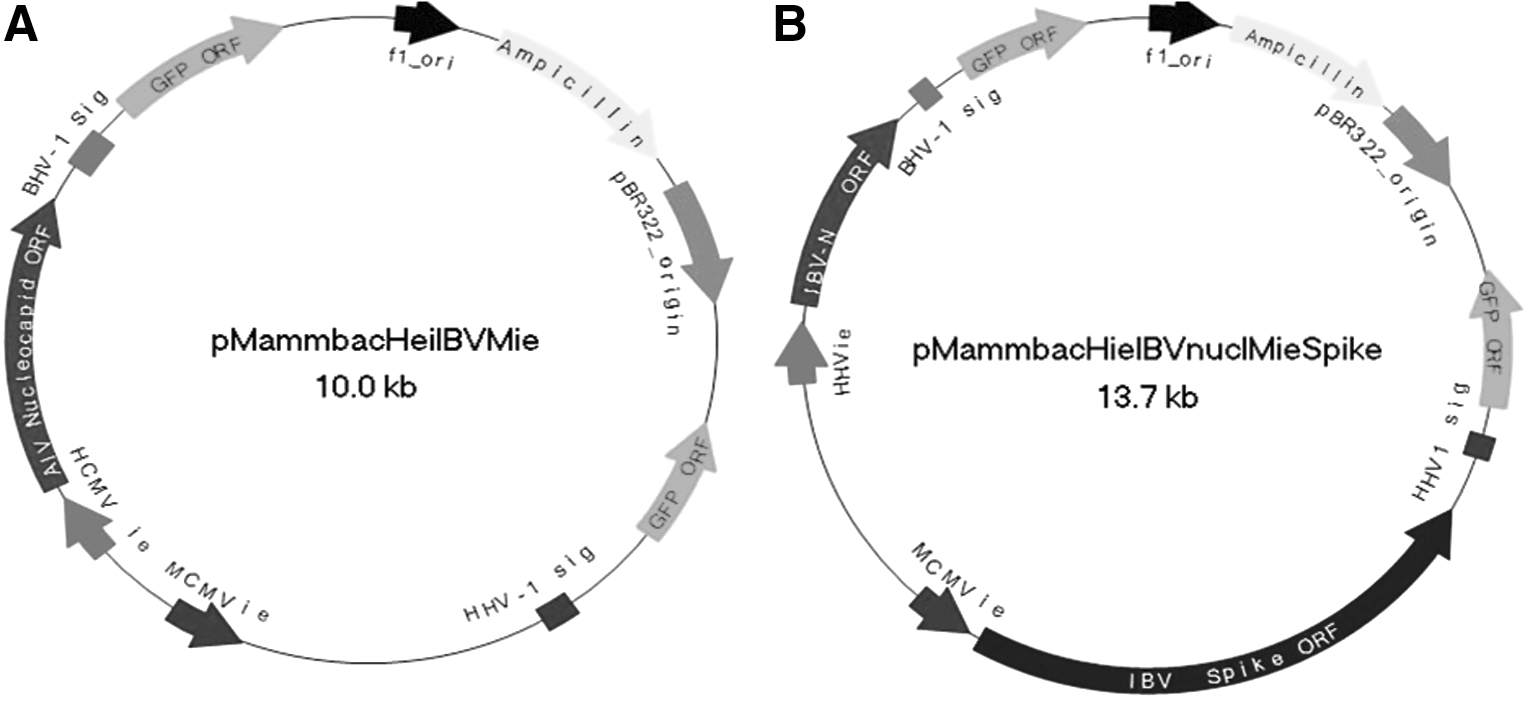
Construction of both nucleocapsid (N) and Spike (S) genes in baculovirus expression system.
Generation of recombinant bacmid DNA
Recombinant plasmids from single and dual constructs of both vertebrate and insect purposes were transformed into max efficiency DH10Bac competent cells. The genes of interest were transposed into Bacmid through lacZ gene disruption. The recombinant bacmids were selected on Luria agar plates with 50 μg/mL kanamycin, 7 μg/mL gentamicin, and 10 μg/mL tetracycline. Two hours before bacteria spreading, 40 μL of 100 mM IPTG, and 40 μL of 20 mg/mL X-Gal were spread over each plate. After 36 h incubation at 37°C, high molecular-weight DNA was isolated from the overnight cultures as described in the manufacturer's instructions.
Recombinant baculovirus generation and purification
Bacmid DNA from the single construct for invertebrate expression and single as well as dual preparations for vertebrate expression were transfected into H5 insect cells using the Fugene HD transfection reagent (Roche) according to the manufacturer's instructions. Cells were incubated for 96 h at 27°C. At 96 h, 100 μL of the H5 supernatant fluid was taken, diluted 1/10 and 1/100, then 100 μL of the stock and the two dilutions were inoculated into three different wells (6-well-plate) containing Sf9 cells. Cells were incubated at 27°C for 1 h; then the medium was removed and replaced by semisolid agarose medium and incubated for 96 h. At the end of incubation, three plaques were picked up, transferred into 2 mL tube containing 1 mL of medium shaken at room temperature for 30 min, and transferred into the T25 vessel containing Sf9, and further incubated for 72 h. The supernatant fluid of each plaque was also titrated in 96-tissue culture plates containing Sf9 cells. Plates were examined after 3 days for the presence of green fluorescence harboring cells. The supernatant containing recombinant viruses was used for infecting fresher Sf9 cells. For large-scale viral production, Sf9 cells were infected at 10 MOI in suspension cultures of 2×10⁶ cells/mL. Four days post infection, the supernatant was collected, and the recombinant viruses were purified by sucrose gradient ultracentrifugation following standard protocols. The purified recombinant baculoviruses were resuspended in PBS, and titrated.
Baculovirus transduction in mammalian and avian cell cultures
KOP-R cell line and chicken embryo fibroblasts were transduced with single dual baculoviruses for vertebrate expression. In brief, the cells were seeded in 24-well plates and cultured overnight, washed twice with 500 μL PBS, then transduced with 100 MOI of different baculoviruses. The transduction was initiated directly by adding the virus mixture to the cells and continued by gently shaking the 6-well plates on a rocking plate for 4 and 6 h at room temperature for KOP-R and CEF, respectively. At the end of the incubation, 500 μL of MEM medium containing 7.5 mM butaric acid was added to each well, then further incubated for 24–30 h. As controls, KOP-R and CEF were incubated under the same conditions in the solution consisting of 200 μL PBS and 50 μL virus-free-culture supernatant.
Indirect immunofluorescence assay
Sf9 cells, KOP-R cell line, and CEF that were used for virus transduction were fixed with 3% paraformaldehyde in phosphate-buffered saline for 20 min. The cells were treated with 0.2% Triton X-100. α RGS 6 his Mab Ab (RGS·His antibody, Qiagen) diluted 1:1000 or IBV-specific polyclonal antibody (1:5000) (produced previously in our lab) was added, and incubated for 1 h, then washed three times with PBS. Anti-mouse fluorescein conjugate (flexa Sf94) for the former or goat anti-rabbit fluorescein conjugate diluted 1:2000 for the latter was added. The cells were incubated at room temperature then washed three times with PBS before examination.
Western blot analysis
Proteins were separated by 10% SDS-PAGE, transferred to nitrocellulose, blocked in 10% nonfat milk in TBS-T (25 mM Tris, 250 mM NaCl (pH 7.4), 0.1% Tween 20) and sequentially probed with anti-hist tag monoclonal antibody, αRGS-6-his (Qiagen), and POD anti-mouse monoclonal antibody. The reaction was detected using the SuperSignal West Pico chemiluminescence kit (Pierce) as recommended by the supplier.
Kinetic studies for AIBV N bac–bac
Sf9 cells were infected at ∼10 MOI and ∼100 MOI of N-bac–bac recombinant virus in 6-well-plates. Harvesting of cells and supernatant were performed after 4 h and then daily for 4 successive days. Harvesting was performed by repeated suction and blowing; afterwards the cells were pelleted for 5 min at 1500 rpm, washed twice by PBS, and the cell pellet was retained at −20°C. Cell pellets were screened for the presence of 40 kDa protein using SDS-PAGE and Western blotting using αRGS-6-his monoclonal antibodies.
Indirect ELISA for IBV N protein
Wells of microtiter plates were coated overnight at 4°C with diluted rN proteins in 0.05 M carbonate bicarbonate buffer pH 9.6, and were then blocked with PBST containing 3% BSA for 1 h at room temperature. Checkerboard titration was performed to determine the optimum concentrations of antigen and antisera. Plates were washed three times with PBS containing 0.05% Tween 20. Diluted control positive and negative sera were added and incubated for 1 h at room temperature. After washing, goat anti-chicken IgG-HRP conjugate (Sigma) was added and incubated for 1 h at room temperature. Substrate solution containing OPD and H2O2 was added after washing. The reaction was then stopped by the addition of 50 μL of 1N H2SO4 to each well and the absorbance at 490 nm was measured after 30 min. The corrected positive readings were calculated by subtraction of mean control negative reading. Samples were assayed in triplicates. The specificity of the assay was screened by testing the reactivity of the rN-ELISA to Newcastle disease virus (NDV), infectious laryngeotracheitis virus (ILTV), reovirus (RV), avian influenza virus (AIV), and infectious bursal disease virus (IBDV) antisera.
Statistical analysis
Analysis of variance (ANOVA) was used to identify differences among ELISA data. Statistical tests were performed with InSTAT software (GraphPad Software, San Diego, CA).
Results and Discussion
Transfer vectors for simultaneous expression of two genes by BacMams were constructed using plasmid BacMam/M/H-CMVie-GFP (30). This plasmid is based on pFastBacDual. It contains immediate-early enhancer/promoter elements from MCMV as new transcription regulatory elements for simultaneous high-level expression of the two proteins. The immediate-early region of MCMV contains two transcription units (ie1 and ie2), which are oriented in opposite directions (34 –36). The region between the ie1 and ie2 promoters contains strong and complex transcriptional enhancer sequences (37,38), which have been used in conjunction with the authentic ie1 and ie2 promoters for high-level dual expression of proteins after plasmid transfection (38). The immediate-early region of human or murine CMV contains two transcription units (ie1 and ie2), which are oriented in opposite directions (34 –36). Dual GFP expression directed by MCMV: PMCMVie1 or PMCMVie2 differed consderably in PT11 and KOP/R cells after transduction with the respective BacMam recombinants (30). In the current study, heterogonous dual PMCMVie1/PHCMVie enhancer/promoter element was selected, which proved to induce efficiently expression of two proteins in transient transfection experiments (30,39). Accordingly, BacMam recombinants expressing IBV genes: either N or N and S genes can drive high-level synthesis of proteins in bovine and avian cells (Fig. 2).
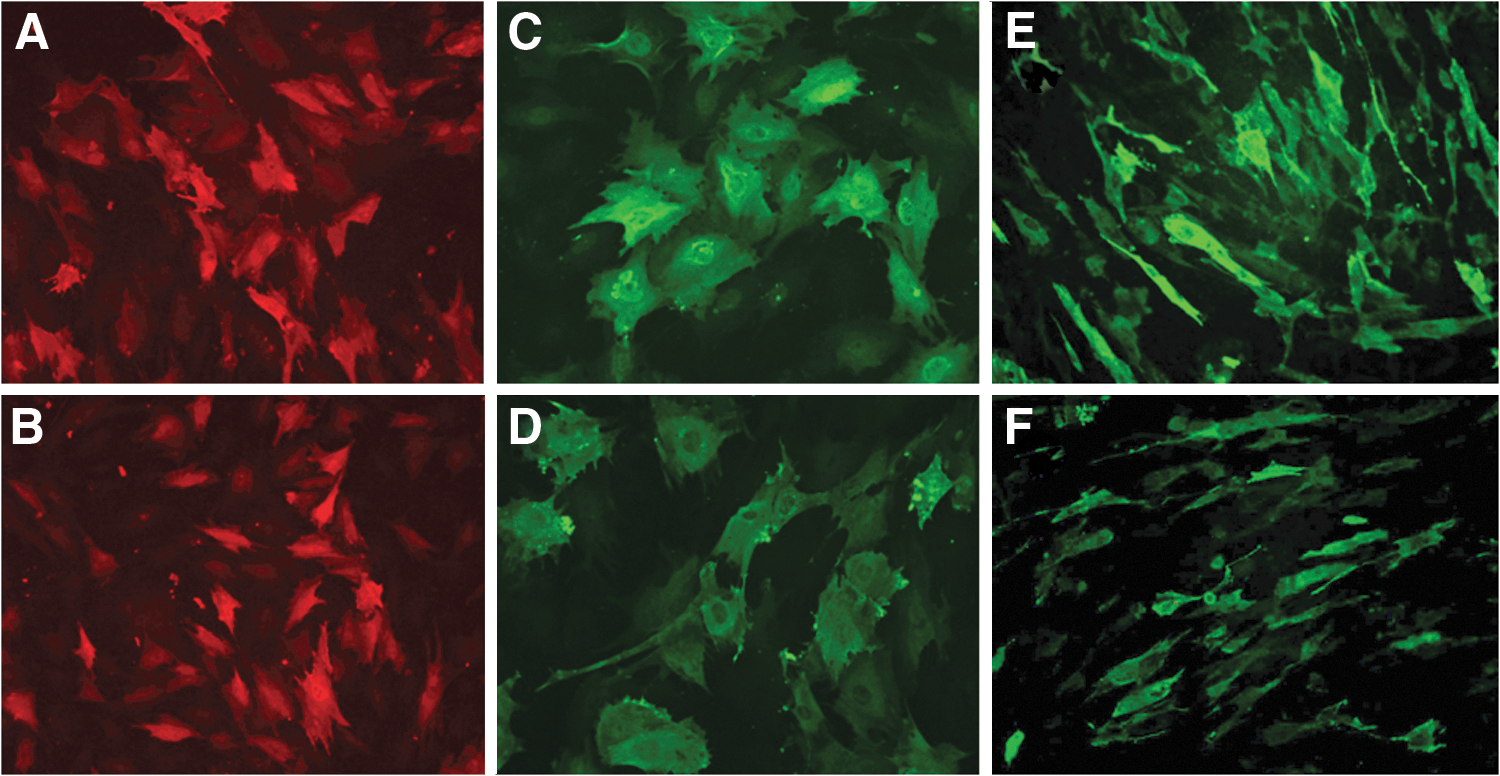
BacMam transduction in KOP/R and CEF cells. KOP/R
To avoid the duplication of ORFs in the genome of BacMam viruses that may cause genetic instability, PPH or Pp10 in combination with PMCMVie1 or PHCMVie were included in the hybrid transcription regulatory elements of the constructs. Infection of H5 and Sf9 insect cells with BacMam N and BacMam N–S expressing GFP under control of the various hybrid promoters demonstrated that the upstream CMV sequences did not interfere with PPH or Pp10 activity (data not shown). It contains an expression cassette (PH-GFPpolyA) in which GFP mRNA transcription is under the control of the baculoviral PPH and the polyadenylation signal of glycoprotein D of the bovine herpesvirus 1. This expression cassette, which is active in insect cells, was included to monitor rescue easily of recombinant BacMams from bacmid DNA in insect cells and to facilitate plaque purification and virus stock titer determination. Since PPH is not active in vertebrate cells, the presence of this expression cassette does not interfere with BacMam applications in vertebrate cells.
KOP/R and CEF cells were transduced by inoculation with pBacMamHieMie1-GFP-N and pBacMamHieMie1-GFP-N/S at an MOI of 100, and autofluorescing cells were photographed 96 h later (Fig. 2). The GFP activity induced by the expression cassettes for N gene and for the dual expression showed equivalent expression of genes in different orientations (Fig. 2).
In the present study, we have successfully expressed the IBV N protein in insect cells by the recombinant Bac–Bac expression system. High levels of the rN-Bac were obtained after 72 h p.i. using 10 MOI (Fig. 3). The recombinant protein was analyzed by Western blot, showing suitable antigenic characteristics as demonstrated by strong reaction with antihistac monoclonal antibodies. The rN-Bac was used in the solid phase ELISA and could detect anti-nucleocapsid antibodies in chicken serum. Optimal dilutions, of the N recombinant protein preparation, IBV-positive, and IBV-negative chicken sera were determined by checkerboard titration. The positive antiserum to IBV reacted well in rN-ELISA (Fig. 4a). IBV-positive and -negative chicken sera could be distinguished at coating concentrations as low as 0.6 μg/well to as high as 4.8 μg/well with serum dilutions; 1:100, 1:250, and 1:500 (Fig. 4a). The optical densities of the antigen concentrations: 1.2, 2.4, 3.6, and 4.8 μg showed the highest values at different serum concentrations (p<0.05); however, they showed nonstatistical differences from 0.6 μg (p>0.05). Accordingly, the antigen concentration of 0.6 μg at a single serum dilution of 1:100 was selected for subsequent analysis of chicken sera in rN-ELISA.
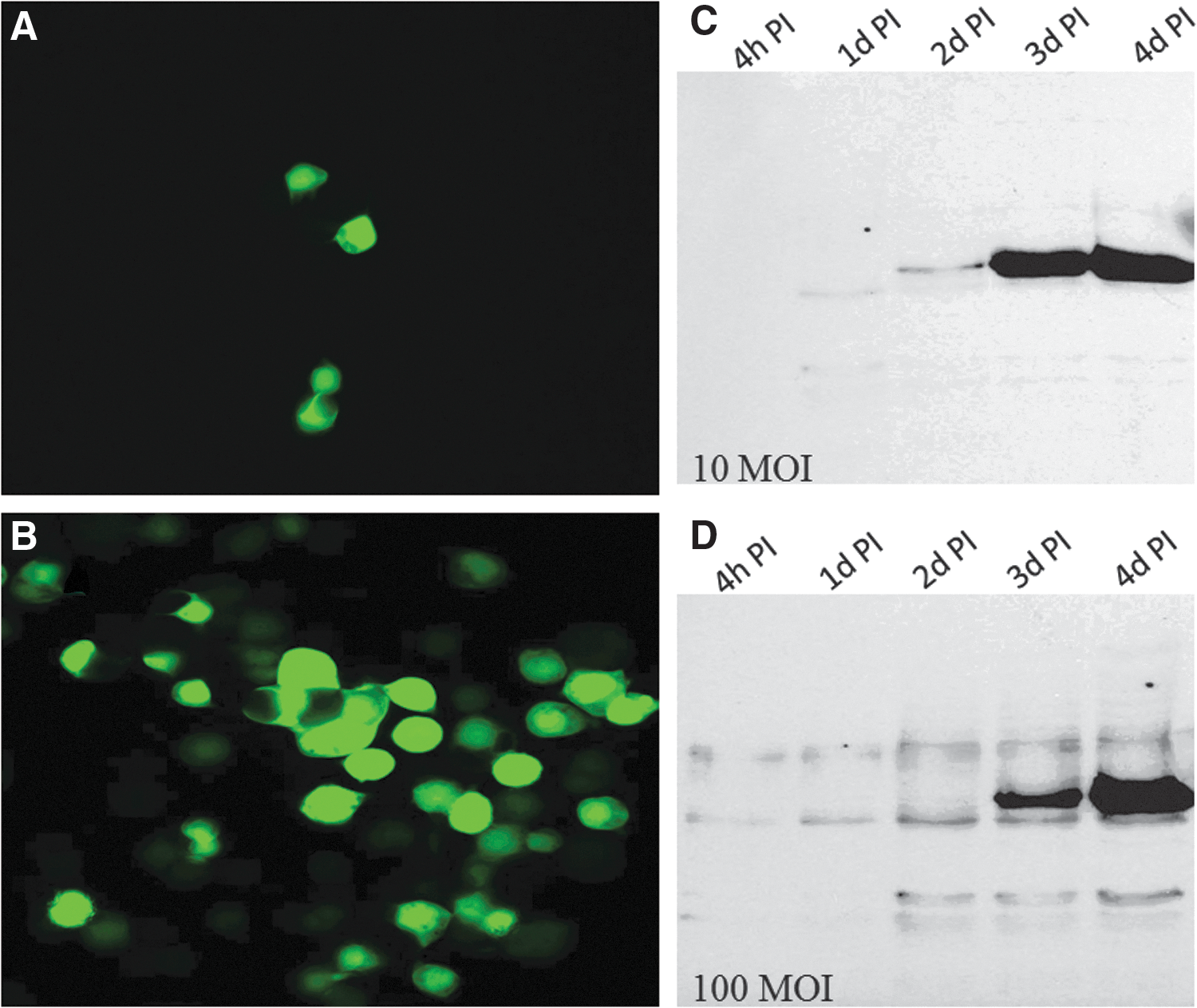
Analysis of the nucleocapsid expression in baculovirus in Sf9 cells at 2d
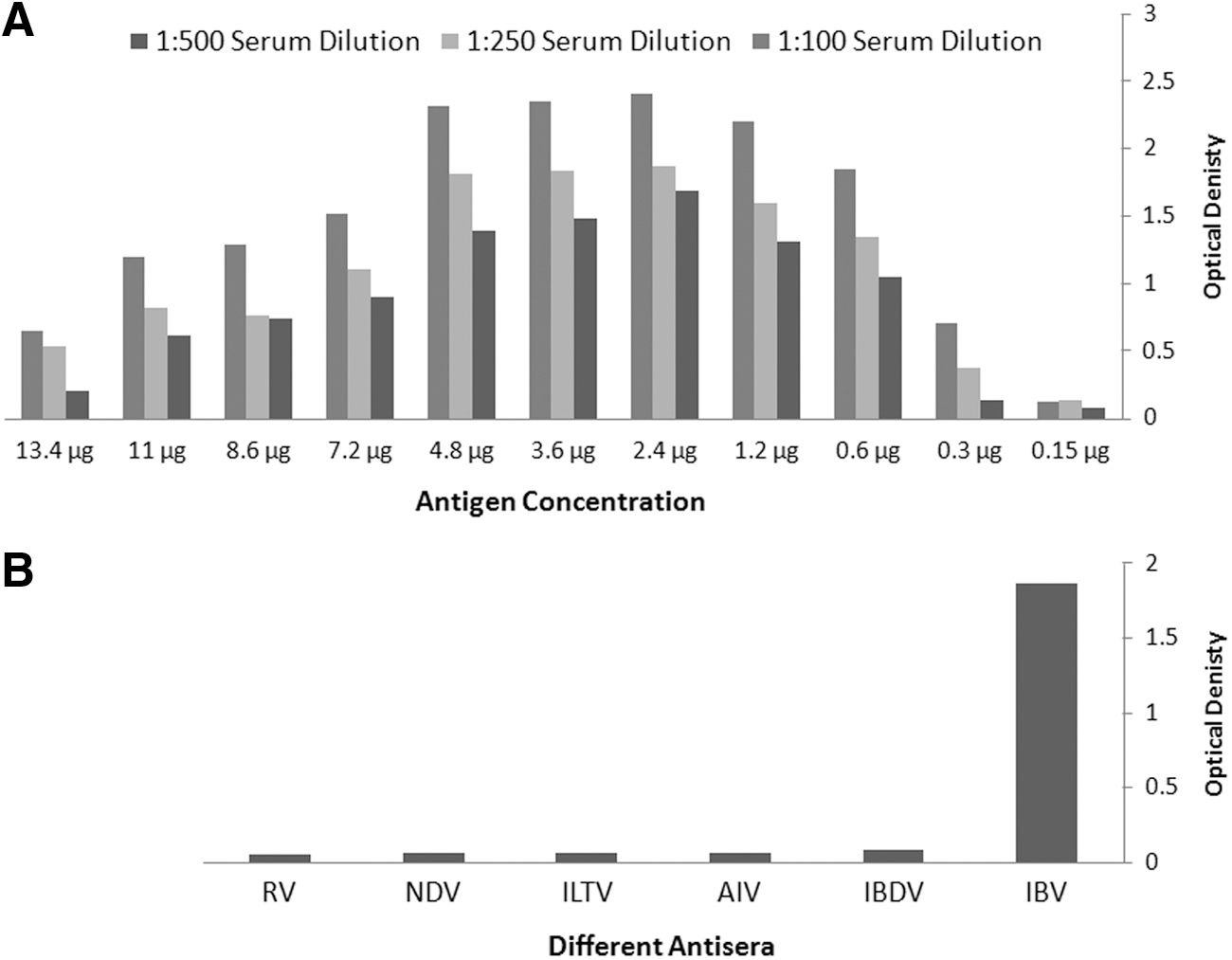
Detection of recombinant IBV N protein by indirect ELISA.
The specificity of the rN-ELISA was evaluated by testing different positive control sera against infectious laryngeotracheitis virus, Newcastle disease virus, infectious bursal disease virus, and reovirus (p<0.001) with 100% specificity and accuracy (Fig. 4b).
In conclusion, a recombinant nucleocapsid protein can be expressed and purified from baculovirus in an economical and reproducible way and can be successfully used in rN-ELISA to detect IBV-specific antibodies in chicken sera. The current study revealed that a dual, antiparallel expression cassette that consists of pMCMVie1 and pHCMVie for N and S genes of IBV yielded high levels of protein from each enhancer/promoter. High-level expression in insect and vertebrate cells was obtained. In the meantime, baculovirus expression of IBV N gene in insect cells was useful for production of recombinant protein for diagnostic purposes.
Footnotes
Author Disclosure Statement
No competing financial interests exist.