



Abstract

Photo courtesy of the Jacobs School of Music, Indiana University Bloomington; Alain Barker, photographer.
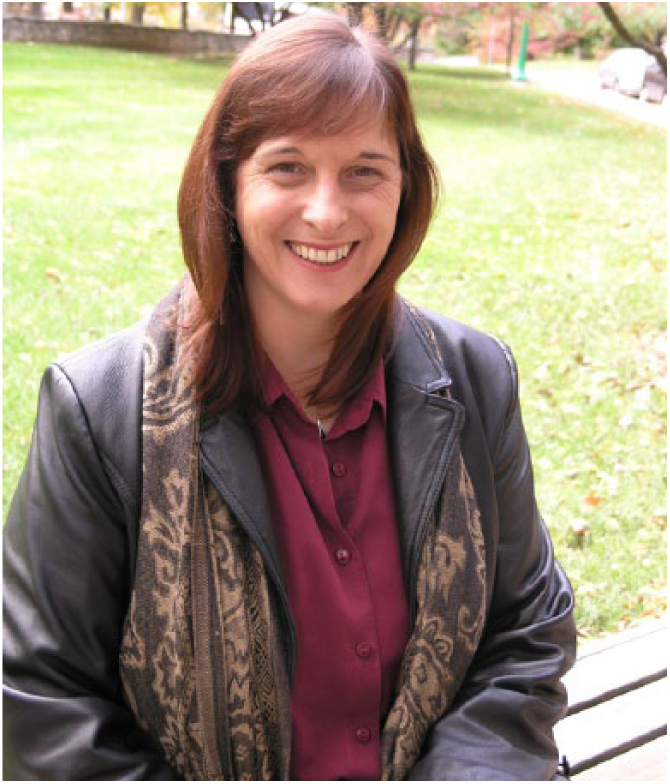
When I was working through school in preparation for teaching music, I will admit that I did not know what Music Educators Journal (MEJ) was. My college teachers did not encourage us to join MENC—now NAfME (in their defense, my classes were largely with faculty from the Education Department, not a Music Education Department). I discovered MEJ one day when I was student teaching: A copy was sitting on a pile of papers on my cooperating teacher’s desk. I noticed the journal’s name, the attractive cover, and the list of articles on a wide range of topics. Leafing through, I found Margaret Merrion’s article “Classroom Management for Beginning Music Educators” and mentally devoured the text. 1 Merrion’s advice about preventive discipline, developing a management plan, and the importance of physical presence was a revelation to me during a time when I was in great need of professional mentorship. I remember going back to that article more than once as I first began to develop a professional teacher identity.
I became an avid reader of the articles in MEJ after that. I remember seeing a call for music teachers throughout the United States to review and send comments toward the creation of national voluntary music standards in 1993. 2 I recall being surprised that even young professionals like me would be invited to participate in the process of their creation. This was the first clue that I could participate in the larger conversation about who we are as a profession, share in the discussion of what we might reach for, and expand on what we can offer to the millions of children we encounter as music teachers and teacher-educators.
Articles in MEJ are not simply words of advice for teachers. They are part of ongoing dialogues that provide mentorship to all types of music teachers on teaching strategies, repertoire, and content. The articles in MEJ present opportunities for a teacher in the State of Washington to learn from a teacher in Oklahoma, a college professor in Rhode Island, or a youth symphony orchestra conductor in Singapore. More important, this journal provides music teachers and music lovers
Because we are teaching professionals, it is essential that we make the effort to develop and share concepts and practices with each other. Although workshops at conferences provide music teachers the chance to teach each other through embodied experiences, writing articles for MEJ provides opportunities for long-term mentorship. Margaret Merrion probably did not have me in mind when she wrote her advice and submitted the ideas in an article that was published years before I began my career. Her voice, though, still rings with truth for both experienced and new teachers.
In 2016, then–Academic Editor Patrick Freer discussed the problems inherent in the decision to make MEJ a primarily electronic journal. 3 He predicted that music teachers might lose our voice as a result of the relative invisibility of electronic text. Since the majority of members have stopped receiving paper copies (I elect to pay the extra cost to have a paper copy delivered to my door), we almost certainly have lost the impromptu opportunities of members seeing an attractive cover, flipping through pages, and experiencing the joy of an accidental discovery of wonderful ideas. Now, readers must make the effort to seek out and find specific articles on topics that they know to explore.
We have, however, gained a new opportunity: the chance to share recordings and pictures and charts and videos of our practice. Rather than describing a music learning activity, we can share video of ourselves teaching. Rather than writing only text for people to read, we can now partner text with spoken word in an audio podcast or video TED-like talk. We can share links to websites and apps that add richness to our own thoughts. There are thousands of ways that an electronic reading interface allows us to enrich the ideas we share through writing MEJ articles. We have not yet taken full advantage of these opportunities.
I encourage all MEJ readers to consider what ideas, practices, and beliefs might be worth sharing with the current generation of music teachers and future generations of colleagues. Write about successful practices. Collect pictures and video; make graphs and charts about questions for discussion that can be linked to an article, or record yourself; speak with joy and passion about what you love; and make recordings of musicmaking. There are guidelines to help teachers to work with copyright and audio-video quality (https://us.sagepub.com/en-us/nam/journal/music-educators-journal#submission-guidelines), and an Editorial Committee dedicated to providing mentorship through in-depth feedback. New writers can request mentorship as they write down and record practices to share. In addition to writing articles that go through a peer-review process by our Editorial Committee and an Advisory Board, the new occasional column Equity in Music Education provides an opportunity to share experiences and ideas on anything that can help music teachers to confront injustices in our schools and communities.
MEJ will only be as vibrant and relevant as the voices that are shared in its electronic pages. As Patrick Freer stated, this is the journal that provides a forum for dialogue and an opportunity for our profession to evolve. Make the effort to make the future a better one!