



Abstract
Biofortified beans are being promoted in Burundi to solve malnutrition issues among rural households. The study was conducted in Muyinga and Gasorwe communes, where biofortified bean varieties were disseminated. This study aims to understand gender roles and practices in households and farms and how these roles and practices influence participation and uptake of biofortified beans. Lastly, it looks at the role of extension in increasing the uptake of agricultural technologies like biofortified bean varieties. Data were collected using a mixed-method approach—focus group discussions, key informant interviews and questionnaires and analyzed using content analysis, descriptive statistics, and a probit model on STATA software. Descriptive results indicated increasing joint farm management and decision-making on bean production, with men taking the lead in markets and income accrued from the sale of crops. Despite the promotion of various improved bean varieties, only two biofortified bean varieties, MAC44 and RWR2245, were adopted by smallholder farmers. The probit results indicated that utilization of hired labor, the source of biofortified improved bean seed, total cultivated land area, decision-maker on land use, years after the first adoption, and the type of extension services sought were significant factors that influenced farmers’ use of biofortified beans varieties. Based on the study's findings, more effort is required to promote access to inclusive extension services, market and decision-making on income accrued from the sale of farm produce.
Keywords
Introduction
Grain legumes, particularly common beans (Phaseolus vulgaris L.), are among the most important crops produced by women in sub-Saharan Africa (Nakazi et al., 2017). As a cheap source of protein and micronutrients such as iron and zinc (Larochelle and Alwang, 2021; Losa et al., 2021), the crop plays a vital role in the diets of numerous households in the sub-region. Common beans contribute 32% of energy and 65% of total protein to the sub-regions diet (Blair, 2013). Common bean production is traditionally considered a women's crop in sub-Saharan Africa due to the higher involvement of women in production and post-harvest activities (Nakazi et al., 2017). However, men are increasingly engaging common bean value chain, highlighting the importance of the crop to both genders (Akpo et al., 2020; Nakazi et al., 2017).
Bean production and consumption in Eastern Africa rank among the highest in sub-Saharan Africa. Tanzania, Kenya, Uganda, are the largest common bean-producing countries in sub-Saharan Africa and Burundi among the top 10 bean-producing countries in East Africa, accounting for approximately 12% of worldwide production (FAOSTAT, 2023). Bean consumption in Eastern African countries is the highest, ranging from 31 kg to 66 kg per capita per year, which is equivalent to 180 g per capita per day (Jackson et al., 2021). Although bean farming in the sub-region has primarily been for subsistence purposes, farmers are increasingly becoming market-oriented, suggesting a growing understanding of the social and economic potential of bean cultivation. Consequently, beans play a vital role in both income generation and food security.
The role of the common bean in reversing food and nutrition problems and empowering women in Burundi was recognized four decades ago when the Burundian government initiated research activities through breeding programs spearheaded by the Institut des Sciences Agronomiques du Burundi (ISABU). The crop was introduced to complement cereal crops such as sorghum and finger millet (Larochelle et al., 2015). Bean research programs in the country started receiving technical support from the Alliance of Bioversity International and the International Center for Tropical Agriculture (ABC) through the Pan-Africa Bean Research Alliance (PABRA) under the “Improving food security, nutrition, incomes, natural resource base, and gender equity for better livelihoods of smallholder households in sub-Saharan Africa” project funded by The Swiss Agency for Cooperation and Development (SDC).
Despite the significant representation of women in the bean sub-sector, few or no empirical studies in Burundi have focused on comparing men's and women's participation in bean production or identifying existing gender gaps. This observation is important given that men and women participate at varying levels in bean production and marketing, and their active involvement can stimulate a more widespread adoption of newly released common bean varieties. For instance, in recent years, there has been much focus on breeding biofortified bean varieties to address the unending challenge of malnutrition in Burundi (Muroki et al., 2023; Odjidja et al., 2022). The breeding programs in Burundi have developed several biofortified bean varieties, including MAC44, RWV1129, RWV1272, NAKAJE, MAC70, MUHORO, RWR2154, and RWR2245 (Onyango et al., 2020). These varieties were part of a technology scaling initiative that was supported by the Technologies for African Agricultural Transformation (TAAT) programs in Burundi (Onyango et al., 2020).
Understanding the level of adoption of biofortified bean varieties by men and women farmers is critical for tailoring bean breeding interventions in Burundi to respond to social realities. However, there are some mismatches in terms of understanding gender preferences that inform breeding activities and planning. Therefore, it is critical to comprehend how biofortified common bean varieties are perceived or preferred by the farming community of men and women by analyzing gender-specific patterns that can reveal decision-making processes and interests in the use of new or improved bean varieties and potential barriers to adoption (Guo et al., 2020). Farmers’ perceptions are shaped by multiple factors, like the support received from the extension systems, especially during the diffusion of new and improved crop technologies. Extension agents raise awareness of improved crop varieties and recommend appropriate agronomic practices that enable farmers to realize adoption objectives (Akpo et al., 2021). However, extension systems’ approaches to disseminating information about improved crop varieties often do not distinguish men and women farmers’ differences in their demand for and access to extension services or how social norms shape men and women's access to extension services and the eventual adoption decisions (Dessalegn et al., 2022).
Therefore, a nutrition and gender-sensitive extension system can play an important role in increasing the demand and adoption of biofortified bean varieties in Burundi. However, despite the availability of information about biofortified bean varieties, there is a limited understanding of the role of extension services in bridging gender differences in the adoption of improved varieties (Ogutu et al., 2018). Additionally, the contribution of extension approaches to the successful dissemination of biofortified bean varieties in terms of the extent of adoption by men and women is not adequately captured. Thus, the study addressed three research questions. First, what are common gender roles and practices in households and on-farms? Second, how do these roles and practices influence participation and uptake of biofortified beans? Third, what is the role of extension in increasing the uptake of agricultural technologies like biofortified bean varieties?
Conceptual framework
The conceptual framework of this study is designed to offer a holistic insight into the determinants affecting the adoption of biofortified bean varieties by smallholder farmers in Burundi, drawing from previous research in agricultural technology adoption (Abebe and Bekele, 2015; Gaspard et al., 2021; Guo et al., 2022). The framework comprises an intricate web of interrelated factors, categorized into four primary dimensions: demographic characteristics, farm attributes, market aspects, and institutional elements. The dynamic interaction between these determinants governs farmers’ decisions to embrace and cultivate at least a minimum of two biofortified bean varieties, developed and promoted by bean breeding programs and the public extension systems in Burundi.
Household characteristics that can encourage or impede adoption encompass factors such as household composition, education, age of the household head, and sources of livelihood (Adekambi et al., 2020; Vaiknoras et al., 2019). These determinants may influence the preferences, necessities, and priorities of farming households, subsequently impacting their inclination to adopt biofortified bean varieties (Letaa et al., 2015).
Farm attributes consist of factors like land ownership, cultivated land area, duration of improved varieties adoption, and hired labor utilization. These determinants may ascertain farmers resource availability and capacity to adopt novel technologies and practices, including biofortified bean varieties (Kassie et al., 2011).
Market aspects entail the type of market farmers engage with, the decision-maker on selling, and access to pesticides. These determinants may affect the profitability and appeal of biofortified bean varieties, consequently shaping farmers’ decisions to adopt them (Birol et al., 2015). Institutional elements consist of the type of extension service and the number of extension contacts farmers receive or access. These determinants may mold farmers’ access to information, knowledge, and assistance in adopting and cultivating biofortified bean varieties (Birol et al., 2015; De Groote et al., 2016; Takahashi et al., 2020).
The study's conceptual framework aspires to scrutinize the multifaceted influence of household characteristics and dynamics, farm characteristics, extension and market on use of biofortified bean varieties in production. The assumption is that the use of at least two biofortified bean varieties in Burundi by both genders or by men and women separately will influence the adoption for each gender category. By clarifying these relationships, the framework strives to guide targeted interventions and policies, promoting the adoption of biofortified beans to ultimately bolster food security and nutrition in Burundi (Kassie et al., 2011).
Gender dynamics within households are also expected to affect the adoption of biofortified bean varieties. These gender dynamics, as covered by Peterman et al. (2014), include the roles, responsibilities, and decision-making powers of men and women as shaped by sociocultural norms. For instance, women's involvement in decisions concerning common bean activities is expected to positively influence adoption of biofortified bean varieties because of their higher participation in the bean value chain (Fisher and Carr, 2015; Ragasa, 2012). In addition, women's access to resources, and their ability to make decisions on or control over the use of benefits of bean production would potentially affect the adoption of biofortified bean varieties. Thus, the conceptualization of the study aimed to provide a more nuanced understanding of gender roles in the adoption of biofortified beans.
Methodology
Study area
The study was conducted in Muyinga and Gasorwe communes in Muyinga province, Burundi. These communes are situated between 1400 and 1600 m above sea level. The communes experience two cropping seasons, characterized by irregular precipitation that ranges from 1000 to 1100 mm annually. Muyinga has a population of approximately 632,409 people who rely on agriculture as their primary economic activity. Farmers in the study area cultivate small plots of land due to the high population density. Muyinga and Gasorwe communes, located in the northeast of Burundi, were selected because of the extensive dissemination of biofortified bean varieties in these communes. In addition to the SDC and TAAT project, ISABU also collaborated with World Vision Burundi under the “Bio-Fortification to Eradicate Malnutrition” project in these communes. The project aimed to reduce chronic malnutrition and food insecurity among vulnerable households. Figure 1 presents the map of the study area.
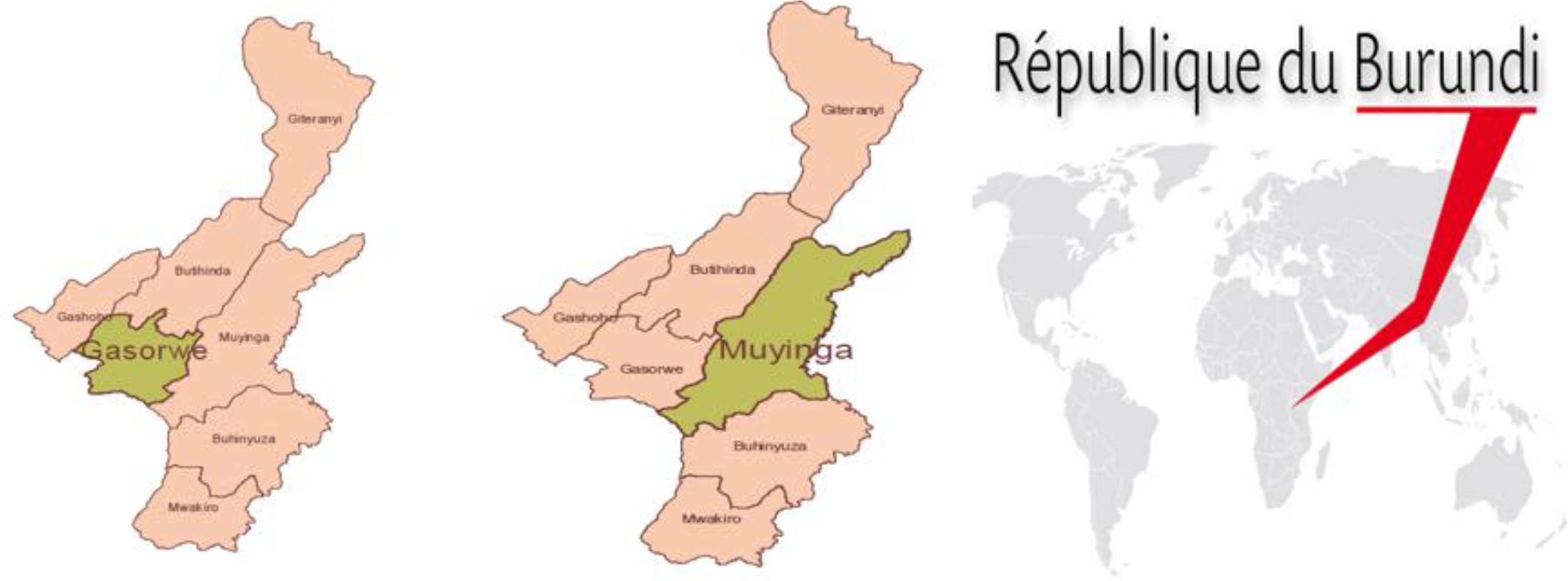
Showing the study area.
Research design
The study adopted a mixed-method research design, which is suitable for analyzing both qualitative and quantitative data (Åkerblad et al., 2020). This approach allowed the researchers to gather and analyze both quantitative and qualitative data, with qualitative data collected to triangulate survey data. Previous studies have utilized mixed methods to analyze the role of diversification in agriculture (Jack et al., 2020; Julia et al., 2017).
Sampling procedure. The study employed a multi-stage sampling approach for selecting respondents. In the first stage, Muyinga province was purposively chosen, as it was among the areas targeted for the dissemination of biofortified varieties. In the second stage, Muyinga and Gasorwe communes were purposively selected since they are located in the same agroecological zone, thus allowing the researcher to minimize potential bias. In the final stage, farmers were randomly selected from the two communes. A list of 100 farmers was obtained from a local farmer cooperative, which formed a sampling frame. From this list, a sample of 80 farmers was randomly selected. The number of respondents chosen from each commune was determined using Probability Proportional to Size sampling. To validate the data, four focus group discussions were conducted in the communes. That is two women focus groups, and two men focus groups. Additionally, six key informant interviews with cooperative and World Vision officials were carried out.
Data collection. A structured questionnaire was employed to gather quantitative data, with the assistance of well-trained enumerators. The questionnaire was administered to the respondent who was responsible for the production of biofortified bean in the household because they had more information on the biofortified bean value chain. The data were collected using the questionnaire included general household information such as the gender of the respondent, age, gender of the household head, education level of the household head, marital status, household size, and household composition in terms of age categories (children, youths, and adults). Additionally, data on land ownership, access to credit, group membership, and information regarding biofortified bean production were gathered.
Focus group discussions and key informant interviews were utilized to collect qualitative data. Two focus group discussions, consisting of women only and men only from each commune, were conducted. The groups in Gasorwe comprised six men and six women, while the Muyinga commune had eight men and eight women. The focus group discussion checklist aimed to understand the different roles and decision-making processes of men and women in biofortified bean production, marketing, and income use. An additional question on access and control over biofortified beans was also included. For the key informant interviews, three men and three women were interviewed using an open-ended interviewer schedule. The data collected encompassed gender roles, the extent of women's involvement, decision-making in the production of biofortified beans, the benefits to households, and recommendations.
Analytical framework
Descriptive analysis. Descriptive statistics were performed to gain a deeper understanding of data characteristics and preliminary insights into potential relationships between variables. This initial analysis served as a foundation for subsequent econometric modeling and provided valuable context to interpret and substantiate the findings from the probit model. Continuous variables, such as the age of the household head, cultivated land area, years of adoption, and the number of extension contacts, were calculated using the mean to describe their central tendency. For categorical variables, such as household composition, decision-making on land use, main occupation, land ownership, type of market, decision-maker on selling, access to pesticides, and type of extension service, we computed frequencies and percentages to describe the distribution of each category within the variable. These statistics helped to identify the most common categories and the proportion of observations falling into each group.
Econometric estimation. An econometric framework employing a probit model was utilized to analyze factors determining the use of biofortified bean varieties in Burundi. We estimated both a full model and reduced models for women and men separately to account for potential gender-specific factors influencing the adoption of these varieties.
Let the dependent variable, Y, represent whether a farmer used at least two biofortified bean varieties promoted by ISABU and the public extension systems. Y takes the value of 1 if the farmer used at least two varieties and 0 otherwise.
The probit model is expressed as

The framework estimated full model for all farmers and reduced models for women and men separately. This approach allows us to capture potential differences in the factors influencing the adoption of biofortified bean varieties among men and women.
Full Model:



The set of explanatory variables (X) encompassed a diverse array of factors that might influence the adoption of biofortified bean varieties among farmers. These factors, delineated by a mixture of demographic characteristics, farm attributes, market conditions, and institutional elements, were incorporated into the model to capture the intricate interplay of variables that could potentially shape farmers’ decisions. Thus, the probit model strived to provide a comprehensive and nuanced understanding of the factors determining the use of biofortified bean varieties in the context of Burundi.
The demographic characteristics considered in the model included variables such as household composition, age of the household head, decision-making processes related to land use, and the main occupation of the farmer. By integrating these variables, the model sought to unravel the potential influence of personal and family dynamics on the adoption of biofortified beans. Farm characteristics, such as land ownership, cultivated land area, years since the first adoption of biofortified bean varieties, and utilization of hired labor, were included to examine how farm-specific attributes might affect farmers’ inclination to adopt these nutritionally enhanced crops.
Additionally, market-related variables, such as the type of market farmers participate in, decision-making on selling their produce, and access to pesticides, were incorporated to investigate the role that market forces and resource availability play in shaping the adoption of biofortified bean varieties. Lastly, institutional factors, including the type of extension service utilized by farmers and the number of extension contacts they had, were integrated into the model. These variables aimed to determine the potential influence of support services and information dissemination on farmers’ decisions to adopt biofortified bean varieties.
Qualitative data analysis
Data collected from key informant interviews and focus group discussions were analyzed using a qualitative approach, aimed at understanding the underlying factors and social dynamics influencing the adoption of biofortified bean varieties among farmers. This methodological approach allows us to explore the experiences, opinions, and perspectives of various stakeholders, complementing the quantitative findings from the probit model.
First, the data from key informant interviews and focus group discussions were transcribed and translated into a common language to facilitate analysis. The transcriptions were then carefully read to familiarize ourselves with the content and identify emerging themes and patterns. Following this, a thematic analysis was conducted to identify and categorize key themes and sub-themes related to the adoption of biofortified bean varieties. This involved a systematic and iterative process of coding the data, grouping similar codes into themes, and refining the themes based on their relevance and significance. The analysis was both inductive, allowing themes to emerge naturally from the data, and deductive, guided by our research objectives and the existing literature on technology adoption and gender dynamics in agriculture.
Once the themes and sub-themes were established, we explored the relationships between them, as well as any potential gender-specific differences or of similarities in the experiences and perceptions farmers. This allowed us to gain deeper insights into the complex social and cultural factors influencing the adoption of biofortified bean varieties, and how these factors may vary across genders. Finally, the qualitative findings from the key informant interviews and focus group discussions were triangulated with the quantitative results from the probit model, providing a comprehensive and nuanced understanding of the factors determining the use of biofortified bean varieties in Burundi. This multi-method approach allowed us to validate and enrich our findings, strengthening the overall evidence base and informing targeted and context-specific recommendations for promoting the adoption of these nutritionally enhanced varieties among farmers.
Results
Socio-economic statistics of biofortified improved beans farmers
Table 1 presents the summary statistics of the socio-economic characteristics of the sampled households in the study area. The results indicate that 89% of the sampled households were male-headed, and 11% were female-headed. The results are expected since men are culturally considered the head of households in Burundi. Regarding marital status, a majority (86%) of the respondents were married and living with a spouse. Gender comparison of marital status indicated that all male respondents were married compared to about 76% of women, suggesting that 24% of women were either widowed, separated/divorced, or single. Also, a majority (81%) of respondents had farming as their primary occupation, suggesting the role of agriculture to rural households and individuals. Only 19% of the sampled farmers reported participating in off-farm activity. A slightly higher percentage of men (23%) than women (16%) participate in off-farm activities.
Summary statistics of socio-economic characteristics of the sampled respondents.
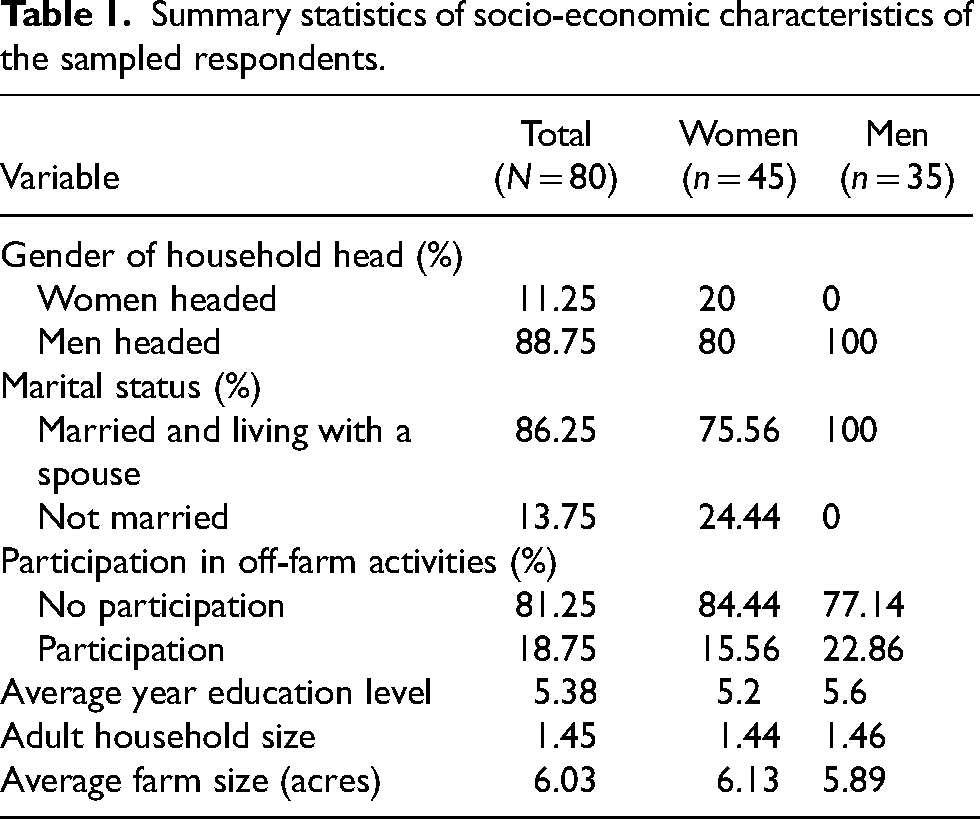
The average schooling years of the respondents was 5.3 years, with men having slightly higher average years of education (5.6) than women (5.2 years). Households had an average of 1.45 adult households, with no apparent gender differences in size reported by both men and women respondents. The average farm size per household is 6.03 acres, with women respondents reporting an average of 6.13 acres compared to 5.89 acres reported by men. However, the average farm sizes are relatively small, possibly due to the high population density in the area.
Gender roles and decision-making
Gender roles and decision-making in asset ownership and use. Table 2 shows gender roles and decision-making in asset ownership, purchasing, selling, and usage. Most respondents indicated that land ownership, usage, and selling are responsibilities shared by both men and women. Land is predominantly owned and purchased by men, while women primarily access land through male family members for agricultural production. In Muyinga and Gasorwe communes, land ownership and purchase are considered men's responsibilities. Although women owned farm equipment, these items were generally purchased by men. Women mainly used the equipment. However, women had a greater responsibility for farm equipment usage than men. Most respondents indicated that the purchase of farm equipment was a responsibility assigned to men. In focus group discussions with men, it was mentioned that both men and women had access to, bought, and controlled farm equipment. However, focus group discussions with women revealed that although women owned and had access to equipment, they did not have control over it. They said: Women have access but do not have money to buy household equipment. The man is the owner and the buyer of such items; otherwise, it can lead to divorce if a woman brings any equipment to her home!”, (Women focus group, Rugari village, Muyinga communes).
Gender roles and decision-making in asset ownership and utilization.

Decision-making in biofortified bean production practices.
Table 3 results demonstrate that fertilizer and pesticide purchases were the responsibility of men. However, the Chi-square test indicated that the association between fertilizer/pesticide purchase and the gender of the farmer was not significant. Conversely, both men and women were responsible for seed utilization. Besides, the t-test results indicated that the association between seed utilization and the gender of the farmer was significant. Moreover, the fertilizer and pesticide application process involved various household members (both men and women). However, men were more responsible for the application of fertilizer and pesticides than women. This can be attributed to the fact that men dominate agricultural activities, which are more labor-intensive and capital-intensive, as they have more energy and finance than women. Focus group discussions with men groups revealed that: He buys the chemical, and he is there during its application. We go together; all the family members are involved because it includes the transport of manure, and it includes the use of paid labour. This activity is done by all family members, but men are more involved because it requires strength. The wife will do the follow-up., (Men focus group, Rugari vilage, Muyinga communes).
Decision-making in bean production practices.
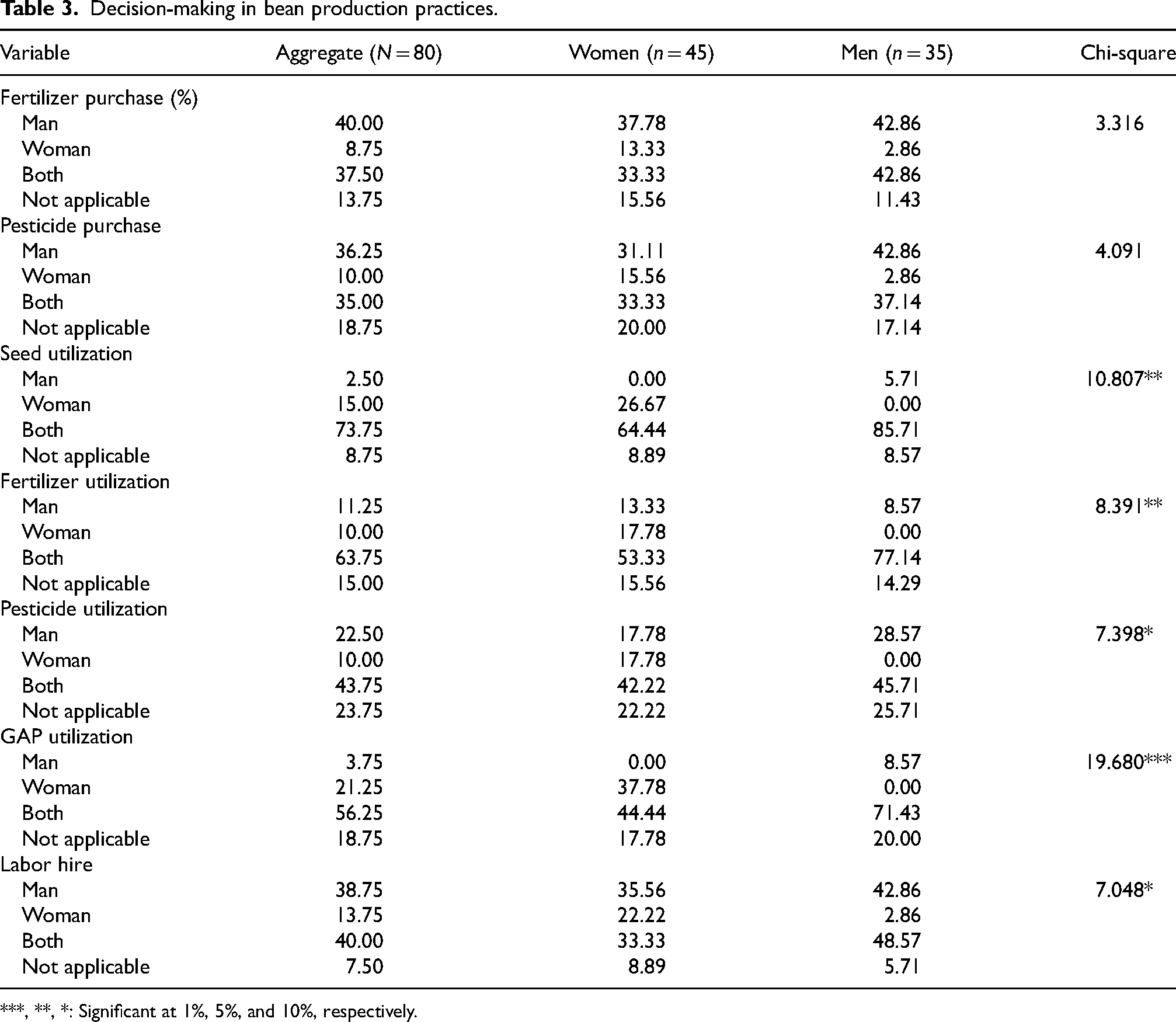
***, **, *: Significant at 1%, 5%, and 10%, respectively.
With regard to Good Agricultural Practices utilization and labor hire, most respondents reported that these responsibilities were shared by both men and women. However, men were more responsible for labor hire than women, probably due to having more finance than their counterparts.
Decision on how produce is handled and marketed. Figure 2 presents the results of how decisions on produce handling and marketing are made. Based on the results presented, most of the respondents indicated that produce ownership, storage, seed drying, and the decision to sell are jointly made by men and women. Also, the results indicated that women's responsibilities were exclusively sorting, threshing, winnowing, cleaning, and purification.
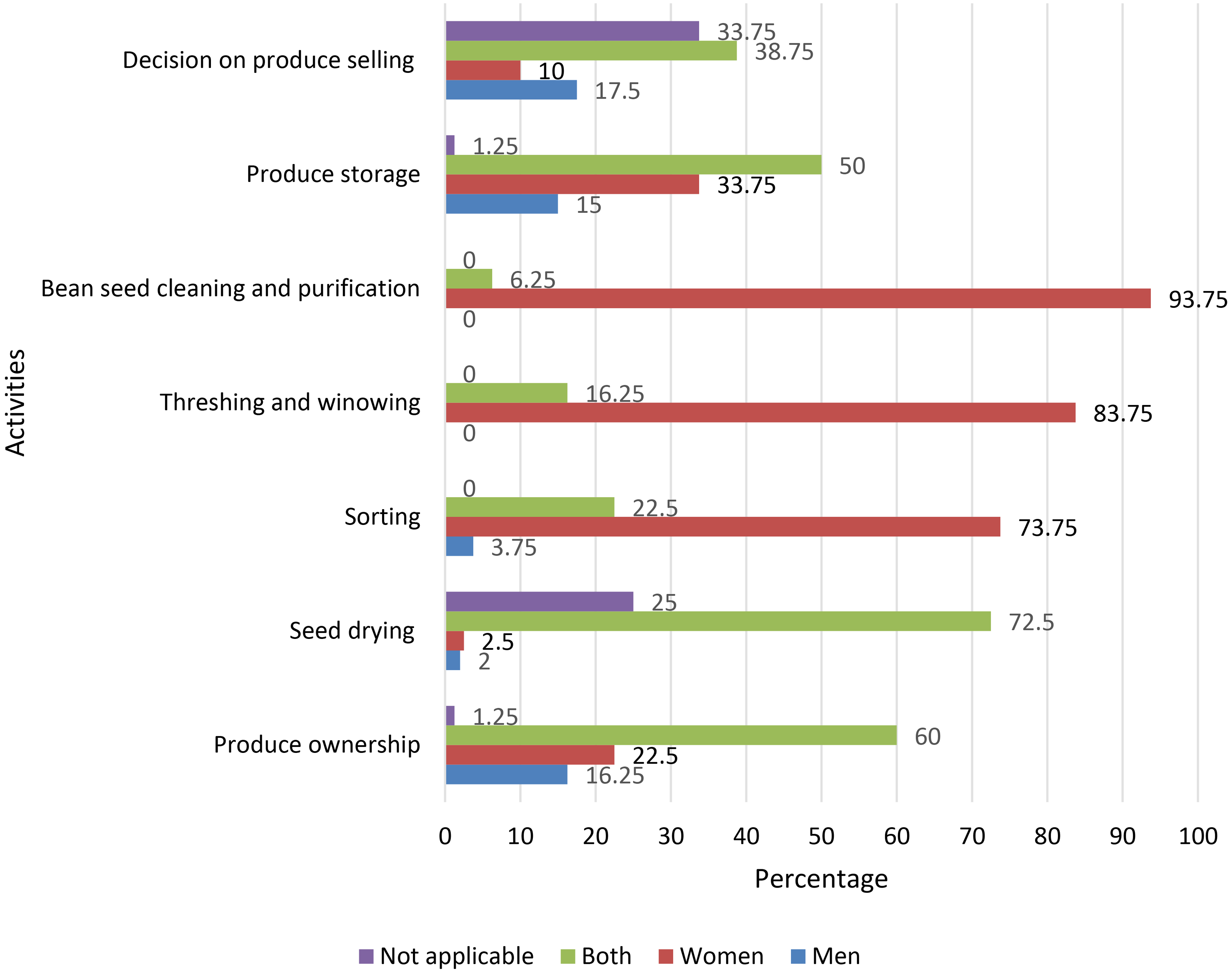
Decision on how produce is handled and marketed.
Figure 3 presents information on the gender roles in biofortified bean production, cooking, and marketing. Based on the results presented, most respondents indicated that bean production and cooking are the responsibility of women. However, bean marketing and the decision to sell beans are mainly carried out by men. The result conforms to qualitative data gathered through men, and women focus group discussions, that men are so engaged in marketing beans that they may not consult their spouses but sometimes discuss as a family before selling beans.
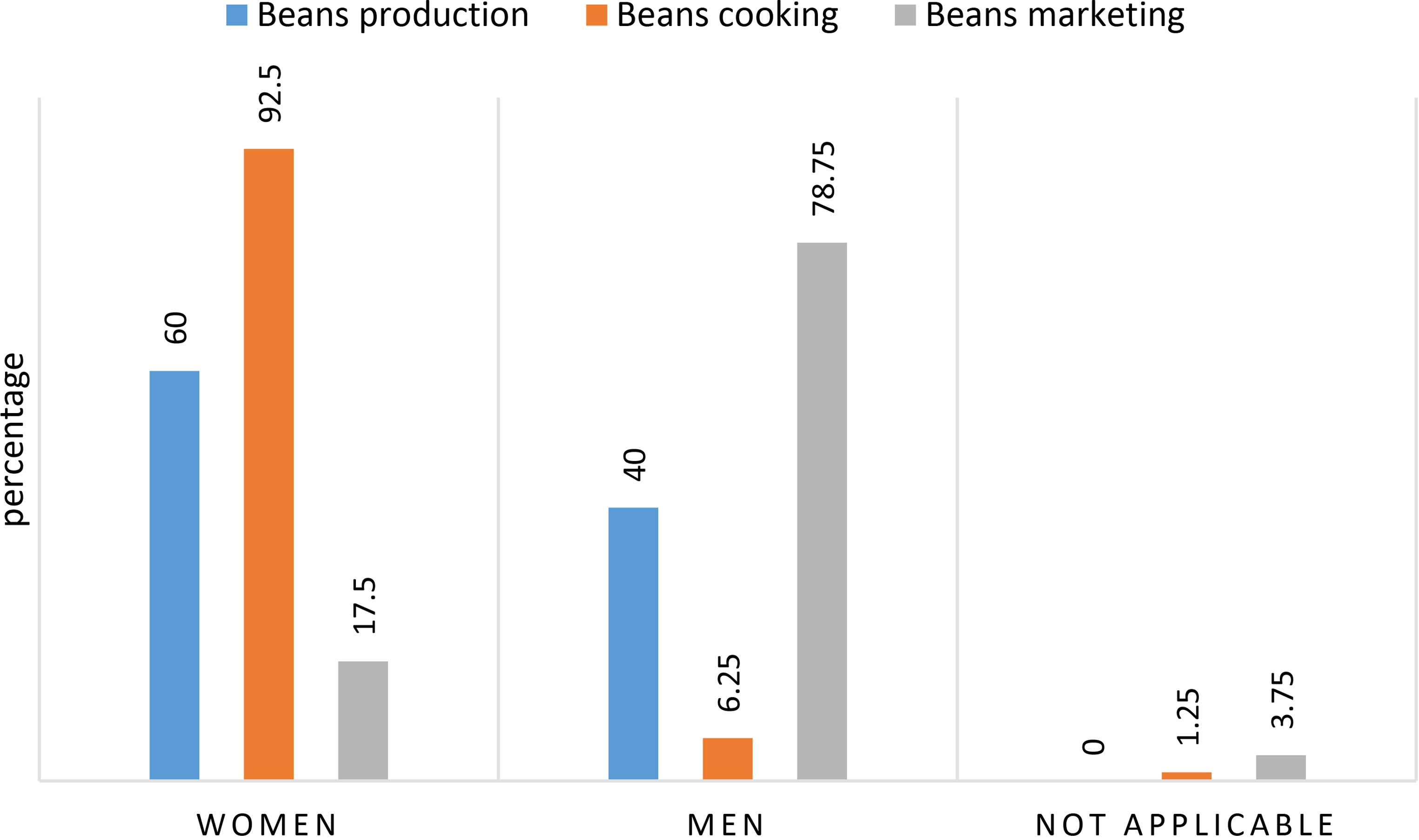
Gender roles in biofortified beans production, cooking, and marketing.
Men are more involved in bean marketing than women. In most cases, men search for lucrative markets for their produce, while women primarily focus on production for domestic consumption. Women expressed their desire to be more involved in decision-making at all levels, especially in marketing the crop. Farmers who are part of cooperatives sell all or most of their harvest to the cooperative; it is forbidden to take it to the market. Thus, beans can be brought by the man or his wife, but they are mostly brought in by men.
Gender roles in ownership and utilization of on and off-farm income
Figure 4 presents the gender roles in ownership and utilization of income from the sale of crops. According to the respondents, 50% stated that both men and women owned the income, 31% claimed that men owned it, 15% said that women owned it, and 4% did not express their views. Regarding the utilization of the income, 54% of the respondents confirmed that both men and women were responsible, 10% confirmed that men utilized it, 9% confirmed that women utilized it, and 28% did not express any opinion. From the focus group discussions, women said as follows: When it comes to decision-making on the use of money, he doesn’t need your view. Some men can ask you, but most of them keep quiet and do things how they feel. Some men talk with their wives about the use of that money, but most of them come to you with a decision already taken. You just participate and agree with it. (Women focus group, Gasorwe communes)
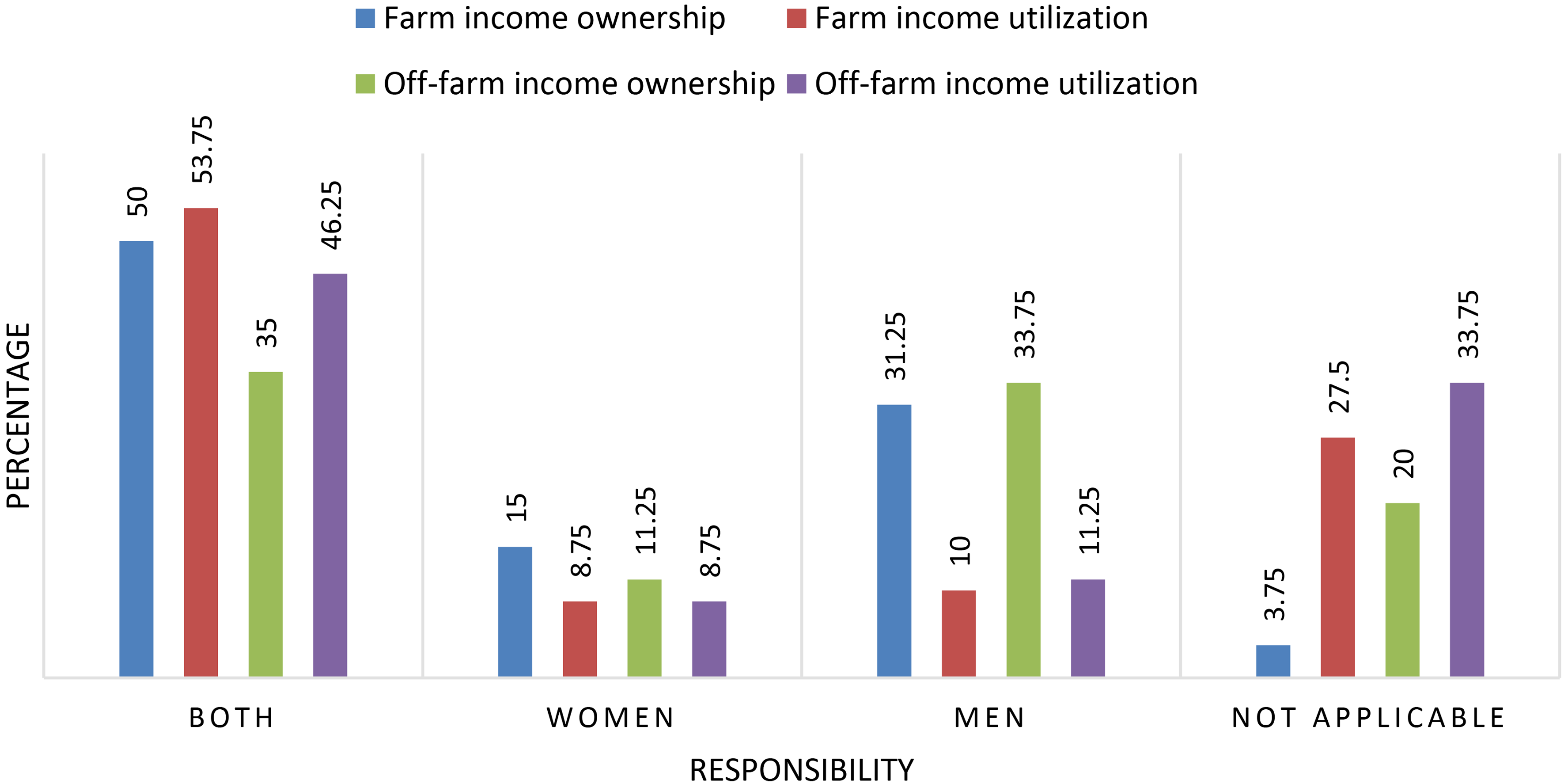
Ownership and utilization of income from on and off-farm.
Men focus group discussants said as follows:
We take the decision together on what to do with the income from crop sales. (men in focus group, Gasorwe communes)
Gender and access to extension services
Figure 5 shows the results of household access to extension services in terms of the gender of the household head. According to the data, men had more access to extension services than women.
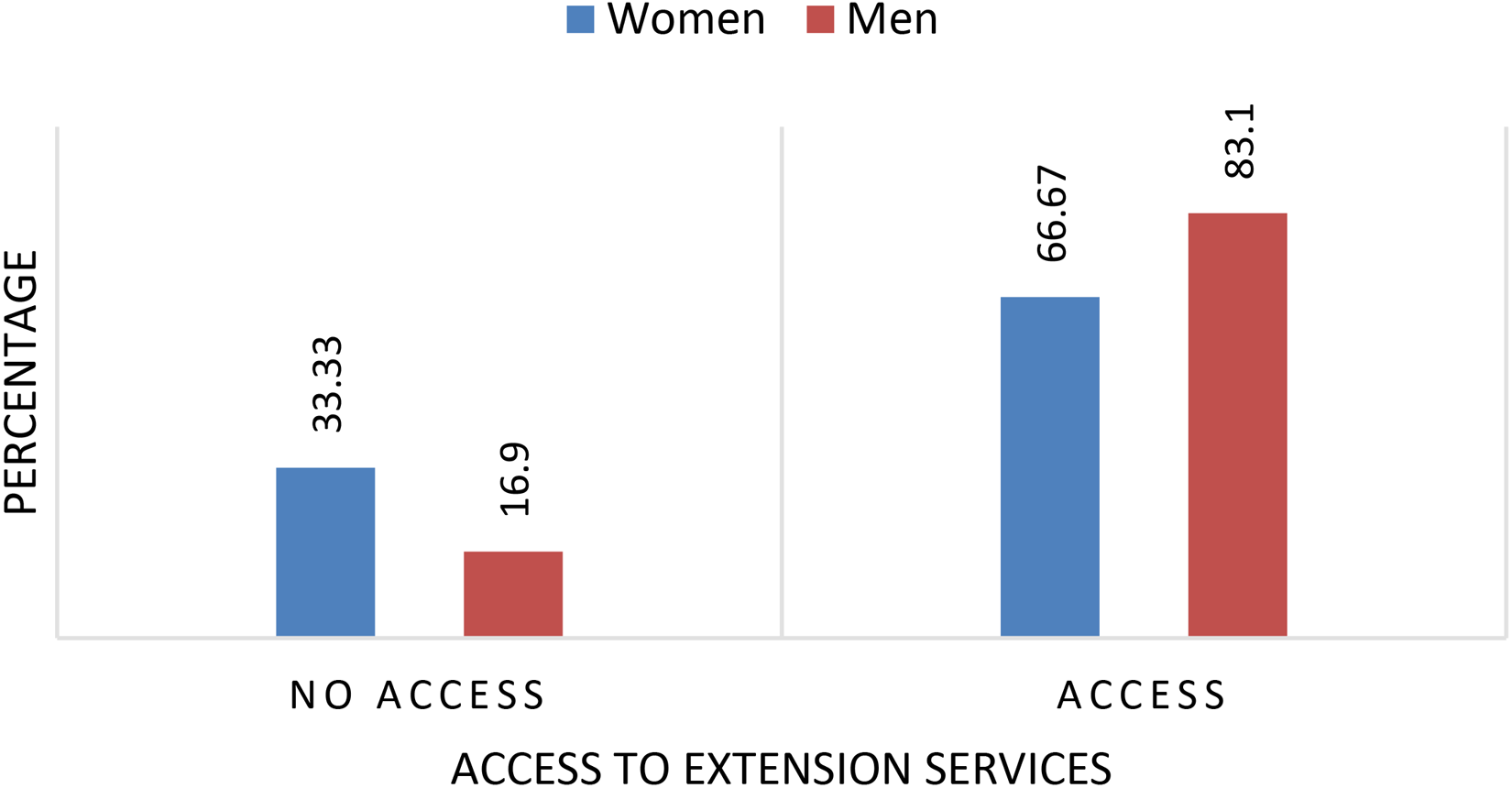
Gender and access to extension services.
Figure 6 presents the types of extension services sought by farmers in the study area. Most farmers sought assistance regarding crop production, finance and fertilizer use, weather information, pests and disease management, and marketing advice.
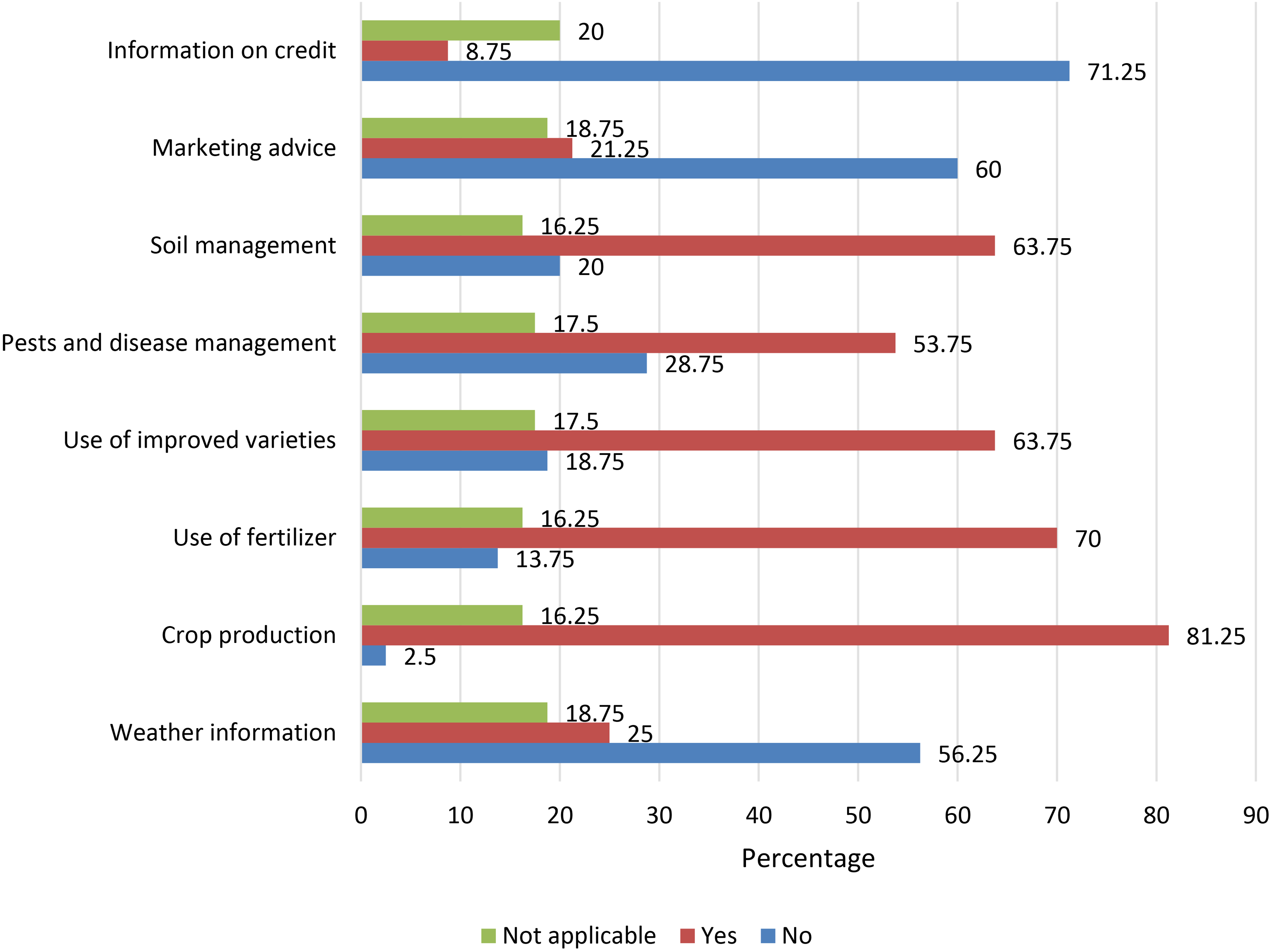
Services sought by farmers from extension agents.
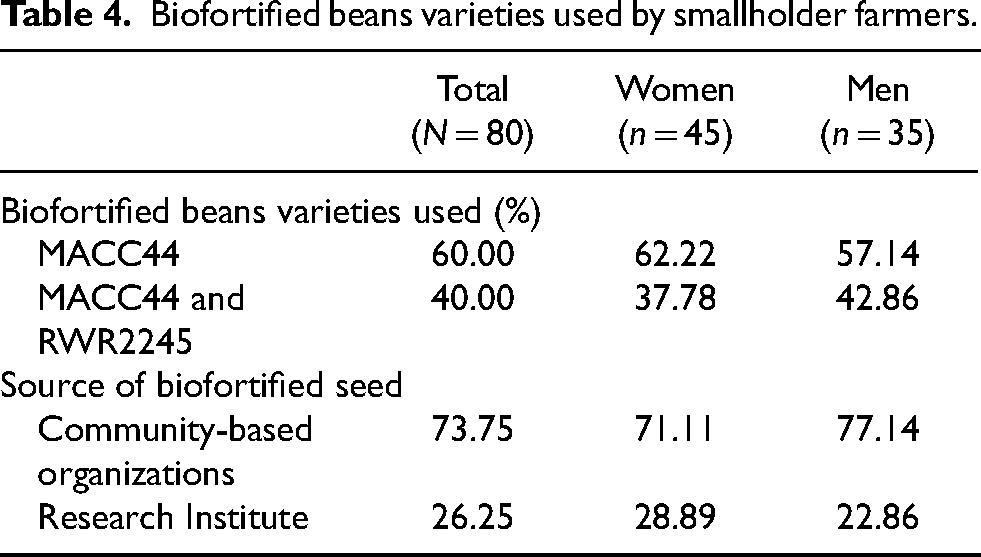
Extension agents played a critical role in promoting biofortified improved bean varieties in Muyinga province. The varieties promoted were MAC 44, RWV1129, RWV1272, NAKAJE, MAC70, MUHORO, RWR2154, and RWR2245. Only two (MACC44 and RWR2245) out of the eight biofortified varieties promoted in Burundi were used, possibly due to the ecological conditions of the region that favored these two varieties. Some farmers used only MAC44, while others used both MACC44 and RWR2245 varieties. Sixty percent of respondents used MAC44, and 40% used both MAC44 and RWR2245 (Table 4). Most farmers (74%) sourced biofortified bean seeds from community-based organizations, while 26% sourced seeds from research institutes since no seed companies exist in the country.
Biofortified beans varieties used by smallholder farmers.
Econometric results
Table 5 presents the probit model results on determinants of biofortified improved bean varieties use. Out of seventeen variables, six significantly influenced the use of MAC44 and RWR2245 bean varieties among the sampled farmers. Utilization of hired labor, total cultivated land area, and years after the first adoption positively influenced the use of biofortified bean varieties. In contrast, decision-maker on land use was negatively associated with biofortified bean variety use. The source of biofortified bean seed also had a negative association with farmers’ use of these varieties.
Probit results on determinants of biofortified improved bean varieties use.
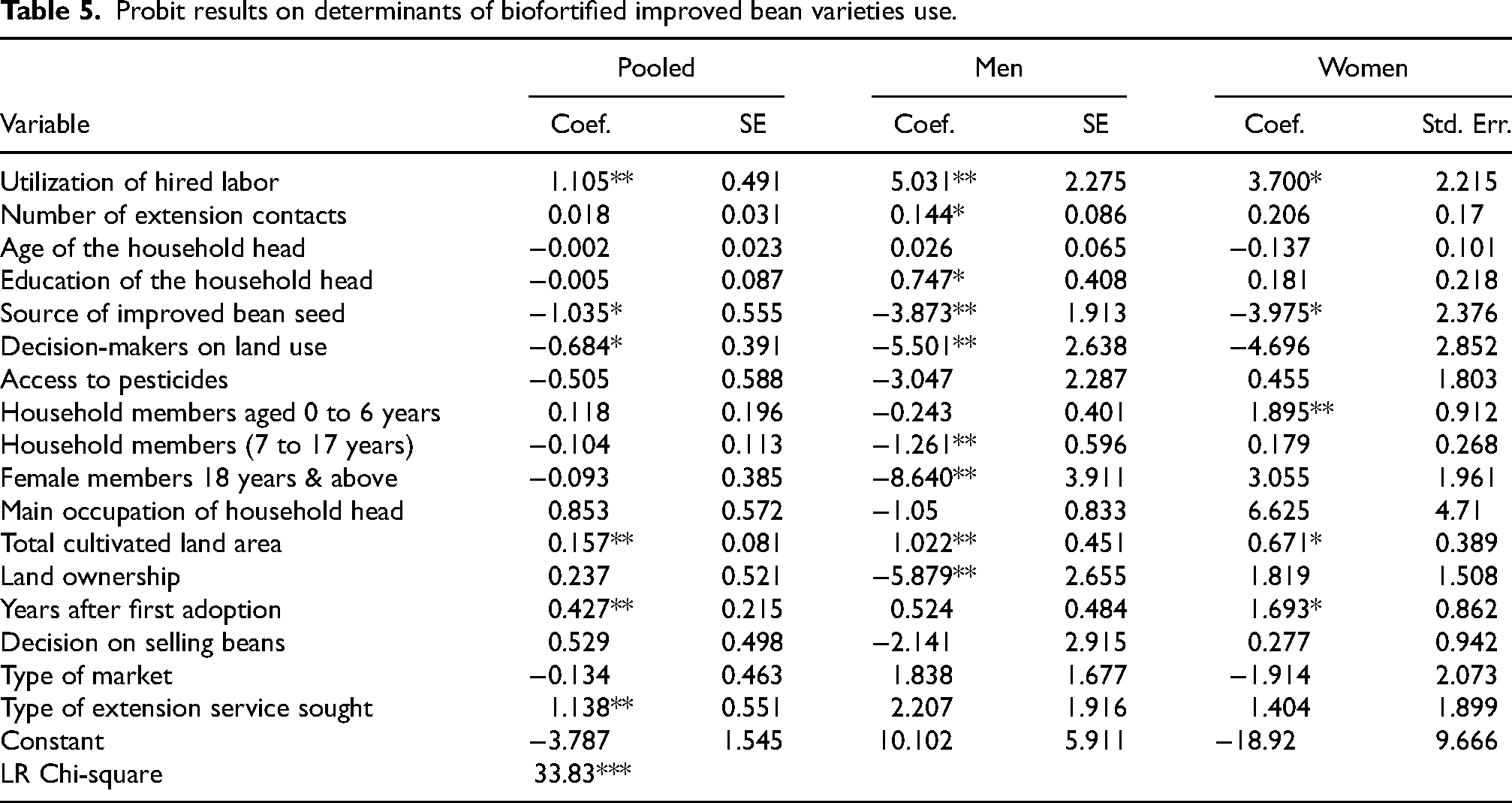
Some predictor variables significantly influenced only men or women farmer categories. For male farmers, the number of extension contacts, the education level of the household head, and the number of household members aged 0–6 years positively influenced biofortified bean variety use, while the number of household members aged 7–17 years, female household members aged 18 years and above, and land ownership negatively influenced their use. For women, only the number of household members aged 0–6 years positively influenced biofortified bean variety use.
Discussions
Gender roles and decision-making
Our study showed gender disparities in land ownership, farm equipment usage, and decision-making. These findings align with previous research (Doss, 2013; Murray et al., 2016). Cultural factors and gender roles in Muyinga and Gasorwe communes contribute to these disparities, affecting both asset ownership and decision-making in biofortified bean production practice. The division of responsibilities highlights the importance of incorporating both genders’ perspectives when designing agricultural interventions or policies. Additionally, our study found that 53% of respondents did not use hired labor, suggesting barriers to external resources and finances, which may impact agricultural productivity. Figure 4 reveals that on-farm income ownership was dominated by men (31%) against women (10%), who carry out most of the production activities. Even though joint decision-making was highlighted, the responses were nuanced as it was not clear whether these were women or men contributing, consulting in the decision process with someone else making the final decision. In addition, it's not obvious if these contributions or consulting contribute to the final decision made. These gender inequalities in decision-making can possibly affect the food and nutrition security status of the household as women are more involved in this area in households. Interventions and training should focus on promoting equitable decision-making processes and empowering women to participate actively in household income management.
Gender and access to extension services
Our results indicate that men have greater access to extension services than women, consistent with previous studies (Iradukunda et al., 2019; Ragasa, 2014). This disparity may contribute to unequal opportunities for agricultural productivity and income generation between male and female farmers, as access to information intertwined with cultural norms, influences household agricultural decisions (Huyer, 2016). To address this issue, it is essential to develop policies and interventions that enhance women's access to extension services through gender-sensitive approaches in program design and delivery, training extension agents to address the specific needs of both men and women farmers, and targeting underserved women farmers. This could be through the utilization of multiple information dissemination mechanisms. Women can be provided with information through radion when they are done with household chores. Information can also be provided by extension officers through community meetings close to the homestead and also in women's groups in the church. Lastly, by increasing the number of women extension, we will see better and more direct impacts on reducing hunger, food and nutrition insecurity (Adebayo and Worth, 2022).
Determinants of use of biofortified seed of bean varieties
Our study reveals key insights into factors driving the adoption of biofortified bean varieties among farmers. The significance of hired labor utilization in the adoption of these varieties suggests that access to additional labor resources enables farmers to expand their cultivated land area dedicated to biofortified beans. This finding underscores the importance of considering labor availability and affordability in promoting and disseminating biofortified varieties. The negative association between the source of biofortified bean seed and adoption highlights a potential constraint in the adoption process, pointing to the need for a more diverse and accessible seed system that offers farmers a range of biofortified bean varieties to meet their specific needs and preferences. The positive correlation between total cultivated land area and adoption demonstrates that farmers with larger land resources are more likely to adopt biofortified bean varieties. This finding shows the importance of targeting smallholder farmers facing unique challenges in adopting biofortified bean varieties due to limited land resources, developing targeted strategies to cater to their specific needs, and supporting intercropping and crop rotation for optimizing land use (Gaba et al., 2015; Sileshi et al., 2011).
The study also found a gendered dimension in agricultural decision-making, with men often prioritizing cash crops over food crops, such as biofortified beans, due to perceived economic value. Engaging with male farmers and raising awareness about the nutritional and economic benefits of biofortified beans is crucial to encourage their cultivation alongside cash crops. Several studies have demonstrated the significance of addressing both men's and women's unique needs and preferences in the adoption of improved crop varieties (Doss, 2001; Ragasa, 2014).
Distinct factors influencing men's and women's use of biofortified bean varieties emphasize the importance of addressing gender-specific factors in agricultural development. Substantial research has demonstrated that gender plays a significant role in the adoption of agricultural technologies and innovations (Doss, 2001; Kassie et al., 2015). By recognizing and addressing these gender-specific factors, agricultural development programs and policies can be better tailored to meet the diverse needs of male and female farmers, ultimately enhancing the uptake of biofortified beans and improving food security and nutrition outcomes (Quisumbing et al., 2014).
Gender-responsive approaches in research, extension services, and policy formulation can help identify and address the unique barriers and opportunities that men and women farmers face in adopting biofortified bean varieties (Tufan et al., 2018). Ensuring that extension services cater to the specific needs of both male and female farmers can empower them with the knowledge and resources necessary to adopt and benefit from biofortified beans (Kabunga et al., 2014; Meenakshi et al., 2012; Ragasa, 2014). Identifying differing factors influencing adoption between men and women allows for the development of targeted strategies to ensure both genders benefit from improved varieties and address gender inequalities in agricultural systems.
Research on the adoption of biofortified crops has gained momentum in Asia, South America, and Africa (Birol et al., 2015; Chowdhury et al., 2011; Dávila-Rangel et al., 2020). These studies underscore the importance of understanding unique factors influencing the adoption of biofortified crops in different countries, contributing to the development of targeted strategies and interventions for promoting their adoption and enhancing food security and nutrition in various regions.
Conclusion
Most activities in common bean production in Burundi are done by both men and women, as a result of the increased awareness creation on the nutritional and economic benefits of the crop. Once considered a woman's crop, we are now seeing more men joining women in most activities except drying, sorting, threshing, winnowing, cleaning, and purification, which are women's responsibilities exclusively. With the increased participation of men in bean production, women's decision-making power in marketing and use of income after the sale has reduced, with men taking center stage. Joint decision-making seems more frequent, but women's role is nuanced as some women say they are consulted and sometimes contribute while others mention that they are just informed.
Men, compared to women, have more access to extension services. The marital status of the farmer, education level of the head of the household, source of biofortified bean seed, land area under cultivation, access to pesticides, household income, utilization of hired labor, and gender of the household head determined access. Women's lack of information and cultural norms reduced their access to information from extension officers, which were mostly men. An increase in women extension officers might also create spaces for more women to access extension support.
Only two released varieties (MAC44 and RWR2245) out of the eight biofortified improved varieties promoted under the Burundi flagship project were used by smallholder farmers. Farmers’ use of MAC44 and RWR2245 bean varieties was influenced by the use of hired labor, the source of biofortified seed, the total cultivated land area, the decision-maker on land use, years after the first adoption, and the type of extension services sought.
Based on the results, even though men and women play a critical role in bean production. Men have more access and control over the activities and marketing due to cultural norms and also access to information often provided in cooperatives where few women belong. There is a need to increase access to information for women through multiple forums like church, savings groups, and even communal meetings. Women and men need to be made aware of the importance and benefit of promoting women's decision-making participation at all stages of the biofortified bean value chain, which will result in increased food and nutritional security. In this case, women need to be encouraged to participate in various stakeholder forums and take leadership roles in bean producer cooperatives.
Also, there is a need to develop a program that targets both men and women farmers with quality and relevant extension services to promote the use of improved bean varieties. In line with this, relevant stakeholders need to develop special interventions that are gender intentional for resource-poor groups, including women.
Future research should further disaggregate data between married and widowed women to understand possible constraints to accessing and adopting biofortified varieties.
Footnotes
Declaration of conflicting interests
The author(s) declared no potential conflicts of interest with respect to the research, authorship, and/or publication of this article.
Funding
The author(s) disclosed receipt of the following financial support for the research, authorship, and/or publication of this article: This project research work was funded by the Swiss Agency for Development Corporation (SDC), Global Affairs Canada (GAC), and the Technologies for African Agricultural Transformation (TAAT) program of the African Development Bank. Bill and Melinda Gates Foundation funded the publication of this work – INV-009649 / OPP1198373.
Institutional review board statement
This study's ethical review and approval were waived since a government entity conducted it.
