



Abstract
Woven cotton fabric was chemically modified by a self-made cationic modifying chicken feather keratin agent (named WLS-10). The dyeing dynamics property and the dyeing effectiveness of the modified cotton fabric dyed with reactive dyes in the absence of salt were explored and compared with that of the unmodified cotton fabric dyed with reactive dyes in the presence of salt. The structures of the WLS-10 agent and the modified cotton fabric were characterized with Fourier transform infrared spectroscopy and scanning electron micrographs. The results showed that the dyeing rate of the WLS-10 modified cotton was higher than that of unmodified cotton dyed with reactive dyes, despite the addition of large amounts of salt in the latter case. In addition, the chemical structure and the surface morphological structure of the modified cotton fabric were different from that of the unmodified cotton fabric.
Keywords
Cotton made of cellulose is mostly dyed with anionic reactive dyes. In the absence of adequate salt concentration, reactive dye bath exhaustion is poor. 1 A well-known fact is that large quantities of salt are needed during the dyeing process to overcome static repulsion between the negatively charged cotton fibers and anionic reactive dyes in dyeing solutions in order to promote dye exhaustion; however, it leads to a large quantity of salt in the drain water stream, which has a negative impact on environmental ecology.2–5 This does not accord with the requests of people for environmental protection. Thus, salt-free/low-salt reactive dyeing has become an important research subject in recent years. In essence, attention has focused on the introduction of cationic groups by means of pretreatment, commonly via quaternized amino groups. 2 Currently, there is a growing interest in the development of biodegradable agent, which is an environmentally sustainable application and in keeping with the requests of people for environmental protection.6–14 Chicken feathers, which are biodegradable material, are abandoned in large amounts throughout the world every year. If the waste proteins could be used as a valuable resource, it could not only turn waste to treasure, but also reduce environmental pollution. This has been reported in many studies in relation to the application of the waste chicken feathers.15–17 However, very little research has been conducted to study the chicken feather protein-based salt-free dyeing auxiliary. Chicken feather keratin has good reactive properties and dyeing ability due to the presence of a large number of reactive amino groups etc. hydrophilic polar groups (nucleophilic groups) within its molecular structures, so it is possible to synthesize a kind of protein derivative agent, and this kind of agent may be applied to cotton as a salt-free dyeing auxiliary for reactive dyes. In our previous study, we determined the synthesized conditions of a quaternary ammonium cationic chicken feather keratin agent (named WLS-10) and its modifying technique conditions to a woven cotton fabric and the dyeing ability of the modified cotton fabric dyed with reactive dyes in the absence of salt. 18 The results showed that the modified cotton fabric can greatly improve the dyeing ability due to the introduction of primary amino groups, carboxyl groups etc, hydrophilic polar groups and quaternary ammonium cationic groups on the pretreated cotton. Thereby inducing the hydrogen bond and Van der Waals force and the columbic attraction increases between the modified cotton and dye, and the dye–fiber substantivity is enhanced, leading to enhancement of dye uptake and dye fixation, which leads to salt-free dyeing. In this study, cotton fabric was modified by WLS-10. Then the dyeing dynamics property and dyeing effectiveness of the modified cotton dyed with reactive dyes were investigated. The chemical structure and the surface physical morphological structures were examined and compared with that of the unmodified cotton fabrics. The aim of this work was to evaluate the dyeing dynamics property and the dyeing effectiveness of the modified cotton fabric dyed with reactive dyes without salt and to characterize the structural changes of the modified cotton.
Experimental details
Materials and instruments
Desized and scoured and bleached plain woven cotton fabric used for this work was provided by the YOUNGOR Co., Ltd (Zhejiang, China). Its specifications are as follows. Ends/in.: 60, picks/in.: 60, warp count: 20s, weft count: 20s. Chicken feather was collected from a slaughterhouse (Xi’an, China). Reactive Red M-2B (C.I. Reactive Red 194), Reactive Red KN-BS (C.I. Reactive Red 111) and Reactive Orange KGN (C.I. Reactive Orange 5) were supplied by Shang Hai Dye Co., Ltd (Shanghai, China). Reactive Blue BPS (C.I. Reactive Blue 198) was supplied by Shang Hai Matex Chemical Co., Ltd (Shanghai, China). Reactive Black DS-DH was supplied by Jiangshu Wujiang Taoyuan Dye Co., Ltd (Jiangshu, China). All other reagents were of analytical grade and were purchased from Xi’an Chemical Reagent Co., Ltd (Xi’an, China). The NEXUS870 infrared spectrogram instrument was made by Nicolet Thermo Instruments Co. (Canada). The S-2700 scanning electron microscope was made by Hitachi Instrument Co., Ltd (Japan). HD500 type dyeing apparatus, a laboratory water bath oscillator, was made by Nantong Experimental Instrument Co., Ltd (Nantong, China). The 722 type spectrophotometer was provided by Shanghai Third Analytical Instrument Factory (Shanghai, China). The SF-300 SRICI spectrophotometer was provided by SRICI Color Science and Technology Co., Ltd (Shenyang, China).
Preparation of chicken feather keratin agent
Chicken feather was collected from a slaughterhouse. Then the collected chicken feather was cleaned and dissolved and degraded with a solution containing 6 g/L of NaOH and 6 g/L of urea at 85℃ for 2 h; the rate of solid to liquid is 1:20. The disulfide bonds in the chicken feather keratin broken (shown in Scheme 1) and some disulfide bonds decomposed and released H2S, and at the same time, the peptide bonds in the chicken feather keratin were hydrolyzed in the dissolved process.
Broken reactions of the disulfide linkages in the chicken feather keratin.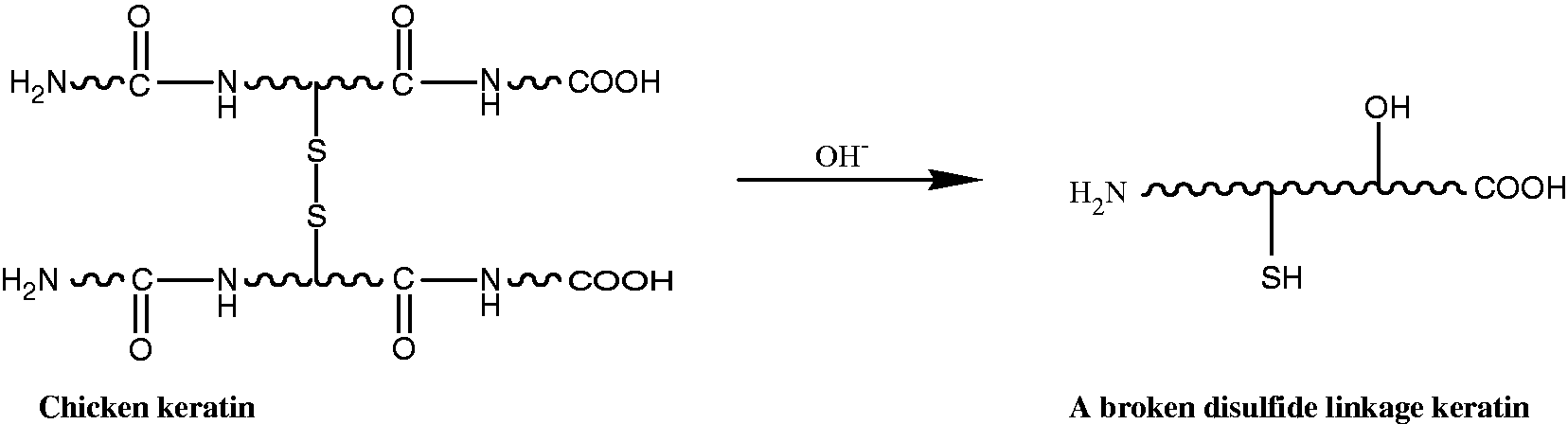
Next, the dissolved keratin solution was neutralized with hydrochloric acid until neutral and filtered. The filtrate was treated with hydrochloric acid to precipitate the dissolved protein (the pH value of the protein solution was adjusted to about 4, which is near to the isoelectric point of the protein). Finally, the protein precipitate was obtained by filtering again, and dried at 50℃. The drying chicken feather keratin agent was ground to powder and readied to use as a raw material for synthesis of the WLS-10 agent.
Preparation of the WLS-10 agent
A certain amount of reactive cationic agent WLS (the structure of WLS is shown Scheme 2) was added in a 250 mL three-neck round-bottomed glass flask equipped with a constant-voltage dropping funnel and a thermometer. The reaction mixture was stirred at 60℃ for 3 h with a heat-up magnetic agitator, while the solution of chicken feather keratin powder (10% on the mass of the WLS) dissolved in the aqueous solution containing 0.1 mol/L of sodium hydroxide was added dropwise into the flask. The yellowish WLS-10 agent was obtained without additional purification. The reaction formula is explained in Scheme 3.
The structure of the WLS agent. Synthesis of the WLS-10 agent.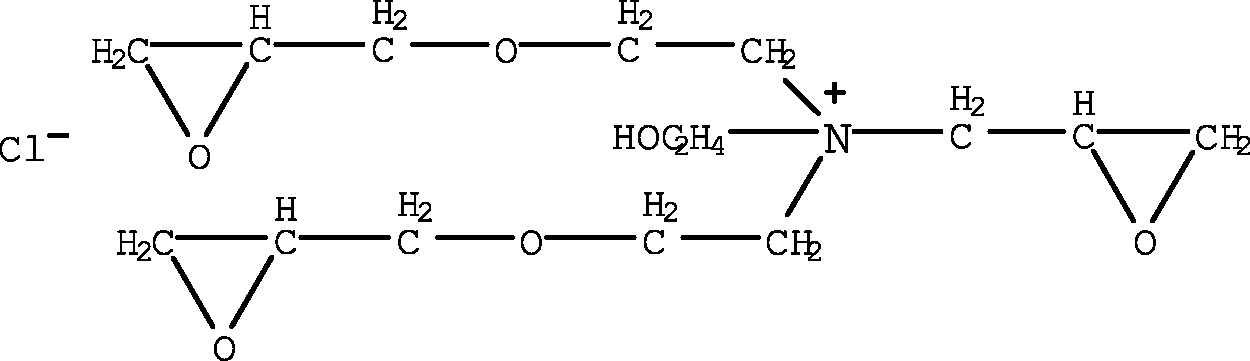
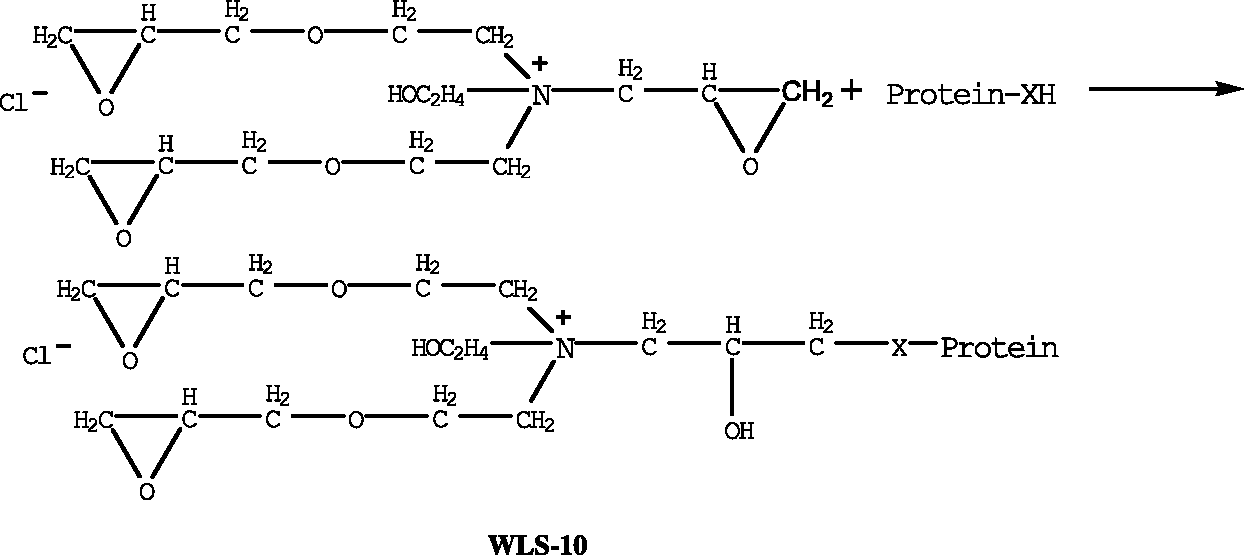
Protein represents a dissolved chicken feather keratin molecular chain, which contains many hydrophilic polar groups (also nucleophilic groups), such as amino groups, hydroxyl groups and sulfhydryl groups. These groups can react with epoxy reactive group on the WLS structure under alkaline conditions to form a cationic protein derivative agent. Here X represents NH, O or S, and so resultants were compounds of several salt-free dyeing auxiliaries, which are beneficial to improving the dyeing ability of the modified cotton with these agents. Therefore the resultants were obtained without additional purification.
Modification of cotton fabric with WLS-1018
Cotton fabric was modified with the aqueous solution containing WLS-10 (30% omf, on the mass of the fabric) at 40℃ for 10 min, then 4 g/L of NaOH was added and held at 40℃ for 40 min using a HD500 type dyeing apparatus with a fabric-to-liquor ratio of 1:30. The treated cotton fabrics were washed at 80℃ for 10 min to remove unfixed agents, thoroughly rinsed in tap-water and air dried (a little sodium hydroxide staying on the fabric is beneficial to dye fixation, so the modified cotton fabric was not neutralized with acid).
Measuring the dyeing kinetics
The dye bath was prepared by adding Reactive Red M-2B (2% omf) to distilled water at room temperature, then the dye bath temperature was raised to 40℃ or 60℃ or 80℃. No salt was added in the dye bath for modified cotton, but sodium chloride (30 g/L) was added in the dye bath for unmodified cotton. Modified and unmodified cotton fabrics were added to the dye bath for different times under constant temperature. Dyeing was carried out in a HD500 type dyeing apparatus with a fabric-to-liquid ratio of 1:50. The amounts of dye adsorbed were measured at different intervals of dyeing time, then dyeing kinetics curves were plotted.
Dyeing of treated and untreated cotton
The dyeings of treated (with WLS, chicken feather keratin agent and WLS-10; the treated conditions were used according to the Modification of cotton fabric with WLS-10 section) and untreated cotton were carried out in a HD500 type dyeing apparatus keeping the fabric-to-liquor ratio at 1:30. Dyeing was performed according to the procedure offered by the manufacturer. Dye (Reactive Red KN-BS, Reactive Orange KGN, Reactive Blue BPS and Reactive Black DS-DH were chosen) of 4% omf was added to a room temperature dye bath. The fabric sample was then added and the bath was heated to 60℃ at a rate of 1.5℃/min. After holding the temperature for 30 min, 10 g/L of sodium carbonate was also added. Then the bath was heated to 80℃ and held at this temperature for 30 min. Finally, the color strength of the dyed cotton was measured before and after soaping. The dyeing effectiveness of the modified cotton fabric dyed in the absence of salt was compared with that of the untreated (control) sample dyed in the absence of salt and in the presence of salt (40 g/L of sodium chloride).
Measurement of targets
Measurement of the dye uptake. 19
The absorbance of dye liquor was measured with a 722 spectrophotometer at the wavelength of maximum dye absorption (λmax) before and after dyeing. Then the dye uptake (E) was calculated using Equation (1):
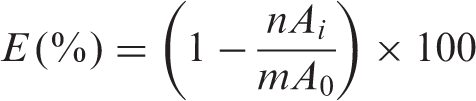
The amount of dye adsorbed was calculated using Equation (2):
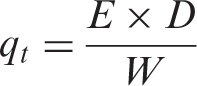
Measurement of the color strength and the fixation of adsorbed dye. 19
The reflectance values of the dyed samples were measured using an SF-300 SRICI spectrophotometer attached to a personal computer under illuminant D65 at 10° standard observer. The color strength of the dyed fabric (expressed as K/S values) was calculated from the reflectance (R) of each dyed fabric sample at the wavelength of maximum dye absorption using the Kubelka–Munk function, seen Equation (3):

The K/S values were measured before and after soaping in a soap solution containing 2 g/L of soap and 2 g/L of Na2CO3 at 90℃ for 10 min, keeping the material-to-liquor ratio at 1:50 in a HD500 type dyeing apparatus, and the fixation of adsorbed dye (F) was calculated according to Equation (4):
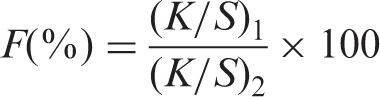
Levelness measurements. 2
K/S values of 10 random points on each sample were measured at the wavelength of maximum dye absorption with an SF-300 SRICI spectrophotometer, and then Sr was calculated according to Equation (5):
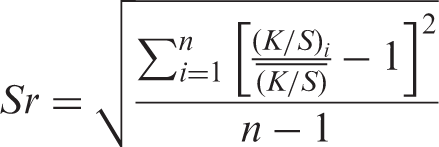
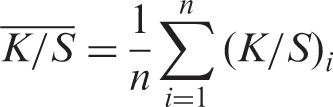
Measurement of the infrared spectrogram
The Fourier transform infrared (FTIR) spectra of the dry WLS agent, dry WLS-10 agent and modified and unmodified cotton fabric were recorded using a NEXUS870 infrared spectrogram instrument with the KBr pellet technique. The KBr pellets were prepared by the grinding of 1 part of the dried sample with 9 parts of spectral-grade KBr and pressing in an evacuated die under suitable pressure to obtain pellets. The scanning wave numbers ranged from 600 to 4000 cm−1.
Measurement of the scanning electron microscope
After the samples were coated with gold in vacuum, the surface morphological structures of modified and unmodified cotton fabric were observed and photographed using an S-2700 scanning electron microscope.
Results and discussion
The infrared spectrogram of the WLS-10 agent
Figure 1 provides the FTIR spectra of the WLS-10 and the WLS. It was observed that the main absorptions for both spectra were similar, but the relative strengths of some absorption peaks were different. It shows that there was an intense absorption band at around 3330 cm−1, which was primarily the absorption peak of the O-H stretching vibrations and/or overlapped absorption peaks of the N-H and O-H stretching vibrations. The peak at 1360 cm−1 nearby was the characteristic bending vibration peak of C-H of –CH2CH2O-. The absorbing peak at 1460 cm−1 nearby was due to the C-H bending vibration peak of–CH2CH2N+-(CH2CH2-)3. The absorbing peak at 960 cm−1 nearby was primarily governed by the C-N+ stretching vibration of–CH2CH2N+-(CH2CH2-)3. It turns out that the absorptions at 1080 and 1110 cm−1 nearby were corresponding to the C–O stretching vibrations of C-O-H and C-O-C, respectively. The absorbing peak at 2890 cm−1 nearby is the C-H stretching vibration of the fat carbon chain. So it is shown that the chemical structure of the WLS agent and the WLS-10 agent contained the cationic quaternary ammonium group, hydroxyl group and epoxy structure (shown Schemes 2 and 3). There was no absorbing peak at 1540 cm−1 nearby in the WLS agent, whereas it had an absorbing peak at 1540 cm−1 nearby in the WLS-10 agent, which was the characteristic absorbing peak of amide II, belonging to the combination frequency absorbing peaks of the N-H in-plane bending vibration and C-N stretching vibration. The relative strength of the absorbing band near at 1650 cm−1 was far weaker in WLS than that in WLS-10, which was attributed to the presence of water in the WLS agent, and primarily attributed to the C=O stretching vibration in the amido bond in the WLS-10, which was called the absorbing peak of amide I. The band nearby at 1320 cm−1 was associated with the amide III band in the WLS-10. Therefore, it was indicated that the WLS agent does not contain the structure of protein, whereas the WLS-10 agent confirms the presence of typical keratin. Thus it can be revealed that the WLS-10 agent not only includes the cationic quaternary ammonium structure, but also contains the typical keratin structure. Based on the above analysis, accordingly, it was concluded that the WLS-10 agent is a cationic modified protein hydrolysate, which is our target product.
The infrared spectra of WLS-10 and WLS agents.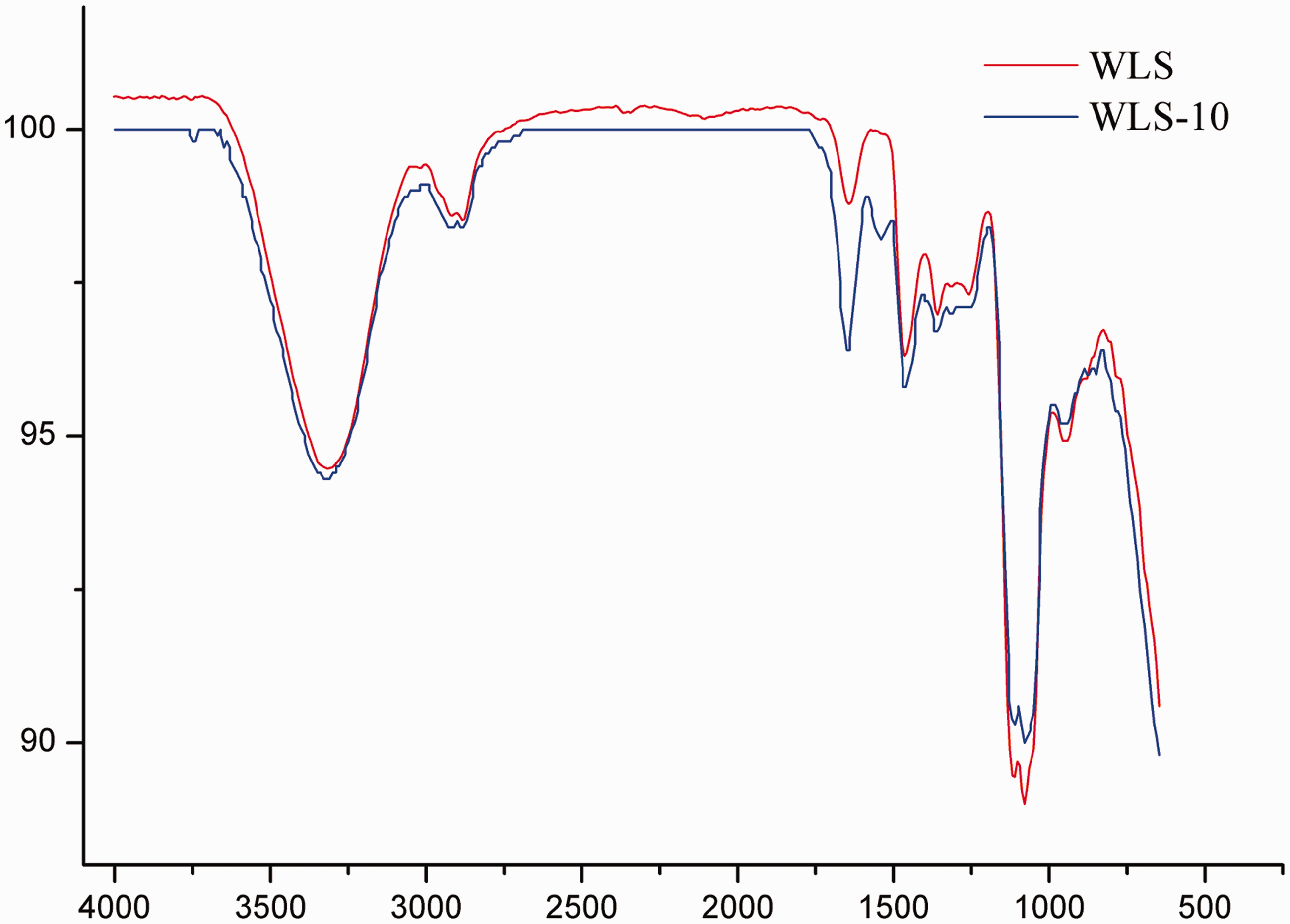
The change in the dyeing dynamics of the cotton treated by the WLS-10 agent
The dyeing kinetics curves of the modified and the unmodified cotton at 40℃, 60℃ and 80℃ are shown in Figure 2. The results showed that the dyeing rate of the modified cotton fabric was much higher than that of the unmodified cotton fabric under the same dyeing temperature in the neutral dye bath; in particular, exhaustion took place rapidly during the initial 10 min of the dyeing process. After dyeing for 60 min, the equilibrium nearly reached all dyeing temperatures, and the amount of dye adsorbed at equilibrium (qe) of the modified cotton was higher than that of unmodified cotton. Compared with unmodified cotton fabric, the dyeing rate of the modified cotton fabric in the absence of electrolyte was markedly improved whether dyed at 40℃, 60℃ or 80℃, despite the addition of salt in the dye bath of unmodified cotton fabric.
Dyeing kinetics curves of Reactive Red M-2B on unmodified and modified cotton fabrics.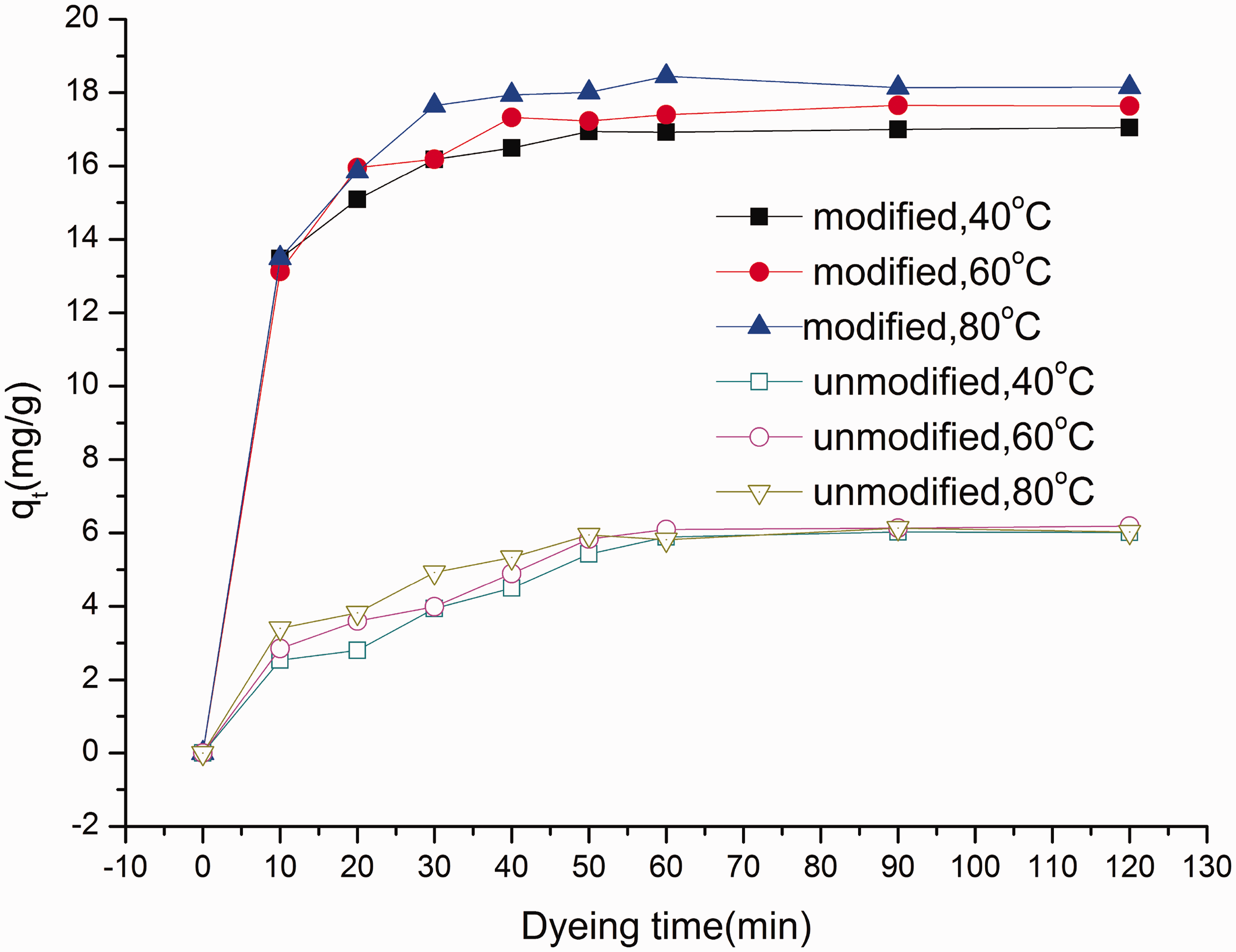
To further study the dyeing kinetics of reactive dye in the modified cotton and the unmodified cotton, the pseudo first-order model and pseudo second-order model were used to analyze the experimental data. The pseudo first-order dyeing rate equation can be shown in Equation (7):
20
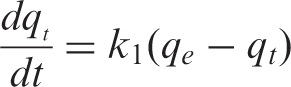

The R-squares of pseudo first-order and pseudo second-order equations for adsorption of Reactive Red M-2B on unmodified and modified cotton fabrics

The pseudo second-order dyeing rate equation is shown in Equation (9):21,22
Plots of pseudo second-order equation for adsorption of Reactive Red M-2B on unmodified and modified cotton fabrics.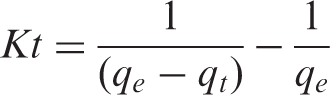


From Table 1, it can be seen that the correlation coefficients (R-squares) of linear fitting of the pseudo second-order kinetics curves were larger than that of the pseudo first-order kinetics curves for all modified and unmodified cotton at all three dyeing temperatures. There were good linear relationships between t/qt and t and the correlation coefficients for the linear plots were higher than 0.97 for all the experimental data. So these results illustrate that the adsorption kinetics model of reactive dye on modified and unmodified cotton fiber are fitted with the pseudo second-order kinetic model.

Pseudo second-order kinetic parameters of Reactive Red M-2B dyeing on unmodified and modified cotton
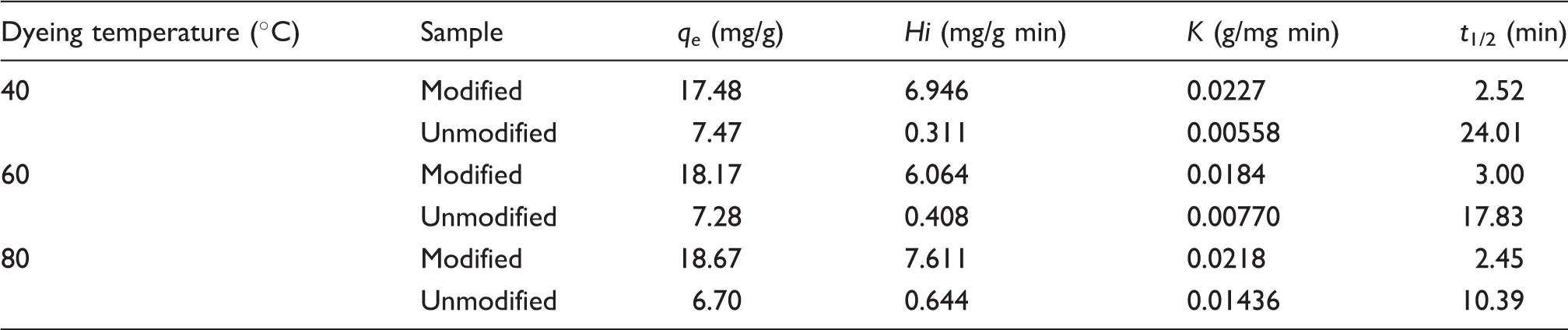
The improvements of the dyeing behavior were attributed to the changes in both the physical and the chemical structure of the modified cotton, on which were introduced many quaternary ammonium cationic groups and nucleophilic groups, such as amino groups and hydroxyl groups. Consequently, the modified cotton has high substantivity for anionic dyes, which lead to the rising adsorption rate of dye onto the surface of the modified cotton and the enhancing diffusion and penetration within the fabric substrate, thereby enabling more dye–fiber interaction and higher equilibrium exhaustion and dye fixation.
The effect of the modified cotton fabric on the levelness dyed with different types of reactive dyes
Leveling properties of the modified and unmodified cotton fabrics dyed with different types of reactive dyes
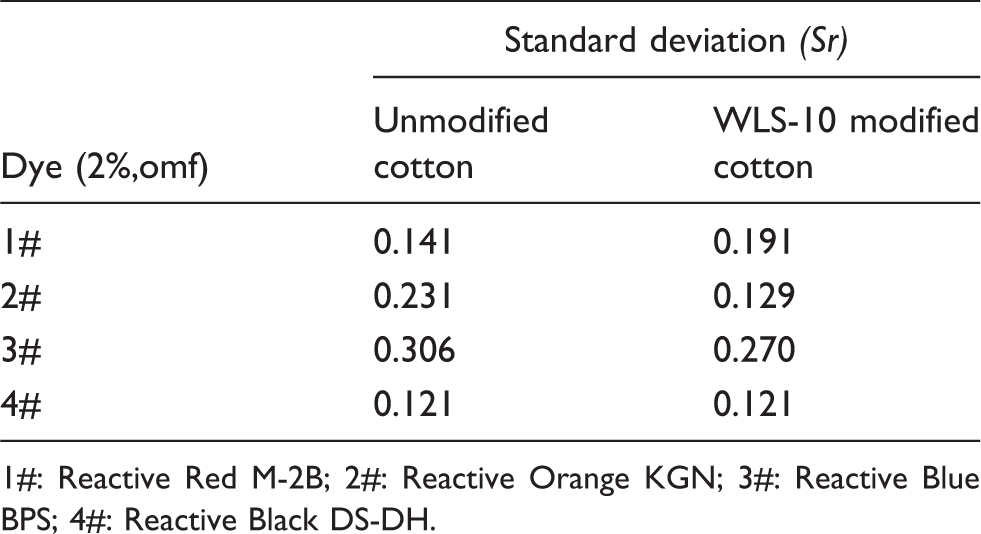
1#: Reactive Red M-2B; 2#: Reactive Orange KGN; 3#: Reactive Blue BPS; 4#: Reactive Black DS-DH.
Table 3 shows that the standard deviation (Sr) of the K/S values of the WLS-10 modified cotton fabric without added electrolyte was near to that of the unmodified cotton fabric added electrolyte dyed with different types of reactive dyes. A satisfactory levelness of modified cotton fabrics can be achieved. The reason was that the dyeing of modified cotton fabrics can avoid unsuitable addition of salt in dyeing process, which causes unlevel dyeing, and at the same time, it indicated that WLS-10 can adsorb on the cotton uniformly, so the level-dyeing property of the modified cotton does not decrease.
The dyeing ability of the cotton modified with different agents
The color strength (K/S) and the fixation of adsorbed dye (F) of cotton modified by different agents
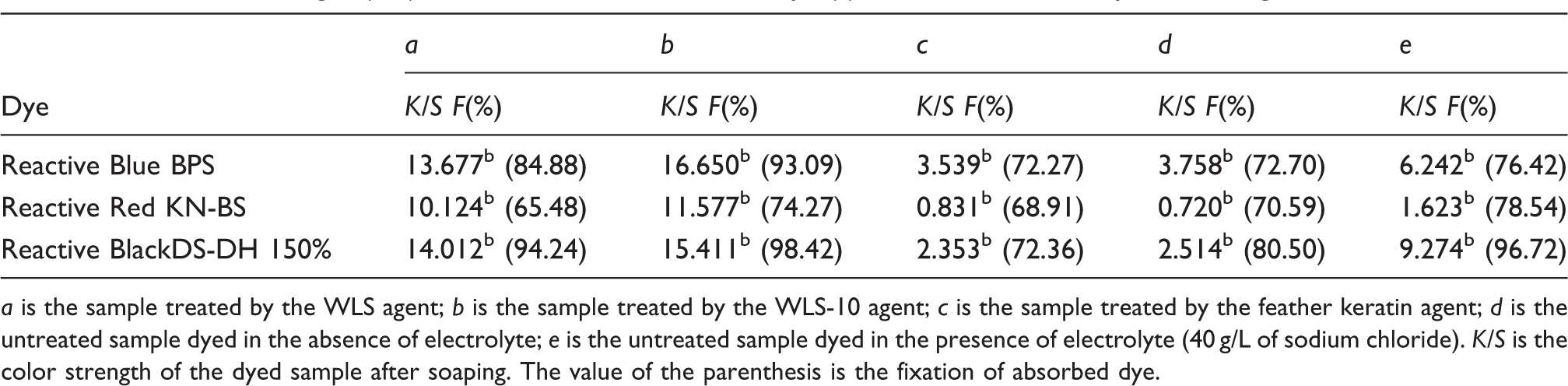
a is the sample treated by the WLS agent; b is the sample treated by the WLS-10 agent; c is the sample treated by the feather keratin agent; d is the untreated sample dyed in the absence of electrolyte; e is the untreated sample dyed in the presence of electrolyte (40 g/L of sodium chloride). K/S is the color strength of the dyed sample after soaping. The value of the parenthesis is the fixation of absorbed dye.
The reasons for showing different dyeing behavior of the cotton modified by WLS-10 can be explained from the structure of WLS-10 and the changes of the chemical structure and the surface morphological structure of the modified cotton. WLS-10 is a cationic chicken feather keratin hydrolysate, in which exist the cationic quaternary ammonium groups and the typical keratin structure (WLS-10 was synthesized with chicken-feather protein and WLS), unlike cationic agent WLS, which does not contain a keratin structure; it is not like the feather keratin agent either, which does not contain cationic quaternary ammonium groups. Permanent cationic groups and new polarity groups were introduced on the cotton modified by WLS-10. Therefore, the substantivity between the WLS-10 modified cotton and dye and the dye uptake can be enhanced remarkably in the neutral dye bath (it is not necessary to enhance the dye uptake in the acidic dye bath), and the newly introduced many groups on the modified cotton, which can act as a nucleophilic group, such as −NH2 and –OH (despite expending some −NH2 and –OH during the synthesized process), can react with reactive dye under certain conditions. Among these polarity groups on the modified cotton, −NH2 can react with reactive dye in neutral or weak alkaline baths, whereas −OH must react with reactive dye in a stronger alkaline bath. Consequently, color strength and the fixation of adsorbed dye of the cotton modified by WLS-10 increase obviously. However, the feather keratin agent, which has good water-solubility, cannot react and cannot combine with cotton firmly, so it can be washed off easily during the washing from the treated cotton, so the dyeing ability of the cotton treated with feather keratin agent did not improve.
It can be concluded that no-salt dyeing on the cotton treated by WLS-10 gives the best results among the three dyed samples and the color strength after soaping (indicated by the fixed dye on the cotton) is much higher than that of dyeing on untreated cotton in the presence of electrolyte. The results showed that the dyeing ability of the cotton treated by the WLS-10 caused remarkable improvements, so it would indicate that WLS-10 can be applied to reactive dyeing as a better salt-free dyeing auxiliary than that of WLS. The modified cotton would be expected to lead to a change in the chemical and physical nature. To evaluate the dyeing behaviors of the modified cotton, its characterized structure was explored as follows.
Characterizing the structure of modified cotton
The change in the chemical composition of the cotton treated by the WLS-10 agent
In order to understand how the WLS-10 agent works on the cotton fabric, the characteristic surface chemical compositions of untreated and treated cotton fabrics were investigated through the IR spectrum measurement. From Figure 4, it is shown that the modified cotton fabric was similar to that of unmodified cotton fabric, as both had characteristic peaks at 1056.8, 1110, 1158, 1320 and 3340 cm−1 nearby, which belong to the characteristic absorbing peaks of cotton fabric made of cellulose. They were associated with the C-O stretching vibration in C-OH and C-O-C stretching vibration, the C-H bending vibration and the O-H stretching vibration, respectively. It could be seen that the structure of cotton was kept, but the absorbing frequencies and intensity were increased on the modified cotton. Adsorption peaks near 3330 cm−1 strengthened and widened on modified cotton fabric, which demonstrated that more polarity groups, such as hydroxyl and amido groups, had been brought on the modified cotton. It led to improvement of wettability and dyeing ability of cotton fiber. Besides, it could be also seen that new absorbing peaks appeared at 1270 and 1430 cm−1 nearby, which correspond to the characteristic absorbing stretching vibration peaks of the C-N in amido bonds (–CONH–) and C-H bending vibration in –CH2CH2N+(-CH2CH2-)3, respectively. The absorbing peak at 900 cm−1 nearby was observed on modified cotton, which is accordant with the characteristic absorbing peak of C-N+ vibration of –CH2CH2N+ (-CH2CH2-)3.
The infrared spectrograms of treated and untreated cotton fabrics.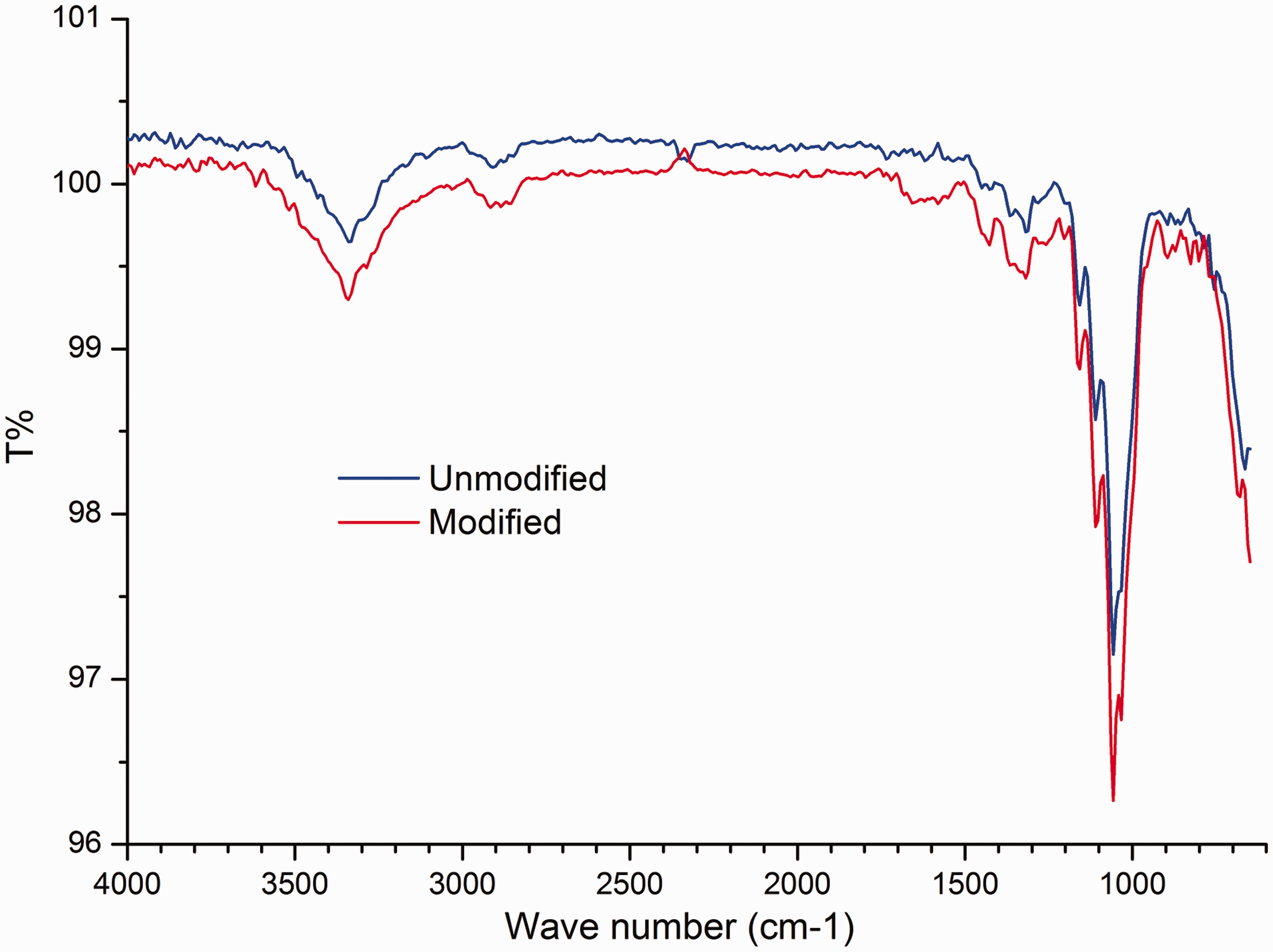
Based on the above analysis, it can be seen that modified cotton had a changed IR spectrum, which indicated that the chemical composition of cotton modified with the WLS-10 agent was changed. It was concluded that the WLS-10 agent had successfully fixed on the cotton. So, there are many cationic dye seats and more hydrophilic polarity groups and more nucleophilic groups, such as amino groups, hydroxyl groups, etc., that were introduced on the modified cotton, which led to the increase of the electrostatic interactions and hydrogen bonds and reactive groups between the cotton and dye, thus resulting in the enhancement of the modified fabric–dye affinity, and adsorbing more dyes. Meanwhile, it caused more reactive sites to react with reactive dyes by means of chemical bonding and increased dye fixation; therefore, the dyeing ability of the WLS-10 modified cotton was improved enormously.
The change in surface morphological structures of the cotton modified by the WLS-10 agent
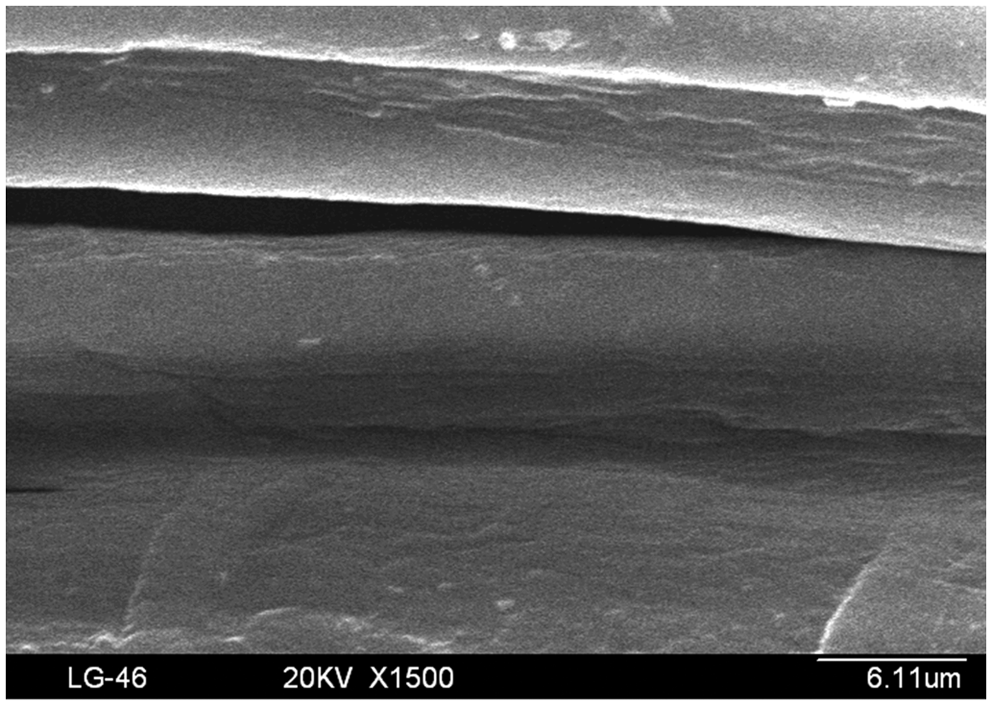
The morphologies of the unmodified and modified cotton were observed by scanning electron microscopy (SEM), as shown in Figures 5 and 6, respectively. It can be seen clearly that there was slight pitting and cracking on the surface of unmodified cotton. However, the surface of the modified cotton was smooth, which illuminated that the WLS-10 agent can be effectively adhered on the fiber. The morphological changes were mainly because cotton was covered and/or there was filling up of fiber cracks with the WLS-10 agent during the modifying process, and WLS-10 was able to combine with fibers firmly and uniformly, which can be confirmed from the results of the dyeing ability and leveling properties of the modified cotton fabrics. The changed morphological structure would induce the generation of more surface area for providing more spacing to the dye diffusion that occurred and brought more dye into contact with the modified cotton and, hence, led to the improvement of dyeing ability. It was concluded that the dyeing properties of the modified cotton were markedly affected due to the change of chemical structures and the surface physical morphological structures.
Scanning electron micrograph of unmodified cotton. Scanning electron micrograph of modified cotton.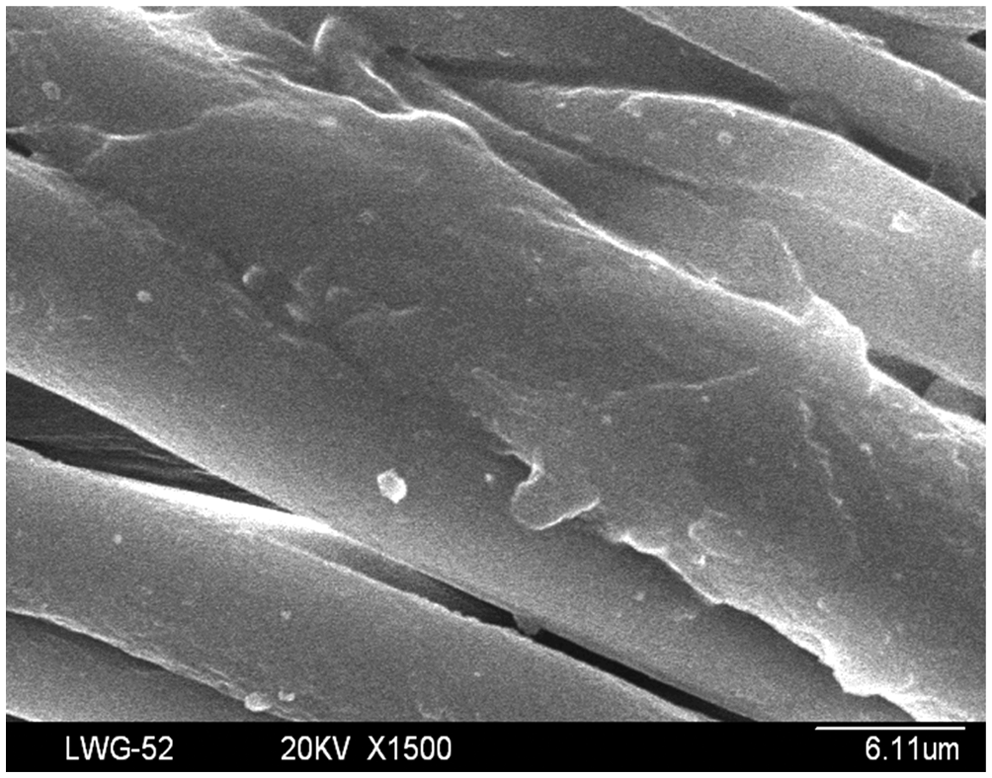
Conclusion
The dyeing rate of the cotton fabric modified by a cationic chicken feather keratin hydrolysate (WLS-10) increased obviously when dyed with anionic reactive dyes in the absence of salt, and the dynamical behavior of reactive dye adsorption on the modified cotton showed a good compliance with the pseudo second-order model. The improvements of the dyeing behavior were attributed to the changes in both the physical and the chemical structure of the modified cotton. Compared with that of the unmodified cotton, the polarity groups (such as –OH, −NH2 and cationic quaternary ammonium groups) increased and a layer of agent adhered on the modified cotton, which induced the enhancement of the affinity and reactive groups between dye and fiber and supplied more spacing to the dye diffusion into the fiber and brought more dye into contact with the modified cotton, resulting in remarkably improving dyeing ability. In addition, the dyeing ability of the cotton modified by WLS-10 was better than that of the cotton modified by WLS or by chicken feather keratin. It is concluded that the WLS-10 agent is an environmentally friendly biological salt-free reactive dyeing auxiliary.
Footnotes
Funding
This work was supported by the Education Department of Shannxi Province (project serial number: 2010JK577) and by the Technology Board of Shannxi Province (project serial number: 2010K07-05).