



Abstract
In this research, a novel method was developed to improve the super-hydrophobic stability of cotton fabrics without affecting the washing ability. The cotton fabrics were treated with hybrid photoreactive silica nanoparticles (denoted as silica-N3) and hexadecyltrimethoxysilane under ultraviolet light. Silica nanoparticles were synthesized by grafting an azido group onto silica and confirmed by proton nuclear magnetic resonance, carbon-13 nuclear magnetic resonance and Fourier transform infrared spectroscopy. Untreated and treated cotton fabrics were characterized by scanning electron microscopy, X-ray photoelectron spectroscopy and thermogravimetric analysis. Wettability was investigated by water contact angle (WCA) and water shedding angle (WSA). Moreover, the super-hydrophobic durability of coated cotton fabrics was evaluated by washing tests. The results showed that the treated cotton fabrics exhibited excellent chemical stability and outstanding non-wettability with a WCA of 154.9° for a 5 µL water droplet and a WSA of 8.7° for a 15 µL water droplet. In addition, the super-hydrophobic cotton fabric showed excellent washing durability. After 30 cycles, the contact angle was still larger than 135°.
Super-hydrophobic surfaces have been widely used in different areas due to their excellent water-repellent and self-cleaning properties. In nature, there are various kinds of highly super-hydrophobic surfaces, such as lotus leaves, butterfly wings, water striders and duck feathers.1–4 Super-hydrophobic surfaces have both a water contact angle (WCA) greater than 150° and water shedding angle (WSA) less than 10°, on which a water droplet, almost a sphere, can easily rolls off.5,6 Many studies have demonstrated that the super-hydrophobicity arises from the combination of hierarchical micro- and nano-structures of the surface and low surface energy.7–11 Based on the principle, the design and fabrication of super-hydrophobic surfaces have been conducted by different methods, such as layer-by-layer self-assembly, 12 sol-gel,13,14 electrospinning, 15 chemical vapor deposition 16 and electrochemical reaction. 17
Actually, the sol-gel technique can be widely applied to fabricate super-hydrophobic surfaces because of its extraordinary advantages. For instance, attempts have been made to develop super-hydrophobic surfaces from inorganic materials such as TiO2,18,19 ZnO nanorods20,21 and SiO2.22–24 However, the major problem of this technique is the low washing and abrasion durability owing to the poor bonding between nanoparticles and fibers. Consequently, it is imperative to explore more stable materials for super-hydrophobic fabrics. At present, monodisperse silica nanospheres with remarkable colloidal stability are one of the most attractive materials. Zhao et al. 25 introduced phenyl azido groups to the surface of silica nanoparticles, obtaining the firmly covalently fixed silica nanoparticles on textile fibers. Sugawara and Matsuda 26 reported that the as-prepared azido-terminated silica nanoparticles and the polyelectrolyte chains could be effectively bonded together through the reaction between azido groups and C−H bonds.
Previous researches for super-hydrophobic coatings on cotton with silica nanoparticles have been carried out in dry state at high temperature (130–180℃) in the presence of a water-repellent agent, which showed low washing durability. To improve the stability of super-hydrophobic cotton fabrics, a simple method has been developed to fabricate cotton fabrics with environmentally stable super-hydrophobicity.
In this study, novel hybrid photoreactive silica nanoparticles (denoted as silica-N3) sols were prepared by sol-gel, which was confirmed by proton nuclear magnetic resonance (1H NMR), carbon-13 nuclear magnetic resonance ( 13 C NMR) and Fourier transform infrared spectroscopy (FT-IR). In addition, treated with silica-N3 and hexadecyltrimethoxysilane (HDTMS) under ultraviolet (UV) light, the functionalized cotton fabrics could be obtained. The fabrics were characterized by scanning electron microscopy (SEM), X-ray photoelectron spectroscopy (XPS) and thermogravimetric analysis (TGA). Hydrophobicity was also measured by WCA and WSA and the super-hydrophobic durability was evaluated by washing tests.
Experimental details
Materials
Tetraethylorthosilicate [(C2H5O)4Si, TEOS)], ammonium hydroxide (NH3·H2O, 28 wt %), ethanol (C2H5OH, 99.7 wt %) and tetrabutylammonium bromide were purchased from Sinopharm Chemical Reagent Co. Ltd (Shanghai, China). 3-Chloropropyltriethoxysilane and HDTMS were obtained from Nanjing Chengong Organic Silicon Material Co. Ltd (Nanjing, Jiangsu, China). Sodium azide was supplied by Dongyang Tianyu Chemical Co. Ltd (Dongyang, Zhejiang, China). All chemicals were used without further purification.
One hundred percent cotton twill woven fabrics were supplied by the Hualun Printing and Dyeing factory (Shanghai, China); the fabrics had already been pretreated, mercerized and bleached. Fabric specifications are as follows: weight 304 g/m2, warp 47 threads/cm, weft 27 threads/cm.
Methods
Synthesis of 3-azido-propyltriethoxysilane
3-Azido-propyltriethoxysilane was prepared according to the literature 27 with minor modifications. 3-Chloropropyltriethoxysilane (4.000 g, 16.6 mmol) was added to the solution of sodium azide (2.160 g, 33.2 mmol) and tetrabutylammonium bromide (1.288 g, 4.0 mmol) in dry acetonitrile (100 mL) in a nitrogen atmosphere. The reaction mixture was stirred with reflux below 80℃ for 18 h. After the reaction and purification, a colorless liquid (3-azido-propyltriethoxysilane) was obtained.
Preparation of azido-terminated silica (silica-N3) nanoparticles
Silica nanoparticles were prepared according to the Stöber method.
28
The typical preparation of the coating solutions was as follows: 5 mL TEOS was dissolved in 100 mL ethanol. This solution was mixed with ammonium hydroxide (5 mL, 28 wt %) and stirred intensively at 60℃ for 60 min. 3-azido-propyltriethoxysilane (2 mL) was added into the suspension of silica nanoparticles, and then the mixture was stirred at 60℃ for 50 min. The possible reactions are shown in Schemes 1 and 2. Scheme 1 represents the formation of silica nanospheres. Scheme 2 depicts the formation of silica-N3 nanoparticles.
Formation of silica nanospheres. Formation of silica-N3 nanospheres.

Preparation of alkylsilanol solution
HDTMS (3 g) was gradually added to 100 mL alcohol. Hydrochloric acid was used to adjust the pH value from 5 to 6. The solution was stirred for 60 min at room temperature. The hydrolysis of HDTMS resulted in the formation of an alkylsilanol solution, as seen in Scheme 3.
Formation of an alkylsilanol solution.
Treatment of cotton fabrics
Cotton fabric (15 × 15 cm2) was immersed in the prepared silica-N3 sol for 15 min, and then squeezed with pick-up 80% using an automatic padder (Rapid Labor-tex Co. Ltd, Taipei, Taiwan) with a nip pressure of 1.4 kg/cm2. This process was repeated twice. Then the cotton fabric was dried at 80℃ for 5 min, and immersed in the alcohol solution of hydrolyzed HDTMS for 1 h at room temperature. Afterwards, the cotton fabric was air dried and then exposed to UV light of 254 nm for 30 min in the presence of silica-N3. The possible reaction between silica-N3 and hydrolyzed HDTMS is shown in Scheme 4. It is well known that the azido groups can form highly reactive singlet or triplet nitrene species on UV irradiation. These reactive species can easily react with C−H bonds of cotton fiber through insertion (singlet) or abstraction (triplet) reactions.
29
The insertion reaction is a termination step, but the abstraction reaction leads to the formation of radicals on the surrounding molecules that cause further radical reactions. For the adjacent azido moieties, they may undergo dimerization to form azodimer compounds.
30
Scheme 5 represents the possible photochemical reaction between silica-N3 and cotton fabric.
Possible reaction between silica-N3 and hydrolyzed hexadecyltrimethoxysilane. Possible photochemical reaction between silica-N3 and cotton fabric.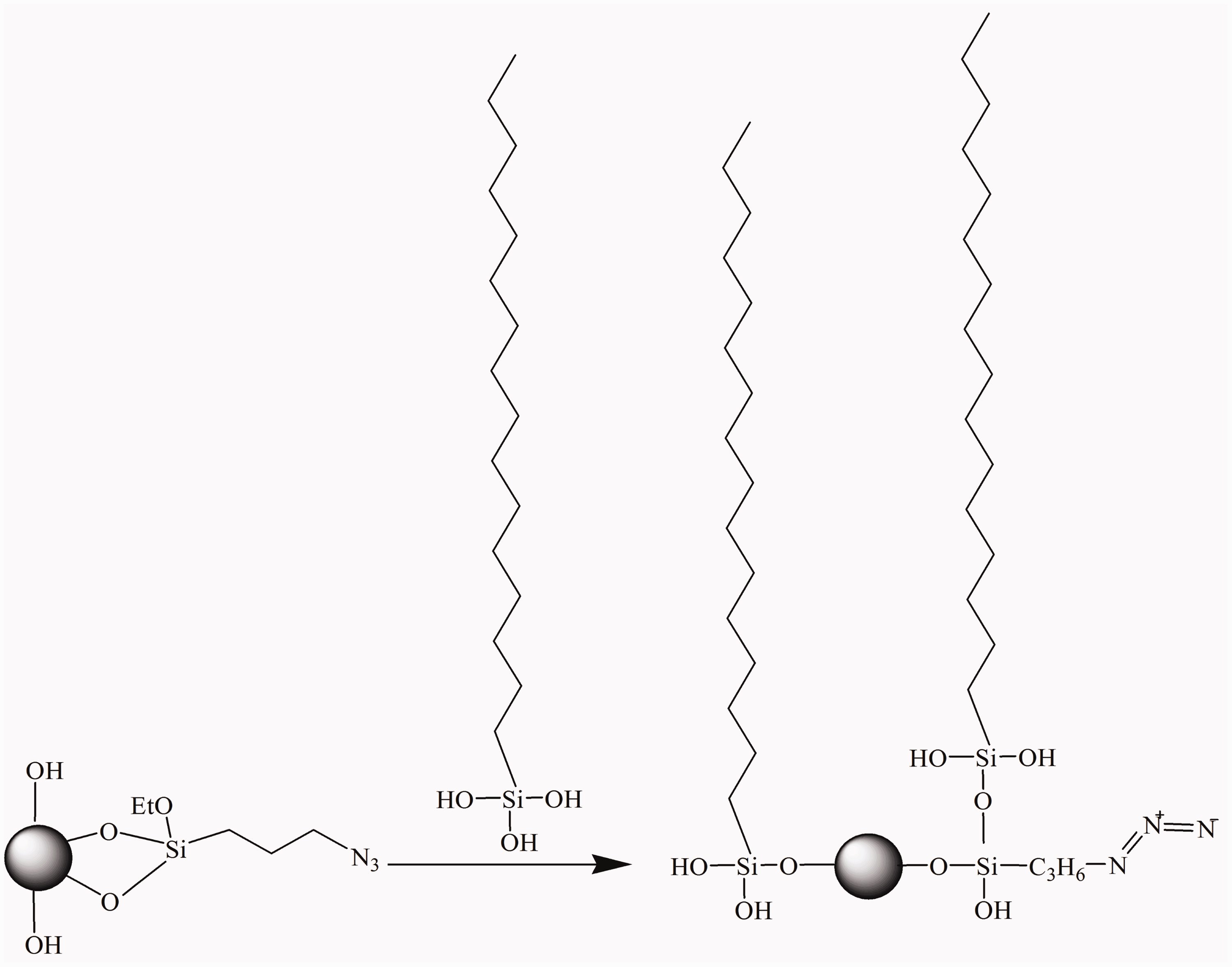

Characterization
1H NMR and 13C NMR spectra were recorded at 295 K using a spectrometer (Bruker Advance DRX-500, Billerica, USA). The spectra were phase corrected interactively using TOPSPIN. Baseline correction was carried out manually each time using the appropriate factors. Chemical shifts were reported using CDCl3 as an internal reference. The prepared samples were also characterized by FT-IR (Nicolet NEXUS 670, Waltham, Britain) using KBr pellet in the form of thin films at room temperature. The data were collected in a band range from 400 to 4000 cm−1 at a resolution of 4 cm−1.
Surface morphology of the cotton samples was examined by SEM (JSM-5600LV) operated at 10 kV and field emission scanning electron microscopy (FE-SEM; Hitachi S-4800) operated at 3 kV. The cotton samples were also characterized by XPS (XSAM800, Kratos, Britain). TGA was carried out in a nitrogen atmosphere at a heating rate of 10℃/min with a TG 209F1 thermogravimetric analyzer (Iris, Germany).
The static wettability of the cotton samples was measured by the WCA system (OCA40, Dataphysics, Germany). The WCA measurement of each cotton sample was conducted using the sessile drop method by dispensing a 5 µL water droplet on the cotton sample surfaces at ambient temperature. In addition, the dynamic wettability of the cotton samples was measured by the WSA system using a 15 µL water droplet and spray testing (AATCC Test Method 22-2005). 31 The wash durability test was implemented according to the standard method for fabric coating (AATCC Test Method 61-2006 test No. 2A). The accelerated wash procedure was equivalent to five cycles of home machine washing. For convenience, the equivalent cycles of home machine washing were used. The UV irradiation light source was a portable 8 W UV lamp (UVP, model WFH-203) operated with 254 nm shortwave.
Statistics
All the experiments were repeated three times unless specified. The data were mean values ± the standard deviation. Fisher’s Least Significant Difference (LSD) was used to test the effect of various conditions on the properties of the products using SAS (SAS Institute Inc., Cary, NC). Statistical significance was considered at p < 0.05.
Results and discussion
3-Azido-propyltriethoxysilane
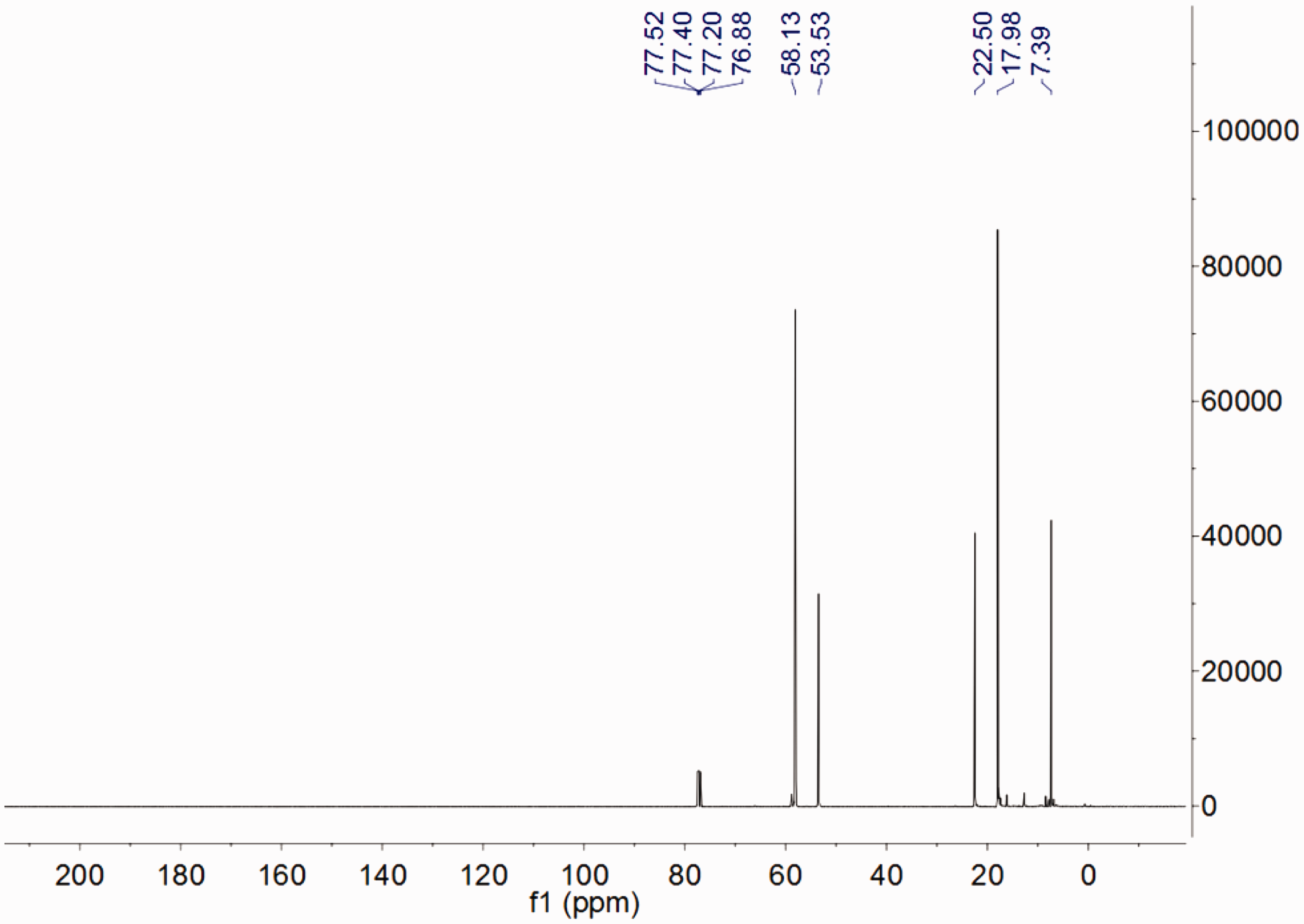
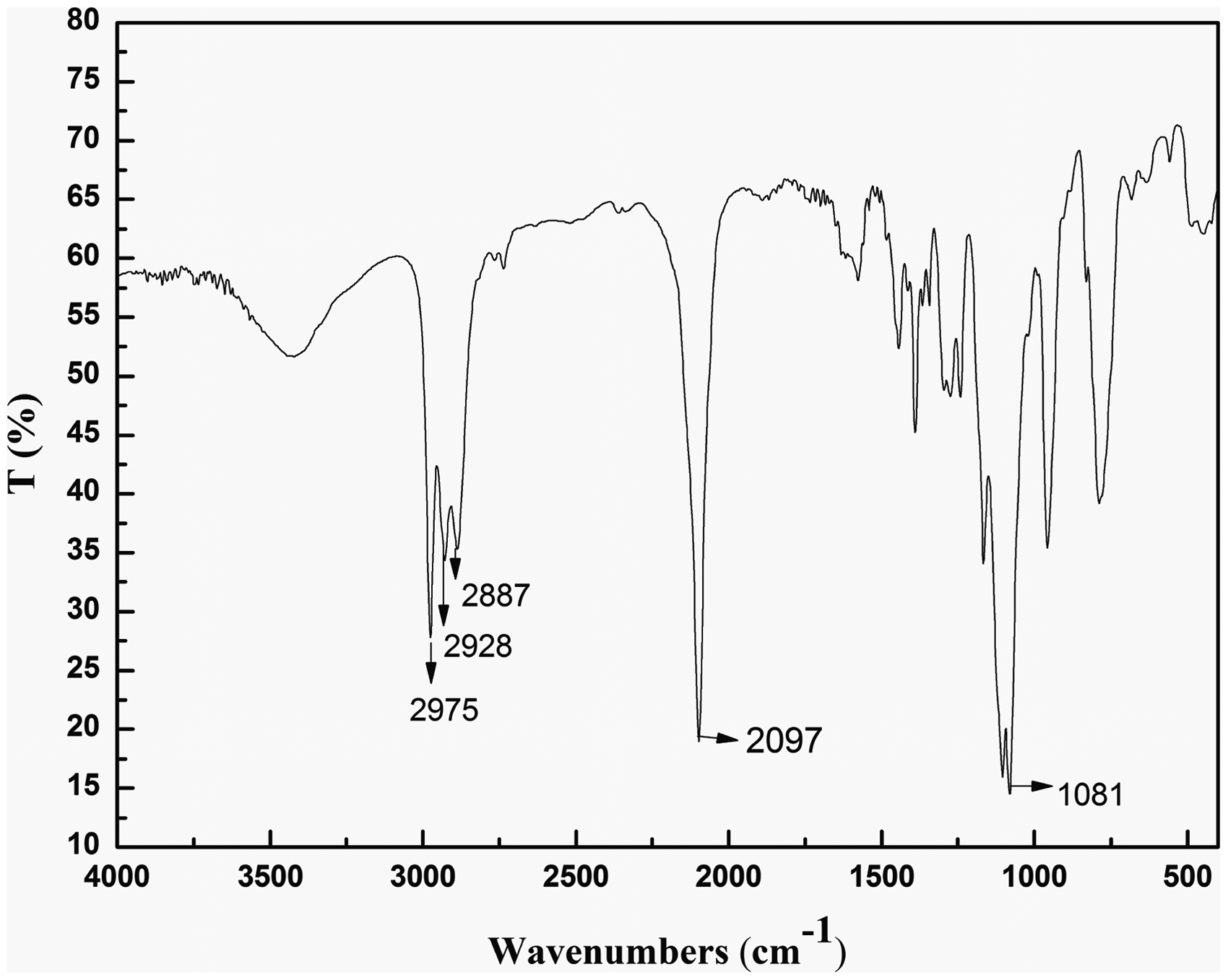
As seen in Figures 1–3, the structure of synthesized colorless liquid (3-azido-propyltriethoxysilane) was confirmed by 1H NMR, 13C NMR and FT-IR. 1H NMR (500 MHz, CDCl3): δ 0.65 (t, 2H, CH2-Si), 1.19 (t, 9H, CH3-CH2-O), 1.68 (q, 2H, CCH2C), 3.20 (t, 2H, CH2N3), 3.78 (q, 6H, OCH2). 13C NMR (500 MHz, CDCl3): δ 7.61 (SiCH2), 18.21 (CCH2C), 22.50 (CH2N3), 53.86 (CH3), 58.13 (OCH2). IR (KBr plates): 2097 cm−1 (—N = N+ = N−—), 2975–2887 cm−1 (C-H), 1081 cm−1 (Si-O).
Proton nuclear magnetic resonance of 3-azido-propyltriethoxysilane. Carbon-13 nuclear magnetic resonance of 3-azido-propyltriethoxysilane. Fourier transform infrared spectra of 3-azido-propyltriethoxysilane.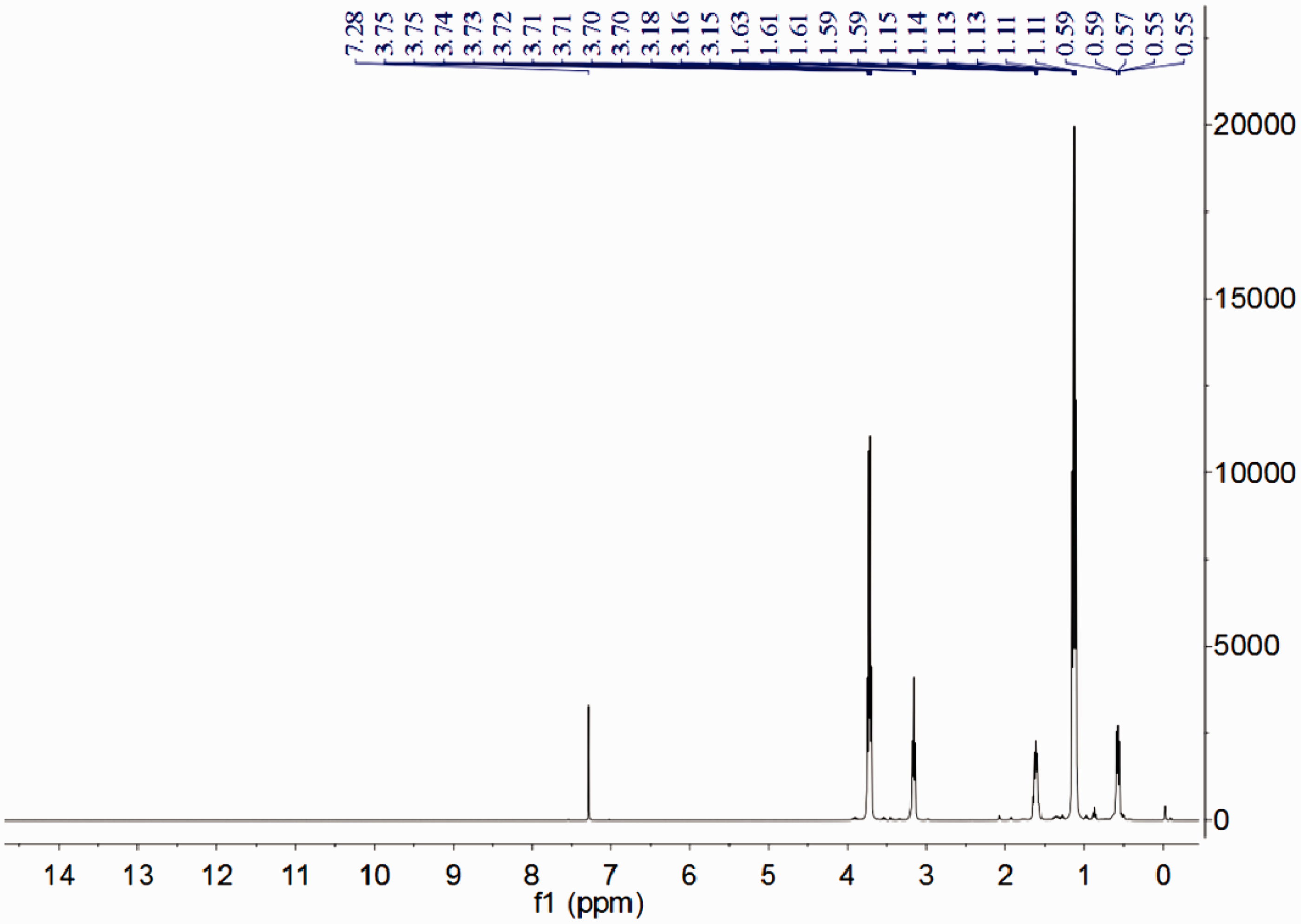
Surface morphology
The surface morphologies of the untreated and treated cotton fibers are shown by SEM in Figure 4. Many native striations along the fibers can be clearly observed from Figures 4(a) and (b). SEM images (Figures 4(b) and(c)) show that the cotton fibers are covered with a uniform and dense film of silica-N3 nanoparticles. Cotton fabric treated by silica-N3 nanoparticles are found to densely cover the fiber surface at random (Figures 4(c) and (d)), making the surface rougher. From the high magnification FE-SEM image (Figure 4(d)), the silica-N3 nanoparticles form a monolayer on the surface although the layers do not fully cover the fiber surface. When the fabric is coated with silica-N3 nanoparticles together with HDTMS modification (Figures 4(e) and (f)), some ceraceous matters appear on the particulate surface of the cotton fabric. Hydrolyzed HDTMS is chemically bonded with silica-N3 particles on the cotton fiber by surface condensation reaction.
Scanning electron microscopy images of raw cotton fabric ((a) and (b)), cotton fabric coated by the silica-N3 nanoparticles at (c) low and (d) higher magnification; fabric coated by the silica-N3 nanoparticles followed by hexadecyltrimethoxysilane modification at (e) low and (f) higher magnification.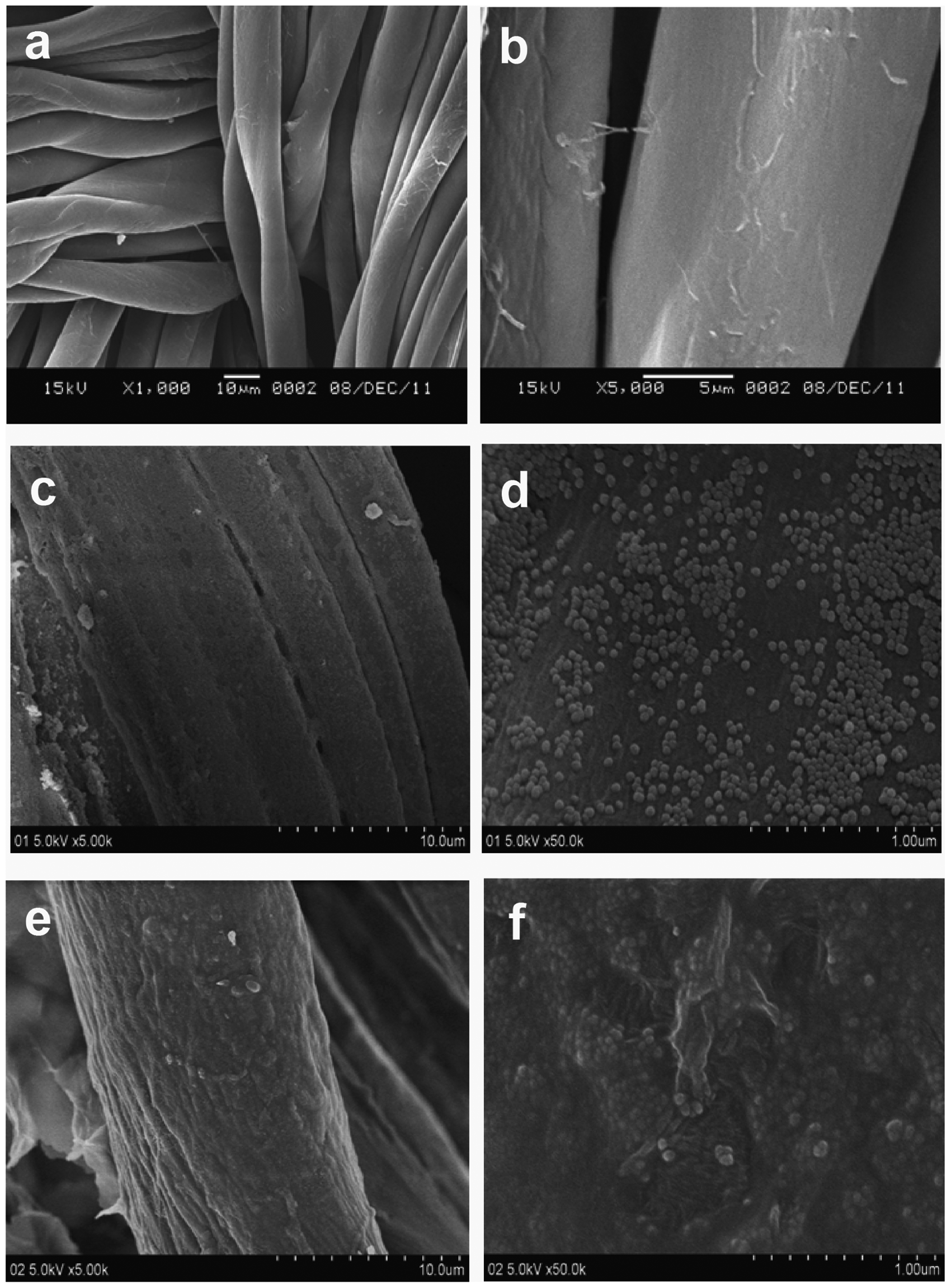
Chemical composition analysis
XPS was used to characterize the cotton fabric before and after the silica-N3 nanoparticles layer coating was applied, as shown in Figure 5. It is a popular and powerful technique for the investigation of surface composition; it provides qualitative information on the chemical changes. For the raw cotton fabric, only peaks corresponding to C and O elements are observed, as shown in Figure 5 (curve a). After surface modification with a silica-N3 nanoparticles layer, two new distinctive peaks appear at 154 eV and 103 eV, which are attributed to Si 2s and Si 2p signals, respectively, see Figure 5 (curve b). In addition, the N1s originating from the layers is detected at 399 eV. This suggests that a layer of silica-N3 has covered the surface of the cotton fibers. Last being modified with HDTMS, there is a large increase of C1s from Figure 5 (curve c). The result may be explained that HDTMS with the long-chain alkyl group covalently bonded with the SiO2-N3 particles on the surface of the cotton fabric, leading to the higher carbon amount and lower oxygen amount. This measurement further confirmed the grafting of silica-N3 nanoparticles and a layer of HDTMS onto the cotton fiber successfully.
X-ray photoelectron spectra of raw cotton fabric (a) and cotton fabric coated by the silica-N3 nanoparticles (b) before and (c) after modification with hexadecyltrimethoxysilane.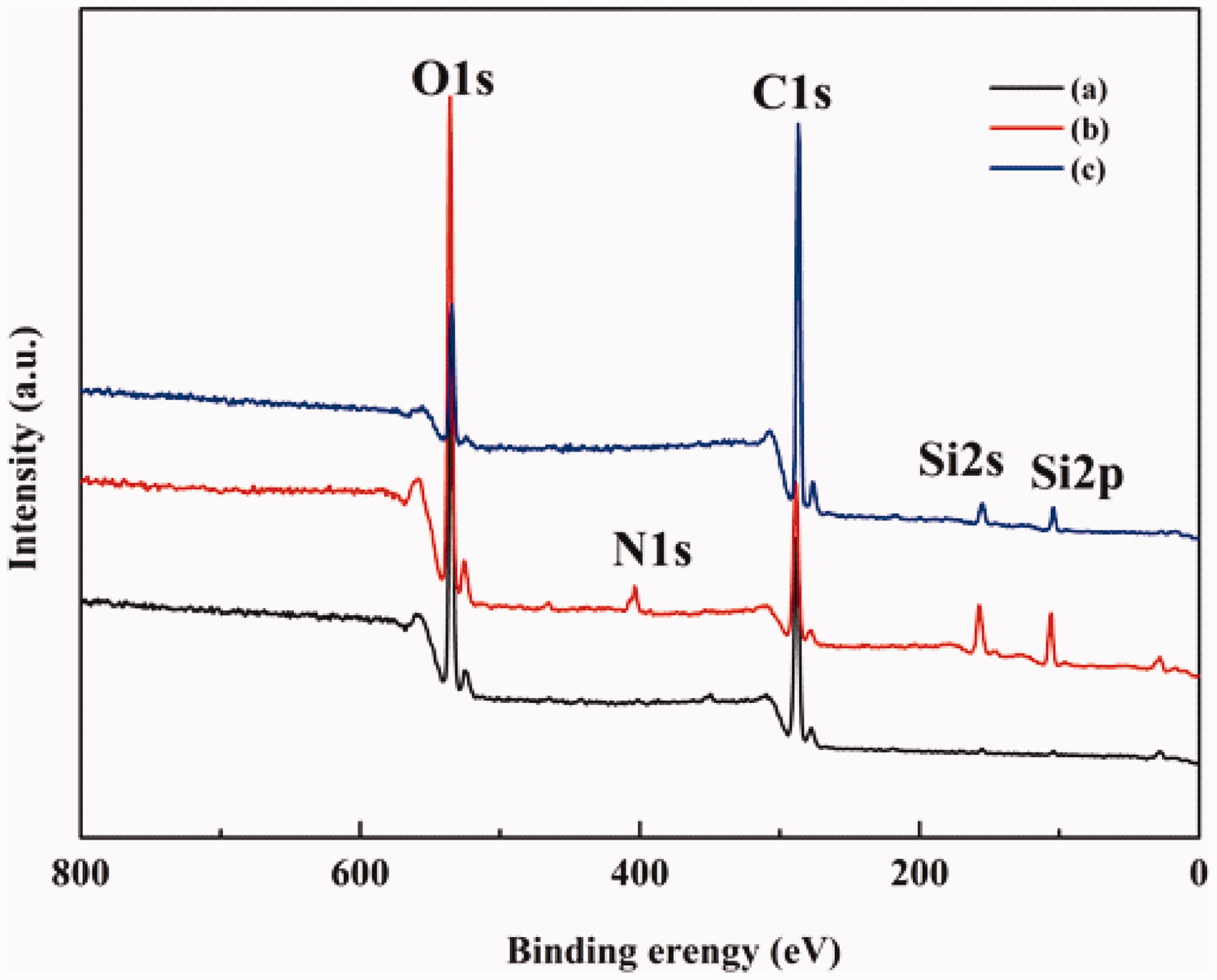
Thermogravimetric analysis
TGA was used to evaluate the remaining weight of cotton fabrics after heating. Figure 6 shows the TGA curves of the fabrics. The thermal decomposition mainly occurs in a narrow temperature range of 250–360℃ and the cotton fabrics assembled with silica-N3 nanoparticles show slightly higher thermal stability compared to the pristine fabric. The remaining weight of the raw cotton fabric is 4.37% after being heated to 700℃ at a rate of 10℃/min. When silica-N3 nanoparticles are assembled to the fiber surface, the remaining weight increases to 11.53% under the same heating condition The remaining weight further increases to 12.93% after the coated fabric is modified with HDTMS, as shown in Figure 6 (curve c). In comparison with the cotton sample coated with the silica-N3 nanoparticles alone, this increase denoted that a layer of HDTMS had been grown onto the fiber surface with silica-N3 nanoparticles. These curves confirmed the incorporation of silica-N3 nanoparticles and HDTMS onto the cotton fibers.
Thermogravimetric analysis curves of raw cotton fabric (a) and cotton fabric coated by the silica-N3 nanoparticles (b) before and (c) after modification with hexadecyltrimethoxysilane.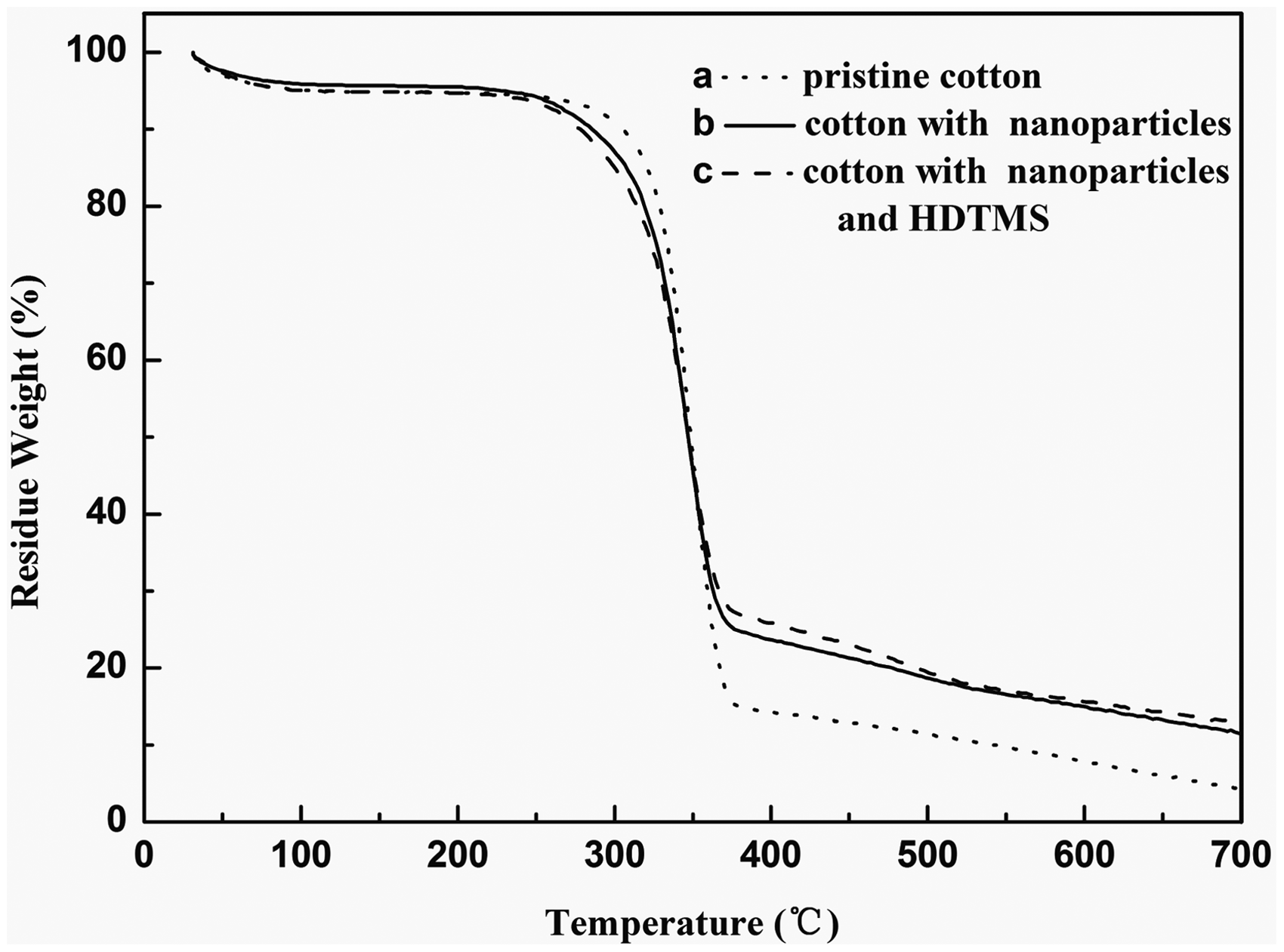
Surface wettability
The wettability of cotton fabrics was measured in terms of the WCA. It can be seen that the raw cotton fabrics are highly hydrophilic and can be completely wetted by water (Figure 7(a)). This is due to the presence of abundant hydroxyl groups in cellulose molecules and no water droplets can be formed on the fabric surface during contact angle measurements. When the cotton fabrics were modified with silica-N3 nanoparticles together with HDTMS, the fabrics turned super-hydrophobic. A typical photograph of a water droplet could keep spherical and float on the surface of the modified cotton fabric, shown in Figure 7(b). The modified cotton fabric has excellent super-hydrophobicity with a WCA of 154.9° for a 5 µL water droplet and a WSA of 8.7° for a 15 µL water droplet.
The images of static water droplets on (a) raw cotton fabric and (b) super-hydrophobic cotton fabric coated by the silica-N3 nanoparticles followed by hexadecyltrimethoxysilane modification.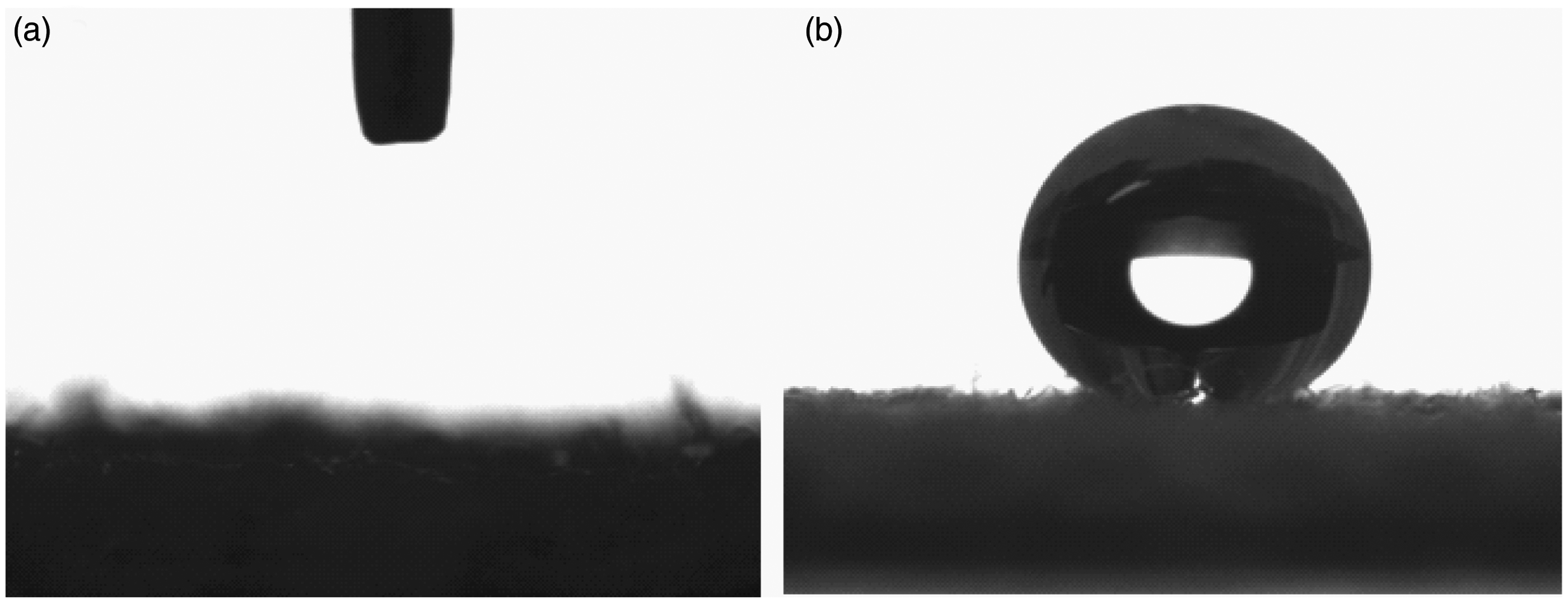
Laundering durability
The durability of super-hydrophobic cotton fabrics with respect to water scrubbing was also evaluated. The washing fastness of the silica-N3 nanoparticles followed by HDTMS modification on the cotton fibers was determined by measuring the regression of a water droplet contact angle after 0, 5, 10, 15, 20, 25, 30, 35 and 40 repeated wash cycles, as shown in Figure 8. The result shows that the super-hydrophobic cotton fabrics do not change much until five wash cycles have been completed. After 10 wash cycles, the contact angle decreases from 154.9° to 147.7° and the WSA becomes 12.4°. After 20 wash cycles, the contact angle decreases to 143.6° and the droplet rolls off the fabric surface at a tilting angle of 34°. However, after 30 cycles, the contact angle reduces to 135.8° and the contact angle hysteresis becomes sticky on the fabric surface.
Variation in water static contact angle and contact angle hysteresis as a function of the number of wash cycles on cotton fabric coated by the silica-N3 nanoparticles followed by hexadecyltrimethoxysilane modification.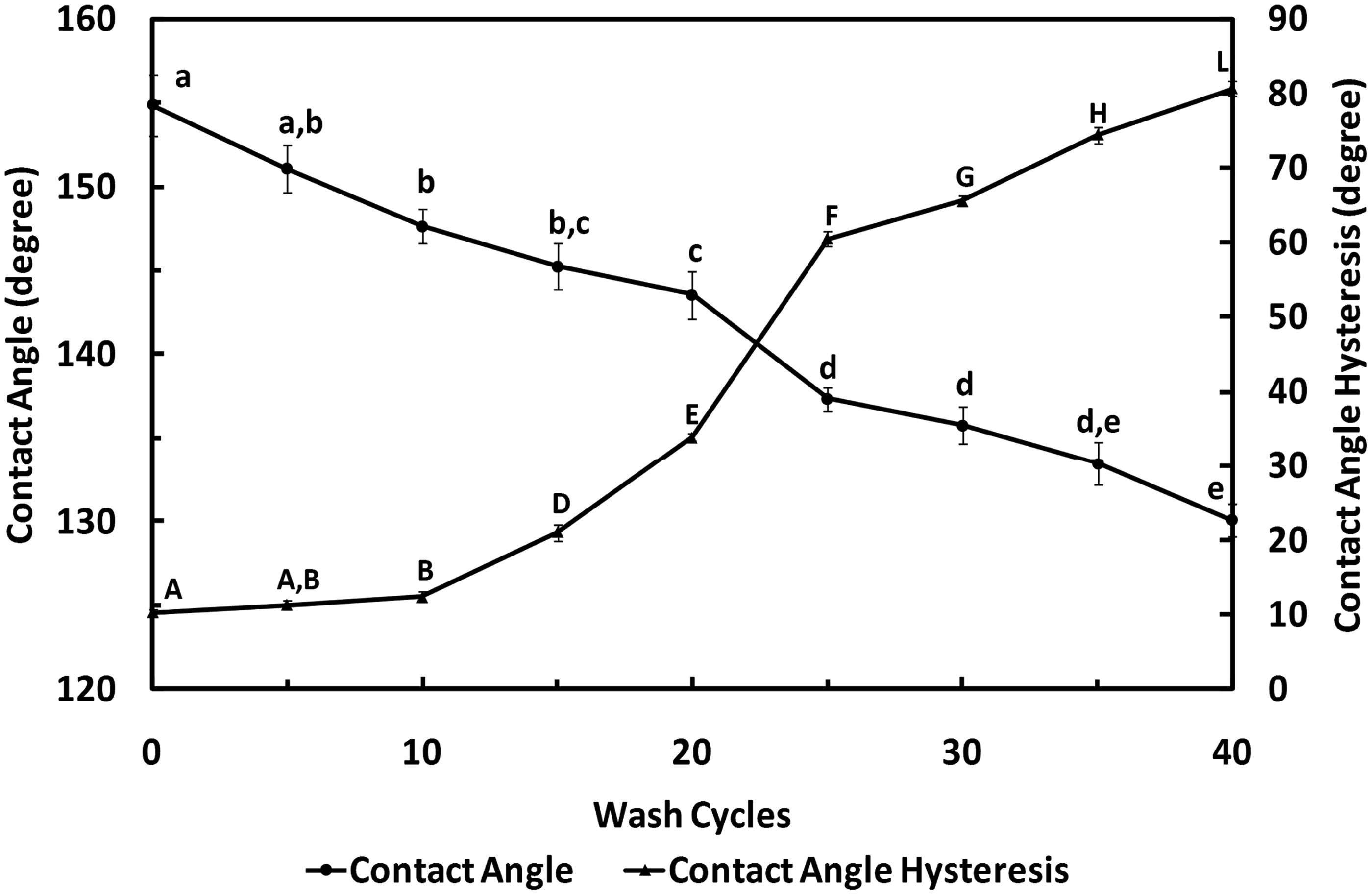
Conclusions
In this work a new approach was presented for achieving environmentally stable super-hydrophobic cotton fabric by designing novel hybrid photoreactive silica nanoparticles and hydrophobization with HDTMS. The azido silica nanoparticles can form a covalent bond by the photo-cross-linking between the azido group, surrounding HDTMS chains and organic substrate under UV irradiation. After the super-hydrophobic treatment, the modified textiles showed outstanding non-wettability with a WCA of 154.9° for a 5 µL water droplet and a WSA of 8.7°for a 15 µL water droplet. Importantly, the super-hydrophobic cotton fabric presents excellent washing durability. After 30 cycles, the contact angle is still larger than 135°. In addition, this method needs no curing and saves energy.
Footnotes
Funding
This work was supported by the Research Innovation Funds of Shanghai Municipal Education Commission and the Fundamental Research Funds for the Central Universities (14D210504).