




Abstract
Eight functional single jersey plain knitted fabrics have been developed in order to assess a quantitative analysis of various comfort-related properties in terms of thermal control, air and water vapor permeability, wickability, coefficient of kinetic friction and antimicrobial efficiency, using eight different commercially available functional yarns: Polyester Craque® and viscose Craque® conventional yarns as controls; Finecool® and Coolmax® polyester yarns for moisture management and quick drying; Holofiber® polyester yarns containing an optical responsive material that the producer claims to improve body oxygenation; Airclo® polyester hollow yarns for efficient control of body temperature; and, finally, polyester Trevira® and viscose Seacell® for antimicrobial activity. According to the results, Coolmax® for moisture management, Airclo® for thermal control and Seacell® for antimicrobial activity present the best performances as technical textiles for sportswear for the respective specific functional property.
Keywords
Sportswear is an important arena for the development of new products with functional characteristics. Technical textiles for sportswear must offer comfort functions as well as adequate protection. Comfort is one of the most important aspects of clothing. It strongly affects the choices people make when buying clothes, and a considerable amount of research has been produced on this subject. However, little information is available about the specific role of fabric materials and wearing conditions on human comfort responses. 1
The most important functions expected in high-performing sportswear fabrics are as follows: (i) heat transport properties to maintain body temperature; (ii) moisture transport performance by changing the cross-sections of the fiber to keep the body dry; (iii) anti-static performances to dissipate electrical charge; (iv) antimicrobial performances to keep the bacteria proliferation on the skin low; (v) ultraviolet protection to block dangerous UV-A and UV-B rays. 2
It is widely known that heat transfer, moisture and air through a garment are important factors for clothing comfort to keep the user dry and comfortable and control odor. 3 The thermo-physiological comfort experienced through wearing clothing is determined by the sensation of warmth or coolness at contact with the fabric as well as by the loss of water vapor through the clothing, which regulates the heat balance of the body. New standards for comfort are being achieved with lightweight, stretchy materials that wick and feel soft next to the skin, such as the Dri-Fit® and Coolmax® performance fabrics. 4
Also, the growth of microbes on textiles during use and storage negatively affects the wearer as well as the textile itself. 5 Microbes may cause discoloration, staining and changing of the mechanical properties. Moreover, they can lead to odor formation, while pathogen micro-organisms may adversely affect human health, causing athlete’s foot, bedsores, allergies or cross-infections in hospitals. 6 The detrimental effects can be controlled by durable antimicrobial finishing of the textile using broad-spectrum biocides or by incorporating the biocide into synthetic fibers during extrusion.7,8
Nevertheless, it is not possible to achieve all of the required properties for sportswear using a single fiber. The behavior of the fabric will depend by the fiber type, the weave construction, the chemistry, the weight and thickness of the material and the presence of chemical treatments.
A wide range of woven, knitted and nonwoven fabrics are commercially available for sportswear with different structure and surface properties. However, for sportswear knitted fabrics are preferred because of their unique transmission characteristics, such as water vapor permeability, air permeability, thermal conductivity and moisture management. 9 Moreover, they provide outstanding comfort qualities, lightweight warmth, wrinkle resistance and ease of care and have greater elasticity and stretchability compared to woven fabrics. 10 Despite cotton providing a good combination of softness and comfort, it is not recommended for use in active sportswear because of its tendency to absorb and retain moisture and cause discomfort. Synthetic fabrics are generally considered a better alternative for sportswear as they are able to provide good heat and moisture management, allowing body temperature regulation, improved muscle performance and delayed exhaustion. 2 Nowadays, polyester is the most widely and popularly used fiber because of its favorable characteristics, namely outstanding dimensional stability, high strength, easy care, wrinkle-free and excellent resistance to dirt, alkalis, decay, mold and most common organic solvents. 11
Given the increasing awareness of the comfort properties of fabrics and the need for durable antimicrobial properties, eight different fabrics of single jersey plain structure were knitted using eight different commercially available yarns with different properties. The thermal and moisture management properties, the wicking behavior, the coefficient of kinetic friction and the drying rate of the knitted fabrics incorporating yarns with different thermoregulating effects were investigated. Moreover, the antimicrobial fabrics were washed up to 15 times and the antimicrobial efficiency was evaluated against several micro-organisms. The thermal properties, air permeability, water vapor permeability and the coefficient of kinetic friction of the antimicrobial samples were also measured and compared to those of conventional fiber-based knitted fabrics.
Materials and methods
Materials
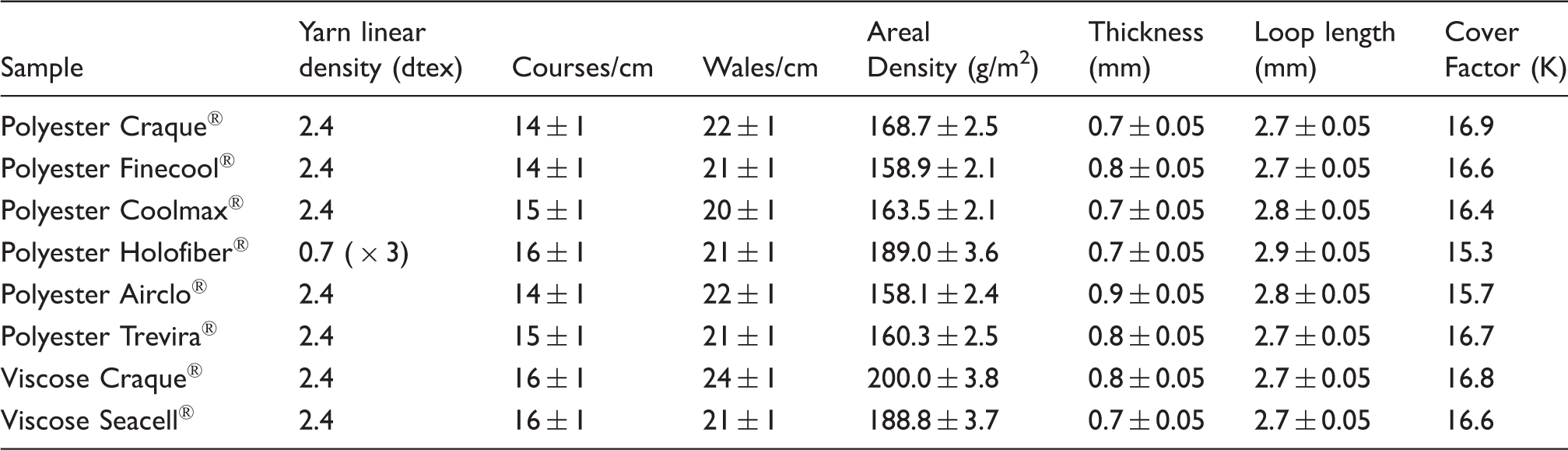
Characteristics of the produced knitted fabrics (data represent mean values ± SD (n = 3).
Optical microscopy
For morphology analysis, all yarn samples were immobilized on a resin prior to the transversal cut. The cross-section was recorded using a reflection optical microscope, Olympus BH (Japan), coupled to a JVC TK1280E (Japan) camera and Micron Measurement video recorder capture software, Leica Quantimet 500 (Germany). The samples were observed separately for a period of 5 min using a magnification of 40 × 65. The images were saved in gray scale (16 bit) and zoomed to select a representative fiber. Some backgrounds were manipulated in order to remove undesired image artifacts. The images were also optimized in terms of contrast and brightness using the function “auto level” of the program Graphic Converter 9.7.5 of Lemke Software GmbH, Germany.
Thermal properties
Thermal properties (thermal conductivity, thermal resistance, thermal absorptivity, thermal diffusivity and heat flux) of knitted fabrics were measured on an Alambeta instrument by Sensora (Czech Republic) and tests were performed according to standard ISO EN 31092-1994. The Alambeta simulates dry human skin and is based on the principle of measurement of heat power passing through the test fabric due to the difference in temperature between the bottom measuring plate (22℃) and the top measuring head (32℃). The hot plate comes in contact with the fabric sample at a pressure of 200 Pa. As soon as the plate touches the fabric, the amount of heat power transferred from the hot surface to the cold surface through the fabric is detected and processed to calculate the thermal parameters of the fabric. An average of 10 readings was taken for each sample and the data are reported as mean ± standard deviation.
Air permeability
Air permeability tests of the knitted fabrics investigated were carried out according to NP EN standard ISO 9237:1997 using a head area of 20 cm2 and differential pressure of 100 Pa. Air permeability is the rate of air passing perpendicularly through a known area under a prescribed air pressure differential between the two surfaces of a material. Air permeability was measured on an FX 3300 air permeability tester by Textest AG, Switzerland, at the standard condition of 65% relative humidity (RH) and 20℃. An average of 10 readings was taken and the data are reported as mean ± standard deviation.
Water vapor permeability
The water vapor permeability was determined on an SDL Shirley Water Vapor Permeability Tester M–261, according to standard BS 7209-1990. As per the British standard, the test specimen is sealed over the open mouth of a test dish that contains water and the assembly is placed in a controlled atmosphere of 20℃ and 65% RH. Following a period of 1 hour to establish equilibrium of the water vapor pressure gradient across the sample, successive weighing of the assembled dish was made and the rate of water vapor permeation through the specimen is determined. All the experiments were replicated five times, and the data are reported as mean ± standard deviation.
Surface friction
The surface friction of the knitted fabrics was measured by a FRICTORQ device (University of Minho, Portugal) at the standard condition of 65% RH and 20℃. FRICTORQ is based on a rotary movement and measurement of the friction reaction torque. The principle is based on an annular shaped upper body rubbing against a flat lower fabric. The fabric sample is forced to rotate around a vertical axis at a constant angular velocity. The coefficient of kinetic friction is then proportional to the torque measured by means of a high-precision torque sensor. All the experiments were replicated five times, and the data are reported as mean ± standard deviation.
Vertical wicking tests
Vertical wicking tests were performed at 20 ± 2℃ and 65 ± 2% RH. Specimens of 20 cm × 2.5 cm cut along the wale-wise and course-wise directions were suspended vertically with their bottom end dipped in a reservoir of distilled water. The bottom end of each specimen was clamped with a 1.2 g clip to ensure that the bottom end was immersed vertically at a depth of 30 mm in the water. The wicking heights were measured every minute for 10 min. All the experiments were replicated five times, and the data are reported as mean ± standard deviation.
Horizontal wicking tests
Horizontal wicking tests were performed at 20 ± 2℃ and 65 ± 2% RH. Specimens of 20 cm × 20 cm were placed horizontally between two glass plates with a tiny drop of water placed on the fabric. The water absorption takes place by wicking and wetting through the pores. The water is supplied continuously from a reservoir with 75 g of water by siphoning to the bottom of the specimen. The reservoir is kept on an electronic balance, which enables the recording of the water mass absorbed by the fabric. The wicking was measured every minute for 5 min and expressed as the percentage of absorbed water weight in respect of the water in the reservoir. All the experiments were replicated five times, and the data are reported as mean ± standard deviation.
Drying capability
The drying capability was evaluated by the drying rate of the fabric. The specimen was cut as a 20 cm × 20 cm square and placed on a balance. In order to determine the drying rate (evaporating curve), the fabrics were weighted in the dry state (Wf) and with an initial water weight equal to 30% of the dry sample weight (W0). The change in weight (Wi) was measured every minute for the first 5 min and then every 5 min up to 30 min. The remaining water ratio (%) was calculated using the following equation: RWR (%) = (Wi – Wf) / (W0 – Wf) * 100. The remaining water ratios were used to express the drying ability of the fabrics. In order to assess the dry capability of the fabric at room temperature and at the human internal body temperature, the experiments were performed at 20℃ and 37℃. All the experiments were replicated five times, and the data are reported as mean ± standard deviation.
Antimicrobial assay
The microbial population (total colony forming units) of the controlled (conventional yarn fabrics) and antimicrobial fabric samples were determined quantitatively using the AATCC-100 test method. The sample size taken for determination of the bacterial population was 5 cm × 5 cm. Conical flasks (500 ml) containing 50 ml of nutrient broth were prepared and sterilized at 121℃ for 15 min. They were then allowed to cool. The fabric samples were subsequently transferred aseptically into conical flasks. These were incubated at 37℃ for 24 h in a shaker at 121 rpm. To allow a bacterial sample count, serial dilution (10:1, 10:2 and 10:3) was carried out and bacterial reduction was calculated. The durability of the antimicrobial fabrics against repeated launderings (five, 10 and 15 washing cycles) was evaluated by washing all samples in the “Launder-o-meter” using standard ISO: 6330-1984E. The antimicrobial fabric samples were then subjected to bacterial testing and the bacterial growth was again analyzed. All antibacterial data represent mean values ± SD (n = 3).
Results and discussion
Morphological analysis
Figure 1 shows the optical microscopic images of the cross-sections of the fibers used to produce the knitted fabrics. Figure 1(a) shows a conventional polyester fiber with well-defined circular cross-sections. Finecool® polyester is a rhomboid cross-section (Figure 1(b)) functional microfiber with moisture management abilities and is the smallest fiber used in this work. Polyester Coolmax® yarns are microfibers made of specially spun and molded polyester able to evaporate moisture quickly. Coolmax® fibers are not round (Figure 1(c)), but are slightly oblong in cross-section with grooves running lengthwise along the threads. This particular shape generates a much higher fiber surface area than circular cross-section fibers, which increases capillary action that in turn wicks moisture through the core and out to a wider area on the surface of the fabric, increasing evaporation. They are manufactured in either a tetrachannel (used in this work) or hexachannel style. The series of closely spaced channels increase the specific surface area of the fibers and improve the capillary force of the hydrophobic polyester fiber bundle and enhance the wicking of polyester fabric.
12
The Holofiber® polyester is a responsive yarn that interacts with the human body to increase oxygen levels, resulting in increased strength, energy and accelerated muscle recovery. It displays a small nucleus with a circular cross-section (Figure 1(d)). Holofiber® contains an optical responsive material that scatters and reflects visible and near-infrared light. The energy is then supposedly transmitted to the body to better oxygenate the body’s cells. It is conceivable that some interaction of the Holofiber® particles with light increases the reflection or transmission of light in the visible or near-infrared portion of the spectrum into the skin, leading to vasodilation of the microcirculation and enhanced perfusion of tissues. Some evidence suggests that short periods of illuminating skin, tissue and cells with visible or infrared light has positive effects on pain, injury recovery and wound healing.
13
Airclo® yarn is a hollow (Figure 1(e)), lightweight fiber with 24% hollow rate that is manufactured from a high-quality polyester with an advanced spinning technology. Hollow-core filament entraps insulating air for efficient body temperature condition. It also has an excellent resilience and the ability to retain heat as well as excellent bulkiness and soft touch. Among the fibers used in this work, Airclo@ yarns display the largest diameter. Hollow fiber has many special properties in comparison with cylindrical fiber, since the internal diameter will affect the thermally sensitive heat transfer of the fabric according to the environment and body temperature.
14
The antimicrobial polyester fibers produced by Trevira® have silver particles incorporated into the fibers before extrusion. They have a well-defined circular cross-section, which does not differ much in shape and in size from its corresponding conventional yarn (Figure 1(f)). During use, silver diffuses onto the surface of the fiber and forms silver ions in the presence of moisture. The rate of silver release can be influenced by the chemical and physical characteristics of the fiber and the amount of silver in the fiber.
15
The Seacell® active viscose yarn, as can be seen from Figure 1(g), has an oval shape cross-section that contrasts with the typical crack shape cross-section of the conventional viscose yarns (Figure 1(h)). Seacell® active is based on viscose with incorporated seaweed and silver nanoparticles. These additional materials could define the final shape of the fiber cross-section.
16
The natural, cellulose- and seaweed-based Seacell® fibers, in addition, serve as functional carriers for the antifungal and antibacterial silver, containing the minerals calcium, magnesium and sodium, which are known to play a key role in skin homeostasis.
17
Optical microscope images of the cross-sections of the fibers: (a) polyester Craque®; (b) polyester Finecool®; (c) polyester Coolmax®; (d) polyester Holofiber®; (e) polyester Airclo®; (f) polyester Trevira®; (g) viscose Seacell®; (h) viscose Craque®.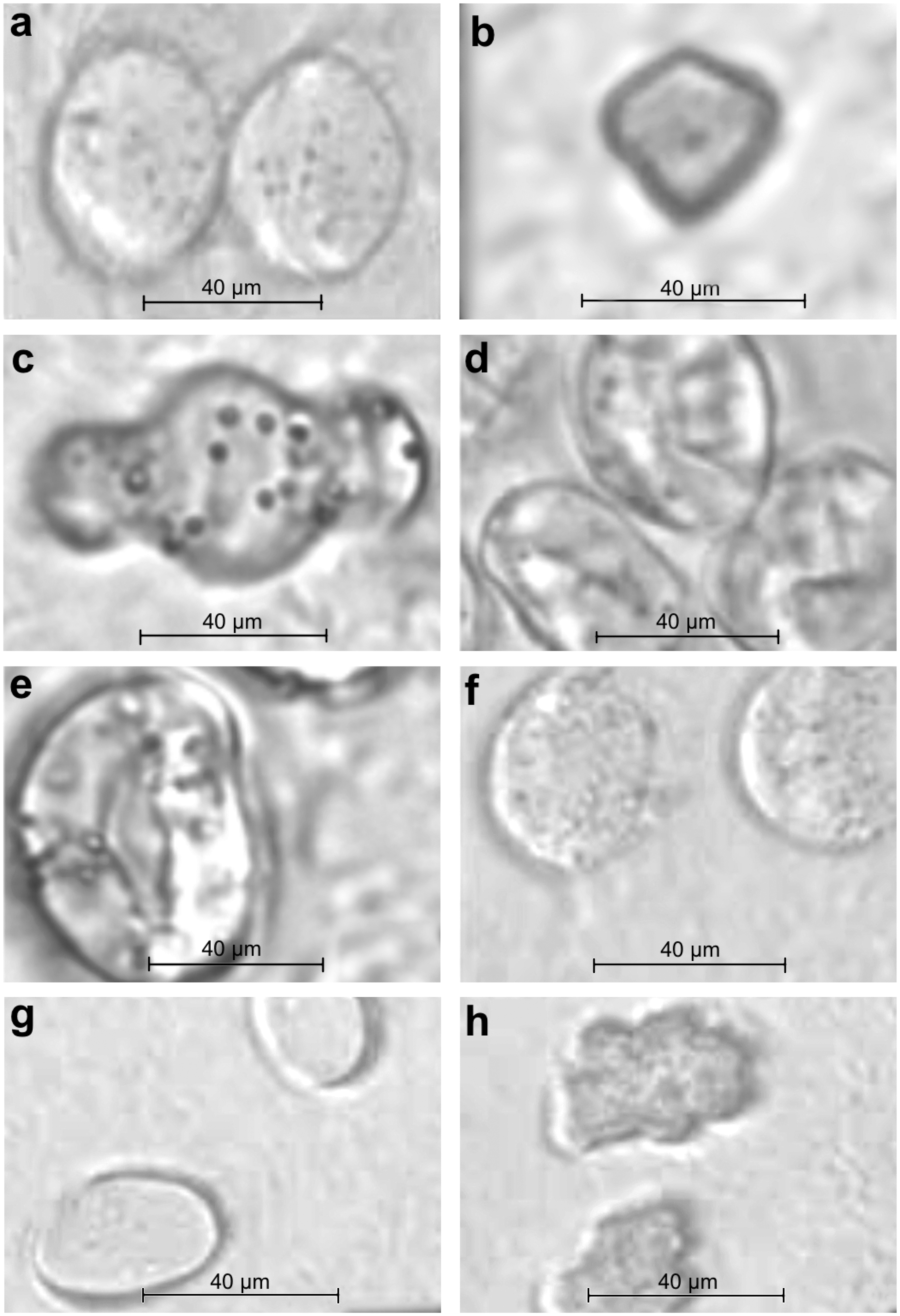
It is well known that the type of fiber, yarn properties, fabric structure, finishing treatments and clothing conditions are the main factors affecting thermo-physiological comfort. 18 As reported in Table 1, the characteristics of the knitted fabrics used in this study are very similar in terms of yarn linear density (2.4 dtex), courses/cm (15 ± 1), wales/cm (22 ± 2), mass (173 ± 16), thickness (0.8 ± 0.1) and loop length (2.7 ± 0.1), showing differences of a maximum 10% of amplitude. Although the loop length of each fabric could, at maximum, vary by less than 1%, the other measurements could vary over a range of 25% (off-machine, full wet, dry static, stretched). In our case the internal repetitions (three for each sample) are not so dramatic because the fabrics were handled carefully to minimize errors through distortion or premature relaxation, and are similar to the 10% difference between the different samples. Thus, the differences observed during the characterization of the studied knitted fabrics were mainly due to the morphologies and imbibed materials of the yarns and not to the fabric structure.
Thermal properties
Figure 2 shows the measured thermal conductivities. Thermal conductivity is an intensive property of a material that represents the heat transfer process through a fabric. Thermal conductivity (λ) can be expressed by the following equation: λ = Qh / AΔTt, where λ is the thermal conductivity (W/mK); Q is the amount of heat (J); A is the area through which heat is conducted (m2); t is the time of conduction (s); ΔT is the drop of temperature; and h is the fabric thickness (m). It is the flux of heat (energy per unit area per unit time) divided by the temperature gradient. It is defined as the measure of conducted heat passing through the unit thickness under 1℃ heat difference. According to the test results, the analyzed polyester fabrics in this study have similar thermal conductivity, with the exception of the Holofiber® yarn, which shows the highest value among polyester yarns, probably due to the higher areal mass of this fabric. There exists a direct correlation between thermal conductivity and fabric areal mass: when the fabric area mass increases, the thermal conductivity also rises because of the lower number of air gaps.
19
Therefore, as the amount of entrapped air in the structures decreases, the fabric provides lower thermal insulation with higher thermal conductivity values. However, it is not clear to what extent the imbibed material in the Holofiber® yarns contributes to the rise in the areal mass and thermal conductivity.
Thermal conductivity values of the knitted fabrics.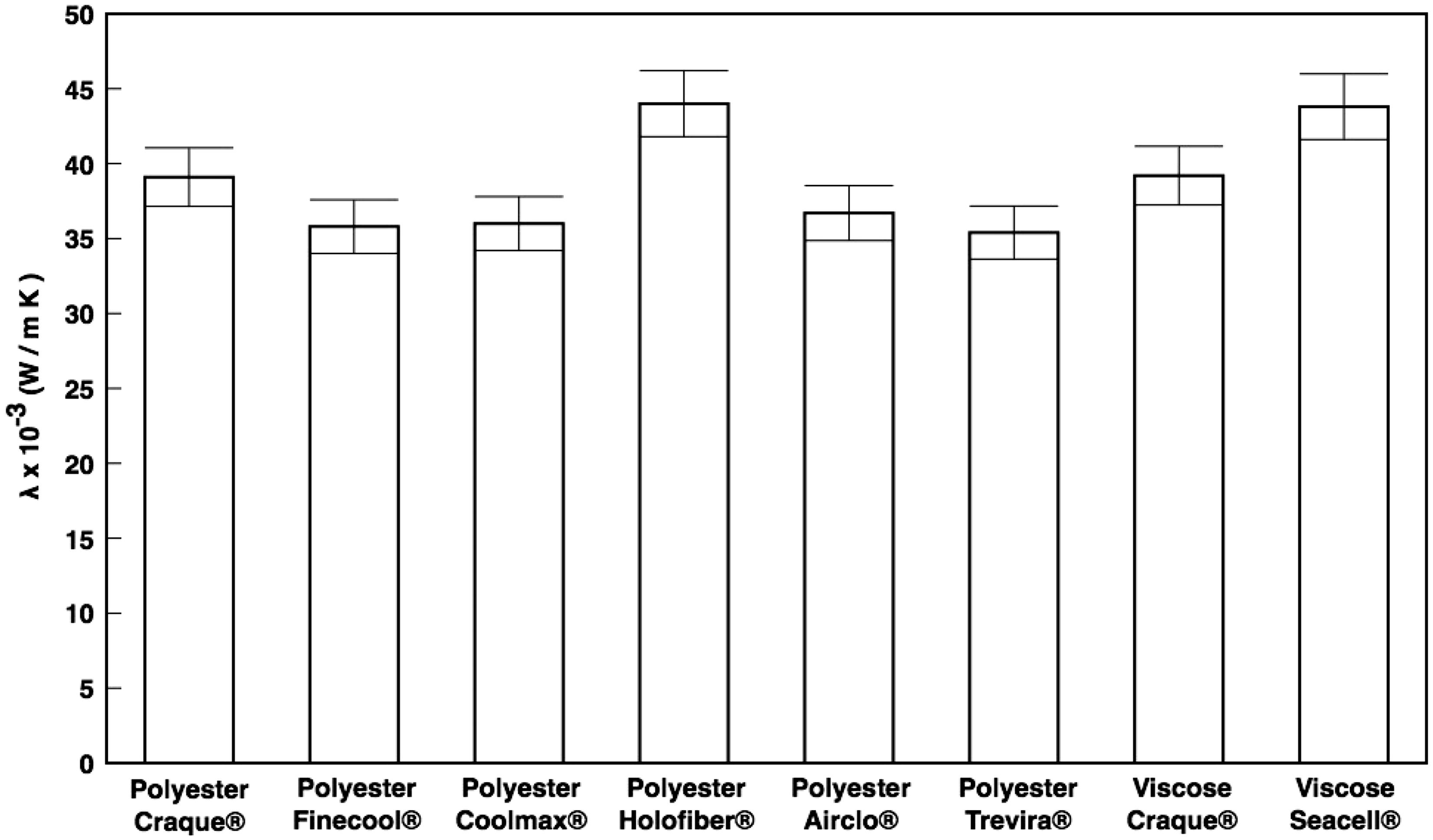
The thermal conductivity of the Seacell® viscose sample is quite high, as expected for regenerated cellulose-based fibers. 20 However, the viscose control sample showed a lower thermal conductivity than that of the Seacell® sample. It seems that the air entrapped in the irregular channeled structure of conventional viscose yarn caused low thermal conductivity.
Thermal resistance expresses the thermal insulation of fabrics and is inversely proportional to thermal conductivity. Thus, the thermal resistance of a fabric represents a quantitative evaluation of how good the fabric is at providing a thermal barrier. In a dry fabric or one containing very small amounts of water, it depends essentially on fabric thickness and, to a lesser extent, on fabric construction and fiber conductivity. In Figure 3 the studied fibers showed a great variety of thermal resistances; however, the fabric thicknesses are very similar (0.8 ± 0.1 mm). This could be explained by the higher value of the thermal conductivity property of the material and fabric conformations.
21
The knitted fabrics made with Airclo® and Finecool® yarns display the highest values of thermal resistance because of the higher amount of air in the fabric structure, which slows the heat transfer process. The air in the hollow Airclo® fibers and the inter-fiber spaces of the small Finecool® yarns acts as an insulator in the fabric.
22
Thermal resistance values of the knitted fabrics.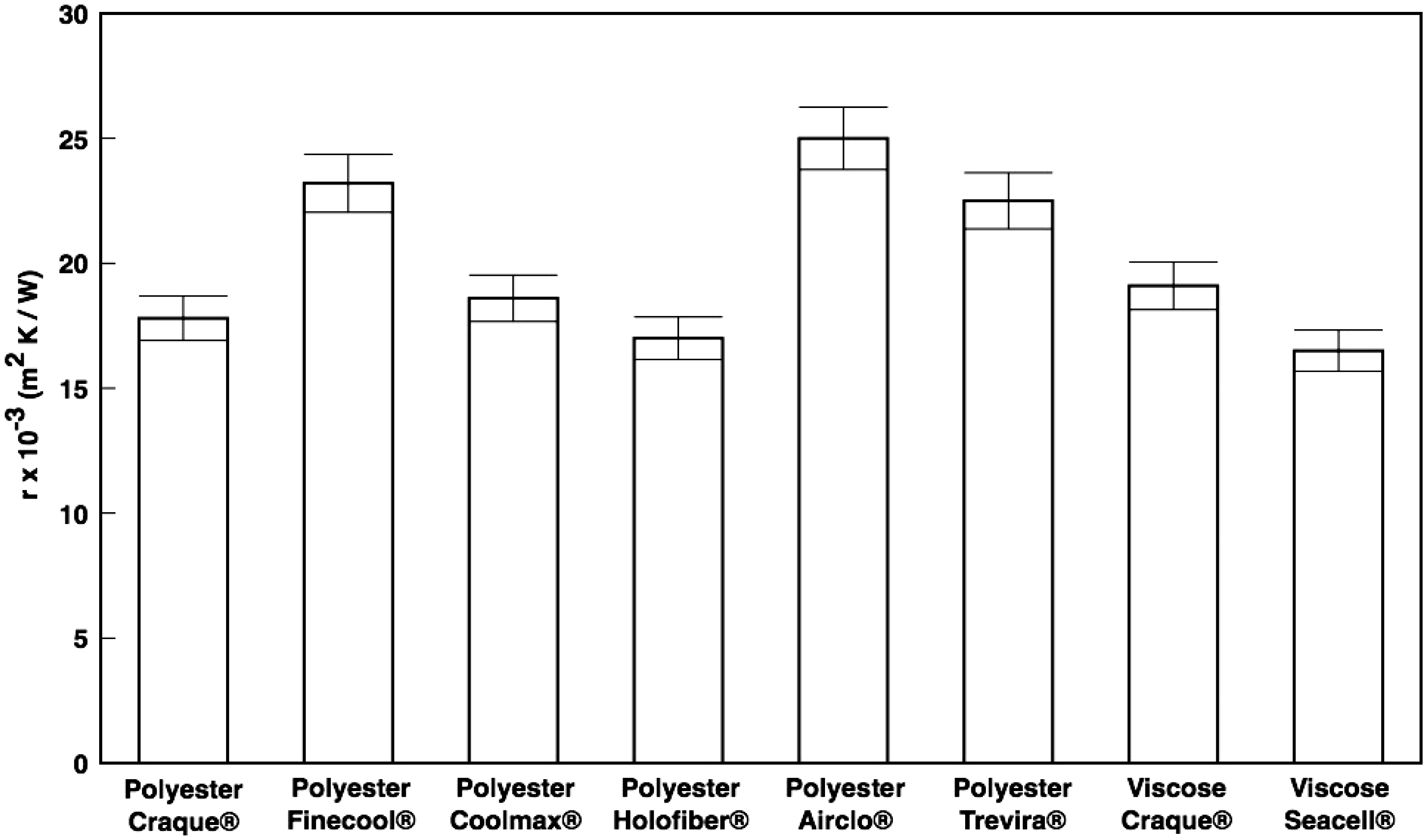
Thermal diffusivity is the ability related to the heat flow through the fabric structure. Thermal diffusivity is defined by the following equation: a = λ/ρc, where a is the thermal diffusivity (m2/s); λ is the thermal conductivity (W/mK); ρ is the fabric density (Kg/m3); and c is the specific heat capacity (JKg–1K–1). Thermal diffusivity plays an important role in the transient-state heat transfer describing how fast heat propagates through a fabric. Material with high thermal diffusivity will respond quickly to changes, reaching a new equilibrium condition faster. All the studied polyester fabrics display higher thermal diffusion than the viscose fabrics (Figure 4). Airclo® and Finecool® yarns show the highest thermal diffusivity. In fibers with high thermal diffusivity, heat moves rapidly through the material, and does not require much energy from its surroundings to reach thermal equilibrium.
23
Conversely, viscose Seacell® displays the lowest thermal diffusivity mainly due to the higher density of its structure.
24
Thermal diffusivity values of the knitted fabrics.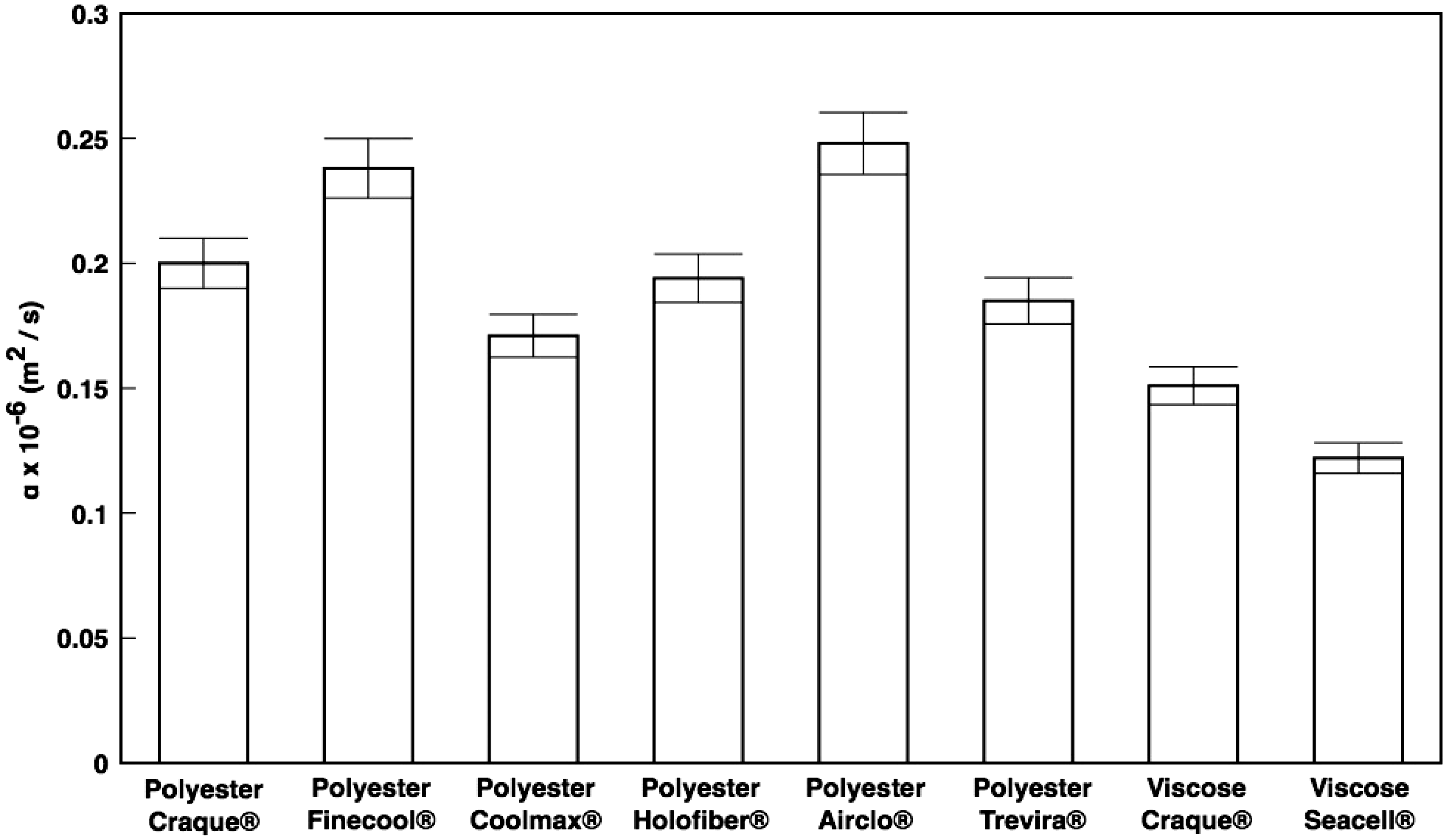
Theoretically, substances with higher thermal diffusivity would record the least radiation absorptivity at any particular time. Thermal absorptivity is the objective measurement of the warm–cool feeling of fabrics and is a surface-related characteristic. Thermal absorptivity of a material is the thermal property associated with insulation of a material. Thermal absorptivity is related to fabric conductivity, density and specific heat capacity, as is clear from the following equation: Thermal absorptivity values of the knitted fabrics.
The mechanisms of heat transfer through textile fabrics may involve conduction through air and fibers, radiation and convection within the fabric. It is stated that the mechanisms of heat transfer through textile fabrics depend mainly on thermal conduction and radiation
26
; however, the portion of heat flow transferred by radiation does not exceed 20% of the total heat flow. Hence, the thermal conductivity is the dominant property to determine the heat transfer through fabrics and garments.
27
The higher the thermal conductivity, the greater is the heat flux. At this point, it can be concluded that viscose Seacell® has the highest thermal absorptivity and the highest heat flow (q) as well (Figure 6), indicating a relatively cooler feeling when it touches human skin for a few seconds, which may give a more pleasant feeling compared to polyester yarns.
28
In general terms, it can be stated that the viscose sample has the lowest thermal insulation properties, while polyester Airclo® has the highest thermal insulating properties.
Heat flow values of the knitted fabrics.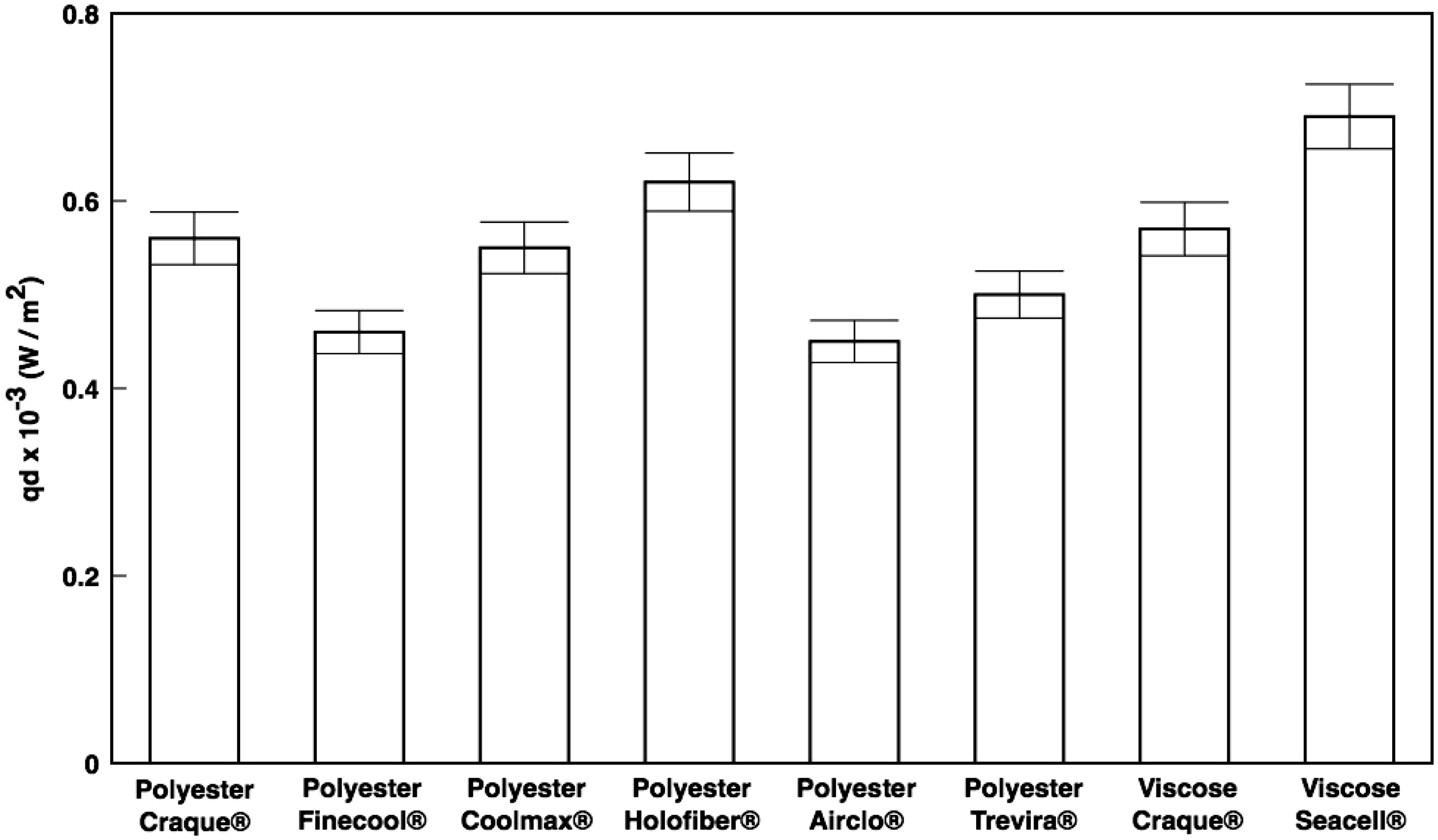
Air permeability
The air permeability of the fabrics is depicted in Figure 7. Air permeability is described as the rate of airflow passing perpendicularly through a known area, under a prescribed air pressure differential between the two surfaces of a material.
21
All textile fibers, irrespective of their chemical composition, are impermeable to air and therefore the passage of air through a fabric can only take place through space between the fibers and between the yarns.
29
Air permeability is mainly affected by the characteristics of the pores in the fabric. The main factors affecting the porosity of the fabrics are the yarn linear density, yarn diameter, course density and wale density.
22
However, in this work the fabric structures are very similar in thickness, loop length, course density and wale density. The fiber morphology and deformability seem the most important factors facilitating the passage of air through the fabric.
30
Fabrics made from looser or less dense yarns, such as Finecool® and Airclo® polyesters, show higher air permeability than dense and structural complicated polyesters, such as Coolmax® (oblong in cross-section with grooves running lengthwise along the threads) and Holofiber® (containing an optical responsive material).
31
Seacell® yarns reduce the air permeability of the knits examined compared with knits manufactured from pure viscose yarns, where the linear density is the same, as previously observed.
32
In general, the air permeability of knits seems to depend on the linear density and raw material composition. However, in this study, there exists a good relationship between area density and air permeability for all types of knits examined.
Air permeability values (l/m2/s) of the knitted fabrics.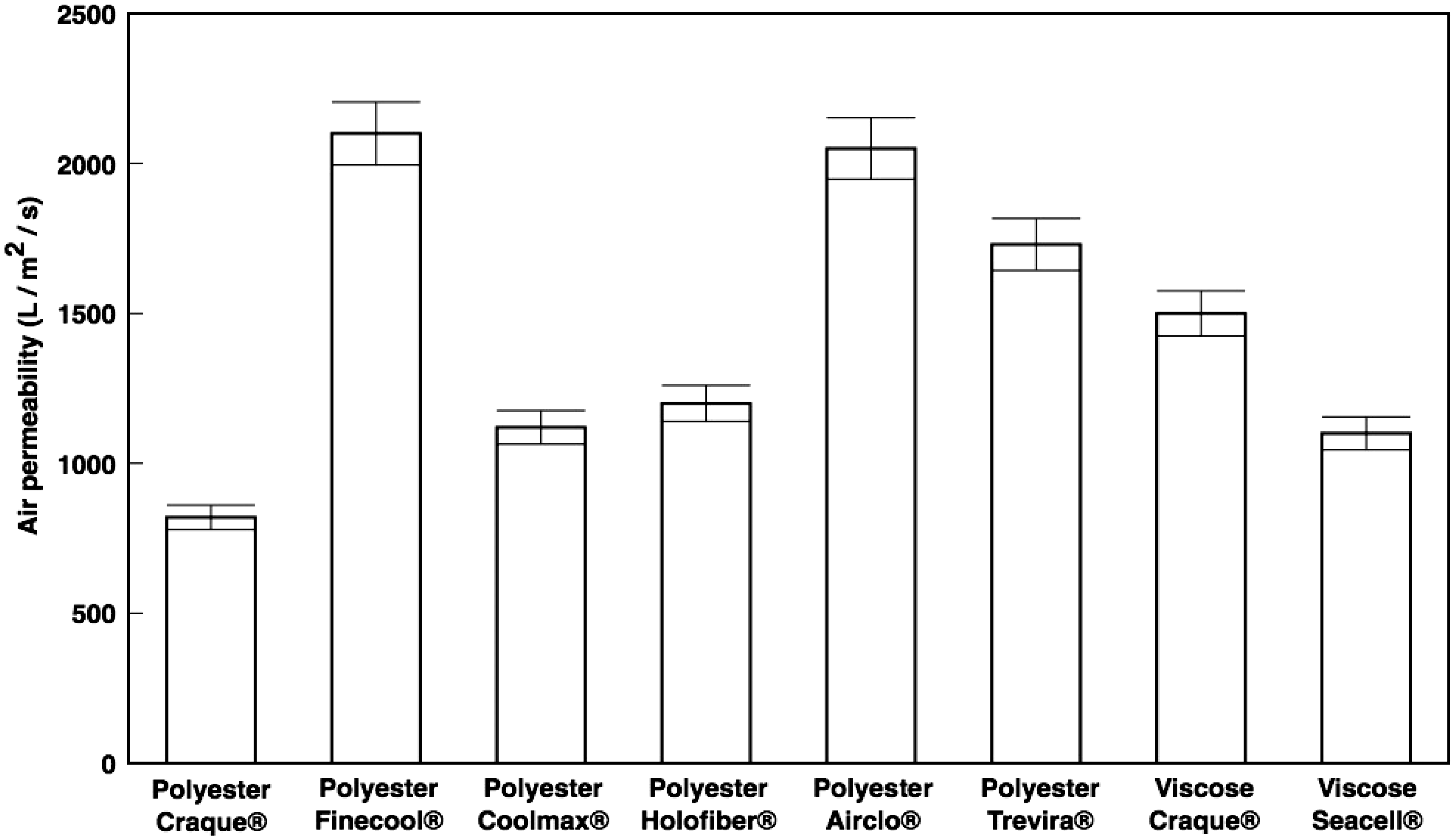
Water vapor permeability
Water vapor permeability is the ability to diffuse vapor from the body. The rate at which water vapor moves through a fabric plays an important role in determining comfort, as it influences human perception and the cool/warmth feeling. To have excellent comfort it is not how much water that is absorbed by the fiber that is important, but rather how much moisture vapor the fiber is able to transport.
33
In other words, after the body has stopped sweating, the textile fabric should release the vapor held to the atmosphere in order to reduce the humidity on the surface of the skin.
34
When vapor passes through a textile layer two processes are involved: diffusion and sorption–desorption. In the case of diffusion along the fiber, water vapor diffuses from the inner surface of the fabric to the fiber surface and then travels along the interior of the fiber and its surface, reaching the outer fabric surface. At a specific concentration gradient, the diffusion rate along the textile material depends on the porosity of the material and also on the water vapor diffusivity of the fiber. Diffusivity of the material increases with the increase in moisture regain. In the same way, moisture transport through the sorption–desorption process will increase with the hygroscopicity of the material.
35
Water vapor permeability depends on the structure of knits and is not in the same order as air permeability. Previous studies have demonstrated that there is no correlation between fabric air permeability and its water vapor permeability.36,37 On the other hand, it was found that the fabric weight was significantly correlated with its water vapor resistance.
38
Water vapor permeability is highly dependent on the macroporous structure of fabric, especially in low-density open textile structures. When comparing fabrics made of the same yarn, the water vapor transmission rate is primarily a function of fabric density. Moreover, fiber-related factors, such as cross-sectional shape and moisture absorbing properties, do not play a significant role. Thus, the higher water vapor permeability of Finecool® fabrics can be attributed to the lower values of areal mass.
39
Fabric produced with conventional polyester has the smallest water vapor permeability values, while Trevira® polyester fabrics have the highest water vapor permeability due to the silver nanoparticle functionalization that changes the fiber morphology, giving a hygroscopic behavior to Trevira® polyester fibers. As illustrated in Figure 8, Coolmax®, Holofiber® and Airclo® fabric structures with higher densities and peculiar cross-sectional shapes showed lower indexes of water vapor transmission rates than Trevira® and Finecool® yarns. However, their values are not as low as for conventional polyester.
21
Also, viscose yarns display high values of water vapor transmission rates. Viscose fibers are hygroscopic and the water vapor transportation of these fabrics is mainly ruled by the raw material characteristics. The hygroscopic character of viscose decreases the resistance to vapor flow through the fiber surface and the water vapor transportation seems mainly due to the size and number of pores of the fabric structure.
Water vapor permeability values (%) of the knitted fabrics.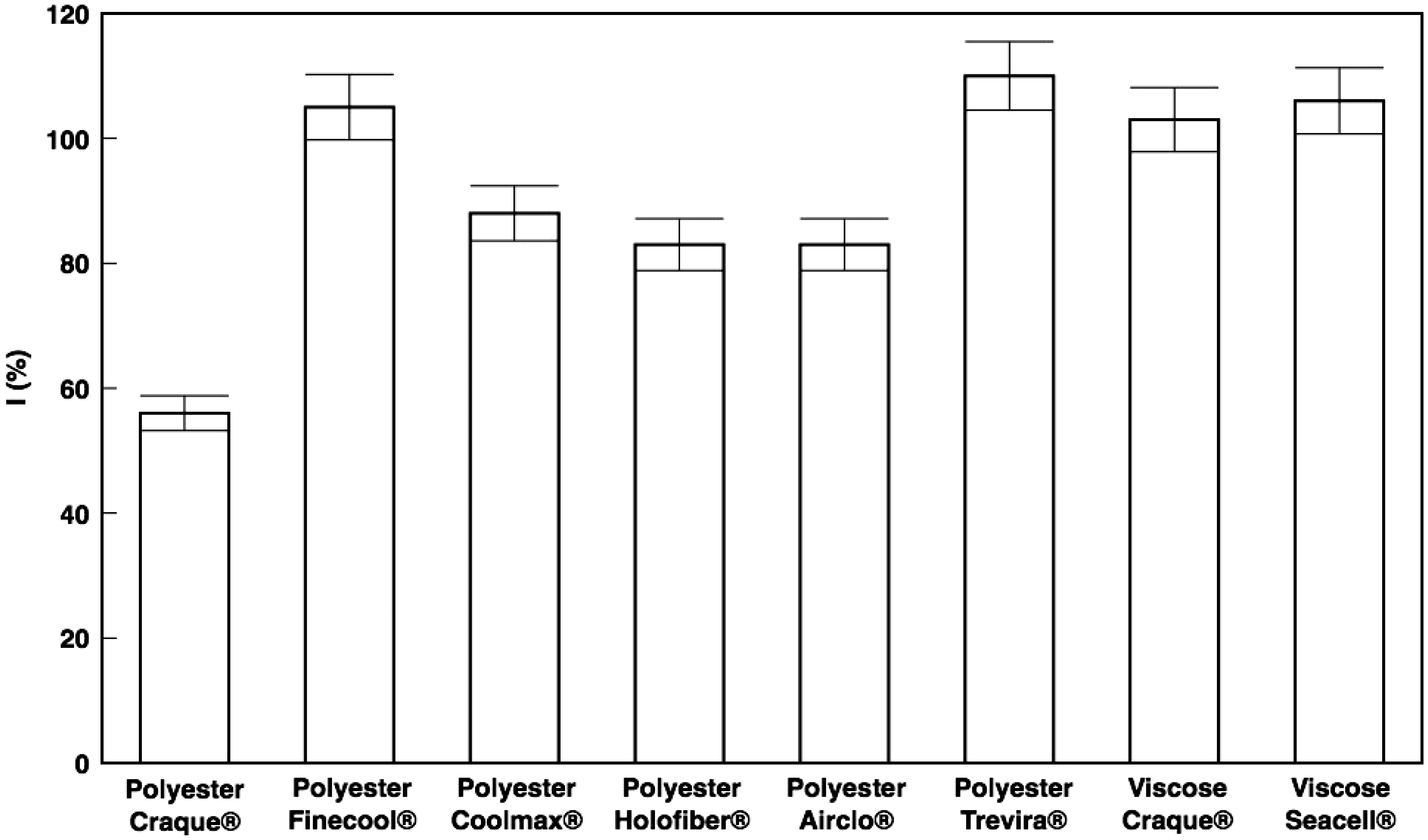
Surface friction
Mechanical properties, such as the roughness of the fabric surface, are responsible for non-specific skin reactions, such as wool intolerance or keratosis follicularis.
40
The surface of a textile fabric is not uniformly flat and smooth and knitted fabrics are rarely balanced in terms of the appearance of course-wise and wale-wise directions on their surface. Even though the coefficient of kinetic friction alone may be insufficient for surface characterization, generally a smooth fabric is one that possesses a low coefficient of kinetic friction.
41
An increase in linear yarn density and diameter could increase frictional resistance and surface roughness.
42
It is observed from all knitted fabric samples shown in Figure 9 that Finecool® polyamide fabric has the highest coefficient of kinetic friction and the Holofiber® polyamide fabric has the lowest. Finecool® fiber display a rhomboid cross-section that influences negatively the smoothness of the fabric since, generally, materials with a circular fiber cross-section have a higher degree of softness. Comparison between antimicrobial fabrics and conventional fabrics shows no significant differences. Silver nanoparticles in their polymeric matrix, which might be randomly distributed all over the fibers, seem to have no effect on the surface frictional properties.
Coefficient of kinetic friction of the knitted fabrics.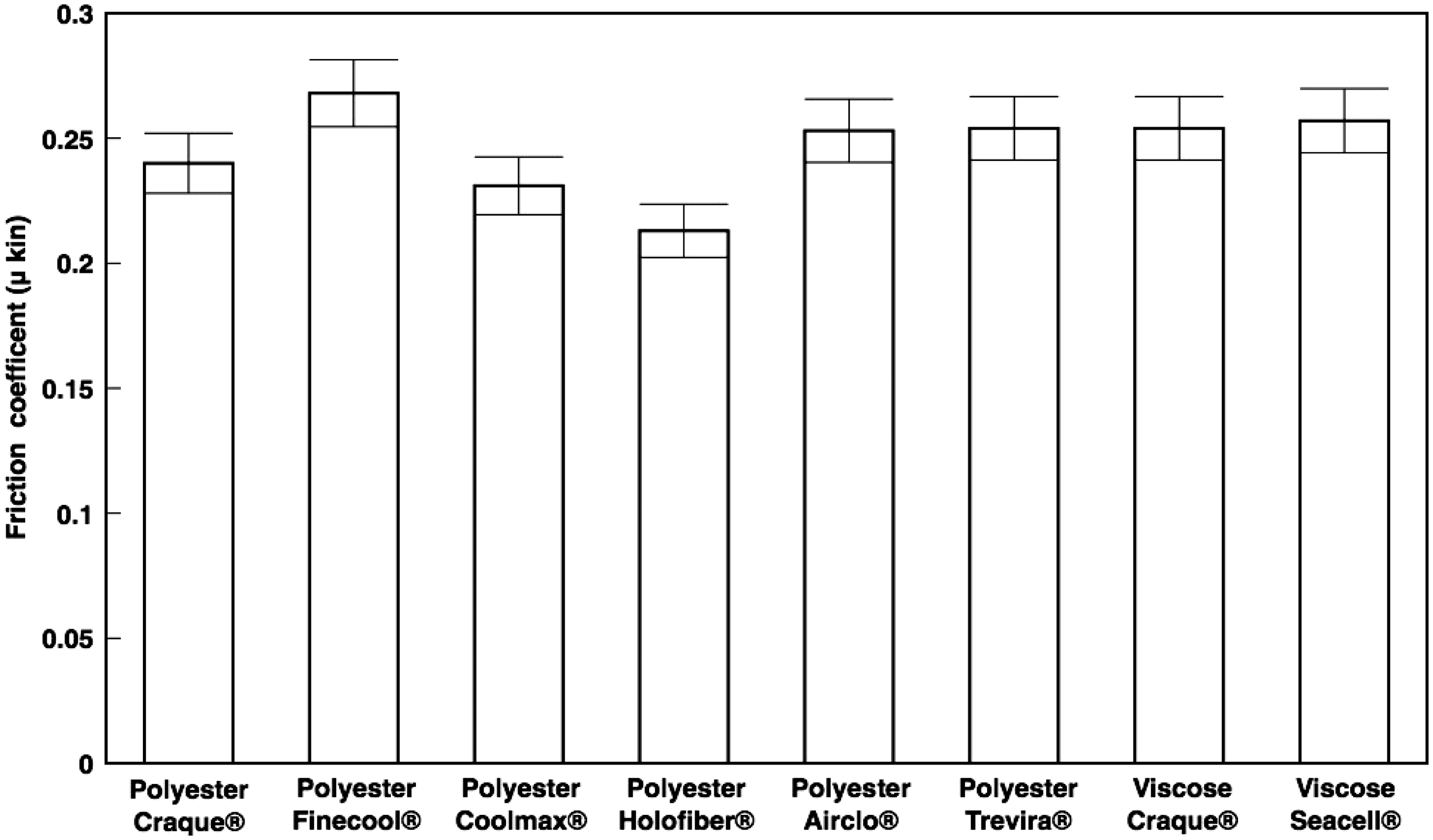
Wicking tests
Liquid moisture transportation through textiles is due to a wetting process followed by wicking. Wetting is the initial process of fluid spreading where the fiber–liquid interface replaces the fiber–air interface. Wicking is due to fiber–liquid molecular attraction at the surface of the fiber materials, which is determined by the surface tension and the effective capillary pathways and pore distribution. 43 Wicking properties of textile fabrics are also influenced by the surface roughness, the heterogeneity, the diffusion of liquid into the fiber and by the capillary action of the fiber assemblies. A number of factors, especially fabric structure (yarn count, fabric density, weave design, porosity, fiber content, etc.) also affect wicking height. 44
On one hand, materials based on natural fibers, such as viscose, are hygroscopic and, therefore, characterized by high absorption levels. However, wetting causes the fabric to swell, changing the capillary space position, and the moisture absorbed is bound in strongly and only released slowly, increasing the weight of the garment as well as affecting the wicking ability. On the other hand, for most synthetic fabrics, wicking, however, will not take place due to their high contact angles. Since synthetic fibers, such as polyester, are not hygroscopic they only absorb a comparatively small amount of moisture.
45
For these reasons only polyester yarns were studied for their wicking abilities in this study. Moreover, also the Trevira® polyester yarn was not studied since its primary purpose is due to its antimicrobial properties and not the thermal properties and moisture management. Knitted fabrics made by using microfiber polyester show excellent moisture-related comfort properties, since the small size of the capillary increases the capillary pressure, which drives the water transfer into the capillaries and results in higher wicking.
22
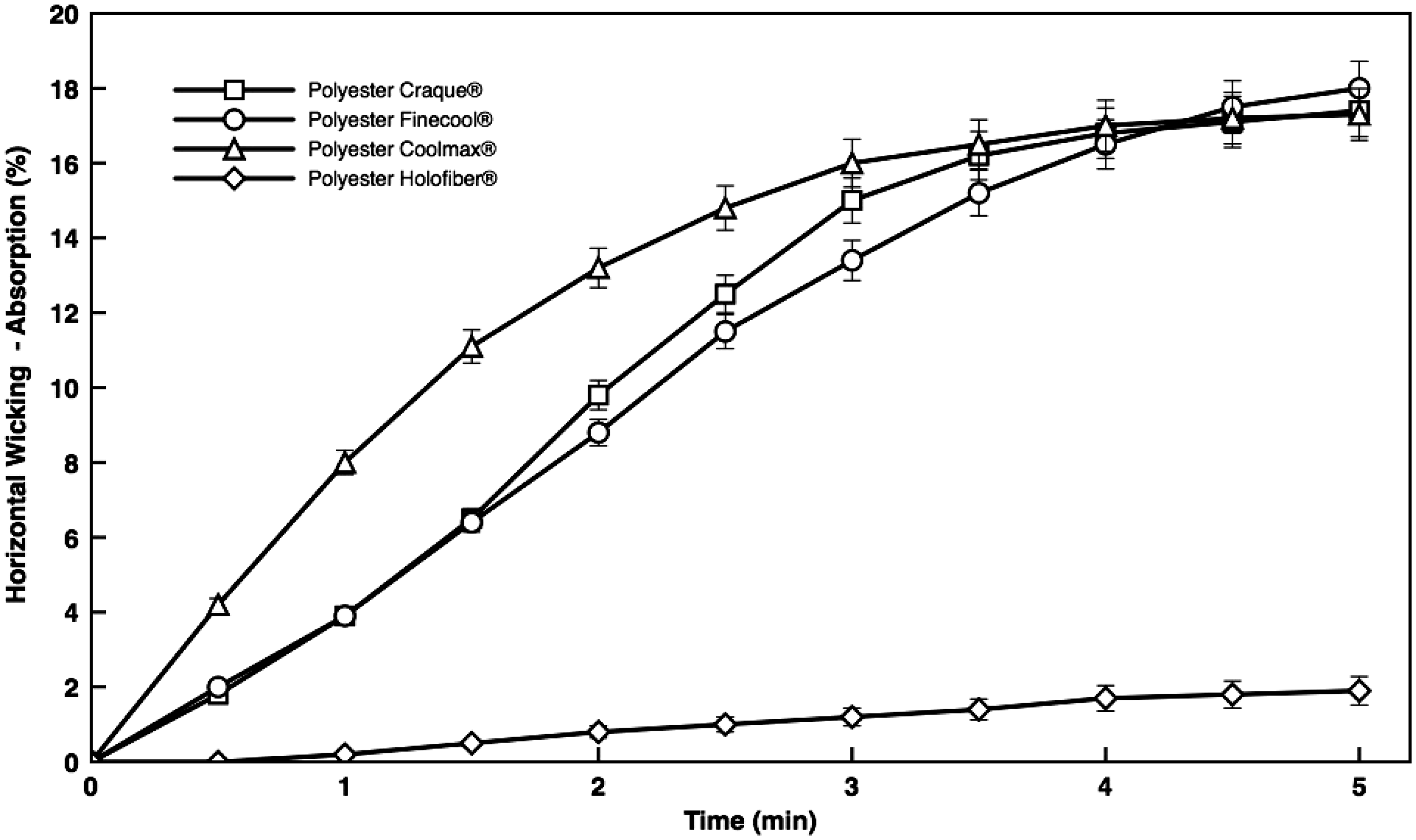
In general, the faster a fabric can wick moisture, the more surface area the moisture covers, in turn allowing the evaporation of the moisture to occur faster, leaving the wearer dry and comfortable. In order to have a term of comparison, the minimum quality values of the AATCC 197 vertical wicking test method and the AATCC 198 horizontal wicking test method for knit fabrics were used to compare the relative performance in moisture management. In AATCC 197, for effective vertical wicking water should travel at least 10 cm (4 inches) in 10 minutes. In AATCC 198, for effective horizontal wicking at least 0.035 g/s (2.1 g/min) of water should be absorbed in a knit fabric. From Figure 10, it can be seen that, after 10 min, in both course- and wale-wise directions, only the vertical wicking height of Coolmax® fabric reaches the AATCC requirement of 10 cm. The wicking height of Holofiber® fabric is the lowest due to the optical responsive material present in the Holofiber® that affects negatively the capillarity of the polyester fibers. Moreover, Figure 11 indicates that the horizontal wicking ability of Coolmax® fabric has the highest water absorption in the first minute (Coolmax absorb twice as much water as Finecool) but after 5 min displays the same value of the other polyester fabrics, with the exception of the Holofiber® fabric that also, in this case, displays a very low wicking ability. This behavior can be attributed to the Coolmax® fabric’s contact angle and to its irregular cross-sectional shaped yarns forming more capillaries than the others yarns. Yarns with a higher shape factor have a better wicking rate due to their higher specific surface area. As soon as the fabric comes into contact with water, wicking and water absorbency cannot be separated and are simultaneous.
46
It is clear that the wicking ability of the knitted fabrics is more influenced by the geometry of the fiber than the dimensional properties.
Vertical wicking values in the wale-wise and course-wise directions of the polyester knitted fabrics. Horizontal wicking values of the polyester knitted fabrics.
Drying capability
The evaporation curves presented in Figure 12 demonstrate that at 20℃ in the first 15 min all the fabrics display the same behavior. After 30 min the drying rates of Coolmax® fabrics are higher than that of the other polyester yarns. Holofiber® shows the highest remaining water ratio. The first part of the curve corresponds to moisture release from the void spaces between yarns and the second part corresponds, as in the case of Coolmax® fabrics, to the release of moisture retained in the inter-fiber capillaries.
21
In polyester, water is not absorbed too much inside the yarns, because of the hydrophobic nature of the material. Polyester fabric becomes dry sooner than other fabrics, but the level of heat loss during the evaporation is higher due to the presence of a continuous water film with higher thermal conductivity.
47
Wicking ability and moisture regain play an important role in the drying capability of the fabric. Due to the high number of hydroxyl groups available for bonding with water in viscose, its moisture regain is much higher than any other knit back yarn and was not considered in this work to assess the drying ability.
46
In the first 5 min at 37℃, Holofiber® performs as well as Coolmax® and Finecool®, or even better, but it maintains a greater amount of liquid on the fiber, reporting 25% of water after 30 min, while the other fibers reach zero water content after 20 min of exposure. The lower performance of Coolmax® at 37℃ in the first minutes could be explained by the higher kinetic release of moisture induced by the higher temperature. Different to the 20℃ tests, the moisture release from the void space between yarn is very fast, exacerbating the effect of the evaporation of the moisture retained in the inter-fiber capillaries. As previously observed for the wicking properties, also in this case the optical responsive material present in the Holofiber® affects negatively the drying ability of the fabric at 37℃. For all samples, the performance of release of moisture is considerably better at internal body temperature than at room temperature.
Remaining water ratio values at 20℃ and 37℃ of the polyester knitted fabrics.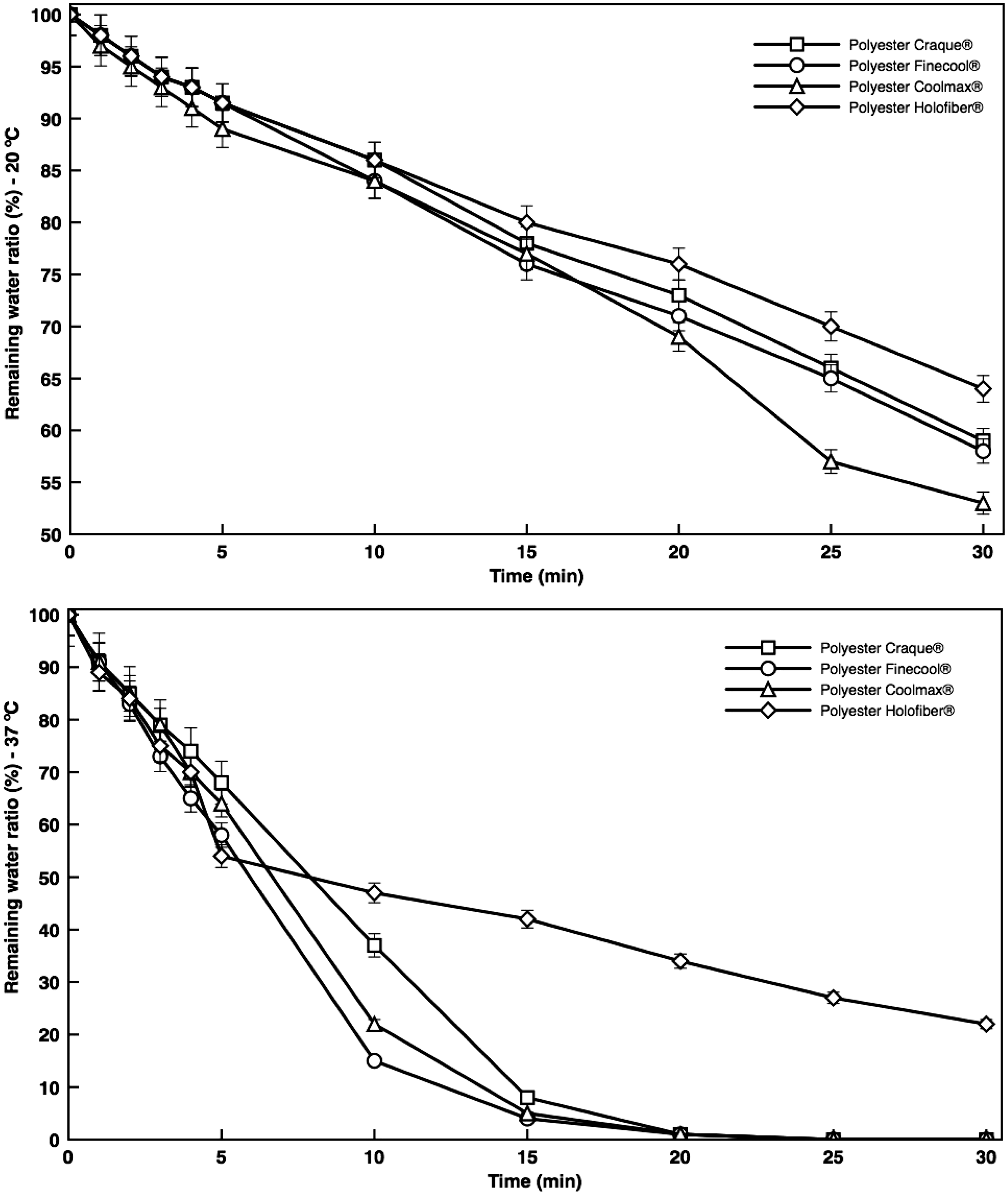
Antimicrobial assay
Along with climate and physical activity, textiles have an effect on sweating and the development of odors. The development of body odor itself cannot be avoided, even with optimally designed clothing. Therefore, the use of antimicrobial textiles with the aim of reducing odor by decreasing the number of germs on the skin is an effective approach. 48
Percentage of bacterial and fungal inhibition on antimicrobial fabrics after applying different numbers of washings. Data represent mean values ± SD (n = 3).

Conclusions
Since the characteristics of the knitted fabrics used in this study are very similar in terms of yarn linear density, course density and wale density, thickness and loop length, the differences observed during the characterization study were mainly attributed to the fabric areal mass, fiber morphology and imbibed materials and not to the fabric structure. All the polyester fabrics in this study have similar thermal conductivity, with the exception of the Holofiber® yarn, probably due to the higher areal mass of this fabric. The knitted fabrics made with Airclo® and Finecool® yarns display the highest values of thermal resistance and diffusivity and the lowest thermal absorptivity and heat flow because of the higher amount of air in the fabric structure, which slows the heat transfer process. Conversely, viscose Seacell® displays the lowest thermal resistance and diffusivity and the highest thermal absorptivity and heat flow, mainly due to the presence of seaweed and silver in the fiber structure and to the higher density of its structure providing the coolest feeling at the beginning of skin contact. The air permeability of the fabrics seems to depend on the fiber morphology and on the areal mass facilitating the passage of air through the fabric. On one hand, fabrics made from looser and finer yarns, such as Finecool® polyester, show higher air permeability than dense polyesters, such as the control, Coolmax® and Holofiber®. On the other hand, the higher water vapor permeability of Finecool® and Trevira® fabrics can be attributed to the lower values of areal mass and with the presence of silver nanoparticles, respectively. Coolmax®, Holofiber® and Airclo® fabric structures with higher densities and peculiar cross-sectional shapes showed low indexes of water vapor transmission rate; however, the vales were not as low as for conventional polyester. In terms of friction Finecool® fiber, due to its rhomboid cross-section, has the highest coefficient of kinetic friction and the Holofiber® fabric the lowest one. In both the horizontal and vertical wicking ability, the Coolmax® fabric has higher values than those of the others, and the wicking height of the Holofiber® fabric is the lowest. Moreover, although Finecool® was designed for optimized moisture management, it showed a dramatically lower performance compared to Coolmax® in both vertical and horizontal wicking tests.
A similar trend was observed for the drying capability of the fabrics, where Holofiber® shows the highest remaining water ratio. In terms of antimicrobial activity, all the micro-organisms after 15 washing cycles display an average loss of 10% in their antimicrobial activity, with Seacell® fabrics having higher values than Trevira®. Technical textiles for sportswear is a very challenging field in which the required functionality can be designed by a suitable choice of raw material and the structure and geometry of fibers, yarns and fabrics. According to the results, it can be stated that, in terms of moisture management only, Coolmax® yarns achieve acceptable performance as sportswear fabric in accordance with the minimum quality values of the AATCC 197 and 198 test methods for knit fabrics. Airclo® and Seacell® display the best performances in terms of thermal control and antimicrobial properties, respectively.
Footnotes
Author contributions
The manuscript was written through contributions of all authors. All authors have given approval to the final version of the manuscript.
Declaration of conflicting interests
The authors declared no potential conflicts of interest with respect to the research, authorship and/or publication of this article.
Funding
The authors disclosed receipt of the following financial support for the research, authorship, and/or publication of this article: Jefferson M Souza acknowledges CAPES Foundation, Ministry of Education of Brazil (Proc. n° 8976/13-9). Andrea Zille acknowledges FCT funding from Programa Compromisso para a Ciêcia 2008, Portugal, FEDER funding from the Programa Operacional Factores de Competitividade-COMPETE and national funds through FCT – Foundation for Science and Technology within the scope of the projects POCI-01-0145-FEDER-007136 and UID/CTM/00264.