



Abstract
Alkaline hydrolysis is a common finishing method that is used to give polyester (polyethylene terephthalate, PET) a more natural touch and improved luster via chemical or physical changes in the fibers. However, its potential as a tool for surface modification in the development of single-sided superhydrophobic materials has not been studied yet. In this research, Janus superhydrophobic PET fabrics with asymmetric wetting properties (one side of the PET surface was rendered superhydrophobic while the other side was simply hydrophobic) were fabricated in two steps. Fine roughness was first achieved on the surface of PET fabrics by alkaline hydrolysis. Subsequently, optimized foam-coating emulsions were applied on only one surface of the alkaline-hydrolyzed PET. Alkaline treatment time, solution temperature, and viscosity of the foam-coating emulsions were varied to find optimal conditions in terms of structural changes, mechanical properties, superhydrophobicity, and absorption ability. The specimen treated with an aqueous solution of 8% sodium hydroxide at 70℃ for 60 min and coated with the mixture of the fluoro-emulsion and thickener in the volume ratio of 40:2 was determined to be the optimal conditions for the Janus superhydrophobic property. This sample showed a contact angle of 162.8° and a shedding angle of 5.6° on one side, whereas it completely permitted the percolation of water drops on the other side within 109 s. The mechanical properties of the developed Janus PET under the optimal conditions did not decrease significantly; its weight and tensile strength were found to have decreased by 3.3% and 19.2%, respectively. Furthermore, the single-sided superhydrophobic specimen demonstrated higher moisture transmissibility than the double-sided coated PET under the same alkaline treatment conditions. The method developed herein eliminates the requirement for an additional process to deliver nanoscale surface roughness and has the potential to produce waterproof–breathable PET fabrics for outdoor clothing.
Keywords
Superhydrophobic surfaces have attracted significant attention from scientists and engineers because of their potential applications as water repellents and for self-cleaning,1–3 anti-oxidation of metals, anti-icing, oil–water separation, 4 and fluid flow control in microfluidic devices. 5 A superhydrophobic surface is defined as one that has a contact angle (CA) that exceeds 150° and a shedding angle (SHA) below 10°.6,7 Owing to their extremely small contact area and low surface energy, such surfaces do not wet easily in air and debris such as dust can be removed easily because it sticks to the rolling water droplets. This wetting behavior is called the self-cleaning effect or “the Lotus effect”.8,9 As with Lotus leaves, such features can be achieved by combining proper surface roughness and low surface energy. 10 Various methods have been reported for engineering such superhydrophobic surfaces, which involve optimizing the surface roughness and lowering the surface energy.11–14 Several methods are employed nowadays in order to introduce nanoscale surface roughness. These include the sol–gel method (using nanoparticles such as SiO2, TiO2), 15 a simple coating process in which carbon nanotubes are attached to the surface by dispersion, 16 the layer-by-layer self-assembly method, and plasma etching. 17 In order to lower the surface energy of the fabrics, low-surface-tension chemicals are fabricated using dip coating, 18 chemical vapor deposition (CVD), 19 spin-coating, 20 and spray-coating processes. 21 While a fabric surface structure may be modified by attachment of the nanoparticles onto the fabric surface, this method has shown a problem of low abrasion resistance. Grumezescu 22 explained the importance of the affinity between a surface and nanoparticles, which is greatly influenced by the charge distribution of nanoparticles. Also, the low affinity problems between the fabric surfaces and nanoparticles may pose a potential health risk. Although plasma technology has recently been employed with high priority in order to circumvent this issue, it has limitations in terms of mass production and washing durability. 22
Alkaline hydrolysis is one of the classical finishing methods for polyester (polyethylene terephthalate, PET) fabrics to enhance their wettability, dyeability, silk-like texture, and luster. 23 In alkaline hydrolysis, the hydroxyl ions from aqueous sodium hydroxide attack the electron-deficient carbonyl carbons of polyester to form intermediate anions. 23 This is followed by chain scission and the production of hydroxyl and carboxylate end groups. 24 Thus, the reaction of polyester with an alkali causes physical and chemical changes in its fibers and results in the formation of nano-sized craters with extra functional groups. Zeronian and Collins 23 explained that this alkaline hydrolysis process is a topochemical process, that is, the alkali reaction is confined solely to the fiber surface. Thus, alkaline hydrolysis of polyester fibers can be used to engineer nanoscale roughness on a fiber surface to make superhydrophobic textiles on an industrial scale. Mazrouei-Sebdani and Khoddami 25 introduced the possibility of alkaline hydrolysis for superhydrophobic fabric manufacturing. They utilized this technique for the creation of micro- and nanostructures on the fiber surfaces and successfully developed durable superhydrophobic polyester fabrics. Several studies26,27 have subsequently described alkali treatment as an alternative to surface-etching and for replacing previous technologies using nanoparticles. However, these studies did not focus on the structural changes taking place on varying the conditions of alkali treatment and the potential of utilizing the alkali-treated surface to develop a single-sided superhydrophobic surface while still retaining the alkali-hydrolyzed surface.
In this study, Janus superhydrophobic PET fabric with asymmetric wetting properties, that is, one side of the PET surface has superhydrophobicity but the other side remains hydrophilic, was fabricated and has examined for wearing comfort properties, such as air permeability and vapor transmission. Draw textured yarn (DTY) polyester fabric, which has inherent micro-sized roughness, was fabricated in two steps: fine roughness was formed on the surface of PET fabrics by alkaline hydrolysis and the customized foam-coating emulsions were further applied on just one surface of the alkaline-hydrolyzed PET. In consideration of a minimal loss of tensile strength, PET fabric was treated with a low concentration of alkaline solutions. Alkaline-hydrolyzed and fluoropolymer single-coated PET fabrics were evaluated in terms of physical and chemical properties, surface hydrophobicity and hydrophilicity, permeability, and washing durability to understand their applicability as practical fabrics.
Experimental details
Materials
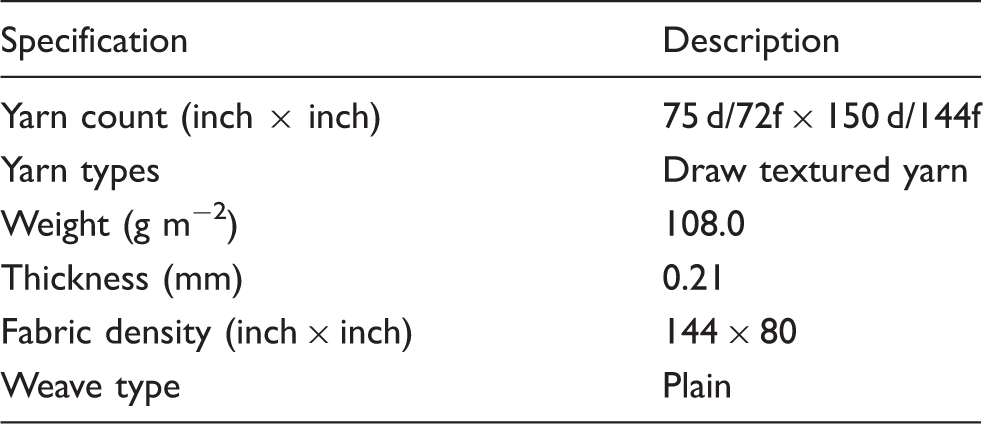
Characteristics of polyester fabrics
Single-sided superhydrophobization
Alkaline hydrolysis pre-treatment
The polyester fabrics having dimensions of 20 cm × 20 cm were scoured in a solution of 60% sodium dodecylbenzenesulfonate (5 g L−1) and sodium carbonate (5 g L−1) at 50–55℃ for 45 min. They were then rinsed with distilled water 10 times and air-dried. For alkaline hydrolysis pre-treatment, 8% aq. sodium hydroxide (NaOH) solution was prepared with a liquor-to-fabric volume ratio of 30:1. The aqueous solutions were then divided into three groups at different temperatures of 70℃, 80℃, and 90℃. The polyester fabrics were immersed in each alkali solution for treatment for the time durations of 15, 30, and 60 min. The alkali-treated polyester fabrics were rinsed with distilled water until pH 7 was obtained. They were then air-dried at room temperature.
Customized coating emulsions
Description of custom-made foam-coating emulsions by varying viscosity
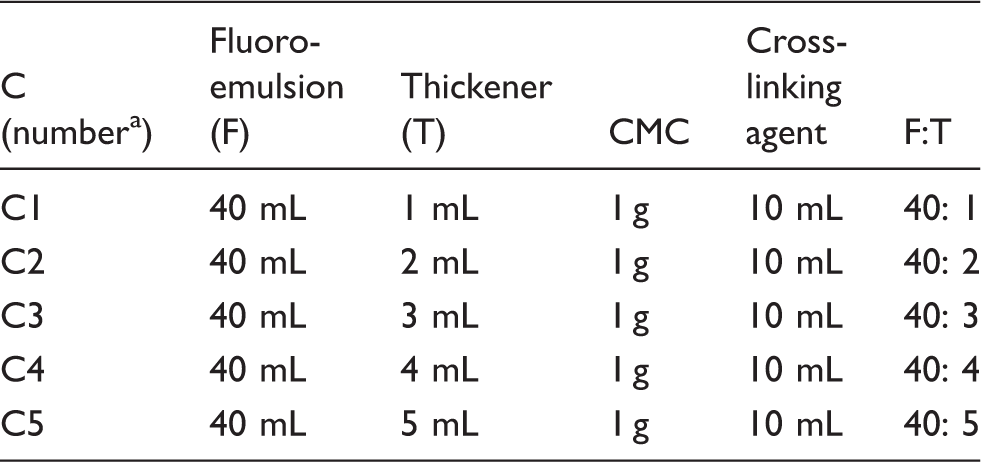
the volume ratios of the thickeners in the coating composites.
CMC: carboxymethyl cellulose.
Single-sided blade coating
The prepared foam composites were then transferred onto the alkaline pre-treated polyester fabrics and spread on their surfaces using a blade foam coater by scraping (model: DL-2015MC, Daelim Starlet, Korea). To accurately control the coating thickness, the gap between the blade and the specimens was adjusted in 0.1 mm steps under constant pressure using a dial indicator. Subsequently, the hydrophobized PET specimens were dried in an oven at 100℃ for 2 min and then cured for 1 min at 150℃.
Sample code and description of the experimental process
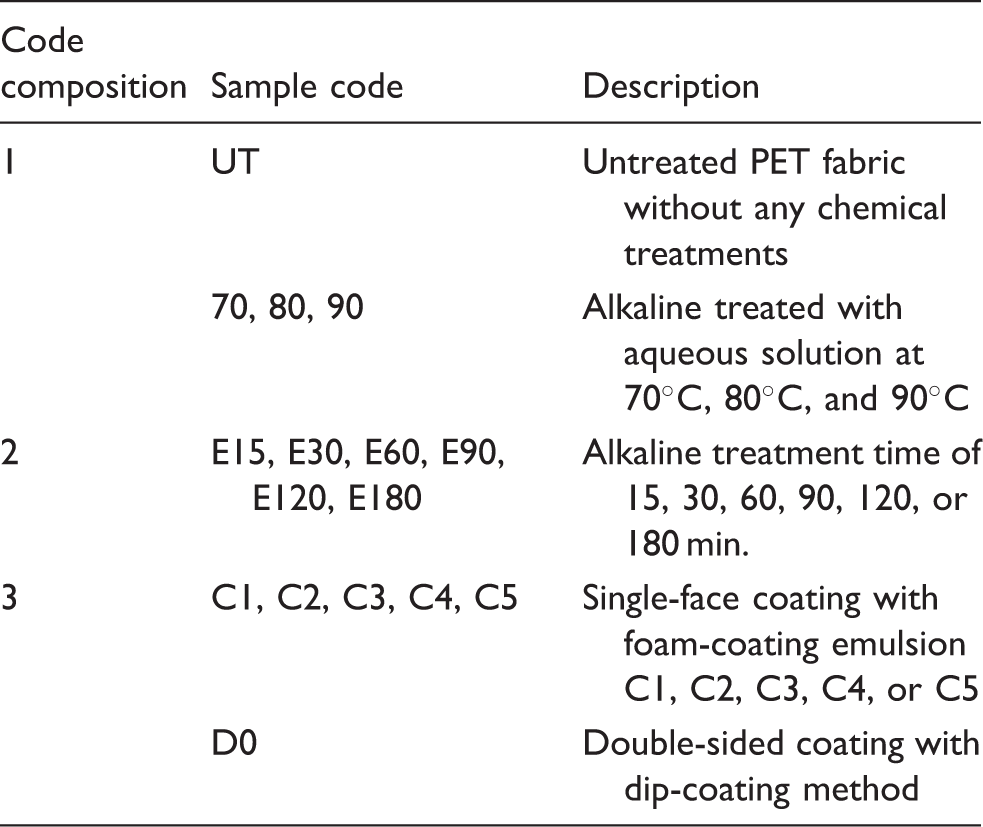
UT: untreated; PET: polyethylene terephthalate (polyester).

Schematic illustrations of the fabrication of single-sided superhydrophobicity. PET: polyethylene terephthalate (polyester).
When the PET fibers were treated with the alkaline solution, hydrolysis of the ester linkages occurred and either carboxylic (–COOH) or hydroxyl (–OH) groups were introduced on the surface. The fluoropolymer foam-coating emulsion reacted with the alkaline-hydrolyzed fabric by forming either covalent bonds or hydrogen bonds with the –OH groups on the PET surface. The cross-linking agent MEIKANATE NEO® (isocyanate functional group) contained in the foam-coating emulsions is known to cross-link with fluoropolymers and –OH groups and form even more stable fluoropolymer coatings. 26
Characterization
Physical and chemical properties
The surface morphology changes of the fabrics were investigated by field emission scanning electron microscopy (FE-SEM, SUPRA 55VP, Carl Zeiss, Germany) operated at 5 kV. The weight of the samples before (wb) and after (wa) alkaline hydrolysis treatment was measured and the percentage weight loss was calculated as shown in equation (1). The average value of percentage weight loss was evaluated from five specimens for each set of treatment conditions
26

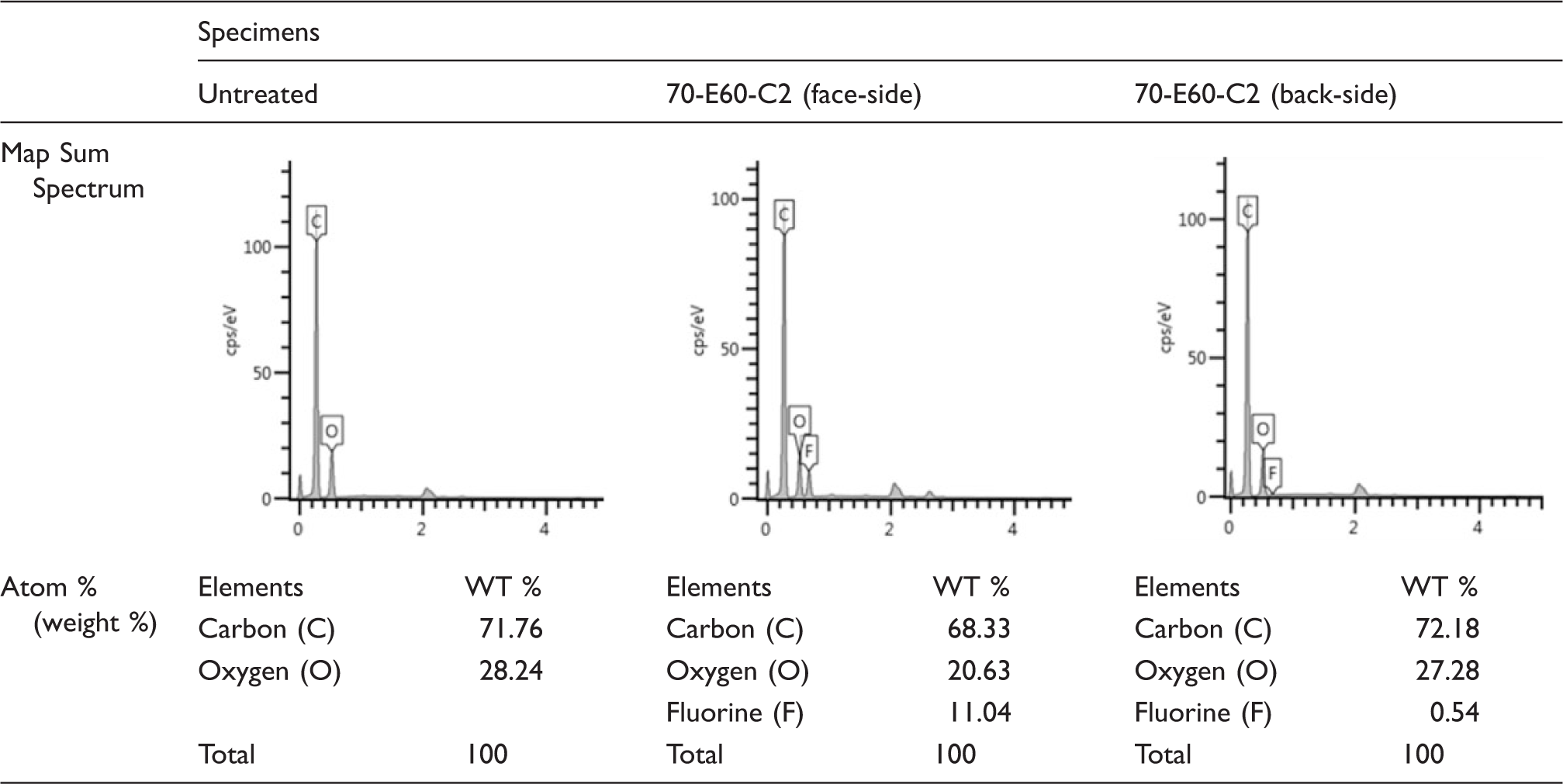
Tensile strength was measured using an Instron-5543 universal testing machine (USA) in accordance with the ASTM D5035 strip method. 30 Five samples, having a size of 2.5 cm × 15 cm, were prepared for each set of treatment conditions and their values were averaged. The gap between the clamps, weight, and tension speed were set to 7.6 cm, 1 kN, and 10 cm min−1, respectively. The chemical composition of the sample surface before and after hydrophobization was compared by using an energy dispersive X-ray analysis (EDX) instrument (Aztec, Oxford instruments, UK).
Surface hydrophobicity and hydrophilicity
Surface hydrophobicity was measured in terms of the CA and SHA, which were determined by using a CA goniometer (Theta Lite optical tensiometer, KSC Instruments, Finland). The average CA was calculated by measuring five samples, 6 cm × 21 cm in size, for each experimental condition. The CA was measured 1 s after putting a droplet of distilled water (3.5 µL, surface tension γl v = 72.8 mN m−1). Similarly, the SHA was measured by dropping 12.5 µL of water droplets, and the minimum SHA was measured as the tilting angle at which water droplets rolled a distance of at least 2 cm. 31 The CAs and SHAs reported in this study were the averages of measurements obtained at 10 different points on the five samples. The measurements were taken from locations 0.5 cm away from the warp/weft edges. In order to determine the water absorption ability for the back-side, CAs were measured after 1, 5, 10, 20, 30, 50, 100, 160, and 600 s and the volume of water droplets used was 3.5 µL. A high-speed motion camera (Motion Pro® HS-4, Redlake Imaging, USA) was used to monitor the asymmetry behavior of each side of the sample.
Air permeability and water vapor transmission
Air permeability was measured in accordance with the ASTM D 737-75 standard protocol 32 using a Frazier Air Permeability Tester (FX 3300, TEXTEST, Switzerland). Samples were cut to sizes of 20 cm × 20 cm after coating according to the measurement range of the air permeability tester Air pressure of 125 Pa was applied in the vertical direction. All samples were conditioned for 24 h in a thermo-hygrostat at 21 ± 1℃ and 65 ± 2% relative humidity. The samples to be measured in the experiment were classified into four categories: untreated, 70-E60, 70-E60-C2, and 70-E60-D0. Water vapor transmission was assessed using the ASTM E96-80 calcium chloride method. 33 The environment temperature and humidity were set at 40 ± 2℃ and 50 ± 5%, respectively. The method consists of measuring weight changes induced by vapor permeating into the cup through the sample. Air permeability and water vapor transmission tests reported in this study are the average values of five samples for each category.
Washing durability
The CAs were measured after repeated standard washing cycles, which was performed in a household drum washing machine (Tromm®, LG). A total of 12 pillowcases were stacked inside the washing machine, representing one-fourth of its maximum wash load. Five single-sided hydrophobized samples (size 6 cm × 9 cm) were backstitched at a distance of 1.5 cm from the pillowcase corner. The washing procedure chosen for these experiments followed a standard condition that can be automatically set up in the house drum washer, that is, the selected standard washing cycle consisted of washing, rinsing (twice), and spin-drying. The treated specimens were washed for 59 min in cold water. The CA was measured in five spots for each sample and the obtained values were averaged. The experimental procedure involved a single standard washing cycle followed by air-drying for 30 min on a flat table. Next, the surface CAs were measured and after drying the sample in an oven for 15 min at 100℃, the CAs were measurement yet again to examine the changes that took place.
Results and discussion
Physical changes: weight loss and tensile strength change
The fabric weight loss changes as a result of alkaline hydrolysis are shown in Figure 2(a). It was found that as the alkaline treatment time and temperature increased, the fabric weight loss also increased. This may be explained by the mechanism of alkaline hydrolysis, whereby the weight of the fabric is reduced as a result of cleavage of the polyester polymer chains as the hydroxyl ions attack the ester carbonyl carbon moieties.
26
The end groups are eliminated during the attack reaction and the fabric is progressively affected with time and increasing temperature. Lee and Ryu
34
reported that the weight loss increases as the relative activity of hydroxyl anions in aqueous sodium hydroxide solution increases with temperature, thereby favoring the reaction. Similarly, as the treatment time increases, the reaction frequency or reactivity of the hydroxyl anions also increases, leading to increased surface-etching. Consequently, the fibers progressively became thinner as the alkaline treatment time increased, resulting in the greater weight reduction of the polyester fabrics. It was also found that the influence of temperature on the rate of the reaction was greater than that of treatment time under the alkaline treatment conditions used in this study. Adjusting the temperature, therefore, accelerated the alkaline hydrolysis process more effectively than adjusting the treatment time.
Weight loss (a) and tensile strength (b) of polyester fabrics treated in 8% NaOH solutions at different temperatures and treatment times.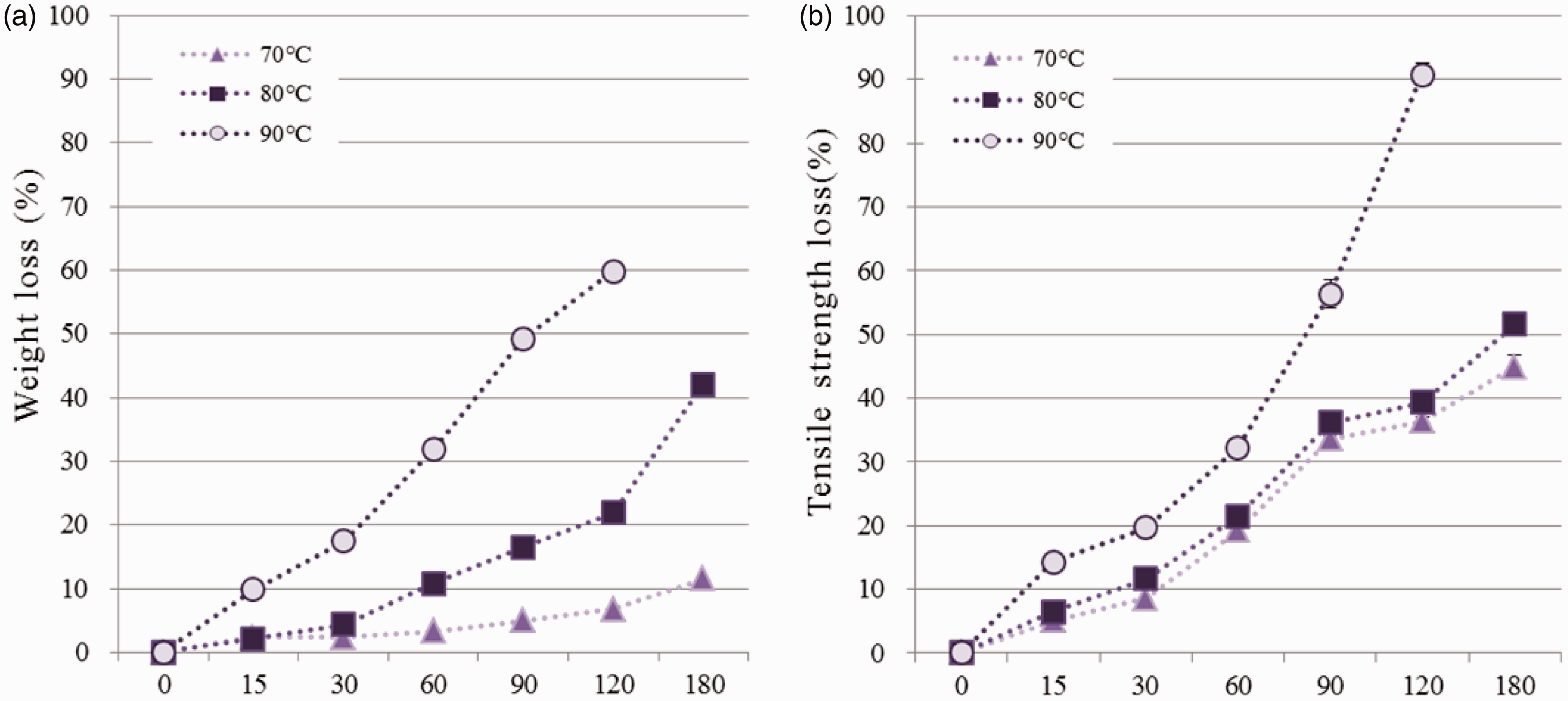
The changes in the tensile strength of the specimens are shown in Figure 2(b). As the alkali treatment progressed, the loss of tensile strength increased with increasing temperature and time. It was found that as the alkaline weight reduction rate gradually increased, the load applied per unit area also increased, which eventually resulted in the thinned fiber breaking quite easily. These results suggested that the breaking point starts to occur at the weak point of the fabric, which expanded under constant stress. Solbrig and Obendorf 24 reported that during alkaline hydrolysis using TiO2 as a polish, the etching that started on the fiber surface gradually extended to the interior of the fiber, causing TiO2 to migrate to the surface. Therefore, pits appeared more easily in polymers with low crystallinity in areas surrounding TiO2, which originated from the pre-treatment of the semi-dull polyester fabric. The onset of pitting around TiO2 particles may be attributed to the polymer fibers with relatively low crystallinity around TiO2 particles acting as weak points, where the breaking point starts when constant stress is applied. Based on these test results, it was found that when the tensile strength loss exceeded 34%, the fabric shredded without enduring the blade coating. Accordingly, in consideration of loss in tensile strength, the optimal conditions of the alkaline treatments for the single-sided superhydrophobicity process were confined to the specimens treated with alkaline hydrolysis for 15, 30, and 60 min at 70℃ (70-E15, 70-E30, 70-E60), the specimens treated with alkaline hydrolysis for 15, 30, and 60 min at 80℃ (80-E15, 80-E30, 80-E60), and the specimens treated with alkaline hydrolysis for 15, 30, and 60 min at 90℃ (90-E15, 90-E30, and 90-E60).
Surface morphology and chemical composition
The differences in the appearance of the samples based on the time duration and temperature of the alkaline treatment were analyzed by observing their scanning electron micrograph (SEM) images. Figure 3 shows the differences in the appearance before and after alkaline treatment. Unlike the untreated sample, the surface of the fabric becomes rougher with the creation of noticeable bumps as the time and temperature of alkaline treatment increase. The specimen treated with the alkali solution at 70℃ for 15 min showed some roughness on the PET surface. The surface roughness, a result of micro- and nano-craters, is caused by the attack of hydroxide ion on the ester bonds of PET.
23
The sample treated with the alkali solution at 80℃ for 15 min exhibited honeycomb-shaped pits on the surface, particularly in regions with relatively large pits. It is worth noting that the pits in the samples treated at 80℃ for 60 min expanded significantly; the adjacent pits were combined together and resulted in a wider pit than was observed in the samples treated at 80℃ for 30 min. This observation is reminiscent of the third stage of pit formation described by Solbrig and Obendorf,
24
in which adjacent pits had combined together. The harshest alkaline treatment conditions at 90℃ for 60 min (90-E60) resulted in the roughest surface with the greatest distance between the surface bumps. In addition, small particles that appeared as spherical grains were observed inside the indented holes of large pits. Based on reports in the literature, such bumps were assumed to be clusters of TiO2 particles that remained attached to the fiber surface, even with further alkali treatment. Therefore, it may be concluded that pre-treatment with TiO2 also contributes to the surface roughness of the polyester fabric besides alkaline treatment. When the weight loss of the fabric specimen exceeded 3%, nano-sized pits appeared across the fiber, and the gaps between the microfibers started to widen. The SEM images show that the number of pits or craters per unit area increases and the pits become deeper as the time duration of alkaline treatment and temperature increase. These results suggest that the mild conditions of the alkaline hydrolysis treatment modify the polyester fabric surface such that it may be possible to achieve superhydrophobicity while causing minimal changes to the physical properties.
Scanning electron micrographs images (X100, 10,000, and 50,000) of (a) untreated, (b) 70-E15, (c) 70-E30, (d) 70-E60, (e) 80-E15, (f) 80-E30, (g) 80-E60, (h) 90-E15, (i) 90-E30, and (j) 90-E60.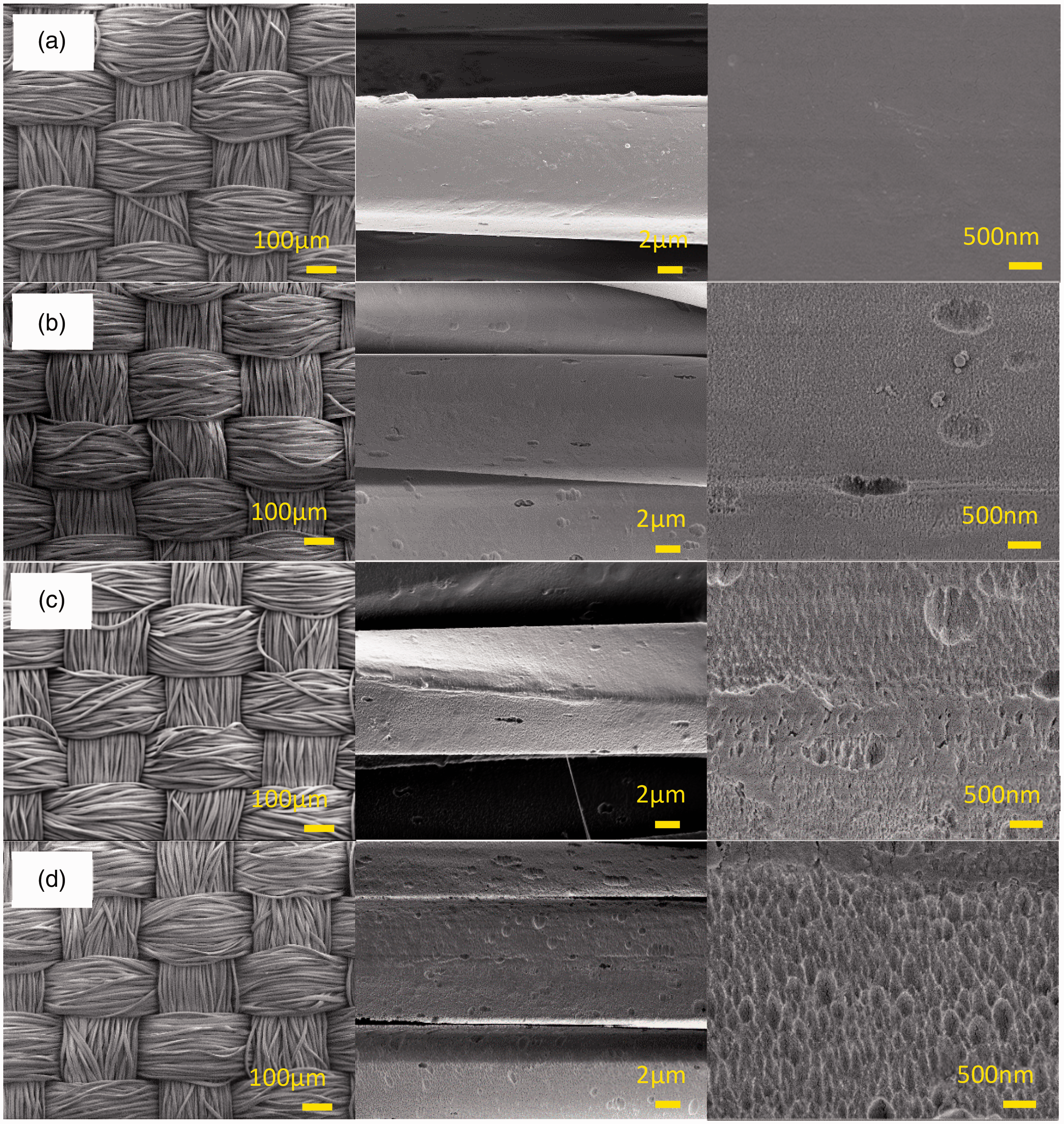
Figure 4 shows the differences in the appearance before and after coating. The prepared foam composites were transferred onto the alkaline pre-treated polyester fabrics and spread on their surfaces using a blade by scraping. As seen in the SEM images in Figure 4, the surface roughness on the hydrolyzed PET surfaces was maintained after coating with the foam-coating emulsion C2, which was a mixture of the fluoro-emulsion and thickener in the volume ratio of 40: 2.
Scanning electron micrographs images (X100, 10,000, and 50,000) of (a) the specimen treated with the alkali solution at 70℃ for 15 min (70-E15) before coating and (b) the specimen treated with the alkali solution at 70℃ for 15 min after coating with C2 solution (70-E15-C2).
Scanning electron microscopy-energy dispersive X-ray analysis data of single-faced hydrophobized polyester fabrics
Wettability
In order to establish the optimum conditions for the preparation of a single-sided superhydrophobic surface, the face- and back-side CAs were measured after single-sided hydrophobization.
Superhydrophobicity of the face-side
Contact angles (°) of alkaline treated and hydrophobized polyester fabrics
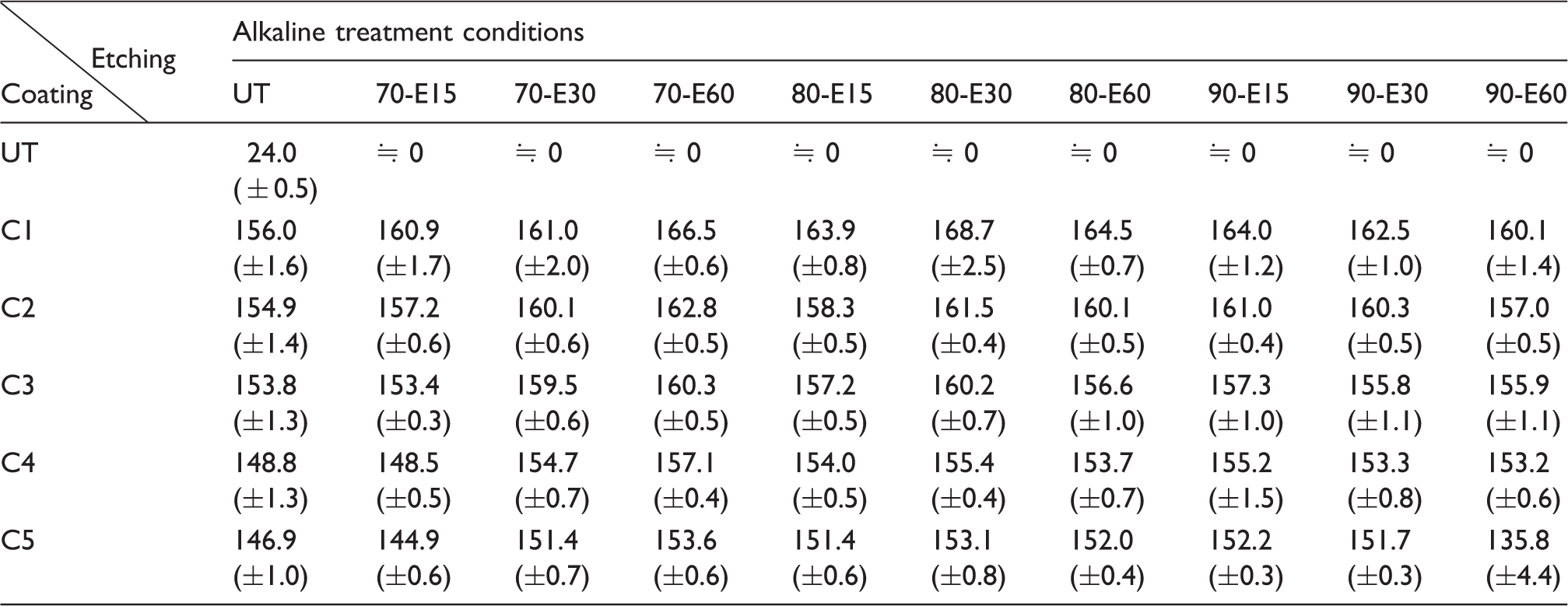
≒ 0°: completely absorbed right after water dropped; UT: untreated.
Five foam-coating emulsions were prepared by varying the volume concentration of the thickener, which resulted in different viscosities of each emulsion. For example, C1 had the lowest viscosity as it had the lowest volume ratio (1:40) of the thickener contained in the foam-coating emulsions, while C5 had the highest viscosity owing to the highest volume ratio (5:40) of the thickener. As the viscosity of the foam-coating emulsion increased from C1 to C5, the CAs of the specimens gradually decreased, while the SHAs increased. Under the same alkali treatment conditions, water drops were absorbed more quickly into the back-side of the samples treated with the more viscous coating emulsion. Owing to highly viscous fluoropolymer coating, water could not reach to the other side of the fabric and the back-side surface hydrophilicity was maintained. These observations suggest that increasing the coating emulsion viscosity is an effective means to retain the hydrophilicity of the back-side surfaces.
Shedding angles (°) of alkaline treated and hydrophobized polyester fabrics
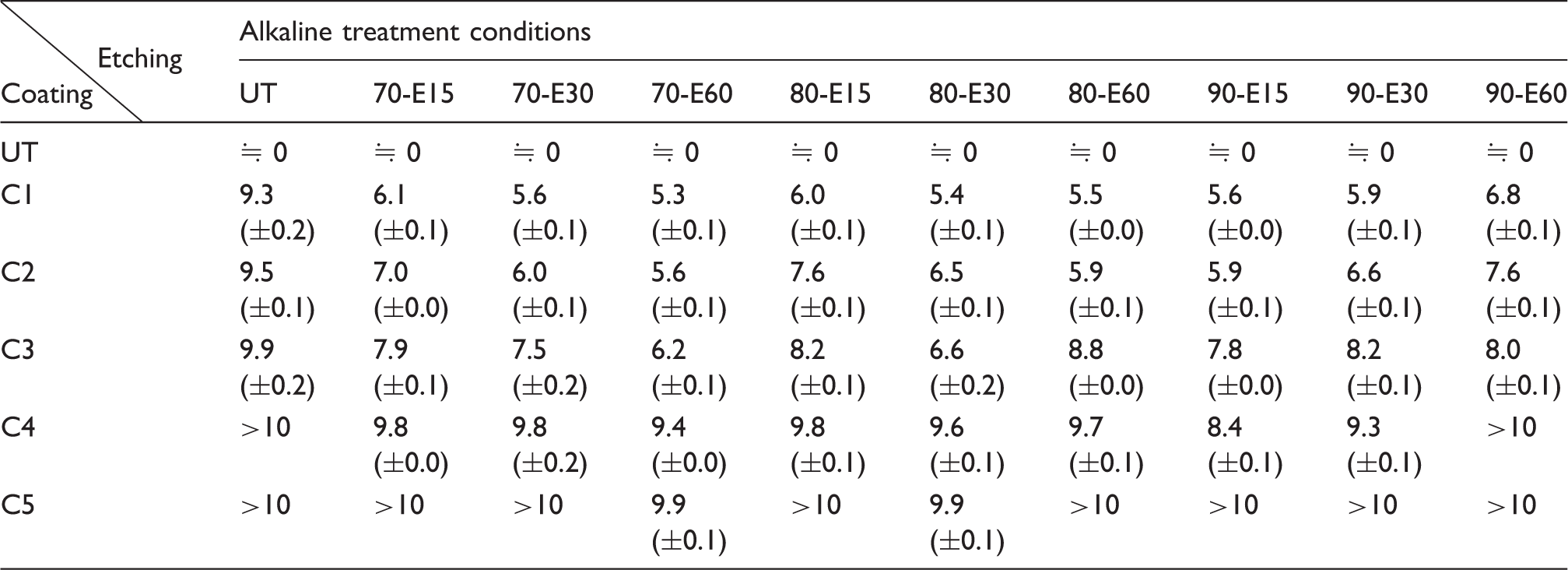
≒ 0°: completely absorbed right after water dropped; UT: untreated.
Back-side hydrophilicity
In order to impart asymmetric wetting properties for a Janus superhydrophobic PET, the hydrophilicity of the back-side must be considered as well. It was assumed that the back-side hydrophilicity likely depends on the viscosity of the foam-coating emulsion and that the fluoropolymer with low viscosity might penetrate the fiber surface and reach the opposite side (back-side). Based on the above considerations of the temperature of alkali treatment, five specimens, namely 70-E60-C1, 70-E60-C2, 80-E30-C1, 80-E30-C2, and 90-E15-C1, were selected for the back-side wettability test in order to determine which of these could effectively achieve a superhydrophobic surface.
Contact angle changes on the back-side of the developed single-faced polyester fabrics at different times
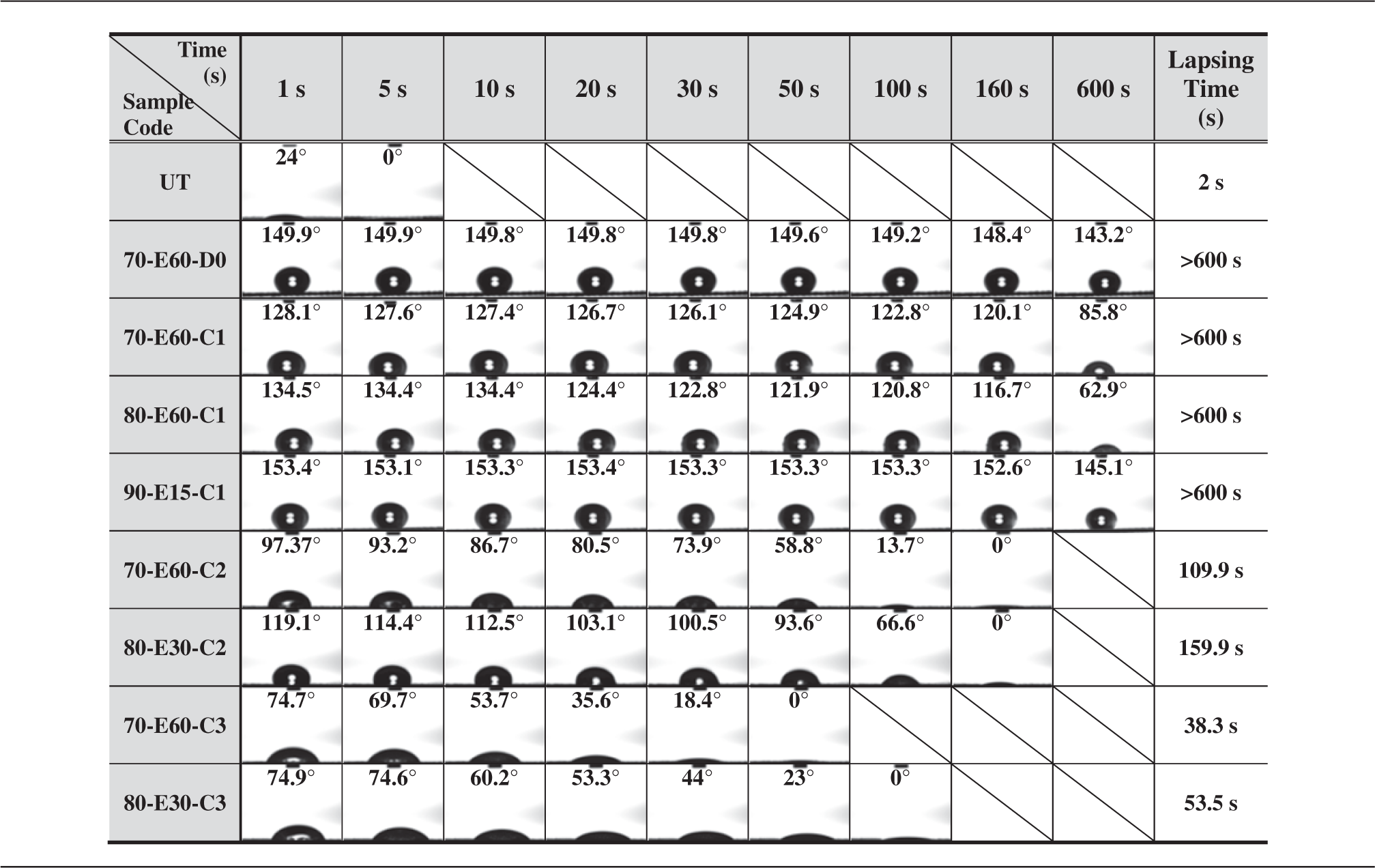
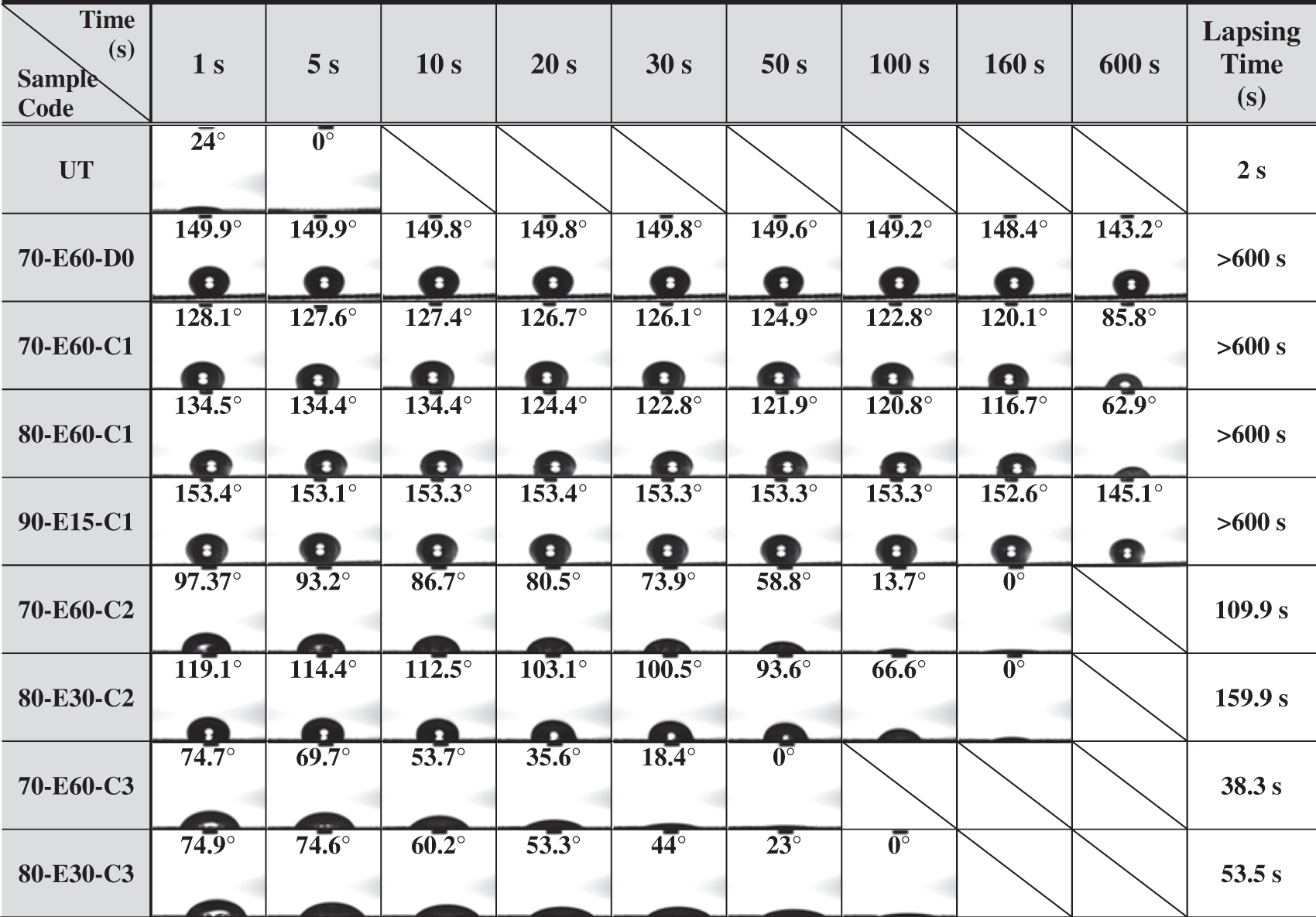
UT: untreated.

A bouncing behavior (a) and asymmetric wettability of the surface (b) and back-side (c) of samples of water droplets on the superhydrophobized side of the developed polyester fabrics (a high-speed motion camera: 5000 fps, 640 × X480) (liquid droplet size: 12.5 µL).
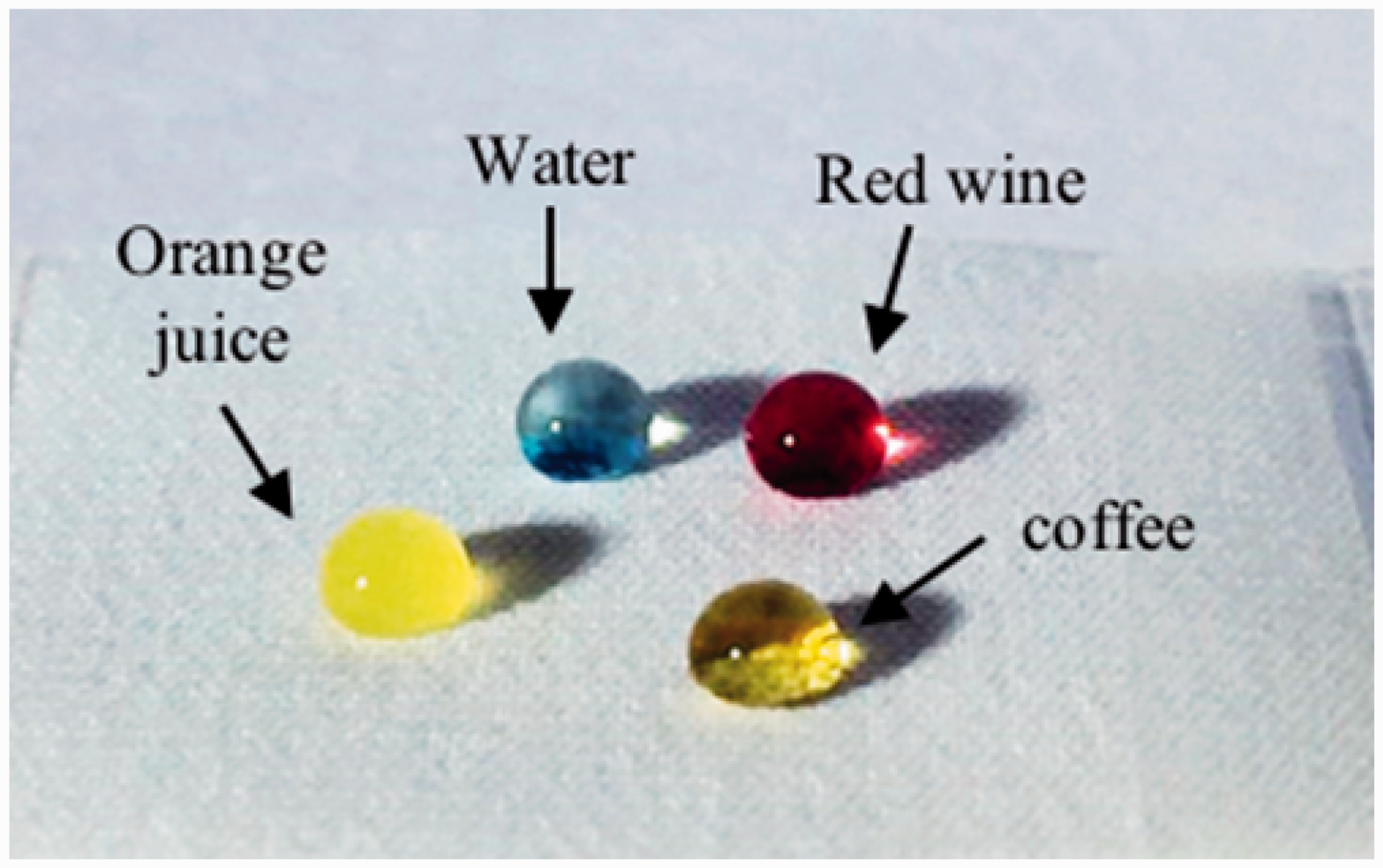
Superhydrophobicity of single-faced superhydrophobicity on the face-side (liquid types: orange juice, red wine, and coffee; droplet size: 12.5 µL).
Air permeability
It is well known that air/moisture permeability affects the comfort-related properties of textile materials. Figure 7 shows the degree of air permeability for the single-sided superhydrophobic polyester fabric developed in this study. For this purpose, the UT (untreated), 70-E60 (alkali-treated only), UT-C2 (fluorine-coated without alkali-treatment), 70-E60-C2 (single-face coated), and 70-E60-D0 (double-side coated) samples were compared.
Air permeability test of different specimens. CFM: cubic feet per minute.
The amount of permeated air volume in cubic feet per minute (CFM) of the untreated samples was increased slightly from 14.46 (±0.03) to 16.02 (±0.12) after being treated with the alkaline solution. The alkali-treated sample (70-E60) showed higher air permeability than the untreated sample. This is because the alkali-hydrolyzed polyester fibers became thinner during the alkali treatment, which widens the inter-fiber pores and increases the amount of air that can vertically permeate a particular area of the fabric under a specific pressure and over a certain period of time. 26 However, the air permeability of the alkali-treated specimen decreased after coating. This might be explained by the pore changes that take place when the viscous fluorine-based solution permeates into the inter-fiber pores. 26 However, this study is important in that we determined that the single-side coated sample (70-E60-C2) showed 0.71 (±0.08) CFM, which is higher air permeability than the double-side coated sample (70-E60-D0). It is also noteworthy that, even when using a viscosifier, the single-side hydrophobized samples exhibited higher air permeability than the double-side hydrophobized samples in this study.
Water vapor transmission
The water vapor transmission rate (WVTR) has great impact on the wearing comfort of different clothing fabrics. The WVTR governs sweat vapor condensation inside clothes, as well as the maintenance of appropriate levels of body heat. In this study, calcium chloride is suitable for measuring the water vapor transmission of clothes under dry and humid circumstances, and it is commonly used to measure the WVTR of low-WVTR fabrics, such as those that have been coated with water repellents.
17
In Figure 8, the alkali-treated sample (70-E60) showed improved WVTR as compared to the untreated sample. The single-side coated sample had a 17% lower WVTR than the alkali-treated sample (70-E60), but still showed an excellent WVTR compared to the untreated sample. The double-side coated sample (70-E60-D0) showed a lower WVTR than the single-side coated sample (70-E60-C2).
Water vapor transmission of different specimens. WVTR: water vapor transmission rate.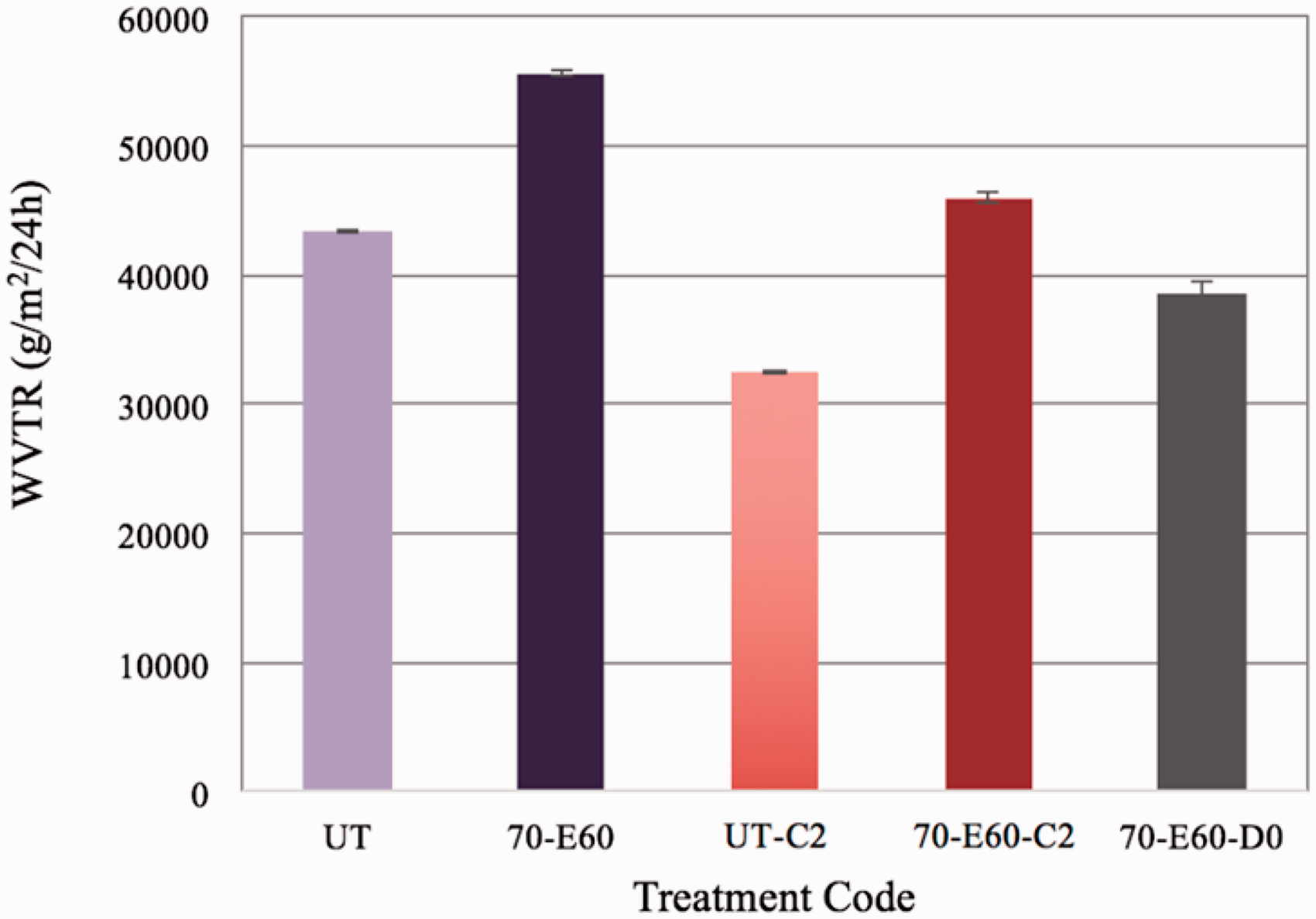
In general, it is known that the WVTR is determined by the air permeability and hydrophilicity of the material. The WVTR of the alkali-treated sample was higher than that of the untreated specimen, as alkaline hydrolysis reduced the diameters of the fibers and widened the inter-fiber pores, thereby increasing its hydrophilicity. The double-side hydrophobized fabric showed a lower WVTR than the single-side hydrophobized counterpart because the air permeability decreased as both sides became hydrophobic. Interestingly, in this study, the single-side hydrophobized fabrics presented a higher WVTR than the untreated samples. This occurred because the hydrophilic groups remained on the back-side of the fabric, forming moisture concentration gradients. Thus, the moisture concentration gradients formed due to the asymmetric wettability improving the moisture permeability in comparison to the untreated samples. These results are consistent with those of previous studies. Farnworth et al. 36 developed water-repellent fabrics that were laminated with a film made of either hydrophilic or hydrophobic polymers and subsequently compared their WVTR values. They confirmed that the water-repellent fabric with the hydrophilic film had an increased WVTR. These authors also reported that as the water vapor concentration difference of the two sides increased, the water vapor permeability also improved. In addition, several researches have reported that specimens coated on both sides show a decreased WVTR as compared to uncoated specimens. Liu et al. 29 compared the vapor transmission of untreated cotton fabric with fabric coated on one or both sides. Compared to the non-treated fabric, the fabric that received a two-sided water-repellent treatment exhibited 87% of the WVTR of the untreated fabric, while fabrics that received a one-sided water-repellent treatment showed a 94–99% WVTR compared to the untreated sample. Han et al. 26 also reported that the WVTR of a two-side-treated superhydrophobic PET fabric was 10% less than that of an uncoated PET sample. Such single-sided superhydrophobic PETs had higher air/moisture transmissibility than the double-side coated fabric due to the asymmetric wetting property by still retaining the alkali-hydrolyzed surface. Thus, the developed Janus superhydrophobic PETs would be beneficial especially for waterproof outdoor clothing with improved breathability with a self-cleaning property.
Washing durability
In order to examine the washing durability of the developed single-side superhydrophobized 70-E60-C2 sample, it was repeatedly washed in a drum washing machine. Figure 9 shows the CA measured after washing. The x-axis indicates the number of washing cycles. After one standard washing, the CA decreased from 162.8° to 141.7°. After heating in an oven at 100℃ for 15 min, the CA of the developed PET increased to 161.5°, indicating that it recovered its superhydrophobic function. This might be attributed to the cross-linking agent that was added to the foam-coating emulsion, which caused the hydroxyl groups (–OH) in the alkaline-hydrolyzed polyester fabric to form covalent bonds with the isocyanate (–N=C=O) and build-blocked (–N=C=O) groups.
29
Based on the previous experiments,
3
the heat treatment of the fluorocarbon compounds could rearrange the orientation of the –(CF2)
n
–F chains. The hydrophobic groups migrated to the outer fiber surface after heat treatment, restoring the hydrophobicity of the specimen to some extent. In addition, as the sample was dried at 130℃ for 2 min, the molecular chains in the polyester were expected to start segmental motions at temperatures above the glass transition temperature (Tg) of 70–80℃.
Laundering durability test for the developed superhydrophobic polyester fabrics. CA: contact angle.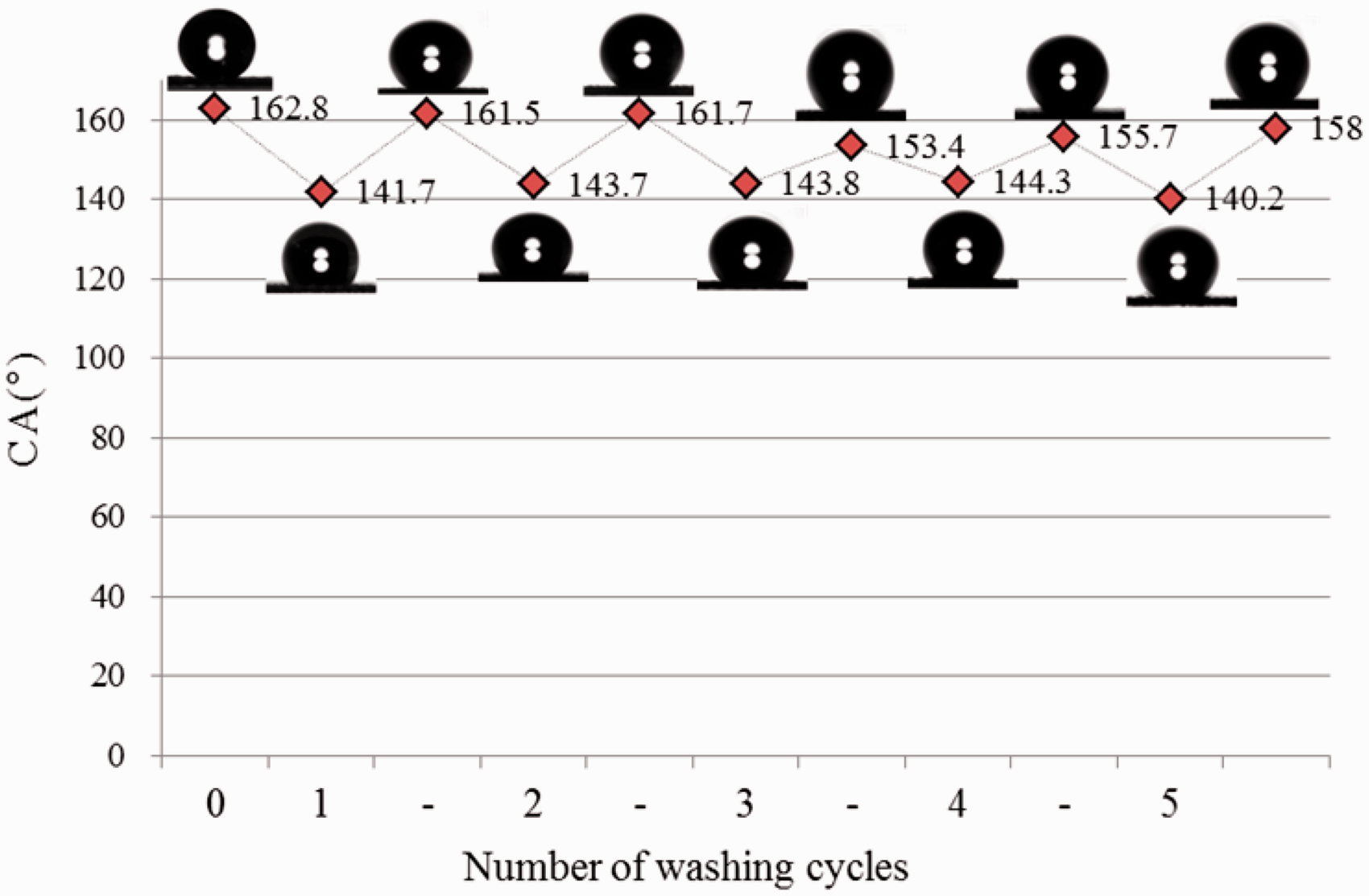
Conclusions
In this study, a superhydrophobic polyester fabric was developed using the alkaline hydrolysis and blade foam-coating methods. Nanoscale roughness on the fiber surface was created via low-concentration alkali treatment and the resulting changes were examined by varying the alkaline treatment temperature and duration. It was found that the rate of tensile strength reduction by alkali treatment was higher than the weight loss rate because the micropits and nanoscale craters generated by the alkali treatment served as weak points that initiated the breaking of the fibers. When the weight loss ratio reached more than 3% as a result of the alkali treatment, nano-sized pits appeared throughout the fiber surface, which exhibited simultaneously an even and intricate roughness. This phenomenon imparted superhydrophobicity, which was more strongly influenced by the temperature of the alkali hydrolysis treatment than the duration of the process. In this study, the desired surface hydrophobicity with back-side hydrophilicity was best achieved by the 70-E60-C2 specimen. This specimen was subjected to alkaline treatment at 70℃ for 60 min and coated with a mixture of fluoro-emulsion and thickener at a volume ratio of 40:2. The developed Janus PET specimen had a CA of 162.8°, SHA of 5.6°, and a water absorption rate of 109.9 s at the back-side of the fabric. The mechanical properties of the developed PETs fabricated under the optimal conditions did not significantly decrease and remained acceptable; their weight and tensile strength decreased by 3.3% and 19.2%, respectively. In addition, the single-side coated PET fabrics had higher air/moisture transmissibility than the double-side dip-coated fabric. The permeated air volume of the untreated samples was 14.46 CFM, which increased slightly after an alkaline treatment to 16.02 CFM, while their air permeability decreased after coating. However, this study is important in that the single-side coated sample demonstrated higher air permeability than the double-side coated sample. In addition, water vapor transmission values of the double-side coated specimens were lower than those of the single-side coated PET fabric. The alkaline pre-treated and single-side coated PET specimens showed higher WVTR values than that of the untreated PET specimen. Thus, the hydrophilic/superhydrophobic surface properties of the as-prepared fabrics are beneficial for waterproof outdoor wear due to their improved breathability and self-cleaning property.
Footnotes
Declaration of conflicting interests
The authors declared no potential conflicts of interest with respect to the research, authorship, and/or publication of this article.
Funding
The authors disclosed receipt of the following financial support for the research, authorship, and/or publication of this article: This work was supported by Grant Numbers (2015R1A2A2A03002760 and NRF-2016M3A7B4910940) of the National Research Foundation of Korea (NRF) of the Korea funded by the Korean government (MSIT).