



Abstract
Due to an increasing awareness of the harmful effects of synthetic dyes among the global community, the demand for natural dyes in the textile sector has increased. The current study has been conducted to explore coconut coir, that is, Cocos nucifera, as a new dye yielding plant for wool dyeing under ultrasonic (US) radiation. Unirradiated and US-irradiated extracts of coconut coir were utilized to dye unirradiated and US-irradiated wool fabrics. To make the process more sustainable, acacia, henna, turmeric and pomegranate extracts as biomordants were used to dye wool fabric at 65℃ for 45 min. It was found that a good color yield was achieved by dyeing US-treated wool with US-treated acidic methanolic extract at 65℃ for 45 min. It is found that biomordanting profoundly added value in coloration and also enhanced the fastness rating of the dyed wool fabrics. It is concluded that US rays have excellent efficacy for exploring the coloring wealth of plants for dyeing of natural fabrics.
Keywords
Synthetic dyes are commonly used in various industries, such as textile, food, paper cosmetics, leather, medicine, etc.1,2 There is a worldwide movement to return to natural dyes, because man-made dyes need chemicals during their synthesis and application, which are carcinogenic in nature and pollute the environment also.3,4 Their wastes also enhance the disturbance in the eco-balance of the globe by their deterioration effects and increase global heat to cause malfunction in the photosynthetic process. Hence, their frequent use is not encouraged globally by traders, consumers or researchers.5,6 Presently the health conscious community is searching for sustainable products that are not only natural but also make the ecosystem greener and healthier.7–10 Of these products, natural dyes are experiencing a great revival in applied fields.
Various conventional techniques are used for the extraction of natural dyes from different sources; however, less yield and more time and solvents, power and energy consumption are the cause of their declined consumption. 11 These methods are now being replaced by modern tools, such as radiation methods like microwave (MW), ultrasonic (US), 12 gamma, 13 ultraviolet (UV), 14 plasma radiation, etc. 15 US radiation is used effectively for the maximum extraction of natural colorants via the cavitation effect at low temperature. 16 This tool is gaining popularity in different textile operations due to its clean, uniform and heat useful source of radiation. 17 In natural dyeing, it is gaining attention due to its unique mode of action, that is, acoustic cavitation via bubbling for mass transfer via solid–liquid interaction for the isolation of bioactive molecule, that is, natural colorants.18,19
Of plant-based natural dyes, coconut coir (Cocos nucifera) is a newly introduced source. It has excellent antifungal and antimicrobial effects and is used for dyeing different textiles. The main coloring component is tannin, whose structure is given in Figure 1.
20
Tannin from coconut coir.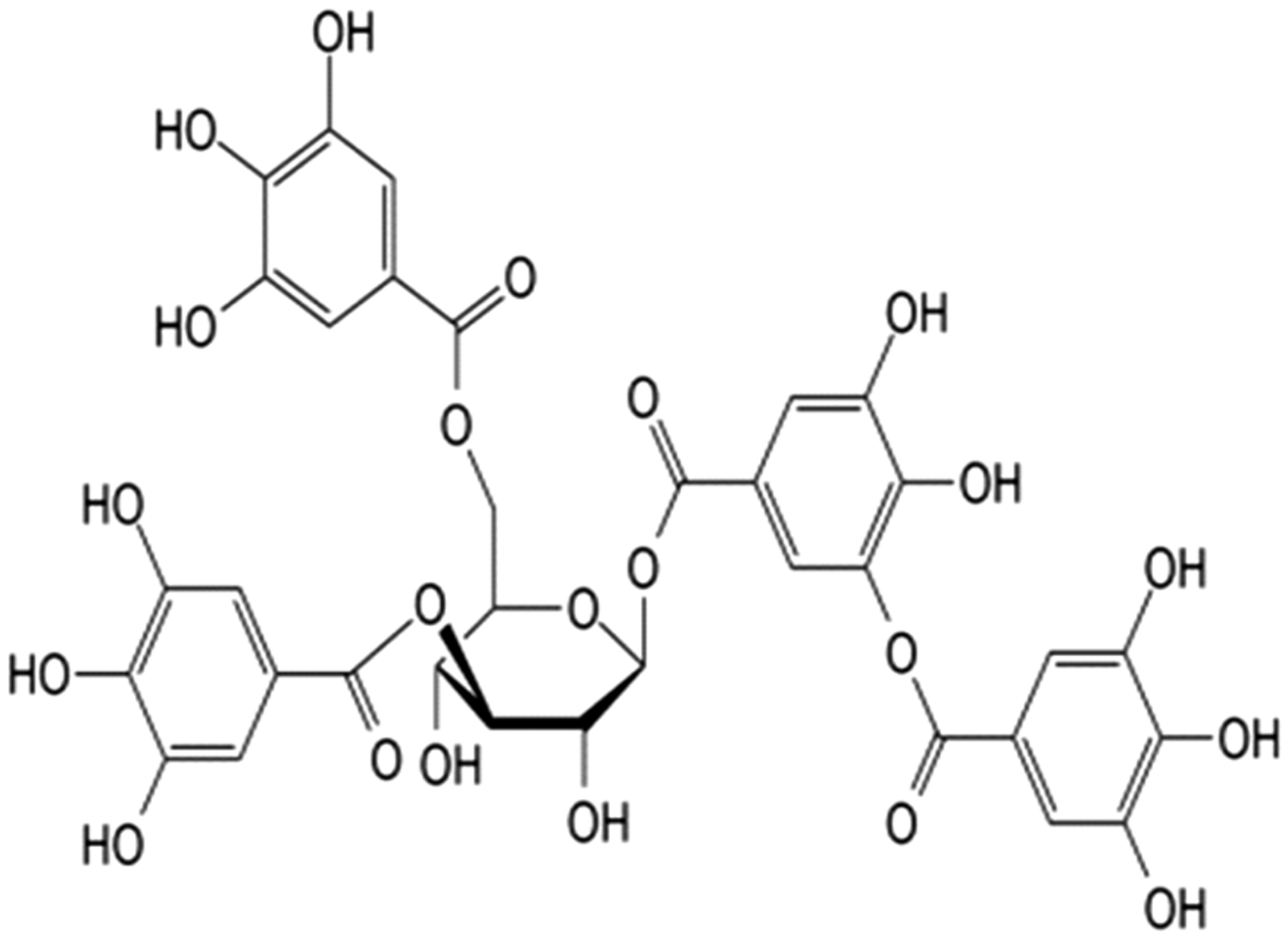
To the authors' knowledge, no such extensive study has been done for improving the dyeing behavior of coconut coir as a source of bio-dye for wool fabrics under US treatment. Hence, keeping in view the promising points of US radiation, the present study is focused on extracting tannin from coconut coir using US radiation and its application onto wool fabric after the application of biomordants. The other aim is to introduce biomordants for the shade development process as well as to enhance the fastness ratings under the influence of US rays at given conditions.
Materials and methods
Chemicals and substrate
Coconut coir (Cocos nucifera) was collected from the local market in Faisalabad, Pakistan. The coir was washed using distilled water, dried under shade and chopped into tiny pieces. The cut materials were ground and sieved up to 20 mesh to obtain powder particles of equal size. Pre-treated wool fabric was purchased from the local textile market in Faisalabad, Pakistan; all chemicals used during the entire study were of commercial scale.
Extraction and irradiation procedure
Extracts were prepared by refluxing the appropriate powder amount (1 g) with 250 mL of various solvents (methanol, basic methanol, acidified methanol, aqueous) for 1 h, keeping the liquid-to-powder proportion (L:S) at 25:1. After the isolation process, the extracts and wool fabrics were irradiated using a Rohs US bath (100 W, 40 kHz) for 15–60 min at 60℃, where the non-irradiated (NRE) and irradiated extracts (RE) were utilized to dye non-irradiated wool (NRW) and irradiated wool (RW) fabric for 45 min at 65℃, keeping the extract-to-fabric (E:F) ratio at 25:1.
Optimization of dyeing and mordanting conditions
Different dyeing parameters, such as the powder amount (2–10 g), the pH of the dye bath (1–7), the dyeing time (35–85 min) and the dyeing temperature (35–85 ℃) were optimized. For achieving maximum exhaustion, dyeing was performed using salt concentrations (1–10 g/L) of table salt (TS) and Glauber salt (GS). Different chemical mordants, such as 1–10% salts of Al, Fe, Co, Sn, Cu, tannic acid (TA), and biomordants, such as 1–10% of acacia, henna, pomegranate turmeric extracts, were applied as pre- and post-mordants at 80℃ for 45 min, keeping the mordant-to-fabric (M:F) ratio at 1:25.
Analysis of irradiated and non-irradiated fabrics
The surface morphology of RW and NRW fabrics was analyzed using scanning electron microscopy (SEM), and chemical changes before and after irradiation were observed using Fourier transform infrared spectroscopy (FTIR) analysis. The color strength (K/S) and L*, a*, b* values of all dyed fabrics were examined in the CIE Lab system computed in Spectra Flash SF 600 with an illuminant of D 65 100 at the Department of Applied Chemistry, Government College University Faisalabad, Pakistan. The rating for the colorfastness properties of the optimum dyed fabrics were evaluated using the ISO standard methods for light (ISO 105-B02), rubbing (ISO 105-X12), washing (ISO 105 C03), dry cleaning (ISO 105D 01) and perspiration (ISO 105 E04) at the Quality Control Lab of Noor Fatima Textile (Pvt.) Faisalabad, Pakistan.
Results and discussion
Dye extraction
US radiation has gained an active role in the world of natural products due to its eco-friendly nature and sustainable mode of action. It has been found that using aqueous media, NRE has given good results on RW (60 min.). On changing the medium, the acidic extract (RE, 15 min.) also gave good results on irradiated wool (RE, 15min). The basic extract was irradiated for 15min, and good color depth was obtained by dyeing irradiated wool. However, the organic medium irradiated for 15 minutes gave excellent color strength onto irradiated wool (Figures 2(a)-(d)).
21
US treatment via acoustic cavitation may break the cell walls to evolve the colorant into the solvent, thereby causing the maximum interaction via mass transfer kinetics.
9
Hence, Figure 2(d) reveals that US treatment for both fabrics and extracts for 15min should be carried out to get the desired results.
Effect of ultrasonic treatment on aqueous (a), acidic (b), basic (c) and methanolic extraction (d) from coconut coir on wool dyeing. RW: irradiated wool; RE: irradiated extract; NRE: non-irradiated extract; NRW: non-irradiated wool.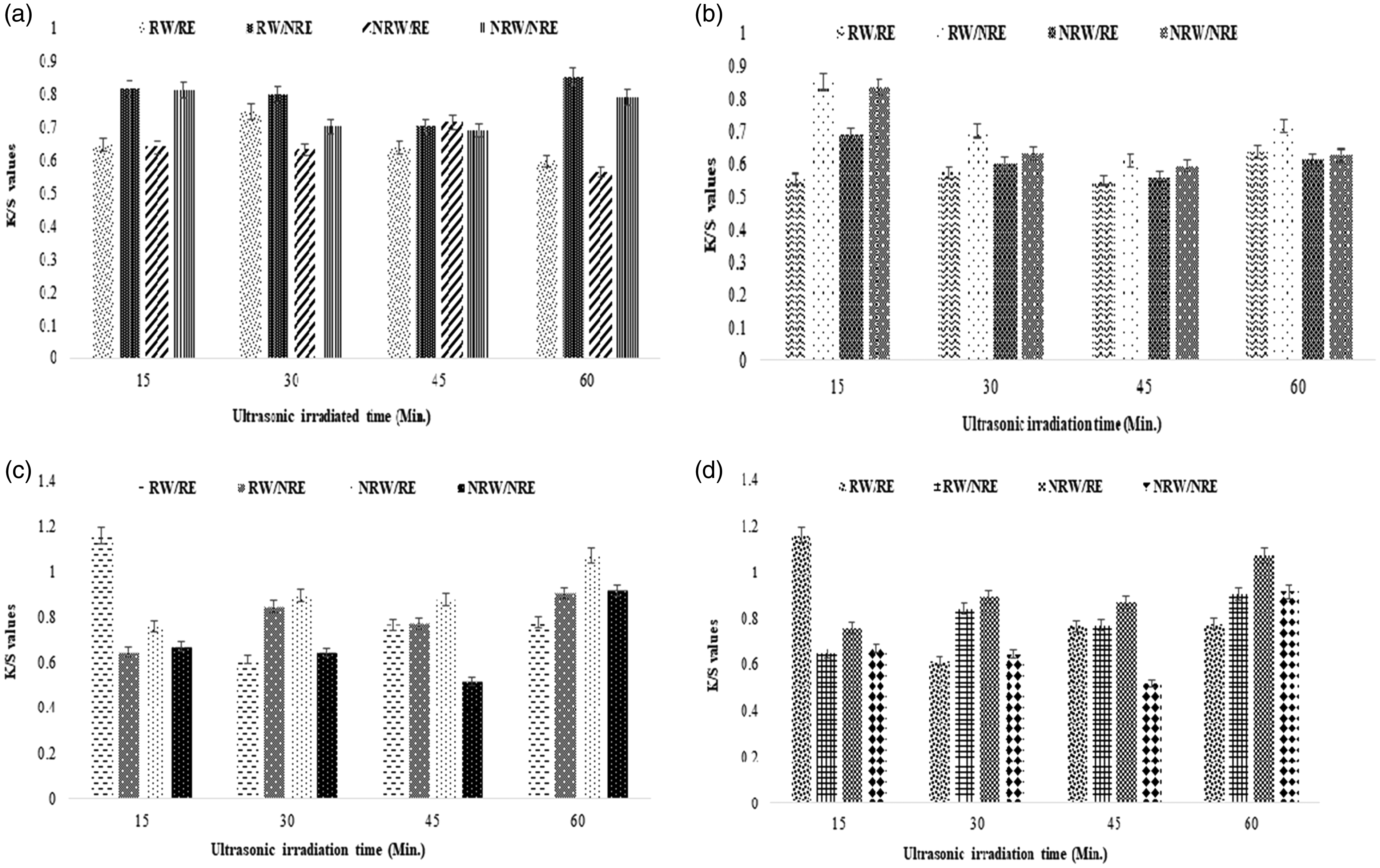
Physiochemical analysis (FTIR and SEM)
FTIR analysis of the control and ultrasonically treated wool fabric reveals that there is no change in the functionality of wool fabric after US irradiation for 15 min. (Figure 3(a) and (b)). According to the FTIR spectra, the peaks ranged from 1645 cm−1 due to C-C stress, and are present in both untreated and US-treated wool fabrics, depicting that US radiation has nothing to do with the surface of the wool fabric chemically: it just physically modifies the surface of wool fabric. A minor change in functionalities on the surface of the wool fabric enhanced the dye uptake and its firm bonding with the wool fabric. This is because upon the US treatment, the scale formed at the surface increased its substantivity toward the dye.
21
The scratches at the fibers upon dyeing absorbs more dye via firm bonding, which in turn gave a high color depth. Hence, overall the US treatment has only changed the fabric physically rather any causing any chemical change in the functional sites of the fabrics.
Fourier transform infrared spectrum of control and ultrasonic-treated wool fabric.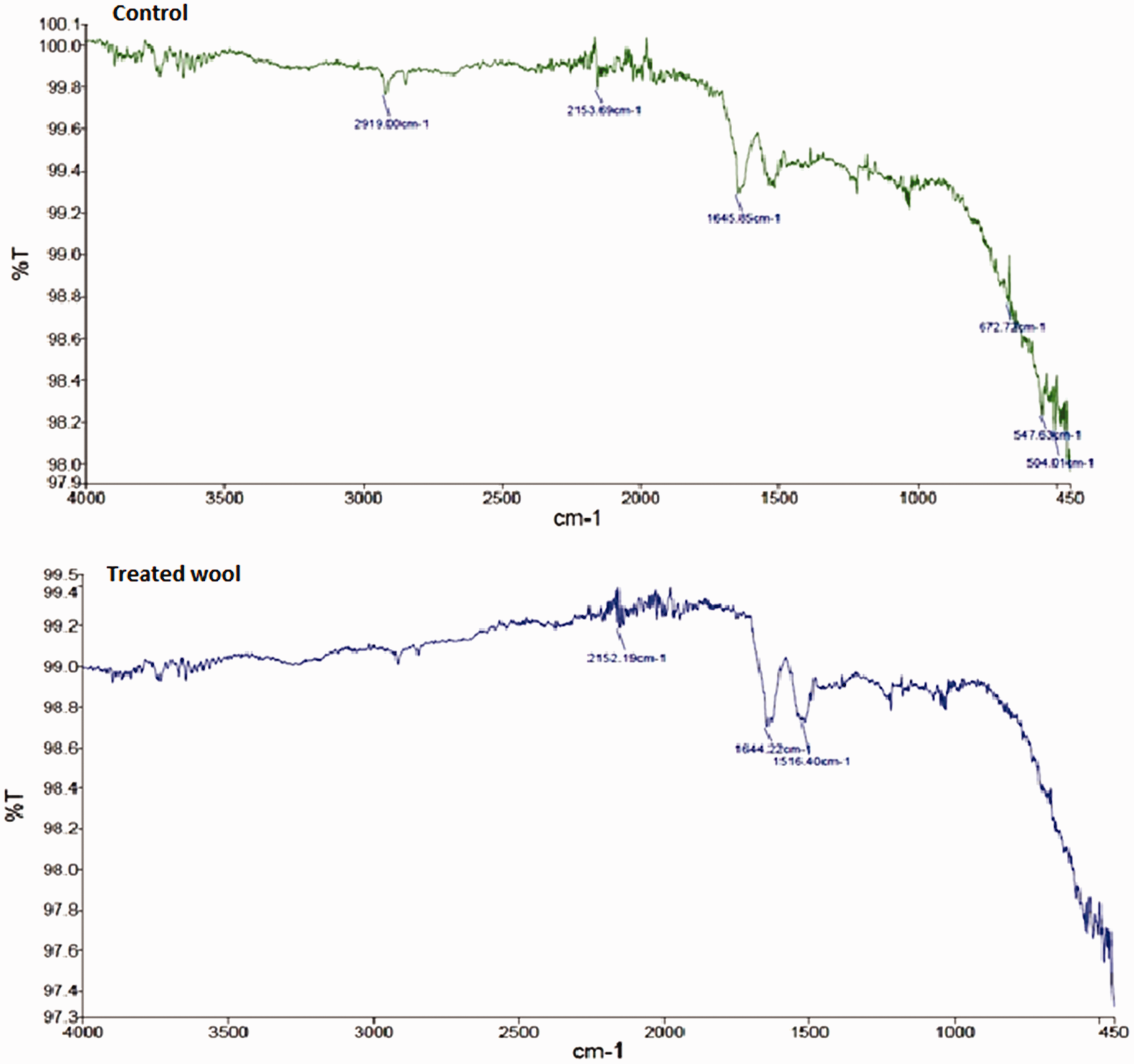
SEM analysis
SEM analysis was carried out for NRW and RW fabrics. The SEM analysis of US-treated wool fabric showed some scratches only (Figures 4(a) and (b)). It showed that US radiation has nothing to do with the chemistry of wool fabric; it only slightly modifies the fabric surface, resulting in the development of interactions between the dye and the wool fabric surface.
22
Scanning electron microscopy analysis of untreated wool fabric (a) and ultrasonic-treated wool fabric (b).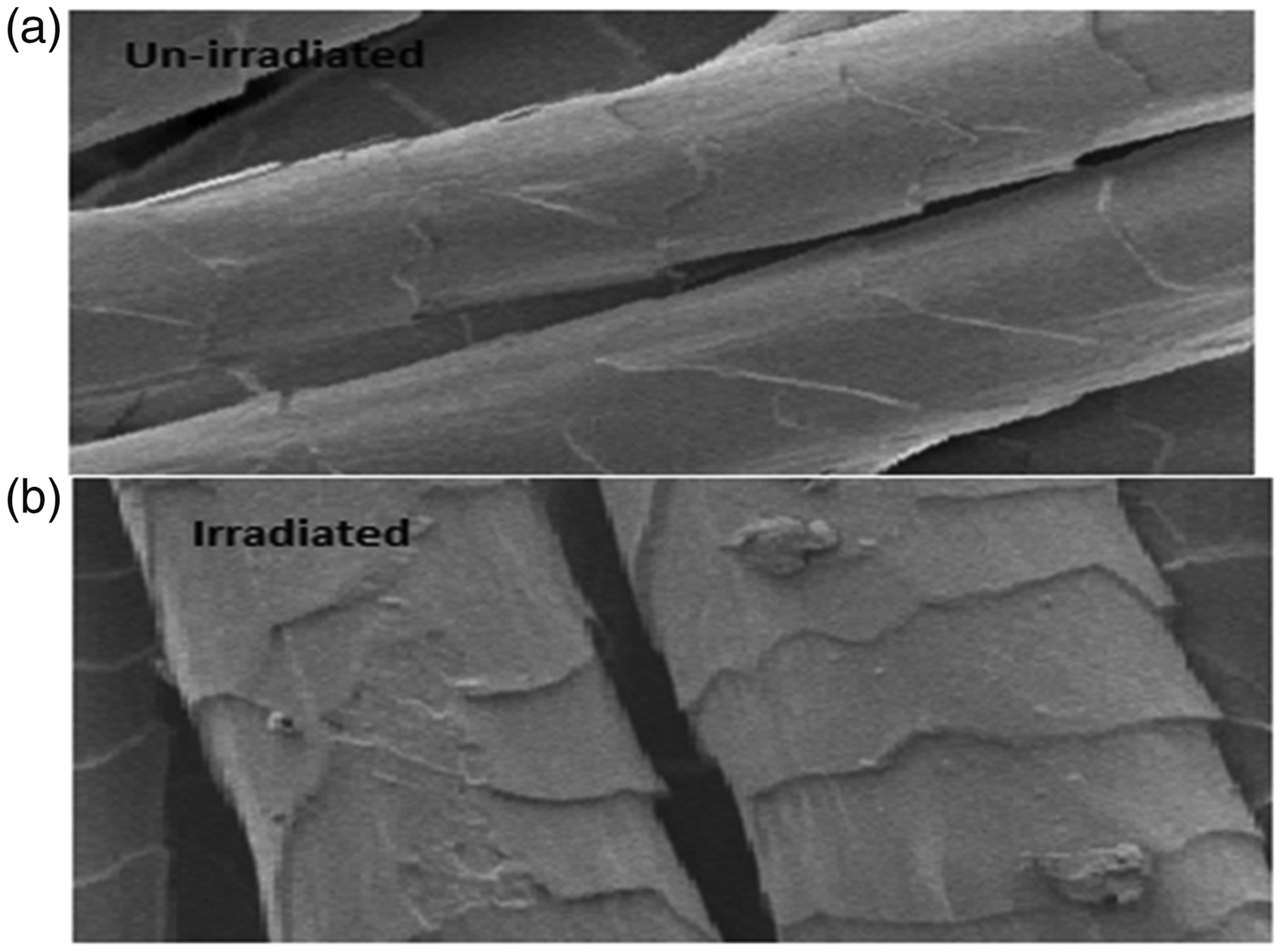
Optimization of dyeing parameters
Powder amount
Coconut powder was varied from 2 to 10 g to check its effect on the dyeing of wool under US treatment. It was found that as the powder amount gradually increased from 2 to 6g/100mL for isolation, the colorant yield was enhanced, which in turn, after US treatment for dyeing has given good color depth via significant mass transfer mode of action through effective solid-liquid interaction. A further increase in concentration up to 10 g/100 mL resulted in a decrease in color shades due to the involvement of other bioactive molecules, which affected the color depth (Figure 5(a)). Hence, overall 6 g of powder gave an excellent color yield when used to isolate tannin in methanolic media followed by US treatment of 15 min during the dyeing of wool. The reduction in the amount of powder used for isolation shows that the US treatment is a cost-effective tool.
23
Effect of ultrasonic treatment on the powder amount (a), pH of the dye bath (b), dyeing time (c), temperature (d) and salt concentration (e) on wool dyeing.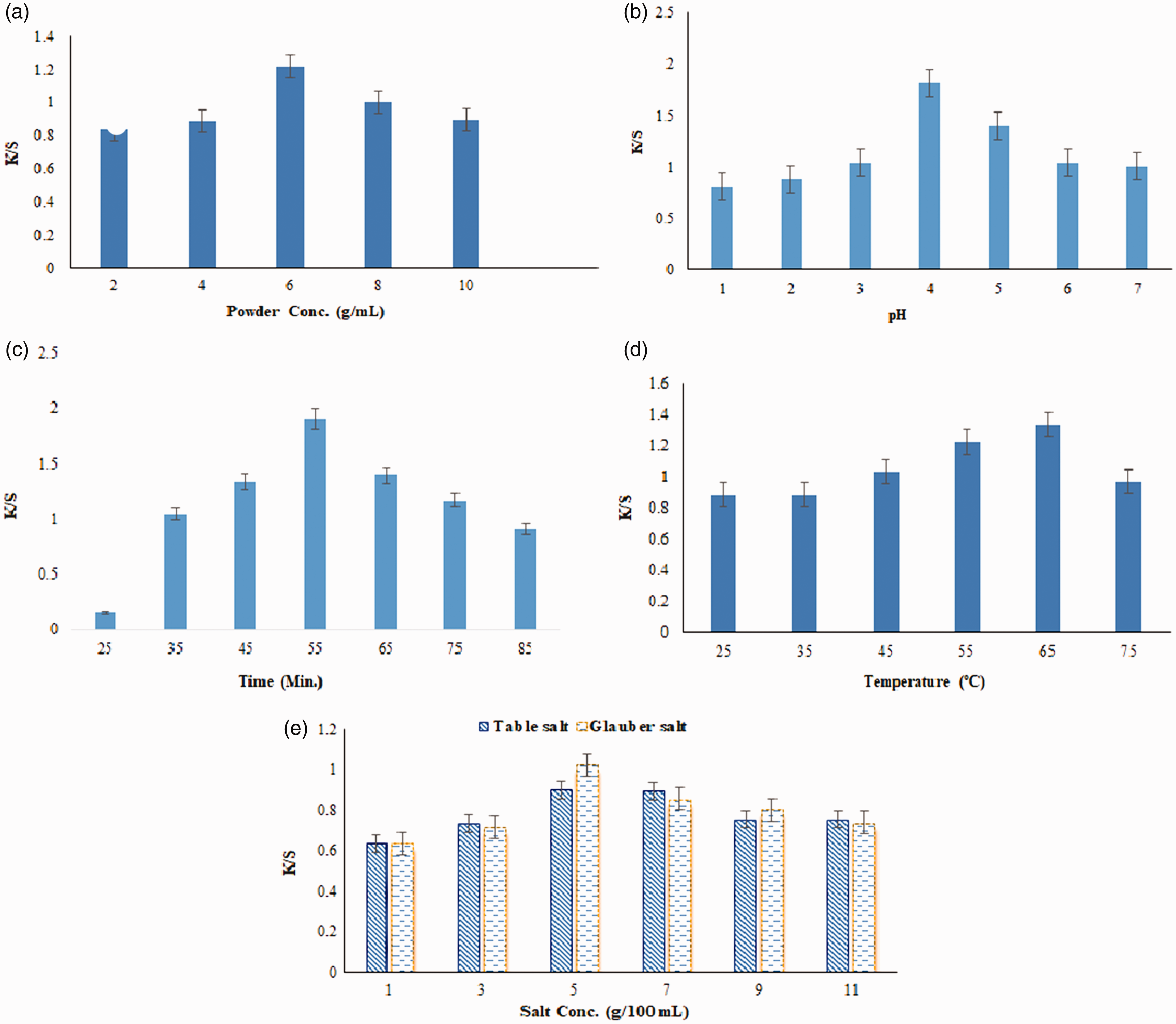
pH of the dye bath
The results shown in Figure 5(b) indicate that dyeing of RW using RE of 4 pH gave the maximum K/S value. The medium (pH) of the color bath is very significant, and must be taken into consideration because only a certain level of pH gives good color strength while using proteinous fabrics. The nature of the colorant (acidic) isolated from the coconut coir also played an essential role because the amide linkages are active enough to interact firmly with the –OH of tannin from coconut coir, which upon dyeing gives the desired results. 21 Below or above optimal pH results in a decline of good color depth (Figure 5(b)). Hence, to obtain excellent color characteristics, irradiated methanolic extract (RE) of 4 pH is recommended for dyeing.
Dyeing time
The dyeing time is an essential parameter because only at a certain level is dye bath stability is achieved, after which no further sorption is occurred, to give good color strength.22 The color strength given in Figure 5(c) shows that dyeing of RW (15 min) for 45 min gave excellent color strength using RE (15 min). Dyeing for a short time does not provide superior results because the low heating does not accelerate the kinetic energy of the colorant molecules, whereas the contact of the dye bath with heat for a long time may disturb the equilibrium of the dye bath, which results in desorption to give a low tinting strength. 24 Hence, lowering the contact time show that the US treatment is a time-effective tool.
Temperature of the dye bath
For active dyeing kinetics, the particular heating level is an essential factor in the dyeing process of proteinous fabrics. 25 It is found that dyeing of RW at 65℃ yields excellent color depth using RE (Figure 5(d)). The low heating level cannot accelerate the dye particle to move toward the fabric, while the high heating level could disturb the equilibrium of the dye bath, which may either favor desorption or degrade the colorant, thereby giving a low tinting strength (K/S). 26 Upon washing, with cold and hot water, the mostly unsorbed dye is stripped, and low tint strength (K/S) with dull hues is observed. The reduction in the heating and contact level reveals that US waves proved to be an energy- and time-useful tool in the isolation of the colorant from coconut for wool dyeing.
Effect of salt concentration
The influence of salt in the dyeing of wool is essential because it mostly gives a variety of shades with high color depth through creating a neutral atmosphere between the dye and the fabric. 27 Two types of salts (GS and TS) were used as exhausting agents; it was found that 5% GS and TS give good results (Figure 5(e)). This good color strength is due to the exhaustion of the colorant by adding salt, which tends to minimize the retarding effect of the fabric toward the colorant. Only the optimum amount brings the atmosphere around the colorant medium and fabric such that short attractive forces are created to form a firm bonding between the colorant and the fabric to give excellent depth. 28 Hence, overall, 5% of GS is recommended to provide good color depth. The optimization of the low salt amount for maximum exhaustion reveals that US treatment is a cost-effective tool.
Behavior of different mordants
Mordanting is applied to dyed fabrics to improve the shading characteristics.
29
Six different chemical mordants and four biomordants were applied onto dyed wool fabrics (Figures 6(a) and (b)).
Effect of pre- (a) and post-chemical mordant concentration (b) on wool dyeing using irradiated methanolic extract of coconut coir. TA: tannic acid.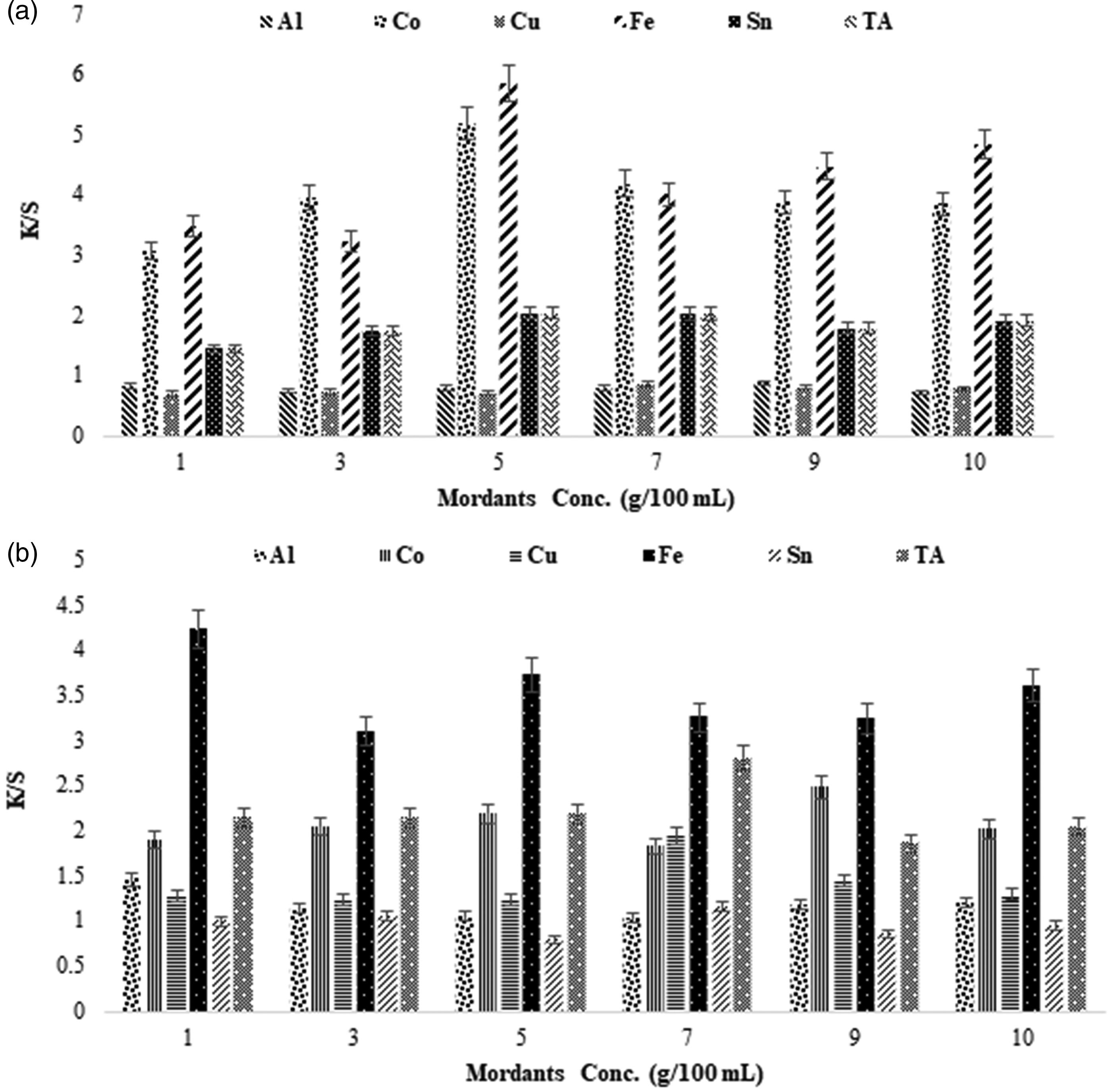
Among chemical mordants, salt of Fe (5%) as the pre- and salt of Fe (1%) as the post-mordant showed better results than other five chemical mordants used, while among biomordants, extract of turmeric (1%) as the pre- and extract of turmeric (3%) as the post-biomordant gave better color strength than the other three biomordants used (Figures 7(a) and (b)). Comparing the color depths obtained by chemical treatment and biomordanting, it was found that turmeric enhanced the color characteristics. Previous studies suggest that the utilization of biomordanting mostly adds value in the tint strength, but also gives good shades with enhanced fastness characteristics.
30
This is because of intermolecular hydrogen bonding and the ionic interactions of dye functional groups with the wool amide linkage (–CO–NH2) and the hydroxyl group of biomordants, which gave excellent shades.31,32 In chemical mordants, a dye complex is formed with metal via coordinate covalent interactions.
33
The greater the amount of the metal used for this complex formation, the greater the fastness rating, but only up to a certain limit. Hence, only a particular amount of chemicals and biomordants can be used to give the desired results. The results given in Figures 6 and 7 reveal this fact.
34
Images of colored dyed wool fabrics using chemical treatment and biomordants at optimal conditions are given in Table 1.
Effect of pre- (a) and post-biomordant concentration (b) on wool dyeing using irradiated methanolic extract of coconut coir. Wool fabrics dyed with tannin dye using chemical mordants and biomordants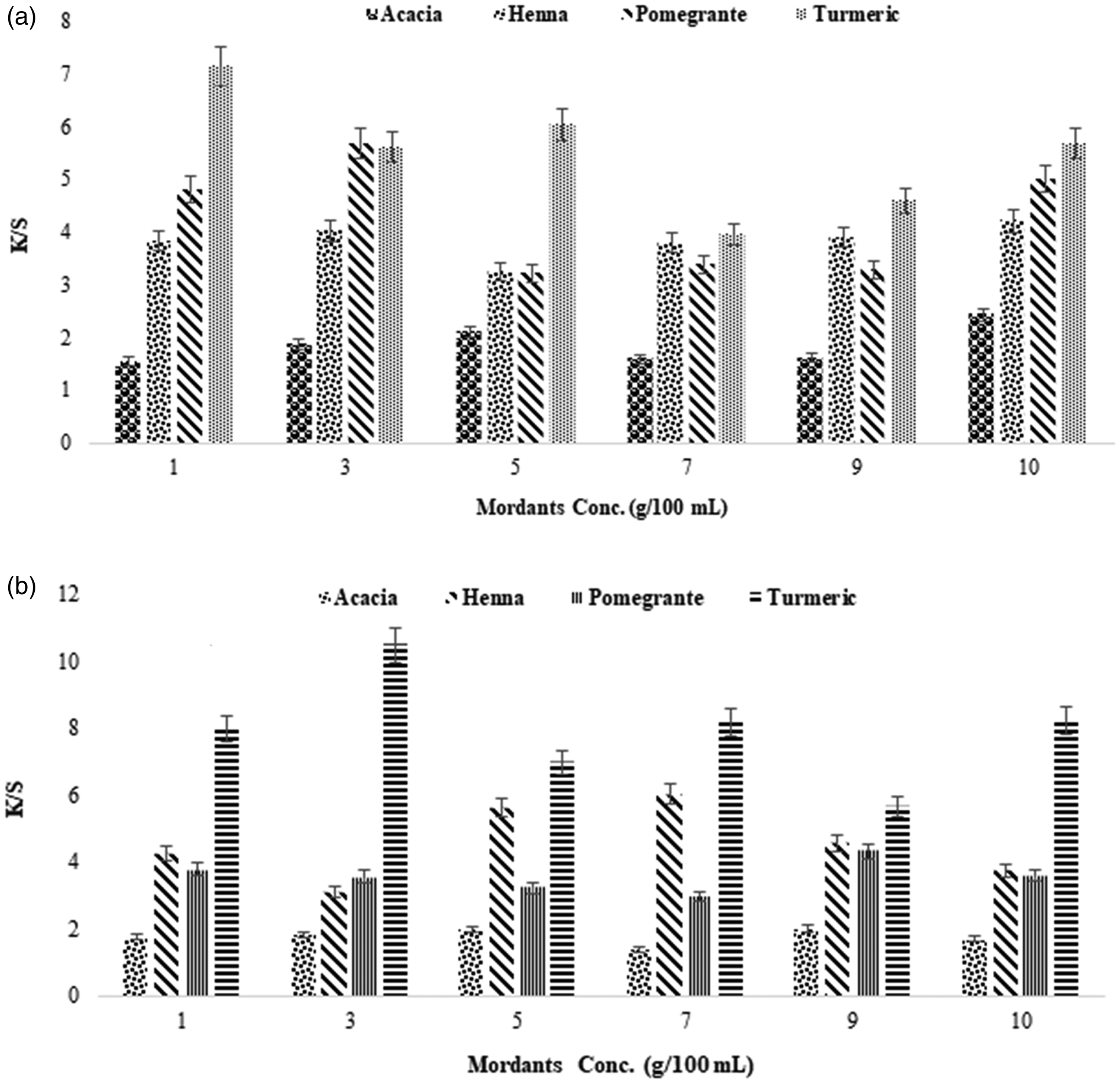
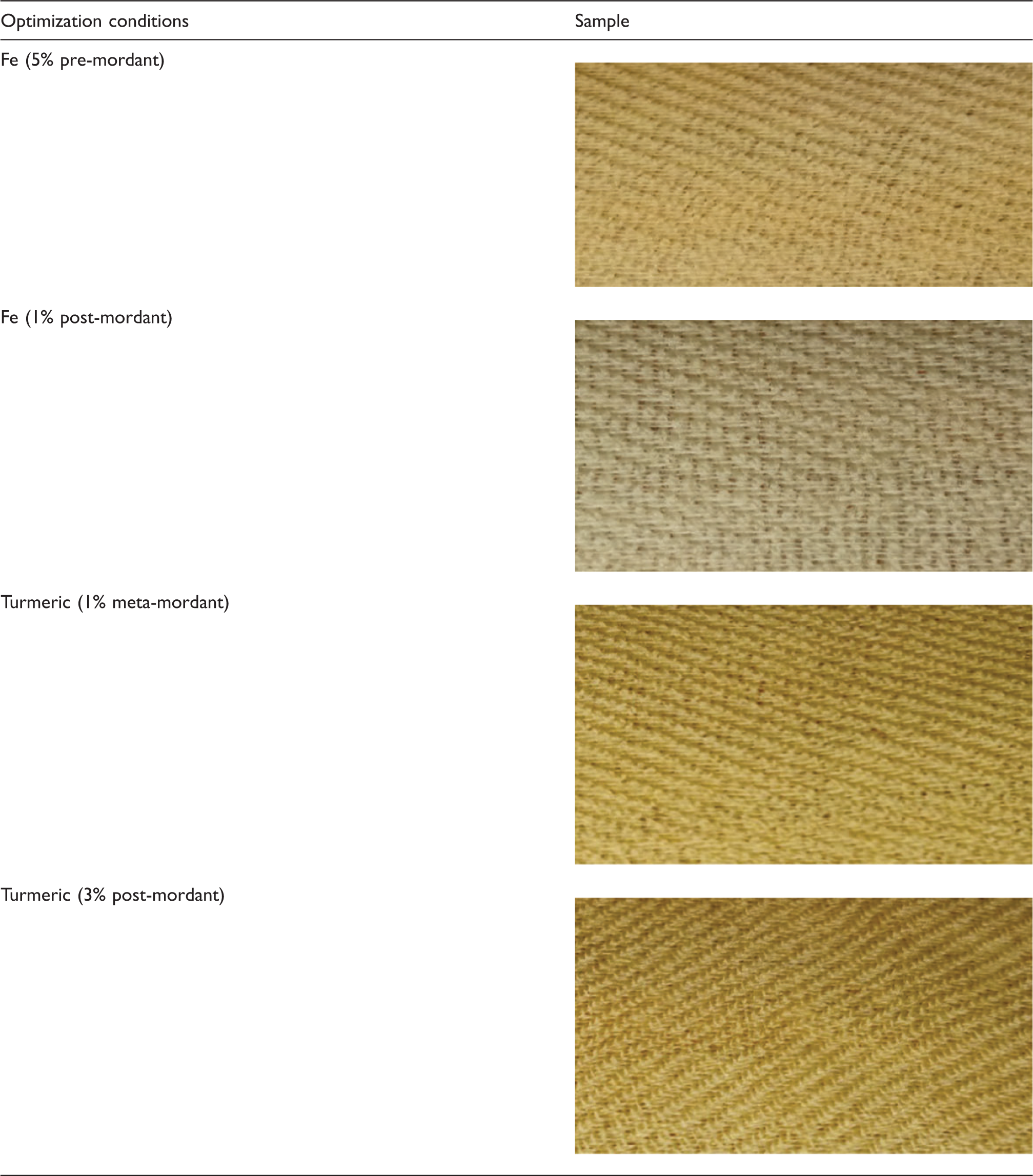
Color rating values
Ratings of the fastness properties of dyed wool fabrics before chemical mordanting

LF: light fastness; WF: washing fastness; DRF: dry rubbing fastness; WRF: wet rubbing fastness.
Ratings of fastness properties of dyed wool fabrics after chemical mordanting

LF: light fastness; WF: washing fastness; DRF: dry rubbing fastness; WRF: wet rubbing fastness.
Ratings of fastness properties of dyed wool fabrics before biomordanting

LF: light fastness; WF: washing fastness; DRF: dry rubbing fastness; WRF: wet rubbing fastness.
Ratings of fastness properties of dyed wool fabrics after biomordanting

LF: light fastness; WF: washing fastness; DRF: dry rubbing fastness; WRF: wet rubbing fastness.
Conclusions
It has been found that US radiation has a promising role in the extraction of natural colorants. From the current study, it was concluded that tannin dye extracted in a methanolic medium exhibited a good color yield onto wool. The US-RW fabric gave acceptable results, where an extract of 4 pH obtained from 6 g powder was used to dye wool fabric for 15 min containing 5 g/100 mL of TS, 4 pH, at 65℃ when it was exposed to US radiation for 45 min. FTIR and SEM analyses of the control and dyed wool fabrics confirmed no chemical change of wool fabric after exposure to the US radiation. Other natural sources can be explored for the extraction of colorants under the influence of US radiation. Biomordants gave excellent color characteristics compared to the other chemical mordants used, where physiochemical analysis reveals that US radiation physically tuned the fabric to increase substantivity toward natural dyes without changing its chemical nature. Hence, being a cost-, time-, labor- and energy-effective treatment, it can be used for isolation of the colorant from other dyes for the coloration of natural fabrics.
Footnotes
Declaration of conflicting interests
The authors declared no potential conflicts of interest with respect to the research, authorship and/or publication of this article.
Funding
The authors disclosed receipt of the following financial support for the research, authorship, and/or publication of this article: This work was particularly supported by UNESCO via PhosAgro/UNESCO/IUPAC/GCUF (Project No. 128).