



Abstract
Stimuli-responsive polymers applied to traditional textiles have received widespread attention. In this work, a new type of polymer-modified polyester fabric was prepared with interpenetrating polymer network (IPN) hydrogel. The IPN hydrogel comprised of poly (N-isopropylacrylamide) (PNIPAAm), silk sericin (SS), and silver nanoparticles (Ag NPs). The presence of the IPN hydrogel on the surface of fibers can change the wettability of polyester fabric, in response to temperature. The thermal behavior of IPN hydrogel was characterized by differential scanning calorimetry (DSC) and thermogravimetric analysis (TG). DSC results indicated that the IPN hydrogel exhibits temperature-responsive behavior and the lower critical solution temperature (LCST) was around 32.9℃. The decomposition temperature of modified polyester fabric (400.5℃) was better than the original polyester fabric (335℃). TG results indicated that the polymer-modified fabric possessed higher thermal stability than the original polyester fabrics. The thermo-physiological comfort of modified polyester fabric was characterized by water contact angle and vertical wicking test. Above the LCST, the wettability of the polymer-modified polyester fabric would decrease because of the volume phase transition of IPN hydrogel. Moreover, the antibacterial activity of the modified temperature-sensitive fabric against Staphylococcus aureus and Escherichia coli was also investigated, and the antibacterial activity for both microorganisms exceeded 95%. This study provided a feasible route to fabricate the temperature-responsive textile with great antibacterial performance.
In recent years, polyester fabric has been widely used in the textile industry due to its high strength, good durability, and dimensional stability.1,2 However, poor moisture absorption, low antibacterial activity and texture of polyester fabric cannot satisfy consumers who seek for comfort in protective clothing and active sportswear. 3 Therefore, improving the wear comfort properties of polyester fabric has become increasingly significant because of these problems. 4 Comfort is a complex concept that includes thermal comfort, tactile comfort, and psychological comfort. 5 Thermal comfort mainly refers to thermo-physiological comfort, which includes wicking effect, water vapor transport, sweat absorption, and drying ability. 6 To improve the moisture absorption behavior of polyester fabric, various types of physical or chemical modification methods were used. At present, the main treatment techniques for polyester fabric are copolymerization and covalent crosslinking. Muresan et al. 7 grafted polyester fabric using 3-chloro-2-hydroxypropyl acrylate as catalyst to increase the hygroscopicity of polyester fabric. However, this grafting method cannot easily obtain uniform crosslinked polymers. Zhao et al. 8 modified polyester fabric via the thiol-ene click reaction with reduced graphene oxide as a finishing agent. The result revealed that the modified polyester showed higher moisture absorption ability than the original polyester fabric. However, the presence of finishing agent affected the hand feeling of polyester fabric. At present, surface modifications of polyester fabric with microgels has become the focus of researchers because of higher water absorption property compared to traditional modification methods. To regulate the wettability of polyester, a type of responsive polyelectrolyte microgel was used by the researchers of Pelagia et al. to treat the textile using UV irradiation. 9 The result indicated that the modified PET fiber exhibited great water vapor transfer rates.
Hydrogel is a kind of hydrophilic three-dimensional network polymer, which can be swollen but not dissolved in water.10–12 Smart hydrogels possess sensitive responses to external environmental stimuli, such as temperature, pH, light, and electromagnetic waves. 13 Thermosensitive hydrogel is a kind of smart hydrogel, which can respond to environmental temperature stimuli. Therefore, the temperature-responsive hydrogels can impart more functions and intelligence to traditional textiles. Poly (N-isopropylacrylamide) (PNIPAAm) is a temperature-responsive polymer with a low critical solution temperature (LCST) of about 32℃, which is close to the human body temperature.14–16 Above its LCST, PNIPAAm hydrogel is relatively hydrophobic, whereas below its LCST, the polymer is hydrophilic. The phase transition property of PNIPAAm means it can be used to fabricate polymer-modified textiles to improve the wettability or hydrophobicity ability (T < LCST). However, the phase-separation of the hydrogel results in released water from the hydrogel (T > LCST). 17 This behavior is beneficial in taking away the heat from the fabric by water evaporation, especially in hot weather. Hence, PNIPAAm can be used to modify fabric to improve thermo-physiological comfort properties. However, the presence of water in hydrogel on the surface of fabric provides a great growing environment for bacteria. Therefore, hydrogel should possess a certain amount of antibacterial property. Silver nanoparticles (Ag NPs) are a well-known as a highly effective antibacterial agent. 18 At present, the Ag NPs are mainly prepared using chemical reductants which cause environmental pollution problems. 19 Sericin is a kind of bio-reductive agent which is friendly and harmless to the environment, and which can be used to synthesize Ag NPs.20 The amidogen groups of sericin (SS) can react with Ag+ and reduce to Ag0 under alkaline conditions.
In this work, our research group aims to prepare a type of temperature-responsive polymer-modified polyester fabric by crosslinking the interpenetrating polymer network (IPN) hydrogel composed of PNIPAAm, SS and Ag NPs. Firstly, amino groups were introduced onto the polyester fabric surface via amination modification with ethidene diamine. Secondly, citric acid (CA) was used as a crosslinking agent to increase the bonding fastness between IPN hydrogel and amino polyester fabric by acylation reaction. Finally, the finished polyester fabric not only absorbed the moisture from the skin surface quickly at low temperature but also actively transported moisture from the inner layer to the outer layer in a hot environment. On the basis of these key features, the modified polyester can provide comfort to the wearer and broaden its application in garment terminology.
Experimental part
Materials
Polyester woven fabric (ends per inch/picks per inch = 70/65, areal density = 70 g/m2) was purchased from Wuhan local market. N-isopropylacrylamide (NIPAAm, 98%), N,N-methylene-bis-acrylamide (MBAA, 98%, Mw = 154.17), N,N,N’,N’-tetra-methyl-ethylene-diamine (TEMED, 98%) were purchased from Shanghai Macklin, Biochemical Co., Ltd. Ammonium persulfate (APS, 98%) was purchased from China Pharmaceutical Group Chemical Reagent Co., Ltd. Sericin (SS, average molecular weight of 300 ∼ 350 kDa) and silver nitrate (AgNO3, 99.8%) was purchased from Sinopharm Chemical Reagent Co., Ltd. All other reagents and solvents were purchased from Sinopharm Chemical Reagent Factory.
Synthesis of SS/PNIPAAM/Ag NPs IPN hydrogel
Firstly, 0.6 g of SS and 1 mL of silver nitrate solution (50 mmol/L) were dissolved in 15 mL of deionized water under magnetic stirring at 400 r/min for 5 min. The mixed solution of the pH value was adjusted to 11 with sodium hydroxide solution (1 mol/L). Ag NP suspension was successfully prepared when the solution’s color changed from light yellow to brown. Secondly, NIPAAM (0.5 g), MBAA (0.01 g) initiator TEMED (6 µL) and APS (0.01 g) were added to the above-mentioned Ag NP suspension with continuous stirring. The stirring process was kept under nitrogen protection for 30 minutes. Finally, the SS/PNIPAAm/Ag NPs IPN hydrogel was obtained and then immersed in deionized water to remove unreacted reagent. The synthesis mechanism and synthesis scheme of IPN hydrogel is shown in Figure 1 and Figure 2, respectively.
Synthesis mechanism of the PNIPAAm. (a) NIPAAm (b) MBAA (c) PNIPAAm Synthesis scheme of the IPN hydrogel.

Amination modification of polyester fabric
The polyester fabric was pretreated with a mixed solution (2 g/L sodium dodecyl sulfonate and 1 g/L sodium carbonate) at a bath ratio of 1:50. The fabric was then immersed in 50% ethylenediamine solution for 1 h. Finally, the treated polyester was washed with 50℃ deionized water for 3 min and then dried at 80℃ for 10 min. Figure 3 illustrates the scheme of the amino modification of polyester fabric.
Scheme of amino modification of polyester fabric.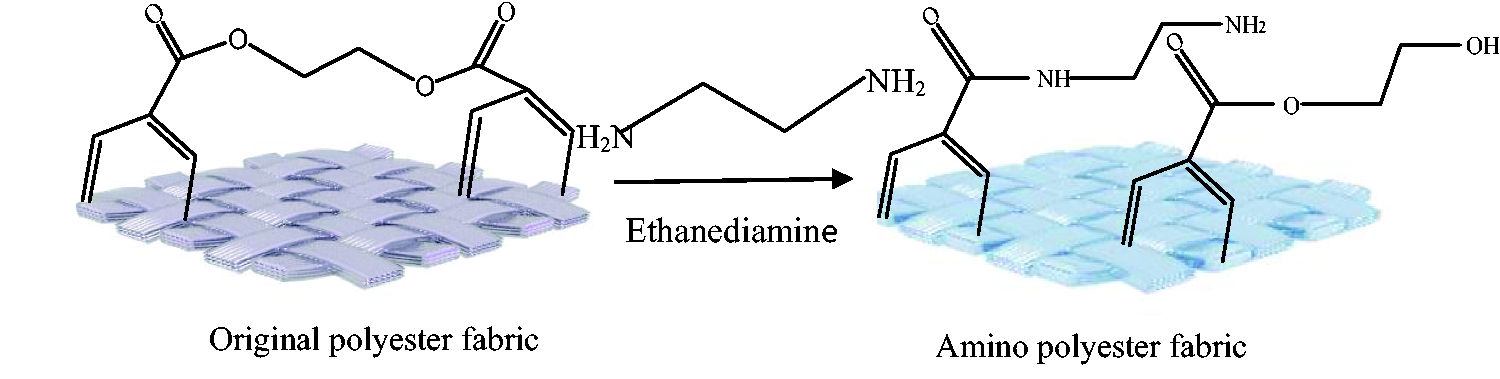
Grafting of the IPN Hydrogel onto polyester fabric
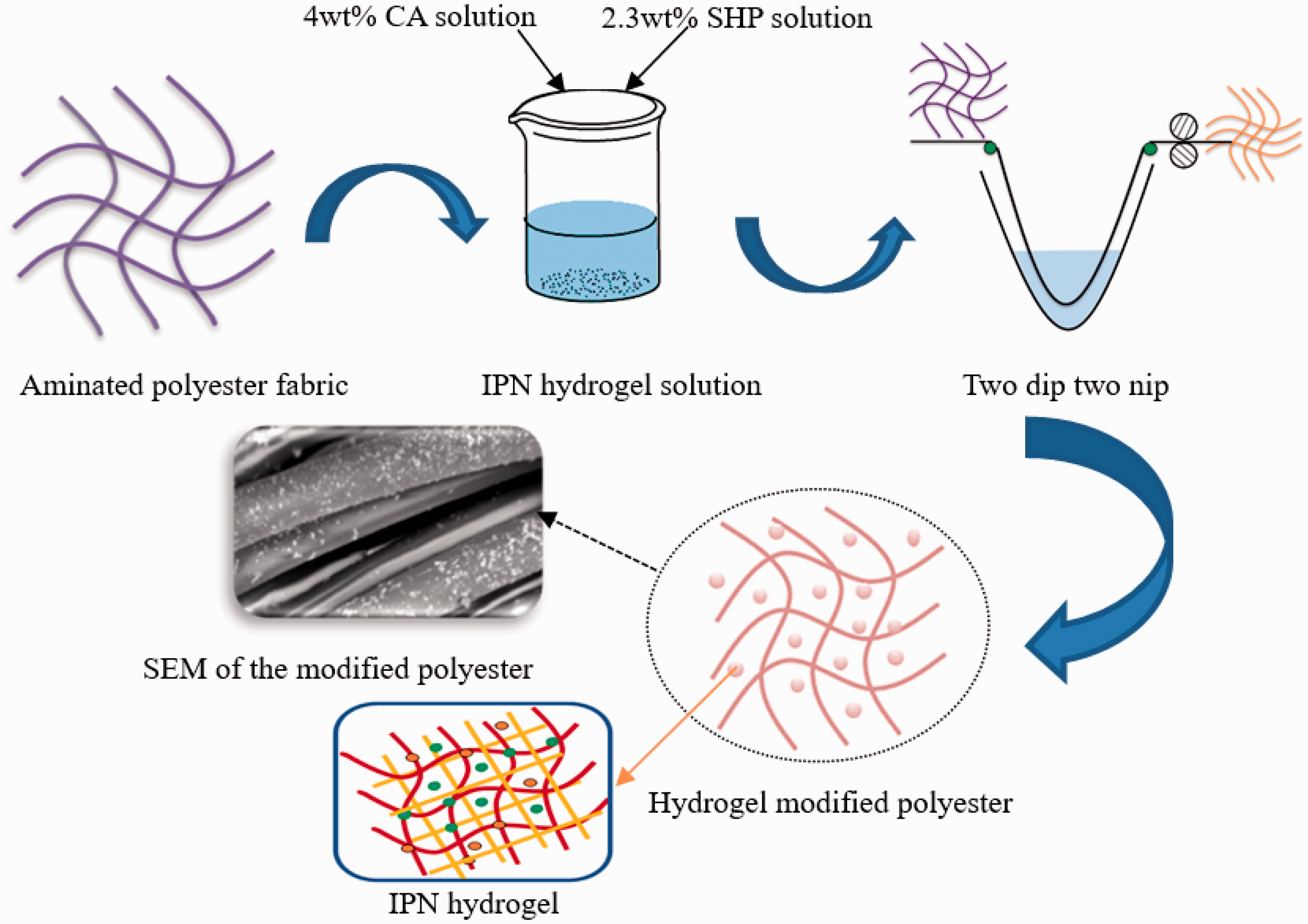
To improve the washing fastness, citric acid (CA) was used as the crosslinking agent to link the IPN hydrogel and amino polyester fabric via acylation reaction (Figure 4). Sodium hypophosphite (SHP) was used as the catalyst in the process of crosslink reaction. The preparation process was as follows: First, the aminated polyester fabric was immersed into the mixed solution (CA 4 wt%, SHP 2.3 wt%, IPN hydrogel 20 wt%) with liquor ratio 1:20 and kept for 10 min. In this process, the IPN hydrogel is a molded hydrogel and it should be crumbled and dispersed in the mixture solution with a stirrer. After a padding process, the wetted fabric was dried for 15 min at 80℃, and then cured at 160℃ for 5 min. Finally, the modified polyester fabrics were washed under running water, followed by drying at 80℃. The synthesis process of the modified polyester is shown in Figure 5.
Schematic illustration of CA crosslinking reaction. Preparation process of modified polyester fabric with IPN hydrogel.
Characterization
Hydrogel characterization
The Fourier-transform infrared spectroscopy (FTIR) spectra of the SS/PNIPAAm/Ag NPs hydrogel was recorded with a FTIR spectrophotometer, in the range of 4000–400 cm–1. The phase transition temperature of the hydrogel sample was measured by a differential scanning calorimeter (DSC) under a nitrogen atmosphere. The sample was heated from 20℃ to 45℃ at a heating rate of 3℃/min. The thermal degradation process of the hydrogel sample was analyzed using a Perkin Elmer TGA 4000. The temperature variation was set from 20℃ to 500℃, with a heating rate of 10℃ /min under N2 flow. 21 A scanning electron microscope (SEM) was used to measure. This was a Hitachi TM-1000 Table-Top SEM (Tokyo, Japan).
Water contact angle and vertical wicking effect test
Wettability of the modified polyester fabric was determined by measuring the water contact angle with a DSA 20 optical contact-angle meter. All the samples including original polyester, aminated polyester, and modified polyester were tested at 20℃ and 50℃.
22
The wicking effect represents the moisture absorption ability of fabric, which is one of the most important parameters to determine the clothing’s thermo-physiological comfort performance. The vertical wicking height was tested based on the literature.
23
The test samples with a scale of 30 mm × 300 mm strips, which were cut along warp direction. The bottom of the sample with a depth of about 25 mm was immersed vertically in distilled water at 20℃ and 50℃. The climb height was recorded every 5 min up to 30 min. The schematic diagram of the vertical wicking test is shown in Figure 6.
Schematic diagram of the vertical wicking test.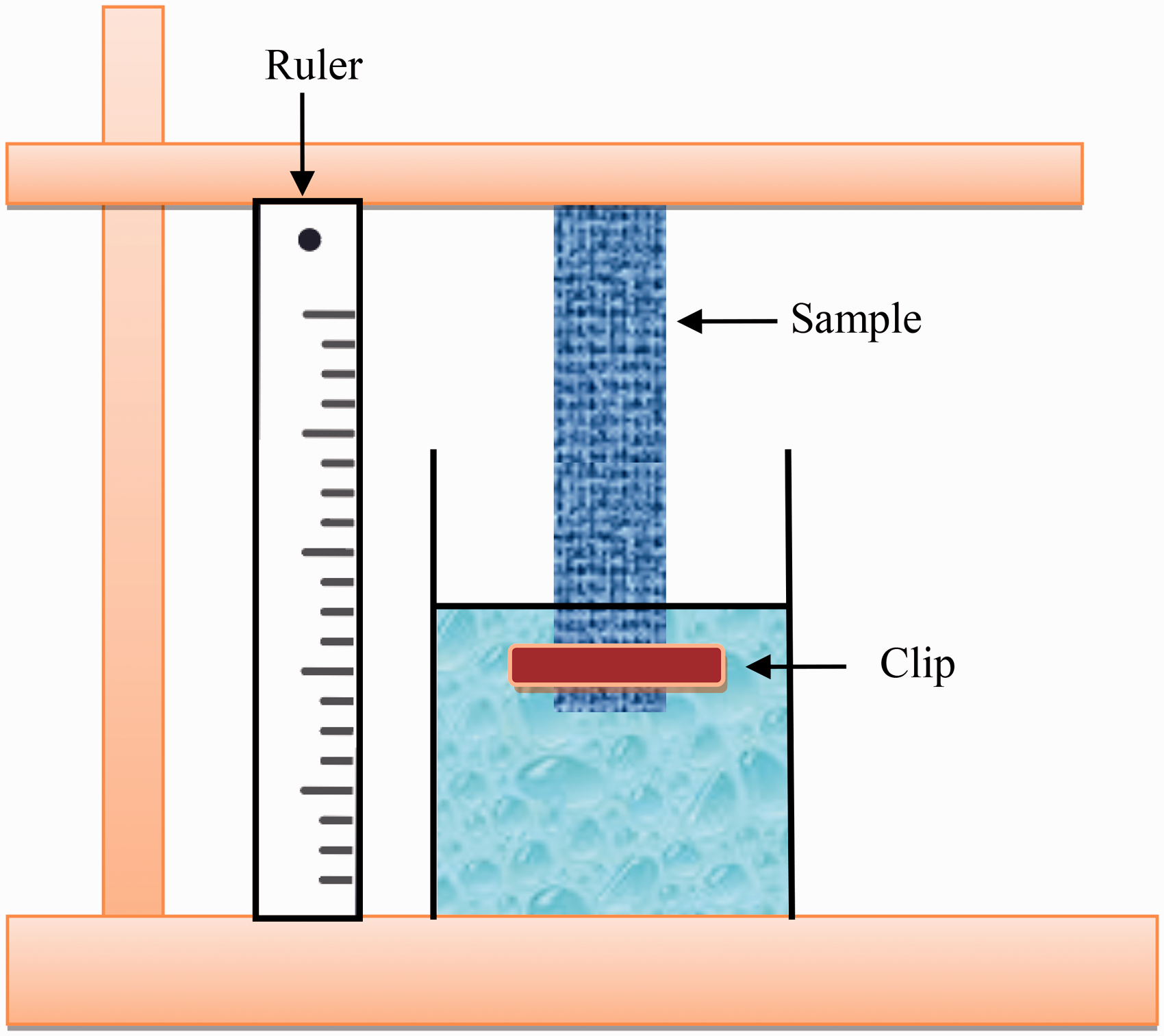
Water vapor permeability
Water vapor permeability (WVP) was tested according to the standard ASTM E96. The scheme of the water-vapor cup is shown in Figure 7. The test samples were cut into a circle with diameter of 70 mm. The height of the water in the cup should reach up to three quarters of the cup height. The cup was placed in a chamber at 20℃, 25℃, 30℃, 35℃ and 40℃, respectively. The WVP (g/24 h/m2) was calculated by the following equation:
24
Schematic diagram of the water vapor permeability test method.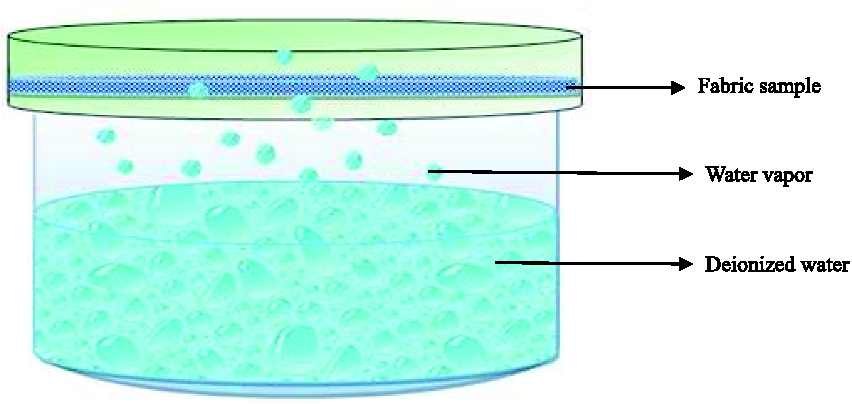

Drying rate testing
The drying rate was evaluated by calculating water evaporation rates (WERs). Firstly, the test samples were cut into 100 mm × 100 mm square, and then each sample was weighted on an electronic balance. Secondly, the water was added to the fabric, equal to 100% of the dry sample weight before testing. Finally, the samples were placed on the heating plate. The change of water was continually recorded, every 10 s, for 120 s. To investigate the effect of temperature on the drying ability of modified polyester, the heating plate was set at 25℃, 35℃ and 50℃ to evaluate the drying rate, respectively. The WER was calculated by the following equation:
25

Where W0 is the weight of dry samples, W1 is the weight of wetted sample, △m is the weight of changed water.
Antibacterial activity evaluation
The antibacterial activity of the unmodified polyester and modified polyester was evaluated by the shake flask method (GB/T 20944.3−2008) and the agar diffusion plate method (GB/T 20944.1−2007). Gram-negative E. coli (ATCC 8099) and Gram-positive S. aureus (ATCC 25923) were chosen as strain samples.17,26 The shake flask method is shown in Figure 8. Firstly, a colony was taken from agar plate with a sterilized tip, and then the colony was placed into 20 mL of broth medium which was incubated at 37℃ for 24 h with shaking at 200 rpm. Secondly, original polyester fabrics (0.75 g) as control samples and modified polyester fabrics (0.75 g) were cut into pieces, and added into a flask with 5 mL of incubated bacterial suspension and 70 mL of PBS, respectively. After the flasks were incubated in an incubator at 37℃ for 24 h, the incubated bacterial suspension was diluted to the concentration (104 CFU/mL). Finally, 200 µL of diluted mixture was plated onto agar and incubated at 37℃ for 24 h. The bacterial inhibition rate was calculated by the following formula:
27
Schematic illustration of the shake flask method.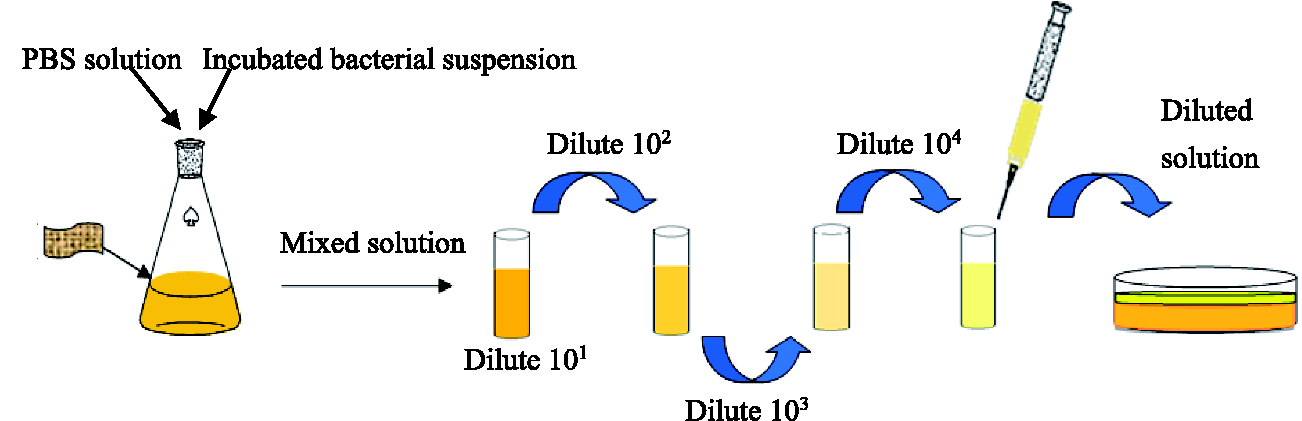

Where R is the bacterial inhibition rate (%), A is the number of bacterial colonies of original polyester fabric (CFU/mL), and B is the number of bacterial colonies of the modified polyester fabric (CFU/mL).
The agar diffusion plate method is shown in Figure 9. The original polyester and modified polyester fabrics were cut into round shapes (diameter 2.5 cm) and placed onto the agar plates. Then 0.1 mL incubated bacterial suspension was dropped on the samples and incubated at 37℃ for 24 h. Finally, the antibacterial activity of test samples was evaluated by examining the inhibition zone around the specimen.
Schematic illustration of the agar diffusion plate method.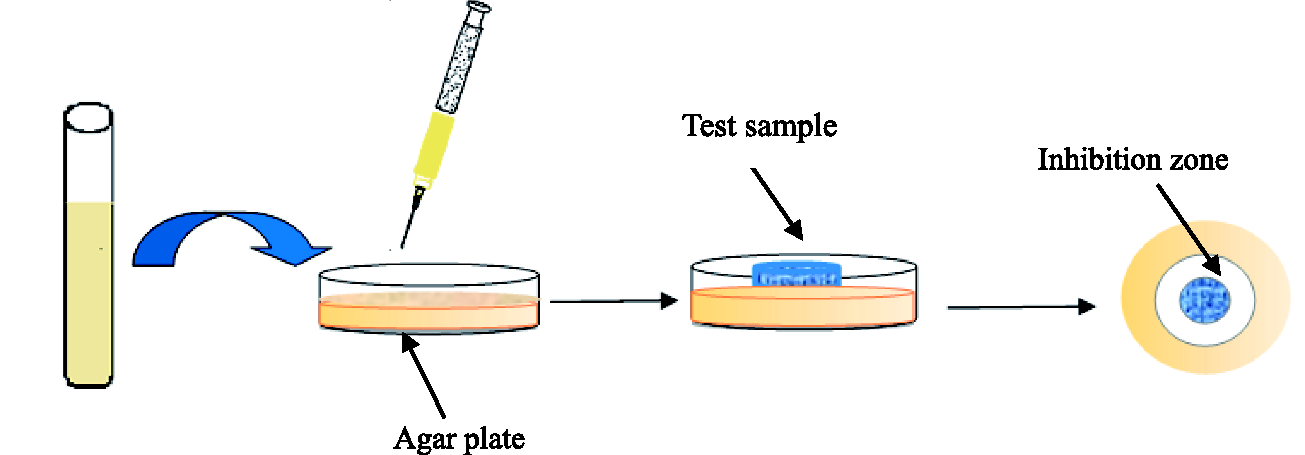
Results and discussion
FTIR analysis
The chemical structures of PNIPAAm, SS, and INP hydrogel were measured by the FTIR (Figure 10). The three samples all showed a strong characteristic absorption peak at 1629 cm-1, which was attributed to C=O of PNIPAAm and a carbonyl group in SS. Moreover, the peak at 1540 cm-1 was related to the characteristic absorption peak of the amino group in SS, as well as to the N–H bending vibration and C–N stretching vibration of PNIPAAm. PNIPAAm also exhibited a double characteristic peak of isopropyl group (CH(CH3)2) at 1411 cm–1 and 1455 cm–1. The stretching vibration peak of N-H in PNIPAAm and the stretching vibration peak of -OH in SS were superimposed with each other, resulting in a strong and wide peak at 3201 cm–1. The result indicated that the IPN hydrogel was successfully prepared with PNIPAAm, SS and Ag NPs. For the three chemical structures in FTIR, no new characteristic peak was added or disappeared, suggesting that the introduced SS and Ag NPs did not influence the structure of PNIPAAm.
FTIR spectra of (a) IPN hydrogel, (b) SS, and (c) PNIPAAm.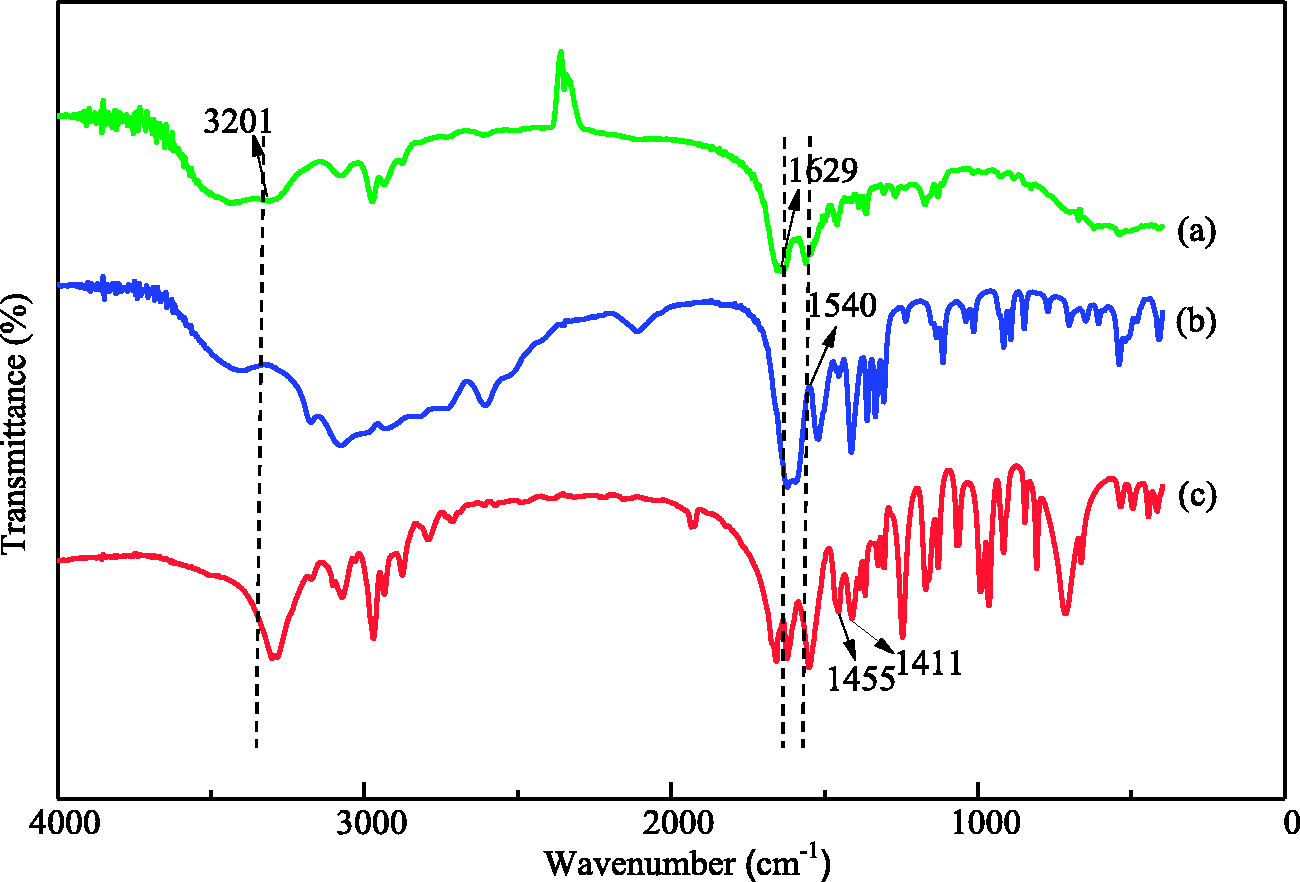
Surface morphology
A SEM was used to show the morphology of the synthesized hydrogel, and modified polyester fabric. As shown in Figure 11(a–b), the hydrogel had irregular holes. This result indicated that a large amount of water could be retained in the network structure of the hydrogel. The surface of the original polyester and modified polyester was shown in Figure 11 (c–d) and Figure11 (e–f). The result revealed that original polyester fabric surface was relatively smooth. The tiny spots on the surface were due to the melting of oligomers that were not completely washed out in the weaving process. The modified polyester fabric was covered with a layer of porous hydrogel membrane. It was also clearly found that Ag NPs were uniformly dispersed on the modified polyester surface.
SEM micrographs of the hydrogel, original polyester fabric, and modified polyester fabric.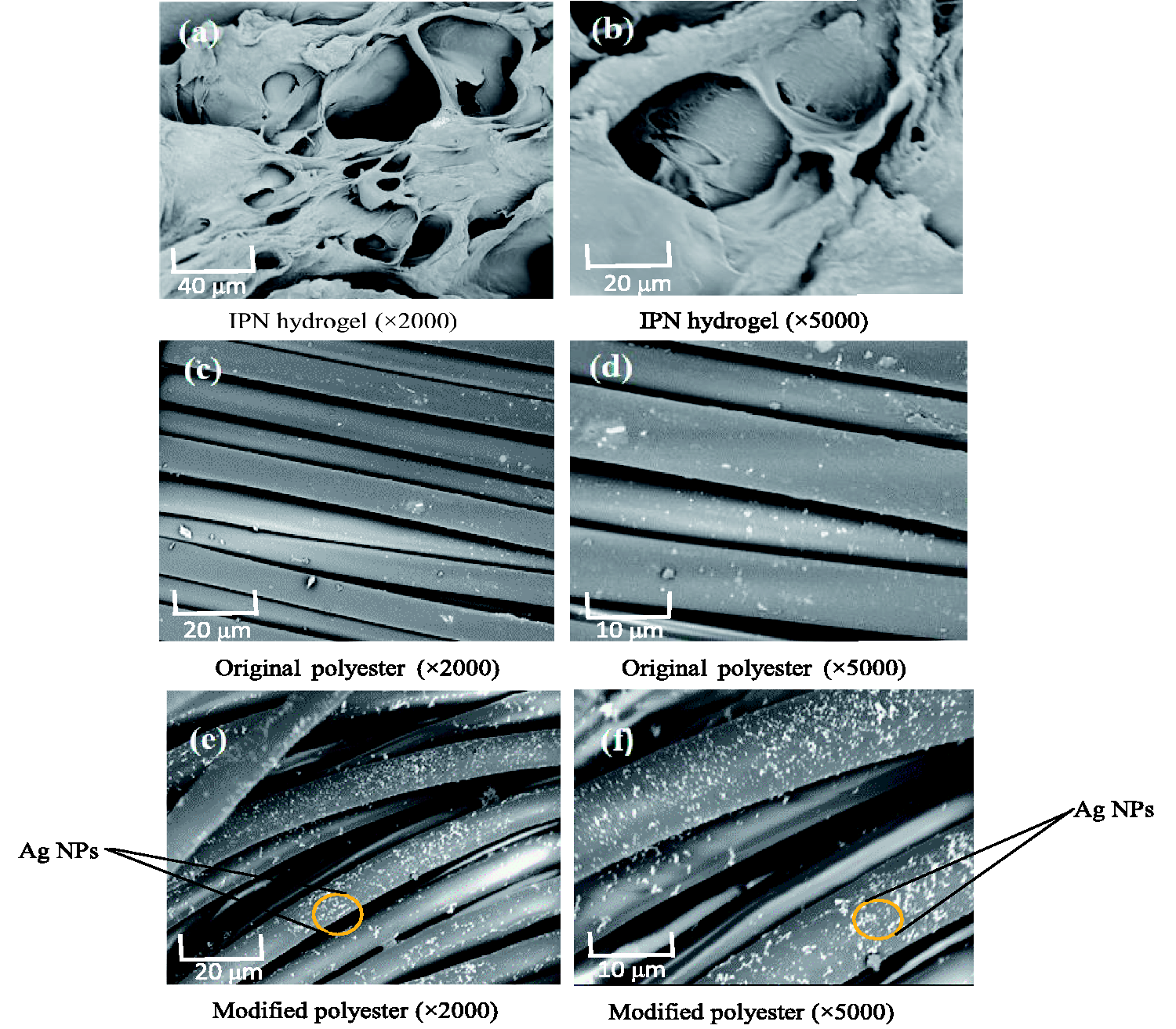
Thermal behavior analysis
A TG was performed to investigate the thermal behavior of the samples as shown in Figure 12. The black curve shows that thermal degradation of hydrogel is divided into three stages. The initial weight loss of the hydrogel occurred in the temperature range 25℃ to 100℃. This is mainly due to the loss of water absorbed by hydrogel from the environment. The second stage of hydrogel weight loss occurred between 325℃ and 375℃. This is attributed to the decomposition of the PNIPAAm side chain group. The hydrogel was further degraded at third stage, and the residue of weight loss was 14% after 375℃. The result indicates that IPN hydrogel has good thermal stability at high temperature. The degradation of unmodified polyester and modified polyester was observed as a single step. The weight loss of polyester fabrics was due to the degradation of the polyester chain at high temperature. When comparing untreated polyester and treated polyester, the onset degradation temperature increased from 335℃ to 400.5℃ while the endset temperature changed from 389.5℃ to 455℃. The amount of residual weight also increased from 13% to 21% for the modified polyester. The above result demonstrates that the presence of hydrogel on modified polyester had higher thermal stability than unmodified polyester.
The TG of the IPN hydrogel, unmodified polyester and modified polyester.
Thermosensitive behavior of the IPN hydrogel
PNIPAAm showed sharp phase transition behavior at 33℃, as shown in Figure 13(a). When the temperature was lower than LCST, the N-H and C=O groups on the PNIPAAm chains form intermolecular hydrogen binding with water molecules, as shown in the Figure 14(a). When the temperature was above LCST, the N-H and C=O groups of PNIPAAm molecules preferred to form intramolecular hydrogen bonding, as shown in the Figure 14(b). Therefore, the molecular chains were contracted at high temperature and the hydrophobic effect of PNIPAAm was strengthened. The phase transition temperature of the IPN hydrogel was 32.9℃, indicating that the introduction of the SS and Ag NPs had no effect on the thermo-sensitive behavior of IPN hydrogel.
DSC of the synthesized IPN hydrogel (a) and a photograph at different temperature (b). Schematic illustration of the hydrophilic-hydrophobic phase transition of PNIPAAm.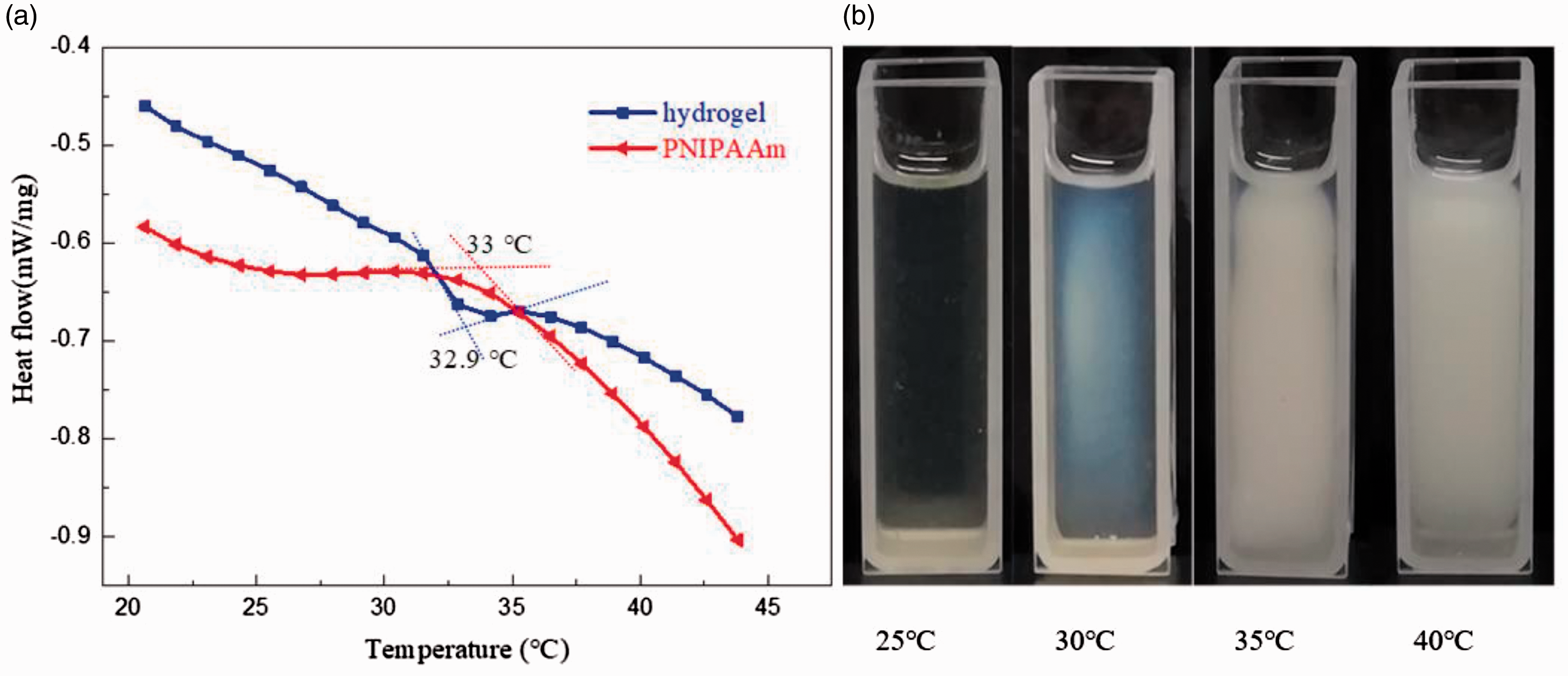

The phase states of hydrogel at different temperatures can also be represented by color changes. As shown in Figure 13(b), the hydrogel gradually becomes white with increasing temperature. When the temperature was lower than the LCST (such as 25℃ and 30℃), the hydrogel was a transparent flowing liquid. When temperature was higher than LCST, the flowing liquid became to a white gel state. This was mainly due to the phase transition from hydrophilic state at low LCST to hydrophobic state at higher LCST.
Water contact angle analysis
To investigate the effect of temperature on the contact angle of modified polyester fabric, two different temperatures, including above and below LCST, were used in this study. As shown in the Figure 15, the modified polyester fabric showed a lower contact angle than the original polyester fabric. This was mainly due to the presence of hydrogel on the modified polyester fabric, and the easily absorbed water molecules when the temperature was lower than LCST. However, it was also found that the contact angle increased when the temperature was above the LCST. It was mainly due to the phase transition of hydrogel which resulted in a weakening of hydrophilicity It should be noted that the contact angle of the modified polyester was still lower than 90° when the atmospheric temperature was at 50℃. This is attributed to SS containing a large amount of hydroxyl groups in the IPN hydrogel. Compared to the original polyester fabric, the contact angle of the aminated polyester fabrics were all less than 90° at 20℃ and 50℃. This is attributed to the hydrophilic amino group being introduced into the surface of the fabric. The above analysis demonstrates that the modified polyester has temperature sensitivity behavior and will display a varying hydrophilic ability at different temperatures.
Water contact angle of different polyester fabric under 20℃ and 50℃.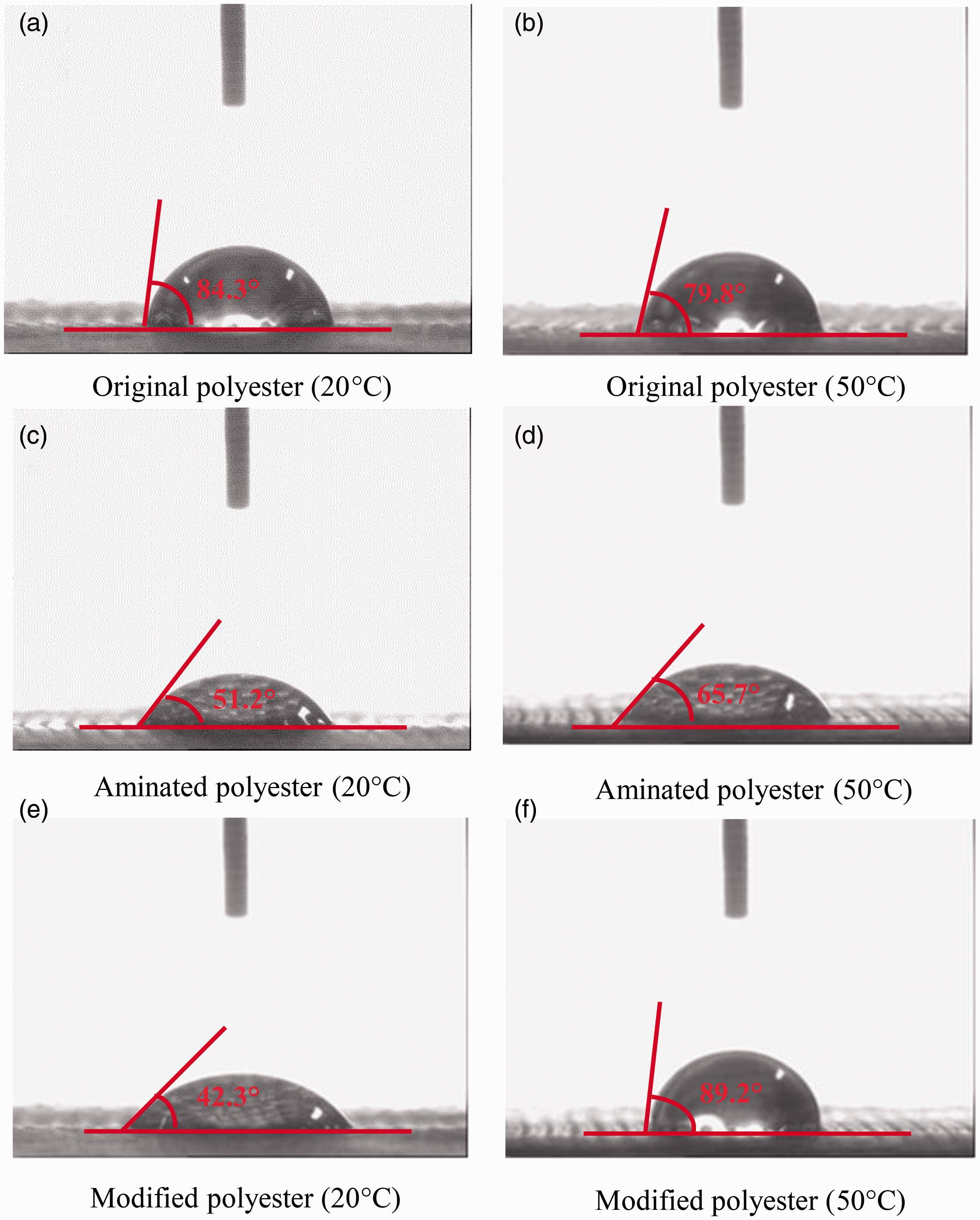
Wicking effect results
Moisture transport ability is one of the most important factors in determining the comfort of fabrics to wear. As shown in Figure 16(a), the vertical wicking height of the original polyester and modified polyester gradually increased as time increased. This was mainly due to wicking performance of the liquid moisture through capillary channel in the fibers. However, it was found that the wicking height of the modified polyester fabric was higher than in the original polyester sample when the temperature of water was set at 20℃. This phenomenon is attributed to the IPN hydrogel increasing the hydrophilic behavior of the modified polyester at a low LCST temperature. The results verified that modified polyester fabric could impart better thermo-physiological comfort than the original polyester.
Wicking height of original polyester and modified polyester at 20℃ (a) and the wicking height of modified polyester at different temperatures (b).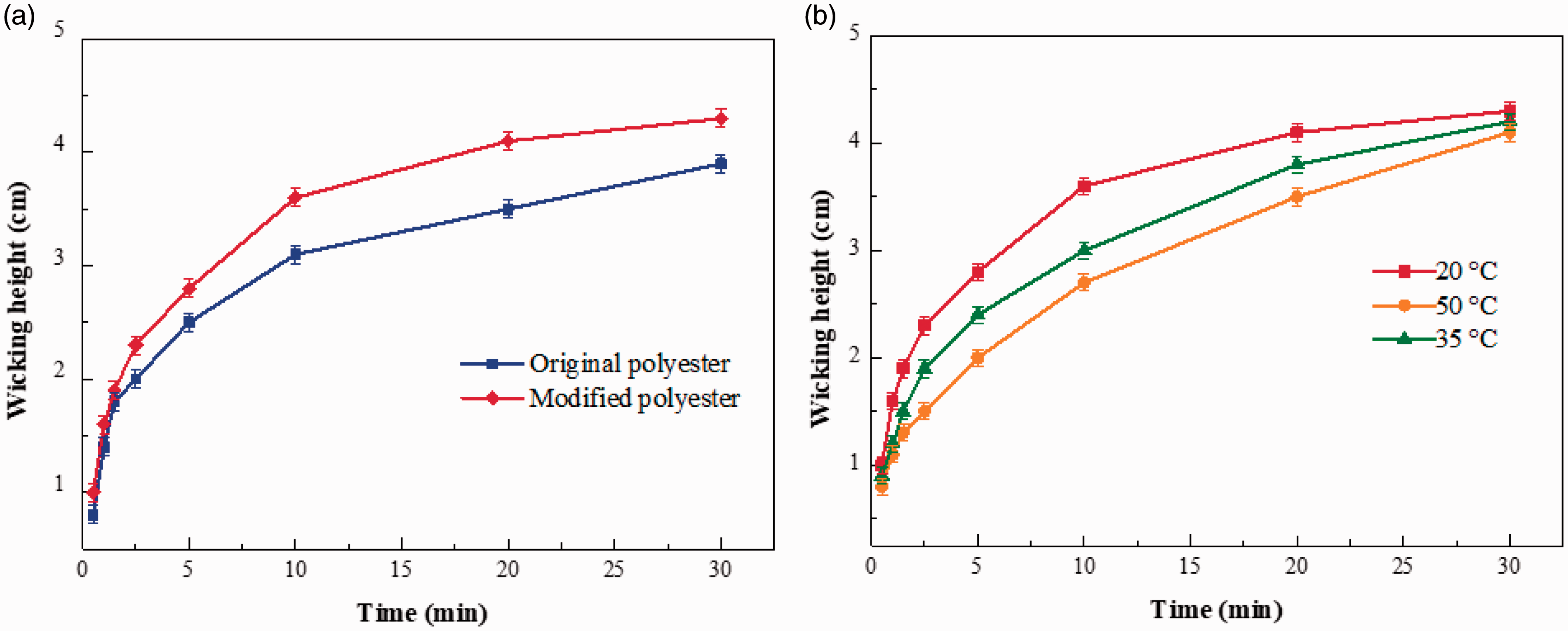
The effect of temperature on the moisture transport ability of the modified polyester fabric was also investigated at 20℃, 35℃ and 50℃, respectively. Results indicated that the wicking height of modified fabric at 50℃ was lower than at 20℃. This is mainly due to the hydrophilic molecules being surrounded by the hydrophobic isopropyl groups in the IPN hydrogel, when the temperature was higher than LCST. The hydrogen bonding interactions between chains and water molecules decreased, the hydrogels shrank, and the absorbed water was expelled. Thus, the wicking height of modified fabric at 50℃ was lower than at 20℃.
On the basis of thermosensitive behavior of the IPN hydrogel, the modified polyester fabric may exhibit a degree of unidirectional moisture transport performance. As shown in Figure 17, there is a microclimatic zone present between the skin and clothing. If the temperature of microclimatic zone is above LCST while the atmospheric environment temperature is below the LCST, the modified polyester fabric may display a hydrophobic internal appearance and a hydrophobicity of the outer surface at the same time. Therefore, single-side moisture transported functional fabric is formed according to the different hydrophilic surface. Hence, sweat produced by the human body can be easily transported from the skin to the outside of the clothing.
Schematic illustrating the sweat transport pathways of the human body.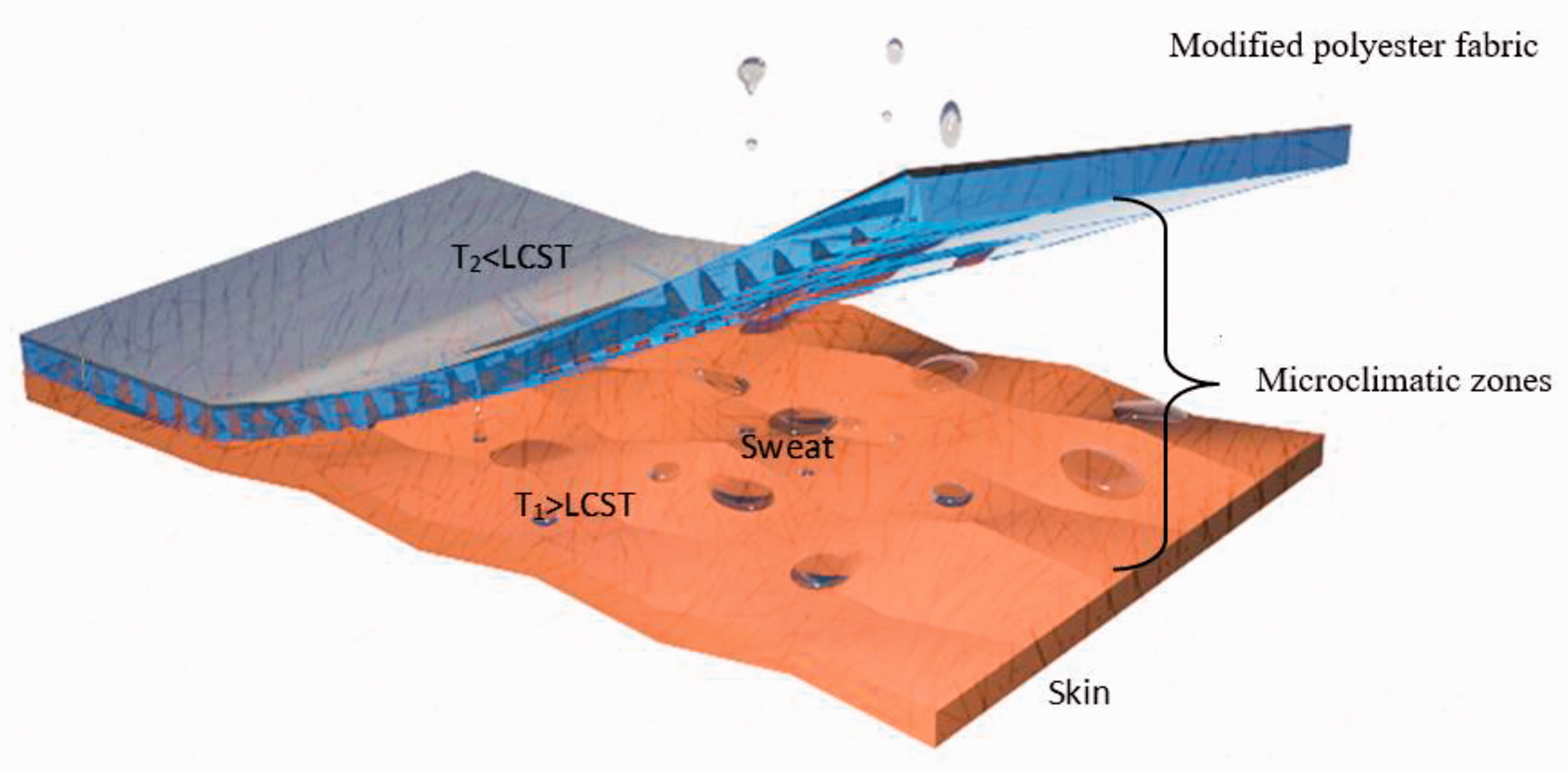
Water vapor permeation results
Water vapor permeability (WVP) is the ability of water vapor to penetrate the fabric and diffuse in the atmospheric environment. A high WVP shows the fabric quickly transfers perspiration vapor from the skin to the outside of the clothing, to maintain the wear comfort. Perspiration vapor travels through fabric mainly via two methods.
28
One method of transporting moisture vapor from one side of the fabric to the outside atmosphere is mainly through diffusion in holes in the fabric. Another method is water vapor being absorbed by the surface of the fabric and then transferred to the outside of the fabric. Figure 18 illustrates the WVP value of the original polyester fabrics and modified polyester fabrics at different temperatures. It was found that the WVP value of the original polyester fabric and modified polyester fabric gradually increased with the temperature increase. This is attributed to the higher temperature promoting the transition of water vapor. Moreover, the WVP value of the original polyester fabric is higher than the modified polyester fabric all the time. This is mainly due to the moisture vapor easily passing through the original polyester fabric by diffusion in the pores of fabric. The IPN hydrogel treated onto the polyester fabric formed a gel, which discouraged the water vapor from transmitting to outside. Furthermore, the hydrogel on the surface of modified polyester fabric exhibited a hydrophilic status under low temperature conditions. In this case, the swollen hydrogel blocks the pores of the modified polyester fabrics so the vapor cannot easily pass through the fabric.
WVP value of the original and modified polyester fabrics.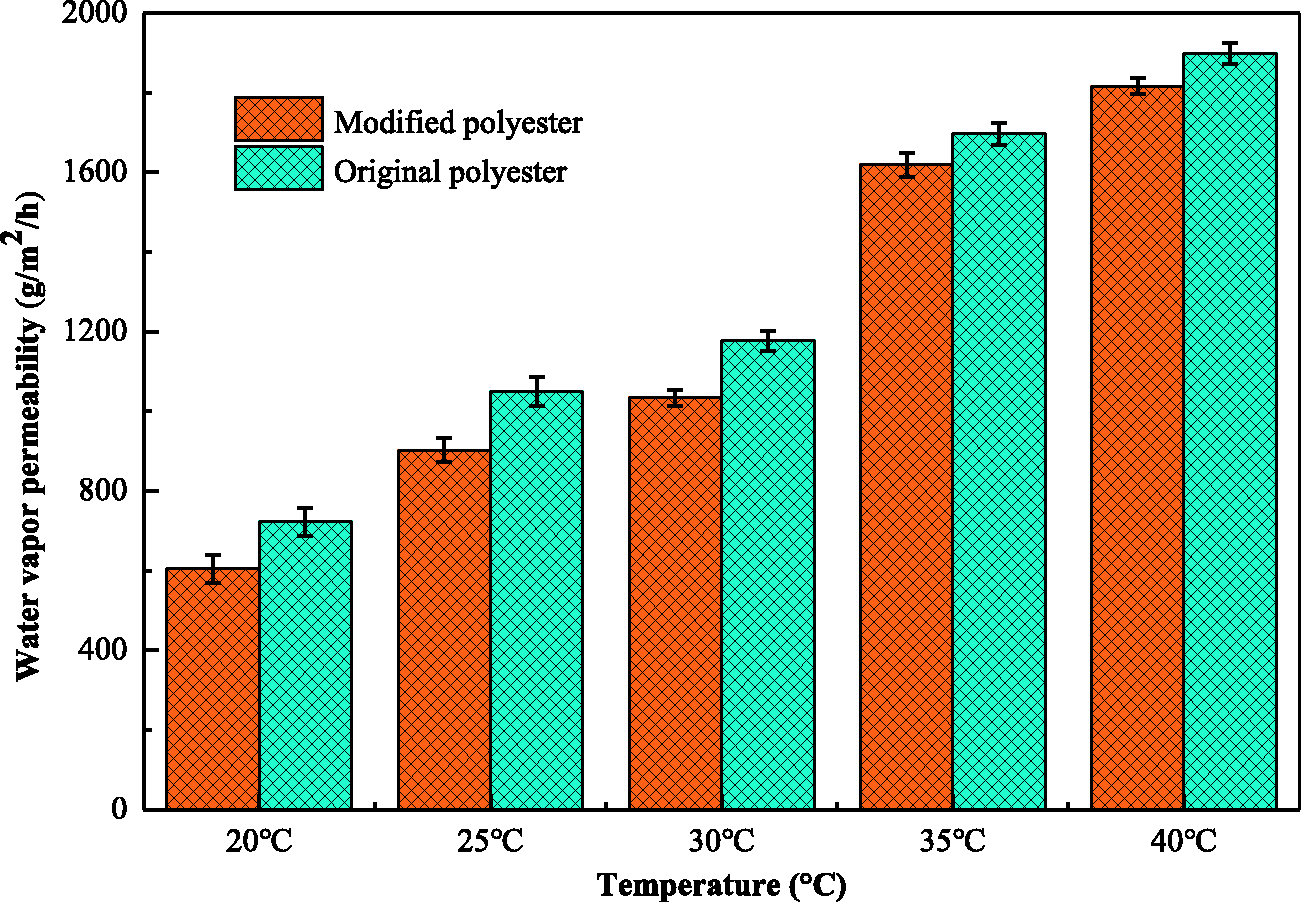
The WVP of modified polyester fabrics increases when the temperature is higher than LCST. As we know, the hydrophilicity tends to decrease when the temperature is higher than LCST, which is not conducive to absorbing water vapor and then letting it evaporate. The hydrogel experiences volume shrinkage, enabling the moisture vapor to pass through the fabrics relatively easy when the temperature was above LCST. The above results indicate that increasing the temperature slightly improved the WVP of the modified polyester and promoted rapid evaporation of water vapor into the atmospheric environment. From the above mentioned, the water vapor permeation results further revealed that modified polyester fabrics transport moisture easily in a hot environment.
Drying rate
The human body experiences uncomfortable clinging and fabric friction after fabrics absorb perspiration. Thus, drying time is another important aspect in determining the physiological comfort of garments. Figure 19 shows the WERs of modified polyester fabrics at 25℃, 35℃ and 50℃. It can be seen that the WER was highest at the 50℃ and lowest at 25℃. High temperature accelerated the evaporation rate of the water molecules and shortened the drying time of modified polyester fabric. Modified polyester dried completely in 70 s at 50℃. In addition, the phase transformation of hydrogel from the hydrophile to hydrophobicity increased the drying rate of modified polyester fabric samples when the temperature was above the LCST. On the contrary, at a low temperature such as 25℃, the hydrogel on the surface of the fabric increased its diameter after absorbing water vapor, blocking the pores of the fibers and reducing the drying rate.
WER (%) of modified polyester fabrics at temperature of 25℃, 35℃ and 50℃.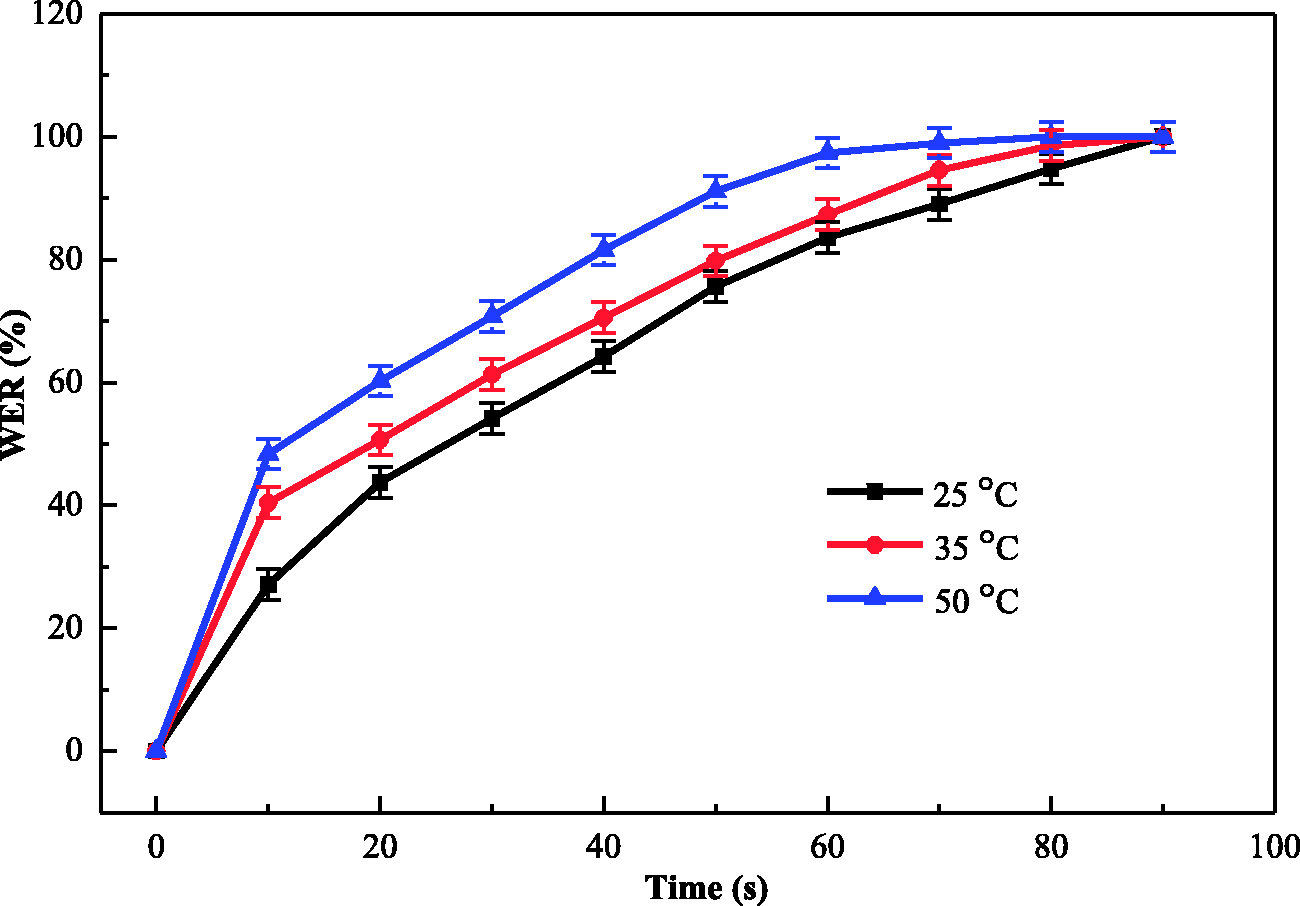
Antibacterial activity evaluation
In sportswear, antibacterial ability is also a concern for consumers. If sweat is not immediately removed from the body, bacteria will proliferate and create an unpleasant smell in the clothing. It is well known that Ag NPs have a wide range of antimicrobial activities in microorganisms.
29
In this experiment, a UV-visible spectrophotometer was used to detect whether silver ions (Ag+) are successfully reduced to Ag0 by SS (Figure 20(a)). The relevant literature demonstrates that the absorption peak of Ag NPs is between 400 and 500 nm.
19
It can be seen that visible spectrum presents a strong wave peak at 404 nm, which indicates that SS can successfully reduce Ag+ to Ag0. And Ag NPs are evenly distributed in IPN hydrogel and the diameter is around about 164 nm, as shown in Figure 20(b).
Visible spectrum of Ag NPs ((a) and particle size distribution of Ag NPs (b).
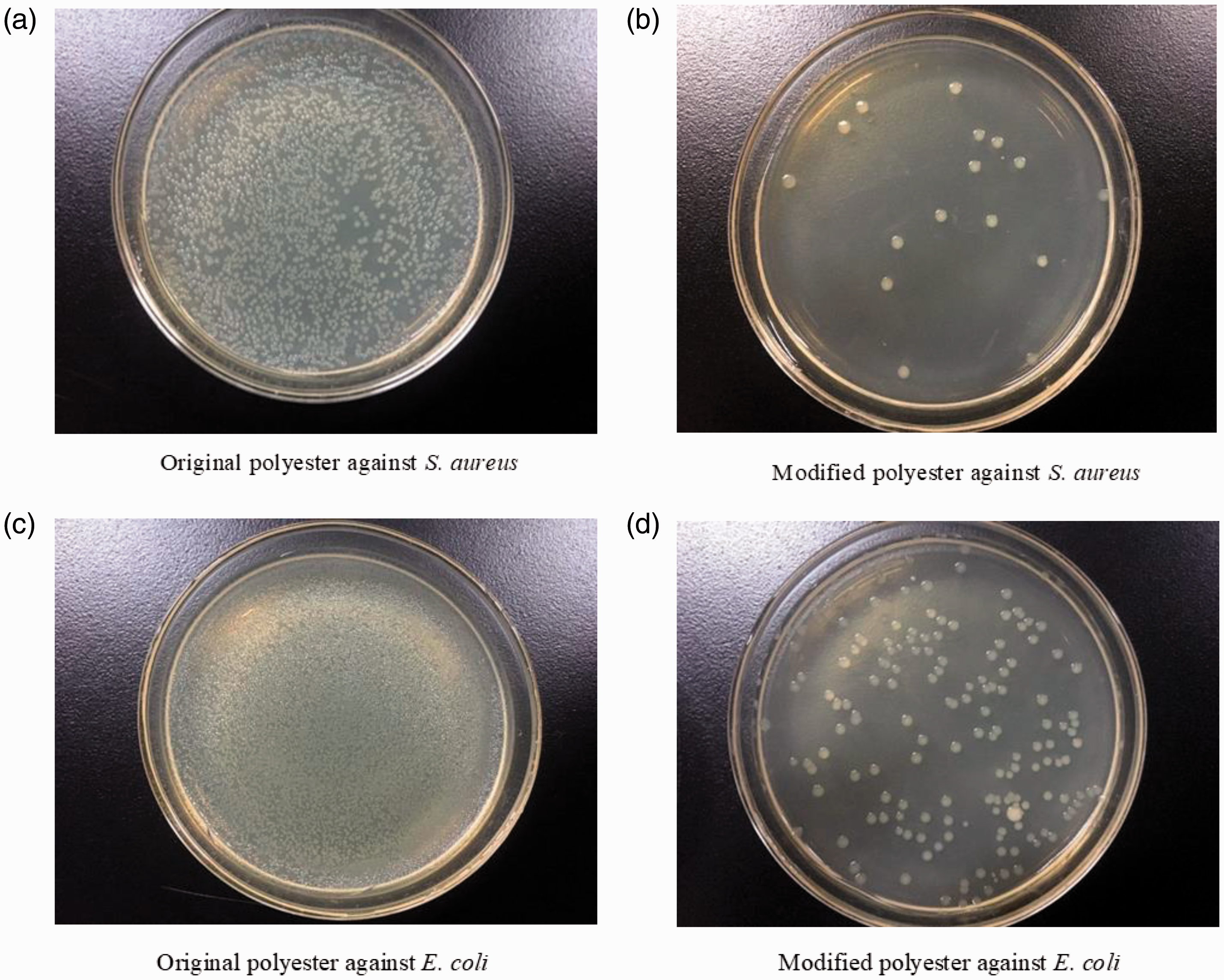
The antibacterial results of the colony count method and inhibition zone test are presented in Figures 21(a–d) and 22(a–d). As shown in Figure 21, there is almost no inhibition zone around the original polyester. By contrast, the modified polyester fabric presents an obvious inhibition zone, showing effective killing of E. coli and S. aureus. Figure 22 presents the results of the quantitative analysis of antibacterial activity between the modified polyester fabric and original polyester. Almost no reduction in bacteria is detected for raw polyester fabrics from Figure 22(a) and Figure 22(c). However, the number of bacteria decreased dramatically for modified polyester in Figure 22 (b) and Figure 22 (d). Calculated by the bacteriostatic rate formula, the antibacterial rates of the modified polyester fabric against E. coli and S. aureus were 95% and 97%, respectively. It is revealed that the loaded Ag NPs IPN hydrogel on the surface of modified polyester fabric provides strong antibacterial activity against E. coli and S. aureus bacteria.
Zone of inhibition performance of the samples against E.coli and S.aureus. Antibacterial activity of samples against E.coli and S.aureus.
Conclusion
In this study, a unique temperature-responsive polymer-modified textile was prepared. The incorporation of SS/PNIPAAm/Ag NPs IPN hydrogel in a polyester fabric surface could change the hydrophilicity or hydrophobicity, in response to temperature. The results showed that the LCST of the IPN hydrogel was around 32.9℃, which is close to the skin temperature. Therefore, the polymer-modified functional textile can be used as smart fabric to improve thermo-physiological comfort of wearers by phase transition of IPN hydrogel. The presence of the IPN hydrogel component on the surface of fabric strongly improved the thermal stability of the modified polyester fabric. The result indicated that the first decomposition temperature of the modified polyester fabric was about 400.5℃, whereas the first decomposition temperature of the original polyester fabric was only 335℃. The wicking height of modified polyester fabric (4.3 cm) was higher than original polyester (3.7 cm). The ambient temperatures significantly influenced the wicking height of treated polyester fabric and the value decreased when the temperature was higher than LCST. Finally, the antibacterial activity of the modified temperature-sensitive fabric against S. Aureus and E. coli were both in excess of 95%. This study provides a feasible route to fabricate a temperature-responsive textile with great antibacterial performance. Thus, the produced polymer-modified textile can potentially be utilized as smart textile to improve the wear comfort of clothing.
Footnotes
Declaration of conflicting interests
The authors declared no potential conflicts of interest with respect to the research, authorship, and/or publication of this article.
Funding
The authors disclosed receipt of the following financial support for the research, authorship, and/or publication of this article: This research was supported by the financial support from Opening Project of Key Laboratory of Clean Dyeing and Finishing Technology of Zhejiang Province (QJRZ1904, 1809), Opening Project of Key Laboratory of High Performance fibers and products (Ministry of Education), and undergraduate innovation and entrepreneurship training program from Hubei Province (S201910495027; S201910495070).
