



Abstract
The recycling and reutilization of cotton waste are in line with the sustainable development of society. Therefore, in this work, an environmentally friendly cellulose phosphate ammonium salt was synthesized by phosphorylation of cotton waste. Then the cotton fabrics were modified with cellulose phosphate ammonium salt by using the dip–dry–cure technique to obtain flame-retardant cotton fabric. The surface morphology, characteristic functional groups, and elemental components were characterized by scanning electron microscopy, Fourier transform infrared spectroscopy, and X-ray photoelectron spectroscopy. The results indicated that the cellulose phosphate ammonium salt was immobilized onto the cotton fabric through a P–O–C chemical bond. Vertical combustion tests before and after washing showed that the treated cotton fabric had durable flame-retardant properties. Thermogravimetry demonstrated that the treated cotton fabric retained a large amount of residual char and the pyrolysis temperature was significantly earlier than that of the control sample. Compared with the blank sample, the peak of heat release rate and total heat release of the modified fabric was reduced by 90.8% and 84.1%, respectively. Thermogravimetric infrared of flame-retardant cotton fabric proved that cellulose phosphate ammonium salt acted both in the gas and condensed phase during the decomposition of the treated fabric.
Cotton is one of the traditional natural cellulose materials and is widely used in apparel, home decoration and military defence because of its warmth, softness, breathability and excellent biodegradability.1–3 Unfortunately, the limited oxygen index (LOI) value of cotton is only about 18%. 4 Therefore, it is easy to burn when exposed to flame, which not only seriously endangers people's lives and property safety, but also greatly limits its application in many aspects. 5 In addition, with the improvement of people's living standards, higher requirements for the functionality of cotton fabrics, such as antibacterial, self-cleaning and flame-retardant are put forward to meet the special applications. This can not only improve the additional value of cotton textiles, but also meet people's demand for functional textiles.6,7 Hence, it is of great importance to improve the flame retardance of cotton fabric (see Figure 1).

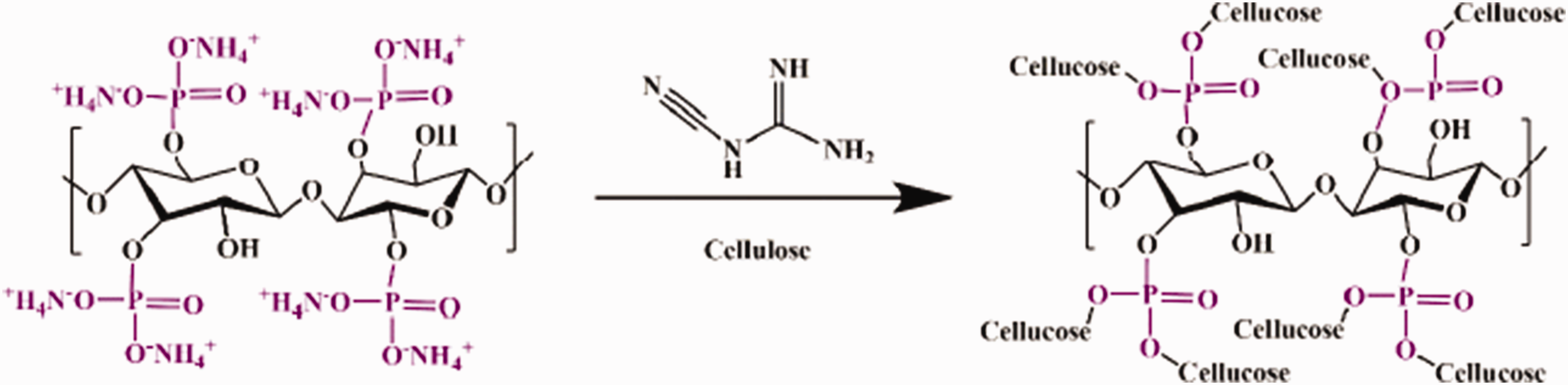
Synthesis route of cellulose phosphate ammonium salt (CPAS).
Numerous studies have shown that the introduction of flame retardants into the cotton matrix through chemical modification is an effective and common way to endow cotton fabric with good flame resistance. The representative is halogenated flame retardant because of its low dosage and high flame-retardant efficiency. But the toxic and corrosive gases released by halogenated flame retardants during thermal degradation pose a threat to human health and environmental pollution. As a result, the application of halogen-based flame retardants have been restricted in many countries.8,9 Phosphorus and nitrogen-based compounds were highly regarded as promising flame retardants for their low or non-toxicity and high efficiency. For example, a phosphorus and nitrogen-based flame retardant was synthesized to treat cotton fabric. 10 The flame-retardant properties of the modified cotton fabric were improved, and the LOI value remained at 29.8% after 50 laundering cycles (LCs). Edwards et al. 11 prepared a phosphorus–nitrogen flame retardant based on phosphonitrilic chloride trimer and allylamine, which was then cured on the cotton fabric. The treated fabric had higher char formation ability and self-extinguishing property. 11 We know that organophosphorus compounds are decomposed into phosphoric acid or polyphosphoric acid on heating, which promotes the dehydration and charring of cotton substrate to form a continuous dense char layer and prevent flame entry.12,13 Nitrogen-containing compounds can release non-combustible gases, such as ammonia (NH3) and nitric oxide (NOx) during burning, which inhibit combustion by diluting the concentration of combustible gases. 14 Phosphorus and nitrogen synergize to reduce the flammability of cotton fabrics through the condensed and gas phases. 15 However, some phosphorus–nitrogen flame retardants containing hydroxymethyl groups that release formaldehyde during the finishing process or application and are considered to be a source of carcinogenicity. 16 Therefore, in recent years, researchers have devoted themselves to developing green, environmentally friendly and efficient flame retardants.
It is reported that the global market for textiles and apparel grows at a rate of about 3.7% per year and is expected to exceed 100 million tons by 2025. 17 Moreover, about 10–20% of waste textiles are produced every year, 18 among which cotton waste accounts for approximately 40% of total textile waste. 19 Usually, most cotton waste is treated by incineration or landfilling, which not only pollutes the environment but also leads to the loss of a large number of valuable cellulose materials. 19 Therefore, to protect the environment and save energy, it is necessary to recycle cotton waste. At present, many methods of recycling cotton waste have been reported. For instance, Hong et al. treated cotton waste with ionic liquids to prepare bacterial cellulose. 20 In addition, Serra et al. blended cotton waste with polypropylene and found that cotton waste enhanced the mechanical properties of the composite. 21 Besides this, Qin et al. prepared zinc borate-doped cotton waste/zinc borate aerogel with excellent thermal insulation properties. 22 However, there are few reports on the preparation of flame-retardant cotton fiber or fabric modified by recycled cotton waste.
Herein, to make rational use of recycled cotton fabrics and avoid waste of resources, a green pollution-free flame retardant based on recycled cotton waste was developed for cotton fabric flame-retardant modification. The highly similar structure of the flame-retardant and cotton matrix ensured their good compatibility. The characteristic groups and thermal properties of the control and flame-retardant cotton fabric (FR-cotton) were characterized. In addition, vertical burning, cone calorimetry and thermogravimetric infrared (TG-IR) were used to evaluate the combustion behavior and flame-retardant mechanism. The work develops a sustainable strategy to fabricate FR-cotton by utilizing recycled cotton waste, which not only conforms to the concept of green and environmental protection but also proposes a novel method to prepare the FR-cotton.
Experimental section
Materials
The recycled cotton waste yarn plain woven cotton fabric was leftover produced by students' garment design in the textile laboratory of Tiangong University (Tianjin, China). The cotton plain woven fabric (18 tex × 18 tex, 200 g/m2) was purchased from the Yong Sheng cotton weaving mill (Hebei, China). Phosphoric acid (H3PO4, 85%), urea (CO(NH2)2), sodium hydroxide (NaOH), hydrogen peroxide (H2O2) solution (37%) and anhydrous ethanol were supplied by Tianjin Guangfu Fine Chemical Research Institute (Tianjin, China). Deionized water and distilled water were home made by the School of Textile Science and Engineering, Tiangong University (Tianjin, China). Dicyandiamide was obtained from Nanjing Xiezun Pharmaceutical Technology Co., Ltd. (Nanjing, China). All the above reagents were of analytical grade and were used directly.
Synthesis of cellulose phosphate ammonium salt
First, the cotton waste fabric was crushed by the high-speed mill and screened with a 200 mesh sieve to obtain a cotton waste powder. Next, to remove the impurities of the cotton waste, it was bleached with hydrogen peroxide solution with a mass fraction of 0.5% at 50°C for 30 min, then the bleached cotton waste was washed five times with distilled water, filtered and dried at 60°C for 3 h. The purified cotton waste (3 g), H3PO4 (21 g, 0.18 mol), and deionized water (40 ml) were mixed in a three-necked flask fitted with a condenser tube and stirred at 140°C for 2 h. Then urea (10.8 g, 0.18 mol) was added to the above mixture and continued to react at 140°C for another 2 h. Afterwards, the reaction system was cooled to room temperature and filtered. Next, the filtrate was washed three times with anhydrous ethanol and dried in an oven at 60°C to a constant weight to obtain a white solid, that is, cellulose phosphate ammonium salt (CPAS). The synthesis route of CPAS is shown in Figure 1.
Preparation process of flame-retardant cotton fabric (FR-cotton).
Preparation of FR-cotton
First, the cotton fabric was washed with 1 mol/l NaOH solution at 70°C for 30 min and rinsed thoroughly with deionized water to neutral. Next, a certain quality of CPAS flame retardant was dissolved in distilled water to prepare an aqueous solution with a mass fraction of 15%. Afterwards, dicyandiamide was added as a catalyst to the solution in the mass ratio of 1:10 to CPAS to prepare a flame-retardant finishing solution. Then, the cotton fabric was immersed in the solution with a bath ratio of 1:20 at 70°C for 3 h, after that, the cotton fabric was squeezed to obtain a liquid retention of 130 wt%. Finally, the treated cotton fabric was baked at 170°C for 5 min, washed repeatedly with distilled water, and dried at 60°C to a constant weight to obtain FR-cotton. The weight gain (WG) of FR-cotton was calculated by the following formula:

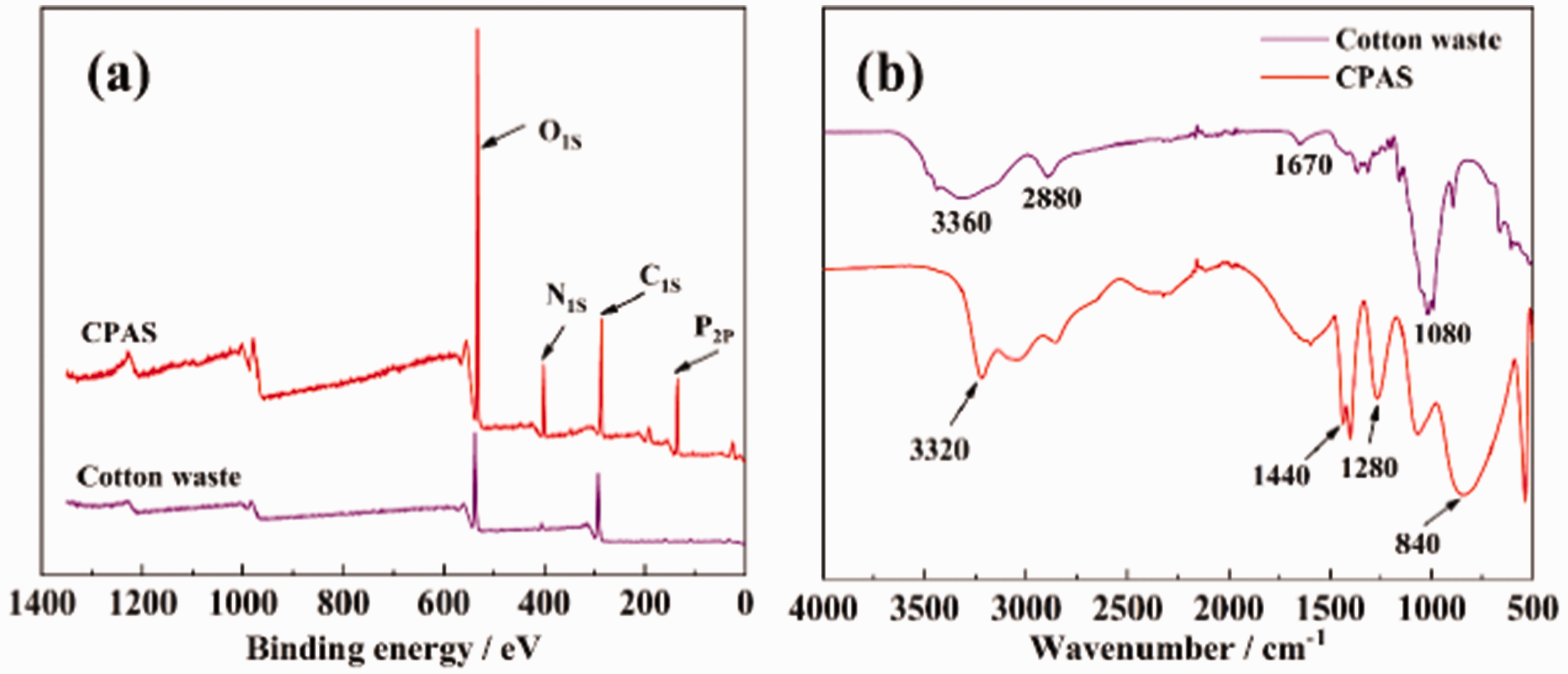
X-ray photoelectron spectroscopy (XPS) (a) and Fourier transform infrared spectrometry (FTIR) (b) spectra of cotton waste and cellulose phosphate ammonium salt (CPAS).
Characterization
The Nicolet iS50 Fourier transform infrared spectrometer (FTIR; Thermofisher Scientific Co., USA) was used to characterize the characteristic groups of the samples. The resolution was 2.0 cm−1 and the wavelength ranged from 4000 cm−1 to 500 cm−1. The surface element types and contents of different samples were performed on K-alpha X-ray photoelectron spectroscopy (XPS; Thermofisher Co., USA). The kinetic energy range of the spectra is between 0 and 50 eV. The surface morphology, elemental composition, and distribution of the relevant samples were carried out on a scanning electron microscope (SEM; Carl Zeiss Co., Germany) and energy dispersive X-ray spectrometer (EDS). The test voltage was 5 kV. The thermal stability of all samples was characterized by STA449F3 thermogravimetric analysis (TG; Netzsch Co., Germany) with a heating rate of 10°C/min and the temperature range was from 25°C to 800°C under air or nitrogen (N2) atmosphere. According to ISO 5660-1 standard, the combustion properties of pure and FR-cotton samples with the size of 100 mm × 100 mm × 2 mm were tested on an FT006 cone calorimeter (FTT Co., UK) with the horizontal irradiative heat flux of 35 kW/m2. The flame resistance durability of the FR-cotton fabric (50 mm × 50 mm × 2 mm) was washed with 0.37 wt% detergent by using a washing machine (Haier Co., China) according to AATCC 61-2003 Test no. 1A. Each LC lasting for 45 min corresponding to five commercial washes. According to GB/T 5445-2014 standard, the vertical combustibility of the samples was performed on a YG815B fabric vertical combustion tester (Standard International Group (HK) Co., China). The LOI values of cotton fabric and FR-cotton before and after washing were tested by the M606B digital oxygen index instrument (Qingdao Shanfang Instrument Co., China) according to ASTM D2860-2000 standard. The degree of graphitization of the residual char of FR-cotton was evaluated by the laser Raman instrument (Horiba Co., Japan) ranging from 500 cm−1 to 2500 cm−1. Thermogravimetric coupled with Fourier transform infrared analysis was carried out on the STA 6000-Frontier thermogravimetric-Fourier transform infrared spectrometer (TG-IR; Perkin Elmer Co., USA). The tests were performed under an N2 flow rate of 50 ml/min. The wave number of the FTIR spectrometer was from 4000 cm−1 to 500 cm−1.
Results and discussion
Characterization of CPAS
The elemental composition of CPAS was tested by XPS. As illustrated in Figure 3(a), for the cotton waste sample, the peaks at 285 eV and 533 eV were related to elements carbon (C) and oxygen (O), and the contents of C and O were 63.58 at% and 36.42 at%, respectively. 23 For CPAS, the peaks of C and O appeared at the same position, and the contents decreased to 44.67 at% and 31.64 at%, respectively. In addition, two new peaks corresponding to phosphorus (P) and nitrogen (N) appeared at 134 eV and 402 eV, with the contents of 12.41 at% and 11.28 at%, respectively, indicating the existence of phosphorus and nitrogen. 24 Furthermore, the FTIR test was applied to explore the characteristic groups of CPAS. As shown in Figure 3(b), for the cotton waste sample, the peaks at 3360 cm−1 and 2880 cm−1 were attributed to the vibration absorption of –OH and –CH,11,23 the bending vibration peak of –CH2 was at 1670 cm−1 and the absorption peak at 1080 cm−1 was ascribed to the C–O group in cotton fiber.18,25 Compared with the FTIR spectrum of waste cotton, due to the overlap of –OH and –NH peaks (3200 cm−1), the peak position shifted and the strength was enhanced. The absorption peak at 1440 cm−1 belonged to the P=O stretching vibration band. 26 The peaks at 1080 cm−1 and 840 cm−1 were the characteristic peaks of P–O–C and P–OH stretching vibration in CPAS.5,6,27 These results showed that CPAS was successfully synthesized.
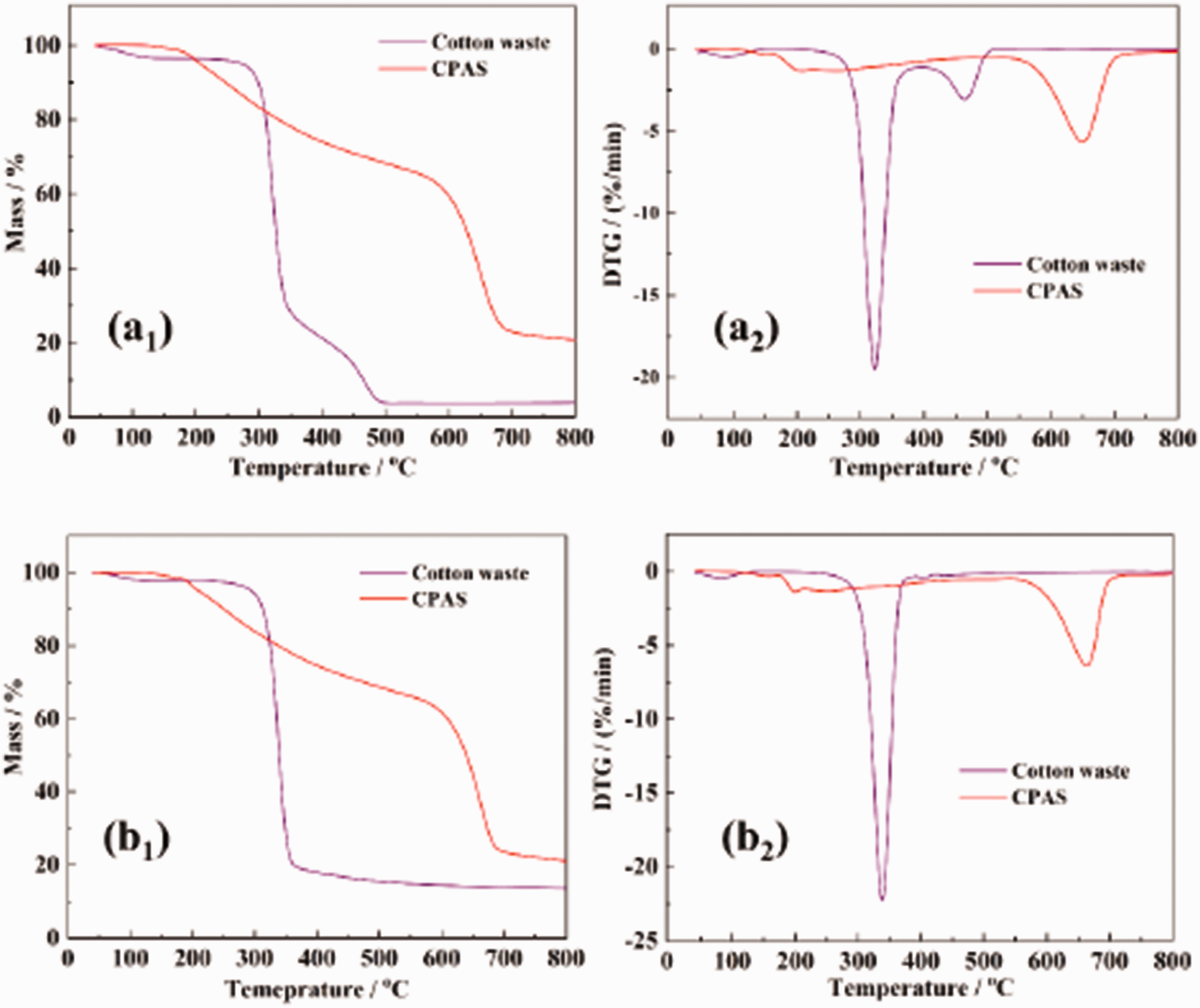
Thermogravimetry (TG) (a 1 ) and difference thermogravimetry (DTG) (a 2 ) curves of cotton waste and cellulose phosphate ammonium salt (CPAS) in air atmosphere, TG (b 1) and DTG (b 2 ) curves of cotton waste and CPAS in nitrogen (N 2 ) atmosphere.
As shown in Figure 4, TG measurements were carried out to analysis the thermal decomposition behavior of cotton waste and CPAS. Under air conditions, the cotton waste exhibited three weight loss stages. The first stage occurred between 100°C and 270°C, with a mass loss of 5 wt%, which was due to the removal of free water and bound water from the amorphous region of cellulose. 28 The second stage ranged from 270°C to 350°C, with a mass loss of 70 wt%. The reason was that the fiber depolymerized to form l-glucan, tar and volatile substances. 29 The third stage was between 350°C and 800 °C, the char residue generated in the previous stage continued to degrade to form char and oxidize to produce carbon dioxide (CO2) and other gases. 30 The amount of char residue was about 4 wt%. As for the TG curves of CPAS (Figure 4(a1)), its thermal decomposition exhibited two weight loss stages. The first stage ranged from 180°C to 580°C with a weight loss of 40 wt%. This was because the phosphoric acid and other phosphorus-containing acids decomposed from CPAS promoted the split of the pyran ring and the dehydration of cellulose molecules. As a result, the unsaturation of the molecular chain was increased and the small molecular products were rapidly crosslinked into dense char, which reduced the formation of tar substances (such as l-glucan). 31 In addition, due to the char residue formed by catalytic dehydration of phosphorus-containing acid being dense and stable, the second thermal decomposition stage of CPAS (580–800°C) was significantly delayed, as proved by the decrease of the peak value of the difference thermogravimetry (DTG) curve (Figure 4(a2)). The char residue of CPAS at 800°C was up to 20.73 wt%, which was about 16 wt% higher than that of cotton waste. Figure 4(b1) and (b2) show the thermal degradation curves of waste cotton and CPAS in the N2 atmosphere. As for waste cotton, as there was no thermal oxidation process, the other degradation stages were similar to those in the air. For CPAS, the curve was almost consistent with that under air conditions, indicating its excellent thermal stability. At high temperatures, pyrophosphoric acid, polyphosphate and other phosphorus-containing substances produced by the decomposition of CPAS acted on the fiber matrix and promoted the dehydration of the fiber into char, to improve the thermal stability.
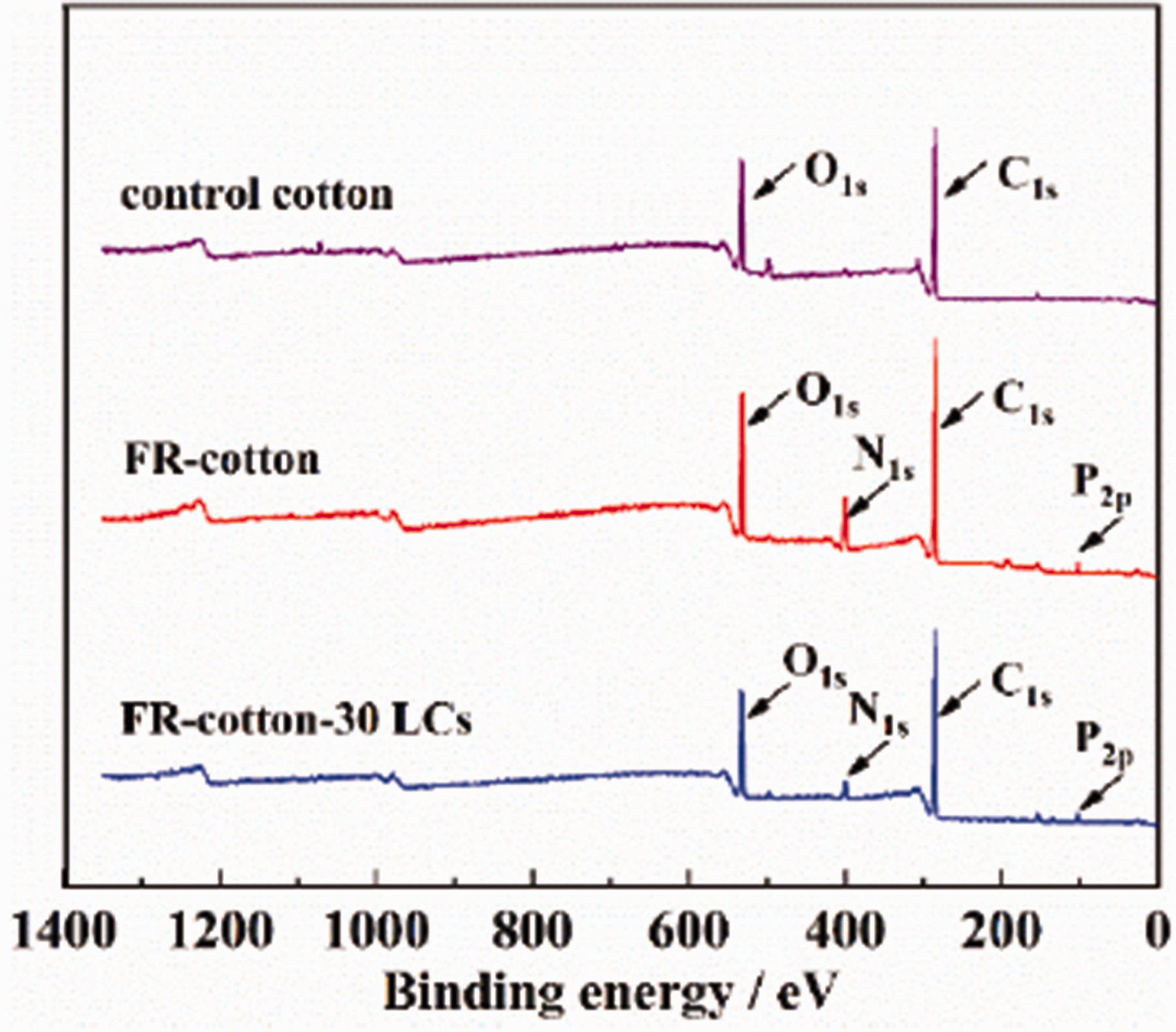
X-ray photoelectron spectroscopy (XPS) spectra of the control, flame-retardant cotton fabric (FR-cotton), and FR-cotton-30 laundering cycles (LCs).
Element composition and surface morphology analysis of the fabrics
XPS and EDS were used to confirm the elemental composition of all the cotton fabrics, as shown in Figure 5. The control sample had two strong peaks at 532 eV and 285 eV corresponding to O and C with the contents of 20.27 at% and 74.36 at%, 32 respectively. For the FR-cotton sample, two new peaks appeared at 400 eV and 134 eV, corresponding to P and N, respectively.24,33 The results showed that CPAS was successfully incorporated into cotton fabric. However, after 30 LCs, the N contents decreased greatly. It might be due to the fact that the N contents in CPAS were present in the form of ionic bonds, which were partially dislodged under prolonged physical friction during washing, while the P contents decreased a little, which further proved that phosphorus was firmly bound to cotton fabric.
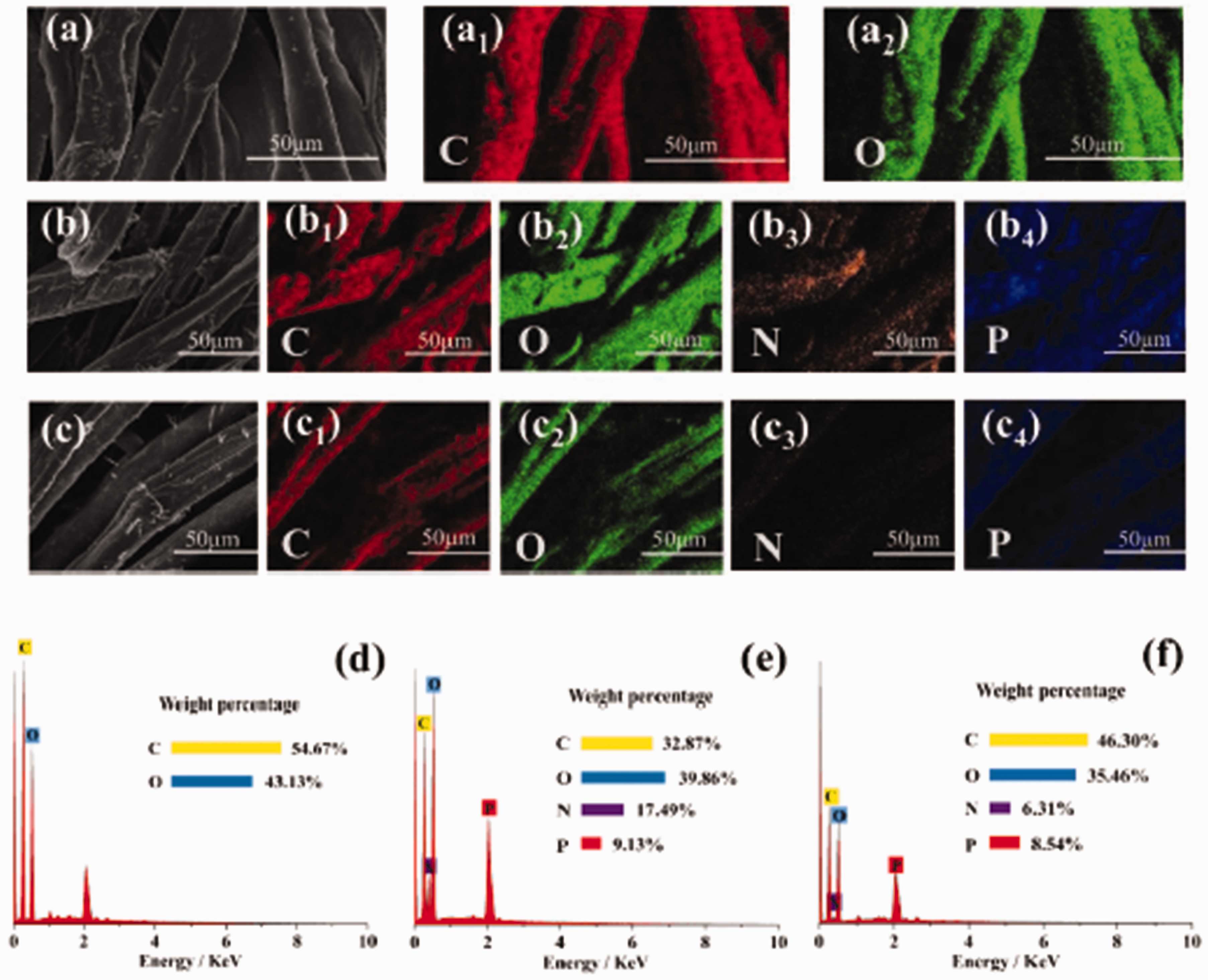
Scanning electron microscope (SEM) micrographs of cotton (a, a 1 , a 2 ), flame-retardant cotton fabric (FR-cotton) (b, b 1 , b 2 , b 3 , b 4 ) and FR-cotton-30 laundering cycles (LCs) (c, c 1, c 2 , c 3 , c 4 ); energy dispersive X-ray spectrometer (EDS) spectral analysis of the surface of cotton (d), FR-cotton (e) and FR-cotton-30 LCs (f).
SEM was employed to study the surface morphology of the samples. As illustrated in Figure 6(a), (a1) and (a2), the cotton fabric had a smooth, flat surface and was almost composed of C and O elements. In contrast, the FR-cotton had a rough surface, as demonstrated in Figure 6, the surface of the FR-fabric not only contained C and O elements but also N (17.49 wt%) and P (9.13 wt%) contents. The results further proved that CPAS had been bound onto cotton fabric. Furthermore, as shown in Figure 6(f), after washing, the amount of N components in FR-cotton decreased, nevertheless, the P content changed a little, which was consistent with the XPS analysis. 24
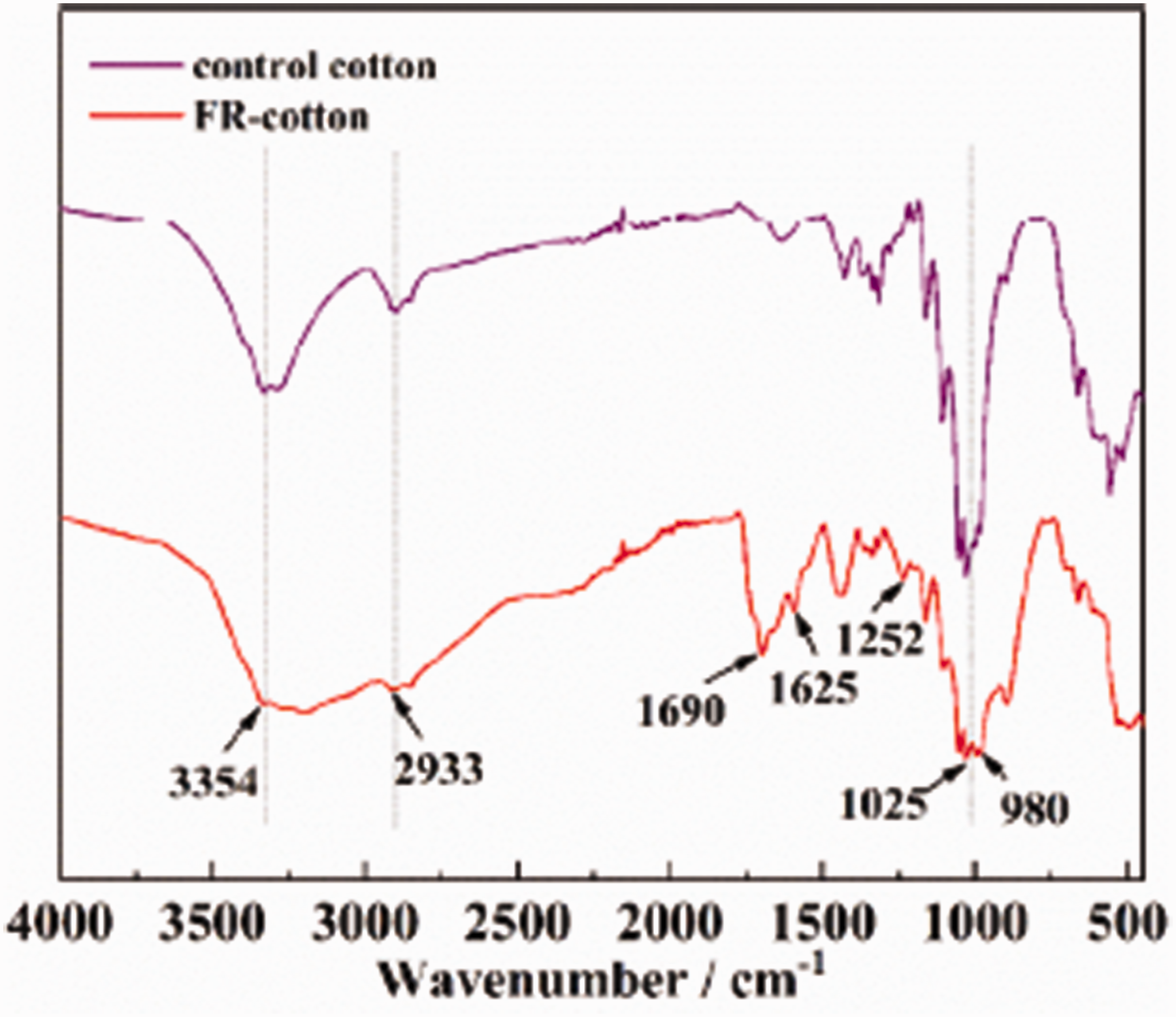
Fourier transform infrared spectrometry (FTIR) spectra of the cotton and flame-retardant cotton fabric (FR-cotton).
Functional groups characterization of the cotton samples
The characteristic groups of the control and FR-cotton were characterized by FTIR. As indicated in Figure 7, the characteristic absorption peak of –OH was located at 3354 cm−1, the absorption peak at 2933 cm−1 was of C–H stretching vibrations and the absorption band at 1025 cm−1 was attributed to C–O–C bending vibrations.34,35 Compared to the pure sample, the FR-cotton demonstrated a series of absorption peaks at 1690 cm−1, 1250 cm−1, and 980 cm−1 corresponding to P–O stretching vibration, 33 P=O and P–O–C stretching vibration absorption.36,37 The FTIR results showed that the CPAS had been covalently bonded onto cotton fabric, which coincided with the XPS and SEM-EDS results, ensuring high efficiency and durable flame retardance of the fabric.
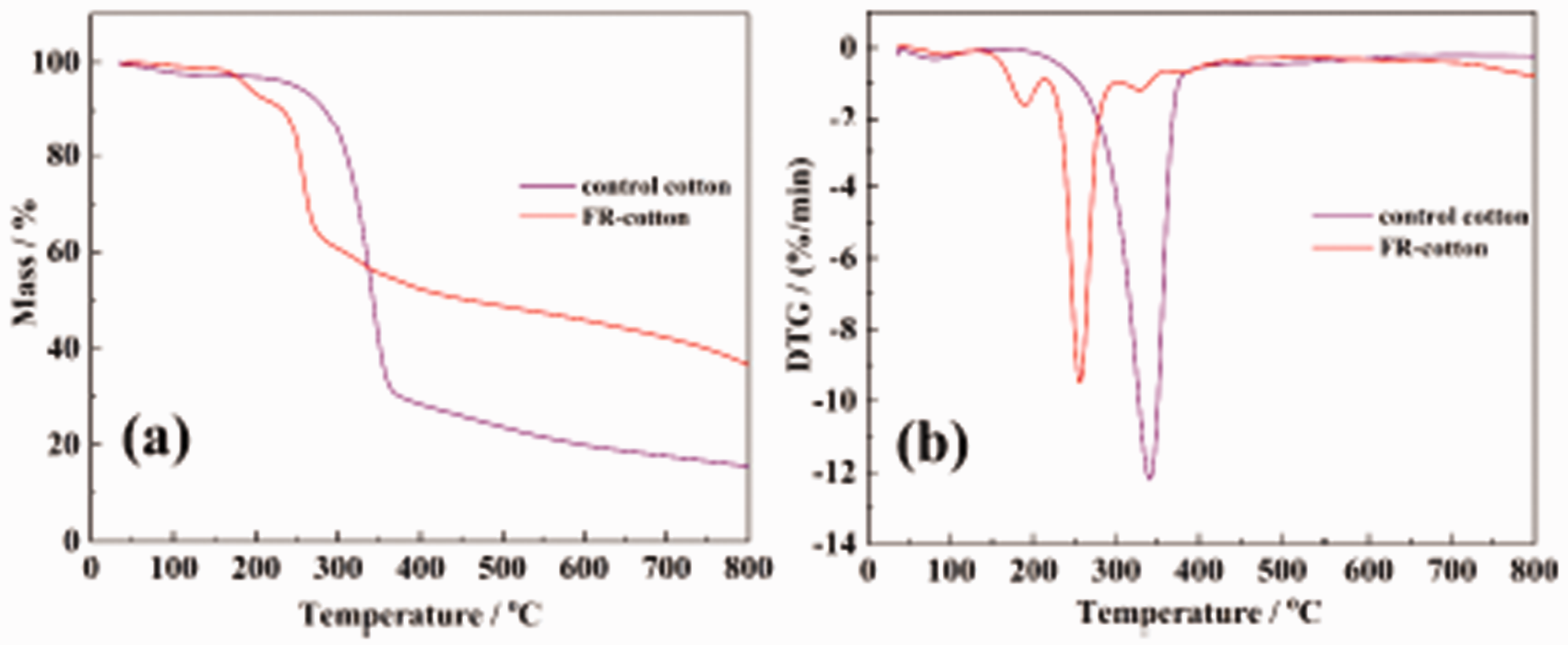
Thermogravimetry (TG) (a) and difference thermogravimetry (DTG) (b) curves of cotton and flame-retardant cotton fabric (FR-cotton) in nitrogen (N 2 ) atmosphere.
Thermal stability of the cotton samples
TG was carried out to study the thermal stability of the samples. TG and DTG curves of the control and FR-cotton under N2 and air atmosphere were plotted in Figures 8 and 9. The relevant data are listed in Table 1. In general, the temperature corresponding to 10 wt% (T10%), 50 wt% (T50%) weight loss, and the maximum weight loss rate (Tmax) can be utilized to evaluate the thermal stability of materials.38,39 As shown in Figure 8, the thermal degradation of the blank sample under N2 atmosphere ranged from 249.2°C to 283.9°C, with the Tmax of 338.3°C and a char residue of 15.5 wt% at 800°C. However, the CPAS-treated cotton started to decompose at 210°C, which was probably due to the premature decomposition of CPAS, resulting in non-combustible gases and char layer to protect the substrate. 40 Then the mass decreased rapidly in the range of 210°C to 298°C. Finally, about 36.5 wt% of the char residue was retained at 800°C. The higher char residue indicated that the CPAS flame retardant could accelerate the dehydration and char formation of cellulose, forming a dense and continuous char layer on the surface of the fabric, isolating combustible gases and preventing further degradation of the cotton fabric. Therefore, the thermal stability of the cotton fabric treated with CPAS was significantly improved.
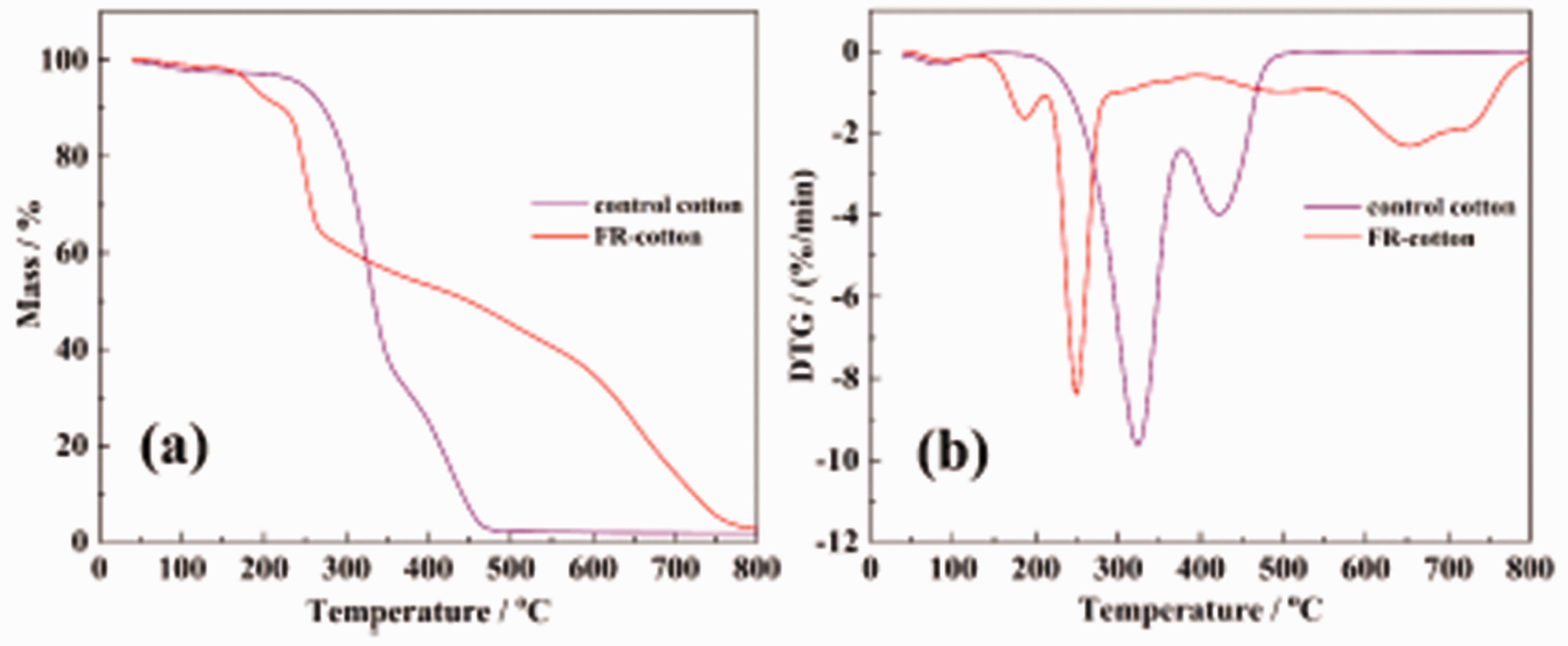
Thermogravimetry (TG) (a) and difference thermogravimetry (DTG) (b) curves of cotton and flame-retardant cotton fabric (FR-cotton) in air atmosphere.
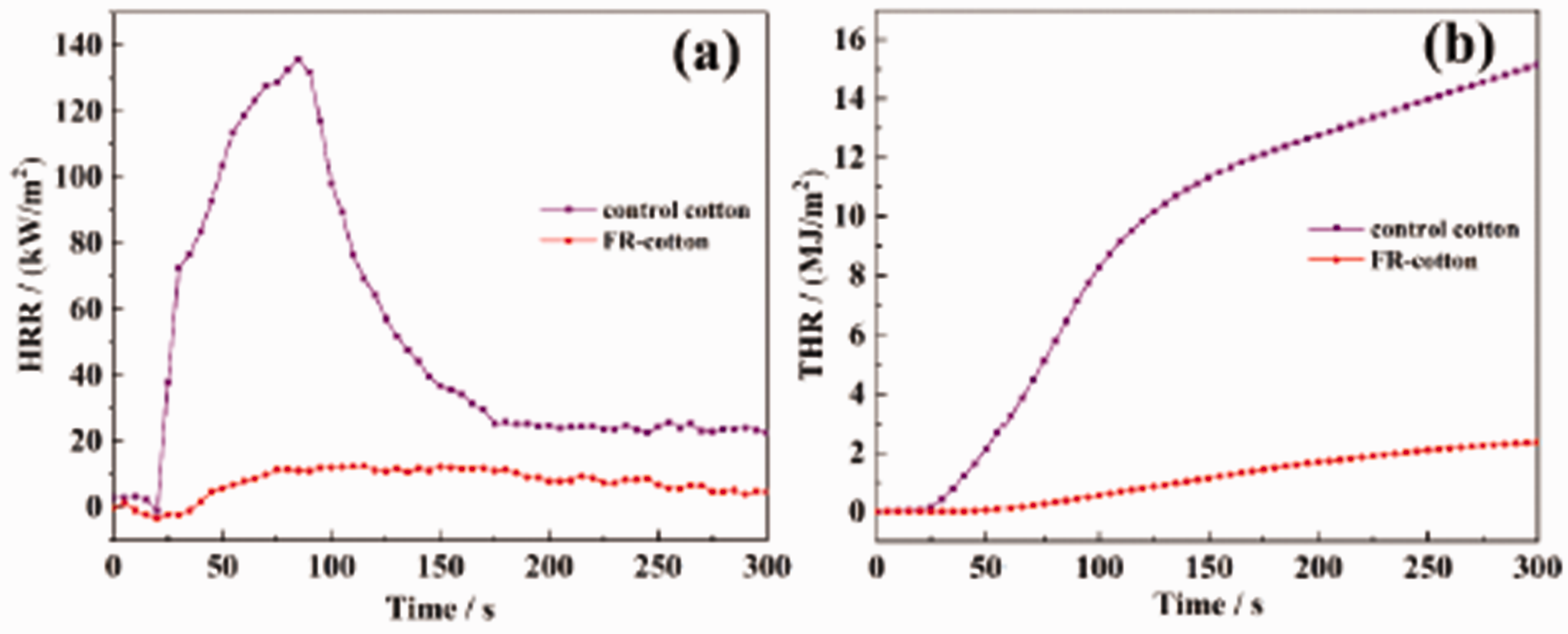
Heat release rate (HRR) (a) and total heat release (THR) (b) curves of cotton and flame-retardant cotton fabric (FR-cotton).
As displayed in Table 2, the T10% and Tmax in the air atmosphere of pure cotton and FR-cotton gradually reduced due to the earlier degradation of the CPAS structure on the cotton fabrics. Generally, phosphorus and nitrogen flame retardants have lower thermal stability than cotton, thus they degrade earlier to produce phosphoric acid or pyrophosphoric acid, which in turn promote the dehydration and carbonization of cellulose to form a char layer, preventing further decomposition of the cotton matrix. As a result, the thermal stability of the FR-cotton at high temperature was significantly enhanced, as evidenced by the greatly increased T50%. 28 As shown in Figure 9(a), the degradation curve of cotton under air was similar to that of cotton under N2 atmosphere. Compared to cotton fabric, CPAS-treated cotton had a lower thermal degradation temperature and higher char residue. However, an additional degradation stage appeared at the range of 375.4°C to 488.6°C for cotton and 554.3°C to 759.6°C for FR-cotton (Figure 9(b)). This was probably due to the further oxidation of the char produced in the previous stage in the presence of air. 41
TG and DTG data of cotton and FR-cotton in air and N2 atmosphere

FR-cotton: flame-retardant cotton fabric; DTG: difference thermogravimetry; N2: nitrogen; TG: thermogravimetry.
Calorimetric parameters of cotton and FR-cotton

FIGRA: fire growth rate index; FR-cotton; flame-retardant cotton fabric; pHRR: peak heat release rate; pSPR: peak smoke produce rate; SPR: smoke produce rate; THRR: time to peak heat release rate; TTI: time to ignition.
Flammability performance and washing durability
The combustion performance of the control and FR-cotton was evaluated by the cone calorimetry test. The heat release rate (HRR) and total heat release (THR) curves of the samples are shown in Figure 10 and the relevant parameters are summarized in Table 1. The ignition time for cotton was 6 s and the peak heat release rate (pHRR) reached at 85 s with a value of 135.7 kW/m2 as well as a final char residue of 4.7 wt%. For FR-cotton, the fabric was not ignited, and the pHRR of 12.5 kW/m2 was achieved at 115 s with a char residue of 35 wt%. Compared to the blank sample, the pHRR of the treated cotton was reduced by 90.8%, and the final char residue was increased by 30.3 wt%. The excellent flame retardance of the treated cotton was due to the dehydration and carbonization of the cotton substrate accelerated by the CPAS, as a result the formed stable char layer acted as a protective insulator, inhibiting heat penetration and volatilization of combustible gases, resulting in significant suppression of pHRR values.42,43 The THR curve of the cotton sample showed a clear growing trend, and increased up to a final value of 15.1 MJ/m2, while the THR value of FR-cotton was only 2.4 MJ/m2 with 84.1% reduction. This meant that the combination of CPAS on cotton fabric could activate more cotton to participate in the charring process and thus prevent flammable gases from escaping into the flame, which in turn reduced the heat release.44,45 The fire growth rate index (FIGRA) derived from the ratio of the pHRR value to the time to reach the pHRR value is usually used to assess the fire hazard of materials. 46 Interestingly, the FIGRA of the FR-cotton prepared by this work decreased by 93.1%, indicating a significant suppression of fire hazards. 47
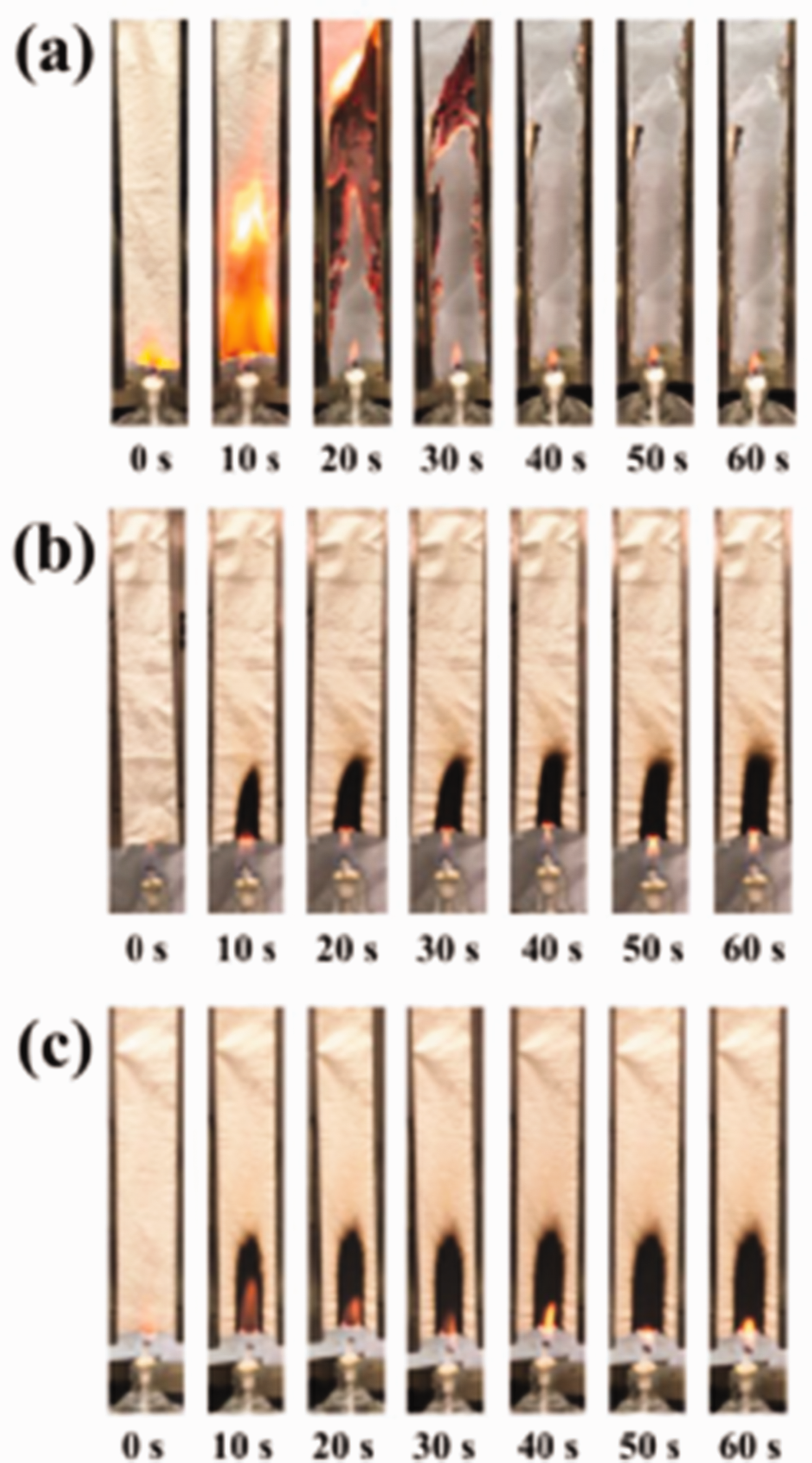
Vertical combustion tests of cotton (a), flame-retardant cotton fabric (FR-cotton) (b), and FR-cotton-30 laundering cycles (LCs) (c).
To investigate further the effect of CPAS on the combustion properties of cotton fabrics, LOI and vertical combustion tests were carried out, as shown in Table 3 and Figure 11.
The LOI value of different samples
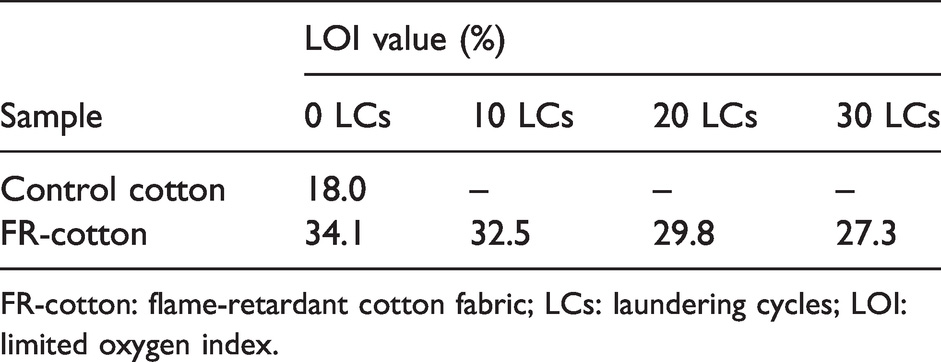
FR-cotton: flame-retardant cotton fabric; LCs: laundering cycles; LOI: limited oxygen index.
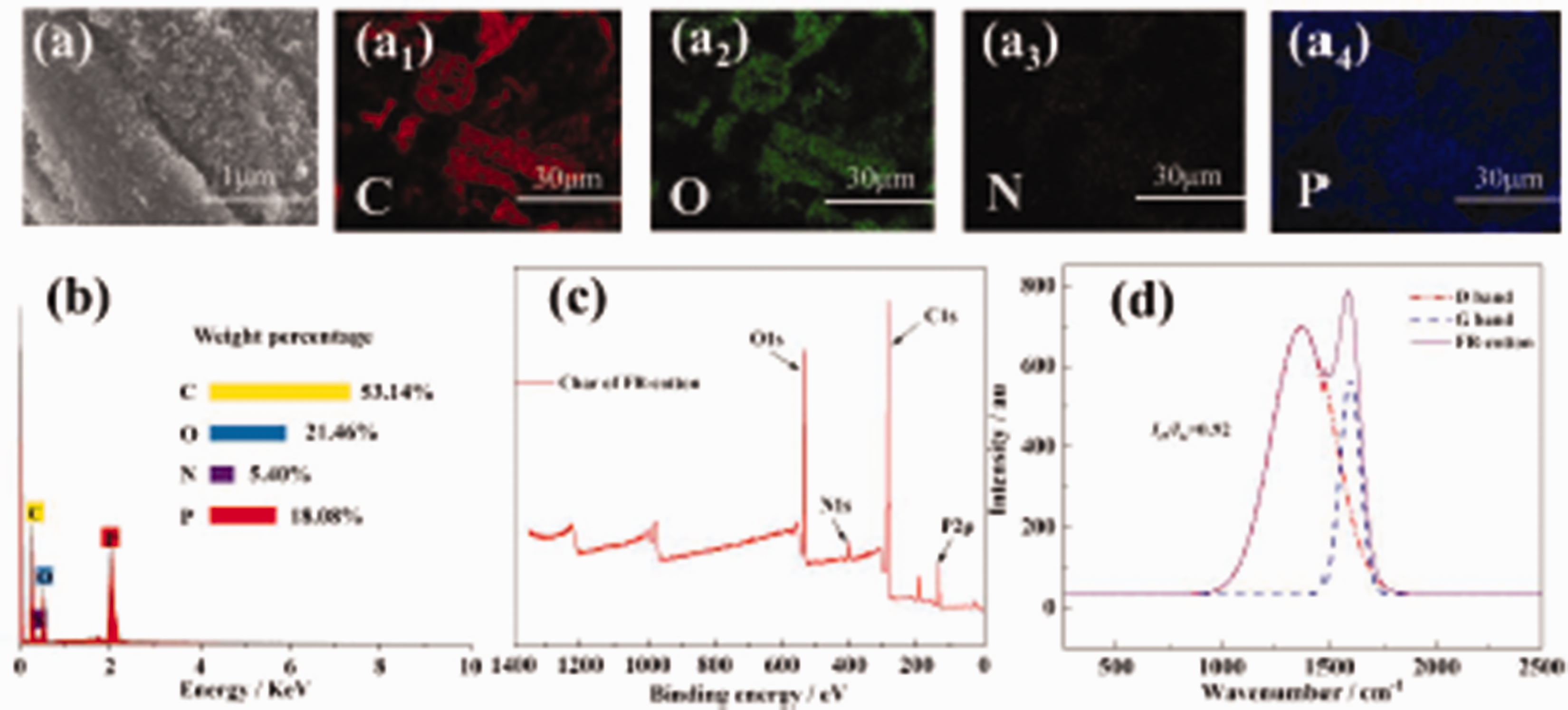
Scanning electron microscope (SEM) micrographs of char residue (a, a 1 , a 2 , a 3 , a 4 ); energy dispersive X-ray spectrometer (EDS) spectra of the surface of char residue (b); X-ray photoelectron spectroscopy (XPS) spectra of the char residue (c); Raman spectra of the char residue (d).
To investigate the effect of CPAS on the combustion properties of cotton fabric, vertical combustion tests were performed, as illustrated in Figure 11. When the control sample was exposed to the flame, the flame spread rapidly from the bottom to the top within 20 s and burned so thoroughly that there was hardly any char residue left. However, the CPAS-treated cotton had an LOI value of 34.1%, indicating a significant flame inhibition effect and could not be ignited within 60 s. The resulting char was intact, with a length of 67 mm. This was because phosphorus-containing compounds catalyzed the dehydration and carbonization of the cotton matrix, thereby reducing the flammability of the cotton fabric. 15 To assess the flame-retardant durability of CPAS-treated cotton fabrics, different LCs were carried out for FR-cotton. As indicated in Figure 11(c), after 30 LCs, the LOI value of FR-cotton was 27.3%. It was still not ignited, but the char length increased to 95 mm. The prolonged char length might be due to the physical friction during the washing process over a long period, which caused a certain degree of damage to the structure of the cotton fabric, in other words, some flame-retardant structure was destroyed, resulting in a reduction in flame-retardant properties. 48
Flame-retardant mechanism
To explore the flame-retardant mechanism of the modified fabric, the combustion residue of the FR-cotton was tested and characterized by SEM. As shown in Figure 12(a), the structure of the flame-retardant cotton fabric was well maintained after combustion, and its surface was wrapped with continuous dense particles. This was because the phosphorus-containing CPASs could accelerate the dehydration and charring of the cotton fabric, forming an insulating barrier to prevent the entry of heat as well as combustible gases. During combustion, various phosphorus derivatives generated from FR-cotton promoted the dehydration of cellulose into char. 49 In addition, the phosphorus content increased from 9.13 wt% to 18.08 wt% and was evenly distributed over the cotton substrate. However, the N content of the char residue decreased. It could be deduced that during the combustion of the modified cotton fabric, nitrogen-containing components escaped as small molecular gases (NO, nitrogen dioxide (NO2) and NH3), which as a result reduced the flammability of the substrate by isolating oxygen. 50
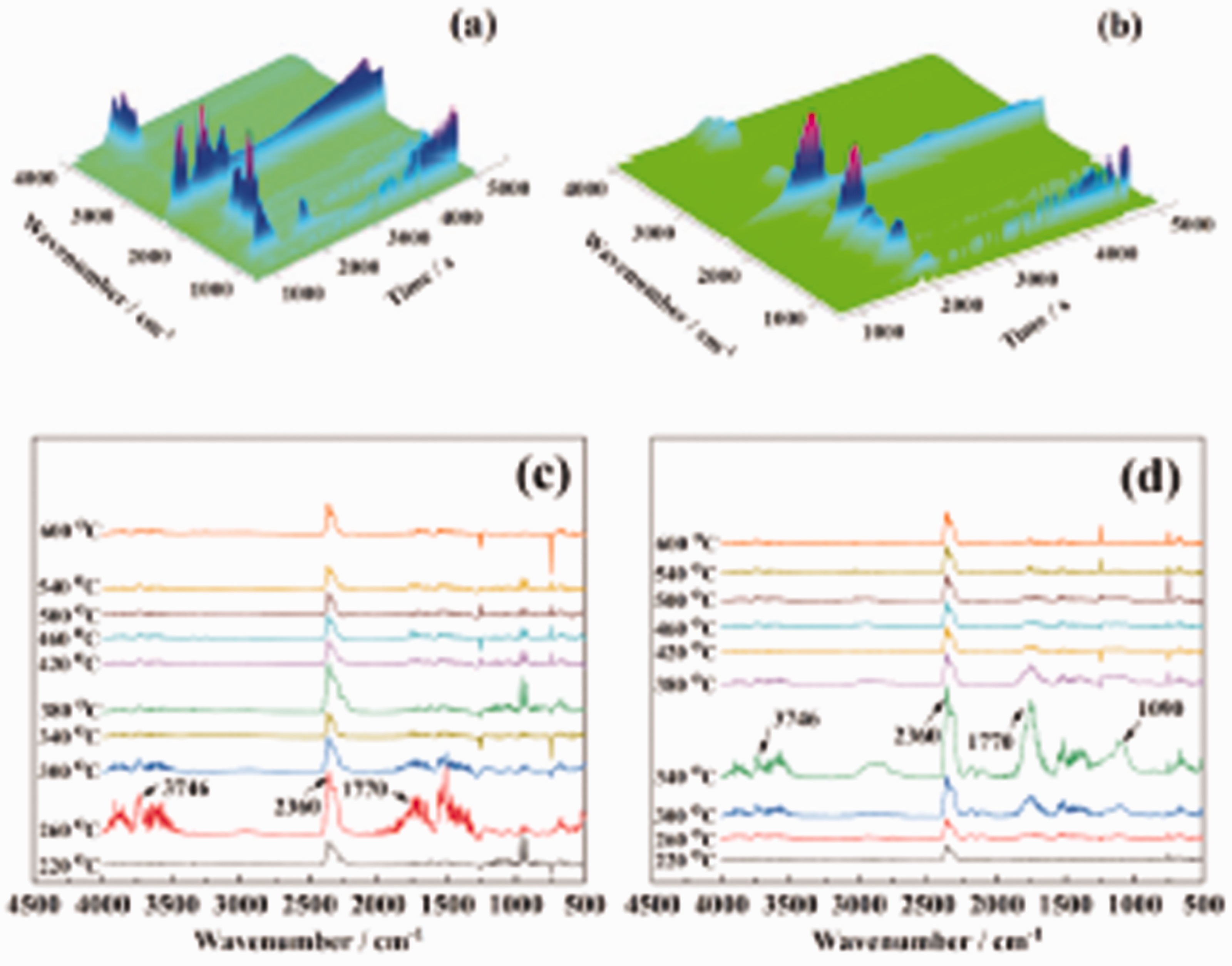
The three-dimensional hermogravimetric infrared (TG-IR) of cotton (a) and flame-retardant cotton fabric (FR-cotton) (b) under nitrogen (N 2 ) atmosphere; the Fourier transform infrared (FTIR) of cotton (c) and FR-cotton (d) at different temperatures.
The degree of graphitization of the char residue is closely related to the flame-retardant properties of the material. The higher degree of graphitization meant a more perfect char residue, indicating better heat resistance and flame retardance. 51 The degree of graphitization of the char residue of FR-cotton was studied by Raman spectroscopy. As shown in Figure 12(d), the two peaks at 1378 cm−1 and 1592 cm−1 corresponded to the D-band of amorphous carbon and the G-band of graphitized carbon, respectively.52,53 Typically, the degree of graphitization of the char is assessed by the integral intensity ratio of the D and G bands (ID/IG), and the lower ID/IG value represents a high degree of graphitization.54,55 The calculated ID/IG value for FR-cotton was 0.92, which was much lower than that of the blank sample (2.98), 56 indicating the formation of highly graphitized residue char during combustion. The highly graphitized char residue acted as a physical barrier for the cotton matrix to reduce the release of fuel and delay the combustion process.
To explore further the flame-retardant mechanism of CPAS on cotton fabrics, the thermal degradation products of the control and FR-cotton were analyzed by TG-IR under N2 atmosphere. As demonstrated in Figure 13(c) and (d), the peak at 1770 cm−1 was due to the C=O of carbonyl compounds and the C–O vibrational absorption of aliphatic ethers, which were thought to be the pyrolysis products of levoglucosan. 56 In addition, the absorption peak at 3746 cm−1 of the control sample was attributed to the stretching vibration of –OH, corresponding to water (H2O) or other compounds including –OH.57,58 The absorption peak located at 2360 cm−1 at 340°C corresponded to the released CO2 during the degradation of the cellulose matrix. 59 Compared to the control fabric, the appearance of the CO2 peak was delayed by 80°C for the treated fabric. This implied that the introduction of the flame retardant delayed its degradation.60,61 Furthermore, as indicated in Figure 13(a) and (b), when the temperature reached 340°C, the characteristic peak owing to CO2 at 2360 cm−1 began to weaken gradually. It indicated that the amount of released CO2 decreased and carbon mainly existed in the condensed char residue. In addition, due to the release of nitrogen-containing gases during the thermal decomposition of CPAS, the new absorption peak near 1090 cm−1 was identified as the characteristic absorption peak of NH3.62,63 The generated NH3 not only diluted the combustible gases in the gas phase but also acted as a barrier to isolate oxygen from the outside into the combustion zone. Therefore, CPAS promoted the carbonization of the fabric matrix to improve the flame-retardant performance of cotton fabric in the condensed phase. At the same time, the released non-flammable gases played their flame-retardant role in the gas phase.
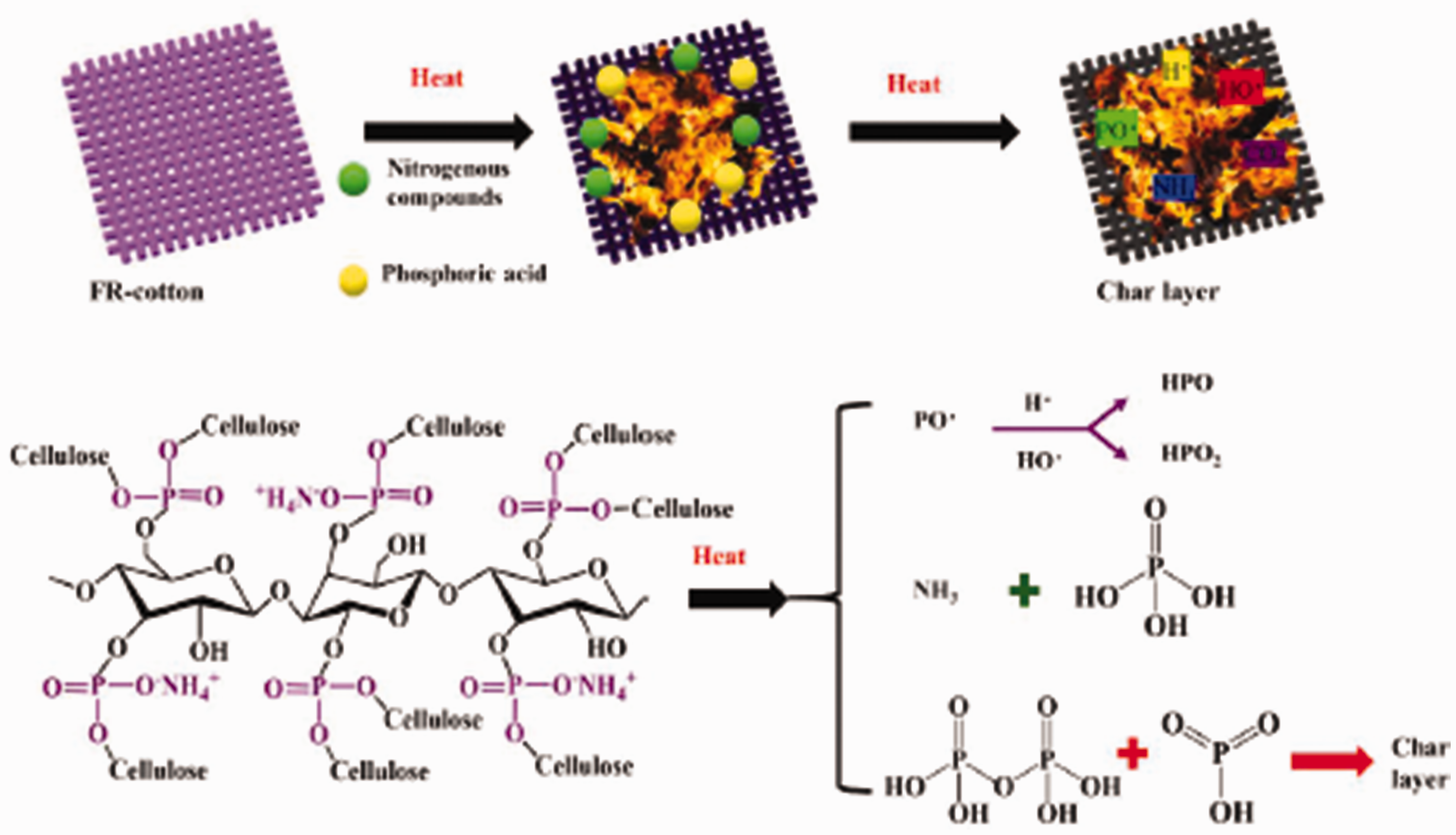
Proposed flame-retardant mechanism of flame-retardant cotton fabric (FR-cotton).
As indicated in Figure 14, the flame-retardant mechanism of FR-cotton was proposed based on the above analysis. When the FR-cotton was exposed to flame, phosphoric acid, polyphosphoric acid and other phosphorus-containing acids generated from the thermal degradation of cellulose phosphate could catalyze the dehydration and carbonization of the cotton fabric to form a dense char layer barrier, which inhibited the heat transfer between the flame and the cotton matrix and played the flame-retardant role in the condensed phase. At the same time, the released non-combustible gases such as H2O, CO2, and NH3 helped to isolate the contact between the air and other combustible gases. In addition, the free radicals, such as PO
Conclusions
In this study, the flame- retardant CPAS was synthesized by phosphorylation of cotton waste with phosphoric acid and was introduced onto cotton fabric to produce a FR-cotton. The chemical composition of the flame retardant and the cotton fabrics before and after modification was analyzed by FTIR and XPS, and P–O–C covalent bonds between the flame retardant and cotton fabric were confirmed. TG results showed that the degradation temperature of flame-retardant cotton in N2 and air atmospheres was significantly advanced and the char residue increased significantly. The reduction of pHRR, THR as well as a longer ignition time and increased char residue indicated that the flame-retardant fabric had good flame-retardant properties. Besides this, the FR-cotton had excellent self-extinguishing properties after 30 LCs, showing good flame-retardant durability. The CPAS acted both in the gas and condensed phase, effectively inhibiting heat escape, mass transfer between the cotton matrix and the flame, and chain propagation. The work not only developed a new preparation of FR-cottons but also provided a sustainable solution for recycling cotton waste.
Footnotes
Declaration of conflicting interests
The author(s) declare no potential conflicts of interest with respect to the research, authorship and/or publication of this article.
Funding
The author(s) disclosed receipt of the following financial support for the research, authorship, and/or publication of this article: This work was supported by the National Natural Science Foundation of China (No. 51573134; No. 21975182) and the Beijing Tianjin Hebei collaborative innovation community construction project (No. 20541401D).
