



Abstract
The effects of ultrasonic and hydrothermal treatment on the physical, mechanical, wear resistance, water absorption and thermal stability of the walnut shell (WS)/attapulgite (ATP)/polyvinyl chloride (PVC) composite and its enhancement mechanism were investigated. WS was treated by ultrasound and hydrothermal treatment and mixed with PVC and ATP, and the WS/ATP/PVC composites were prepared by melt extrusion. The properties of composites were characterized, and the results showed that after ultrasonic and hydrothermal treatment, the main chemical structure of composites was not changed significantly. Compared with untreated composites, the wear resistance after ultrasonic treatment for 10 min is the best. After ultrasonic treatment for 15 min, the bending strength, tensile strength and impact strength of the composite are increased by 8.9%, 10.3% and 46.2%, respectively. Hydrothermal treatment at appropriate temperatures also improved some properties of the composites. The composites after hydrothermal treatment at 110°C had the best thermal stability and highest hardness, and the bending strength and tensile strength values were increased by 5.9% and 5.2%, respectively. The impact strength of the composite increased with the increase of hydrothermal treatment temperature. The results showed that ultrasonic and hydrothermal treatments have the potential to improve the performance of wood–plastic composites as environmentally friendly pretreatment methods.
Wood–plastic composite (WPC) is a kind of environmentally friendly composite material prepared by molding, melt extrusion and injection molding with biomass filler as reinforcement phase and thermosetting or thermoplastic as matrix.1,2 WPCs are widely used in interior decoration, furniture, architecture, and other fields because of their low price and excellent physical properties, outstanding corrosion resistance, chemical stability and flame retardancy compared with other materials.3,4 WPCs combine the advantages of plant fibers and plastics, which overcome the limitations of single-phase materials such as low wood fiber strength, uncontrollable variability, and poor wear property. 5 In addition, the use of agricultural residues and plastic waste is more sustainable, and their recycling properties make them an environmentally friendly product.6–8
As natural plant fibers are hydrophilic and have strong chemical polarity, the interface compatibility with non-polar thermoplastics is poor, which limits the further improvement and applicability of WPCs.9,10 Chemical treatment, physical treatment, and hybrid inorganic nanoparticles are commonly used to improve the interfacial bonding strength between wood fiber and plastic matrix. 11 According to the results of previous studies, chemical treatment improves adhesion between fillers and matrix by introducing functional groups, thereby reducing the surface polarity of the fillers and promoting their dispersion, but as the chemical waste produced by chemical treatment is harmful to the environment, physical treatment has attracted more attention from researchers.12,13 Appropriate inorganic mineral fillers, such as calcium carbonate, attapulgite (ATP), and montmorillonite, can further improve the properties of composites. 14 According to Ma et al., 15 ATP is an effective and promising nanofiller that can be used to enhance the mechanical and thermal properties of composites.
The physical treatment of biomass fillers to enhance interfacial adhesion, and then improve the correlation between fiber and matrix bonding strength, has also been proved to be feasible. 16 For example, corona discharge treatment can change the polarity of natural fiber and make it have better compatibility with plastic matrix. 17 Plasma treatment can make the natural fiber have higher surface roughness, form a larger bonding area with the matrix, make the interface bonding better, and finally improve the properties of the composites. 18 Ultraviolet (UV) treatment can lead to the formation of carboxyl groups in natural fibers, which helps to improve the surface activity and form a stronger interface when combined with the matrix. 19
Previous studies have shown that hydrothermal treatment has a positive effect on WPCs. The hydrothermal treatment of walnut shell (WS) fiber in a closed container with water as heating medium reduced the hydroxyl content and surface polarity of the fiber. 20 Thus, the compatibility between the natural fiber and matrix was enhanced, producing high-quality, thermally stable composites. 21 For example, Anish et al. 22 compared untreated and heat-treated sapwood with extract-rich heartwood. Compared with untreated samples, heat-treated heartwood maintained its color to a great extent and showed better UV resistance. Kuka et al. 1 prepared polypropylene (PP)/pine wood composites and studied the effect of heat treatment on the weather resistance of the composites. The results showed that the composites treated at 212°C for 3 h had better surface erosion resistance, which was due to the better compatibility between the treated sawdust and PP matrix.
Ultrasonic treatment can also be beneficial for WPCs. It has been proved that ultrasonic treatment of wood has a significant effect on its physical and chemical properties. 23 Ultrasonic treatment increased the porous structure of wood from hydrophilicity to super hydrophobicity. 24 Ultrasound has mechanical effects and cavitation effects by continuously impacting and effectively removing amorphous deposits in wood pores. 25 High-intensity ultrasound treatments can break down cellulosic materials by generating intense cavitation forces. 26 Filho et al. 27 used ultrasonic combined sisal fiber with microcrystalline cellulose (MCC) and prepared composites, which have higher strength, modulus, and fracture energy under the cavitation of ultrasonic treatment. Gao et al. 28 prepared straw fiber/HDPE composites of nano-xylan and corn xylans by ultrasonic-assisted alkaline treatment; the results showed that the nano-xylan improved the antimicrobial property of straw fiber and its composites. Shojaeiarani et al. 29 used different ultrasonic time and amplitude to prepare an aqueous suspension of polyvinyl alcohol (PVA) and cellulose nanocrystals, and made fully miscible polymeric nanocomposites. The experimental results showed that the time and amplitude of ultrasonic treatment have a considerable influence on the morphology, crystallinity, and dispersion of cellulose nanocrystals in the whole PVA matrix.
WS is a ubiquitous kind of agricultural by-product and is predominantly used as biofuel, resulting in low utilization and causing environmental pollution. 30 There are few studies on the preparation of WPC using WS, which makes it is meaningful to use WS to prepare composite materials and finally realize the high-value utilization of agricultural wastes from nut shells. 31
In this paper, WS was ultrasonically and hydrothermally treated, and the WS/ATP/polyvinyl chloride (PVC) composites were prepared by the single-screw melt extrusion process. Fourier-transform infrared (FTIR), X-ray diffraction (XRD) and other chemical analyses of WS/ATP/PVC composites were conducted to determine physical, mechanical, water absorption, and abrasive wear properties; the microstructure was also observed. The overall purpose was to reveal the mechanism of the influence of WS on the properties of WS/ATP/PVC materials after ultrasonic and hydrothermal treatment.
Materials and methods
Materials and devices
WS was collected in the suburbs of the Lanzhou city, Gansu Province, China. WS of uniform size and shape that were free from disease were packed in mesh bags and then treated. PVC (SG5) was purchased from Dongguan Ante Plastic Material Co, Ltd. (Dongguan, China). Maleic anhydride grafted coupling agent was purchased from Dongguan Zhuoyi Chemical Co, Ltd. (Dongguan, China). Ca-Zn stabilizer was purchased from Dongguan Qiancheng Plasticizing Raw Materials Co., Ltd. (Dongguan, China). ATP was purchased from Jiangsu Changzhou Dingbang Mineral Products Technology Co., Ltd. (Changzhou, China).
Pretreatment of WS
Hydrothermal treatment
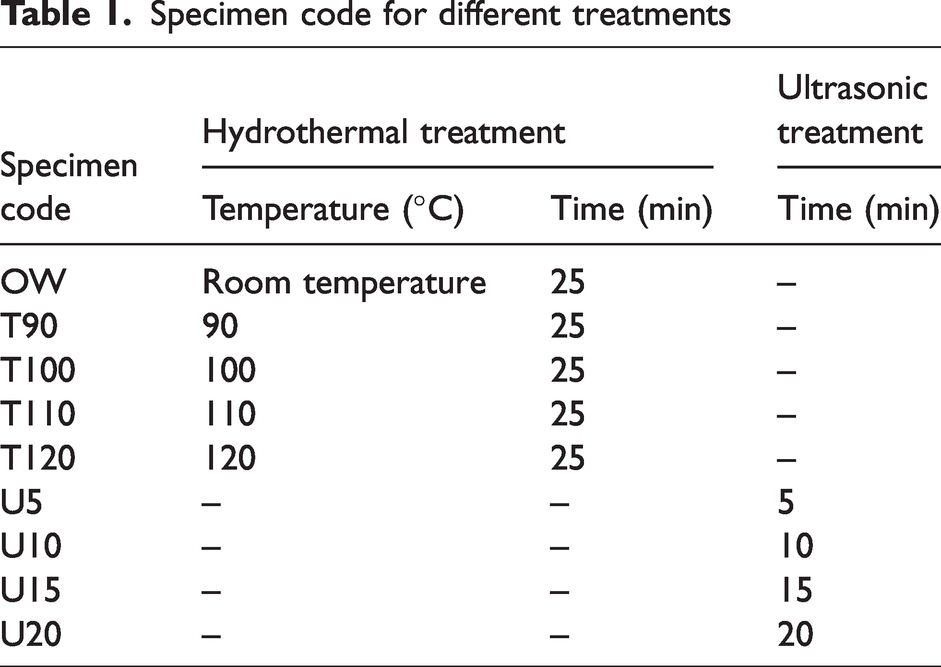
The WS was washed and then dried at 65°C in a DHG-90554A electrical thermostatic drum hot air drying oven (Shanghai Yiheng Scientific Instrument Co., LTD., Shanghai, China) until the moisture content was less than 2%. The WS was hydrothermally treated (Mix 100 g of dried WS with 1 L of distilled water) in an electric heating digester (TD-15, Xianyang Tongda Light Industry Equipment Co., Ltd., Xianyang, China) for 25 min at 90°C, 100°C, 110°C, and 120°C, respectively. After hydrothermal treatment, WS was dried at 65°C until the moisture content was less than 2%, and then crushed into a powder with a particle size of about 150 µm.
Ultrasonic treatment
The WS was dried at 65°C in the DHG-90554A electrical thermostatic drum hot air drying oven (Shanghai Yiheng Scientific Instrument Co., Ltd, Shanghai, China) until the moisture content was less than 2%, and then crushed into about 150 µm sized powder. Some 20 g of WS powder was suspended in 200 mL of distilled water and then stirred using an SFX550 ultrasonic processor (Branson Ultrasonics Corporation, USA) with a titanium probe for ultrasonic treatment, while the frequency of 20 kHz and the amplitude of 60% was used. The WS solution samples were divided into four groups, and treated ultrasonically for 5, 10, 15, and 20 min with 5 s pulse on-time and 1 s pulse off-time. After filtration, WS was dried at 65°C to a moisture content of less than 2%.
Figure 1 shows the WS samples before and after ultrasonic treatment. After ultrasonic treatment, the WS solution was delaminated and the WS powder became fluffy. This may be due to the erosion and fragmentation of the surface of the WS particles, the collapse of the cell wall, and the expansion of pore structure caused by the high cavitation pressure. The internal pressure caused by oscillation and collapse may lead to a change in structural shape and the expansion of cracks and voids in the WS fibers.
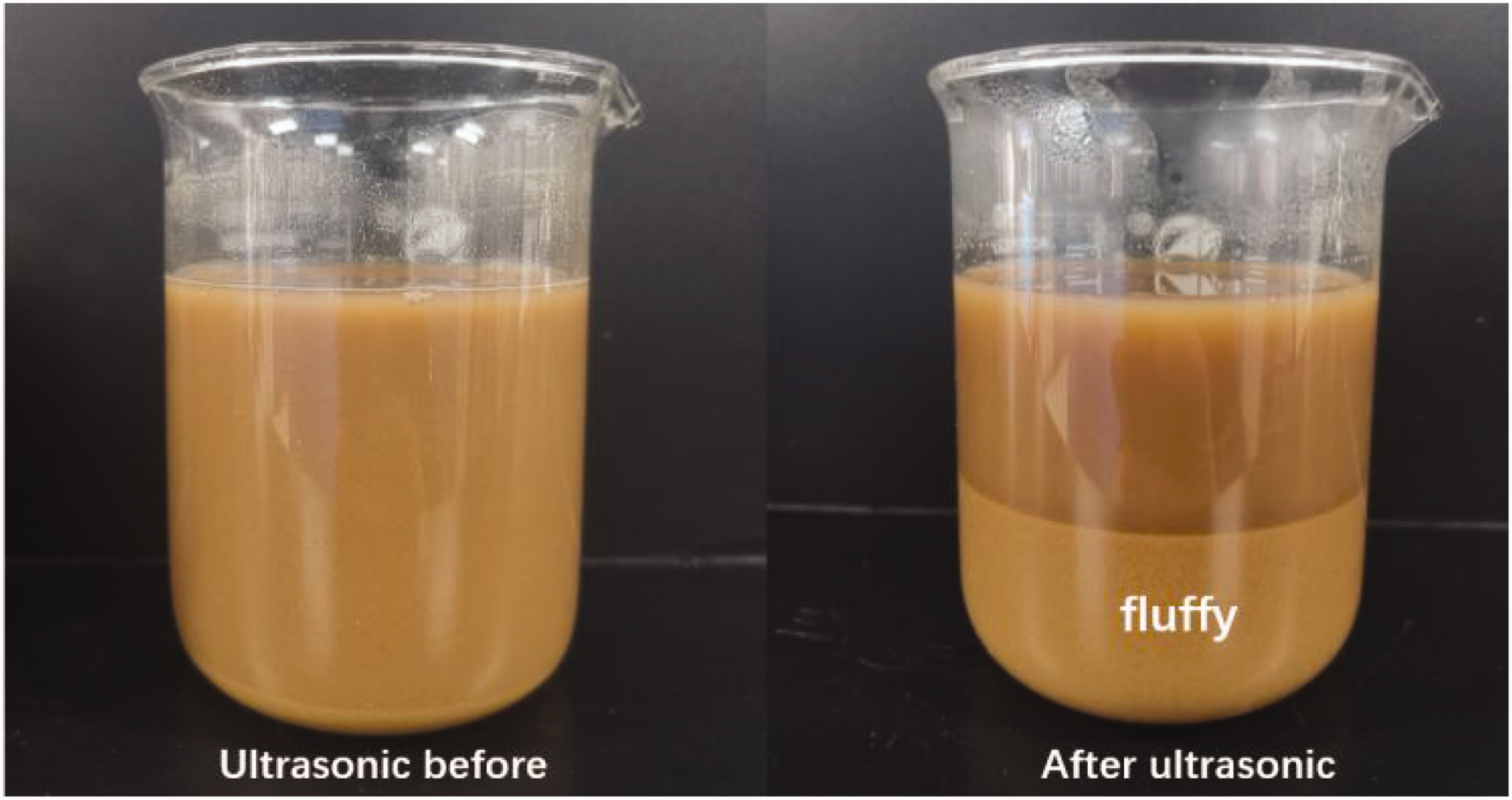
WS samples before and after ultrasonic treatment.
The WS pretreatment conditions for the composites are shown in Table 1.
Specimen code for different treatments
Preparation of WS/ATP/PVC composites
Figure 2 depicts the preparation process of WS/ATP/PVC composites. The pretreated WS powder, PVC, stabilizer, coupling agent, and ATP were mixed separately using a SYH three-dimension motion mixer (Changzhou Beicheng Drying Equipment Engineering Co., Ltd., Changzhou, China) for 15 min with a mass ratio of 40:49:8:3:3. The mixture was then extruded with a SXT-I single-screw extruder (Harbin Harp Electric Technology Co., Ltd., Harbin, China) with the screw speed of 20 r/min. The temperatures from hopper to the die region were set to 150°C, 155°C, 160°C, and 165°C. The extruded composites were naturally cooled to room temperature and cut to the corresponding size according to required specifications.
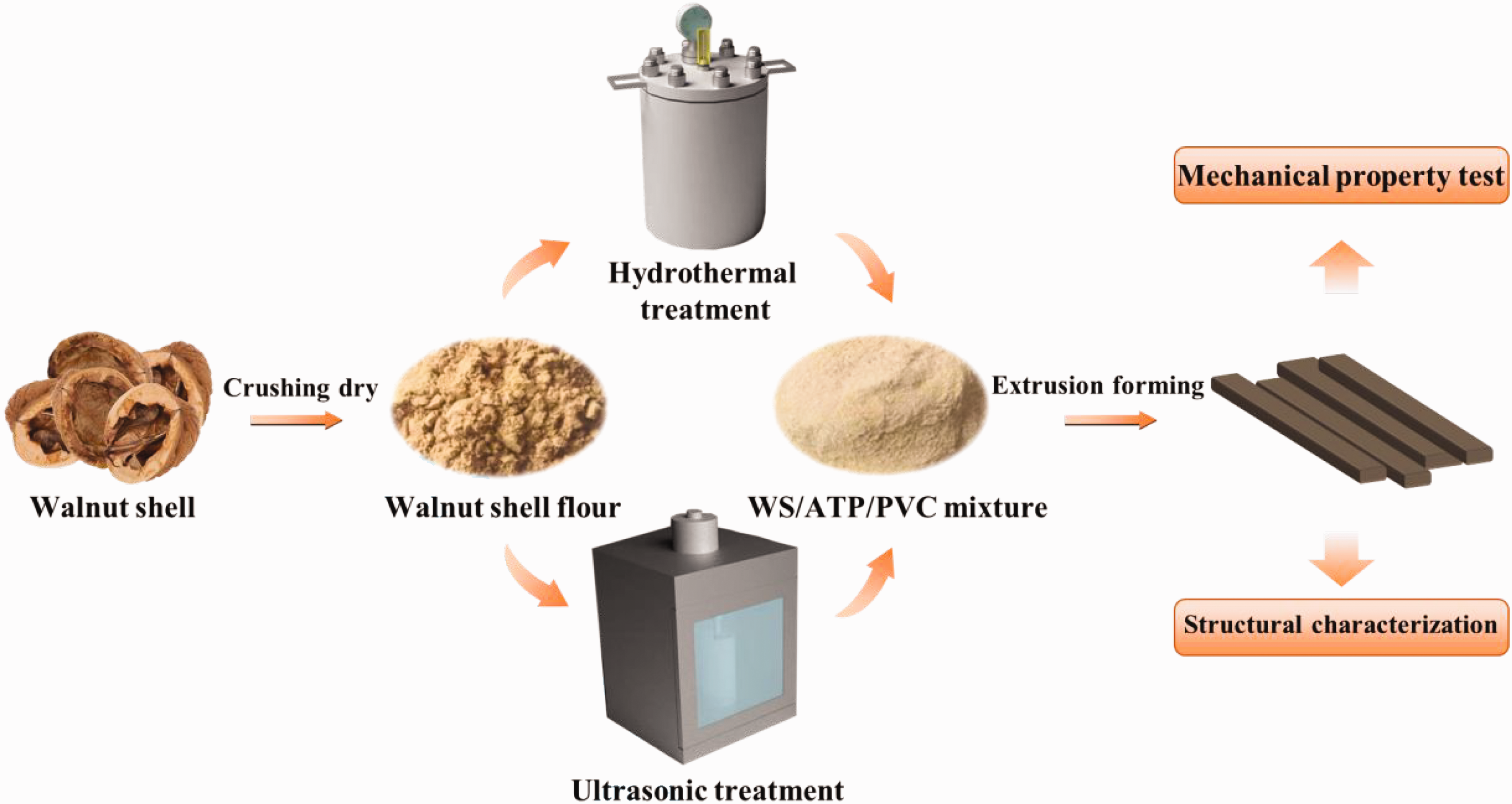
The preparation process of WS/ATP/PVC composites.
Fourier-transform infrared (FTIR)
The infrared spectra of WS/ATP/PVC composites were obtained using an FTIR spectrometer (Agilent Cary660, Agilent Technologies, Inc., USA) with a resolution of 4 cm−1 and a scanning range of 4000 to 400 cm−1.
X-ray polycrystal
The XRD of WS/ATP/PVC composites at room temperature was recorded by applying an XRD (XD3, Beijing Purkinje General Instrument Co. Ltd., Beijing, China) with a monochromatic Cu Kα radiation source (λ = 0.154060 nm), an accelerating voltage of 40 kV, and an applied current of 30 mA, and the samples were scanned at a rate of 5°/min, with 2θ ranging from 10° to 50°.
Thermal stability analysis
Using a TG-DSC thermal analyzer (STA449F, NETSCH Scientific Instrument Trading (Shanghai) Co., Ltd., Shanghai, China), the thermal stability of WS/ATP/PVC composites was investigated. A sample of about 8–12 mg was placed in an alumina crucible with a temperature range of 30–800°C and a heating rate of 20°C/min. In addition, the protective gas and scanning gas flow rates were both set to 50 mL/min.
Water absorption
The test of water absorption was conducted according to GB/T 1034–2008. After drying, the sample was soaked in deionized water at room temperature for 60 days, and the mass of the sample was weighed at the temperature of 20 ± 1°C for 24 ± 5 h. The water absorption rate (
Physical and mechanical properties test
Density
In accordance with GB/T 1463-2005, the density of WS/ATP/PVC composites was tested.
Hardness
Using the XHR-150 Plastic Rockwell Hardness (Shanghai Luer Test-Equipment Co., Ltd., Shanghai, China) tester, a hardness test of composites was conducted according to GB/T 3398.1-2008. The diameter of the indenter was 12.7 × mm, loading and unloading times were both 15 s; a 60 kg load was applied for 5 s, and the mean value of five tests was then determined.
Flexural and tensile properties tests
The flexural and tensile tests were conducted utilizing an E43.104 microcomputer-controlled electronic universal tester with a three-point bending fixture (Meters Industrial Systems Co., Ltd., Shanghai, China). In accordance with the GB/T1040.1-2006 and GB/T9341-2008, the flexural test sample size was 80 × 10 × 4 mm, and the tensile test sample size was 160 × 10 × 4 mm, the span was 64 mm, and the loading speed was set to 2 mm min−1, and the test result was calculated as the mean of five tests.
Impact strength test
The impact strength test was conducted utilizing the G-P01 simple beam impact tester (Kroni (Beijing) Instrument Co., Ltd., Beijing, China). In accordance with the GB/T1043.-2008, the impact specimen was 80 × 10 × 4 mm, and the pendulum energy was set to 1 J. The test result was calculated as the mean of five separate tests.
Scanning electron microscope (SEM)
An S-3400N scanning electron microscope (Hitachi Corporation, Tokyo, Japan) was utilized to examine the specimen’s impact cross-sectional morphology and wear surface.
Abrasive wear test
The abrasive wear test was conducted at room temperature using a rubber-rimmed wheel three-body sand abrasive tester (MLG-130C, Zhangjiakou Chengxin Test Equipment Manufacturing Co., Ltd., Zhangjiakou, China) in accordance with ASTM-G65, and the sand abrasives were collected from the Yellow River in Lanzhou city. The shore hardness of the rimmed rubber was A-60, and the diameter of the wheel is 228.6 mm. The WS/ATP/PVC composites specimen (80 × 10 × 4 mm) was pressed against the rimming rubber wheel by a 45 N dead-weight load during the test. The rotational speed of the rubber wheel was set to 200 rpm, with a 3 min wear time for each specimen. Before and after the test, the sample’s surface was cleaned with ethanol and air-dried. The testing was repeated thrice for each sample group. The specific wear rate (
Results and discussion
FTIR spectra analysis
Figure 3 depicts an FTIR analysis of the changes in the chemical functionality of WS after ultrasonic and hydrothermal treatment. The effects of various treatment conditions on the FTIR spectra of WS/ATP/PVC composites were observed. The graph demonstrates no discernible difference in chemical structure between untreated and treated composites. 32 This indicates that ultrasonic and hydrothermal treatment does not break the distinct functional groups of the WS cellulose. The peaks ranging from 2700 cm−1 to 3500 cm−1 are mainly caused by the stretching vibration of the –OH and C–H groups of cellulose and hemicellulose. 33 The absorption peak at 3362.7 cm−1 is caused by the stretching vibration of –OH, the absorption peak at 2917.5 and 2851.2 cm−1 is related to C–H stretching vibration, the absorption peak at 1735.62 cm−1 is related to C=O stretching vibration, the absorption peak at 1238.2 cm−1 is related to –CH2 bending vibration, and the absorption peak at 1023 cm−1 is related to C–O stretching vibration. 34 However, there was an obvious change in the peak intensity of the near 1023 cm−1 characteristic spectra. The absorption peak near 1023 cm−1 was brought about by the stretching vibration of the C–O bond in cellulose and the mixed vibration of the –OH bond in hemicellulose. 35 Peak enhancement after ultrasonic and hydrothermal treatments was demonstrated by increases in the Brownian motion intensity and the impact and collision energy of water molecules in the WS. This resulted in the degradation of cellulose and hemicellulose.24,36 Furthermore, the functional groups of fiber-reinforced composites were not altered, while the fiber interface of WS was physically altered.20,37
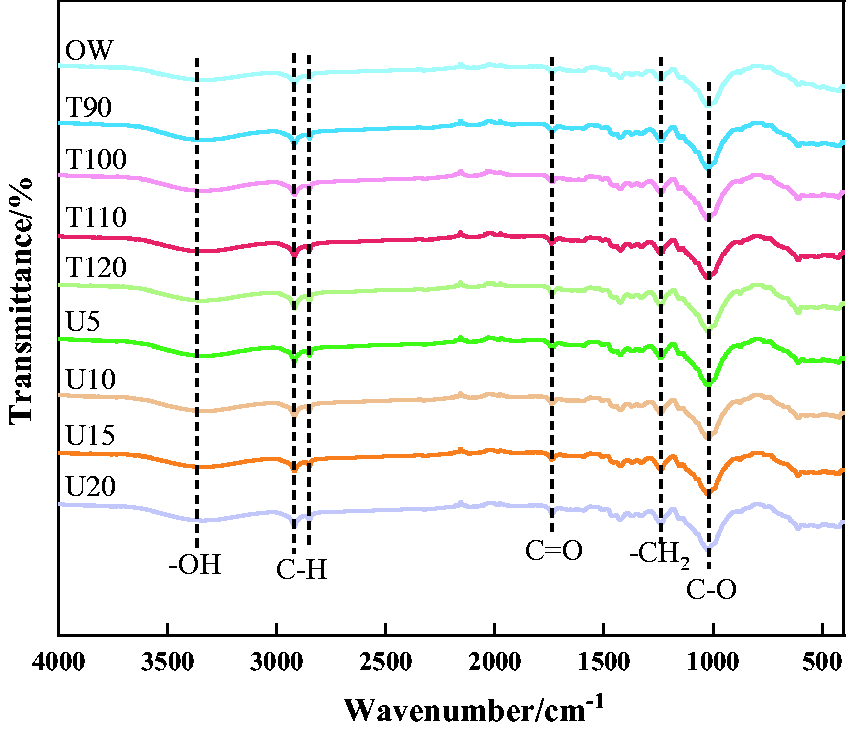
FTIR spectra of composites.
XRD analysis
Figure 4 depicts the XRD patterns of WS/ATP/PVC composites and analyzes the effects of ultrasonic and hydrothermal treatments on the structure of the composites. The results indicate that no new crystal phase was produced by the ultrasonic and hydrothermal treatments.25,38 In addition, the strong peak was observed at 2

XRD patterns of composites.
TG/DTG analysis
Figure 5 depicts the trends of thermogravimetry (TG)/derivative thermal gravity (DTG) under various conditions. The TG/DTG curves revealed that the composites displayed three distinct characteristics during the heating stages. Some important data from TGA and DTG curves, including temperatures at which 95% (T5%, defined as the onset degradation temperature) and 90% (T10%) mass remained, maximum-rate degradation temperature (Tmax), thermal degradation rate at Tmax (Rmax), and char residual amount at 750°C, are presented in Table 2. The initial decomposition stage consisted of an initial sample weight loss below 150°C, which was found to be corresponding to water evaporation from the composite. The composites were dried before testing, so that the high water loss may have resulted from the decomposition of combined water molecules due to the high hydrophilicity of WS in the composites.40,41 The second stage was the major decomposition stage, which occurred between 260°C and 500°C and led to the most significant mass loss. 42 As a result of the breaking and recombination of cellulose molecules caused by thermal depolymerization, a shoulder peak containing the central peak and a side peak simultaneously is apparent. 43 The third stage following thermal degradation as depicted in second stage was residue of decomposition. The TG/DTG curves tend to be stable above 500°C, and a thermal degradation mode can be observed. This was possible due to the C=C and C=H bonds broken during polysaccharide carbonization. 44
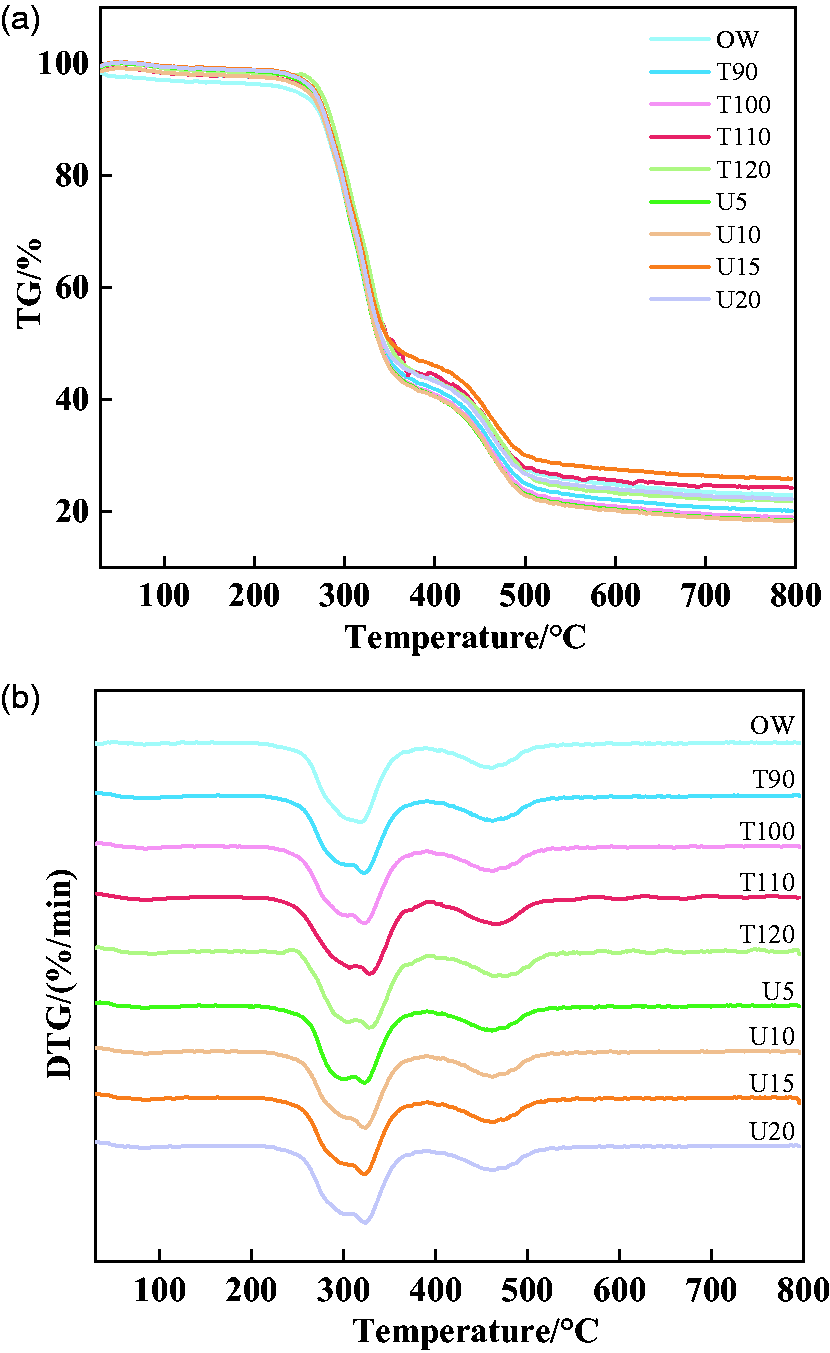
Trend of TG(a) and DTG(b) at different temperatures.
Data from TGA and DTG of composites
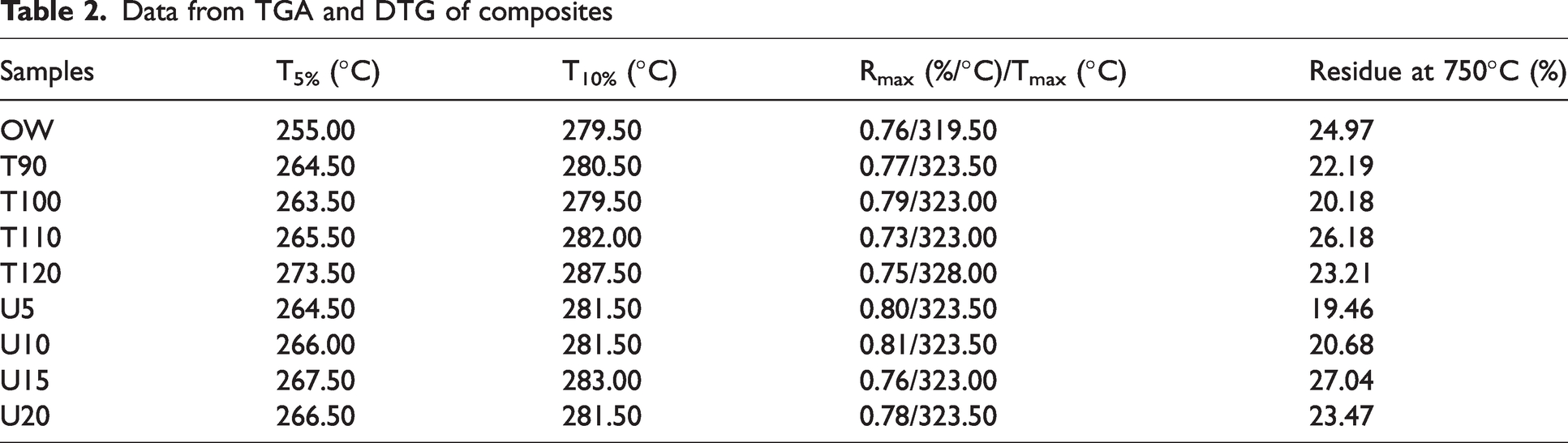
The analysis demonstrates that the thermal stability of the U15 and T110 has been enhanced compared with the OW; this is because hydrothermal treatment can destroy hemicellulose and lignin components of the WS, and the non-cellulose and lignin can be depolymerized and freed from the fiber bundle. 43 Furthermore, ultrasonic treatment can increase cellulose crystallinity, requiring a higher temperature for cellulose degradation, and the ultrasound simultaneously reduced the amount of hemicellulose and lignin in the samples; thereby, the thermal stability of composites was increased. 45 Compared with U15 and T110, the other composites had a narrower main pyrolysis range and lower residue content due to differences in their fine structure. Larger particle size and smaller specific surface area may have also promoted the volatilization process of other composites and eventually led to lower pyrolysis residues. 46 After ultrasonic treatment, the surface area and hydroxyl content on the surface of cellulose increased, which made it more volatile when it exceed the decomposition temperature. 47
Physical performance analysis
Density and hardness are the primary properties of materials, which have a substantial effect on the application performance of the material. Figure 6 displays the densities of the WS/ATP/PVC composites after ultrasonic and hydrothermal treatment. The density of WS/ATP/PVC composites decreased after ultrasonic treatments, and then increased with the increase of ultrasonic treatment time. The statistical analysis of the data shows that the effect of hydrothermal treatment on the density of composites is not significant, but the effect of ultrasonic treatment on the density of composites is significant. Compared with the OW, the density of the U5 decreased by 1.2%. The reason may be that in the process of ultrasonic and hydrothermal treatments, the degradation products of WS escaped to the cell wall during the migration and release of volatiles, resulting in the reduction of the cell volume.

Densities of composites. Data are shown as the mean, and the different letters above the error bars indicate statistically significant difference by Tukey’s test (p < 0.05).
Moreover, hemicellulose is most unstable in the cell wall of WS, so its loss accounted for the majority of the weight reduction. Specifically, the dispersal mechanism of ultrasonic waves could reduce the diameter of the WS fiber under the influence of ultrasonic waves. Thus, some microfine fibers such as cellulose, hemicellulose, and lignin are broken down, resulting in a decrease in the density of WS/ATP/PVC composites.35,48
Figure 7 depicts the hardness values of composites after ultrasonic and hydrothermal treatment. Ultrasonic and hydrothermal treatments enhanced the hardness of WS/ATP/PVC composites. The statistical analysis of the data shows that both hydrothermal treatment and ultrasonic treatment have obvious effects on the hardness of the composites, and the density change of the composites treated at 110°C is the most significant. Following ultrasonic and hydrothermal treatments, the hardness of composites U15 and T110 increased by 4.0% and 4.4% compared with untreated composites, respectively. This is because ultrasonic and hydrothermal treatments altered the specific surface area of the WS powder. The ultrasonic action then produced local scratches and pits on the surface of the WS powder, thereby increasing the surface roughness of the filler. The unique dispersion and layer-chain structure of ATP fills the pits of WS and the mechanical interlock is formed, and eventually leads to the enhancement of interface bonding. 14

Hardness of composites. Data are shown as the mean, and the different letters above the error bars indicate statistically significant difference by Tukey’s test (p < 0.05).
Mechanical property analysis
Flexural and tensile properties
The statistical analysis of the data shows that both hydrothermal treatment and ultrasonic treatment have significant effects on the mechanical properties (flexural strength, tensile strength, and impact strength) of the composites, among which the ultrasonic treatment for 15 min has the most significant effect on the mechanical properties of the composites.
Figure 8 demonstrates the effect of ultrasonic and hydrothermal treatments on the flexural strength of the WS/ATP/PVC composites. Compared with the OW, ultrasonic treatment increased the flexural strength of the WS/ATP/PVC composites. Remarkably, the flexural strength of U15 and T110 increased by 8.9% and 5.9%, respectively. In general, the flexural strength of WS/ATP/PVC composites following ultrasonic and hydrothermal treatments increases then decreases.
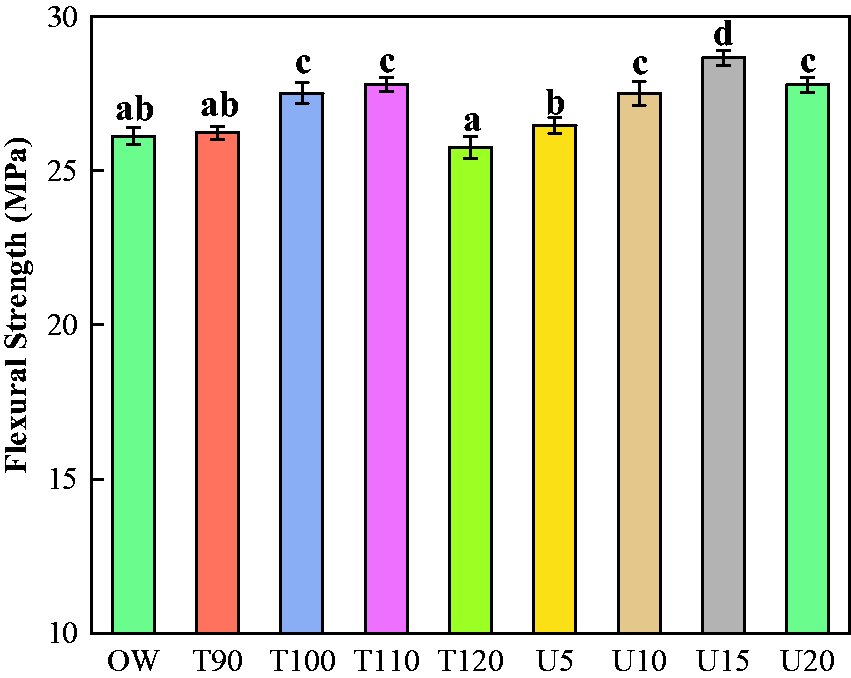
Flexural strengths of composites. Data are shown as the mean, and the different letters above the error bars indicate statistically significant difference by Tukey’s test (p < 0.05).
Figure 9 depicts the tensile strength of WS/ATP/PVC composites under various treatment conditions. After ultrasonic and hydrothermal treatment, the tensile strength values of WS/ATP/PVC composites were significantly enhanced. In addition, the tensile strength of U15 increased and reached 16.67 MPa after ultrasonic treatment, which is 10.3% greater than the untreated composites. This is because the dispersion and wetting of WS enhanced the adhesion between filler and matrix, thereby increasing the tensile strength of the composites. 32 With an increase of ultrasonic treatment time, the cavitation effect of ultrasound enhanced the surface etching and looseness of WS, thereby increasing the internal contact surface area between WS and matrix in WS/ATP/PVC composites, which led to the enhancement of the tensile strength of composites.49,50
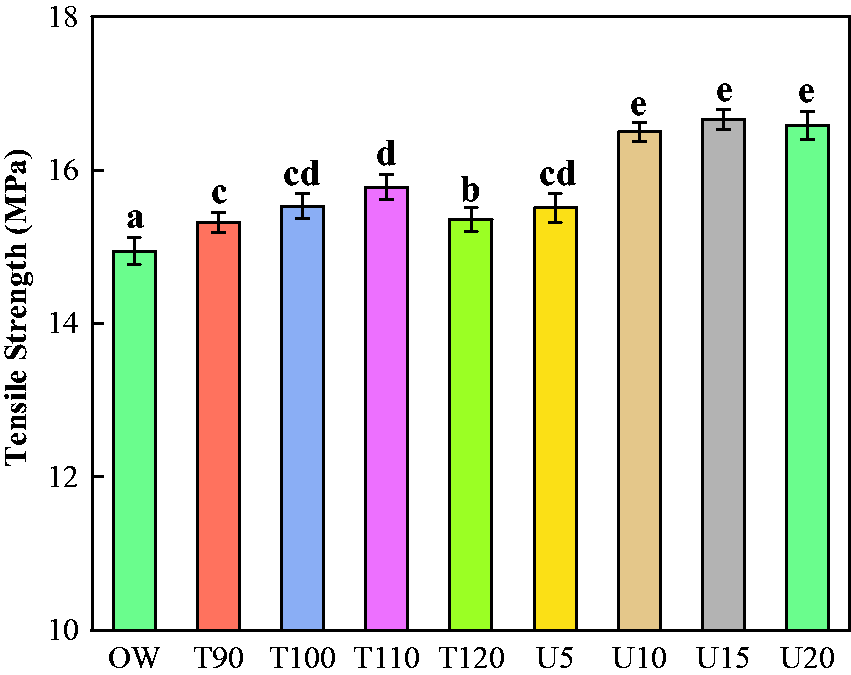
Tensile strength of composites. Data are shown as the mean, and the different letters above the error bars indicate statistically significant difference by Tukey’s test (p < 0.05).
The increase in flexural and tensile strength is related to the improvement of adhesion between WS and matrix after treatment. The interface interaction between the fiber and matrix is the primary determinant of WPC strength. The hydrothermal effect altered the content of hemicellulose and lignin in the WS, reduced the number of hydroxyls, and stabilized the fiber size,21,32 which can aid in enhancing the flexural and tensile properties, and then improved the coupling effect and mechanical properties of composites. With the increase of ultrasonic treatment time, the flexural and tensile strength of composites improved and then decreased significantly. According to previous findings, the flexural strength would decrease with the increase of hydrothermal temperature; 51 this is because of the cleavage of chains, caused by the thermal degradation of WS.52,53
Impact strength and impact section analysis
Figure 10 depicts the impact of different ultrasonic and hydrothermal treatment conditions on the impact strength of WS/ATP/PVC composites; the impact strength of composites under a variety of treatment conditions is higher than untreated composites. When the hydrothermal temperature was 110°C, the impact resistance of T110 increased by 42.3%. Similarly, when the ultrasound time was 15 min, the impact strength of the U15 increased by 46.2%. This is because of the release of micropores in the WS due to ultrasonic expansion of the wave and cavitation effects with the increase of hydrothermal temperature and ultrasonic time, 21 which created a stable pathway for the matrix material to enter the WS and thoroughly combine with hemicellulose and lignin to increase the strength of the composites.14,52,53
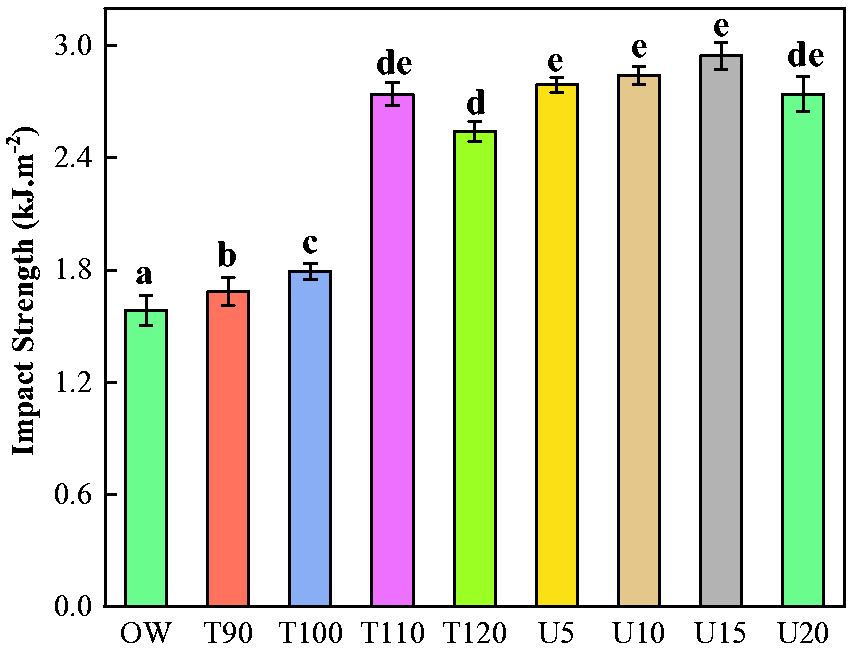
Impact strength of composites. Data are shown as the mean, and the different letters above the error bars indicate statistically significant difference by Tukey’s test (p < 0.05).
As shown in Figure 11(a), the surface of the impact fracture consisted of microscopic holes and aggregation; this is due to insufficient adhesion between the WS and PVC matrices and unstable matrix molecules in the composites. In addition, the stress concentration under external force and agglomeration reduced the mechanical properties of the composites. As shown in Figure 11(b), the WS of the composites section hydrothermally treated at 110°C is well wrapped in the PVC matrix, which is closely intertwined and there are no holes formed by the pulling out of the fillers. The dimple pattern was formed on the fracture surface of composites, indicating that the plastic deformation of the WS and PVC matrix was sufficient. Accordingly, the ability of composites to resist instability was strengthened, and the mechanical properties were significantly improved.21,52 When the composite was hydrothermally treated at 120°C, as shown in Figure 11(c), the appearance of cracks and pores can be seen.54,55 As shown in Figure 11(d), when ultrasonic treatment continued for 15 min the matrix combined effectively with the WS, aggregation was not evident, and the filler particles were evenly dispersed, and there were more dimples and ductile fracture characteristics concurrently. 35 Consequently, the maximum strength was also attained due to this treatment method. Ultrasound decreased the surface tension of the WS, thereby altering the interface adhesion strength with the PVC matrix. 35 Under ultrasonic treatment, the mechanical action, acoustic streaming effect, and cavitation can cause the larger WS fibers to fracture into nanofibers. 32 Therefore, the ultrasonic treatment facilitates fiber fracture, augments the specific surface area of WS and promotes its combination with PVC. Figure 11(e) shows the cross-section of the composite after ultrasonic treatment for 20 min; the fracture was not uniform, resulting in the formation of cracks. The dimple fracture decreased, and the cleavage fracture surface increased, resulting in a reduction of strength.
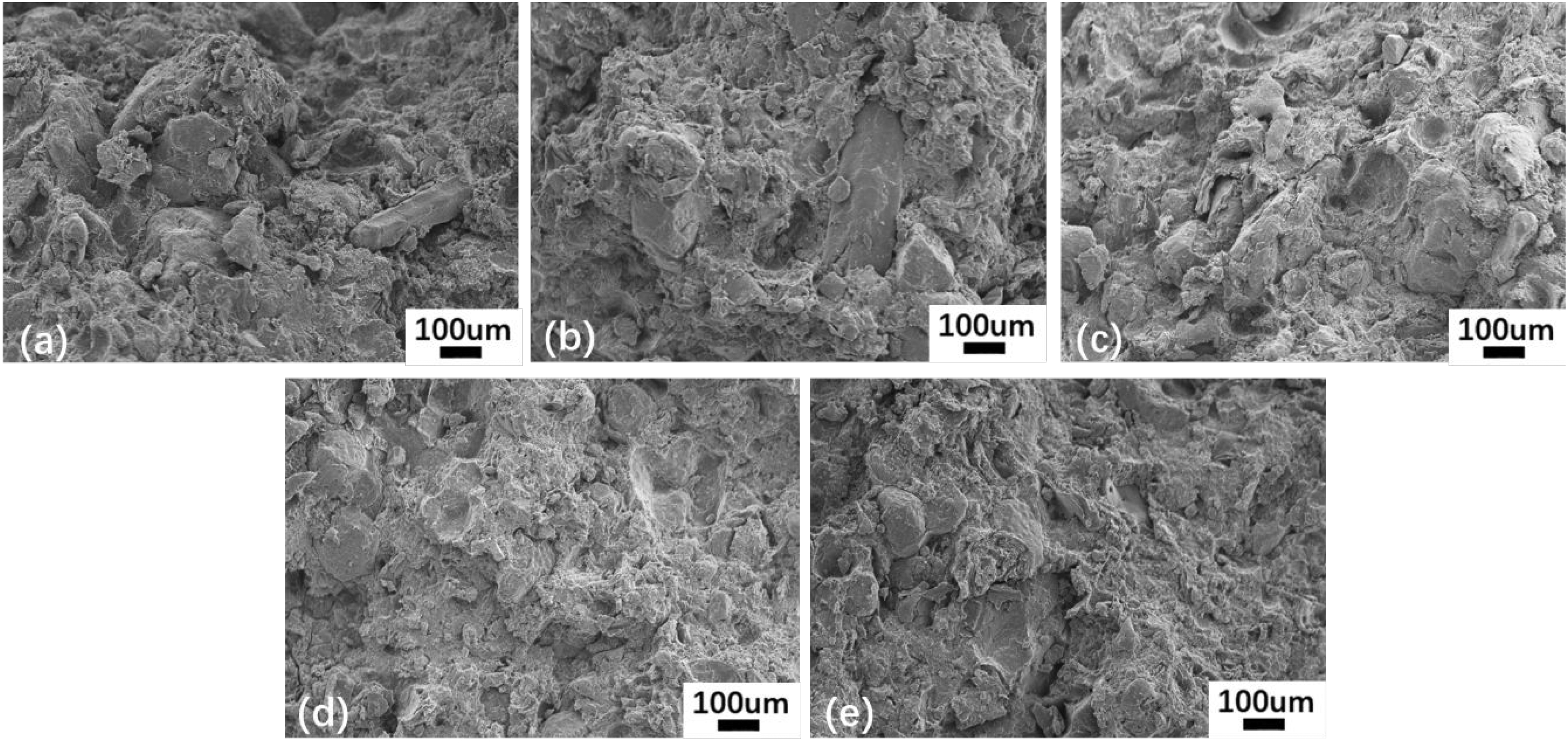
SEM images of impact fracture morphology of WS/ATP/PVC composites; (a) untreated, (b) 110°C hydrothermal treated, (c) 120°C hydrothermal treated, (d) 15 min ultrasonic treated and (e) 20 min ultrasonic treated.
Water absorption analysis
The WS/ATP/PVC composites were submerged in water at room temperature for 60 days, and the effects of different treatment conditions on the water absorption ability of the samples were investigated. Figure 12 demonstrates that curves typically exhibit two phases. The first phase is characterized by a high water absorption rate, followed by a second phase characterized by a slow water absorption rate; the water absorption rate of WS/ATP/PVC composites decreased gradually with immersion time. The water absorption rate of all composites is relatively high in 30 days in water, but began to slow down with the increase in the immersion period. After hydrothermal treatment, the water absorption of WS/ATP/PVC composites gradually approached the equilibrium value after 60 days. The water absorption of U10, U15, and U20 was reduced compared with the OW. As time passes, the water absorption rate of the composites gradually decreases.
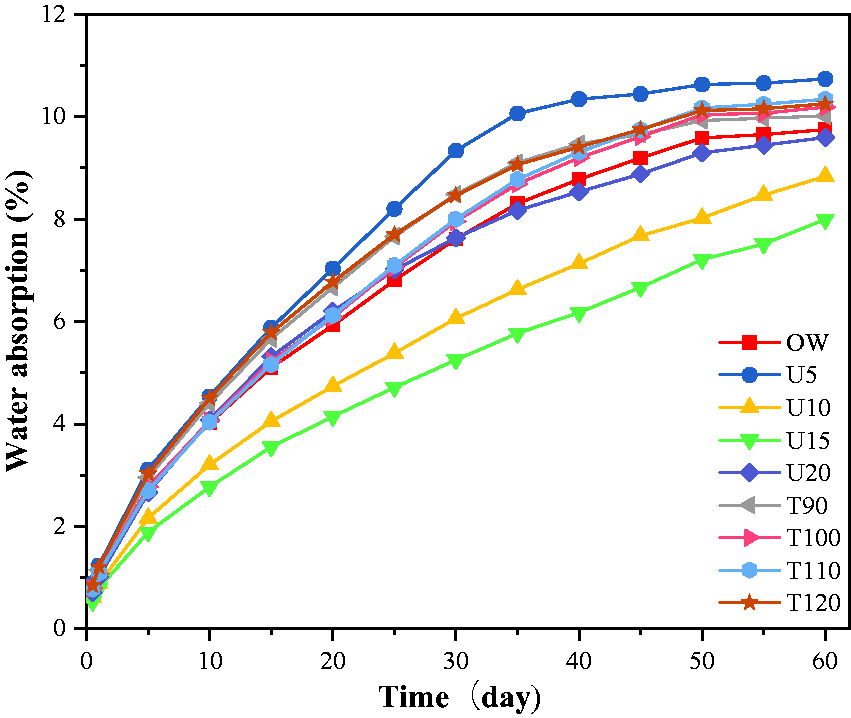
Water absorption analysis of WS/ATP/PVC composites.
The WS determines the water absorption of WS/ATP/PVC composites due to the lower water absorption of plastics. 31 In addition, the WS is more hydrophilic, and its fiber structure contains a high concentration of hydroxyls, which has led to its classification as a natural fiber. 56 Ultrasonography can significantly inhibit water absorption due to the cavitation of ultrasonic waves on free radicals. 45 After 10 min of ultrasonic treatment, intense cavitation caused a dramatic increase in the number of free radicals, while water absorption initially increased, which inhibited the formation of spatial network structures, and even though the WS/ATP/PVC composites are somewhat water soluble, water absorption was decreased.45,57 Moreover, for a longer ultrasonic time treatment, cavitation of ultrasonic waves can accelerate cellulose degradation and make it more tightly coupled with PVC. 32 ATP filled the voids within the WS, allowing interconnections with molecular chains, thus increased binding to PVC. However, after ultrasonic exposure for 5 min, the ultrasonic cavitation did not further break the thinned fibers, which enhanced the water absorption of composites.58,59
Abrasive wear performance analysis
Table 3 displays the mass loss and specific abrasive wear rate of WS/ATP/PVC composites. Hydrothermal treatment reduced the wear resistance of composites compared with the OW. However, the ultrasonic treatment improved the wear resistance of composites, and the wear loss of WS/ATP/PVC composites decreased and then increased with the extension of ultrasonic treatment time. When the ultrasonic treatment time was 15 min, the mass loss was minimal and reduced by 10.2% compared with the OW. This is because hydrothermal treatment can result in the removal of the wax layer and degradation of some fibers without altering the structure of the WS fibers. 60 In contrast, ultrasound can generate a strong impact force, resulting in the decomposition of some lignin, fiber bundle expansion, and wettability enhancement. 61 Furthermore, ultrasound cavitation could cause the crack of the hard shell on the fiber surface and the activation and opening of closed cells.52,60 Therefore, the WS was more compatible with the PVC matrix, resulting in a more compact internal structure of WS/ATP/PVC composites. In addition, the adsorption of ATP may improve the interface between the filler and matrix. These factors lead to the improvement of the wear performance of composites. 62
Mass loss and specific wear rate (Ws) of composites

Figure 13 depicts the SEM images of the abrasive wear surface morphology of WS/ATP/PVC composites. As shown in Figure 13(a), there is a weak interfacial binding between WS and matrix, concurrent with surface voids and defects caused by plastic deformation and spalling of WS. Figure 13(b) and (c) demonstrate that there is significantly more plowing and plowing cutting caused by the abrasive particles on the surface of composites. The plowing phenomenon on the surface of composites treated hydrothermally at 120°C was more pronounced than that treated at 110°C. The friction surface was smoother, but the plowing phenomenon was markedly evident. 40 As illustrated in Figure 13(d), after 10 min of ultrasonic treatment, the wear scar of composites comprises plowing and adhesive wear. Significantly, the width and depth of plowing are associated with WS treatment methods. In the wear process, the interfacial compatibility between WS and the matrix was enhanced, and the wear resistance of composites was enhanced. Thus, the wear resistance of the composites can be enhanced to a certain extent, and less mass loss indicated that the micro-cutting and micro-indentations were the main forms of wear. After 20 min of ultrasonic treatment, the wear rate begun to deteriorate. As shown in Figure 13(e), many particles emerge from the wear scar, the plowing of hard particles on the matrix increases, and the wear loss rises; this excessive ultrasonic impact promoted particle aggregation and weakened particle–matrix adhesion. 60 In addition, the agglomerated particles readily exfoliated and transformed the wear into abrasive wear. 52 After ultrasonic treatment, the worn surface became plate-like, and plastic deformation and soft–hard tissues were produced along the wear direction which protruded from the worn surface to protect the matrix.34,52
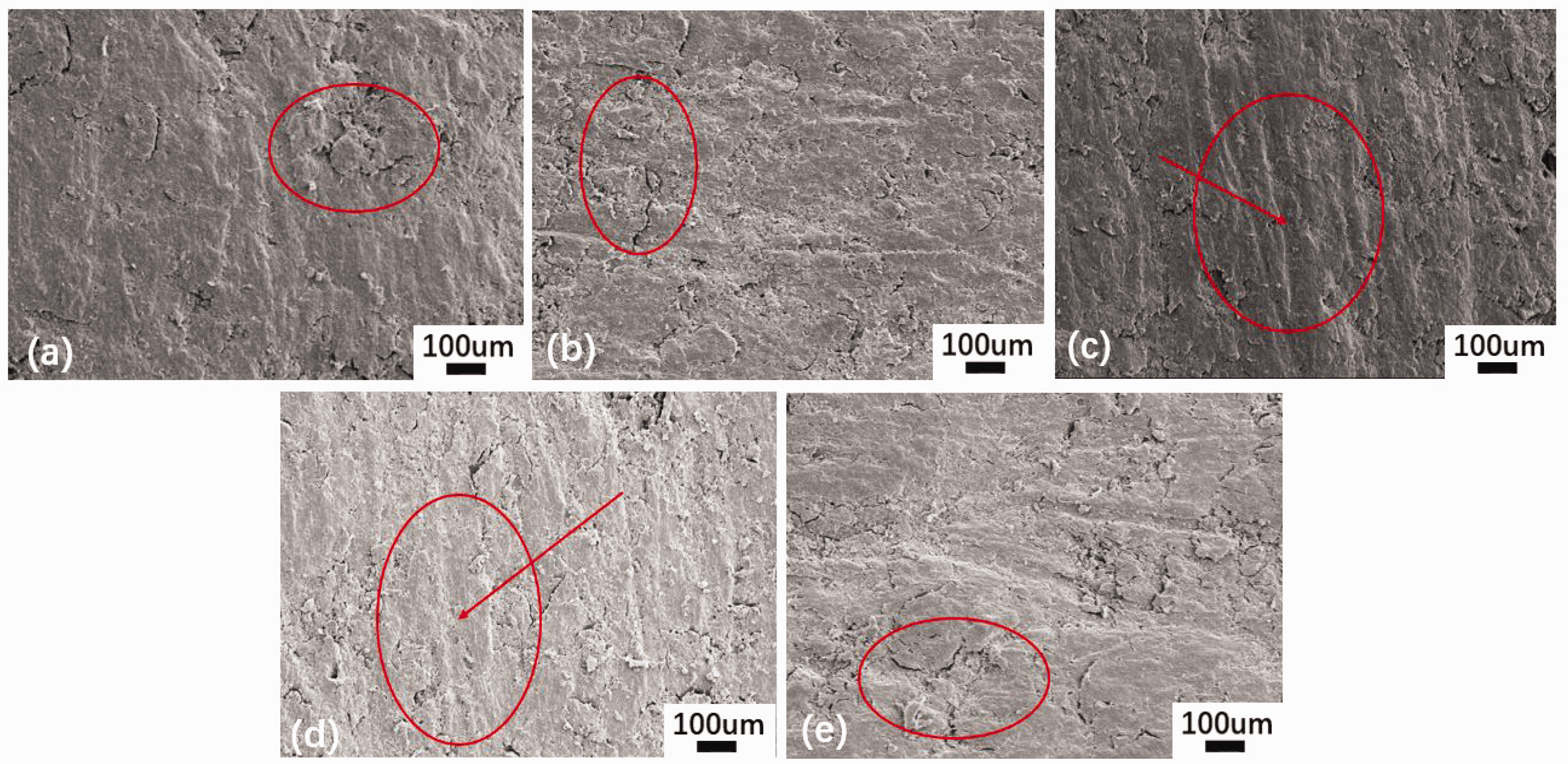
SEM images of the morphology of abrasive wear surface of WS/ATP/PVC composites; (a) untreated, (b) 110°C hydrothermal treated, (c) 120°C hydrothermal treated, (d) 10 min ultrasonic treated and (e) 20 min ultrasonic treated.
Conclusions
WS/ATP/PVC composites were prepared after ultrasonic and hydrothermal pretreatment of WS, and the microstructure, chemical composition, thermal stability, physical properties, mechanical properties, water absorption and abrasive wear resistance of the composites were characterized. The results showed that ultrasonic and hydrothermal treatment have no obvious effect on the chemical structure of the composites. The composites have the best wear resistance after ultrasonic treatment for 10 min, and have the best thermal stability, hardness, mechanical properties and lowest water absorption after ultrasonic treatment for 15 min. The density of composites increased with the increase of ultrasonic treatment time, but it is still smaller than untreated composites. The wear resistance of composites decreased after ultrasonic treatment. The composites have the best thermal stability and highest hardness, and bending strength and tensile strength, after hydrothermal treatment at 110°C. The density of the composites decreased with the increase of hydrothermal treatment temperature, and the impact strength increased with the increase of hydrothermal treatment temperature. The water absorption of the composites increased after hydrothermal treatment, and the composites remained stable after 50 days of water absorption. This study confirmed that ultrasound and hydrothermal treatment can be used as a simpler and more environmentally friendly way to enhance the performance of WPCs under appropriate parameters. The composites prepared in this study can be used in indoor decoration, outdoor construction and other fields, and the preparation and performance enhancement methods of composites are also suitable for the preparation of composites using other biomass agricultural wastes as raw materials; it is of great value for the high-value utilization of agricultural wastes.
Footnotes
Declaration of conflicting interests
The author(s) declared no potential conflicts of interest with respect to the research, authorship, and/or publication of this article.
Funding
The author(s) disclosed receipt of the following financial support for the research, authorship, and/or publication of this article: This study was supported by the Fund for Young Supervisor of Gansu Agricultural University, Grant No. GAUQDFC-2021-07, the Higher Education Industrial Support Plan Project of Gansu Province, Grant No. 2021CYZC-29 and the Science and Technology Projects of Lanzhou, Grant No. 2019-4-55.
Research data
The data will be available at appropriate request.
