




Abstract
Enhancing the thermal-wet comfort of garments is a key factor in sportswear research. In this study, we designed a new three-dimensional moisture conduction structure model, developed double-sided fabrics of a changed spacer weft-knitted structure, and compared them with single-sided plain stitch and cellular structure fabrics, focusing on the morphology, basic structural parameters and absorption, and quick-drying performance. The findings indicated that the changed spacer weft-knitted fabric consisting of 18 tex Tencel and 33.3 tex (96 f) recycled polyester filament has a smaller surface density and thickness, the water absorption of 436%, the water evaporation rate of 0.354 g/h, and the water vapor transmission of 7476.75 g/(m2 · d). Compared with other fabrics, it has excellent absorption and quick-drying performance. Partitioned T-shirts were designed by using the human body sweating law, and four fabrics were applied to one to four areas according to the sweating degree. Through infrared image monitoring and subjective evaluation, we concluded that the partitioned T-shirt has efficient absorption and quick-drying ability, and has potential to be applied to the development of thermal-wet comfort sportswear.
Keywords
Thermal comfort is an important index for evaluating the comfort of sportswear, as it directly affects human health and the ability of athletes to play sports.1–3 During sports, people sweat considerably. If sweat cannot be absorbed and discharged by fabrics promptly, people will experience a sense of stickiness and clamminess. Water management textiles, such as absorption and quick-drying fabrics, can rapidly absorb sweat and pass it to the external surfaces of garments. 4 , 5 Thus, fabrics with excellent orienteering moisture transportation abilities can maintain the comfort level and performance of the wearers. 6
Studies have indicated that fibers, yarns, and fabrics will exert an influence on the absorption and quick-drying performance. 7 The cross-sectional anisotropy of the fiber, double-component composite spinning, hydrophilization of the macromolecular structure, and fiber surface chemical modification have already been applied to the absorption and quick-drying performance.8–11 Besides, improving the hygroscopicity of yarns, water vapor transmission, and breathability is an effective way to gain absorption and quick-drying fabrics.12–14 Also, the fabric structure and fabric treatment (sorting) or other factors affect the absorption and quick-drying ability of fabrics.15–17 Relative to woven fabrics, the special coil structure of knitted fabrics is endows them with unique transmission properties, such as water vapor permeability, air permeability, thermal conductivity, water management, and so on. 18 Double-sided knitted fabrics can make use of the differential capillary effect to apply cellular mesh or dotted tissue structure in fabrics while the outer layer applies fine fibers to weave a high-density tissue structure, so as to form a structure with thickness inside and fineness outside and looseness inside and tightness outside, facilitating the fast discharge of sweat.19–22
In summary, the current studies have mainly focused on developing high-performance water management fabrics. However, the thermal comfort of garments will result from the mutual interactions of the human body, garments, and the environment and will be affected by multiple factors, including the garment materials, garment styles, physiological and mental impressions, and thermo-acclimatization. When participating in sports, people will sweat at different locations on the body, resulting in diverse sweating characteristics. Based on the sweating law of the human body, it is of great significance to develop absorption and quick-drying garments by studying garment partition design. 23
On this basis, in this work, we used environmental protection yarns to develop absorption and quick-drying knitted fabrics with a new three-dimensional (3D) moisture conduction structure, in combination with the human body sweating law, to design partitioned T-shirts. In addition, we conducted absorption and quick-drying performance tests and a subjective–objective comfort evaluation of the knitted fabrics and T-shirts from the physical and psychological perspectives. Along with partition design and true dressing experimentation, this study also applied infrared imaging to study thermal-wet comfort.
Materials and methods
Materials
The materials are listed in Table 1.
Experimental materials.

Design and preparation of the fabric
This study designed models of a 3D moisture conduction structure and the cross-sectional schematic, as shown in Figure 1(a). The upper surface of the model simulates the fabric lining, showing hydrophobicity, while the lower surface simulates another side of the fabric, showing hydrophilicity. The middle part is the connecting layer. Firstly, we designed the spacer weft-knitted fabrics shown in Figure 1(d), where the upper surface utilized recycled polyester filament. The tucked portions of the lower surface and middle layer contained Tencel. Based on the spacer weft-knitted structure, half of the coils on the fabric surface were replaced with tucks. The middle layers of the fabrics removed half of the tucks to reduce the fabric surface tightness while increasing the pores in the middle layers of the fabrics. As a result, the difference in pore size between the upper and lower surfaces of the changed spacer weft-knitted structure and the middle layer’s loose structure could accelerate the gas–liquid passage.
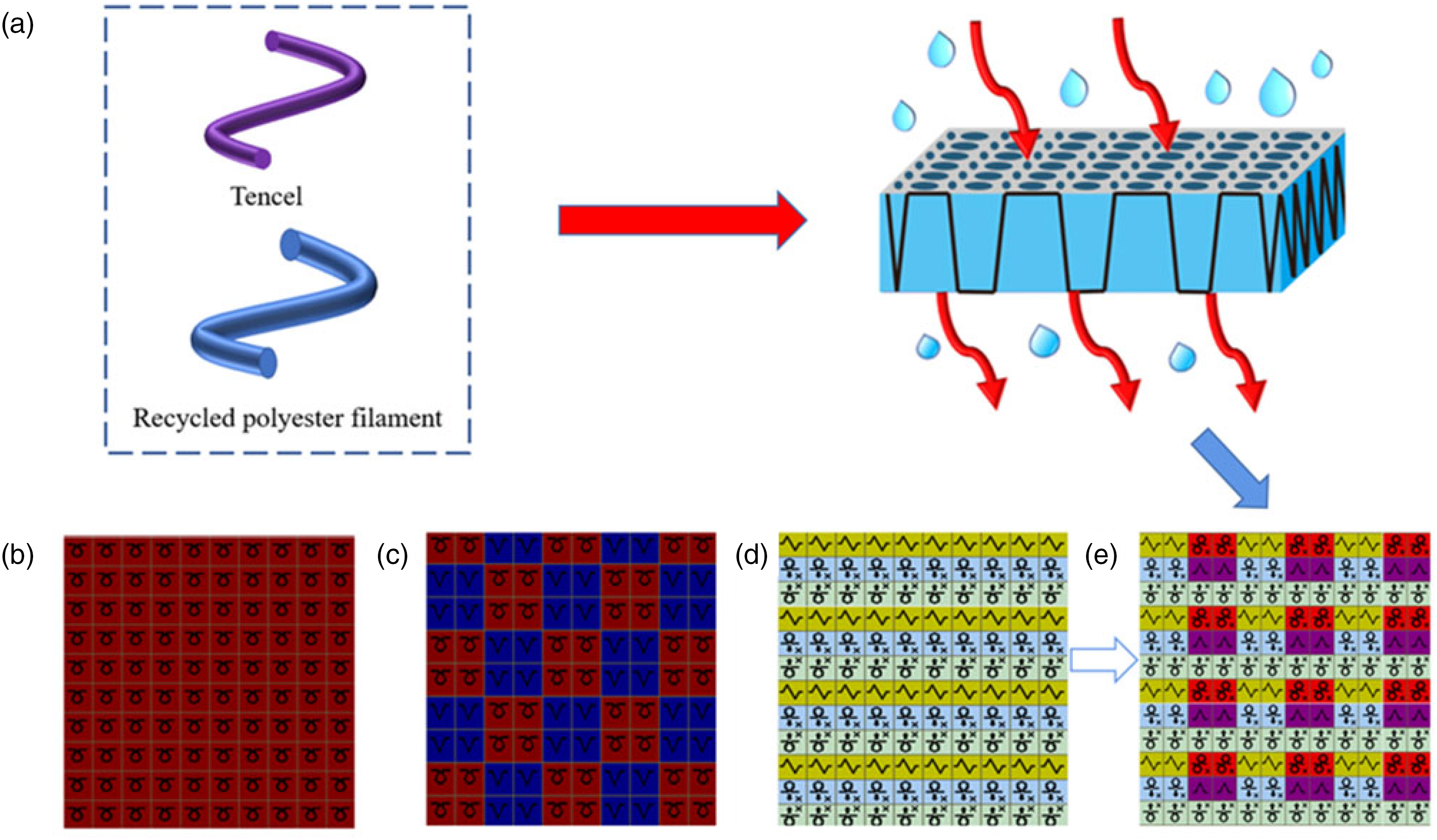
Three-dimensional (3D) moisture conduction structure model and organization schematic: (a) 3D moisture conduction structure model; (b) plain stitch; (c) cellular structure; (d) spacer weft-knitted structure and (e) changed spacer weft-knitted structure.
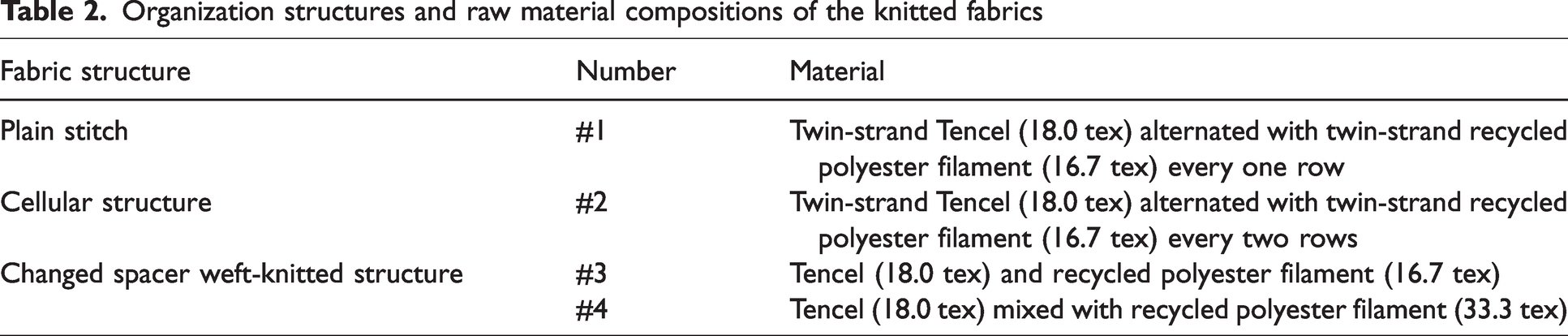
A Longxing 12G computer flat machine (Longxing Textile Machinery Co., Ltd, China) was used to weave plain weft-knitted fabrics, cellular structure fabrics, and changed spacer weft-knitted fabrics. The fabric numbers, tissue structures, and raw materials are shown in Table 2. Fabric #1 was alternatively fed with twin-stranded Tencel and twin-stranded recycled polyester filament for kinking and looping. The tissue structure is shown in Figure 1(b). The surface layer of fabric #2 used recycled polyester filament that was tucked and coiled to constitute a dangling-arc structure, so that the fabric surface was present in the bump effect. The tissue structure is plotted in Figure 1(c), where #3 and #4 refer to the changed spacer weft-knitted fabrics, and the tissue structure is shown in Figure 1(e).
Organization structures and raw material compositions of the knitted fabrics
Garment development
The upper body of the human body will sweat more in the front, back, and waist, and the amount of sweat will decrease from the center to the sides. 24 , 25 In addition, the middle and lower back areas will sweat more than the upper back areas. According to the sweating differences of the human body’s different sections, partitioned T-shirts were designed. Richpeace CAD (Shenzhen yingruiheng Technology Co., Ltd, China) was used to create the partition design of the garment structure, as shown in Figure 2. The absorption and quick-drying performance of the fabrics in partitions 1–4 decreased successively. The fabrics in each area consisted of 18 tex Tencel and 33.3 tex recycled polyester filament with changed spacer weft-knitted fabric, 18 tex Tencel and 16.7 tex recycled polyester filament with plain weft-knitted fabric, 18 tex Tencel and 16.7 tex recycled polyester filament with changed spacer weft-knitted fabric, and 18 tex Tencel and 16.7 tex recycled polyester filament with cellular structure fabric.
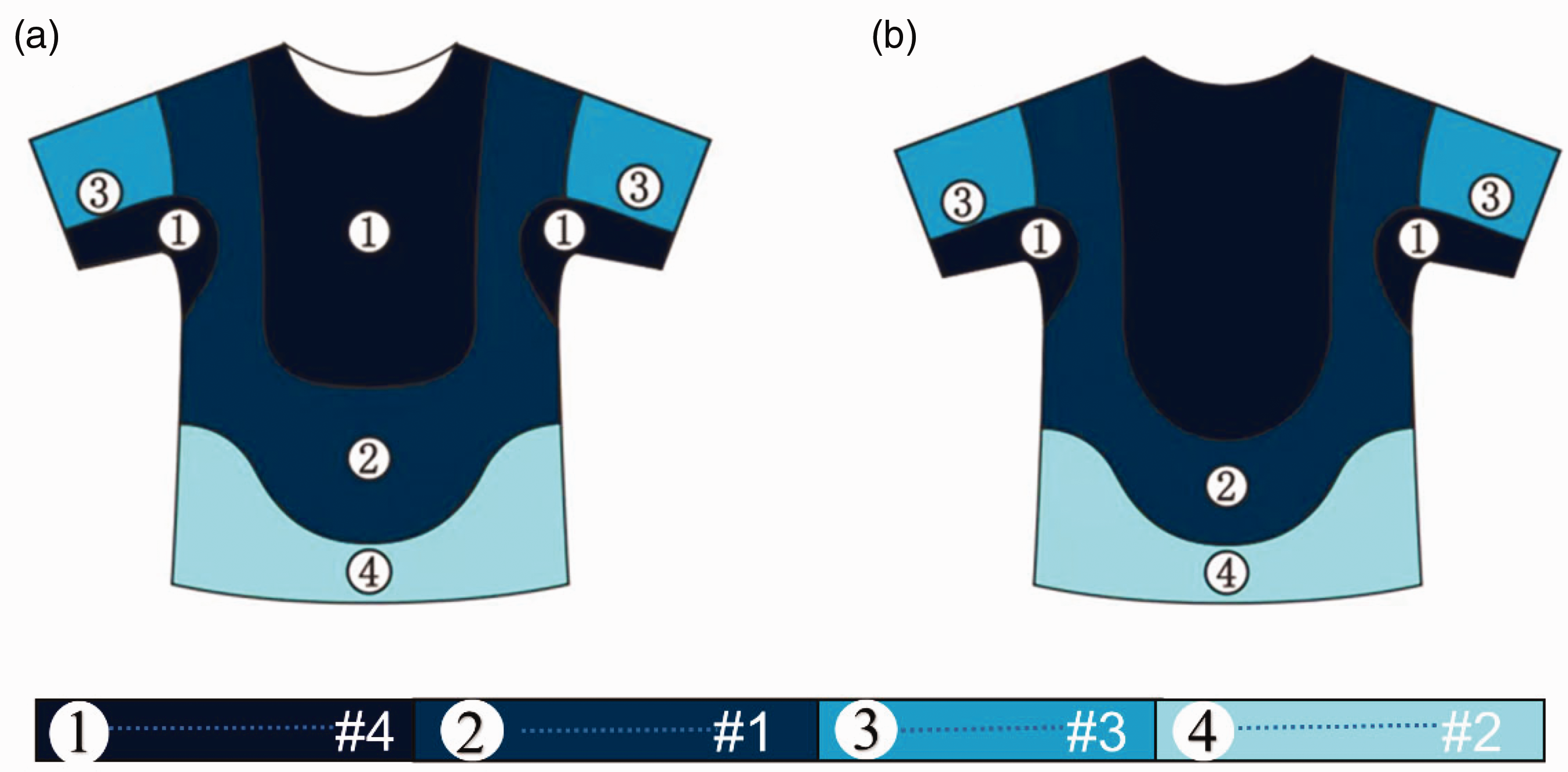
Partitioned T-shirt clothing style diagram: (a) front side and (b) reverse side.
The non-partitioned T-shirts CLO2 consist of 18 tex Tencel and 16.7 tex recycled polyester filament with cellular structure fabric. The detailed clothing sizes of CLO1 and CLO2 according to the body size and relaxation requirements of slim-fitting clothing are shown in Table 3. In addition, the garment structure drawings and the industrial pattern drawings are shown in Figure 3. The ordinary knitted T-shirt CLO3 (common sportswear on the market) is the comparison sample, and the fabric composition is 48% modal, 44.5% cotton, and 7.5% spandex.
Detailed dimensions of the subject's garment [cm]

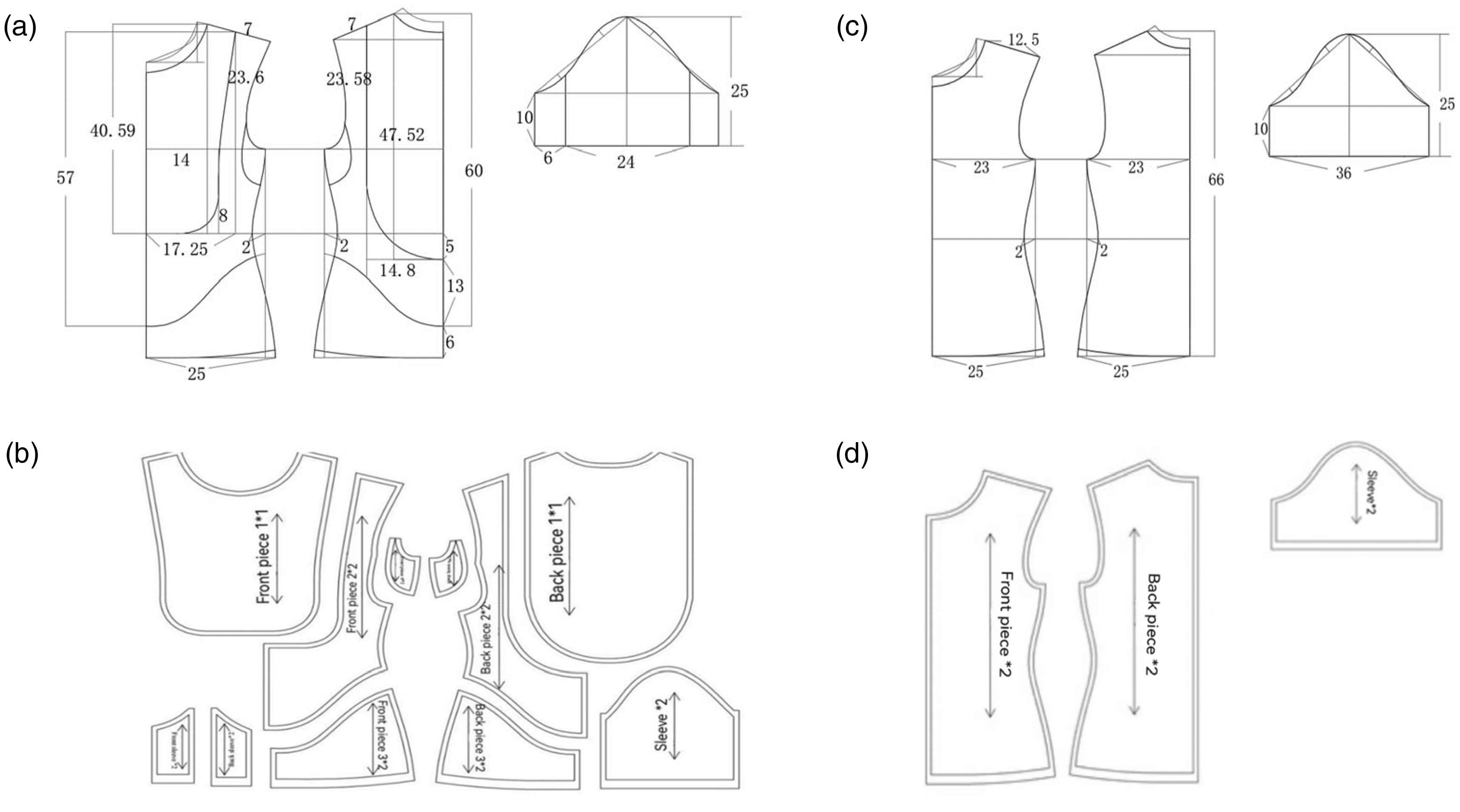
Garment structure drawings and industrial pattern drawings: (a) CLO1 garment structure drawing; (b) CLO1 industrial pattern drawing; (c) CLO2 garment structure drawing; and (d) CLO2 industrial pattern drawing.
Characterization
Fabric morphology and basic structural parameters
A Phenom XL03040702 electron scanning microscope (Phenom-World, Netherlands) was used to observe the microstructures of the yarns. A YG141LA fabric thickness instrument (Lanzhou Electronic Instrument Co., Ltd, China) was used to measure the fabric thickness, while a Y511B cloth mirror (Changzhou Depp Textile Technology Co., Ltd, China) was used to measure the fabric density.
Fabric dynamic moisture transmissibility performance
An M290 liquid water management test instrument (SDL Atlas, USA) was adopted to measure the dynamic moisture transmissibility performance of the samples. The fabrics were cut into samples 8 cm × 8 cm in size. We added approximately 9 g of sodium chloride in 1 L of distilled water to simulate body sweat, then dropped 20 mL of distilled water on the skin contact surfaces of the samples, and recorded the water transmission process within 120 s.
Water absorption test
Five 10 cm × 10 cm samples were cut from every type of fabric. The initial mass values of the samples were weighed and recorded as M0. The samples were then soaked in distilled water and 5 min later, the samples were vertically suspended, allowing the water to drip naturally. When the time interval of two drips was not less than 30 s, the sample mass was weighed and marked as M. The calculation formula for water absorption is given by the following:

Core suction height test
Three samples with the long side of the fabric parallel to the warp direction were tailored from each type of fabric, and three samples were obtained with the long side of the fabric parallel to the weft direction. The core suction height value of the fabrics was recorded 30 min later.
Evaporation rate test
Five samples of 10 cm × 10 cm in size were tailored from each type of fabric, and then 0.2 mL of distilled water was dropped on the fabric test surface while it was weighed. The samples were suspended in a standard air environment. The water evaporation capacity and evaporation rate are shown by the following formula:

Water vapor transmission test
A fabric water vapor transmission instrument YG(B)216-II (Wenzhou Darong Textile Instrument Co., Ltd, China) was applied to tailor each type of fabric into three samples with diameters of 7 cm, for the circular experiment. Then, around 35 g of desiccant was placed in a water vapor transmission cup to vibrate them evenly. The experimental temperature was 38°C, the humidity was controlled at around 90%, and the air velocity was 0.4 m/s. The calculation formula for the sample water vapor transmission is shown below:

Body-wearing test
The age, height, weight, and body surface area of the three respondents are shown in Table 4. The numerical value of the body surface area was calculated according to the following formula:

Basic physical data of the three subjects
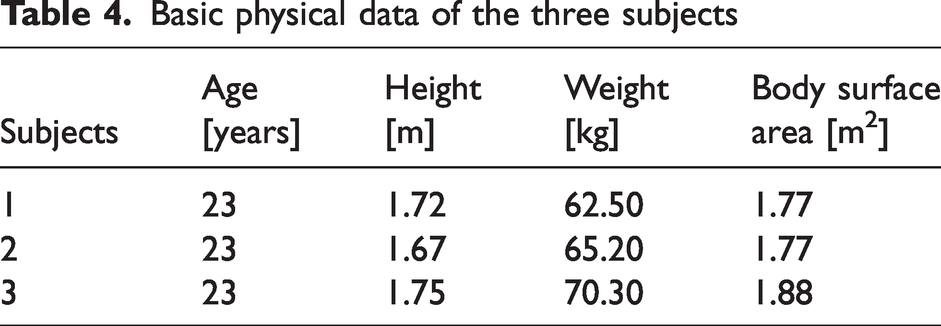
The three respondents have no respiratory, circulatory, or metabolic diseases, and their physical and mental status are normal. They were informed that they should not smoke or drink alcohol, coffee, or tea for at least 24 hours before the trial. They were also told not to perform high-intensity activities at least one week before the trial. Each subject was tested twice at the same time within two days in order to improve the accuracy of the test.
The three respondents wore CLO1, CLO2, and CLO3 for testing in the phytotron, as shown in Figure 4. The environmental conditions consisted of a temperature of 20 ± 0.5°C, 60 ± 3% relative humidity, and 0.1 ± 0.1 m/s wind speed. A VarioCAM® HD infrared thermal imager (InfraTec, Germany) was adopted to photograph infrared images of the respondents with 30 min of uniform motion (8 km/h) and 60 min of quiet sitting. The sports equipment consisted of a treadmill (Impulse Health Tech Co., Ltd, China), with adjustable speed and gradient, and the handrails could monitor the heart rate. Meanwhile, the cold–hot degree, sweating degree, stickiness degree, and overall comfort of the respondents were recorded at 5-min intervals. Four monitoring points of the forebreast, back, abdomen, and upper arm were selected to test the change law of temperature over time. The average temperature of the three respondents was taken. The subjective evaluation scales are shown in Figure 5.26–28
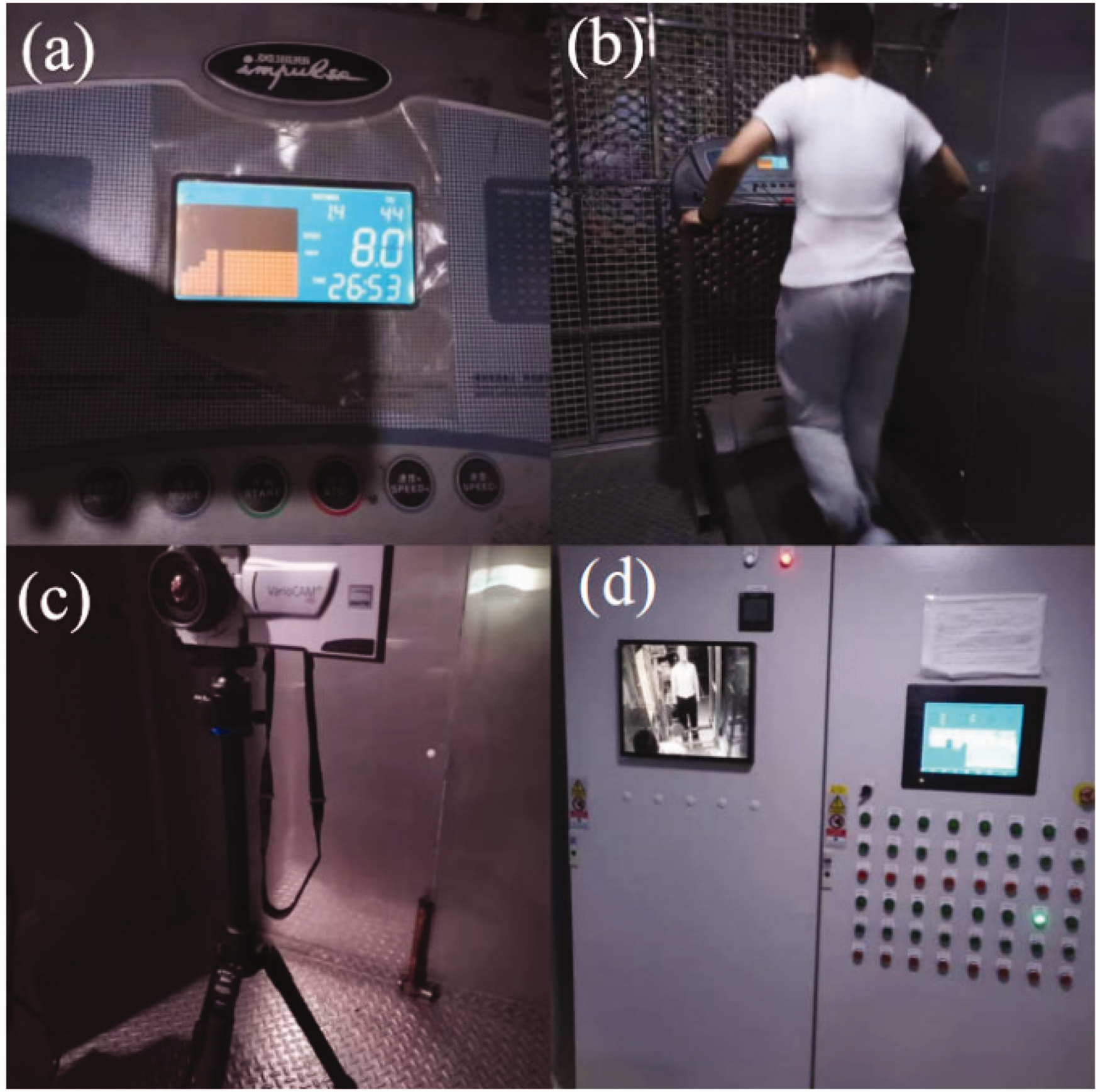
(a) Image of the treadmill interface. (b) Overall setup of the treadmill. (c) Infrared thermal imager and (d) Electrical control system for the artificial climate chamber.
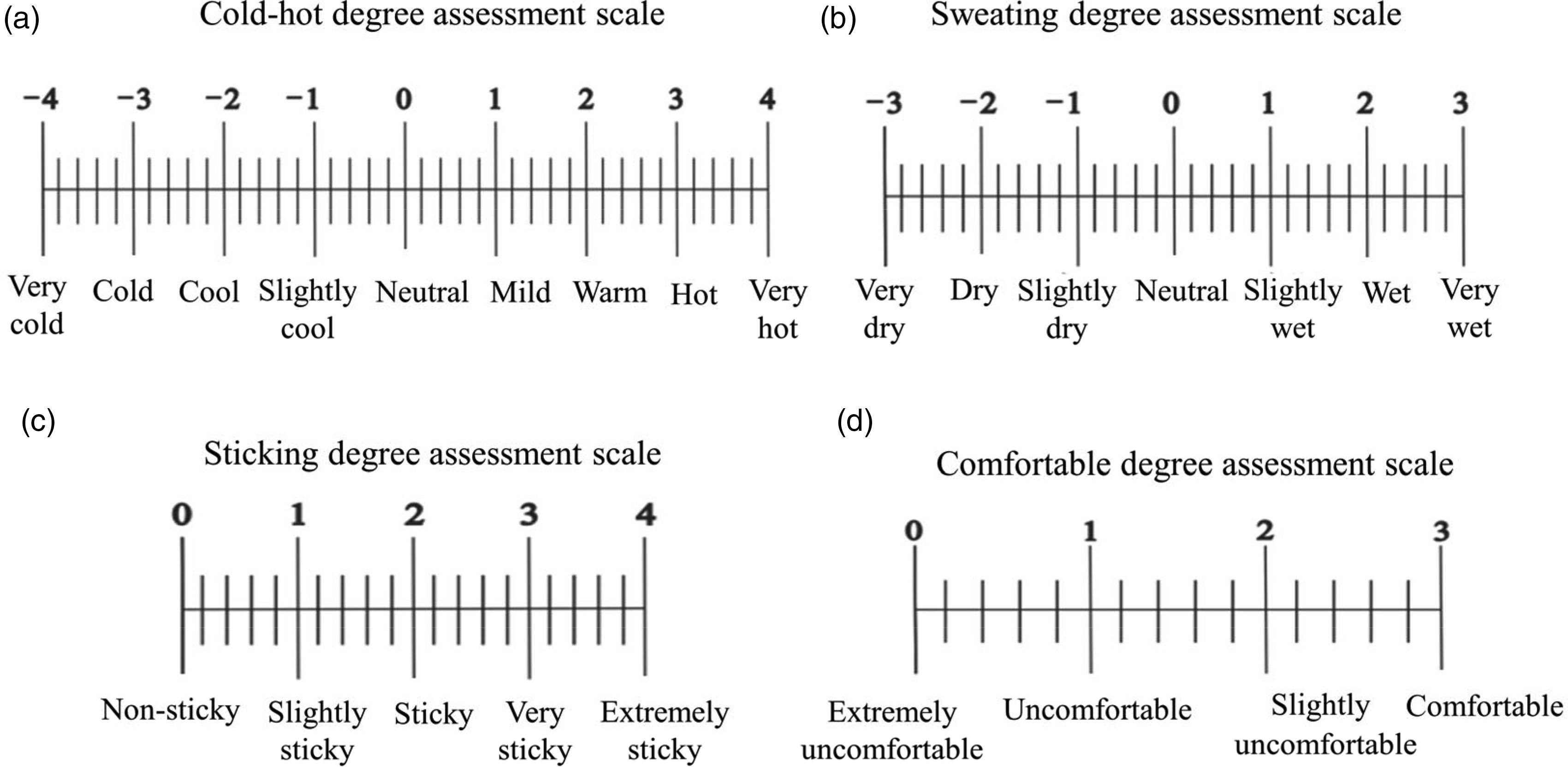
Subjective evaluation scales: (a) cold–hot degree; (b) sweating degree; (c) sticking degree and (d) comfort degree.
Results and discussion
Fabric morphology and basic structural parameters
The longitudinal appearance morphology of each yarn is shown in Figure 6, where in Figure 6(a) the Tencel yarn had a tight structure and less hairiness due to the internal and external winding connection of the fiber. The recycled polyester filament shown in Figures 6(b) and (c) were relatively fluffy because the filament yarns formed more space through the ejection airflow.
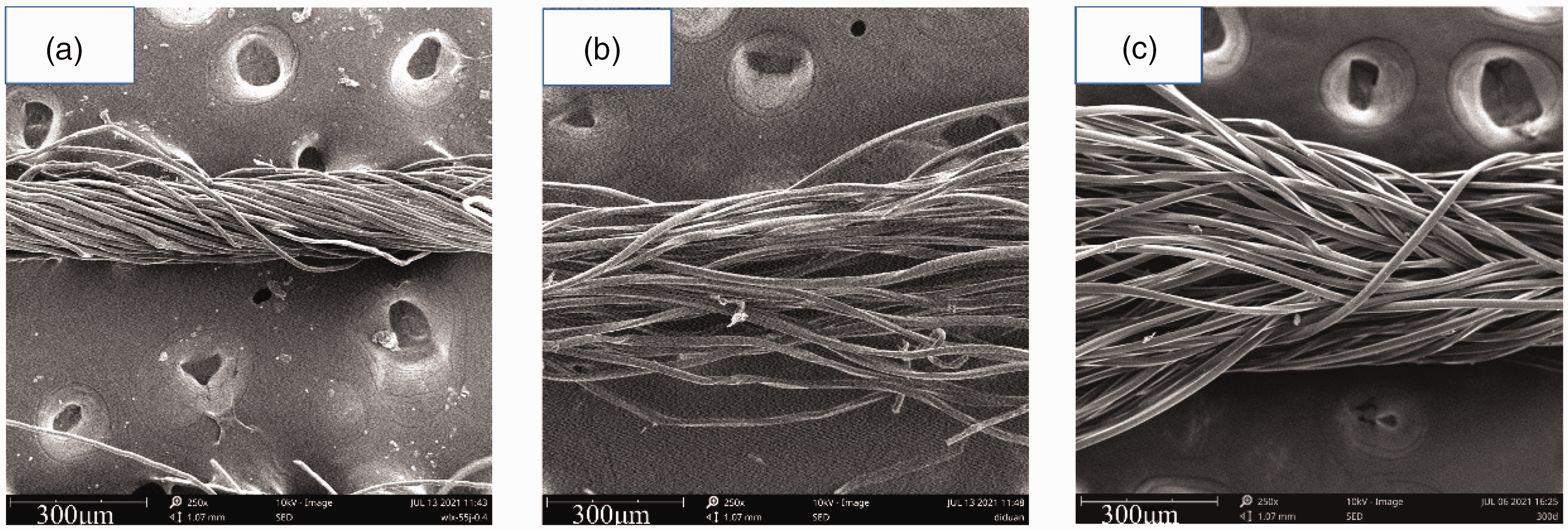
Longitudinal morphologies of (a) 18 tex Tencel, (b) 16.7 tex recycled polyester filament and (c) 33.3 tex recycled polyester filament.
The front and back material object figures of plain weft-knitted fabrics, cellular structure fabrics, and changed spacer weft-knitted fabrics are shown in Figure 7. The plain weft-knitted fabrics with mutual spacing between the Tencel and recycled polyester filament were relatively stiff, generating small skewing. The cellular structure considered the four lines and four rows as the minimum unit, showing alternations of the two-line looping coils and two-line tuck coils. The front and reverse sides of the knitted fabrics contained hydrophilic Tencel and hydrophobic recycled polyester filament. Fabrics #3 and #4 were relatively light, and the pores on the reverse side of the fabrics were large.
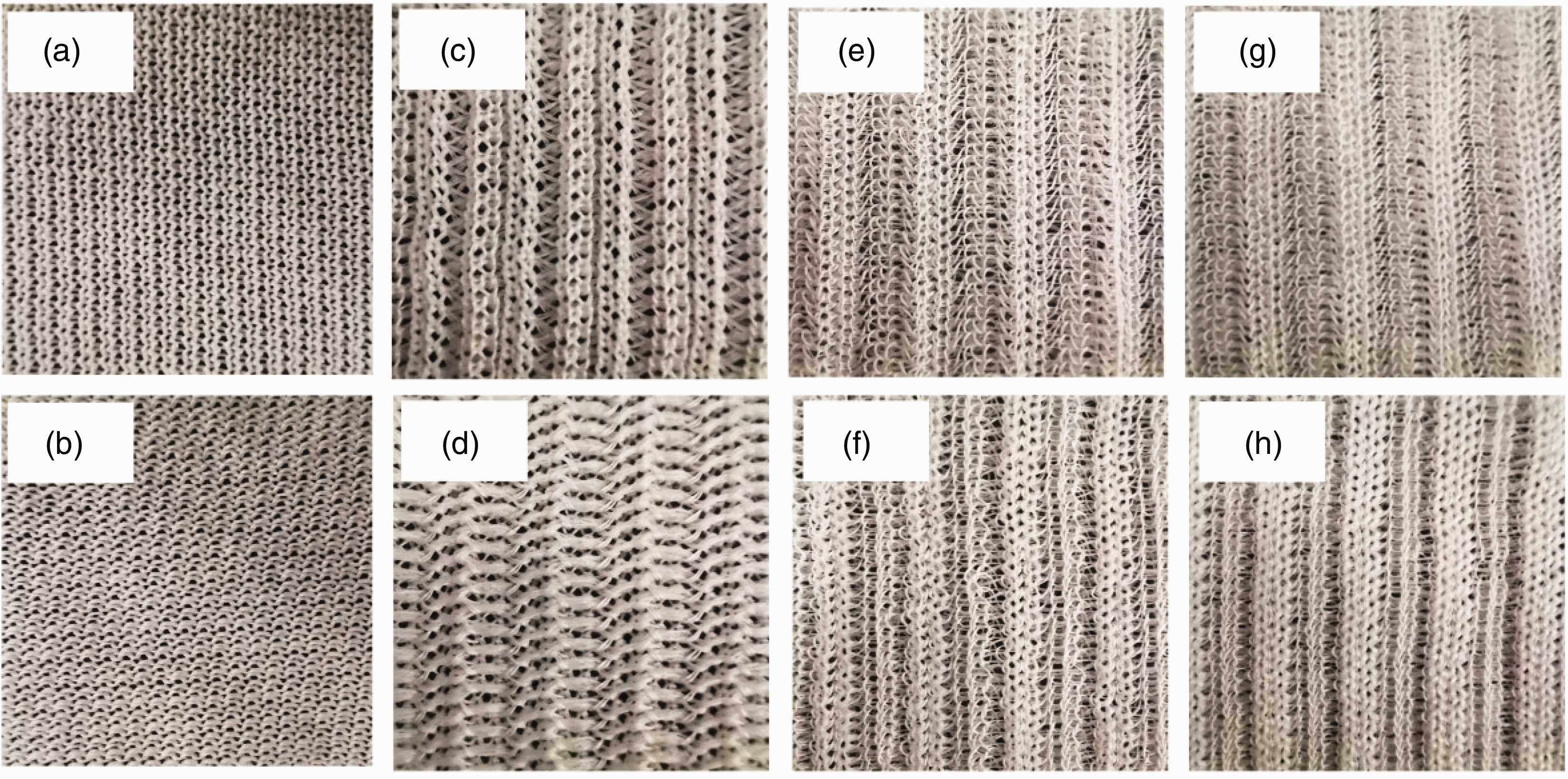
Positive and negative renderings of the four fabrics: (a) #1 fabric front side; (b) #1 fabric reverse side; (c) #2 fabric front side; (d) #2 fabric reverse side; (e) #3 fabric front side; (f) #3 fabric reverse side; (g) #4 fabric front side and (h) #4 fabric reverse side.
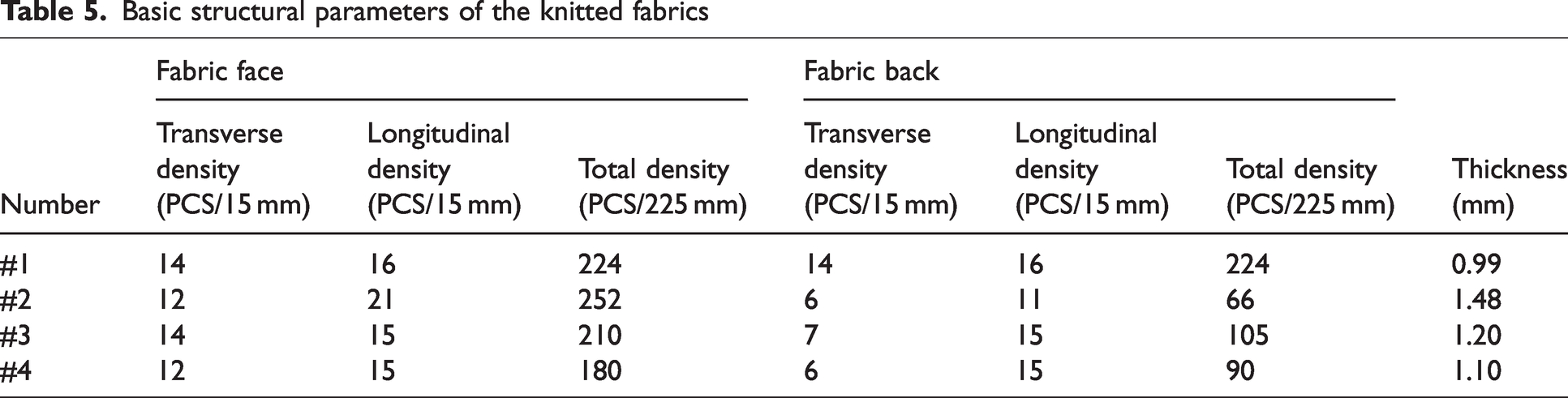
The basic structural parameters of the four types of knitted fabrics are shown in Table 5, where the thickness range was 0.99–1.48 mm. The thickness of two-sided knitted fabrics was greater than that of single-sided knitted fabrics, in which fabric #4 was the most light two-sided fabric with the smallest density and thickness.
Basic structural parameters of the knitted fabrics
Absorption and quick-drying performance test
Figure 8(a) shows that the water absorption rates of the four types of fabrics were above 200%. Among the four kinds of fabrics, the order of water absorption rates from the largest to the smallest was the changed spacer weft-knitted fabrics, cellular fabrics, and plain stitch, in which the water absorption of fabric #4 was 436.018 ± 27.608%. The reason why the water absorption rates of the changed spacer weft-knitted fabrics significantly improved was that the changed spacer weft-knitted fabrics were loose inside and tight outside, and the liquid was better transferred from the hydrophobic surface to the hydrophilic surface through the differential capillary effect. Figure 8(b) shows the core suction heights of the four types of fabrics, indicating that the longitudinal core suction heights of the fabrics were greater than the horizontal core suction heights, and the maximum longitudinal core suction height of fabric #4 was 154.17 ± 3.522 mm. The reason was that the longitudinal density of the knitted fabrics was greater than the transverse density, and the longitudinal moisture transfer rate was faster than the transverse one. Figures 8(c) and (d) show the evaporation rate and evaporation capacity of the four types of fabrics, indicating that the evaporation rate and evaporation capacity of fabrics #3 and #4 were higher than those of fabrics #1 and #2. The water evaporation rate and evaporation capacity of the double-sided fabrics were higher than those of the single-sided fabrics, because the moisture gradient effect formed by the difference between the hydrophobicity of the fabric lining and the hydrophilicity of the fabric surface was conducive to liquid transmission and accelerated the contact speed of water and air. Figure 8(e) shows the water vapor transmission rates of the fabrics, showing that the maximum water vapor transmission of fabric #1 was 7696.11 ± 369.395 g/(m2 · d) and the water vapor transmission of fabric #4 was 7476.75 ± 344.818 g/(m2 · d). The reason was that the fabric structure was a major factor affecting the water vapor transmission, and the water vapor transmission of single-sided fabrics was better than that of double-sided fabrics. Figure 8(f) shows that the liquid water diffusion rate in the upper and lower layers of fabric #4 was the highest compared with other fabrics. The reason was that the pores in the inner and middle layers of fabric #4 increased, and the large additional pressure made the liquid water automatically flow from the inner layer to the outer layer. Compared with other fabrics, the changed spacer weft-knitted fabrics had excellent absorption and quick-drying performance.
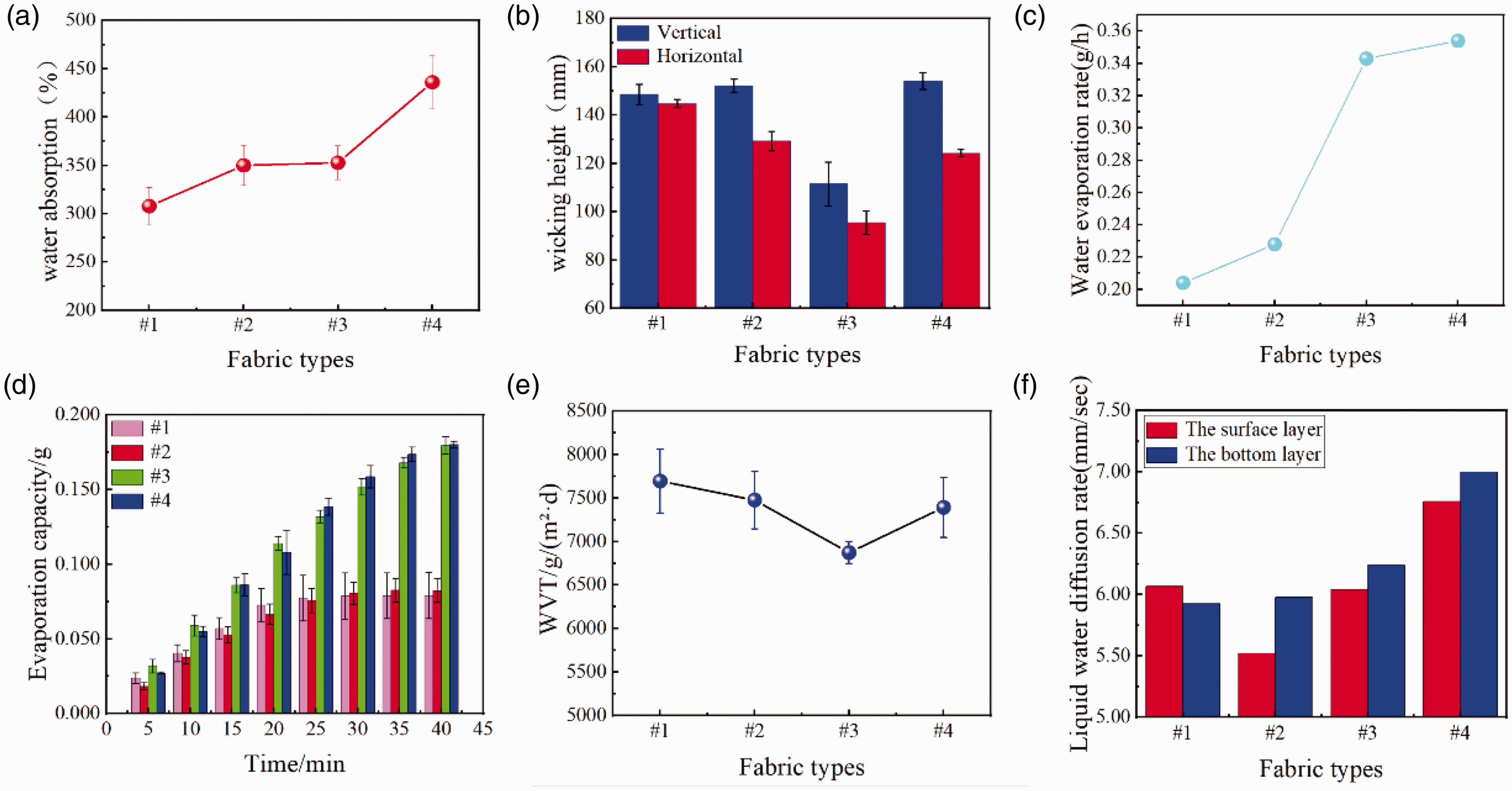
Test results: (a) water absorption test results; (b) core suction height test results; (c) evaporation rate test results; (d) evaporation capacity test results; (e) water vapor transmission test results and (f) liquid water diffusion rate test results. WVT: water vapor transmission.
Body-wearing test
The partitioned T-shirt garments are shown in Figure 9(a), where the clothing was relatively slim and could be worn comfortably without a tickling sensation. This was beneficial for making sweat flow from the skin to the clothing. Figure 9(b) shows the T-shirt garments without partitioning, where the clothing had a cellular structure, showing high slimness.
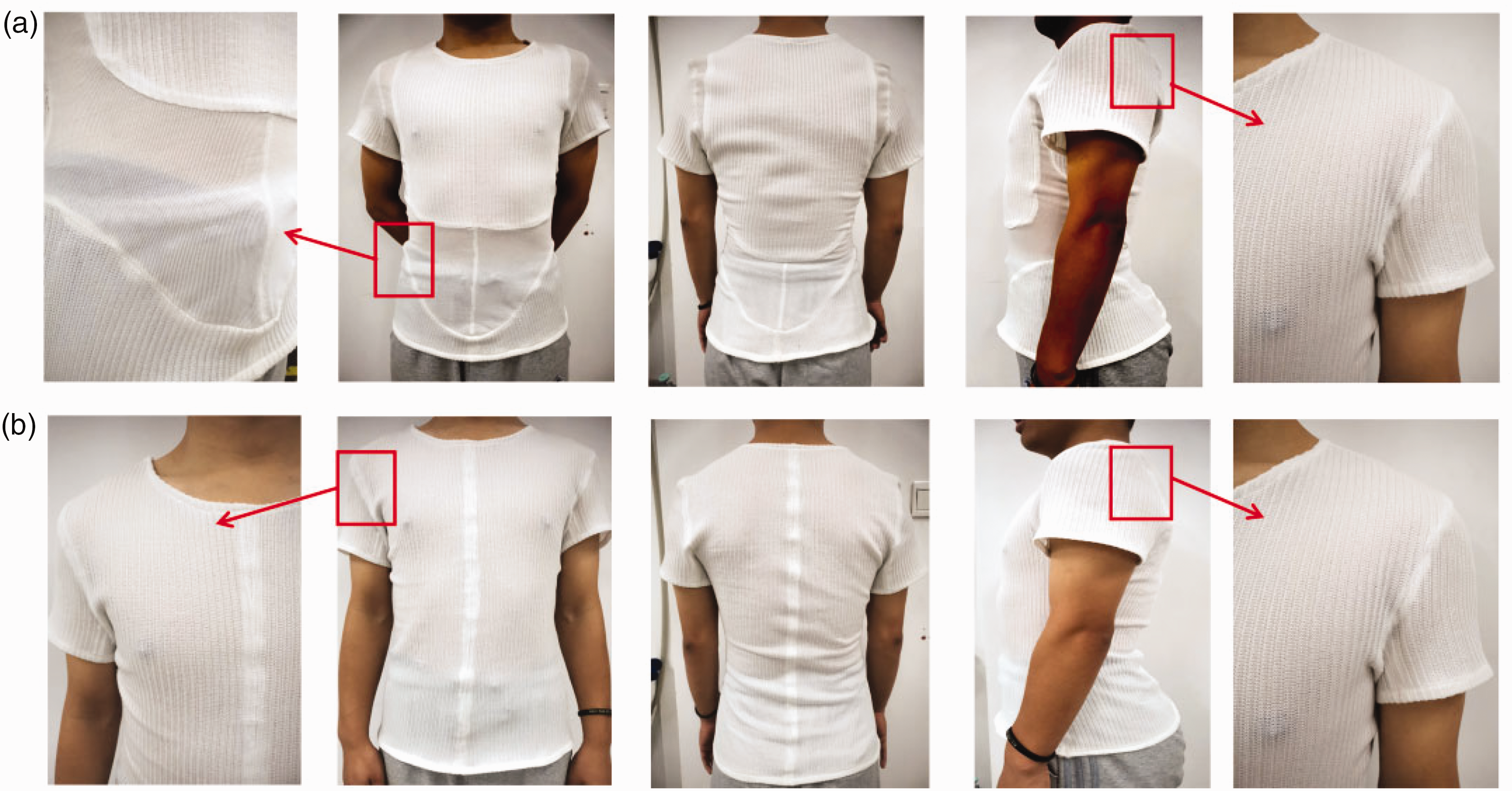
Ready-to-wear garment photographs: (a) CLO1 and (b) CLO2.
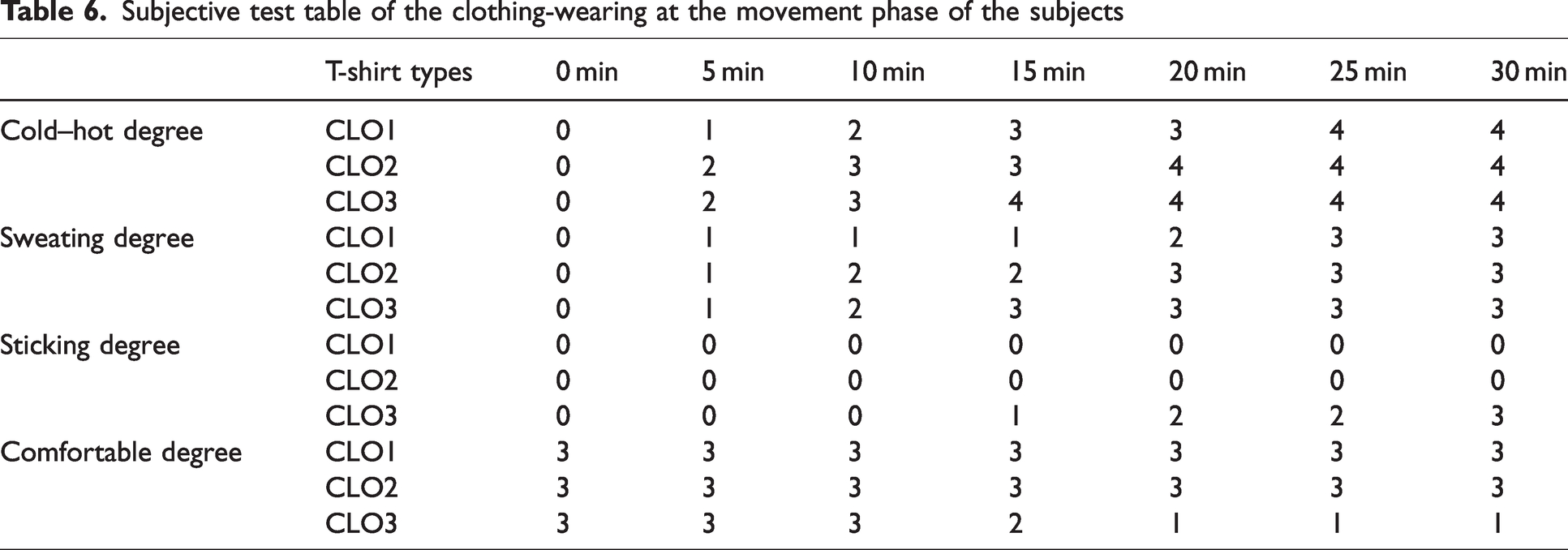
Table 6 shows the average cold–hot degree, sweating degree, clothing sticking degree, and subjective comfort degree evaluation results after the three respondents wore three types of clothing while exercising for 30 min. In the initial stage, when the respondents wore the three types of clothing, they subjectively did not feel cold or hot, with no sweating or sticking, and they felt comfortable. With the increase of exercise time, the feelings of cold–hot and sweating degree gradually increased. When wearing CLO3, the increase speed was the fastest. After exercising for 15 min, the subjects felt very hot and wet, resulting in a decline in comfort and a sticky feeling. CLO1 had better moisture permeability and the fabric was more porous, which facilitated heat discharge. Hence, after the respondents exercised for 25 min, they felt hot and wet. Sections with more sweat had fabric #4 applied, which has excellent absorption and a quick-drying performance. Thus, CLO1 could quickly absorb sweat and transfer it to the outer hydrophilic layer, allowing the subject to feel comfortable without a sticky feeling. Affected by the clothing components and tissue structures, the respondents felt comfortable when wearing CLO2 to exercise. Thus, its heat dissipation was superior to that of CLO3.
Subjective test table of the clothing-wearing at the movement phase of the subjects
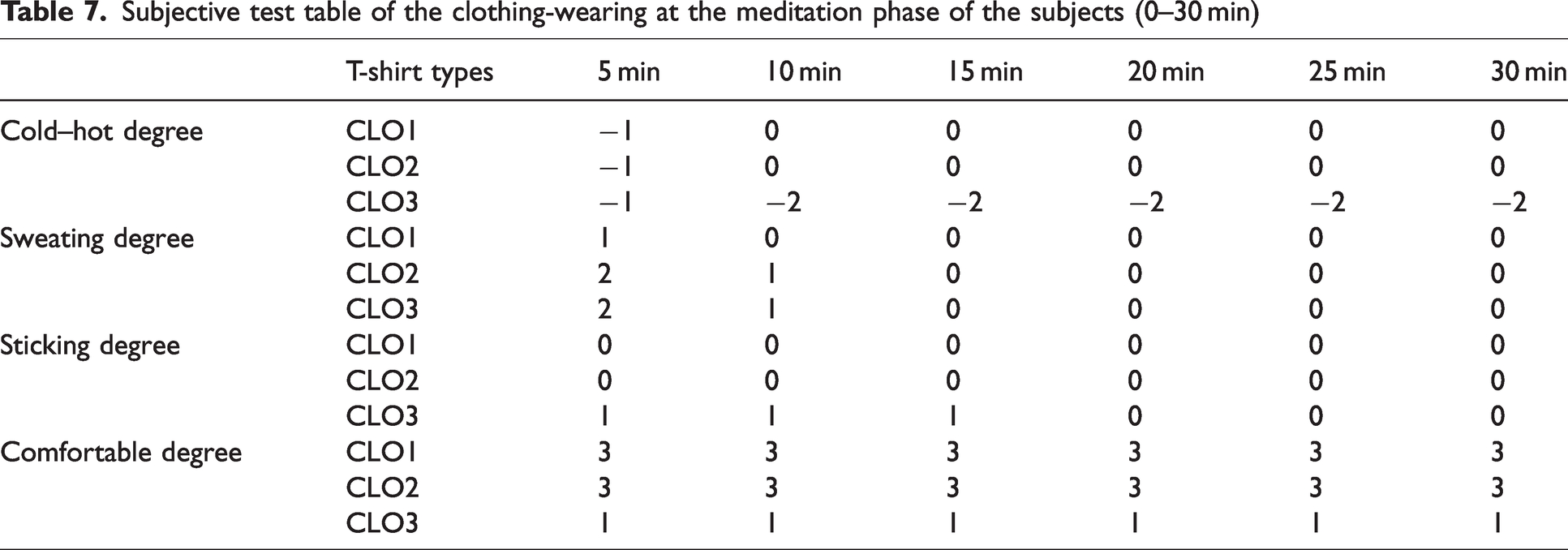
Tables 7 and 8 show the average cold–hot degree, sweating degree, clothing sticking degree, and subjective comfort degree evaluation results after the three respondents sat quietly for 60 min after exercise in the three types of clothing. After the respondents stopped exercising in CLO1, the cold–hot degree would quickly recover to a state without feeling cold or hot. Portions with more sweat would not generate an obvious sense of clamminess. The overall comfortable feeling indicated that the sweat was well discharged. After the respondents stopped exercising in CLO3, they experienced a sense of clamminess for a long time and still felt sticky after no sweating. Some 30 min after the respondents stopped exercising in CLO2, the sweat evaporation rate absorbed by the clothing was slow, and body heat was not sufficient to sustain the cold feeling brought on by moisture. Hence, the respondents felt cold.
Subjective test table of the clothing-wearing at the meditation phase of the subjects (0–30 min)
Subjective test table of the clothing-wearing at the meditation phase of the subjects (30–60 min)
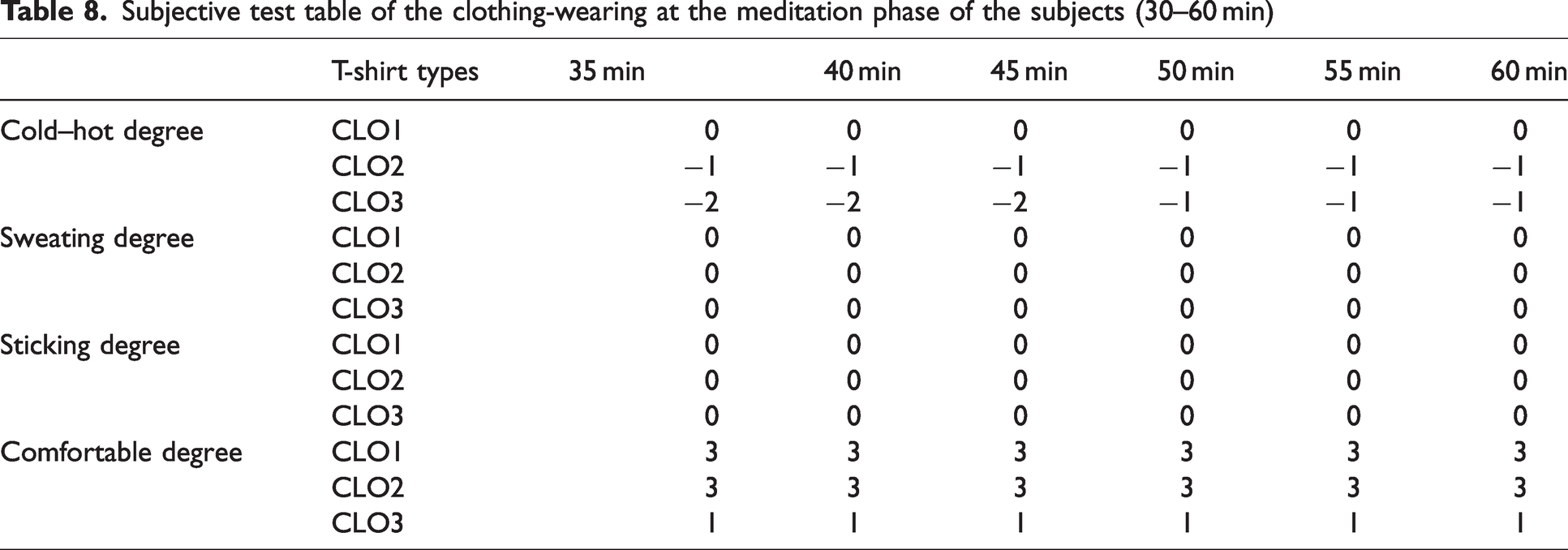
Figure 10 shows the front and back infrared image comparison diagrams of the respondents who wore CLO1, CLO2, and CLO3 with 30 min of running. As shown in the figure, during sports, the temperature of the human body and the garments first increased and then decreased with time, as the human body started the sweating mechanism after generating a certain amount of heat, thereby increasing the heat dissipation of the body. The infrared thermal images of the subjects wearing the different garments showed that the respondents who wore CLO1 always remained at a relatively low temperature during the 30 min of exercise. The reason was that CLO1 was designed according to the sweating differences of the human body’s different sections. At the same time, CLO1 used the changed spacer weft-knitted fabrics consisting of 18 tex Tencel and 33.3 tex (96 f) recycled polyester filament at the place with the largest amount of sweat. The knitted fabric had the best absorption and quick-drying performance, and can absorb human sweat and transfer it to the outer hydrophilic layer. The temperature of the respondents wearing CLO2 showed a trend of decreasing first and then increasing during the 30 min of exercise. This was due to the poor heat dissipation of CLO2, which has a cellular structure, resulting in the body temperature increasing by more than the heat lost by sweat evaporation as the amount of exercise increased. The surface temperature of the respondents who wore CLO3 increased significantly. Because CLO3 used ordinary fabrics, with the increase of exercise time, the large amount of sweat produced by human body was not easily absorbed and discharged by clothing. So, the temperature decreased greatly.
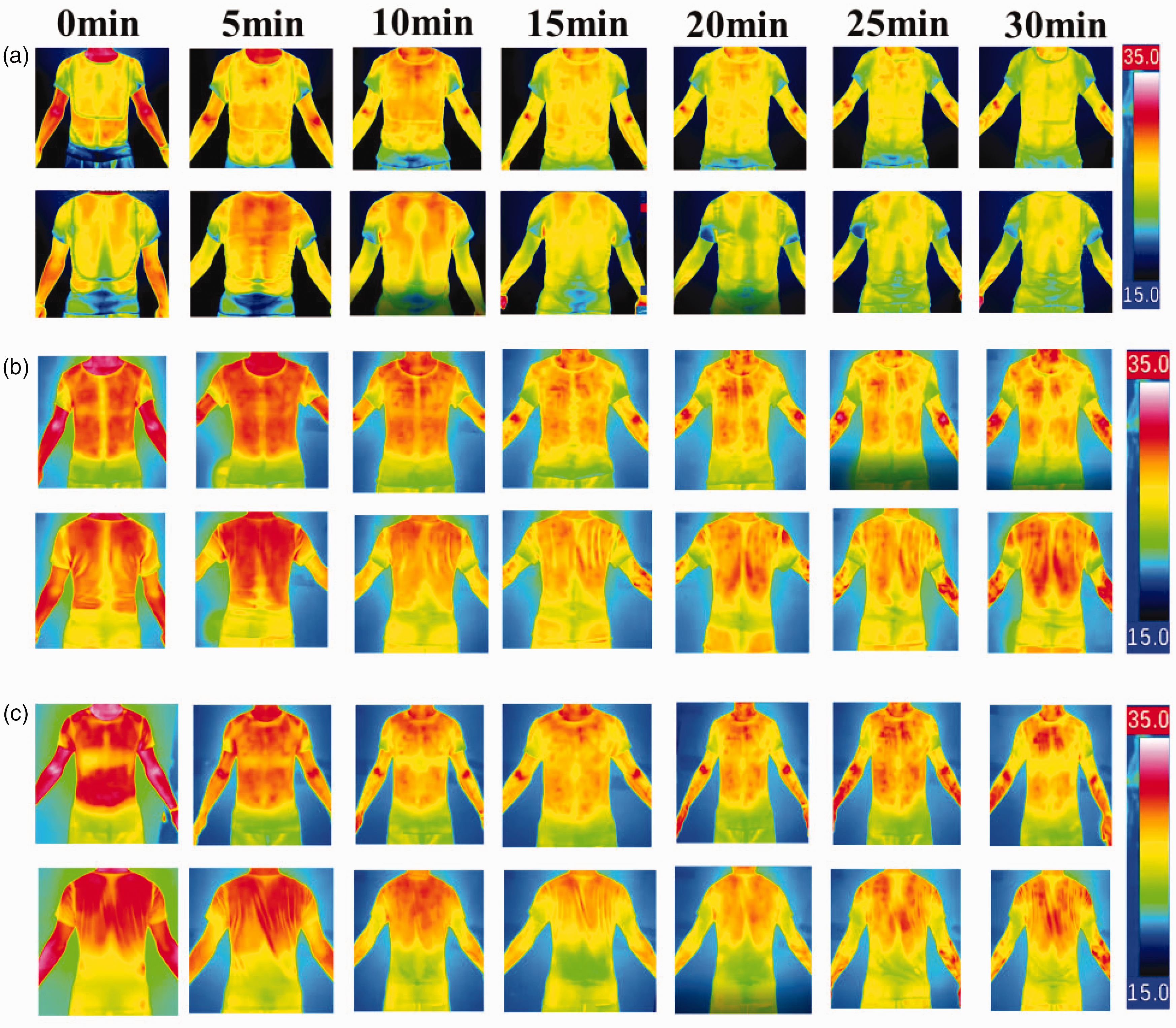
Infrared imaging contrast after 30 min of running in (a) CLO1, (b) CLO2, and (c) CLO3.
Figure 11 shows the front and back infrared image comparison diagrams of the respondents who wore CLO1, CLO2, and CLO3 quietly sitting for 60 min after running. We observed that when the respondents wore CLO1, the temperature of the garment surface kept increasing, and the temperature rose faster in the front chest, which had a large amount of sweat. The reason was that the changed spacer weft-knitted fabric with good absorption and quick-drying performance was used in the front chest. At 60 min, the front of the garment was completely dry, and the temperature returned to the state before exercise. The overall drying rate of CLO2, which has a cellular structure, was slow. After sitting for 30 min, the change in the temperature of the clothing surface was not obvious, which was consistent with the subjective cold–hot degree evaluation results. CLO3 had the slowest overall drying speed, and the sweat accumulated in the middle of the front chest, lower chest, and lower back, which was absorbed by the clothing and not easily discharged, resulting in a decrease in the temperature of the clothing surface. After sitting for 60 min, the subjects still experienced a strong sense of dampness and cold.
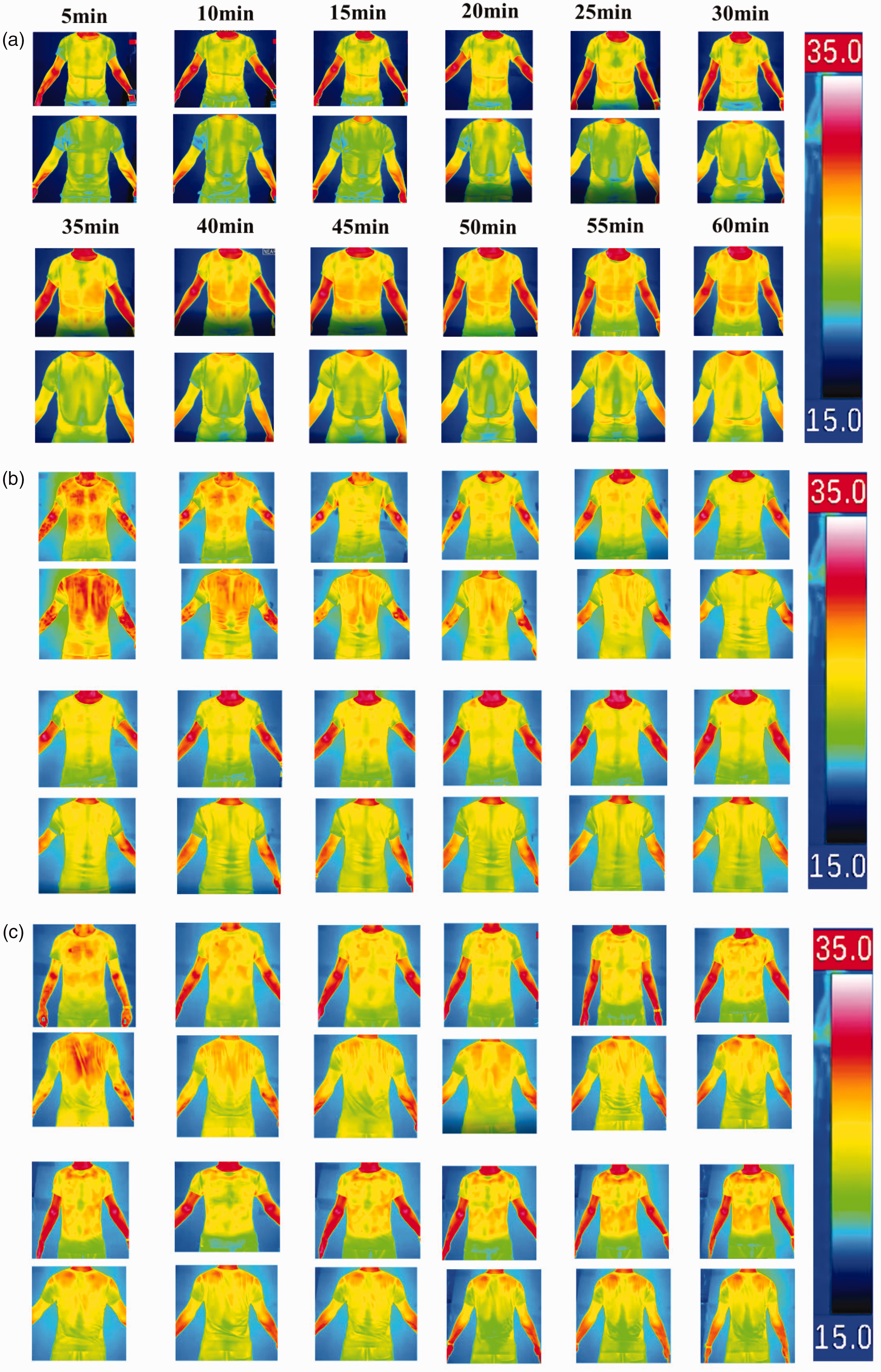
Infrared imaging contrast after sitting for 60 min in (a) CLO1, (b) CLO2 and (c) CLO3.
Figure 12 shows the temperature-changing law of the four monitoring points on the forebreast, back, abdomen, and upper arm over time. We observed that during exercise, when respondents wore CLO1, the four monitoring parts have the maximum range of temperature rise and fall. When exercise was stopped, the temperatures of the four monitoring parts were lower than those of the other two garments, implying the favorable heat dispersion performance of CLO1. During the quiet sitting stage, when the respondents wore CLO1, the temperatures of the forebreast, back, and abdomen showed an increasing trend and the temperature increase speed was fast. After sitting quietly for 60 min, the temperature recovered to the level before exercise, because the absorption and quick-drying performance of CLO1 was excellent. In addition, the sweating evaporation rate of the garment surface was faster. Due to there being more sweat on the forebreast and back, the absorption and quick-drying performance of CLO2 and CLO3 were poor, and the sweating evaporation rate of the garment surfaces was lower. As a result, after sitting quietly for 60 min, the forebreast and back of the respondents were still at lower temperatures.
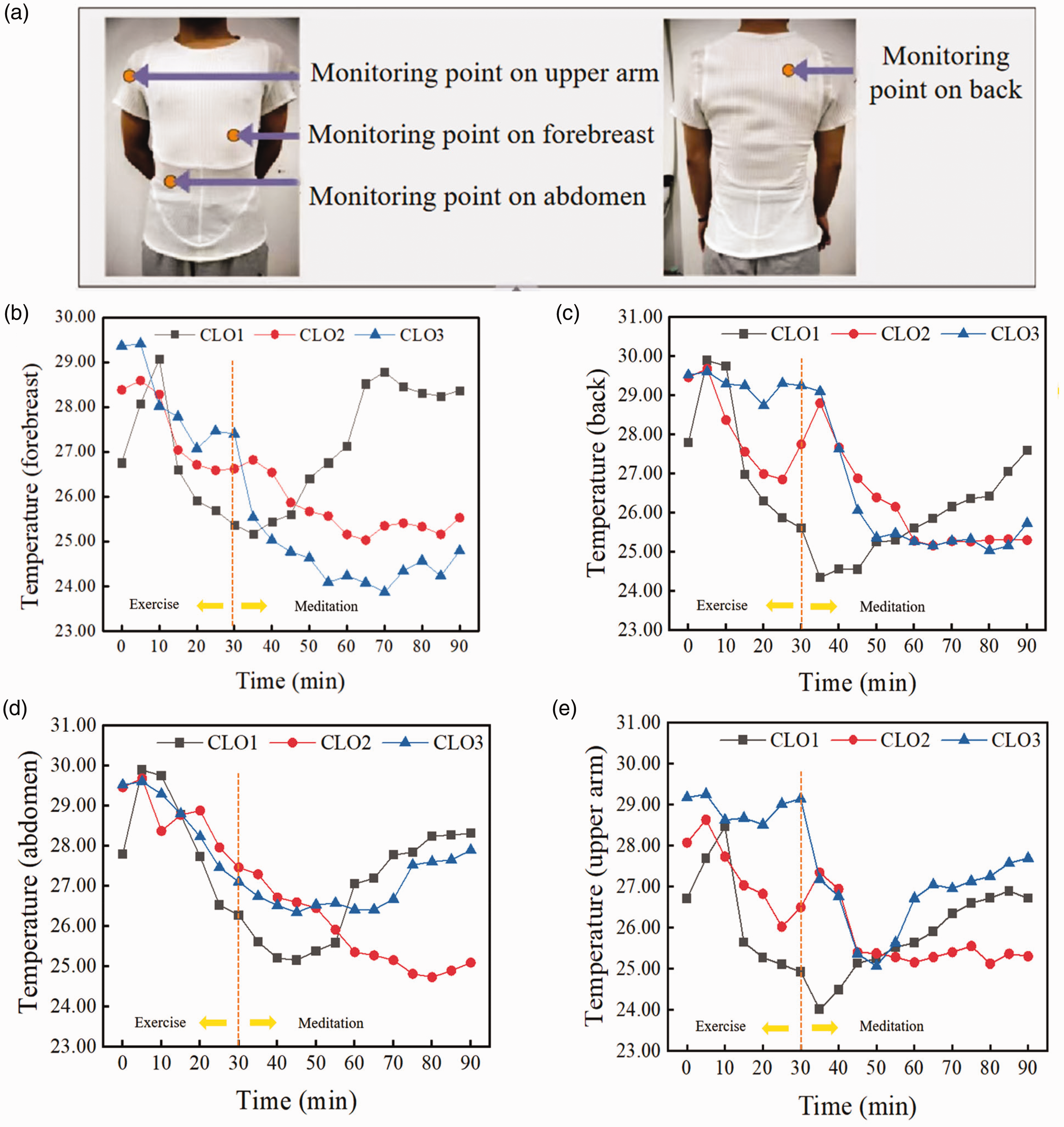
Changes in the surface temperatures of each part of clothing with time: (a) monitoring points of the clothing surface temperature; (b) anterior chest temperature; (c) back temperature; (d) abdominal temperature and (e) upper arm temperature.
Conclusions
In this study, we deeply analyzed the influence of the human body, garments, and environment in the field of absorption and quick-drying fabrics. We selected raw materials for green environmental protection to develop a new 3D moisture conduction knitted fabric with the features of hydrophobicity inside, hydrophilicity outside, looseness inside, and tightness outside. Compared with another two fabrics, it has excellent absorption and quick-drying performance.
We designed partitioned T-shirts (CLO1) according to the human body sweating law, and compared them with cellular non-partitioned T-shirts (CLO2) and cotton/modal blended T-shirts (CLO3). Through infrared image monitoring and subjective evaluation, we found that the subjects felt comfortable, non-sticky, and cool when running in CLO1. In addition, after the respondents stopped exercising, the cold–hot degree would quickly recover to a state without feeling cold or hot. Areas with more sweat would not generate an obvious sense of clamminess. When subjects wore CLO2 for exercise, the overall drying speed of the clothing was slower. The temperature change of the clothing surface was not obvious after sitting for 30 minutes. When the subjects wore CLO3 for exercise, the heat and sweat produced by the human body increased the fastest. After exercising for 15 min, the subjects felt very hot and wet, resulting in a decline in comfort and a sticky feeling. Due to the slowest overall drying speed of CLO3, the subjects experienced a strong sense of clamminess after sitting for 60 min and still felt sticky after no sweating. Therefore, designing partitioned clothing according to the human body sweating rule is helpful to improve the overall sports comfort.
Footnotes
Acknowledgement
Tianjiao Li and Yin He contributed equally to this work.
Declaration of conflicting interests
The author(s) declared no potential conflicts of interest with respect to the research, authorship, and/or publication of this article.
Funding
The author(s) disclosed receipt of the following financial support for the research, authorship, and/or publication of this article: This work was supported by the National Natural Science Foundation of China (NSFC) (grant numbers 11802205), the Shenghong Research Project of Fiber Materials and Products for Emergency Support and Public Safety (grant 2021-fx010210), and the China Postdoctoral Science Foundation (grant no. 2021M691699).
