




Abstract
Resin pre-coating technology is widely used in all aspects of composite materials, especially in the repair of composite materials. The pre-coating is formed by combining acetone with the resin, which is diffused and cured by the epoxy adhesive at the same time. It acts as an interlock to prevent the interface from debonding and to fill in the damaged cracks. The capillary action of acetone allows the resin to permeate the cracks in the fiber damage layers, thus filling the cracks and completing the repair. The pre-coating solutions of 10 wt%, 20 wt%, 25 wt%, 35 wt%, and 45 wt% resin were applied to damaged areas respectively, and cured at 60°C for 7 days. The crack filling effect was observed by scanning electronic microscopy (SEM). At the same concentration, the effect of prolonged repair time was also studied. The other two repair times were 14 days and 30 days respectively. In addition, the tensile properties of the materials before and after repair were tested and compared. The results showed that 25 wt% resin pre-coating had the best repair performance after 7 days, with a repair rate of 27%, which was 22% higher than the conventional repair without resin pre-coating. However, the repair effect became more obvious after the extension of repair time, and the repair effect of 25 wt% resin pre-coating reached 44% after 30 days curing. Therefore, it was found that the resin can fully penetrate the cracks in the damaged area with resin pre-coating technology, and 25 wt% resin pre-coating solution is the best choice.
Keywords
Composite materials are widely used because of their excellent properties such as low specific gravity, high specific strength, and specific modulus. 1 , 2 Glass fiber reinforced polymer (GFRP), which has high strength, light weight, good corrosion resistance, and easy processing, has been used as a substitute for some traditional metal materials, widely used in aerospace, energy industry, construction industry, and other fields. 3 , 4 However, glass fiber reinforced composites are anisotropic materials, and different structure ratio, structural materials, and other factors will have a great impact on the mechanical properties. 5 Some composite structures and components are large in size and high in cost, which will inevitably lead to defects or damage during manufacture and transportation, so can only be reduced use or even scrap.6–8 The fabrication method of composite laminates using prepreg is more likely to cause micro-cracks between the layers, which may lead to delamination. The service life of composite materials is largely related to the internal structure of materials, due to surface contact or impact of foreign objects, which may be in the interface between the cracks or delamination. The interface crack between the layers of glass fiber reinforced composites will lead to a significant reduction in the stiffness and compressive strength of the material structure, which will affect the service life of the product.9–12
Although glass fiber composites have been widely used in various fields due to their excellent properties, however, the laminates are only bonded by matrix resin, and brittle fracture can easily occur under the action of impact and other loads, which leads to delamination failure. 13 As shown in Figure 1, this is a common cause of damage to fiber reinforced polymer (FRP), which may be due to impact and other external factors, thus affecting its usefulness. In order to avoid the great waste of resources and economic loss caused by the replacement of damaged components, it is necessary to repair the damaged components in many cases in order to restore their service performance, therefore, the repair technology of composite materials has been paid more and more attention. 14 , 15 For these reasons, we are committed to the study of easier to operate, lower-cost repair methods. Restoration of some of the mechanical properties of the material also increases the practicability of the products. 16 The repaired product can be reused to meet the environmental requirements of today’s society and is conducive to building a harmonious world.

Schematic diagram of fiber interior layering.17
At present, there are two common methods to repair composite material damage: bonded patch repair and resin-injection repair. In the bonding method, the patch is embedded in the damaged area and bonded with a suitable adhesive to repair the damage. Bonded patch repair has had widespread usage for composite repair because of design flexibility and greater capacity to withstand fatigue damage. 17 , 18 Resin injection repair involves injecting the resin and curing agent into the damaged area at the same time, and over time the curing agent can effect and complete the repair. 19 However, the resin injection process also requires drilling, which may cause further damage to the affected area. 20 Kim et al. 21 proposed a simple patch-free repair method, in which epoxy bonded carbon fibers were printed directly onto cut surfaces by a prototype printer, and the hardness of the printer repair sample may be higher than that of the manual lamination repair sample. Thunga et al. 22 used bisphenol E cyanate resin to inject repair of carbon fiber maleimide composite panels of different thicknesses and found that it had a high repair efficiency. Cross-sectional analysis of ultrasonic scanning (C-Scan), flash thermal imaging images, and repair panels showed that resin penetration into the damaged areas was satisfactory. Liu et al. 23 used a resin pre-coating (RPC) method to repair the epoxy adhesive seam of carbon nanotube bamboo steel, and found that the surface treatment improved the bonding performance of the bonding joint, and the shear strength of RPC was more than doubled after the surface treatment. To sum up, at present, the repair of composite material damage is mainly focused on the simple operation of injection repair, use of a different repair fluid can achieve different repair results, but there is little research on the repair of glass fiber at present. Some research has explored using some additives such as microcapsules to the material to make it have a self-healing effect, 24 but if there is no healing agent in the material, then manual repair is required. Therefore, research on the repair methods of GFRP is the problem that researchers are committed to study.
Based on the above research work at home and abroad as well as the material on the use of the process and practical problems faced, in this article a simple and convenient GFRP repair technique is studied for the repair of sharp edge delamination cracks (as shown in Figure 2). No pressure is required because the penetration of resin is achieved by the capillary action of acetone in the RPC solution. 25 The capillary action is a mechanism by which microfluids are used to extract liquids autonomously in the substrate without the need for external energy, depending on the use of “capillary-driven flows” or “capillary action.” Capillarity is defined by the movement of a fluid through surface tension and adhesion and is easily seen in the treatment of blotting paper. 26 , 27 According to the mechanical interlock theory, the adhesive penetrates into the cavities, pores, and other irregularities on the rough surface of the substrate, thus causing adhesion. However, resins with high molecular weight and viscosity or grit and clogs from mechanical wear, may prevent deep penetration of the resin. RPC technology can effectively improve the bond strength between materials, and promote the penetration of resin through the substrate surface to the material deep.28–31 First, a RPC solution, such as 10 wt% resin solution mixed with 90 wt% acetone solution (10% RPC), is prepared and applied to the surface of the layered sample. The penetration of resin in RPC solution does not require injection pressure. After the acetone evaporates from the crack, the resin remains to fill the crack, and then the surface is coated with a conventional repair fluid, and then the whole repair process is complete (as shown in Figure 3).
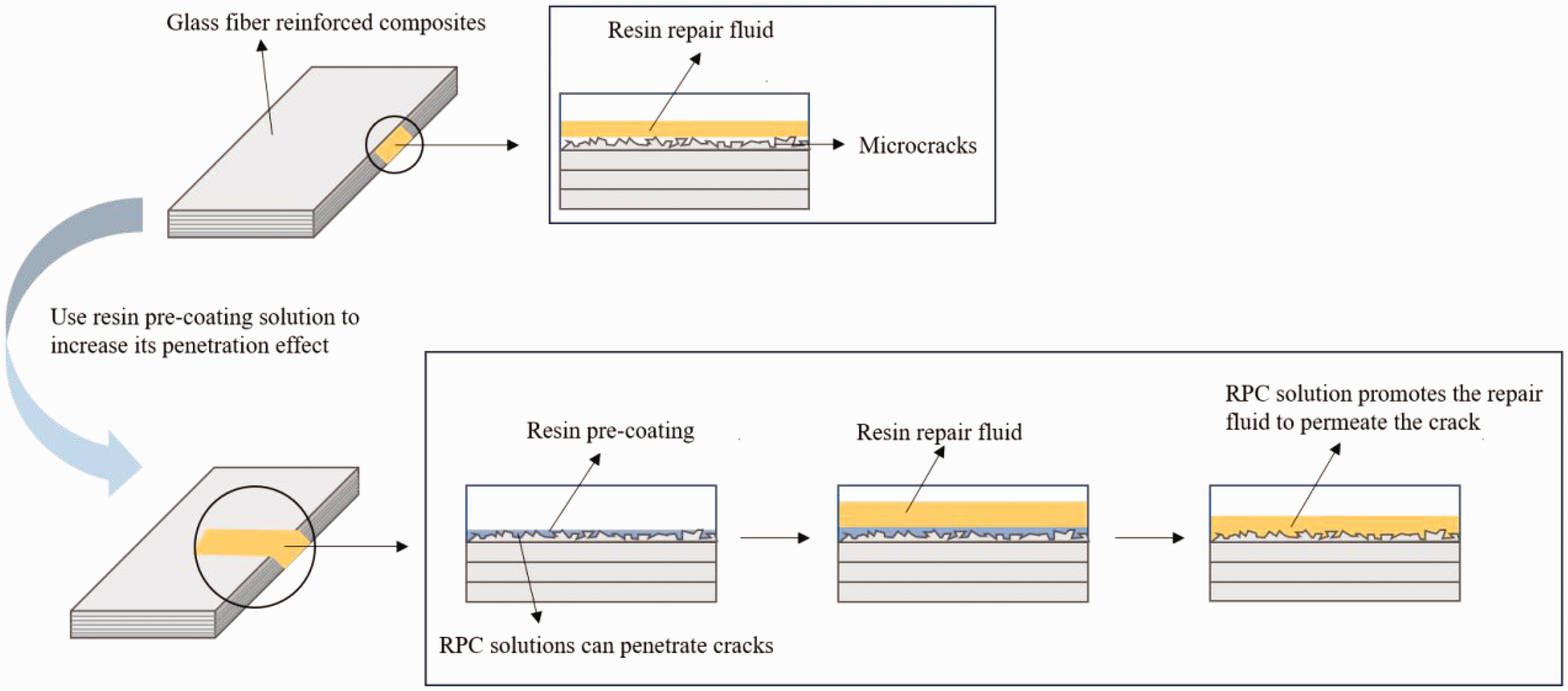
Capillary penetration of acetone-diluted resin solution. RPC: resin pre-coating.

Schematic diagram of material repair.
Experimental method
Materials
In this study, glass fiber prepreg (the prepreg consist of ER468-2400 E-glass fiber and E51 epoxy) with a single layer thickness of 0.2 mm, consisting of 10 layers (ER468-2400 E-glass fiber, purchased from Weihai Guangwei Composite Material Co., Ltd), was prepared by a hot-pressing pot process. The resin used in the hot pressing process was E51 epoxy and supplied by Shangwei New Materials Technology Co., Ltd. A 250 mm × 250 mm GFRP sample was prepared (as shown in Figure 4). Table 1 shows the main properties of prepreg.
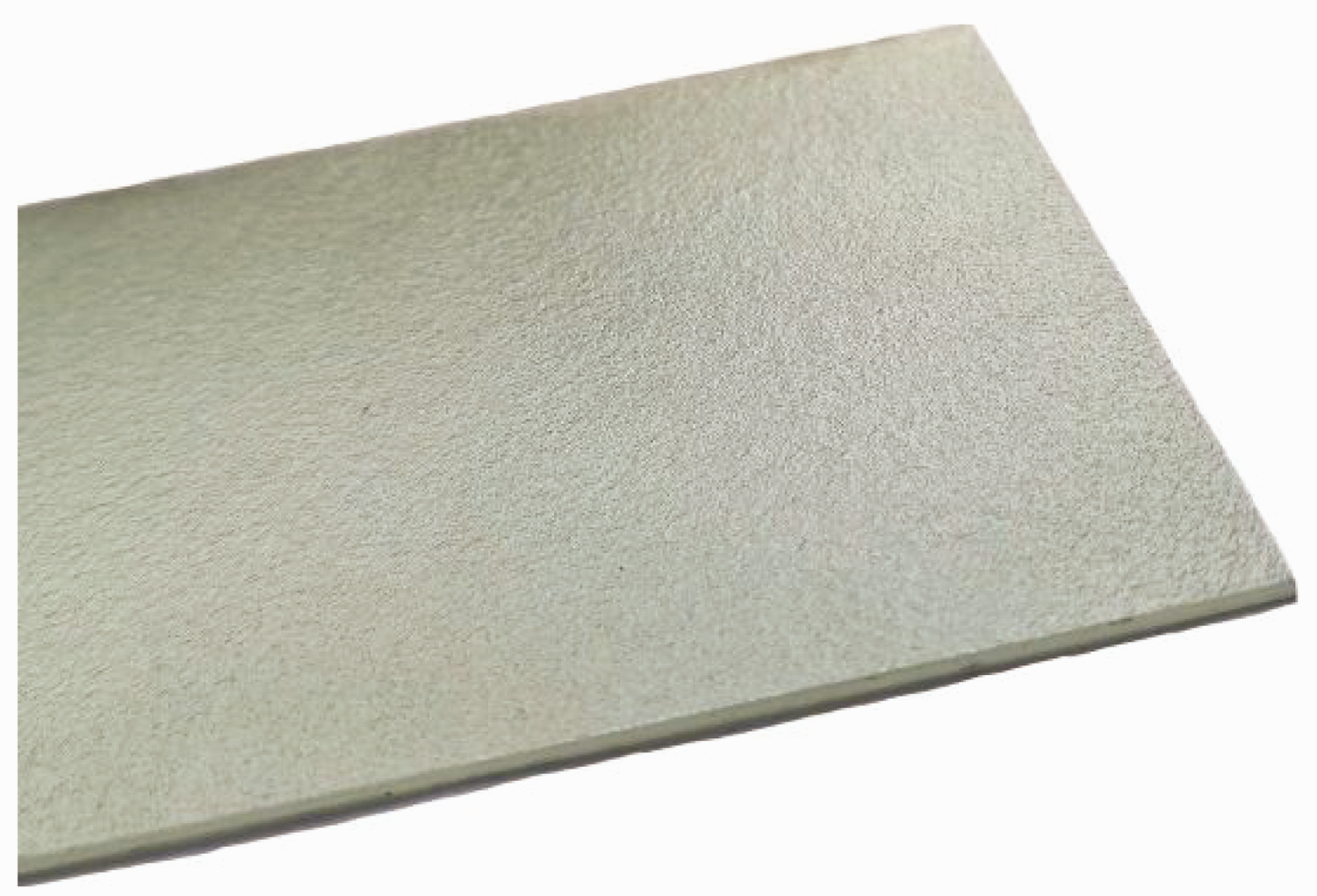
Glass fiber reinforced polymer (GFRP) sample.
Main properties of prepreg

The repair solution was a mixture of bisphenol A epichlorohydrin (NPEL-128) and a polyetheramine curing agent (D230), was supplied by Shangwei New Materials Technology Co., Ltd. The resin has excellent properties and high purity, such as high mechanical strength, excellent chemical resistance, and heat resistance. The RPC solution is a mixture of different concentrations of acetone and NPEL-128 resin. The purity of acetone is above 98% and it was purchased from Xilong Science Co., Ltd. The structural formula of the epoxy and curing agent used are shown in Figure 5.
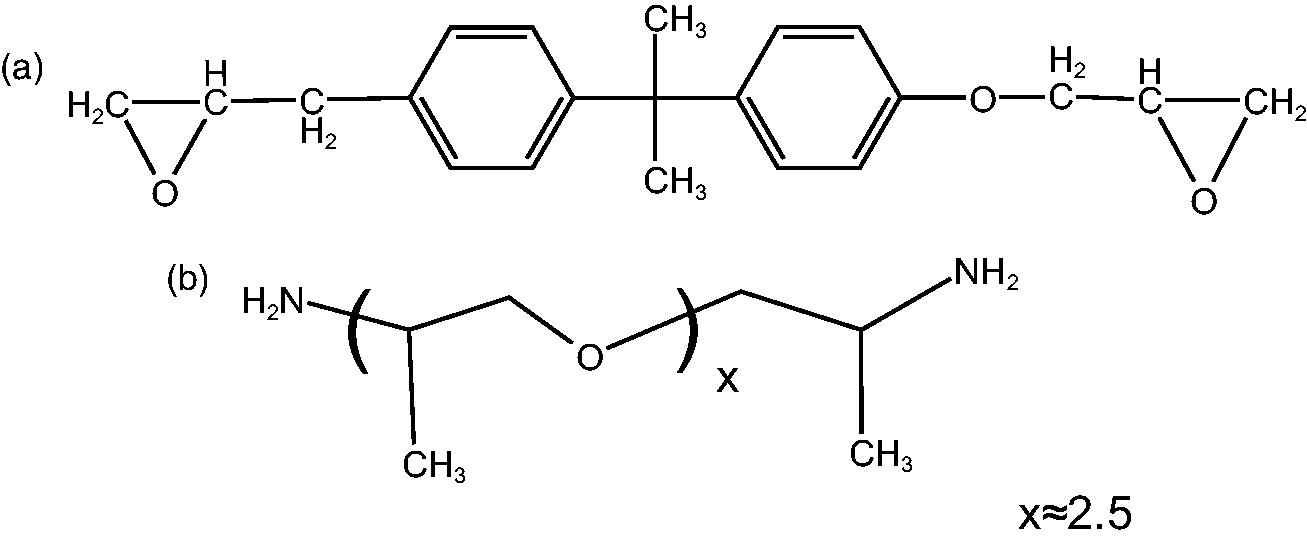
(a) Bisphenol A (BPA) epichlorohydrin (128) resin formula and (b) D230 curing agent molecular formula.
A large number of GFRP samples with micro-cracks were prepared by use of the drop-weight impact method. 32 The experimental device was a cantilever pendulum impact testing machine, and the impact test is shown in Figure 6, the original samples without impact were used as a control group.

Schematic diagram of falling weight impact principle.
Pre-experiment
C-Scan non-destructive testing of samples before impact test was carried out, in order to eliminate the influence of other injuries on the experiment, through the picture observed that there are no obvious defects in the sample, so we could carry out follow-up experiments, and test results as shown in Figure 7. The ultrasonic nondestructive testing instrument was machine model: Sensing Inspection Technologies USIP 40, frequency 1 MHZ, probe diameter 1 inch, scanning sensitivity 45 db.

Non-destructive scan results.
In order to safely apply the RPC repair method to GFRP, it was necessary to study the potential harmful effect of acetone on the properties of GFRP. Each sample was treated by ultrasonic for 30 min in acetone solution and then dried for 60 min in an oven at 60°C to ensure complete evaporation of acetone. The samples of the untreated group were the ones without acetone treatment (control group). Finally, taking five cases as a group, tensile testing was carried out to check the loss of tensile strength.
The diffusion effect of RPC solution was investigated, as shown in Figure 8. It was found that the RPC solution and the resin repair solution could diffuse after a certain time, and finally completely solidify.

The diffusion of repair agent and pre-coating solution.
Use pre-coating solution repair the laminar cracks in GFRP
The resin was mixed with acetone solution in different proportions to prepare RPC solutions of different concentrations. The performance index of the resin is shown in Table 2. There were five groups: (a) 10 wt% resin and 90 wt% acetone; (b) 20 wt% resin and 80 wt% acetone; (c) 25 wt% resin and 75 wt% acetone; (d) 35 wt% resin and 65 wt% acetone; (e) 45 wt% resin and 55 wt% acetone.
Performance index of resin provided by the company

First, the sample was dipped into the RPC, taken out after 2 min and placed in the fume hood at room temperature for 20 min, so that the acetone evaporated. The repeated operation for three times enabled RPC to permeate into the fracture completely. Subsequently, specimens were put into an oven at 60°C for 12 h to ensure complete removal of the acetone and retain resin only. Second, the specimens were then routinely repaired, and the repair solution was applied to the damaged area. The repaired specimens were placed in an oven at 60°C for 7 days. The repair sample is shown in Figure 9.
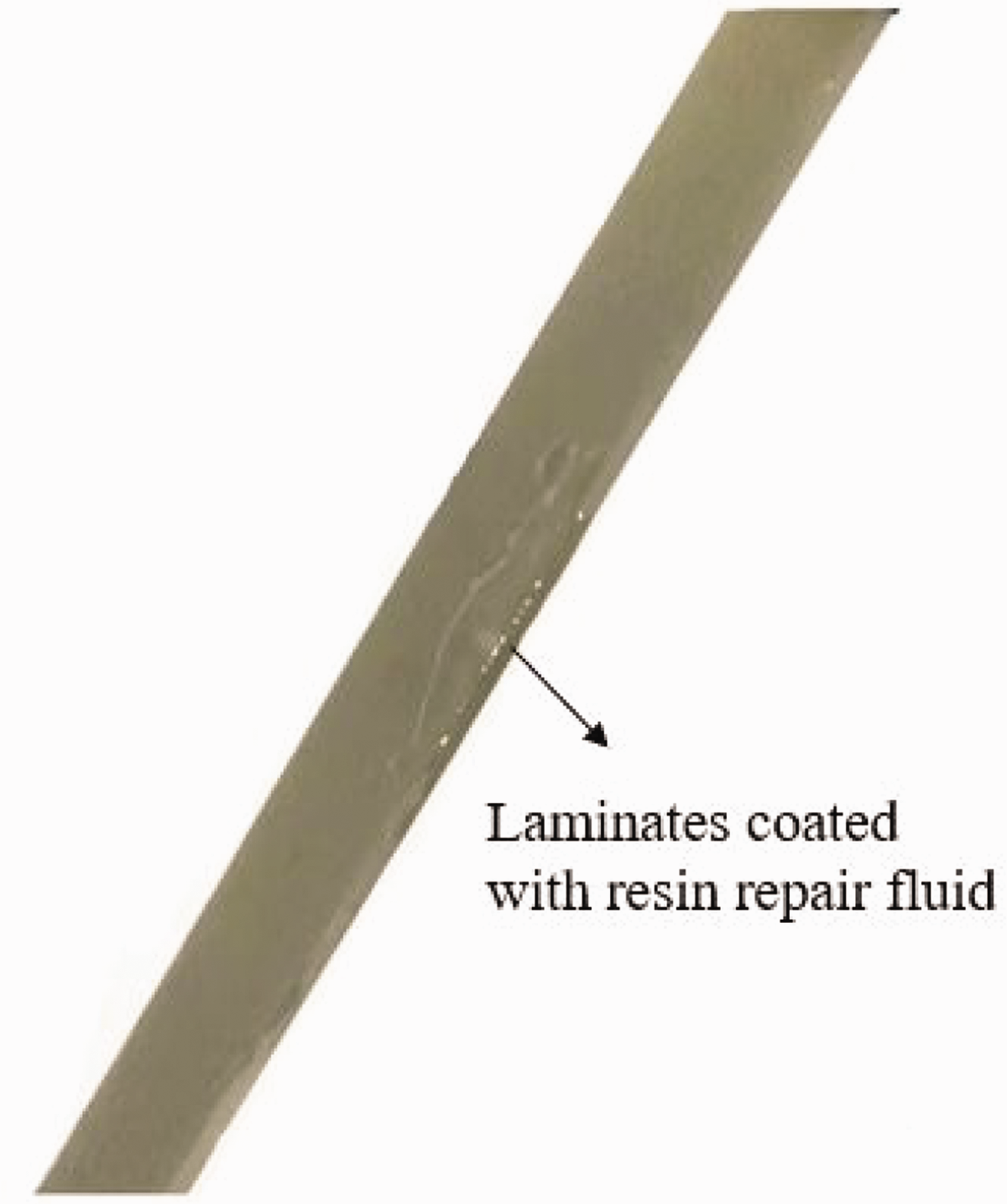
Glass fiber reinforced polymer (GFRP) laminate coated with repair fluid.
In addition, the effect of different repair times was investigated. The samples were also cured at 60°C in the oven for 14 days and 30 days respectively.
Computed tomography (CT) scan before and after laminate repair
Using the Zeiss X-ray microscope Xradia 610VERSA (Carl Zeiss Shanghai Management Co., Ltd.), Avizo software was used to scan the damaged parts of the laminate using 3D imaging. By analyzing the images obtained by the CT scanning system, we observe the damage inside the specimen, and the filling of the cracks after repair.
Tensile testing
In order to compare the loss of mechanical properties of laminates before and after repair, tensile tests were carried out on the specimens using the model of Instron 8801 universal testing machine for dynamic and static materials. According to the ASTM D3039 standard, the tensile strength of four groups of laminates was tested at the displacement rate of 1 mm/min. The first group was undamaged original specimen samples, the second group was unrepaired specimen samples, the third group was the non-RPC routine repair samples, and the fourth group was the sample after using the RPC repair method. The specimen size was 250 mm × 15 mm, and the experiment was terminated when the specimen was completely broken, and the tensile test is shown in Figure 10.
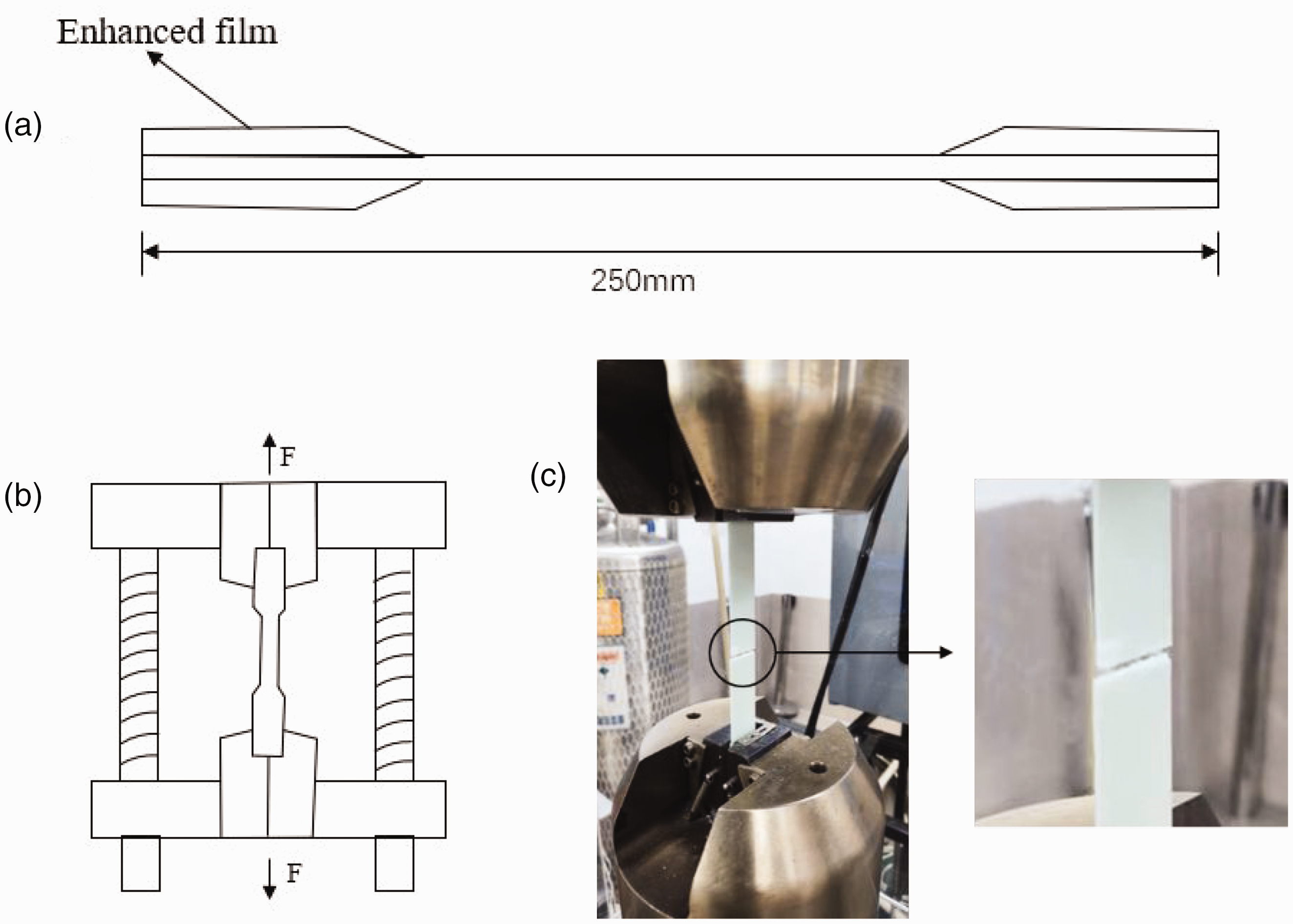
(a) Drawing of tensile test specimen; (b) schematic diagram of tensile test and (c) fracture specimen.
Results and discussion
Pre-experiment of acetone treatment
The tensile mechanical properties of GFRP laminates were tested and compared before and after cleaning by acetone ultrasonic cleaning machine for 30 min. The results are shown in Table 3, and the intensity contrast diagram is shown in Figure 11. The tensile strength and elastic modulus of the laminate did not change obviously before and after acetone treatment. Therefore, the acetone solution had no potential effect on the mechanical properties of the laminate, therefore, the RPC solution can be used to repair GFRP laminates.
Tensile test data

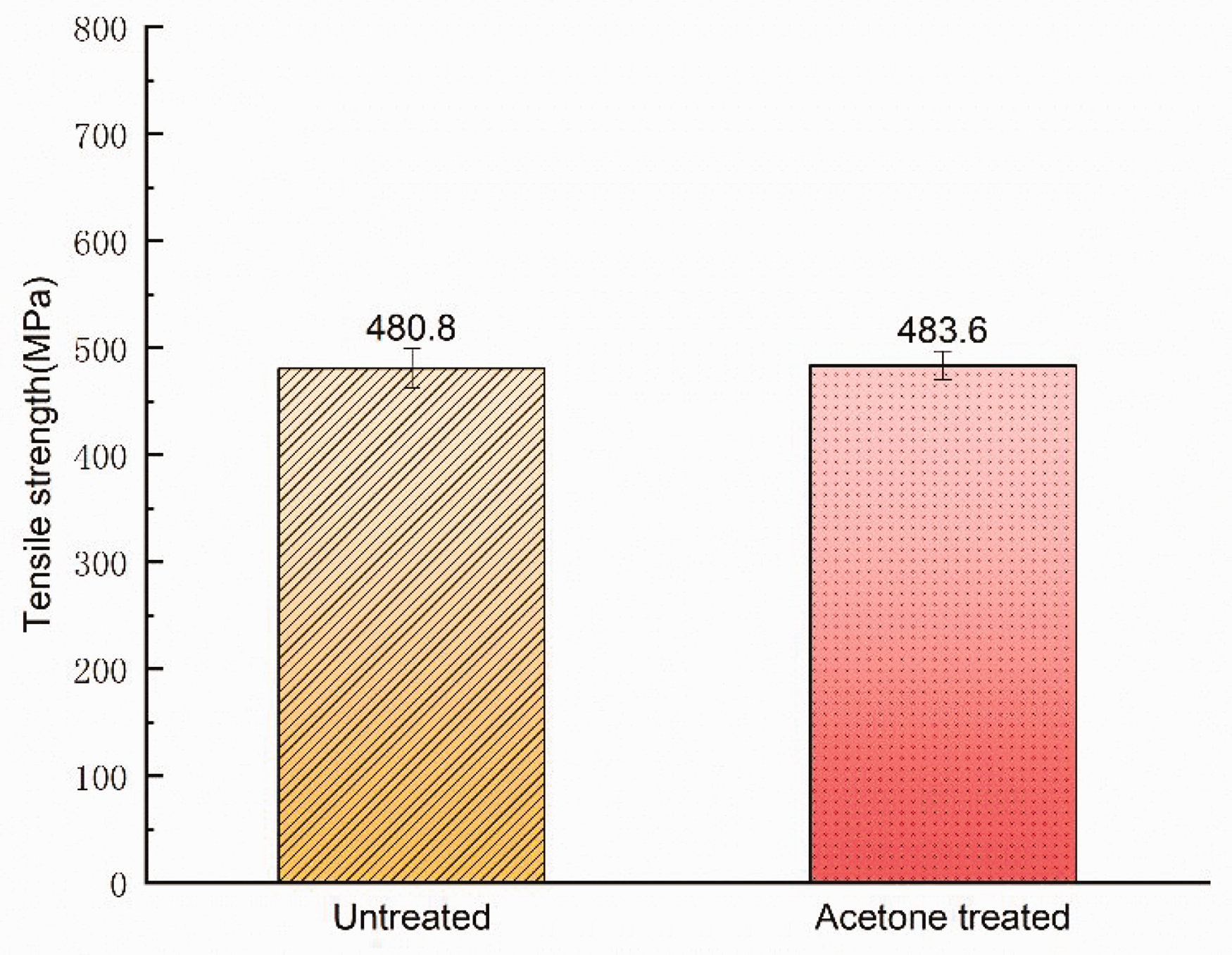
Change of tensile strength before and after acetone cleaning.
The change of tensile strength before and after repair
Table 4 shows the tensile properties of the specimens tested under different repair conditions, a group of five experimental samples, taking the average value for the obtained tensile strength.

Tensile data before and after laminate repair

RPC: resin pre-coating.
Based on the tensile strength analysis, the RPC method is more effective than conventional repair (without RPC), and the repair rate of conventional repair can only reach 5% when the curing time is 7 days. With the increase of resin content in the acetone solution, more resin permeates into the micro-cracks, filling in the internal gaps to increase interlaminar adhesion. RPC at 25 wt% had the most obvious effect, which made the recovery rate of tensile strength reach 27%, and RPC at 35 wt% had a similar effect, but the resin could not penetrate the crack easily with the increase of concentration. But when the concentration is too low, the resin content is less and the repairing agent is insufficient, so 25 wt% RPC solution can be chosen as the pre-coating solution to repair the sample.
On the other hand, as the repair time increases, the mechanical properties recover more obviously. After 14 days of curing, the tensile properties of the pre-coated specimens with 25 wt% RPC recovered to 31%, again increasing by 4% compared to 7 days. Pre-coated specimens using 10 wt% RPC showed a 12% increase. After 30 days, the resin was almost completely permeated, and the tensile properties of 25 wt% RPC precoated specimens recovered to 44%. It can be found that the curing effect increases with time. For RPC solution with lower concentration, the short-term repair effect is not obvious, and the repair time needs to be increased. Sufficient curing time can achieve the diffusion of polymerization, thus promoting the cross-linking reaction within the resin, thus further improving the degree of curing.
Figure 12 is the histogram of tensile strength data, which clearly shows that the laminate has a greater loss of tensile strength after impact failure, using 25 wt% RPC solution as the repair method for the pre-coating solution, which makes the best tensile strength recovery. Figure 13 shows the tensile modulus of the GFRP laminates under different repair conditions. It can be seen that the modulus of the composite laminates after repair is higher than that of the samples without repair. As can be seen in Figure 14, the upward trend of the bar graph is more obvious with the increase of time. The long curing time of 30 days allows RPC resin to fully penetrate into the inner crevices, and the tensile strength is significantly enhanced.
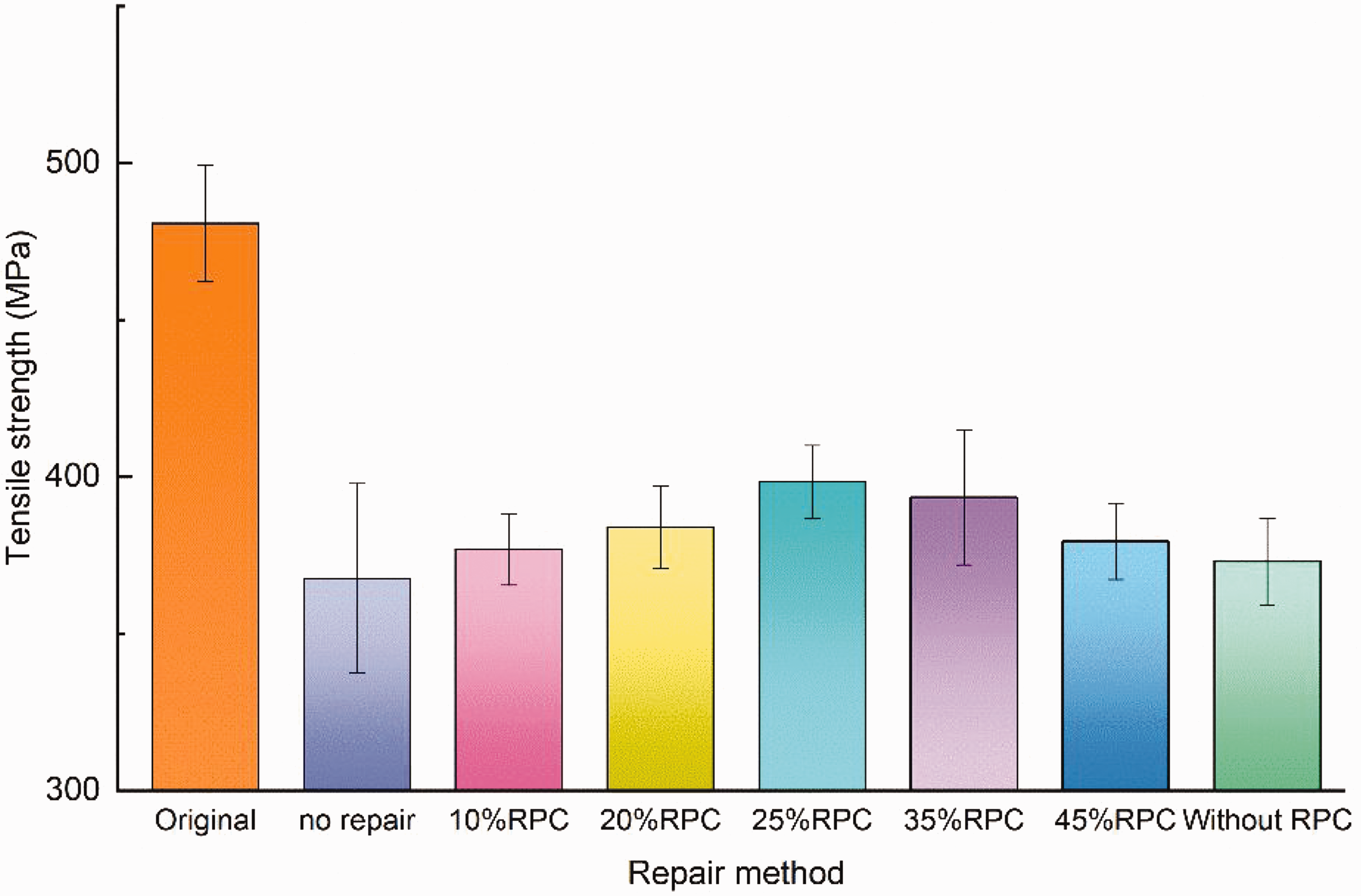
The histogram of tensile strength of laminates with different repairing methods (7-days). RPC: resin pre-coating.
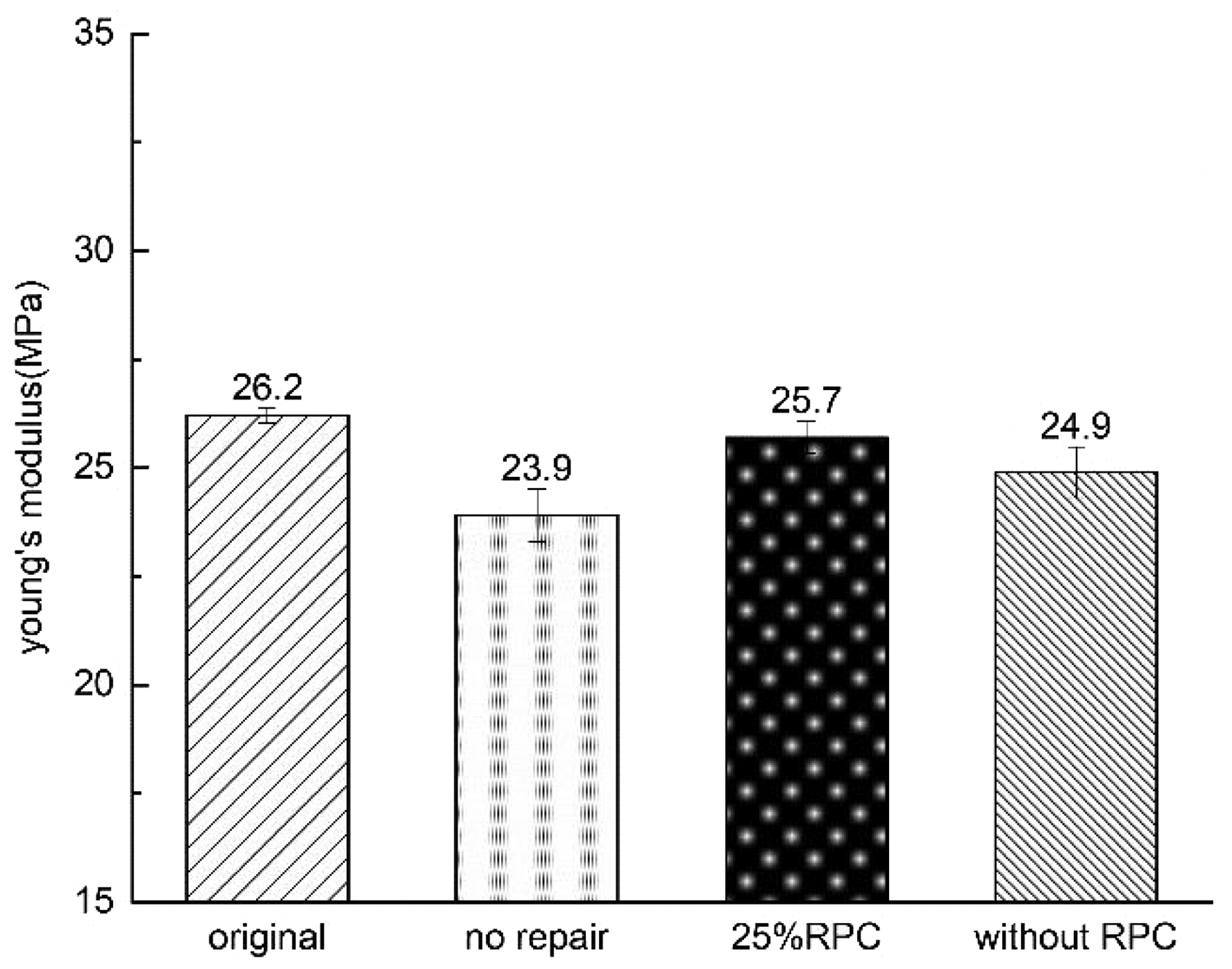
The tensile modulus of the materials under different repair methods. RPC: resin pre-coating.

Tensile strength of laminates with different repair time. RPC: resin pre-coating.
CT scan analysis of laminar interior
Figure 15 is a schematic diagram of the interface fracture of composite laminates before and after repair. Using x-ray three-dimensional imaging, obvious delamination and cracks appeared after impact testing. The inner crack of the laminate repaired by RPC solution is partially filled, and the crack width becomes smaller, so the resin can be used to increase the interlaminar adhesion and restore some mechanical properties of the laminate.
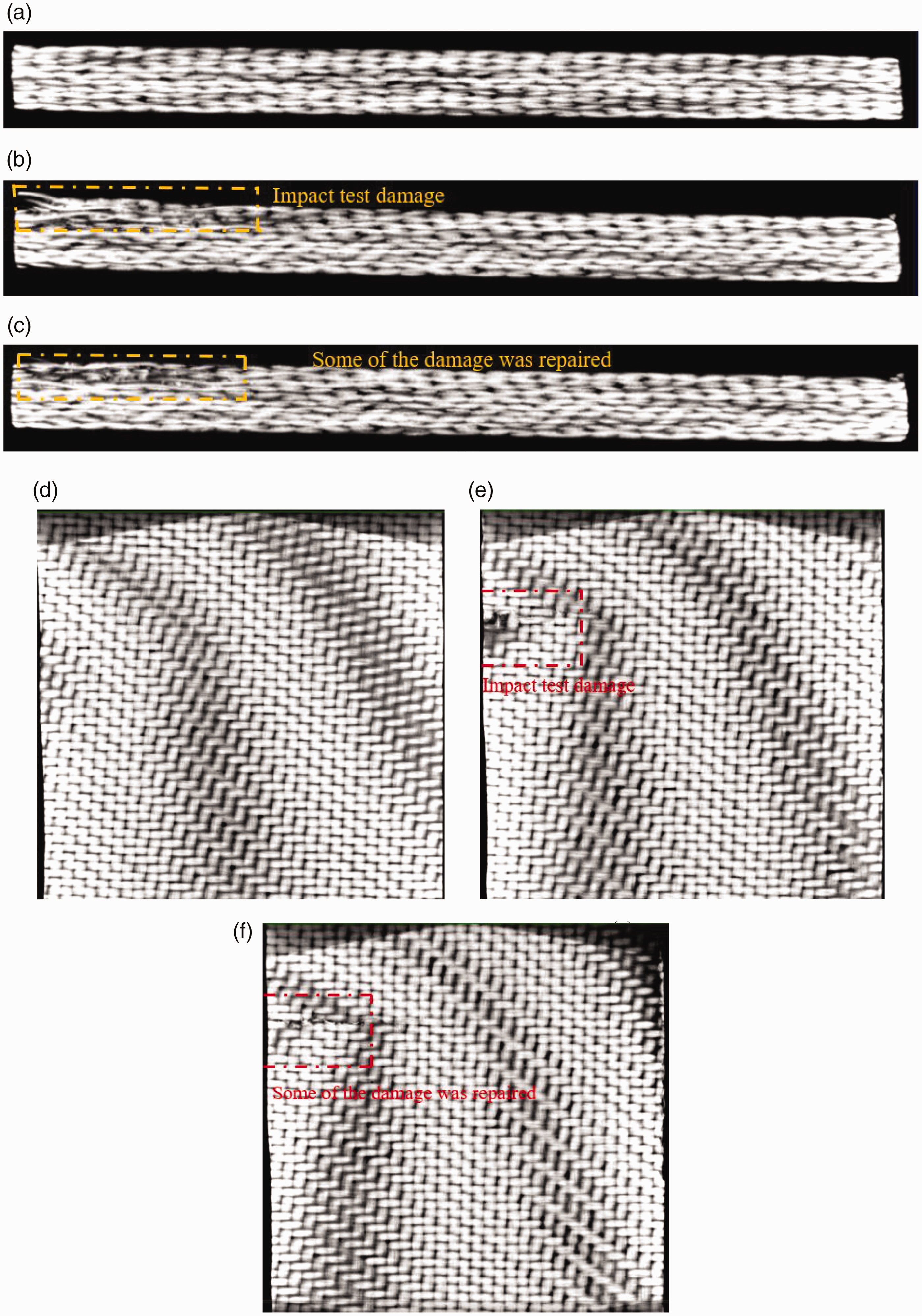
(a) Cross section of the original sample; (b) cross section of the damaged sample; (c) cross section of sample after resin pre-coating (RPC) repair; (d) plan of the original sample; (e) plan of the damaged sample and (f) plan of sample after RPC repair.
Conclusions
GFRP laminates were successfully repaired by use of the RPC technique. The resin was first combined with acetone solution and then brought into the deep cracks of the laminate. Then the surface was coated with a conventional repair solution. The resin gradually solidified in the cracks of the damaged area over time, filling in the cracks. The experiment was simple and did not require injection pressure or equipment. The conclusions were as follows:
In one week’s curing time, RPC solution with 25 wt% resin and 75 wt% acetone had the best performance, and its tensile strength increased by 22% compared with conventional surface repair. Too high or too low concentration is not conducive to the recovery of tensile properties. The curing effect became more pronounced over time, with the tensile strength of 25 wt% RPC even recovering to 44% at 30 days, and the repair effect of 10 wt% RPC also visibly improving, so a 30-day curing cycle at 60°C is desirable. The CT scan demonstrates that the internal crack is effectively filled, and the width of the crack is partially reduced, thus preventing further crack propagation. Therefore, the method is suitable for the repair of GFRP.
Footnotes
Declaration of conflicting interests
The author(s) declared no potential conflicts of interest with respect to the research, authorship, and/or publication of this article.
Funding
The author(s) disclosed receipt of the following financial support for the research, authorship, and/or publication of this article: The authors acknowledge the financial support from the Zhejiang Provincial Natural Science Foundation of China under Grant no. LGG21E050025, Zhejiang Sci-Tech University Tongxiang Research Institute Open Fund Project (Project Number: TYY202302), as well as the 2023 “Spearhead” Research and Development Plan (Project number: 2023C01097).
