




Abstract
The comfort of polyester (polyethylene terephthalate or PET)as well as its reusability is greatly affected by its hydrophobicity. To improve the hydrophilicity of PET, titanium dioxide (TiO2) and gelatin were proposed to treat polyester by surface coating in this study. TiO2 and gelatin were selected because of their excellent ecological performance and wide usage. PET fabric had a super-hydrophilic surface and satisfied mechanical properties after various modifications. The synchronous treatment produced a significant effect. The fabric was coated with a dispersion of 4 g/l TiO2 and 5 g/l gelatin by the two-dip and two-rolling process. The static water contact angle of TiO2/gelatin-coated PET fabric reached 0° within 45 s. The results indicated that the PET fabric coated with TiO2/gelatin exhibited remarkable super-hydrophilicity and excellent resistance to wear and washing. Furthermore, the altered fabric underwent evaluation to assess its tensile fracture properties, air permeability, and crease recovery, which influenced its wearability and comfort. These performances demonstrate the potential application of TiO2/gelatin-coated PET fabric in textiles and apparel.
Polyester (polyethylene terephthalate or PET) fiber is a significant constituent of synthetic fiber and holds a pivotal position in the textile industry.1 –4 It has many excellent properties, such as high breaking strength, high elastic modulus, good thermal stability, etc.2,3 However, it should be noted that the polyester molecular chain possesses hydroxyl groups solely at its two ends, lacking any other active groups.1 –4 This characteristic results in lower moisture recovery rate of PET (only 0.4%), as well as poor hydrophilicity and chromaticity.2,3 The application of PET in clothing is impacted.2,3,5 –7 Thus, several methods have been developed to enhance the hydrophilicity of PET, 8 such as physical or chemical modification of surface morphology,9 –14 surface grafting,15,16 and compound treatment.17,18 But these methods have some drawbacks, such as uncontrollable process, strength damage, and expensive processes.
Nanoparticles have opened new routes for the production of textiles with multi-functional properties. 19 As a kind of nanoparticle, titanium dioxide (TiO2) has been widely used in coatings, chemical fibers, and other fields.20,21 For example, Al-Balakocy et al. 22 treated polyester-cotton blended fabric with alkali, and then loaded the fabric with TiO2 through a high-temperature and high-pressure dyeing machine. The modified fabric had good antibacterial and anti-ultraviolet (UV) properties after five washings. 22 Touhid et al. 23 discussed the fabric treated with plasma ion, TiO2, and Cu. The resulting fabric showed an excellent antibacterial property and outstanding laundering durability. 23 Liang et al. 24 improved the wettability of PET fabrics by TiO2/UV but it required a long period of UV radiation. Therefore, the loading of TiO2 on the PET surface has attracted wide attention. 25 However, the hydrophilic effect decreases and the fabric becomes hydrophobic again after some time. The surface coating method is common and simple, but the interaction between TiO2 and PET is weak and easily falls off.25,26 In this case, a homogeneous coating method or binder can be adopted. 27 Gelatin is a good choice as a green adhesive. 28 Gelatin is a degradable polypeptide mixture obtained from partial hydrolysis of collagen.29,30 It contains single or double unfolded chains of hydrophilic character, which are α-chain, β-chain, γ-chain combinations. 31 The molecular chain of gelatin has a collagen-like amino acid composition on its surface and contains a large number of hydrophilic groups, which can easily form hydrogen bonds. 32 Therefore, gelatin is hydrophilic and also exhibits the ability to be more viscoelastic due to its high content of amino acids.33 –35
This study proposed the utilization of a two-dip and two-rolling method to coat TiO2/gelatin on to polyester fabric, aiming to achieve super-hydrophilicity. The effect of the process on super-hydrophilicity was studied in detail by selecting different concentrations of TiO2/gelatin. The super-hydrophilicity of TiO2/gelatin-coated PET fabric was evaluated through static water contact angle. Additionally, the surface morphology, chemical structure, and fabric performance of the modified fabrics were examined. This study demonstrates the potential of TiO2/gelatin-coated PET fabric as a viable material for clothing due to its favorable mechanical properties, air permeability, and crease recovery.
Experimental details
Materials
Commercial PET fabric was supplied by Wujiang Zhong Peng Textile Co. The weave structure of PET fabric is plain weave. The fabric specification is 2.22 tex for both warp and weft yarn densities, 880 warp yarn and 680 weft yarn/(10 cm) and 56 g/m2 surface density respectively. TiO2 (Titanium (IV) dioxide; anatase type; MW: 79.88; density: 4.3 g/cm3) was purchased from J&K Scientific Co., Ltd. Gelatin (type B) of chemical pure grade was purchased from Sinopharm Chemical Reagents Ltd. Deionized (DI) water used in the experiments was obtained using an ULUPURE pure water/water system.
Preparation process
Pretreatment of PET fabric
The PET fabric was soaked in a mixed solution of 5 g/l soap and 4 g/l Na2CO3, followed by heating at 98°C for 30 min in a bath ratio of 1: 30. The step was to remove slurry, oil agent, and impurities. Thereafter, it was rinsed repeatedly with DI water and dried at 105°C. Finally, the refined PET fabric was placed in a humidity chamber at (21 ± 1)°C with relative humidity of (65 ± 2)%, and balanced for 24 h for subsequent usage.
Preparation of super-hydrophilic PET fabric
Synchronous method.
Firstly, the gelatin weighing 0.1–1.0 g was soaked in 20 ml DI water for 10 min and then dissolved in a water bath at 60°C. Subsequently, the dissolved gelatin solution and TiO2 were placed in DI water (total volume of 100 ml) for ultrasonic depolymerization for 30 min. The concentrations of TiO2 were 1 g/l, 2 g/l, 3 g/l, 4 g/l, and 5 g/l, respectively. Afterwards, the refined PET fabric was dipped in the above prepared dispersion for 10 min, and then dip-padding twice, the pick-up value of twice padding was 90%. Finally, the modified PET fabric after secondary rolling was washed twice in DI water, and dried at 60°C for 30 min.
Stepwise methods.
In the first method, the refined PET fabric was put into gelatin aqueous solution for two dips and two rolls and then put into TiO2 dispersion for two dips and two rolls. In the second method, the fabric was put into the TiO2 dispersion and then the gelatin aqueous solution, while other conditions remained consistent. The ultrasonic device was the Sk2510HP ultrasonic cleaning machine model and ultrasonic power was 53 kHz. Three replicates were made in each experiment (Figure 1).

Preparation schematic diagram of super-hydrophilic PET fabric. TiO2: titanium dioxide.
Characterizations
Determination of agglomeration of TiO2 dispersion
Dynamic light scattering (DLS) measurement (Nano Brook Omni, Brookhaven National Laboratory, BNL, USA) was used to determine the particle size of the TiO2 inside the solution. The scanning temperature of TiO2 dispersion was set at 22°C, the solvent was water, the number of scans was three, and each time period was 1 min.
A mobile phone (iPhone 11, Apple Inc.) was used to record the settling of the TiO2 dispersion. The TiO2 dispersion was put into a 5 ml transparent centrifuge tube, and the dispersion was photographed regularly.
Scanning electron microscopy and energy dispersive spectroscopy
The morphologies of PET fabric after gelatin, TiO2, and TiO2/gelatin coating was captured by scanning electron microscopy (SEM; Hitachi Regulus 8100, Hitachi High-Tech Corporation, Japan) with an accelerating voltage of 5 kV.
After modifications, the elemental changes in fabric were estimated under the energy dispersive spectrometer (Hitachi Regulus 8100, Hitachi High-Tech Corporation, Japan) with accelerating voltage of 20 kV, the penetration depth of the method was 0.7 nm.
Fourier transform infrared spectrometer
The total reflection infrared spectrum of the PET fabric before and after modification were characterized by Fourier transform infrared (FTIR) spectrometer (Nicoletis10, Thermo Fisher Scientific Technology Co., Ltd, USA). The scanning range was 4000–400 cm−1 and there were 32 scans.
Static water contact angle
The static water contact angles were tested by a contact angle meter (DSA100, Germany KRUSS Scientific Instrument Co., Ltd). The volume of the water drop was 10 μl and five locations were tested to get the average value. The experiments were carried out under constant temperature and humidity conditions.
Mechanical strength
The mechanical strength of fabrics was carried out according to China National Standard GB/T 3923.1-2013 by using multifunctional electronic fabric strength tester (HD026NS-200, Nantong Hongda Experimental Instrument Co., Ltd, China). The specimen size was 200 mm × 50 mm. The drawing speed was 10 cm/min.
Hydrophilic durability and stability
Abrasion resistance stability
The wear resistance of the coating on PET fabric was measured according to China National Standard GB/T 21196.4-2007 by using Martindale Abrasion Gauge (YG401G, Ningbo Textile Instrument Factory, China). A total of 240 friction cycles were performed. The static contact angle was measured every 48 cycles, and the average value of 5 points was taken to characterize the abrasion resistance stability of the fabric.
Washability
The coating on PET fabric was tested according to China National Standard GB/T 3921-2008 by using washing fastness testing machine (SW-12AC, Wenzhou Darong Textile Instrument Co., Ltd, China). The laundry soap with a concentration of 5 g/l. The coated fabric (100 mm × 40 mm) was placed in a stainless-steel rotating water bath with 10 steel balls and soap solution. The test temperature was set to 40°C, the bath ratio was 1: 50, and one soap washing cycle was 30 min. The static water contact angle was measured for each washing cycle to characterize the washing stability.
Wicking height and moisture regain
Wicking height was measured through the vertical wicking test method (GB/T 21655.1-2008). The fabric strips (2.5 cm × 30 cm) were suspended vertically in such a way that their lower ends were immersed in a reservoir with distilled water. The scale adjacent to the stripes was used to measure the wicking height for 30 min.
Moisture regain was the weight of water in a material expressed as a percentage of the oven-dry weight. Samples were conditioned in a standard atmosphere of 65% relative humidity, at 20°C, for at least 24 h and then weighed. Conditioned samples were dried in an oven for 1 h at 105–110°C and reweighed.
36
Moisture regain was calculated using the following equation:

Air permeability
The air permeability of the coated PET fabric was evaluated according to China National Standard GB/T 5453-1997 by using the fully automatic permeability instrument (YG461E-III, Ningbo Textile Instrument Factory, China). The test area was 20 cm2, the test pressure was 100 Pa.
Wrinkle recovery angle
The wrinkle recovery angle of the coated PET fabric was measured according to China National Standard GB/T 3819-1997 by using the fabric crease elasticity meter (YG541E, Ningbo Textile Instrument Factory, China). The test samples were folded end to end and loaded for 5 min. The crease recovery angle of a folded sample at 15 ± 1 s after removing the load was expressed as rapid elasticity recovery angle. The crease recovery angle of a folded sample at 5 min ± 5 s after removing the load was expressed as the delayed elasticity recovery angle.
Differential scanning calorimetry
The thermal stability of coated and uncoated PET fabric before and after heat ageing was determined according to China National Standard GB/T 13464-2008 by the DSC-Q200 differential scanning calorimeter (TA Instrument Company, USA). The differential scanning calorimetry (DSC) curve was obtained by increasing the heating rate from 40°C to 380°C at 10°C/min under a nitrogen atmosphere.
Thermal ageing property
The coating on PET fabric was gauged according to China National Standard GB/T 24135-2007 using the electrically heated blast drying oven (GZX-9146MBE, Shanghai Boxun Industry and Commerce Co., Ltd, China). The test conditions were: thermal ageing at 80°C, 90°C, and 100°C for 12 h and 24 h respectively in an electrically heated blower oven. The test results were characterized by DSC.
Results and discussion
Effect of dispersion time on nanoparticles in dispersions
TiO2 was dispersed in the liquid by ultrasound for 5 min, 10 min, 15 min, 20 min, 25 min, 30 min, and 35 min, respectively. The results are shown in Figure 2. Initially, the solutions exhibited a milky white appearance with no discernible stratification (Figure 2(a)). After 72 h (Figure 2(b)), noticeable variations in the visual characteristics of the solutions were observed as a result of varying sonication times for each solution. The dispersions without ultrasound exhibited the highest settling rate. A noticeable decrease in the rate of sedimentation of the solutions was observed as the ultrasound time increased. The solutions with sonication times of 25–35 min were similar. Consequently, the determination of dispersion time was achieved through the utilization of DLS. According to the DLS theorem, it has been observed that a decrease in the diameter of dispersed nanoparticles leads to a higher level of dispersion stability. 32 As shown in Figure 2(c), with the extension of ultrasonic time, the particle size gradually decreased within 20 min. In the range of 20 to 30 min, the particle size change and the dispersion effect tended to stabilize. The primary factor contributing to this phenomenon was the electrostatic repulsion between particles, as well as the van der Waals force and the spatial resistance effect from the interaction between TiO2 and water, which had reached equilibrium. 37 The above results were in accordance with the existing literature. 38 However, Kwak and Kim 39 found that the particles would re-agglomerate if the duration of ultrasonic treatment exceeded a certain threshold. Therefore, an ultrasonic time of 30 min was selected in this study.
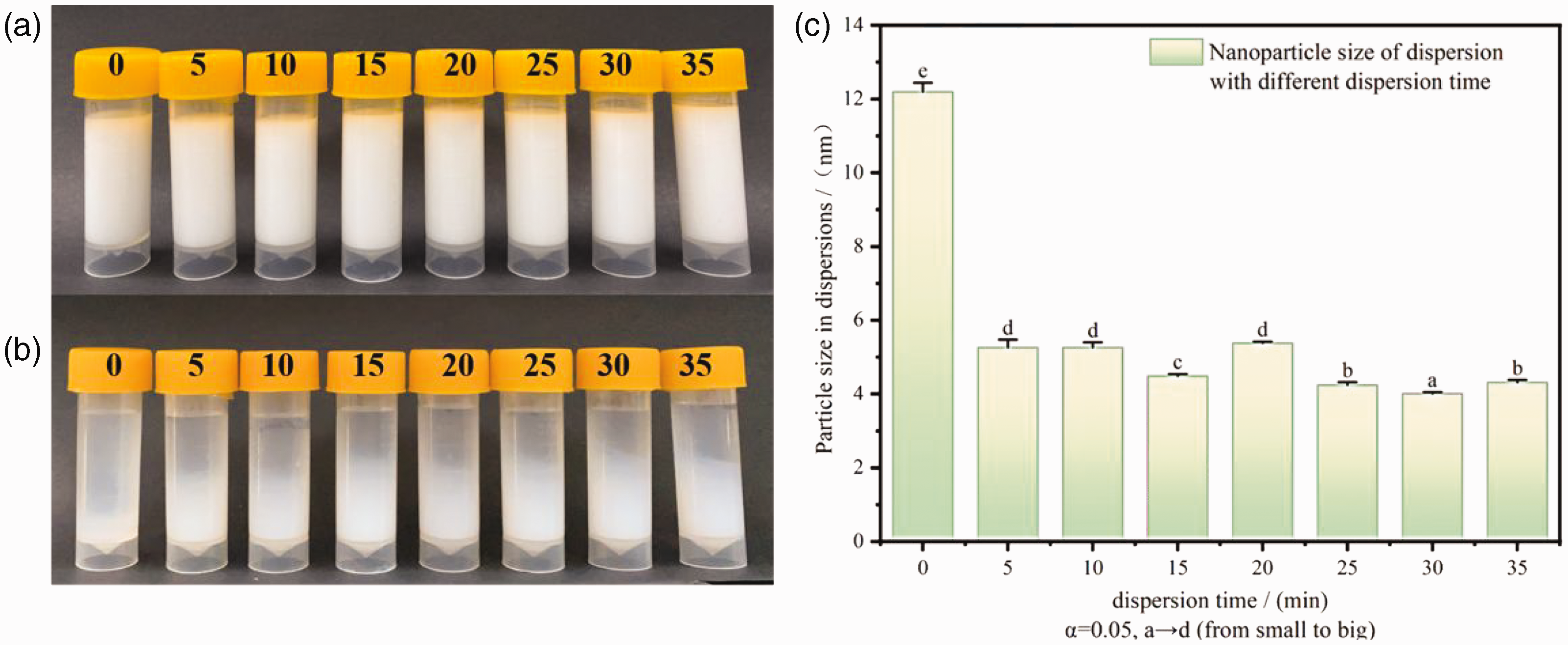
(a) Sedimentation diagram of different ultrasonic dispersion times with just ended with dispersion; (b) sedimentation diagram of different ultrasonic dispersion times with spacer between of 72 h and (c) nanoparticle size of dispersion with different ultrasonic dispersion times.
Effect of TiO2 concentration on the agglomeration of nanoparticles in dispersion solution
The concentrations of TiO2 were 1g/l, 2 g/l, 3g/l, 4 g/l, and 5 g/l, respectively. As illustrated in Figure 3, just after the end of the dispersion (Figure 3(a)), the precipitation of the samples exhibited a similar pattern, making it difficult to differentiate between them. After a period of 72 h (Figure 3(b)), dispersions with different TiO2 concentrations demonstrated significant differences. The dispersion with 1g/l TiO2 settled the most and the upper solution was clear. The sedimentation rate of the solution with 4–5 g/l TiO2 was similar. The sedimentation rate of the solution with 5 g/l TiO2 was slightly higher. The sedimentation stability of TiO2 appeared to decrease as the water content increased. 40 Meanwhile, a reduction in the diameter of dispersed nanoparticles resulted in a more stable dispersion of TiO2, as indicated by the DLS principle.32,41 DLS characterization results are depicted in Figure 3(c). The size of the measured nanoparticles in the dispersion decreased as the concentration of TiO2 increased. The nano size of the dispersion solution reached the smallest level and the solution was stabilized when the concentration of TiO2 was 4–5 g/l.
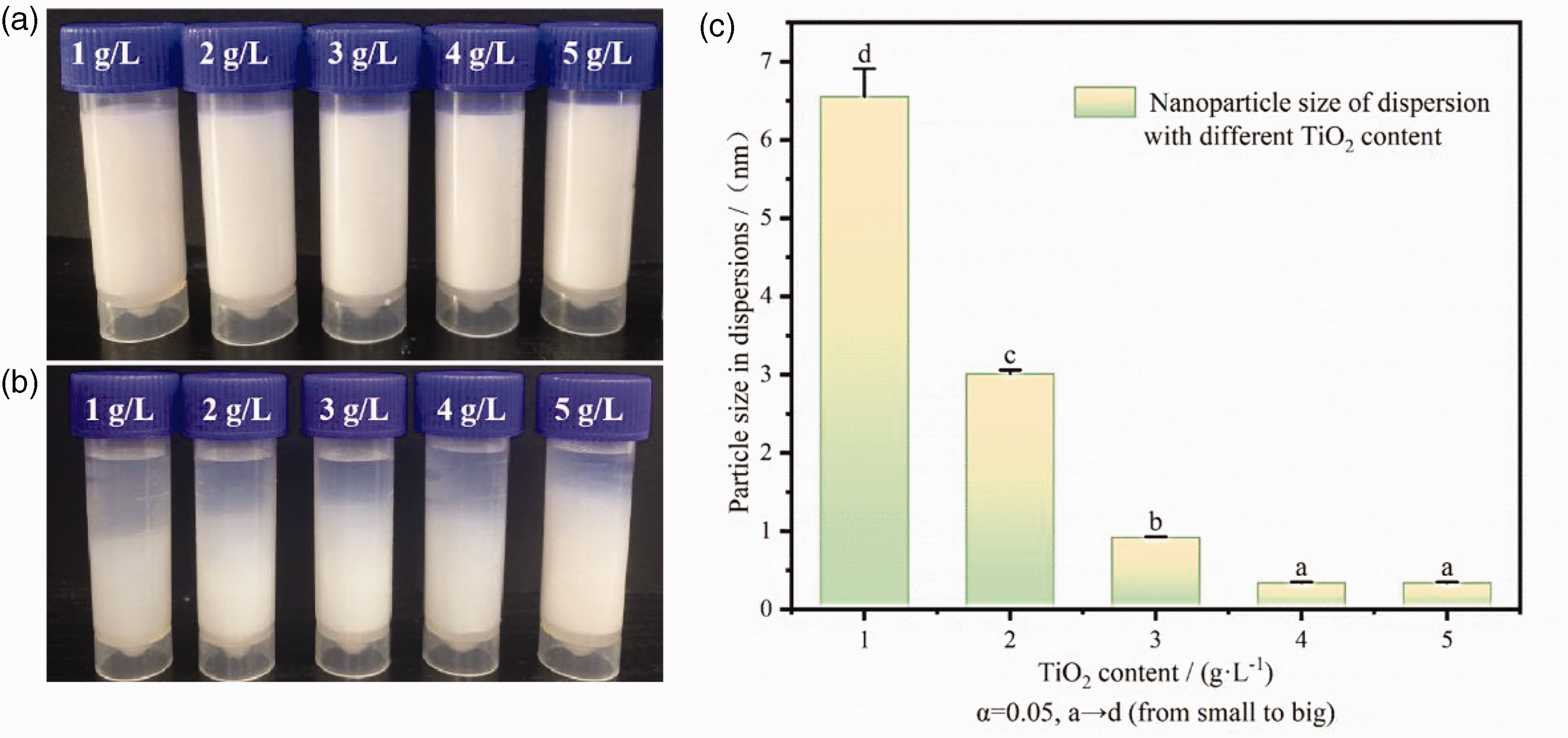
(a) Sedimentation diagram of titanium dioxide (TiO2) solution at the end of dispersion; (b) sedimentation diagram of different TiO2 solution with 72 h dispersion andz (c) nanoparticle size of TiO2 dispersion with different concentrations.
To provide a clearer understanding of the impact of TiO2 concentration on the hydrophilic modification of PET fabric, the static water contact angle was measured. As reflected in Figure 4, the hydrophilicity of PET fabric was obviously increased after TiO2 modification. The static water contact angle of the uncoated PET fabric was 106.6° and the TiO2-coated PET fabric was 80° in 0 s and below 30° in 60 s, indicating that the TiO2-coated fabric surface was a completely realized hydrophobic-to-hydrophilic transformation. In addition, there were many hydroxyl groups on the surface of TiO2. 42 The water molecule spontaneously adsorbed in the TiO2 with the oxygen defect and the Ti-O bond was in the middle of the water molecule to produce new hydroxyl groups. 43
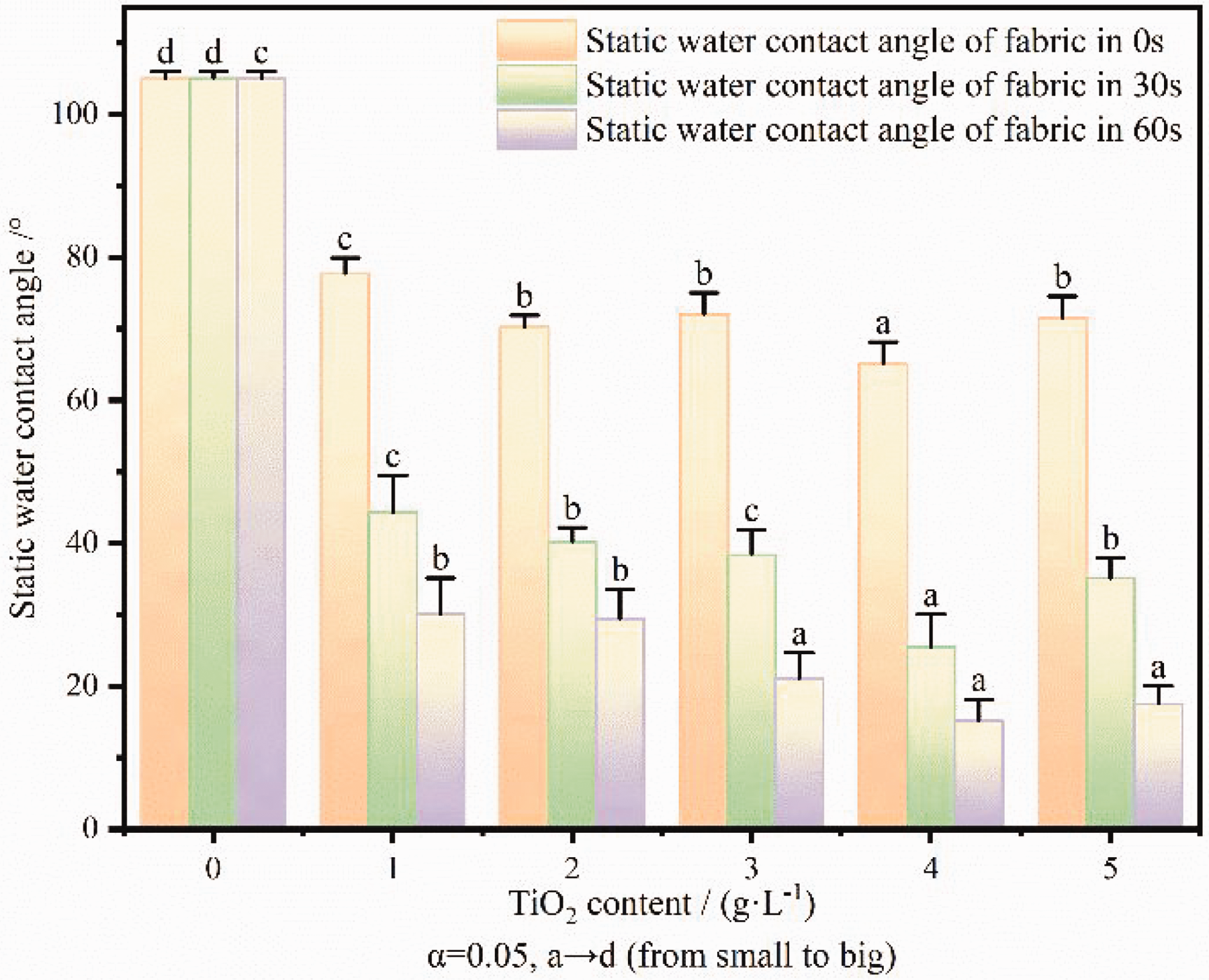
Static water contact angle of coated PET fiber with different concentrations of titanium dioxide (TiO2).
The observed increase in static water contact angle at a concentration of 5 g/l can be attributed to the agglomeration of nano-particles in the dispersion. This agglomeration leads to a reduction in the specific surface area and active sites of TiO2.44,45 Conversely, when the concentration of TiO2 was 4 g/l, the static water contact angle of the PET fabric reached its minimum value. Therefore, the optimal concentration of TiO2 for the modification of the coating was determined to be 4 g/l.
Effect of gelatin and TiO2 concentration on static water contact angle of PET fabric
Figure 5 illustrates the hydrophilicity of PET fabric coated with TiO2/gelatin. When the concentration of gelatin was 5 g/l and the TiO2 concentration was 4 g/l, the hydrophilicity of the modified PET fabric was significantly improved. The appropriate explanation is that the surface of TiO2 contained numerous active groups.30,42 The molecular side chain of gelatin had many functional groups such as the amino group and the hydroxyl group with strong reactivity. 34 Both of them have active groups, leading to an enhancement in the hydrophilicity of the modified fabric.
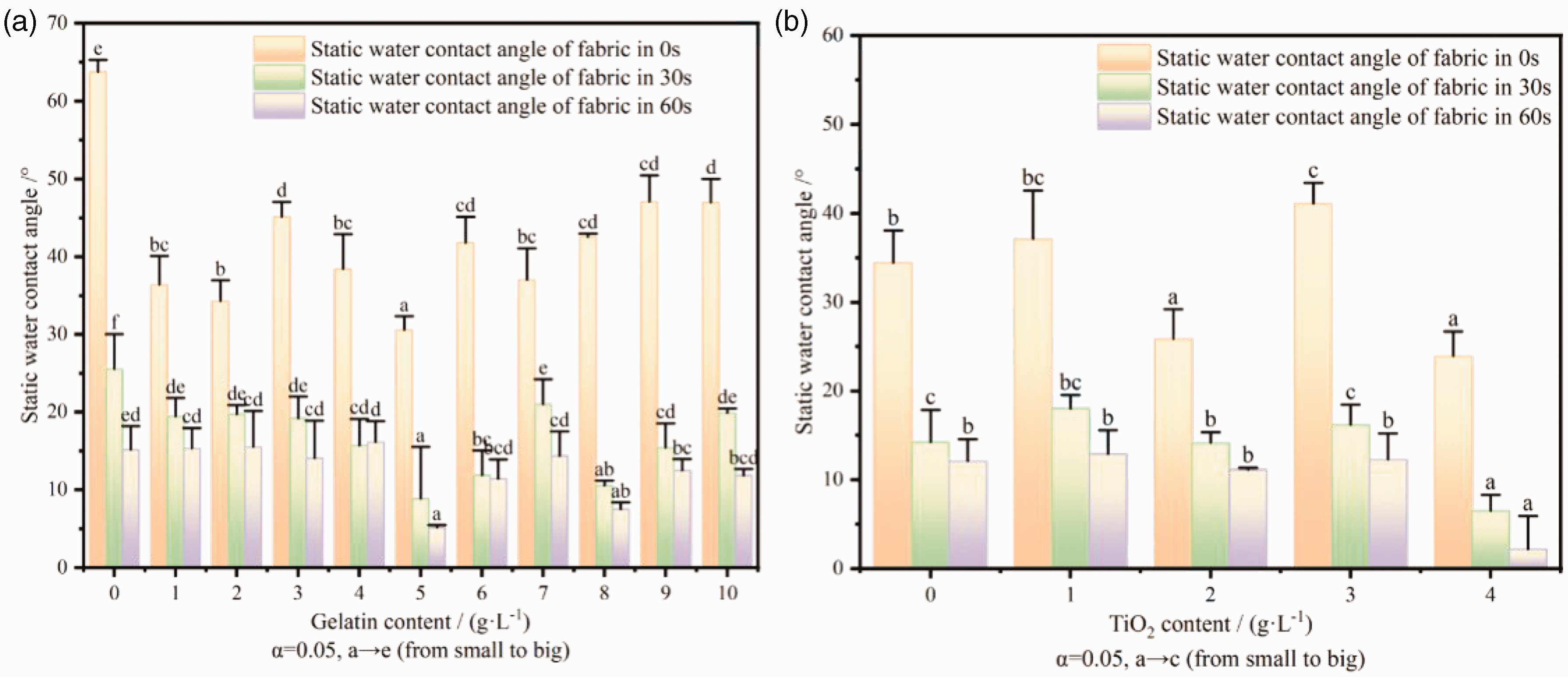
(a) Static water contact angle diagram of coated PET fabric with different concentration of gelatin (the same as titanium dioxide (TiO2) concentration of 4 g/l); (b) static water contact angle diagram of coated PET fiber with different concentration of TiO2 (the same as gelatin concentration of 5 g/l).
Effects of stepwise and synchronous methods on fabric hydrophilicity
As indicated in Table 1, the step-by-step method demonstrated a specific hydrophilic modification effect on the PET fabric. The fabric modified using the synchronous method exhibited a significant reduction in the static water contact angle (5.8° after 60 s). It has been demonstrated that the combination of TiO2 and gelatin can effectively enhance the hydrophilic modification properties of polyester through synergistic effects. The synchronous method enables the direct achievement of super-hydrophilic modification on PET fabric. Hence, the synchronous method was chosen to modify polyester fabric in this study.
Static water contact angle of fabrics modified by simultaneous and stepwise methods

SEM analysis of PET fabric
Figure 6 shows the microstructure of magnified fabrics. As revealed in Figure 6, the surface of the gelatin-coated fabric and the refined fabric had no differences. Compared with the refined fabrics, the TiO2-coated fabric was attached with nanoparticles and this made roughness on the surface. Figure 6(d) shows that a thin film-shaped material was formed on the fiber surface after the modification of TiO2/gelatin, and as well as this the film substance could be detected near TiO2 nanoparticles. However, the functionalization was not homogenous, because the coating was not covering the whole fibers (Figure 6(c) and (d))). In addition, the TiO2 and PET fabric were closely bonded by gelatin as a binder, and there were no obvious TiO2 particles on the surface of the fabric. This phenomenon may demonstrate that the triple helix structure of the dissolved gelatin could form a stable network structure with the hydroxyl group on the surface of TiO2 through hydrogen bonding.42,46 Moreover, a layer of glass state TiO2-gelatin adhesive coating was formed on the surface of PET fabric. 47
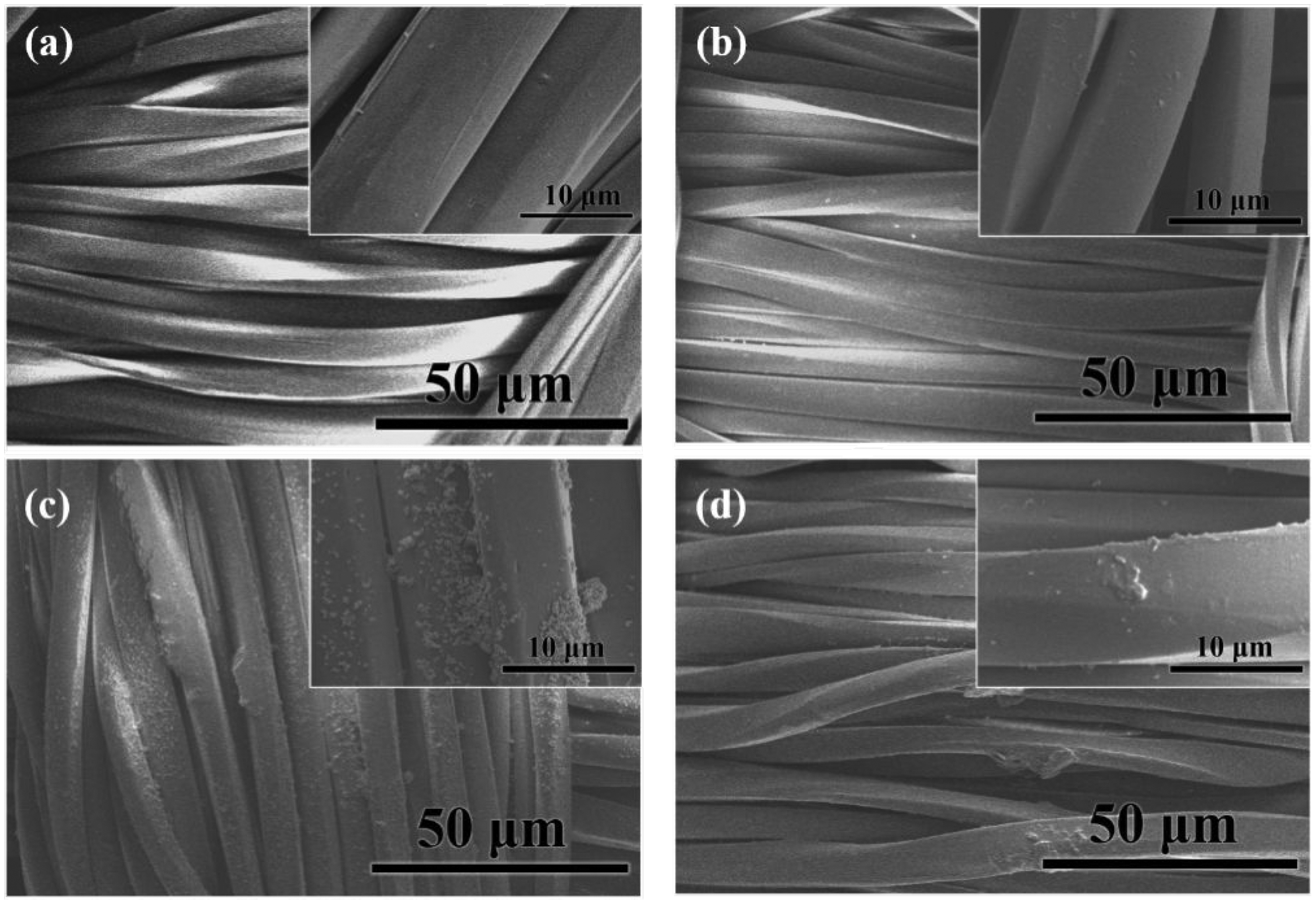
Scanning electron microscopy (SEM) images of (a) the uncoated PET fabric; (b) gelatin-coated PET fabric; (c) titanium dioxide (TiO2)-coated PET fabric; and (d) TiO2/gelatin compound-coated PET fabric.
In addition, SEM cross-sectional images of PET coated with TiO2/gelatin are presented in Figure 7. The SEM images show that the TiO2/gelatin-coated fabric had a relatively uniform distribution, and the surface was rough.
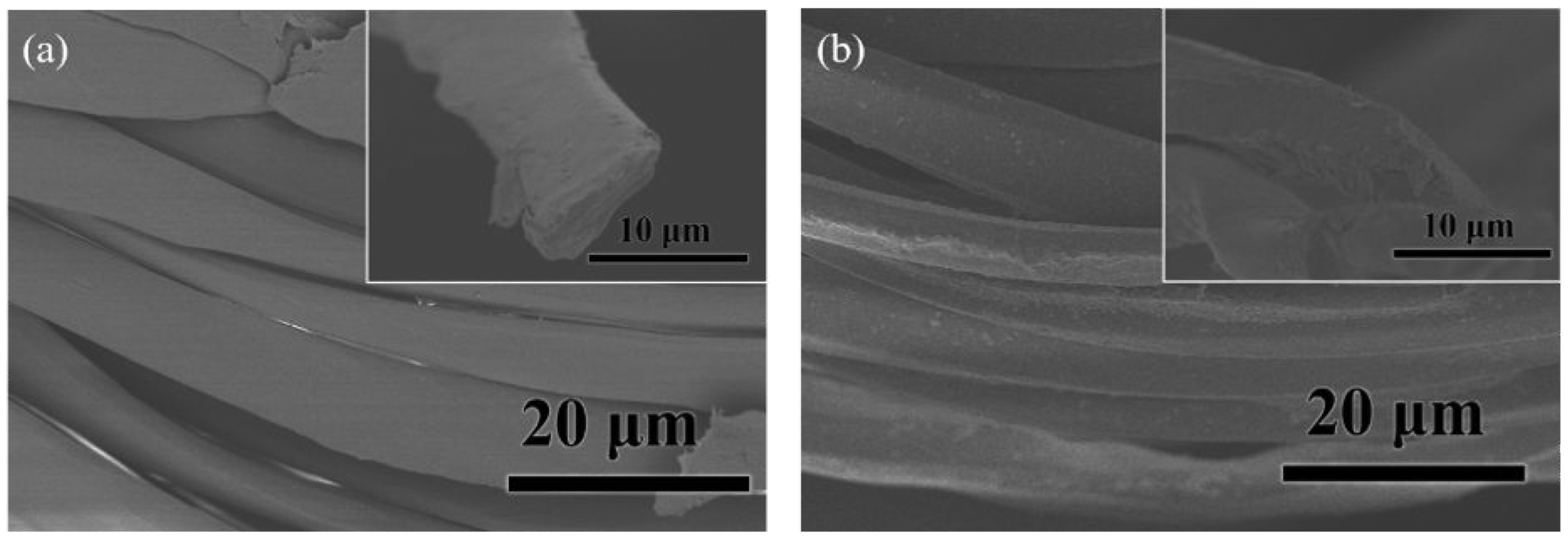
Scanning electron microscopy (SEM) cross-sectional images of (a) the uncoated PET fabric and (b) titanium dioxide (TiO2)/gelatin compound-coated PET fabric.
Energy dispersive spectroscopy analysis of PET fabric
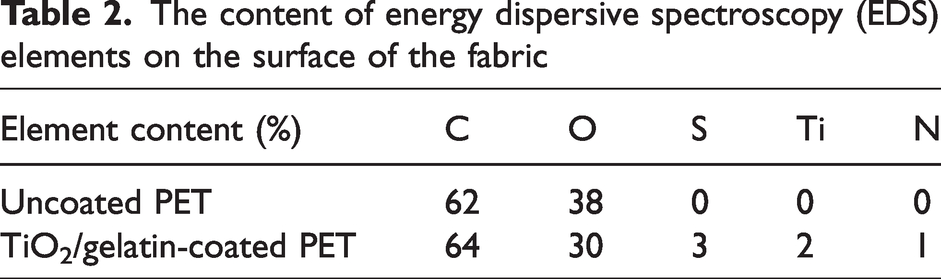
To further investigate the properties of the coating, energy dispersive spectroscopy (EDS) analysis was conducted on the surface of PET fabrics both before and after the modification with TiO2/gelatin. As listed in Table 2, the content of elements in the TiO2/gelatin-coated PET fabric included C, O, S, Ti, and N. Element contents were 64%, 30%, 3%, 2%, and 1%, respectively. 1 The elements of PET fabric contained only C, H, O, and the gelatin contained C, N, and S, respectively. 48 The Ti element is a constituent of TiO2. It has been demonstrated that a successful coating of TiO2 and gelatin was achieved on the surface of the PET fabric.
The content of energy dispersive spectroscopy (EDS) elements on the surface of the fabric
Static water contact angle analysis of PET fabric
Figure 8 shows that the water contact angle of TiO2/gelatin-coated PET fabric was reduced from 106.6° to 0° in 60 s, while the water contact angle of gelatin-coated PET fabric and TiO2-coated PET fabric was reduced to 24° and 14° in 60 s, respectively. The results verify that active groups were attached to the surface of the PET fabric. The TiO2/gelatin-coated PET fabrics exhibited super-hydrophilic properties.
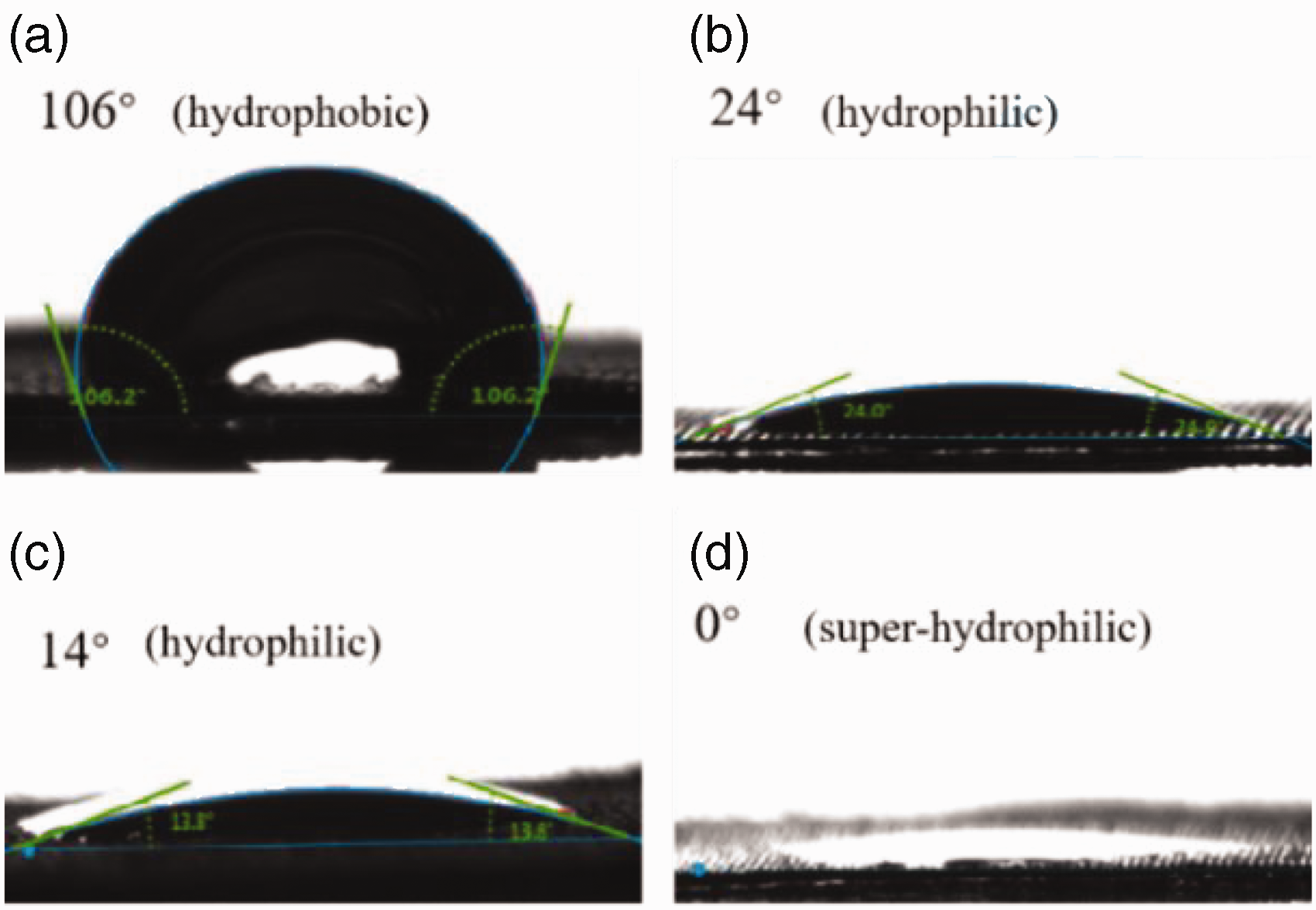
Static water contact angle of (a) uncoated PET fabric; (b) gelatin-coated PET fabric; (c) TiO2-coated fabric and (d) titanium dioxide (TiO2)/gelatin-coated PET fabric (the presented contact angle values are acquired after a 60-second interval).
FTIR analysis of PET fabric
FTIR spectroscopy was carried out to further investigate the chemical composition of the PET fabric before and after modification with TiO2 and gelatin. The typical infrared absorption peaks of gelatin film are amide I (amide I, C=O stretching, about 1620–1690 cm−1), amide II (amide II, N-H group coupled with C-N stretching, about 1540–1600 cm−1) and amide III (amide III, C-N and N-H stretching and glycine CH2 group vibration, about 1230–1340 cm−1) bands.49 –51 The typical infrared absorption peaks of TiO2 nanoparticles exhibited a broad band centered at 3375cm−1 associated with the stretching vibrational band of free OH axial stretching and hydrogen bonds.52,53 As shown in Figure 9, the absorption peaks at 1702 cm−1 in all spectra are mainly ascribed to the carbonyl group (C=O, amido-I band) on the molecular chain of gelatin and PET fabric. The characteristic peaks at 714 cm−1, 1095 cm−1, and 1240 cm−1 in all spectra are ascribed to the carbonyl benzene outside, C-O-C of PET fabric, respectively.54,55 The augmented peak intensity at 3375 cm−1 is potentially indicative of an escalated concentration of OH groups. The above peak intensities were enhanced after coating.52,53 As observed, the infrared spectra of the fabric before and after treatment were the same, no new chemical group appeared, and its molecular structure underwent no significant changes.
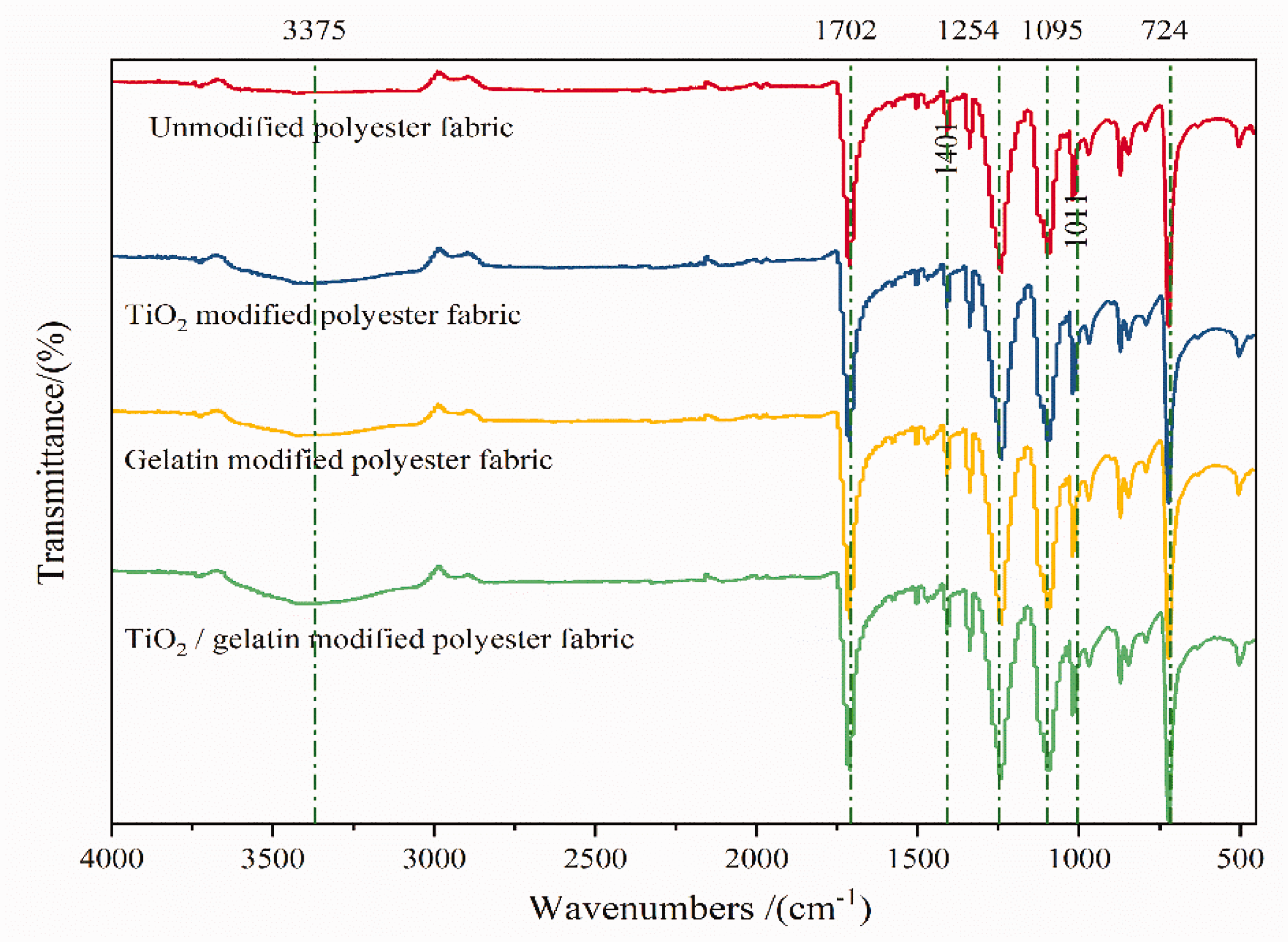
Fourier transform infrared spectra of PET fabric modified. TiO2: titanium dioxide.
Mechanical strength property analysis of PET fabric
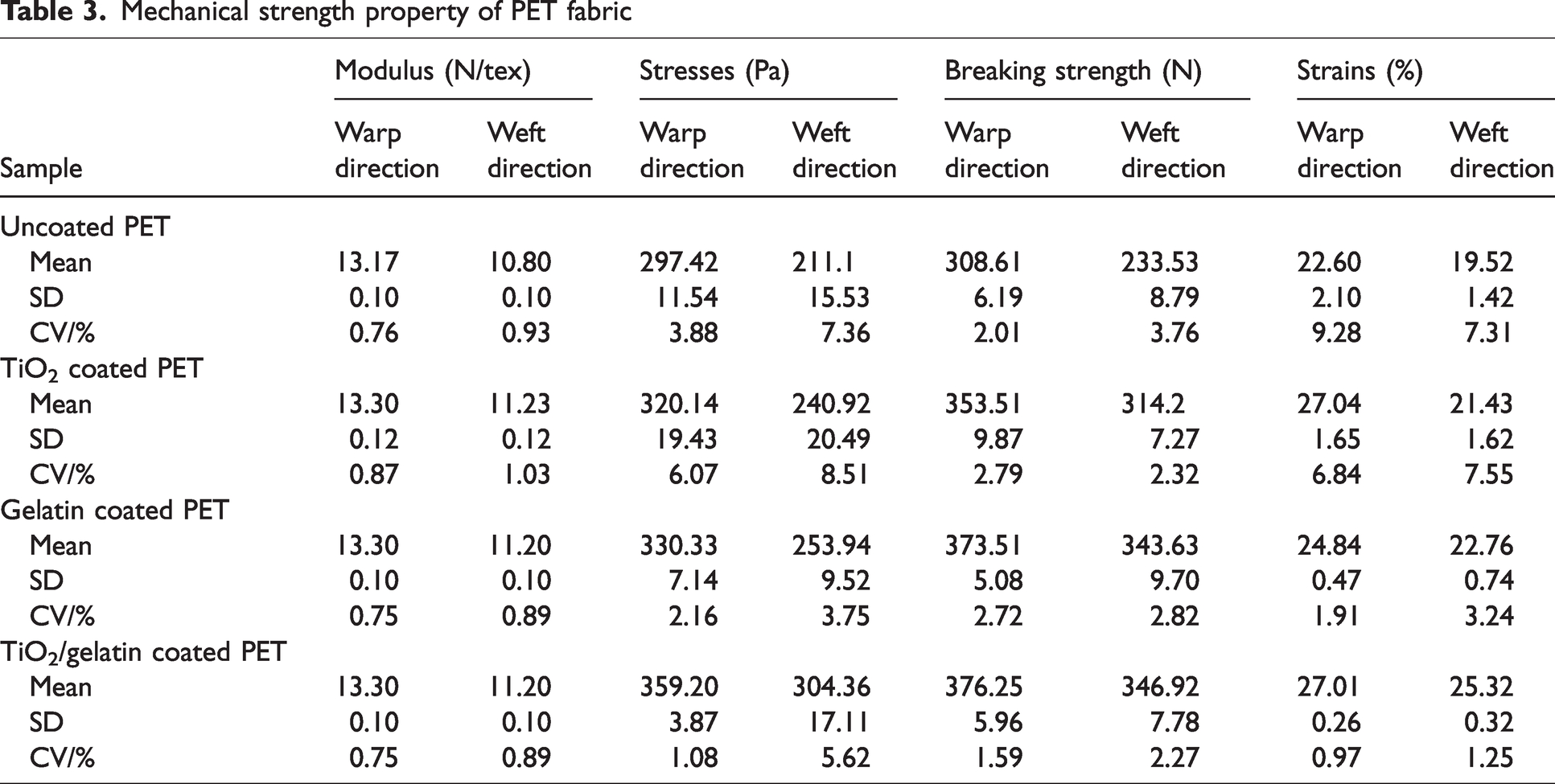
The coating can enhance fabric mechanical strength which plays an important role in the process of clothing. The mechanical strength property for the coated fabrics are listed in Figure 10 and Table 3. As noted from Table 3, the physical and mechanical properties of the TiO2/gelatin functional layer are superior to those obtained by other modified treatment methods. The results suggest that Na2CO3 was a micro-alkali, which slightly hydrolyzed the ester bonds on the surface of the fabric, so that the surface of the fabric has active groups. 56 Moreover, gelatin has active groups such as -COOH, -NH2, -OH, which can add more binding/fixing/regulating sites for TiO2. The sites are chemically linked to the OH and COOH on the surface of PET fabric, thus showing a certain performance improvement trend.28,38,42,43 In addition, the mechanical strength indices of both single modification and combined modification have been showing improvement. Among them, the modulus of single modified fabric and combined modified fabric were almost unchanged (Figure 10); but the stresses, strains, and breaking strength of single modified fabric were lower than those of combined modified fabric. This showed that the mechanical strength of combined modification was better.
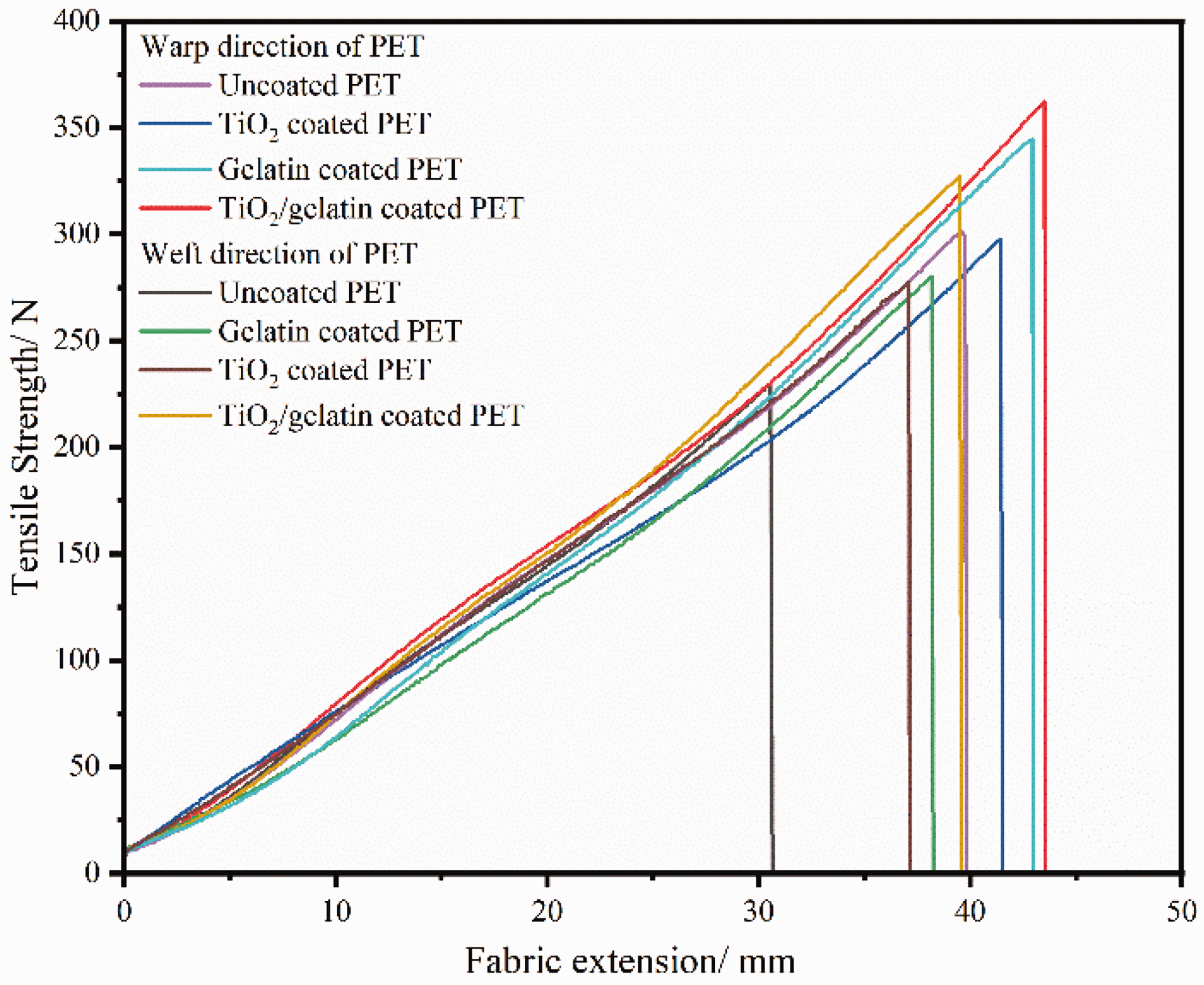
Stress strain curve of PET fabric modified. TiO2: titanium dioxide.
Mechanical strength property of PET fabric
Hydrophilic durability and stability analysis of PET fabric
Abrasion resistance stability
The friction resistance is an important index to measure the durability of the coating layer on the modified fabric. Figure 11 depicts the static water contact angle (at 60 s) of coated PET fabrics with different degrees of friction. After the fabrics underwent 240 friction tests, it was found that the static water contact angle of the TiO2/gelatin-coated fabric increased slightly. The fibers of the fabric also showed no breakage whatsoever as well.
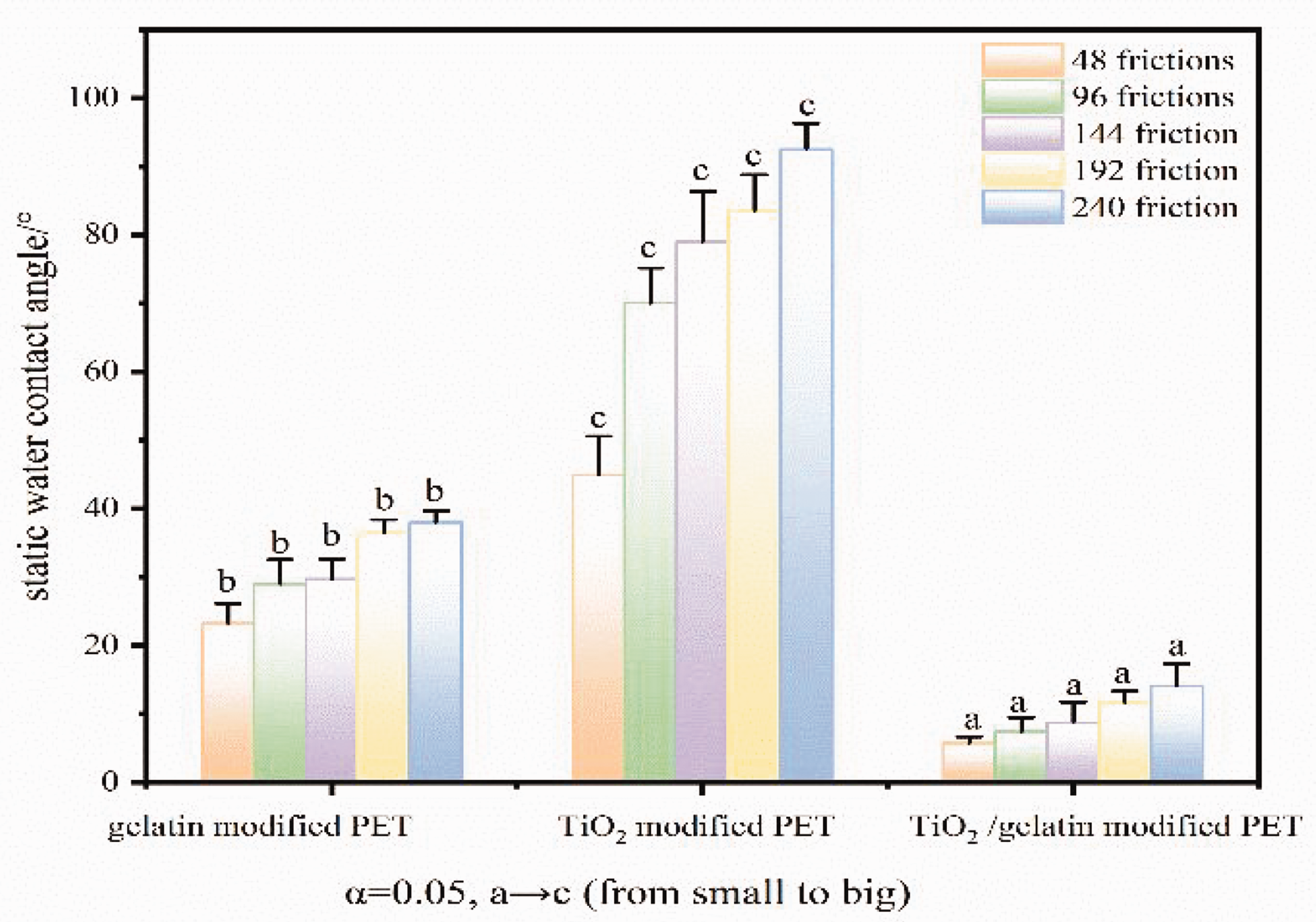
The static water contact angle of PET fabric with different degrees of friction.
Washing stability
As displayed in Table 4, the static water contact angle (at 60 s) of the coated fabrics rose obviously after the fabrics underwent five cycles of water-washing. This can be attributed to the solubility of gelatin in hot water, which results in the detachment of the coating layer in the washing solution. However, the coated PET fabrics still retained a certain degree of hydrophilicity. The above finding indicates that the TiO2/gelatin-coated fabric had a certain degree of water washing fastness.
The static water contact angle of PET fabric after washing

Air permeability analysis of PET fabric
Air permeability is directly correlated with the proportion of void space that is filled with air. A fabric having higher air resistance means that less air can flow through it. 57 As indicated in Table 5, the air permeability of the TiO2/gelatin-coated fabric was observed to decrease by 0.62 mm·s−1 in comparison to the uncoated PET fabric. This suggests a slight deterioration in air permeability. This may be due to the fact that the coating was thin and only formed on the surface. The inclusion of nanoparticles hinders the permeability of air through the pores of the fabric. Furthermore, the air permeability of the fabric coated with TiO2 was diminished due to the incorporation of TiO2 nanoparticles within the interstices of the fabric, thereby impeding the flow of air. The enhanced air permeability of gelatin-coated fabric can be attributed to the thinner thickness of the gelatin coating, which does not compromise the gaps in the fabric. Additionally, the coating serves to secure the position of the yarn and widen the gaps between them.
Air permeability of PET fabric

Wrinkle recovery angle analysis of PET fabrics
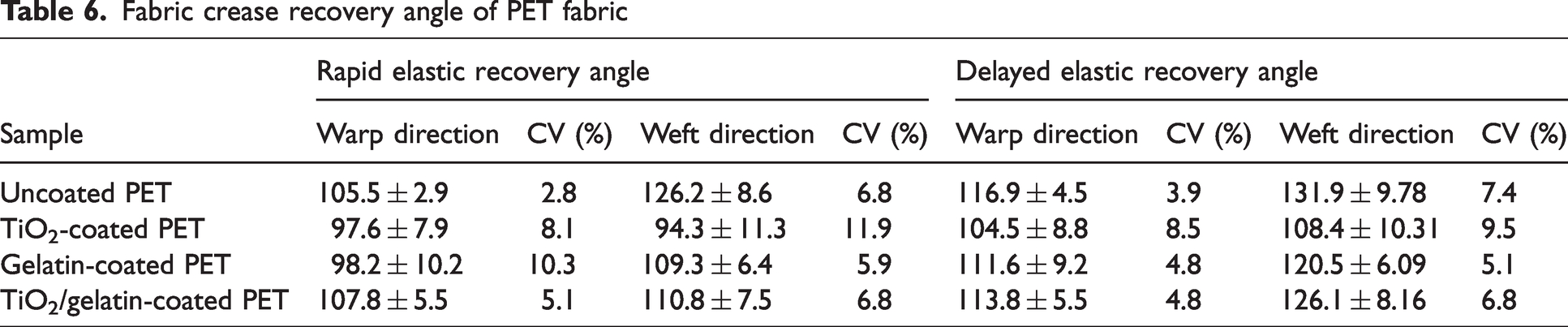
The wrinkle recovery performance refers to the ability of the fabric to restore its original state after removing the external force that causes the fabric to crease under certain conditions. As one of the important indexes to evaluate the wearability of fabrics, the wrinkle recovery of fabrics directly affects the wearability and aesthetics of fabrics. 58 The rapid and delayed elastic recovery angle was greater, and the wrinkle recovery performance was better. According to the data presented in Table 6, the angle of the TiO2/gelatin-coated fabrics was found to be lower than that of the uncoated fabrics, but higher than the angle observed for other coated fabrics. The utilization of gelatin in the fabric resulted in an increased number of TiO2 sites, facilitating the connection of active sites on the fabric's surface and enhancing the fabric's surface roughness. 59 Meanwhile, the coating on the surface of the fabric increased the tangential sliding resistance between the fabric fibers, and the fibers were less likely to move relative to each other; the coating fastens the fibers between the fabrics, increasing the stiffness of the fabric, and the frictional resistance between the fibers increases.60,61 The findings of the study revealed that the fabrics coated with TiO2/gelatin exhibited a favorable ability to recover from wrinkles.
Fabric crease recovery angle of PET fabric
Wicking height and moisture regain
As indicated in Table 7, the wicking height of TiO2/gelatin-modified PET fabric was significantly greater in comparison to the unmodified and one-component-modified PET fabric. This observation suggests that the wettability of the polyester fabric is noticeably enhanced following the TiO2/gelatin modification. Additionally, as can be observed from Table 7, the moisture regain of the modified fabric exhibits is increased. The moisture regain of the fabric refers to its capacity to absorb moisture from the air. 62 Moisture regain is primarily influenced by the presence of hydrophilic groups within the fabric. Combined with Figure 9, it is evident that with the coating of TiO2 and gelatin on the surface of the fabric, the active groups on the surface of the fabric become more abundant, so that the fabric can absorb more water, thereby improving the hydrophilicity.
Wicking height and moisture regain of PET fabric

Thermal stability and heat ageing analysis of PET fabrics
The thermal stabilities of uncoated PET fabric, as well as TiO2/gelatin-coated PET fabric, are depicted in Figure 12. Only one heating cycle for DSC was performed. The heat aging test indicated the melting temperatures of PET did not vary after being modified with TiO2/gelatin. The heat aging temperature and time influenced the sliding in the macromolecular chain segments of PET. After the complete volatilization, the macromolecular chain segment returned to the stable state. The findings are consistent with the research conducted by Manasoglu et al. 63 All samples exhibited a peak temperature near 254°C, indicating the melting temperature of PET fabrics.

Differential scanning calorimetry (DSC) plots of uncoated as well as titanium dioxide (TiO2)/gelatin-coated PET fabric, unaged and aged for (a) 12 h and (b) 24 h.
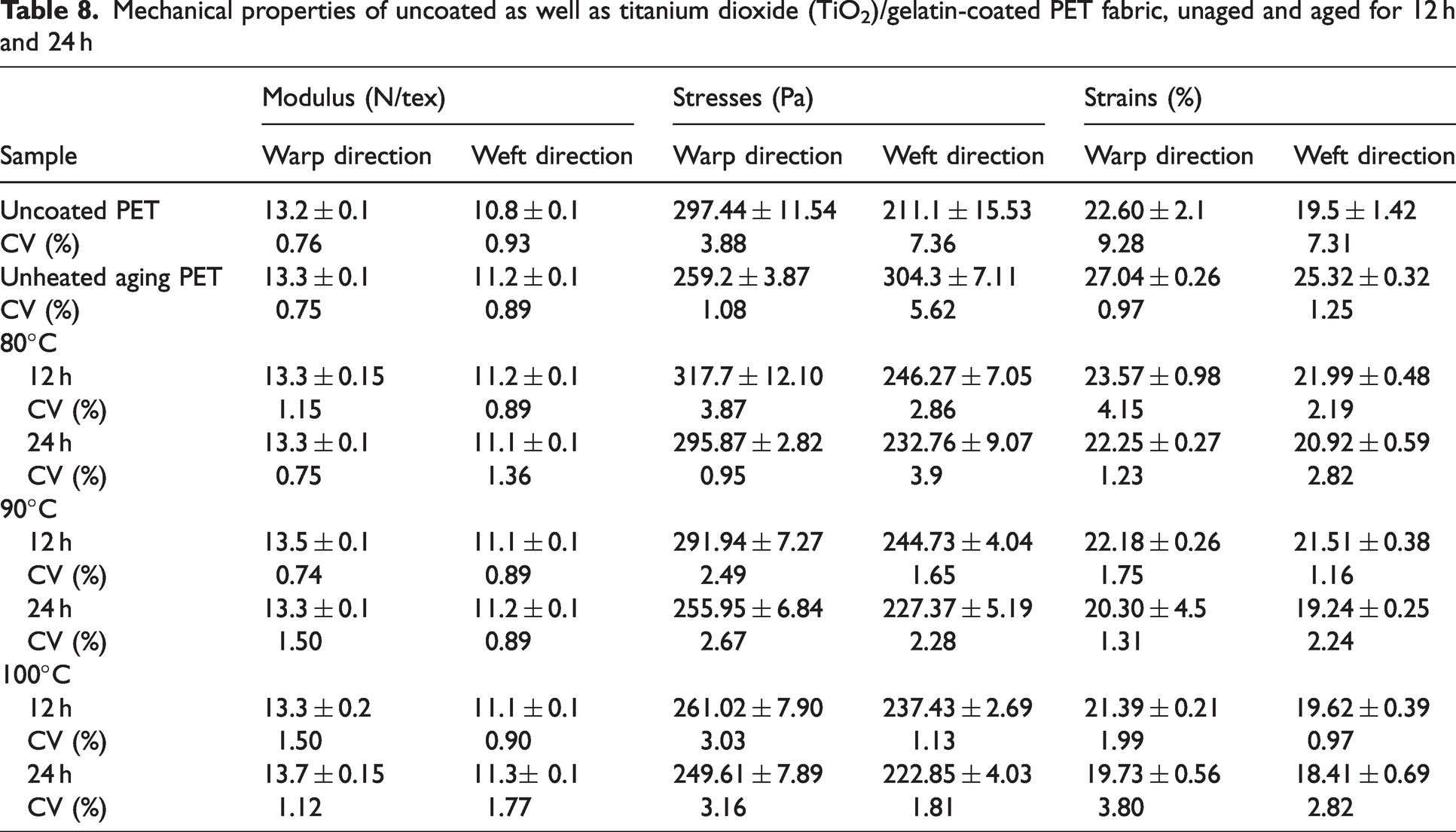
The mechanical strength of uncoated PET fabric as well as TiO2/gelatin-coated PET fabric was measured for both unaged and aged samples after 12 h and 24 h. The results are set out in Table 8. The modulus of TiO2/gelatin-modified fabrics with different aging temperatures and different aging times had a slight difference compared with that of uncoated and unaged fabrics. However, the tensile breaking strength as well as the elongation at break were lower than those of the unheated aging fabrics and higher than those of the uncoated fabrics. These changes resulted from the effect of the coating formed by the TiO2/gelatin on the surface and the heated movement of molecular chains.47,64
Mechanical properties of uncoated as well as titanium dioxide (TiO2)/gelatin-coated PET fabric, unaged and aged for 12 h and 24 h
Effect of storage time on hydrophilicity of coated PET fabric
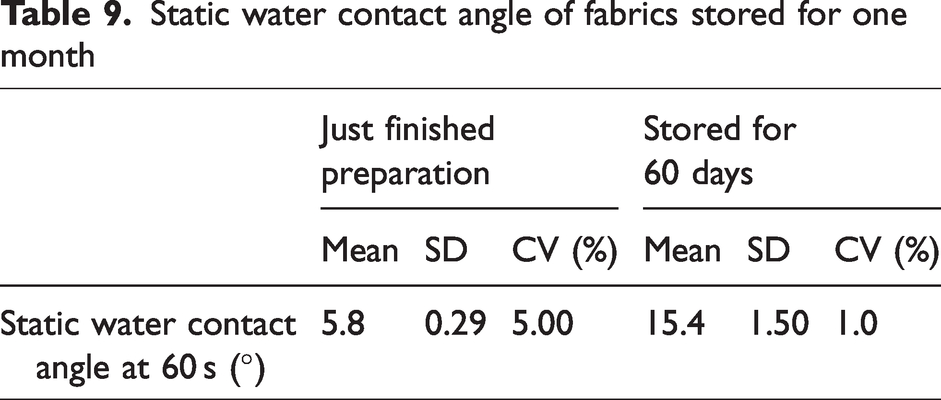
Fabric modified with TiO2 would become hydrophobic after one month in dark conditions. 24 The TiO2/gelatin-coated PET fabric was placed in a sealed bag and stored in an opaque box for one month. The hydrophilicity of the coated fabrics after prolonged storage is listed in Table 9. The coated fabrics retained good hydrophilicity after one-month storage. This is an advantage of the TiO2/gelatin-coated method.
Static water contact angle of fabrics stored for one month
Conclusion
In this study, the conventional coating impregnation method was used to prepare TiO2/gelatin-coated PET fabric with super-hydrophilic properties, and a thin layer of TiO2-gelatin film was deposited on the surface of the fabric. SEM and energy spectrum analyses confirmed that TiO2 as well as gelatin were successfully coated on the PET fabric. The contact angle of the TiO2/gelatin modified fabric prepared using the synchronous method was approximately 0° whereas the contact angle of the fabric prepared using the distribution method was around 19°. The static contact angle results show that the synchronous method was better than the step-by-step method. In addition, the modified fabrics in this study did not need to undergo UV irradiation to achieve super-hydrophilicity. They maintained excellent hydrophilicity even after one month of storage. On the other hand, the warp and weft breaking strength of the coated fabric increased by 21.91% and 48.55% respectively, and the elongation at break increased by 19.51% and 29.71% respectively. The air permeability of the coated fabric was 33.4 mm/s, with only a loss of 1.76%. The TiO2/gelatin-coated PET fabric possessed better air permeability and more excellent mechanical properties, as well as a certain degree of abrasion resistance and water resistance, making it suitable for use as a material for clothing.
Footnotes
Declaration of conflicting interests
The author(s) declare that they have no known competing financial interests or personal relationships that could have appeared to influence the work reported in this article.
Funding
The author(s) disclosed receipt of the following financial support for the research, authorship, and/or publication of this article: This work was supported by the National Key Research and Development Program of China (2019YFA0706900) and Jiangsu Provincial Policy Guidance Programme-International Cooperation Projects (BZ2020010).
