




Abstract
The extreme environment of winter sports significantly impacts the performance of athletes, leading to a need for clothing that meets composite functional requirements such as warmth, comfort, and protection to improve competition performance. Knitted fabrics for ice and snow sports with excellent heat and moisture performance were inspired by the water collection and transmission system used by the Moloch horridus. A bionic design model of multi-state fabric morphology was developed by using a topological derivation method and three-dimensional parametric surface modeling technology. The experimental results showed that the four single-sided three-dimensional fabrics have better moisture management characteristics and it is possible to achieve an excellent thermal insulation performance. The textile design application models based on this new design method can provide a feasible solution for developing high-performance textiles for winter sports.
Keywords
The performance of athletes in winter sports is significantly impacted by the extreme environment. As a result, composite functional requirements are necessary for clothing to improve competition results. Among them, the warmth retention of the fabric is the most basic and essential performance of clothing, so it is generally designed as a relatively thick laid-in stitch or terry structure. However, these structures often have problems such as being hot and humid or easy to snag, which is not satisfactory in the winter sportswear required. However, increasing the air layer by designing a quilted or double-sided structure to improve the warmth retention of the fabric requires more processes or higher knitting requirements. 1 There is a need effectively to overcome the heavy and low breathability problems of traditional thermal knitted fabrics and the complicated knitting process so that the fabric can improve the thermal performance but also has excellent moisture vapor transmission and stretch properties to be solved. Natural selection and a protracted evolutionary process have given organisms their extraordinary intellect and adaptability. Bionic design, the study of living beings’ behavior and phenomena help us think creatively about how to resolve difficult technological issues. Shao et al. 2 prepared a polar bear hair-like superhydrophobic fabric for air and underwater insulation by freezing and spinning with a superhydrophobic surface treatment. Liu et al. designed and prepared a bionic tree-like fabric with good moisture permeability based on Fan’s research, 1 which increased the warmth of the fabric after the fleece treatment. However, functional textiles mainly based on fiber screening and fabric finishing, have a single function and cannot meet the multifunctional requirements for sports integration.
Biomimetic design utilizes topology principles and methods to analyze and describe the characteristics and properties of morphological structures. 3 The integration of these two concepts provides innovative solutions to complex design and engineering problems. 4 Topology is a branch of mathematics that is concerned with the study of properties of spaces that are preserved from continuous transformations (such as stretching, twisting, and compression). It pays more attention to the nature of the spatial relationships rather than precise dimensions and angles. 5 Topology has been applied in the electric power industry, telecommunication technology, architectural science, product design, and other disciplines since one of its first applications for the solution of the Königsberg bridge problem. 6 For example, in terms of architectural design, represented by the works of Zaha Hadid, her special-shaped skin design is based on topology as theoretical support through twisting, folding, embedding, and other topological transformations. 7 In the case study of the Abu Dhabi Performing Arts Center, 8 the designer incorporated forms and structures found in nature to create an organic architectural skin design that is both aesthetically pleasing and highly functional. This approach successfully met the building’s interior space and function requirements while achieving a harmonious balance between form and function. Among them, module topology structure and topological node, as two critical concepts, constitute the basic theory and analysis method of architectural surface design and spatial structure. 9 In the design form, module topology refers to a system structure composed of multiple interconnected modules. These modules can be physical components, functional units, or other independent parts, and topological nodes described by the relative position, connection mode, and proximity between these modules, 10 as ring, tree, star, mesh, and hybrid structures.11 –13 In addition to topological node and module topology, the application of topology also includes topology analysis and topology optimization, which can be used to solve design optimization problems. Regarding mechanical design, Zhu et al. 14 studied the efficient load-bearing structure characteristics of the fish operculum bone and introduced the concept of structural bionics into the topology optimization design of the aircraft rudder structure. The results show that compared with the traditional design, the stiffness and strength of the optimized flight vehicle rudder are increased by more than 20%. Li et al. 15 proposed a multidisciplinary topology optimization method to make the reinforcement layout of plate/shell structures based on the observation of the natural morphology distribution of leaf veins, which saves calculation resources and improves the availability of design output.
In the field of clothing design, topology is mainly used in virtual clothing design and parametric design. For example, the generation of three-dimensional (3D) simulation virtual clothing relies on the method of geometric modeling, which is realized by changing the geometric topological structure on the surface of the 3D model. 16 In 2010, the autumn and winter show of Issey Miyake showed a geometric ready-to-wear collection inspired by Thurston’s topological model, and received extensive attention. 17 In addition, the Israeli designer Noa Raviv 18 inspired by digital painting, modeled the frill and folds through 3D software and generated a variety of motion changes through overlapping, arrangement, and other methods, thus forming a new form of visual effect and silhouette with interspersed and twisted folding space. Although the topological design of clothing structure has been applied in fashion design, it is mainly manifested in silhouette design, and the functional exploration of garments has yet to be involved.
This research aims to develop knitted fabrics for ice and snow sports with excellent thermal and moisture performance and special-shaped texture effects. The water transportation system of the Moloch horridus (Figure 1), an endemic species of Australia, was a source of bioinspiration.
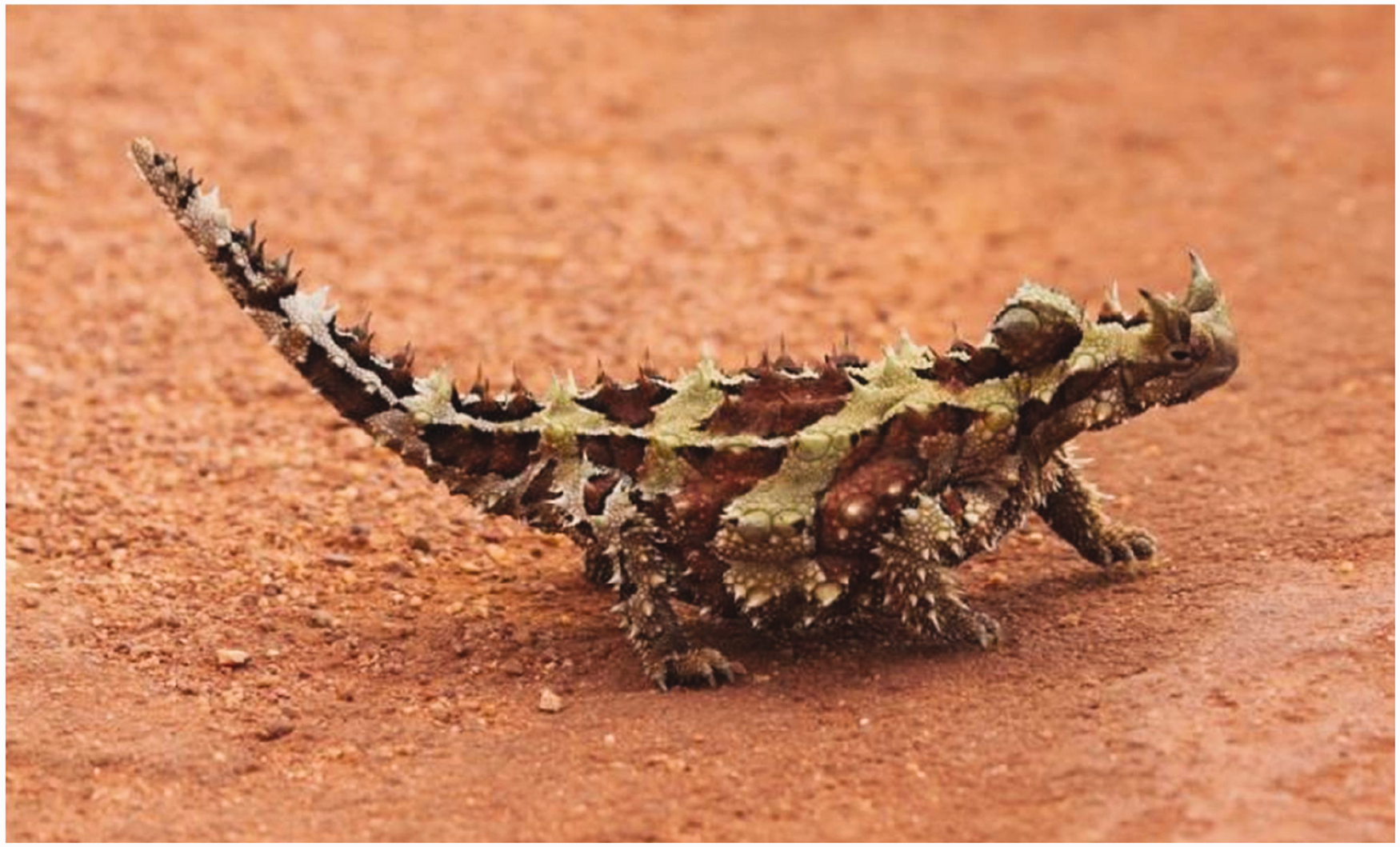
Moloch horridus. Image from Richard Fuller, marked with CC0 1.0. To view the terms, visit http://creativecommons.org/publicdomain/zero/1.0/?ref=openverse (accessed on 2 June 2023).
The epidermis of Moloch horridus exhibits capillary action that is well suited for the moisture permeability needed in knitted fabrics used for ice and snow sports. The hexagonal channel structure of the epidermis can be applied in the textile industry, and when combined with the air layer structure formed by seamless knitting technology, it enables moisture control and temperature regulation in the fabric. The features of its epidermis’ horizontal and vertical section structures were extracted, and the basic morphological design elements were obtained through the topological derivation method in this research. The Grasshopper plug-in, a program algorithm commonly used in architectural design, is used here to construct four mesh surface design models with complex curved surfaces and spatial forms. These models are combined with seamless knitting technology and four 3D bionic knitted fabrics with a simple knitting process, including the development of internal and external air channels. The biomimetic 3D fabrics have excellent warmth retention, dynamic liquid moisture management, and stable tensile properties. In addition, the morphology design of the functional fabrics has been improved, enhancing the aesthetics and visual impact.
Design
The fabric developed in this paper is specifically designed for winter ice and snow sports, which require higher humidity regulation and temperature control ability. The sports involve high oxygen consumption in cold environments, which increases body metabolism and physiological indexes such as heat production and sweating, especially with increased activity intensity. 19 When exercising in a cold environment, it is advisable to avoid excessive clothing as it can lead to overheating and accumulation of sweat on the skin’s surface – wetting with perspiration results in rapid heat loss on the skin’s surface by evaporation. Instead, fabrics that can regulate humidity and temperature can create a favorable microclimate by adjusting the temperature and moisture levels of the skin’s surface, thus enhancing clothing comfort and sports performance. 20
Design principle
This study focused on developing 3D knitted fabrics that can regulate human body temperature passively through sweat, which was carried out from the following aspects:
Selection of functional fibers and textile materials. Functional properties are produced by introducing them into the synthesis, processing, and application of fibers through physical or chemical means. These fibers have better moisture absorption, air permeability, elasticity, and other functions. Metallocene catalysts have been found to be effective in polymerizing new propylene copolymers that were previously difficult to polymerize with Ziegler–Natta catalysts.
21
The resulting metallocene-based polypropylene has a narrow relative molecular mass distribution, small crystallites, excellent impact strength and toughness, good transparency, good radiation resistance, excellent insulation properties, and compatibility with other resins.
22
Aquafil, an Italian manufacturer, uses the ultra-fine DRYARN fiber developed from Lyondell Basell Industries’ metallocene-based polypropylene Metocene resin. This fiber is environmentally friendly and the knitted fabric has a unique heat retention and ultra-high moisture transport properties, allowing it to absorb and conduct moisture on the skin surface quickly. This ensures that moisture is quickly spread to the surface layer of the knitted fabric and evaporated, keeping the wearer dry and comfortable. Formation of a microclimate environment on the skin surface. In this application, microclimate refers to the tiny space between the skin surface and the 3D knitted fabric, in which temperature and humidity are important factors affecting the wearer’s comfort.
23
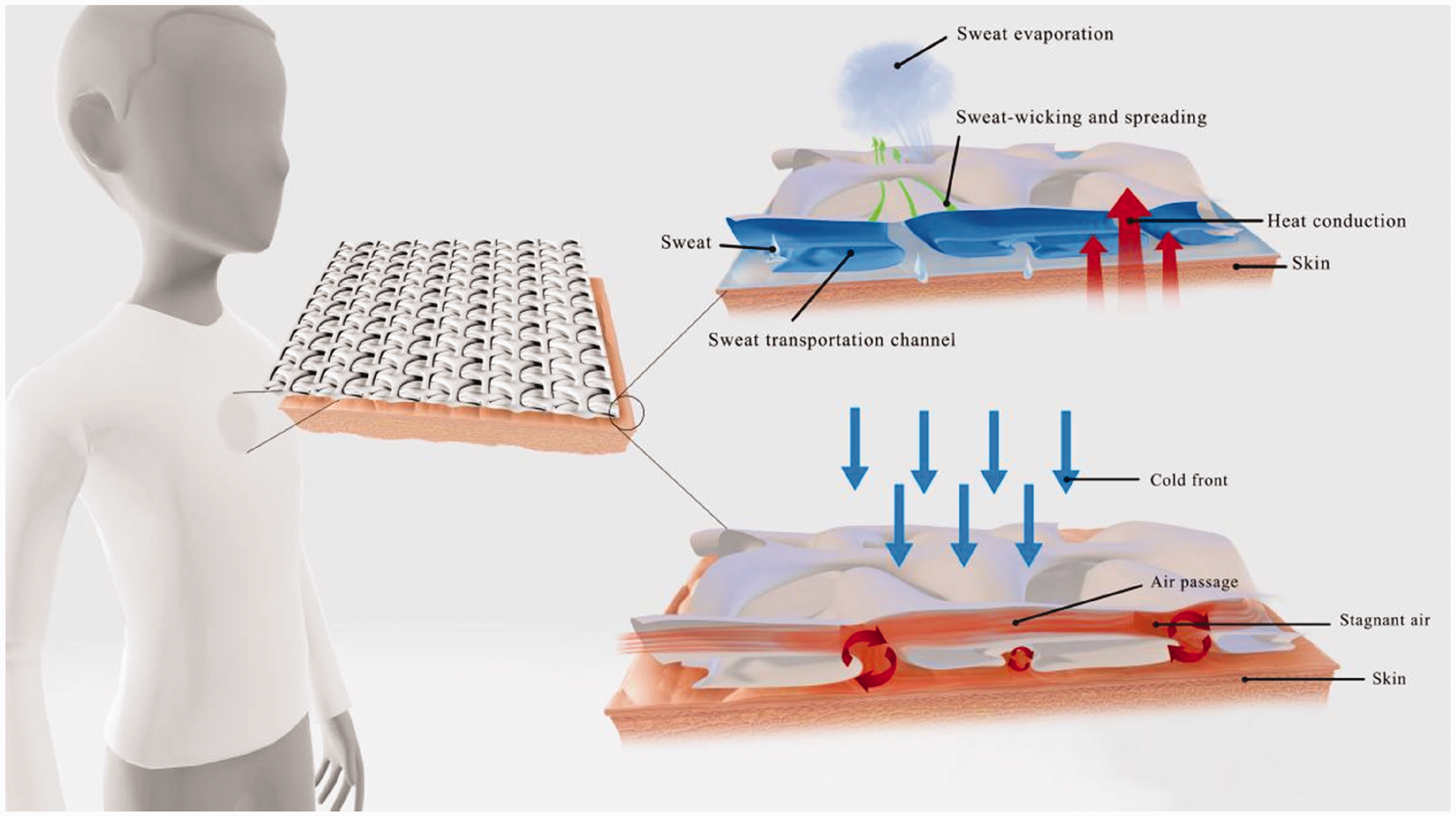
The fabric is locally stretched and pleated by a single-side jacquard to form a pleated air channel structure. This kind of structure includes the surface layer and the inner layer. The inner layer is in contact with the wearer’s skin, creating an internal air channel between the human body and the pleated sheet structure. The structure has grooves and external air channels on the side away from the human body due to the stretching of the surface and inner layer. Through the dual-channel 3D fabric structure, the evaporation area and the static air content in the inner layer are effectively increased, and the fabric’s moisture and temperature control ability is improved. During exercise, when the body temperature rises and sweating occurs, the inner layer absorbs sweat and transfers it to the surface layer for rapid evaporation. In addition, the internal air channels effectively control temperature by storing still air when the body feels cold. The type of structure regulates the temperature and humidity of the skin surface microenvironment to improve the wearer’s comfort. The heat and moisture transfer process in the body-fabric microenvironment and body-environment macroenvironment is shown in Figure 2.
Heat and moisture transfer process in the body-fabric microenvironment and body-environment macroenvironment. The array of fabric units. The fabric unit array plays a crucial role in the knitted fabric’s humidity and temperature control performance. The positioning of the temperature control units affects the distribution of sweat collection areas, impacting the efficiency of sweat transfer. The fabric’s dual-channel feature facilitates airflow along the axial direction of the human body, promoting the circulation of cold and hot air and enhancing the chimney effect of the garment.
24
This feature also helps to maintain better drying effects for the fabric’s inner and surface layers.
Objective
The nonsmooth surface morphology of many organisms in nature is a characteristic that has gradually evolved in response to complex and intense living environments. The body’s surface is essential in the energy cycle and possesses unique properties. 25 As desertification and extreme water scarcity become increasingly prevalent, some desert snakes, toads, arthropods, and mammals have developed their moisture transmission systems by utilizing their body surface structures to collect water, thereby overcoming survival challenges. 26 These systems help to regulate temperature and manage moisture levels through the organisms’ actions. In this research, Moloch horridus was selected to analyze its functional mechanism to adapt to the natural environment and the morphological and structural properties of its functional system according to the unique body morphology of the organism. On this basis, the form and generation mechanism of the bionic fabric were digitized to provide a reasonable basis for the structure of the design target. Combined with seamless knitting technology, form, and function are applied to the design and development of reasonable and diverse 3D knitted fabrics.
Function selection
Moloch horridus primarily inhabits the arid regions of Australia where water is scarce. The organism is covered with thorns of varying heights. It has a unique system for collecting and distributing water. Water is collected from air humidity, raindrops, or moist soil through its skin, which diffuses and immerses into the capillary system between skin scales and is finally delivered to the oral cavity to ensure survival. 27
Comanns et al. 28 studied the dynamic moisture transfer mechanism. The researchers dropped colored water droplets on the surface of the living lizard skin to determine the direction of water transfer. The liquid was observed to enter the skin quickly and spread to the skin surface in all directions from the application point. The skin surface of the spiny lizard has irregular hexagonal honeycomb structures, which enhance its hydrophilicity. The overlapping parts of the hexagonal scales form a semi-tubular skin channel system that promotes water adsorption and transportation, extending to the entire body surface of the lizard. 29 Meanwhile, the researchers used micro-computed tomography and scanning electron microscopy to investigate the capillary morphology of Moloch horridus exfoliated skin. Their findings revealed that the channels within the skin are layered, forming a large channel between the scales. This large channel is subdivided by protrusions into smaller sub-capillaries, creating a hierarchical structure. The large channel can quickly absorb water, while the sub-capillary structure can extend the delivery distance by approximately 39%. This structure, shown in Figure 3(b), can potentially reduce the amount of water that the lizard requires for drinking.
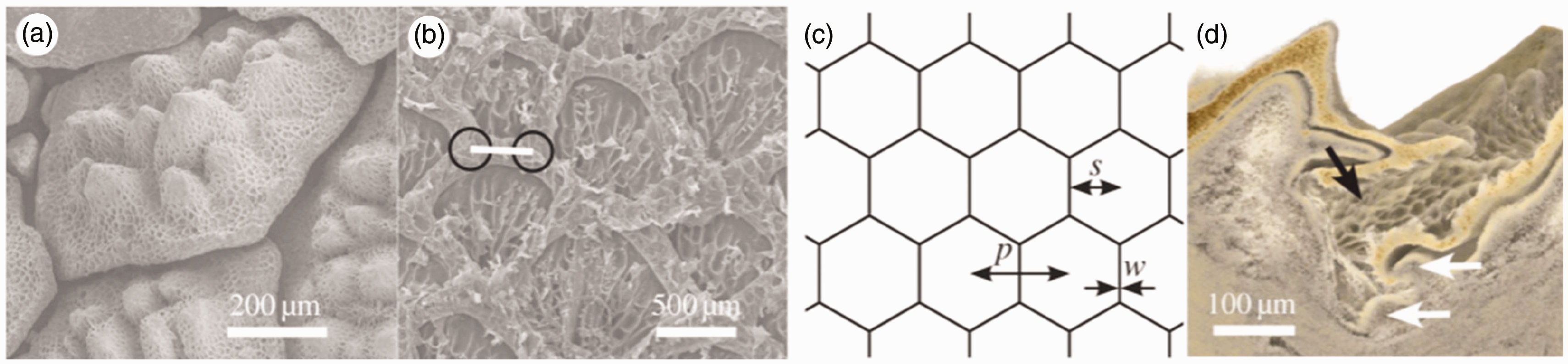
Scanning electron microscope imaging of epidermal overlapping scale morphology of Moloch horridus (a); ventral exuviae’s interior side and distance between nodes of Moloch horridus (b); schematic diagram of the hexagonal capillary network structure simplified and with values for modeling (c); skin cross-section by µCT imaging, capillary channel (black arrow) and protrusions (white arrow) (d). Images adapted from Comanns et al. (2017). 28 Distributed under Creative Commons Attribution-based licence (CCBY 4.0).
Construction of bionic design model
Topological node displacement of hexagonal structure
This research focused on the morphological bionic design and specifically on the capillary lattice structure of Moloch horridus’ exfoliated skin. The hexagonal capillary lattice structure was extracted, and the intersection points between capillaries were used as mapping elements. The hexagonal structure was then subjected to changes in its topological nodes using tree topology, star topology, and hybrid topology. The initial structure was further enhanced by designing each hexagon vertex with containment, divergence, and multi-angle radiation relationship nodes. Take the star topology as an example. It is a divergent structure with a central node as the core, radiating to the surroundings, and connecting to multiple nodes. This creates a single logical and multi-angle divergent hierarchical relationship. The star topology is commonly used in design to represent the relationship between the center and the periphery, highlighting the significance of the central node. (Among the next four representative graphic diagrams selected, the first graphic diagram in the second row is based on the star topology). Through 40 sets of regular hexagonal node replacement and intersection experiments, 40 hexagonal geometries were obtained. The geometric shapes were imported into the Diagraph 3 Plus programming window during the pre-experiment preparation process and then knitted on the machine. However, certain issues, such as the angle of deformation and length of the lines in the geometric shapes resulted in some needle positions failing to form floating threads after the loop was not knitted and cannot form a 3D knitted fabric to create a relatively regular air layer with the surface of the human skin. After careful consideration, four variations with symmetric and proportionate geometric patterns were selected to maintain both the functionality and aesthetic appeal of the fabric, as shown in Figure 4.
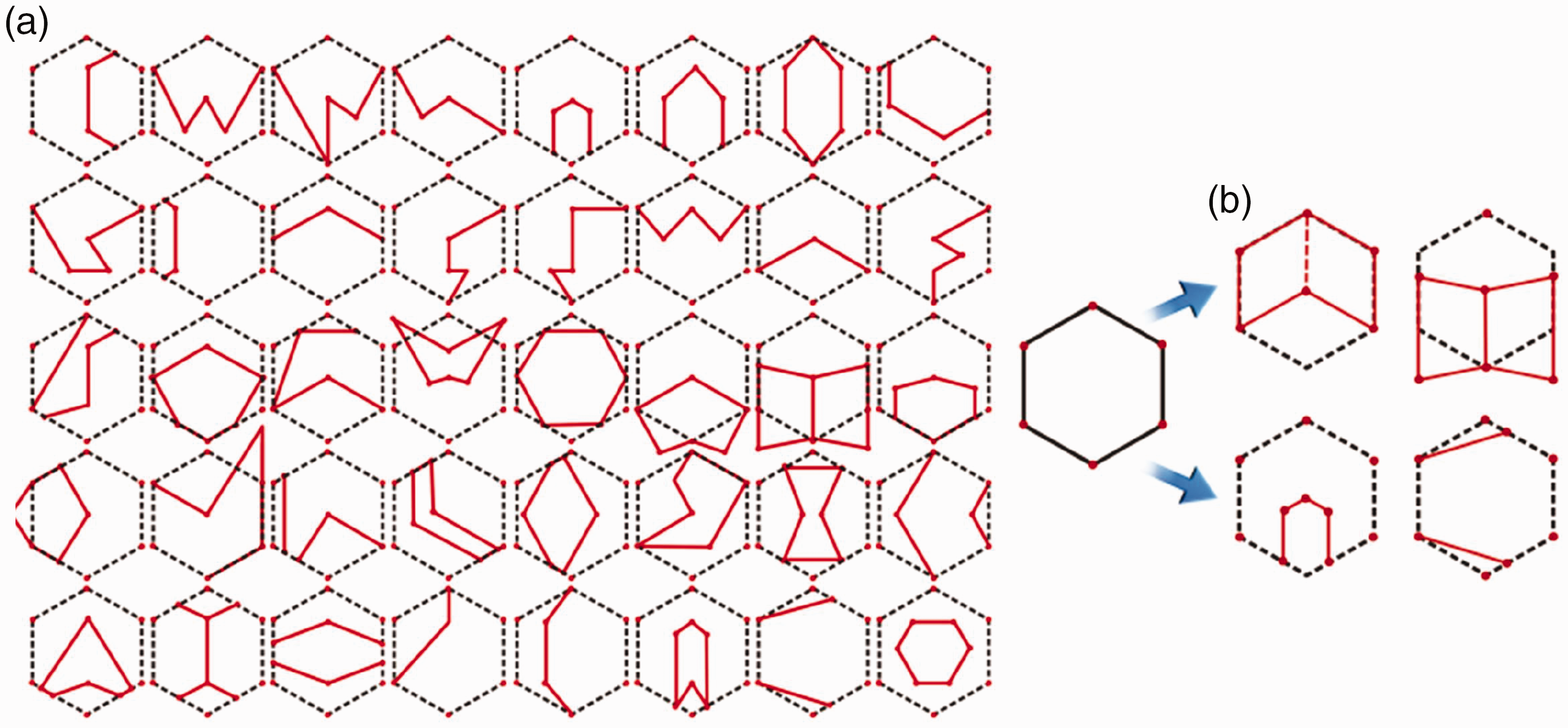
Schematic diagram of hexagonal topology node replacement. Forty previous attempts (a), and the four combinations finally selected (b).
Unit-design model construction
The construction process of the four types of bionic design models is logically consistent. For instance, the first graphic diagram’s construction process involves creating a hexagonal geometry that was replaced by topology nodes to serve as the basis of space generation. The ‘surface’ component is connected to the ‘parameter in the surface isocurve’ component, which generated isoparametric lines on the parametric surface to control the shape and segmentation of the generated surface. The grid surface was divided into four grids distributed diagonally in a checkerboard distribution using the ‘checkerboard’. The ‘dispatch’ component grouped the obtained checkerboard node information into forward and mirror groups, and the items in the data stream were distributed to two different output branches. The network parameter information was extracted using ‘control points’, which were used as key points for space generation. The loose offset curve was generated for subsequent mesh construction using the ‘offset curve loose’ component. The ‘parameter loft mesh’ command connects parameter meshes of different shapes to create a continuous surface, and the interpolation method between these meshes generated the intermediate surface. The ‘subd’ command was used to convert the polygonal solid mesh into a surface with higher detail and smoothness, and the resulting monomer model was exported and further edited and optimized in Rhino, as shown in Figure 5. The irregular grid topology design was inspired by the organisms’ unique organizational structure and internal space form, which we imitated. The morphological extraction of the Moloch horridus epidermis section groove structure has generated a certain amount of randomness. The design process primarily focused on shape analogy to increase the design form’s interest and sense of composition and find a balance between the modeling and the practical function. Therefore, the imitation result usually has the morphological characteristics of heteromorphic organisms, as shown in Figure 6.
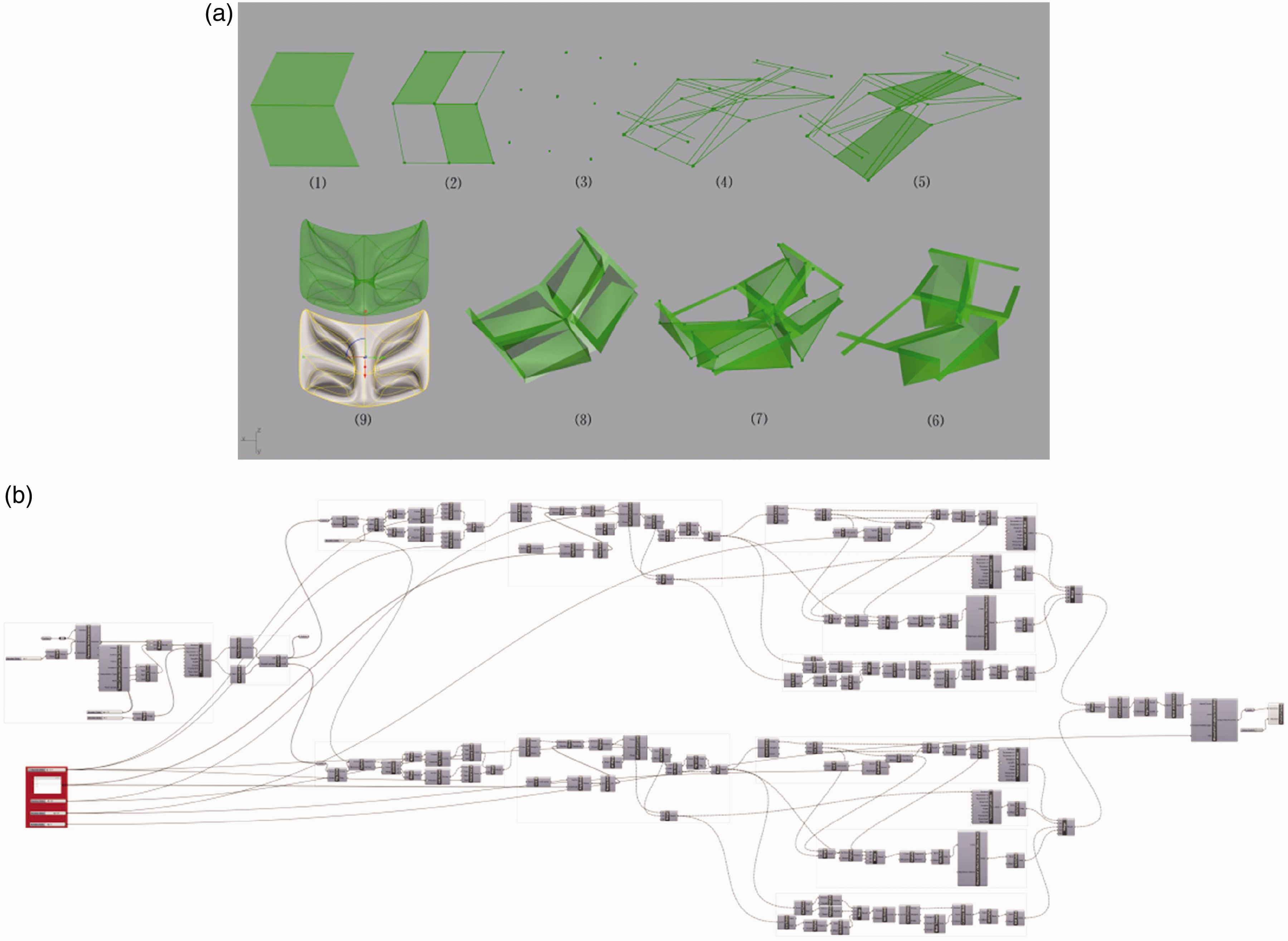
Diagram of unit model construction (a), and unit modeling process in Grasshopper (b).

Unit models of fabric bionic design (surface, back face and cross-section).
Construction of 3D knitted fabric shape bionic design model
The bionic single-design model was imported into Rhino, and Grasshopper was introduced through the ‘brep’ component. Then, the ‘end points’ component was used to extract the starting point and end point of the line segment, and the coordinates of the endpoint of the line segment are quickly obtained in the parametric design to control the position of other unit modules. The ‘vector 2pt’ component was used to create a vector based on the coordinates of the line segment’s endpoints, which helped create an array, process, and control the relationship between the module structures. The ‘linear array’ component was used to create a linear array of the monomer model along the specified direction, and a regular arrangement and repeated geometric structure were generated on a straight line according to the specified distance and number. Next, the ‘weaverbird’s join meshes and weld’ is used to connect multiple single models to the input end of the ‘join meshes’ component and connect them into a whole mesh to create a continuous and optimized grid model; the mesh model was connected to the ‘M’ input end of the ‘weld mesh’ component. The step was to merge vertices based on the angle between adjacent vertices of the single model. It used an angle threshold (A) to determine which vertices should be considered duplicates and welded together. Similarly, the mesh weld vertices’s component is used to optimize the mesh structure by merging the vertices with closer distances, and the distance threshold (T) was used to determine which vertices should be considered as duplicate vertices and welded together. The two components can be used in combination to help simplify the topology of the model and improve the calculation and rendering speed to achieve the best optimization effect. We used ‘weaverbird’s catmull-clark subdivision’ component recursively to subdivide and smooth the original mesh to generate complex and high-quality surfaces, the numerical slider was used to adjust the array parameters. Finally, the created mesh structure can be extracted and further edited and optimized in Rhino, as shown in Figure 7.
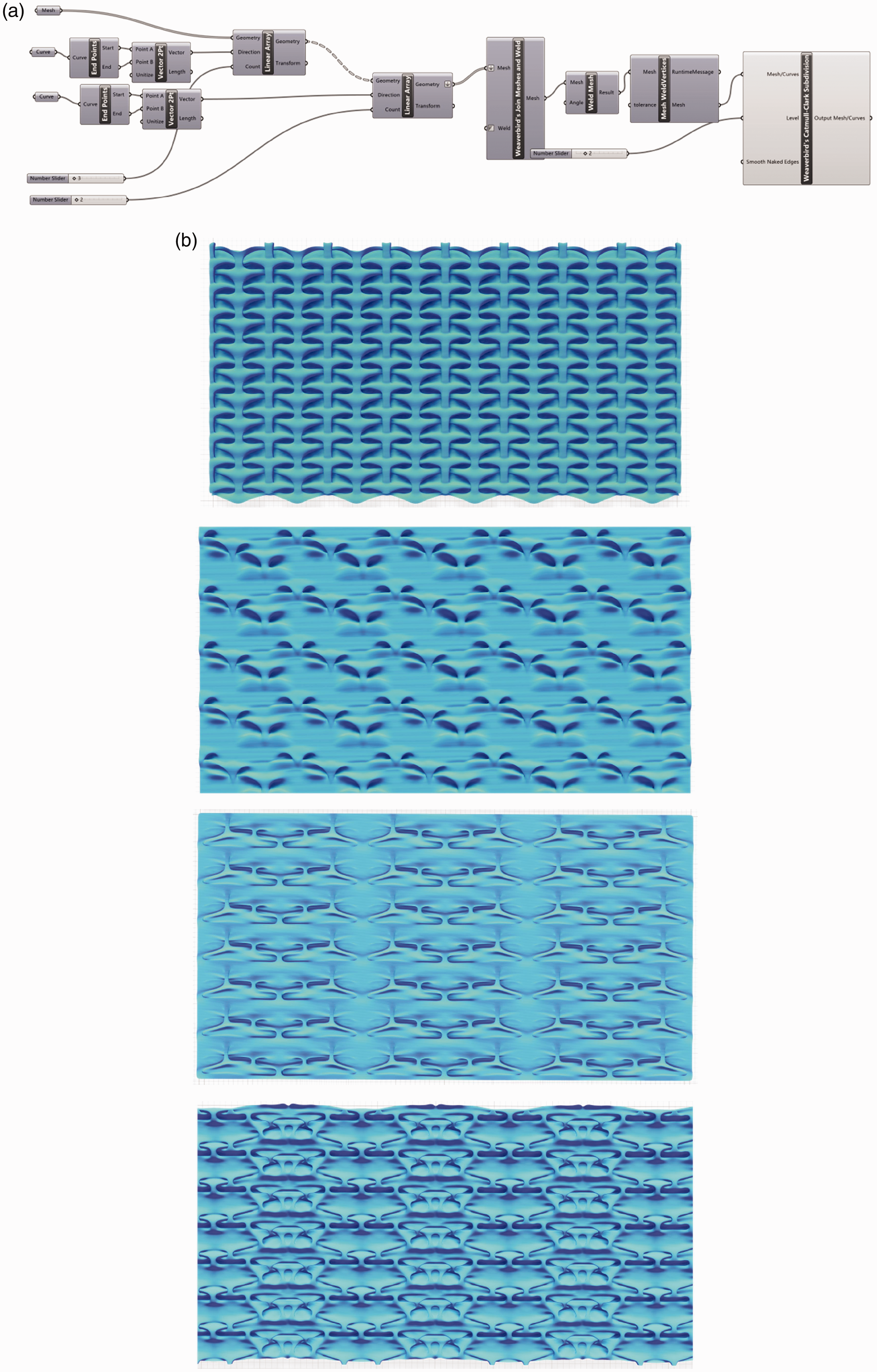
(a) Grasshopper-based programmatic modeling process and (b) four different fabric design models.
Development and performance testing of bionic fabrics
Materials
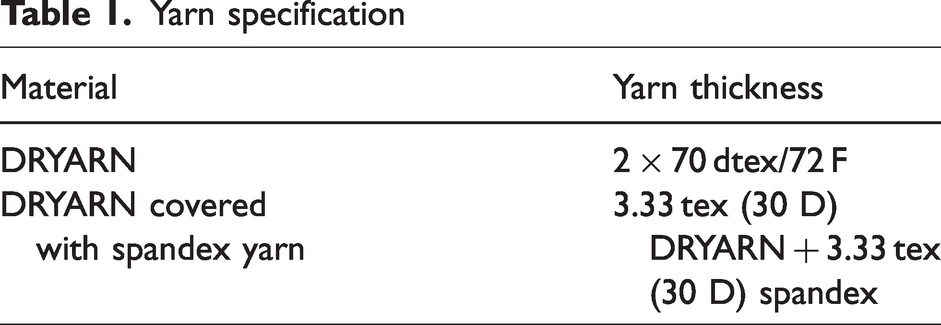
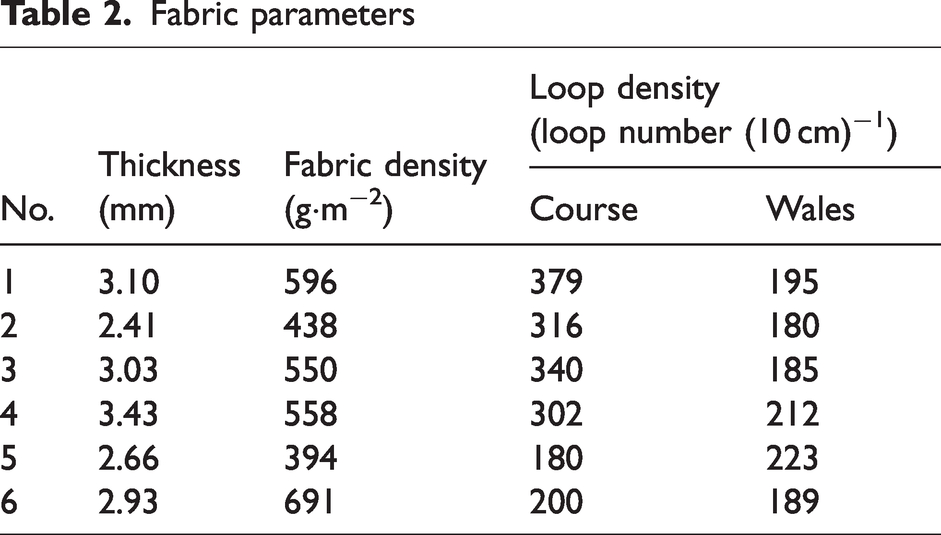
In this paper, DRYARN yarn and DRYARN covered with spandex were chosen as research and development materials based on previous fabric sample preparation and performance test results. 30 Test knitting was conducted by a Santoni Top2 Fast single side electronic jacquard circular knitting machine with parameters of 8 F knitting system with 1488 needles and 381 mm cylinder diameter, as shown in Figure 8. The yarn specifications and fabric parameters of the fabric can be found in Tables 1 and 2, and the morphology of the fabric is illustrated in Figure 9. The yarn threading method involved using 2X70 dtex/72 F DRYARN yarn for the face yarn and 30 dtex DRYARN yarn covered with 30 dtex spandex for the base yarn. The face yarn was fed into the no. 5 knitting feeder to form the fabric surface layer, while the base yarn formed the inner layer of the fabric through the no. 2 knitting feeder. To validate the rationality of the four developed fabrics, we conducted a comparison of fabric performance using two commonly used 3D single-sided jacquard fabrics, namely no. 5 and no. 6.
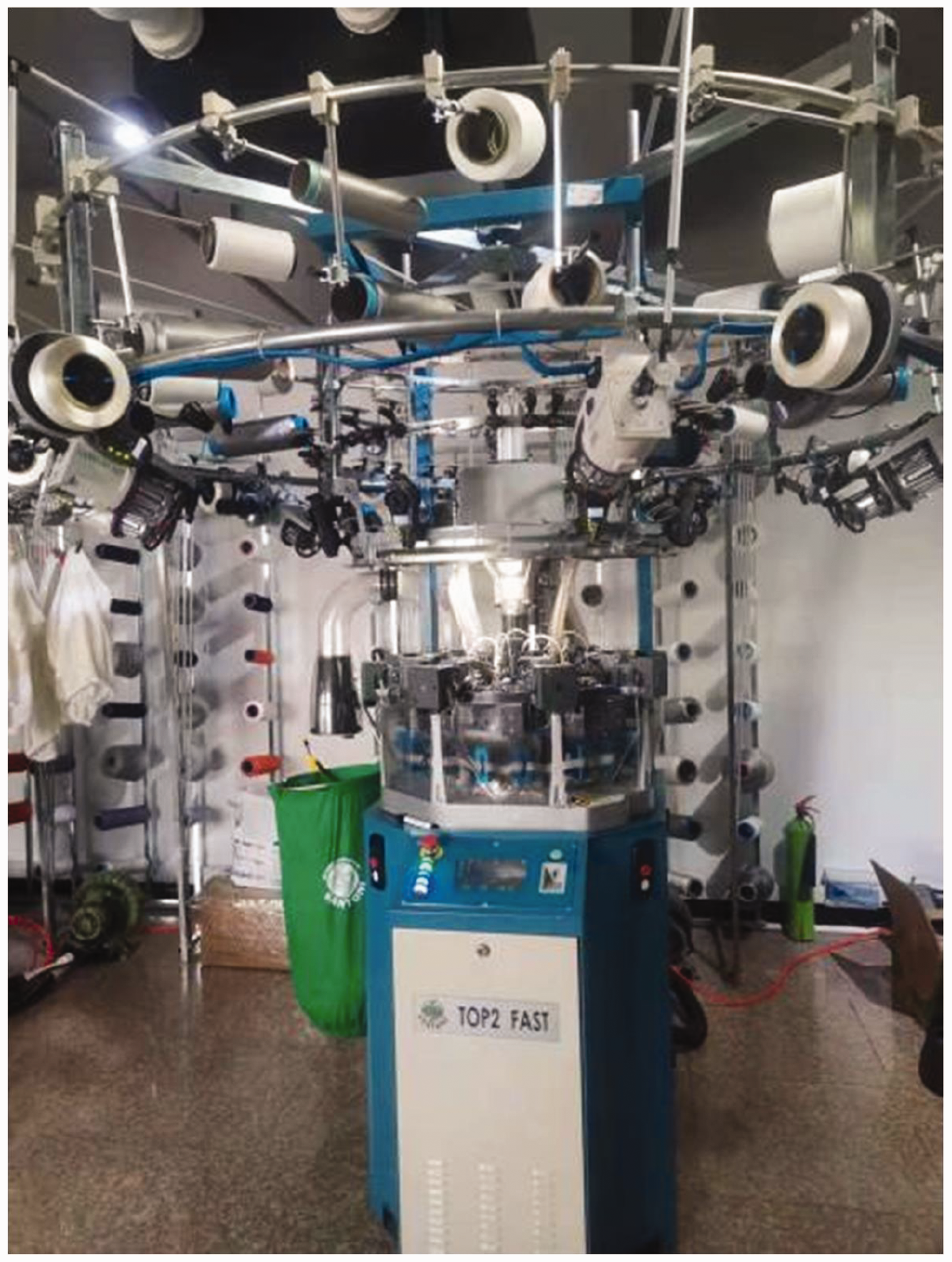
Santoni Top2 Fast single side electronic jacquard circular knitting machine.
Yarn specification
Fabric parameters
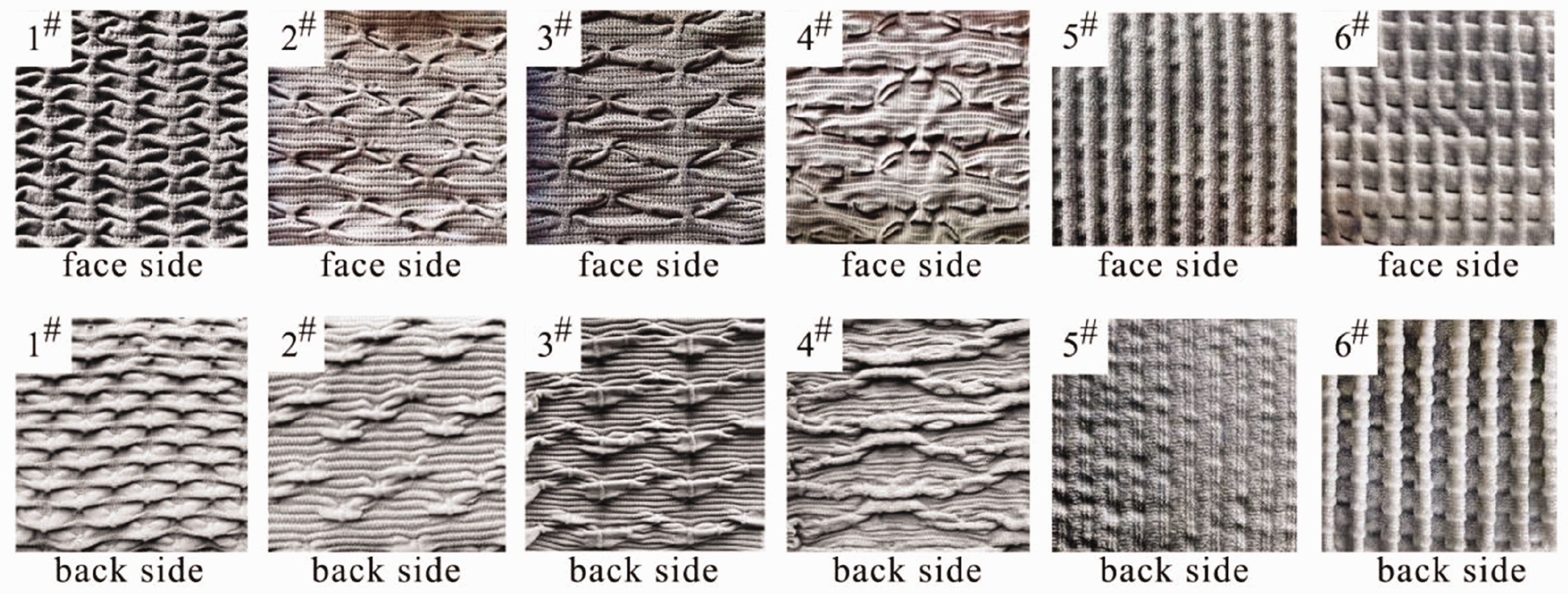
Real photo of face side and back side for knitted fabrics.
Method
The following experimental methods were all carried out in an environment where the experimental temperature was (20 ± 2)°C and the relative humidity was (65 ± 2)%. The thermal insulation properties of fabrics were tested using the YG606E textile thermal resistance measuring instrument, following the standard ISO 11092:2014: Textiles – Physiological effects – Measurement of thermal and water-vapour resistance under steady-state conditions (sweating guarded-hotplate test). Four different fabrics were tested, with three samples of each fabric cut to a specification of 35 cm × 35 cm, and the results were averaged. The hot plate temperature was set at 35°C.
According to the standard GB/T 21655.2-2009: Textile – Evaluation of absorption and quick-drying. Part 2: Method for moisture management tests, the fabric’s moisture absorption and quick-drying performance were assessed using the liquid moisture management tester. Five samples were cut for each fabric, with each piece measuring 8 cm × 8 cm. The test results were obtained by averaging the values of each indicator for each sample.
Following the ASTM D2594-04 Standard test method for stretch properties of knitted fabrics having low power, the elastic recovery rate of the fabric was evaluated using an HD026N+ electronic fabric strength tester. Strip samples of 20 cm × 5 cm (with an effective experimental range of 10 cm × 5 cm) were prepared, and the stretch recovery rate of the fabric stretched twice under a 30% strain was measured.
Experimental results and analysis
Thermal retention property
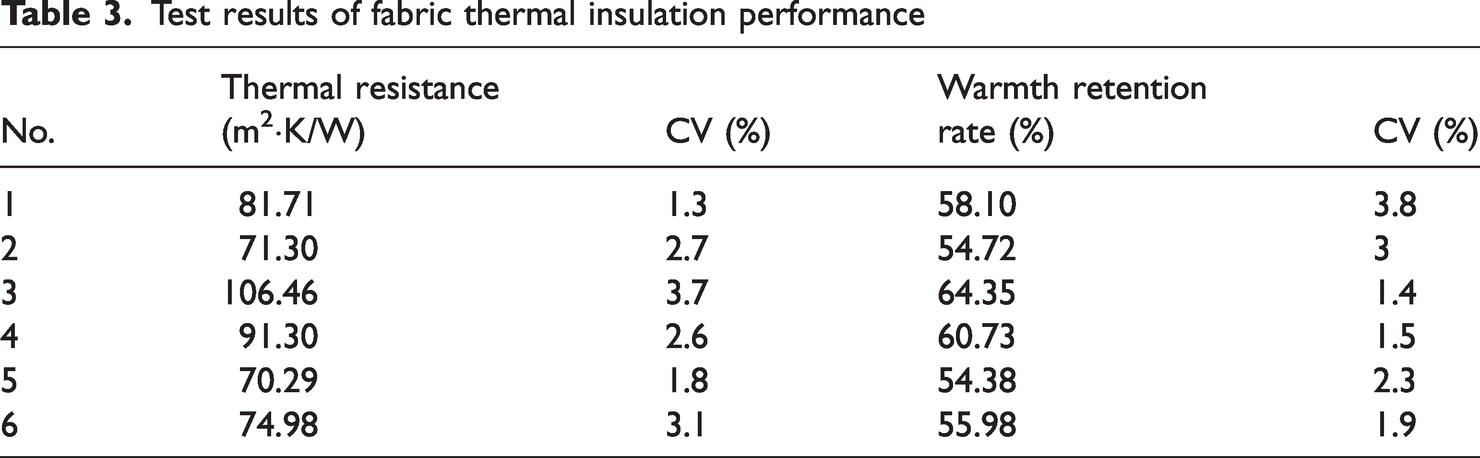
The test results of fabric thermal insulation performance are shown in Table 3. Notably, the warmth retention rate of all four fabrics is exceptional and exceeds 50%. Fabrics no. 3 and no. 4 have a higher warmth retention rate than fabrics no. 1 and no. 2, which was due to the difference in the size of the air spaces formed by the skin and the inner layer of the fabric and the staggered arrangement air spaces of the single bionic models no. 3 and no. 4. As a result, the distance between the temperature control units is larger, carrying more air and having a better ability to store static air.
Test results of fabric thermal insulation performance
Liquid moisture transport performance
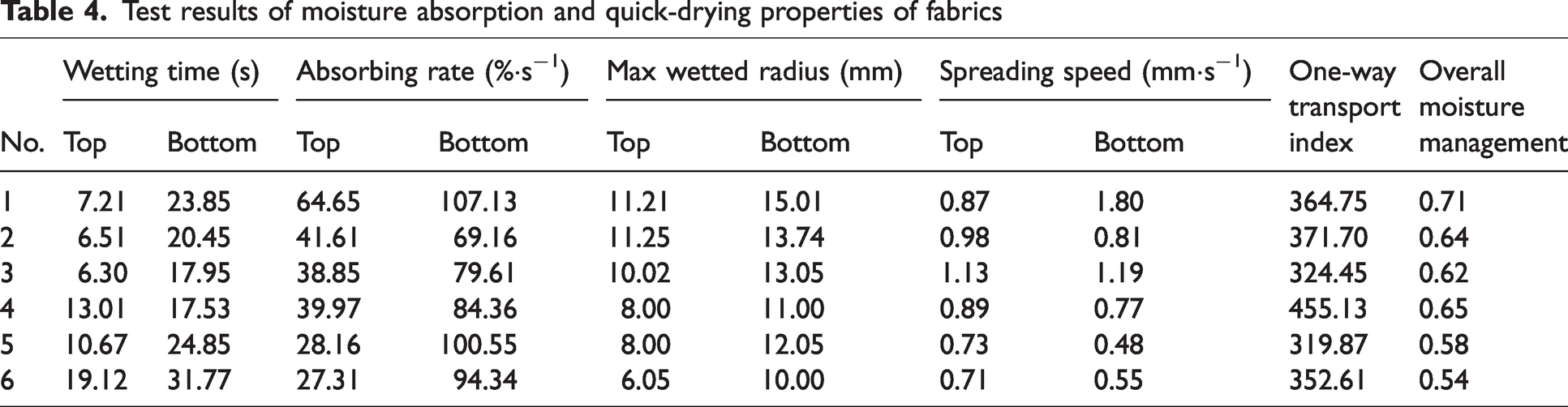
The test results for the moisture absorption and quick-drying properties of the four fabrics are presented in Table 4. The unidirectional transfer index indicates the ability of liquid water to transfer from the exposed surface of the material through the fabric (i.e. liquid water transfer ability). A higher value indicates the material’s more substantial liquid water transmission capacity. 31 According to the result, the fabrics’ unidirectional transfer index order was no. 4 > no. 2 > no. 1 > no. 3. Generally, fabrics no. 1 to no. 4 have better liquid moisture transfer ability. In addition to the use of metallocene-based polypropylene, the DRYARN yarn, which is made of ultra-fine polypropylene fiber, and the fibers are tightly wound and wrapped, making it suitable for transmitting liquid moisture, resulting in a large unidirectional transmission index. It can be seen from the overall moisture management capability of each fabric that the four fabrics all reach level 4 and have good liquid moisture transfer performance. This was attributed to the combined effect of the internal and external air channels, which affect the liquid moisture transfer ability of the fabric structure. In addition, the reasons for the different unidirectional transmission index of the four fabrics are that the array pattern of fabric units results in different fabric densities and fabric structures.
Test results of moisture absorption and quick-drying properties of fabrics
Stretch recovery properties
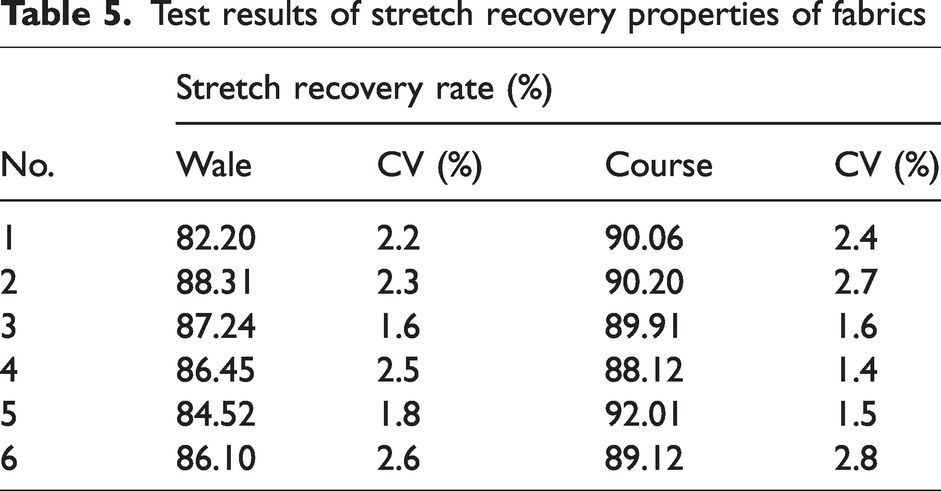
It can be seen from Table 5 that the weft elastic recovery rate of the four bionic fabrics is better than that of the wales direction. This was due to the fact that the stretching of the fabric and the formation of folds are primarily achieved by the extension of the longitudinal loops. However, the elastic recovery capacity of the stretched loops in the wales direction is limited, which leads to a reduction in its performance. On the other hand, fabrics knitted with DRYARN exhibited good and stable elastic recovery performance. This can be attributed to the initial hexagonal structure of the knitted structure, which provides stability.
Test results of stretch recovery properties of fabrics
Application in technical system
Seamless technology is extensively utilized in sports underwear products. Compared with traditional seamed body-fitting sportswear, seamless knitting technology allows various performance fabric structures to be knitted onto a single piece. It helps to eliminate the discomfort and friction caused by fabric rubbing against the skin. In addition, the sportswear’s functional zoning design could increase comfort for specific body areas, providing a more comfortable experience overall. 32 During ice and snow sports, athletes frequently alternate between high-intensity exercise and pause stages in a low-temperature environment, generating a lot of heat and sweat. Sports underwear should be worn next to the skin as a second layer of skin for maximum efficiency and moisture management properties, which is crucial to regulating the human body’s thermal balance. 33 Fabric performance tests indicate excellent thermal insulation, liquid moisture transfer property, and stable stretch recovery performance. Based on research results, 32 differences in sweat evaporation and muscle distribution characteristics, combined with the distribution of local sweating in the human body, is suggested that the developed bionic fabric is suitable for the chest and back areas of seamless sports underwear to meet the sweating and warmth needs during human exercise. In addition, the thickness of the fabric can be reduced by changing the structural parameters. No. 2 fabric can be applied to the armpit part of the sports underwear to enhance the sweating performance. No. 1 fabric is appropriate for high-dominant sweating areas such as the back waist to prevent sweat formation and enable efficient cooling. No. 3 fabric exhibits the best thermal insulation performance among the four bionic fabrics, followed by no. 4. No. 3 and no. 4 fabrics have a surface layer with a more compact micro-concave structure, which is ideal for use in the anterior chest with an extremely high dominant sweating rate and back, particularly in the area around the spine prone to cold. Figure 10 shows the incorporation of all four fabrics in positions that would maximize the fabric performance and wear comfort.
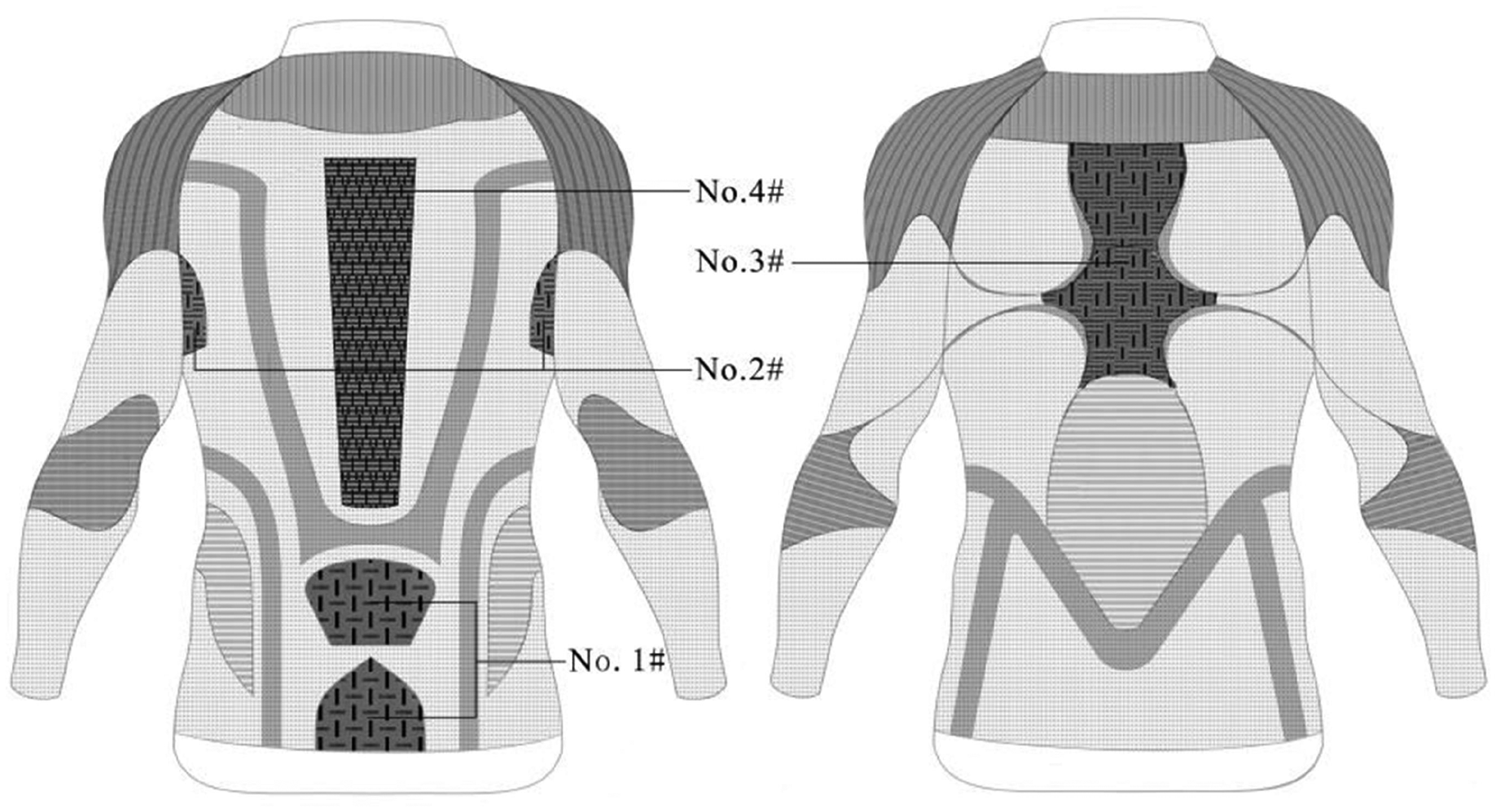
Application in technical system.
Conclusions
This research proposed a novel approach to developing high-performance knitted ice and snow sports fabrics based on the topology theory and bionic design principles. In order to meet the unique thermal and moisture requirements of body-fitting garments for winter ice and snow sports inspired by the Moloch horridus, which has a nonsmooth concave and reticular morphology in the epidermis. Four bionic design models modeled after the Moloch horridus epidermis morphological characteristics were constructed by replacing topological nodes and the distribution of module topology. Four new 3D knitting structures with simple processes and humidity and temperature control functions were developed using the characteristics of the models and seamless knitting technology, and the fabric properties were tested. The following conclusions are drawn:
The results of the fabric properties testing indicate that the fabric bionic design model is reasonable and adequate. The combination of advanced seamless knitting technology and the local stretching and folding of four bionic 3D knitted fabrics through the single-side jacquard process creates a fold and sheet structure that effectively increases the evaporation area and static air content in the inner layer. This structure improves the fabric’s ability to control moisture and temperature while maintaining good stretch recovery performance. The distribution of different module topology arrays within the fabric significantly impacts its performance, with the no. 3 and no. 4 fabrics demonstrating clear advantages. It provides a path and feasibility programme for the independent research and development of high-performance textiles and production equipment for winter sports and training competitions. This type of clothing design should consider the specific exercise needs of the human body in cold environments. According to the difference in thermal and moisture distribution on the surface of the human body and the characteristics of fabric performance, the fabric should be rationally arranged through the functional zoning design of the garment to maximize the comfort and ensure that the exerciser can effectively discharge the excess heat and sweat improving sports performance and thermal-moisture comfort. This research promotes the innovative design of functional textiles by combining interdisciplinary subjects such as bionics, topology, and parametric design. Theoretical support and technical means are provided for the innovative design of textile morphology. 3D dimensional parametric technology offers knitted fabrics more possibilities in 3D space while providing a changeable logical structure for constructing new fabric shapes.
Footnotes
Acknowledgements
This work was supported by the Fundamental Research Funds for the Central Universities (grant no. 2232023G-08), China Scholarship Council (grant no. 202206630066) and International Cooperation Fund of Science and Technology Commission of Shanghai Municipality (grant no. 21130750100).
Author contributions
BZ and ÁRG contributed to preparing the manuscript. ÁRG, JW and LY contributed with feedback and comments. All authors read and approved the final manuscript.
Declaration of conflicting interests
The author(s) declared no potential conflicts of interest with respect to the research, authorship, and/or publication of this article.
Funding
The author(s) received no financial support for the research, authorship, and/or publication of this article.
