



Abstract
This study integrates trust in government, fear of COVID-19, and economic dependence on tourism into the protection motivation theory (PMT) framework to predict resident hospitality during the COVID-19 crisis. Structural equation modeling is utilized to analyze 281 questionnaires from destination residents. Findings show that threat severity and threat vulnerability can indirectly reduce resident hospitality through fear of COVID-19, whereas response efficacy and self-efficacy can directly promote resident hospitality. Trust in government can change the levels of threat severity, threat vulnerability, response efficacy, and self-efficacy, which in turn influences fear of COVID-19 and resident hospitality in different ways. Additionally, economic dependence on tourism is found as the most influential predictor of resident hospitality. Theoretically, this study contributes to the literature by developing a comprehensive and novel extended PMT model to understand the formation mechanism of residents’ attitudes during the COVID-19 crisis. Practical implications can help better improve resident hospitality.
Keywords
Introduction
Resident hospitality, conceptualized as the extent to which destination residents exhibit welcoming and hospitable attitudes toward incoming tourists through direct interactions between the two parties (Kock et al., 2019), is identified as a key factor in the flourishing of the tourism industry (Antwi et al., 2022). High resident hospitality indicates that residents are willing to engage with incoming tourists in a welcoming and friendly manner (Tse & Tung, 2022), which contributes greatly to improving tourists’ wonderful experiences and simulating tourist spending (Antwi et al., 2022). However, due to the impact of COVID-19, residents’ attitudes toward tourists have changed significantly, with many residents becoming less hospitable toward incoming tourists (Zenker & Kock, 2020). On the one hand, human interaction is a major way for the spread of COVID-19 (Joo et al., 2021). On the other hand, tourism cannot completely avoid the interactions between tourists and residents (Tse & Tung, 2022). As a result, tourists carrying the virus are at high risk of spreading COVID-19 to residents during the interactions with locals (Rey-Carmona et al., 2023). Moreover, the long incubation period of COVID-19 and the large number of asymptomatic cases make it difficult for residents to identify and stay away from infected tourists (Joo et al., 2021), which gives rise to the element of residents’ fear of tourists who may carry the virus and thus causes their less hospitable attitudes toward incoming tourists. Furthermore, at the time of the research, the medication interventions to treat COVID-19 patients were limited, and most countries relied on non-pharmaceutical measures to control the pandemic. Thus, the limited sense of efficacy of residents to deal with COVID-19 further makes them less hospitable toward incoming tourists.
Against this background, researchers have conducted several models to explore the factors affecting residents’ attitudes toward tourism during the COVID-19 crisis (Joo et al., 2021; Y. Liu et al., 2022; Rey-Carmona et al., 2023; Ryu et al., 2023; Woosnam et al., 2022; Xu et al., 2022). However, these models are mainly developed based on compensatory control theory (Y. Liu et al., 2022), social exchange theory (Rey-Carmona et al., 2023; Woosnam et al., 2022), theory of planned behavior (Xu et al., 2022), and emotional solidarity theory (Joo et al., 2021). Scant research has applied protection motivation theory (PMT) to understand resident hospitality as a response to COVID-19 pandemic (Ryu et al., 2023). PMT provides an explanatory framework in which individuals’ self-protection behaviors in the face of risks are mainly motivated by their threat appraisals (e.g., threat severity and threat vulnerability) and coping appraisals (e.g., response efficacy and self-efficacy; Milne et al., 2000; Rogers, 1975). Given that destination residents have an incentive to distance themselves from tourists and thus perform low levels of resident hospitality to protect against COVID-19 risks, our basic research goal is to apply PMT as a core framework to explain the motivational predictors of resident hospitality during the COVID-19 crisis.
In addition to examining the effects of the four basic constructs (i.e., threat severity, threat vulnerability, response efficacy, and self-efficacy) based on PMT, this study attempts to integrate three new constructs—trust in government, fear of COVID-19, and economic dependence on tourism—into the traditional PMT model to develop a more comprehensive framework to better predict resident hospitality amid the COVID-19 pandemic. In comparison with existing models, the overall theoretical model conducted in this study has the following major contributions. First, although previous studies have extensively explored the impact of the COVID-19 pandemic on residents’ attitudes toward tourists (S. Li et al., 2022; Y. Liu et al., 2022), they merely addressed residents’ threat appraisals (i.e., threat severity and threat vulnerability) but failed to address residents’ coping appraisals (i.e., response efficacy and self-efficacy). Considering the importance of residents’ sense of efficacy (i.e., whether residents have affective and available measures to prevent COVID-19 and whether they can execute these measures) in influencing their attitudes, the application of the PMT model is necessary and meaningful to depict the formation mechanism of resident hospitality from the dual perspectives of threat and coping appraisals.
Second, the high threat of COVID-19 and the limited sense of efficacy of residents to deal with it have caused considerable fear among residents (Ryu et al., 2023). In this sense, fear of COVID-19 provides an emotion-related internal process to understand resident hospitality during the COVID-19 crisis. Unfortunately, previous models based on PMT mainly depict the direct influences of threat severity, threat vulnerability, response efficacy, and self-efficacy on individuals’ protective responses (Fisher et al., 2018; Qiao et al., 2022), but they seem to lack the ability to distinguish indirect paths. Therefore, including the construct of “fear of COVID-19” into our theoretical model can help clearly reveal the indirect psychological mechanism of the four basic constructs in the PMT model on resident hospitality from the perspective of residents’ emotional responses. Third, given that local governments are the main force in COVID-19 prevention and control, numerous studies have considered the role of trust in government in affecting residents’ attitudes amid the COVID-19 pandemic (Wong & Lai, 2021, 2022; Woosnam et al., 2022). However, these studies have only addressed the direct influences of trust in government but failed to explore the indirect influences of trust in government on resident hospitality by changing the levels of residents’ threat and coping appraisals. Given that trust in government has the potential to reduce residents’ threat severity and threat vulnerability and improve their response efficacy and self-efficacy (Zhang et al., 2022; Zheng et al., 2022), integrating the construct of “trust in government” into the PMT framework is valuable to comprehensively understand its direct and indirect effects on residents’ attitudes.
Fourth, economic dependence on tourism is a vital factor that cannot be ignored when investigating the underlying mechanism of residents’ attitudes before and during the COVID-19 pandemic. The positive role of economic dependence on tourism on resident hospitality can be evidently supported by social exchange theory and Weber’s theory of rationality (Boley et al., 2014; Woosnam et al., 2022). Particularly, some studies before COVID-19 have even asserted that economic benefit from tourism is among the most influential factor in residents’ attitudes (Ribeiro et al., 2017). However, whether this finding holds true during the COVID-19 crisis remains untested, particularly given the impact of pandemic risk. To clearly answer this unaddressed question, this study aims to compare the influence intensity of different factors on resident hospitality after integrating the construct of “economic dependence on tourism” into the PMT model. The findings are valuable in identifying which factor is the most fundamental determinant of resident hospitality during the COVID-19 crisis. The final contribution lies in that the integrations of the three constructs of trust in government, fear of COVID-19, and economic dependence on tourism help develop an extended and novel PMT model, which makes a beneficial addition to the conventional PMT model in explaining resident hospitality. As shown in the Results section below, the extended PMT model proposed in this study generates a stronger explanatory power than the traditional PMT model in predicting resident hospitality, which further displays the unique value of our model to theory.
Literature Review and Hypothesis Development
Residents’ Attitudes Toward Tourists
Since the 1970s, the study of residents’ attitudes toward tourists has always been an important topic in the tourism literature (Rasoolimanesh & Seyfi, 2021). Most of the research was based on social exchange theory, which asserts that residents tend to exhibit positive attitudes toward tourists when they consider perceived benefits (positive impact) from tourism overweigh perceived costs (negative impact; Sharpley, 2014). Moreover, some other classical theories, such as community attachment theory, Weber’s theory of substantial and formal rationality, and emotional solidarity theory, were employed to understand the internal mechanism of residents’ attitudes one after another (Gursoy et al., 2019), which greatly enriched the literature on residents’ attitudes from different theoretical perspectives.
After the COVID-19 outbreak, increasing studies have concerned residents’ attitudes toward tourists in the face of the pandemic. For example, on the basis of emotional solidarity theory, Joo et al. (2021) found that the influence of perceived risk of COVID-19 on residents’ intentions to support tourism is mediated by the three dimensions of emotional solidarity. Drawing on compensatory control theory, Y. Liu et al. (2022) indicated that threat perceptions of COVID-19 can indirectly affect residents’ support for tourism through the construct of “need to belong.” Furthermore, Woosnam et al. (2022) empirically argued that residents’ pro-tourism behaviors are affected by their trust in government and economic benefits from tourism. Wong and Lai (2021) validated that trust in government plays an important role in linking various government enforcement actions against COVID-19 and residents’ willingness to recover tourism. In a word, the literature has reached an agreement that abundant residents face a dilemma between gaining economic benefits by accepting tourists and personal fears that tourism recovery will increase the likelihood of contracting COVID-19 (Kamata, 2022; Rey-Carmona et al., 2023).
The above literature review indicates that researchers have utilized various theoretical lens (but failed to draw on the PMT model) to understand the predictors of residents’ attitudes during the COVID-19 crisis, and that the influences of trust in government, fear of COVID-19, and economic dependence on tourism have been separately addressed in previous models. Nonetheless, as mentioned in the Introduction section above, the extant research lacks an integrated framework to involve the aforementioned factors to comprehensively predict resident hospitality during the COVID-19 crisis. To fill the unappreciated gap, this study aims to integrate the three constructs of trust in government, fear of COVID-19, and economic dependence on tourism into the conventional PMT framework to develop a comprehensive and novel extended PMT model to better understand resident hospitality amid the COVID-19 pandemic.
Protection Motivation Theory
Rogers (1975) originally advanced the PMT rooted in expectancy–value theory to help understand how an emerging risk stimulus affects individuals’ motivations to adopt self-protection measures. According to PMT, people’s assessment of a given risk consists of two aspects of cognitive processes, namely, threat and coping appraisals, with the former including threat severity and threat vulnerability, and the latter including response efficacy and self-efficacy (Qiao et al., 2022; Ruan et al., 2020). Threat severity captures the extent to which individuals consider the seriousness of encountering a given threat, whereas threat vulnerability depicts individuals’ perceived possibility of encountering a threat (Floyd et al., 2000; Ruan et al., 2020). Response efficacy describes individuals’ perceived effectiveness of adopting certain adaptive responses to alleviate and prevent a given risk, whereas self-efficacy reflects people’s cognitive assessment of their ability to execute and enact health pro-active behaviors (Milne et al., 2000; Qiao et al., 2022). By involving threat severity, threat vulnerability, response efficacy, and self-efficacy in a comprehensive framework, PMT considerably aids in explaining how individuals’ protective motivation is initiated in health threat management research.
PMT offers an important theoretical framework to understand individuals’ adoptions of self-protection manners in the tourism and hospitality literature. For example, on the basis of PMT, Nazneen et al. (2022) and Zheng et al. (2022) explained why tourists tend to avoid traveling under the threat of COVID-19. Min et al. (2021) drew on the PMT model to investigate the influence factors of customer co-creation behaviors amid the COVID-19 pandemic. In addition, grounded on the PMT framework, Ruan et al. (2020) described the cognitive appraisal process of the threat of air pollution affecting tourists’ adaptive behaviors. Wen and Liu-Lastres (2022) integrated PTM into the safety signal framework to predict customer dine-out frequencies during the COVID-19 crisis. However, the applications of the PMT model in explaining residents’ attitudes toward tourism remain unnoticed, particularly amid the COVID-19 pandemic, leaving an important research gap.
Rooted in PMT, we consider that threat severity and threat vulnerability negatively influence resident hospitality on the following grounds. PMT suggests that threat severity and threat vulnerability constitute threat evaluation processes that influence people’s behavioral responses when confronted with a particular risk (Kim et al., 2022). As the levels of individuals’ threat severity and threat vulnerability increase, they are more likely to engage in various behavioral responses to protect them from the given risks (Floyd et al., 2000). Accordingly, in this study context, destination residents who consider the COVID-19 pandemic as a serious risk (i.e., high threat severity) and think that they have a high chance of contracting COVID-19 (i.e., high threat vulnerability) are more inclined to adopt various protective practices (e.g., reducing or avoiding hospitable interactions with tourists) to eliminate the risk. This argument implies that destination residents with high threat severity and threat vulnerability tend to exhibit less hospitality toward incoming tourists. Accordingly, this study hypothesizes that:
H1a: Threat severity negatively influences resident hospitality.
H1b: Threat vulnerability negatively influences resident hospitality.
Drawing on PMT, we suggest that response efficacy and self-efficacy positively influence resident hospitality for the following reasoning. Different from threat severity and threat vulnerability, which describe individuals’ cognitive assessments of a risk from the threat perspective, response efficacy and self-efficacy depict people’s perceptual evaluations of a risk from the coping perspective (Milne et al., 2000). High response efficacy indicates individuals’ positive considerations as to the available measures’ effectiveness at preventing a threat, whereas high self-efficacy implies that people believe that they are capable of complying with these available measures (Floyd et al., 2000). On the basis of Apaolaza et al.’s (2022) viewpoints, high response efficacy and self-efficacy imply that destination residents consider that they have effective and feasible manners (e.g., wearing a mask and hygiene control) to deal with the threat of COVID-19 when destinations reopen. These anti-COVID-19 measures are assumed to make residents perceive low levels of risks related to COVID-19 (Ryu et al., 2023). Thus, they are more likely to perform hospitality toward tourists. Taken together, destination residents with high response efficacy and self-efficacy tend to hospitably accept incoming tourists. Accordingly, this study hypothesizes that:
H1c: Response efficacy positively influences resident hospitality.
H1d: Self-efficacy positively influences resident hospitality.
Trust in Government
Trust in government refers to the extent to which residents in destinations believe that local governments will do what is right for tourism recovery amid the COVID-19 pandemic (Wong & Lai, 2021). Residents who develop high trust in government are inclined to think that local governments can well consider the interest of local communities and make the right decisions to maximize the positive outcomes and minimize the negative influences of tourism opening (Nunkoo, 2015; Ouyang et al., 2017). Moreover, trust in government is a crucial indicator for assessing government performance in response to the COVID-19 pandemic, which is generally developed based on residents’ satisfaction with COVID-19 policies made by local governments (Wong & Lai, 2022).
We suggest that trust in government can reduce threat severity and vulnerability of destination residents on the following grounds. Under the shadow of COVID-19, individuals need to evaluate the threats associated with contracting the virus, the range of infections, and the seriousness based on their own cognitions, which are heavily affected by the information offered by local governments (Suess et al., 2022). Trust in government indicates that residents believe that local governments can deal with a given risk and can thus play a leading role in crisis management (Ma & Christensen, 2019). When people handle the risk information related to COVID-19, trust in government can greatly help simplify complexity and reduce uncertainty (Zhang et al., 2022). Drawing on the trust and confidence model, trust in government can greatly shape individuals’ responses to a particular threat by affecting their perceived threats (Siegrist et al., 2003). In this sense, trust in government can reduce residents’ perceived threat, including threat severity and threat vulnerability of the COVID-19 pandemic. In addition, although the role of trust in government in mitigating threat severity and threat vulnerability has not been explicitly demonstrated, previous studies have confirmed that trust in government plays a significant role in reducing individuals’ risk perceptions of a given threat in many other contexts (e.g., W. Li et al., 2019; Xue et al., 2018), which provide indirect evidence for that trust in government may decrease threat severity and threat vulnerability of destination residents during the COVID-19 crisis. Accordingly, this study hypothesizes that:
H2a: Trust in government negatively affects threat severity.
H2b: Trust in government negatively affects threat vulnerability.
In addition, we consider that trust in government can improve response efficacy and self-efficacy of destination residents for the following reasons. Trust in government intuitively captures individuals’ confidence in the local government’s information and capabilities to deal with the COVID-19 pandemic (Zheng et al., 2022). When destination residents consider that local governments are highly trustworthy and competent, they are inclined to believe that local governments can provide them with effective and useful strategies to cope with COVID-19. They thus have high efficacy to follow the local government’s suggestions to take preventive measures against COVID-19 (Zhang et al., 2022). As suggested by Shanka and Menebo (2021), trust in government implies that individuals tend to trust the suggestions made by local governments regarding COVID-19. This case can encourage individuals to pay great attention to the information related to COVID-19 prevention and make them more compliant with COVID-19-preventing regulations. In addition, given that the local government plays an essential role in responding to and managing a crisis, individuals’ trust in government strongly affects their efficacy in response to a particular threat (Fong & Chang, 2011). Particularly, the role of trust in government in driving response efficacy and self-efficacy has been empirically validated by Zhang et al. (2022) in the context of disaster preparedness, which additionally and indirectly supports that trust in government may promote destination residents’ response efficacy and self-efficacy in this research. Accordingly, this study hypothesizes that:
H2c: Trust in government positively affects response efficacy.
H2d: Trust in government positively affects self-efficacy.
Based on H1a–H1d and H2a–H2d and following the suggestion of Rasoolimanesh et al. (2021) for mediating effect hypotheses, this study considers that trust in government negatively affects threat severity and threat vulnerability, which in turn promotes resident hospitality, whereas trust in government positively influences response efficacy and self-efficacy, which in turn drives resident hospitality. That is, trust in government can indirectly influence resident hospitality through threat severity, threat vulnerability, response efficacy, and self-efficacy. Accordingly, this study hypothesizes that:
H3a: Threat severity mediates the effect of trust in government on resident hospitality.
H3b: Threat vulnerability mediates the effect of trust in government on resident hospitality.
H3c: Response efficacy mediates the effect of trust in government on resident hospitality.
H3d: Self-efficacy mediates the effect of trust in government on resident hospitality.
Fear of COVID-19
According to Witte (1992), fear of COVID-19 describes a fearful emotional state aroused from individuals’ subjective awareness of the COVID-19 pandemic. The outbreak of the COVID-19 pandemic has brought great panic and fear to people’s minds and psychology. On the one hand, people develop fear because of the high infectivity of COVID-19, which makes people worry that they have a high possibility of being infected (F. Liu et al., 2022; Zheng, Luo, et al., 2021). That is, high threat severity makes people feel fearful. On the other hand, people develop fear because the virus can bring great harm to their health and thus result in serious negative consequences (F. Liu et al., 2022; Zheng, Luo, et al., 2021). That is, high threat severity makes people feel fearful. On the basis of the above arguments, threat severity and threat vulnerability are considered two important predictors of destination residents’ fear of COVID-19. Furthermore, Hanus and Wu (2016) clearly indicated that high degrees of threat appraisal are generally related to high degrees of fearful feelings that emerge as a result of the perceptions of susceptibility to a given risk and the gravity of its repercussions. Accordingly, this study hypothesizes that:
H4a: Threat severity positively influences fear of COVID-19.
H4b: Threat vulnerability positively influences fear of COVID-19.
The COVID-19 pandemic has caused great fear among people, and, evidently, different individuals have different levels of fear. An important reason may be that different people have different levels of efficacy. As explicitly indicated by Witte (1992, p. 343), “if efficacy is believed to be low, fear is increased further.” Accordingly, when destination residents have high response efficacy and self-efficacy, that is, when they perceive that available measures are effective in dealing with COVID-19 and that they have enough ability to take these measures, their fear of COVID-19 will decrease. In addition, Ryu et al. (2023) suggested that when destination residents have high levels of efficacy to protect themselves against COVID-19, they are inclined to have low levels of risk perceptions. Therefore, these residents are likely to be less fearful of COVID-19. Furthermore, Kim et al. (2022) noted that individuals’ coping cognitive assessments of the COVID-19 pandemic, including response efficacy and self-efficacy, are assumed to negatively affect their fear of COVID-19, which provides additional evidence for the negative influences of response efficacy and self-efficacy on destination residents’ feelings of fear in this research. Based on the above grounds, this study hypothesizes that:
H4c: Response efficacy negatively influences fear of COVID-19.
H4d: Self-efficacy negatively influences fear of COVID-19.
In light of Cisler et al. (2009), fear represents an essential emotional state that prompts individuals to take some measures to avoid harm from a given threat. Specifically, fear will make individuals treat the risk more seriously, which stimulates their protective responses toward the threat (Chen & Yang, 2019; Posey et al., 2015). Accordingly, when destination residents generate fear of COVID-19, they may be motivated to protect themselves from the threat of COVID-19 by avoiding or decreasing hospitable interactions with incoming tourists. According to Ohman (2000), fear can be regarded as a defensive response in phycology, which prompts people to take various strategies to deal with dangerous situations. In line with this idea, destination residents may develop fear due to the high risks of the COVID-19 pandemic, which leads them to reduce welcoming tourists hospitably to avoid contracting COVID-19. In addition, extensive studies have confirmed that fear of COVID-19 is positively related to individuals’ risk-avoidant behavioral intentions. For example, Cheng et al. (2022) found that flight attendants who experience fear due to COVID-19 exposure are less likely to exhibit extra-role service behaviors. Zheng et al. (2022) indicated that potential tourists who feel fearful of the COVID-19 threat tend to reduce their willingness to travel. Apaolaza et al. (2022) argued that fear associated with the COVID-19 pandemic can inhibit customers from booking full board hotels. Based on the above research, we can also infer that when destination residents’ fears are triggered by the COVID-19 threat, they may serve avoidance of hospitality toward tourists as a direct action of self-protection to mitigate possible risks. Accordingly, this study hypothesizes that:
H5: Fear of COVID-19 negatively influences resident hospitality.
Based on H4a–H4d and H5 and following the suggestion of Rasoolimanesh et al. (2021) for mediating effect hypotheses, this research argues that threat severity and threat vulnerability can positively affect fear of COVID-19, which in turn reduces resident hospitality, whereas response efficacy and self-efficacy can negatively affect fear of COVID-19, which in turn improves resident hospitality. In other words, threat severity, threat vulnerability, response efficacy, and self-efficacy can indirectly influence resident hospitality by affecting fear of COVID-19. Accordingly, this study hypothesizes that:
H6a: Fear of COVID-19 mediates the effect of threat severity on resident hospitality.
H6b: Fear of COVID-19 mediates the effect of threat vulnerability on resident hospitality.
H6c: Fear of COVID-19 mediates the effect of response efficacy on resident hospitality.
H6d: Fear of COVID-19 mediates the effect of self-efficacy on resident hospitality.
Economic Dependence on Tourism
Economic dependence on tourism depicts the degree to which residents’ household economic incomes depend on local tourism development; that is, economic dependence on tourism intuitively reflects the closeness between residents’ economic benefits and tourism-related industries (Teng, 2019). Social exchange theory and Weber’s theory of rationality can provide strong theoretical foundations for the viewpoint that residents who have high economic dependence on tourism tend to perform positive attitudes toward tourism (Rasoolimanesh & Seyfi, 2021). Specifically, social exchange theory suggests that expected benefits and costs are important predictors of residents’ support for tourism and that residents are more likely to develop positive attitudes toward tourism when they gain more benefits and pay less costs (Gursoy et al., 2019). Weber’s theory of rationality implies that residents’ motivations to support tourism are influenced by their formal and substantive rationality; formal rationality focuses on economic benefits from tourism, whereas substantive rationality focuses on various non-economic factors, such as power and trust (Boley et al., 2014). Taking the above two theories together, we can easily infer that when the levels of destination residents’ economic dependence on tourism are high, they are more likely to exhibit resident hospitality, a display of residents’ positive attitudes toward tourism. Moreover, the positive role of perceived benefits from tourism in affecting residents’ attitudes toward tourism has been empirically validated in past research (Woosnam et al., 2022; Zuo et al., 2017), which further supports that economic dependence on tourism is a vital driver of resident hospitality. Accordingly, this study hypothesizes that:
H7: Economic dependence on tourism positively influences resident hospitality.
Based on the hypotheses established above, Figure 1 shows the proposed extended PMT model regarding the relationships among threat severity, threat vulnerability, response efficacy, self-efficacy, trust in government, fear of COVID-19, economic dependence on tourism, and resident hospitality.
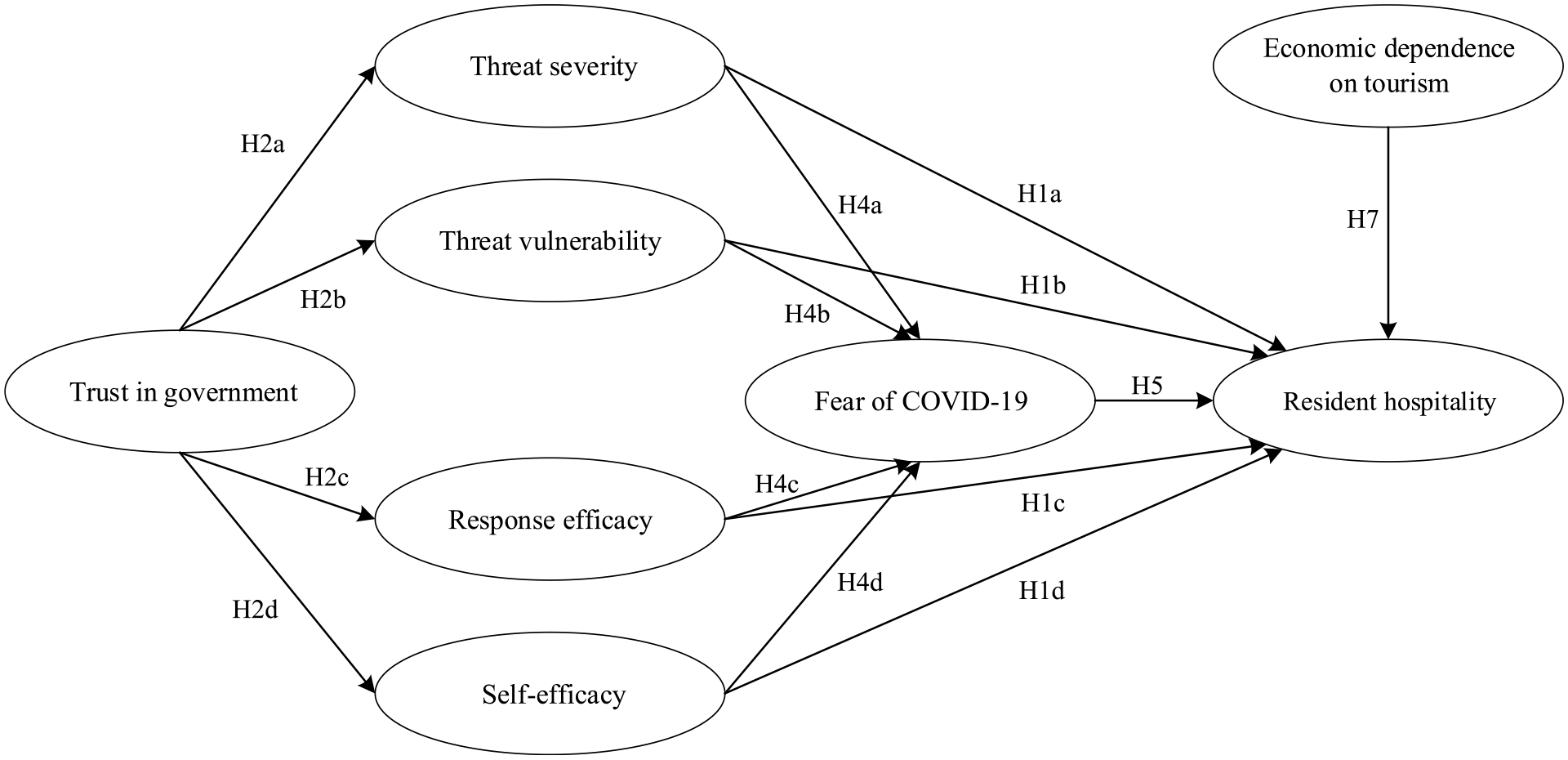
Proposed model.
Methodology
Measures
In the first section of our questionnaire, five-point Likert-type scales were adopted to rate the items for each construct: four items for threat severity (Itani & Hollebeek, 2021; Witte et al., 1996), four items for threat vulnerability (Qiao et al., 2022; Witte et al., 1996), three items for response efficacy (Zheng, Luo, et al., 2021), three items for self-efficacy (Min et al., 2021), three items for trust in government (Wong & Lai, 2021), three items for fear of COVID-19 (Block & Keller, 1995), three items for economic dependence on tourism (Boley et al., 2014), and four items for resident hospitality (Kock et al., 2019). Please see Appendix 1 for details. Given that all scales were originated from English works, translation and back-translation approaches were performed to translate English into Chinese. In the second section of our questionnaire, we asked some questions regarding sample profiles. Moreover, we conducted a pilot survey by inviting 67 residents to ensure that the selected measures had satisfied reliability, and the results presented acceptable values of Cronbach’s alpha (exceeding .70). Thus, the designed questionnaires could be applied to formal investigations. The complete anonymity of the questionnaire was guaranteed, and the questions in the questionnaire were arranged in a random order to reduce common method variance (CMV) procedurally (Podsakoff et al., 2003).
Data Collection
We collected survey data in Xiamen, China. Xiamen is a famous tourist city in southeast China with good weather conditions and diverse cultures. Before the COVID-19 outbreak, the annual tourism revenue in Xiamen has exceeded 100 billion yuan for many years. Unfortunately, the COVID-19 outbreak has dealt a significant negative blow to Xiamen’s tourism, with the number of tourists decreasing and tourism revenue plummeting. According to the statistics disclosed by the Xiamen Culture and Tourism Bureau, affected by the COVID-19 pandemic, Xiamen received only 89.40 million tourists in 2021, among which the number of international tourists was extremely low, only 304,400, accounting for less than 0.4% of the total number of tourists. These statistics can indirectly indicate that during our survey period, the tourists in the study area were mainly domestic tourists.
As COVID-19 gradually came under control, Xiamen reopened its tourism industry, but residents’ attitudes toward tourism had clearly changed during this period. Based on the early interviews, given the threat of COVID-19, some residents were worried that the recovery of tourism could spread the virus, and they were thus not willing to hospitably welcome tourists. Conversely, other residents were ambivalent about reopening tourism because they wanted to make money by reviving the tourism industry. However, they were also afraid that they would be infected with COVID-19 from receiving tourists (S. Li et al., 2022). In view of the differentiation of residents’ attitudes, Xiamen was selected as an appropriate case to collect data and verify the proposed model. Additionally, many existing studies (e.g., Su & Swanson, 2020) have chosen Xiamen as a survey setting to explore residents’ attitudes toward tourism, which provides additional evidence for this study to consider Xiamen as a suitable research site.
Our questionnaire data were collected from November 2021 to January 2022. Notably, the survey period was carefully and specially selected. When we collected the questionnaires, no COVID-19 cases were reported in Xiamen, but some other cities in China have reported many COVID-19 cases, one after another. The absence of COVID-19 in Xiamen gave us a good opportunity to conduct field surveys. If there existed COVID-19 cases in Xiamen, then conducting field surveys would be impossible due to the restrictions of COVID-19 prevention policies and residents’ defensive psychology. Many cases of COVID-19 were reported in other cities during the survey period, making it possible for tourists from those areas to carry COVID-19 to Xiamen. Therefore, destination residents in Xiamen might be exposed to the potential threat of COVID-19 when accepting incoming tourists. Furthermore, not long before we conducted field surveys, some tourist destination cities in China (e.g., Xi’an) had spread COVID-19 because of the arrivals of tourists, which made Xiamen residents more worried about catching COVID-19 during the hospitable receptions of incoming tourists. For the above reasoning, the survey time was considered appropriate.
In line with existing research (S. Li et al., 2022), when investigating residents’ attitudes toward tourism under the threat of COVID-19, the selected samples did not necessarily have to be people employed in the tourism industry as long as the daily lives of the surveyed residents could be significantly affected by tourism development. Accordingly, our sample frame was residents aged over 20 years whose daily lives were evidently affected by local tourism, given that they lived in or near the above representative scenic spots in Xiamen. To improve the representativeness of samples as much as possible when conducting the convenient sampling, we selected many residential communities for investigation, which were located near or within the representative tourist attractions (e.g., Kulangsu, Baicheng Beach, and Shapo Tail) in Xiamen. In addition to making effort to improving sample representativeness in the selection of survey sites as aforementioned, we also made some effort to improving sample representativeness in the selection of surveyed respondents. Specifically, the surveyed samples widely involved various types of employees in tourism-related industries, such as those of tourist attractions, restaurants, and tourist commodity stores, as well as many ordinary residents who were not employed in tourism-related industries. We conducted self-administrated survey investigations after conveniently approaching the potential respondents. The screening question of whether the respondents were residents living in Xiamen all year round was asked before distributing the questionnaires.
In the formal survey stage, we sent out 348 questionnaires and recovered 329. After excluding unqualified data, we finally used 281 samples for formal analysis. To ensure sufficient statistical power, we utilized software G*Power 3.1 to determine the least prescribed sample size to examine our proposed model. Specifically, a priori power analysis was performed with f 2 = 0.15, α = .05 and Power (1 −β) = 0.95 (Faul et al., 2007), and the result indicated that the minimum sample size calculated was 153. Therefore, the number of valid responses (281) was deemed adequate for analysis. Furthermore, according to the criterion of sample size determination in structural equation modeling suggested by Thompson (2000), the ratio of sample size to the number of observed variables is at least 10:1. The conceptual model proposed in this study contained 27 observed variables, the minimum number of samples required was thus 270. Accordingly, 281 valid samples were sufficient for data analysis.
Results
Characteristics of Respondents
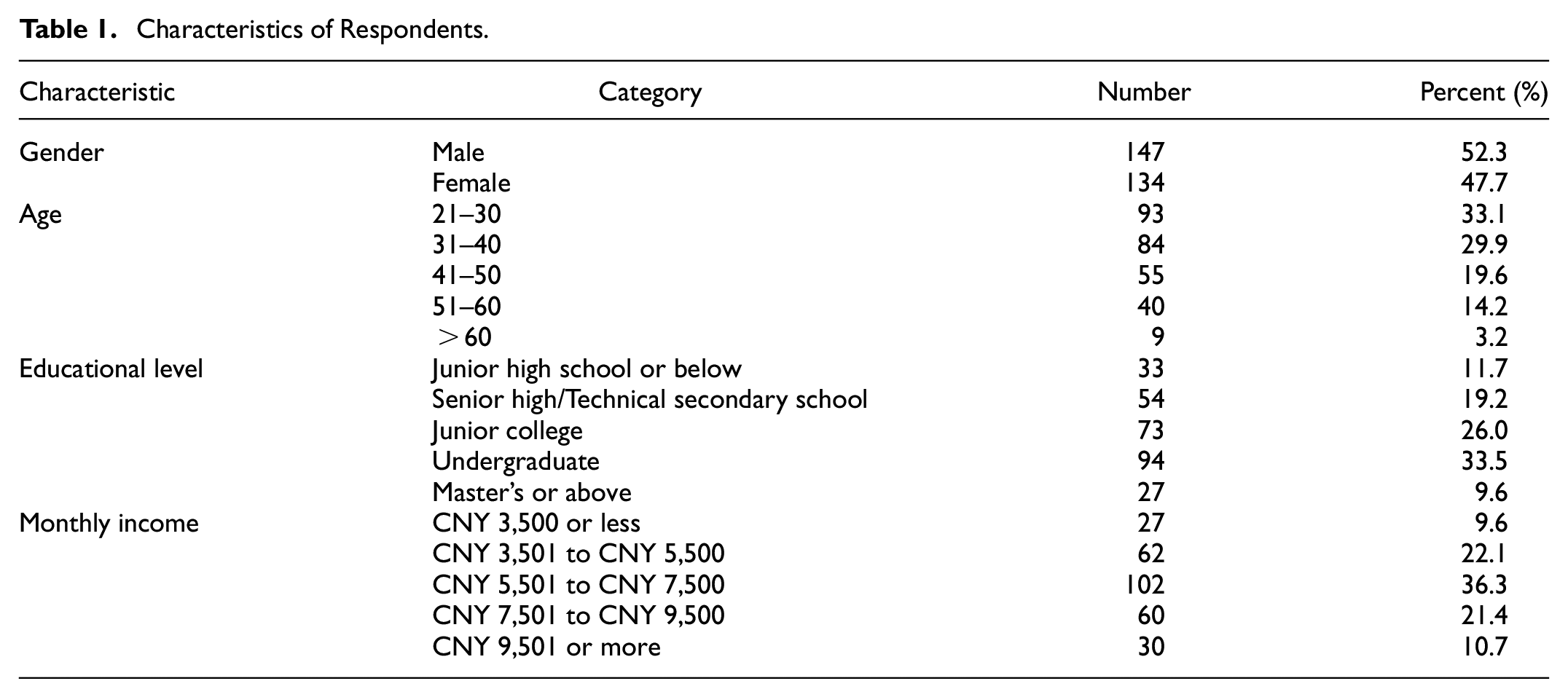
Table 1 indicates that nearly half of the respondents (47.7%) were male. The residents aged 31 to 40 accounted for 29.9%. Of the respondents, 43.1% had a bachelor’s degree or above. The dominant monthly income group of the respondents was 5,501 to 7,500 CNY (36.3%).
Characteristics of Respondents.
Reliability and Validity
The skewness (within the range of −0.609 to 0.482) and the kurtosis (within the range of −0.700 to −0.168) suggested univariate data normality of the multiple-item scales (Hair et al., 2014). We performed Harman’s single-factor test in SPSS 24 to detect the severity of CMV in our cross-sectional design. The result showed the presence of six factors with eigenvalues above 1.00, and the first factor explained 40.04% of the variance, implying that CMV was not a major concern (Podsakoff et al., 2003). Moreover, the results of confirmatory factor analysis in AMOS 24 indicated that the one-factor model (χ 2 =5,183.031, df = 324, χ 2 /df =15.997, NFI = 0.37, IFI = 0.39, RFI = 0.32, RMR = 0.13, and RMSEA = 0.23) showed worse fit indices than the full models (χ 2=557.070, df = 296, χ 2 /df =1.88, NFI = 0.93, IFI = 0.97, RFI = 0.92, RMR = 0.02, and RMSEA = 0.06). The result not only further supported that the problem of CMV was not serious but also indicated that the collected data well fit the eight-factor measurement model (Hair et al., 2014).
As presented in Table 2, Cronbach’s alpha (.92–.96) and composite reliability (.92–.96) implied good reliability (Hair et al., 2014). All factor loadings exceeded 0.70 with significant t-values, indicating good convergent validity (Hair et al., 2014). All average variance extracted (AVEs) were greater than 0.50, further supporting satisfied convergent validity (Fornell & Larcker, 1981).
Reliability and Validity.
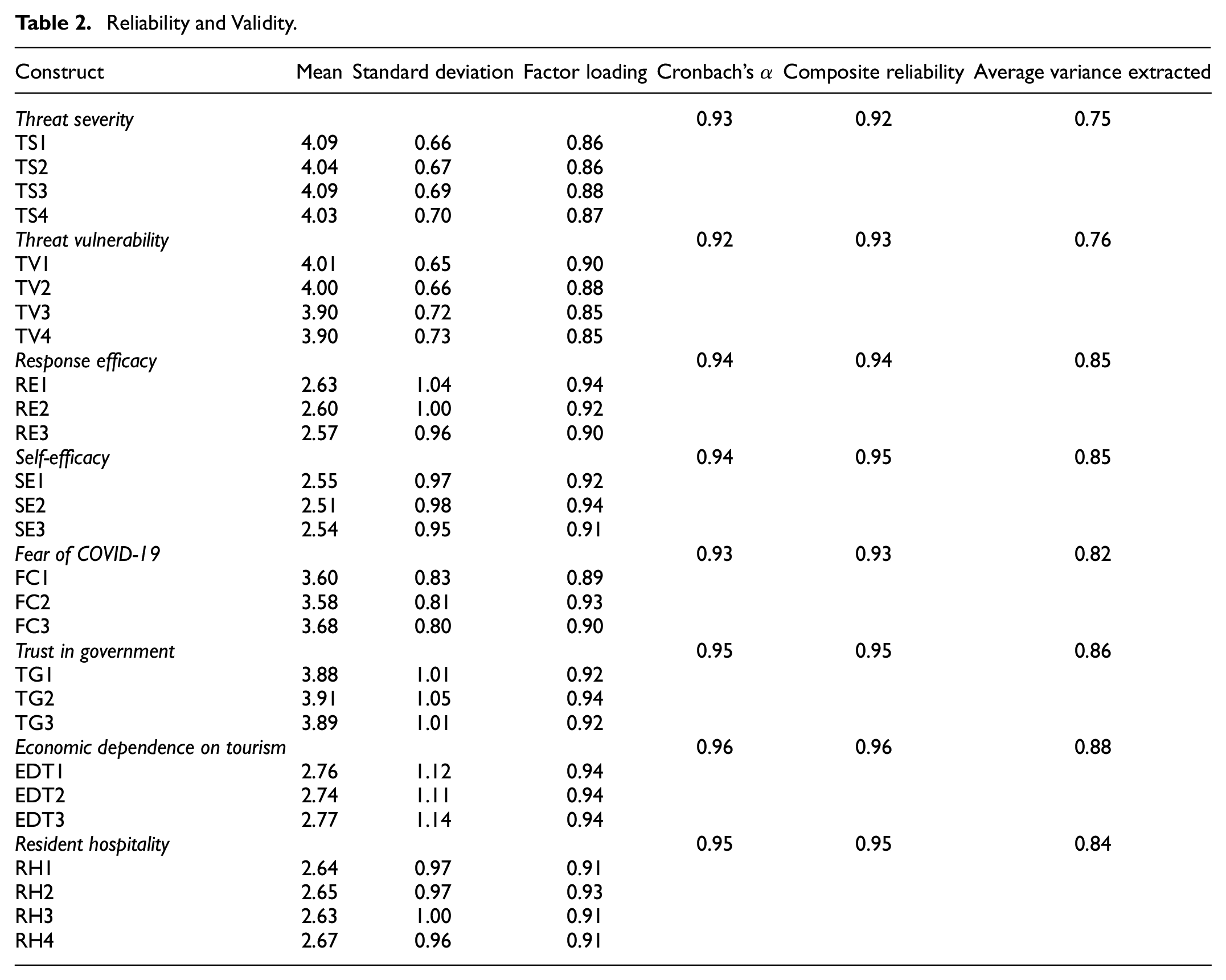
Table 3 shows that the square roots of AVEs of each construct were greater than the correlation coefficients, confirming good discriminant validity (Fornell & Larcker, 1981).
Discriminant Validity.

Refers to the square roots of AVE.
Hypothesis Testing
Following Bollen and Stine’s (1992) suggestion for bootstrapping goodness-of-fit measures, the direct hypotheses were examined through structural equation modeling in AMOS 24. The results showed acceptable goodness-of-fit indices (χ2 = 339.97, df = 309, χ2/df = 1.10, GFI = 0.96, AGFI = 0.95, NFI = 0.96, and RMSEA = 0.02). As shown in Figure 2, 12 of the 14 direct hypotheses were supported.

Structural equation modeling.
Specifically, threat severity and threat vulnerability were not found to negatively and directly affect resident hospitality (β = −.078, p > .10; β = −.007, p > .10) but positively affect fear of COVID-19 (β = .213, p < .01; β = .195, p < .05). Thus, H1a and H1b were not supported, but H4a and H4b were supported. These results implied that threat severity and threat vulnerability did not have a direct effect on resident hospitality but directly increased destination residents’ feelings of fear. Moreover, response efficacy and self-efficacy were demonstrated to positively influence resident hospitality (β = .266, p < .01; β = .165, p < .01) but negatively influence fear of COVID-19 (β = −.093, p < .05; β = −.094, p < .10). Accordingly, H1c, H1d, H4c, and H4d were all supported. These results indicated that when destination residents have high response efficacy and self-efficacy against COVID-19, they tend to perform high levels of resident hospitality and behave with less fear of COVID-19.
Additionally, trust in government was found to negatively predict threat severity and threat vulnerability (β = −.229, p < .01; β = −.232, p < .01) but positively predict response efficacy and self-efficacy (β = .486, p < .01; β = .429, p < .01). Therefore, H2a–H2d were all supported. These results indicated that a trustworthy and competent local government could help reduce destination residents’ threat severity and threat vulnerability and improve their response efficacy and self-efficacy. Furthermore, fear of COVID-19 was found to negatively influence resident hospitality (β = −.171, p < .01), whereas economic dependence on tourism was found to positively influence resident hospitality (β = .384, p < .01). Hence, H5 and H7 were supported. These results signified that destination residents who were fearful of COVID-19 tended to avoid resident hospitality, whereas those who benefited a lot economically from tourism were inclined to exhibit high levels of resident hospitality.
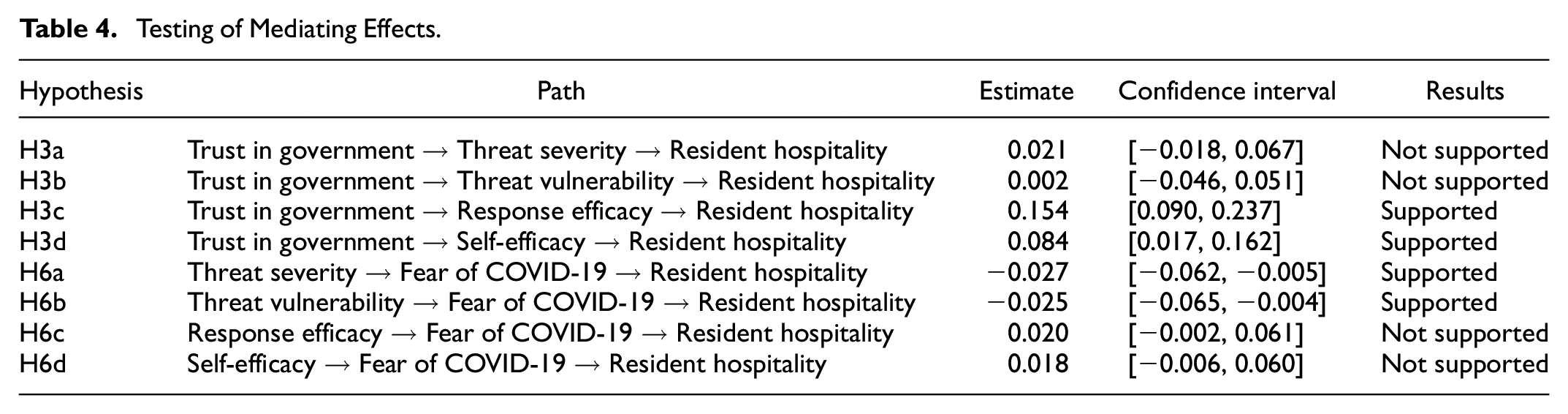
Following Jose (2013), we examined the mediating effects of threat severity, threat vulnerability, response efficacy, and self-efficacy between trust in government and resident hospitality using bootstrapping method. If the calculated confidence interval did not cross 0, then the mediation effect held (Jose, 2013). The results in Table 4 indicated that trust in government could indirectly improve resident hospitality by increasing response efficacy (β = .154, [0.090, 0.237]) and self-efficacy (β = .084, [0.017, 0.162]) of destination residents. Hence, H3c and H3d were supported. By contrast, the mediating roles of threat severity (β = .021, [−0.018, 0.067]) and threat vulnerability (β = .002, [−0.046, 0.051]) between trust in government and resident hospitality were not supported by the collected data. Thus, H3a and H3b were not validated. We also examined whether the four basic constructs in the PMT model could indirectly affect resident hospitality through fear of COVID-19. The results indicated that fear of COVID-19 played a mediating role between threat severity and resident hospitality (β = −.027, [−0.062, −0.005]) and between threat vulnerability and resident hospitality (β = −.025, [−0.065, −0.004]) but did not mediate the effects of response efficacy (β = .020, [−0.002, 0.061]) and self-efficacy (β = .018, [−0.006, 0.060]) on resident hospitality. Therefore, H6a and H6b were supported, whereas H6c and H6d were not.
Testing of Mediating Effects.
Three competing models were performed for the comparisons with our proposed model to illustrate further the importance of integrating the three variables (i.e., trust in government, fear of COVID-19, and economic dependence on tourism) into the conventional PMT model, as shown in Table 5. The first model for comparison only considered the effects of the four factors in the conventional PMT (i.e., threat severity, threat vulnerability, response efficacy, and self-efficacy) in predicting resident hospitality. The second model for comparison added the construct of fear of COVID-19 to the first one, and the third model for comparison added the construct of trust in government to the second one. Following the procedure of Nunkoo and So (2016) for model comparison, we initially considered the assessment of model fit indices (e.g., χ 2 /df, GFI, AGFI, NFI, and RMSEA) after all competing models were estimated individually. Table 5 indicates that the three competing models had satisfied fit indices, so did our baseline model. Accordingly, the results of model fit indices could not judge which model was optimal.
Model Comparisons.
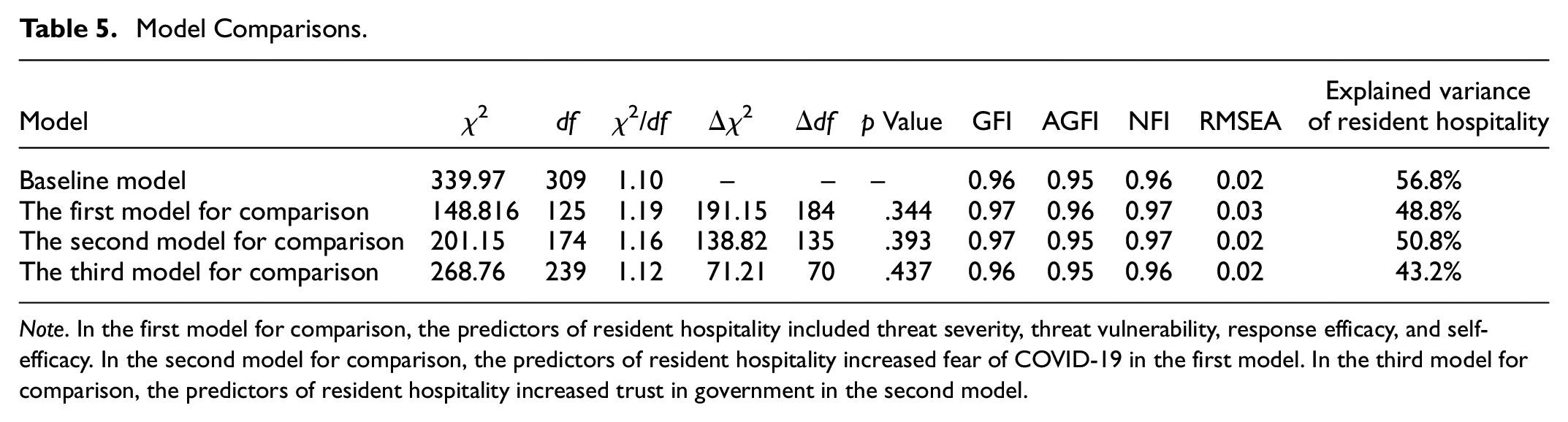
Note. In the first model for comparison, the predictors of resident hospitality included threat severity, threat vulnerability, response efficacy, and self-efficacy. In the second model for comparison, the predictors of resident hospitality increased fear of COVID-19 in the first model. In the third model for comparison, the predictors of resident hospitality increased trust in government in the second model.
As a further solution, we compared the models by running chi-square difference tests between the three competing models and our baseline model (Rust et al., 1995). Unfortunately, as shown in Table 5, the chi-square difference test results also failed to support a better fit for any of the three competing models than our baseline model, as all chi-square differences were not significant, with p-value greater than .10. As such, using chi-square difference tests was also not feasible for model comparison in our study. In this case, the optimal model should be selected according to theoretical grounds (Kline, 2011; Nunkoo & So, 2016). Given that the literature review has provided adequate theoretical arguments for the integrations of trust in government, fear of COVID-19, and economic dependence on tourism into the conventional PMT framework, we concluded that our baseline model was superior to the three competing models (Nunkoo & So, 2016). The explained variance could also be employed to compare the baseline and the competing models (Meng & Choi, 2016). Table 5 shows that our baseline model could explain the 56.8% variance of resident hospitality, whereas the three competing models explained only 48.8%, 50.8%, and 43.2%. The finding indicated that the inclusions of the three new constructs (i.e., trust in government, fear of COVID-19, and economic dependence on tourism) in our proposed conceptual model played critical roles in predicting resident hospitality. Therefore, from the perspective of explanatory power, the baseline model was superior to the three competing models.
Finally, through calculation, the standardized total effects of threat severity, threat vulnerability, response efficacy, self-efficacy, trust in government, fear of COVID-19, and economic dependence on tourism on resident hospitality were −0.084, −0.030, 0.350, 0.207, 0.297, −0.155, and 0.520, respectively. The finding supported that economic dependence on tourism played a strongest role in predicting resident hospitality during the COVID-19 crisis in our proposed model, which echoed the viewpoint of Ribeiro et al. (2017) that economic benefit from tourism was the most influential factor of residents’ attitudes toward tourism before the COVID-19 pandemic. This finding is extremely valuable for understanding residents’ attitudes during the pandemic, and tells us that economic benefits are the most important factor in determining whether residents are willing to open up local tourism.
Conclusions and Implications
Conclusions
This study builds an extended PMT model to understand the formation mechanism of resident hospitality during the COVID-19 crisis by creatively adding the constructs of trust in government, fear of COVID-19, and economic dependence on tourism into the conventional PMT framework. The main conclusions are summarized as follows. Response efficacy and self-efficacy are found as direct drivers of resident hospitality but cannot indirectly improve resident hospitality by reducing residents’ fear of COVID-19. By contrast, although threat severity and threat vulnerability cannot directly influence resident hospitality, they can indirectly inhibit resident hospitality by promoting the levels of fear of COVID-19. Moreover, trust in government has a positive effect on response efficacy and self-efficacy but a negative effect on threat severity and threat vulnerability, which in turn exerts different indirect effects on fear of COVID-19 and resident hospitality. Particularly, although COVID-19 greatly shapes residents’ attitudes toward tourism, economic dependence on tourism has the strongest effect on resident hospitality in our proposed model. General discussions of the conclusions are incorporated into theoretical implications, as shown below.
Theoretical Contributions
Our first contribution is that this study is one of the few works that used the PMT framework to study residents’ attitudes toward tourism. Although the PMT framework has been increasingly valued in the tourism literature during the COVID-19 crisis, it is mainly applied to investigate tourists’ traveling intentions (e.g., Nazneen et al., 2022; Zheng et al., 2022) but rarely to explore residents’ attitudes toward tourism. Ryu et al. (2023) utilized the PMT framework to predict residents’ intention to accept international tourists. However, they failed to explore the direct influences of threat severity, threat vulnerability, response efficacy, and self-efficacy in their proposed model, considerably ignoring the key arguments of PMT. Different from Ryu et al. (2023), we explored the direct effects of threat severity, threat vulnerability, response efficacy, and self-efficacy on resident hospitality rooted in the PMT framework, and found that the four factors exert different direct and indirect effects on resident hospitality as summarized in the conclusions. These findings are valuable to comprehensively understand residents’ attitudes toward tourism during the COVID-19 crisis and thus make important contributions to the resident literature in tourism settings. In addition, existing research regarding residents’ attitudes toward tourism is mainly based on social exchange theory (Gursoy et al., 2019) and Weber’s theory of rationality (Boley et al., 2014). The application of an extended PMT model in our study responds well to the call of Rasoolimanesh and Seyfi (2021) to understand residents’ attitudes toward tourism from diverse and new theoretical perspectives. Particularly, the extended PMT model shows a stronger explanatory power in affecting resident hospitality than the traditional PMT framework, which displays the unique value of this study to the theory. Thus, future research is supposed to apply the extended PMT model rather than the conventional PMT framework to understand residents’ attitudes toward tourism during the COVID-19 crisis.
Our second contribution is that trust in government is creatively integrated into the PMT model to examine its influence on resident hospitality. In contrast to the literature focusing on the influences of trust in government on residents’ attitudes prior to COVID-19 pandemic (e.g., Ouyang et al., 2017; Zuo et al., 2017), the literature on a similar topic during the COVID-19 crisis is relatively scarce. In a few cases, Wong and Lai (2021, 2022) were concerned about the role of trust in government in shaping residents’ attitudes toward tourism recovery, but they failed to parse the internal process therein. Our findings newly support that trust in government can indirectly affect resident hospitality by improving response efficacy and self-efficacy of destination residents, which has a useful complement to the research of Wong and Lai (2021, 2022). Furthermore, some studies have attempted to add trust in government into the PMT framework to better explain individuals’ health-related behaviors (e.g., Al-Rasheed, 2020). However, they failed to explore the effects of trust in government on threat severity, threat vulnerability, response efficacy, and self-efficacy. To the best of our knowledge, this study is the first to directly link trust in government and the four basic elements in the PMT model. The findings indicate that trust in government is an inhibitor of threat severity and threat vulnerability and a driver of response efficacy and self-efficacy of destination residents. These findings enhance the theoretical understanding of trust in government in influencing resident hospitality by changing the levels of the basic constructs in the PMT framework during the COVID-19 crisis. In this sense, this study makes some contributions to the literature concerning trust in government and residents’ attitudes toward tourism.
Our third contribution is that we newly confirmed the mediating effects of fear of COVID-19 between threat severity and threat vulnerability and resident hospitality. This finding has three special values compared with the existing research. First, previous research investigating the effects of threat severity and threat vulnerability on people’s self-protection behaviors based on the PMT framework has mainly focused on the direct effects (e.g., Qiao et al., 2022; Ruan et al., 2020). This study addresses that fear of COVID-19 can provide an indirect emotional path to link threat severity, threat vulnerability, and resident hospitality, thereby enriching our understanding of the indirect relationships among threat severity, threat vulnerability, and individuals’ protective actions from the perspective of emotional responses. As indicated by F. Liu et al. (2022), the role of fear in influencing individuals’ protection-related behaviors has been greatly ignored by PMT. Therefore, to some extent, this study well addressed this drawback by introducing the mediating role of fear of COVID-19 into an extended PMT framework. Second, contrary to the claim of PMT, some previous studies have not supported the significant effects of threat severity and threat vulnerability on people’s self-protection behaviors (e.g., Fisher et al., 2018). Unfortunately, previous research has not offered reasonable explanations for the insignificant effects. The findings of this study can well make up for this deficiency. Specifically, the possible reason for those insignificant effects may be that individuals’ fearful emotions play a completely mediating role in the above influence process. Thus, the direct effects of threat severity and threat vulnerability on people’s protective behaviors are insignificant. Third, as indicated by Zheng, Ritchie, et al. (2021), the emotions of destination residents have not been taken seriously enough. Therefore, they call on future scholars to pay more attention to residents’ emotions from different perspectives. The present study responds positively to the appeal of Zheng, Ritchie, et al. (2021) by addressing fear of COVID-19, a special type of destination residents’ emotions. Our findings further validate that residents’ attitudes toward tourism can be greatly influenced by their discrete emotions (i.e., fear of COVID-19 in this study), which are beyond the traditional and simple cost–benefit analysis from tourism.
Finally, this study confirms that economic dependence on tourism has the most important effect on resident hospitality in our proposed model during the COVID-19 crisis. Before the COVID-19 outbreak, numerous studies have validated that economic benefits from tourism act as a key driver of residents’ support for tourism based on social exchange theory or Weber’s theory of rationality (Boley et al., 2014; Nunkoo & So, 2016). Some researchers even demonstrated that economic impact is the most critical determinant of residents’ attitudes toward tourism (Ribeiro et al., 2017). Nonetheless, given the influence of the COVID-19 pandemic, whether the conclusion of Ribeiro et al. (2017) still holds has not been tested. This study scientifically answers this unexplored question by conducting an extended PMT model. The findings indicate that compared with the constructs related to COVID-19 in our proposed model (i.e., threat severity, threat vulnerability, response efficacy, self-efficacy, and fear of COVID-19), economic dependence on tourism still emerges as the most influential factor in determining the levels of resident hospitality amid the COVID-19. To a large extent, our findings well echo Ribeiro et al. (2017) in a different context. Moreover, the unique value of this study is more apparent when compared with the works that studied residents’ attitudes toward tourism during the COVID-19 but did not consider the role of residents’ economic dependence on tourism (e.g., Joo et al., 2021; Y. Liu et al., 2022; Ryu et al., 2023). Our results indicate that including economic dependence on tourism in the conventional PMT framework can significantly improve the explanatory power of the proposed model. Therefore, we strongly suggest that future studies should consider the influence of economic benefits when examining residents’ attitudes toward tourism during COVID-19 or at least include it as a control variable to improve the explanatory power of the proposed model.
Managerial Implications
The findings of this study have some managerial implications for improving resident hospitality, which are applicable not only during the COVID-19 crisis but also during possible pandemic or disease outbreaks in the future. Specifically, our findings show that threat severity and threat vulnerability can cause residents’ fear of COVID-19, which in turn negatively influence their hospitality toward tourists. Therefore, to stimulate resident hospitality during future pandemics, destination managers should consider useful actions to diminish the awareness of threat severity and threat vulnerability among destination residents. From the residents’ perspective, reducing contact with tourists is an important way to avoid infection threat. Thus, tourism destinations are suggested to appropriately limit the number of tourists during future pandemics. This action can avoid too many tourists entering scenic spots to reduce the probability of pandemic transmission through personal contacts and thus decrease residents’ fearful feelings. Moreover, making effective spatial separations between tourist and resident areas may be alternative to reduce the contacts between residents and tourists (Joo et al., 2021). Accordingly, future tourism planning should pay attention to spatial design to reduce the disturbance of tourists to residents’ lives.
Our findings also indicate that response efficacy and self-efficacy of destination residents are positively associated with their hospitality toward tourists during the COVID-19 crisis. Therefore, some actions that contribute to residents’ sense of efficacy are suggested to be adopted during future pandemics. For example, given that useful vaccines are one of the most effective ways to prevent the vast majority of epidemics, destination residents are encouraged to be fully vaccinated to improve their resistance and efficacy during future pandemics. Moreover, when tourism is opened during possible outbreaks in the future, relevant departments are expected to formulate timely and effective pandemic prevention manuals and deliver them to local residents to learn and use, which may be beneficial to the efficacy perceptions among destination residents and thus contribute to their hospitality toward tourists.
Furthermore, this study finds that trust in government can effectively reduce threat severity and threat vulnerability and improve response efficacy and self-efficacy of destination residents amid the COVID-19 pandemic. This finding implies that, from the residents’ perspective, a trustworthy government is required for tourism opening during future pandemics. Thus, local governments should implement some effective strategies to improve residents’ trust. For example, local governments need to offer reliable, accurate, and timely pandemic-related information to destination residents to keep the latter updated on the latest news of the outbreaks when reopening tourism. Furthermore, local governments should provide guaranteed medical and health services to destination residents to prevent the spread of the pandemic as a result of opening up tourism during future outbreaks. In brief, local governments should focus on building and sustaining residents’ trust through the inclusion of public opinions and concerns, which can reduce residents’ risk perceptions and increase their sense of efficacy.
Finally, our study demonstrates that despite the threat of COVID-19, economic dependence on tourism has the strongest effect on resident hospitality amid the COVID-19. Consequently, from the viewpoint of residents, improving their economic benefits from tourism is deemed as one of the fundamental means to promote their hospitality during future pandemics. To achieve this goal, the fairness of the distribution of tourism benefits should be placed in an important position during future pandemics, which can help residents obtain the economic incomes they deserve and thus conduce their hospitality. Additionally, tourism enterprises should attach importance to the fulfillment of social responsibilities such that local residents can economically benefit from the recovery of tourism during future pandemics. Through the above measures, residents’ economic dependence on tourism can be substantially increased, which in turn can help improve their positive attitudes toward the reopening of tourism during future pandemics.
Limitations and Future Research
Some limitations are acknowledged with possible research directions. First, we only conducted the questionnaire survey in one destination (e.g., Xiamen in China) from November 2021 to January 2022. The selected survey site and time period could not reflect the entire COVID-19 pandemic situation. Accordingly, we hope that future research can involve more survey sites and time periods to re-examine the model. Second, we only invited 281 respondents to test the proposed hypotheses, and the samples were approached using a non-probability sampling strategy. Therefore, we suggest future research to involve more respondents and apply more random sampling approaches to collect survey data to improve sample representativeness. Third, the cross-sectional design used in this study is weak in inferring causality among variables. As the COVID-19 pandemic is changing dynamically, we suggest that future researchers use longitudinal designs to enhance the ability of collected data to infer the causality of variables. Finally, this study merely added three important constructs (i.e., trust in government, fear of COVID-19, and economic dependence on tourism) into the conventional PTM model to examine their effects on resident hospitality. Given that residents’ attitudes toward tourists are influenced by diverse factors, future studies are expected to involve more important variables in the PMT framework to enrich our proposed model.
Footnotes
Appendix 1. Scale items for each construct
Acknowledgements
We thank the editors and anonymous reviewers for their constructive feedback to our work.
Declaration of Conflicting Interests
The author(s) declared no potential conflicts of interest with respect to the research, authorship, and/or publication of this article.
Funding
The author(s) disclosed receipt of the following financial support for the research, authorship, and/or publication of this article: This work was supported by Scientific Research Start-Up Project for Talent Introduction in Qingdao University (project no. DC2300000268).
