



Abstract
The COVID-19 pandemic has exacerbated the food insecurity issue across the nation, especially for vulnerable population groups. As an important way to access food, online grocery shopping has gained substantial popularity during COVID-19. However, it is not clear how COVID-19 impacted both the in-store and online grocery shopping simultaneously and how the impacts varied among different population groups. To gain a comprehensive understanding of the impacts of COVID-19 on food access, we conducted two rounds of online survey during the initial and middle stages of COVID-19 in Maricopa County, Arizona, United States. In addition to the factors that have been examined in the literature, we examined how travel behavior, food environment, and lifestyle change affected both in-store and online shopping during COVID-19 when compared with before COVID-19. Analysis results suggest that the methods people used for grocery shopping varied with different stages of COVID-19 and among different population groups. Changes of people’s daily life and travel behavior during COVID-19 are found to be associated with people’s grocery shopping method selection. While people with better food environment were more likely to keep in-store grocery shopping, as the pandemic progressed, food environment became less important as a factor influencing the adoption of online grocery shopping. Food assistance program participants had a higher demand for the online grocery shopping service. However, the barriers associated with redeeming their benefits online prohibited them from becoming new online grocery shoppers during COVID-19. The study provides important insights into planning of food provision and formulating effective intervention strategies during future shocks.
Introduction
On March 11, 2020, the World Health Organization (WHO) announced the coronavirus disease outbreak as the COVID-19 pandemic (WHO 2020). According to the WHO, there were more than 753 million confirmed COVID-19 cases as of February 1, 2023. Many countries enacted regulatory actions, including home confinement, social distancing, temporary closing of businesses and schools, and working remotely. Studies reported that COVID-19 has drastically affected people’ lifestyles and travel behavior (Baker et al. 2020; Chen et al. 2022; Eriksson and Stenius 2020; Shamshiripour et al. 2020).
Food insecurity refers to the status when an individual has limited or instable access to adequate food (USDA 2022a). The COVID-19 pandemic has increased the prevalence of food insecurity. Around 23 percent of households were found to be food insecure at the initial stage of COVID-19, a 9 percentage points increase from 14 percent in 2019 (Schanzenbach and Pitts 2020). The impact of COVID-19 on food insecurity is heterogenous across different population groups and communities. Vulnerable groups, including elderly, children, low-income households, and people with chronic diseases, were found to face more challenges in acquiring adequate healthy food during COVID-19 (Jafri et al. 2021; Swinnen & McDermott 2020).
COVID-19 has also changed the way people access food. In the United States (US), because most restaurants were mandated to close temporarily during the initial stage of the pandemic, food obtaining was mainly through grocery stores (Goddard 2020) as also evidenced by the increase in the grocery expenditure (Leatherby and Gelles 2020). Among various grocery shopping methods, online grocery shopping experienced a significant increase during COVID-19. In the US, online grocery sales increased by 37 percent in April 2020 when compared to those in March, and about 26 percent of households with no prior online grocery shopping experience indicated they would try online shopping in the next 3 months (Brick Meets Click 2020).
Recent research has examined the factors that have affected people’ food shopping behavior. Most studies focused on in-store and online food shopping separately (Ben Hassen, El Bilali, and Allahyari 2020). As for the influencing factors, studies mainly considered socio-demographic and psychological variables, including age, income, education level, household composition, and perceived risk of COVID-19, whereas other potential factors, such as food environment and travel behavior and lifestyle changes during COVID-19, have been rarely given attention. To address these research gaps, we conducted a survey in Maricopa County, Arizona to examine how people’s in-store and online grocery shopping methods changed during COVID-19 and what factors have potentially affected the adoption of the online shopping method by incorporating a comprehensive set of variables.
On January 26, 2020, the Arizona Department of Health Services (ADHS) announced the first confirmed case of COVID-19 in Arizona, which was also the fifth reported COVID-19 case in the US (Tucker 2020). In the following month, COVID-19 cases and deaths surged. Then the state implemented the statewide lockdown from March to mid-May in 2020. In June, 2020, due to the rapid rebound of coronavirus, Arizona implemented the state’s Crisis Standards of Care Plan (Grigg 2020) with a temporary closure of a few types of businesses (including buffets, self-serve food bars at restaurants, bars, movie theaters, and gyms) (Koran 2020). On July 23, the Arizona governor extended the closure for an additional 2 weeks (Office of the Arizona Governor 2020). In August 2020, the new COVID-19 cases started to drop substantially. A generally low increasing rate of confirmed COVID-19 cases continued till November when a second major COVID-19 surge was observed with new record high COVID-19 cases in January 2021. The infection rate was kept high until April 2022 (U.S. COVID Tracker 2023).
Considering that during different stages of the pandemic, the COVID-19 prevention and control policies issued by the government and psychological states of residents varied (CDC 2022), people’s grocery shopping behavior may differ (Bentall et al. 2021). Given this, the survey data were collected during two different time periods to examine whether and how grocery shopping behavior and the associated impacting factors changed with time. We collected the first round of survey data in July 2020 before the temporary closure order was removed. We define this period as the initial stage of COVID-19. We conducted the second round of data collection in February and March 2021 after the reopening. We consider this period as the middle stage of the pandemic in the County. During this stage, while the state has re-opened, the daily COVID-19 cases and hospitalizations were still high especially considering the COVID-19 case surge in January 2021.
This article is organized as follows. The next section provides a literature overview on food access studies during COVID-19, especially those related to the in-store and online grocery shopping and the influential factors. The methodology section describes the study area, survey design, data collection, and the analysis methods. This is followed by the analysis results. The discussion section provides discussion and highlights the policy implications and research limitations. The conclusion section offers some concluding remarks.
Literature Review
Food access concerns the ability of an individual to obtain food, and can be affected by many factors including economic status and physical constraints (Devereux, Béné, and Hoddinott 2020). Understanding food access and the potential influential factors are essential for mitigating food insecurity, especially during critical times like COVID-19. Studies have examined in-store and online grocery shopping during COVID-19 in different parts of the world, including US, China, New Zealand, Japan, and Qatar (Ben Hassen, El Bilali, and Allahyari 2020; Etumnu and Widmar 2020; Gerritsen et al. 2021; Li, Hallsworth, and Coca-Stefaniak 2020; Parady, Taniguchi, and Takami 2020; Shamshiripour et al. 2020).
Factors Examined in Studies on In-store/Online Grocery Shopping and Food Access.
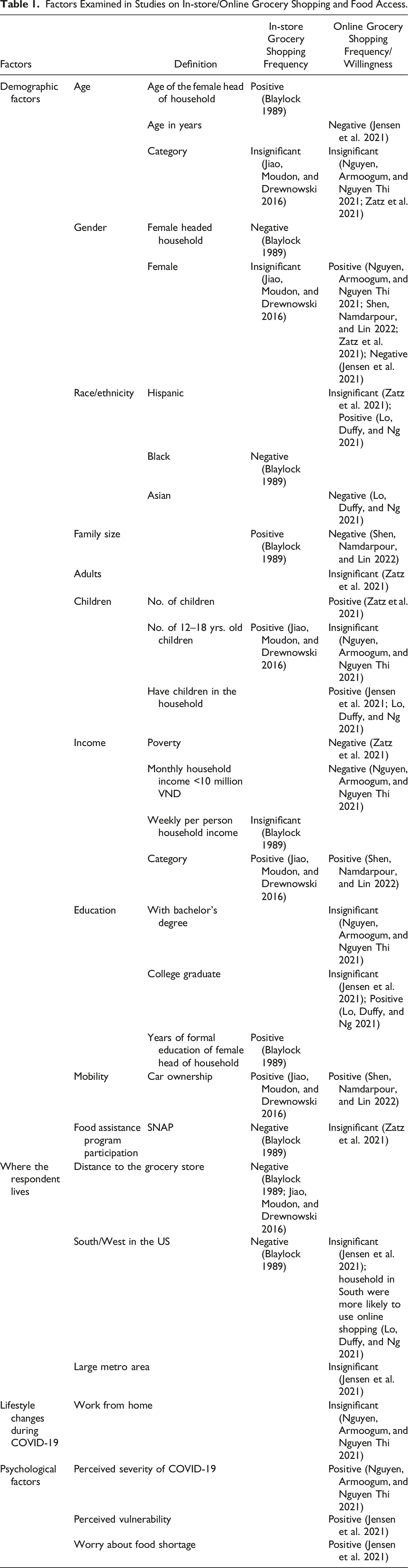
Meanwhile, online grocery shopping has been widely used to help alleviate the anxiety of panic buying and reduce the risk of virus infection during COVID-19 (Etumnu and Widmar 2020; Hao, Wang, and Zhou 2020; Martin-Neuninger and Ruby 2020). Many studies focused on factors associated with the usage of online grocery shopping during COVID-19. During the initial stage of the pandemic, a few researchers examined the intention of using online grocery shopping and the influential factors, mainly focused on demographic and socioeconomic factors (such as gender, income) and health risks perceptions (such as health consciousness) (Candra, Ayudina, and Arashi 2021; Hong et al. 2021). During the middle stage of COVID-19, studies focused on the actual online grocery shopping behavior. Summary statistics indicated that during COVID-19 those who were female, young, highly educated, high income, and with more children tended to conduct online grocery shopping more often (Etumnu and Widmar 2020; Li, Hallsworth, and Coca-Stefaniak 2020; Nielsen 2020). Based on Nielsen’s survey data (Nielsen 2020), Lo, Duffy, and Ng (2021) used a logistic regression model to examine the relationship between sociodemographic factors and online food shopping increase. While generally confirming the findings reported by other studies based on summary statistics, their regression results found that compared with general US households, Hispanic households and those living in southern regions had a significantly higher odds of using online grocery shopping (see Table 1).
As shown in Table 1, the majority of the in-store grocery shopping studies were conducted before COVID-19 whereas the studies on online grocery shopping were mainly conducted during the pandemic. To the best of our knowledge, no research has examined factors affecting both in-store and online shopping during COVID-19 and whether the effects changed when compared with before COVID-19. For example, while food environment and food assistance program participation have been well recognized as important factors influencing in-store grocery shopping, it remains unknown whether and how these factors affect both in-store and online shopping during COVID-19 when compared with before COVID-19. In addition to the factors that have been examined in the existing literature (also see Table 1), other potential factors, such as travel behavior and lifestyle change may affect people’s choice of food shopping methods during COVID-19.
Food environment has been a critical factor affecting food access (Rose et al. 2010). Food environment refers to physical, economic, political and socio-cultural contexts related to food access (Caspi et al. 2012; Penchansky and Thomas 1981). One common way to evaluate food environment has been at the community-level by examining accessibility to food outlets in a neighborhood (Caspi et al. 2012; McKinnon et al. 2009). Because restaurants were mandated to close during the initial stage of COVID-19, in this study we only consider access to grocery stores when examining the community-level food environment. Studies suggest that food environment can not only influence people’s selection of offline food outlets but also grocery shopping behavior, such as shopping frequency (Jiao, Moudon, and Drewnowski 2016; Rose et al. 2010). As for the in-store shopping method, people who live far from the grocery stores usually have a low shopping frequency (Blaylock 1989; Jiao, Moudon, and Drewnowski 2016). Little research has been conducted to examine whether food environment affects online grocery shopping. Intuitively, residents with poor food environment have no or limited access to supermarkets/grocery stores in their neighborhoods. As a result, these residents may use online shopping more often. However, considering that online shopping for delivery service still relies on grocery stores/warehouses for supply, customers with extremely poor food environment may not be eligible for delivery services or need to pay higher delivery fees and wait a longer time for delivery (Martucci 2021). Due to these barriers, people with poor food environment may need to continue in-store grocery shopping during COVID-19.
Furthermore, travel behavior and lifestyle change during COVID-19 may also impact the choice of grocery shopping methods. Considering that during COVID-19 people’s mobility and daily activity-travel have changed (Shamshiripour et al. 2020), it is unclear how such changes affected people’s grocery shopping behavior. In general, people tend to combine multiple activities on a trip to minimize travel. As an example, it is common that people conduct grocery shopping on their way home from work (Mack and Tong 2015; Primerano et al. 2008). During COVID-19, since some activities are restricted (e.g., dining at restaurants) or need to be conducted remotely (e.g., working from home), it remains unknown whether and how the change of travel behavior affected grocery shopping. Also, mobility change may impact grocery shopping. For example, people without a car may be more likely to switch to online grocery shopping during COVID-19 to decrease the virus infection risk.
Besides these factors, we would like to pay extra attention to customer’s food assistance participation and evaluate how it is associated with the grocery shopping method selection at different stages of COVID-19. There is a large amount of people who rely on various food assistance programs. According to United States Department of Agriculture (USDA) (2022b), in 2021 41.5 million people participated in the Supplemental Nutrition Assistance Program (SNAP), the largest food assistance program in the US, accounting for 12.6 percent of the total population. However, online grocery shopping can present additional barriers to those relying on food assistance benefits because of potential extra fees associated with online shopping (e.g., service fee and delivery fee), lacking access to internet, and limited online stores accepting assistance vouchers (Foster et al. 2022). In March 2020, SNAP recipients were only able to use their benefits to conduct online shopping at very few authorized retailers in five states. While additional thirty-one states allowed the use of SNAP benefits for online shopping in May 2020, eligible stores remain limited (USDA 2020). Thus, it is important to incorporate food assistance program information into the understanding of people’s grocery shopping method selection.
To fill in the research gaps, in addition to the socio-demographic factors, we will examine whether and how food environment condition, travel behavior and lifestyle change and food assistance program participation affected people’s grocery shopping during COVID-19 and whether the effects changed when compared with before COVID-19. Furthermore, current studies mainly focus on examining in-store or online grocery shopping separately, and very few studies have investigated how residents’ in-store and online grocery shopping changed simultaneously during COVID-19 and how such changes varied among different people groups (Wang et al. 2020). In this study, we developed an online survey to gain a comprehensive understanding of the impacts of the COVID-19 pandemic on food access. We conducted two rounds of questionnaire collection in Maricopa County, Arizona: the first round was conducted in July 2020, which was during the initial stage of COVID-19, and the second round was in February and March 2021. Based on the repeated wave of questionnaires, this research aims to: (1) examine impacts of the COVID-19 pandemic on food access, especially how people’s in-store and online shopping methods changed simultaneously during different stages of COVID-19; (2) evaluate whether and how impacts on in-store and online grocery shopping varied among different population groups; (3) incorporate four aspects in the impact assessment, including food assistance program participation, food environment, travel behaviors and lifestyle change during COVID-19, and (4) compare how the impacts of relevant factors changed at the two different stages of COVID-19 when compared with before COVID-19.
Methodology
Study Area
The study is conducted in the largest county in Arizona, Maricopa County. With a population of 4,420,568 (U.S. Census Bureau 2020), Maricopa County is one of the fastest-growing places in the country (Hahne 2022) and the fourth most populous county in the US. Despite the high population growth rate, the county has a larger proportion of residents living under poverty (14.7 percent) compared to the national average (13.1 percent) (U.S. Census Bureau 2022).
Food insecurity is a particularly pressing issue in Arizona. About 13 percent of residents in Arizona were food insecure in 2018, which is higher than the national level (11 percent) (Feeding American 2022). The issue became worse during COVID-19. One study estimated that around 32 percent of households in Arizona experienced food insecurity during COVID-19, which was a 28 percent increase from the year prior to the pandemic (Greguska 2020). Healthy food access, concerning the ability to obtain healthy food, including fresh vegetable and fruits, also presents a critical challenge in the state. In 2021, only 6.3 percent of adults in Arizona met the vegetables and fruit intake recommendation provided by CDC (compared with the national level 7.4 percent) (America’s Health Rankings analysis of CDC 2024).
Survey Design
We developed an online survey to collect the data on food access during the COVID-19 pandemic. The survey consisted of three sections. The first section focused on the three ways for obtaining food: in-store food shopping, online shopping for in-store pickup, and online shopping for delivery. In this section, we collected the information on food shopping behavior before and during COVID-19, including shopping frequency, food category, travel distance, mode of transportation, and other activities that are part of the food shopping trip(s). We also collected reasons for starting/stopping offline and online food shopping during COVID-19, perception about food delivery fees, and willingness to continue online food shopping after COVID-19. The second section contained questions related to food quality, price, and variety, and food insecurity status. The third section collected respondents’ demographic and socioeconomic information, including age, income, employment status, access to internet and credit card/bank account, household composition, car ownership, race and ethnicity, major cross streets of home, and whether a respondent worked from home during COVID-19. Depending on the number of stores respondents used to conduct food shopping before and during COVID-19, the survey takes about 20–30 minutes to complete.
Data Collection
We collected survey data using a commercial survey data collection company, Qualtrics. Maricopa residents who were primary shoppers of their households were surveyed. The first round of survey was conducted in July 2020 (the initial stage of COVID-19) with a total of 512 respondents obtained; the second round of data collection was conducted in February and March 2021 (the middle stage of COVID-19) with a total of 487 responses collected. We included multiple individual consistency testing questions throughout the survey to ensure data reliability. Individual consistency test is an important technique used to evaluate the reliability of survey responses (Goldberg and Kilkowski 1985). In our questionnaire, a few pairs of individual consistency testing questions were designed. We cleaned the collected responses based on the completeness, response time, and the consistency of the testing questions (Curran 2016). After data cleaning, 469 and 438 valid responses for the two data collection periods were used for the following analysis. Summary statistics and regression analysis were performed to examine the food access patterns during the two stages of COVID-19.
The major cross streets of the respondents’ residence were geocoded. Figure 1 maps the spatial distribution of the respondents who provided their major cross streets information (around 60 percent). It shows that respondents spread out in the study area. The significantly positive correlation between the sample size and population in each census tract shows that the sample reasonably represents the spatial distribution of the population in the county. Figure 1 also provides the delivery service coverage by five major brands: Amazon Fresh, Albertson, Fry’s, Safeway, and Walmart. The map indicates that most of the study area can receive delivery services from at least one brand except for a few remote rural places. Among all the respondents, only one person could not receive the delivery service from these five brands. Spatial distribution of the survey respondents (represented using the major cross streets).
Multinomial Regression Model
A multinomial regression model was constructed to explore the association of grocery shopping method change during COVID-19 with the potential influential factors and how the association changed at the two different stages of the pandemic. Multinomial regression is designed for a nominal dependent variable with more than two discrete outcomes (Long and Freese 2006). Recently, it has been applied to analyze factors affecting eating habit changes during COVID-19 (Di Renzo et al. 2020; Janssen et al. 2021). The general form of logistic regression is as follows:
In our study, the dependent variable is whether a respondent used online grocery shopping service, including online grocery shopping for both in-store pickup and home delivery before and during COVID-19. During COVID-19, more people started/continued online grocery shopping (Etumnu and Widmar 2020; Hao, Wang, and Zhou 2020; Martin-Neuninger and Ruby 2020); and in our dataset a minimal number of respondents (4 during the initial stage and 0 during the middle stage) stopped online grocery shopping during COVID-19. Thus, only three categories were considered in the dependent variable set: “DD,” “DU,” and “UU”. “DD” category represents a case where a respondent did not use the online shopping method before and during COVID-19. “DU” category refers to a scenario when a respondent didn’t conduct online grocery shopping before COVID-19, but adopted online grocery shopping during COVID-19. “UU” category represents a situation when a respondent used online grocery shopping both before and during COVID-19. In this research, the DD category serves as the reference group.
Definition of the Independent Variables.
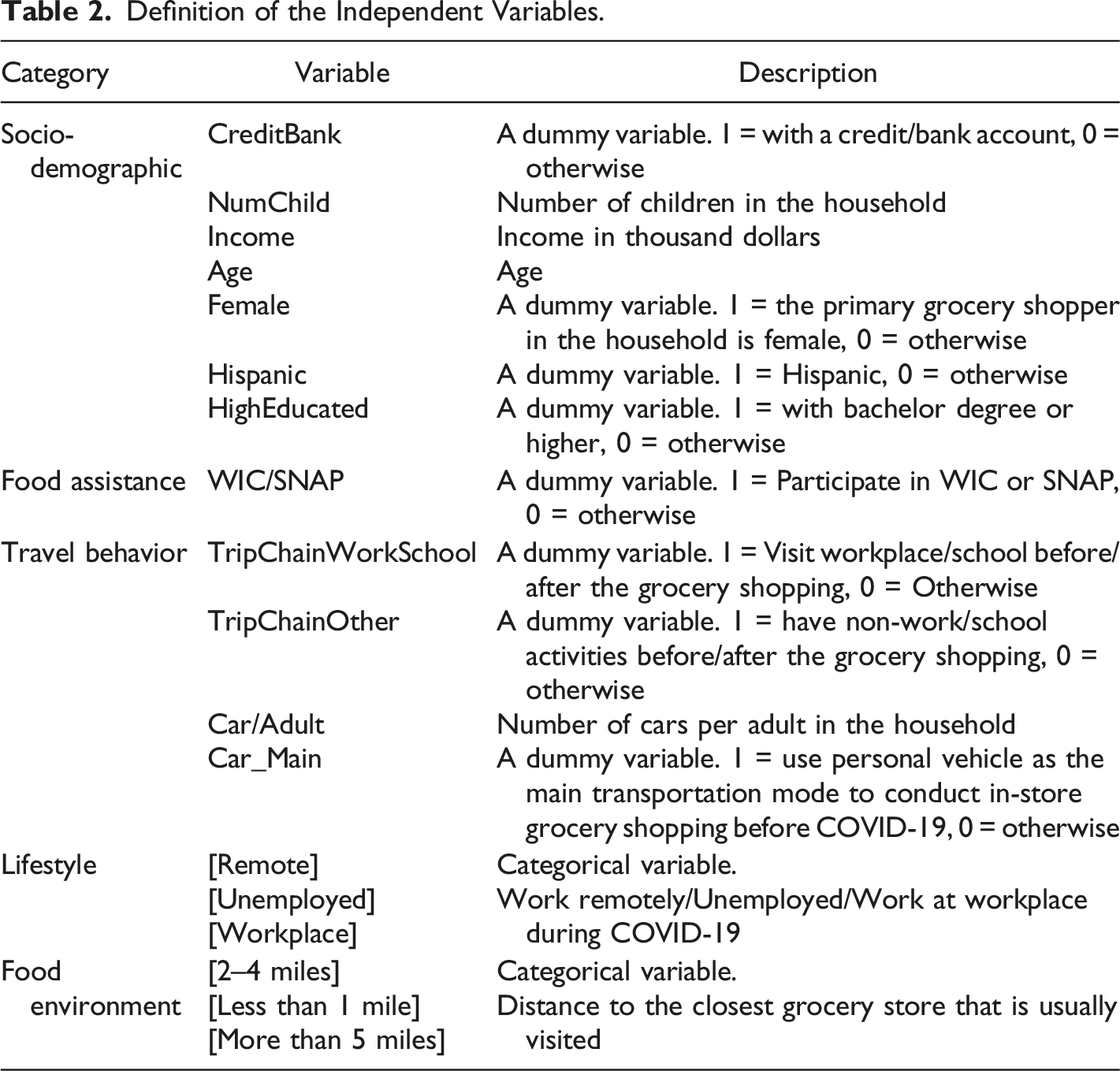
As for the socio-demographic factors, we included a number of important variables, including age, gender, income, number of children in household, and education, given that these variables have been found correlated with online grocery shopping usage in general (Blaylock 1989; Jensen et al. 2021; Jiao, Moudon, and Drewnowski 2016; Lo, Duffy, and Ng 2021; Nguyen, Armoogum, and Nguyen Thi 2021; Shen, Namdarpour, and Lin 2022; Zatz et al. 2021). We included whether a household has a credit card/bank account as another variable, considering that lacking access to a credit card/bank account presents a great barrier to online shopping. As for the race/ethnicity factor, we considered Hispanic population in this research. Compared with other minority groups in the study area, Hispanic population is significantly larger, accounting for 32.1 percent of the county population followed by Black/African American (6.3 percent), Asian (4.9 percent), and American Indian and Alaska Native (2.9 percent). Meanwhile, Hispanic communities were found to be more food insecure compared with the general population, and the issue became even worse during COVID-19 (Rodriguez et al. 2021). Although a few policies and benefits were initiated and enacted for Hispanic communities to improve their access to food and other basic needs (Rodriguez et al. 2021), many Hispanics were not able to redeem these benefits because of various limitations, such as low mobility and non-flexible working hours.
Studies suggested that SNAP/WIC participants often have difficulty performing in-store grocery shopping due to the lack of gas money and time to travel to stores and lower mobility (Melnick, Ganderats-Fuentes, and Ohri-Vachaspati 2022). As a result, they may have a higher demand for online grocery shopping or other non-traditional food acquisition options, such as cooking with others and obtaining food from coworkers, friends and neighbors (Kaiser and Hermsen 2015). However, online grocery shopping can be challenging for SNAP/WIC participants because of potential extra fees associated with online shopping (e.g., service fee and delivery fee), lacking access to Internet, and limited online stores accepting assistance vouchers (Foster et al. 2022). Thus, it is important to incorporate food assistance program participation information into the understanding of people’s grocery shopping method selection.
People’s mobility and travel behavior change during COVID-19 may also affect the choice of grocery shopping methods. People with low mobility orthose who rely on public transportation may be more likely to use online grocery shopping during COVID-19 to decrease the virus infection risk. Also, during COVID-19, some activities are restricted (e.g., dining at restaurants) or need to be conducted remotely (e.g., working from home). Such changes may affect the way people access food. As an example, studies show that people tend to combine grocery shopping trips with their commuting trips (Mack and Tong 2015; Primerano et al. 2008).
Food environment has been found to be highly correlated with in-store grocery shopping. However, there is little discussion about how the physical food environment affects online grocery shopping. On the one hand, residents with poor food environment may be more likely to use/adopt online shopping to help increase their food access. On the other hand, customers with extremely poor food environment may not be eligible for delivery services or need to pay higher delivery fees and wait longer time for delivery (Martucci 2021), which may prohibit people in these neighborhoods from conducting online grocery shopping. In this study, we include people’s food environment in the model to examine whether and how it affects people’s grocery shopping behavior during different periods of COVID-19.
Results
Socio-Demographic Characteristics of Respondents
Demographic and Socioeconomic Composition of the Samples.
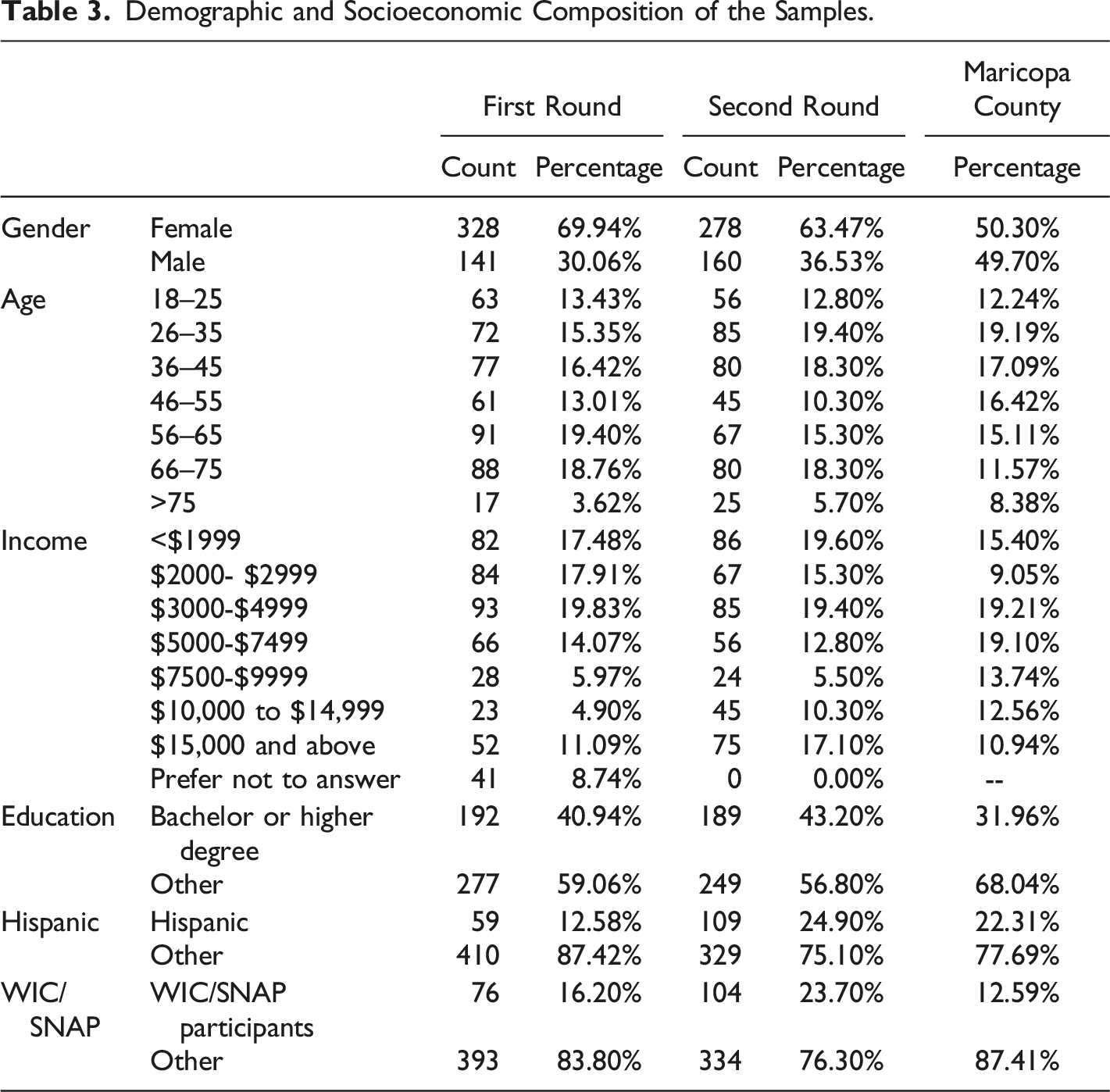
Grocery Shopping Methods Before and During COVID-19
Among the three methods usSed for obtaining food, in-store shopping, online shopping for in-store pickup, and online shopping for delivery, there is a decrease in the frequency of in-store food shopping and an increase in the frequency of online shopping for both in-store pickup and delivery during COVID-19 when compared with before COVID-19. As an example, according to the first round of survey results during the initial stage of COVID-19, the percentage of people conducting in-store food shopping at least once a week decreased from 80 percent before COVID-19 to 56 percent during COVID-19. In contrast, the percentage of respondents who used online shopping for in-store pickup and delivery increased from 14 percent and 16 percent before COVID-19 to 24 percent and 30 percent during COVID-19, respectively (see Figure 2(a)). We can find a similar trend for respondents during the second round of survey (Figure 2(b)). Also, t-test results show that the percentages of people using the three methods had a statistically significant change during COVID-19 when compared with before COVID-19. Percentage of respondents using the three methods to obtain food at least once a week.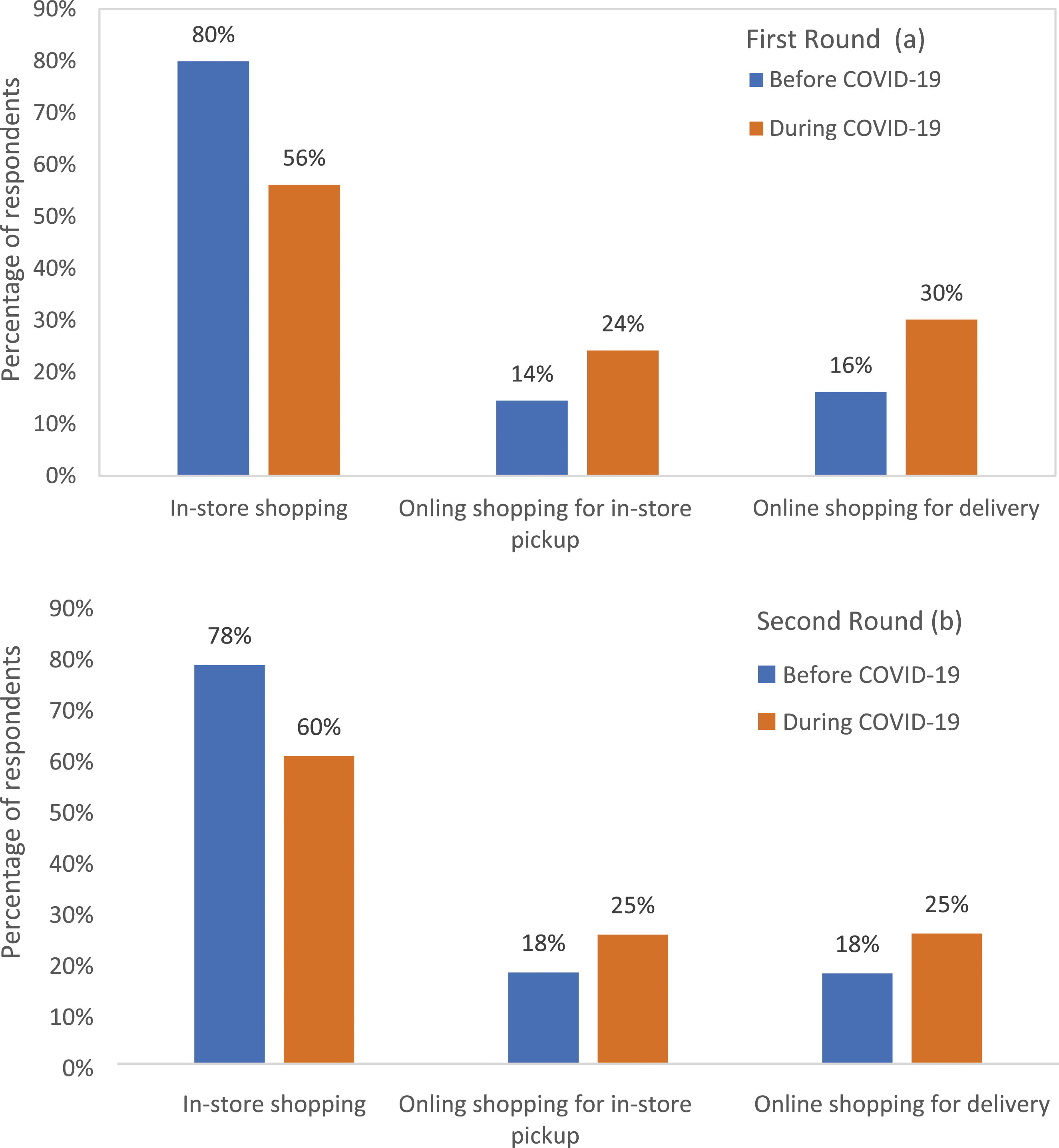
In addition to shopping frequency, the number of grocery stores respondents used during COVID-19 differs from that before COVID-19 (Figure 3). As for in-store grocery shopping, during COVID-19 people tended to reduce the number of stores they used. As the pandemic continued, more people reduced the number of stores they used for in-store shopping (35 percent of respondents reduced the number of stores used for in-store grocery shopping during the initial stage compared to 77 percent during the middle stage). In particular, for in-store food shopping people who used three or more stores stopped visiting one or multiple stores the most (30 percent during the initial stage; 95 percent during the middle stage), compared with those using two stores (28 percent during the initial stage; 82 percent during the middle stage) and one store (15 percent during initial stage; 54 percent during the middle stage). No. of grocery stores respondents used during COVID-19 compared with before COVID-19.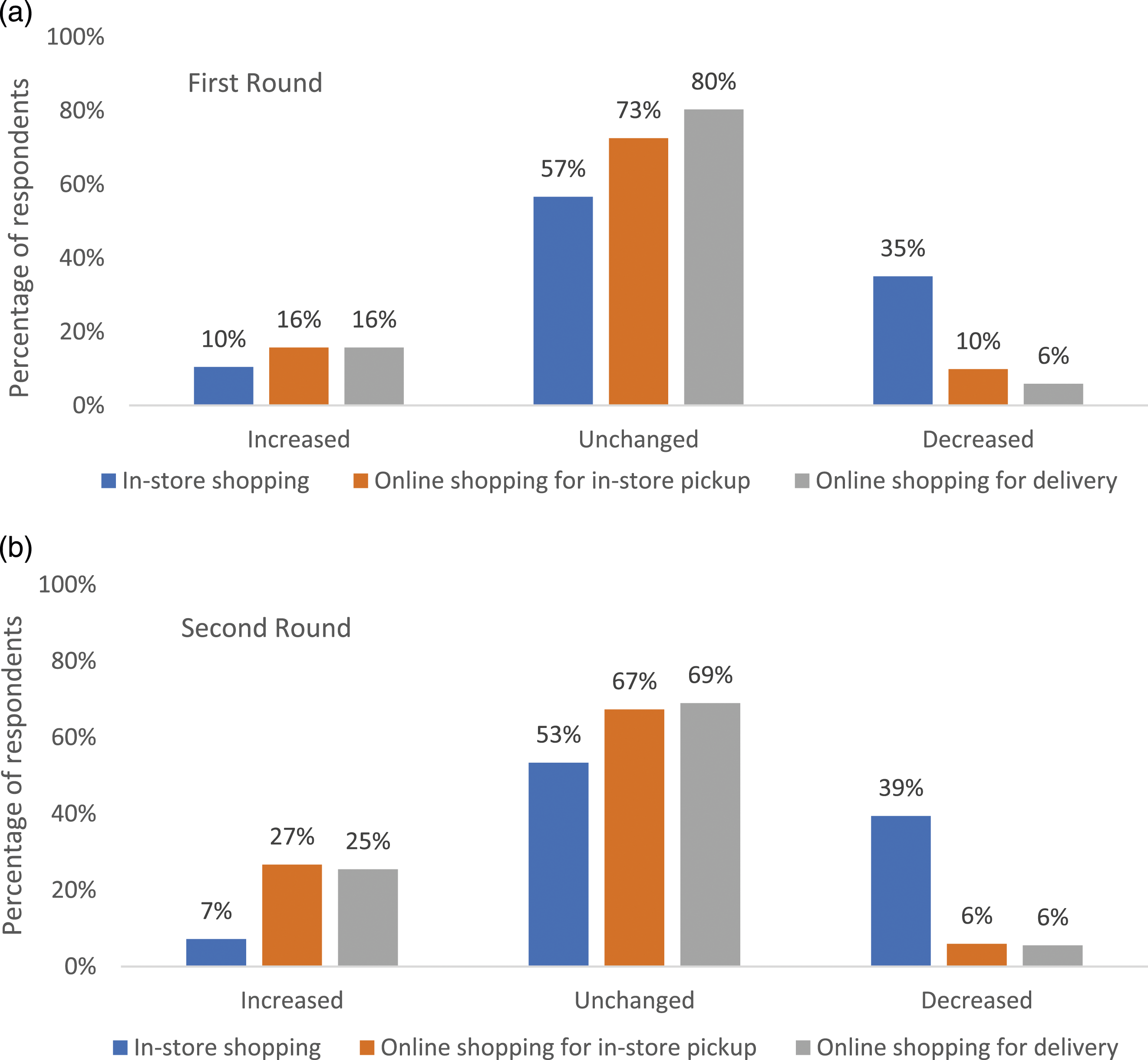
The use of online grocery shopping for in-store pickup service presented different patterns in the initial and middle pandemic periods. As shown in Figure 3, during the initial stage of COVID-19 about 16 percent of respondents increased the number of stores they used for in-store pickup. Meanwhile about 10 percent of respondents reduced or completely stopped online food shopping for in-store pickup. During the middle stage, 75 percent of the respondents decreased the number of stores used for in-store pickup, with a few respondents kept the same or increased the amount of stores.
Reasons for Not Using Online Grocery Shopping.

Regression Results
Distribution of the Independent Variables.

Regression Results Based on the First Round of Data Collection.

Regression Results Based on the Second Round of Data Collection.
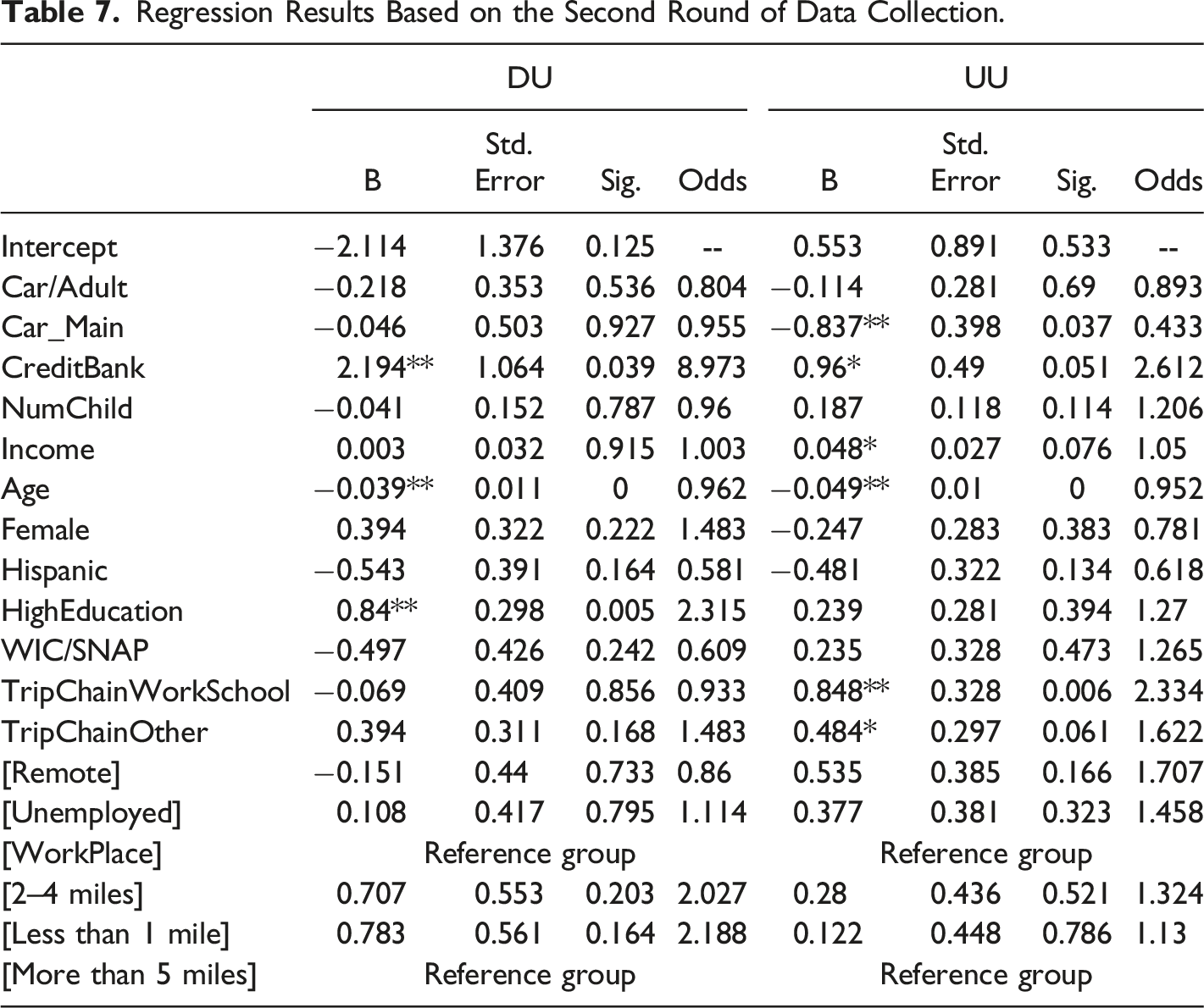
Table 6 provides the regression results based on the first round of the survey. People used online grocery shopping before and during COVID-19 tend to be young, highly educated, WIC/SNAP participants, high income, with more children, individuals who combine shopping trips with non-commuting daily activities and who don’t use personal vehicle as the main transportation means to conduct in-store grocery shopping, and people with poor food environment. Meanwhile, people who are female, Hispanic, highly-educated and people with poor food environment were more likely to adopt online grocery shopping during COVID-19.
Table 7 presents the regression results based on the second round of the survey. The results show that people who were young, had a credit/bank account and high income, tended to conduct trip chaining, and didn’t use personal vehicle as the main transportation means to conduct in-store grocery shopping were more likely to conduct online grocery shopping before and during COVID-19. Meanwhile, residents who were young, highly educated, and had a credit/bank account were more likely to adopt online grocery shopping during COVID-19.
The factors associated with residents' grocery shopping method selection at the two stages of COVID-19 have similarities and differences. The effects for most of the demographic and socioeconomic factors are consistent for both stages. As an example, number of children in a household and income are positively associated with the usage of online grocery shopping before and during COVID-19. Age and whether using personal vehicle as the main transportation means are negatively associated with conducting online grocery shopping, and highly educated people are positively associated with adopting online grocery shopping during COVID-19. On the other hand, age had no significant impact on adopting online grocery shopping during the initial stage of COVID-19, whereas during the middle stage young people were more likely to adopt online grocery shopping. Also, female residents were more likely to adopt online grocery shopping during the initial stage of COVID-19, whereas during the middle stage, gender had no significant impact on the grocery shopping method selection. Additionally, having a credit/bank account is not a significant factor during the initial stage of COVID-19, but has a positive association with online grocery shopping during the middle stage. This finding is also supported by the existing research that suggested that during the initial stage, panic buying has motivated those with no access to a credit/bank account to shop online using alternative methods, such as money order and collect on delivery (Muniz 2022).
The impacts of lifestyle and travel behavior changed as the pandemic progressed. When we collected the first round of questionnaires, Maricopa County was locked down, and people were encouraged to work from home. Regression results suggest that the travel behavior of non-work/school related trip chaining is positively associated with online grocery shopping, whereas after reopening, commuting and non-commuting trip chaining were both positively associated with online grocery shopping. Compared with the general population, people who tend to combine multiple trips together are found to be more sensitive to time (McGuckin 2005) and might tend to combine trips to various activity sites, including grocery stores. As a result, online grocery shopping maybe more attractive to them during COVID-19. In our study, 43 percent of people who conducted work/school related trip chaining used online grocery shopping for pickup before COVID-19 and the percentage increased to 54 percent during COVID-19, whereas for the general population, the percentages are 25 percent before COVID-19 and 42 percent during COVID-19.
Regression results show that during the initial stage of COVID-19, people with good food environment were more likely to stick to in-store grocery shopping and less likely to use online grocery shopping, whereas during middle stage of the pandemic these people did not demonstrate a higher preference for in-store grocery shopping when compared with the general population. It suggests that online grocery shopping has attracted more people over time, including those with readily accessible food stores in their neighborhoods.
Results also show that during the initial stage of the pandemic, WIC/SNAP participants were more likely to conduct online grocery shopping before and during COVID. However, WIC/SNAP participants who never used online grocery shopping before COVID-19 didn’t have higher odds of adopting online grocery shopping during COVID-19. Given that WIC/SNAP participants tend to be old, have more children, or with disability (USDA 2021), they may have a higher demand for the online grocery shopping service. However, barriers, such as extra fees (e.g., service fee and delivery fee), challenges associated with technologies to adopt online shopping, and limitations associated with using SNAP/WIC benefits for online grocery shopping, have prohibited many of the participants who never used online grocery shopping before COVID-19 from adopting online grocery shopping during COVID-19. During the middle stage of the pandemic, although the overall amount of SNAP participants was similar to that during the initial stage, research suggested that around 30 percent of SNAP participants discontinued their benefits due to being unqualified, limitation in using the benefits online, and/or thinking the benefits not worth the efforts to apply (Melnick, Ganderats-Fuentes, and Ohri-Vachaspati 2022). That means there were quite a number of new SNAP participants during the middle stage of the pandemic and shopping behavior of these new SNAP participants may have made the overall effect of the SNAP/WIC participant variable insignificant during the middle stage of COVID-19.
Discussion
Our study finds that in general people increased online grocery shopping while decreasing in-store grocery shopping during COVID-19, which is consistent with findings reported by many existing studies (Gerritsen et al. 2021; Parady, Taniguchi, and Takami 2020; Wang et al. 2020). Based on the evaluation respondents provided on their online grocery shopping experience, we notice that people have become more satisfied with the online grocery shopping service and food they purchased online. And this might be one of the reasons for the growing popularity of online grocery shopping. Our regression results suggest that the choice of grocery shopping method(s) is associated with age, gender, education, income, ethnicity, number of children in a household, food assistance participation, food environment, mobility, and travel behavior.
Specifically, grocery shopping method selection varied among population groups during COVID-19. Similar to the findings of existing studies, young (Jensen et al. 2021; Lo, Duffy, and Ng 2021), highly educated (Lo, Duffy, and Ng 2021) and high-income people (Zatz et al. 2021), and households with more children (Jensen et al. 2021; Lo, Duffy, and Ng 2021) were more likely to conduct online grocery shopping during COVID-19. Our study revealed several different aspects. We find no significant gender difference in the use of online grocery shopping before and during COVID-19. While consistent with Lo, Duffy, and Ng (2021) we find a higher likelihood of Hispanic people conducting online grocery shopping during the initial stage of COVID-19, during the middle stage our study suggests no significant difference between Hispanic and the general population. While Zatz et al. (2021) suggested food assistance program participants demonstrated no significant difference from the general population in conducting online grocery shopping, WIC/SNAP participants in Maricopa County are found to be more likely to conduct online grocery shopping during the initial stage of COVID-19.
Our study also identifies factors associated with the adoption of online grocery shopping during COVID-19. We find that young and highly educated people are more likely to become new online grocery shopping customers during COVID-19. Female are more likely to adopt online grocery shopping service during the initial stage of COVID-19. We also find that the lockdown policy and the associated changes in people’s daily life and traveling behavior during COVID-19 affected people’s grocery shopping method selection. During the initial stage of COVID-19, non-work/school related trip chaining was positively associated with the use of online grocery shopping, whereas during middle stage, both commuting and non-commuting related trip chaining were positively associated with the usage of online grocery shopping. Our results show that people with better food environment were more likely to keep in-store grocery shopping. However, food environment became a less important factor influencing the adoption of the online grocery shopping service as the pandemic progressed. As shown in Figure 1, all respondents except for one were living in the areas with grocery delivery services. So our sample is not sufficient to examine grocery shopping method selection for those with extremely poor food environment. According to the survey, the only respondent who lived outside the grocery delivery service area has never conducted online grocery shopping before and during COVID-19.
The advantages of online grocery shopping, such as saving time, convenience, and no contact or less contact, make online grocery shopping appealing, especially during shocks like the COVID-19 pandemic. Vulnerable groups, including the elderly, low-income, and less-educated, are less likely to adopt online grocery shopping. Our surveys suggest that the main reasons are that they are less familiar with the technologies, such as smart phones, Internet, and online shopping. Study showed that once senior citizens try online shopping, compared with younger shoppers, they are more likely to continue online grocery shopping (Jensen et al. 2021). To better prepare for future shocks, like COVID-19, training/workshops sessions could be provided to help vulnerable groups learn skills and gain experience with online shopping.
More efforts are needed to support online food shopping for food assistance program participants. Our study suggested that compared with others, people who are WIC/SNAP participants have a higher demand for online grocery shopping. However, they are less likely to become new online grocery customers during COVID-19. There are still limited online retailers that accept SNAP benefits. As an example, in our study, since April 2020 SNAP participants in Arizona can only use their SNAP benefits to make online purchases at three authorized SNAP retailers, including Walmart, Amazon, and Aldi (Arizona Department of Economic Security 2020). Also, food assistance program participants may be more sensitive to the additional delivery fees or costs associated with online grocery shopping, which cannot be paid for using their food assistance program benefits (Jensen et al. 2021; USDA 2020). Policies and intervention strategies can be formulated to help remove/reduce these barriers.
Food deserts have been widely used to refer to neighborhoods where access to healthy, affordable food is limited. Improving food environment in food deserts has been a critical strategy that policymakers use to reduce food insecurity and improve healthy food access (Dutko, Michele, and Tracey 2012). Among others, introducing food outlets, such as supermarkets, in these neighborhoods has been widely used. Our study suggests that people with poor food environment are more likely to conduct/adopt online grocery shopping. Considering the substantial costs associated with setting up a new food store, supporting online grocery shopping in neighborhoods with poor food environment, such as food deserts, can be an important alternative for improving neighborhood level food access. As an example, government can provide subsidies for online delivery services for people living in poor food environment.
Meanwhile, it is important to ensure people’s food access through in-store grocery shopping. Despite the increased online grocery shopping, studies consistently found that plenty of people stick to in-store food shopping due to various reasons, such as extra fees of online grocery shopping (e.g., service fee and delivery fee), limitations associated with using food assistance benefits, lacking access to Internet, and less flexibility over online food selection (Rogus et al. 2020; Zhang et al. 2023).
Our research finds that people who have low mobility and have to rely on public transportation, taxi, and Uber/Lyft for in-store grocery shopping are more likely to adopt online grocery shopping during COVID-19. Their mobility became even worse during the pandemic due to the transit service cuts (Kar et al. 2022). Relevant policies could be formulated to enhance public transportation access during shocks like COVID-19. For example, on-demand transit services became a popular alternative to traditional transit services during COVID-19. In response to low transit ridership, some cities, such as Detroit, supplemented their suburban transit routes with micro-transit services during COVID-19 (American Public Transportation Association 2022). Other cities, including Los Angeles and Seattle, operated micro-transit to essential destinations, including health care services, groceries, and schools, during COVID-19 (American Public Transportation Association 2022).
Social support can play an effective role in mitigating food insecurity, especially in vulnerable neighborhoods and rural areas (Mokari-Yamchi et al. 2020). Our survey found that during COVID-19, more than 30 percent of the respondents received food or support from other people including friends, colleges, parents, children, relatives, and neighbors. Such support is critical for building resilient food systems during shocks like COVID-19. Relevant policies and programs can be established to strengthen social support.
To get better prepared for future shocks to the food system, increasing the resilience of the food system is important. Nowadays, many counties rely on the global food system for food supply (Kubatko et al. 2023). Studies suggest that COVID-19 has disrupted the global food system in a number of ways, including trade restrictions, supply chain disruptions, and reduced access to markets and labor (Kubatko et al. 2023). Local food, the food produced locally through community gardens, backyard gardens, and local farms, is promising to enhance the food system resilience (Padmaja et al. 2022). Our survey also found that many respondents (79 percent) considered local food a critical component of the food system. In addition, according to our survey over 30 percent of respondents either grew or planned to grow their own food to increase their food access.
This study has some limitations that affect the ability to generalize our results. Given that our surveys were conducted online, people who have no access to Internet were not included in our study. Due to lacking access to Internet, these people would be less likely to use the online shopping method. We also note that our respondents predominantly come from urban areas with very few from rural areas. Considering the great digital divides between urban and rural areas, rural people are less likely to own a broadband, smartphone or computer (PEW Research Center 2021). Thus, our research findings may not apply to rural residents. Future research can focus on rural residents and people without Internet connections, and examine how their grocery shopping patterns differ from those of urban residents.
Conclusion
Food insecurity is a long-lasting problem and has become more serious during the COVID-19 pandemic. The pandemic has not only exacerbated the food insecurity issue but also changed our relationship with food, including people’s food purchase and consumption behaviors. Besides the traditional in-store shopping method, online grocery shopping has been increasingly popular during COVID-19. This study provides a comprehensive understanding of how the pandemic affected people’s grocery shopping behavior, how the impacts varied among different population groups, and how the changes and their influencing factors have evolved during different stages of COVID-19. The study serves as an important reference for food provision and assistance service planning and provide insights for formulating effective intervention strategies for future shocks like COVID-19.
Supplemental Material
Supplemental Material - Impacts of COVID-19 on Food Access: An Examination of People’s Food Shopping Methods Change
Supplemental Material for Impacts of COVID-19 on Food Access: An Examination of People’s Food Shopping Methods Change by Xueting Jin and Daoqin Tong in International Regional Science Review
Footnotes
Declaration of Conflicting Interests
The author(s) declared no potential conflicts of interest with respect to the research, authorship, and/or publication of this article.
Funding
The author(s) received no financial support for the research, authorship, and/or publication of this article.

Supplemental Material
Supplemental material for this article is available online.
References
Supplementary Material
Please find the following supplemental material available below.
For Open Access articles published under a Creative Commons License, all supplemental material carries the same license as the article it is associated with.
For non-Open Access articles published, all supplemental material carries a non-exclusive license, and permission requests for re-use of supplemental material or any part of supplemental material shall be sent directly to the copyright owner as specified in the copyright notice associated with the article.
