




Abstract
Background
Fun at work is gaining recognition as a key factor in today’s competitive organizational climate, with growing research interest.
Objectives
To review and synthesize existing literature on fun at work by examining its dimensions, antecedents, outcomes, theoretical frameworks, research contexts, and methods used, to provide a comprehensive understanding of its role in organizational settings and to generate directions for future research.
Methods
Following the SPAR-4 protocol, this study systematically reviewed 114 research articles published up to July 2025. Extensive searches were conducted in the Scopus citation database. The review was structured using the ADO-TCM (Antecedents, Decisions, Outcomes—Theories, Contexts, Methodologies) framework to categorize and analyze existing literature comprehensively.
Results
Over half of the studies in the fun at work domain have been published since 2020, reflecting a growing scholarly interest in the topic. However, the studies remain concentrated in specific countries and industries, limiting generalizability. The review identifies over 60 outcomes of fun at work, along with key research gaps, and proposes directions for future research.
Implications
Notably, no major literature review on fun at work has been conducted since 2019, despite the field accumulating a substantial number of studies during this period.
Introduction
As the business landscape grows increasingly complex and dynamic, and globalization becomes a dominant force, organizations are trying to place greater emphasis on the health and overall well-being of their employees.1,2 Findings from APA’s 2023 Work in America Survey reveal that 92% of employees prioritize working for organizations that value their emotional and psychological well-being. However, the Gallup 2024 State of the Global Workplace Report highlights a concerning decline in global employee well-being, with one in five employees reporting feelings of loneliness on a daily basis. This trend underscores the importance of workplace well-being, prompting organizations to focus on strategies that enhance employee well-being. In addition to physical health programs and mental health support, companies are increasingly incorporating work-life balance initiatives, social activities, and team-building exercises. 3 Recently, the concept of fun at work has gained significant attention, reflecting a broader shift in organizational culture. Companies are recognizing the potential benefits of creating enjoyable and engaging work environments. 4 Fun at work extends beyond occasional team-building activities or events; it is a strategic initiative aimed at fostering a positive workplace culture, improving employee morale, enhancing collaboration, and boosting productivity.5–8 As organizations seek ways to reduce stress and improve overall employee engagement, integrating fun into the workplace has become a crucial tool in addressing both individual and organizational needs.9,10 Substantial academic research has explored the integration of fun at work and its impact on various organizational outcomes, underscoring its growing significance in enhancing employee satisfaction, well-being, and performance. 11
Throughout history, the workplace has not typically been linked with the concept of fun, echoing the sentiment expressed by Jim Rohn’s famous quote: “When you work, work. When you play, play. Don’t mix the two.” But, the growing body of academic research and corporate practices suggests that integrating fun into the workplace can improve commitment, employee well-being and organizational effectiveness.12,13 Southwest Airlines has gained renown for its distinctive workplace fun culture. At the heart of their core values, they encourage their employees to adopt an “embrace a fun-LUVing attitude” and to “not take themselves too seriously.” 14 Similarly, Google offices are well-known for providing entertainment and recreational facilities for their employees, including game rooms, gyms, and outdoor spaces etc.15,16
The need for the current literature review arises from several key factors. First, a substantial amount of time has passed since the publication of the last literature review in 2019, which focused on empirical research identifying gaps and developing a framework for understanding how fun at work influences individual behavior, while also considering personal factors. 12 Since then, a significant body of literature has accumulated, further underscoring the need for an updated review, as suggested by recent studies.17,18 Unlike the existing review, the current study adheres to a structured literature review protocol and framework, allowing for a more robust and comprehensive encapsulation of the evolving research on fun at work. This updated approach ensures a more rigorous analysis of the field, enabling a nuanced understanding of how fun at work has evolved and its implications for individual and organizational outcomes.
Building on this, the current literature review seeks to address the following research questions: (1) What do we know about fun at work? This question aims to synthesize existing knowledge on the concept, including its antecedents, dimensions, and outcomes. (2) How do we know about fun at work? This question explores the methods, theoretical frameworks and contexts of previous studies to understand the robustness and reliability of existing findings. (3) Where could future research be headed to get a deeper understanding of fun at work? This question focuses on identifying gaps in the current literature and proposing directions for future studies to enhance theoretical and practical insights into the concept. These questions guide the review to provide a comprehensive understanding of the state of research on fun at work and its implications for organizational behavior.
Methodology
The major goal of the current study is to critically examine and summarize the contributions of past research in order to gain a better understanding in the field of fun at work. Through this, we shall try to identify the research gap and make agenda for further research. For this purpose, we followed framework-based review aiming for framework development with the widely used ADO framework and TCM framework.19,20 The ADO organizes past research findings and relationships, while the TCM framework helps identify the theoretical foundations, contextual relevance, and methodological approaches. 21 Applying the ADO-TCM framework ensures a structured synthesis of existing findings while providing a clear roadmap for future inquiry by integrating theoretical, contextual, and methodological perspectives to achieve a holistic review of this topical domain, as framework-based reviews depict a more robust structure.21,22 The entire systematic literature review process is guided by the Scientific Procedures and Rationales for Systematic Literature Reviews (SPAR-4-SLR) protocol to ensure a dependable, thorough, and transparent methodology. 18 SPAR-4-SLR was selected over PRISMA despite the latter being rigorous and transparent, as PRISMA was originally developed for medical research and primarily focuses on intervention-based studies, making it less suitable for business and management research. 17 Additionally, while PRISMA is widely used, with almost every second paper claiming its use to authenticate literature reviews, many miscite it without fully adhering to its elements and checklist, which includes 17 items with 26 sub-items as essential components of a systematic review or meta-analysis protocol.17,23 SPAR-4-SLR, on the other hand, provides stronger rationales for review justifications and enhances the theoretical contributions of the study while ensuring transparency and replicability from a business research perspective. 24
The SPAR-4-SLR framework follows a structured, sequential process consisting of three main stages, each with two sub-stages.
18
The first stage, assembling, involves the identification and acquisition of relevant literature that has to be synthesized. Next, the arranging stage focuses on organizing and refining the literature that is in the process of being synthesized. Finally, the Assessing stage includes the evaluation and reporting of the synthesized literature, ensuring a systematic and transparent approach to conducting a literature review. The protocol followed in the current study is presented in Figure 1, which has been adapted from the source article.
18
SPAR-4-SLR protocol flowchart.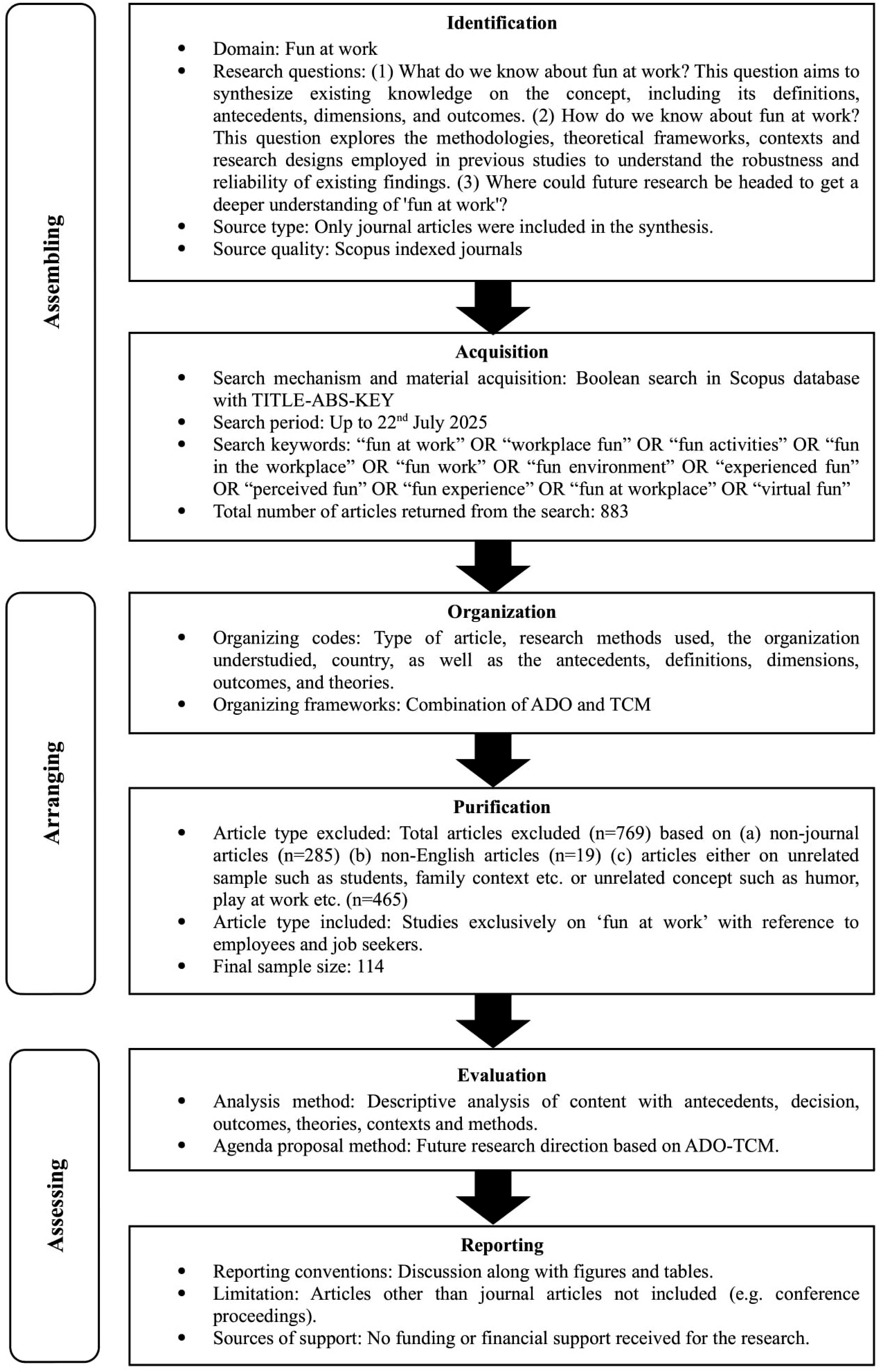
Assembling
To ensure the inclusion of quality research papers, we conducted our search using Scopus, a well-established citation database. This database was selected due to its extensive and multidisciplinary coverage, which encompasses a wide range of academic fields, making it an ideal resource for comprehensive evidence synthesis. 25 To enhance the breadth of the literature search and minimize the risk of missing relevant peer-reviewed studies, the Web of Science (Clarivate Analytics) was also searched alongside Scopus. However, the search in Web of Science did not yield a significant number of additional articles beyond those already retrieved from Scopus. Given the substantial overlap and considering Scopus’s broader journal coverage, particularly in management and applied psychology, Scopus was determined to be sufficient and was solely used for the final synthesis.
The review synthesizes studies on workplace fun from the selected database, covering publications up to 22nd July 2025. In conducting our systematic literature review, we did not set a specific beginning time frame for the inclusion of studies. This approach was chosen to ensure a comprehensive overview of the entire body of relevant literature related to fun at work. In the selected databases, we searched within titles, abstracts and keywords using search strings—“fun at work” OR “workplace fun” OR “fun activities” OR “fun in the workplace” OR “fun work” OR “fun environment” OR “experienced fun” OR “perceived fun” OR “fun experience” OR “fun at workplace” OR “virtual fun.” The search phrases were constructed after analyzing the keywords utilized in publications within the subject area we had previously identified.
Arranging
In the purification stage, only articles published in English were included, while reports such as conference proceedings, editorial notes, books, and book chapters were excluded from the current synthesis. The title and abstract of the articles were carefully screened, with the selection process focusing specifically on studies related to the topic of fun at work, while excluding those that primarily addressed related areas like “gamification,” “work breaks,” and similar topics. Only studies centered on employees and job seekers were considered, excluding research from other settings like family or school environments where fun activities may take place. Theoretical, conceptual, review, and empirical studies were included in the synthesis, ensuring a comprehensive collection of relevant literature.
The initial search using predefined search strings in titles, abstracts, and keywords yielded 883 records. This pool was narrowed to 598 studies after limiting results to journal articles. Further filtering for English-language publications reduced the sample to 579 articles. The titles and abstracts of these articles were then screened against the inclusion/exclusion criteria. To ensure intercoder reliability, a subset of the retrieved articles (n = 97; approximately 17% of the total dataset) was independently coded by both authors. The interrater agreement, measured using Cohen’s Kappa, was 0.92, indicating excellent reliability. 26 The remaining articles were subsequently coded by the first author. Articles with initial coding disagreements were included at this stage, and their final inclusion was determined through a full-text review and mutual agreement between the authors. A total of 130 articles were retrieved for full-text review, of which 16 were excluded for not meeting the inclusion criteria. This resulted in 114 articles being included in the final synthesis.
Assessing
In the final stage of the review process, the evaluation and reporting of literature were conducted using a framework-based approach. We examined the articles based on factors such as the most published journals, publication trends, antecedents, decisions, outcomes, theories, contexts, and methodologies. This analysis led to the development of a comprehensive agenda for future research, aimed at addressing gaps in the current literature and guiding further exploration in the field of fun at work. A blend of discussion (narrative) and summaries (presented through tables and figures) was used to present the findings. Additionally, the limitations of the study were presented to provide a well-rounded view of the research.
Findings and results
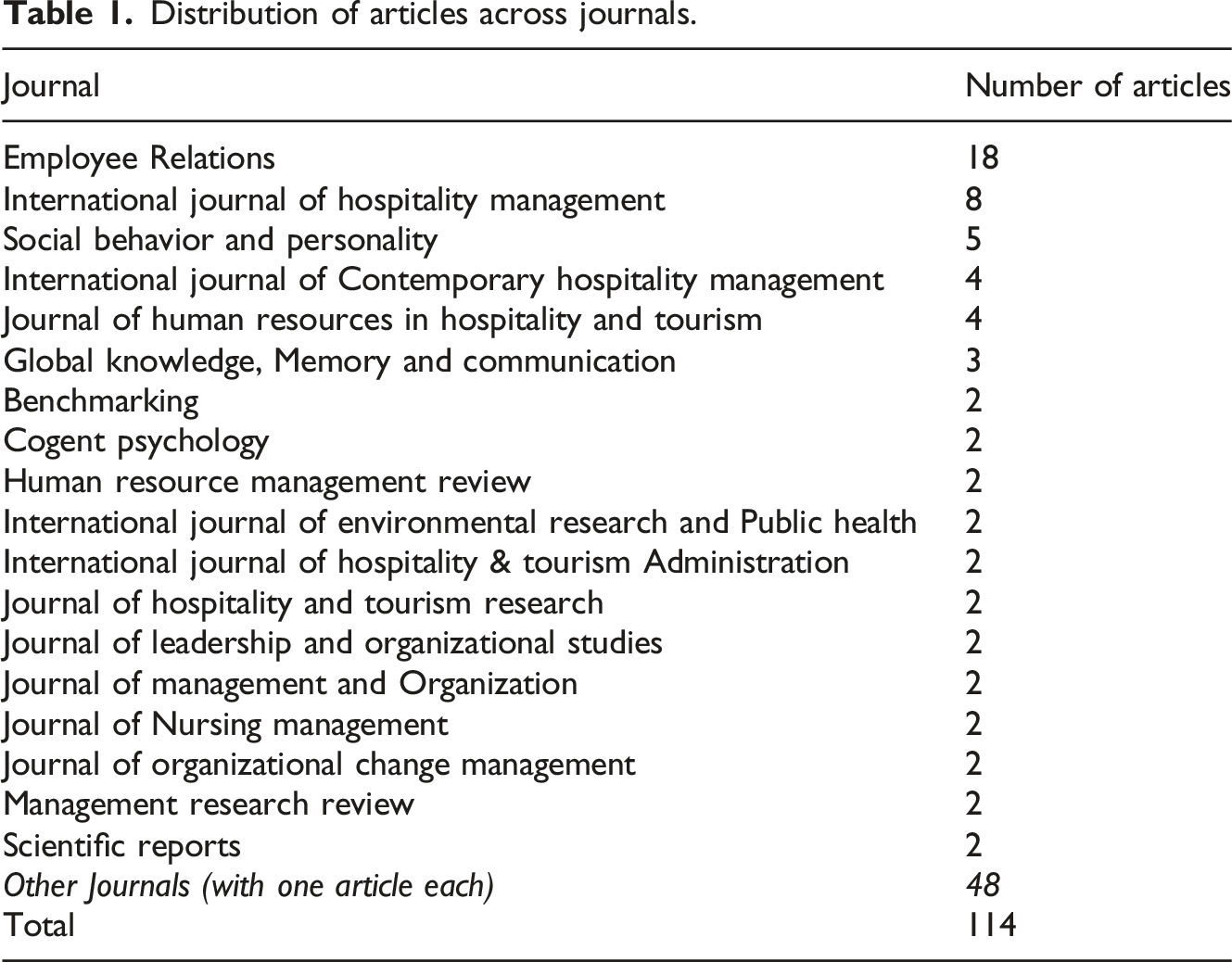
Distribution of articles across journals.
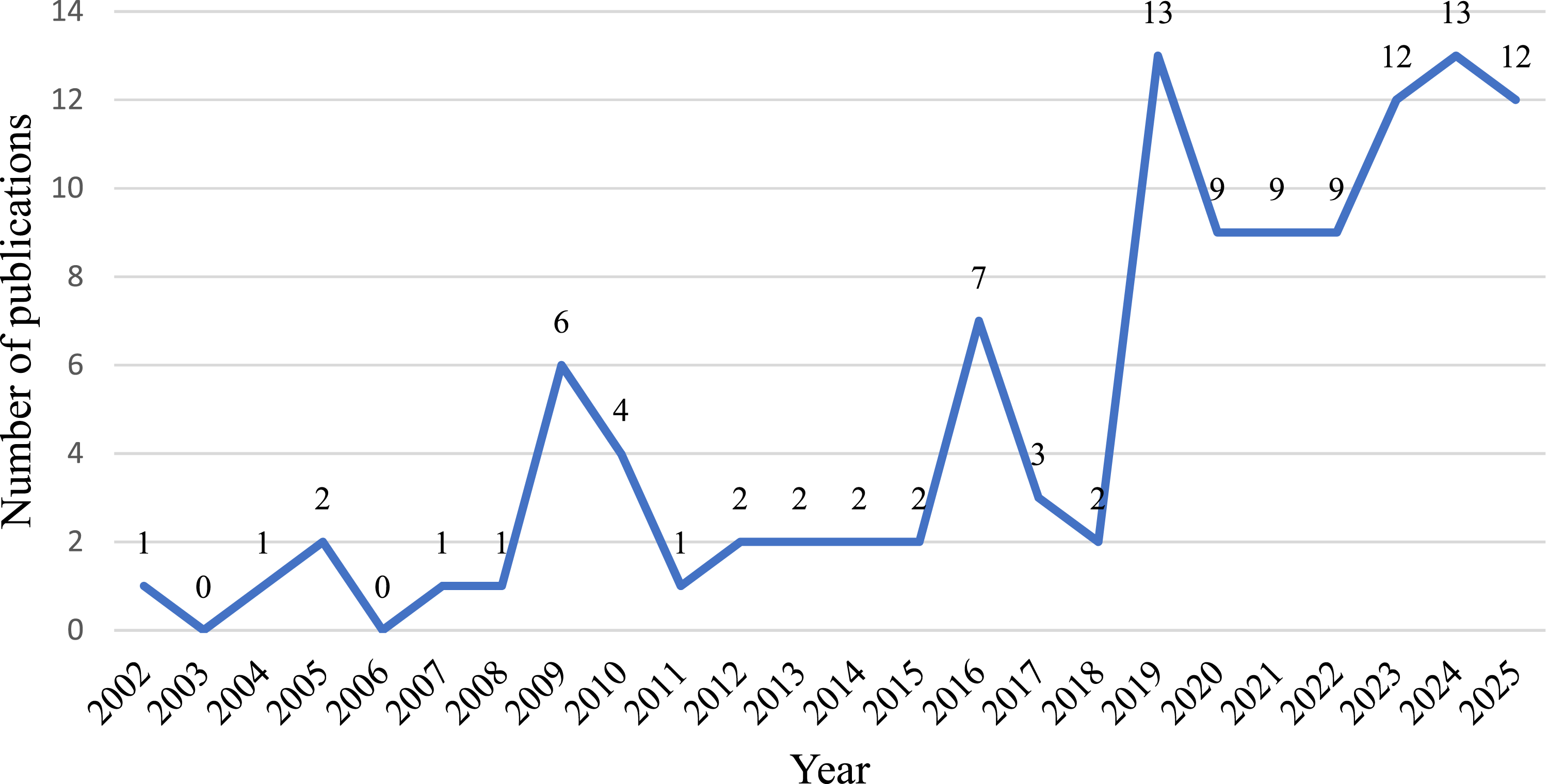
Publication trend.
Antecedents of fun at work
Although the empirical studies might be lacking in directly pinpointing the antecedents of fun at work, few of the studies provide insight into what contributes to a positive and enjoyable fun workplace culture. Based on our review, we have identified and classified the antecedents of fun at work into three categories: individual-level factors, organizational-level factors, and contextual factors (see Figure 3). ADO framework for fun at work.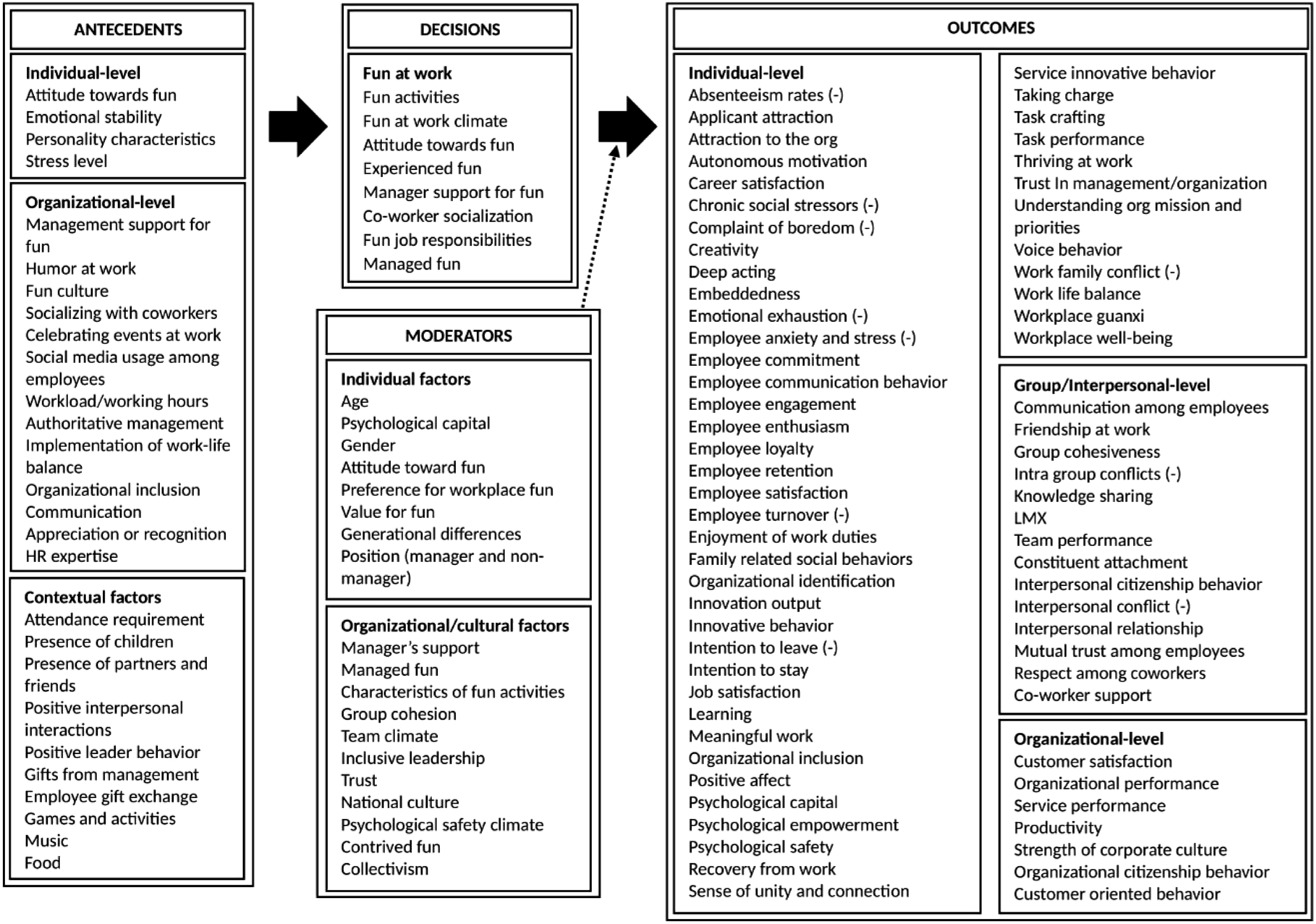
Individual-level factors
The literature review identifies individual-level factors as personal characteristics, traits, and attitudes that shape an employee’s perception and experience of fun at work. Personality traits, particularly extroversion and agreeableness, have been recognized as key antecedents influencing both the perception and outcomes of workplace fun. 27 Employees do not uniformly perceive fun at work, as individual attitudes toward fun play a crucial role in shaping their experiences. 28 Extroverted and agreeable employees are more likely to value and actively participate in fun-related activities. Additionally, emotional stability has been found to enhance the perception and enjoyment of workplace fun, suggesting that emotionally stable individuals may derive greater benefits from such initiatives. 27 Simultaneously, individuals who wield overwhelming power or authority may perceive limitations in their ability to engage in social activities, including workplace fun, with their subordinates, as highlighted by the concept of power distance in Hofstede’s cultural dimensions. 29
Organizational-level factors
The diversified fun activities such as social, task and interpersonal activities within the workplace milieu have been posited as a means to foster a more heterogeneous and gratifying experience for employees.30,31 Activities characterized by a playful or humorous nature have been identified as mechanisms that afford individuals with a source of amusement, enjoyment, or pleasure. 32 Nevertheless, it is imperative to underscore the crucial role of management support in facilitating such fun activities.15,28,33–35 The degree to which managers permit and actively encourage employees to partake in enjoyable activities within the workplace is pivotal. Managers, in this context, function as facilitators implicitly or explicitly, fostering an environment where employees can interact amicably, free from apprehension and guilt.15,34 Studies have shown that humor at work acts as a social lubricant, aiding in the establishment of group identity and the upkeep of positive relationships within the workplace. For instance, a positive association is found between both affiliative humor and aggressive humor with employees’ experience of workplace enjoyment.36–38
A positive organizational culture, characterized by feelings of psychological safety, empowerment, and psychological presence, is deemed a prerequisite for fostering a healthy organizational environment that supports a fun and enjoyable atmosphere.15,39 There are different obstacles that hinder the development of workplace fun, which, in turn, serves as a pertinent framework for initiating fun activities in the workplace. 29 For instance, impediments such as heavy workload or long working hours, authoritative management, inadequate implementation of work-life balance, absence of organizational inclusion, poor communication, lack of appreciation or recognition, and insufficient HR expertise are regarded as obstacles to the cultivation of workplace fun.29,40 Similarly, it has been found that factors like work overload and stress contribute to a diminished sense of fun at work.41,42 Further, socializing with coworkers and celebrating events at work were considered as precursors to the creation of an enjoyable work environment. 43 With the evolution of social media, there is increased socialization, which also contributes to a heightened level of workplace fun. 44 Recognizing the importance of both traditional socialization and modern interactions through social media highlights the evolving approach to fostering an enjoyable work environment.
Contextual factors
Contextual factors refer to external elements, such as social and environmental influences, that shape employees’ experiences of fun at work. A recent study highlights that program characteristics, such as attendance requirements, the presence of children, and the inclusion of partner and friends, significantly impact the effectiveness of fun activities. 45 These factors influence employees’ willingness to participate and their overall enjoyment to workplace fun initiatives. For instance, mandatory participation in fun activities may lead to resistance or disengagement among employees who prefer voluntary involvement. Similarly, the inclusion of family members can enhance the personal relevance of fun activities, fostering a sense of belonging and work-life integration.
Decisions
Timeline of workplace fun: concepts and contributions.

According to the Oxford Dictionary, fun refers to “behaviour or activities that are not serious but are meant to be enjoyed.” But when it comes to fun at work in the extant literature, it lacks a unified concept.46,47 Scholars have employed various terms, including “workplace fun,” “fun environment,” “fun activities,” among others, to describe the concept of fun at the workplace. One of the earliest attempts to define fun at work, describes a fun work environment as one that deliberately fosters, initiates, and sustains a range of enjoyable and pleasurable activities. 48 These activities are intended to positively influence the attitudes and productivity of both individuals and groups within the workplace. The statement “a work environment that makes people smile” offers a concise and evocative summary of the definition of a fun work environment. 48
Attempts have been made to categorize various workplace fun activities into distinct types. 49 One such category is formal fun activities, which include structured events like parties, picnics, and theme days designed to foster enjoyment and relaxation among employees. 50 However, simply offering these activities does not guarantee that employees will perceive them as fun. The concept of experienced fun highlights the degree to which individuals genuinely perceive enjoyment and positive interactions in the workplace. 28 Employees’ attitudes toward fun and managerial support significantly influence how these activities are received and interpreted.28,50 Beyond formal events, fun in the workplace also includes coworker socialization, which involves friendly, informal interactions among colleagues that help foster a sense of camaraderie and belonging. 50 Additionally, fun job responsibilities refer to work tasks that are engaging, meaningful, and aligned with employees’ strengths and interests, contributing to a positive and vibrant work environment. 50
In the literature, two clusters of fun activities and behaviors have been extensively recognized, aiding researchers in comprehending and operationalizing the concept of fun, that is, organic/spontaneous and organized/managed fun. Furthermore, there exists a third type fun termed “task fun,” which has been relatively underexplored in research. 51 Organic fun stems from employees themselves spontaneously, managed fun is initiated by managers, and task fun arises from the dynamic interaction between employees and their assigned duties.39,51 Managed fun is frequently criticized due to the challenges associated with organizing such activities, as well as the potential for employees to feel coerced or experience a sense of discordance between themselves and their managers. Freedom from coercion and the presence of personal choice seem to be crucial elements of the fun experience, particularly present in organic fun, but are largely lacking in managed-fun.15,51
Furthermore, ebullient supervision and leader fun-oriented behavior, referred to as leader fun pursuit, have been examined in the literature to assess their impact on employee perceptions and outcomes.52,53 A recent trend in the realm of workplace fun is the idea of virtual fun, particularly since the COVID-19 pandemic started, when most work shifted to virtual environments. Virtual fun is described as semi-organized activities conducted online that prioritize building relationships. These activities typically involve informal communication and aim to bring amusement, enjoyment, or pleasure to employees working remotely. 54
Outcomes
Through meticulous examination of a comprehensive array of sampled empirical studies yielded identification of more than 60 distinct positive outcomes associated with the implementation of fun at work initiatives (see Figure 3). This scrutiny encompasses a diverse spectrum of effects, spanning individual, team/interpersonal, and organizational levels thereby underscoring the multifaceted nature of the impact of fostering an enjoyable and supportive workplace atmosphere.
While workplace fun offers numerous benefits, there are also some negative aspects as discussed in the extant literature. Researches in the fun domain advocate for fun in the workplace, however, caution is advised as not all fun initiatives lead to enjoyment and increased engagement with tasks; some may result in dissonance and cynicism.59–63 When fun activities are overly encouraged or prevalent, employees may perceive fewer consequences for slacking off or underperforming.34,64 Moreover, studies suggest that a fun-oriented culture can unintentionally lead to instances of unwanted sexual attention and heightened substance use facilitated through co-worker socialization.65,66
Further, several moderators have been identified in the current literature review (see Figure 3) and that has been further classified into individual factors and organizational level/cultural factors. These moderators act as influencing factors, affecting how individuals perceive, engage with, and derive benefits from workplace fun.
Theory
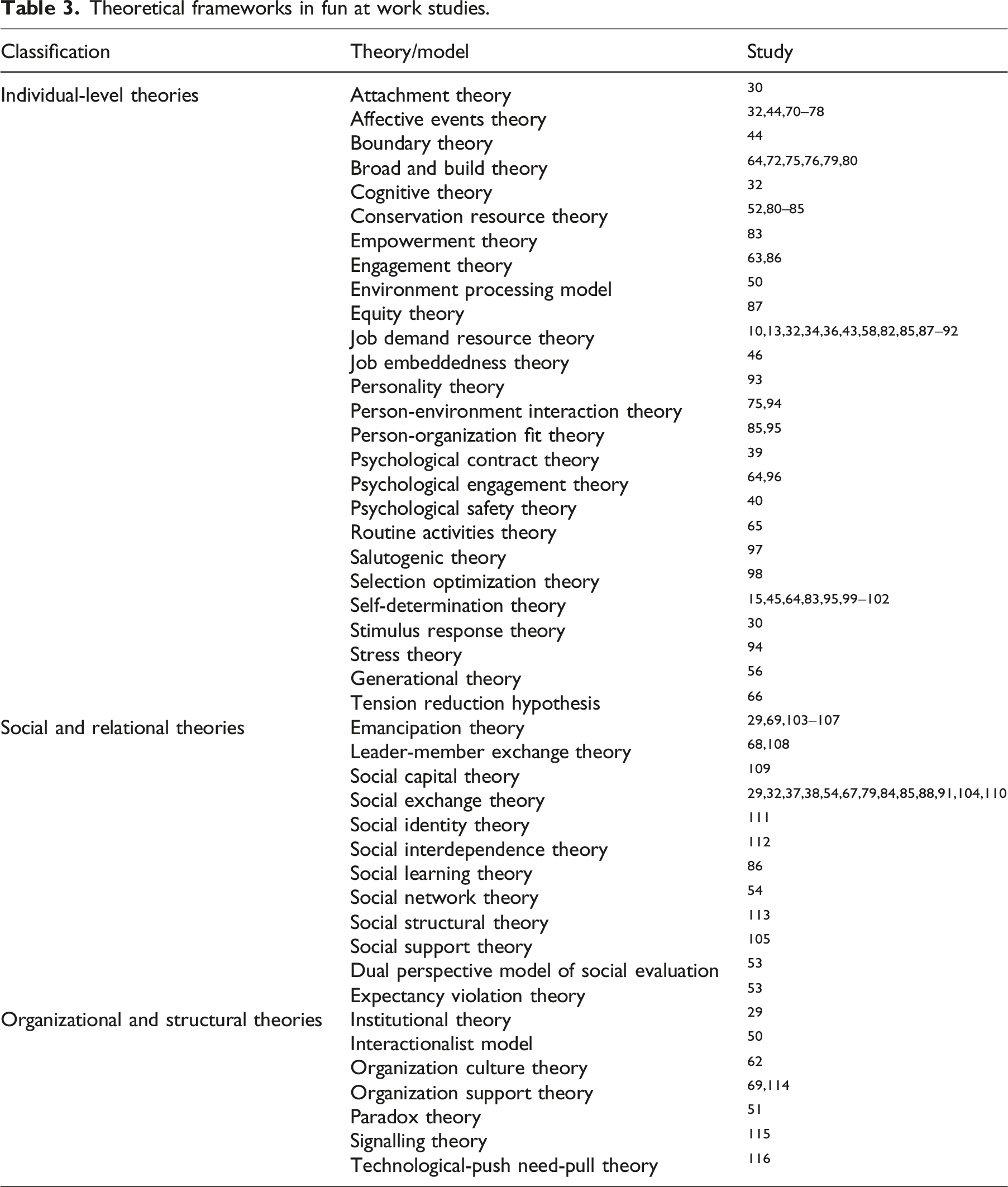
Theoretical frameworks in fun at work studies.
Context
Countries investigated
The empirical publications were additionally divided according to the country understudied. The results illustrate (Figure 4) that nearly half of the studies on fun at work were conducted in USA and China. As the majority of studies concerning this subject utilized samples from the US and China, the current beliefs and discoveries might be limited in their applicability and reliability to other contexts. Countries investigated in empirical studies.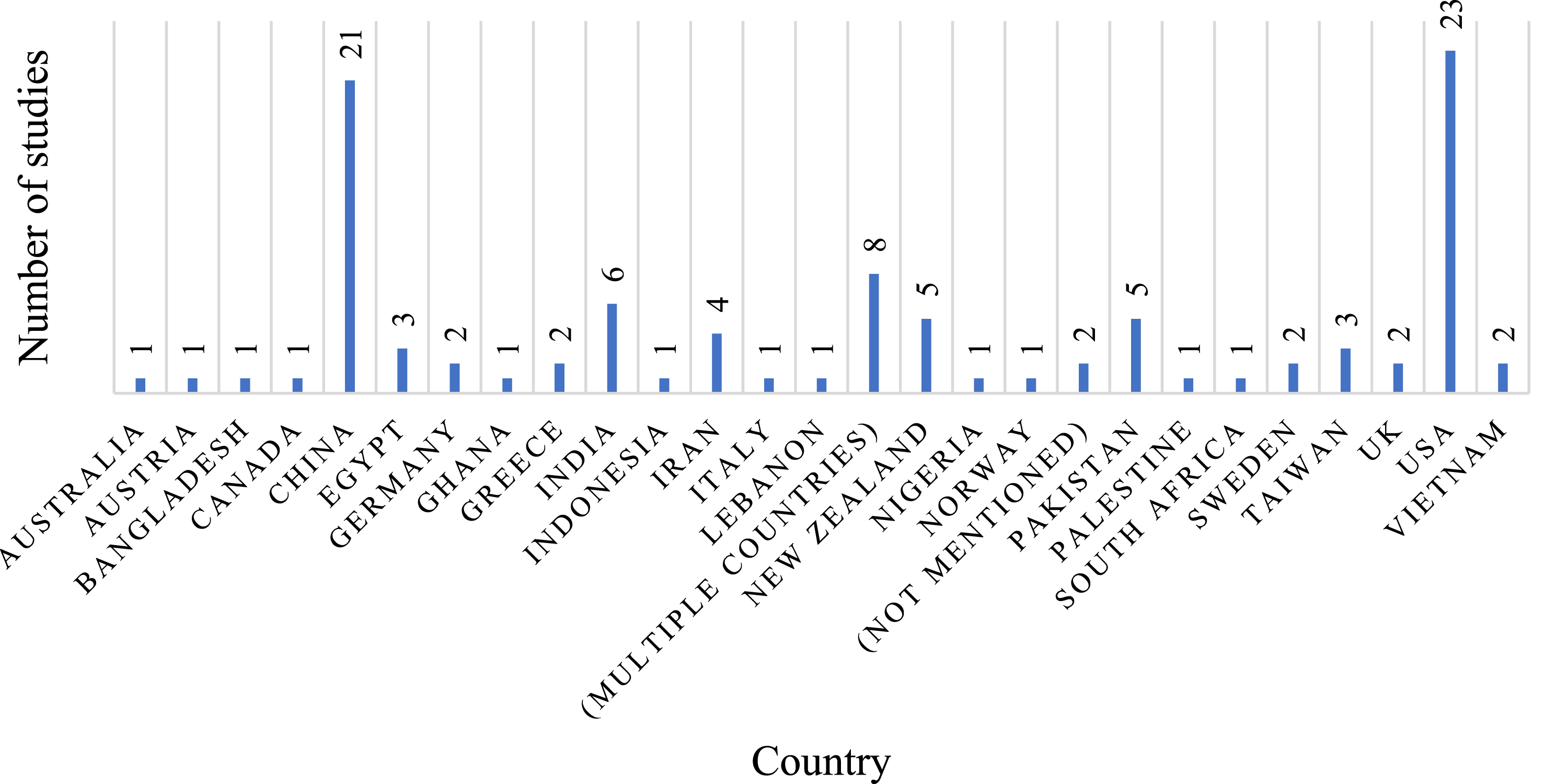
Industries/sectors examined in fun at work studies
As illustrated in Figure 5, the hospitality sector and studies involving multiple organizations are at the forefront of research on fun at work. Service industries, particularly the hospitality sector, received notable research attention in fun at work studies due to their emphasis on customer-centric focus and notable turnover rates.33,37,100,117 Three studies have specifically involved job seekers as participants to assess how appealing a fun workplace is as a reason for applying to a position. Industry/sector-wise classification of empirical studies.
Methods
Most fun at work studies used non-probability sampling, mainly convenience, snowball, purposive, and judgment sampling. Probability methods like random, cluster, multi-stage random, and proportional stratified sampling are less common. Among 114 articles, 102 were empirical studies, three were review papers including one bibliometric analysis and one meta-analysis, and the rest were conceptual or theoretical in nature. Breaking down the empirical studies further, 82 used quantitative methods, 18 utilized qualitative methods, and the remaining two employed a mixed-method approach. While some studies in the literature utilize time-lagged surveys, the research is predominantly cross-sectional, with a lack of longitudinal studies.
The most commonly used scales in the study of fun at work are three-dimensional scale of Tews and colleagues which includes dimensions, co-worker socialization, manager support for fun, and fun activities. 46 These dimensions have become foundational in measuring workplace fun due to their adaptability and robust empirical validation across diverse cultural and organizational contexts. In order to measure a fun work environment, different scales were introduced.34,48,89,118 The measurement of experienced fun has evolved to address the limitation of merely associating the existence of fun activities with organizational outcomes. 28 Additionally, the salience dimension of Peluchette and Karl’s attitude towards fun scale has gained prominence as a reliable measure for assessing fun at work, further enriching the field. Together with scales such as the organic fun scale, managed fun scale, and fun job responsibilities scale, these tools offer a multifaceted understanding of workplace fun, balancing structural components like fun activities and managerial support with employees’ subjective experiences and perceptions of fun, enabling a holistic evaluation of its impact on organizational outcomes.
Proposed research questions and objectives
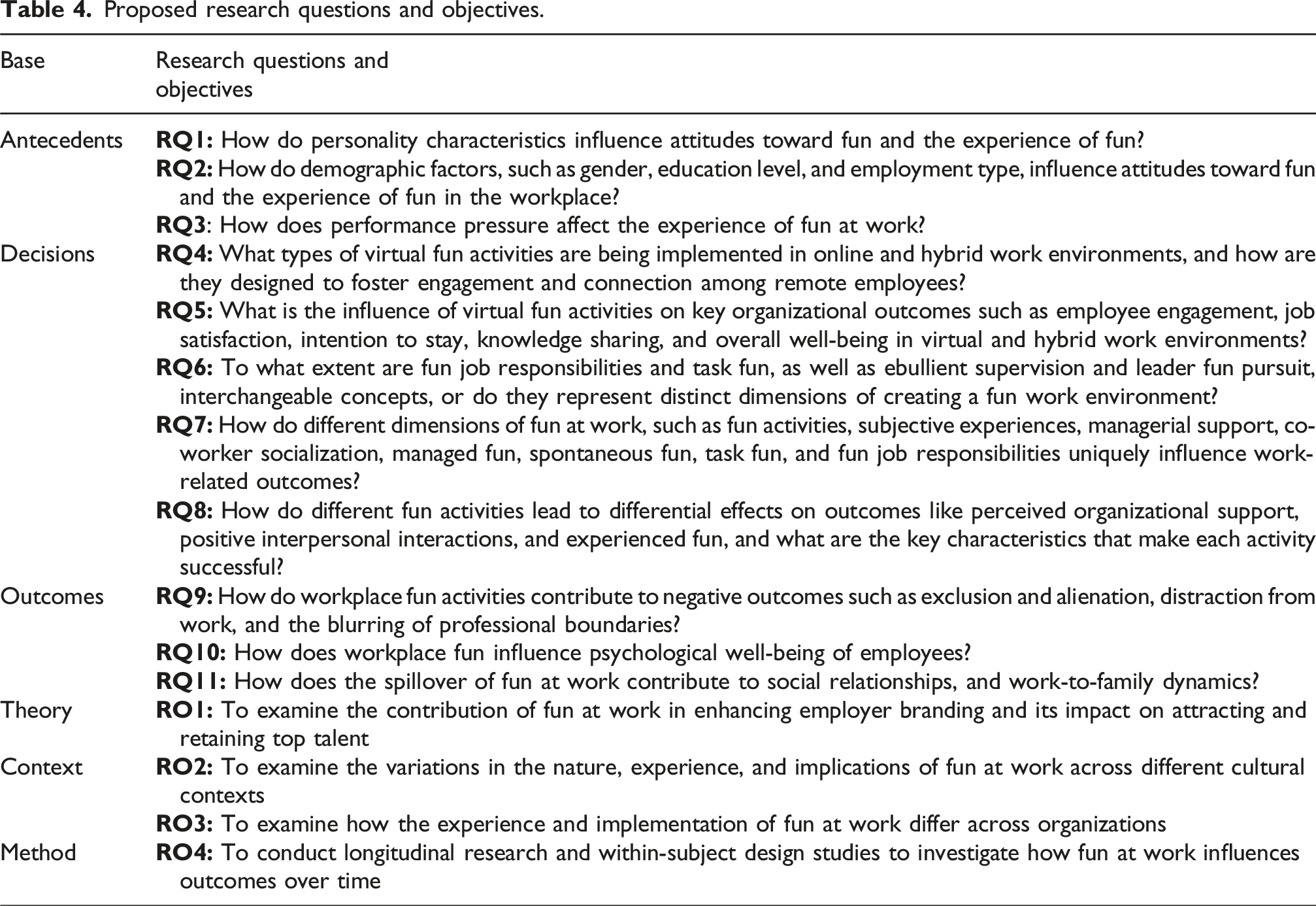
Proposed research questions and objectives.
Antecedents
The review has identified the factors contributing to experienced fun and the personal characteristics that shape an individual’s perception of fun intensity. While the importance of fun and enjoyment in the workplace is increasingly recognized, empirical research on its direct antecedents remains less robust compared to its consequences.
Perceptions of fun vary significantly among individuals, as attitudes toward fun are shaped by personal differences.
28
Individuals tend to return to a genetically influenced baseline level of happiness, even after experiencing significant positive or negative events, such as changes in workplace dynamics or the level of fun at work.
119
This suggests that people naturally revert to their inherent emotional set point over time.
35
The notion that certain people have a greater capacity for happiness further supports the idea that genetic factors play a key role in shaping long-term emotional well-being. To better understand attitudes toward fun and the experience of fun, it is essential to explore personality traits, including the Big Five and distinctions between extroversion and introversion, alongside demographic factors such as gender, education level, and employment type. This exploration will help ensure that workplace fun activities are more inclusive and effective. Based on these insights, the following research questions are proposed.
A supportive work environment is essential for fostering workplace fun, but various challenges can hinder employees’ ability to engage in and experience fun at work. Research identified factors such as budget pressures, heavy workloads, staffing issues, fragmented teams, and stakeholder relationships as barriers to experiencing fun.
41
Similarly, heavy workloads, long working hours, and performance pressure can make employees perceive fun activities as distractions rather than enjoyable experiences.
29
However, the impact of performance pressure is not yet empirically studied.
Decisions
In the evolving landscape of online and hybrid work, the concept of fun has gained significance as organizations strive to maintain employee engagement and well-being in virtual environments.
120
Virtual recreational activities play a vital role in promoting virtual socialization among remote employees, creating opportunities for self-disclosure that allow individuals to share personal experiences, preferences, and values.
54
Exploring fun activities in the virtual environment remains an area that requires further investigation, as their potential to foster connection, reduce isolation, and enhance job satisfaction is not yet fully understood.
Research on fun at work has explored various dimensions, including fun activities, the subjective experience of fun, coworker socialization, management support for fun, fun job responsibilities, and the emerging concept of enthusiastic and supportive supervision, known as ebullient supervision. Each dimension of fun possesses unique characteristics and can impact work-related outcomes in distinct ways.121,122 There is a need for future research to more precisely distinguish between these dimensions.
12
For instance, fun job responsibilities emphasize tasks that align with an employee’s interests and sense of purpose, making work inherently enjoyable.
50
This contrasts with task fun, which arises from engaging interactions with the work itself.
51
Similarly, distinctions should be made between “ebullient supervision,” which reflects a supervisor’s energetic and cheerful demeanor, and “leader fun pursuit,” which refers to leaders’ fun-oriented behavior. This raises the questions,
It has been seen that recent studies are increasingly narrowing their focus to capture the impact of specific fun activities. A recent study, for instance, has examined how the characteristics of events such as a company Christmas party relate to employees’ feelings of happiness and fun.
74
Given the diversity of fun activities, ranging from holiday parties and Christmas celebrations to team-building exercises and virtual social events, it is likely that each activity may have differential effects on employee engagement, satisfaction, and well-being. This raises the need for further exploration into how specific fun activities uniquely influence organizational outcomes and employee experiences.
Outcomes
While the positive outcomes of fun at work have been widely studied and celebrated, the potential negative side effects have indeed received less attention in scholarly literature. As workplaces increasingly incorporate fun activities into their culture, there’s growing need to examine the downsides as well. Boundaries are essential for ensuring that fun in the workplace remain appropriate and inclusive, as they help determine the point at which such activities may cross the line into being too sexual, sexist, or racial.
99
It is important to recognize that what may be perceived as fun by the creator of a joke or activity might not be seen as enjoyable or acceptable by the recipient.
The relationship between fun at work and psychological well-being remains an underexplored area in organizational research, despite its potential significance in enhancing employee well-being. Psychological well-being refers to an individual’s overall mental and emotional state, encompassing factors such as life satisfaction, personal growth, positive relationships, and a sense of purpose. It reflects a person’s ability to manage stress, maintain autonomy, and experience fulfillment in various aspects of life. 123 While several studies have explored the impact of fun at work on workplace well-being, often using job satisfaction as a proxy, there is limited direct research linking experienced fun to psychological well-being. This gap is important, as psychological well-being extends beyond the job domain, and fun at work has been shown to significantly spill over into broader aspects of employees’ lives. 76
Most individuals spend at least half of their waking hours at work, making it a central life domain that not only provides essential resources for sustenance but also offers opportunities for personal growth and fulfillment.
124
However, the demands of work, including imposed responsibilities and externally prescribed expectations, can often create stress and tension. This highlights the potential for a spillover effect, where the fun experienced at work can positively influence improved social relationships, and work-to-family enrichment. Thus, we present following research question.
Theory
Scholars have explored the concept of fun at work and its impact on outcomes using various theoretical frameworks. However, there is a need for further research to integrate the concept of fun at work with employer branding to better understand how it influences employee attraction and shapes workplace dynamics.
In the modern business landscape, organizations recognize human capital as a key source of competitive advantage, making the attraction of highly qualified job applicants essential. Individuals primarily base their job choice decisions on how they perceive the characteristics of the job and the vacancy, such as role responsibilities, organizational culture, and growth opportunities, which shape their overall attractiveness of the position.125,126 Previous research has shown that job seekers prioritize a fun and positive work environment, emphasizing strong team dynamics and supportive relationships with colleagues and supervisors. Additionally, they value flexibility in work hours and locations, competitive pay, job security, opportunities for professional development, and an engaging workplace atmosphere.113,127 That means, fun at work plays a pivotal role in shaping employer branding, as it directly influences job seekers’ perceptions of an organization’s culture and workplace environment.
Context
The existing body of research on fun at work has predominantly been conducted in the USA and China, revealing a significant geographical bias in the field. Countries exhibit distinct administrative traditions shaped by unique combinations of institutional policies, labor regulations, and cultural values. 128 These factors influence organizational norms, leadership styles, and employee expectations, all of which shape how fun at work is perceived and experienced. Given this, there is a pressing need to explore fun at work in underrepresented regions to better understand variations in the nature, experience, and implications of workplace fun across different cultural settings.
Cultural dimensions such as power distance, individualism-collectivism, and uncertainty avoidance can play a role in determining the acceptance and effectiveness of workplace fun. For instance, in high power distance cultures, hierarchical structures, and authoritarian leadership styles may limit spontaneous or informal interactions, thereby reducing the perceived level of enjoyment and creativity at work.29,129,130 Similarly, Hofstede’s dimension of indulgence versus restraint highlights how indulgent cultures, which emphasize leisure and emotional expression, are more likely to embrace workplace fun, while restrained cultures, which prioritize discipline and moderation, may view such initiatives as non-essential or even unprofessional. These cultural differences further underscore the importance of studying how workplace fun is experienced and its implications across diverse cultural contexts.
Expanding research efforts beyond the service sector can offer valuable insights into the applicability and effectiveness of fun at work initiatives across a variety of industries and organizational settings. For instance, work environment in manufacturing is often perceived as less dynamic or experiential compared to the service industry. 131 Exploring different sectors can reveal how fun activities enhance employee motivation, productivity, and job satisfaction across various work environments. This broader focus can help identify industry-specific strategies for integrating fun into workplaces that are traditionally less associated with such initiatives.
Methods
There is a notable lack of longitudinal studies in this field. Investing in longitudinal research offers valuable insights into how fun at work affects employee well-being and organizational outcomes in the long term. By overcoming challenges and giving priority to longitudinal studies, researchers can enhance our understanding of how to establish enjoyable workplaces that foster sustained employee engagement and productivity.
Practical implications
The findings of the systematic literature review highlight several practical implications for organizations, managers, and HR professionals. First, fostering a fun culture within the organization can positively influence various employee, team, and organizational outcomes. A strong fun culture not only enhances employee engagement, productivity, and innovative behavior but can also contribute to career satisfaction and improve work-life balance. Notably, the impact of a positive fun culture may begin even before employment, helping organizations attract talent, a crucial advantage in today’s competitive business environment.
Second, managers should recognize that employees perceive and experience fun differently based on their personality traits, cultural backgrounds, and job roles. Customizing fun initiatives to reflect these differences can improve participation and enhance positive outcomes. Managed fun, when imposed without employee involvement, may sometimes result in negative reactions. Encouraging employee participation in planning fun activities can improve perceptions and foster greater acceptance.
Finally, organizations should acknowledge that factors such as managerial support for fun, the characteristics of fun activities, and workplace trust, significantly shape the outcomes of fun at work. Managers who actively promote and participate in fun activities can strengthen employee engagement. Additionally, ensuring that fun activities are thoughtfully designed and align with employee preferences can enhance their effectiveness. Building a trusting work environment further amplifies the positive effects of fun, contributing to improved well-being, commitment, and overall performance.
Limitations and future scope
The study has certain limitations that need to be acknowledged. Initially, it does not cover all possible academic sources, as it focuses exclusively on journal articles indexed in the Scopus database. Valuable insights may also derive from research not incorporated in the chosen list, including conference proceedings, book chapters, editorial contributions, or printed journals. Second, the pool of keywords could be expanded or adjusted to broaden the scope of potentially relevant articles. Particularly noteworthy is a recent trend observed in the domain of fun at work, which involves a concentration of studies on specific fun activities such as Christmas parties and annual events. By incorporating keywords related to different fun activities, a broader perspective of the concept may be attained. Additionally, domains such as play, humor, gamification, work breaks, and leisure could also be integrated to enhance comprehension of the domain.
Conclusion
The systematic review emphasizes the significance and key elements of fun at work, pointing out the need for additional research to gain a deeper understanding. Organizations that incorporate fun into their culture see substantial benefits, such as attracting top talent and boosting employee engagement. Research highlights that employees who find joy in their work are more likely to stay with the company, show higher levels of productivity, and experience greater job satisfaction. This positive work environment not only helps in reducing stress but also fosters creativity and teamwork, making it a key strategy for employee well-being and organizational success. The systematic literature review indicates that research on fun at work remains in an evolving stage, with notable gaps that warrant further exploration to develop a deeper and more nuanced understanding of the construct.
Footnotes
Acknowledgments
The authors would like to express sincere gratitude to the faculty members of the Department of Commerce, Delhi School of Economics, University of Delhi, for their valuable insights and encouragement throughout the writing of this article. Special thanks are extended to Dr. Mohd Sajid, Assistant Professor, Zakir Husain Delhi College (Evening), University of Delhi, for his technical support. The authors are also deeply grateful to the anonymous reviewer for their constructive feedback and thoughtful suggestions, which have significantly contributed to enhancing the quality of this manuscript.

Author contributions
Mohamed Nisfar Changaranchola: Conceptualization, methodology, data retrieval, data evaluation, data analysis and writing—original draft. Rabinarayan Samantara: Supervision, data evaluation, writing—review and editing.
Funding
The authors received no financial support for the research, authorship and/or publication of this article.
Declaration of conflicting interests
The authors declared no potential conflicts of interest with respect to the research, authorship and/or publication of this article.
Appendix
Articles included in the systematic literature review
S. No.
Author(s)
Year
Title of the study
1
Redman, T; Mathews, B P
2002
Managing services: Should we be having fun?
2
Ford, R C; Newstrom, J W; McLaughlin, F S
2004
Making workplace fun more functional
3
Peluchette, J; Karl, K A
2005
Attitudes toward incorporating fun into the health care workplace
4
Ford, R C; McLaughlin, F S; Newstrom, J W
2005
Creating and sustaining fun work environments in hospitality and service organizations
5
Karl, K A; Peluchette, J V; Harland, L
2007
Is fun for everyone? Personality differences in healthcare providers’ attitudes toward fun
6
Karl, K A; Peluchette, J V; Hall, L M
2008
Give them something to smile about: A marketing strategy for recruiting and retaining volunteers
7
Strömberg, S; Karlsson, J C
2009
Rituals of fun and mischief: The case of the Swedish meatpackers
8
Lamm, E; Meeks, M D
2009
Workplace fun: The moderating effects of generational differences
9
Plester, B
2009
Crossing the line: Boundaries of workplace humor and fun
10
Fleming, P; Sturdy, A
2009
“Just be yourself!”: Towards neo-normative control in organizations?
11
Bolton, S C; Houlihan, M
2009
Are we having fun yet? A consideration of workplace fun and engagement
12
Baptiste, N R
2009
Fun and well-being: Insights from senior managers in a local authority
13
Chan, S C H
2010
Does workplace fun matter? Developing a useable typology of workplace fun in a qualitative study
14
Karl, K A; Harland, L K; Peluchette, J V; Rodie, A R
2010
Perceptions of service quality: What’s fun got to do with it?
15
Baldry, C; Hallier, J
2010
Welcome to the house of fun: Work space and social identity
16
Owler, K; Morrison, R; Plester, B
2010
Does fun work? The complexity of promoting fun at work
17
Everett, A
2011
Benefits and challenges of fun in the workplace
18
Pierce, C A; Karl, K A; Brey, E T
2012
Role of workplace romance policies and procedures on job pursuit intentions
19
Tews, M J; Michel, J W; Bartlett, A
2012
The fundamental role of workplace fun in applicant attraction
20
Tews, M J; Michel, J W; Stafford, K
2013
Does fun pay? The impact of workplace fun on employee turnover and performance
21
Choi, Y G; Kwon, J; Kim, W
2013
Effects of attitudes vs experience of workplace fun on employee behaviors: Focused on generation Y in the hospitality industry
22
Fluegge-Woolf, E R
2014
Play hard, work hard: Fun at work and job performance
23
Tews, M J; Michel, J W; Allen, D G
2014
Fun and friends: The impact of workplace fun and constituent attachment on turnover in a hospitality context
24
Plester, B; Cooper-Thomas, H; Winquist, J
2015
The fun paradox
25
Tews, M J; Michel, J; Xu, S; Drost, A J
2015
Workplace fun matters … but what else?
26
Becker, F W; Tews, M J
2016
Fun activities at work: Do they matter to hospitality employees?
27
Profili, S; Sammarra, A; Innocenti, L
2016
Can age make a difference? A moderated model of altruistic organizational citizenship behavior antecedents
28
Han, H; Kim, W; Jeong, C
2016
Workplace fun for better team performance: Focus on frontline hotel employees
29
Plester, B; Hutchison, A
2016
Fun times: The relationship between fun and workplace engagement
30
Nnambooze, B E; Parumasur, S B
2016
Understanding the multigenerational workforce: Are the generations significantly different or similar?
31
Chan, S C H; Mak, W M
2016
Have you experienced fun in the workplace?: An empirical study of workplace fun, trust-in-management and job satisfaction
32
Georganta, K; Montgomery, A
2016
Exploring fun as a job resource: The enhancing and protecting role of a key modern workplace factor
33
Sharma, A; Bhatnagar, J
2017
Emergence of team engagement under time pressure: Role of team leader and team climate
34
Tews, M J; Michel, J W; Noe, R A
2017
Does fun promote learning? The relationship between fun in the workplace and informal learning
35
Tang, J; Liu, M S; Liu, W B
2017
How workplace fun influences employees’ performance: The role of person-organization value congruence
36
Soundarapandiyan, K; Praveen Kumar, T; Kirupa Priyadarshini, M
2018
Effects of workplace fun on employee behaviors: An empirical study
37
Nair, S K; Chandrachoodan Nair, B
2018
Employee engagement practices in organized retail sector: An empirical study with respect to Ernakulam Town
38
Clancy, M; Linehan, C
2019
Modeling the subjective experience of fun at work
39
Georganta, K; Montgomery, A
2019
Workplace fun: A matter of context and not content
40
Michel, J W; Tews, M J; Allen, D G
2019
Fun in the workplace: A review and expanded theoretical perspective
41
Sakr, C; Zotti, R; Khaddage-Soboh, N
2019
The impact of implementing fun activities on employee’s engagement: The case of Lebanese financial institutions
42
Chan, S C H
2019
Participative leadership and job satisfaction: The mediating role of work engagement and the moderating role of fun experienced at work
43
Chan, S C H
2019
The antecedents of workplace fun in the hospitality industry: A qualitative study
44
Chen, H; Ayoun, B
2019
Is negative workplace humor really all that “negative”? Workplace humor and hospitality employees’ job embeddedness
45
Djastuti, I; Rahardjo, S T; Irviana, L; Udin, U
2019
Fun at work and employee performance: The roles of job satisfaction and organizational commitment in manufacturing companies
46
Tsaur, S H; Hsu, F S; Lin, H
2019
Workplace fun and work engagement in tourism and hospitality: The role of psychological capital
47
Ford, R C; Guzzo, R; Abbott, J L; Bowen, J T
2019
Development and validation of a measure of ebullient supervision: The ES scale
48
Mulaomerovic, E; Wang, E M Y; Markovic, M
2019
The influence of cultural dimensions when implementing fun in the workplace approach as a driver of creativity
49
Tews, M J; Stafford, K; Jolly, P M
2019
The dark side? Fun in the workplace and unwanted sexual attention
50
Tews, M J; Noe, R A
2019
Does training have to be fun? A review and conceptual model of the role of fun in workplace training
51
Bowen, J T; Tews, M J; Baloglu, S
2020
Yielding the benefits of fun in the workplace: The devil’s in the details
52
Owler, K; Morrison, R L
2020
“I always have fun at work”: How “remarkable workers” employ agency and control in order to enjoy themselves
53
Xu, S; Wang, Y C; Ma, E; Wang, R
2020
Hotel employees’ fun climate at work: Effects on work-family conflict and employee deep acting through a collectivistic perspective
54
Yang, F X
2020
Social media friending in building coworker guanxi: A study in the hotel industry
55
Bjerke, R
2020
Towards a HR framework for developing a health-promoting performance culture at work: a Norwegian health care management case study
56
Gu, Y; Liu, D; Zheng, G; Yang, C; Dong, Z; Tee, E Y J
2020
The effects of Chinese seafarers’ job demands on turnover intention: The role of fun at work
57
Håkan, N; Monica, E; Ayman, O; Lisbeth, H; Anh, T; Sandra, P
2020
Salutary factors and hospital work environments: a Qualitative descriptive study of nurses in Sweden
58
Yang, G; Wang, L
2020
Workplace fun and voice behavior: The mediating role of psychological safety
59
Tews, M J; Jolly, P M; Stafford, K
2020
Fun in the workplace and employee turnover: Is less managed fun better?
60
Mousa, M
2021
How workplace fun is experienced in the banking sector? A qualitative study
61
Mousa, M; Ayoubi, R; Massoud, H
2021
Gender, workplace fun and organizational inclusion: An empirical study
62
Tews, M J; Hoefnagels, A; Jolly, P M; Stafford, K
2021
Turnover among young adults in the hospitality industry: Examining the impact of fun in the workplace and training climate
63
Boekhorst, J A; Halinski, M; Good, J R L
2021
Fun, friends, and creativity: A social capital perspective
64
Chen, X; Wen, B; Wu, Z
2021
An empirical study of workplace attachment in tourism scenic areas: The positive effect of workplace fun on voluntary retention
65
Fang, Y; Meng, B; Liu, Y T; Liu, J H
2021
Leader-member exchange mediates the relationship between workplace fun and employee creativity
66
Jing, J; Niyomsilp, E; Li, R; Gao, F
2021
Effect of workplace fun on Chinese nurse innovative behaviour: The intermediary function of affective commitment
67
Mousa, M; Ayoubi, R M; Massoud, H K; Chaouali, W
2021
Workplace fun, organizational inclusion and meaningful work: an empirical study
68
Zhang, Z Y; Chun, D; Wang, X Y; Liu, J L
2021
Does workplace fun affect employees’ voice behavior? Leader-member exchange as a mediator
69
Chen, H; Ayoun, B
2022
Does national culture matter? Restaurant employees’ workplace humor and job embeddedness
70
Georganta, K; Montgomery, A
2022
Workplace fun is not enough: The role of work engagement and trust
71
Lee, A Y P; Chang, P C; Chang, H Y
2022
How workplace fun promotes informal learning among team members: a cross-level study of the relationship between workplace fun, team climate, workplace friendship, and informal learning
72
Tetteh, S; Dei Mensah, R; Opata, C N; Mensah, C N
2022
Service employees’ workplace fun and turnover intention: The influence of psychological capital and work engagement
73
Ugheoke, S O; Mashi, M S; Isa, M F M
2022
Can workplace fun moderate organizational identification and job satisfaction relationship
74
Nassar, S; Hossain, M B; Tóth Naárné, É Z; Vasa, L
2022
The mediating effect of organizational and coworkers support on employee retention in international non-governmental organizations in Gaza strip
75
Taheri, M; Motealleh, S; Younesi, J
2022
Workplace fun and informal learning: The mediating role of motivation to learn, learning opportunities and management support
76
Zhang, Y; Tang, W
2022
Workplace fun and work engagement: Workplace guanxi as a mediator
77
Jyoti, Jeevan; Dimple
2022
Fun at workplace and intention to leave: Role of work engagement and group cohesion
78
Kuriakose, V; S, S
2023
Behavioral conflict on employee wellbeing: Role of negative affect state and workplace fun
79
Strassburger, C; Wachholz, F; Peters, M; Schnitzer, M; Blank, C
2023
Organizational leisure benefits—a resource to facilitate employees’ work-life balance?
80
Huynh, T H P; Bui, T Q; Nguyen, P N D
2023
How to foster the commitment level of managers? Exploring the role of moderators on the relationship between job satisfaction and organizational commitment: A study of educational managers in Vietnam
81
Yang, F R; Chen, C H V
2023
Having fun! the role of workplace fun in enhancing employees’ creative behaviors in Chinese work settings
82
Zacher, H
2023
The company Christmas party and employee happiness
83
Tews, M J; Stafford, K; Pons, S T
2023
Applicant attraction to the restaurant industry: Examining the impact of compensation, scheduling, advancement, and fun
84
Tews, M; Michel, J; Kudler, E; Pons, S
2023
Tis the season: Enhancing the workplace holiday party
85
Lassleben, H; Hofmann, L
2023
Attracting Gen Z talents: Do expectations towards employers vary by gender?
86
Islam, T; Ahmed, I
2023
Unveiling the mechanism between fun at work and career satisfaction: The roles of organizational inclusion and inclusive leadership
87
Plester, B A; Lloyd, R
2023
Happiness is “being yourself”: Psychological safety and fun in hybrid work
88
Chen, C Y; Ni, J J; Chen, K H; Li, M W
2023
Does workplace humor influence work engagement? The role of workplace fun
89
Ghosh, Koustab; Sinha, Sweta; Sharma, Dheeraj
2023
Virtual fun in a virtual workplace: Employee socialization for “work from home”
90
Abdelmotaleb, M
2024
Exploring the effect of perceived fun at work on hospitality employees’ behaviors in and out of work
91
Wu, X; Zhang, Y
2024
Impact of workplace fun in a co-working space on office workers’ creativity
92
Yang, J; Liu, F; Huang, Y; Miao, H; Tian, F
2024
Workplace fun and employees’ service innovative behavior: The role of task crafting and manager support for fun
93
Han, X; Li, Y; Li, J
2024
Having fun and thriving: The impact of fun human resource practices on employees’ autonomous motivation and thriving at work
94
Ahmed, Ishfaq; Iqbal, Haroon; Riaz, Tabassum
2024
Fun at work and knowledge sharing: The role of psychological empowerment and person–environment fit
95
Fahreza, M.Y.; HarjanahT.W.
2024
Work is fun, isn’t it? Bibliometrics of fun work
96
Fan, Chuanhao; Zheng, Shiying; Chen, Long
2024
Promoting sustainable development of organizations: Performance pressure, workplace fun, and employee ambidextrous innovation
97
Hashemian Moghadam, Azam; Imashi, Reza; Yaghoobi Saghezchi, Roghayeh; Mirzaei, Alireza
2024
Psychometric properties of the Persian version of the workplace fun scale among nurses: A cross-sectional study
98
Hashemian, M.; Moghadam, A.H.; Hosseini, M.; Azizpour, I.; Mirzaei, A
2024
Examining the relationship between workplace fun and innovative behavior among nurses: The mediating effect of innovation support and affective commitment
99
Islam, Talat; Ahmed, Ishfaq; Alkharabsheh, Omar Hamdan Mohammad
2024
Fostering a knowledge sharing culture: The role of fun, empowerment, and inclusive leadership
100
Islam, Md Asadul; Alam, Mohammad Nurul
2024
Does workplace fun reduce job stress? Role of work engagement and job autonomy in the hospitality industry
101
Shi, Hao (Mira); Shi, Xiaolin (Crystal); Cheung, Catherine; Gordon, Susan
2024
Navigating Gen Z hospitality employees’ inter-role conflict: A multi-level examination of work–personal conflict
102
Plester, Barbara; Lloyd, Rhiannon
2024
New frontiers of fun: sharing and supporting workplace fun in hybrid work
103
Ahmed, I
2025
Fun at work and employees’ communication behavior: A Serial mediation mechanism
104
Suneera, K.K.; Mavoothu, D.; Sajid, Muhammed
2025
Well! fun forms and friendship uplift frontline employees’ positive affect for workplace well-being in the hospitality industry
105
Ahmad, Saima; Islam, Talat; Kaleem, Ahmad
2025
The power of playful work design in the hospitality industry: Mapping the implications for employee engagement, taking charge and the moderation of contrived fun
106
Chen, Mengyuan; Ye, Yijiao; Cheng, Haoyu; Li, Na
2025
Happy employees, happy customers: The role of workplace fun activities on frontline employees’ service performance
107
Suneera, K.K.; Aboobaker, Nimitha; Mavoothu, D
2025
Workplace fun fosters employee wellbeing: Exploring the roles of psychosocial safety climate and psychological capital in the hospitality industry
108
Soltani Nejad, Nima; Taheri Azad, Fatemeh; Ashraf Ganjouie, Akram; Kooshan, Zahra; Rastegar, Raymond
2025
Job embeddedness in the hospitality industry: Developing a model of psychological antecedents and behavioral consequences
109
Tews, Michael J.; Yu, Heyao; Pons, Sydney T
2025
Fun in the workplace and employee substance use: A double-edged sword?
110
The Nam, Tran; Thi Nhi, Bui; Nguyen Thu, Huynh; Trang, Pham Ngoc Phuong; Mai, Che Thi Thanh
2025
Effects of perceived justice and workplace fun on executives’ work engagement and customer-oriented behavior in the real estate sector in Hochiminh City
111
Tzioti, Eva; Montgomery, Anthony; Spiliou, Maria; Mouratidis, Christos; Chalili, Vilma; Maliousis, Ilias; Lainidi, Olga
2025
Fun at work, job engagement, and burnout: a meta-analysis and narrative synthesis
112
Wang, Hongqing; Fan, Chuanhao
2025
The mechanism of fun activities weakening the impact of workplace ostracism: A mediated moderation model
113
Yang, Jialing; Wang, Xinghua; Hong, Huifang
2025
Do early childhood educators benefit from a playful working environment? A Study on workplace fun and work engagement
114
Zhang, Jinghao; Yuan, Shuai; Xing, Lu (Lucy); Shao, Yan; Deng, Yingxin; Li, Peikai
2025
Leading while playing: How leader fun pursuit affects leadership perceptions and evaluations