



Abstract
Background
Integrating digital skills and Information and Communication Technology (ICT) into organizational practices is crucial for maintaining a competitive edge. However, existing research has not yet provided a systematic and comprehensive mapping of how digital skills and ICT collectively reshape talent management practices. Addressing this gap, this study examines how digitalization transforms talent management, with a focus on digital skills, ICT, and technological innovation.
Objective
This study investigates how digitalization transforms talent management practices, emphasizing the role of digital skills, ICT, and technological innovation. It aims to identify key practices that align talent strategies with organizational goals while fostering continuous learning and development.
Methods
A comprehensive bibliometric analysis using the Web of Science database, complemented by an in-depth literature review, to examine theoretical foundations, emerging trends, and key contributors in talent management research.
Results
Findings highlight the benefits of a technology-driven approach to talent management, including improved talent acquisition, enhanced training and development programs, and increased employee retention.
Conclusions
Integrating digital skills and ICT into human resource practices is crucial for promoting continuous learning. This study offers practical recommendations for organizations and provides valuable insights for researchers and practitioners navigating the digital transformation of talent management.
Introduction
In the rapidly evolving business landscape, talent management has emerged as a critical focus for organizations striving to maintain a competitive advantage. 1 Defined broadly, talent management encompasses the strategic approach to attracting, developing, and retaining skilled employees to achieve organizational goals. 2 The increasing recognition of employees as valuable assets has prompted organizations to invest in robust talent management practices, aligning human resource strategies with broader business objectives. 3
The concept of talent itself is multifaceted. Talent refers to individuals who can significantly impact an organization’s performance.4,5 This definition highlights the importance of identifying and nurturing employees who exhibit exceptional skills and potential. MacBeath (2006) further emphasizes the inherent qualities of talent, suggesting that organizations should seek individuals with innate abilities as well as those who have developed relevant competencies through experience and education. 6
A pivotal aspect of talent management in the modern era is the integration of digital skills and ICT (Information and Communication Technology). As organizations increasingly adopt digital tools and ICT to streamline operations, the role of digitalization in human resource management has gained prominence.7,8 Digital skills and ICT offer innovative solutions for training and development, enabling personalized learning experiences and continuous skill enhancement. 9 By leveraging digital skills and ICT usage, organizations can create more effective and engaging talent management processes, ultimately driving higher levels of employee performance and satisfaction.10,11
The theoretical foundations of talent management are diverse, encompassing various models and frameworks that address different aspects of managing human capital. Lewis and Heckman (2006) identify three primary perspectives: talent management as a set of human resource practices, the classification of talent groups, and the creation of talent pools. 12 These perspectives provide a comprehensive understanding of how organizations can strategically manage their workforce to meet evolving demands.
Moreover, the strategic importance of talent management is underscored by its alignment with business strategies. Silzer and Dowell (2010) argue that talent management should be driven by organizational goals, ensuring that talent practices support and enhance business outcomes. 9 This alignment necessitates a thorough understanding of the organization’s competitive position and future direction, enabling the development of a cohesive talent strategy that addresses both current and anticipated needs. 13
Despite the growing body of research on talent management and the increasing importance of digitalization, a comprehensive understanding of how digital skills and ICT are specifically shaping talent management practices remains underexplored. In this regard, recent studies have begun to address this issue from different perspectives. For example, Banerjee and Sharma (2025) conducted a systematic review of talent management in the context of Industry 4.0 and highlighted the collaborative role of HR managers and employees in navigating digital transformation. 14 Similarly, Abedin et al. (2024) examined green HRM practices during digital transformation in SMEs, demonstrating how sustainability-oriented HR strategies are evolving alongside digitalization. 15 While these studies provide valuable insights into related domains, they are limited in scope and do not systematically map the broader intersections of digital skills, ICT, and talent management.
Existing bibliometric reviews have largely focused on traditional talent management frameworks or general digital transformation trends without explicitly addressing the convergence of these domains. There is a notable gap in mapping the evolution, intersections, and thematic structures of research that integrate digital skills, ICT, and talent management. Furthermore, prior studies have not systematically analyzed how organizations are adapting to the digital talent gap—a pressing issue given the rapid technological advancements and changing workforce demands. To address this gap, this study conducts a focused bibliometric analysis that captures the dynamic relationship between digitalization and talent management, offering both a conceptual synthesis and practical insights for organizations navigating this transition.
In recent years, the application of digital skills and ICT in talent management has been explored extensively. For instance, Google’s talent management strategy emphasizes work-life balance and continuous learning, facilitated by comprehensive training programs and innovative initiatives such as “20% time.” 16
Given this context, the present study provides a novel contribution by systematically investigating the interplay between digital skills, ICT, digitalization, and talent management through a bibliometric lens. By leveraging the Web of Science (WoS) database, we identify prevailing trends, research clusters, and knowledge gaps that can inform both scholarly inquiry and practical strategies. This study is particularly timely given the accelerating pace of digital transformation and the resultant shifts in the talent landscape. Our research addresses several key questions: • How are digital skills and ICT being integrated into talent management practices? • What are the emerging trends in the research on digital skills, ICT, and talent management? • How can organizations effectively bridge the talent gap through strategic talent management?
Related work
The literature on talent management is extensive, reflecting its critical role in organizational success. Early definitions of talent management often equated it with traditional human resource practices, focusing on functions such as recruitment, development, and retention. 12 However, contemporary perspectives recognize talent management as a distinct strategic function that involves systematically identifying and nurturing high-potential employees to drive organizational performance. 17
One of the foundational models in talent management is the Talent Management Model proposed by Silzer and Dowell (2010). 9 This model emphasizes the integration of talent management with business strategies, highlighting the importance of defining business goals and aligning talent practices to achieve these objectives. According to Alayoğlu (2010), effective talent management involves several key steps, including defining goals, determining talent strategies, identifying talented employees, workforce planning, and developing and retaining talents. 18
The conceptualization of talent management has evolved over time, with scholars proposing various frameworks to capture its complexity. McDonnell and Wiblen (2010) outline five conceptualizations of talent management: human resources management, creation of talent pools, management of identified individuals, practices focusing on critical roles, and judgment-based decisions. 19 These perspectives underscore the multifaceted nature of talent management and the need for a holistic approach that addresses different organizational contexts.
Understanding the talent gap is crucial in the context of talent management. The talent gap refers to the disparity between the talents that employers need and the availability of those talents in the job market. Charaba (2022) defines it as the significant gap between the required and existing talents, affecting not only organizations but also industries and the global economy. 20 ManpowerGroup (2022) reports that 75% of companies globally face difficulties in finding the necessary talents, with Turkey experiencing a 71% talent gap rate. 21
Digital skills and ICT have emerged as a vital component of modern talent management practices. The integration of digital skills and ICT into talent management processes offers numerous benefits, including enhanced training and development programs, improved efficiency in talent acquisition, and increased employee engagement.9,22 For example, Vardarlier (2017) discusses how digitalization and ICT can be used to attract and retain talented employees by creating a differentiated and attractive organizational environment. 23
Several case studies illustrate the successful implementation of digital skills and ICT-driven talent management practices. At Google, the emphasis on work–life balance and continuous learning is supported by extensive training opportunities and innovative initiatives like “20% time,” where employees can pursue projects of their own choosing. 16 In addition to Google’s innovative talent management strategies, Microsoft also stands out for its comprehensive approach to integrating digital skills and ICT in talent management. 24 Microsoft’s strategy is deeply rooted in fostering a growth mindset across the organization, encouraging employees to embrace challenges and learn continuously.
The role of digital skills and ICT in talent management is further supported by empirical research. Studies have shown that technology-enhanced learning and development programs can lead to significant improvements in employee performance and engagement. 13 By leveraging digital tools and ICT, organizations can create personalized learning experiences that cater to individual needs and preferences, fostering a culture of continuous improvement and innovation.
In conclusion, talent management is a complex and evolving field that requires a strategic approach to align with organizational goals and address the talent gap. The integration of digital skills and ICT into talent management practices is essential in the digital age, offering opportunities to bridge the gap and enhance organizational performance. By adopting a technology-driven approach, organizations can improve the effectiveness and efficiency of their talent management processes, ultimately driving better organizational outcomes. This study aims to contribute to the theoretical and practical understanding of talent management, particularly in the context of digital skills, ICT, and digitalization.
Methodology
Data collection
For this bibliometric study, data was collected from the Web of Science (WoS) database, which is widely used in bibliometric analyses due to its comprehensive coverage of peer-reviewed journals. 25 The WoS was chosen due to its comprehensive coverage of high-quality, peer-reviewed journals and its extensive citation indexing, which supports robust bibliometric analysis. While this choice ensures the inclusion of influential and well-established research outputs, it may limit the geographic and disciplinary diversity of the dataset, as relevant studies indexed in other databases or regional repositories could be omitted. This potential limitation is acknowledged and considered when interpreting the findings.
The search process involved the use of keywords including “digital skills”, “ICT”, “digitalization,” “talent management,” “talent acquisition,” and “talent gap,” covering all available years up until March 1, 2025. The initial query resulted in a total of 683 articles.
To ensure transparency and reproducibility of the data collection process, the following search string was used in the WoS Core Collection: (“digital skills” OR “ICT” OR “digitalization”) AND (“talent management” OR “talent acquisition” OR “talent gap”).
Additional filters were applied to refine the dataset and ensure its quality. These filters focused on articles published in peer-reviewed journals and those written in English. Furthermore, conference proceedings, editorials, book chapters, and reviews were excluded to ensure the scientific rigor of the dataset. Following this refinement process, 135 articles were identified as relevant and suitable for inclusion in the study. This selection process ensured that the final dataset was both pertinent and high-quality, providing a solid foundation for the subsequent bibliometric analysis.
The decision to use the Web of Science (WoS) database exclusively was based on its comprehensive coverage of high-impact, peer-reviewed journals and its compatibility with advanced bibliometric analysis tools such as Bibliometrix. WoS is recognized for its standardized metadata, which facilitates accurate citation analysis, co-word analysis, and collaboration mapping.25,26 This database ensures data quality and consistency compared to other platforms, making it particularly suitable for bibliometric studies.
Inclusion criteria
To ensure that the data collected for this study was both relevant and of high quality, a set of well-defined inclusion criteria was implemented. These criteria were carefully designed to filter out less relevant or lower-quality sources, thereby ensuring that the final dataset accurately reflected the research focus and upheld academic rigor.
Inclusion criteria: • Articles published in peer-reviewed journals. • Publications in English. • Available in full text. • Studies focusing explicitly on talent management practices, strategies, digital skills, digitalization, ICT, talent acquisition, and talent gap.
Exclusion criteria: • Conference papers, book chapters, editorials, and reviews. • Non-English publications. • Articles not directly addressing the integration of digitalization and talent management. • Studies without full-text availability.
Data analysis
For this study, a comprehensive data analysis was conducted using the Web of Science (WoS) database, with data processed through the bibliometrix package in RStudio, a widely recognized open-source tool for quantitative research in bibliometrics. 25 The analysis covered several key aspects to provide a thorough understanding of talent management research.
The analysis began by identifying the leading host countries and journals that have significantly contributed to the field. The most influential works were also highlighted, focusing on those that have shaped the research landscape through their citations. Keyword analysis revealed the most frequent terms associated with talent management, shedding light on the primary themes and trends in the literature. Additionally, the relationships between key topics were explored to understand the thematic structure of the research. The study further examined the growth of the field by exploring trends in publication output and citations over time, providing insights into the development and impact of the research. Connections between key works were also analyzed, highlighting the foundational studies and thematic clusters that define the field.
The method used combines descriptive analysis (publication trends, top authors, journals, countries) with advanced bibliometric techniques, such as co-citation analysis, keyword co-occurrence, and thematic mapping. This dual approach allows for a nuanced understanding of both the structure and evolution of research in this field. 26
The main advantages of this method are: • It enables the identification of intellectual structures and research fronts in a given domain. • It provides insights into collaboration patterns and influential contributors.
By combining these analyses, the study provided a comprehensive overview of the talent management research landscape, identifying key trends, influential works, and emerging themes. The insights gained from this analysis offer valuable guidance for both researchers and practitioners aiming to enhance their understanding and implementation of talent management strategies.
Ethical consideration
This article does not contain any studies with human or animal participants. All data were collected from the WoS database, which is widely recognized and accessed via institutional subscriptions. To ensure rigor, validity, and reliability, the study followed systematic data collection procedures, applied consistent coding methods, and adhered to established bibliometric analysis guidelines.
Results
Descriptive analysis
The descriptive analysis offers a detailed examination of the research landscape in talent management, revealing key trends and insights. It highlights the overall growth and distribution of research across various sources and geographical regions. The analysis also identifies the most influential journals that have significantly contributed to the field and emphasizes the seminal publications that have gathered substantial citation counts. This comprehensive overview provides a nuanced understanding of the current state and development of research in talent management, illustrating the impact and reach of key studies and sources.
The bibliometric analysis of research from 2005 to 2025 highlights the growing importance of digital skills and ICT in the field of talent management (see Figure 1). With 135 documents sourced from 106 academic publications, this analysis shows that the area has been expanding, with a nearly 5.65% annual growth rate. This reflects how essential digitalization and ICT have become for organizations looking to improve their talent management strategies and boost employee engagement. Summary of bibliometric analysis.
The documents in this study are relatively recent, averaging just over 4 years old, and have received considerable attention, with each one cited over 10 times on average. The research is well-grounded, drawing on a total of 7490 references, indicating a strong foundation in the existing literature.
The analysis also reveals a wide range of topics being explored, with 288 “Keywords Plus” and 556 unique author keywords. This diversity in focus areas highlights the various ways digital skills and ICT are being integrated into talent management, aligning with the study’s goal of identifying practices that support organizational success through digital innovation.
When it comes to authorship, 431 researchers contributed to this body of work. While a few papers were written by single authors, most were the result of collaborative efforts, with an average of just over three authors per paper. Notably, 18.52% of these collaborations crossed international borders, showing that the application of digital skills and ICT in talent management is a globally relevant issue.
The distribution of corresponding authors’ countries reveals significant variations in research focus and international collaboration, as seen in Figure 2. Corresponding authors’ countries.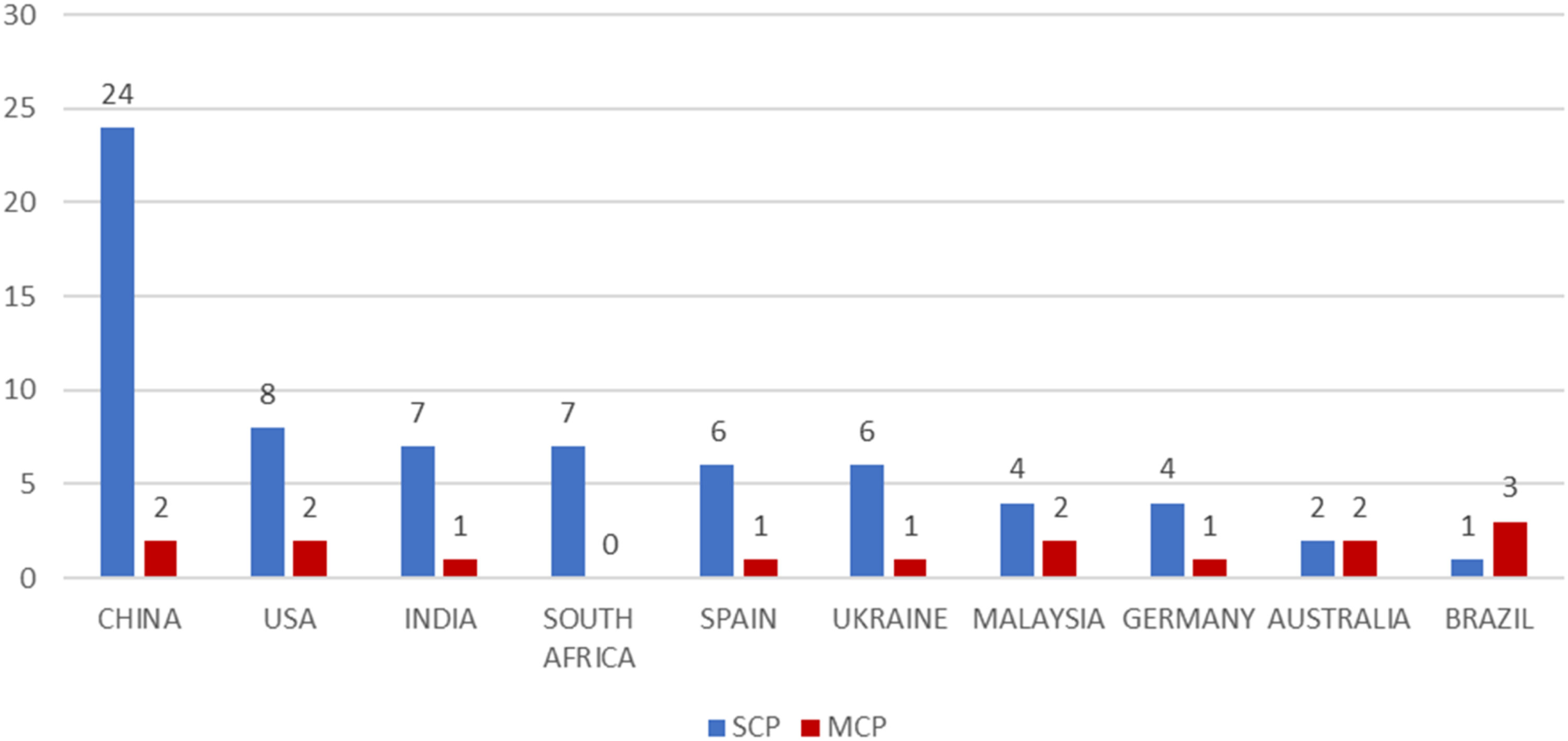
China leads with 24 single-country publications (SCP) and 2 multiple-country publications (MCP), indicating a strong emphasis on domestic research alongside limited international collaboration. The USA and India follow, with the USA producing 8 SCP and 2 MCP, reflecting a solid national output and active international engagement, while India has 7 SCP and 1 MCP, showing a similar but slightly more domestically focused trend.
South Africa and Ukraine each have 7 and 6 SCP, respectively, with Ukraine contributing 1 MCP and South Africa none, suggesting a stronger national orientation in their research. Spain, with 6 SCP and 1 MCP, also demonstrates a primarily domestic focus with moderate global collaboration.
Malaysia contributes 4 SCP and 2 MCP, indicating a more balanced approach between national and international research. Germany, with 4 SCP and 1 MCP, maintains a primarily domestic emphasis with some international involvement.
Australia shows equal contributions in both categories (2 SCP and 2 MCP), suggesting a balanced research approach. Brazil, despite having only 1 SCP, stands out with 3 MCP, highlighting a notable inclination toward international collaboration. This distribution underscores the varied levels of domestic research emphasis and international collaboration among leading countries.
Most relevant sources.

Several other sources provide two articles each, including Bottom Line, Financial and Credit Activity: Problems of Theory and Practice, Information, Information Technologies and Learning Tools, International Journal of Emerging Technologies in Learning, Journal of Modelling in Management, Journal of The Knowledge Economy, and SA Journal of Industrial Psychology. These journals offer valuable insights across a range of topics including digital transformation, economic modeling, and workforce development.
Additionally, a total of 93 journals each contribute a single article to the research. This wide array of sources enriches the academic landscape by providing diverse perspectives and reflecting the interdisciplinary nature of talent management research. The broad distribution of publications underscores the field’s depth and the growing interest it garners from various scholarly domains.
Most-cited ten publications.

The publications by Chen and Hsieh (2014) and Schwarzmüller et al. (2018) lead with 179 citations each, highlighting their substantial and equal contributions to the field.27,28 Agrawal et al. (2020) follow with 122 citations, reflecting the continued relevance and influence of their research. 29 Mukhuty et al. (2022) and Kane et al. (2019) have garnered 105 and 100 citations, respectively, underscoring their significant roles in shaping current discourse.30,31
Zhang et al. (2022) have received 66 citations, while Plooy and Roodt (2010) have 54, both making noteworthy impacts.32,33 Anshari and Hamdan (2022) and Ogbeibu et al. (2022) each have 50 citations, indicating strong recognition of their contributions.34,35 Rounding out the list, Ramírez-Montoya et al. (2021) have accumulated 47 citations, further demonstrating the diversity of influential voices in this research area. 36
Collectively, these highly cited works represent key contributions that have advanced understanding and sparked continued inquiry into talent management and related domains.
Keyword analysis
In examining the research landscape on talent management, a keyword analysis reveals a strong emphasis on several critical themes related to digital skills and ICT integration. This analysis uncovers the prominent focus on performance, management, and education, which are central to understanding how digitalization influences organizational practices. By exploring these recurring themes, the analysis highlights the evolving nature of talent management, emphasizing the growing importance of innovation and technological advancements. This approach provides valuable insights into the dynamic interplay between digital tools and organizational strategies, reflecting the broader trends and future directions in the field.
Figure 3 illustrates the 25 most frequent keywords from “Keywords Plus,” offering a clear snapshot of the dominant themes and emerging concepts in talent management research. The keyword “performance” stands out with the highest occurrence (19), underscoring its central role in discussions around improving organizational outcomes. Most frequent 25 keywords from Keywords Plus.
Other frequently occurring terms such as “management” (14), “impact” (8), “knowledge” (8), and “systems” (8) highlight the strategic and analytical dimensions of the field. Keywords like “challenges,” “education,” “framework,” “future,” and “innovation” (each appearing seven times) point to the evolving and forward-looking nature of talent management, particularly in relation to digital skills and technological transformation.
Terms such as “business,” “dynamic capabilities,” and “science” (6 occurrences each) reflect the interdisciplinary and applied aspects of the research. Similarly, “industry,” “information technology,” “skills,” and “technology” (each with 5 occurrences) reinforce the practical, ICT-driven focus of recent studies.
Additionally, the presence of keywords like “artificial intelligence,” “big data,” “commitment,” “HRM,” “job satisfaction,” “model,” and “quality” (4 occurrences each) signals growing interest in advanced technologies, employee experience, and organizational effectiveness. The inclusion of “adoption” (3 occurrences) further suggests ongoing exploration of how organizations integrate and respond to digital advancements.
The thematic map based on the most frequent keywords from “Keywords Plus” offers a detailed view of the research landscape within talent management and related fields (see Figure 4). The map reveals clusters of interconnected themes, with the frequency and centrality measures indicating their prominence and influence. Thematic map based on Keywords Plus illustrating the importance of research themes.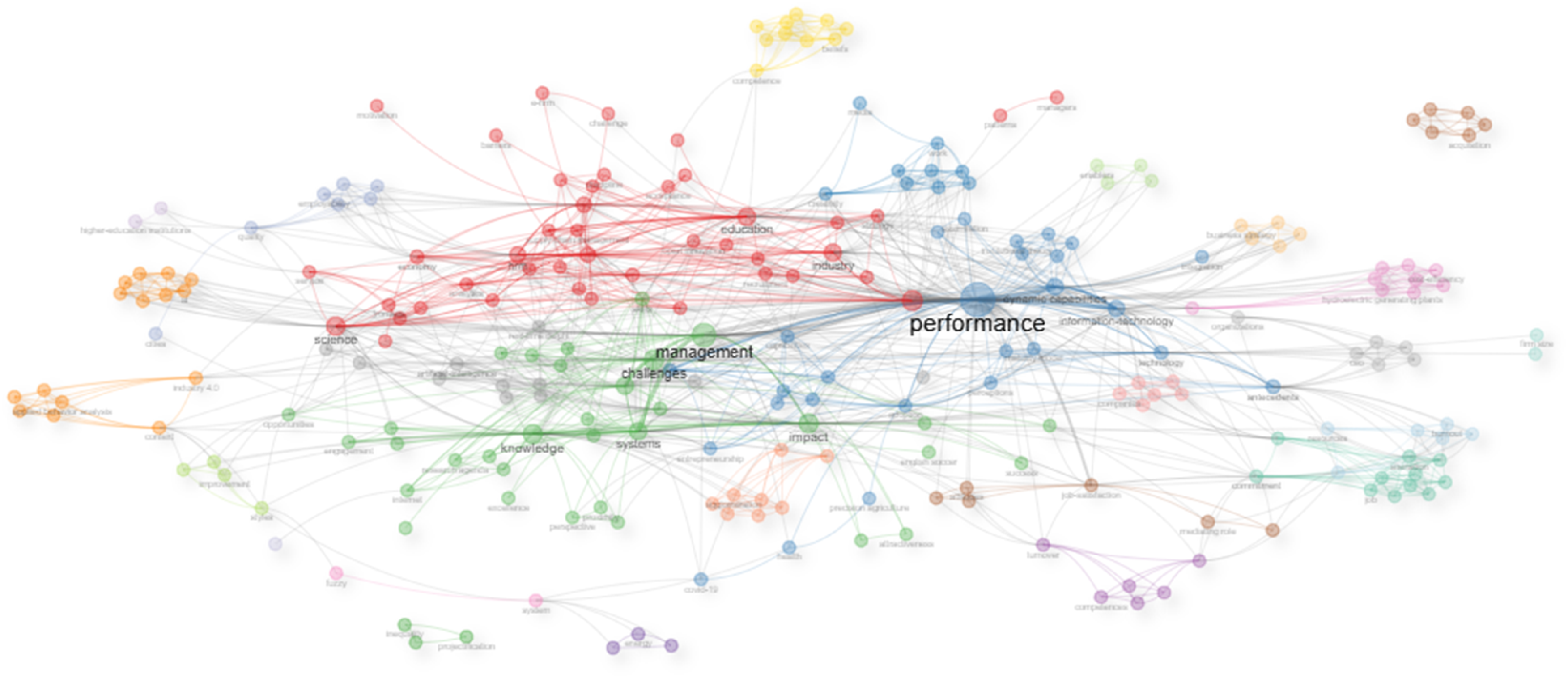
The education cluster is one of the most extensive, featuring frequently occurring keywords such as “education” (7 occurrences), “framework,” “innovation,” “business,” and “science”. The centrality of “innovation” and “science”—with high betweenness and PageRank values—highlights the transformative impact of digital learning tools and strategies on organizational development. Other important terms include “industry,” “big data,” “HRM,” and “analytics,” which indicate a strong focus on equipping the workforce with competencies for a digitally advanced economy. Keywords like “higher education,” “leadership,” “e-HRM,” “supply chain management,” and “strategy” further demonstrate the interdisciplinary nature of this cluster, encompassing both theoretical frameworks and applied technologies.
At the core of the performance cluster is the keyword “performance”, which has the highest frequency (19) and centrality across all clusters, underscoring its pivotal role in evaluating the outcomes of talent management strategies. Closely related terms include “dynamic capabilities,” “information technology,” “technology,” “adoption,” and “antecedents,” pointing to a strong emphasis on digital transformation and innovation performance. Other notable keywords such as “capabilities,” “entrepreneurship,” “perceptions,” and “revolution” indicate broader explorations into how technology-driven competencies are transforming business landscapes.
The management cluster is marked by key terms like “management” (14 occurrences), “knowledge,” “impact,” “systems,” “challenges,” and “future.” These terms highlight the evolving practices of organizational leadership in navigating technological change and leveraging knowledge systems. The presence of keywords such as “skills,” “model,” “ICT,” and “engagement” reflects interest in both digital infrastructure and human-centered strategies. The emphasis on “success,” “internet,” and “opportunities” further illustrates the dynamic interface between digital capabilities and strategic management.
The commitment cluster includes keywords such as “commitment,” “organizational citizenship behavior,” “alienation,” and “satisfaction”, reflecting research into psychological and emotional dimensions of employee engagement. Similarly, the job satisfaction cluster features “job satisfaction” and “mediating role,” signaling interest in the mechanisms through which talent management affects employee well-being.
The artificial intelligence cluster introduces modern, tech-driven topics with keywords like “artificial intelligence,” “big data analytics,” “real-time Delphi,” “smart,” and “workforce analytics.” These terms point to the increasing integration of AI in HRM, strategic planning, and decision-making.
Additional clusters include terms such as “models,” “quality,” “organization,” “context,” “creativity,” “competence,” and “resources,” each representing more specialized or emerging subfields. For example, “industry 4.0” and “research and development” signify the alignment of talent management with industrial innovation trends, while “work engagement,” “styles,” “media,” and “managers” indicate expanding attention toward organizational culture and communication.
In summary, the thematic mapping illustrates the diverse and evolving landscape of talent management research, with clusters centering around education, performance, management, and emerging technologies. The high centrality of terms such as “performance,” “innovation,” “management,” and “education” highlights their foundational importance, while the presence of modern keywords like “artificial intelligence,” “big data,” and “analytics” demonstrates the field’s dynamic integration with digital transformation.
The word cloud derived from “Keywords Plus” provides a visual representation of the most frequently used terms in the research landscape of talent management and related fields (see Figure 5). The prominence of certain terms highlights their significance and relevance in current discussions. Word cloud based on Keywords Plus showing the most frequently occurring terms.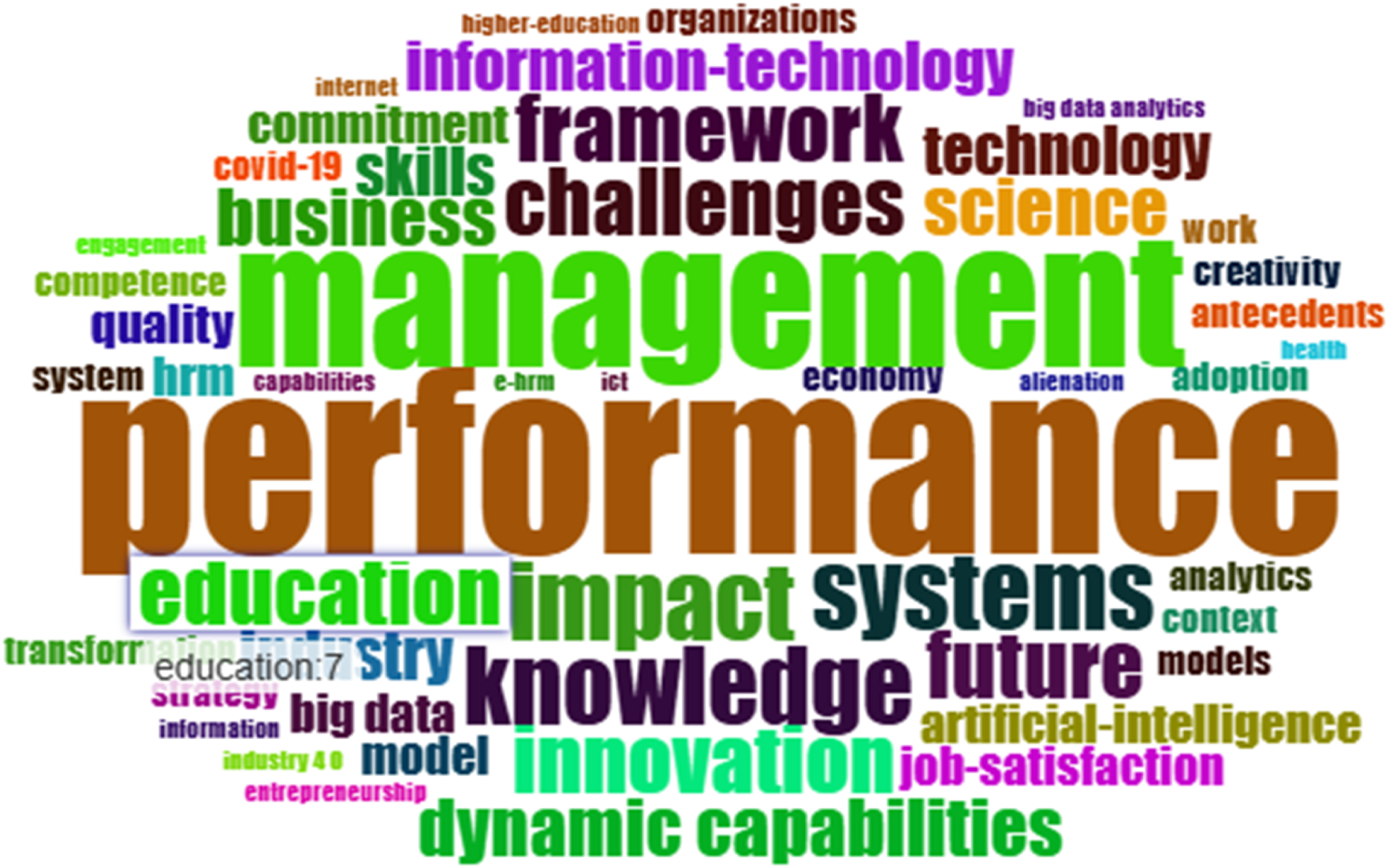
The term “performance” is the most frequently occurring keyword, appearing 19 times, underscoring its central role in talent management research, particularly in relation to enhancing organizational outcomes. This is followed by “management,” with 14 occurrences, highlighting its continued relevance in studies that explore organizational strategies, leadership, and operational effectiveness.
Several keywords appear eight times, including “impact,” “knowledge,” and “systems”, which point to a focus on how digital technologies influence organizational intelligence, decision-making, and performance. Other keywords such as “challenges,” “education,” “framework,” “future,” and “innovation,” each with seven mentions, reflect the field’s attention to structural approaches, learning, and forward-thinking strategies in managing talent.
Additional prominent keywords include “business,” “dynamic capabilities,” and “science,” each cited six times, signaling ongoing integration of innovation and scientific approaches into HR practices. Similarly, “industry,” “information-technology,” “skills,” and “technology,” each with five occurrences, suggest a strong emphasis on digital competencies and the growing role of technological advancements in workforce management.
Keywords such as “artificial intelligence,” “big data,” “commitment,” “HRM,” “job satisfaction,” “model,” and “quality”, each appearing four times, indicate increasing attention to both technological tools and employee-related outcomes. Meanwhile, terms like “adoption,” “analytics,” “antecedents,” “competence,” “context,” “covid-19,” “creativity,” “economy,” “models,” “organizations,” “strategy,” “system,” “transformation,” and “work”, each cited three times, highlight the multidisciplinary and evolving nature of talent management research.
Less frequent but still significant terms include “engagement,” “entrepreneurship,” “health,” “information,” “internet,” “higher education,” “e-HRM,” “capabilities,” “industry 4.0,” “alienation,” and “big data analytics”, each appearing twice, reflecting the expanding scope of research and its intersections with various organizational, social, and technological domains.
In conclusion, the keyword analysis offers a comprehensive view of the dominant themes and emerging directions in talent management research. The prominence of terms such as “performance,” “management,” “knowledge,” and “innovation” highlights the emphasis on optimizing organizational effectiveness through strategic and digital capabilities. At the same time, the broad range of keywords from “artificial intelligence” to “job satisfaction” reflects a diverse research landscape that addresses both macro-level transformations and individual-level experiences. These insights emphasize the growing influence of digital transformation in shaping the future of talent management.
Conceptual analysis
The conceptual analysis section delves into the evolving landscape of research in talent management, particularly with the integration of digital skills and ICT. Over time, there has been a notable surge in scholarly interest and citation impact, reflecting a broader recognition of the transformative potential of digital technologies in this field. The growing body of work underscores the importance of these advancements in enhancing organizational performance and shaping contemporary practices. By examining the trajectory of research outputs and their citation patterns, we gain insights into how the field is responding to emerging trends and the increasing emphasis on leveraging digital tools to drive innovation and effectiveness in talent management.
Figure 6 illustrates the evolution of research output and citation impact in the field of talent management from 2005 to 2025. During the early years, from 2005 to 2013, research activity was modest, with only a few publications each year and relatively low citation counts. Notably, 2010 stands out with a single publication receiving 54 citations, indicating early recognition of key contributions. Comparison of the number of publications and citations over time.
A significant shift occurs from 2014 onward. Although only two articles were published in 2014, they garnered a remarkable 189 citations, marking a turning point in the field’s visibility and scholarly impact. This upward trajectory continues with consistent increases in both publication volume and citation counts. The year 2018 shows a notable peak, with six publications generating 232 citations, reflecting strong academic engagement.
From 2019 to 2022, research output and citations both remained high, with 2022 recording 23 articles and the highest total citation count of 418. This period highlights the field’s growing maturity and relevance, particularly in exploring the role of digital skills and ICT in talent management.
In 2023 and 2024, the number of articles increases substantially, reaching a high of 42 in 2024. However, citation counts for these recent years show a decline, which is expected due to the shorter time available for citations to accumulate. The data from 2025, with only three publications and one citation, reflects the early stage of that year’s research cycle.
Overall, the trend indicates a dynamic and expanding body of research, with increasing scholarly attention toward the digital transformation of talent management. While earlier studies laid the groundwork, recent years show heightened interest and broader dissemination, suggesting sustained growth and evolving impact in the years to come.
The co-citation network analysis reveals a complex and interconnected structure of influential research within the domain of talent management and digital skills (see Figure 7). This network identifies several pivotal studies that serve as key reference points in shaping academic discourse and guiding research directions. Co-citation network analysis illustrating key influential works and thematic clusters.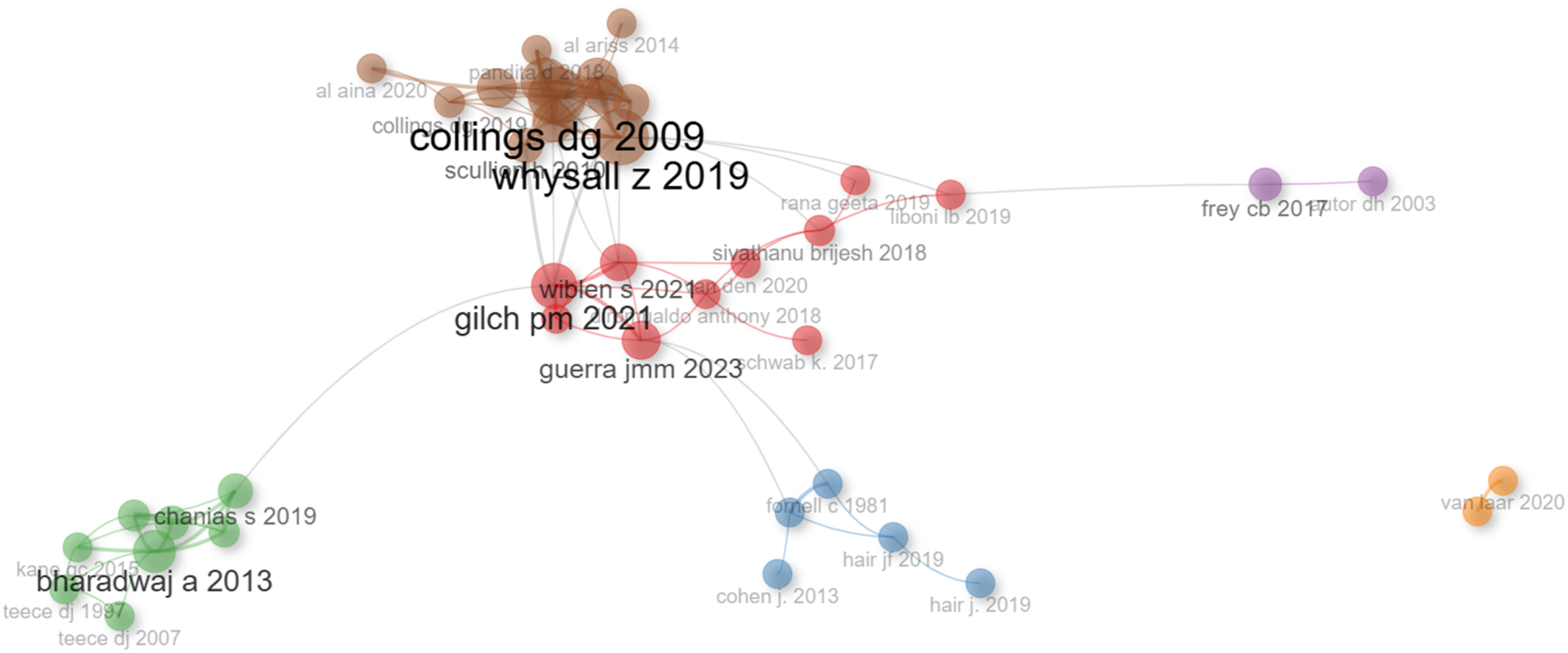
Among the most central figures in the network is Gilch (2021), who exhibits the highest betweenness centrality, indicating a critical role in bridging different clusters of research. Other highly connected works include Guerra (2023) and Wiblen (2021), both of which show strong centrality and PageRank values, emphasizing their influence in current scholarly conversations on digital transformation in human resource management.
The analysis also highlights DiRomualdo (2018) and Sivathanu (2018) as important contributors, with notable PageRank and closeness values that demonstrate their role in the consolidation of digital capabilities within the talent management framework. Works by Schwab (2017) and Van den (2020), while having lower betweenness, still play a visible role in shaping thematic directions.
In a separate cluster, foundational methodological studies such as Hair (2011, 2019), Fornell (1981), and Cohen (2013) continue to support empirical rigor, demonstrating sustained relevance across a range of analytical approaches.
The network also highlights a third cluster centered around digital transformation, where studies like Bharadwaj (2013), Chanias (2019), and Vial (2019) present significant betweenness and PageRank scores, marking them as essential to understanding how digital technologies influence organizational capabilities.
Within the talent management-specific cluster, Collings (2009) remains a foundational reference with strong connectivity and high PageRank. Whysall (2019) also emerges as a central node, underscoring the relevance of evolving talent strategies in the context of digitalization. Contributions from Gallardo-Gallardo (2020) and Schiemann (2014) further illustrate the field’s focus on aligning human capital with strategic and technological priorities.
Overall, the co-citation network demonstrates the dynamic interplay among contemporary research on digital skills, foundational methodological tools, and strategic human resource management. It offers valuable insight into how these works collectively influence the evolution of talent management scholarship, especially in response to digital and organizational transformation.
The trend topics analysis offers insights into the evolving focus of research within talent management and digital skills (see Figure 8). The term “performance” stands out as a dominant theme, with its frequency peaking around 2022 and continuing strong into 2023. This highlights a sustained interest in how talent management strategies affect organizational outcomes. Trend topics analysis.
“Management” has seen a noticeable rise from 2022 through 2024, underscoring its growing relevance in discussions about integrating digital skills and ICT into leadership and administrative practices. This trend reflects the increasing complexity and strategic importance of managing talent in digitally transforming environments.
Similarly, “knowledge” and “challenges” have gained momentum, with their most significant presence occurring between 2022 and 2023. These terms point to an expanding scholarly interest in addressing evolving workplace demands, upskilling, and navigating the hurdles associated with digital transformation.
The concept of “impact” also gained traction from 2022 to 2024, reflecting researchers’ focus on measuring the effects of digital and strategic initiatives on workforce performance and engagement. Meanwhile, “systems” became more prominent during the same period, indicating a deeper exploration into the technological and organizational infrastructures that support talent development and management.
Lastly, “business” has emerged as a significant trend, especially in 2024, suggesting an increased focus on practical applications and the alignment of talent strategies with broader business goals.
Overall, the trend topics analysis reflects a shift toward themes that address strategic implementation, organizational impact, and digital transformation in talent management. This trajectory highlights the field’s growing engagement with real-world complexities and its evolving role in driving organizational success through digital integration.
Discussion and conclusion
This study offers significant insights into the evolving intersection between talent management and digital transformation, highlighting the pivotal role that digital skills and information and communication technologies (ICT) play in modern organizational practices. As businesses navigate a landscape increasingly shaped by technological innovation, the strategic integration of these tools into talent management frameworks emerges not only as beneficial but as a critical imperative. The findings underscore the growing consensus that the ability to leverage digital capabilities effectively is fundamental to sustaining competitive advantage and addressing the persistent global talent gap.
Our bibliometric analysis reveals a substantial rise in academic interest surrounding the convergence of digital technologies and talent management. This interest reflects a broader shift in organizational priorities, where digital readiness is seen as essential to effective human resource development. This is not a temporary or passing trend, but rather a strategic necessity that is deeply embedded in the structural transformation of work and workforce planning. As Silzer and Dowell (2010) assert, aligning talent management with broader organizational goals is crucial for success in a competitive environment. 9 More recent studies build on this perspective, emphasizing that digital transformation is not merely about adopting technology but about embedding digital thinking into the core of HR practices.37–39 The integration of digital skills and ICT into these practices enhances various facets of talent management, including recruitment, onboarding, learning and development, performance management, and succession planning. It allows organizations to adopt more agile and responsive talent strategies, thereby improving employee performance, job satisfaction, and long-term retention.
Foundational theories in talent management, particularly those proposed by Lewis and Heckman (2006) and extended by McDonnell and Wiblen (2010), offer a robust conceptual framework for understanding how digital technologies can transform human resource practices.12,19 These theoretical models advocate for a holistic and integrative approach that combines the strengths of traditional talent management with the possibilities enabled by digital innovation. Building upon these, researchers have introduced the concept of digital talent ecosystems, where the focus shifts from managing individual employees to managing interconnected, digitally empowered networks of talent. 40 This approach supports dynamic capabilities theory, allowing organizations to continually reconfigure their workforce in response to rapid technological and market changes. 41 When properly aligned, such a comprehensive approach allows organizations to better anticipate and respond to dynamic business needs, market disruptions, and the changing expectations of a technologically literate workforce.
The urgency of adopting digitally integrated talent strategies is reinforced by the global talent shortage, which remains a critical issue for both public and private sector organizations. As emphasized by Charaba (2022) and ManpowerGroup (2022), the gap between available skills and those in demand continues to widen.20,21 Organizations across industries are finding it increasingly difficult to attract and retain individuals with the competencies required for digital roles. In this context, the integration of ICT and digital learning platforms provides a scalable and effective solution. Case studies of global leaders such as Google and Microsoft illustrate how digitalization in talent management can directly contribute to solving talent scarcity. These companies have employed data-driven recruitment, artificial intelligence in candidate screening, cloud-based training systems, and continuous performance tracking to not only attract the right talent but also to develop and retain high-performing employees.16,24
Furthermore, the adoption of AI and analytics in HR has accelerated, driving the emergence of predictive talent management systems. 42 These systems use machine learning algorithms to forecast talent needs, predict employee attrition, and recommend personalized development paths. This predictive capability allows organizations to move from reactive to proactive talent management, improving workforce planning and strategic alignment.
Empirical evidence further supports the positive impact of digital technologies on employee development and organizational performance. Studies such as Mandula et al. (2016) show that technology-enhanced learning environments can lead to significantly improved levels of employee engagement and job performance. 13 Recent literature further validates this, highlighting how AI-powered adaptive learning systems and personalized e-learning platforms foster continuous professional development.43–45 These tools allow for real-time tracking of learning progress and immediate feedback, creating a more engaging and individualized development process. By leveraging digital tools, organizations can create personalized and adaptive learning experiences that meet the unique needs of individual employees. This fosters a culture of continuous learning, innovation, and professional growth, which is essential in an environment where technological advancements continually redefine required skill sets.
In addition to the practical implications, our thematic analysis reveals clear patterns and focal points within current scholarly research. Terms such as “performance,” “management,” “impact,” “knowledge,” “systems,” and “business” have emerged as dominant themes, particularly in the past 5 years. These keywords reflect an increasing focus on the strategic implications of talent management in a digital context. This thematic concentration aligns with the shift in the HR literature from operational efficiency toward strategic human resource management and talent analytics. 46 The use of big data in HR decision-making is no longer experimental but a recognized practice in leading organizations.47,48 Moreover, the emphasis on knowledge and systems reflects the role of knowledge management technologies and learning management systems (LMS) in supporting digital talent strategies. 49
However, the findings also reveal significant research gaps. While the current literature largely focuses on the adoption of AI and digital tools in HR, there is a notable lack of critical exploration of the ethical, legal, and psychological implications of AI-driven talent management.50–53 Issues such as algorithmic bias, data privacy, and the potential depersonalization of HR processes remain underexplored. 54 For example, automated decision-making in hiring and performance evaluations may unintentionally reinforce existing biases if not properly monitored and audited. 55 Moreover, the digital divide continues to exacerbate disparities in access to digital learning and development opportunities, particularly in organizations or regions with limited technological infrastructure. 56 This raises important concerns about equity and inclusivity in talent management practices, as not all employees may have equal opportunities to benefit from digital tools and upskilling initiatives. Moving forward, future research must prioritize the development of AI-enhanced HR systems that emphasize fairness, transparency, explainability, and ethical governance to ensure that technological advancements contribute positively to organizational cultures and employee experiences.
The limitation of this study lies in its reliance on the Web of Science (WoS) database, which, while ensuring the quality and rigor of the sources, may exclude practitioner insights, industry white papers, and emerging research in non-indexed venues. This may have limited the scope of the findings, particularly in capturing fast-evolving industry practices related to digital HRM. Expanding the data sources in future research would offer a more holistic perspective on the digital transformation of talent management.
In conclusion, this study provides a comprehensive overview of the evolving role of digital skills and ICT in shaping talent management. It is clear that the integration of these elements is no longer optional but essential for organizations seeking to remain competitive, adaptive, and forward-thinking. By aligning digital capabilities with human resource strategies, organizations can more effectively manage the complexities of the modern workforce, close critical skills gaps, and foster a more engaged, productive, and resilient workforce. Importantly, this study identifies several areas for future research. First, empirical investigations are needed to examine how specific digital tools impact different dimensions of talent management across industries and cultural contexts. Second, longitudinal studies could explore the long-term effects of digital transformation on employee engagement, retention, and organizational performance. Third, research could address the role of emerging technologies such as AI and machine learning in shaping talent strategies and decision-making processes. The findings presented here contribute to a growing body of literature that supports the strategic value of digital transformation in talent management. Furthermore, the practical insights derived from this research offer valuable guidance for practitioners aiming to implement effective, data-driven, and future-oriented talent strategies in an increasingly digital world. As the global economy continues to evolve, organizations that embrace digital integration within talent management will be better positioned to thrive and lead in their respective industries.
Future suggestions and theoretical and practical implications
This study highlights a clear and sustained evolution in the field of talent management, strongly influenced by the integration of digital skills and information and communication technologies (ICT). Bibliometric findings indicate that while research output was modest prior to 2013, there has been a marked increase in publications and citations since 2014. Publication activity peaked significantly in 2024 with 42 articles, reflecting intensified scholarly interest. Although citation counts are lower for the most recent years, this is likely due to the typical delay in citation accumulation, suggesting that the full impact of recent work has yet to emerge. The co-citation network analysis demonstrates the influence of both foundational and contemporary studies, with seminal works continuing to shape the academic landscape while more recent contributions signal a shift toward new perspectives and digital applications in talent management. Trend topic analysis highlights growing attention to concepts such as “performance,” “management,” “knowledge,” and “impact” with emerging terms like “challenges” and “systems” reflecting increased scholarly focus on the complexities of digital transformation.
Based on these findings, this study highlights a sustained evolution in the field of talent management, driven by the integration of digital skills and information and communication technologies (ICT). Traditional models of talent management focused primarily on competency development, retention, and succession planning. However, the increasing digitalization of HR processes, including algorithm-driven recruitment, cloud-based learning platforms, virtual onboarding, and continuous performance tracking, requires updated theoretical frameworks that integrate digital skills and ICT as core elements. Digital tools also challenge conventional theories of employee engagement, motivation, and development, redefining the psychological contract between employers and employees.
In practical terms, organizations of different sizes and sectors can apply these insights in targeted ways. Large corporations can adopt AI-driven recruitment platforms, cloud-based learning systems, and continuous performance tracking to align workforce skills with strategic objectives. Small and medium-sized enterprises (SMEs) can leverage cost-effective digital tools, such as online learning modules and collaboration platforms, to enhance agility and employee skill development. Knowledge-intensive sectors, including IT, engineering, and R&D, can focus on advanced training programs, virtual labs, and simulation-based learning to foster innovation. In healthcare and service industries, digital tools can support compliance training, workflow optimization, and virtual mentoring programs to maintain quality and adaptability. HR professionals across all sectors can utilize AI for initial candidate screening while mitigating bias, design personalized e-learning journeys, and employ analytics dashboards for workforce planning and retention forecasting. Policymakers and industry associations can further support digital transformation by promoting sector-specific skill development programs, setting ethical standards for AI in HR, and ensuring data privacy and employee well-being in digital HR practices. By embedding digital fluency and data-driven decision-making into HR strategies, organizations can develop agile, responsive, and ethically responsible human capital management systems.
Future research should explore how digital tools can be better integrated into talent management systems to enhance organizational adaptability, employee development, and long-term retention. Longitudinal studies are especially needed to assess the enduring effects of digital transformation on employee outcomes, particularly in remote and hybrid work environments. Additionally, there is a need to investigate the ethical implications of digital HR practices, including algorithmic bias, data privacy, and the potential for employee surveillance. These topics are underrepresented in current literature but are critical for building inclusive, fair, and human-centered talent management frameworks.
Overall, this study highlights the need for both scholars and practitioners to rethink talent management through the lens of digital transformation. The integration of digital skills and ICT is not merely an operational adjustment but a fundamental shift that requires new theoretical models and practical approaches for managing the modern workforce. By offering targeted guidance for HR practice and policy, this study provides a basis for both academic inquiry and practical action in digitally transforming organizations. Future work in this area will contribute to the development of more effective, data-informed, and ethically responsible talent management practices that are essential for organizational success in the digital era.
Footnotes
Acknowledgments
We would like to acknowledge the researchers whose work formed the foundation of this bibliometric review study.

Author Contributions
Funding
The authors received no financial support for the research, authorship, and/or publication of this article.
Declaration of conflicting interests
The authors declared no potential conflicts of interest with respect to the research, authorship, and/or publication of this article.