



Abstract
Background
Emotional intelligence (EI) has been widely recognised as a key determinant of professional effectiveness, yet limited research has systematically examined which EI dimensions are most critical for Human Resource Professionals (HRPs).
Objective
This study aimed to identify and prioritise the EI dimensions that most significantly influence the success of HRPs.
Methods
A mixed approach was adopted, beginning with a literature review and expert consultations to identify relevant EI dimensions. These were structured into a hierarchical model and evaluated using the Analytic Hierarchy Process (AHP). Pairwise comparisons were conducted with 50 HR experts to establish the relative importance of each dimension.
Results
The AHP analysis revealed self-awareness, stress management, and empathy as the top three EI dimensions for HRPs, followed by optimism, orderliness, and decision-making.
Conclusions
The study offers a structured framework for evaluating and ranking EI competencies, demonstrating the utility of AHP in HR research. Findings highlight the central role of EI in enhancing HR effectiveness and provide actionable insights for recruitment, training, and development of HR professionals across industries.
Keywords
Introduction
Human Resource Management (HRM) is a strategic function that develops employee competencies and provides a competitive advantage.1,2 It maximises performance, aligns employee welfare with organisational goals, 3 and shapes skills, attitudes, and behaviours for success.4,5 Effective HRM fosters cohesion, collaboration, and conflict resolution, enhancing outcomes. 6 HRPs achieve this by balancing tasks and relationships, building trust, and sustaining engagement, 7 and regulating emotions to create a positive climate. 8 As strategic partners, HRPs increasingly rely on EI.6,9 EI is the ability to perceive, understand, and use emotions in decision-making, 10 enabling HRPs to elicit positive responses, build resilience, and sustain morale. 11 Higher EI strengthens motivation to solve problems, 12 supports adaptive coping, 13 and shapes managerial decisions. 14 It enhances performance and fosters both individual and organisational growth.15,16 As a multi-dimensional construct comprising dimensions such as self-awareness, self-regulation, and empathy,17,18 EI is vital for HRPs navigating conflicts and building positive cultures. Research further links EI with job performance, 19 counterproductive behaviour, 20 conflict management, 21 burnout, 22 and critical thinking. 23 Existing studies emphasise that different jobs require distinct competencies.24–26 Further explained by Role Theory, noting that professional behaviour is shaped by role-based expectations. 27 In line with this, emotional intelligence (EI) is both personality and role-driven, manifesting differently across professions. 28 For instance, HRPs rely heavily on empathy and conflict resolution, 6 whereas sales professionals draw more on persuasion and enthusiasm. 29 Similarly, high emotional-labour jobs, such as flight attendants, demand greater reliance on EI compared to low emotional-labour jobs like assembly-line work. 30 This underscores the timely and novel need to systematically identify and prioritise EI dimensions specific to HRPs, and this study addresses this gap through the AHP methodology. Although the Analytic Hierarchy Process (AHP) has been applied in HRM areas such as performance management, employee selection, intellectual capital, safety, green HRM, and e-HRM, 2 its application to psychological and behavioural competencies of HRPs remains scarce. So this study applies AHP, a structured decision-making technique combining mathematical and psychological principles, 31 to systematically prioritise EI dimensions critical for HR effectiveness. This prioritisation supports targeted HR training, refined recruitment and selection, and provides researchers with a structured framework. As the first to apply AHP in this context, the study offers a timely and novel contribution by identifying and prioritising the most essential EI competencies for HRPs, thereby strengthening HR practices and organisational success.
The objectives of this research are to: Identify EI dimensions critical to HRPs’ success. Apply AHP to develop a hierarchical ranking of EI dimensions. Prioritise them based on impact. Provide actionable recommendations for EI enhancement
AHP, a decision-making tool using pairwise comparisons and mathematical calculations, 32 is chosen over other MCDM approaches (TOPSIS, ELECTRE, ANP, PROMETHEE) for its practicality and reliability. It structures complex problems hierarchically, incorporates subjective criteria, allows consistency checks, and integrates multiple decision-makers. 33 This paper is structured as follows: Section 2 reviews literature; Section 3 outlines methodology; Section 4 presents results; Section 5 discusses findings; Section 6 concludes with implications.
Literature review
This study used the PRISMA approach to select works in EI from scientific databases with explicit inclusion and exclusion criteria. 16 Scopus, the largest multidisciplinary database indexing 40,562 peer-reviewed journals, 34 was used to identify relevant works through keyword combinations such as ‘emotional intelligence’, ‘EI’, ‘EQ’, ‘EI dimensions’, ‘EI Models’, and ‘HR professionals’. Articles published between 1995 and 2023, peer-reviewed, English-written were considered, excluding book chapters, conference papers, and theses. Following the four PRISMA stages, identification, screening, eligibility, and inclusion, 35 122 articles were retained for synthesis, wherein 40 examined emotional intelligence and 82 focused on developing and validating EI measures. From these, seven EI dimensions and sixteen subdimensions were identified. The literature review section proceeds with an overview of the conceptualisation of emotional intelligence and its models, a rationale for adopting the mixed model of EI, and a synthesis of definitions and prior studies on its dimensions.
Emotional intelligence and EI models – conceptualisation
The idea of social intelligence, or the ability to comprehend and manage others, was first proposed by Thorndike (1920) 36 in the early 20th century, marking the roots of emotional intelligence (EI). Later, Gardner (1975) 37 expanded this notion by incorporating interpersonal and intrapersonal intelligence into his theory of multiple intelligences. Bar-On (1988) 38 further advanced the field by attempting to measure EI using well-being indicators, which was a significant milestone in EI assessment. Salovey and Mayer (1990) 10 then introduced the term ‘emotional intelligence’ as the ability to recognise, comprehend, and regulate emotions, and Goleman (1995) 17 popularised the construct by emphasising its role in career and personal success. EI, sometimes referred to as emotional quotient (EQ), is generally understood as the ability to recognise, understand, and effectively manage one’s own emotions as well as those of others. It is positively linked to outcomes such as cultural intelligence, 39 work performance, 19 and innovation readiness. 40 It also buffers against unproductive and counterproductive behaviours, 20 predicts critical thinking, 23 reduces burnout, 22 and balances work–family conflict. 41
Over the years, the concept of EI has emerged through these models – the ability model, 10 the trait model, 42 and mixed models.17,38 Each has shaped the development of widely used EI assessment tools. The ability model conceptualises EI as a set of cognitive-emotional skills: (a) recognising and expressing emotions, (b) using emotions to facilitate thought, (c) understanding emotional meanings, and (d) regulating emotions to promote growth. Trait models instead frame EI as self-perceived emotional traits linked to personality, assessed via self-reports, with dimensions such as emotionality, sociability, self-control, and well-being. Mixed models blend cognitive-emotional abilities with personality traits and social competencies: Bar-On’s EQ-i focuses on social functioning and well-being, while Goleman’s model emphasises workplace competencies such as self-awareness, emotional regulation, and social skills, assessed via the Emotional Competency Inventory (ECI). This study adopts the mixed model of EI to identify and finalise EI dimensions relevant for HRPs.
Rationale for choosing mixed model EI
Dimensions and subdimensions of EI.
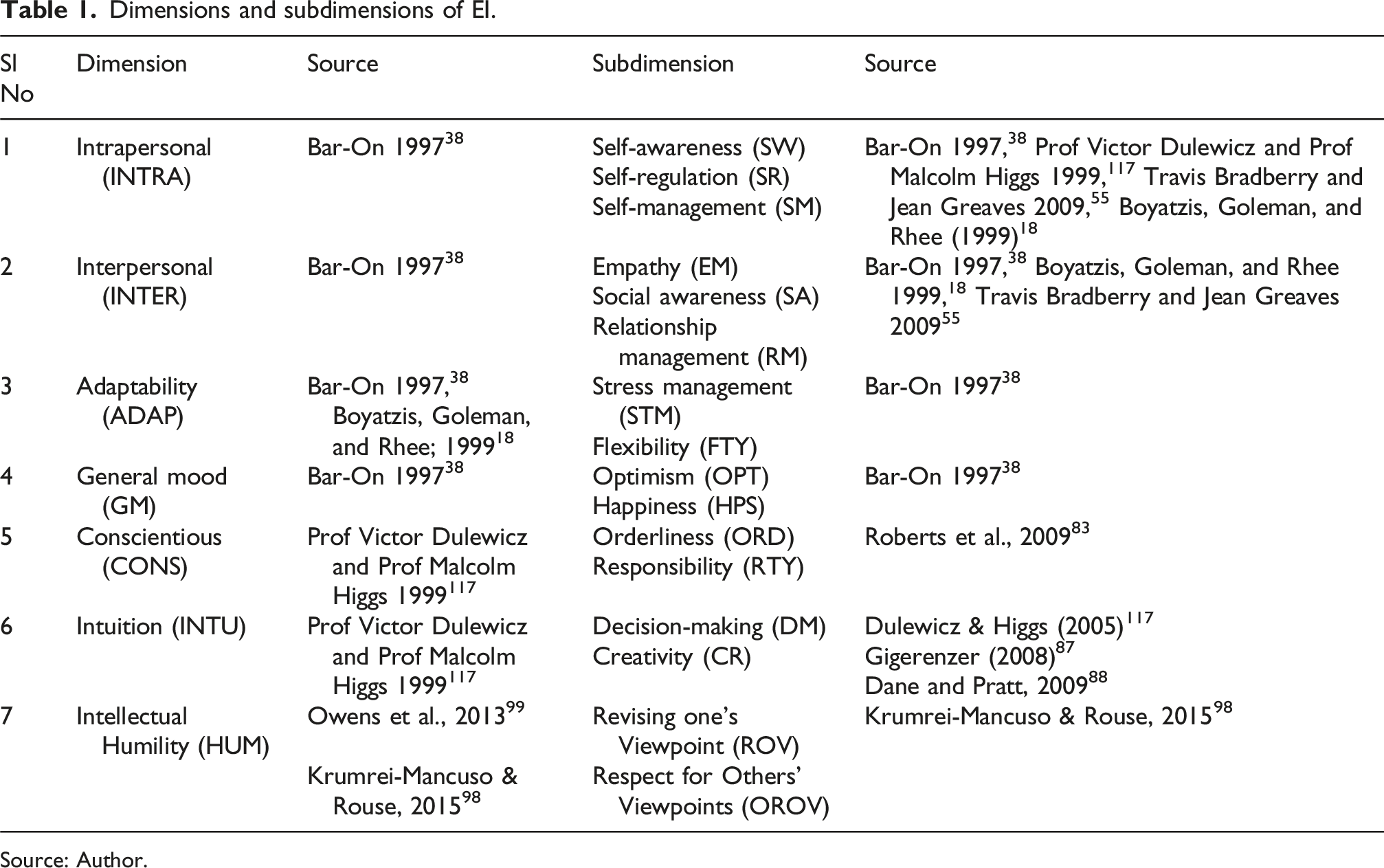
Source: Author.
Intrapersonal
Intrapersonal intelligence refers to self-awareness and self-expression, encompassing the ability to recognise one’s emotions, identity, strengths, and weaknesses. 38 It includes traits such as self-discipline, self-motivation, and self-reflection. 37 For HRPs, these skills enhance handling of sensitive employee issues, conflict resolution, and trust-building. 15
Self-awareness
Self-awareness, the foundation of EI, involves recognising emotions as they arise and accurately perceiving one’s strengths, weaknesses, and motives.10,38 Goleman (1998) 17 highlighted emotional consciousness, accurate self-assessment, and confidence as its key aspects. Self-awareness supports leadership effectiveness, ethical decision-making, and fostering trust in employee relations among HRPs. 44
Self-regulation
Self-regulation, often used interchangeably with self-control, is the ability to manage impulses and adapt behaviour to achieve desired goals. 45 It involves persistence, goal-setting, and resilience in the face of setbacks. Self-regulation enhances authenticity and effectiveness, strengthening credibility and fostering employee trust when managing employees. 46
Self-management
Self-management involves regulating behaviour through personal standards, goal-setting, and self-assessment. 47 It enables employees to identify improvement areas, set realistic objectives, and enhance performance independently.48,49 In managing people, strong self-management drives growth-oriented initiatives, fostering innovation and continuous improvement. 6
Interpersonal
Interpersonal skills involve building positive, cooperative relationships and understanding others’ needs and concerns. 38 They are vital for workplace interactions, predicting individual, team, and organisational performance.50,51 Strong interpersonal skills enhance managerial effectiveness, reduce stress, and drive career success among HRPs.47,52
Empathy
Empathy is the ability to understand and share others’ feelings, often described as ‘putting oneself in another’s shoes’. 53 It is central to EI, as emotional recognition underpins empathetic behaviour.17,54 Empathy enables effective conflict resolution and supports HR practices such as training, assessment, and promotion, thereby fostering trust and employee development.6,8
Social awareness
Social awareness is the ability to recognise and understand others’ needs, feelings, and concerns.17,18 It fosters the development of social skills and continuous personal growth. 55 Social awareness enables proactive anticipation of employee needs, attracts and retains top talent, and strengthens the organisation’s reputation as an employer of choice. 56
Relationship management
Relationship management involves conflict resolution, building bonds, inspiring leadership, influencing, developing others, and fostering collaboration. 57 It complements task management as a key leadership behaviour. 58 Leaders with strong relationship management and social awareness create more positive and productive environments.59,60 Such competencies help individuals navigate challenges effectively and enable HRPs to better motivate employees.6,60
Adaptability
Adaptability is the capacity to adjust one’s thoughts and emotions in response to changing circumstances. 38 In organisational contexts, adaptability plays a critical role in managing workplace stress 61 and positively influences outcomes such as job performance and job satisfaction. 62 Flexible employees are considered valuable assets as they contribute to organisational effectiveness. 61 Goleman (1998) 17 emphasised that EI fosters more flexible and effective behaviour at work, while adaptable employees are highly valued for their ability to meet changing demands and pursue growth opportunities. 63 From an HRM perspective, adaptability in HR practices enhances organisational resilience and competitiveness by enabling firms to respond strategically to environmental contingencies. 64
Stress management
Stress refers to the pressure experienced by an individual to adapt or change. 65 It often emerges from the inability to resolve problems effectively. 66 Emotional intelligence provides a coping mechanism, enabling individuals to regulate themselves efficiently under stress. 67 Unmanaged stress is frequently associated with mental and physical health problems, leading to negative workplace behaviours such as aggression and conflict. Research has consistently shown that EI predicts effective stress-reduction strategies. 68 Effective stress management supports the personal well-being of HRPs and enables them to maintain high performance in managing complex, people-centric challenges.69,70
Flexibility
Flexibility is the capacity of employees to adjust to role and organisational changes. 71 It involves adapting skills, responsibilities, and behaviours to dynamic environments.71,72 Such adaptability offers firms a competitive 73 and supports HRM practices that drive innovation and responsiveness. 74
General mood
General mood, encompassing optimism and happiness, relates to self-motivation and satisfaction with oneself, others, and life. 38 An optimistic outlook enables HR to inspire themselves and uplift others while focusing on the future. 9
Optimism
Optimism, the tendency to expect positive outcomes even in adversity, 75 is linked to better physical and mental health, reduced depression risk, and stronger immune functioning. 76 Optimistic individuals focus on positive cues, 77 use higher-order cognitive processes to regulate emotions, 78 and perceive a greater likelihood of goal attainment. 79 In HRM, optimistic HRPs promote solution-focused mindsets, enhancing motivation, retention, and performance. 80
Happiness
According to Baron (1997), 38 happiness is to feel content with oneself, others, and life in general. Happy people are not only more likely to be successful in their careers, but they are also more likely than unhappy people to have better social relationships and to act in ways that benefit their communities and societies. 81
Conscientious
Conscientious individuals are organised, diligent, trustworthy, and vigilant, 82 showing goal orientation, planning, self-control, and delayed gratification. 83 They also uphold social norms and decorum more strongly than others. 84 Conscientiousness is positively associated with EI 85 and fosters ethical decision-making and responsible management of organisational challenges. 86
Orderliness
According to Roberts et al. (2014), 83 orderliness is the general urge to be ‘prepared’, which includes inclinations towards chaos, disorderliness, and disorganisation on the negative end of the spectrum or planfulness, neatness, and cleanliness on the positive end.
Responsibility
On the positive end, responsibility represents the propensity to keep your word and abide by the norms that facilitate social group dynamics. On the negative end, it represents the propensity to be a dishonest partner in goal-oriented environments and to break obligations. 83
Intuition
Intuition is felt knowledge that aids decision-making when time or cognitive resources are limited, often relying on experience. 87 It supports problem-solving, moral judgments, and creativity, 88 with strong links to creativity.89,90 Intuition of HRPs enables quick, experience-based decisions in uncertain contexts. 91
Decision-making
Decision-making is the process of selecting a preferred action from alternatives based on set standards. 92 For HR managers, effective decision-making is crucial as it directly impacts organisational competitiveness. 93 Emotions play a vital role, shaping rationality and cognitive processes, 94 while moods influence attention, memory, and choices of decisions. 95
Creativity
According to Plucker et al. (2004), 96 creativity is the result of an integration of aptitude, process, and environment that allows a person or group to produce a tangible good that is both original and practical when viewed in the context of society. The emotions that emerge from combining knowledge in innovative approaches are what is known as creativity. 90 Moreover, creativity is a multifaceted process that is associated with different emotional states. 97
Intellectual humility
Intellectual humility is the awareness of one’s limited knowledge and fallibility, fostering openness to differing views and willingness to revise beliefs. 98 It enhances learning, engagement, and job satisfaction, making it a vital quality for HR professionals in managing people and driving positive outcomes. 99
Openness to revising one’s viewpoint
Intellectual humility calls for openness to new ideas100,101 and openness to changing one’s viewpoint when warranted. 102 This indicates a genuine interest in learning and understanding different perspectives and new information. Being willing to change or adapt one’s views in light of new evidence or compelling arguments.
Respect for others’ viewpoints
Respecting others’ viewpoints is another aspect of intellectual humility. McElroy et al. (2014) 101 proposed that intellectual humility is especially pertinent whenever there is a competition or negotiation of ideas in a relationship or group. An intellectually humble person can exchange differing viewpoints without causing or taking offence 101 and can respect those with different views. 100
Methodology
This study applies the Analytic Hierarchy Process (AHP) to prioritise EI dimensions influencing the success of HRPs. Effective decision-making is central to HRM, as HR decisions directly affect employee motivation, performance, and organisational outcomes.
2
Given the subjective, expert-driven, and multi-criteria nature of HR decisions, conventional single-criterion approaches are inadequate. Consequently, multi-criteria decision-making (MCDM) techniques, particularly AHP, have gained increasing relevance in HRM research and practice.
2
AHP is a structured decision-making technique that decomposes complex problems into a hierarchical framework of goals, criteria, and sub-criteria, enabling systematic pairwise comparisons and priority weights.
103
Its transparency, robustness, and ability to incorporate expert judgment have led to its extensive application across HRM domains, including performance evaluation, competency assessment, and strategic decision-making.104–106 Prior HRM studies have successfully employed AHP to prioritise behavioural and competency-based criteria. For example, Gao et al. (2023)
107
applied AHP to integrate psychological empowerment with employee performance, while Feng et al. (2023)
108
evaluated strategic HR capabilities in public hospitals. Kashi (2016)
109
applied AHP to rank senior managerial competencies in the automotive industry. Min-Peng et al. (2012)
110
and Hong-Lei et al. (2009)
111
used AHP and hybrid models to assess HR performance in R&D contexts and banking institutions, respectively. These studies demonstrate AHP’s suitability for evaluating intangible human attributes, making it particularly relevant for EI prioritisation, which has further supported HR decisions in employee selection and recruitment, where qualitative and quantitative criteria must be jointly assessed. Tsai et al. (2023)
112
and Peregrin and Jablonsky (2021)
105
employed AHP and ANP models to systematically compare candidate attributes, reinforcing their effectiveness for expert-based judgments involving psychological and competency-related factors. Beyond selection, AHP has been used in strategic HRM contexts such as talent attraction and identification,113,114 as well as in emerging HR domains, including e-HRM adoption and Green HRM.103,115,116 While existing AHP models in HRM have extensively focused on performance appraisal, competency ranking, employee selection, and strategic HR practices, they predominantly evaluate external HR outcomes or observable competencies. There remains limited application of AHP in systematically identifying and prioritising intrapersonal and interpersonal capability dimensions, such as emotional intelligence, that underpin HR professionals’ effectiveness. Building on the methodological strengths of these existing AHP models, the proposed study extends AHP application to the prioritisation of emotional intelligence dimensions impacting the success of HR professionals. By structuring EI dimensions and eliciting expert judgments through pairwise comparisons, the proposed model addresses a critical gap in HRM literature, offering a rigorous, transparent, and decision-oriented framework for identifying the most influential EI dimensions specific to the HR professional role. The AHP model was developed using a two-stage process: (1) identification and expert validation of EI dimensions (Survey 1) and (2) prioritisation through pairwise comparisons (Survey 2). Mixed-model EI frameworks were adopted due to their workplace relevance and focus on emotional and social competencies linked to professional success.17,43 Seven EI dimensions and sixteen subdimensions were identified through a comparative analysis of five established models: Bar-On’s EQ-i (1997),
38
Boyatzis, Goleman, and Rhee’s ECI 2.0 (1999),
18
Dulewicz and Higgs’ model (2003),
117
Bradberry and Greaves’ EIA (2009),
55
and Boyatzis and Goleman’s ESCI (1999).
18
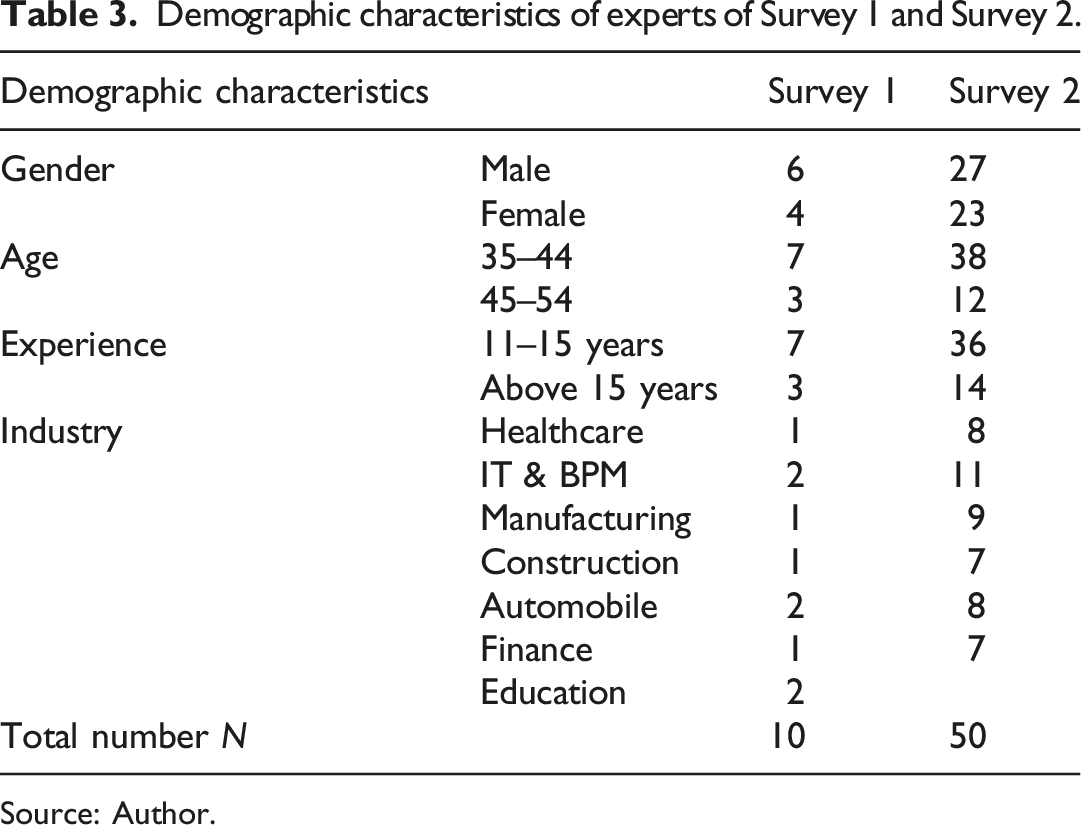
Overlapping constructs were integrated to form the proposed framework (Table 1). The validation of the identified dimensions was carried out through an expert review process (Survey 1). A review team was formed with 10 experts (Table 3) comprising HRPs and academicians, and was provided with the initially identified EI dimensions and subdimensions, to validate and refine the emotional intelligence dimensions identified from an extensive literature review. This stage corresponds to an expert judgment and content validation phase, where a small but highly qualified panel is considered methodologically appropriate.
118
Experts were selected based on their extensive experience of more than 10 years in academic and professional expertise in HRM and emotional intelligence. They were asked to assess the clarity, relevance, and comprehensiveness of each dimension in the context of HR professionals’ roles. Their feedback was collected through structured discussions. The HR managers provided practical insights, while the academicians offered research expertise. The experts helped fine-tune the EI framework, identifying specific dimensions (e.g. intellectual humility) that may have been overlooked in the EI literature, ensuring the EI framework was both theoretically sound and practically relevant for assessing and developing HRPs’ EI (Table 1). The weights of the dimensions were set by 50 experts using AHP through the second survey. The overall identification and prioritisation process is summarised in Figure 1. Research methodology. Source: Author.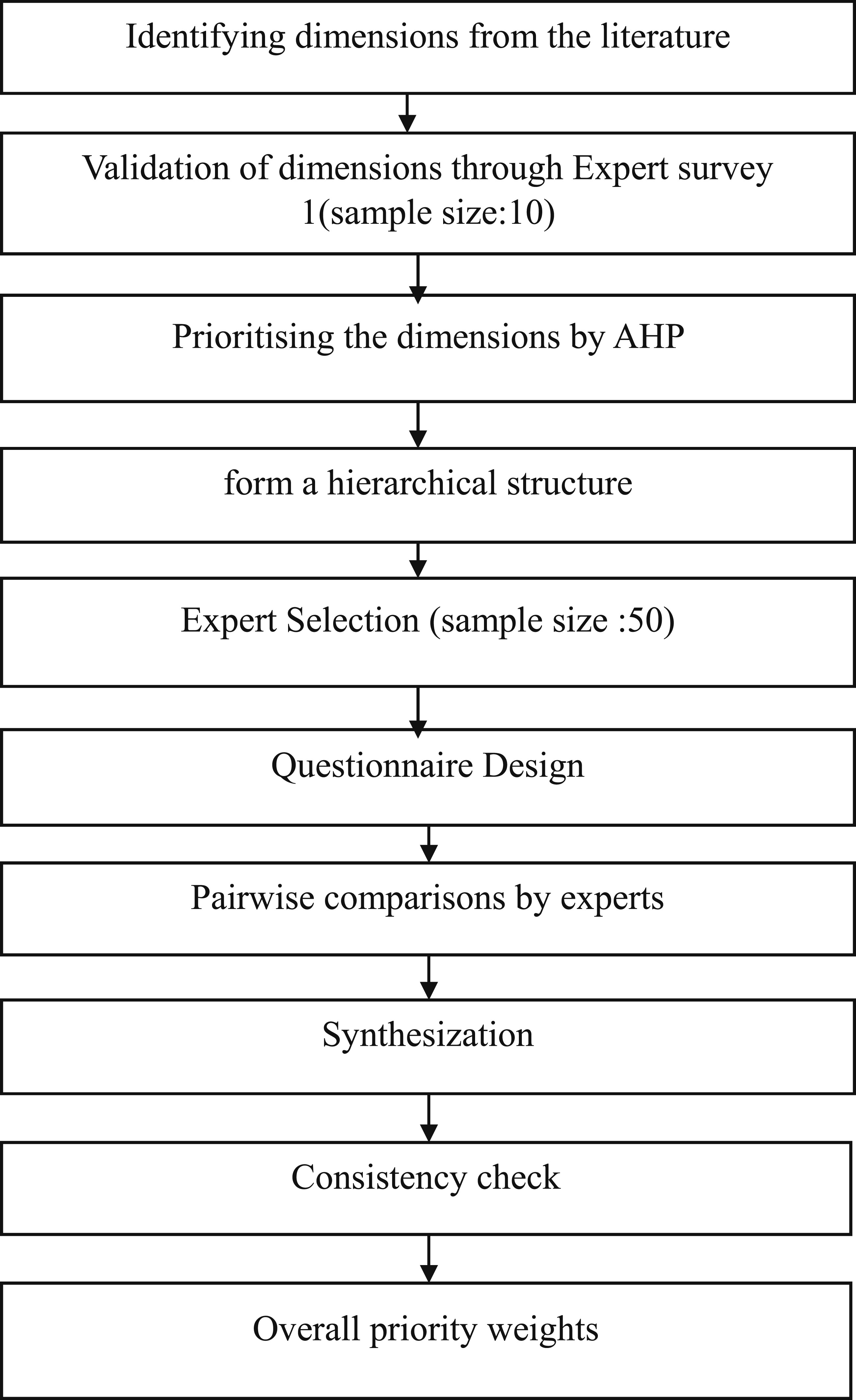
Overview of AHP methodology and procedure
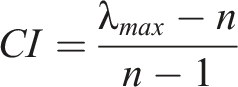
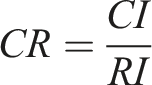
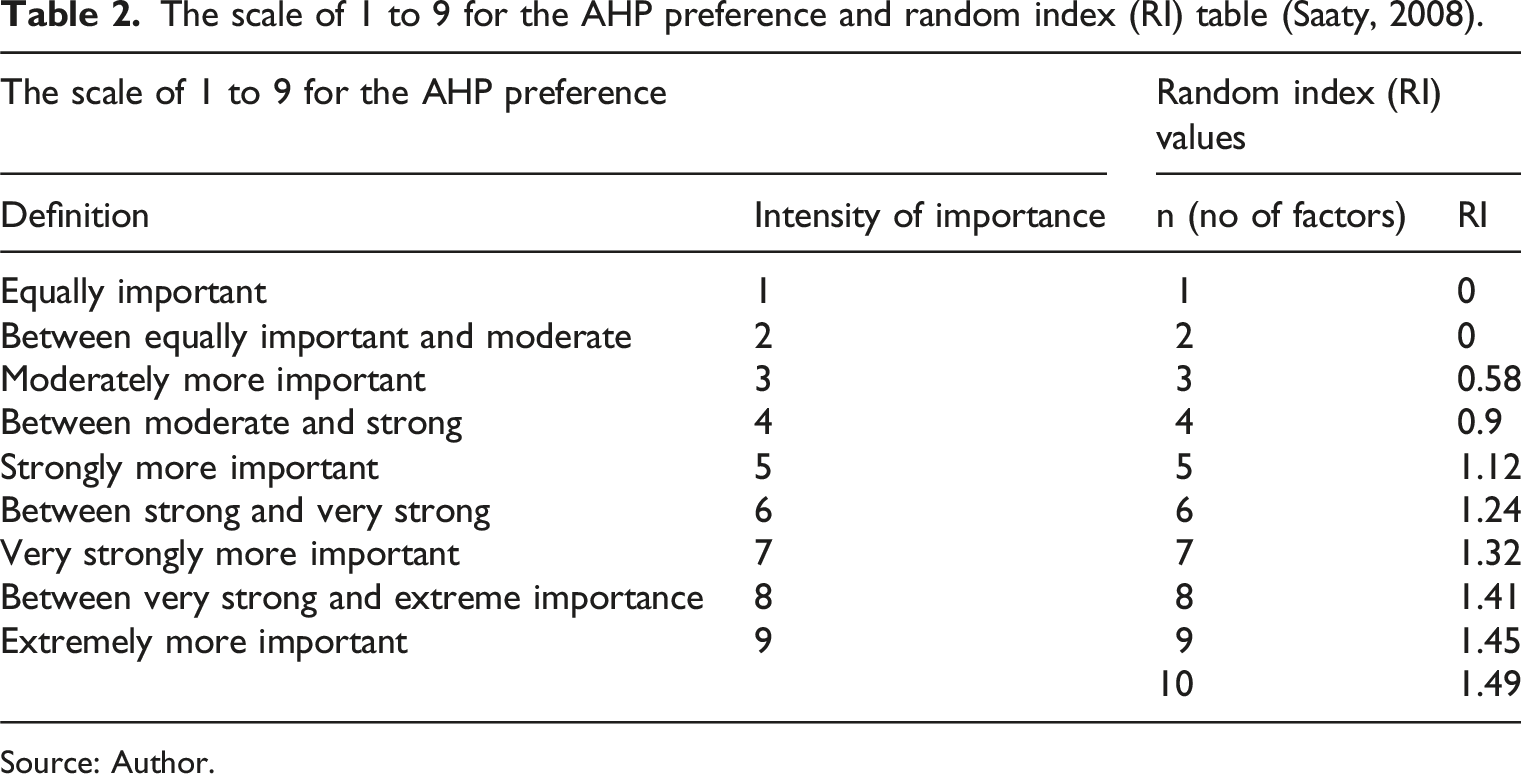
The scale of 1 to 9 for the AHP preference and random index (RI) table (Saaty, 2008).
Source: Author.
RI was taken from Table 2; the closer CR is to 0.10, the more consistent it is (Saaty, 1990).
Building hierarchical structure of AHP
This study aims to rank the importance of each EI dimension based on its impact on HR success using an AHP model. The model consists of seven dimensions and 16 subdimensions, structured hierarchically. The top level represents the overall goal of ranking EI dimensions, with Level 2 including the seven criteria and Level 3 containing the 16 sub-criteria. After establishing the AHP hierarchy as shown in Figure 2, the next step is to design a questionnaire to collect expert responses on pairwise comparisons. Proposed framework using AHP.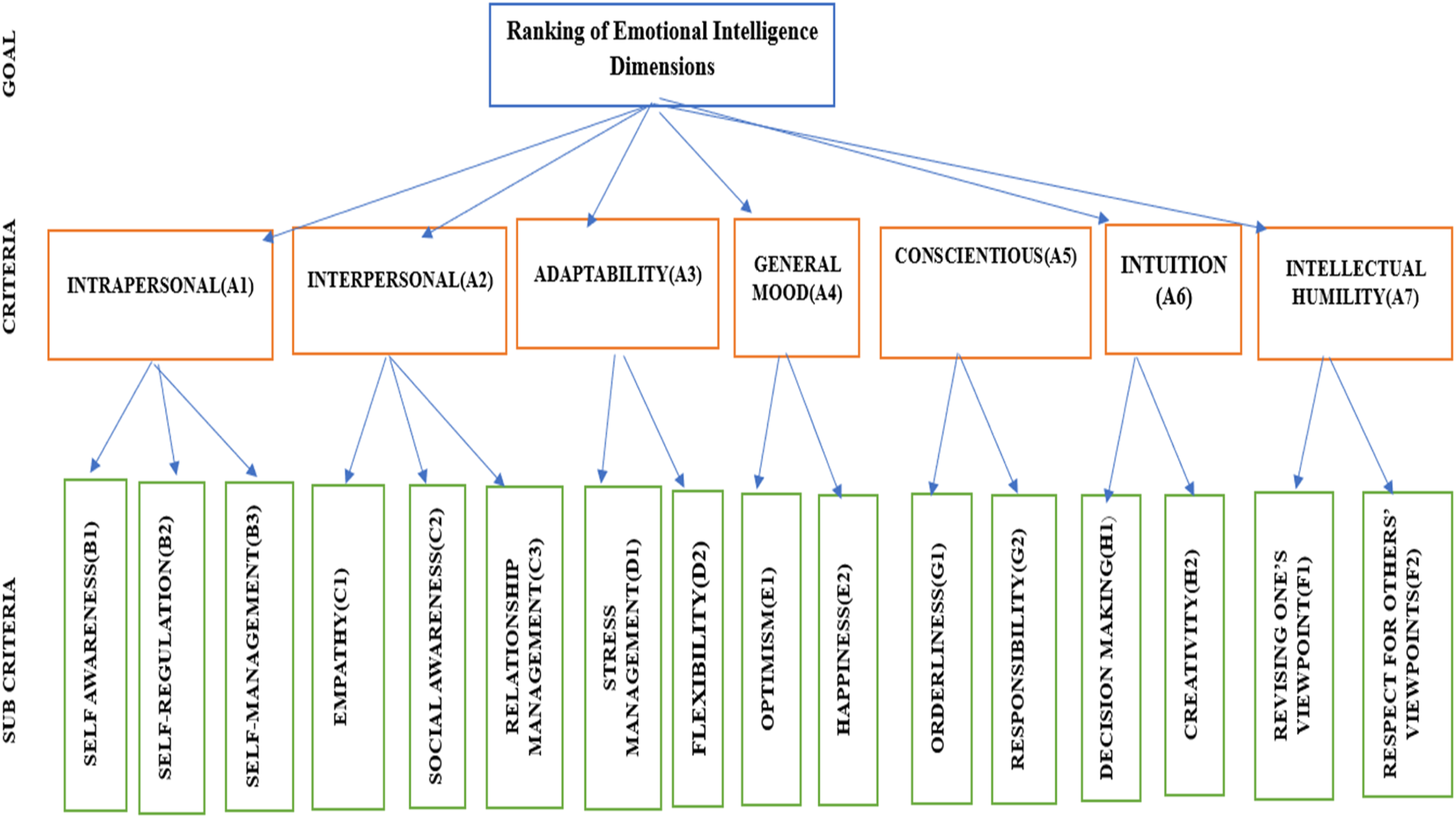
Creating a survey questionnaire
Demographic characteristics of experts of Survey 1 and Survey 2.
Source: Author.
Survey participants and data collection procedure
The study used a purposive sampling approach to select 50 HR experts for the AHP prioritisation. This purposive approach enabled the inclusion of respondents capable of providing insights aligned with the study objectives (William et al., 2013) 123 . AHP is expert-driven and does not require large samples, as it is based on expert judgments and pairwise comparisons.124–126 Prior studies have demonstrated that reliable prioritisation can be achieved with relatively small expert panels, with samples as low as nine experts being considered methodologically adequate.32,127 Accordingly, the use of 50 HR experts in the present study exceeds the minimum commonly reported in AHP research and enhances the robustness, consistency, and credibility of the prioritisation results. The experts were selected based on the following criteria: Participants were required to be currently employed in an HR role (e.g. HR-Business Partner, employee relations, Talent/OD/Training Lead, HR Manager/Director) with over 10 years of professional HR experience and active involvement in decision-making related to policies, training, performance management, or talent processes. This ensured that the pairwise comparisons were grounded in domain-specific expertise. Participants were contacted via email and phone, and data were collected using a structured questionnaire designed for AHP pairwise comparisons. Clear instructions were provided to guide respondents on how to complete the comparisons, and informed consent was obtained before participation. Participants were assured of confidentiality and the voluntary nature of their involvement. 50 HRPs (Table 3) from various industries completed the comparisons to assess the relative importance of the dimensions and subdimensions.
Results
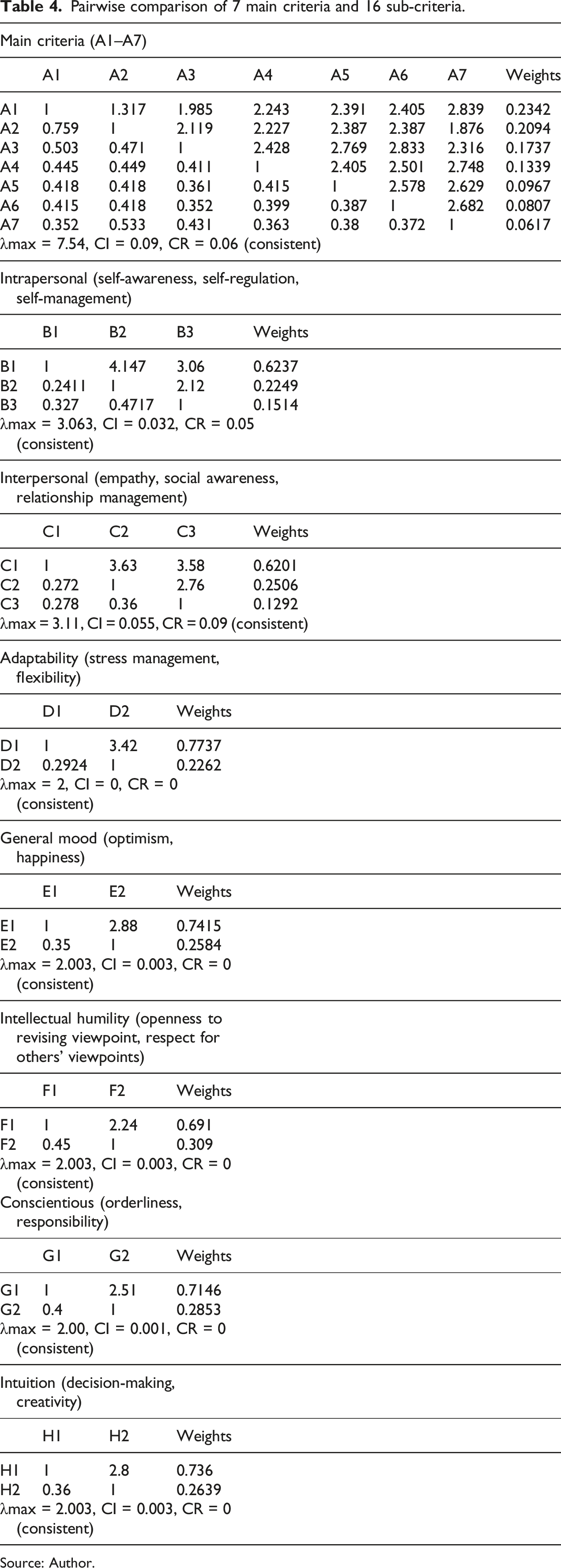
Pairwise comparison of 7 main criteria and 16 sub-criteria.
Source: Author.
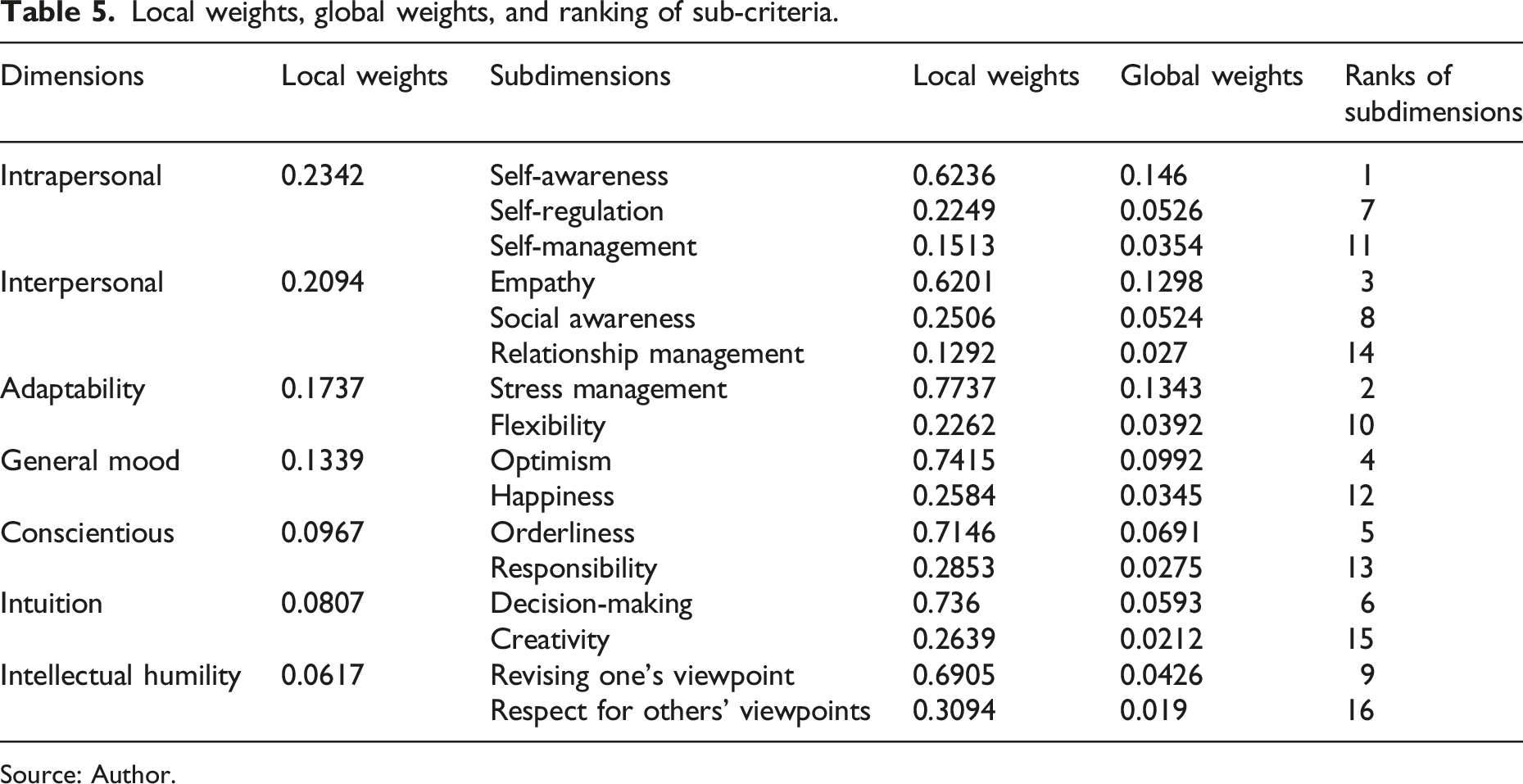
The overall priority weights and ranks of the 16 EI subdimensions for HRPs are summarised in Figure 3 and Table 5. Overall priority weights for 16 EI subdimensions. Local weights, global weights, and ranking of sub-criteria. Source: Author.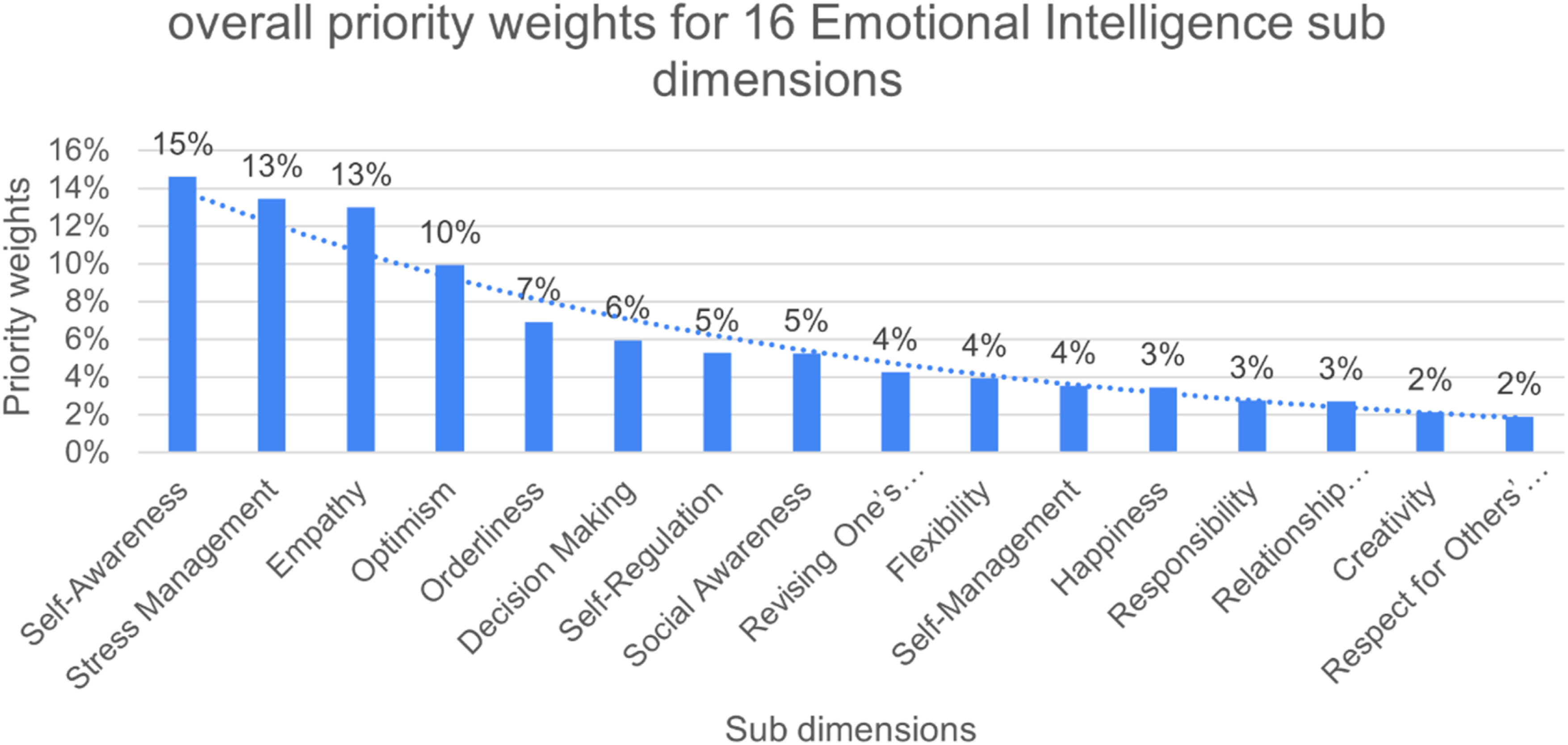
Discussions
This study advances the understanding of how EI is shaped by or differs across professional roles by contextualising emotional intelligence specifically for HR professionals. While most EI frameworks are generic and apply broadly across professions, this research identifies and prioritises (the priority weights from AHP are shown in Figure 3) the EI dimensions most critical for HRPs’ success, which are particularly relevant to their people-centric role. By applying AHP, the study not only highlights the relative importance of these dimensions but also supports the observations made by Golis (2007) 28 and Dierdorff et al. (2012), 27 which say EI is not a one-size-fits-all construct; it differs depending on the professional context. The prioritised results obtained through AHP were further validated by HR experts to strengthen the robustness of the findings. After deriving the final priority weights and rankings of the EI dimensions, the results were shared with the expert panel for evaluation. Experts were asked to provide their level of agreement with the rankings and also qualitative feedback on whether the results reflected the relative importance of EI dimensions for HR professionals. This was consistent with the validation procedure employed by Uslu et al. (2019), 128 where combining quantitative consensus with expert validation strengthened the credibility and practical relevance of the prioritisation outcomes. Qualitative comments were analysed, and no major disagreements were observed regarding the ranking of EI dimensions, confirming the validity and practical relevance of the prioritisation results. The top-ranked subdimensions, self-awareness, stress management, empathy, optimism, orderliness, decision-making, self-regulation, social awareness, revising one’s viewpoint, and flexibility, collectively represent the core EI competencies essential for HR professionals. Based on these prioritisation results, the subsequent sections analyse each key EI subdimension and highlight its significance and application within the HR context. Self-awareness, a subdimension of intrapersonal skills, holds paramount importance in HR practice, as evidenced by its highest ranking with a weight of 0.1460. The result is in line with previous research that demonstrates the significance of self-awareness for behaviour, fulfilment, and performance, 129 better decision-making and team performance, 27 higher chances for career progression, 130 and enhanced leadership success. 44 By being self-aware, HRPs can deliberately shape the dynamics and atmosphere of their teams. By identifying self-awareness as the most influential EI dimension, the findings emphasise its critical role in HRM, forming a clear basis to prioritise self-awareness in HR selection, development, and performance management for improved strategic outcomes. Stress management (0.1343), a subdimension of adaptability, is ranked second. Unmanaged stress is frequently linked to mental and physical illnesses, which can eventually result in psychological problems including aggressive behaviour, conflicts, and bad compatibility, and people who are under stress find it difficult to adopt the proper positive strategies and procedures that help reduce the detrimental impacts of stress on their physical and mental well-being. 131 HRPs are often tasked with supporting, engaging, and retaining employees to contribute towards the overall health and success of any organisation. As a result, HRPs often face high-stress levels, which can negatively impact their well-being and job performance. But while they support the employees and the company as a whole, it is essential that they manage their stress. The high ranking given by HR experts for this subdimension shows the necessity and importance of managing stress for HRPs. This aligns with the existing literature, as Baron (1997) 38 mentioned that stress management and the ability to adapt are the major elements of EI. Organisations should embed stress assessment and coping mechanisms into HR roles through targeted training, resilience-building programs, and workload design, enabling HR professionals to maintain well-being, manage conflicts effectively, and sustain high job performance while supporting others. Empathy’s significant weight in the third position reflects the importance of understanding and sharing the feelings of others, which is crucial for conflict management, employee support, and fostering a positive organisational culture. This aligns with Muncy (2020) 8 and Cuéllar-Molina et al. (2019), 6 highlighting the importance of empathy for HRPs. Whenever there is a series of negative events at work that individuals seem incapable of dealing with the support of friends, family, colleagues, and supervisors in certain situations, HRPs are asked to intervene or act as an intermediary between those involved in the conflict. 132 Moreover, HRPs may sometimes need to take on the role of a counsellor when dealing with certain employee issues. Considering its importance, many companies are now training HRPs in counselling skills to equip them to facilitate empathic support for employees. 133 Given its high ranking, integrating empathic skills into HR training, counselling, grievances handling and conflict resolution frameworks enables HR professionals to act effectively as mediators and support employee well-being while strengthening trust and positive workplace relationships. Optimism (0.0992), a subdimension of general mood, is ranked fourth by HR experts. Optimists are typically more psychologically available for a given activity as they generally anticipate success, and their presence is linked to higher levels of cognitive engagement. 134 Also, the expectation of positive outcomes might propel individuals to invest their physical energy to work with intensity. 135 Optimistic HR leaders can inspire and motivate others to do whatever it takes to get there. Optimism can act as a possible buffer against negativity resulting from problems encountered at work. 79 This demonstrates how crucial it is for HRPs to cultivate optimism to enhance their leadership abilities. This finding supports the use of optimism-focused leadership development initiatives to strengthen HR professionals’ ability to motivate employees and manage workplace challenges effectively. Orderliness and responsibility are the two subdimensions of conscientiousness. According to Barrick et al. (1993), 136 conscientiousness is the tendency to be dependable, industrious, well-organised, persistent, and goal-oriented. It is regarded as an essential personality trait for people to function in the workplace because it fosters professional development and performance, leading to a fulfilling career and work status. Here, one of the subdimensions of conscientiousness, orderliness, is ranked high, which emphasises the need for HRPs to be organised and methodical, ensuring efficient and effective HR operations. The other subdimension, responsibility, is ranked low, considering it a basic trait of any professional. These findings suggest that HR roles and systems should emphasise orderliness through structured processes, documentation standards, and workflow design to enhance operational efficiency. Decision-making (0.0593), a subdimension of intuition, is ranked in the sixth position. Along with the changing business landscape, HRM has evolved dramatically from a mere administrative function to a strategic decision-making role. Several researchers, such as Ulrich et al. (2013), 9 have highlighted the imperative of strategic HR roles. An important enactment of the HR strategic role is the involvement of the HRPs in strategic decision-making, which can be in either formal or informal settings. 137 Including the subdimension of decision-making among the top ten EI competencies shows its strategic importance and aligns with the literature. The result supports embedding decision-making skill development and greater strategic participation of HR professionals to strengthen HR’s role in organisational strategy. Self-Regulation (0.0526), a subdimension of intrapersonal, is ranked seventh. It describes the ability of humans to restrain desires in an effort to alter behaviour in accordance with predetermined concepts or goals (Baumeister 2002). 45 HRPs who possess self-regulation are better able to control their emotions and behaviours, which helps them remain composed under pressure and make unbiased decisions. By practising self-regulation, HRPs can support employees’ well-being, create a healthy work environment, and settle conflicts impartially. Furthermore, self-regulation improves their capacity to sustain professional relationships and offer constructive criticism, increasing overall organisational effectiveness. Providing targeted self-regulation training for HR professionals can enhance impartial decision-making, conflict handling, and emotional stability at work. Social awareness (0.0524), which is all about handling relationships and awareness of others’ feelings, inducing desirable responses from other people,17,18 is ranked eighth. This quality enables HRPs to understand organisational dynamics and the social cues within the workplace. The ranking of social awareness shows its importance in helping HR professionals understand workplace dynamics and employees’ feelings. Organisations can apply this by developing social awareness through training and on-the-job exposure, enabling HR to manage relationships and employee issues more effectively. Revising One’s Viewpoint (0.0426), which is the subdimension of intellectual humility, is ranked ninth, which refers to a mindset that acknowledges our fallibility and recognises we can learn from others. 98 This mindset is crucial for HRPs as it promotes openness to diverse perspectives and continuous learning, which helps in effective decision-making and problem-solving and fosters inclusive workplaces. The ranking shows that the dimension, revising one’s viewpoint, helps improve HR decision-making by encouraging openness, learning, and inclusion. In practice, organisations can support this by promoting feedback-based discussions, which help HR professionals adjust their decisions and handle diverse perspectives more effectively. Flexibility (0.0392), which refers to the ability to change, is ranked in the tenth position. According to Ekowati et al. (2023), 138 when leaders make consultation an integral part of their management style, it opens the door to flexibility. Such leaders consider the opinions of all parties before making a decision. 139 By adopting this flexible approach, HR leaders can demonstrate adaptability and responsiveness to diverse perspectives and needs, creating trust among the employees. Other dimensions, self-management (0.0354), happiness (0.0345), responsibility (0.0275), relationship management (0.0270), creativity (0.0212), and respect for others’ viewpoints (0.0190), are given lower ranks from 11 to 16. Even though these dimensions are well-established contributors to individual effectiveness and social functioning, their comparatively lower weights reflect how HR experts cognitively prioritise EI competencies under the specific demands of HR roles. Happiness is strongly associated with career success, social relationships, and prosocial behaviour. 81 While beneficial for individual well-being, it is viewed by experts as an outcome of effective emotional functioning rather than a functional capability that directly drives HR effectiveness, leading to its lower prioritisation in expert comparisons. Responsibility, reflecting adherence to norms and fulfilment of obligations, 83 may function as a threshold competency, often embedded in code of conduct and role expectations, essential but not strongly differentiating HR effectiveness, resulting in relatively lower AHP weights. Similarly, self-management, involving goal regulation, self-assessment, and behavioural control,47,48 is often assumed and institutionalised in HR roles, contributing to its perception as a baseline capability rather than a differentiating factor in expert prioritisation. Creativity, understood as the integration of aptitude, process, and environment to produce original and useful outcomes, 96 and closely linked to emotional processes,90,97 is valuable in talent management and organisational development, but HRPs frequently operate in governance-oriented functions requiring consistency, procedural fairness, and legal compliance, 9 creativity is perceived as less central in such functions where it is required a more principled decision-making. Relationship management, which helps in increasing employee commitment, satisfaction, motivation, and subsequently organisational performance 1 and respecting others’ viewpoints, a subdimension of intellectual humility, facilitates constructive dialogue and reduces interpersonal defensiveness.100,101 Although these competencies are vital in collaborative and ideation contexts, AHP’s emphasis on relative importance may lead experts to view them as less critical in high-stakes HR situations that demand firm decision-making and role authority. Consequently, they are prioritised lower relative to other EI dimensions that more directly support emotionally complex judgments. However, the relatively lower weights should not undermine their relevance, as these attributes contribute to a well-rounded and adaptive HRP. Overall, this ranking highlights the multifaceted nature of EI in HR roles. The prominence of self-awareness, stress management, and empathy emphasises the need for HRPs to possess strong intrapersonal and interpersonal skills. These results can guide HR development programmes, focusing training efforts on enhancing the most impactful EI dimensions to drive organisational success. Future research could explore the dynamic interplay between these subdimensions and how they collectively influence HR performance and employee outcomes.
Implications
Theoretical implications
This study offers several important theoretical implications for emotional intelligence (EI) and Human Resource Management research. First, by grounding the study in the mixed model of EI, the study reinforces the view that EI of HRPs comprises a broad set of emotional, social, and personality-linked competencies relevant to workplace functioning. Role Theory complements this by arguing that professional behaviour is shaped by role-based expectations and task demands, 27 and emotional intelligence varies according to different professions. 28 Traditional mixed-model EI frameworks implicitly treat EI dimensions as equally relevant across occupations. By applying a multi-criteria decision-making (MCDM) approach using AHP, this study empirically demonstrates that EI competencies differ in their functional importance depending on the professional role. The prioritisation of EI dimensions specific to HRPs highlights that emotional competencies are not equally weighted but are shaped by role-specific demands such as decision-making, grievance handling and conflict management. This integration advances mixed model EI theory by introducing a role-specific, hierarchical structure of EI competencies, highlighting that EI manifests differently across professions based on decision-making, emotional labour, and conflict exposure. Methodologically, incorporating AHP into EI research enhances theoretical clarity by capturing expert-driven judgments under conditions of complexity and subjectivity. This approach shifts EI research from merely identifying relevant traits to explaining which EI dimensions matter most and why, within a given professional context. Finally, the study opens new avenues for theory development by encouraging future research to apply fuzzy or hybrid MCDM techniques (e.g. FAHP–DEMATEL or ANP) to better capture uncertainty and interdependencies in expert judgments. Generalisability can be strengthened by expanding the expert sample and undertaking industry-specific or cross-cultural comparisons. Future studies may also link the prioritised EI dimensions to key HR outcomes such as decision quality, conflict management effectiveness, and employee well-being.
Managerial implications
This study contributes to the body of knowledge by advancing emotional intelligence (EI) research from general EI frameworks to a role-specific, hierarchically structured model. By integrating mixed-model EI, Role Theory, and MCDM-based AHP, the findings demonstrate that EI dimensions vary in importance by professional role demands, providing actionable guidance for evidence-based HR decision-making. In today’s highly competitive talent market, attracting and retaining high-performing employees is critical for organisational success.140–142 Selecting the right candidates plays a key role in improving employee performance, and decision-support tools such as the Analytic Hierarchy Process (AHP) offer valuable support to HR professionals in making systematic and informed selection decisions. 2 The prioritised emotional intelligence (EI) dimensions identified in this study provide HR professionals with a structured and evidence-based framework for key HR practices, including recruitment, training and development, performance management, and role allocation. By focusing assessment and development efforts on the higher-ranked EI dimensions, organisations can enhance decision quality, improve conflict management, and achieve better employee outcomes. During recruitment, HR managers can prioritise candidates who demonstrate these critical EI competencies, thereby strengthening overall workforce effectiveness and long-term organisational performance. Performance evaluation in organisations is often carried out under conditions of uncertainty and involves multiple qualitative and quantitative factors. 120 In this context, the AHP-based prioritisation of emotional intelligence (EI) dimensions offers a practical and structured approach to support HR decision-making. By systematically converting subjective expert judgments into relative priority weights, AHP helps reduce uncertainty in evaluating EI-related competencies. Performance appraisal systems can be redesigned to incorporate these EI competencies to evaluate candidates not only on technical expertise but also on emotional intelligence, ensuring more holistic assessments. This targeted approach enables more efficient allocation of organisational resources, enhancing economic and commercial value by reducing ineffective training investments and strengthening HR effectiveness. Furthermore, in team allocation and role assignment, HR managers can assign the roles to team members related to specific HR functions such as recruitment, employee engagement, grievance handling, change management, and compensation management based on their EI profiles, thereby improving functional fit and effectiveness within the HR department. By using the AHP prioritisation technique, HR professionals can move beyond selection decisions to systematically identify and improve candidates’ weaknesses by addressing individual skill gaps in a targeted manner. Instead of applying generic training programs, HR can identify a candidate’s weaker competencies, especially those ranked as high priority, and design focused development interventions such as coaching, mentoring, role-play exercises, and feedback-based learning. This structured approach helps reduce uncertainty in performance improvement by clearly indicating which competencies require attention and where development efforts will have the greatest impact. Over time, such targeted development programmes can improve employee effectiveness and overall performance outcomes. Furthermore, this prioritisation allows researchers and EI practitioners to focus on the most critical dimensions of EI needed for HRPs, enhancing the accuracy and focus of their studies and delivering actionable insights that directly impact HR practices, ultimately driving organisational success. The study has important implications for teaching and professional education. The prioritised EI framework allows HR and OB courses to move beyond generic emotional intelligence teaching towards role-based emotional skill development. Using the prioritised EI dimensions, educators can design case studies, simulations and experiential learning activities that reflect HR challenges, helping students understand which emotional capabilities are most critical for effective, ethical, and stakeholder-focused HR practice. Beyond organisational outcomes, the study has broader societal implications by highlighting the role of emotionally competent HR professionals in shaping fair, respectful, and psychologically safe workplaces. By strengthening high-impact EI dimensions among HR professionals, organisations can improve conflict management practices, reduce workplace hostility, and promote inclusive decision-making, thereby influencing public attitudes towards organisational justice and employee well-being.
Limitations and future research
This study provides a prioritisation of EI dimensions and a clear hierarchy of competencies that HRPs should develop to enhance their effectiveness. This structured approach offers organisations a framework to design targeted training and recruitment strategies, implement more holistic performance evaluations, and strengthen HR systems, thereby fostering a resilient and adaptable workforce capable of navigating workplace challenges and ultimately driving improved organisational performance. Despite these contributions, the study has certain limitations. Although HR professionals from diverse industries were included to enhance generalisability, future research should replicate the model across different countries, professions, and cultural contexts to further validate the findings. Methodologically, future studies may employ fuzzy or hybrid MCDM techniques (e.g. FAHP–DEMATEL or ANP) to better capture uncertainty and interdependencies in expert judgments. Additionally, subsequent research could examine the links between the prioritised EI dimensions and key HR outcomes such as decision quality, conflict management effectiveness, and employee well-being.
Conclusion
This study aimed to identify and prioritise the emotional intelligence (EI) dimensions that most significantly influence the success of HRPs using AHP. The findings highlight the top ten EI dimensions for HRPs: self-awareness, stress management, empathy, optimism, orderliness, decision-making, self-regulation, social awareness, revising one’s viewpoint, and flexibility. These competencies underscore the vital role EI plays in enabling HRPs to perform their responsibilities effectively. By offering a role-specific and expert-validated hierarchy of EI competencies, the study provides a focused framework for HR development and demonstrates the value of MCDM approaches in advancing EI research and practice.
Footnotes

Consent to participate
Informed consent was obtained before participation, and participants were assured of confidentiality and the voluntary nature of their involvement. Also, this research did not involve the use of animals.
Funding
The authors received no financial support for the research, authorship, and/or publication of this article.
Declaration of conflicting interests
The authors declared no potential conflicts of interest with respect to the research, authorship, and/or publication of this article.
Data Availability Statement
The data that support the findings of this study are available from the corresponding author, upon reasonable request.
Appendix
Questionnaire sample for AHP assessment
Using the scale from 1 to 9 (where 9 is extremely important and 1 is equally important)
Please compare two criteria and find which one is more important and how important it is.