



Abstract
Background
The integration of digital technologies into human resource management is driving the transformation toward Smart Human Resource Management (SHRM), which enhances efficiency and strategic alignment. In developing economies like Bangladesh, challenges such as limited infrastructure and organizational readiness shape SHRM adoption and performance.
Objectives
This study investigates the determinants of SHRM adoption and its effects on organizational performance (OP) in Bangladesh. Specifically, it examines technological, organizational, and environmental factors within the Technology–Organization–Environment (TOE) and Resource-Based View (RBV) theory, focusing on the mediating role of SHRM adoption.
Methodology
A cross-sectional survey was investigated among 220 HR professionals as well as managers from diverse Bangladeshi organizations. Data were analyzed by structural equation modeling (SEM) in R Studio in order to test the conceptual model and validate hypotheses.
Key Results
Technological and organizational factors significantly drive SHRM adoption, whereas environmental stimuli have weaker effects. SHRM adoption positively enhances organizational performance. Mediation analysis shows that organizational readiness significantly mediates the relationship between SHRM adoption and performance, while technological and environmental mediations remain insignificant.
Conclusions
SHRM adoption improves organizational performance and highlights organizational preparedness as the critical enabler of successful SHRM implementation in developing economies.
Introduction
The rapid adoption of digital solutions has greatly transformed the way human resources work worldwide. 1 This job, which was mainly organization and labor-based before, is now finding its place in an ever-evolving, technology-based field for managing people at work. This transformation has led to Smart Human Resource Management (SHRM), which is also called electronic HRM (e-HRM), and it relies on technologies, like artificial intelligence, cloud computing, and big data, to make HR management more effective.2,3 HRM is progressively employing AI for functions, for example, recruitment, training and development, and performance assessment. 4 AI-driven HRM approaches demonstrate significant potential to automate repetitive operations, improve decision-making, and deliver more tailored employee experiences.5,6 Applying information and insights from smart HRM enables organizations to manage HR tasks efficiently and improve their operations in all aspects.7,8 Companies today need to use Smart HRM due to continuous pressure to remain versatile, cost-conscious, and ahead in the competition.9–11 Several firms in advanced economies are already enjoying the advantages of SHRM because they have strong digital services, an educated staff, and favorable technology policies that allow HR functions to operate more efficiently. 12 SHRM contributes to ensuring a high-performance work system, which consequently enhances employee skills, commitment, and productivity. Digital literacy facilitates SHRM in this regard by enhancing employees’ digital competencies, which support data-driven decision-making. 13
The use of SHRM technologies is not the same everywhere in the world, particularly in developing economies. 14 Organizations in these regions often face many obstacles, including a lack of infrastructural resources, poor digital literacy, insufficient support from authorized institutions, and people’s reluctance to change.15,16 Besides, issues related to rules, unclear policies, and financial constraints are affecting factors in the adoption of SHRM technologies. This scenario indicates that it is important to examine how SHRM can help organizations in low-resource environments to achieve their wider objectives. 9
The need for digital progress in HR for developing countries has been highlighted by global entities, for example, the International Labour Organization and the World Bank. Since automation and digitalization are transforming the global workforce, technology is now even more important in helping people develop their skills. 17 It is expected by the ILO (2020) that a significant part of the workforce will require digital skills to adjust to changes that technology brings by 2030. So, organizations in developing countries need SHRM because it improves labor productivity, affects employment, and ensures the organization remains strong. Despite their growing relevance, studies on the adoption of SHRM practices in developing nations remain very limited. Research on this topic generally reviews advanced economies, where the use of digital technology has become mainstream.18,19 Therefore, researchers do not fully understand the factors in emerging markets that make it hard to implement SHRM. 17 While researchers have previously examined the factors behind HRM technology adoption, relatively few have looked into its effects on a company’s overall performance, considering mediating factors. 20
To address these research gaps, the study examines how the use of SHRM can affect a company’s performance in an emerging nation such as Bangladesh. This study employed the Technology–Organization–Environment (TOE) framework 21 and Resource-Based View (RBV) theory to look at how things inside the organization, like technology and structure, as well as things outside the company, like the environment, impact people’s decisions regarding the use of SHRM systems. 22 This study enhances theoretical positioning and addresses existing literature gaps by adopting a more integrated view of the TOE and RBV paradigm, moving beyond a strictly descriptive application. Although prior studies have extensively identified the attributes of digital HRM uptake, insufficient attention has been devoted to explaining how such attention translates into organizational performance. This situation is more evident in the context of emerging economics. Moreover, the concept of SHRM is inadequately conceived and sometimes conflated with e-HRM or digital HRM, which overshadows its strategic significance. The authors resolve these limitations by reconceptualizing SHRM as an adaptive, data-driven, and intelligent HR system that leverages advanced technologies and analytics to support the decision-making process. Moreover, the study also investigates how using SHRM affects the organizational performance. 9 From the perspective of Bangladesh, this study holds particular relevance as it aims to capture the unique dynamics of SHRM adoption, which is overlooked by existing literature and largely reflects general or developed-country perspectives. In emerging countries, like Bangladesh, limitations in infrastructure, regulatory support, and digital skills significantly influence both the adoption and effectiveness of SHRM practices. These conditions make it essential for organizations to focus not only on adopting technologies but also on developing internal capabilities to utilize them effectively. Consequently, Bangladesh provides a valuable setting to demonstrate how contextual challenges can reshape theoretical relationships and drive capability-based innovation.
The rest of this study is structured as following sections such as section 2 represents a literature review with a brief description of the theoretical foundation and hypothesis development. Data collection process is presented in the section 3, sampling strategy, and the method of data analysis. Section 4 reports and illustrates the findings. Discussion is explained in the section 5, while section 6 outlines from the implications to conclusion.
Related literature
Theoretical foundation and hypothesis development
Many studies in information systems research examine factors that influence people’s or organizations’ attitudes toward using new systems or technology. 23 Adoption of various technologies, for example, in health records, fintech, mobile banking, and EdTech, was examined by using several accepted theories, such as the Technology Acceptance Model,24,25 Unified Theory of Acceptance and Use of Technology,17,26–28 and Theory of Planned Behavior.22,29 This research used the TOE model aligned with the Resource-Based View (RBV) theory, which is best suited for analyzing when organizations embrace technology.18,30,31 This technology readiness model reviews technological, organizational, and environmental aspects that are not always included in models that examine only one individual model, such as TAM, UTAUT, or TPB. Therefore, authors utilize the TOE framework in this study. While TOE explains the key determinants influencing SHRM adoption, it does not sufficiently capture how such adoption leads to improved organizational performance. To address this limitation, RBV is employed to explain how SHRM-related resources, such as HR analytics capability, digital infrastructure, and employees’ technological competencies, can function as valuable and strategic assets that contribute to competitive advantage. Through this integration, SHRM is conceptualized not merely as a technological tool but as a capability-building mechanism that mediates the association between TOE factors and organizational performance.
Technology Organization Environment (TOE) framework
According to Tornatzky and Fleischer, 21 adopting and using any innovative system relies on three main factors: the areas of technology, the organization, and the context of the entire environment. The technological factors refer to the characteristics of available technologies that an organization can adopt, as well as the current state of technology that can be leveraged, whether it involves tangible assets like equipment within the organization or intangible elements such as the methods and processes applied in operations.32,16 Organizational context shows the structure of the organization and the availability of the process to apply the technology. 33 Environmental context clarifies the ecological conditions, for example, business sector structure and characteristics, the outside backing available for embracing innovations, and government regulations. 34
Resource-Based View (RBV) theory
This research complemented the TOE and RBV theory to explain how SHRM practices enhance organizational performance. The RBV 35 posits that firms achieve a competitive advantage by possessing resources that are valued, scarce, inimitable, and non-substitutable. In the context of HRM, advanced technologies, digital infrastructure, data analytics, and integrated communications are considered strategic assets that boost efficiency, elevate guest experiences, and promote sustainability objectives.36–38 From this viewpoint, the adoption of SHRM provides organizations with a significant technological foundation that distinguishes them from competitors. 39 RBV theory emphasizes that sustainable competitive advantage is derived from internal firm-specific resources and capabilities rather than external market conditions alone. 9 In this study, while TOE explains the technological, organizational, and environmental determinants that influence the adoption of SHRM, RBV extends this explanation by focusing on how such adoption translates into superior organizational performance through the effective deployment of strategic resources and capabilities.
Conceptual framework
The conceptual model for this study is anchored in the Technology Organization Environment (TOE) framework and Resource-Based View (RBV) theory, which integrates perspectives from technology acceptance theories and organizational behavior to comprehensively examine technology adoption within organizations.
34
Strohmeier
9
stated that technological, organizational, and environmental issues can guide the adoption of SHRM, which shapes the performance of the organization.
18
In this study, the TOE framework identifies technological, organizational, and environmental factors influencing SHRM adoption, while the Resource-Based View (RBV) explains how these factors translate into firm-specific resources and capabilities. Specifically, the technological context reflects the firm’s digital infrastructure and technological capabilities; the organizational context corresponds to human capital, managerial competence, and organizational culture; and the environmental context acts as an external driver shaping the effective configuration and deployment of these resources. According to this model, SHRM adoption functions as a mediator between the different factors and the company’s performance, as offered in Figure 1. Conceptual model. Source: Author’s work.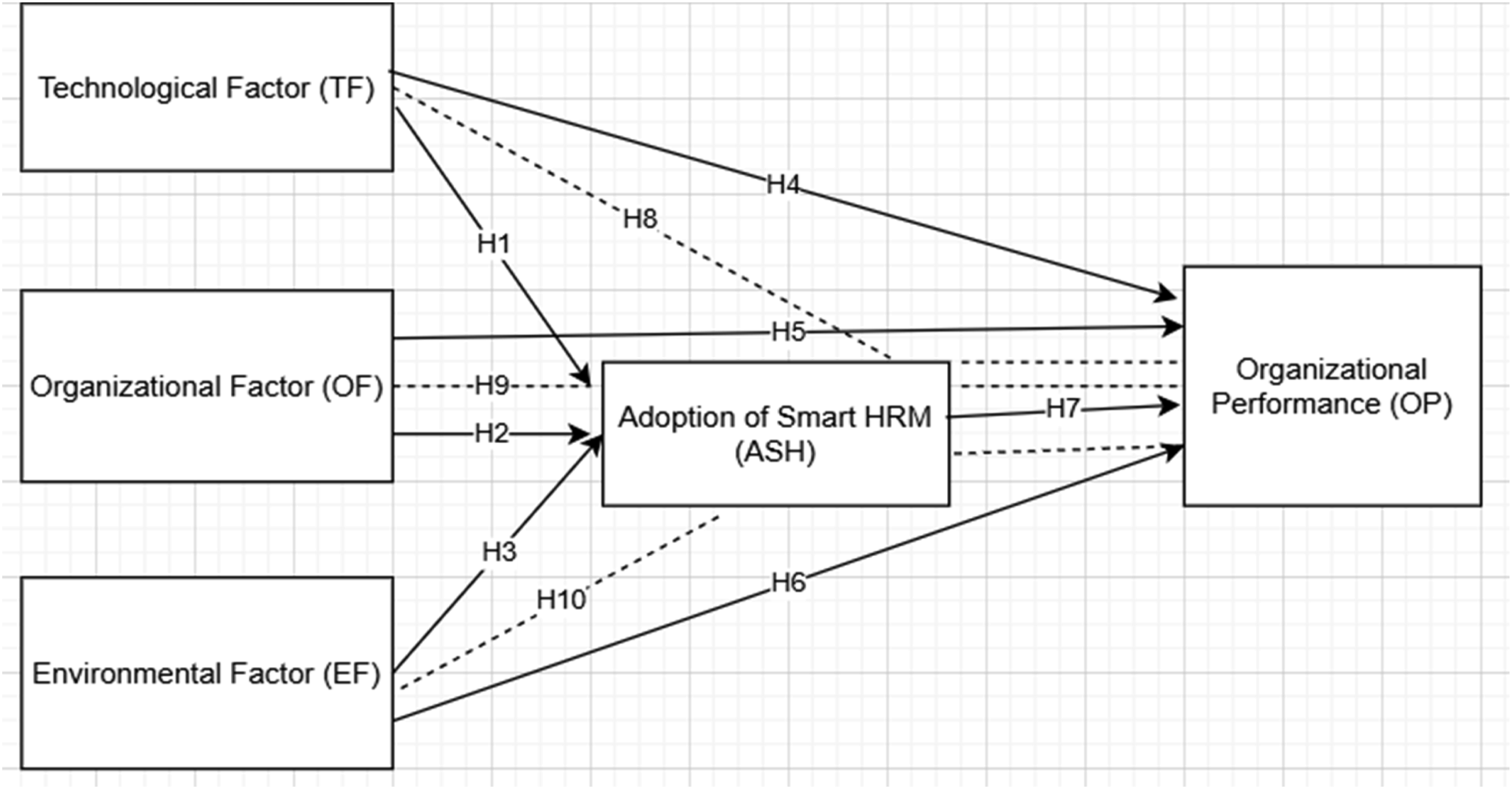
Hypothesis development
Based on the conceptual model, a few hypotheses are made to look at how all the parts are related to each other. They are formed using the results of earlier studies on SHRM, the use of technology, and how organizations show results.
Technological Factors (TF) and the Adoption of Smart HRM (ASH)
Technological factors are the availability, compatibility, and preparedness of technological infrastructure in an organization. 40 Previous studies indicate that organizations that have developed IT infrastructure and more technological competencies are more prone to digital innovations, such as HR technologies. 41 Regarding SHRM, technological preparedness allows organizations to incorporate technology in their HR operations, including the use of HR analytics, cloud-based HR solutions, and artificial intelligence. 42
According to TOE, technological preparedness lessens uncertainty and increases the perceived adoption feasibility. 43 In addition, RBV proposes that technological capabilities are strategic resources that enable the adoption of innovations and the creation of value.44,45 Hence, those organizations that have more robust technological bases are more likely to embrace SHRM practices. The hypothesis is stated.
Technological Factors (TF) positively influence the adoption of Smart HRM (ASH).
Organizational Factors (OF) and the Adoption of Smart HRM (ASH)
Organizational factors include internal factors, like leadership support, organizational culture, human capital, and change readiness. 46 According to previous research, management support and an organizational culture that promotes technology adoption are the key factors.47,48 Companies that encourage knowledge transfer and flexibility are better placed to incorporate emerging technologies in their business operations. 49
In the TOE framework, organizational readiness is the ability of the firm to adopt innovations both in terms of structure and behavior. RBV also highlights that internal resources, like managerial competence and employee skills, are also central resources that decide on effective adoption and use of technologies. 50 These considerations can empower organizations to successfully establish and maintain digital HR systems in the context of SHRM. Based on these insights, we hypothesize.
Organizational Factors (OF) positively influence the adoption of Smart HRM (ASH).
Environmental Factors (EF) and the Adoption of Smart HRM (ASH)
Environmental factors are external forces like competitive pressure, regulatory requirements, and institutional forces. 51 TOE argues that organizations with dynamic and competitive environments are more prone to implement innovative technologies to remain competitive.52,53 The regulatory support and industry trends also contribute to the promotion of digital transformation significantly.
Institutional theory indicates that organizations react to external forces, coercive, normative, and mimetic forces, to acquire legitimacy and to survive.54,55 These pressures in developing economies could be through government policies, global integration of the markets, and the expectations of the stakeholders. Hence, environmental factors may have a strong impact on the decision to adopt SHRM. Thus, the hypothesis is.
EF positively influence the adoption of Smart HRM (ASH).
Technological Factors (TF) and Organizational Performance (OP)
The technological capabilities not only enable adoption but also have a direct positive effect on performance in an organization. 56 Application of sophisticated technologies will increase efficiency, decision-making, and operational effectiveness. 57 Digital tools in HRM help to make decisions based on data, automate HR processes, and manage employees better. Aligning advanced technologies with ethical AI principles allows for responsible, context-sensitive human and machine decision-making, ultimately boosting organizational performance and employee well-being. 58 Nevertheless, according to RBV, the availability of technology is not sufficient to improve performance unless it is properly applied.44,59 Therefore, although technological factors can have a direct impact on performance, it is usually enhanced by appropriate implementation through SHRM systems. 60 So, we suggest the following hypothesis.
Technological Factors (TF) positively influence Organizational Performance (OP)
Organizational Factors (OF) and Organizational Performance (OP)
The organizational aspects, like leadership support, culture, and competencies of employees, are important in improving performance outcomes.61,62 According to RBV, the firms gain a competitive advantage as a result of the effective use of their internal resources and capabilities. 63 A supportive organizational culture encourages innovation, increases employee engagement, and boosts productivity. 64 Within the framework of SHRM, firms that have strong internal potential can better use digital HR systems to achieve better performance outcomes, including efficiency, employee satisfaction, and overall productivity.7,65 Therefore, we hypothesize.
Organizational Factors (OF) positively influence Organizational Performance (OP).
Environmental Factors (EF) and Organizational Performance (OP)
Indirectly, environmental factors can affect organizational performance by determining strategic choices and the adoption of innovations. 66 The intensity of competition and regulatory demands might force organizations to be more efficient and use best practices. 67 Nonetheless, the immediate influence of environmental conditions on performance is usually constrained and mediated by internal capabilities and technology uptake. 68 In this way, although the environmental factors may have a certain direct impact, the main impact on the performance is likely to be mediated by the adoption of SHRM. Because of this, a hypothesis is formed as follows.
Environmental Factors (EF) positively influence Organizational Performance (OP).
Adoption of Smart HRM (ASH) and Organizational Performance (OP)
Implementing SHRM systems allows organizations to increase HR efficiency, decision-making, and employee engagement. 69 Previous studies show that digital HR practices have a greater impact on organizational performance as they facilitate the simplification of HR processes and allow the implementation of data-driven strategies. 70 SHRM, as an RBV perspective, is a strategic capability that converts technological and organizational resources into performance outcomes. 71 Hence, it is probable that organizations that properly implement SHRM will have enhanced performance. Therefore, we hypothesize that:
Adoption of Smart HRM (ASH) positively influences Organizational Performance (OP).
Mediation hypotheses
The present study integrates the Technology–Organization–Environment (TOE) framework with the Resource-Based View (RBV) theory to explain not only the determinants of Smart Human Resource Management (SHRM) adoption but also the mechanism through which such determinants influence organizational performance. While the TOE framework identifies the technological, organizational, and environmental conditions that facilitate innovation adoption, 21 it does not sufficiently explain how these antecedents are transformed into tangible organizational outcomes. To address this limitation, RBV theory provides a complementary explanation by emphasizing that competitive advantage and superior organizational performance emerge when firms effectively deploy valuable, rare, inimitable, and non-substitutable resources and capabilities. 35
Within this integrated perspective, SHRM adoption functions as a strategic organizational capability that converts technological readiness, organizational preparedness, and environmental responsiveness into performance-enhancing outcomes. Merely possessing technological infrastructure or operating within supportive external environments does not automatically improve organizational performance. Instead, organizations must effectively integrate digital HR technologies into their operational and strategic HR processes to generate value.72,9 SHRM systems facilitate this transformation by enabling data-driven decision-making, automation of HR activities, employee analytics, talent optimization, and strategic workforce planning, all of which contribute to organizational efficiency and long-term competitiveness.7,60
From the RBV perspective, SHRM adoption represents an intangible organizational capability that enhances the organization capability to develop internal resources more effectively. Technological factors such as IT infrastructure, AI capability, and digital competence become strategically valuable only when embedded within HR processes through SHRM implementation. Similarly, organizational factors including leadership support, knowledge-sharing culture, and employee readiness improve organizational performance when they facilitate successful SHRM integration and utilization. Environmental pressures, such as competitive intensity, institutional expectations, and regulatory changes, may encourage organizations to adopt SHRM practices; however, their influence on performance is likely to occur indirectly through the organization’s ability to internalize and operationalize SHRM systems. 73
The mediating role of SHRM adoption is predominantly significant in developing economies such as Bangladesh, where infrastructural limitations, resource constraints, and digital skill gaps often prevent organizations from translating technological investments directly into performance gains. In such contexts, SHRM adoption acts as a capability-building mechanism that bridges the gap between resource availability and effective organizational outcomes. Prior studies on digital transformation and HR technology adoption similarly argue that organizational performance improvements are achieved not through technology possession alone, but through the effective assimilation and strategic utilization of technological capabilities within organizational processes.16,18
Accordingly, this study proposes that SHRM adoption mediates the relationships between TOE factors and organizational performance by transforming organizational resources and contextual conditions into strategic capabilities that enhance efficiency, employee engagement, decision quality, and overall firm performance. Therefore, the following mediation hypotheses are proposed.
SHRM adoption (ASH) mediates association between Technological Factors (TF) and Organizational Performance (OP).
SHRM adoption (ASH) mediates association between Organizational Factors (OF) and OP.
SHRM adoption (ASH) mediates association between Environmental Factors (EF) and OP.
Methodology
Construct measurement
Measurement constructs of the study.
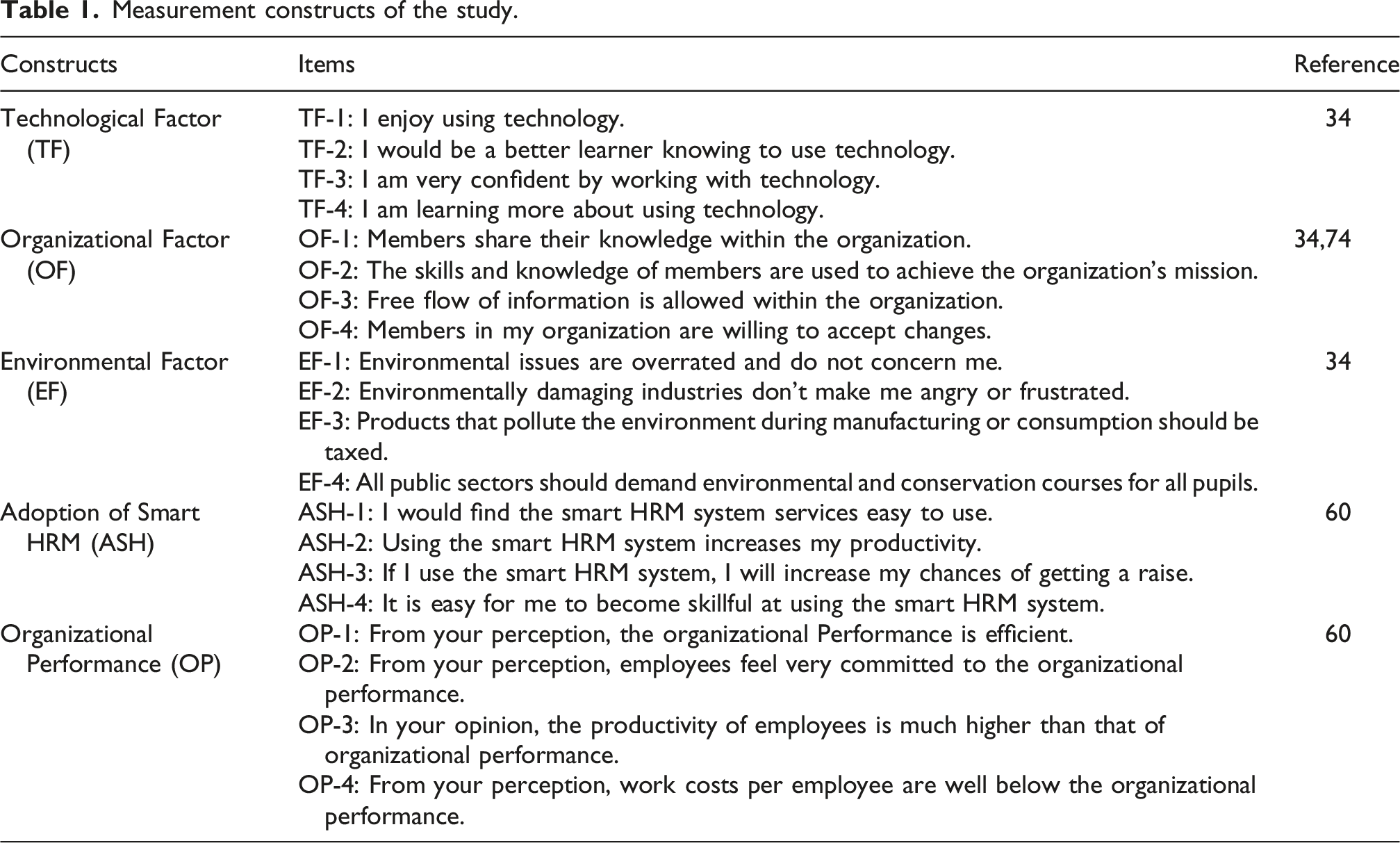
This paper uses the Technology–Organization–Environment (TOE) framework to model the factors of SHRM adoption. Though the constructs of TOE are of an organizational-level nature, previous studies in the information systems and management have broadly operationalized them with perceptual measures provided by important organizational informants.75,76 This method is especially suitable in instances where the respondents, who include HR managers and professionals, have first-hand experience with the processes in the organization, the technological capacity, and external forces that contribute to adoption decisions. 77
In this study, the respondents are the HR professionals and managers who directly make the HR decisions and implement the technology. Thus, their perceptions are viewed as valid proxies of organizational-level conditions, which aligns with previous studies based on TOE.32,16 Particularly, the technological variables are quantified using the perceived technological familiarity, confidence, and learning orientation of the respondents. Although these indicators are at the individual level, they capture organizational technological readiness by human capability, which is a critical source of digital transformation.72,78 Modern extensions to TOE have highlighted that technological competence and user preparedness are part and parcel of adoption preparedness, especially in service-based and knowledge-rich fields.
The organizational factors embrace internal attributes like knowledge sharing, organizational culture, and openness to change that resonate with the structural and behavioral attributes of the TOE organizational environment. 79 Such internal resources are also in line with the Resource-Based View (RBV) that firm-specific resources and competencies are the drivers of competitive advantage. 35
The environmental factors are operationalized by the perceptions of the respondents to the wider societal and institutional factors. Even though other items mirror the sustainability consciousness, they are understood as normative and institutional pressures, which constitute a vital component of the environmental setting in the TOE-based and institutional theory research.80,78 Such pressures can have an indirect effect on the organizational strategies in developing economies via regulatory expectations, social norms, and the demands of the stakeholders.
Each of the constructs was measured on a 5-point Likert scale with a range of strongly disagree to strongly agree. The model of measurement was tested on reliability and validity (factor loadings, Cronbach’s alpha, and discriminant validity (HTMT)) and achieved the recommended levels.81,82 These results suggest that the constructs exhibit sufficient internal consistency and empirical validity, and it validates the suitability of the perceptual measure method.
Population and sampling
This study adopts a purposive sampling technique to ensure the presence of respondents with relevant expertise and direct involvement in Smart Human Resource Management (SHRM) adoption. The population of this research comprises managers of different levels employed in different organizations in Bangladesh. These people were specifically targeted because they play critical roles in HR decision-making, technology implementation, and strategic alignment within organizations. Their positions provide them with comprehensive insights into both the strategic and operational dimensions of SHRM adoption. Given that SHRM adoption is examined at the organizational level, the use of these respondents as key informants is appropriate and consistent with prior research in HRM and technology adoption studies.83,60
This study employed structural equation modeling (SEM) to investigate the relationships between latent variables, as outlined by Hair et al. 81 The literature on sample size determination for various types of data analytics reveals a significant divergence of viewpoints. 84 A sample size of 200 is usually considered adequate, while a sample size of 300 is deemed good enough for conducting data analysis by applying structural equation modeling (SEM).85,19 Hair et al. 81 suggested a sample size of 200 for examining a model using SEM. Mandeville 86 opined that for multivariate research, the sample size should be at least ten times the number of items within the study’s constructs. This research encompasses a total of 20 constructs, and ten times the constructs become 200. Consequently, the sample size must be at least 200 or above. The sample of this study is 220, which is justified based on the above-stated guidelines.87,88
Data collection
A total of 338 questionnaires were administered to potential participants via an online survey link sent to their institutional email addresses, with a specified submission deadline. Non-respondents received one reminder email within the prescribed response period. Data collection occurred between 15 September 2024 and 15 December 2024. The study achieved a response rate of 65%, yielding 220 completed questionnaires. As noted in the population and sampling section, a minimum sample size of 200 was required; the obtained sample of 220 therefore meets and slightly exceeds this threshold and is appropriate for structural equation modeling (SEM) analyses. All 220 returned questionnaires were retained for subsequent statistical analysis. Participation was voluntary and respondents received no financial or other incentives.
Analytical method
This study performed descriptive statistical analyses using SPSS version 28.0. To evaluate and validate the proposed conceptual framework and the relationships among the constructs, structural equation modeling (SEM) was carried out in RStudio (version 4.3.3). SEM is a well-established method for testing hypotheses against empirical data, 89 and RStudio provides robust tools for SEM estimation and diagnostics. Because the data were self-reported via a structured questionnaire, both procedural and statistical precautions were taken to reduce common method bias (CMB). Procedurally, respondents were informed that their responses would remain anonymous and confidential, and items were worded to minimize ambiguity and social-desirability effects. Statistically, Harman’s single-factor test was employed to evaluate the potential presence of CMB. Harman’s single-factor test revealed that the first factor explained only 47.72% of the total variance, well below the 50% threshold, indicating no significant bias on the basis of addressing the potential common method bias (CMB). 77 To execute the necessary statistical analyses, including the development of the research model and estimation of the measurement model, the authors first organized the data in Microsoft Excel (.csv).
Analysis
Demographic analysis
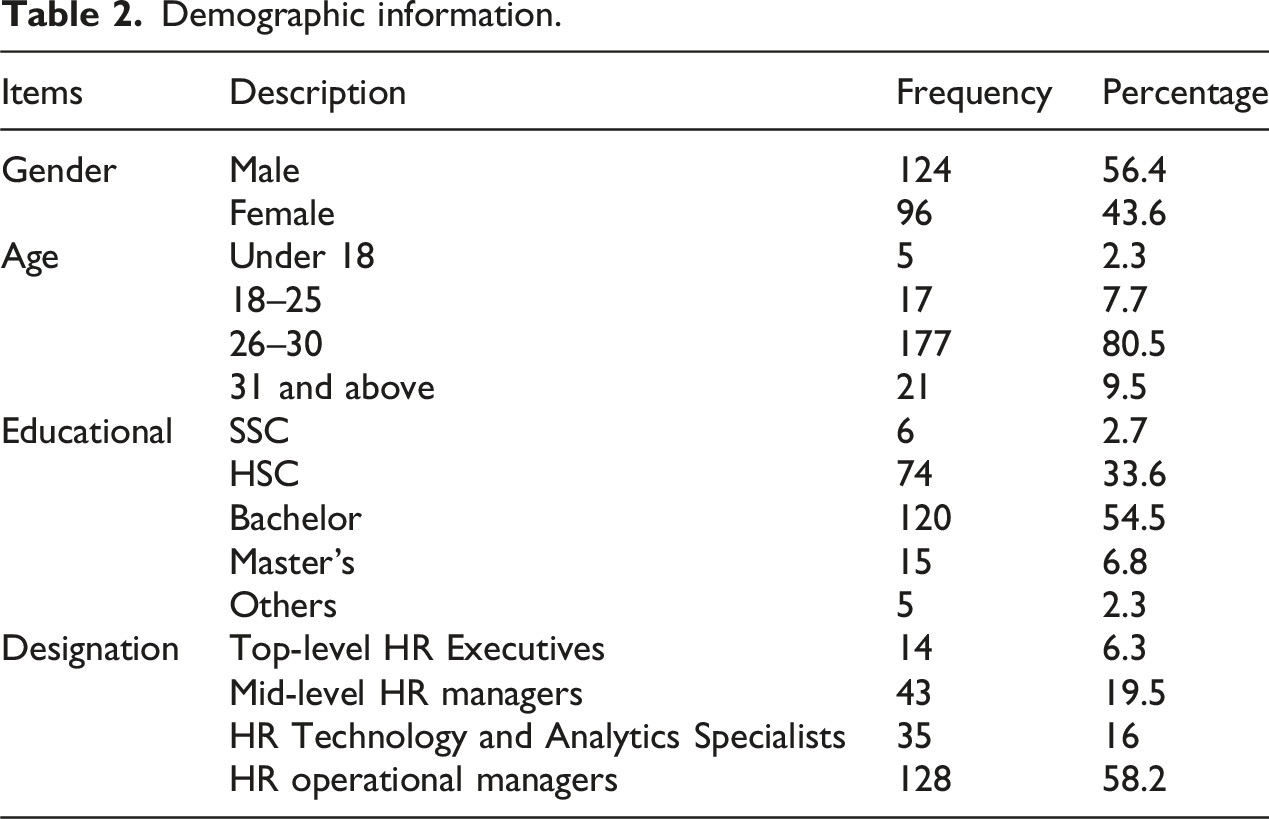
Demographic information.
Research model bootstrap
The Research Model Bootstrap result is a key part of the analysis of the study on SHRM adoption and its effects on OP, particularly in developing economies, as represented in Figure 2. Research model bootstrap result. Source: Author’s contribution.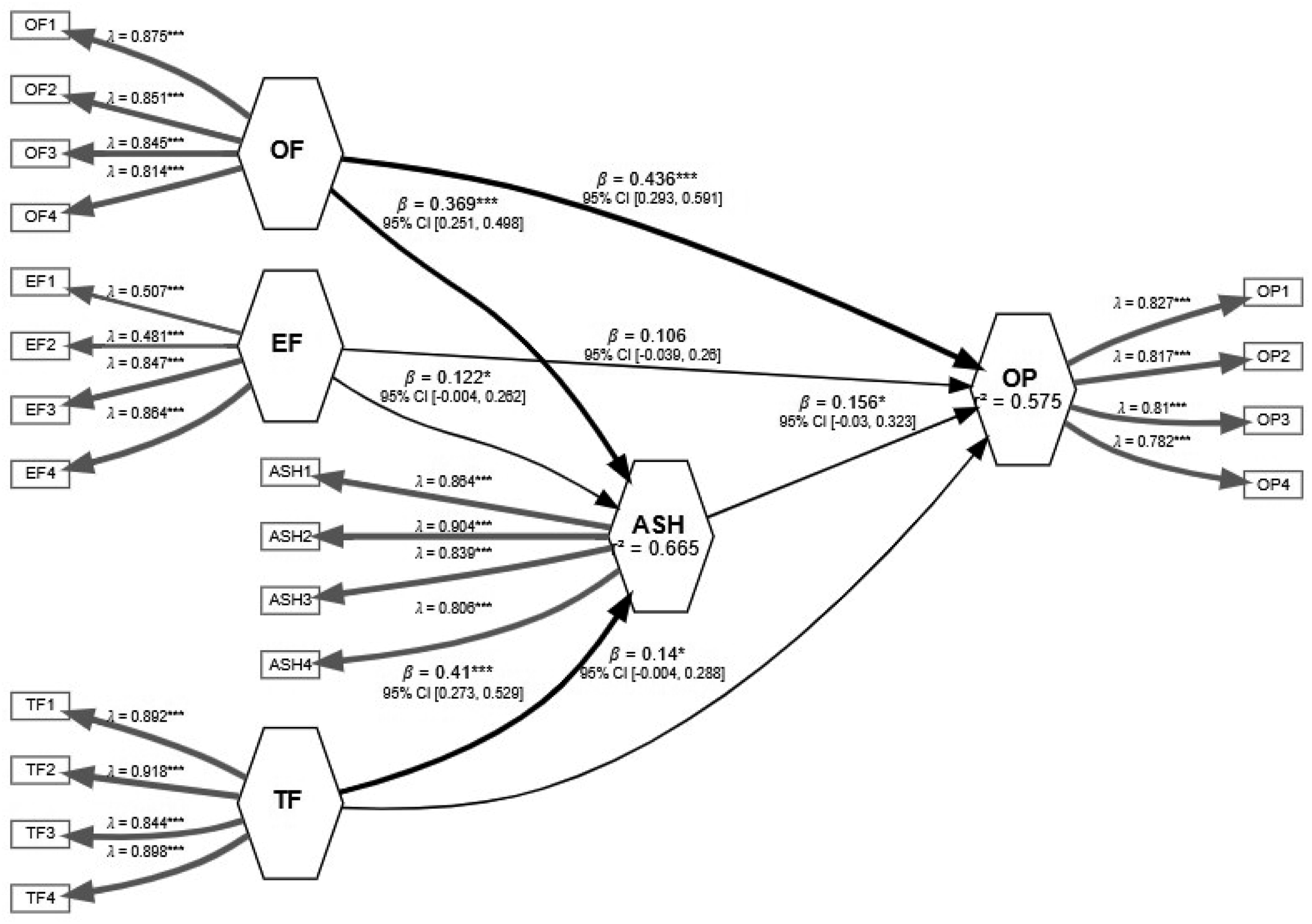
The study finds a strong, significant positive impact (β = 0.410, p = 0.000), which aligns with the literature that highlights the importance of technological infrastructure (AI, big data, cloud computing) for SHRM systems adoption. Organizational readiness is another strong driver (β = 0.369, p = 0.000), reinforcing the idea that leadership support and internal culture are key for the successful integration of SHRM systems. External factors (like market dynamics) have a weaker influence (β = 0.122, p = 0.037), reflecting that while they matter, internal factors, like technology and organizational readiness, are more influential. Although technology strongly influences SHRM adoption, its indirect impact on performance is negligible, underscoring that organizational readiness plays a more decisive role. This aligns with the study’s argument that internal factors (especially organizational readiness) are more pivotal than technological factors in driving performance.
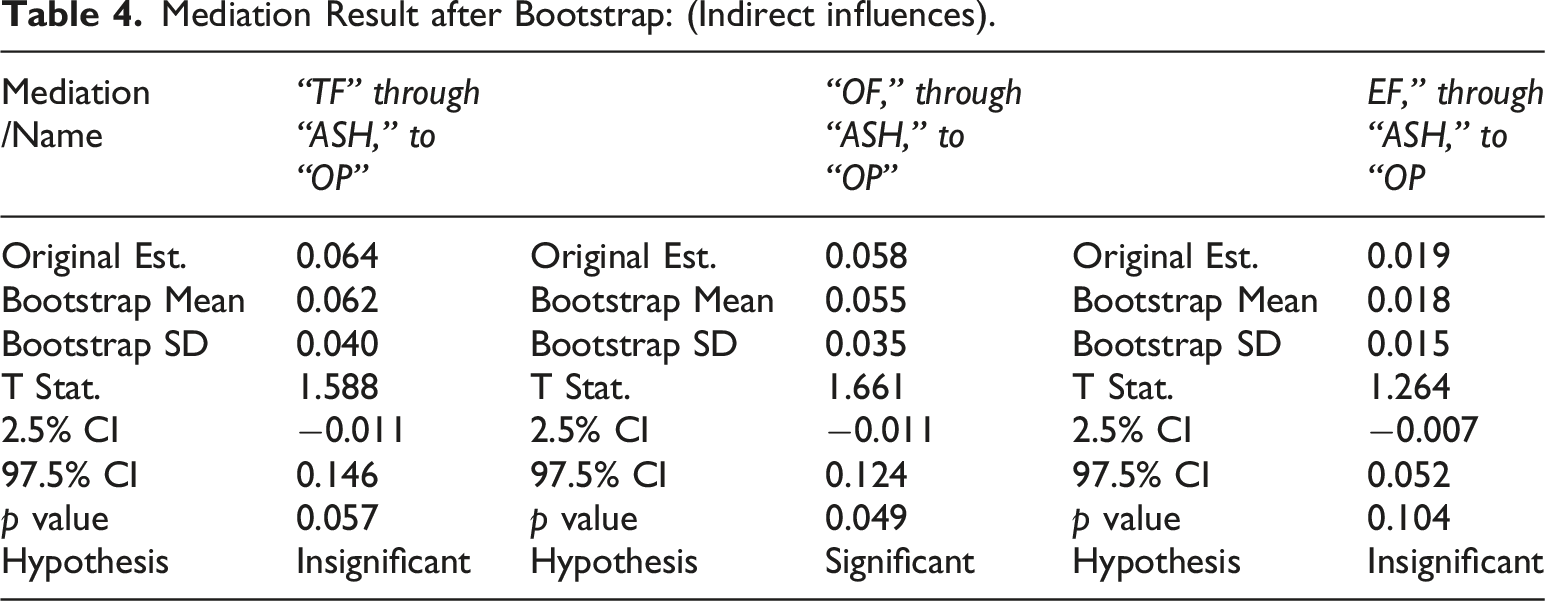
Organizational factors have a significant mediating effect (p = 0.049), confirming that organizational readiness (including culture and leadership) is crucial in improving performance through SHRM adoption. The mediation of environmental factors through SHRM adoption is also insignificant (p = 0.104), indicating that while external pressures influence SHRM adoption, their indirect impact on organizational performance is limited. The adoption of SHRM (ASH → OP) has a significant positive outcome (β = 0.156, p = 0.042), indicating that implementing SHRM systems enhances organizational performance through the improvements in recruitment, employee engagement, and HR productivity.
Model factor loading
Model factor loading.
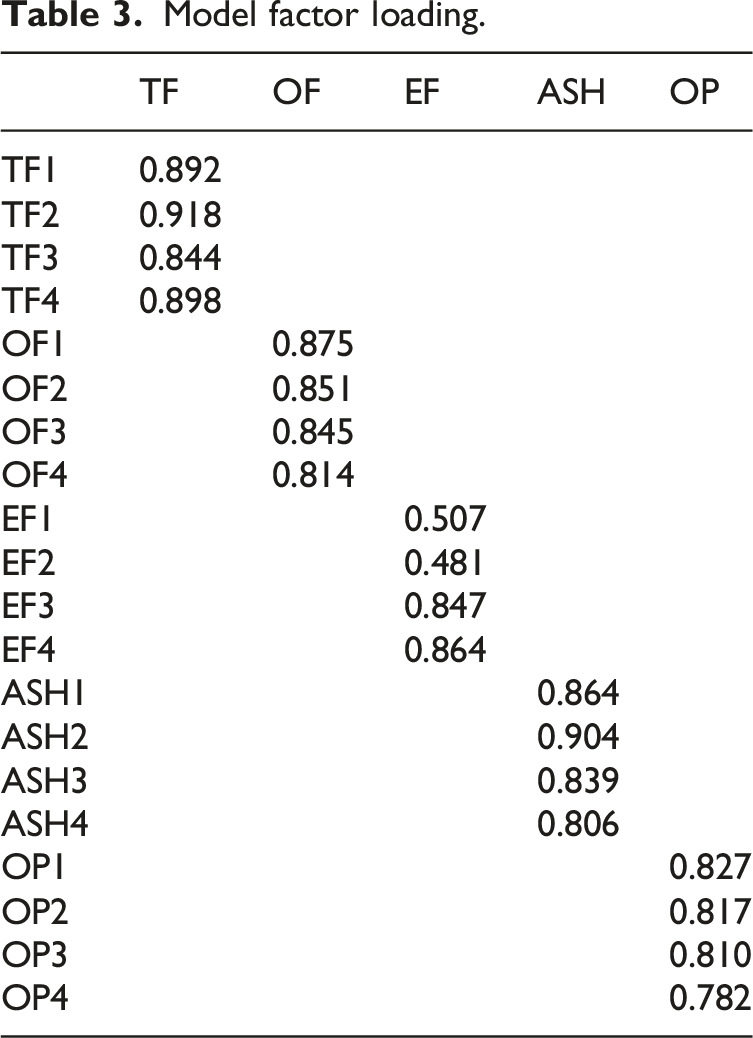
The items of Environmental Factors (EF) have more diverse loadings, although they are relatively consistent. Loadings above 0.40–0.50 are frequently retained in exploratory or early-stage research in developing-country contexts or when using adapted scales, provided other validity metrics (AVE ≥0.50 overall for the construct, CR >0.70, and theoretical relevance) are satisfactory. 90 A loading of 0.48 explains approximately 23% of the indicator’s variance, which contributes meaningfully when balanced against content validity. The items were retained because they captured relevant normative and institutional aspects of the environmental context in a developing economy (Bangladesh), aligning with prior TOE applications (e.g., Refs. 34, 91).
Mediation analysis
Mediation Result after Bootstrap: (Indirect influences).
Model paths
Model paths.
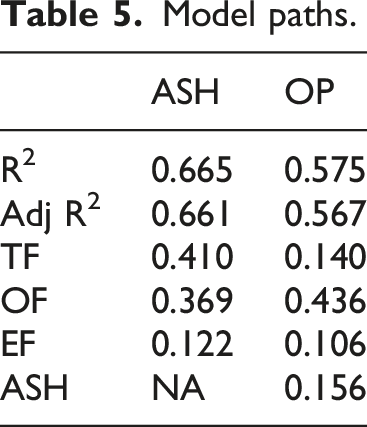
The environmental set of factors, including market pressure and industry trends, demonstrates a less significant impact on SHRM adoption than the related factors of the technological and organizational sets. SHRM adoption positively affects organizational performance. An R2 value of 0.575 indicates that SHRM adoption explains a significant proportion of the variance in organizational performance, suggesting that successful SHRM adoption contributes directly to improved performance outcomes.
HTMT analysis
HTMT analysis.
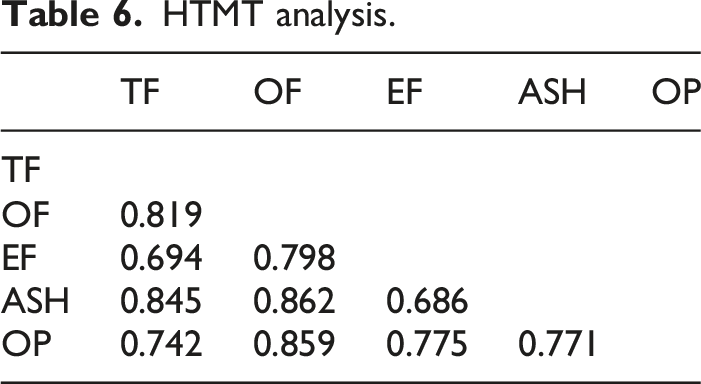
TF and OF (0.819), TF and ASH (0.845), OF and ASH (0.862), and OF and OP (0.859) all have values above 0.85, suggesting some level of overlap between these constructs. However, they remain within an acceptable range (close to 0.85), meaning that while they are closely related, they are still distinct enough to measure separately. EF and other constructs show HTMT values below 0.85 (EF and ASH: 0.686, EF and OP: 0.775), indicating that environmental factors are sufficiently distinct from other constructs in the model. ASH and OP (0.771) are also within an acceptable range, suggesting that SHRM adoption and organizational performance are related but distinct constructs.
Constructs Reliability
Figure 3 reflects the reliability of the construct employed in the study regarding Smart Human Resource Management (SHRM) adoption and its effects on organizational performance (OP). The reliability of the construct is identified with Factor Loadings (FL) and Cronbach’s Alpha values of each construct. Internal consistency is normally measured by the Cronbach alpha of each construct, and values greater than 0.7 indicate that the concepts in each construct reliably measure the same underlying concept in Figure 3. All the constructs using Cronbach’s Alpha criteria are greater than 0.7, which ensures that the reliability of constructs in the model is supported. Constructs reliability. Source: Author’s work.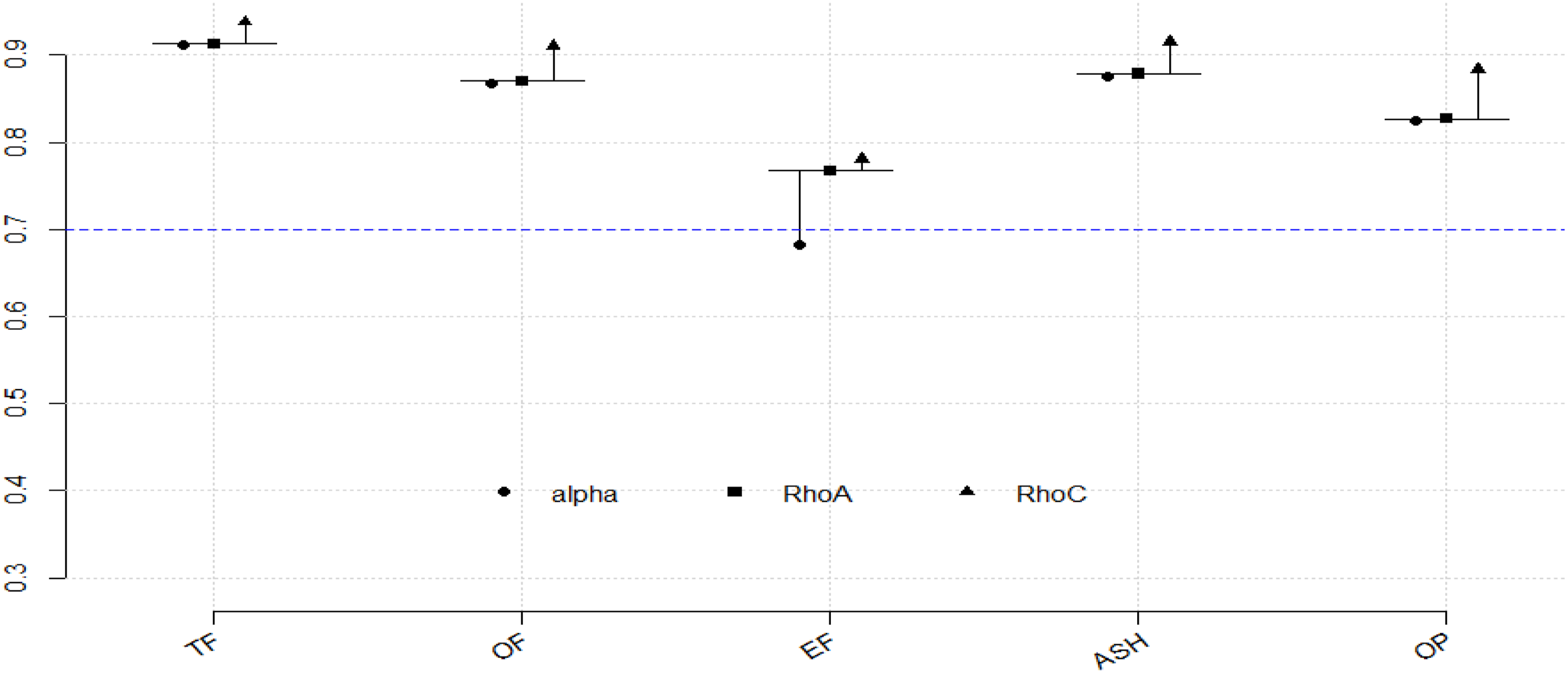
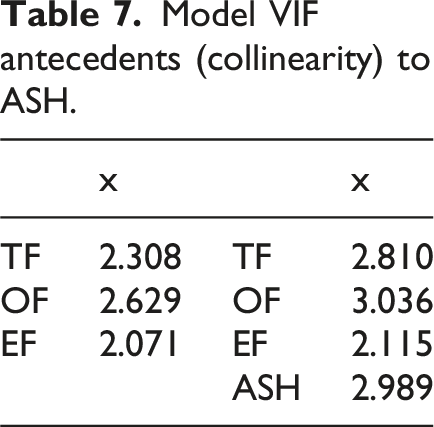
Model VIF antecedents (collinearity) to ASH.
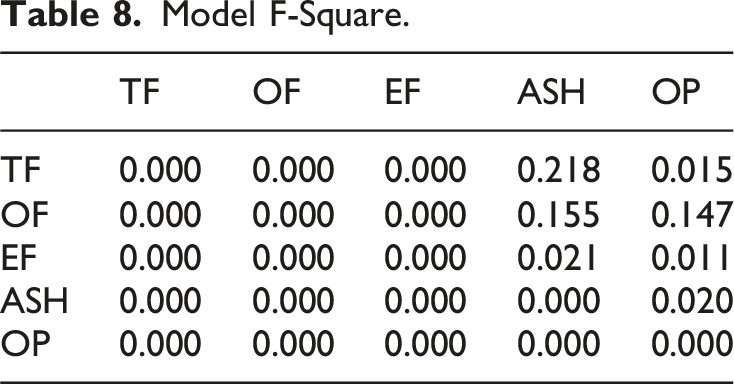
Model F square
Model F-Square.
Model constructs correlations
Figure 4 illustrates the correlations between the model’s constructs TF, OF, and ASH (above 0.7), suggesting that technological readiness and organizational culture are strongly related to SHRM adoption. Correlations with OP show that both technological and organizational factors have a significant impact on performance, while environmental factors display a weaker correlation, indicating their limited effect on performance compared to internal factors. Model constructs correlations. Source: Author’s work.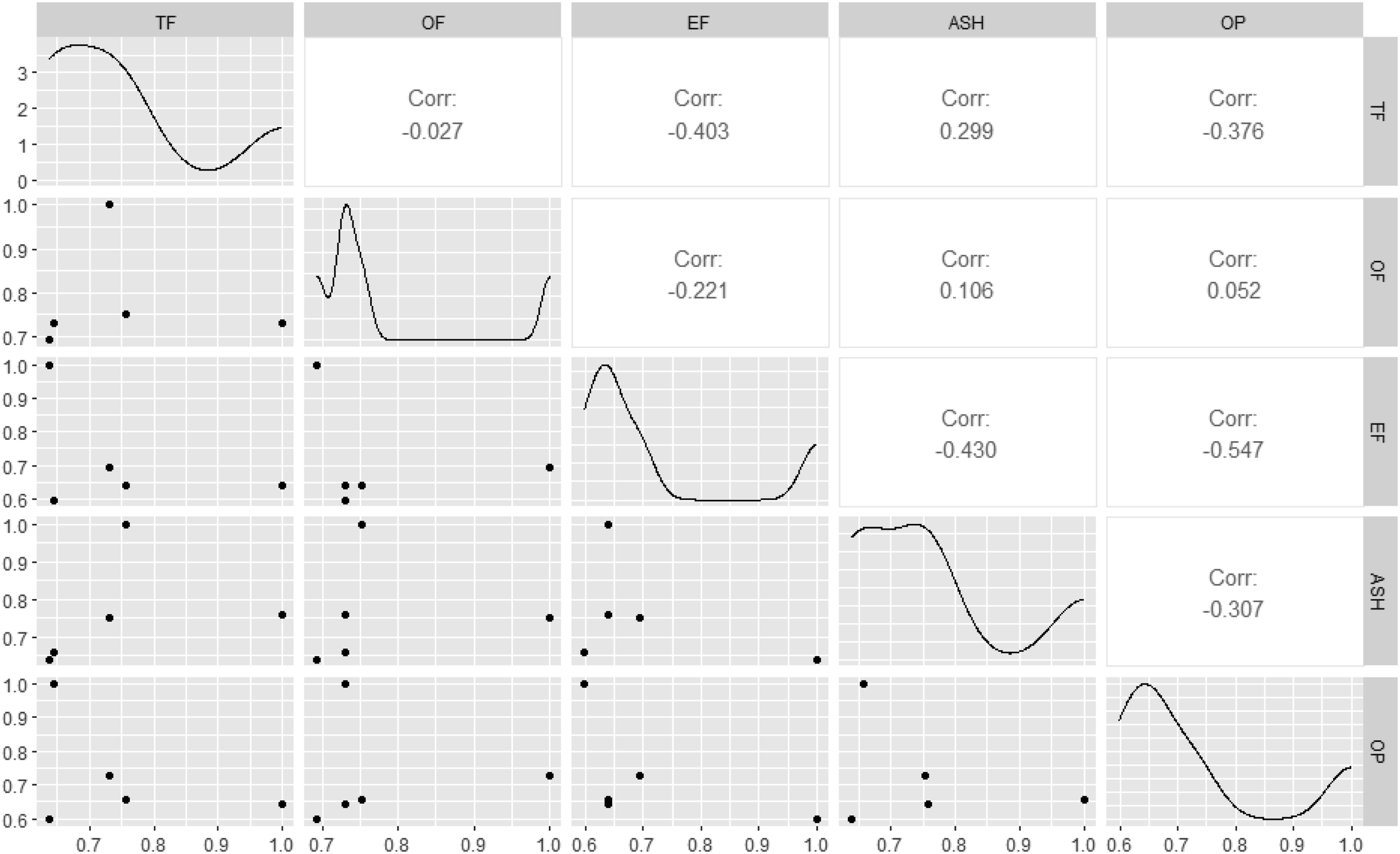
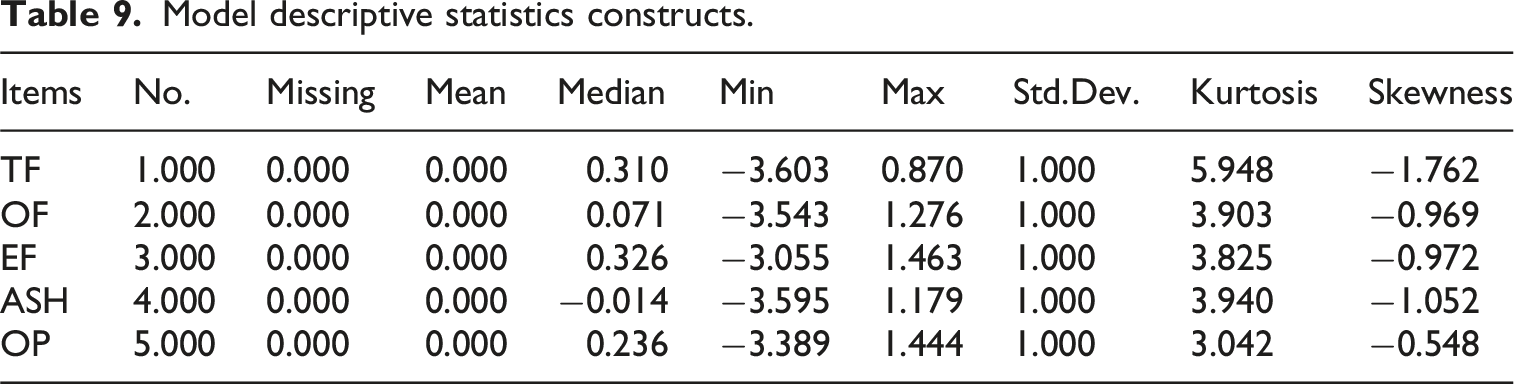
Model descriptive statistics constructs
Model descriptive statistics constructs.
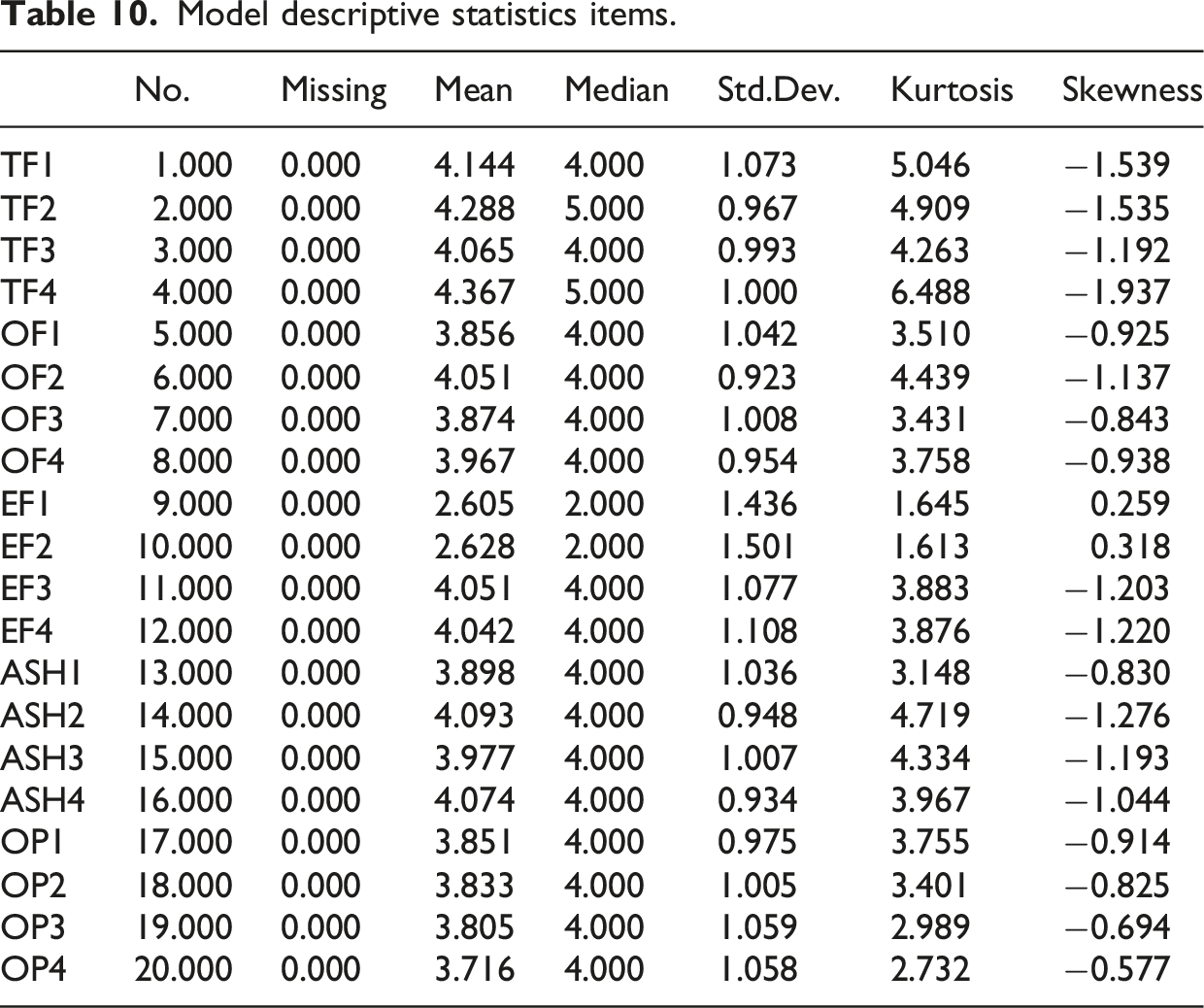
Model descriptive statistics items
Model descriptive statistics items.
Hypothesis testing
Hypothesis testing.
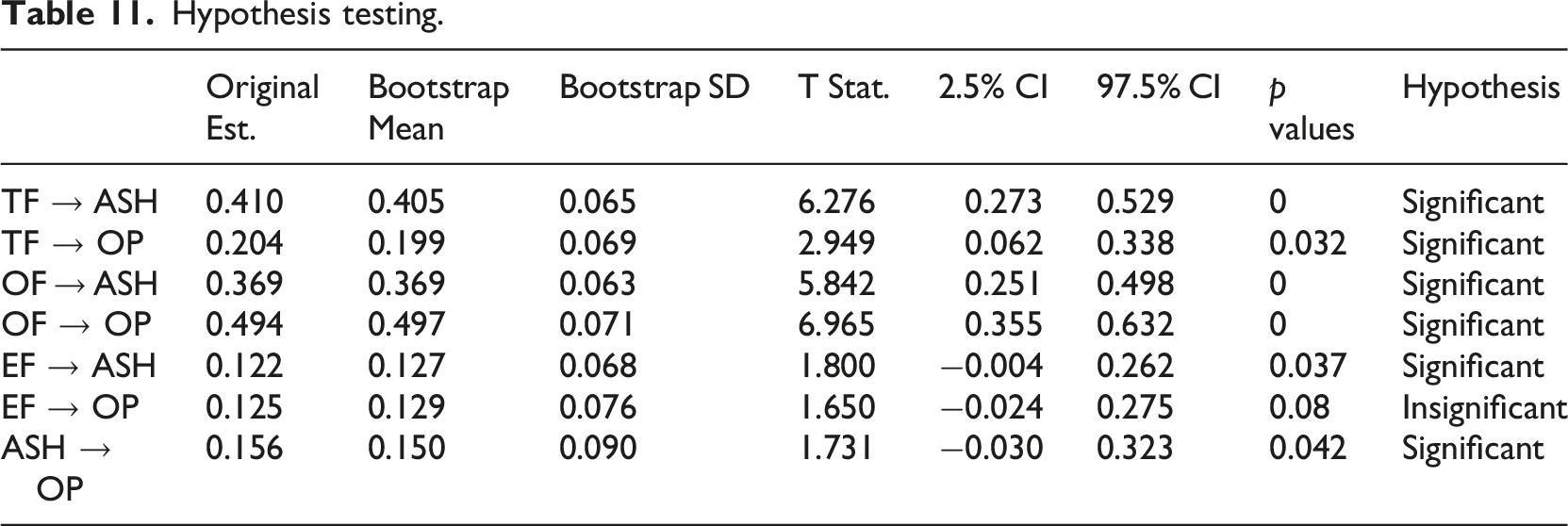
The mediation effect of SHRM Adoption (ASH) on the relationship between TF and OP is insignificant (p = 0.057), suggesting that while TF influences SHRM adoption, its impact on performance is weak. Conversely, the mediation effect of Organizational Factors (OF) on performance via SHRM adoption is significant (p = 0.049), indicating that internal organizational readiness plays a critical role in enhancing performance through SHRM adoption. The mediation effect of EF is insignificant (p = 0.104), pointing to the limited impact of external pressures on performance through SHRM adoption. The direct path from SHRM Adoption (ASH) to OP is significant (β = 0.156, p = 0.042), confirming that SHRM adoption positively impacts organizational performance, particularly in areas such as recruitment and employee engagement.
Discussion
This study examined the determinants of SHRM adoption and its impact on organizational performance in Bangladesh through the integrated lens of the Technology–Organization–Environment (TOE) framework and Resource-Based View (RBV) theory. The empirical findings reveal several important insights that extend beyond statistical relationships to illuminate the underlying mechanisms of technology adoption in resource-constrained settings.
Technological Factors (TF) emerged as the strongest predictor of SHRM adoption (β = 0.410, p < 0.001), followed by organizational factors (OF) (β = 0.369, p < 0.001), while environmental factors (EF) exerted a weaker but still significant influence (β = 0.122, p = 0.037). These results align with the TOE framework, which posits that internal technological infrastructure and organizational readiness are primary drivers of innovation adoption.21;34 However, the relatively modest direct effect of TF on organizational performance (β = 0.204, p = 0.032) and the insignificant mediation through SHRM adoption (p = 0.057) suggest that mere availability of technology is insufficient in developing economies. Advanced tools such as AI, cloud computing, and HR analytics require complementary internal capabilities to generate value consistent with RBV’s emphasis on valuable, rare, and inimitable resources.35;9
Organizational factors demonstrated both strong direct effects on performance (β = 0.494, p < 0.001) and significant mediation via SHRM adoption (p = 0.049). These findings underscore leadership support, knowledge-sharing culture, and change readiness as critical mechanisms that convert SHRM adoption into performance gains. In line with Kambur and Yildirim 38 and Al-Faouri et al., 7 strong internal readiness enables organizations to effectively deploy digital HR systems, fostering employee engagement, data-driven decision-making, and operational efficiency. In Bangladesh’s context, where infrastructural limitations and digital literacy gaps are prevalent, organizational preparedness acts as the pivotal bridge between technology and outcomes, reinforcing RBV’s assertion that firm-specific capabilities, rather than external resources alone, drive competitive advantage.
Environmental factors, while positively associated with SHRM adoption, showed no significant direct effect on performance (p = 0.08) and insignificant mediation (p = 0.104). This pattern supports Karman’s (2020) 92 argument that external pressures (competitive, regulatory, or institutional) exert limited influence unless accompanied by robust internal resources. In developing economies, regulatory support and market pressures may encourage initial adoption but rarely translate into performance improvements without sufficient organizational absorptive capacity. This result diverges from some studies conducted in more mature contexts, 53 where environmental forces play a stronger role, highlighting the contextual contingency of TOE relationships.
The positive relationship between SHRM adoption and organizational performance (β = 0.156, p = 0.042) corroborates prior evidence that intelligent HR systems enhance efficiency, strategic decision-making, and workforce productivity.60,70 However, the modest effect size indicates that successful SHRM implementation in resource-constrained environments demands deliberate integration with organizational strategy rather than technology deployment in isolation. Establishing a strong correlation between SHRM adoption and organizational performance supports earlier studies showing that sophisticated HRM practices improve organizational performance at different levels. Nonetheless, the fairly low effect suggests that integrating SHRM with organizational strategy is essential to achieving its maximum benefits. 38 This research also notes that implementation of SHRM practices remains a work in progress among many companies, based on the significant degree of asymmetry present in their adoption. Transformational HR management approaches can lead to improved organizational performance once key internal capabilities are developed.
Implications
This study has far-reaching results. Organizations that want to increase their performance with SHRM should put special attention on setting up proper technology and making sure their structures are arranged to use the system easily.
Theoretical implication
This study advances the TOE framework by demonstrating its applicability in a developing-economy context while highlighting the necessity of integrating RBV to explain the resource-conversion mechanism. 9 By reconceptualizing SHRM as a capability-building mediator, the research addresses gaps for more nuanced models that move beyond adoption antecedents to performance outcomes. The dominance of organizational factors further enriches RBV by illustrating how internal human and managerial resources serve as the primary source of sustained advantage in emerging markets. Firms that focus on and oversee these resources are well prepared to use SHRM for better results. It also fits with the RBV approach, stating that using the right resources helps a business succeed when using technology. Also, this study confirms that the introduction of SHRM helps link technological, organizational, and environmental factors to better organizational performance.
Practical implications
From a managerial standpoint, the study points out that companies need to invest in their technology to make sure that HR processes work well. Tools, for example, artificial intelligence, big data analytics, and cloud-based platforms, should be used first to help HR work better and do things more efficiently. 38 For practitioners in Bangladesh and similar developing economies, the findings emphasize that investments in technology alone are inadequate. Managers should prioritize building organizational readiness through leadership commitment, change-management programs, and knowledge-sharing initiatives before and during SHRM implementation. Policymakers and industry associations can support adoption by strengthening regulatory frameworks and digital infrastructure, but ultimate success hinges on firms’ internal capabilities. Organizations that cultivate a supportive culture and skilled workforce are better positioned to realize performance gains in recruitment, employee engagement, and strategic HR decision-making. The study also shows that using SHRM in the workplace really does help a company to perform better. By enabling data-driven HR decisions and using them strategically, SHRM systems can contribute directly to organizational success. Thereby, SHRM promotes sustainable HRM by leveraging advanced technologies to improve workforce management, employee development, and sustainable organizational performance.93,94
Limitations and future research
This study has some limitations, employing a cross-sectional design; therefore, future longitudinal studies could provide deeper insights into the relationship between the uptake of smart HRM and organizational performance. This study employs a purposive sampling technique, which, while enhancing the relevance and quality of the collected data by targeting knowledgeable respondents, may limit the generalizability of the findings beyond similar organizational contexts. As the sample selection is based on the researcher’s judgment, there is also a potential risk of sampling bias. Consequently, future studies can extend the findings to broader populations or different institutional settings. The research is based on perceptual scales of key informants, which might not be ideal in the assessment of organizational-level constructs of the TOE framework. It is advised that future research should utilize multi-level or objective measures in order to increase the convergence of constructs. We conducted this study in Bangladesh, a developing country, which suggests that the findings may be applicable to similar developing country contexts. However, future studies in underdeveloped and developed countries are recommended to deepen the understanding of SHRM and its implications in diverse economic settings. Although the sample size of the study meets the minimum criteria suggested by Mandeville 86 and Hair et al., 84 future studies can extend the sample size to get more comprehensive insights. A mixed-methods approach involving diverse respondent groups could provide a better understanding of the situation. Future research may also refine the model by incorporating mediators, moderators, and control variables such as firm size and demographic factors like age, gender, and job position. Further exploration of employee-level outcomes, technological granularity, and the roles of digital capability, leadership, and regulatory environments would also enhance the field’s understanding of how SHRM practices can be optimized to drive sustainable organizational performance in diverse developing contexts.
Conclusion
The adoption of SHRM represents a transformational shift in how organizations manage human capital in the digital era. By leveraging advanced technologies, such as AI, cloud computing, and HR analytics, SHRM enhances operational efficiency, enables data-driven decision-making, and strengthens the strategic role of HR in driving business outcomes. 60 This study investigated the determinants of SHRM adoption and its impact on organizational performance in the context of a developing economy, Bangladesh. Grounded in an integrated TOE framework and RBV theory, the research examined technological, organizational, and environmental factors, while positioning SHRM adoption as a key mediating mechanism. The findings demonstrate that all three TOE factors positively influence SHRM adoption, with technological and organizational factors exerting the strongest effects. Crucially, SHRM adoption significantly enhances organizational performance, primarily when supported by strong organizational readiness and leadership commitment. Mediation analysis further reveals that organizational factors serve as the dominant pathway through which SHRM adoption translates into superior performance outcomes.
Theoretically, the research contributes a more nuanced, integrated model that explains not only the antecedents of SHRM adoption but also the mechanisms through which it generates performance gains. From a practical standpoint, the results offer actionable insights for managers and policymakers in developing nations. Organizations should prioritize building internal readiness through leadership development, cultural change, and knowledge-sharing mechanisms, alongside technological investments to maximize the benefits of digital HR transformation. Policymakers, in turn, can facilitate broader adoption by strengthening regulatory support and digital infrastructure. In conclusion, successful SHRM implementation in developing economies hinges less on technology itself than on the organizational capabilities that enable its effective deployment. This study provides a robust foundation for future research and offers clear pathways for organizations seeking sustainable competitive advantage through intelligent human resource management.
Footnotes
Acknowledgements
The authors liked to convey their profound appreciation to their supervisor (Dr Md. Rakibul Hoque, Professor, Department of Management Information Systems, University of Dhaka, Dhaka, Bangladesh) to their crucial direction, astute input, and unwavering support throughout the study process. He is recognized among the Top 2% of Scientists in the world by Elsevier in 2025. The authors expressed their sincere gratitude to all responders who contribute to this study. Their readiness to share experience and perspectives provided essential insight that enhance the conclusions of this research.

Ethical considerations
This research was conducted following the highest ethical standards to ensure integrity, transparency, and academic honesty. We have received the formal ethical board approval from the Research Ethics Committee, Department of Management Information Systems (MIS), Begum Rokeya University, Rangpur, Bangladesh. The reference number of the approval ethical committee is BRUR/MIS/REC/2025/202.
Consent to participate
Moreover, informed consent was obtained from all participants, ensuring their voluntary participation and confidentiality. The authors declare that there are no conflicts of interest related to this study. The authors confirm their adherence to ethical research and publishing practices, ensuring that all contributions were properly acknowledged and that the study maintains academic integrity.
Funding
The authors received no financial support for the research, authorship, and/or publication of this article.
Declaration of conflicting interests
The authors declared no potential conflicts of interest with respect to the research, authorship, and/or publication of this article.
Data Availability Statement
Data is shareable and available after reasonable request because of respondent privacy and security concern. However, data were collected only after informed consent had been obtained from all participants, guaranteeing voluntary participation and the protection of confidentiality. The authors declare that there are no conflicts of interest among respondents related to this study.