




Abstract
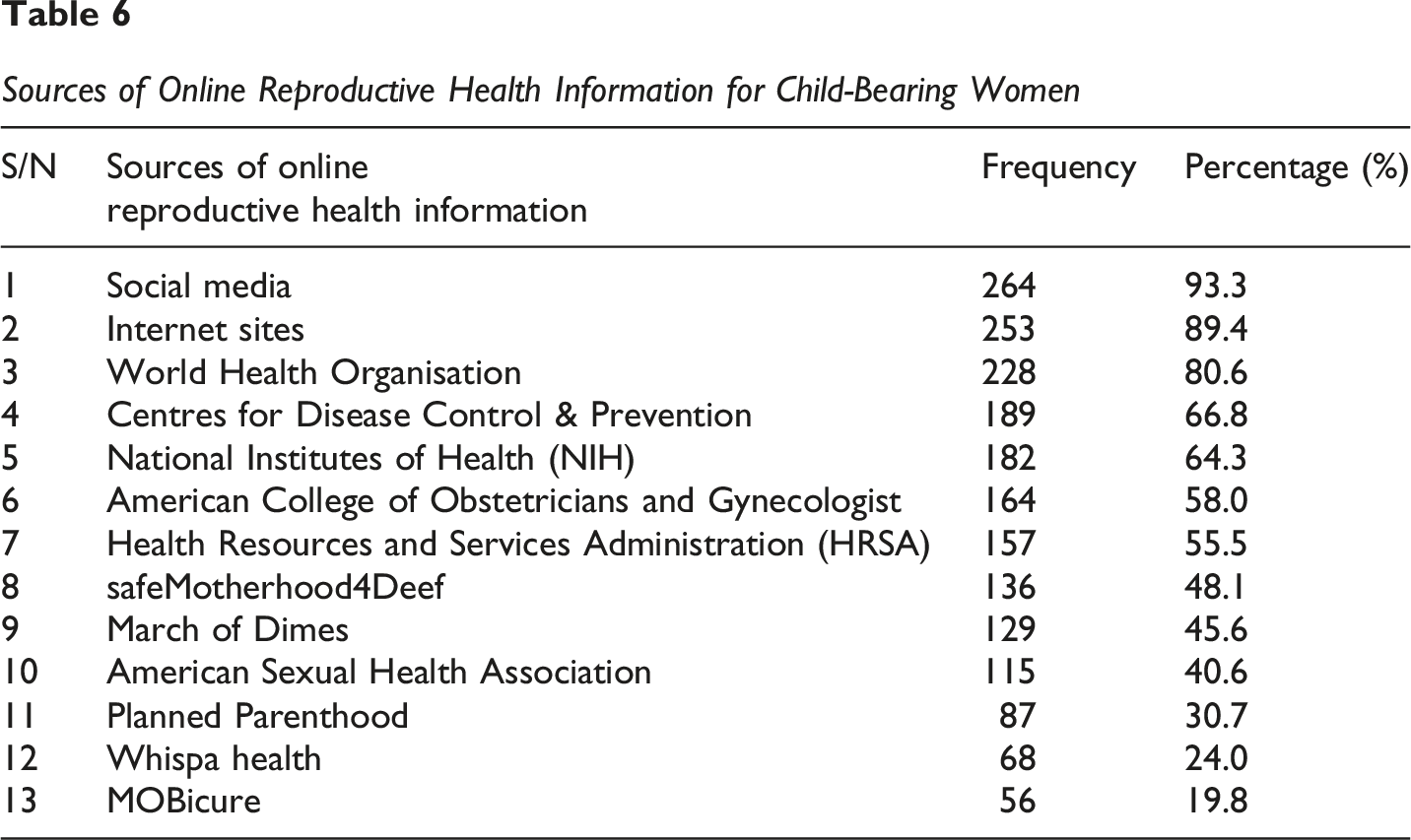
This study explored the relationship between digital literacy skills and utilisation of online reproductive health information among child-bearing women in selected health centres in Ogun State, Nigeria. A survey research design of the correlational type was adopted. A simple random sampling technique was employed to capture 310 child-bearing women in selected health centres in Ogun State. A questionnaire was used for data collection, and data were analysed using descriptive and inferential statistics. The findings show that the major sources of online reproductive health information among child-bearing women surveyed were social media (264, 93.3%), internet sites (253, 89.4%), and the World Health Organisation (228, 80.6%). The level of utilisation of online reproductive health information among child-bearing women surveyed was high (M = 3.04). The level of digital literacy skills of the child-bearing women surveyed was high (M = 2.92). There was a significant but negative relationship between digital literacy skills and utilisation of online reproductive health information among child-bearing women surveyed (r = −.152; p < .05). Health authorities and stakeholders should focus on utilising and optimising social media platforms and reputable organisations like the World Health Organisation (WHO) as key channels for disseminating reproductive health information.
Keywords
Introduction
Today, the internet serves as a primary source of health information for many individuals. Its advantages include the ability to seek sensitive information privately, access resources at any time, and explore a wide range of educational tools and support services. The internet may be a great resource for child-bearing women regarding prenatal care, delivery alternatives, postpartum recovery, nursing, and baby care. For child-bearing women, health information is extremely important for reproductive health in many different facets, including mother and child well-being.
Access to correct and timely health information enables women to make wise decisions regarding their health, therefore guaranteeing better results for their children as well as for themselves. Well informed women are more likely to seek prompt prenatal and postnatal care, which is vital for monitoring and controlling the mother’s and the developing child’s health. Early identification of problems, including preterm labour, gestational diabetes, and pre-eclampsia, by awareness of warning signals can enable quick medical intervention, therefore greatly lowering the chance of serious medical problems. Availability of health information directly helps to lower rates of mother and newborn death. Teaching women safe pregnancy and delivery techniques will help to reduce the hazards related to childbirth. Awareness of emergency indicators and the availability of health resources also help women and their families better plan for and react to crises, perhaps saving lives (Soyemi & Aborode, 2022).
In the digital age, where most activities are conducted electronically, digital literacy skills refer to a wide range of abilities required to effectively carry out different tasks. Leveraging the advantages of digital health technologies, which can dramatically improve women’s health outcomes, empower them, and advance gender equality, digital literacy skills among child-bearing women are very vital. Emphasising their use in tracking symptoms, managing medications, and offering emotional support both during and after pregnancy, the World Health Organisation (WHO) stresses the part digital health technologies play in gynaecology, obstetrics, psychiatry, nutrition, and physical activity. Particularly crucial in settings with stigma or societal constraints, digital solutions can also provide privacy and comfort in sensitive medical operations, including home-based medical terminations of pregnancy (WHO, 2024).
Pregnant women with information literacy can locate, assess, and use reliable health information from many sources—including internet sites. Understanding their health situation, choosing prenatal care wisely, and remaining current on the most recent evidence-based practices in maternity care depend on this (Campanozzi et al., 2023). Given the sensitivity of health data and the possible risks connected to cyber-attacks, this is especially crucial. Pregnant women who have strong problem-solving abilities will be able to overcome obstacles in their digital health path, like navigating difficult health information or fixing technical problems. Maximising the advantages of digital health instruments and minimising possible hazards depend on these abilities (Campanozzi et al., 2023).
Digital literacy offers the required skills to locate and understand knowledge. High digital literacy abilities of the child-bearing women could be more suited to navigating online health resources. Effective use of contraceptives, timely prenatal care, and enhanced postpartum recovery follow from better use of internet health information. This study therefore aims to look into the digital literacy skills and utilisation of online reproductive health information among child-bearing women in selected health centres in Ogun State, Nigeria.
Statement of the Problem
Improving mother and child health depends on accurate and timely access to reproductive health information. The availability of online reproductive health information made possible by digital technologies has helped child-bearing women make informed decisions regarding family planning, prenatal care, safe delivery, and postpartum health. The improved accessibility of online reproductive health information helps women to get essential health resources anytime and from any place.
In spite of advantages derived from the utilisation of online reproductive health information for maternal health outcomes, a low level of digital literacy could make it difficult to search for, assess, and utilise online reproductive health information. Low digital literacy skills among child-bearing women may cause false information, bad health decisions, and less than ideal results. Still, a lot of research has been done using reproductive health information on child-bearing women. Perhaps none of the researchers has looked at digital literacy skills and use of online reproductive health information among child-bearing women in health centres in Ogun State, Nigeria. Thus, in order to verify these assumptions empirically, this study investigated the digital literacy skills and utilisation of online reproductive health information among child-bearing women in selected health centres in Ogun State, Nigeria.
Objectives of the Study
The general objective of this study was to investigate digital literacy skills and utilisation of online reproductive health information among child-bearing women in selected health centres in Ogun State, Nigeria. The specific objectives are to: (i) Identify the sources of online reproductive health information for child-bearing women in selected health centres in Ogun State; (ii) Find out the available online reproductive health information for the use of child-bearing women in selected health centres in Ogun State; (iii) Ascertain the level of utilisation of online reproductive health information among child-bearing women in selected health centres in Ogun State; (iv) Assess the level of digital literacy skills of child-bearing women in selected health centres in Ogun State; (v) Investigate the challenges facing the utilisation of online reproductive health information among child-bearing women in selected health centres in Ogun State; (vi) Determine the relationship between digital literacy skills and utilisation of online reproductive health information among child-bearing women in selected health centres in Ogun State.
Research Questions
The following are the research questions answered in this study: (i) What are the sources of online reproductive health information for child-bearing women in selected health centres in Ogun State? (ii) What is the available online reproductive health information for the use of child-bearing women in selected health centres in Ogun State? (iii) What is the level of utilisation of online reproductive health information among child-bearing women in selected health centres in Ogun State? (iv) What is the level of digital literacy skills of child-bearing women in selected health centres in Ogun State? (v) What are the challenges facing the utilisation of online reproductive health information among child-bearing women in selected health centres in Ogun State?
Research Hypothesis
A null hypothesis was tested in the study at 0.05 level of significance. H01: There is no significant relationship between digital literacy skills and utilisation of online reproductive health information among child-bearing women in selected health centres in Ogun State.
Literature Review
Reproductive Health as a Concept
Reproductive health tackles human sexuality and reproductive processes, functions and systems at all stages of life and implies that people are able to have “a responsible, satisfying and safe sex life and that they have the ability to reproduce and the freedom to decide if, when and how often to do so.” Men and women have the right to be informed and have access to safe, effective, reasonably priced, acceptable methods of their choice for the regulation of fertility which are not against the law; they also have the right of access to appropriate health care services for safe pregnancy and childbirth, thus giving couples the best chance of having a healthy child. According to the World Health Organisation (WHO), “reproductive health is a state of complete physical, mental, and social well-being and not merely the absence of disease or infirmity, in all matters relating to the reproductive system and to its functions and processes.” Attaching Sustainable Development Goals (SDGs) 3 and 5 also depends much on ensuring universal access to sexual and reproductive health care services and reproductive rights (United Nations, 2020). Use of reproductive health care not only lowers mother mortality but also safeguards mother and child health and welfare (Stover & Ross, 2010).
Online Reproductive Health Information
Online reproductive health information is the availability, accessibility, and use of digital resources connected to human reproduction, sexual health, family planning, and allied issues. These materials seek to equip people in making wise decisions regarding their reproductive health by means of education, information, and encouragement. The internet and digital technologies have transformed worldwide access to and sharing of reproductive health information, therefore impacting personal behaviour, public policy, and healthcare practices as well as influencing digital technologies (GSM Association, 2021).
Online reproductive health information is meant to be easily available, therefore overcoming geographical and practical constraints to conventional medical treatment. It covers websites, apps, forums, and social media sites devoted to issues of reproductive health. Online reproductive health sites have evolved into a straightforward and readily available substitute for knowledge, counselling, and contraception acquisition. These sites offer telemedicine services, which let customers remotely see doctors for follow-up treatment, counselling, and contraceptive prescriptions. Particularly in low- and middle-income countries where such services are sometimes limited or unavailable, online platforms may greatly improve consumers’ knowledge, availability, and use of contraceptives (Kyamulabi et al., 2025). Common challenges usually relate to issues like limited access, poor quality, tight control, and user choice. Applied Use Online platforms, nevertheless, have various challenges and restrictions, including the requirement of quality certification, laws, safety precautions, efficiency, and user choice. Online platforms have to additionally offer careful observation and evaluation of how their offerings affect consumers’ general well-being and physical and mental health (Smits et al., 2022).
Online Reproductive Health Information Utilisation and Child-Bearing Women
Making educated choices on their reproductive health depends on child-bearing women using online reproductive health information. Many times, vital information on reproductive health does not reach the women most in need because of a variety of obstacles, including cultural norms and practices, literacy rates, and inadequate healthcare systems (Ajibola et al., 2025). These obstacles could be lessened by better education, both generally and health-specific, as well as by culturally responsive communication strategies, both general and specialised for current systematic problems in healthcare delivery. The research fervently points to a paradigm change in the distribution of reproductive health knowledge. It implies encouraging a tech-savvy populace while emphasising women in their reproductive years most of the time.
Digital Literacy Skills and Online Reproductive Health Information Utilisation Among Child-Bearing Women
Digital literacy skills are those required to properly negotiate, assess, and critically interact with digital content and sources (Bawden, 2001). It is the ability to use the given digital technologies (tools, devices, and software) in order to satisfy information needs. Digital literacy helps people negotiate the enormous volume of data available online, including materials on sexual health, contraception, and fertility. False knowledge might cause erroneous ideas and actions, therefore influencing reproductive health adversely. Accurate knowledge helps people to make wise decisions about their reproductive health, including selecting the correct contraceptive method, identifying the signs of sexually transmitted infections (STIs), and knowing when to seek expert medical counsel. In the framework of reproductive health, this implies having more confidence in controlling one’s reproductive health and choosing family planning (Cleland et al., 2012). Active participation in online health services including appointment booking, online consultations, and access to tailored health information and recommendations is made easier by digital literacy.
Higher digital-literate women are more likely to seek health information online. To learn about pregnancy, fertility, contraception, and mothers’ health, they deftly search several internet sites. This ability helps patients to participate more actively in their care and make educated health decisions (Egwudo et al., 2025). Information about prenatal care, safe pregnancy practices, and postpartum care will probably be more understandable and useful to them. Improved decision-making and health practices throughout pregnancy and labour (Bello et al., 2022) could follow from this information.
Theoretical Framework: Health Belief Model (HBM)
The key theory, the Health Belief Model (HBM), was developed in the 1950s by social psychologists including Irwin M. Rosenstock, Godfrey M. Hochbaum, S. Stephen Kegeles, and Howard Leventhal. Aiming to find out why people did not engage in initiatives meant to prevent and detect diseases, these people were part of the U.S. Public Health Service. The model has been developed throughout time to investigate several behavioural reactions to health-related concerns across diverse demographics and health behaviours by means of expansion and refinement (Boskey, 2024). A cognitive, interpersonal framework, the Health Belief Model (HBM) helps one to grasp health behaviours, including contraceptive practice. The approach also underlines the need for apparent advantages in motivating health practices. People are more inclined to adopt new health habits if they think their advantages exceed their expenses or difficulties.
The Health Belief Model (HBM) is relevant to the utilisation of online reproductive health information among child-bearing women due to various important factors. First of all, depending on the model, these women have to view their vulnerability to reproductive health issues or concerns, including problems during pregnancy, difficulty during birthing, or postpartum care barriers. Moreover, the Health Belief Model (HBM) suggests that women in child-bearing age would consider the gravity of issues related to reproductive health. To acquire necessary knowledge and strategies to enhance their health outcomes during pregnancy, labour, and postpartum, women would evaluate the possible advantages of access to online reproductive health information.
The application of the Health Belief Model to the use of online reproductive health information by child-bearing women entails comprehending their views on vulnerability and seriousness, assessing perceived advantages and obstacles, and identifying triggers for action to enable informed decision-making and health maintenance during the child-bearing phase.
Conceptual Model
This conceptual model offers a structure for comprehending and enhancing the importance of digital literacy skills in enhancing the utilisation of online reproductive health information among child-bearing women at specific health centres in Ogun State. It highlights the need for equipping women with the essential abilities and self-assurance to effectively interact with digital health resources, consequently improving maternal health results.
Based on the theory and literature reviewed, the researcher developed the conceptual model (Figure 1). The model explains how the independent variable (digital literacy skills) relates to the dependent variable (utilisation of online reproductive health information). It is proposed that digital literacy skills will have a significant relationship with utilisation of online reproductive health information. It suggests that digital literacy skills are the key factor that determines utilisation of online reproductive health information among child-bearing women in selected health centres in Ogun State. Conceptual Model of Digital Literacy Skills and Utilisation of Online Reproductive Health Information Among Child-Bearing Women in Selected Health Centres in Ogun State, Nigeria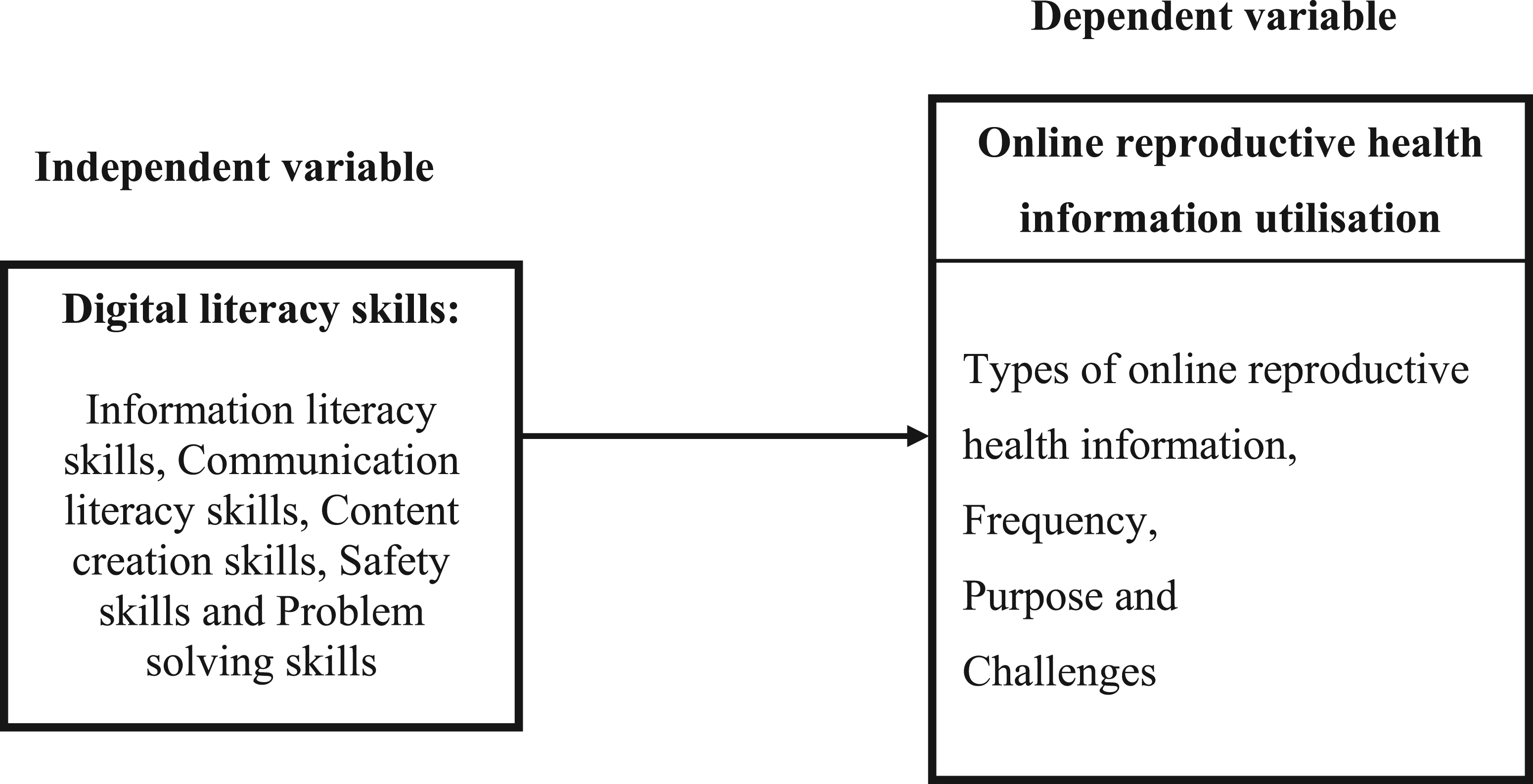
Methodology
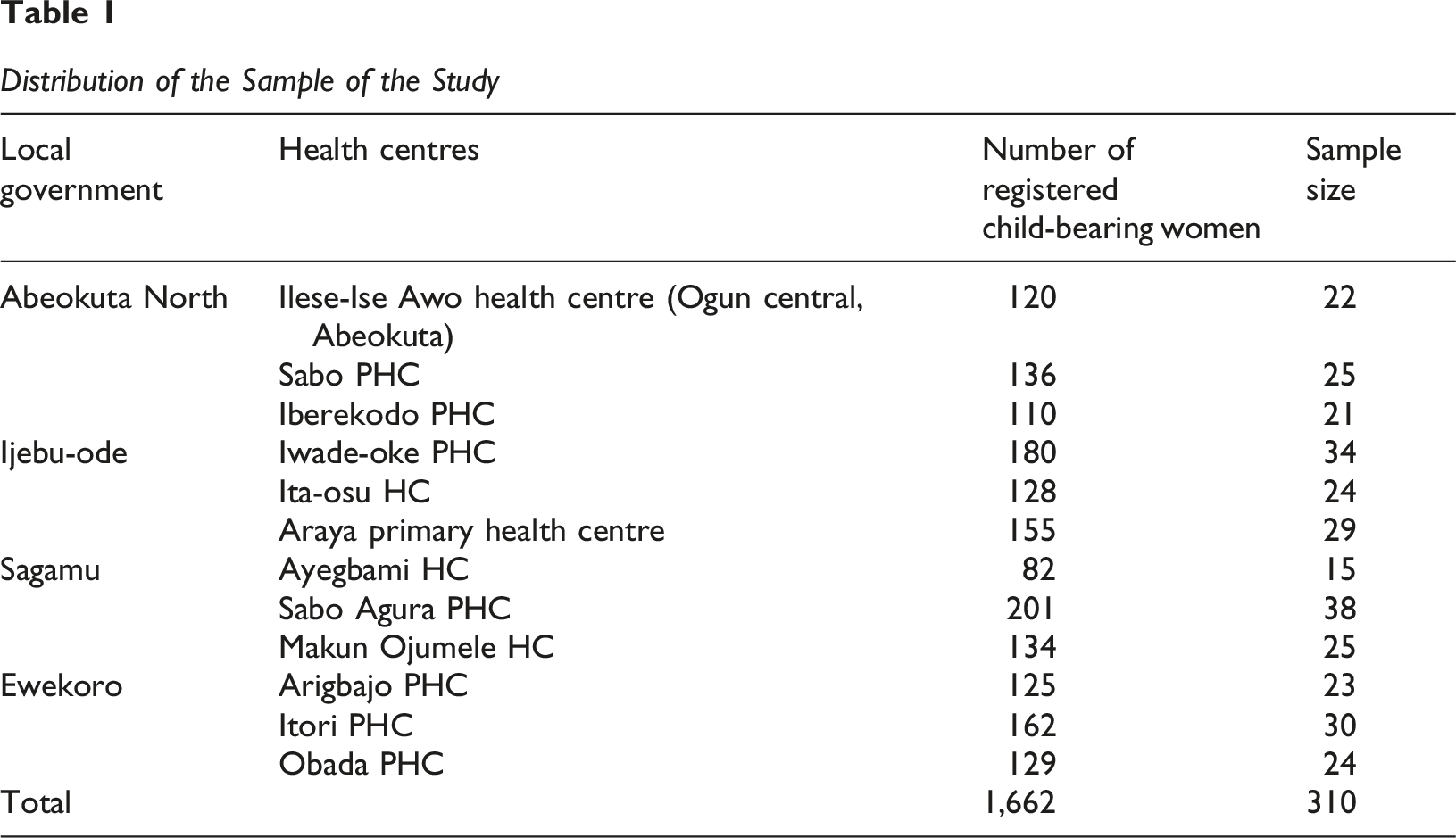
Distribution of the Sample of the Study
Distribution of Population of the Study
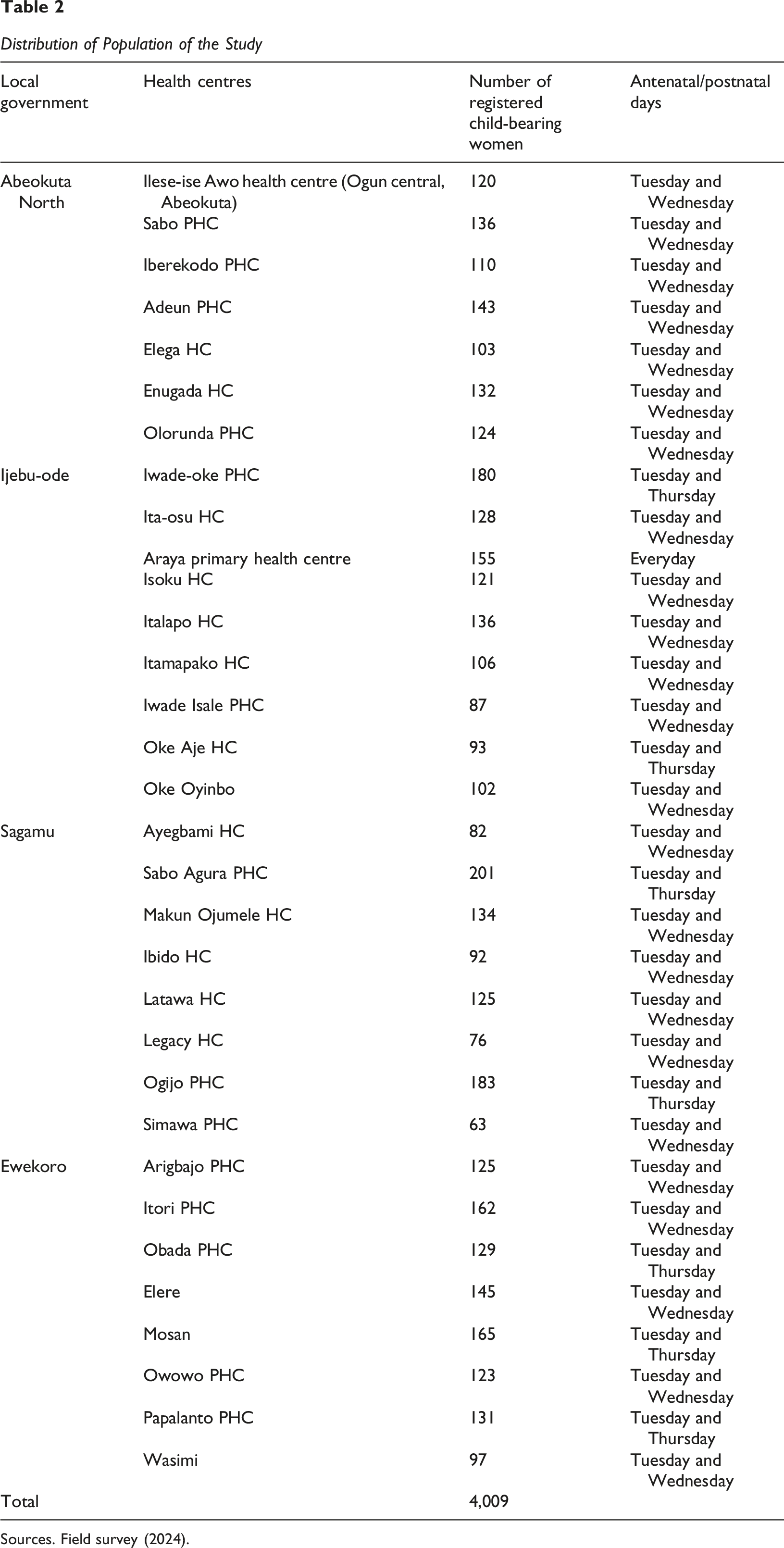
Sources. Field survey (2024).
A simple random sampling technique was used to recruit 310 participants from three primary health centres in each of the four selected local governments. The sample size was determined using the table created by Krejcie and Morgan (1970). Thus, 310 child-bearing women in selected health centres in Ogun State were selected to participate in the study. The multi-stage sampling procedure was adopted, where a purposive sampling technique was used to select four (4) local governments (Abeokuta North, Ijebu-Ode, Sagamu and Ewekoro) out of 20 local governments, while a simple random sampling technique was used to capture 310 child-bearing women in selected health centres in Ogun State. This method affords every individual in the population an equal chance to participate in the study.
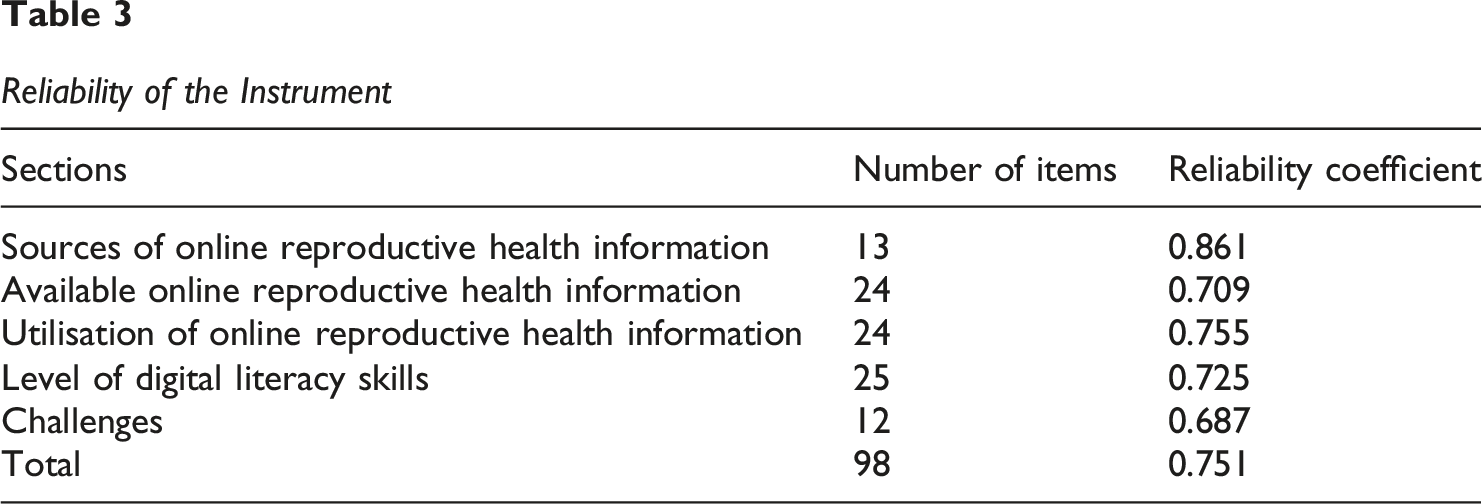
The instrument for data collection was a structured questionnaire. The questionnaire was tagged “Digital Literacy Skills and Utilisation of Online Reproductive Health Information among Child-Bearing Women” (DLSUORHICW). The instrument was developed by the researchers and was divided into six (6) sections. Section A of the questionnaire collected demographic information about the respondents. Section B measured the sources of online reproductive health information, which consisted of 13 items that were self-developed. Section C measured the available online reproductive health information, and it consisted of 24 items which were self-developed. Section D was about the level of utilisation of online reproductive health information; it consisted of 24 items which were self-developed. Section E measured the level of digital literacy skills, and it consisted of 25 items. The items were adopted from Olalere and Soyemi (2022). The responses’ format to sections D and E followed a Likert-type scale with four options: VHL = Very High Level, HL = High Level, LL = Low Level, and VLL = Very Low Level. Section F measured the challenges faced in the utilisation of online reproductive health information; it consisted of 12 items which were self-developed.
Validity of the Instrument
The instrument was face-validated by three experts, two from Library and Information Science and one from Measurement and Evaluation, all from Tai Solarin University of Education, Ijagun, Ogun State (TASUED). The experts were requested to assess the instrument in terms of the relevance, accuracy, language clarity and comprehensiveness of the items, bearing in mind the purpose of the study. The comments, suggestions, and criticism made by the experts helped the researchers to modify and produce the final instrument.
Reliability of the Instrument
Reliability of the Instrument
Data Collection Procedure
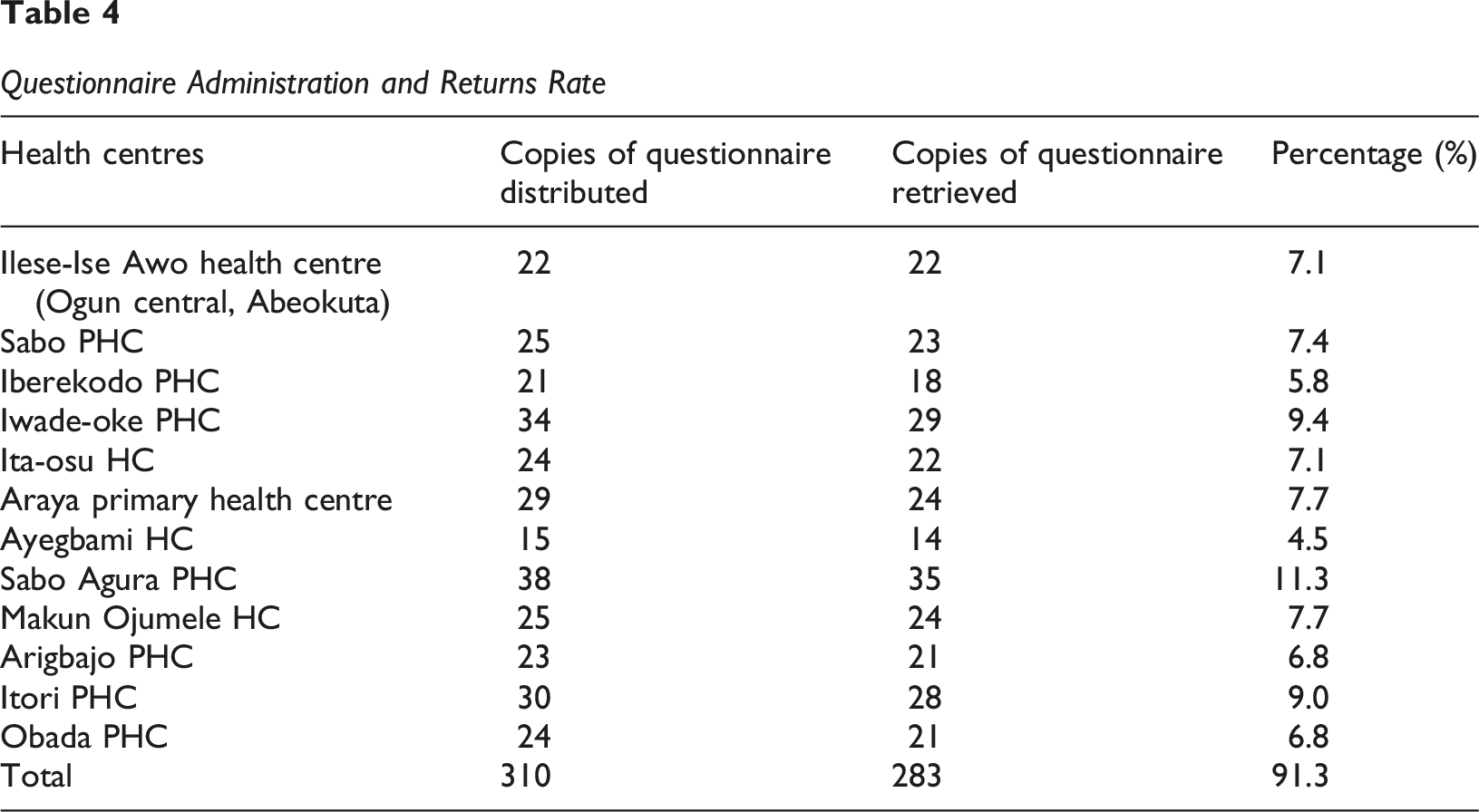
The researchers administered the questionnaire, and the research assistants received training on data collection. A letter of introduction from the department was obtained by the researchers and sent to each health centre. Finally, the data collected was used strictly for research purposes. The research assistants followed up and collected the completed surveys. To guarantee a high rate of return, the data collecting was done for 4 weeks.
Questionnaire Administration and Returns Rate
Method of Data Analysis
Descriptive and inferential statistics were used to present and evaluate the data gathered for this study in order to find pertinent answers to the questions posed for the research and to test the hypotheses, respectively. Simple percentages, frequency distributions, mean, and standard deviation were utilised to answer research questions, while the hypothesis was tested using Pearson Product Moment Correlation. Version 22 of the Statistical Package for Social Sciences (SPSS) was used for the analysis.
Ethical Considerations and Approval
Ethical approval was given by the Ogun State Hospital Management Board before proceeding with data collection.
Results
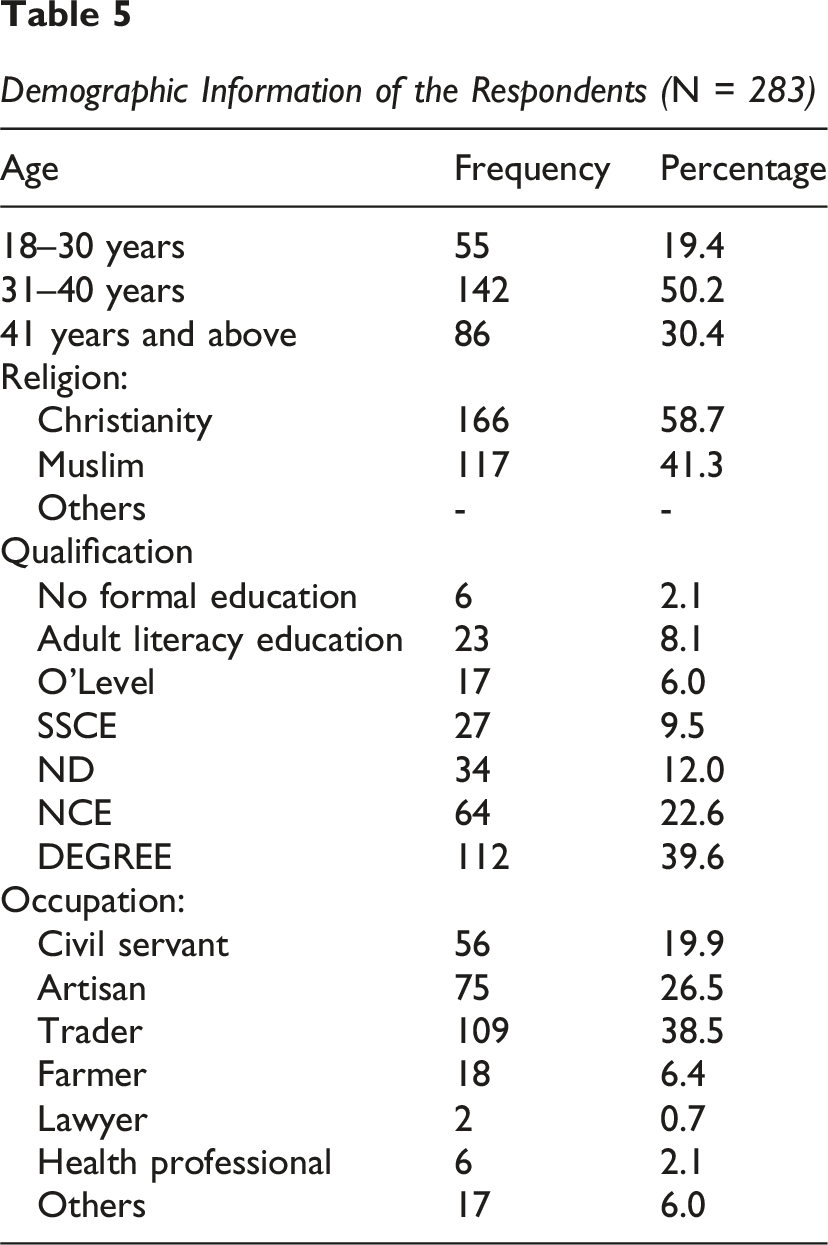
The results and findings from data analysis are presented here in two parts. The first part reports the demographic variables of the respondents, while the second part reports the answers to research questions and hypotheses.
Demographic Information of the Respondents (N = 283)
Analysis of Research Questions
Research Question One: What Are the Sources of Online Reproductive Health Information for Child-Bearing Women in Selected Health Centres in Ogun State?
Sources of Online Reproductive Health Information for Child-Bearing Women
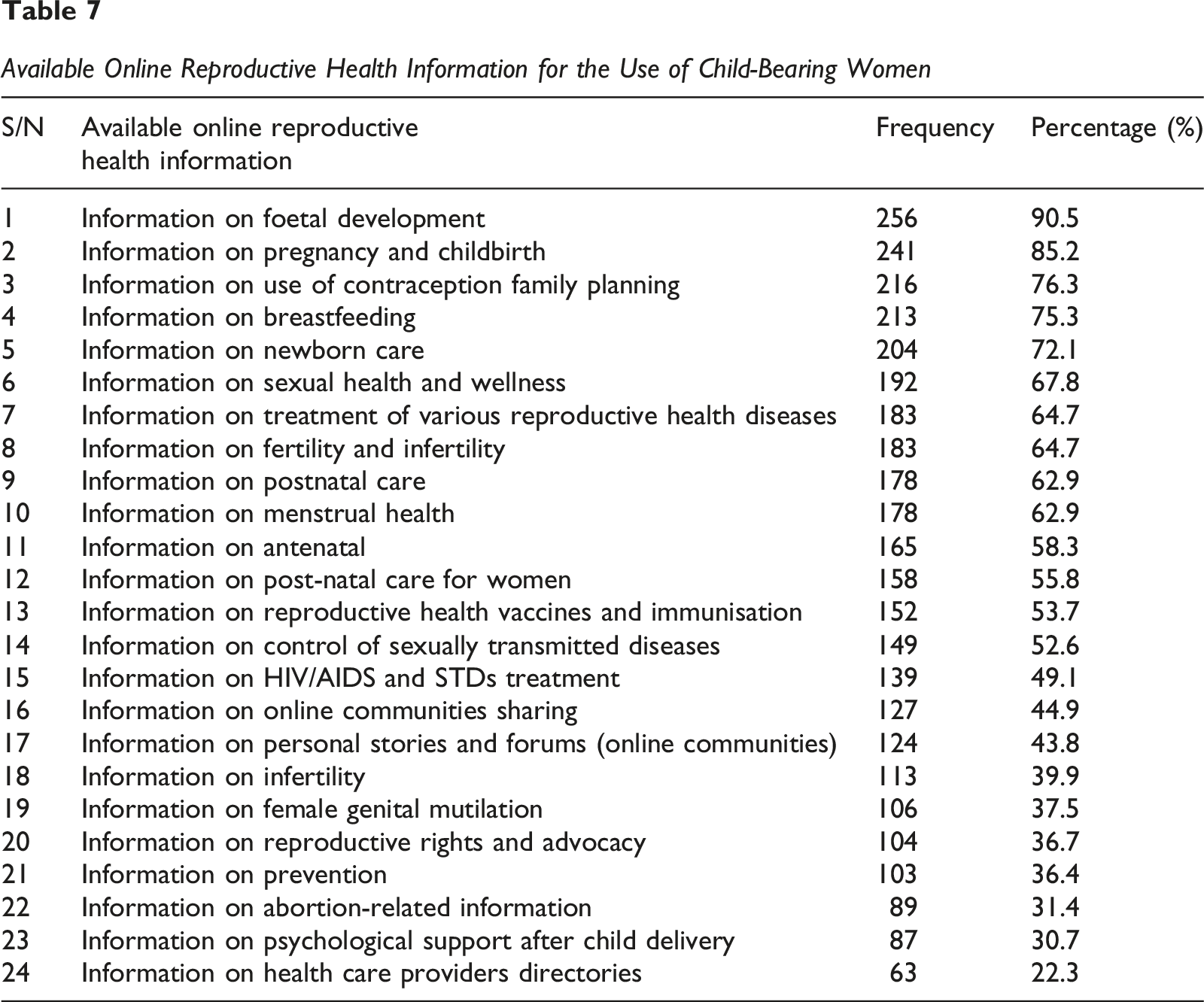
Research Question Two: What Are the Available Online Reproductive Health Information for the Use of Child-Bearing Women in Selected Health Centres in Ogun State?
Available Online Reproductive Health Information for the Use of Child-Bearing Women
Research Question Three: What Is the Level of Utilisation of Online Reproductive Health Information Among Child-Bearing Women in Selected Health Centres in Ogun State?
Level of Utilisation of Online Reproductive Health Information Among Child-Bearing Women
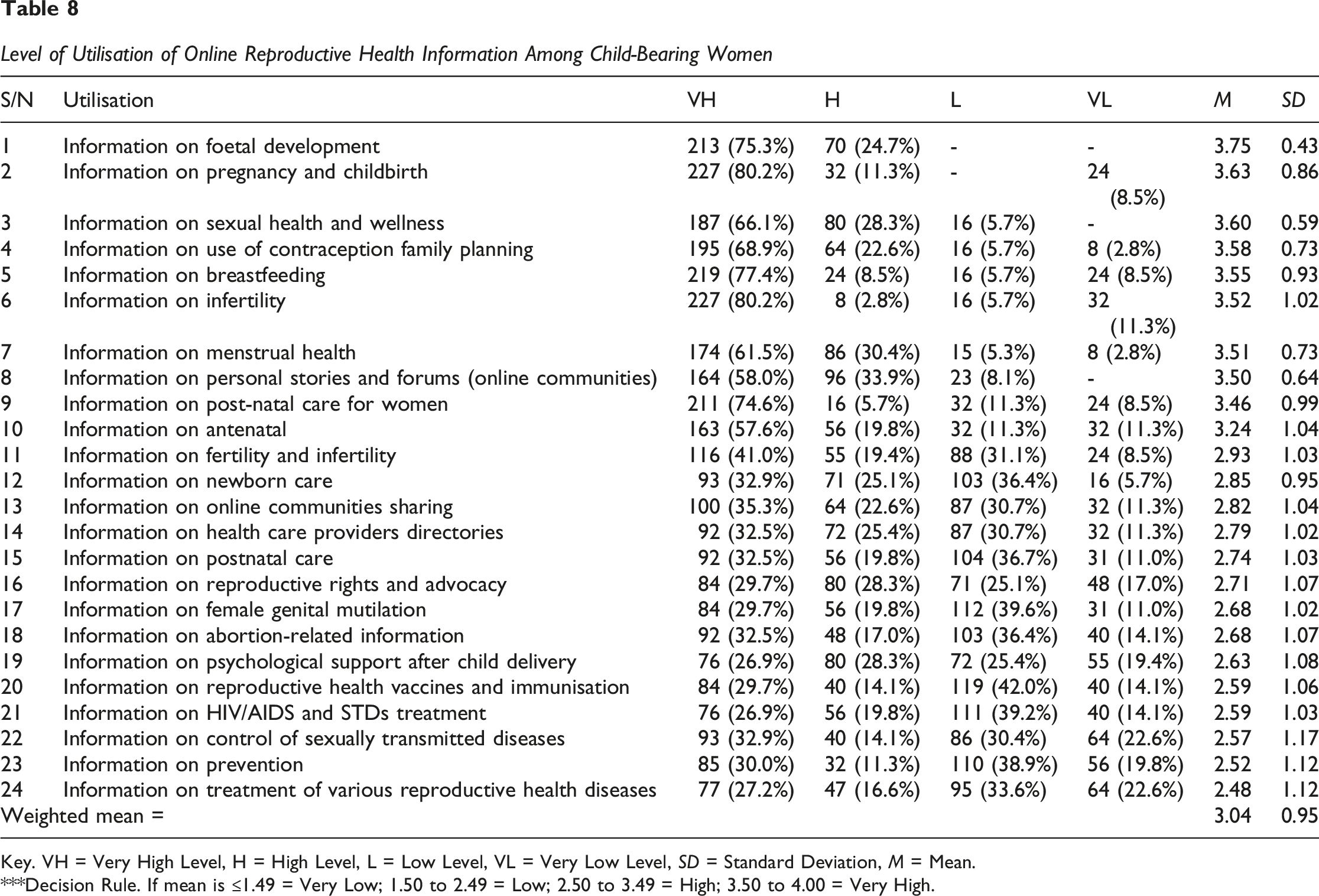
Key. VH = Very High Level, H = High Level, L = Low Level, VL = Very Low Level, SD = Standard Deviation, M = Mean.
***Decision Rule. If mean is ≤1.49 = Very Low; 1.50 to 2.49 = Low; 2.50 to 3.49 = High; 3.50 to 4.00 = Very High.
Research Question Four: What Is the Level of Digital Literacy Skills of Child-Bearing Women in Selected Health Centres in Ogun State?
Level of Digital Literacy Skills of Child-Bearing Women
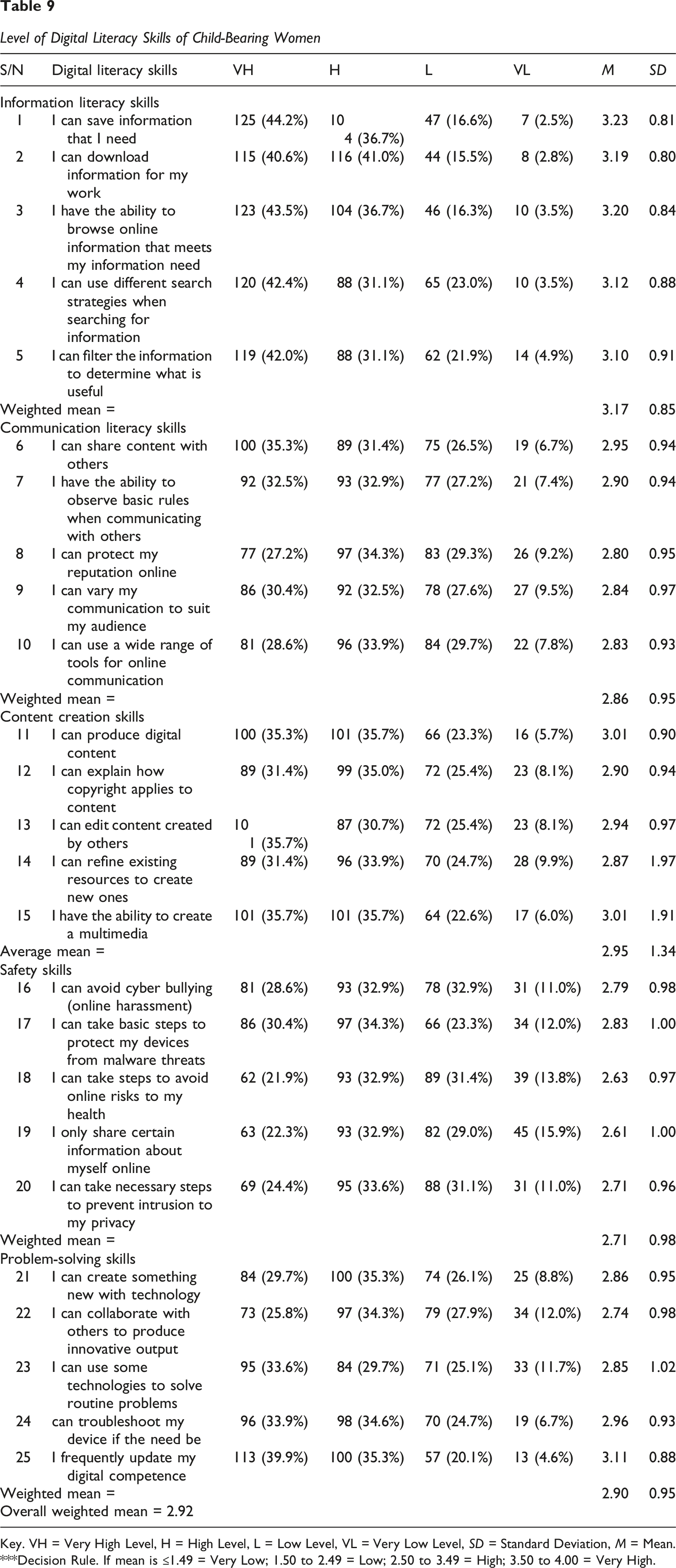
Key. VH = Very High Level, H = High Level, L = Low Level, VL = Very Low Level, SD = Standard Deviation, M = Mean.
***Decision Rule. If mean is ≤1.49 = Very Low; 1.50 to 2.49 = Low; 2.50 to 3.49 = High; 3.50 to 4.00 = Very High.
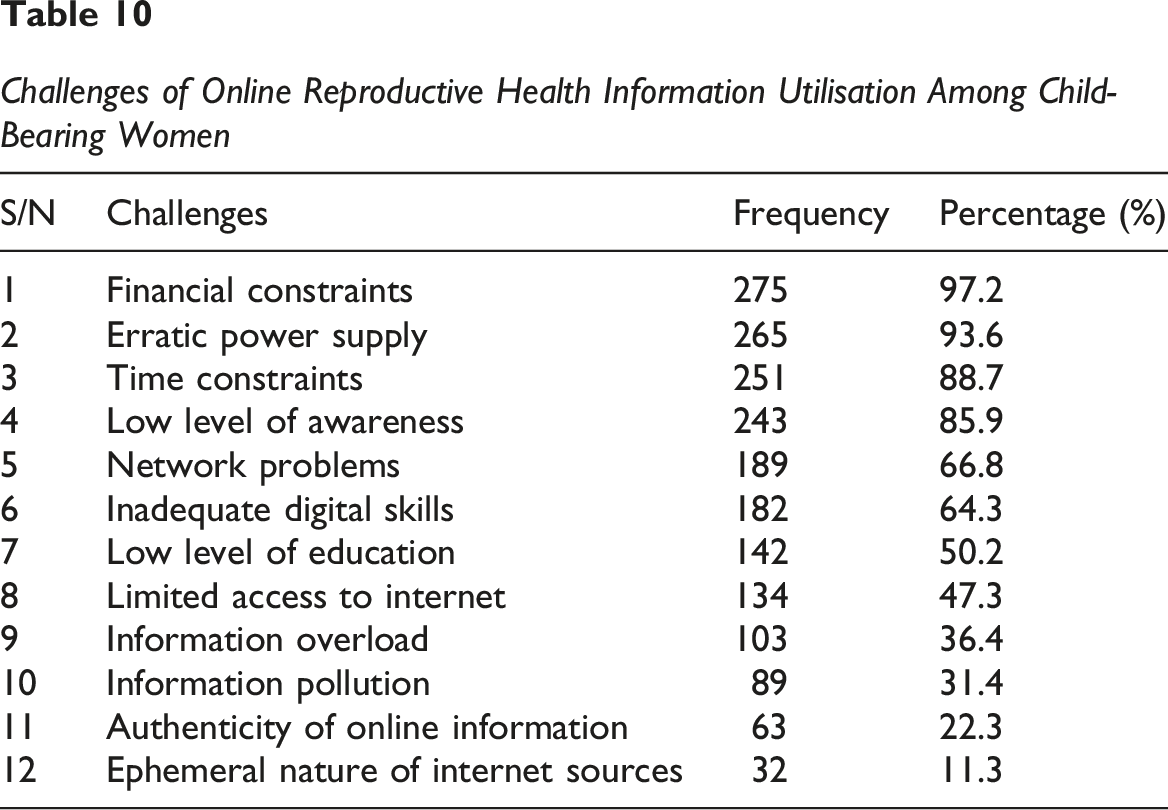
Research Question Five: What Are the Challenges of Online Reproductive Health Information Utilisation Among Child-Bearing Women in Selected Health Centres in Ogun State?
Challenges of Online Reproductive Health Information Utilisation Among Child-Bearing Women
Test of the Hypothesis
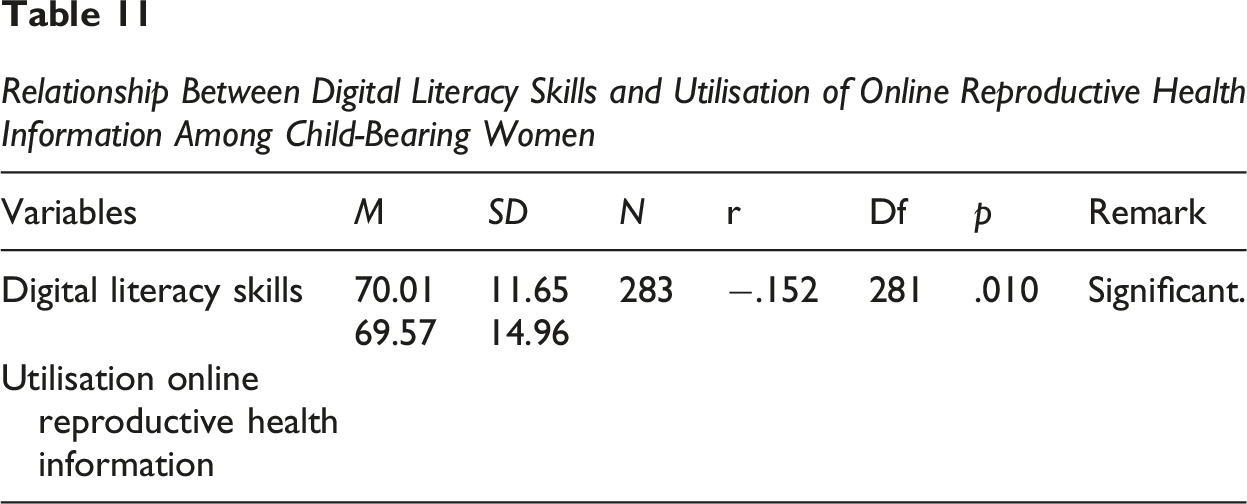
There is no significant relationship between digital literacy skills and utilisation of online reproductive health information among child-bearing women in selected health centres in Ogun State.
Relationship Between Digital Literacy Skills and Utilisation of Online Reproductive Health Information Among Child-Bearing Women
Discussion
The findings show that the major sources of online reproductive health information for child-bearing women in selected health centres in Ogun State were social media, internet sites and the World Health Organisation. This suggests that, among many demographic groups, including women of reproductive age, social media and internet websites significantly influenced their health information-seeking activities. Further findings also show that the major available online reproductive health information for the use of child-bearing women in selected health centres in Ogun State was information on foetal development, information on pregnancy and childbirth and information on the use of contraception and family planning. This implies that the child-bearing women trusted the credibility of the online health information. This corroborates the assertion of Lagan et al. (2010) that web-based information is seen as trustworthy and useful in lowering anxiety and supporting women in making wise decisions on their pregnancies.
Moreover, findings have also revealed that the level of digital literacy skills of child-bearing women in selected health centres in Ogun State was high. Digital literacy has attracted more attention, especially in Nigeria since it helps to narrow the digital divide separating urban and rural areas. It is imperative that the high digital literacy skills of the child-bearing women may be influenced by certain demographic factors, such as age and educational level. More so, the study done by Estrela et al. (2023) on digital literacy among women in Nigeria indicated that elements including education level, socioeconomic level, and access to technology were favourably linked with digital literacy, supporting the results of this study. Educated women who had access to digital devices were more likely to gain stronger digital literacy abilities, which they might use in accessing reproductive health information online.
Additionally, findings have shown that the major challenges facing the utilisation of online reproductive health information among child-bearing women in selected health centres in Ogun State are financial constraints, erratic power supply and time constraints. Lack of reasonably priced gadgets adds to this financial load since many women are unable to routinely access health-related content online or use the internet itself. A study done by Egwudo et al. (2025) found that an unreliable power supply in rural Nigerian areas seriously reduces people’s capacity to use digital technology, including obtaining health information online. This is consistent with the results of the present study, in which irregular power supply was found to be a major obstacle experienced by the childbearing women surveyed. Finding time to access and use online health sites can be challenging for child-bearing women, especially those who have young children and are also working. Similarly, Aronu et al. (2022) found that time shortage greatly affected the way Nigerian women used digital health resources.
The findings of this study have also shown that there was a significant negative relationship between digital literacy skills and utilisation of online reproductive health information among child-bearing women in selected health centres in Ogun State. The result is contrary to what Norman and Skinner (2006) found: that those with greater digital literacy are more likely to trust and make good use of online health resources. One would expect that only low digital literacy should significantly correlate with limited use of online reproductive health information, as observed by Paige et al. (2018). This disparity suggests other factors might positively predict utilisation. Digital literacy has been linked to improved identification of reliable health sources in Nigerian contexts, such as Ogun State, which may lead to a change in reliance from online to offline or professional channels. But beyond this, the negative result in this present study implies that simple general digital skills may not be enough to impact on the use of online reproductive health information. A similar trend has been observed in sexual and reproductive health information-seeking behaviour among women in a low resource setting, they were more dependent on an electronic communication with a health personnel rather than internet for needed reproductive health information (Ezema, 2016; Namadi & Msughter, 2020). Yet, the difference between eHealth literacy and general digital literacy may be a plausible reason. While eHealth literacy includes the capacity to find, assess, and use health information efficiently, digital literacy shows fundamental technical proficiency.
This inverse pattern among child-bearing women may be exacerbated by obstacles including cultural preferences or misinformation (Alhaji et al., 2025; Okunlola et al., 2023; Osadolor, 2021). On the other hand, it can be a reflection of obstacles such as time limits or restricted internet access in Ogun State, where women with digital skills choose practical health-seeking over surfing. Lack of confidence may also explain the inverse pattern found in this study. Similarly, according to studies conducted in Nigeria and Sub-Saharan Africa, many women have rudimentary digital skills but are unconfident when it comes to deciphering online material about reproductive health, which limits their use, even though they are digitally competent (Voufo et al., 2025; Yahaya et al., 2025). This surprising discovery emphasises the necessity of focused digital health interventions (Adeyoyin, 2017) and boosting the confidence of the child-bearing women.
Conclusion
This study sheds important light on the dynamics of child-bearing women’s use of online reproductive health information at a few health centres in Ogun State, Nigeria, highlighting both opportunities and enduring obstacles in the field of digital health. The widespread influence of digital platforms in influencing health-seeking behaviours among women of reproductive age is highlighted by the dominance of social media, general websites, and reliable sources such as the World Health Organization as primary information channels. This is consistent with global trends that show that easily accessible online information on foetal development, pregnancy, childbirth, and contraception is most valued for lowering anxiety and guiding decisions. Due to factors like education, socioeconomic status, and device access, these women have high levels of digital literacy, which puts them in a good position to navigate digital spaces. However, the main obstacles—financial limitations, unpredictable power supplies, and time constraints—severely limit sustained engagement, mirroring larger infrastructure issues in rural and semi-urban Nigeria.
Particularly notable is the paradoxical but weak negative association between digital literacy abilities and online reproductive health information consumption, which violates accepted beliefs that higher eHealth literacy creates more confidence and reliance on digital resources. All of these findings point to the necessity of multimodal interventions, such as solar-powered charging projects; community-based digital literacy programmes focused on reproductive health; subsidised data bundles; and collaborations with organisations like WHO to provide authenticated, culturally relevant content.
Ultimately, bridging these gaps would enable child-bearing women to use digital technologies more fairly, improving maternal and reproductive health outcomes in environments with limited resources, such as Ogun State, and reducing the digital divide for long-term health equality. Future research should employ longitudinal studies to evaluate these tactics and examine mediating factors in the literacy-utilisation contradiction.
Recommendations
Based on the findings of the study, the following recommendations were made: (1) Health authorities and stakeholders should prioritise the utilisation and optimisation of social media platforms, websites, and esteemed organisations such as the World Health Organisation (WHO) as primary conduits for the dissemination of reproductive health information. Collaborative initiatives with these platforms can be augmented to guarantee the precision, pertinence, and accessibility of the information offered to child-bearing women. (2) Health centres should prioritise the creation and dissemination of comprehensive, accessible, and culturally relevant content in these areas. There should be continuous efforts to update and refine online resources to ensure they meet the specific needs of women at different stages of pregnancy, childbirth, and family planning. This could include partnerships with medical professionals to ensure accuracy and clarity. (3) Health centres and organisations should maintain and expand online platforms that offer these resources. They could also implement digital literacy and awareness campaigns to further encourage the use of these resources. (4) Health centres should offer digital literacy training programmes, especially for those in rural or underserved areas, to ensure that all women, regardless of their socioeconomic background, have the skills to access and utilise online health resources. These training programmes should be inclusive, practical, and focused on improving navigation and information retrieval from health websites and social media platforms. (5) Collaborations with mobile service providers, local government, and NGOs could be explored to subsidise internet access or offer low-cost data packages. Additionally, health centres could establish community-based digital health hubs with power backup to ensure continuous access to reproductive health information.
Footnotes
Acknowledgements
Sincere appreciation to all participants in this research.

Ethical Considerations
Voluntary participation and confidentiality were ensured in this study.
Funding
The authors received no financial support for the research, authorship, and/or publication of this article.
Declaration of Conflicting Interests
The authors declared no potential conflicts of interest with respect to the research, authorship, and/or publication of this article.
Data Availability Statement
Data is available on request from the authors.