



Abstract
COVID-19 significantly altered individual patterns of interaction across the globe. The impediment on physical contact and emphasis on social distancing as measures of curbing its spread gave rise to new forms of interactions among individuals. In the ensuing new normal, digital life took the center stage, anchoring engaging and meaningful interactions of individuals in both public and private spheres. This study appraises the adoption of digital life in Nigeria during this period. Hinged on the technological determinism theory, the study examines the sudden digital migration in Nigeria and identifies the factors that facilitated the process, on the one hand, and the obstacles that inhibited it, on the other. Using secondary data derived from books, official websites, and media reports, the study has established that although the Nigerian society adopted digital life as alternative to face-to-face interactions out of expedience, a combination of systemic, structural, socioeconomic, and environmental factors constrained the process with grave implications on the overall (expected) impact to both individual and national developments. The study concludes that effective digitization in Nigeria requires a holistic approach toward addressing germane issues that retard socioeconomic development in the country—such as endemic poverty, structural inequality and class differences, uneven development between urban and rural communities, low computer literacy and information and communications technology (ICTs) access, poor electricity supply, poor global system for mobile communication (GSM) and Internet access, gender factor and vulnerable groups, and digital frauds—in order to create the enabling environment for productive digitization to thrive.
Introduction
Since its outbreak in December 2019, COVID-19 emerged as the most dreadful enemy of the world’s public health. With hundreds of thousands of lives lost to the pandemic, millions of confirmed positive cases and the absence of either vaccine or cure throughout the first year of its outbreak, the virus posed great threats to global public health (Poonam & Rathi, 2020). The havoc which it unleashed overwhelmed the health sectors of most of the hard-hit nations, with rippling effects on other sectors such as politics, the economy, socialization, and tourism (Ozili & Arun, 2020). The restriction on physical contact and emphasis on social distancing as strategies of mitigating its spread (Quadri, 2020), and the consequent lockdown of public and private ventures to effectively contend it gave rise to new forms of interactions that facilitated business and administrative activities within safety limits. In what appeared to be the new normal the world over, digital life took center stage in individuals’ public and private lives. Ladipo and Adoberi (2020, para. 3) observed during this period that: “to cushion the effects of the pandemic, the world is embracing technological innovations. Virtual interactions are increasingly adopted to replace face-to-face engagements and limit the total disruption to many sectors.”
To developed societies that had already incorporated digital life substantially into their daily routines prior to the pandemic, the digital switchover was not an issue, and hence, it took them no time at all to adjust to the new normal in both public and private spheres. However, the situation in developing societies grappling with the challenge of serious technological backwardness was entirely different, as the digital switchover presented new challenges that were hinged on underlying technological deficits, facilitated by poor infrastructural development that could have supported a robust digital switchover. For instance, Ozili and Arun (2020) note that before the outbreak of the COVID-19 pandemic, Nigeria had a weak and largely underdeveloped digital economy, with hardly any university or school that offered a full educational curriculum online from start to finish. Most businesses, including banks and technological companies, operated using the traditional “come-to-the office-to-work” model as opposed to the “working-from-home” model. The gross infrastructural decay could not allow for effective incorporation of inclusive digital engagements in public and private sectors, as the Nigerian society lacked the enabling digital environment that could facilitate such. Compounded by sociocultural and attitudinal factors, digitization was still a mirage in Nigeria prior to the outbreak of the COVID-19 pandemic.
With this analogue economic and administrative orientation, the sudden but mandatory digital switchover introduced a challenging operational environment for individuals in both private and public spheres. Given this scenario, the basic question that this study addresses: does the sudden digital switchover portend any hope for a long-term move toward a more advanced digital economy or was it simply an interim measure to mitigate the effects of COVID-19? The following sections interrogate this concern deeply, taking cognizance of the underlying structural and systemic factors that both facilitated and constrained the digital switchover within the Nigerian socioeconomic milieu, and suggest measures that must be adopted to consolidate on the gains that this development portends for Nigeria’s socioeconomic advancement both in the interim and in the post-COVID-19 era.
Technological Determinism Theory: A Framework for Adaptation to Digital Life
Technological determinism theory presents a framework for understanding the relationship between information and communications technology (ICT) and the key features of society at any given period of time (Burnett & Marshall, cited in Paragas & Lin, 2016). The theory explains the linkage between breakthroughs in communication technology and the factors that propel them to effectively drive social change in society. Sharma (2018) states that “at the heart of the discussion on the theory of technological determinism lies the premise that technology is the basis for shaping society and any important event in society is based on the result of some innovation.” Adler (2006) emphasizes the need to interrogate other variables as well in the study of how technology impacts generations. Such variables according to him include economics, culture, geography, biology, and language. Adler notes that any exemption of these variables in the conceptualization of the theory makes it deficient, as they have critical roles to play in the overall impact of technology in a given society.
Much as the theory explains the role of technology within the society, critics argue that it has the tendency of exaggerating the potentials of technology. Sharma (2018) uses the egg–chicken analogy to explain this controversy. According to him, while appraising the role of technology in the society, it is pertinent to ask: did society feel the need for new technology or was new technology first presented to society and thereafter utilized? Adler (2006) notes that technology itself is socially determined: “technology and social structures co-evolve in a non-deterministic, emergent process… the effects of any given technology depend mainly on how it is implemented which is in turn socially determined.” This suggests that the role of technology in the overall development of society is best appreciated within the context of use, implying that societies have varying capacities to use technologies, which, at the end, results in variations in the overall impact of such technology in different socioeconomic or cultural contexts. Paragas and Lin (2016) explain this further by introducing two dimensions—the hard and soft determinisms—to the conceptualization of technological determinism theory. According to them, hard determinism ascribes technology with omnipotence in shaping society, while soft determinism locates the power of technology with respect to other social and cultural factors present in the society.
While ICT have done appreciably well in facilitating the socioeconomic advancement of nations (Ozili, 2020), Nigeria—like many developing nations—lags behind in this regard. This worsened the impact of COVID-19 on the economy that relied heavily on face-to-face interactions. Ozili (2020) stresses that a robust and well-developed digital economy would have played a major role in driving speedy recovery from the economic crisis ignited by the pandemic. Sadly, this is lacking at the moment. He argues that elsewhere, digital technology helped many businesses in developed countries to survive the effect of the pandemic. This scenario brings to the fore, the imperatives of a robust digital economy that could facilitate a more dynamic business environment.
From this prism, this study appraises the nature of the digital life, which COVID-19 forces on Nigerians, as a coping strategy in both private and public spheres. The argument is that although the Nigerian society is still at its low ebb in the transition to digital life, the exigencies of the day occasioned by COVID-19 necessitated a sudden migration to digital life, which, hitherto, was a long destination ahead. The subsequent sections offer an appraisal of this unexpected new normal within the context of the Nigerian society. A multi-sectoral appraisal is undertaken to determine how this sudden digital migration unfolded in both public and private spheres in the country.
Context: A Review of Socioeconomic Impediments to Effective Digital Life in Nigeria
The preceding sections provide insights into the nature of digital lives, which Nigerians adopted as a brainchild of necessity and circumstance to put up with the devastating effects of COVID-19. In this section, we give a rundown of the major challenges that constrain effective adaptation to digital life in the country. These challenges are:

Outbreak of COVID-19 in Nigeria: Timelines and Highlights of Major Developments
Nigeria recorded its index COVID-19 case on the February 27, 2020 (NCDC, 2020). The index case was an Italian traveler who tested positive for the virus in 1 Lagos (NCDC, 2020). According to Amzat et al. (2020), upon detection of the index case, the Nigerian Centre for Disease Control (NCDC) activated a multi-sectoral National Emergency Operations Centre (EOC) to oversee the national response to the pandemic. Subsequently, the Presidential Task Force (PTF) for COVID-19 control was inaugurated on March 9, 2020. Following the increasing number of positive cases in the country, the federal government, on March 29, 2020, declared a lockdown in the three endemic states of Lagos (the epicenter of the disease in the country), Abuja, the Federal Capital Territory (FCT), and Ogun state to contain the spread of the virus (Onyeji, 2020). Several state governors also declared total lockdown in their respective states, following a spike of cases across the country (NCDC, 2020).
Interstate travel ban was imposed to prevent the movement of persons across states of the federation, except for the supply of essential goods and services. To ensure compliance, mobile courts were constituted across the states and the FCT to prosecute defaulters. Notwithstanding these proactive steps, the number of positive cases continued to increase in the country. By May 4, 2020, the federal government announced a gradual ease of the lockdown, following the devastating effect it was exerting on the economy (NCDC, 2020). By this time, the country had recorded over 1,000 cases already, and with the lockdown relaxed, the number skyrocketed at an unprecedented rate from just about 1,000 cases at the end of April to over 41,000 cases by the end of July 2020 (NCDC, 2020). Coincidentally, the period of eased lockdown also heightened the calls for full reopening of the economic activities, educational institutions, religious places of worship, the aviation sector, tourism, and interstate commuting. The absence of a robust digital economy to support this move raises yet another question of the safety of individuals in the country in the event that normalcy fully returns.
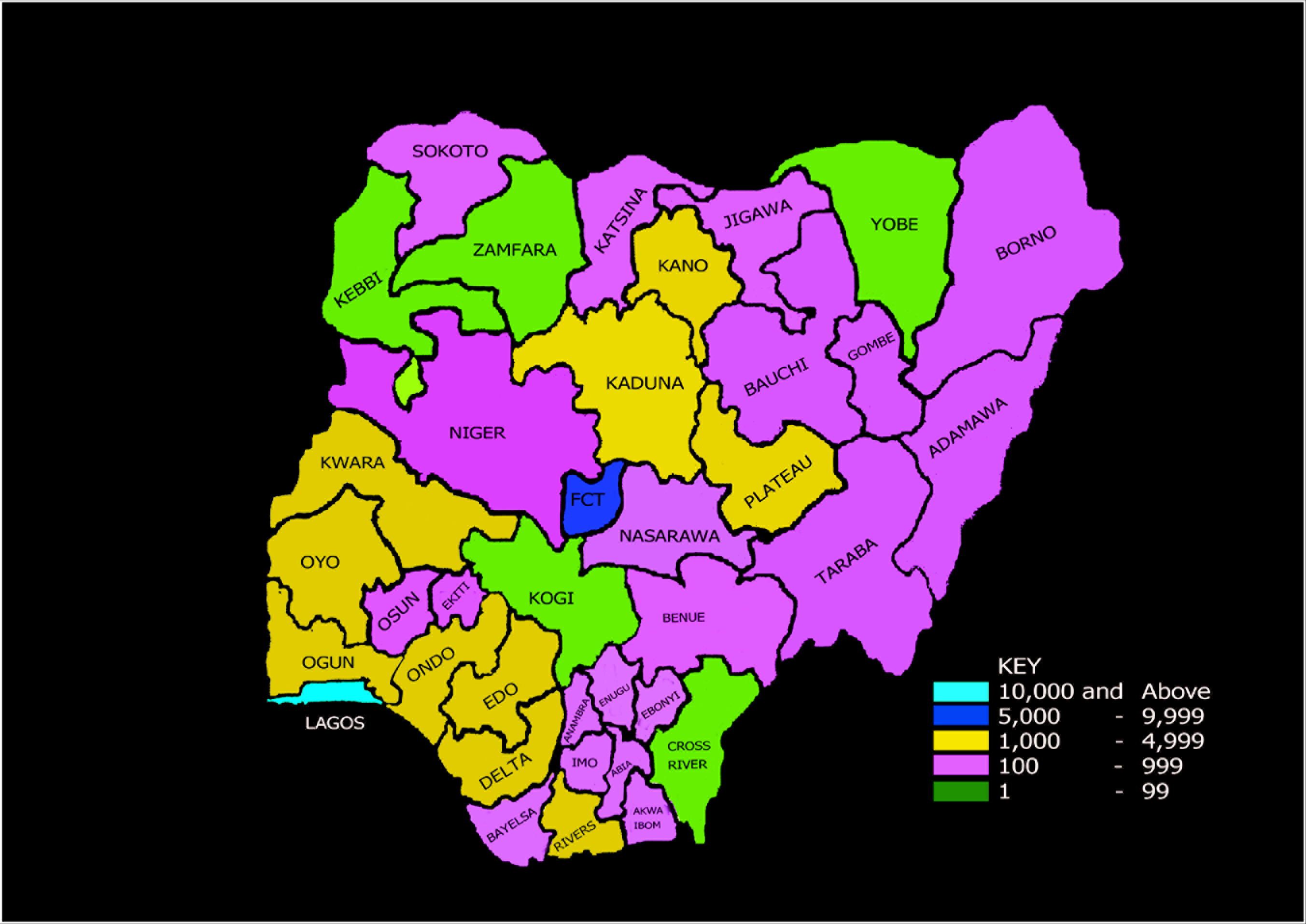
By September 6, 2020, Nigeria recorded 54,743 COVID-19 cases. Out of these, 42,816 were successfully treated and discharged, 10,876 were still on admission, while 1,051 died (NCDC, 2020). Figure 2 presents the distribution of COVID-19 cases across the 36 states of the Federal Republic of Nigeria and Abuja, the Federal Capital Territory by the end of November, 2020. Lagos was the epicenter of the disease in the country with 18,255 confirmed cases by September 6, 2020. By the end of September 2020, the national lockdown was substantially relaxed, and normalcy returned across several sectors of the economy. However, experts and authorities constantly urged people to take personal responsibility and operate within safety limits, based on stipulated guidelines and protocols for containing the disease. Social distancing, regular hand washing, wearing of face masks, and avoidance of crowded gatherings were highly recommended among other stipulated protocols that made life in the new normal unique and heightened health consciousness among citizens.
Moving with the Trend: The Adoption of Digital Life as a Basic COVID-19 Coping Strategy in Nigeria
Digital life discussed in this section was a brainchild of necessity occasioned by the consequences of COVID-19 on people’s public and private lives in Nigeria. Though abrupt and impromptu, the restriction on movement and emphasis on social distancing to mitigate the spread of the virus saw the country suddenly adopting digital life as a last resort. It is worthy to emphasize here that digital life was adopted worldwide as a mitigation strategy to keep the spread of the pandemic at bay and at the same time yield to the basic necessities of life. What led to variations in the degree of efficiency across countries and regions of the world is the age-long digital divide question, that is, the level of technological advancement and sophistication of individual nations, the structures on ground that would facilitate a robust and productive digital life, and the orientation of individuals and institutions in each country toward an ICT-driven life. This section appraises the adoption of digital life in Nigeria as experienced in the following sectors:
The Political and Administrative Scenes
With the declaration of lockdown in Nigeria, full administrative activities migrated to the Internet, except where it was absolutely necessary for physical meetings, which were usually held in strict compliance with the World Health Organization (WHO)/NCDC safety protocols for the pandemic. For instance, most of the activities at the Presidential Villa were carried out through online interactions throughout the period of the lockdown (Iroanusi, 2020a). During this period, the PTF on COVID-19 held daily briefings that were widely broadcast on national TV stations across the country to keep citizens abreast with latest developments about the virus. On May 13, 2020, President Muhammadu Buhari presided over the first virtual National Executive Council meeting (see Fig 3 in the following page) (Premium Times, 2020a). Other crucial administrative engagements with both domestic and foreign audience were done via virtual meetings. Indeed, the period of the national lockdown was eventful politically, necessitating substantial incorporation of digital or e-governance across the country. The federal government and its arms, as well as state governments, engaged with national and international agencies, virtually in search for support and collaborations in the fight against the pandemic.
This was heightened by the fact that COVID-19 dealt the Nigerian political class a deadly blow, with many of its victims within the corridors of power in the country. For instance, Onyeji and Kabir (2020) report that from March to August 2020, the following prominent personalities at the helm of affairs in the country died as a result of complications from the virus: Mallam Abba Kyari (Chief of Staff to President Muhammadu Buhari), Senator Abiola Ajimobi (former governor of Oyo state), Mr. Suleiman Achimugu (former Managing Director of an agency under the Nigerian National Petroleum Corporation), Mr. Bayo Osinowo (serving Senator representing Lagos East Senatorial District), and Mr.Wahab Adegbenro, (Ondo State commissioner of health) among other personalities within the circles of power.
Similarly, within the same period, the following top political actors in the country tested positive to the virus: Mr. Geoffrey Onyeama (Foreign Affairs Minister), Governor Nasir El-Rufai of Kaduna State, Governor Bala Mohammed Abdukadir of Bauchi State, Governor Seyi Makinde of Oyo State, Governor Okezie Ikpeazu of Abia State, Governor Kayode Fayemi of Ekiti State, Governor Rotimi Akeredolu of Ondo State, Governor David Umahi of Ebonyi State, and Governor Ifeanyi Okowa of Delta State among other top government officials such as members of the national and state houses of assembly, first ladies, ministers, state commissioners, and heads of agencies and institutions (see Kabir, 2020; Premium Times, 2020b; Olufemi, 2020; Eze, 2020a; 2020b; Umar, 2020; Sadiq, 2020). With this toll on the political class, governance migrated to the virtual world. Most of the state governors and top government officials announced their positive statuses on their social media handles and used the same channels to link up with the masses, while they went into self-isolation as they battled with the virus.
The period of lockdown also witnessed other serious political events in the country that took place on the virtual world. For instance, during the period, the ruling political party—the All Progressives Congress (APC)—was enmeshed in a protracted internal leadership crisis that threatened its corporate existence as a party (Elechenu, 2020b; Iroanusi, 2020b). This crisis saw the party parading four national chairmen at a point— Mr. Victor Giadom, late Senator Abiola Ajimobi, Chief Hilliard Eta, and the suspended national chairman Comrade Adams Aliyu Oshiomole. To resolve the crisis, one of the controversial acting chairmen—Mr. Victor Giadom—convened a virtual National Executive Committee (NEC) meeting, which was attended by President Muhammadu Buhari and other leaders of the party loyal to Mr. Giadom’s faction. While President Buhari, Mr. Giadom, and other key participants participated at the Presidential Villa, state governors under the platform of the party and other stakeholders participated via teleconferencing facilities from their respective states and locations (Kwen, 2020). Mr. Giadom while announcing the meeting stated that: “in keeping strictly to the COVID-19 guidelines, the postponed NEC shall hold by virtual means. The codes would be sent by text to the phone numbers of all NEC members” (Olaniyi, 2020, para. 4 and 5). The virtual NEC was successful, and it eventually put an end to the protracted crisis, thereby saving the party from disintegration.
Other political activities such as local government elections, party primary elections for upcoming gubernatorial elections in some states of the federation, political campaigns, and rallies also took place online during this period. All these indicate that online platforms were vital facilitators of Nigeria’s political and administrative activities during the period of the lockdown. This, however, was characterized by a plethora of challenges and issues as discussed in the previous section. Thus, the scope of these online interactions was chiefly elitist and did not encompass the generality of the masses who were trapped in the lower layer of the country’s conspicuous digital divide.
The Economic Sector
The business world in Nigeria embraced ICTs long before the outbreak of COVID-19 (Folayan & Obun-Andy, 2020; Roztocki et al., 2019). This is not unconnected to the tremendous benefits, which they offer toward enhancing transactions, promotions, and advertisements of business ventures. The saturation of online shopping stores in Nigeria in recent years lends credence to this. Folayan and Obun-Andy (2020, p. 86) note that: “the country’s e-commerce space is growing as companies such as Yudala, Jumia, Konga and Jiji to mention just a few, are online malls recording huge patronage by online customers.” Buying and selling take place in Nigeria substantially on the virtual world. Today, people buy goods online and get them delivered to them at their doorsteps. Services such as visa and flight tickets, train tickets, hotel reservations, etc., are booked online with great efficiency. Several companies and organizations in the country have online outfits that offer the same services to online customers the same way they do to offline customers.

The outbreak of COVID-19 accelerated this trend. During the period of the lockdown, many ventures migrated completely to e-marketing platforms. The social media world was agog with advertisements of all sorts—consumables, cosmetics, automobiles, electronic gadgets, fabrics, airtime and Internet services, subscriptions, etc., from suppliers competing for customers on the online space. An average social media user was simply bombarded with advertisements on a wide array of products and services. How effective this strategy was to business ventures that were, hitherto, basically offline, is a different issue altogether. One thing that cannot be contested is the fact that suppliers and consumers were in touch despite the lockdown. One question again that is pertinent to pose is whether this online obsession will continue after the lockdown. As we have discussed in the previous sections, several obstacles inhibited this trend, with the capacity of limiting the magnitude of impact on the business community in the country.
The Educational Sector
Education is one of the sectors that quickly embraced virtual interactions as an alternative in the wake of the pandemic. The reason for this quick courtship is not far-fetched. Even before the outbreak of COVID-19, the process of sharing and acquiring knowledge was carried out substantially online; hence, it is not a surprise that several universities across the globe migrated completely to online mode when it became expedient. Several universities that were not able to round up their semesters or academic sessions before the lockdown considered moving to online mode as an interim measure (BBC, 2020). There were serious issues with the process though, as experts argue that virtual interactions cannot effectively substitute face-to-face method of teaching and learning.
Although e-learning presented a convenient alternative in the developed world, the Nigerian case was entirely a different one. As we shall highlight shortly in the following section, structural issues such as gross technological deficits, gross infrastructural decay in the country’s educational institutions, the age-long digital divide question, endemic poverty, and gender and structural inequality constitute serious stumbling blocks in this regard (Hussain, 2020; Adeoye et al., 2020; Adedigba, 2020). Under these circumstances, e-learning was not an option in Nigeria. Moreover, certain immediate causes halted the move toward e-learning in the country. First, the Academic Staff Union of Universities (ASUU)—a trade union of teaching staff in government-owned universities in Nigeria—had embarked on an indefinite strike prior to the lockdown to press home their age-long demands. These demands included, among others, increased funding for the revitalization of public universities in the country, improvement in staff welfare and payment of earned academic allowances, and pension and gratuity of members. Another demand of the union that complicated the crisis was their stiff resistance to the federal government’s acclaimed accountability payment platform—the Integrated Personnel and Payroll Information System (IPPIS)—which the union viewed as government’s tactic to rub the university system of its cherished autonomy (Aluko, 2020). The consequence of the protracted strike action saw academic activities in public universities closed down for over 8 months in the country even after the lockdown was relaxed. Thus, government-owned universities were not favorably predisposed to the idea of e-learning, as the union of academic staff maintained that that even after the lockdown, their demands must be met before public universities in the countries reopened (Kabir, 2020).
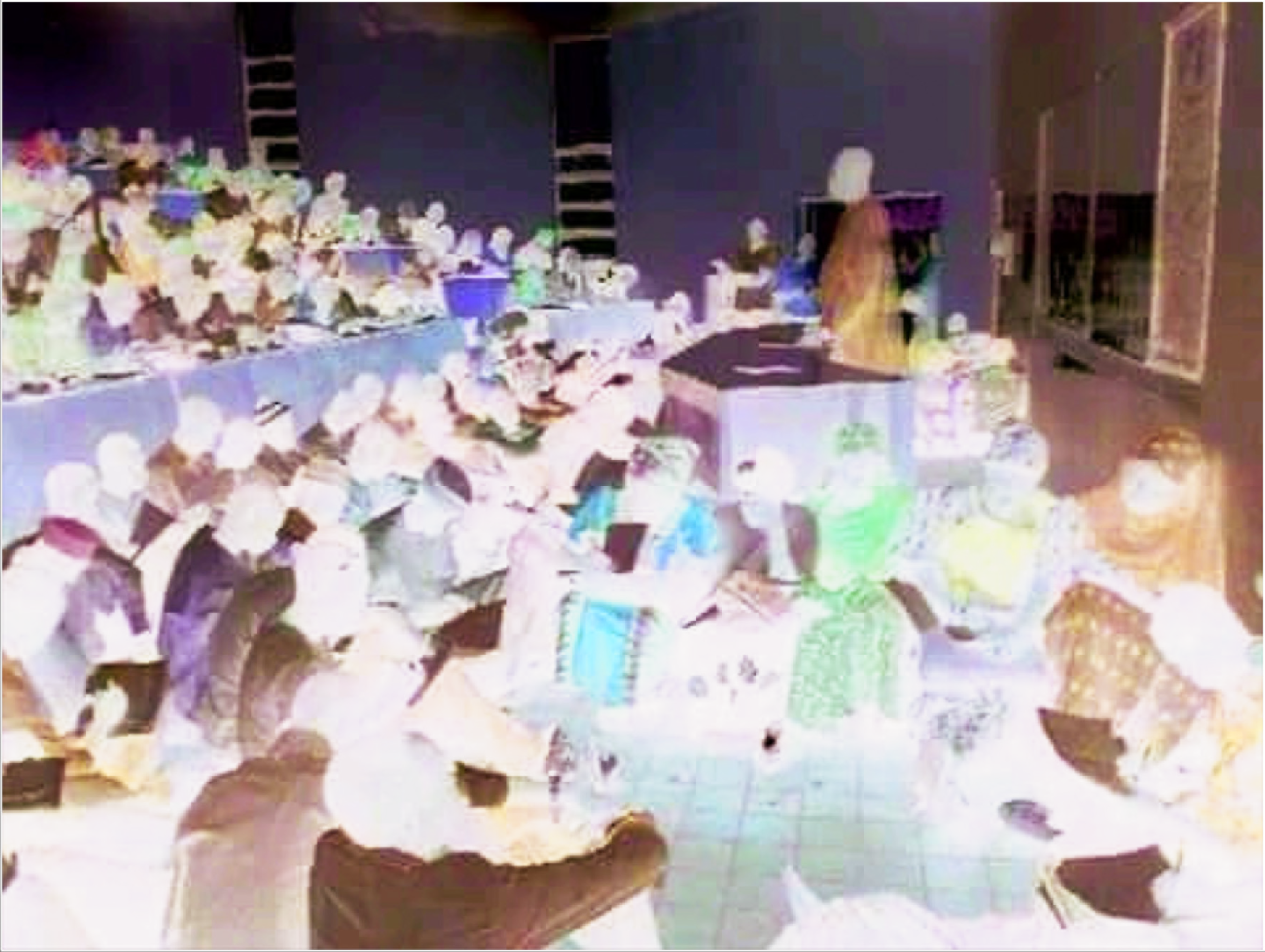
Figures 4 and 5 are typical classroom settings in Nigerian public schools. These depict the reality of classroom settings in many public schools that are usually overcrowded and lack the basic enhancements such as audiovisual devices and other electronic gadgets that could facilitate the process of effective teaching and learning.

Notwithstanding these, much was achieved in the process of sharing and acquiring knowledge in Nigeria through the virtual means. A highlight of some key developments is given here to add to the broader picture of the digital life in Nigeria during the lockdown. During this period, many private universities (and public universities that are not affiliated to ASUU) maintained contact with their students via the Internet even though the scope of the interaction was limited. Other tertiary institutions in the country like polytechnics and colleges that were better predisposed also made frantic efforts to enhance online interactions between staff and students, as well as the enrichment of Internet resources that students could access even at home. Activities like research supervision were carried out between candidates and supervisors online. Some universities and higher institutions held virtual matriculation ceremonies during this period in line with laid down COVID-19 protocols. Examples of such universities include Osun State University and Chrisland University (see Raheem, 2020).
Similarly, activities that prior to the pandemic and consequent lockdown required physical presence of candidates such as the post-UTME screening and aptitude test (Unified Tertiary Matriculation Examination is the common tertiary institutions’ entrance examination in Nigeria at the moment) which used to hold at the premises of individual tertiary institutions to screen eligible and qualified applicants took place online in several universities across the country during the period of the national lockdown. Other essential services that usually demanded physical presence of candidates like the payment for and processing of academic transcripts were also conveniently carried out online across tertiary institutions in the country.
One aspect of education that benefited tremendously from the opportunities of the virtual community was the organization of academic conferences, workshops, and meetings. With the ban on crowded gatherings, these revered academic practices shifted to online mode where scholars in the country engaged actively among themselves and with colleagues across the globe to brainstorm and share knowledge and experience on a wide array of issues. Zoom meetings and webinars became the in-thing, with scholars actively participating from the comforts of their rooms and offices. Although this did not truly represent or replace the conventional method of hosting conferences and academic meetings (based on our experiences as active participants), it provided, in the interim, a viable alternative, that scholars and, indeed, the academic community adopted as the pandemic raged on.
Similarly, research activities significantly migrated to online mode. The new normal birthed a situation where researchers considered research methods that yielded valid data without having to meet with respondents physically. Adom et al. (2020) enumerate some of these research methods to include telephone interviews, video conferencing interviews, text-based/instant messaging interviews, electronic survey, and the drive toward exploring the possibility of optimizing and utilizing secondary data for research. All these strategies and, indeed, many more were employed to conduct research by academics in the country.
Another trend which is worthy of acknowledgement here is the adoption of mass-mediated learning to keep students and pupils at the elementary levels of education in the country abreast with educational materials during the lockdown. The federal and state governments came up with the initiative termed “school-on-ear” to broadcast educational contents that shared semblance with classroom settings to viewing and listening students at home. Nongovernmental organizations also cashed into this initiative and ensured that the damage of COVID-19 on the educational pursuit of children in the country was mitigated. This initiative was, however, constrained by the same challenges mentioned earlier, especially in rural communities where the capacity to receive television messages was low. Other constraints included gender barriers and the natural plights and vulnerabilities of people living with disabilities, as well as those in IDP camps (Nigerian Education in Emergency Working Group, 2020).
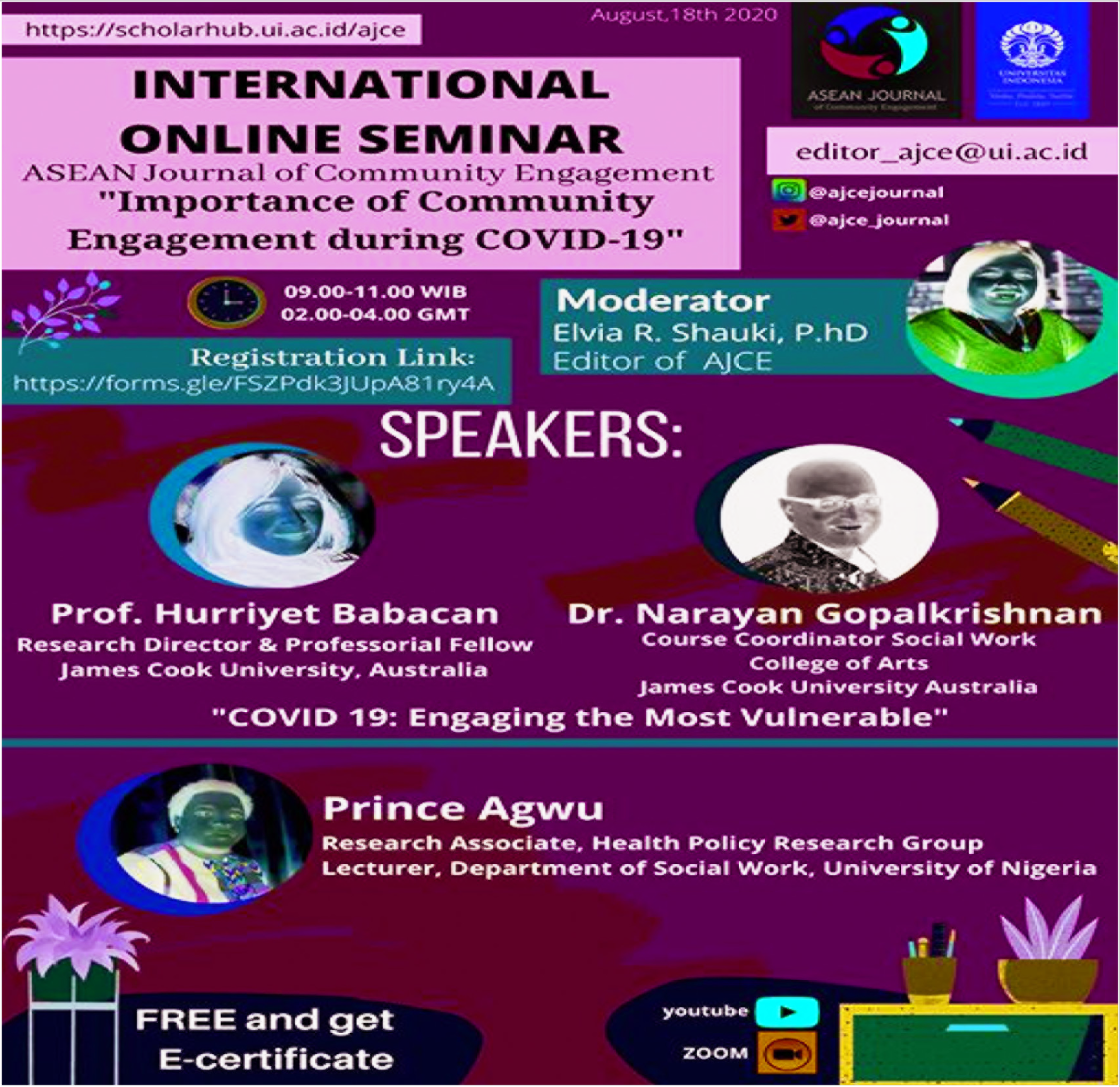
Figures 6 and 7 are samples of e-seminar/workshop fliers that took place on zoom during the lockdown. These were common practice, with an average lecturer participating in at least one virtual national or international academic conference, webinar, or workshop in the course of the lockdown.

Religious Practices and Digital Life in Nigeria
The period of lockdown in Nigeria saw religious activities migrating to the e-world. Incidentally, the period coincided with a series of events lined up across faiths and religious denominations in the country. The 2020 Easter celebration and all activities leading to it held in low key and basically online. E-worship was, indeed, a global trend, following the closure of churches in Italy, one of the worst-hit countries by the pandemic in its early days (Diseko, 2020), and later in Britain and other European countries. Sulkowski and Ignatowski (2020, p. 7), for instance, confirm in their research on the organization of religious behavior in different Christian denominations in Poland that:
All Churches, from Catholic and Orthodox to Churches after the Reformation, use modern technologies in this regard. They have the ability to broadcast their services on public television and on the radio. Regardless, they use social media, such as YouTube or Facebook…One Methodist minister pointed out that ‘his parish had set up an official website devoted to coronavirus’… All the clergy emphasized that sermons, catechetical materials, and services were regularly posted on the official websites of their parishes. According to the first pastor of the Adventist congregation, ‘all services have been moved to the Internet… the faithful meet online.
This trend was wholly embraced by Churches in Nigeria. Televangelism (as it is often referred to in Nigerian parlance) dates back to the pre-COVID-19 era. Already, several churches in the country have their media outfits cutting across conventional and social media. Typical examples include the Catholic Television, Emmanuel TV of the Synagogue Church of All Nations, Dunamis TV, and many other gospel television stations in the country. Many clergy have long embraced the practice of e-preaching and utilize all the media options at their disposal—print, electronic, and the new media—to reach out to their followers across the globe. Classical examples include Prophet T. B. Joshua, Pastor W. F. Kumuyi, Pastor David Oyedepo, Pastor Enoch Adeboye, Pastor Paul Enenche, Apostle Johnson Suleiman, and Pastor Chris Oyakhilome among a litany of other household names.
Thus, it took Nigerian clergy no time at all to key into the practice of digital evangelism during the period of the lockdown. Afolaranmi (2020) reveals some of the strategies that clergy in the country adopted to keep in touch with their subjects during the lockdown to include the use of social media platforms such as Facebook/live streaming, Twitter handles, WhatsApp groups, use of telephone, Zoom, YouTube, Text Messaging Service (SMS), online Sunday services, email, teleconference facilities, the use of broadcast media (radio and television), print media avenues—books, pamphlets and leaflets—online radio, webinars, and video and audio recordings among a host of other practices. The application of these, however, depended largely on many variables such as familiarity with ICTs by clergy and their congregations, availability of some of the facilities, financial strength of churches, geographical factors, and the operational mode or uniqueness of churches and denominations. The study recommends that:
Pastors should embrace the use of the Internet and other technological tools in their pastoral ministry. While the traditional physical means of pastoral ministry should be continued as much as possible, pastors should be thinking of how to make Internet ministry not only an alternative ministry, but also as supplementary to the traditional ways of pastoral ministry. (Afolaranmi, 2020, p. 169)
The situation in the Nigerian Islamic world was not different either. The initial period of the national response to the pandemic coincided with the year’s Holy month of Ramadan. Key events of the month like Tafsir—the Islamic tradition of Quarinic recitation, meditation, and reflection during the Holy month—which usually attract crowds gathered in one place were performed on the broadcast media and other online channels such as social media, live streaming, YouTube and Zoom. Islamic TV stations in the country—like Ibadah TV—and paid airtime on national and local television and radio stations were utilized to broadcast the Tafsir to receiving audience at home without physical gatherings in Mosques. These virtual platforms helped to ensure religious consciousness of people in the country during the lockdown even though the scope was highly limited and marred by the structural and socioeconomic barriers discussed in the earlier sections of the study. Thus, it is at the moment unclear whether this heightened digital consciousness would remain with the Nigerian clergy even in the post-COVID-19 era.
Tourism, Entertainment, and Socialization
The negative effect of COVID-19 was early on greatly felt in the tourism industry. The lockdown took its toll adversely on the industry, leading to abrupt cancellations of flights, hotel bookings, and venues/event centers’ bookings (see Oruonye & Ahmed, 2020). Tourism and entertainment are important sources of revenue in Nigeria, with Nollywood and the music industry engaged in massive production of cultural products such as films, comedy kits, music and reality shows, etc., that are widely consumed across the country and massively exported to foreign audience in neighboring African countries. The abrupt lockdown crashed the industry’s investments in no small measure. Tourism activities and entertainment migrated to the virtual world entirely, thanks to the earlier marriage between the art and ICTs. Live streaming of performances, comedy kits (short comedy clips that are produced and posted online or broadcast to the audience via the electronic media), and music clips saturated the Internet while the lockdown lasted. Producers courted virtual means as the major arena for disseminating their outputs.
Perhaps, one of the most significant events in the entertainment industry that took center stage on the virtual world is the 2020 edition of the famous reality show—the Big Brother Naija (BBNija). As one would expect, all the processes leading to the show like audition and screening of participants took place online. Augoye (2020, para. 5) reports that: “over 30,000 Nigerians participated in the online auditions. According to MultiChoice Nigeria (organizers of the show), this was the highest number of auditions they ever received in the history of the show.” The eventual decision to flag-off the show was made known via a virtual press conference. All these developments portray the strong courtship between tourism and entertainment in the country and ICTs. Indeed, the tourism industry leveraged on the avenues of the virtual community significantly in putting up with the devastating effects of the pandemic.
Socialization was not left out. In the course of the lockdown, social lives of individuals were lived online! People maintained contact with one another via the various online platforms. Social networking was at its best. Most of the activities that used to take place through physical gatherings prior to the pandemic such as family meetings, cooperative societies’ meetings, wedding committee of friends’ meetings, and funeral meetings, among others, which formed part and parcel of life and communal existence within the Nigerian society, migrated to the virtual world. Meetings on these fronts were held, and fruitful deliberations were made, with decisions taken online, backed by action in real life. GSM network providers weighed in to assist individuals effectively live their social life online with incentives like bonus data. Popular service providers like MTN and Airtel gave each user up to 10 daily free SMSs (text messages) for about two months during the lockdown to enhance their digital lives. Thus, within a very short period of time, individuals shifted their routine daily interactions to online mode to maintain contact with one another within the safety protocols and stipulated guidelines for curbing the spread of the disease.
Concluding Remarks
The foregoing discussion demonstrates how the Nigerian society adopted digital life as a coping strategy in the public and private spheres during the COVID-19 national lockdown. It has established that like every other society, the Nigerian society adopted digital life as an alternative to keep afloat in the course of the lockdown. This development, however, was very sudden, least anticipated and, hence, encountered severe structural, systemic, environmental, and socioeconomic constraints that reduced its overall impact on the socioeconomic well-being of individuals and the country at large. Like technological determinists would argue, the drive toward digital life in the country during this period was not backed by the readiness of the society to do the same, and hence, fall short of the capacity to deliver the desired social and economic change. To make digitization truly workable in the country, moving forward, it is expedient to put in place the necessary structures that would facilitate it. This requires a holistic approach toward addressing germane issues that retard robust socioeconomic development in the country such as accelerating infrastructural development from the grassroots, flattening the inequality curve in the country, improvements in electricity supply, frantic effort to reduce the endemic poverty, strengthening cybersecurity and digital safety, and investment in the telecommunication industry to enable it to serve the needs of the Nigerian society optimally. This will go a long way to provide an enabling environment for a more productive digital life, with rippling effects on other sectors of the economy.
Footnotes
Declaration of conflicting interests
The authors declared no potential conflicts of interest with respect to the research, authorship, and/or publication of this article.
Funding
The authors received no financial support for the research, authorship, and/or publication of this article.