




Abstract
Building on the definition of steamers (a tasty hot milk-infused drink), we defined STEAMMERS as “a blend of diverse talents, going beyond domain-specific to domain-integrated abilities. Like steamers, they have a rich and colorful ‘flavor’!” They are passionate about solving problems they and others face by honoring and blending diverse perspectives and disciplines. Gifted children and young people have the potential to become STEAMMERS, making outstanding contributions to themselves, their communities, and their world. The underlying principle is to design learning experiences beyond traditional conceptions of STEM, STEAM, and other similar combinations of disciplines in ways that uncover, ignite, cultivate, and extend these potentials. Using Real Engagement in Active Problem Solving (REAPS), an evidence-based teaching model, enables educators to recognize, cultivate, and extend the talents of the STEAMMERS we need for our future. Here, we present our new concept, describe practices, and give evidence showing how it accomplishes these purposes.
Keywords
Introduction
In the past, the conventional areas of Science, Technology, Engineering, and Math (STEM) were considered important because of the need for countries to maintain their status and compete in the global market place. However, in the context of the 21st Century, going beyond these conventional areas has been recognized as essential, as researchers and educators have added the arts (STEAM) because of its importance in both expressing and creating solutions to STEM problems. Other letters have been added to emphasize needed talents or domains of ability. We propose an approach that goes beyond previous efforts. Gifted children and young people have the greatest potential of all children and youth to make outstanding contributions to themselves, their communities, and their world, and to become STEAMMERS: Students with Scientific/naturalistic abilities, Transformational/ethical abilities, Eloquent/linguistic abilities, Artistic/expressive abilities, Mathematical/symbolic abilities, Mechanical/technical abilities, Emotional/intrapersonal abilities, Relational/integrative abilities, and Social/interpersonal abilities. STEAMMERS are a blend of diverse talents, going far beyond what is normally expected in definitions of domains of ability. They are passionate about integrating their talents to create the most effective, efficient, economical, ethical, or elegant ways to solve the problems they and others face by honoring and integrating diverse perspectives and disciplines. Like steamers (a tasty hot milk-infused drink), they have a rich and colorful “flavor”. STEAMMERS can change the world to make it a better place for all people and beings!
For more than 30 years, with funding from national agencies such as the Javits Gifted and Talented Education Program, the National Science foundation, and the Navajo Nation; and international agencies in other countries such as the Teacher-led Innovation Fund in New Zealand and the Ministry of Education in the UAE, the Discovering Intellectual Strengths and Capabilities while Observing Varied Ethnic Responses (DISCOVER) research teams have been field testing and implementing innovative approaches to services for gifted and talented students: (a) performance-based assessments of creative problem solving in varied domains and (b) a curriculum model designed to develop and extend the talents identified as well as to ignite talents not previously noticed. Both components have the same framework, which is described in depth in many publications. Essentially, the framework is an integration of constructs of creativity and intelligence, characterizing exceptional talent as consisting of three components: (a) ability and willingness to solve the most complex problems, (b) ability and willingness to solve a variety of types of problems, and (c) a rich, associative network of knowledge essential for creativity (Maker, 2021). Our team has worked with administrators, teachers, graduate students, and researchers at all levels of education and in many countries, including Australia, Bahrain, Canada, Chile, China, France, Hong Kong, Korea, Mexico, New Zealand, Taiwan, Thailand, UK, and the UAE; and with diverse cultural groups in the USA, especially American Indian and Hispanic. We have translated, adapted, refined, and collected data on the characteristics of creative problem solvers in different domains and have field tested, refined, and collected data on the effectiveness of the Real Engagement in Active Problem Solving (REAPS) teaching model. We have published articles and chapters about our work. In this article, we present an evidence-based analysis of our new concept and describe practices and research that support use of this conception in education of gifted and talented students regardless of the methods used to identify them. Educators can recognize, cultivate, and extend the talents of the STEAMMERS we need for our future.
Defining STEAMMERS
In much of our previous writing, we have emphasized diverse talents and domains in the Prism of Learning model (Maker, 2021), describing the talent domains and ways talents or strengths can be recognized in each area. This information is valuable for parents, caregivers, teachers, and other educators to enable them to recognize talents and design ways to cultivate them (Pease et al., 2020). In this article, however, we propose that a higher level of talent development is domain-integrated rather than domain-specific. Ours is a “fuzzy” concept (Sak, 2021) due to its interactive nature. Creativity researchers (c.f., Amabile, 2013) have found that creativity results from domain-specific knowledge and skills combined with creativity-relevant (domain-general) skills/abilities, and motivation; and in the field of education of the gifted, some have suggested that the goal of education of the gifted should be eminence in a domain (c.f., Subotnik et al., 2011). Our emphasis is on the ways different talents and potentials are integrated: “The whole is greater than the sum of its parts!” Domain-specific knowledge and skills from several disciplines are integrated and combined with creativity-relevant skills/abilities and passion.
Relational/integrative ability, like Transformational/ethical ability, is an over-arching talent. Relational/integrative talent is the ability and willingness to integrate abilities and disciplines, using them together in ways that enhance an individual’s message or solution to a problem. One important aspect is to use spatial ability in combination with other talents. We have defined spatial ability broadly as perceiving the visual world, both natural (e.g., patterns in leaves and flowers) and technical (e.g., designs of buildings, furniture, parts of machines) accurately, making transformations, and re-creating aspects of one’s visual experience even when the physical stimulus is not there (Maker, 2020a). These aspects of spatial ability are similar to the core capacities listed by Gardner (1983). Spatial ability is important to STEM because individuals who have this ability are “capable of moving engineering and physical science disciplines forward” (Wai et al., 2009, p. 817). Spatial abilities also are essential in life sciences, math, and other domains, especially when integrated into an overall approach to solving a problem or producing a product.
Another example of Relational/integrative talent is to combine Artistic/expressive ability such as auditory with Eloquent/linguistic in creating songs and other music. This blending enhances the message and often is a way to reach audiences that would not read or appreciate a scientific article. Designing products such as machines and computer/phone applications using Mechanical/technical ability combined with visual arts is an obvious way to enhance the appeal of a product.
Some of the talent areas are re-defined in ways that go beyond the basic abilities in the domains. For instance, we have combined linguistic (a talent area in the original model) with Eloquent to emphasize that gifted and talented students need to speak and write in ways that are fluent, persuasive, expressive, and clear. Another aspect not included in the usual definition of linguistic is integration of concepts from different languages and cultures to increase depth and understanding of these ideas.
In the section following, we have defined each of the abilities and listed some characteristics associated with each capacity. All of the characteristics listed have been observed in students identified as gifted during research on the DISCOVER performance-based assessments. Because many of the characteristics have been identified in more than one study and at several developmental levels, we do not list references separately for each trait. Results of research to support the characteristics listed are reported in several articles and publications (c. f., Alfaiz et al., 2020; Bahar & Maker, 2020; Lori, 1998; Maker, 1993; 1996; Maker et al., 1996; Maker, 2005; Maker et al., 2019; Maker, 2020a; Maker, 2020b; Maker & Zimmerman, 2020; Nielson, 1994; Sarouphim, 2009; Sarouphim & Maker, 2010; Tan & Maker, 2020; Zimmerman et al., 2020). Descriptions of characteristics also are included in other publications (Maker, 2021; Maker et al., 1994; Pease et al., 2020; Rogers, 1998).
Scientific/naturalistic
Ability is a focus on life sciences: understanding natural phenomena, with an emphasis on interconnectedness with their environments, such as animals and plants, living and non-living things, and the impacts of changes in the earth and atmosphere. These sample traits characterize the highest levels of talent: • Connects living and non-living things to environments where they can be found; • Notices many different characteristics and details about plants (e.g., leaf patterns, stems, types of flower petals, components of flowers), animals (e.g., type of fur, sizes of different body parts, eyes), and insects (e.g., number of legs, antenna, number and types of eyes); • Makes and names groups of plants, animals, and/or insects based on similarities, both physical parts and other traits such as function, method of movement, or way of protecting themselves; • Creates diagrams, descriptions, or models of ecosystems that include important elements such as food chains, cycles, interactions, and/or dependencies.
Transformational/ethical
Ability is similar to the transformational type of giftedness Sternberg (2020) describes. Individuals with transformational giftedness are focused on making their world a better place through their consideration of intrapersonal, interpersonal, and extrapersonal perspectives and interests, and they base their decisions on positive ethical values. They have the wisdom to decide which criteria for choosing solutions are most appropriate: effective, efficient, economical, ethical, and/or elegant. These sample traits characterize the highest levels of talent: • Talks about fairness, honesty, kindness, sharing, and other positive values; • Refers to other moral principles such as being positive, caring for the environment, honoring others’ perspectives, and acting in ways consistent with these principles; • Increases in motivation or enjoyment as problems increase in open-endedness; • Exhibits “problem-finding” abilities.
Eloquent/linguistic
Ability is using words in ways that are fluent, persuasive, expressive, and clear. It includes the ability and willingness to delve more deeply into the meanings of words and concepts in different cultures and languages, and use this understanding to enhance communication in diverse contexts. These sample traits characterize the highest levels of talent: • Uses colorful or unusual adjectives and adverbs; • Uses more than one language; • Creates visual images and emotional responses in readers and listeners; • Uses analogies, metaphors, and concepts from different languages to clarify ideas or add interest; • Invents and plays with words.
Artistic/expressive
Abilities are those usually included in the arts, such as production and use of sounds in music, poetry, and other situations; use of the body in areas such as sports, drama, and speaking; and expression of meaning and emotion through images and colors as in the visual arts. These sample traits characterize the highest levels of Artistic/expressive talent in auditory (including musical), bodily, and visual abilities: • Tells stories or creates images for listeners using auditory media; • Expresses emotions and ideas through facial expressions, gestures, and body movements; • Creates visual products that are symmetrical or asymmetrical with attention to detail and design; • Expresses ideas through drawings, illustrations, and symbols.
Mathematical/symbolic
Abilities include those usually associated with mathematics, such as use of numbers and symbols that represent abstract ideas. It also includes understanding of the varied use of symbols such as Chinese language characters that are not connected to sounds as in English and similar languages. These sample traits characterize the highest levels of talent:
• Notices and uses attributes such as color, shape, size, thickness, straight/curved, corners/no corners, number of corners; • Recognizes and creates patterns and symbols; • Uses logical strategies to solve problems; • Uses mathematical concepts such as time, distance, speed, proportion, patterns and other attributes in products.
Mechanical/technical
Abilities are those usually associated with the E in STEM, engineering. They include both an understanding of physical science concepts such as energy transfer, force, and motion, as well as an understanding and facility in creation and use of technology. Abilities also include understanding of the ways mechanical and technical constructions and products interact with the natural world as in building structures and designing technology to fit people’s needs. These sample traits characterize the highest levels of talent: • Uses the principle of energy transfer to construct gears and other mechanical devices; • Integrates motorized gears and remote energy sources with stationary construction pieces; • Creates a unique functioning machine with construction pieces without being given ideas or a picture.
Emotional/intrapersonal
Abilities are those needed to understand oneself, including knowing what triggers certain emotions, how to recognize and manage them, and how to use them in ways that benefit rather than harming themselves and others. These sample traits characterize the highest levels of talent: • Identifies own emotions related to events and pictures; • Identifies reasons and behavior that are consistent with the emotion(s) identified; • Demonstrates effective management of emotion(s) through actions described.
Relational/integrative
Abilities are over-arching competencies in which the emphasis is on seeing and integrating connections among ideas, people, cultures, natural phenomena and man-made structures/products, methods such as qualitative and quantitative, and varied academic disciplines. Forging relationships among the abilities and using them in integrated ways are essential aspects of this ability. These sample traits characterize the highest levels of talent: • Has a knowledge structure, similar to experts, with elaborate, highly integrated frameworks of related concepts characterized by hierarchies (more inclusive to less inclusive), many appropriate connections, connections among concepts in different hierarchies, and many examples of concepts; • Combines auditory, bodily, and visual talents with others to enhance a message or idea; • Invents problem-solving strategies; • Constructs products that demonstrate connections among academic disciplines and talents.
Social/interpersonal
Abilities are important aspects of getting along with people, helping them to overcome differences, melding diverse cultural perspectives, valuing others, and creating solutions to problems in which the entire social context is considered: local, state, region, country, and world. These sample traits characterize the highest levels of talent: • Manages own and/or group disappointment effectively; • Shows kindness to others; • Listens, responds, and gives help to others; • Makes positive comments and gives compliments to others; • Finds ways to ensure that everyone is involved and no one is left out; • Tries to resolve conflicts.
Real engagement in active problem solving
The REAPS teaching model was created as a way to integrate all the principles for talent development in content, processes, products, and learning environments described by Maker (1982) and extended with additional support from subsequent research in education of the gifted (Maker & Schiever, 2010). The overall purpose was to develop the three components of exceptional talent: ability and willingness to solve the most complex problems, ability and willingness to solve many types of problems, and the rich, associative network of knowledge needed for creativity (Maker, 2021). Four evidence-based models were combined to form the overall REAPS teaching approach. The research team conducted an analysis showing how all the REAPS components are connected to the talent development principles for content, processes, products, and learning environments (Maker et al., 2015). Each of these principles for talent development and research confirming the connection of REAPS to the principles are described in a qualitative study conducted over a six-year period by Maker and Pease (2021). In the following sections, the model will be described; how its components relate to the development of STEAMMERS is the focus.
The first evidence-based model, the Discovering Intellectual Strengths and Capabilities while Observing Varied Ethnic Responses (DISCOVER) curriculum framework, created in conjunction with the research related to the performance-based assessments and derived from the evidence-based principles for content, processes, products, and learning environments for talent development in Maker’s framework (Maker, 1982; Maker & Schiever, 2010), was the focus of research. Much of the research was conducted in classrooms in schools in low-income, culturally diverse areas in Arizona, New Mexico, and Kentucky, but also implemented in other settings. Research showed the curriculum model to be an effective method for developing abilities of students in classrooms of teachers who implemented it at a high level of fidelity: general creativity (Maker et al., 2006; Maker et al., 2008); creative problem solving in spatial, mathematical, and oral linguistic abilities (Maker et al., 1996); mathematical creativity and mathematical knowledge (Jo & Maker, 2011). In addition, more Hispanic students were identified as gifted in posttests of creative problem solving in spatial, math, and oral linguistic abilities in the classroom of a high-level implementer (Maker et al., 1996). Through these projects, a “gap” was identified: a need for a well-developed process to follow when solving problems. Thus, Thinking Actively in a Social Context (TASC) was added and implemented in the UK (Wallace et al., 2004) and Arizona (Maker & Pease, 2008), demonstrating that use of TASC was helpful for both teachers and students because of its clear, step-by-step process for solving problems creatively. When a scientist with experience using Problem Based Learning (PBL) in international contexts for the World Health Organization (WHO) joined the team, PBL was added to the model as a way to emphasize the real-world nature of problem solving and the importance of various stakeholders, and implemented in a program for professional development of teachers of science and math in Korea (Maker & Zimmerman, 2008). Korean teachers found the model to be effective in increasing students’ self-perceptions of their creativity (Jo & Ku, 2011). Finally, the Prism of Learning model (Maker & Anuruthwong, 2003) was added as a result of research in which the original talent domains defined by Gardner (1983) were modified and re-defined. Two talent areas not included by Gardner were added because of their importance in the 21st Century context: Mechanical/technical, and Moral/ethical/spiritual (Maker, 2021). These talents are recognized, cultivated, and extended during students’ participation in REAPS. During a five-year implementation and field test of the complete model in the USA, several studies showed use of the combined model developed greater understanding of the complexity and interrelationships of concepts and higher levels of thinking, measured by concept maps as pre and post-tests of science teaching units (Erdimez et al., 2017; Tan et al., 2017; Zimmerman et al., 2011).
All components of the model have problem solving as their focus. For example, DISCOVER provides a framework for identifying different types of problems, with the goal of solving the most complex problems, but also solving other types of problems within that focus; PBL provides an emphasis on solving real-world problems and solving them from the perspectives of varied stakeholders. TASC provides a step-by-step process for solving problems that alternates between “divergent-exploratory and convergent-integrative” processes, a sequence identified as effective in generating creative solutions (Lubart et al., 2013). The Prism of Learning gives guidance in identifying and cultivating varied talents and general abilities while solving problems students are passionate about solving. All of the models depend upon and develop important 21st Century Skills of creativity, cooperation, communication, and critical thinking. Figure 1 shows these interactions and the essential components of each model in a graphic way. Reaps model components and interactions.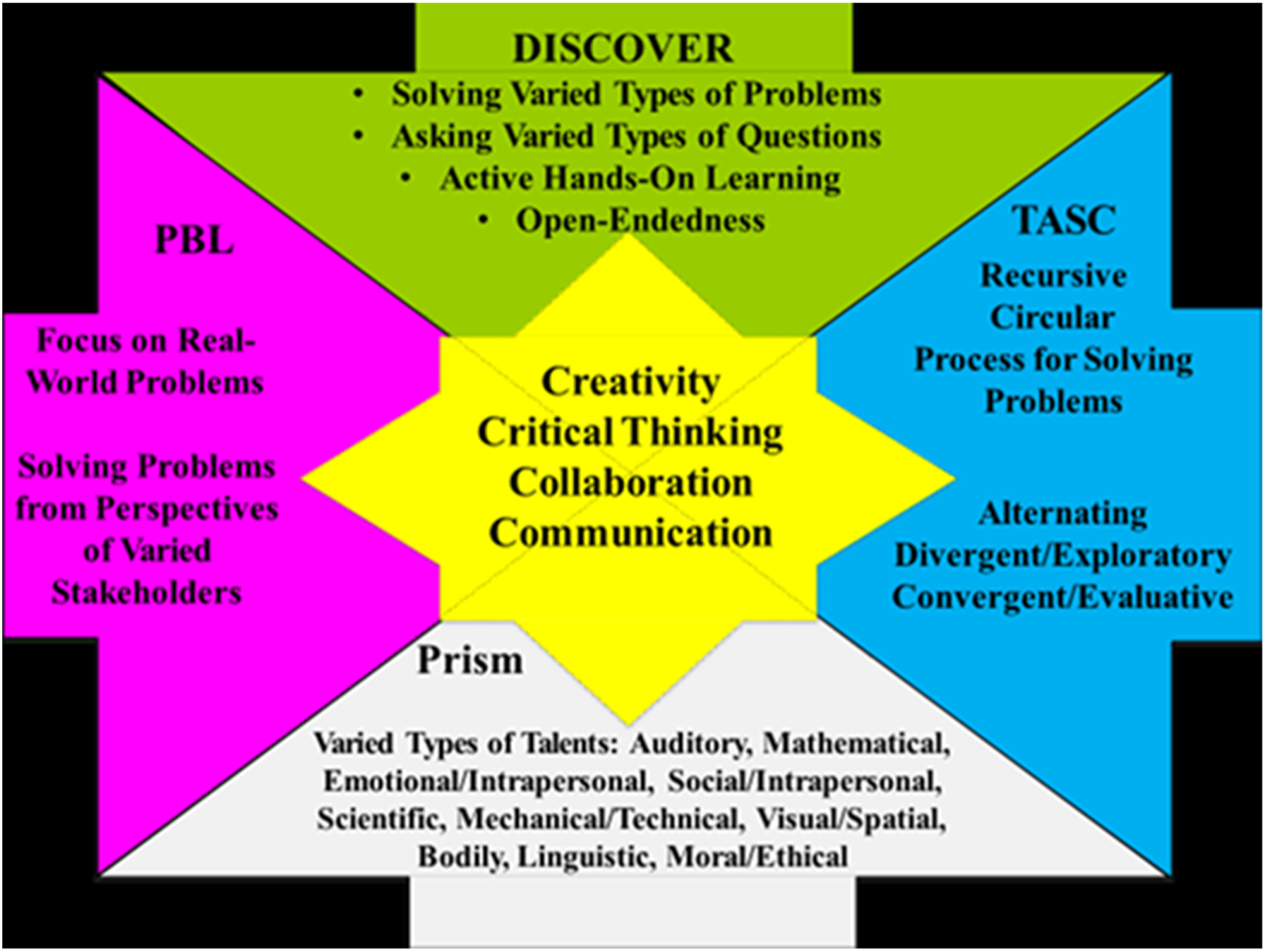
Research on real engagement in active problem solving to develop STEAMMERS
The complete version of the REAPS model, with its four evidence-based components, has been effective in developing STEAMMERS talent in several studies: • assessments of growth in students’ general creativity (Alhusaini, 2016), creative problem solving in science (Maker et al., 2022) and math (Bahar et al., 2021), and deep understanding of concepts and their interrelationships (Erdimez et al., 2017; Maker et al., 2021; Tan et al., 2017; Zimmerman et al., 2011); • observations of teachers as they implemented REAPS (Maker & Pease, 2021); • interviews and focus groups with students who participated in REAPS (Gomez-Arizaga et al., 2016; Riley et al., 2017; Webber et al., 2018; Wu et al., 2015); • interviews with teachers who implemented REAPS (Wu et al., 2021); • interviews and focus groups with teachers and community members (Riley et al., 2017; Webber et al., 2018).
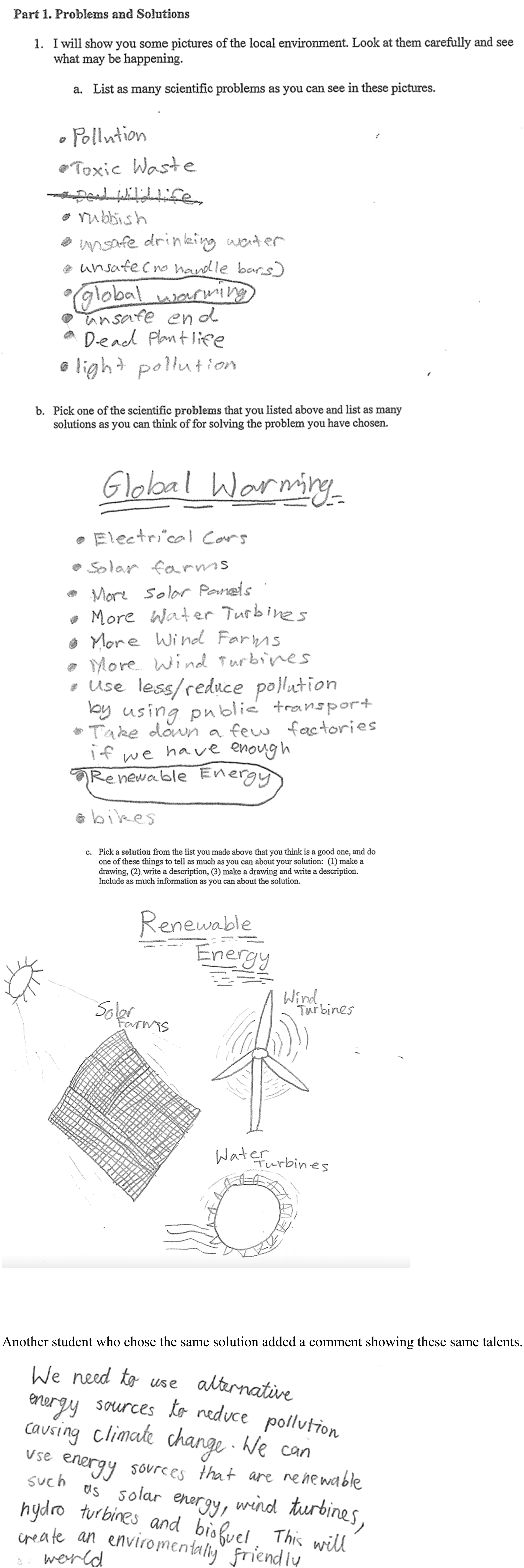
Growth in general creativity demonstrated the influence of REAPS on different talents combined with Artistic/expressive, depending on students’ responses. For example, Figure 2 shows visual arts talent combined with Emotional/intrapersonal ability in a student’s posttest of creativity after participating in REAPS in the school in Australia. Creative problem solving in science demonstrated the effectiveness of REAPS in developing Scientific/naturalistic talent. Students listed problems they saw in pictures of the local environment, chose one problem and listed solutions for it, then chose one solution and wrote, drew, or wrote and drew about it. Many students also showed their Transformational/ethical ability: they proposed solutions to make the world a better place by considering ecological and social factors, both long- and short-term. Students also demonstrated their Relational/integrative abilities by combining Social/interpersonal understandings with Mechanical/technical and Scientific/naturalistic ones as they designed or advocated development of alternative sources of energy and new methods for recycling plastic waste. Figure 3 is an example from a posttest of creative problem solving in science by a student in the school in Australia. One student drew solutions and a student with a similar solution also wrote about the solution, showing Transformational/ethical ability. Example of artistic/expressive and emotional/intrapersonal abilities. Examples of transformational/ethical, relational/integrative, and other talents.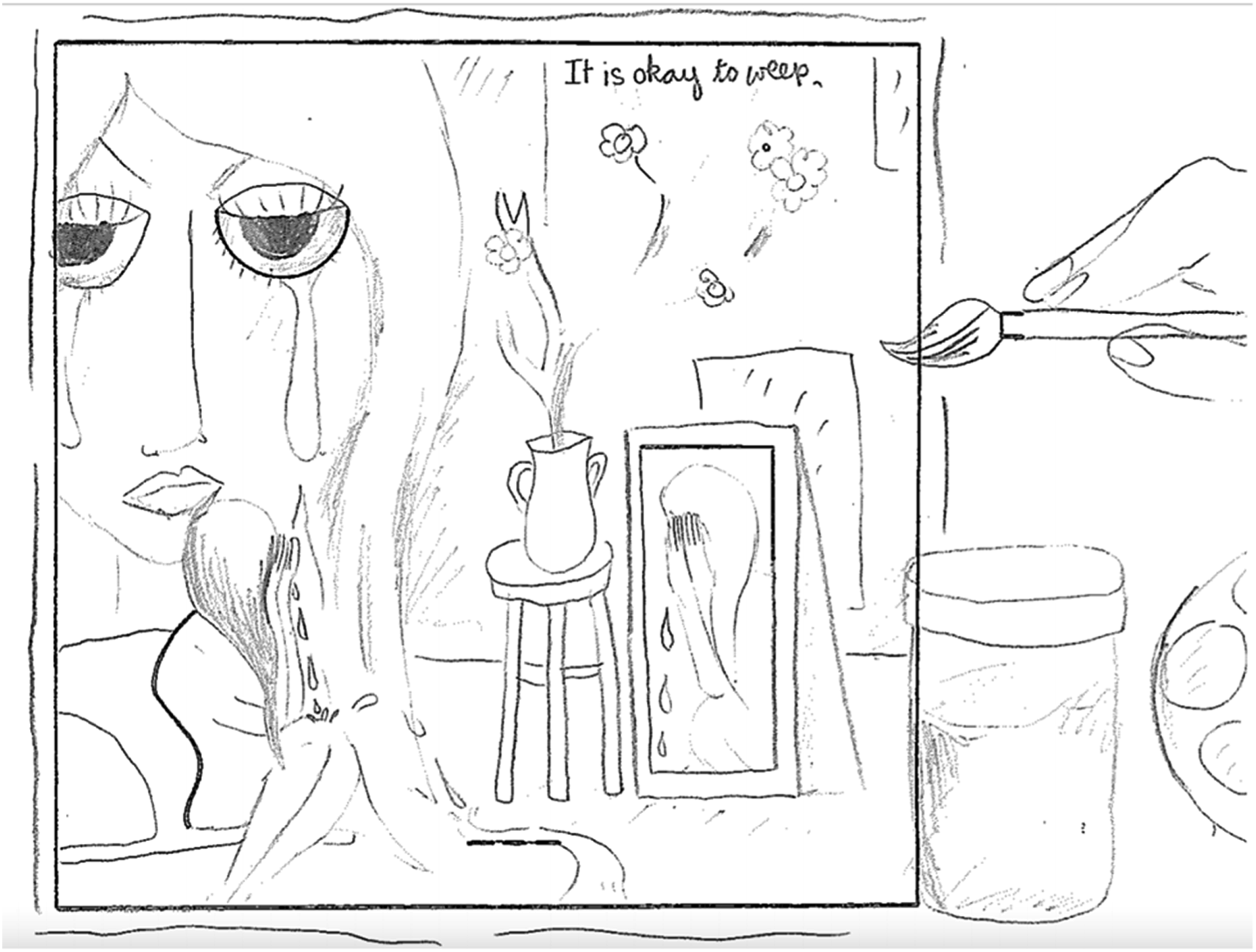
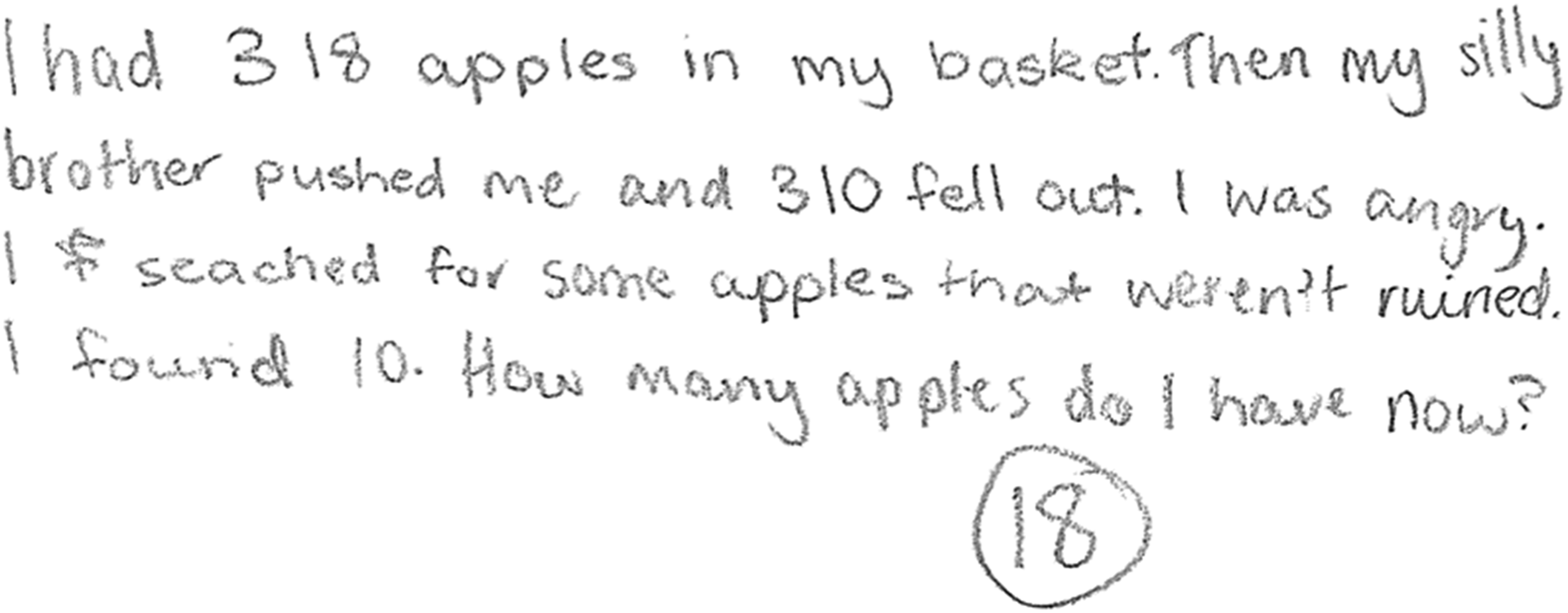
Significant progress in creative problem solving in math provided evidence of its value in developing Mathematical/symbolic abilities as students solved closed, semi-open, and open-ended problems involving developmentally-appropriate mathematical concepts. In response to the question of writing as many problems as possible with the answer of 24, one student in grade 5, in a posttest of creative problem solving in math in the school in Australia, wrote a word problem, showing integration of Eloquent/linguistic, Emotional/intrapersonal, and Mathematical/symbolic abilities (Figure 4). Students also demonstrated their Relational/integrative abilities when they designed fractals (patterns found in nature) using geometric figures in new and interesting ways (Figure 5). The example in Figure 5 is from a posttest of creative problem solving in math of a gifted student who participated in the Cultivating Diverse Talent in STEM project in the USA. Example of a student’s original fractal design. Another student who chose the same solution added a comment showing these same talents. A student’s original response to creating problems with the answer of 18.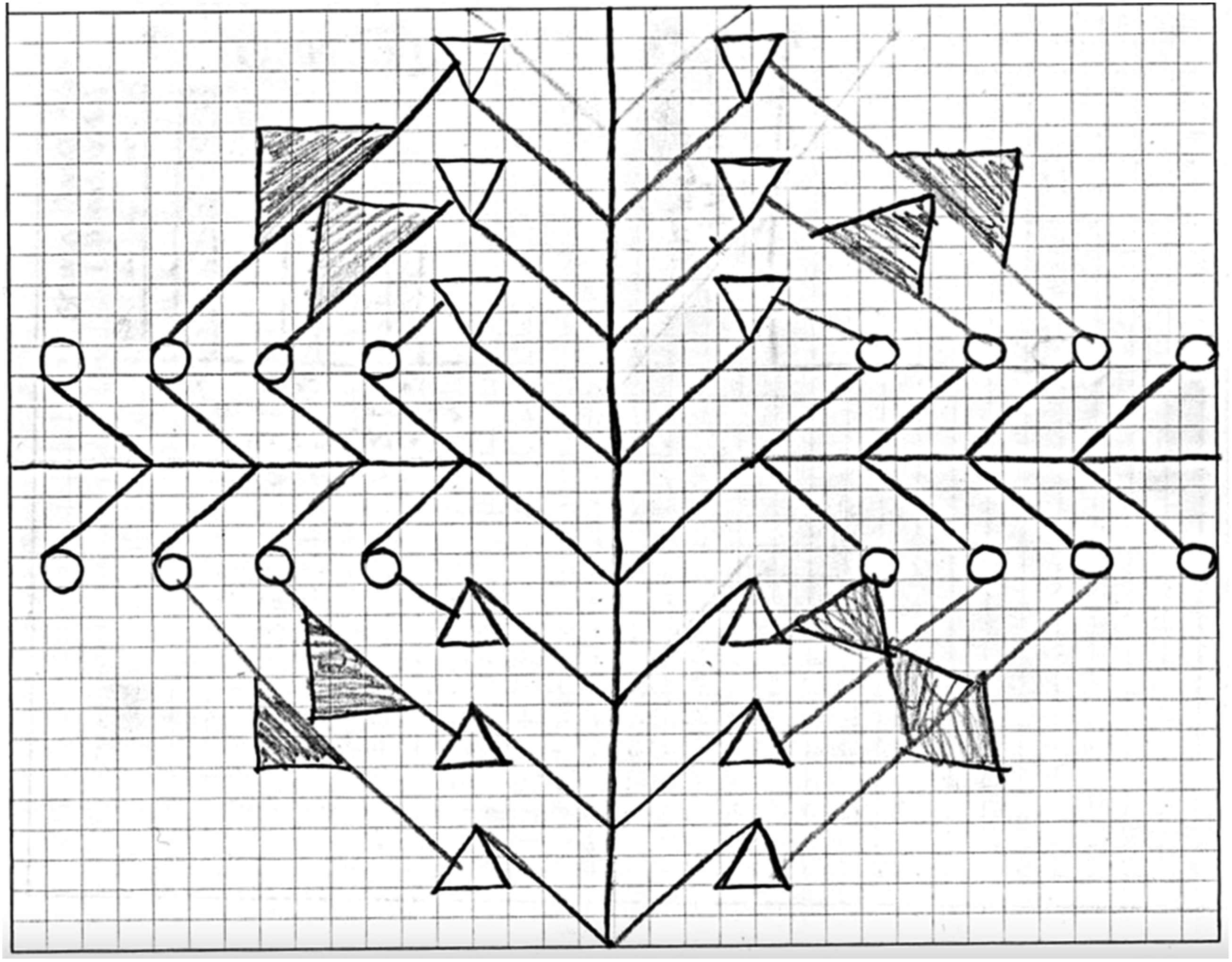
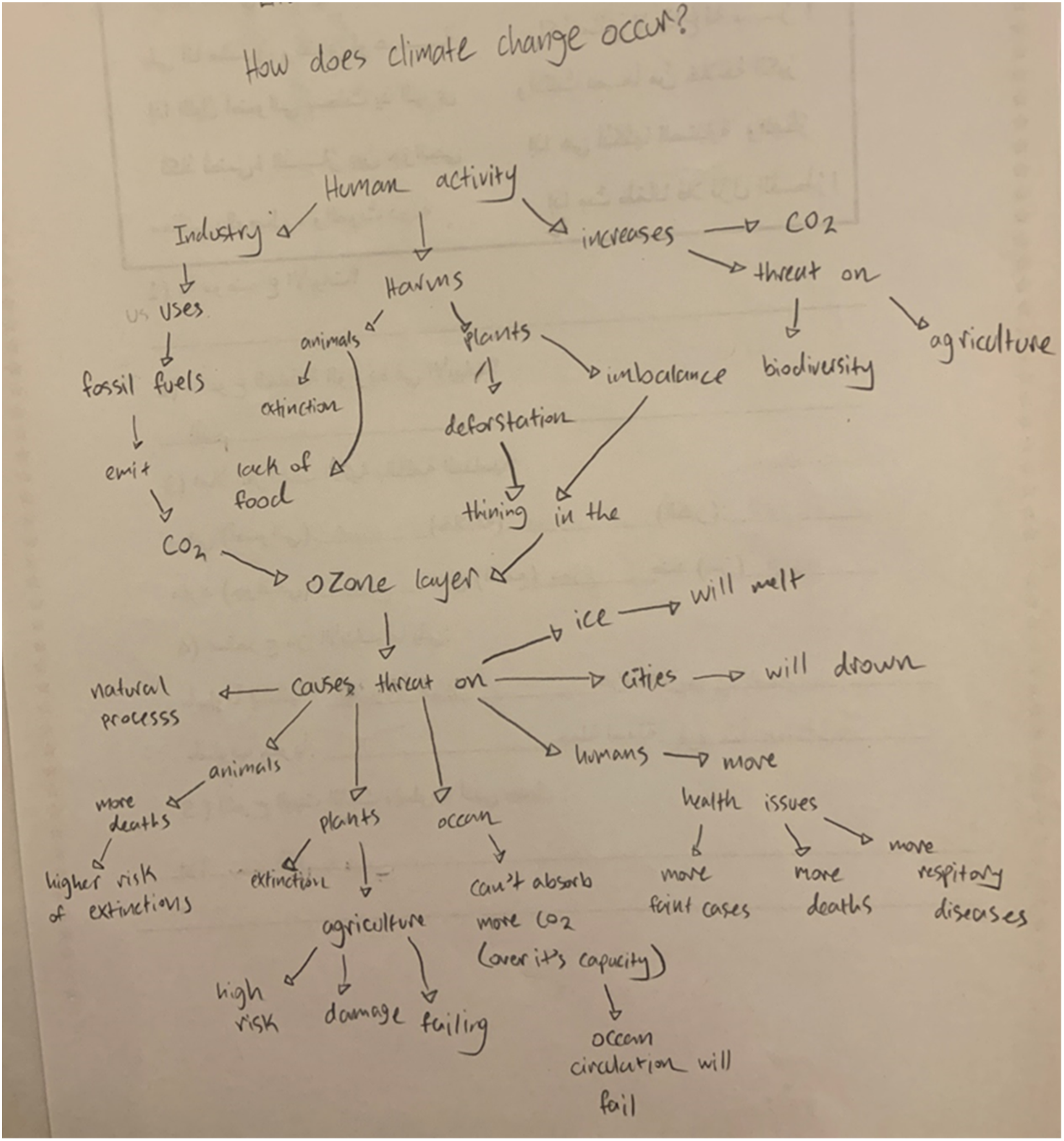
Development of deep understanding of concepts and their interrelationships, measured by concept maps, provides evidence of the effectiveness of the REAPS model to ignite, cultivate, and extend most of the talents in STEAMMERS. When students are given interdisciplinary concepts along with discipline-based concepts, principles, and facts, they put them into hierarchies with the most inclusive at the top, then make connections among the concepts. Relational/integrative talent is shown by the number of hierarchies, number and types of connections made, the words describing the connections, and the disciplines connected. For instance, in the long-term study in a school in Australia, students were given the same concepts each year, which included interdisciplinary concepts such as sustainability, change, and interrelationships. Concepts from the required curriculum in different academic areas were included, and students were encouraged to add examples. In addition to Relational/integrative talent, students showed other talents, depending on the concepts they connected and the examples they gave (Maker et al., 2021). Figures 6 and 7 are examples of concept maps with appropriate hierarchies and many valid connections, including remote ones. The map in Figure 6 is from the elementary school in NSW and the map in Figure 7 was made by a student in the UAE who participated in an on-line course using REAPS to solve the problem of plastic pollution. Concept map made by a grade 3 student. Concept map made by a high school student.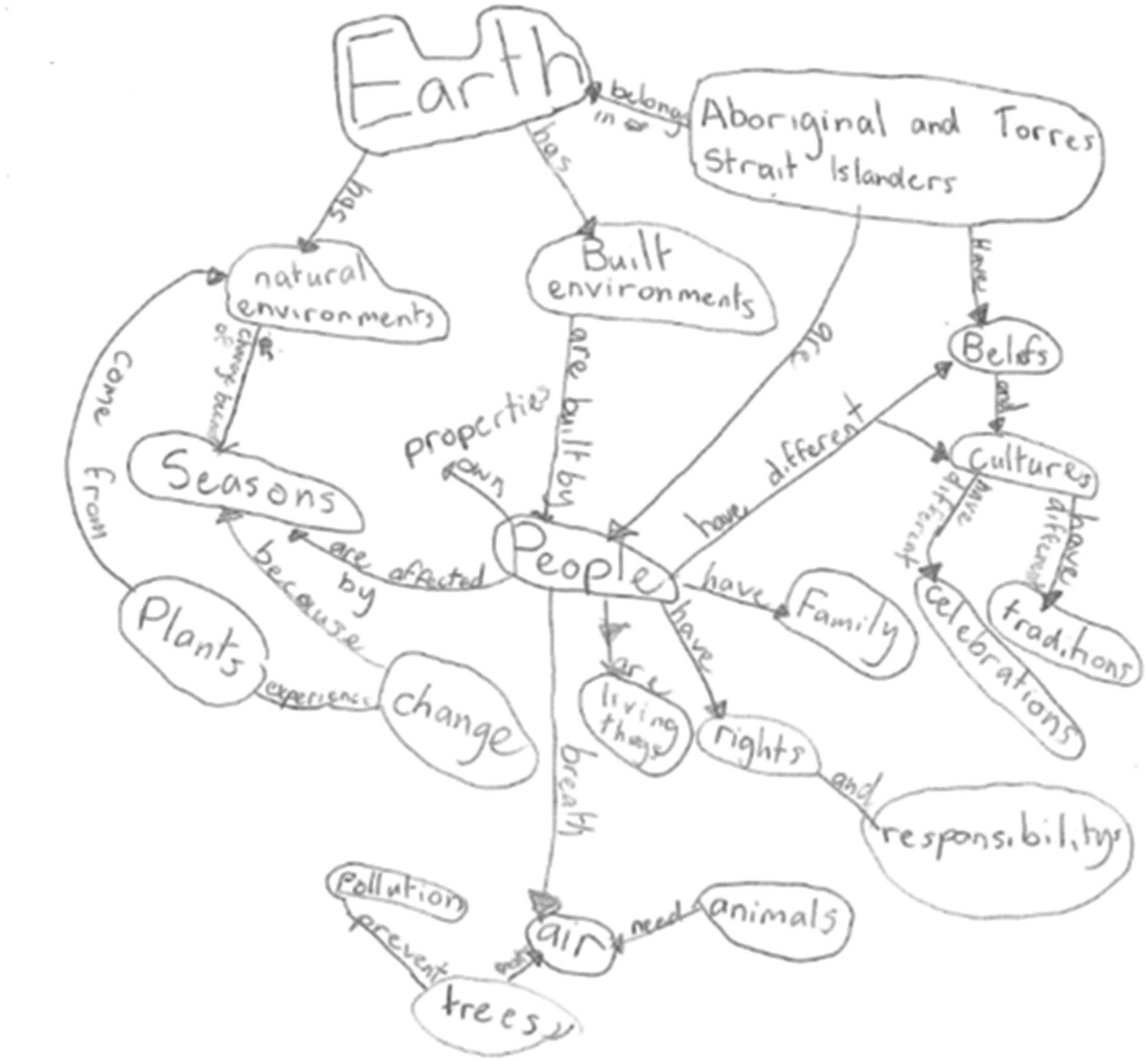
In studies of students’ perceptions, many said their favorite part of REAPS was solving real-world problems, which often were Scientific/naturalistic. Students talked about the importance of solving problems that were real in their lives and designing solutions that could make the world a better place (Transformational/ethical talent) through learning processes such as watching, thinking, generating ideas, investigating, and designing models. These comments also showed the connection to Relational/integrative abilities. Students in three countries valued collaboration in groups, evidence of their belief in development of Social/interpersonal skills: working together for a purpose. These comments and others show the influence of REAPS participation on Scientific/naturalistic along with Transformational/ethical and Relational/integrative skills as students blended varied perspectives of people and organizations to create meaningful solutions. Many talked about “our environment.”
Teachers who implemented REAPS over a 6-year period identified real-world problem solving as the most valuable aspect, with use of the TASC process, student-centered learning, and different perspectives as essential parts of creating meaningful learning-teaching experiences. They also believed use of the model increased learning-teaching effectiveness through student engagement, collaboration, and the opportunity for students to develop their full potential. One teacher said “I have a student who is gifted and talented and in other subjects she can be very challenging and you can’t really see her high level, you know thinking skills and you don’t even know why she’s actually gifted and talented but only in reaps you can see, reaps or that kind of conceptual teaching, you know how fast she can think and what kind of thinker she is, so that was an eye opener to me (Wu et al., 2021, p. 73) .” Across these categories of responses, teachers provided evidence of igniting, cultivating, and extending all the talents in STEAMMERS, with particular emphasis on Scientific/naturalistic, Relational/integrative, Social/interpersonal, and Eloquent/linguistic.
Community members and teachers in schools with mostly Māori students in New Zealand said that student engagement with conservation efforts was the greatest benefit for students and the community. Because these students will be the “future stewards of the local environment”, inclusion of stakeholder groups was important because it allowed students to look at the problem from other perspectives, take into account all points of view, and challenge some theories behind proposed solutions. For STEAMMERS, this resulted in developing Transformational/ethical, Relational/integrative and Scientific/naturalistic talent.
In the following sections, we describe the contribution of each of the component models in igniting, cultivating, and extending the exceptional talents of STEAMMERS. All learning experiences described have been generated by applying the fundamental components of the models and based on the principles of talent development in the domains of content, processes, products, and learning environments in Maker’s framework (Maker, 1982; Maker & Schiever, 2010). Connections of the components and experiences to the principles of talent development are outlined in an analysis by the research team (Maker et al., 2015) and demonstrated in a six-year qualitative study of school-wide implementation of REAPS in a school in Australia (Maker & Pease, 2021). For more information, references are provided in each section.
Problem based learning
Used frequently in science education, PBL has two components contributing to development of STEAMMERS: a focus on real-world problems and designing solutions from the perspectives of different audiences with a “stake” in the solution, called stakeholders (Maker & Pease, 2021; Maker & Zimmerman, 2008). Real-world problems are by their very nature complex and interdisciplinary, thus contributing to nurturing Relational/integrative abilities. In a recent news report, the National Science Foundation in the USA again confirmed this fact: “From understanding the multifaceted transmission of disease to deciphering how living organisms adapt to harsh conditions, answering big questions in biology requires interdisciplinary research and scientists engaging and partnering with those from other fields of study (National Science Foundation NSF News, 2022, p. 1).”
This focus on real-world problems contributes to recognizing (Riley et al., 2017; Webber et al., 2018), cultivating, and extending Scientific/naturalistic talent as both students and teachers often choose to focus on environmental problems affecting the lives of the students (Maker et al., 2022; Maker & Pease, 2021). Some examples are plastic pollution (Elhowheris, 2021), alcohol use in an American Indian community (Reinoso, 2011), preventing a pandemic (Driscoll et al., 2022), desertification (Maker, 2016), and the decline in pipi (a type of fish) populations (Riley et al., 2017; Webber et al., 2018). Reinoso (2011) first involved students by asking them to list problems in their local community, and then asking them to decide which one they thought was most important to solve. She then wrote a scenario using real information but not real names of characters. Creating solutions to real-world problems also contributes greatly to development of Transformational/ethical talent because it brings out students’ belief in and commitment to making their world a better place, giving them opportunities to make positive contributions (Maker et al., 2022). Mathematical/symbolic talents are developed when students collect data, analyze it, and use these data to inform their solutions. An example from New Zealand was to analyze water quality in several locations to determine its effects on the pipi population, and from the UAE, surveying individuals to determine which kinds of materials they would advocate as substitutes for plastic made from fossil fuels (Elhowheris, 2021).
Emotional/intrapersonal abilities and Social/interpersonal abilities underlie many of the discussions and solutions proposed by students, especially when they are considering the perspectives of different stakeholders. When solving the plastic pollution problem, for instance, stakeholders often include the plastic industry, environmentalists, government agencies, and residents of areas impacted by plastic waste. Another result of inclusion of stakeholder groups is development of Transformational/ethical ability. As different groups in a classroom consider the diverse perspectives of stakeholder groups, they learn to balance intrapersonal, interpersonal, and extrapersonal interests in the long-and short-terms by infusing positive ethical values, thus developing the wisdom needed to make their world a better place (Sternberg, 2020). When groups representing the plastics industry develop new methods for recycling plastic or using new materials, they extend their Mechanical/technical abilities.
Discovering intellectual strengths and capabilities while observing varied ethnic responses (DISCOVER) curriculum model
Two contributions of this evidence-based model are its emphasis on solving complex problems (shared with PBL) and emphasis on solving varied types of problems, from closed to open-ended (Maker, 2005, 2021). When solving real-world problems, teachers present varied types of problems and ask questions that are closed, semi-open, and open-ended to assist students in gradual development of ability to increase their knowledge, apply new and existing knowledge, and create solutions using new and existing knowledge. Two other aspects important in cultivating and extending talents are active, hands-on learning and emphasis on interdisciplinary themes as a way to integrate what is being learned through solving the REAPS problem with what they are learning or expected to learn through the regular curriculum (Maker & Pease, 2021). Interdisciplinary themes include sustainability, interdependence, heritage and traditions, transformation, systems, and change. Some examples of hands-on learning include making physical models of solutions, such as disaster-proof homes and buildings, new playground equipment, rides for a theme park, and water collection devices for their school.
Thinking actively in a social context (TASC)
The contribution of this evidence-based model (Wallace et al., 2004) is a clear, step-by-step process for solving complex and open-ended problems that alternates between “divergent-exploratory and convergent-integrative” processes, a sequence identified as effective in generating creative solutions (Lubart et al., 2013). Because students are working in small groups, they are exercising and cultivating their Social/interpersonal abilities; and when they learn and experience different group roles such as facilitator, recorder, and cheerleader, they extend their ability to communicate and collaborate, essential 21st Century Skills also included in Eloquent/linguistic and Relational/integrative talents.
Each step of TASC also contributes to development of individual and group talents. When students gather and organize information they have about the problem, they draw from different experiences and cultural perspectives, contributing to Relational/integrative abilities. Then, when they identify, they gather more information from the stakeholders’ perspective by conducting surveys and experiments, thus contributing to Mathematical/symbolic talent development. At the generate step, students brainstorm potential solutions from their stakeholder’s perspective, and if teachers spend sufficient time, they include all or most of the STEAMMERS’ talent areas in the potential solutions. Next, students decide on the solutions with the greatest potential. For instance, when solving the problem of desertification on the Navajo Nation, “Students were given criteria for evaluation of their ideas and solutions that were based on important core spiritual values. To what extent does the plan: (a) Protect life now and in the future? (b) Avoid harm to people, plants, and animals? (c) Protect the earth? (d) Bring people together rather than splitting them apart? (e) Show compassion for those with different perspectives? (f) Demonstrate recognition of the connectedness between all people, the environment, and the living and non-living parts of the earth? (Maker, 2016, p. 32)”. Giving students criteria such as these and/or encouraging them to develop similar ones is an important way to recognize, cultivate, and extend Transformational/ethical abilities. Deciding in this way also contributes to development of Scientific/naturalistic, Emotional/intrapersonal, and Social/interpersonal abilities.
At the next step, as students implement their solutions, they can exercise all the talents. For example, 3-D models relate to Mechanical/technical and Relational/integrative; flow charts relate to Mathematical/symbolic, descriptions relate to Eloquent/linguistic; and when creating educational programs, students extend their Eloquent/linguistic abilities, combining them with Social/interpersonal, Emotional/intrapersonal, and Scientific/naturalistic capabilities. When solutions involve designing products such as playground equipment, rides for a theme park, and technology such as applications, videos, and new combinations of materials to make, for example, plastics, they are exercising Mechanical/technical abilities. Often, many different types of solutions are included in their plans, enabling students to exercise and extend all STEAMMERS talents. When they have completed their implementation, students evaluate, thus extending the same talents as when they decide.
An exciting step in the process is to communicate solutions to appropriate audiences or stakeholders. Students design presentations, plays, videos, murals, and combinations of these methods to describe and advocate for their solutions. Groups exercise Relational/integrative talents in one presentation, often including the strengths, interests, and talents of all members of the group. In their presentation, one Australian group included a description of the solution while they displayed a PowerPoint show including pictures, videos, and music; while others described and demonstrated three-dimensional models of the solution. Some students created a poem and performed it in the format of a rap prior to introducing their solution, demonstrating integration of many talents: “We choose to reuse, and we like to recycle; but I don’t have a bicycle! Plastic pollution? Don’t worry, we have a solution!” In the same school, students in Grade one classrooms created museum displays and invited students from other classrooms, teachers, parents, and community members. Children from each stakeholder group explained, demonstrated, and answered questions. The principal also organized a school-wide EXPO for students at all grade levels to communicate their solutions in a setting that resembled poster presentations at conferences (Maker & Pease, 2021).
Conclusion
Using the REAPS model, with its emphasis on solving real-world problems, ignites gifted and talented students’ natural passion for making their world a better place. It’s their world! Students with high potential like the challenge of complexity, so they become totally engaged. When they are pushed to think of many solutions to problems that are relevant to them rather than just finding the “right” answer, as is necessary when following the TASC process, they naturally begin to integrate the diverse perspectives and talents of themselves and others. When they learn to follow this evidence-based process that alternates between divergent-exploratory and convergent-integrative, they no longer think they have the one answer that will resolve the problem. They realize that many solutions need to be considered and evaluated to determine their potential in the short and long term, which propels students to create different methods for resolving significant problems. An understanding of the varied talents in the Prism of Learning helps them understand how they can integrate these varied talents into their solutions and enhance their effectiveness in communicating their solutions to different audiences. Students also learn that constructive long-term solutions must take into account not only their own interests, but the interests of other people, the environment, and the other creatures that live in it.
They become STEAMMERS!
Footnotes
Declaration of conflicting interests
The author(s) declared no potential conflicts of interest with respect to the research, authorship, and/or publication of this article.
Funding
The author(s) received no financial support for the research, authorship, and/or publication of this article.
Author biographies
 ) in which she and colleagues from around the world are connecting youth with passion and commitment to “think globally and act locally” to solve pressing problems to make our world a better place.
.