



Abstract

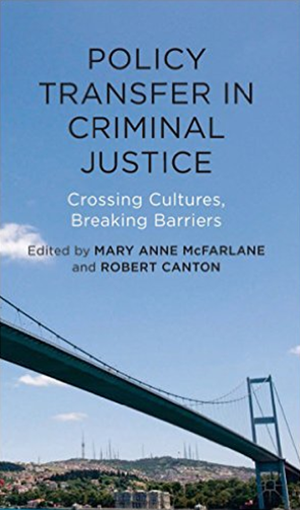
I was intrigued to understand how policies, systems and processes can be developed, adapted, created and transferred from the Western world to a country that is so geographically large with a complex history that has influenced and impacted on a range of variations in culture, religion and customs and different legal and political systems. This book begins to answer some of those questions and provides the reader with the information to begin to understand the issues. I have a good knowledge of Turkey; an understanding of the language; insight into and experience of the variations in cultures, customs and religions. This coupled with my experience and knowledge of the varying criminal justice systems in the UK; specifically probation and youth justice gave me the interest and motivation to read the book. I have struggled to explain ‘probation’ to many Turkish and Kurdish friends who have no knowledge of the service. This book has now given me the starting point and insight into the Turkish justice systems and the Turkish probation service.
The book begins with a very clear message, it is about ‘a project to assist and influence the Turkish Probation Service in developing policies and practices…’ (p. 1). The project is one of the EU’s ‘twinning’ projects which seeks to develop sustainable partnerships in the public sector of those countries which are candidate countries for EU accession. The book is divided into four main themed parts; each part contains a number of chapters whereby authors have reflected on their individual experiences of their ‘mission’. Structuring the chapters this way has worked well and open and honest reflections has achieved a balance of discussions which demonstrate that there are many issues, strengths and weakness with cross cultural transfers of knowledge. The authors have extensive knowledge in their field and their written accounts took the reader through some very different experiences of working with those in the Turkish probation service. Some of those experiences were frustrating; some rewarding; some worked with experienced enthusiastic participants and some with ambivalence but what was very evident was the learning curve experienced by those involved in the project.
Throughout the different chapters it is evident that there is much groundwork and months of preparation into developing and sustaining successful twinning projects and missions. One of the overarching reoccurring themes that comes through all the chapters is how the success of everything depends on individual commitment! The professionals who travel to Turkey need to be ‘expert’ in their field, however, as several of the chapters acknowledge; there is so much more than academic and theoretical knowledge needed in the preparation for a successful mission. For example, developing a balanced professional working relationship with their counterpart; agreeing working practices and using common models of intervention is imperative. Achieving this will prepare them for the next stages such as developing facilitating skills which need to be adapted to account for an interpreter to translate the material. Many authors acknowledge that the language barrier is an issue, effective communication is based on how you say it; how it is interpreted; how it is heard! So the success of the project relies heavily on the quality of the interpreter and the relationship with the EU experts.
Several (if not all) of the chapters have some reference to the importance of an awareness to local cultures and customs; even though they are briefed before going it is clear that having some knowledge is very different to actually being part of the culture, for example the delivery of chai (tea) on a regular basis; the interruption by those in authority who wish to ‘pop in’ to say hello mid-way through a session delivery. These seem like the incidental details but the theme coming through from the authors is getting these cultural details right lays the foundation to developing the respect and co-operation when dealing with the more difficult customs and beliefs. Whitford and Blumsom provide a detailed account of the cultural hierarchy in both professional and social situations based on education, academic achievement, professional position, age, gender and status. This gives the reader good insight into the environment within which both the EU ‘experts’ and the Turkish probation ‘experts’ worked together in the development of culture appropriate services for young people and culturally appropriate programmes for victims of domestic violence and victims of sexual assaults.
The book gives the reader the information needed to understand the processes in breaking barriers and crossing cultures in the transfer of criminal justice policy. I found it very easy to read and a must for practitioners wanting to understand the transfer of policy and development of services in other countries. Follow-up journal articles or a further text detailing the policies that have been developed, providing examples of the programme material developed in a way that was culturally sensitive and an update of the sustainability of the programmes would be a welcome further resource.