



Abstract
Background
This review evaluates the current evidence for the role of venoactive drugs (VADs) for venous origin chronic pelvic pain (VO-CPP) and provide insights to inform the design of an ideal randomized controlled trial (RCT) for future research.
Methods
A search was performed in the following databases: Ovid MEDLINE, Ovid EMBASE, Cochrane Library, and Scopus. Studies retrieved were screened for eligibility using Covidence software following PRISMA reviews’ methodology. The quality of RCTs and cross-over RCTs was assessed using the Cochrane review tools.
Studies were reviewed by 3 physicians, with discrepancies resolved by consensus. A narrative review of the studies was conducted to identify and synthesize clinical outcomes and safety profile of VADs.
Results
Eleven studies (n = 748) were identified: 3 RCTs and 8 open-label prospective studies. Most participants were reproductive-age women with confirmed VO-CPP, diagnosed via imaging or laparoscopy. Micronized Purified Flavonoid Fraction (MPFF) was the most studied VAD.
Pain assessment with VAS scores was the primary endpoint in all studies, with significant benefit in patients consistently demonstrated. Other endpoints included Pelvic Venous Clinical Severity Score (PVCSS) and Pelvic Varicose Vein Questionnaire (PVVQ), with improved symptoms and quality of life. Quantitative outcomes were also reported (reduced pelvic vein diameter; better venous hemodynamics). MPFF was safe, with few adverse events reported. Three RCTs had methodological limitations, with two judged high-risk for bias.
Conclusions
While many identified studies appear to be of low quality, the consistent beneficial effect on VO-CPP scores and the safety profile observed across all reviewed studies suggest that flavonoids have a positive role in the conservative management of pelvic venous disease (PeVD). Future well-designed RCTs are needed to confirm these findings. In the meantime, flavonoids should be considered a therapeutic option for symptomatic patients with PeVD who are not qualified for, not wishing, or are awaiting intervention.
Keywords
Introduction
Chronic pelvic pain (CPP) in women of reproductive age is a prevalent and debilitating condition, affecting between 6% and 27% of women globally, with variations depending on the population studied and diagnostic criteria used, highlighting its significance as a public health concern. 1
The etiology of CPP is multifactorial, encompassing gynecological, urological, gastrointestinal, musculoskeletal, and psychological factors. Pelvic venous disorders (PeVD), including primary pelvic venous reflux and secondary pelvic reflux resulting from venous obstruction, have been recognized as contributing factors, resulting in venous hypertension, pelvic varicosities and VO-CPP. Although the exact prevalence of CPP attributable to venous reflux remains unclear, partly due to under diagnosis and the overlap of symptoms with other conditions, one study estimates that it may be the primary pain generator in up to a third of affected women. 2
Flavonoids, a class of polyphenolic compounds found in various plants, have demonstrated therapeutic potential in managing venous disorders. Micronized purified flavonoid fraction (MPFF), composed of micronized diosmin and hesperidin fraction, has been extensively studied for its efficacy in treating chronic venous insufficiency (CVI). Clinical trials and meta-analyses have shown that MPFF can improve venous tone, reduce capillary permeability and inflammatory reaction, alleviate symptoms (leg swelling, pain, and heaviness) and edema in patients with CVI.3–6
Given the pathophysiological similarities between pelvic venous reflux and other forms of venous insufficiency, it is plausible that flavonoids may offer therapeutic benefits for women suffering from CPP due to venous reflux. Several small-scale randomized and prospective studies have explored this potential, suggesting a beneficial effect of flavonoid therapy in this patient population. However, the existing literature remains limited, and a comprehensive synthesis of available evidence is warranted to better understand the role of flavonoids in managing CPP associated with venous reflux.
Methods
This study was performed following the PRISMA Extension for Scoping Reviews (PRISMA-ScR). 7 In adherence to this statement, a protocol was registered Open Science Framework: https://osf.io/5q2vg/.
Search strategy
A medical librarian (MD) performed comprehensive searches to identify studies that addressed the value of venoactive agents in palliating the symptoms of venous origin chronic pelvic pain in women (VO-CPP).
The search strategy in the employed databases: Ovid MEDLINE, ovid EMBASE, cochrane library, and scopus.
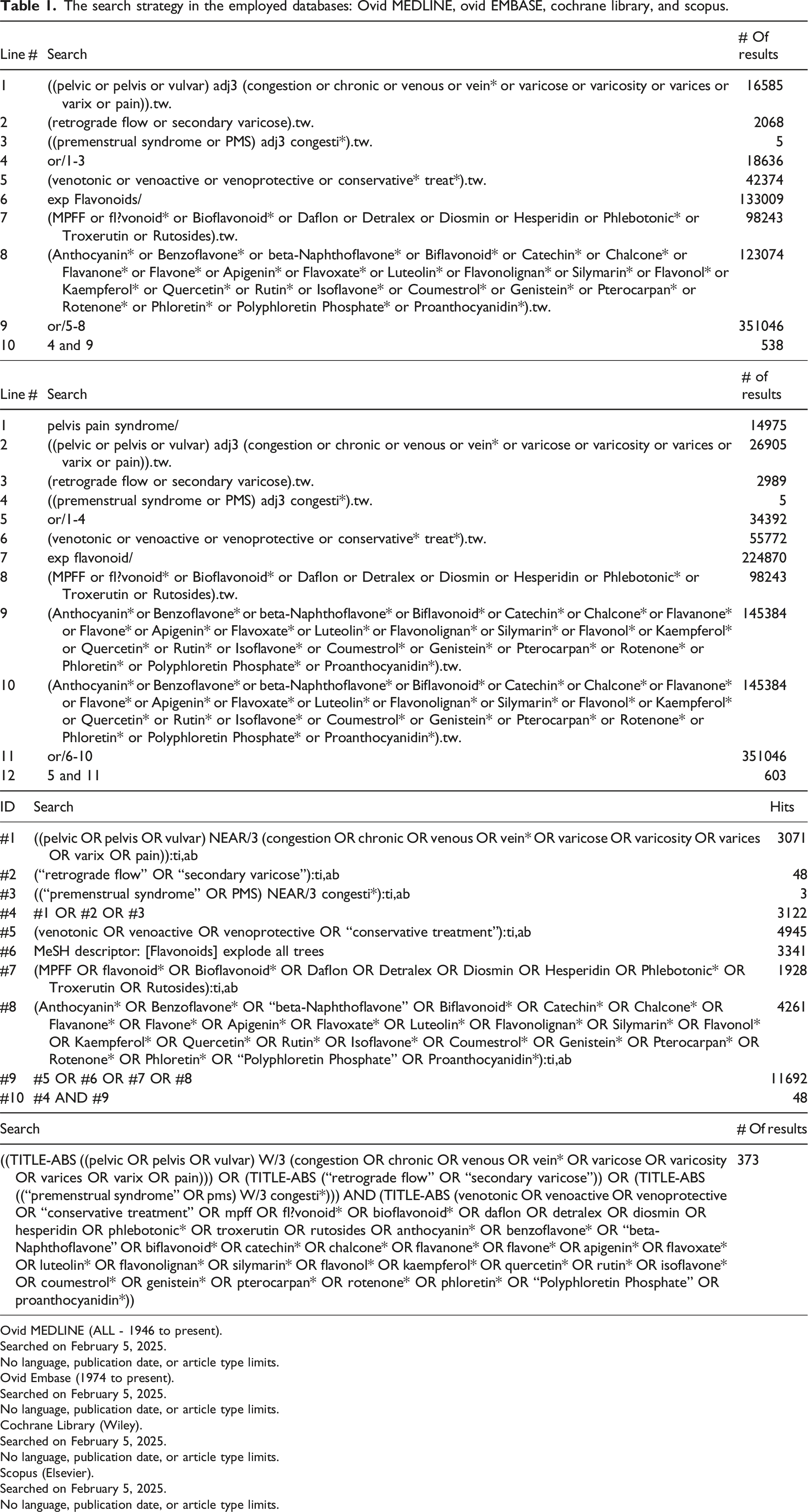
Ovid MEDLINE (ALL - 1946 to present).
Searched on February 5, 2025.
No language, publication date, or article type limits.
Ovid Embase (1974 to present).
Searched on February 5, 2025.
No language, publication date, or article type limits.
Cochrane Library (Wiley).
Searched on February 5, 2025.
No language, publication date, or article type limits.
Scopus (Elsevier).
Searched on February 5, 2025.
No language, publication date, or article type limits.
Study selection
Retrieved studies were screened for inclusion using Covidence systematic review software. Titles and abstracts were reviewed against predefined inclusion/exclusion criteria by three independent reviewers (MG, GS and NK). Discrepancies were resolved by consensus. For final inclusion, full text was then retrieved and also screened using Covidence by the three reviewers Articles considered for inclusion were: (1) Randomized controlled trials (RCT), randomized crossover studies, prospective observational studies, case control studies, or retrospective observational studies; (2) reported on pelvic pain severity or impact of pain on quality of life; and (3) published in English after 1980. Excluded studies were: (1) non-English papers and (2) case reports, meeting abstracts, editorials/commentaries. The full PRISMA flow diagram outlining the study selection process is represented in Figure 1. Systematic review process following PRISMA methodology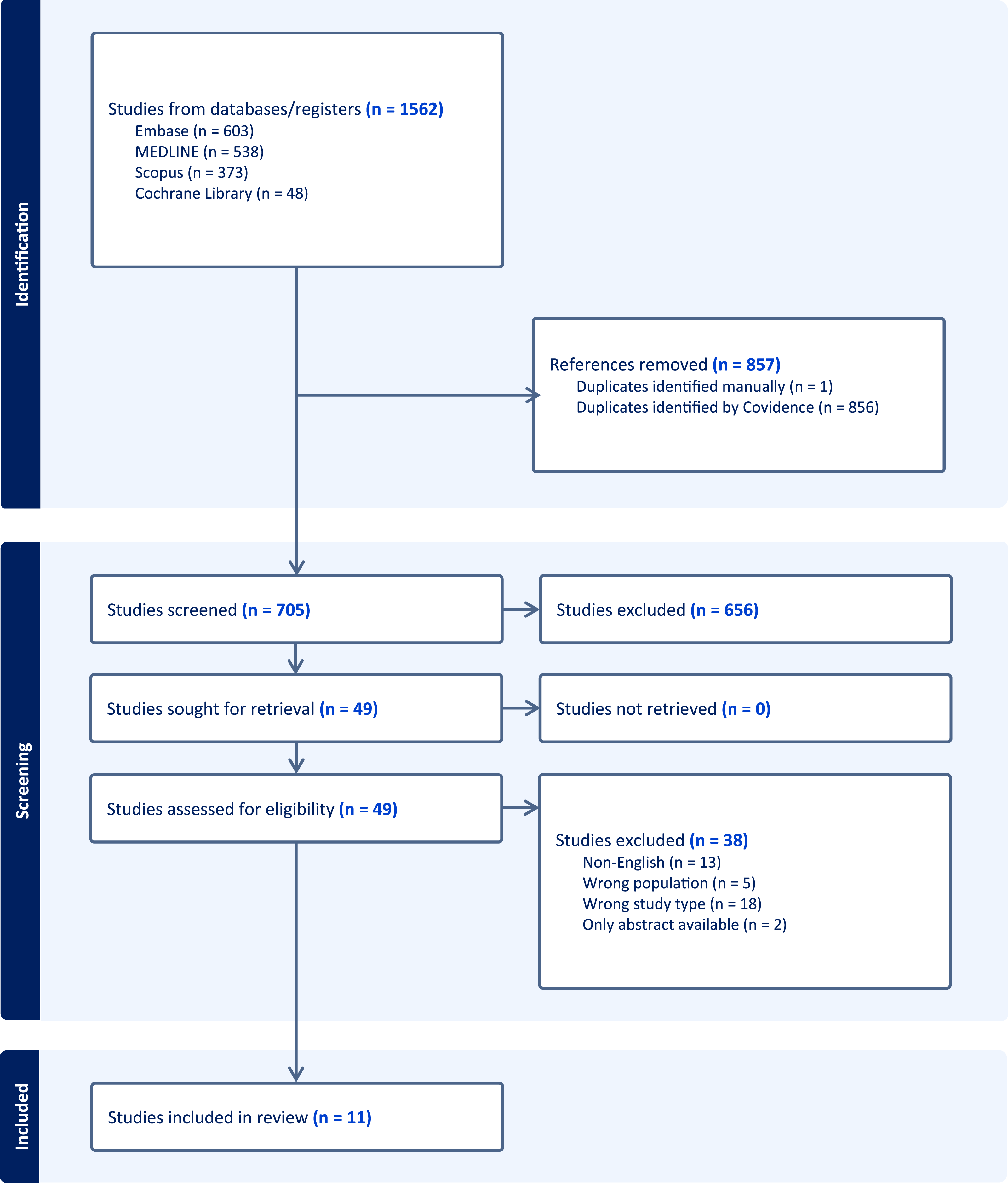
Data extraction and RCT quality assessment
Data extraction was performed independently by three investigators using Excel templates with the following data points: first author, year of the publication, study design, number of patients included, method of PeVD diagnosis (selection and inclusion criteria), VAD treatment administrated with its duration, dosage and comparator, primary and secondary outcomes, results and adverse events.
Quality of included randomized controlled and cross-over randomized controlled trials was independently assessed using the Cochrane review tools8,9 by the 3 reviewers with consensus obtained after common discussion and in depth study of Cochrane tools.
Due to the extreme heterogeneity of the studies, no meta-analysis of the data was performed.
After data extraction, a narrative review of the studies was conducted to identify and synthesize common patterns and outcomes across the literature. The overarching goal of this review was to inform the design of an ideal RCT for future research, drawing on insights gained from the existing evidence.
Results
Clinical studies of venoactive drugs for venous-origin chronic pelvic pain in women: Studies’ characteristics.
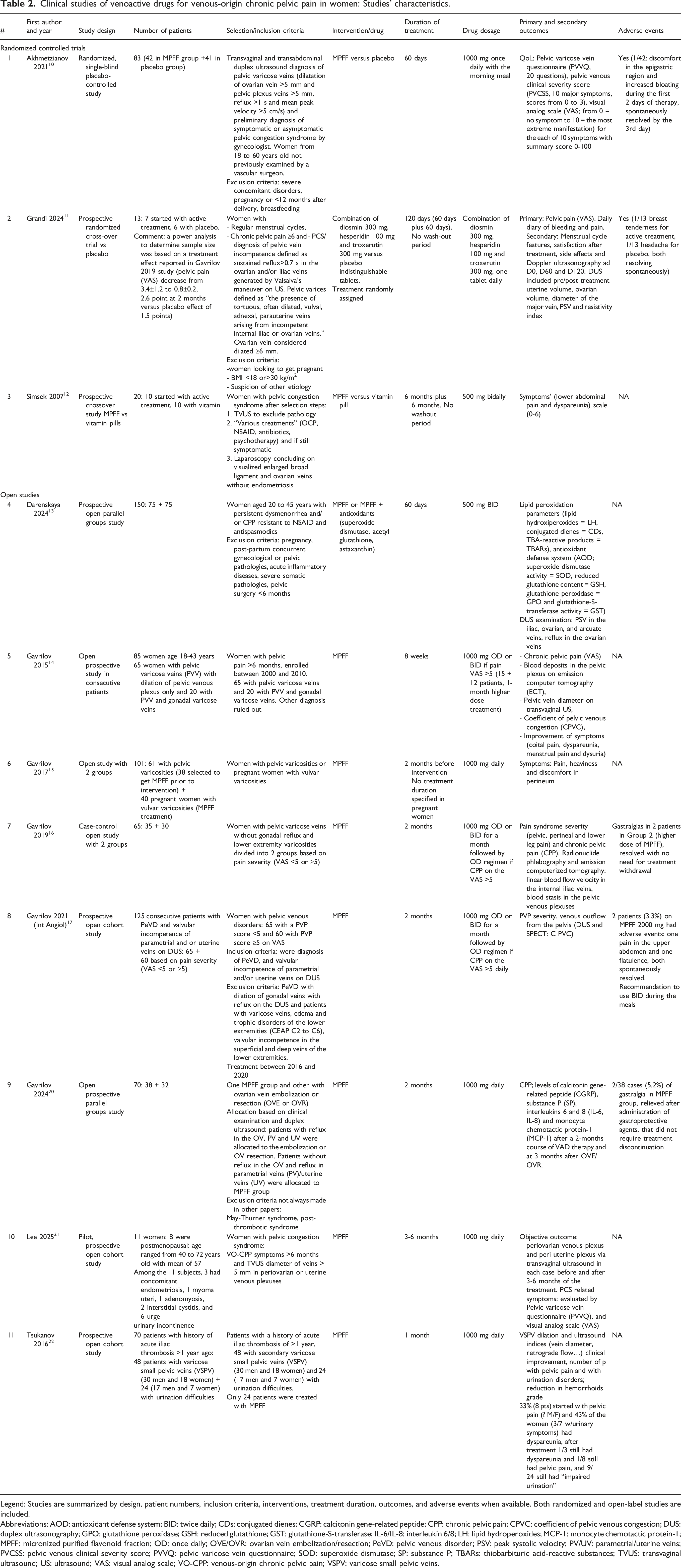
Legend: Studies are summarized by design, patient numbers, inclusion criteria, interventions, treatment duration, outcomes, and adverse events when available. Both randomized and open-label studies are included.
Abbreviations: AOD: antioxidant defense system; BID: twice daily; CDs: conjugated dienes; CGRP: calcitonin gene-related peptide; CPP: chronic pelvic pain; CPVC: coefficient of pelvic venous congestion; DUS: duplex ultrasonography; GPO: glutathione peroxidase; GSH: reduced glutathione; GST: glutathione-S-transferase; IL-6/IL-8: interleukin 6/8; LH: lipid hydroperoxides; MCP-1: monocyte chemotactic protein-1; MPFF: micronized purified flavonoid fraction; OD: once daily; OVE/OVR: ovarian vein embolization/resection; PeVD: pelvic venous disorder; PSV: peak systolic velocity; PV/UV: parametrial/uterine veins; PVCSS: pelvic venous clinical severity score; PVVQ: pelvic varicose vein questionnaire; SOD: superoxide dismutase; SP: substance P; TBARs: thiobarbituric acid-reactive substances; TVUS: transvaginal ultrasound; US: ultrasound; VAS: visual analog scale; VO-CPP: venous-origin chronic pelvic pain; VSPV: varicose small pelvic veins.
Patient population/selection criteria
All the studies included women with clinical evidence of VO-CPP and in whom alternate diagnoses were excluded, with one exception, noted below (Table 2). Of the three RCTs, in one the diagnosis was confirmed by transvaginal and transabdominal duplex ultrasound of pelvic varicose veins showing dilatation of an ovarian vein and of veins of the pelvic plexus veins to >5 mm each, reflux >1 s and peak systolic velocity >5 cm/s. 10 Another study, the crossover RCT, used laparoscopic examination reporting prominent enlarged broad ligament and ovarian veins without endometriosis or other cause of CPP at laparoscopic examination. 12 In the third study, CPP VAS >6 and internal iliac or ovarian vein reflux >0.7 s after Valsalva maneuver were the inclusion criteria. 11
Among the open-label studies the diagnosis was based on ultrasound duplex with or without diagnostic laparoscopy,13–17,20,21 and clinical presentation excluding alternative diagnoses. The study by Tsoukanov 22 selected patients (the only study that included men and women) with a prior history of acute iliac thrombosis, and “secondary varicose small pelvic veins”, CPP with or without urinary symptoms.
Venoactive drug dosage regimens and treatment duration
MPFF is a venoactive drug composed by a micronized mixture of 90% diosmin and 10% hesperidin fraction. Most studies administered MPFF at the standard dose of 1000 mg daily, with treatment durations ranging from 1 month 22 to 6 months,12,21 most commonly for 2 months10,14–20 Two studies16,17 implemented a protocol for patients with severe pain (VAS >5) and ovarian reflux, using an intensified regimen of MPFF 2000 mg daily for 1 month, followed by 1000 mg daily for an additional month.
A novel flavonoid mixture formulation of diosmin (300 mg), hesperidin (100 mg), and troxerutin (300 mg) once daily was evaluated in a crossover trial against placebo by Grandi et al. 11 In another study, 13 MPFF 1000 mg daily was compared to the same dose combined with antioxidants, including superoxide dismutase, acetyl glutathione, and astaxanthin.
Patient reported outcomes
Pain and other symptoms
Patient-reported pain and quality-of-life changes following venoactive therapy for venous-origin chronic pelvic.
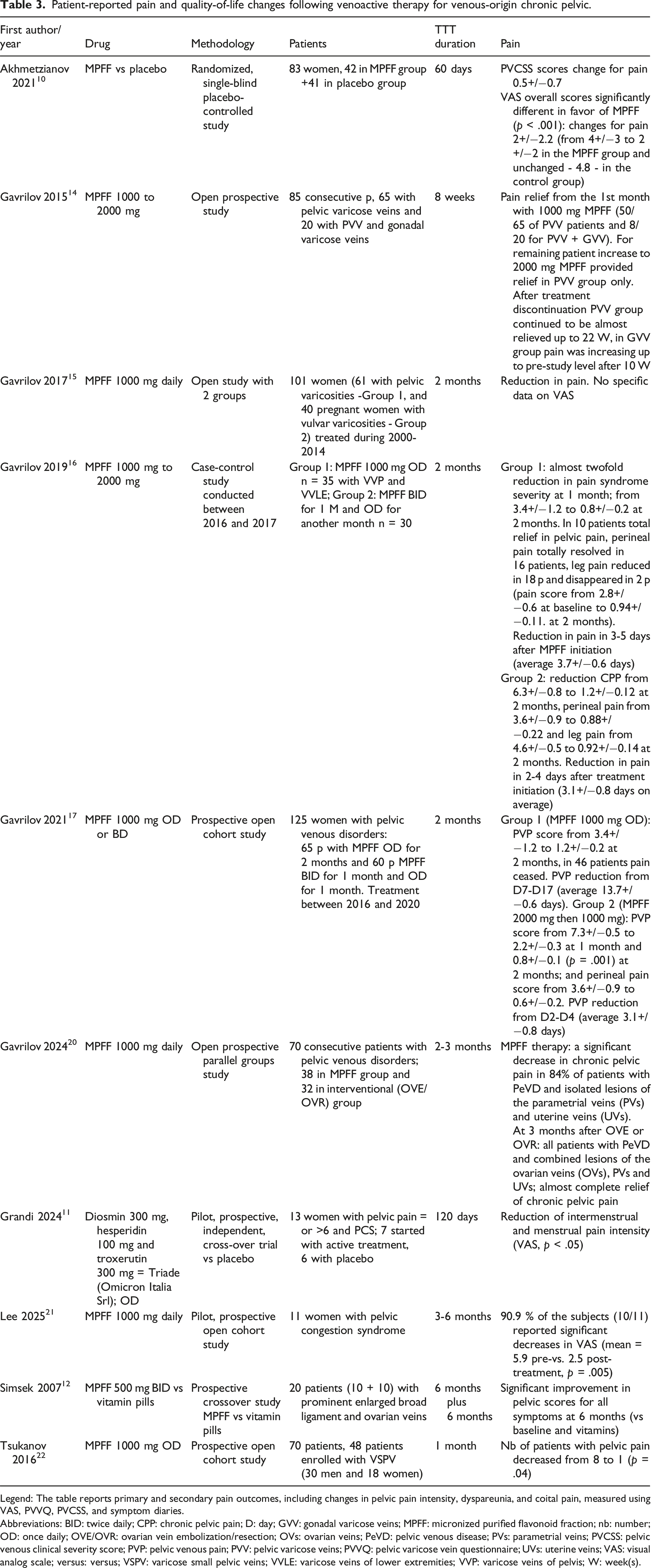
Legend: The table reports primary and secondary pain outcomes, including changes in pelvic pain intensity, dyspareunia, and coital pain, measured using VAS, PVVQ, PVCSS, and symptom diaries.
Abbreviations: BID: twice daily; CPP: chronic pelvic pain; D: day; GVV: gonadal varicose veins; MPFF: micronized purified flavonoid fraction; nb: number; OD: once daily; OVE/OVR: ovarian vein embolization/resection; OVs: ovarian veins; PeVD: pelvic venous disease; PVs: parametrial veins; PVCSS: pelvic venous clinical severity score; PVP: pelvic venous pain; PVV: pelvic varicose veins; PVVQ: pelvic varicose vein questionnaire; UVs: uterine veins; VAS: visual analog scale; versus: versus; VSPV: varicose small pelvic veins; VVLE: varicose veins of lower extremities; VVP: varicose veins of pelvis; W: week(s).
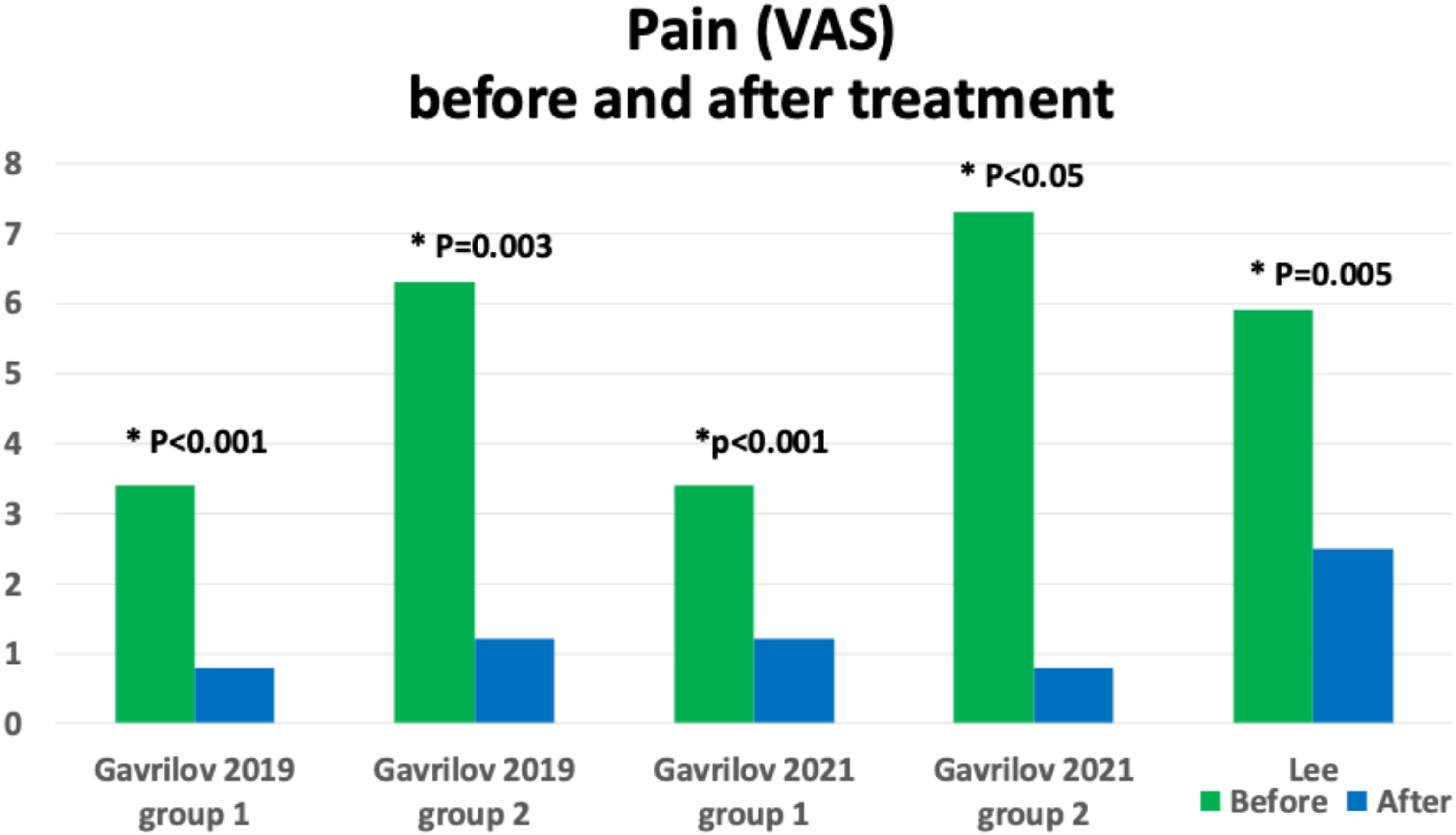
Effect of venoactive therapy on venous-origin chronic pelvic pain in some open studies
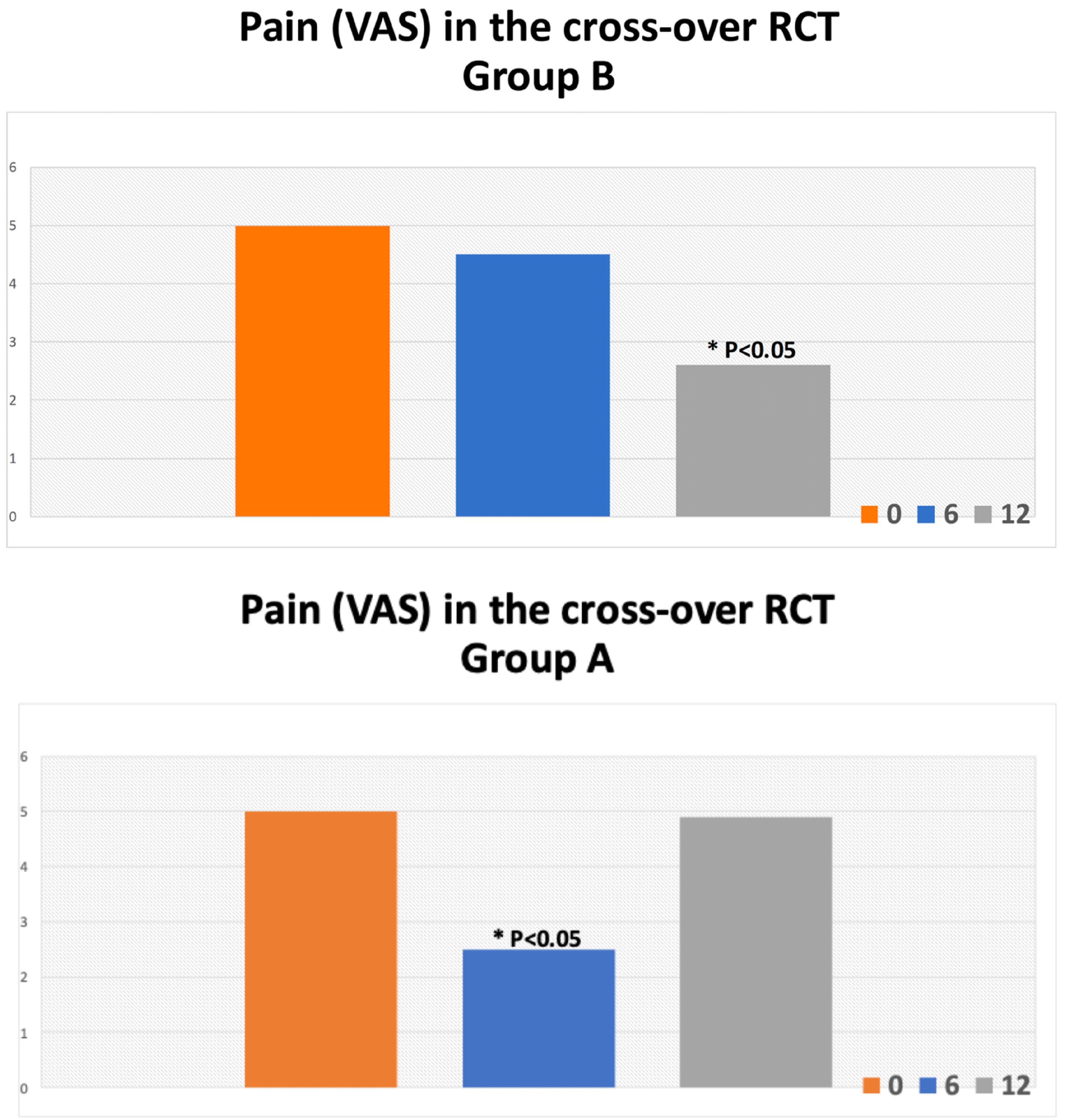
A and B: Effect of Venoactive Therapy on Venous-Origin Chronic Pelvic Pain: Findings from the RCT by Simsek et al.
In Gavrilov's 2021 study, 17 all patients with gonadal vein dilation and reflux were excluded based on prior experience with less efficacy in this group. A subgroup of patients in the 2021 study with severe pain (VAS >5) was identified, with an average baseline value of 7.8 ± 0.2 cm. These patients received a double dose of MPFF for 1 month (2 g per day) and were compared to a group with less severe baseline pain (3.4 cm +/− 1.2). The VAS values at the end of treatment in the less severely affected group were reduced to 1.2 ± 0.12 cm, and in the severe pain group, it decreased from 7.3 cm +/− 0.5 to 0.8 cm +/− 0.1. In this study, the authors also asked the patients to separately rate the severity of heaviness in their perineum using the VAS and noted a statistically significant reduction in the severity of this symptom in both the high dose and low dose groups as well.
Akhmetzianov et al.
10
(Figure 4) assessed pelvic pain severity and also related symptoms using the Pelvic Venous Clinical Severity Score (PVCSS), which rates ten symptoms on a scale from 0 to 3, yielding a total score range of 0–30. The symptoms assessed were pelvic pain, heaviness, discomfort, sacral and coccygeal pain, discomfort from urinary disturbances, atypical varicosities, dyspareunia, as well as menstrual irregularities, tenderness, and edema. In the active treatment group, the average PVCSS score improved from 11 ± 5.4 at baseline to 7.1 ± 4.6 post-treatment, compared to no significant change in the control group (10.5 ± 6 to 11.2 ± 5.6; p < .001). Impact of Venoactive Treatment on Venous-Origin Pelvic Symptoms: A RCT by Akhmetzianov et al.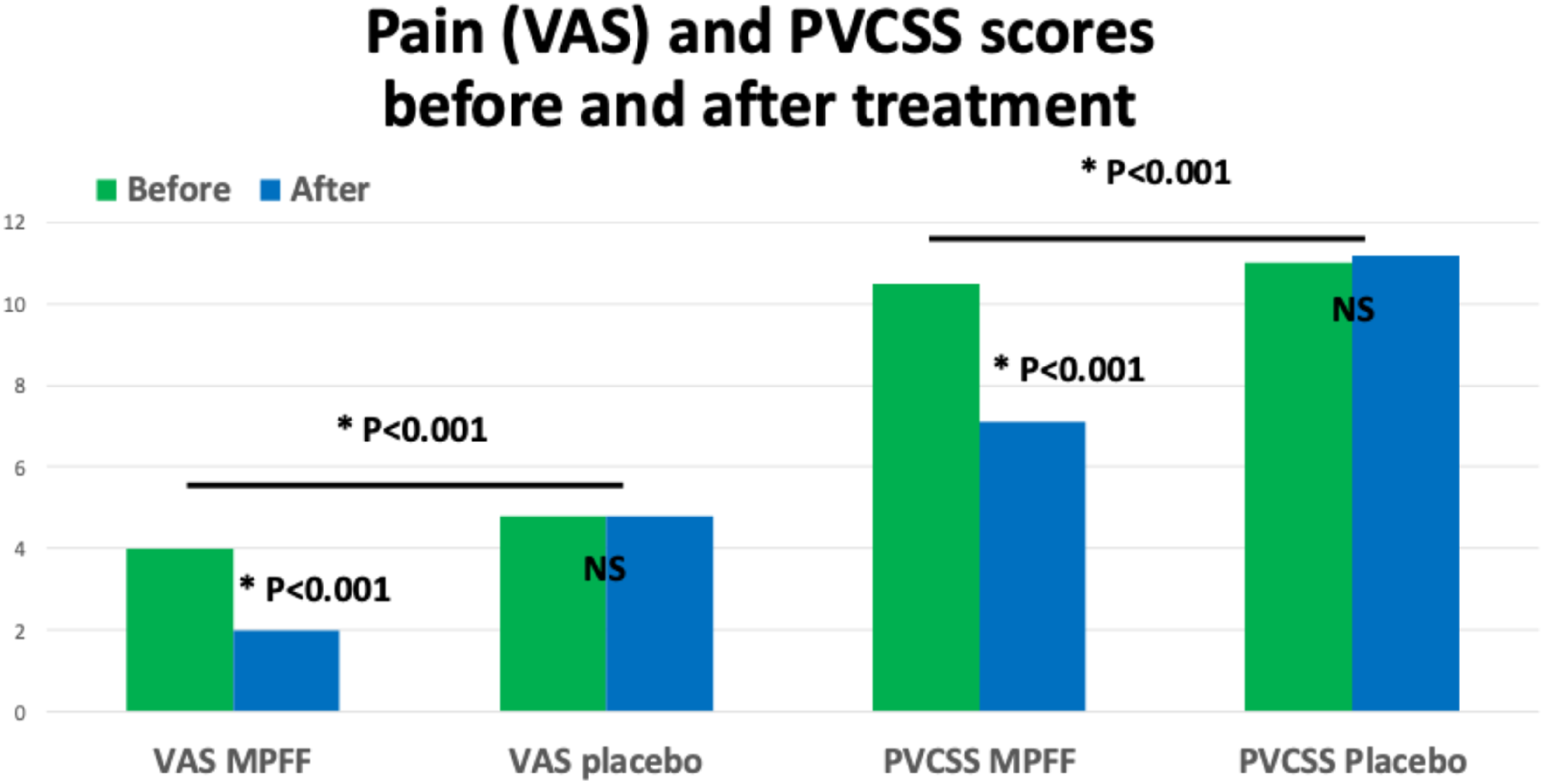
MPFF showed noticeable effects after 2-3 weeks of therapy, 14 with more significant improvement in the group of patients without gonadal vein reflux, 14 where pelvic pain nearly disappeared and did not reappear during a 22-weeks follow-up. In contrast, women with gonadal vein reflux and more severe pain at baseline showed less improvement, with marked aggravation after discontinuation of treatment, starting at 2 weeks follow-up.
During the VAD treatment, a sustained and increasing beneficial effect on pain was observed throughout the study duration (2-6 months).20,12
Quality of life
The 20-item Pelvic Varicose Vein Questionnaire (PVVQ) was developed for use as a quality of life instrument for VO-CPP by Akhmetzianov et al.
10
by adapting the Chronic Venous Disease Quality of Life Questionnaire (CIVIQ)
23
(Figure 5). The PVVQ covers four dimensions: pain, physical function, social impact, and psychological well-being. Each item is scored from 1 to 5, with total scores ranging from 20 to 100—higher scores indicating poorer quality of life. At baseline, the mean PVVQ score ±SD in the venoactive treatment group was 45.1 ± 14.7 compared to 43.8 ± 13 in the placebo group. After 2 months of treatment, the score in the active group significantly improved to 36.6 ± 10.6, while the placebo group remained unchanged at 43.9 ± 12.3 (p < .001). Effect of Venoactive Therapy on Quality of Life in Pelvic Venous Disease: A Randomized Controlled Trial by Akhmetzianov et al.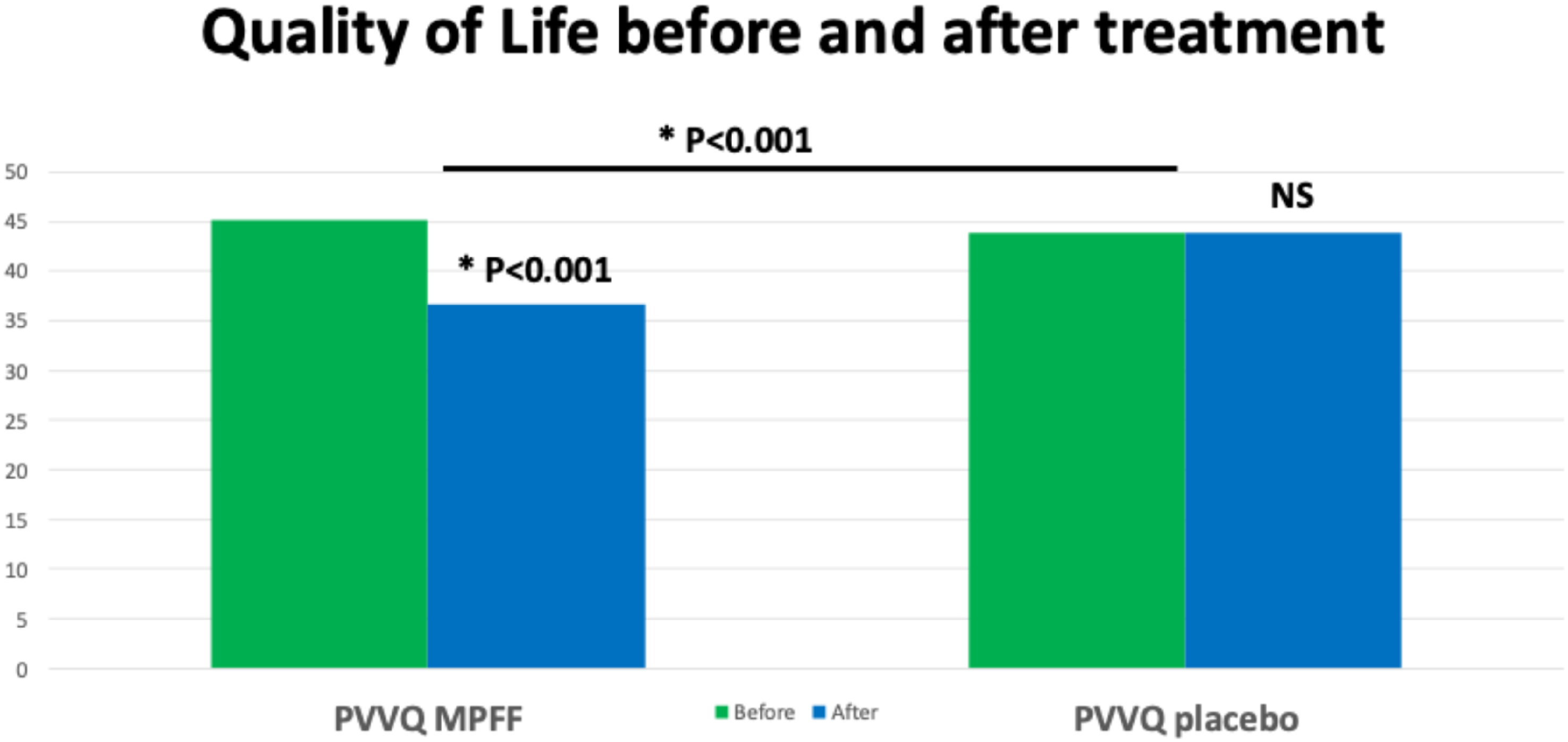
Objective outcomes
Lipid peroxidation and antioxidant defense
Imaging and biomarker outcomes following venoactive therapy.
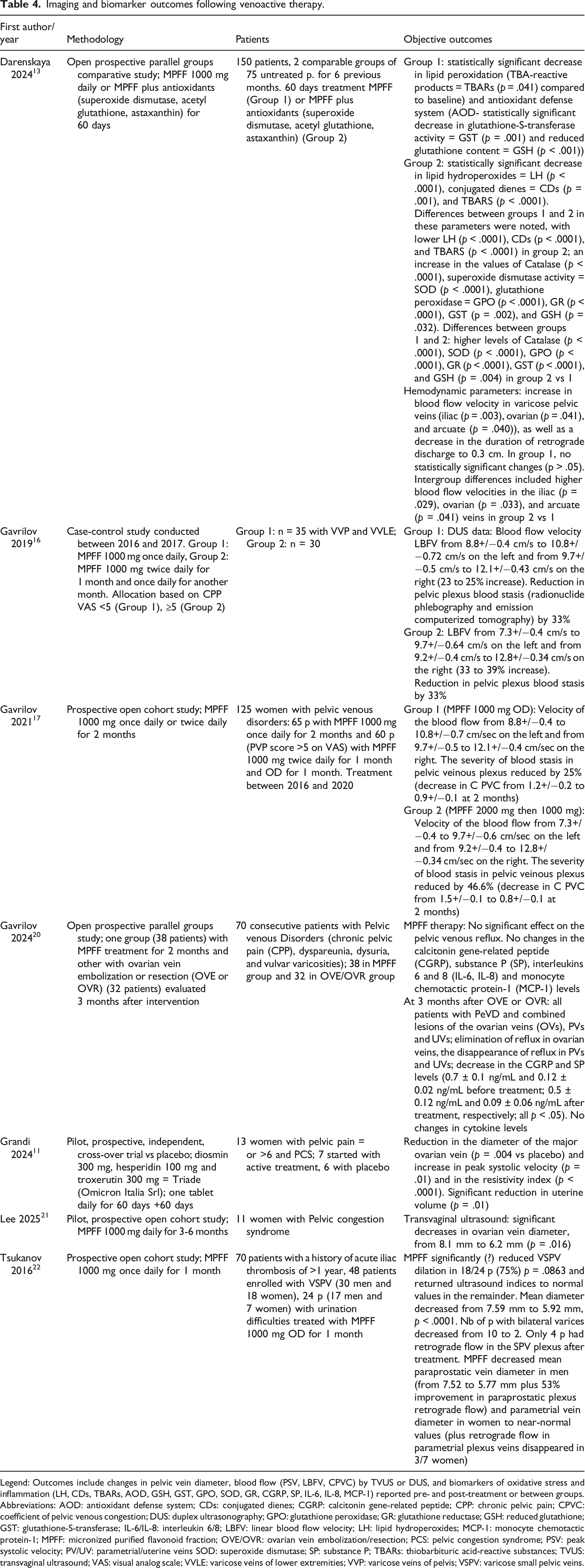
Legend: Outcomes include changes in pelvic vein diameter, blood flow (PSV, LBFV, CPVC) by TVUS or DUS, and biomarkers of oxidative stress and inflammation (LH, CDs, TBARs, AOD, GSH, GST, GPO, SOD, GR, CGRP, SP, IL-6, IL-8, MCP-1) reported pre- and post-treatment or between groups.
Abbreviations: AOD: antioxidant defense system; CDs: conjugated dienes; CGRP: calcitonin gene-related peptide; CPP: chronic pelvic pain; CPVC: coefficient of pelvic venous congestion; DUS: duplex ultrasonography; GPO: glutathione peroxidase; GR: glutathione reductase; GSH: reduced glutathione; GST: glutathione-S-transferase; IL-6/IL-8: interleukin 6/8; LBFV: linear blood flow velocity; LH: lipid hydroperoxides; MCP-1: monocyte chemotactic protein-1; MPFF: micronized purified flavonoid fraction; OVE/OVR: ovarian vein embolization/resection; PCS: pelvic congestion syndrome; PSV: peak systolic velocity; PV/UV: parametrial/uterine veins SOD: superoxide dismutase; SP: substance P; TBARs: thiobarbituric acid-reactive substances; TVUS: transvaginal ultrasound; VAS: visual analog scale; VVLE: varicose veins of lower extremities; VVP: varicose veins of pelvis; VSPV: varicose small pelvic veins.
Ultrasound evaluation
Ultrasound evaluation was used in six studies,11,13,16,17,20–22 with findings showing some inconsistencies across reports. Darenskaya 13 found no significant ultrasound changes in the group treated with MPFF alone. In contrast, Gavrilov et al. 16 observed a 23–25% increase in blood flow velocity with a 1000 mg/day dose of MPFF, and a 33–39% increase with 2000 mg/day. These results were confirmed in the 2021 study. 17 However, a later publication by the same author 20 stated that there is no significant improvement in pelvic venous reflux with MPFF treatment.
Grandi et al. 11 found that active treatment significantly reduced the diameter of the major ovarian vein (p = .004 vs placebo), increased peak systolic velocity (p = .01) and resistivity index (p < .0001), and reduced uterine volume (p = .01). Similarly, Lee et al. 21 reported a significant reduction in ovarian vein diameter, from 8.1 mm to 6.2 mm (p = .016), using transvaginal ultrasound.
In the study by Tsoukanov, 22 MPFF led to a reduction in dilation of small pelvic varicose veins in 75% of patients and normalized ultrasound indices in the remaining cases. The mean diameter decreased from 7.59 mm to 5.92 mm (p < .0001). The number of patients with bilateral varices dropped from 10 to 2, and only 4 patients showed residual retrograde flow after treatment. Additionally, MPFF reduced parametrial vein diameters to near-normal levels, with retrograde flow in the parametrial plexus resolving in 3 out of 7 women.
Pelvic plexus blood stasis (single photon emission computerized tomography)
Quantitative radionuclide phlebography utilizing single photon emission computed tomography (SPECT) to estimate the volume of the peri-uterine plexus was used before and after treatment in three studies by Gavrilov14,16,17 to evaluate blood pooling within the pelvic venous plexus. The authors reported a 25–46.6% reduction in pelvic plexus blood stasis following 2 months of MPFF therapy at doses of 1000 or 2000 mg daily.
Biomarkers
Gavrilov 20 also explored additional objective biomarkers, including calcitonin gene-related peptide (CGRP), substance P (SP), interleukins 6 and 8 (IL-6, IL-8), and monocyte chemotactic protein-1 (MCP-1). These were measured after a 2-month course of VAD therapy and again 3 months after ovarian vein embolization or surgical resection.
Despite MPFF's demonstrated effect on pain, it did not significantly influence levels of CGRP, SP, IL-6, IL-8, or MCP-1 in women with isolated parametrial and uterine vein reflux. In contrast, 3 months after embolization or resection for women with ovarian vein reflux in addition to parametrial and uterine vein reflux, a significant reduction in CGRP and SP levels was observed (p < .05) in addition to a substantial VAS score reduction, suggesting a differential impact between pharmacologic and interventional treatments on neuroinflammatory markers.
Side effects of medication regimens
Adverse events were reported in only five studies.10,11,16,17,20 In the Akhmetzianov study, 10 one of 42 patients in the MPFF group experienced mild dyspeptic symptoms (epigastric discomfort and bloating) during the first 2 days of treatment, which resolved spontaneously. Gavrilov 16 reported two cases of gastralgia in patients receiving a 2000 mg MPFF dose; both of which resolved without requiring treatment discontinuation. In the 2021 study, 17 two patients (3.3%) in the 2000 mg MPFF group complained of upper abdominal pain and flatulence, which also resolved on their own. The authors recommended to change the dose and administration of MPFF to 500 mg twice daily with meals. In the 2024 study 20 gastralgia was notified in 2 out of 38 patients (5.2%) receiving 1000 mg, but it was relieved with gastroprotective agents, and patients continued treatment.
Grandi et al. 11 reported one case of breast tenderness (1/13, 7.7%) in the active treatment group and one case of headache (1/13, 7.7%) in the placebo group; both were self-limiting.
Overall, treatment with venoactive drugs appeared safe, with only mild and transient adverse events.
RCTs quality assessment
Assessment of RCT quality based on cochrane group criteria.
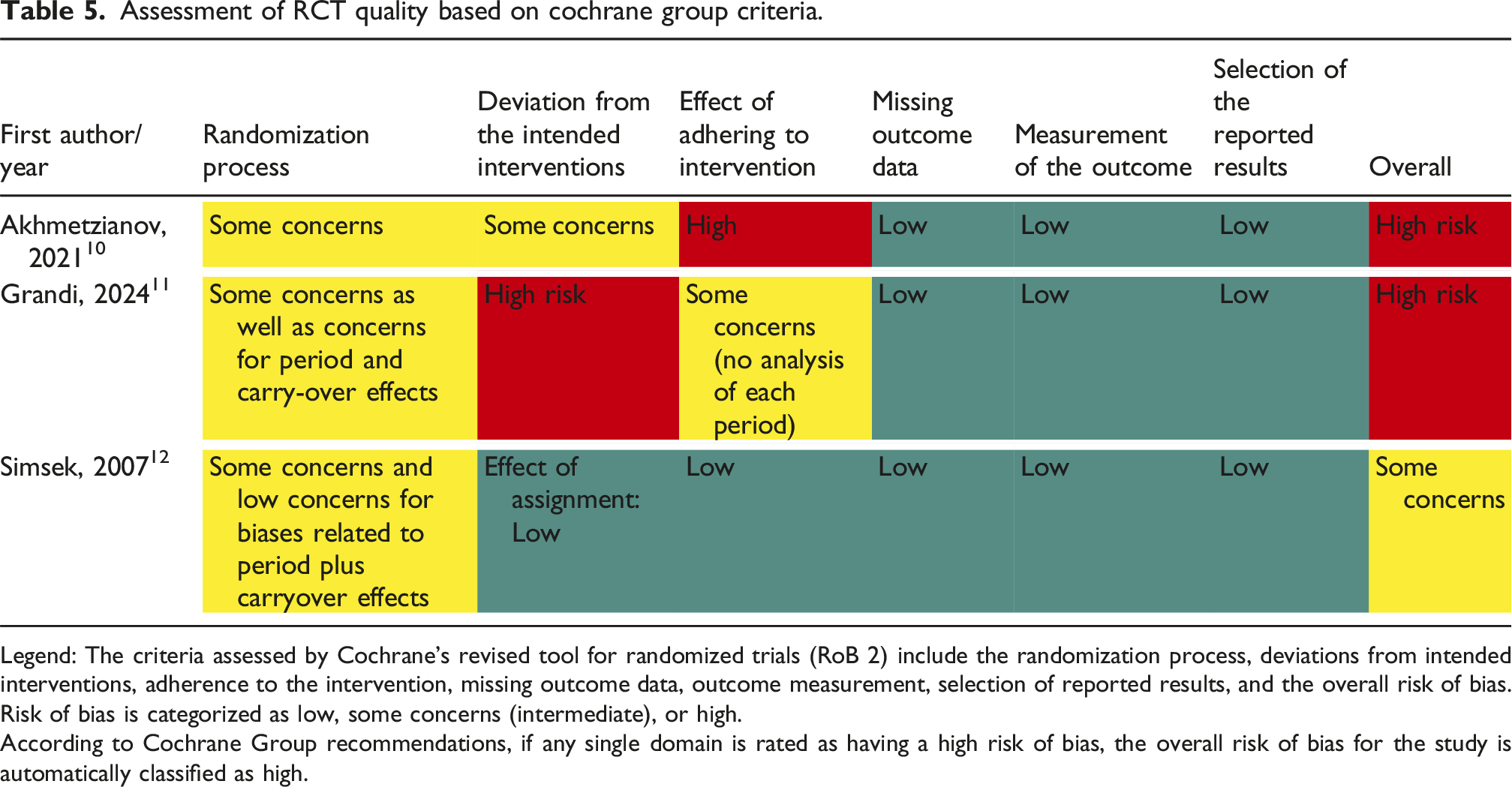
Legend: The criteria assessed by Cochrane’s revised tool for randomized trials (RoB 2) include the randomization process, deviations from intended interventions, adherence to the intervention, missing outcome data, outcome measurement, selection of reported results, and the overall risk of bias.
Risk of bias is categorized as low, some concerns (intermediate), or high.
According to Cochrane Group recommendations, if any single domain is rated as having a high risk of bias, the overall risk of bias for the study is automatically classified as high.
Discussion
Although many studies were deemed to be of low quality, the evaluation of VAS pain scores as endpoints for assessing the impact of flavonoids on VO-CPP consistently showed a reduction in VAS scores across all the reviewed studies. Additional endpoints that were evaluated also demonstrated benefit and included the Pelvic Venous Symptoms Questionnaire (PVVQ), the Pelvic Venous Clinical Severity Score (PVCSS), and various objective measures such as pelvic vein diameter and congestion scores assessed using SPECT.
The populations studied were primarily reproductive-age women with VO-CPP, but the diagnostic criteria for inclusion varied across studies from imaging confirmation of pelvic varices with CPP to laparoscopic evidence of pelvic varices. 12 In some of Gavrilov’s studies,14,16,17 heterogeneous inclusion criteria were used, based on earlier research that found better responses in women with only refluxing pelvic veins, compared to those with both refluxing pelvic and ovarian veins.
The effects of MPFF were demonstrated to last for as long as patients were maintained on the drug, with symptoms returning progressively upon withdrawal.12,20 In one of Gavrilov’s studies, 14 the drug’s effects persisted after therapy discontinuation in patients with pelvic reflux only. MPFF consistently improved pain scores, regardless of the regimen, up to 6 months of treatment, the longest treatment and follow-up interval in the literature we evaluated.12,20 It remains uncertain whether the treatment needs to be continued indefinitely for permanent symptom relief or why some patients experience only partial responses.
While the mechanism of action for flavonoids in the VO-CPP is unclear, in other clinical conditions they seem to act on the inflammatory pathway of venous symptoms,24–27 in addition to their antioxidative, 28 endothelial glycocalyx protective 29 effects and improvement of microcirculation and venous tone in patients with chronic venous disease30,31 and with hemorrhoids.32,33
MPFF appears to be safe, with very few side effects reported in the studies we identified for VO-CPP and in 7 double-blind placebo-controlled studies of patients treated for lower extremity venous insufficiency. 6 According to a Korean nationwide study with over 1.5 million patients, diosmin treatment for lower extremity venous conditions had a low rate of adverse events, 34 with an odds ratio (OR) for the risk of adverse events at 2 years’ follow-up being 0.7 for diosmin and 1.0 for MPFF. In one MPFF RCT in venous leg ulcers, 35 the prevalence of side effects was 5/52 (9.6%) for placebo and 4/55 (7.3%) for active treatment. Notably, two systematic reviews of pharmacological treatments for hemorrhoidal disease,36,37 which included MPFF trials administering doses up to 3000 mg daily during a 7-days acute therapy, found that MPFF was well tolerated. No serious adverse events were reported, and there was no significant difference in adverse events between the VAD and placebo groups. MPFF was also safely prescribed for internal hemorrhoids during pregnancy. 38
In contrast hormonal medications, the other class of medication that have been evaluated to treat VO-CPP, although beneficial for pain relief, had significant side effects described: medroxyprogesterone acetate (MPA) caused weight gain and bloating, 39 goserelin acetate (gonadotropin-releasing hormone [GnRH]-agonist) 2 -menopausal symptoms and bone mineral density (BMD) loss, and Depo MPA (injectable MPA)-hypoestrogenic effects and BMD loss. Nonsteroidal anti-inflammatory drugs may be of benefit, but their use should be limited to short-term therapy to avoid gastrointestinal bleeding, suppression of hematopoiesis and agranulocytosis. 40
Diosmetin, the primary metabolite of MPFF main component, diosmin, exhibits inhibitory effects on cytochrome P450 (CYP) enzymes, suggesting potential interactions with CYP-metabolized drugs such as statins, some antihypertensives, anticoagulants like rivaroxaban, apixaban and warfarin, metronidazole, phenytoin, and carbamazepine. 41 However, although the metabolite inhibits CYP in human liver microsomes, these findings occur at concentrations exceeding those achieved with standard 1, 2 and 3 g per day oral dosing and have not translated into clinically meaningful interactions. Extensive clinical studies have not identified any drug interactions involving diosmin or MPFF, and both have been safely used alongside anticoagulant therapies like rivaroxaban.42,43 All major venous disease guidelines recommend no special precautions for concurrent use with any other medication. Multiple toxicological and clinical studies also support the favorable safety profile of these VADs. 41
Limitations
Our systematic review highlighted consistent pain reduction with MPFF in VO-CPP, but heterogeneity in study design precluded meta-analytic data-based conclusions. The three identified RCT studies included different populations and baseline pain levels, varying treatment protocols, and outcome measures.14,16,17
Additionally, we have not identified studies on the impact of flavonoids on men, or on women or men with VO-CPP secondary to venous obstruction, which limits the generalizability of MPFF’s clinical use to all VO-CPP patients.
Future directions: Proposed MPFF trial designs for VO-CPP
Anticipating these limitations, one of our core objectives was to leverage our findings to propose a RCT assessing MPFF for its impact on pain and QOL in women with pelvic venous reflux. We also recognize a growing appreciation for VO-CPP driven by venous obstruction which has not been addressed with flavonoid research. Therefore, we describe the rationale, target population, study arms, and key considerations for two distinct MPFF clinical trials targeting populations with (1) pelvic venous reflux and (2) iliac vein obstruction, each grounded in insights gleaned from our review. The proposed studies would report their patient populations using the Symptoms-Varices-Pathophysiology classification of pelvic venous disorders. 44
To ensure homogeneity, patients with combined primary ovarian reflux and significant iliac vein obstruction as well as women with severe left renal vein compression and secondary ovarian and peri-uterine vein reflux will warrant separate trials in the future, since their response may be different than those with isolated primary reflux and isolated obstruction with or without secondary reflux.
For a “Reflux RCT” targeting women with pelvic venous reflux (refluxing parametrial veins with or without ovarian vein reflux), participants will meet American Board of Obstetrics and Gynecology clinical criteria for CPP, as well as having VO-CPP as their primary pain generator. This includes diffuse pelvic aching that is present all month, possibly intensified around menses, as well as prolonged post coital aching. The pain typically is provoked by long standing, and is worsened by the end of the day, lifting and vigorous activity, and improves overnight and after lying down, and is associated with uterine and adnexal tenderness with minimal pelvic floor trigger-point pain. 45 A separate study done on populations of women who are primarily affected by vulvar pain, pressure and or itching, if this is the primary symptom, would be of interest to better understand the value of flavonoid therapy in this situation.
Patient inclusion criteria should also require ultrasound confirmation of periuterine and periovarian and/or arcuate vein reflux >1 s and possibly also diameter ≥5 mm (pelvic varices). An adaptive dosing strategy may be worth considering based on Gavrilov’s studies which would begin treatment of women with baseline VAS ≥5 at 2000 mg/day MPFF, while those below this threshold start at 1000 mg/day with an escalation option after 2 months if pain persists. The multi-arm study would also divide the women into those with and without ovarian veins reflux to assess if this feature is predictive of outcome. Daily VAS diaries over a 30-days run-in and subsequent 30-days sampling windows at months 2, 4, and 6 will capture effects on both cyclic and sustained pain patterns. The primary endpoint is the change in mean 30-days VAS from baseline to month 6; secondary endpoints include both disease-specific and generic QOL measures (PVVQ/PVCSS, EQ-5D-5 L, SF-36, and PROMIS pain intensity and interference, or the PROMIS Profile {PROMIS-29 v2.1} that contains PROMIS items from several different domains) and optional duplex hemodynamics. Looking ahead, a VO-CPP–specific patient-reported outcome measure is under development for use in comparative effectiveness trials to meet FDA labeling requirements (ClinicalTrials.gov ID NCT06083597). It is anticipated that this instrument will be validated in 2027 and would serve as the primary endpoint in future trials as it encompasses measuring change in both VO-CPP symptoms and the broader downstream impacts of these symptoms.
Second, we suggest considering an “Obstruction RCT” that focuses on iliac vein compression with the pre-determined specific stenosis criteria. Clinical inclusion mirrors the Reflux RCT, augmented by imaging confirmation of iliac stenosis and exclusion of primary ovarian vein reflux. Two strata could be considered (iliac vein compression alone as well as iliac vein compression with secondary reflux and refluxing pelvic varices) and each will receive the same three-arm intervention (MPFF 1000 mg, MPFF 2000 mg, placebo) and employ identical symptom monitoring and outcome assessments.
Given the high prevalence of overlapping pain syndromes secondary to central sensitization as well as other systemic comorbidities in CPP, future trial protocols should systematically record baseline characteristics and symptom severity of these conditions utilizing existing clinical assessment tools and potentially exclude women with more severe presentations. Balancing these comorbidities across arms and excluding the most severely affected individuals will ensure that MPFF’s effect on VO-CPP pain and QOL is not confounded by central sensitization or affective conditions, acknowledging that women with clinically significant affective or centralized pain disorders may experience attenuated treatment responses.
Prior to initiating each study, sample size calculations will be required, using the data presented in this systematic review, to ensure adequate statistical power is achieved to detect clinically meaningful differences in pain and QOL endpoints. Sample size calculation for the obstruction RCT will be challenging as there is no data to assess the impact MPFF on pain with this pathophysiology. The only paper that could provide insight into the magnitude of MPFF impact focused on a population with pelvic pain and varices after prior iliac vein thrombosis. 22
Conclusions
While many identified studies appear to be of low quality, the consistent beneficial effect on VO-CPP scores and the safety profile observed across all reviewed studies suggest that flavonoids have a positive role in the conservative management of PeVD. Future well-designed RCTs are needed to confirm these findings. In the meantime, flavonoids should be considered a therapeutic option for symptomatic patients with PeVD who are not qualified for, not wishing, or are awaiting intervention.
Footnotes

Author contributions
MG, MD, GS and NK were responsible for the conception and the design of the study, the literature search, the critical revision of the manuscript and final approval. MG, GS and NK oversaw the studies reviews, the manuscript's data collection and narrative analysis and RCTs’ quality evaluation.
Funding
The authors received no financial support for the research, authorship, and/or publication of this article. This project was carried out entirely on a voluntary basis.
Declaration of conflicting interests
The author(s) declared no potential conflicts of interest with respect to the research, authorship, and/or publication of this article.
Guarantor
Monika L. Gloviczki.