




Abstract
Research about Palestinians in Israel during the period of military rule from 1948 to 1966 describes them as acquiescent and primarily focuses on the mechanisms of control imposed by Israel. This article examines the role played by improvised sung poetry in Palestinian weddings and social gatherings during this period, and it assesses the contribution that this situated art form made to asserting this community’s agency. Ḥaddā’ (male) and Badāaʿa (female) poet-singers are considered as agents of cultural resilience, songs as tools and weddings as sites of resilience and resistance for Palestinians who lived under Israeli military rule. Folk poetry performed by Ḥaddā’ and Badāaʿa is identified as a form of cultural resilience and resistance rooted in Palestinians’ cultural heritage. The data signal the persistence of resilience, dignity and rootedness in the land and identity, as well as demonstrating the risks of such resilience and of resistance actions.
Introduction
This article considers improvised and recalled sung poetry as a form of cultural resilience and resistance rooted in Palestinians’ oral cultural heritage. In particular, it examines the roles of poet-singers as agents of cultural resilience, songs as tools and weddings as sites of resilience and resistance for Palestinians in Israel who experienced life under Israeli military rule from 1948 to 1966.
The oral poetry of the Palestinians is a living tradition which is expressed in colloquial Arabic and is characterised by its spontaneity. It is sung by professional poets at weddings, public festivals and other joyous social events, and the Palestinians who compose this poetry are mostly known in Arabic as hādī or Ḥaddā’ (male poet-singers) or shāʿir shaʿbī (folk poets). Singing has been always performed by women; however, the Badāaʿa (female poet-singer or folk poet) is unusual and the term is rarely used or researched, especially in English. The genres that women utilise are different from those performed by men. We will use the term poet-singer in this study to describe the people who compose and perform the art form, which is known as al-shiʿr al-murtajal (improvised poetry), al-shiʿr al-shaʿbī (folk poetry) or al-zajjāl (colloquial Arabic poetry in strophic form). The terms ‘sung poetry’ and ‘poetry-singing’ will be used interchangeably in this study to refer to these forms. While Palestinian sung poetry does not follow the grammatical rules of modern standard Arabic, it does nevertheless have its own conventions (Sbait, 1989, 1993). Traditionally, Ḥaddā’ – the male poet-singers – performed in pairs and Badāaʿa – the women poet-singers – performed alone and were accompanied by a Dūrbakeh (Arab drum) and sometimes with percussion.
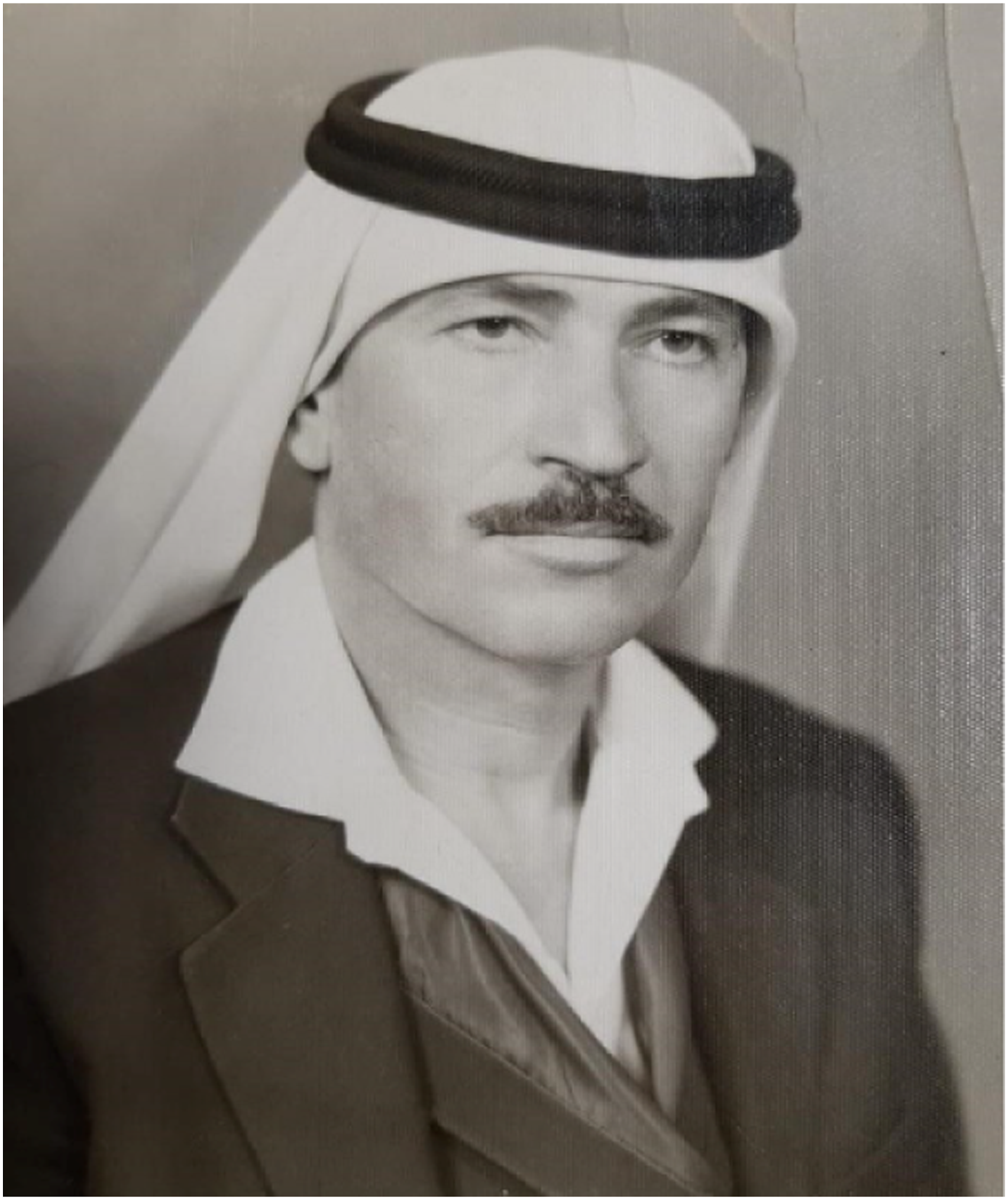
This study will primarily focus on two poet-singers, Badriyya Younis (see Figure 1) and ʿAwnī Sbait (see Figure 2). The poet-singer ʿAwnī Sbait was born in 1929 in the village of Iqrith, in upper Galilee
1
near the Lebanese border, and he died in Rama in the Galilee in 2008. Iqrith, a Palestinian, Arab Christian Maronite village, was occupied by the Israeli army in October 1948, and the residents were evicted to the nearby village of Fasouta (Pappé, 2011). Badriyya Younis is the only Palestinian woman widely known to have been a poet-singer participating in wedding parties and public events during the military rule period. She was born in the village of Aʿara in the Triangle area in the centre of the country in 1915 and died in 2001. The village, like the rest of the Triangle area, was handed over in 1949 to Israel by Jordanian forces. Badriyya, who came from a well-established family in the village, was blind from the age of four. She learnt to sing from an early age and learnt to recite the Quran and religious songs. Badriyya Younis is widely known for her love song ‘ḥayyid ʿan il-jhaishi yā ghbaishī’, ‘Keep Away from the Army’, in which she asks her lover, a courageous fighter, ‘to be [both] cautious as there are British soldiers near’ and proud of his refusal to surrender (Younis, 2001; Younis, n.d.). Badriyya Younis 1965. ʿAwnī Sbait 1975.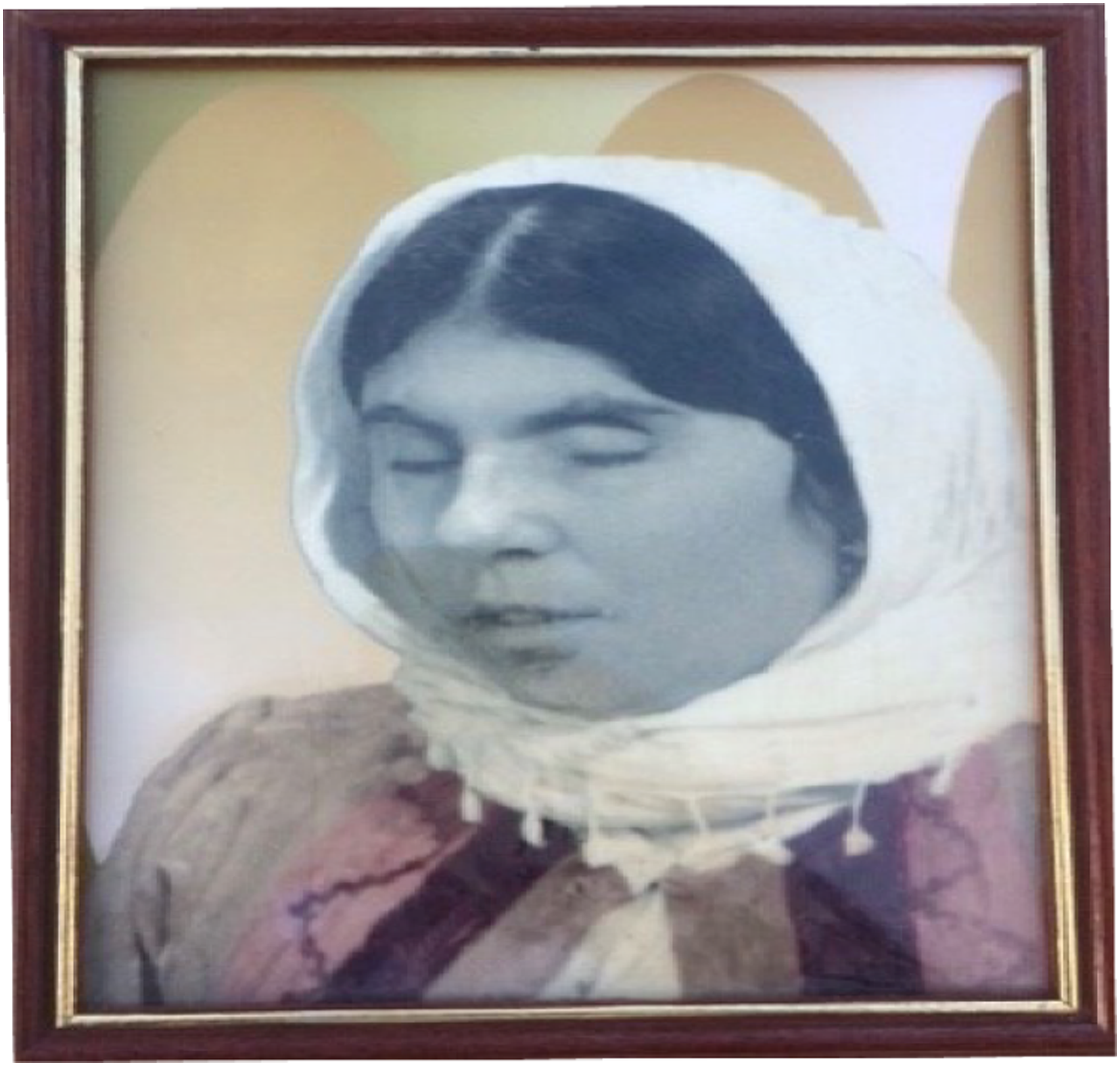
During the military period, the majority of Palestinians in Israel resided in rural areas in small villages inhabited by one or two thousand residents, and they made their living from agriculture or by providing cheap labour within the Israeli economy. Palestinian areas were divided into three main districts: Galilee in the north, where the majority of the Palestinians lived; the Triangle area in the centre and the Nakab (Negev) in the south of Israel, home to the Palestinian Bedouins (Nasasra, 2017). Each of these regions was directly administered by its own Israeli military governor.
Most scholarly research about the Palestinians in Israel during military rule has focused on the period’s colonial nature and the mechanisms of control imposed by the newly founded Israeli State rather than on the variety of strategies that Palestinians adopted in response to them (Cohen, 2010; Sa’di, 2014). However, there are some notable exceptions that have represented the complex multilayered relationship between Israel and the Palestinian minority. Robinson’s (2013, p. 8) research ‘weaves a far messier tale than other works that have characterized the period of military rule as a more or less orderly programme of displacement, exclusion, and repression’, and he argues that Palestinians navigated the paradoxical status of being both citizens and subjects of a colonial state. Dallasheh challenges the resistance/collaboration dichotomy and argues that Palestinians within Israel maintained their identity and negotiated their civil and political rights (Dallasheh, 2010; Dallasheh, 2015). Examining the writings of the Palestinians in Israel during the military rule period, especially poetry and the role of culture, Nassar (2017, p. 3) locates ‘their resistance against the state policies and the Zionist logic that underpinned them, within the larger context of Palestinian, Arab and international struggles for decolonization’.
Palestinians’ agency has largely been ignored in the literature and they have been cast as passive victims. This research examines the role of poet-singers and their contribution to asserting this community’s agency. The study draws on empirical data to enhance our understanding and knowledge gaps, and it explains how members of this cut-off minority, living under a new and unwanted military regime, were able to enact resistance through their cultural heritage and in the social spaces, particularly weddings, which created opportunities for unregulated cultural expression and resilience. The research offers generalisable insights into how a minority, in a context where asymmetrical power relations prevail, can use expressions of cultural heritage to communicate steadfastness, and sometimes direct opposition, to oppression and injustice.
Section one reviews the nature of the military rule imposed on Palestinian citizens and explains the study’s research methodology. Section two reviews the key literature on Palestinian cultural resilience in asymmetrical conflicts. Section three sets out our research findings, and section four analyses how poetry-singing, in the context of weddings, has informed the conceptualisation of resilience and resistance in the case of the Palestinians in Israel.
Palestinians Under Israeli Military Rule
It is estimated that in 1948 between 80,000 and 160,000 Palestinians remained in Israel, where they represented around 10 percent of the original population. Reduced to a minority within their homeland, they felt confused and isolated from their fellow nationals. One interviewee, originally from the village of Miska [Triangle], explained that ‘People were shocked and traumatised after 1948 and they were scared and controlled by fear and felt helpless when Israel defeated all the Arab states’ (Shbita, Abed Al Rahman, interview, Tira, January 24, 2018).
Restrictions were imposed on the Arab minority in Israel. For example, they were required a permit from the Israeli military governor to travel for any purpose outside the village boundary. A worker recalls: ‘We used to go to the military headquarters in Shafa ʿAmer [Galilee] to apply for a work permit. People from the neighbouring villages would come and queue for the same reason, and hundreds of us would queue together. The permit would determine the route to and from work’ (Anon, interview, ShafaʿAmer, June 25, 2013).
When Israel was systematically delegitimising Palestinian history and culture, the emergence during the 1960s of a ‘new generation of Palestinian resistance poets inside Israel might seem some sort of a miracle’ (Elmessiri, 1982, p. 7). To promote their erasure, Israel’s policy ‘aimed at destroying the national identity of the Palestinians and creating alternative collective identities for them’ as Muslim, Christian, Druze and Bedouin minorities (Sa’di, 1996, p. 397). This defeated population is largely absent from the Israeli State’s official history, and, if they did appear, Palestinians were cast as passive actors (Ghanem & Muhanad, 2009). To control the Palestinians in Israel, the State created a network of collaborators and informers who worked closely with the military authorities; it co-opted the Palestinians’ traditional leadership structures, as well as the education system and media and it operated a complex system of surveillance (Rouhana & Ghanem, 1998). Under military rule, Palestinians’ disempowerment was compounded by a scarcity of cultural institutions and by people’s limited capacity to produce and disseminate cultural knowledge. In these circumstances, sung poetry and poet-singers had critical roles to play.
Methodology
This research is based on 25 face-to-face, qualitative, semi-structured interviews conducted from 2017 to 2019 with Palestinian poet-singers from different areas in Israel, as well as with the children of deceased poet-singers. The interviews focused in particular on Younis and Sbait because these poet-singers were unusually outspoken about military rule. Interviewees were asked about their memories of living under Israeli military rule, the role of poet-singers in weddings and social gatherings and their memories of their parents. While retrospective reconstructions of distant events are rightly open to criticism, we scrutinised our interview material to discern the ways in which folk poetry constituted and contributed to cultural resilience and resistance in a specific set of circumstances, and we triangulated our findings with the published material. Each interview lasted for up to 1 hour, was conducted and recorded in Arabic and was then translated into English.
We reviewed documents, notes and diaries by the two poet-singers, including private family materials, and we analysed 5 hours of songs recorded at weddings and social gatherings, sourced from the singers, their families, CDs and YouTube. We consulted several Arabic-language monographs published by the poet-singers. These materials allowed us to develop the typology which was subsequently used as a framework for this study. Further research was carried out using Hebrew newspapers and documents in the Biet Berl archive of the then ruling party in Israel, Mapai. We also identified and examined the memos and reports that military governors had submitted to the ruling party about the role of any poet-singer who they classed as an ‘extremist, moderate or supporter’ of the State.
The Asymmetry of Power and Resistance
The conceptual frameworks that create a dichotomy between sporadic military resistance and submission have shaped the research that has presented Palestinians under military rule as passive subjects (Cohen, 2010). Those frameworks have obscured the visibility of resilience and resistance whereby people contest prevailing asymmetrical power relations between Israel and the Palestinian minority without resorting to open confrontation. In these kinds of circumstances, the everyday life of occupied people can enact cooperation, co-existence, resilience and resistance simultaneously, and people can be considered both as subservient and active agents (Sémelin, 2010). In fact, non-cooperation with different dimensions of power and the marginalisation of violence can be seen as challenges to that power in line with the principles of nonviolent resistance (Sellick, 2019; Scott, 1987); often the everyday agency is varied, nuanced and tied to the local context and sometimes cooperation is ‘viewed as a means of “capturing” the resources’ people need to live, including travel permits and employment, for example (Richmond & Mitchell, 2011, p. 339).
Ṣumūd, in Arabic, means persistence or steadfastness. It also refers to inner strength and was born out of people’s everyday need to survive and persist in the face of ongoing Israeli efforts to displace Palestinians. It is an “umbrella concept with different shades of meaning, different emphases over time and also somewhat different understandings related to place and context” (Van Teeffelen, 2018, p. 5). Nevertheless, the Palestinians’ resistance movement inside and outside Palestine recognised Ṣumūd as a constructive form of resilience and endurance, its use became popular in the 1970s and 1980s and since then it has been fundamental to the work of sustaining and protecting Palestinian culture, history and community values. In the late 1960s, Ṣumūd was perceived as a survival and coping mechanism that helped to maintain a sense of normality and stability on the land, despite the hardship of the occupation. Particularly during the first Intifada 2 in 1987, Ṣumūd became more fully associated with the everyday tactics of resilience which could over time be developed into more structured forms of proactive and constructive resistance (Darweish & Rigby, 2015; Johansson & Vinthagen, 2015; Richter-Devroe, 2011; Soliman, 2019). This study focuses on Palestinian resistance through the eyes of poet-singers and shows how the use of sung poetry acts as a powerful means to undermine oppressive power structures. It does so in order to demonstrate how sung poetry can be used as an expression to enforce identity and resistance during military rule.
The small oppositional acts that contest the oppressive structures imposed by Israel in the context of asymmetric power relations have often been described as forms of resistance. However, in this article, we consider resistance as an oppositional act and practice in relation to power and a struggle between the ‘agents of resistance and agents of power’ (Hollander & Einwohner, 2004, pp. 553–554). We also demonstrate that resistance is plural, hidden, ‘malleable and evolving, and that it is a phenomenon with many faces’ (Baaz et al., 2017, p. 139).
Foucault argued that power operates, not just as a force of domination possessed and imposed by power holders for a singular purpose, but as a set of diffused relations that permeate all aspects of relationships in society. Individuals and groups do not exist external to power but are instead produced as a result of power relations, and so all cultural expressions, including sung poetry, have to be read in the context of the fields of power in which they are produced and enacted (Foucault, 1980).
Gramsci’s distinction between domination and hegemony draws attention to situations where power is enacted through a combination of coercion and collaboration throughout different aspects of society to manufacture consent (Gramsci, 2001). From a Gramscian perspective, it is reasonable to argue that state institutions, including the police and military government, exerted their hegemony over the Palestinians in Israel in a bid to compel submission and obedience. This research demonstrates that critical poet-singers, namely Younis and Sbait, challenged the State’s hegemony and the demonisation of their community. They expressed cultural resilience and challenged power in different social and political settings when they sang for the land, the right to return, freedom and national identity, and they supported the struggle of the anti-colonial movement.
Poetry-singing from a specific historical period can cast light on people’s hopes and fears, especially when a population is under occupation. Certainly, Palestinians’ songs have reflected the history of the Palestinians and their struggle (Massad, 2003; Berg & Schultz, 2013). Critical Palestinian poetry-singing is an outcome of the ‘relationship between a long intrinsic tradition and a long history of occupation and subjugation’ (Kanaaneh, 2013, p. 8). Poetry-singing and music in this context become means of resilient resistance when the identity and history of the occupied is under threat and the occupied mobilise ‘against oppressive power’ (Thorsén, 2013, p. 162).
When political participation is severely restricted for ethnic groups and minorities, culture becomes a mode of political expression that can ‘recognise identities and places, and the boundaries which separate them’ (Martiniello & Lafleur, 2008, p. 1197). Rohrbach, in her analysis of Palestinian theatre, argued that cultural resistance ‘is inextricably connected to the concept of Ṣumūd’, and Mattern developed the concept of ‘acting in concert’ as a metaphor for political action in the case of indigenous American Indian folk music and culture (Rohrbach, 2018, p. 81; Mattern, 1988).
Poetry festivals were held regularly in Arab villages under military rule, and thousands of people – young and old, men and women – would read and listen to poetry in the village centre. Furani (2013, p. 95) explained that ‘poets revitalized structures and made them effective for affirming a people’s existence under the onslaughts of an imposed nation-state’. Hoffman (2009, p. 258) has noted that the festivals became ‘means of political expression’ in defiance of the severe punishments participants faced from the military. Meanwhile, Nassar argues that, during military rule, literature ‘played a central role in enhancing the cultural and political awareness of the Palestinian citizens of Israel, which, in turn, inspired them to challenge the Zionist discourses’ (Nassar, 2010, p. 334).
Culture has served as a medium of resilience for marginalised groups in asymmetrical power relationships elsewhere too. Aydin (2014, p. 69) has described celebrations of Nawroz Day by the Kurds in Turkey as a ‘tool for building counter-hegemonic discourse’. The civil right movements in the US, the ‘greatest singing movement’, mobilised cultural resistance through freedom songs which emerged out of southern black communities (Carawan & Carawan, 1990, pp. 3, 15).
Music is a shared social activity and the act of ‘musicking’ together generates meaning (Small, 1988). It has the capacity to unite people and to create and/or strengthen social cohesion as the experience of shared sounds comes to embody and represent perceptions of common group beliefs, emotions and memories (Attali, 1986; Robertson, 2014). These effects are largely dependent upon collective memories and the emotions generated by the music’s properties, and so tension exists between familiarity and novelty. A familiar musical experience connects a group through memory and the power of associations, which may be shared. Overly familiar music might be perceived as belonging in the past and disconnected from a group’s ambitions, whereas overly unfamiliar music can seem irrelevant or unrepresentative of the group.
Take the example of ‘turbofolk’, a hybrid form of Serbian folk music and western electronic dance music that was particularly popular in Bosnian Serb territories during the Bosnian war. Its traditional elements felt representative of Serbia, while its modern elements demonstrated a desire for something new. The form became linked to the experiences, emotions, memories and actions of Bosnian Serbs, and paramilitary groups used it at great volume to demoralise Bosniak and Bosnian Croat villages before invading, essentially occupying the space sonically before they occupied it physically (Jovanovíc, 2005; Robertson, 1998).
The Performance Culture of Palestinian Poetry-Singing
In this section, we present our research findings and analyse how Palestinian poetry-singing enhanced Palestinian national identity and opposition to military rule. The poet-singer ‘writes, sings his own poetry in colloquial dialect and makes it up as he goes along’ (Sharif Kanaa’na, interview, April 1, 2019). Over time, Ḥaddā’ and Badāaʿa will amass a store of sung poetry that they will improvise, recall and reorganise during a wedding party. The songs are usually repeated at each wedding where they are aired through loudspeakers and heard by the whole village. Sometimes the songs are deliberately ambiguous and use metaphor, which allows them to convey hidden critical views while avoiding confrontation. A double meaning provides a good escape route for the singer if challenged. Poet-singing is usually passed down through the generations in a family, as was the case for ʿAwnī Sbait. He recalled that ‘I was 15 years old when I became aware of traditional poetry singing. After my father died, I found songs and poems among his papers and in his diaries. I decided to become a poet-singer and keep this family tradition’ (Sbait, 1976a, 1976b, p. 14). As an act of resistance, Sbait refused to learn and speak Hebrew, the language imposed by Israel on the Palestinians (Darweish & Sellick, 2017).
Living conditions were hard under military rule and only a few families were able to hold weddings and pay the poet-singer to attend. Weddings were usually held during the summer, and so poet-singers had to find other work to supplement their income. Sbait’s son Khalil explained that his father worked as a labourer in a local factory making bricks, but even a job like this was difficult to find because ‘the Israeli intelligence service put pressure on the factory owner to sack my dad from his job because of his opposition to the military rule’ (Khalil Sbait, interview, Haifa, January 4, 2019).
Shahada explained, in the introduction to Sbait’s book The Revolutionary Wound (1976a, 1976b, p. 10), [Al-Jurḥ al-Thā’ir] that his songs ‘reflected the pain and hope of his community in Iqrith and the entire Palestinian community in Israel’. The main focus of his songs was on social and political issues and connection to and love for the homeland. His village was central to his singing, and he is known as the ‘poet-singer of the displaced people’ inside Israel. In his song ‘Revenge’, Sbait (1976a, 1976b, pp. 18–19) describes his struggle to survive with pride and respect, and his refusal to bow to oppression. I was born in Free Iqrith. I suckled courage from her breast. My pride will survive their poison. I will not eat the honey of cowardliness. Nor will I dress in the garb of collaboration. Even if draped in pearls.
Sbait chanted for the workers and peasants, women, the poor and other marginalised groups, and his still popular song ‘Long Live Workers and Peasants’ reflects his social justice perspective. An internationalist, he expressed solidarity with national liberation movements struggling against colonialism, as well as his vision which was based on equality and respect for Palestinians and Israeli Jews. He articulated the future relationship between Muslims, Christians, and Jews in Palestine, using song to urge Israeli leaders to ‘leave your expansion policy and racism, and let Ahmad, Haim and Hanna live in peace’ (Sbait, 1976a, 1976b, p. 23).
Badriyya was fearless, witty and strong-minded and used a strict diet and special herbal drinks to protect her voice: ‘She had strong presence and command on the people around her. She was popular and it was often the case that Badriyya was booked far in advance to perform in the wedding’ (Fadwa Younis, interview, A’ara, October 18, 2018). She refused to sing at the weddings of families she suspected of collaboration with the Israeli military, rare for a women in any traditional hierarchical society, and particularly one under occupation, and she ‘openly expressed her rejection of the military rule without fear and expressed national views and vision of free Palestine’ (Fadwa Younis, interview, October 18, 2018, A’ara). She wrote and composed songs that called for Arab unity, and she is most well known for her songs about Gamal Abdel Nasser, the former president of Egypt, and Yasser Arafat, the leader of the Palestine Liberation Organization. 3
Weddings as Social Gatherings and Forms of Resistance
Poet-singers drew on Palestinian cultural heritage in the form of an extensive repertoire of folk melodies related to the wedding ceremony that focus on many aspects of life including love and yearning, celebrating the bride and groom and praising their families and the guests. Guests brought sacks of rice, sugar and sheep to sacrifice during the wedding and some contributed money as presents to the groom’s family. To mark a wedding, people gather over 3 days to celebrate, socialise, sing, eat and drink, and, in most cases, women and men hold their celebrations separately. In the Galilee, people are more likely to have a mixed celebration than they are in the Triangle area and the Naqab.
Arab villages in the 1950s were small, with populations of a few thousand residents each, and they had no transportation, electricity or running water. Neighbours hosted guests from outside the village for the duration of the wedding and offered support, often by providing cooking pots and plates so that food could be served to the guests and village residents. As one of the folk singers noted, ‘Weddings were the only social gatherings permitted during the military rule given the restrictions of movement of the Arabs in Israel’ (Poet-singer, interview, January 5, 2019).
A wedding is always a very significant social occasion in the lives of a Palestinian community. The celebration held in the main square (Bydar) of the village was particularly important because ‘there were no cafes, clubs or other forms of social gatherings in the village’ (Poet-singer, interview, January 5, 2019). In an urban setting, the wedding was held in a community or private hall, and therefore, the number of participants was restricted; in rural areas, by contrast, all of the villagers were invited and expected to attend and provide support during the celebration. Poet-singers attended fewer wedding celebrations in the city, and those celebrations were usually shorter than those at weddings in the villages.
Younis and Sbait utilised wedding parties to express connection to the land and opposition to military rule. Their songs promoted Pan-Arab national solidarity and Palestinian nationalism and identity, and, unlike many poet-singers, they rejected overt cooperation with the new regime. Sbait’s son explained: ‘My dad refused to be part of the Israeli system and never wanted to sing or praise the military governor or Arab leaders connected to the Israeli authorities’ (Khalil Sbait, interview, January 4, 2019; see Figures 3 and 4). Poet-singers who spoke publicly against military rule paid a high price by being prevented from securing travel permits and winning employment, an issue which is examined further in the next section. Younis, pictured singing at a wedding (top right). Sbait, pictured on the right, at a wedding in 1965.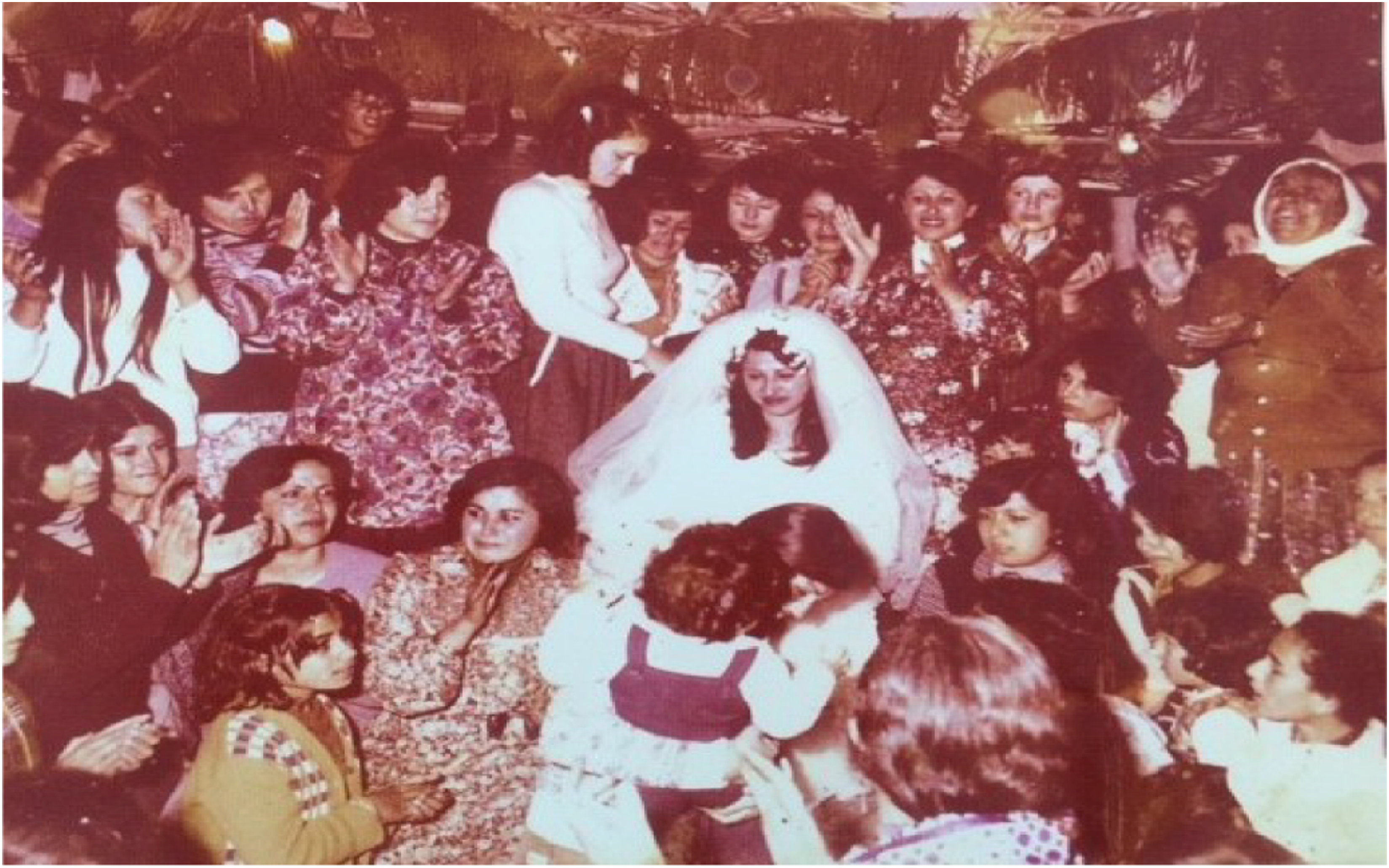
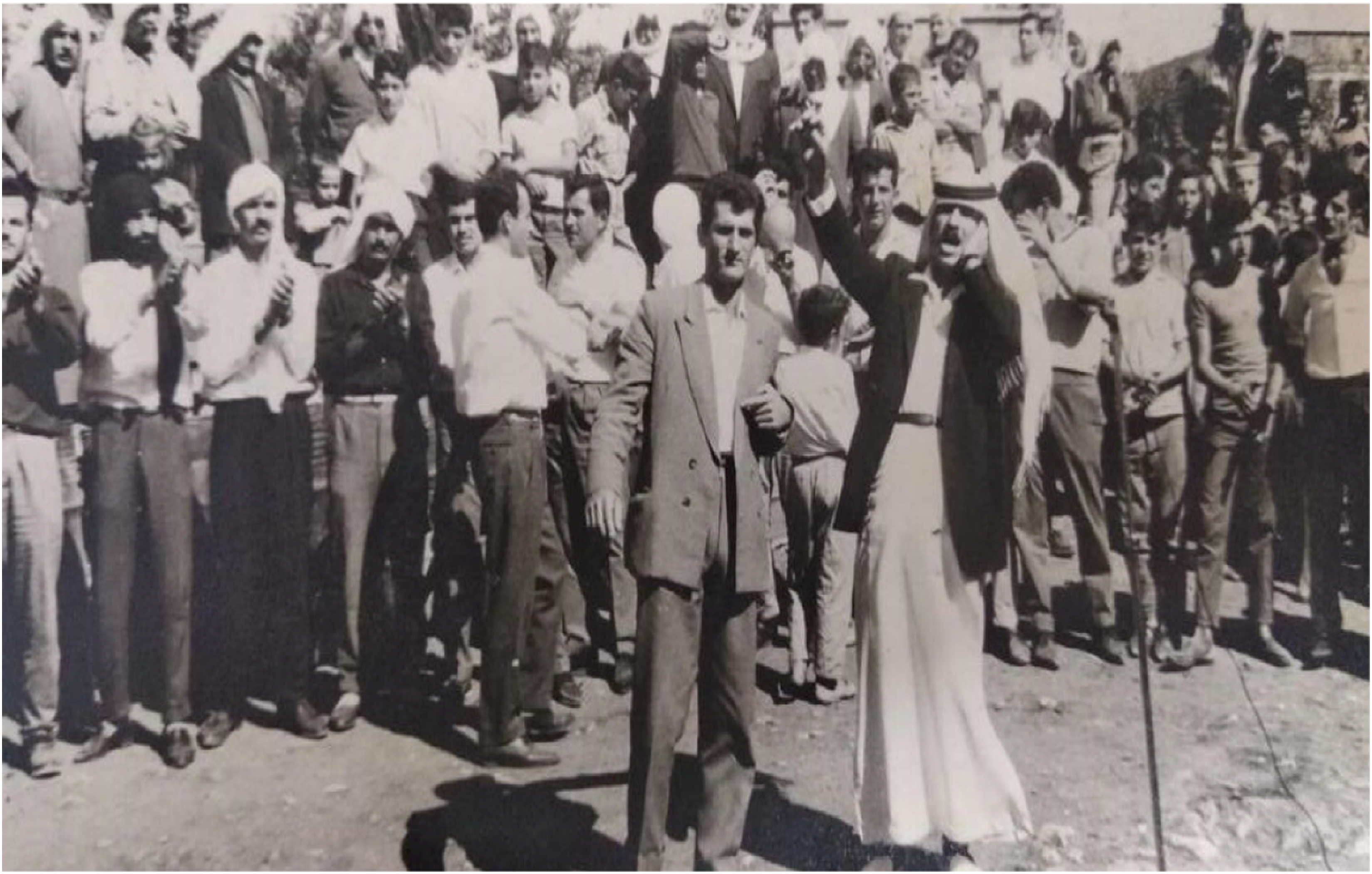
Ḥaddā’ mostly attended weddings in their own districts, although they were occasionally invited to other areas, unlike the Badāaʿa who mostly attended wedding parties in or near their own villages. The absence of independent Arab radio and television for the Arab minority in Israel hindered the extension of singers’ influence to other areas within or outside Israel. However, poet-singers in Lebanon and Jordan regularly performed during the 1970s on national television and were watched by Palestinians in Israel. There are limited amateur recordings available of performances at Palestinian wedding parties by poet-singers from the military rule period, but some can be watched on YouTube.
As the wedding celebrations moved through the village streets, the Badāaʿa led the women and the Ḥaddā’ led the men, praising the families whose homes they passed for their generosity and occasionally their steadfastness. They sometimes had the courage to condemn those who collaborated with Israeli military rule.
Speaking Truth to Power
The asymmetry of power between Palestinians and the Israeli State during the military rule period was stark, and it was reflected in feelings of fear and powerlessness among Palestinians. Cooperation with the authorities was often necessary, and very few people opted for confrontation. In Sbait’s book of sung poetry ‘Ghurbh fy al watan’, Foreignness in my Homeland, he tells his story of resistance in the village of Fasouta in 1950, when the head of the church, the military governor and the residents of the village were invited to celebrate the end of the school year. One of the teachers, a cousin of Sbait’s, directed a play that the pupils would perform. Sbait, then 21 years old and fearless, asked the school principal if he could sing at the event. The principal was reluctant because he was aware of the young man’s political views. Sbait’s son Khalil explained that ‘My dad told the school principal, if you do not let me sing, I will ask my cousin not to perform with the children and make chaos’ (Sbait, 1976a, 1976b, p. 14). The principal asked ʿAwnī for the text but he answered: ‘I sing spontaneously, it is folk songs, I am haddā” (Khalil Sbait, interview, January 4, 2019). After the principal acquiesced, Sbait welcomed the parents, teachers, and priest and ignored the governor, asking the priest to tell the governor about how the people of Iqrith were evicted from their homes and lost their land and how the church was destroyed and the bible desecrated. The song described the racist Israeli policies towards the Palestinians and demanded that traitors who had betrayed their people should be punished. The poet-singer declared: ‘Pastor, I will speak the truth and will not be afraid of being hanged. I will raise my voice high demanding my rights’ (Sbait, 1976a, 1976b, p. 14). After the performance, Sbait was arrested and imprisoned for 3 days and told that he would be expelled to Lebanon. A Christian leader mediated and persuaded the military authorities to relent.
ʿArfan Abu Hamad, a producer and presenter on Israeli Arabic radio, wrote to ʿAwnī to invite him to participate in a radio programme about folk singing to mark Israel’s Independence Day celebration in 1973: ‘I am asking you if you can write a sung poem for this occasion. I could then visit you at your home to record it’. ʿAwnī was outraged about this invitation and the ignorance it displayed. In song, he replied:
‘My Brother Irfan, I am sending you my poem telling you about my people’s suffering and their catastrophe. The enemy [Israel] stabbed me in the heart and 25 years later it is still bleeding’ (Sbait, 1976a, 1976b, pp. 20–21).
ʿAwnī went on to describe the suffering of the people of Iqrith and the refusal of the Israeli government to uphold the decision of the Supreme Court to allow their return to their homes: ‘I refuse to celebrate with those who robbed my land … I am telling you the truth, my brother ʿArfan. I cannot sell my conscience to my executioner, not for all the gold and palaces in the world’ (Sbait, 1976a, 1976b, pp. 20–21). This type of overt and direct simple expression of resistance by poet-singers was rare.
Most poet-singers avoided expressions of opposition to the State and some were co-opted by the authorities, sang for the governors and participated in the State’s official celebrations. One of the poet-singers explained that by making the decision ‘not to do that, you are making a political stand, and if you are critical like ʿAwnī then you pay a price’ (Folk singer, interview, January 4, 2019). Sa’di’s (2014) research on surveillance and control of the Palestinians names some folk singers who collaborated with the Israeli military authorities.
Badriyya Younis was an exceptional case when she led the chorus singing against military rule, and her ability to speak out as well as her confidence owed much to her complex subject position as a disabled woman from an elite family. In 1961, the Israeli Communist Party (ICP) invited her to a public meeting in Nazareth’s Diana cinema where she sang against military rule and the oppression her community faced. The meeting was organised by the women’s section of the ICP to welcome a delegation of women from the Soviet Union. Mufid Sidawi, a male activist in the ICP who was from the same village as Younis, drove her to the meeting in Nazareth.
Badriyya was a very strong, determined and politicised woman with an internationalist perspective who supported the anti-colonial struggle. However, responses to the challenges she presented to the status quo tended to be moderated by the sympathy provoked by her blindness. Her disability gave her both an understanding of the need to challenge social norms and a certain amount of freedom to express resistance. Furthermore, Badriyya’s confidence in speaking out was bolstered by class-based and educational advantages, which were available to few Palestinians and fewer Palestinian women at that time. Her land-owning family was part of the Palestinian elite, and one if its leaders had been among the very few Palestinians from a rural village to graduate from the Arab American University in Beirut in the early 1900s. The family was able to pay for private tutors to educate the women in the Younis family, including Badriyya, and so, when Badriyya appeared at the Diana cinema to express resistance in a public way to an international audience, her act of resistance was facilitated in various ways by factors that mitigated the challenges faced by other women poet-singers (Fadwa Younis, A’ara, interview by phone, May 3, 2021).
Anti-Colonialism and Palestinian Nationalism
The 1950s witnessed growing support among Arab peoples for the Pan-Arab movement in the struggle against foreign intervention in the Middle East. The movement was led by the president of Egypt, Gamal Abdel Nasser, who challenged intervention by Israel and the colonial powers. This earned him broad support among the Arab peoples including the Palestinians. Some folk singers, including Younis and Sbait, expressed support for Nasser, who had gained iconic status, to symbolise their rejection of military rule and Israel’s oppression. In her song, ‘The World is Celebrating’, Younis describes support for Nasser and his determination to build the Aswan Dam, despite opposition from the colonial powers and the aggression of Israel against Syria: The world is celebrating from the North and the South. The world is cheering for you Gamal Abdel Nasser. The Israelis came to pump the water and the Syrian fighter chased them away. Egypt and Algeria are cheering Abdel Nasser. He confronted the enemy and built the high Dam.
In her songs, Younis reaches out for international support, especially from the non-aligned countries, to support Egypt’s stand, and she explains that Nehru, the prime minster of India, supported Nasser (Younis, 2001, p. 239). As well as performing anti-colonial sung poetry, Younis also celebrated the short-lived political unification between Egypt and Syria from 1958 to 1971. Younis decorated her house with photos of Nasser and wore his name embroidered on her scarves and dresses. She sang ‘Oh Gamal Abdel Nasser, you are loved by the millions, Syria and Egypt are unified and God willing next will be Palestine’ (Younis, n.d.). Palestinian poets and intellectuals embraced the Afro-Asian liberation and anti-colonial struggle during this period (Nassar, 2018).
Sbait also sang for Nasser and other Arab leaders who resisted British and French colonialism in the region. His son explained that ‘My Dad had in our house photos of the leaders of Arab nationalism’ (Khalil Sbait, interview, October 7, 2018). In a song entitled ‘In Memory of Gamal Abdel al Nasser’, Sbait (1976a, 1976b, p. 33) compared Nasser’s death to the crucifixion of Christ and praised Nasser’s willingness to sacrifice himself for the Arab nation and the world. Nassar (2017, p. 111) argues that ‘Palestinian intellectuals in Israel … express their opposition to the state policies and their connection to the revolutionary spirit of the decolonization of world’.
Our research identified six Palestinian poet-singers within Israel who publicly challenged the Israeli authorities and their policies of segregation and oppression during the military rule period. The archival work we conducted confirmed the Israeli authorities’ surveillance of poet-singers. Yousef Ahmed Majadla, a poet-singer from Baka Al Gharbia in the Triangle area, was reported on December 18, 1962, for singing a song that denounced restrictions and lack of freedom, with the guests replying ‘We want freedom. We want freedom’ (Labour Party Archives, 1959-1964). Other poet-singers were more cautious about explicitly criticising the Israeli State but used metaphors and hidden messages to refer to the Palestinian homeland and national identity. A poet-singer who followed in his father’s footsteps explained that ‘they will sing about their love to the homeland and the land instead of saying Palestine directly, and everyone knows that we mean Palestine’ (Badea’ Shoufani, interview, ʿAylaboun, January 4, 2019).
In contrast, Younis sang for Palestine, Jerusalem and Palestinian leaders including Yasser Arafat and Abu Jihad (Khalil al Wazeer 4 ). The song ‘We Planted Sage’ has had a simple melody and lyrics for centuries, and words can be added according to the event. For example, Younis added a line for her relative who was a political prisoner in Israel. ‘Our Land’ is a song about the impact of the partition of Palestine, urging the Arab leaders to intervene to protect Palestine and its people. She also sang for her uncle, Tawfiq Younis, who joined the 1936 revolution against the Zionist and British forces and was killed by a mine explosion: ‘Palestine do not be sad, we are your revolutionaries. Raise your head high among other countries and be proud of us’ (Younis, 2001, pp. 245–247).
In a rare audio recording from a meeting held in Nazareth in 1960, Sbait’s song praised the Palestinian national struggle’s rootedness in the land: I bring to you regards from the land of Iqrith, from the perfume of the leaves I wrote my songs. In the love of the homeland God knead me and brew me in Palestinian yeast. (Sbait, 1960)
He described the displacement and pain of the people of Iqrith and the loss of their land and homes and demanded their return. Iqrith is the homeland and the homeland is Iqrith for Sbait. In his song ‘Zajalna’, he declares that Iqrith is a source of inspiration for his songs and makes the connection to Iqrith the homeland: This poetry has been picked from the flowers of Iqrith. My songs are for my dear lost homeland. My songs are full of suffering under the yoke of injustice. The greatest betrayal would be for my poetry to abandon my beloved Palestine and her people. (Sbait, 1976a, 1976b, pp. 16–17)
In his song ‘Biladi’, he uses the term ‘land’ to refer to both ‘homeland and Iqrith’ and sings, ‘without justice they expelled me, with the fire of oppression they destroyed me. To Rama they expelled me, with alienation and humiliation, and the closed the gates of happiness of my land’ (Sbait, 1976a, 1976b, p. 24).
In a gathering of church leaders and political leaders in Haifa in 1970, on the anniversary of the eviction from Iqrith, he took a more direct position: ‘The homeland is very precious for the free people’, he sang, and ‘the conqueror pointed the gun at Iqrith and by the force of its army expelled its people’ (Sbait, 1976a, 1976b, pp. 61–62). He is clear that the people should reject this and not surrender: ‘our duty is to stand up and raise our voice loud in the face of the rulers; the enemy of justice’ (Sbait, 1976a, 1976b, pp. 61–62).
A High Price to Pay
The Israeli military authorities created an atmosphere of fear and punishment for residents who denounced the regime. A network of surveillance and collaborators was created to gather information that could be used to enforce sanctions on those who overtly challenged military authority, and the very few poet-singers who resisted and supported the Palestinian national struggle were made to pay a high price. 5 They faced sanctions and were refused permits for work or travel, and some faced imprisonment. Younis was asked several times to submit to interrogation by the military governor in her village, and in these interviews she was told that she should stop singing nationalist songs and songs that were critical of military rule. The military governor exerted leverage over Younis through family members and used the threat of arrest to dissuade her from singing against military rule and supporting the Arab nationalist movement. It was exceptional for a woman during that period to take on such a leading and oppositional role in a male-dominated and hierarchical society and to challenge the oppression she faced from her society and the Israeli State. Younis lived in a small rural village where clear gender roles were observed and expected, and her persistence in expressing resistance is exceptional, even in the context of the educational and social advantages she had over many fellow women poet-singers.
Sbait was also interrogated several times and imprisoned about six times. On one occasion, the Minister for Arab Affairs was invited to a wedding by a local leader from ʿAylaboun who was seen by locals as a collaborator. Sbait was asked by the hosts to sing, but his son told us, ‘My Dad refused to sing for the Minister. He said, “I will not praise him or his dogs [traitors]”, meaning those who invited him. I remember as a child of 8 years old when the police came and arrested him’ (Khalil Sbait, interview, Haifa, October 18, 2018).
On another occasion, when Sbait was imprisoned for 6 months in 1957 in Al Damoun prison near Haifa, he wrote his ‘Letter from Prison’: Dear heart be patient a little longer and bear the pain. Few more months and my imprisonment will come to an end. May my eyes fill with tears of blood. And fall down my cheeks to flood the prison floor. You may go to my home and enter without me and see how it is. See my dear wife and love and see what has become of her. Kiss our three daughters with the best of kisses. Kiss their mother with kisses of longing. Bring me a handful of Iqrith earth. So, if I may die in this prison, my homeland will be by my side. (Sbait, 1976a, 1976b, p. 90)
Culture as Resistance: Analysis
Poetry-singing is an artistic form of cultural expression used to celebrate at weddings and other social celebrations, and poet-singers can use the authority conferred on them by their influential social status and respect to make these occasions into political platforms. Our study has demonstrated that this form of singing functioned for some as a form of opposition to the military rule imposed on the Palestinians by Israel from 1948 to 1966, and it contributed to raising awareness, enforcing national identity, and building resilience. It is notable that only a handful of traditional folk singers publicly addressed social and political issues at weddings and other social gatherings and became political mobilisers to enhance the Palestinian community’s resilience and resistance. However, others expressed hidden and metaphoric messages about connection to the land and opposition to the military rule.
In the context of military rule, it is logical that weddings and social gatherings would become spaces in which Palestinians could express their cultural sentiments and their rejection of oppressive military rule (Elmessiri, 1982). While few poet-singers presented the concerns that faced Palestinians in Israel at weddings, the occasions when they did so became, to some extent, imbued with open and hidden political and cultural messages that challenged the military authorities and the restrictions they imposed.
In addition to expressing resistance through sung poetry, some poet-singers also mobilised the space and the conventions of weddings and other events and the context and the delivery of their songs to enact resistance to prevailing power relations. Our literature and interview analysis shows poet-singers challenging the State’s policy of ethnic cleansing and oppression, using folk songs and dance to construct national-cultural discourse and resistance, refusing to participate in the State’s official narratives and celebrations and incurring sanctions and imprisonment for their actions.
Ṣumūd (resilience) and resistance intertwined and overlapped in the folk songs of Younis and Sbait. Their songs celebrated land – the Palestinian homeland and its trees and flowers – as well as the built environment of homes, mosques and churches that sustain a community. The villages of Iqrith and ʿAara, the poet-singers’ birthplaces, were utilised to represent the broader Palestinian homeland. As one of the women poet-singers concludes: ‘Despite all the oppression and suffering of the Palestinians, we will continue to sing. Poet-singing represent our refusal to stop resisting, and it gives us power’ (Fadwa Younis, interview, October 18, 2018).
Analysis of sung poetry and interviews and reflection on the role of Palestinian folk singers reveal different types of resilience and direct resistance actions. The framework identified below could offer a significant advancement to scholarship about cultural resistance in asymmetrical conflicts. 1. Stay on the land: Stay in Palestine and show persistence in living on your land and cultivating it despite harsh conditions and the threat of eviction. Continue to live your life, have a family and build a house. Celebrate and enjoy life despite and because of the suffering that arises from the oppression of the occupation. 2. Cultivate social cohesion: Preserve and build social relationships among Palestinians in Israel and foster inclusion, steadfastness and mutual support. Adhere to national Palestinian identity and culture, be proud of your identity and live your life in dignity. 3. Stand up and speak truth to power: Increase the agency and resilience that enable efforts to speak out about Palestinian rights and against Israeli policies of discrimination. Reject the unjust relationship between the occupied and occupier. Be willing to pay a price for this outspokenness, as an individual and as a community, and show solidarity with the anti-colonial movement.
It might be strange for some observers to witness a wedding, which is a private affair, becoming a political public platform. However, poet-singers from this period successfully established the foundation of Ṣumūd and advanced our understanding of cultural resistance. By the mid-1970s, cultural resistance had become central to the struggle of the Palestinians in Israel. The number of new poet-singers, musicians, bands and poets mushroomed in the 1970s and 1980s, and weddings and other social events became the theatres in which they performed their work. Arguably, the first Intifada or uprising against the Israeli occupation in 1987 represented the peak of cultural resistance, and sung poetry, musicians and artists were on the frontline.
After the occupation in 1967, Palestinians from both sides of the Green Line 6 were reunited. Economic, cultural and family relations were re-established, and poet-singers from the West Bank attended Palestinian weddings in Israel. Sbait and Younis were known to cultural heritage institutions and intellectuals in the West Bank, and, to a lesser extent, to the wider public and on rare occasions, they were invited to weddings in the West Bank and Gaza. However, poet-singer Abu Layl (Saleh Abu Layl, interview, Kūfr Qariʿa, January 5, 2019) noted a different experience during this period: ‘Me and my Dad went every week for wedding in Gaza before the first Intifada in 1987 and if we stopped by the army, we will say that we do not sing political songs and only love songs’.
Concluding Remarks
Under military rule, the maintenance and protection of Palestinian and Arab culture became a means of resisting the occupation and sustaining Palestinian identity and culture. Israel, as a colonial power, denied Palestinians their national and political rights, imposed control over the Palestinians who remained in their homeland and deliberately pursued the fragmentation of their culture. In this context, sung poetry, the speaking of Arabic, dress and the celebration of national and religious events offered ways to manifest Palestinian cultural Ṣumūd. The tradition of ‘resistance poetry’ was kept alive among Palestinians in Israel through ‘oral poetry recited during festivities and on other occasions’ and was inspired by poetry-singing that was composed and spoken in colloquial Arabic (Elmessiri, 1982, p. 78; Kaschl, 2003).
Love for Palestine, rootedness in the land; the beauty of the homeland and references to the trees, soil and flowers are only a few of the manifestations of the connections to Palestine expressed by folk singers. Olive trees and cactus in particular represented a ‘national and cultural symbol’ and ‘a poignant symbol of resilience’ and nationalism (McLaughlin, 2006, p. 443; Sbait, 1993, p. 111). Sung poetry at weddings alerted people to protect their land and condemn land traders, and poet-singers sang the names of villages and town destroyed in 1948 to express their identity and their trauma, as well as to challenge ‘the official policy of de-Arabising the names’ (Sa’di, 1996, p. 405). Massad (2003, p. 22) maintains that cultural resistance in the form of songs became a tool for ‘recording a geography irrevocably changed with the razing’ of Palestinian towns and villages. The Palestinian dance, Dabkeh, was appropriated to construct Palestinian nationalism and resistance to oppression and dispossession, and it became ‘an expression of counter-hegemony that embodied and asserted the historical and political claims of the indigenous population’ (Rowe, 2011, p. 373). Yaqub (2007, p. 9) has analysed the ‘poetry duel’ practice at Palestinian weddings and the contexts in which these battles are performed and argues that they ‘both affect and are affected by those contexts in complex ways’.
Sung poetry is an accessible form that communicates with the public in direct, simple, spoken Arabic. During the military rule period, familiar melodies could be altered or adorned with new lyrics and still be recognised and understood. Sbait and Younis were generally direct and explicit in their songs, in which they expressed support for the Palestinian liberation struggle, as well as pride in their Palestinian identity and their struggle against military rule. However, more cautious poet-singers were deliberately ambiguous and used metaphors in their sung poetry to avoid confrontation and sanction by the Israeli authorities. Under military rule, poet-singers exposed social injustice and their songs exhibited commitment to social equality.
Younis and Sbait took risks by shaming some traditional leaders for their collaboration with the Israeli authorities. This could inflame conflict at the wedding party and possibly cause confrontation in the village. Traditional local leaders enjoyed social status in the villages, but under the military regime, some were seen as collaborators because they acted as intermediaries between local people and the governor to facilitate the provision of permits and village affairs. In the context of asymmetrical power relations and oppression, cooperation with the authorities is often inevitable for the purposes of survival but can exist simultaneously with resistance (Cohen, 2010; Sémelin, 2010).
The Arabic broadcasting authority in Israel is firmly controlled by the State, and radio was utilised as an instrument to control and pacify Arab public opinion in Israel. Sbait’s refusal to participate in programming, especially about Israel’s Independence Day, symbolised the rejection of both the Israeli control system and the pacification of the Arab community.
Most of the research addressing this period has focused on Israel’s control mechanisms (Cohen, 2010; Pappé, 2011; Sa’di, 2014). The significance of this research is that it has documented forgotten aspects of the intangible cultural heritage and history of the Palestinians in Israel and revealed a different discourse to the State’s narrative. Our research findings, on the other hand, demonstrate the collective agency of the Palestinian community in Israel during the period of military rule. It also shows that people in the Palestinian community were not powerless victims and resisted in hidden and overt ways the oppression. As Haugaard (2020, p. 4) argues, the ‘power to act in concert is an act of collective agency, while the act of resistance is agency that resists the reproduction of dominating social structures’. This research has advanced our understanding of how cultural expressions can be utilised by marginalised groups in asymmetrical power relationships and under imposed systems of control, and it resonates with findings from contexts such as the Kurdish struggle for recognition and the US civil rights movement.
Palestinians living under military rule found a constructive medium to express their resilience and steadfastness through their culture when poet-singers became examples of and enacted cultural resistance at weddings and other social events. This finding counters the common perception that the Palestinian community in Israel was passive and subservient, and it also suggests that people within that community played more active roles in changing their lives than was previously thought.
At wedding celebrations, Palestinians expressed their connection to the land and their national-cultural identity, and sung poetry was sometimes used ‘in the service of the larger project of Palestinian self-determination’ (McDonald, 2013, p. 5). The shared experience of space and time a gathering offers, the participatory dynamics of singing together and the potential for group formation and solidarity in the wedding celebration are not only ‘powerful means of fostering national sentiments’ (Taraki, 1990); they can also be key to the formation of the cultural meaning of shared identity. Elmessiri (1982, p. 21) describes that formation as a ‘consummation of the love of Palestine’. Later, during the 1980s, a wedding operated on multiple levels as space, practice, and discourse to allow people to contest politics and power. Singing and dancing and the circumstances in which they were performed were appropriated into political activities because they created space for subversion. As McDonald (2013, p. 137) has observed, ‘voices coming together in song, feet coming together in rhythm, would often produce strong feelings of solidarity in purpose, history and identity among those participating’.
Hoffman (2009, p. 223) argues that cultural resilience during the military period laid the groundwork for civil mobilisation and offered a ‘way of swaying the masses’ to affirm Palestinian national identity and the right to stay on their land. This process reached its peak in the 1970s when new movements and organisations emerged that sought to represent the Palestinian minority.
Sa’di concludes that, despite being ‘weak and marginalised, the Palestinians have been able to exercise a significant influence on the evolvement of their socio-political conditions through cultural resistance’ (Sa’di, 1996, p. 408). Weddings and other social events created the kinds of spaces in which Palestinian poet-singers were able to assert this counterhegemonic narrative, rallying guests to express pride in their Palestinian identity and motivating them to resist the State’s oppressive mechanisms of control. Through their performances, they told the Palestinian story of oppression and detailed the suffering produced by often violent Israeli measures. They narrated the history of the Palestinian people, gave voice to triumphs and failures and inspired people’s pride and resistance.
Footnotes
Acknowledgements
We wish to thank Fadwa Younis and Khalil Sbait for their generosity in meeting us in their homes several times and for providing documents, photos, recordings and family notes. Thanks to William Lunding, who provided research assistance, and my son Sami, who helped with the transcription of the interviews and the translation. Thanks to Lu Cass and Janet Kay for insights and support. For helpful comments and suggestions, the authors are grateful to Siobhán Burke; internal reviewers Katharine Jones and Aurelie Broeckerhoff; the Research Group on Peacebuilding and Conflict Transformation at the Centre for Trust, Peace and Social Relations, Coventry University; and to the anonymous reviewers for this journal.
Declaration of Conflicting Interests
The author(s) declared no potential conflicts of interest with respect to the research, authorship, and/or publication of this article.
Funding
The author(s) received no financial support for the research, authorship, and/or publication of this article.
