




Abstract

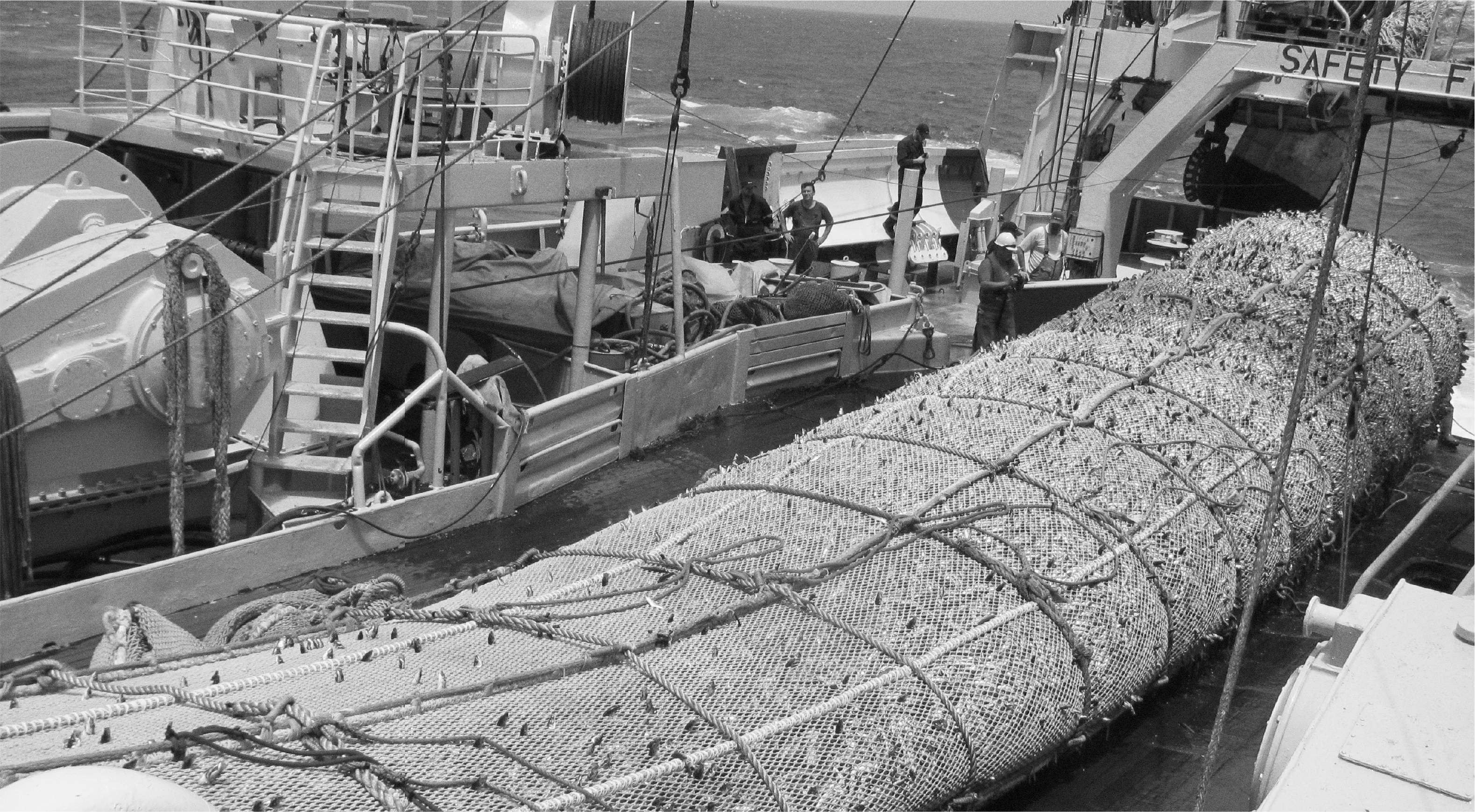
The former Samherji ship Heinaste after a large haul.
In what became known as the Fishrot scandal, Stefansson exposed what was happening in the multi-billion dollar fishing and fish-processing business, including bribery, tax evasion and the plundering of massive fish stocks which belonged to the people of Namibia.
For his trouble, he would be harassed and his life would be threatened.
His efforts have now been internationally recognised, On 9 March 2021, he won the WIN WIN Gothenburg Sustainability Award, given this year to recognise anti-corruption initiatives which are crucial for sustainable development throughout the world.
I met Stefánsson last year via LinkedIn. We had many interests in common: I’ve supported whistleblowers for years, and at university I did some work on the subject of over-fishing.
Whistleblower Jóhannes Stefánsson (left) pictured working for Samherji in 2012
CREDIT: Photos from Fishrot files

What Stefánsson told me was shocking. While he was employed by the Icelandic fishing and fish processing giant Samherji, he discovered a huge international network of corruption and money laundering connected with his former employer. He told me he had probably been poisoned because of that controversy.
He told me he had become a key witness in corruption cases and was in constant danger. Stefánsson believes all kinds of different forces want to silence him. So far, they haven’t succeeded. The harder they fight against him, the more solidarity he gets even in his home of Iceland. According to a survey from early 2021 more than 92% of all Icelanders believe that his employers, Samherji bribed politicians in Namibia.
Up in the cold North Atlantic, hardly any crops grow, and fishing in Iceland is (almost) everything. But as the fishing grounds in Europe have become overfished, this small country’s large trawlers are now going to regions thousands of kilometres away. The waters off the coasts of West Africa where billions of fish thrive are happy hunting grounds for their international fishing fleets and the coastal waters off Namibia particularly so. Here mackerel, sardines, tuna and hake are caught and sold to supermarkets across the world including in the UK to Tesco, Marks and Spencer and Sainsbury’s.
In 2007, Stefánsson who came from a family of fishermen, started working for Katla Seafood, a subsidiary of Samherji.
At first the company was working in Morocco, but when Iceland found itself shut out of the market by EU deals, Samherji turned to Namibia with its rich fishing grounds where Stefánsson was sent to buy fishing quotas.
In November 2011, Stefánsson had his first glimpse of how deals worked when he, along with his boss Aðalsteinn Helgasson, received an offer of cheap fishing quotas.
Two negotiators invited Samherji executives to a secret meeting on the farm of fishing minister Bernhard Esau, now in custody on corruption charges, in order to discuss the quota deals. The Icelanders could receive cheaper quotas and the difference from the normal price could be paid through discreet channels.
In the end, the funds were supposed to make their way to the governing party, SWAPO. Namibia is seeking to extradite Icelandic executives from Samherji as part of their investigation into bribery allegations worth $200 million (or $3 billion Namibian dollars).
According to Stefánsson, in 10 years Samherji made a profit of $660 million. Samherji fishes about 20% of its worldwide catch in Namibia. It runs 40 ships, five fish farms and 13 land-based factories. The investments are huge.
Much of the communication between the company directors and officials in Namibia passed through Stefánsson, who was acting as the representative of other subsidiaries, including Katla Seafood Namibia and Arcticnam Fishing.
To avoid taxation, Samherji also constructed an enormous company network in which assets were moved back and forth in such a way that as little tax as possible was paid and money laundering and bribes could be hidden away.
The money was presumed laundered through Mauritius, Cyprus and the Marshall Islands. In Cyprus alone, the company has various subsidiaries – all in the same office.
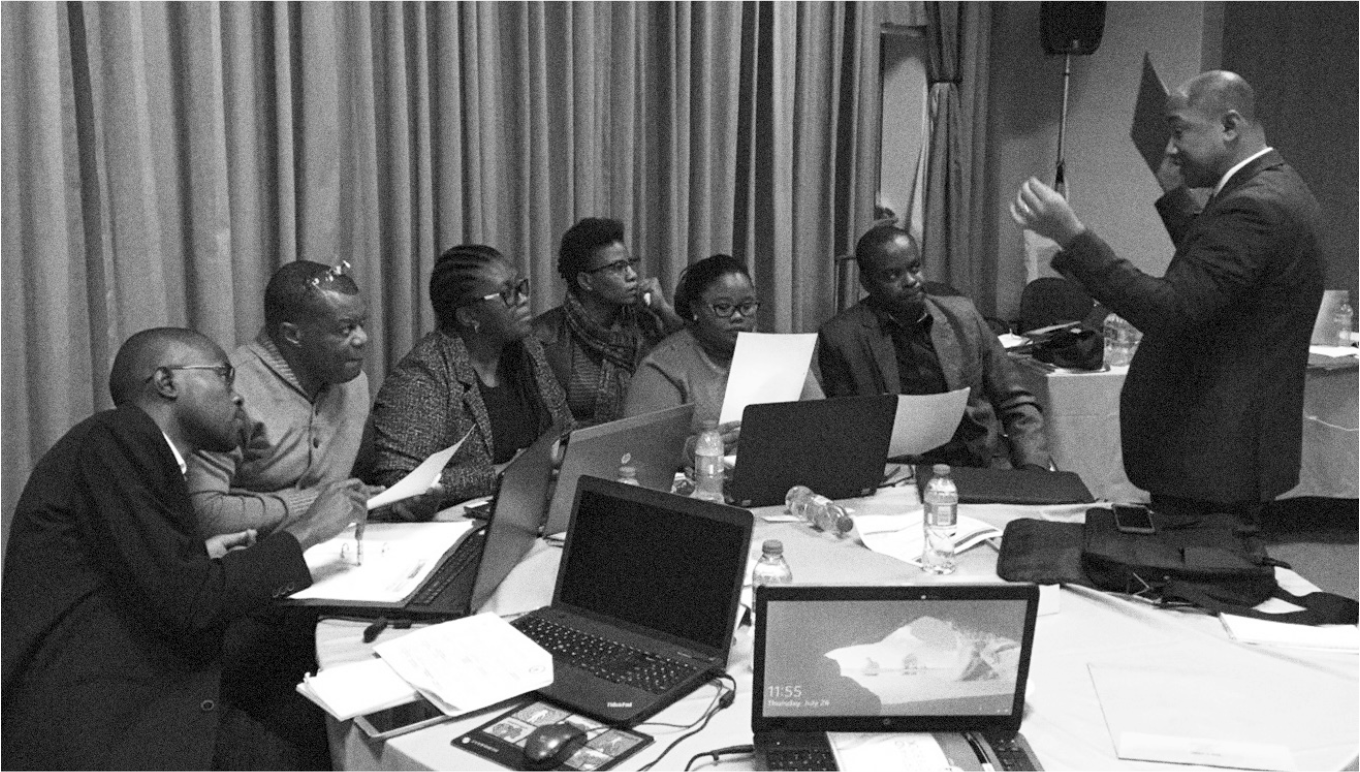
Members of the team working at the Namibia financial intelligence centre
Thousands of documents showed the transactions in detail. In 2016, when the business practices got too much for him, Stefánsson left the company, taking more than 30,000 documents, memos and pictures with him on a memory stick. He delivered those documents to Namibia’s Financial Intelligence Centre which works independently from government. They immediately saw organised crime at work and have been tenacious in pursuing both Nambians and Icelanders. Stefánsson is their star witness. It turned out 27 countries were involved, meaning 27 jurisdictions for money laundering and tax evasion. In 2019, WikiLeaks published the first documents.Al Jazeera received them and sent undercover journalists to Africa, some of whom filmed ministers with hidden cameras. The scandal was dubbed “Fishrot”.
Al Jazeera’s documentary was political dynamite in Namibia. Broadcast just before the elections, it led to the all-powerful SWAPO suffering severe setbacks in the presidential and national assembly for the first time in 30 years.
Later, in the regional government and city council elections, SWAPO also lost its usual majorities to opposition parties in many constituencies. Samherji seeing its business dealing exposed, hit back. When Stefánsson’s health deteriorated, his former employer depicted him as unreliable, an alcoholic and a drug addict. When the Norwegian Financial Supervisory Authority imposed a money laundering fine of €40 million on Samherji’s business bank, DNB ASA, Samherji announced that the penalty had nothing to do with it, this despite the fact the bank accepted the punishment, and the FSA stressed that the fine related principally to Samherji.
The company also went after those who reported the case, including employees of Iceland state broadcaster RÚV. Samherji lodged a complaint with the Ethics Commission in Iceland over social media content. In Nambia, Samherji was accused by the Namibian Journalists Association of harassing journalists and the association issued an international appeal for Samherji to stop.
In 2019, Icelandic politicians became involved and started to defend Samherji. Foreign minister Gunnar Bragi Sveinsson accused the newspaper Stundin, and also RÚV, of practising tabloid journalism.
Samherji went on the offensive too, telling German daily Süddeutsche Zeitung that Stefánsson was on “a personal revenge campaign”. In London, mysterious people, connected in all likelihood to Namibian politics, started shadowed Stefánsson and the bodyguard he has been forced to hire.
For Stefánsson, Fishrot continues to reverberate. Namibia celebrates him as a national hero because he has opened people’s eyes to the ways in which a corrupt elite enriches itself.
Back in Iceland, people are uncertain what Fishrot means for the country. New whistleblowing laws have been met with scepticism.
In June 2021 the CEO of Samherji Thorsteinn Már Baldvinsson issued this apology: “It is my and Samherji’s firm position that no criminal offences were committed in Namibia by companies on our behalf or their employees, apart from the conduct that the former managing director has directly confessed to and acknowledged. Nonetheless, as Samherji’s top executive, I am responsible for allowing the business practices in Namibia to take place... I am very sorry that this happened, and I sincerely apologise to all those involved, both personally and on behalf of the company. Now it’s important to ensure that nothing like this happens again. We will certainly strive for that.”
Translated by