




Abstract

Australia’s mining industry is at odds with the traditional beliefs of the Aboriginal population and, as
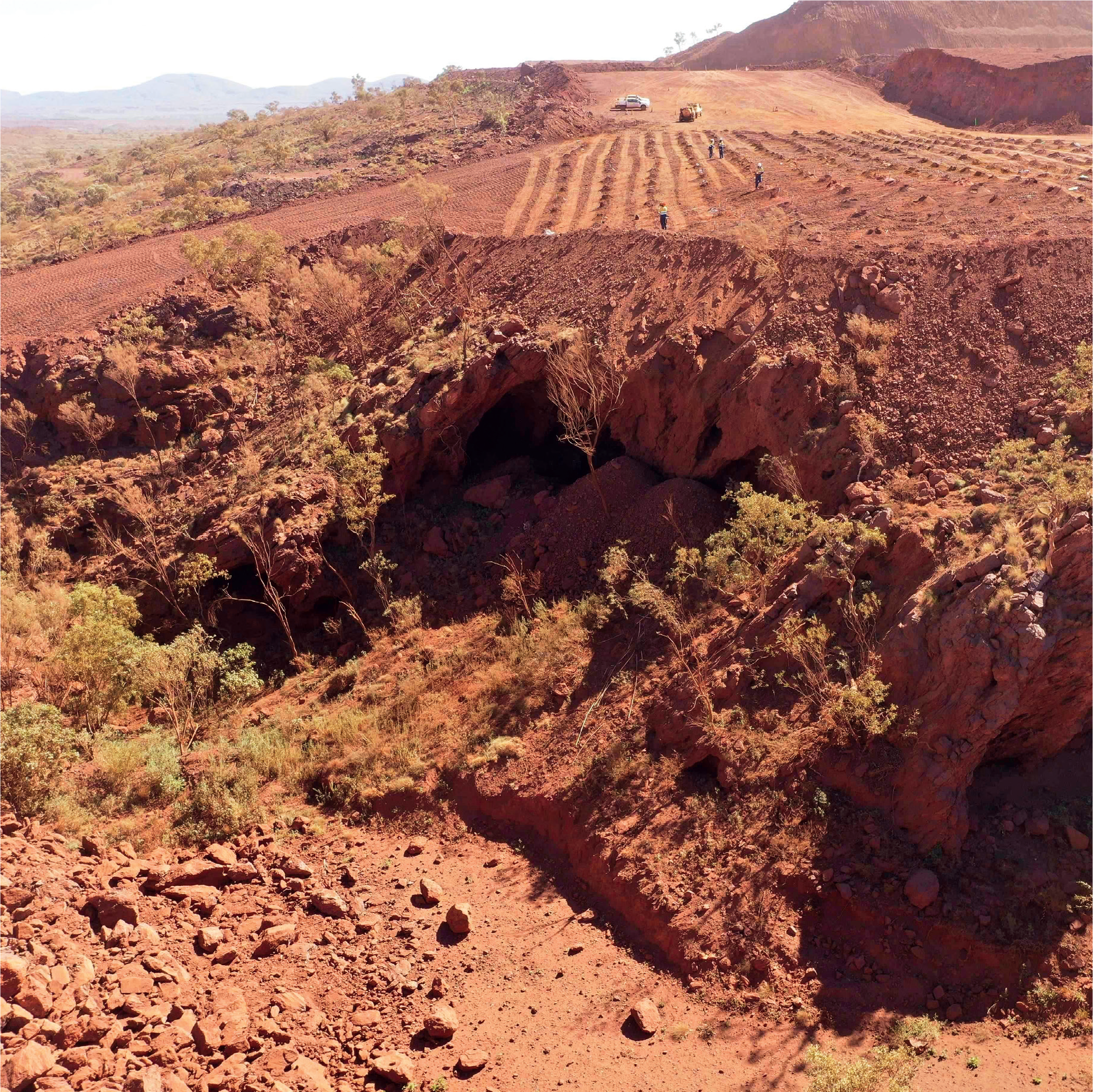
The 46,000- year old Juukan Gorge rock shelters destroyed by mining giant Rio Tinto
But this prosperity has come at a price - and behind many mining sites lies the dislocation of indigenous people from their land and the destruction of artefacts sacred to its traditional owners.
Of particular note is Western Australia (WA), where mining contributes to almost half of gross value and where, says Tyronne Garstone, CEO of Kimberley Land Council, Aboriginal people make up between 3% and 4% of the population. “The greater interest is always going to be with the wider majority, and we’ve seen constant destruction happening throughout the state as a result,” he said.
Over the last decade it would be easier to count which of the applications to exploit, develop and ultimately destroy more than 463 sites of indigenous significance have been denied than those that have not.
While many failed to attract high levels of media coverage or public awareness, this trend changed course with the destruction of the Juukan Gorge site in the Pilbara last year. The 46,000-year-old cave, containing artefacts including a 4,000-year-old plait of human hair made from the heads of numerous individuals, was destroyed by Anglo-Australian miner Rio Tinto in its quest for iron ore.
While by no means a one-off, it lent new fervency to the fight for indigenous land to be more adequately protected by law. A resulting inquiry into WA’s Aboriginal Heritage Act was recently concluded, leading to a new bill being drawn up in the state legislature. But concerns have not yet been calmed. Calls are being made for the bill to be recalled amid claims that it still fails to give First Nation people due diligence.
Even outside the Heritage Act, the need to bring indigenous knowledge to bear in modern law remains important if we are to reconcile a contemporary legal structure with traditional understandings of land and its importance. While the renewed attention following Juukan Gorge gave some hope that change was on the horizon, disappointments around the new heritage bill show otherwise.
The fallout of Juukan Gorge
Findings from the Juukan Gorge inquiry were made public on 18 October 2021 after more than a year of public hearings. The report stated that Australia must do more to protect Aboriginal cultural heritage by overhauling what it termed “grossly inadequate” laws and called for the land’s traditional owners to be given the right to withhold consent to the destruction of cultural heritage.
Inquiry chairman Warren Entsch told parliament: “It became apparent to the [joint standing] committee that the legislation designed to protect cultural heritage has in many, many cases directly contributed to the damage and destruction.”
Exact details about the bill remained unknown until 19 November, the day before it was to be introduced to parliament.
Before this latest announcement, Garstone said that while the inquiry’s findings were welcome, there was a“concerning” lack of transparency around the latest version of the draft bill. He went on to caution that without true involvement of indigenous people in the entire decision-making process, “history will repeat itself”.
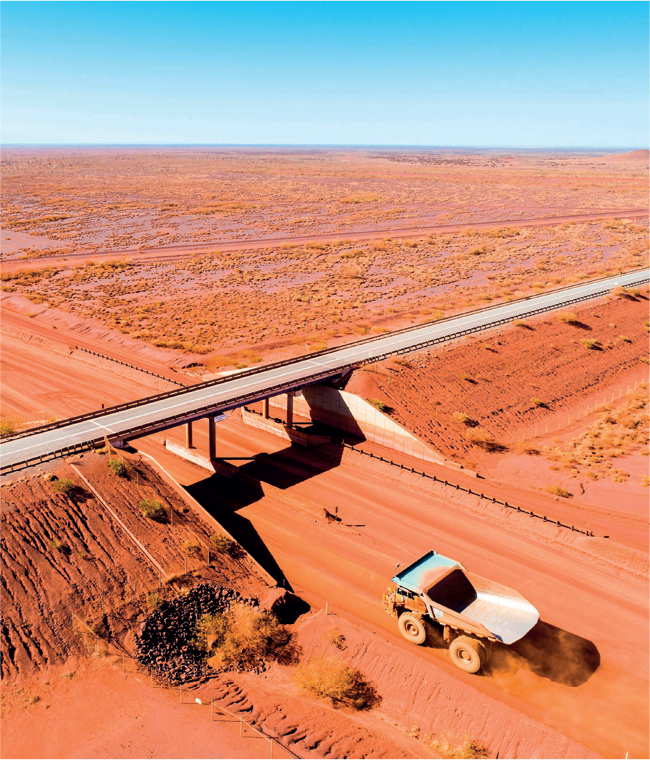
Patterson Bridge in South Kimberley, Western Australia, a region whose economy is dominated by mining
CREDIT: (left) PKKP/Rio Tinto; (inset) Paul Mayall Australia / Alamy
Indeed, the bill has sparked backlash from indigenous groups and land councils, with particular ire over the lack of the right to review for traditional owners when it comes to deciding whether something can or cannot be destroyed.
“It’s a devastating day for Aboriginal heritage,” said Garstone. “We have repeatedly called on the [WA premier Mark] McGowan government to pause this bill and make the changes required to ensure Aboriginal heritage is protected. By ignoring our concerns, the McGowan government has treated Aboriginal people beneath contempt.
“Fundamentally, this bill will not protect Aboriginal cultural heritage and will continue a pattern of systematic structural racial discrimination against Aboriginal people.”
Kimberley Land Council chair Anthony Watson said: “Aboriginal people are ‘included’ in the process only to be left without any influence over the outcome. The Aboriginal Cultural Heritage Bill 2021 is whitewashing. Aboriginal concerns about Aboriginal heritage have been ignored. Once again, decisions about heritage will be made by non-Aboriginal people.”
In response, the land council has written to the UN requesting the bill be withdrawn, with the group saying it will expose Aboriginal cultural heritage to “continued damage and destruction in violation of international human rights”.
This path, Garstone says, has been well worn by First Nation people and the disappointment around this latest bill adds to the country’s dark history - continuing to fail indigenous people through their exclusion from law.
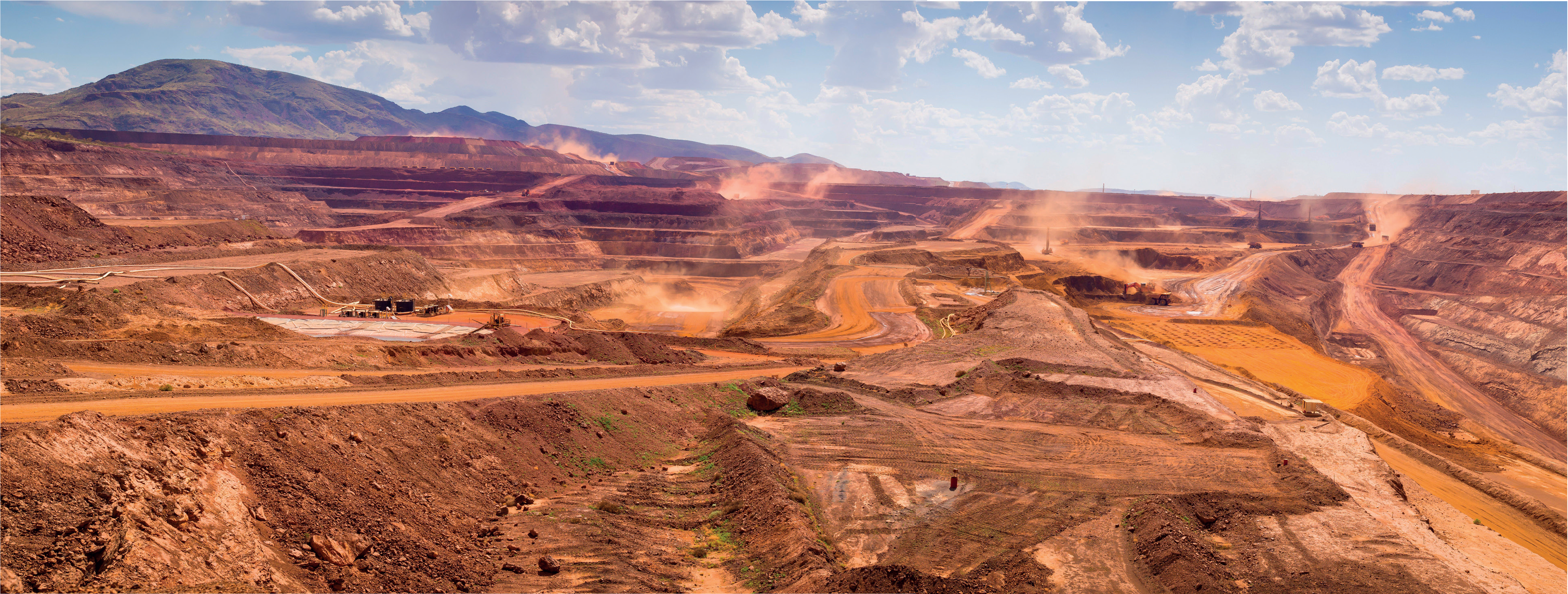
The red earth scarred by mining is everywhere in Pilbara, Western Australia
CREDIT: (left) PKKP/Rio Tinto; (inset) Paul Mayall Australia / Alamy
Many sites that have been subject to destruction of some kind have never received reparations, or even acknowledgement. The Kimberley region has experienced its own share of such tragedy, with the 2019 excavation of the Garnkiny or “moon dreaming” site, made famous by the artwork of senior traditional owner and artist Mabel Juli.
The black granite in the region is thought to make up the body of Goorlabal, a powerful Dreaming figure that takes the form of a serpent and is holder of law for the Gija people.
Exploration in the area was undertaken by Kimberley Granite Holdings, which removed parts of Goorlabal’s tail and exported the rock to China without permission. Many Malarngowm people also had ancestors buried on the land - and native title holder Rusty Peters (the brother of Mabel Juli) likened the act to “ripp[ing] my country open”.
In October this year, the state government ruled that the miners who quarried and exported granite from this site would not be prosecuted - because the site was not registered under the 1972 Aboriginal Heritage Act until May 2020.
Such situations speak to the twofold tragedy that often happens - the initial destruction and the lack of prosecution of those who carried it out.
The role of traditional owners to protect sites of spiritual significance adds another layer of connection to land that Western frameworks neither understand nor account for.
“A senior man passed away after he found out the impact on the land,” said Garstone. “On his deathbed, he wanted people to know that it was the impact on his country which led to his passing and that he felt ashamed because it was his obligation in regard to maintaining and protecting that country, and he wasn’t able to uphold that. This is something that Western society cannot appreciate - this type of sentiment that’s coming from these people who have cultural obligations.”
The intangible value of land
Indigenous voices are needed in the legislative process, not for political correctness but because much of the cultural and heritage significance of land is intangible - something that is not (and has never been) understood from a Westernised perspective of land and thus never accounted for in the Heritage Act.
“It’s very much a Western framework,” said Garstone. “You’ve got old buildings, monuments etc that have been around for a while, and they’ve got heritage status - the significance that means you can’t damage them. But this doesn’t take into consideration the impact that certain places have, where people have been telling stories for thousands of years and which afford a deep connection to Aboriginal people of who we are - and that’s irreplaceable.
“Once we’ve lost something like that, we can’t rebuild it. The scarring that happens in the communities and the trauma it causes will go on for generations.”
Garstone makes clear that he believes genuine change can be enacted only through laws - and while this particular issue may be related to land, it is indicative of a wider failure to reconcile indigenous voices with modern law.
“We are heavily reliant on the laws to help us leverage our opportunities,” he said. “This is something that should be taken into the broader context around the world about how indigenous people have been able to leverage their rights. It’s never been through goodwill. It’s always been through the court.
“We’re not just talking about heritage when it comes to this issue. This is a broader story for us, looking at the suicide rates, incarceration rates, the unemployment rates… the entire lifecycle of Aboriginal people within Australia.
“This has broader ramifications. This is about land, but this should also open the doors for conversation around a broader holistic approach to how we get closer to unification.”
While recent events around Juukan Gorge have given new hope that things might change, lawmakers are now trying to incorporate into legislation cultural issues that have been consistently marginalised.
Bringing traditional knowledge into decision-making is the first step towards rectifying this issue, but the road to reconciliation is a long one and will require increased and consistent efforts to share knowledge if it is to work.