




Abstract
Two writers on the frontline of censorship share their stories with
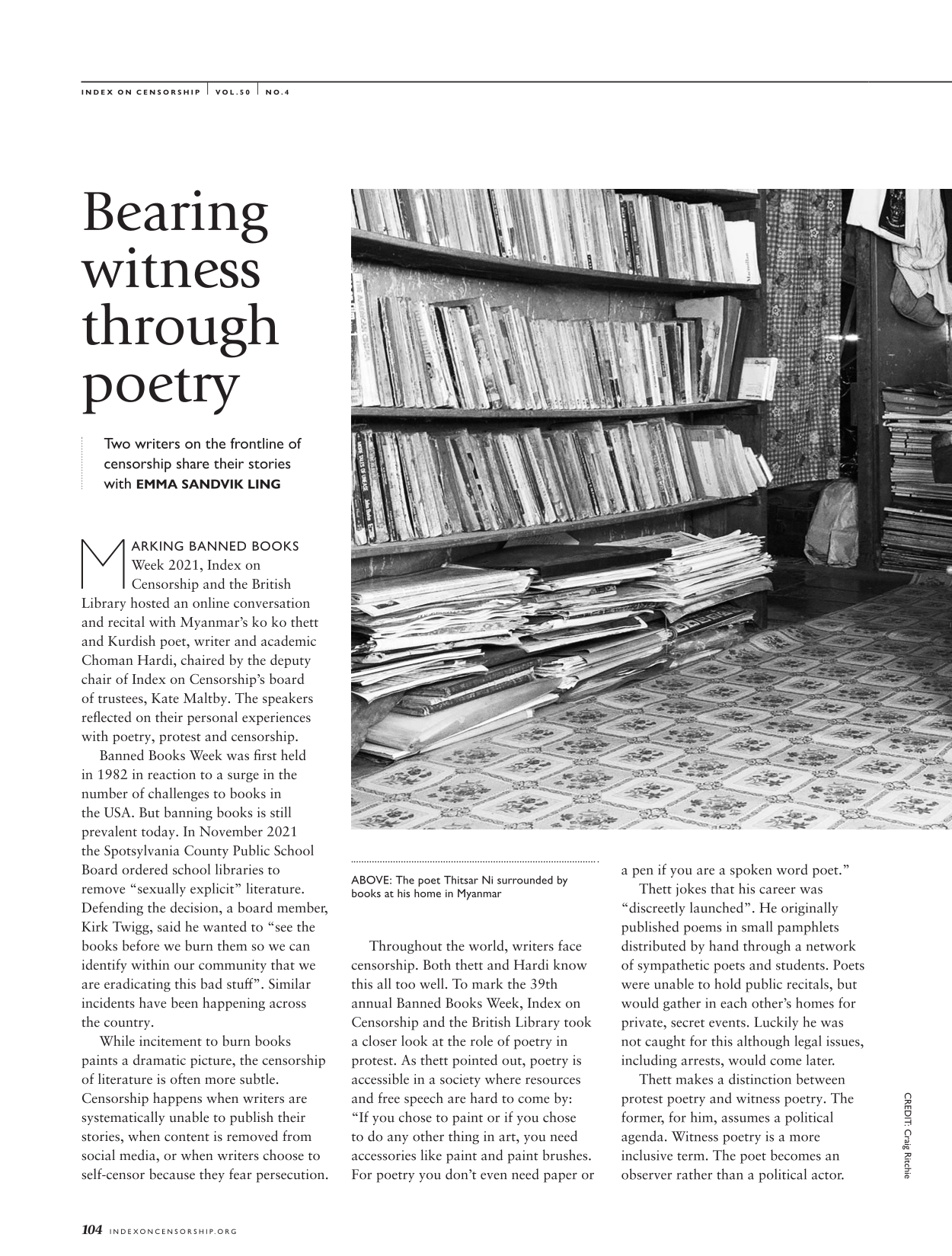
The poet Thitsar Ni surrounded by books at his home in Myanmar
CREDIT: Craig Ritchie

Banned Books Week was first held in 1982 in reaction to a surge in the number of challenges to books in the USA. But banning books is still prevalent today. In November 2021 the Spotsylvania County Public School Board ordered school libraries to remove “sexually explicit” literature. Defending the decision, a board member, Kirk Twigg, said he wanted to “see the books before we burn them so we can identify within our community that we are eradicating this bad stuff”. Similar incidents have been happening across the country.
While incitement to burn books paints a dramatic picture, the censorship of literature is often more subtle. Censorship happens when writers are systematically unable to publish their stories, when content is removed from social media, or when writers choose to self-censor because they fear persecution.
Throughout the world, writers face censorship. Both thett and Hardi know this all too well. To mark the 39th annual Banned Books Week, Index on Censorship and the British Library took a closer look at the role of poetry in protest. As thett pointed out, poetry is accessible in a society where resources and free speech are hard to come by:
“If you chose to paint or if you chose to do any other thing in art, you need accessories like paint and paint brushes. For poetry you don’t even need paper or a pen if you are a spoken word poet.”
Thett jokes that his career was “discreetly launched”. He originally published poems in small pamphlets distributed by hand through a network of sympathetic poets and students. Poets were unable to hold public recitals, but would gather in each other’s homes for private, secret events. Luckily he was not caught for this although legal issues, including arrests, would come later.
Thett makes a distinction between protest poetry and witness poetry. The former, for him, assumes a political agenda. Witness poetry is a more inclusive term. The poet becomes an observer rather than a political actor.
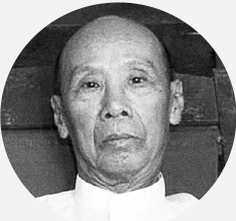
With this in mind, he is now editing, with Brian Haman, a collection of witness poetry, to be published by Ethos Books in the spring of 2022 (Picking Off New Shoots Will Not Stop the Spring: Witness Poems and Essays from Myanmar, 1988-2021). The collection is of pieces written during the protests in Myanmar as they unfolded over the past year. They tell the stories of individuals experiencing the conflict first-hand and invite audiences to bear witness.
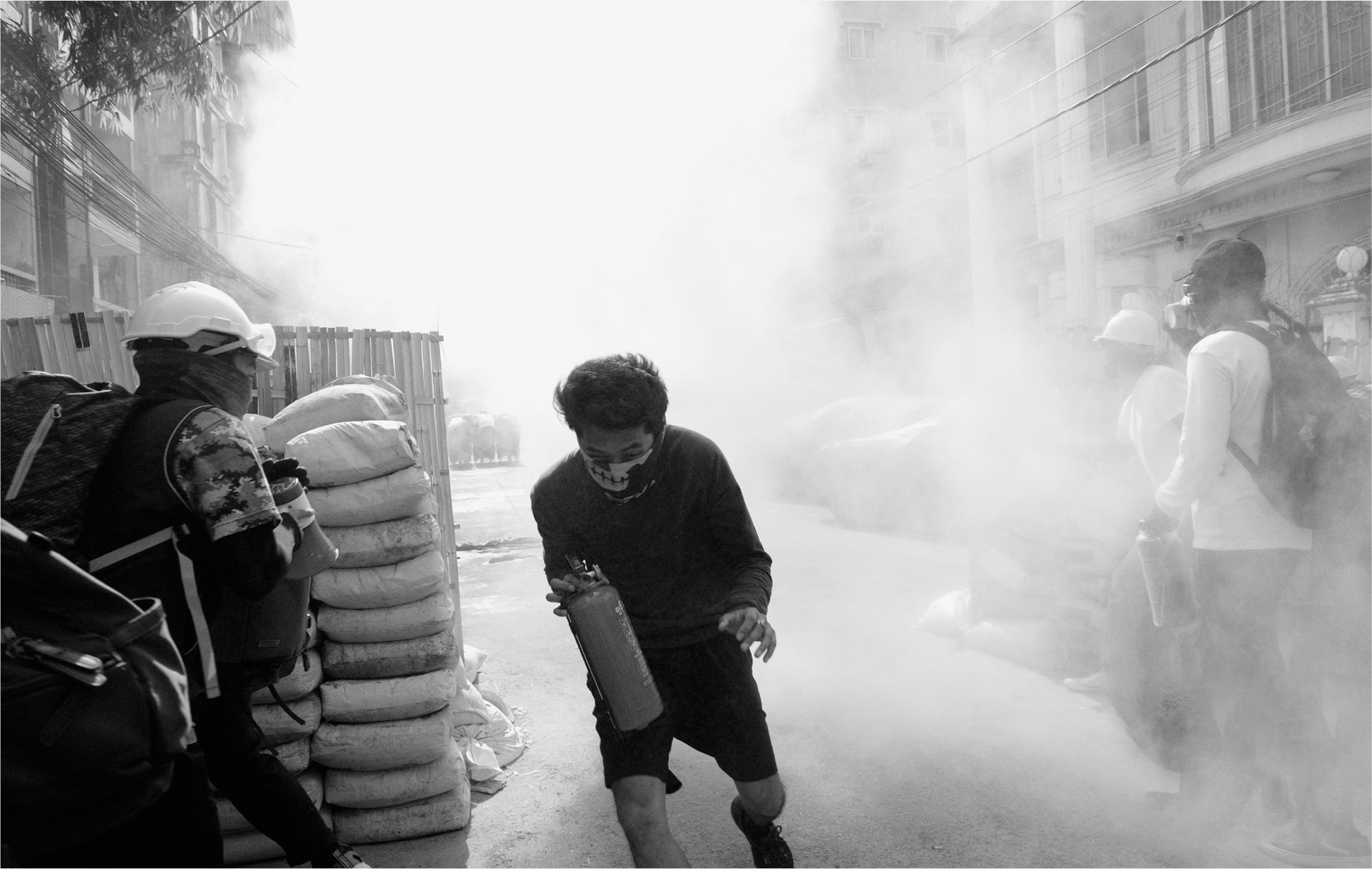
On 14 March 2021, at least 39 people were killed in protests in Hlaingthaya township, Myanmar. The poem Hlaingthaya, by Thitsar Ni, which bears witness to that, is published overleaf.
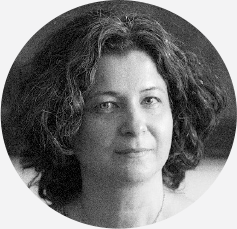
While Choman Hardi’s writing comes out of a very different context, her work certainly falls within thett’s definition of witness poetry. Her poetry often supplements her academic work, which uses an intersectional lens to examine the experiences of women in war and conflict. Her poetry collection Considering the Women (2015) was inspired by interviews she conducted as part of her post-doctoral research with survivors of the Anfal genocide of Kurds by Saddam Hussein in the late 1980s. She wanted to understand the women’s experiences because their stories were often neglected in the media, in academia and in literature.
In each poem, the poet/researcher asks a survivor to tell her story. Reflecting on the experience of writing the poems, she said: “Every time they cried I cried, and every story in its own way became a nightmare.”
Hardi has her own story to tell from the conflict. She was born in Iraq but her family fled to the UK through Iran in the early 1990s. Shei came from a strong literary background and is the youngest child of the Kurdish poet Ahmad Hardi. She reminisced that when they came to England as refugees in 1993, her father lost his social status. In Iraq he was considered a cultural treasure. In England he didn’t even speak the language. Poetry became a way for her to tell her own stories and find belonging in a foreign country.
Banned Books Week is a celebration of silenced writers as well as a protest against the censorship of literature. Both thett and Hardi have had personal experiences with persecution and censorship. Likewise, they have both chosen to dedicate their work to giving voices to those who are unable to speak. Their poetry forces the reader to confront difficult emotions. The reader has no choice but to delve into the world of the narrator. This is the radical power of poetry in protest. Thett summarises the importance of their work perfectly. “Writing,” he says, “is a form of protest.”
PICTURED: The city of Yangon, in Myanmar, erupted with protests against the military coup in March 2021
CREDIT: (main) Maung Nyan / Shutterstock.com
Hlaingthaya
Up against the metropolitan Yangon
Hlaingthaya is wilderness,
for apoetical Tarzans.
This is where the Irrawaddy delta hobos,
who didn’t witness the World Wars
but pushed through the Cyclone Nargis, and the Anyar Mongols,
who left their farms for factories, mingle.
Myanmar’s New England doesn’t reek of butter.
They don’t need a five-star hotel here.
There’s Mee-kwet wet market for vegetables.
The place is as plain as instant tea without cream.
The durian husk is known for spikes,
the township is known for hooligans.
At times, it will wash its misdeeds down
in labour protests.
On the Hlaingthaya special menu are
slums and sweat beads,
meagre meals and moonshine stench,
factory smoke and melees.
Those who are squeamish about mud
wouldn’t set foot here.
And yet Angelina Jolie has been here.
Aung San Suu Kyi has been here.
In the Spring Revolution
women of this town get obscene
at the Senior General,
men brandish sticks and dahs,
children and grown-ups come together,
“Repress us, we will rise again.
Touch us, we will strike back!”
The curtain to the first defensive war is lifted.
The ideology of the people who haven’t got
their nose into “surplus value theory” is
we-have-nothin’-to-lose-ism;
they spit it out like quid betel.
Had only a superior power had to prevail
David would have never beaten Goliath.
A revolution without the precariat is a wingless bird.
A poster reads, “If I am cut down,
the man behind me will cut you down.”
Black flags have been raised
on the side of righteousness.
In this sapped spring of endless legends
they will thrive like a flower jungle.
Death is no stranger —
if you daren’t fall, you are no flower.
The Angry Survivor
I am fed up with documentations of my grief –
journalists asking me to sing a lullaby for my
dead children, to broadcast during commemorations,
government officials using my story as propaganda
during elections, women activists forcing me to talk
about rape only to prove that women are oppressed,
researchers claiming to record history when
all they do is pick my wounds.
This is my story, not yours. Long after you
turn off your recorder I stay indoors and weep.
Why don’t people understand? I am neither hero,
nor God, cannot stand the talk of forgiveness.
For years I went to every wake. Wept at every man’s
funeral. Kept asking: Why? Realised I will never
understand. Now I just endure the days, by planting
cucumbers which you interrupted, by believing
in another world where there is justice, by watching my
remaining children as they sleep. Spare me your despair
and understanding. You can’t resurrect the dead, feed
my hungry children, bring me recognition and respect.
Take history with you and go. Don’t come here
again, I just don’t want to know.
His boots
The old woman will always keep those boots.
On the day when things were ending
she was leaning on her stick, in disbelief,
when a car with black windows slowed down.
She watched the back window open fast,
and there he was, the dictator,
suddenly looking old and frail,
dropping his military boots,
replacing them with old men’s shoes.
Then the window closed and the car took off,
leaving dust on the pair of boots,
still warm and moist from his feet.
The Seventh Wedding Invitation
Dear friends and family,
I promise this will be my last wedding
if it doesn’t work out, I will just live with
another man, no more pledges.
So please come along to this final ceremony with a man
who, at the moment, fills my eyes.
Do not bring any more presents - pura Shahla’s
non-stick pan is still in the box. Mama Hama’s
gold ring has not been put on. And the naughty
lingerie will be worn for this man since my ex
was orthodox, he didn’t last long. Do come along.
I promise to wear something more sophisticated
than a wedding dress. It is another chance to meet
and talk about Ama’s failure in bringing up
her children, to shed light, one more time,
on Layla’s divorce, and Nina’s remarriage
to her brother in law. We will have a fun night.
I have told my new man so much about you
and it may be your only chance to meet him.
With all my love, your little Lala.