




Abstract

AS INTELLIGENCE AGENCIES intensified their warnings about Russia’s imminent attack on Ukraine, and the heads of states and governments made more visits to Kyiv in one winter than in the last three decades put together, I started to receive messages from journalists. “We are doing a piece on the potential war in Ukraine and would like to speak to you as we understand that you have a connection that would be interesting to explore.” Variations of this request arrived with increased frequency.
Hearing of the “potential war” made me despair even before I had the chance to reply. “The war began in 2014. If you are aware of my “connection” then you will know that for me – as for the rest of the country – this war has been going on for years. It’s not about to begin.” I drafted variations of this response but deleted them before replying: “Yes, of course. I’ll be happy to speak to you.”
My “connection” is my brother. Volodya, forever 42. Forever living in my heart. The heart that broke in 2017 when Volodya’s heart stopped beating. By 2022, I thought I had mostly dealt with my grief. I squeezed the bleeding memories of my brother out of my mind as I was writing a book about Volodya’s death. Once the book was finished, I felt it was time for my grief to take on a different form, a passive sort that no longer wakes you up in the night as you re-live the horror of realisation that he is really gone.
My grief was maturing with me. Five years after his death, I’m five years closer in age to my brother. In four more years, I’ll catch up with him and begin to overtake him in age. I thought as I read those emails from the journalists that now was the time to use my mature grief as a tool to tell the world what sorrow Russia’s aggression has already caused in Ukraine so that the world can prevent it from escalating.
“You have a brother in Ukraine, right?”
“I… had a brother. Yes.” I never know what tense to use in these situations.
“A soldier, right?”
“Yes, he … was a soldier. Well, no, he wasn’t really. He was an artist; he was many things. But he joined the army in 2015 and volunteered to fight in Donbas.”
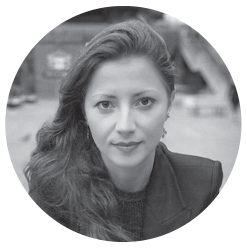
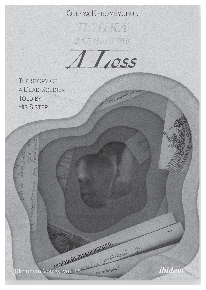
LEFT & INSET: Olesya Khromeychuk, from Ukraine, is a historian, writer and the author of A Loss: The story of a dead soldier told by his sister
CREDIT: Olesya Khromeychuk personal collection
I can sense the journalist getting impatient at the other end of the line. They don’t want to know my family history. They want to see if my “connection” will work for their “story”. So, I cut my story short.
“He was killed at the frontline in 2017. You see, many people have already died in this war. It’s really important that Putin is stopped before many more die.”
“Oh, I’m so sorry to hear that” some of them say in response. Others don’t bother. “But I’m not sure we’ll be able to use this for our report/article/programme. It’s not quite the right fit for what we have in mind. Don’t suppose you know someone who’s in danger now; perhaps living close to the frontline and is afraid that Russia might attack? Maybe someone who’s serving in the army now?”
“Let me think about it and get back to you,” I reply and feel the familiar pain in my chest. Turns out that the ageing grief can cause as much trouble as the young.
A couple of weeks later, after 24 February, over 40 million people found themselves in danger. The journalists must feel spoiled for choice. So many are the right fit. So many broken connections have become news stories.
As the pain of loss is turned into reporting, let’s consume it with care. It is sometimes all that the grieving hearts have left of their loved ones.