




Abstract

A round-up of events in the world of free expression from Index’s unparalleled network of writers and activists Edited by
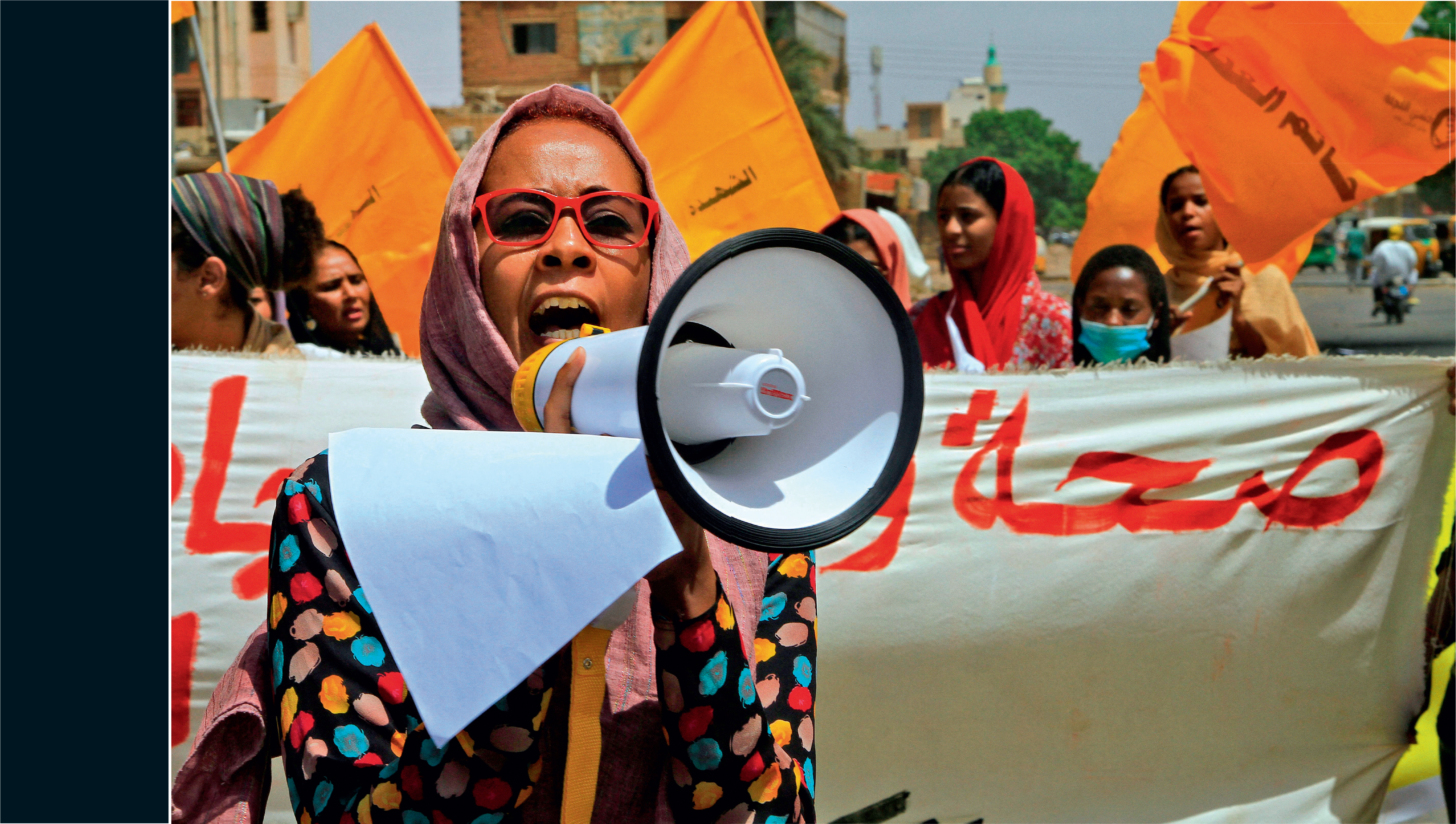
PICTURED: Sudanese women take to the streets of the capital Khartoum in July, as they join the ongoing protests against military rule. Army chief Abdel Fattah al-Burhan seized power in a coup in October 2021 and the protests have been deadly, with at least 10 people killed
CREDIT: AFP/Getty Images
Election Watch

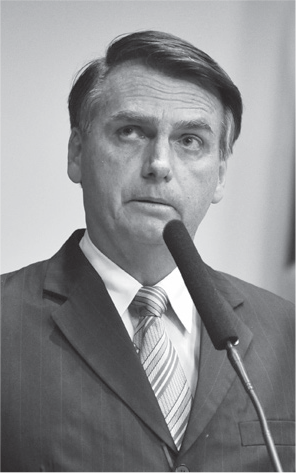
As Brazil’s presidential elections approach, so do fears about the country’s future. The two frontrunners in the fight for the presidential seat are current President Jair Bolsonaro (Liberal Party) and his main opponent, Luis Inacio Lula da Silva (Workers’ Party), who was president between 2003 and 2010.
Opinion polls show that Lula is in the lead, leading Bolsonaro to question electoral transparency and the likelihood of fraud in the Brazilian system. On 18 July, Bolsonaro invited ambassadors from more than 30 countries to a meeting in which he cast doubt on the credibility of the machines and even suggested the participation of the military to “guarantee safe elections”. The day after this meeting, the US embassy in Brasilia released a statement supporting Brazilian institutions and describing the electoral system in Brazil as a “model for the world”.
Bolsonaro and his sons have disputed approximately 20 elections since 1996, the year the machines were introduced, despite being elected in 19 of them. This has raised concerns that Bolsonaro is attempting to discredit the poll, and may even be planning a coup if defeated.
The election is also seeing an increase in political crime. On 9 July, municipal guard and Workers’ Party treasurer Marcelo Arruda was shot dead by federal prison guard Jorge Guaranho, a supporter of Jair Bolsonaro. Back in 2018, Bolsonaro had suggested “shooting the petralhada” (referring to people on the left-wing).
In October, people in Slovenia will head to the polls to choose their president for the next five years.
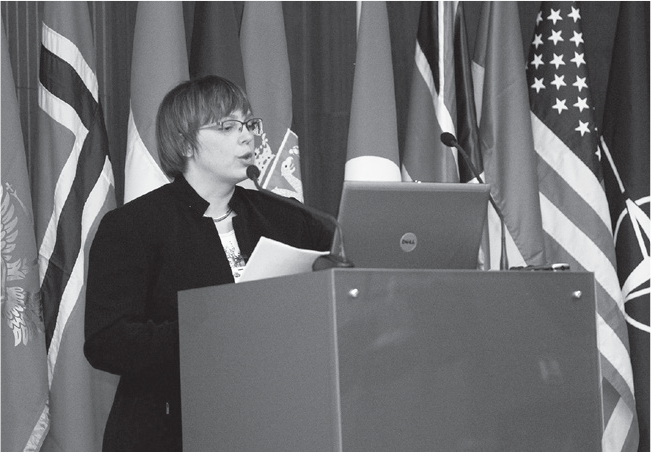
Leading the polls is Natasa Pirc Musar, an independent lawyer and journalist who has worked for Melania Trump in the USA. Her supporters hope she can heal the divided country. If she succeeds, it will be the first woman in charge of the country.
Facing Musar is Anze Logar from the right-wing Slovenian Democratic Party, the same party as the country’s former Prime Minister Janez Jansa.
Logar worked as minister of foreign affairs from March 2020 to June 2022 and during his term, he said that all media outlets in the country belonged to the communist regime. Media freedom in Slovenia has recently been in decline, with journalists, particularly women, being frequently harassed and threatened by politicians, including Jansa.
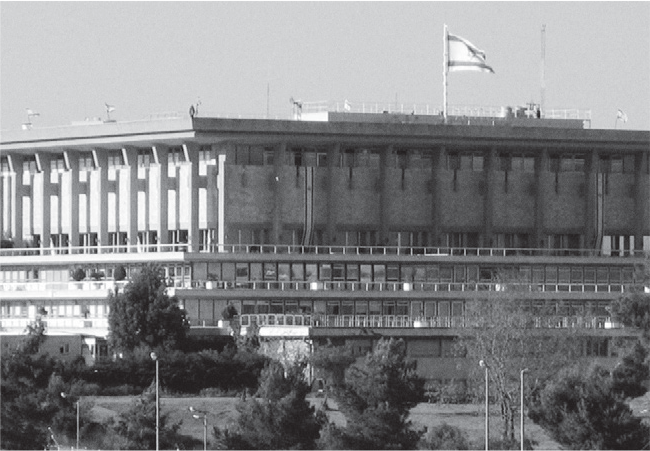
Israel’s legislative elections in November will choose the members of the 25th Knesset. The previous legislative elections in March 2021 produced a hung parliament with neither Benjamin Netanyahu’s right-wing bloc or the opposition with enough seats to have a majority.
Netanyahu was asked by president Reuven Rivlin to try to form a government but his failure to do so saw a coalition of eight parties form a unity government under Prime Minister Naftali Bennett of Yamina and alternate Prime Minister Yair Lapid of Yesh Atid. However the coalition only had a single seat majority and the resignation of several members made the government unworkable.
Netanyahu’s Likud party leads the opinion polls but at the time of going to press no group appeared to have a majority, suggesting yet more turmoil ahead.
The Latest from Our Campaigns
Our letters from Lukashenka’s prisoners campaign, where we publish correspondence from those jailed by the Belarusian regime, has now marked its first anniversary. Ala Sivets, an activist who works for Politzek.me, a project supporting political prisoners in Belarus, has asked why the letters are often full of encouragement and cheerful in tone.
“While human rights defenders and activists speak up about severe detention conditions and beatings, psychological pressure and denial of medical assistance, the picture from the prisoners’ letters seems to be rather peaceful. Their imprisonment often looks like a retreat: they write about reading books and enjoying the fresh air during walks. The sharp contrast between the detention and what they write about may be confusing at first glance,” she writes. Read the full story at tinyurl.com/Index513letters
CREDIT: (Brazil/Bolsonaro) Gustavo Lima / Câmara dos Deputados; (Brazil/Lula) Valter Campanato/ABr; (Slovenia/Pirc Musar) Bruno Toič, MORS; (Israel/Knesset) Beny Shlevic; (letters from Lukashenka) Natasha Garlukovic; (Malta) Unsplash/Koby; (Gerry Kelly & Adams) Sinn Féin/Flickr; (Slapps royal court) PxHere
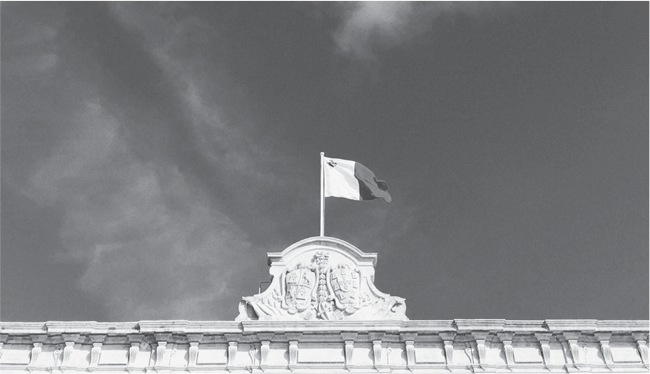
Index has joined with a number of free expression, press freedom and journalists’ organisations to express support for The Shift News as it faces an all-out legal battle against 40 freedom of information (FOI) lawsuits brought by 40 government entities in Malta. These appeal lawsuits pose a serious threat to the country’s already worrying freedom of information and press freedom climate. We call for these cases to be immediately dropped and for the government of Malta to fully comply with its FOI obligations going forward.
The requests relate to a Shift News investigation into relations between Media Today co-owner Saviour Balzan and government entities in the country. Read the full story at
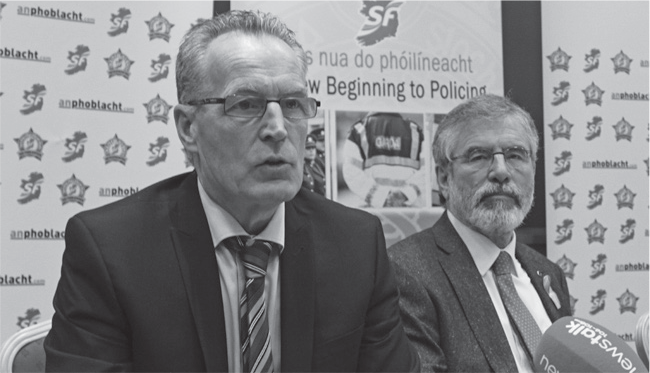
Index is concerned at the lawsuits that have been filed against journalist Malachi O’Doherty and columnist Ruth Dudley Edwards. Both are being sued individually by Sinn Fein politician Gerry Kelly MLA, who is claiming aggravated damages for comments they each made in relation to Kelly’s role in 1983 Maze Prison escape.
“Everyone has the right to defend their good name but as elected representatives, politicians have a duty to display a greater degree of restraint when it comes to taking to legal action against journalists. This is especially true when the contested statements are related to matters of public interest,” said Jessica Ni Mhainin, policy and campaigns manager at Index. Read the full story at
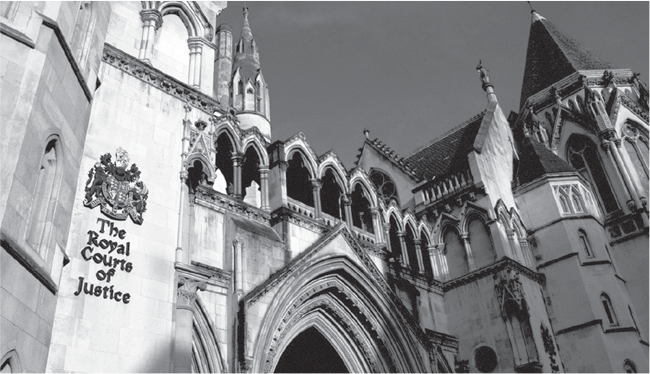
The co-chairs of the UK Anti-SLAPP Coalition have welcomed the announcement that the government intends to introduce a package of legislative measures aimed at putting an end to strategic lawsuits against public participation (SLAPPs) in the UK.
Noting that many of the UK Anti-SLAPP Coalition’s recommendations are reflected in the proposals, the co-chairs commend the government for clearly stating its intention to introduce primary legislation to address this issue. Read the full story at
People Watch
CREDIT: (Uduwaragedara) LinkedIn; (Temirov) Twitter; (Karimibeigi) Frontline Defenders; (Wydrzyńska) Frontline Defenders; (Rushdie) Chriss Kockelmann

Tharindu Uduwaragedara, a journalist from Sri Lanka, uses social media to cover human rights abuses. Uduwaragedara has been harassed for his work and subject to surveillance by security and intelligence officers. At the end of June, Criminal Investigation Department officers headed to his mother’s home to request Uduwaragedara’s presence for an inquiry in Colombo. The explanation given was that this was happening due to the content shared on his YouTube channel, where Uduwaragedara frequently condemns the policies adopted by Sri Lanka’s government.

Human rights defender Bolot Temirov has recently become one of the main targets of Kyrgyzstan’s government. A few months ago, he was stripped of his Kyrgyz citizenship after his passport suddenly appeared as invalid in the database of the National Registration Agency.
Temirov reports on corruption. Before losing his passport, Temirov was accused of forgery of documents, illegal crossing of state borders and drug-related crime in what looks like a concerted campaign by authorities to silence him. If he is convicted, he could face up to 15 years in jail.

Since 2009, human rights defender Maryam Karimbeigi has been striving to bring justice for the families of those murdered in peaceful protests in Iran. She began this journey when her brother, at the age of 26, was killed by Iranian police in 2009.
Karimbeigi defends the rights of political prisoners and campaigns against solitary confinement. On 14 June, she was sent to the notorious Evin Prison in Tehran.
In August, Karimbeigi was sentenced to three years and seven months. She was also fined and sentenced to 74 lashes as she had alcoholic drinks at her home.
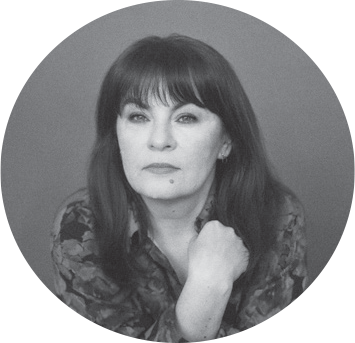
Justyna Wydrzyhska is part of a group called the Abortion Dream Team, founded in 2016 with the purpose of supporting women looking for abortions. She’s also behind Women on the Net, the first online forum in Poland to support those in search of abortions, contraception or sex education. In April, she was accused of “helping in the performance of an abortion”, based on Article 152.2 of the Polish Penal Code, along with the “possession of unauthorised drugs”. Her hearing will happen in October. If found guilty she’ll be sentenced to three years in prison.
THIS CARTOON BY Palestinian-Jordanian artist Emad Hajjaj, well known in the Middle East for his cartoons featuring Abu Mahjoob – a character representing the Jordanian man in the street - was inspired by the 12 August attack on author Salman Rushdie as he prepared to give a talk at the Chautauqua Institution in New York State in the USA.
In August 2020, Hajjaj was arrested in Jordan under the country’s cybercrime law for publishing a caricature criticising the Israel–United Arab Emirates peace agreement, showing the crown prince of Abu Dhabi holding a white peace dove on which is painted the Israeli flag.
Hajjaj has won the Dubai Press Award twice for best Arab cartoons and is considered one of the 500 most influential figures in the Arabic world, according to Arabian Business Magazine.
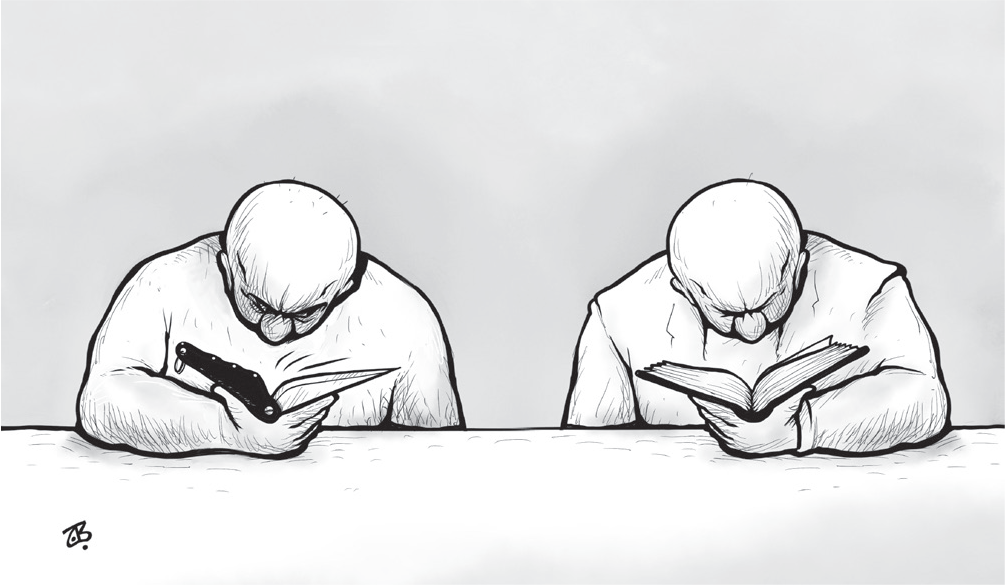
Your Messages of Support for Salman Rushdie
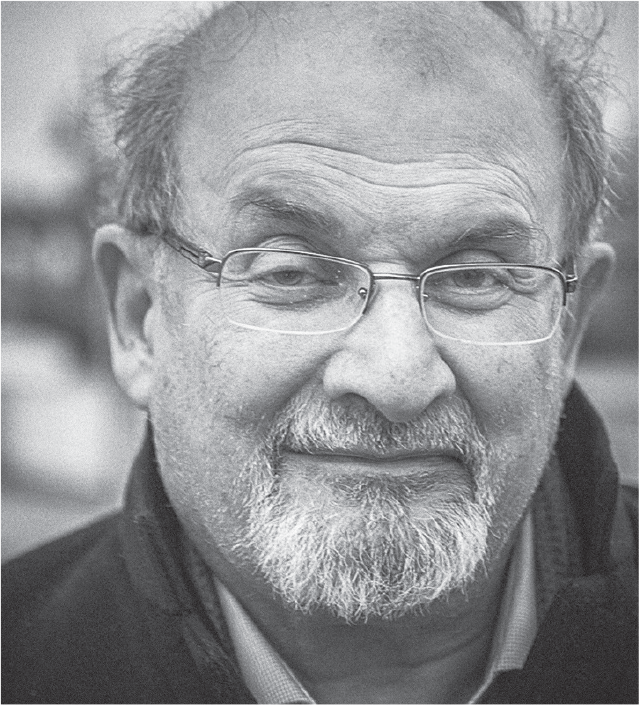
ON 12 AUGUST 2022, Salman Rushdie, the author of the book The Satanic Verses, was attacked as he prepared to give a lecture at the Chautauqua Institution, an arts and education centre in New York State. He was stabbed in the neck, face and abdomen and, at the time of going to press, remained in a critical condition in hospital. His family issued a statement saying that despite his “life-changing injuries” being severe, “his usual feisty and defiant sense of humour remains intact”.
Index has collaborated with Salman for decades now and fully support his right to freedom of expression, as we do for other authors and artists. Supporting those who are silenced, threatened and attacked is at the heart of Index’s 50-year-long history. Index condemns this cowardly attack on the author.
INDEX CEO RUTH SMEETH said, “We are still in shock after the brutal attack on Salman Rushdie last week. While we are relieved to hear he survived, we know the path to recovery will be long and our thoughts go out to him and his family. We consider Salman part of the Index community. We were instrumental in the campaign against the fatwa and Salman has in turn written regularly for our magazine. He is a fierce defender of free expression and his writing, which is beloved by so many, is a testament to the power of words themselves.”
She added, “The violence committed against him is an awful reminder that the fight for freedom of expression continues and we are as committed as ever to campaigning for a world in which acts such as these never happen.”
People from around the world are sharing their messages of support for the writer on our site - to be passed onto him.
A C GRAYLING wrote, “Censorship is unacceptable at the best of times, but censorship by bullying, threats, physical violence and murder is an abomination. It is the resort of those who are insecure and intellectually immature.”
He added, “The attack on Salman Rushdie is an unforgivable example of what, if not resisted everywhere and always, would radically impoverish the world by silencing its art, thought and literature. The closed-minded seek not only to impose censorship but to frighten those who think differently from them into self-censorship. They must be resisted. Rushdie is on the front lines of this struggle: we owe him our gratitude and unequivocal support.”
MIRANDA MILLER in London said, “It seems that the fatwa against you has now been extended to allow all writers to be bullied, online and offline, by anyone who wants to be offended. I was particularly shocked to discover that the man who tried to murder you had only read two pages of your work. As a novelist, I feel it’s our imaginations that are under attack.”
DAVE BEAVERS, from Texas, wrote: “The attack on Rushdie is reprehensible and inexcusable, and his assailant needs to be held accountable to the fullest extent of the law and we have to be sure to send a message that these kinds of attacks on the very nature of free speech and expression will not and cannot be tolerated in any capacity.”
He added, “We have to acknowledge that the very fatwa issued by the former Ayatollah Khomeini of Iran (the same responsible for holding the reins of the 1979 Islamic Revolution and the kidnapping and torture of American diplomats and civilians for over 400 days in Tehran at the end of the 1970s) is at the very HEART of this attack on Rushdie, decades after it was issued.”
You can share your own messages with us at
Tech Watch: Internet Shutdowns
THE POWER OF the internet to give a voice to dissidents and to thwart censorship has made it a growing target for authoritarian governments, who sometimes opt to shut it down entirely.
A recent survey by VPN provider Surfshark found that internet shutdowns by governments across the world affected 1.89 billion citizens globally in the first half of 2022, a 22% increase on the second half of 2021. These included 66 state-mandated internet blackouts in six countries and territories: Burkina Faso, India, Jammu and Kashmir, Kazakhstan, Pakistan and Sudan.
Since then, Africa has become a continued focus for shutdowns.
On 10 August, the KeepItOn coalition reported that the authorities in Sierra Leone had instigated a two-hour internet shutdown as anti-government protests erupted in the capital Freetown, in response to the rising cost of living. This escalated quickly into violence, with reports of an unspecified number of deaths including police.
“This outrageous trend of governments flipping the kill switch in times of protests is increasingly alarming and cannot be allowed to become the new norm,” said Felicia Anthonio, #KeepItOn campaign manager at Access Now.
“Authorities in Sierra Leone must be held accountable for shutting down the internet in order to quell the ongoing protests in the country rather than trying to pass it off as suspiciously timed ‘maintenance’ activities,” Anthonio added.
The following day, the coalition said that journalists in Somaliland had reported an internet shutdown starting at 6am as protesters from the opposition and general public gathered in various locations, including Hargeisa and Burao. During the protests, the Woqooyi Galbeed region suffered a complete loss of internet traffic. The internet was restored by 4pm. The purpose of the shutdown was thought to be to avoid news of a violent response from government forces to the protests.
The coalition has registered nearly 1,000 shutdowns in the past six years, with governments in Africa and Asia the biggest culprits.
A recent report by the UN Human Rights Council noted that shutdowns are powerful markers of deteriorating human rights situations. “Over the past decade, they have tended to occur in particular contexts, including during periods of conflict or heightened political tensions, such as the periods surrounding elections or during large-scale protests,” it said and noted that almost half of the shutdowns recorded between 2016 and 2021 were carried out in the context of protests and political crisis.
The Council added, “While internet shutdowns deeply affect many human rights, they most immediately affect freedom of expression and access to information.”
It has called on governments to establish “a collaborative mechanism for the systematic collection of information on mandated disruptions in which States, civil society and companies all contribute could make an enormous difference. This could include, for example, work to establish a comprehensive and publicly accessible database of orders to limit access to the internet or digital communications platforms, their underlying reasons and their scope.”

Yubrank Suazo, leader of the opposition to President Daniel Ortega in Nicaragua, was convicted in July and sentenced to 10 years behind bars due to 2018 protests against the ruling government.
Suazo was given five years for conspiracy and being a threat to national integrity and security, and a further five years for sharing and publishing fake news. In Nicaragua, it has become normal that trials of opposition leaders take place without the media present. The only person allowed at the trial was Maynor Curtis, his defence lawyer, who has vowed to appeal the conviction.
The Nicaraguan Center for Human Rights classified Suazo’s verdict as a “judicial farce” and an unfair sentence.
The government of Nicaragua has recently expelled from its territory a group of nuns from the order founded by Mother Teresa. The nuns have been in Nicaragua since 1988 working for the poorest in the country, running a nursery, a home for abandoned and abused girls and a care home.
The official explanation for their expulsion by the authorities was that their group failed to meet their obligations to declare the origin of its funds. The same excuse regarding funding has been used to shut down more than 200 non-governmental organisations since 2018.
After a decision of Nicaragua’s parliament to dismantle the legal status of the nuns, they were taken to the border with Costa Rica by the local police, where they were forced to cross on foot. The Catholic Church has criticised human rights abuses in the country, which has led to Ortega claiming that the Catholic clergy are “coup mongers” and “devils in cassocks”.
In August 2021, Juan Lorenzo Holmann, general manager of the oldest daily newspaper in Nicaragua, La Prensa, was arrested on accusations of money laundering, although most believe his conviction is due to his opposition to Ortega. Holmann has been handed a nine-year sentence at El Chipote prison, near Montelimar beach on the Pacific coast of Nicaragua. The prison has one main purpose: to house political prisoners and opponents of Ortega’s dictatorship.
Since Holmann’s imprisonment, La Prensa has been forced to close its headquarters following a judicial decision, as well as the printworks responsible for printing their pages. The newspaper has moved to online only.
In July 2022, Holmann’s mother, Ana Chamorro, revealed that she still hasn’t lost faith and hopes to see her son again. Holmann has been getting weaker and is constantly ill.

My Truth Should Not Be Banned
The bestselling US author
INSPIRATION COZES IN many forms. When people ask me “what is your inspiration” it is likely different based on the day and time and state of mind that I am in at the time. I’ve been inspired by people in life like my grandmother “Nanny”, high school students I’ve met, to something as simple as a ladybug on the wall. That’s the beautiful thing about inspiration though. It happens when you least expect it, but it always seems to come at the time you most need it.
When I wrote my debut memoir All Boys Aren’t Blue, it was inspired by the death of a young queer teen. Simultaneously, it was inspired by the younger versions of me that I thought had died, but were very much alive in me waiting for their chance to speak. So the stories in that book weren’t really from the 33-year-old me writing it. It was the 5-year-old me who knew he was different, but didn’t know how to say it. And the 10-year-old me, and 15-year-old me, and even 20-year-old me who finally had those words to tell their truth. So that’s what I did.
Unfortunately, I didn’t know that me telling my truth would cause so many to be inspired to ban it. Inspire so much hatred that it be removed from the teens who need it most. But then two things happened. Their hatred inspired me to write even more stories, and be even more vocal about the story of the Black queer experience in the USA. And I watched the youth be inspired to say their truth. Find agency to fight for their rights to the materials and in many cases win and get the books back in their schools.
The youth keep me going. When I get messages and emails from teens and young adults across the country and the world about how my words are not only helping them understand themselves but helping them heal it inspires me to keep doing the work. I once used to be that teen who had no resources about the struggles of my identity and sexuality. About the struggles of racism I was feeling when I was in high school. It is because of that I will continue to use the words to ensure that the future generations never have to feel the way I felt. May they too be inspired to tell their stories.
CREDIT: Vincent Marc

Free expression in the MENA region is under ongoing attack. Governments are using several means to imprison activists, including politicised judiciaries, terrorism and cybercrime laws as well as campaigns against them in state media.
In Saudi Arabia, Yemeni journalist Ali Mohsen Ahmed Abu Lahoum is still awaiting the decision on a request for reconsideration against the Court of Appeal’s verdict upholding a 15-year prison sentence for his peaceful online activities. His family was recently prevented from visiting him in prison.
In the UAE, the authorities have again refused to release 40 prisoners of conscience despite the expiration of their sentences. Many are part of a group known collectively as the UAE94, who were arrested in 2012 and sentenced during an unfair trial for their pro-democracy activities.
In Iraq, public freedoms are at risk amid a political crisis in the country. Human rights defenders are constantly exposed to attacks and assassinations.
In Egypt, large numbers of human rights defenders are in prison. Some rights organisations have closed their doors due to repression, including one of the oldest in the region, the Arabic Network for Human Rights Information.