




Abstract

It was in Wales that dissident playwright
It was difficult being different to others and not knowing why. It seriously damaged my self-esteem. During the years that I was growing up and living in Turkey, I felt as though I had fallen into a vortex, one in which I was constantly having the same nightmare. I felt alien to my culture and my species; that I was from a different planet than everyone else.
Around the age of 20, I spent three months in a psychiatric clinic. At the end of those three months, my family was told that because my intelligence was very high, my brain worked differently, and I would never be like others.
Despite endless sessions with many psychiatrists, psychologists and other alternative specialists, no one could get to the bottom of my health problems and my “weirdness”. With each passing day, I believed more and more that I didn’t belong in this world. That was until the time that I was eventually diagnosed with autism at the age of 52.
The world froze when I received this news; I couldn’t control my tears.
Autism?… Autism?… So many years, so many questions, so many quests…
I quickly accepted that I was autistic, but explaining this situation to my family and friends living in Turkey was difficult. There is still not enough autism awareness in Turkey. When you say autistic, people automatically think of the main character in the film Rain Man. And that is a more positive presentation. For the most part, even today, autism is seen in a very negative way. If you are autistic, then you can’t achieve anything - many people in Turkey think.
When I came out about my autism, some people said, “It’s not a good idea to tell people you are autistic, then people will not respect you anymore.”
Fortunately, in the last couple of years, some young high-functioning autistic people have become activists and are openly talking about autism. The problem is nobody wants to listen to them. A lot of these activists are still ostracised and their views dismissed.
Meanwhile Turkey now has some autism organisations, but they are arguing among themselves or with other organisations. With little knowledge and conversations still about autism in Turkey - and indeed with only growing understanding about it elsewhere in the world - they don’t always engage in conversations.
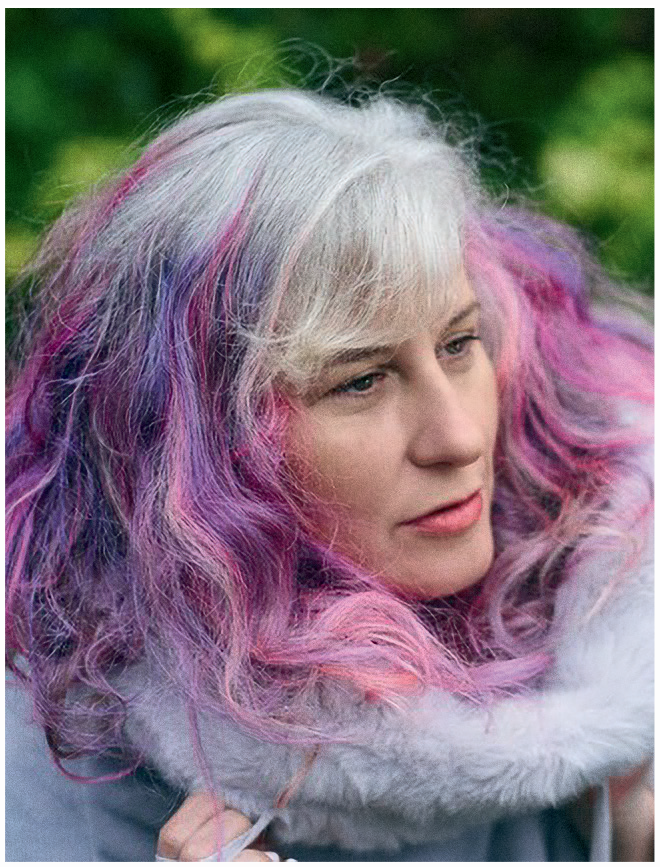
Arikan might not have ever realised she was autistic if she had remained in Turkey
CREDIT: Meltem Arikan
As with many other issues, Turkey is very confused about autism, and sadly the government is not interested in this significant issue. On the contrary, the government make life harder for autistic people and their families, especially for non-verbal autistic people.
Part of the reason for my late diagnosis was because I was a woman. Women are typically under-diagnosed. Many children, young girls and women grapple with misunderstandings, misdiagnosis and inappropriate drugs to treat a misdiagnosed condition. Women such as myself.
One suggestion is that the diagnostic criteria for autism are biased towards the behaviour of men and boys. In addition, many women with autism are not diagnosed with the condition until they reach middle age because of masking, leaving them wondering: “What is wrong with me?”
I’m lucky because I was diagnosed. I’m lucky I have support groups in Wales, and a therapist who is a specialist in autism; I’m lucky I was able to do courses about autism, including “Understand Autism” at The University of Kent. It is easier being an autistic person in Wales. I’m lucky I have become a counsellor and help autistic people and their family members. I’m lucky that I’ve learned a lot about autism. I even now write a column about it in a Turkish newspaper called Davul. I’m writing for those who want to understand autism, and it is a first-of-kind column, and it’s gone viral. I don’t receive pushback, which is great, not least in Turkey where the media has been muzzled under President Recep Tayyip Erdogan.
But I’m doing all these things because I’m living in Wales. Sadly, if I had remained in Turkey, I would never have been diagnosed with autism. Because in Turkey most psychiatrists or psychologists don’t know enough about autism, and most believe you can’t be diagnosed with autism at such a late age. They think if you are successful, you can’t be autistic. They don’t understand how autistic women mask and so don’t often listen to autistic women. When you try to explain your experience, they think you are telling a lie.
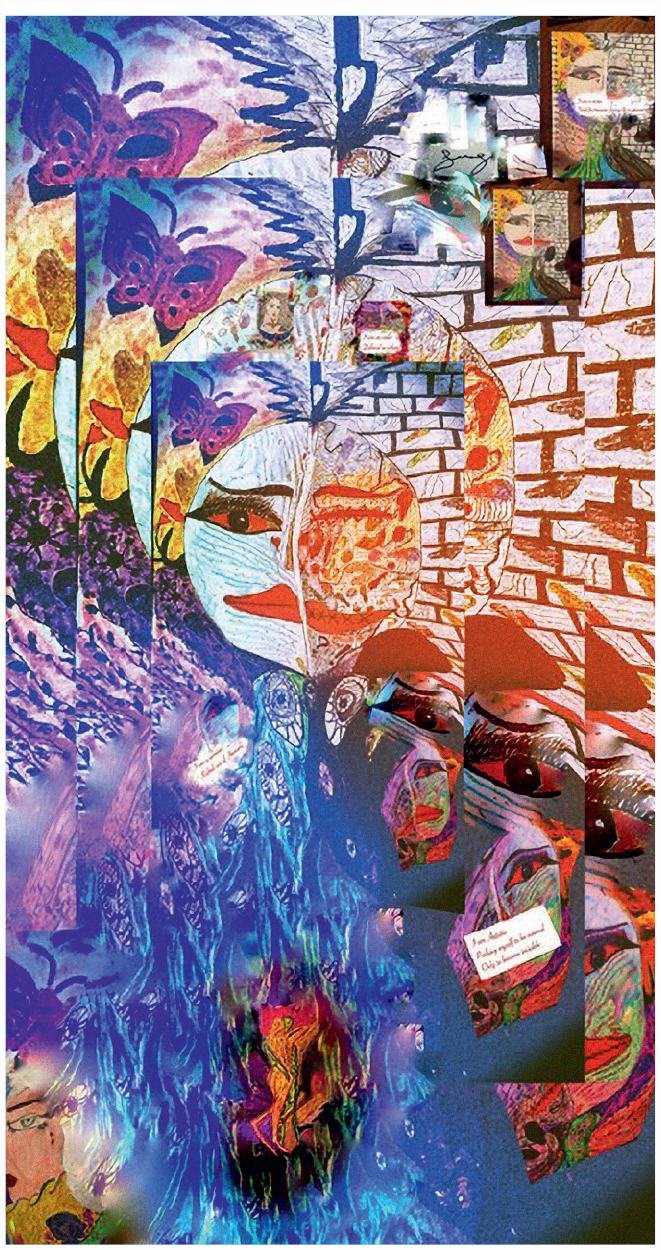
A display of Arikan’s abstract photography at an exhibit at Wyeside Arts Centre in Wales
My diagnosis was liberating. It has shown me the gap between who I should be and the reality of who I am. In addition, as this gap closed, it allowed me to see life from a different perspective. I came out about my autism because there is still not enough autism awareness, even today, even in the UK. I firmly believe that if autistic people share their experiences openly it would not only help other autistic people but it would also help neurotypical people understand the many differences in behaviour and many ways to see the world.
Index sent a survey to a selection of neurodiversity charities to get a better sense of the free expression issues that might affect people in English-speaking countries. Below
Of the four charities that responded, all believed the increased use of the term “neurodiversity” had led to more open conversations. Of these, three believed it led to a greater understanding of what the term means. However, three said people still self-censor or don’t seek advice because they would face hostility if identified as neurodivergent. Two of these, both Australian charities, pointed to workplace issues. One said: “Many people do not disclose their neurodiversity in the workplace for fear of discrimination.”
There was a range of answers in response to the question “What are the most common misconceptions about neurodiversity in your country?” Natasha Solomon from Autism Canada believes a link between diet and neurodiversity is the biggest misconception, while one respondent provided a broader answer that neurodivergent people are wrongly believed to be unable to work or contribute to society and have difficulty with relationships and their emotions. Jenny Karavolos from Australian Autism Alliance said there’s a misconception about the level of support needed as neurodivergent people are all individually different. Karavolos further explained: “In Australia, autistic people experience poorer outcomes across all major aspects of life.”
Two said autistic voices aren’t being heard when it comes to recognition and advocacy, with one saying people “aren’t using #actuallyautistic voices in panel discussions and on organisation boards.” Another said autistic voices need to be at the table.
Overall, just two out of the four charities said media portrayals of neurodivergent people in their country was generally positive.
Footnotes
You can read more about Arikan’s experience and work in the article “I wrote a play then lost my home, my husband and my trust”, which appeared in the December 2021 issue of Index