




Abstract

Recently released political prisoner
Türfent in London after serving a seven-year prison sentence
CREDIT: Nedim Türfent (both)
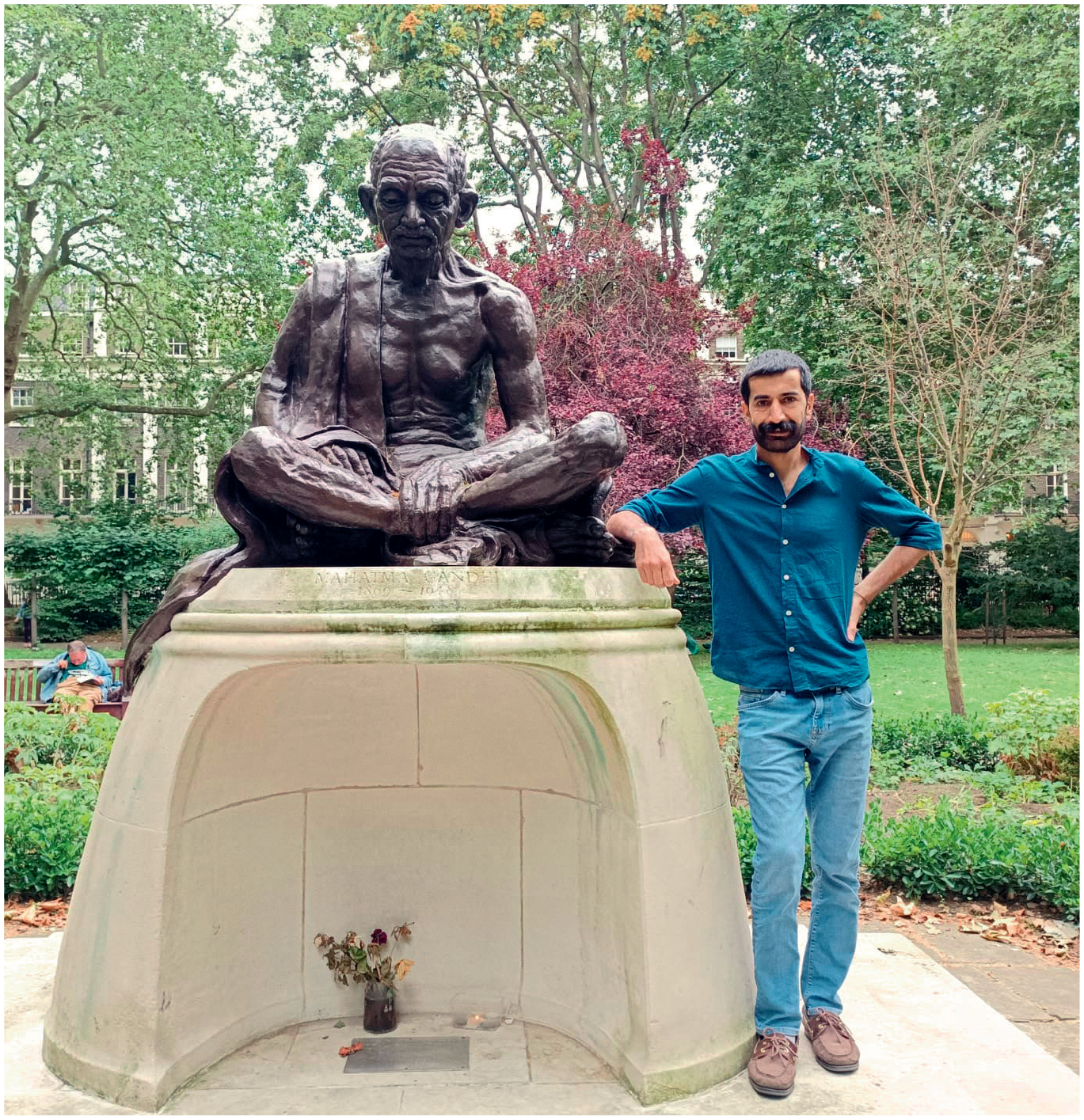
I started my journalism career in 2012, at the Dicle News Agency, and for years I reported on rights-based journalism in Kurdish cities. After the Turkish-Kurdish peace process failed, intense clashes broke out. Basic human rights, including the right to life, were being violated during the conflict. Journalists who publicised these violations were targeted.
I was one of them.
For me, the first link in the chain of cruelty was this story.
On 5 August 2015, masked Turkish police officers raided a construction site in Yüksekova, my hometown on the border between Iraq and Iran. The police tortured Kurdish workers who were forced to lie face down, handcuffed behind their backs, half-naked on the ground. The police shouted at the workers: “What the hell did this state do to you? You will see the power of the Turks!”
After I publicised the footage of the raid and the torture, I was systematically targeted. I was subjected to police surveillance, harassment and threats. They did not bother to respond to the criminal complaints I filed through my lawyers.
When I reported on rights violations, especially civilian deaths, the police openly threatened me with murder on social media. On 12 May 2016, I was detained by masked police officers. They forced me to the ground, like the workers, and beat me. They even stamped on my back. Upon my detention, my lawyers, my family and journalist organisations called the prosecutor’s office, but state authorities refused to acknowledge my detention for hours. A campaign was launched: Where is Nedim Türfent?
After torturing me, the police put me in a car and took me to a hill. They put a black bag over my head, tied my hands behind my back and debated whether to kill me. Finally, one of them made a phone call and it was decided they wouldn’t kill me. Hours later they admitted that I had been detained and informed my lawyers.
On 13 May I was formally arrested. That same summer there was an attempted coup in Turkey and a state of emergency was declared. For 13 months I waited for my indictment to be prepared until the trial finally began. The prosecution had 20 witnesses, but they all refuted the charges against me. Instead, they told the judges one by one that the police had forced them to testify against me. One of them opened his mouth and showed it to the judge, saying: “The police pulled out this tooth with pliers to make me testify against Nedim. I was tortured.”
All the witnesses rejected the statements they gave under torture, and the police plot was exposed.
Despite requests from my lawyers and me I was not allowed to physically attend the hearings - which is illegal. I had to make my defence from prison via video conference, and my defence in my native Kurdish was not properly translated into Turkish.
My journalism was then declared a “crime”. The court sentenced me to eight years and nine months in prison without the slightest concrete evidence. In the verdict, the court admitted the reason for the sentence: “Nedim Türfent was punished for making disturbing news… “
We appealed the decision, but our objections were rejected. While we appealed, two important developments took place that should have had a direct impact on my case. First, the Constitutional Court, the highest court in Turkey, ruled in a decision that “expressions for news purposes do not constitute a crime even if they are shocking and disturbing.”
Secondly, in the judicial reform package enacted in 2019, the same phrase was added to the relevant article of the Anti-Terror Law. Still, our appeal was rejected. As a last resort, we took the case to the European Court of Human Rights.
I was released on 29 November 2022, after six years and seven months. But the ECtHR has still not taken on my case.
I was arrested at the age of 26 and released when I was 33. How will I be compensated and how will the cruelty be penalised? On top of how Turkish courts acted, my belief in justice is disappearing day-by-day. With rights violations so blatant, the ECtHR needs to either conclude cases faster or find a new formula. It is a human rights court and it is obliged to do what is necessary to protect our human rights.
Türfent in prison, where his treatment improved once his case was on the international radar
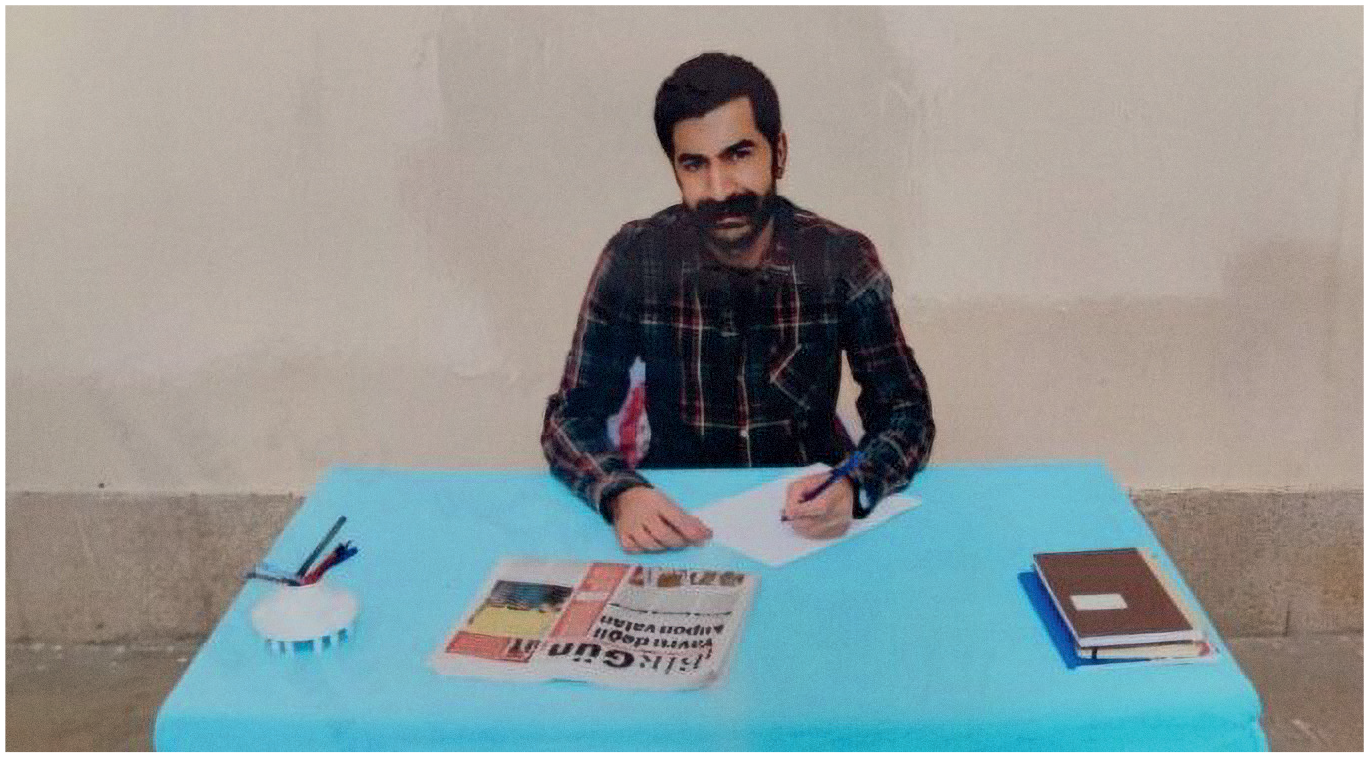
During my dark period, many organisations such as Index on Censorship campaigned for me. Certainly, their support and solidarity eased my prison conditions. I took comfort in knowing I had not been forgotten and the guards treated me better too. All of this I am incredibly grateful for.
But should the only duty of NGOs, especially freedom of expression organisations, be to show support and solidarity?
In my story there was a grotesque injustice. None of us can fight such a thing alone. In my humble opinion the NGOs who have a stake in rights and freedom need a process of discussion and brainstorming to encourage the ECtHR to rule quickly. How can we stand up against such blatant injustices? How can we object? We should be asking these questions moving forward.
I have experienced injustice to the fullest. Real justice is no longer possible for me. But it’s not too late for others in similar situations.