




Abstract

Women are being erased from public life in Afghanistan.
Then the Taliban returned. It has been almost two years since the previous government fell, and the Taliban has taken over all government institutions. During this period, according to Reporters Without Borders, Afghanistan has fallen 34 places in terms of media freedom, and it is ranked 156th out of 180 countries.
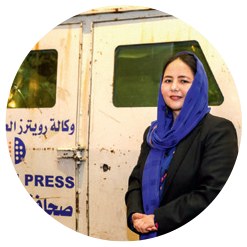
Afghan journalist Zahra Joya
The Taliban’s Ministry of Propagation of Virtue and Prevention of Vice has banned female anchors and guests on the radio in most provinces, including Kandahar (the spiritual city of the Taliban). Female anchors, journalists and guests on television must cover their faces.
It seems now that suppressing free media and women is one of the main priorities of the Taliban and, by increasing pressure in various ways, it wants to disrupt the process of free information in society. Its hostility towards women has made the job for female journalists incredibly difficult. By imposing so many conditions, using intimidation and threats, and restricting movement, it has turned journalism into a forbidden job for them.
One example is the story of Shamima Ahadi. She has eight years of experience as a journalist but has now been forced to leave Afghanistan.
She told me: “One day in the Shahr-e-Naw area of Kabul, the Vice and Virtue guys stopped me and my friend. They harshly and threateningly criticised our way of dressing and hijab and finally said that we have no right to make a report without a male chaperone. When they approached us, their guns were in their hands, and they had put their fingers on the trigger. It was a very scary situation. My friend was crying and was in shock for a week.”
Ahadi fled to Pakistan around a year ago. There, the situation has become even more difficult for her. She has no place to stay and no way to leave, either. Economic problems combined with the risk of being arrested and then possibly sent back to Afghanistan have taken away her mental peace. Western countries and international organisations have largely turned their backs on female journalists and people like Ahadi.
Her story is common and representative of what many women journalists in Afghanistan face. Being a woman under the Taliban regime is a crime, and being a female journalist is a more serious one. By closing schools, universities and other educational centres to women, the process of educating and training a new generation of female journalists has stopped.
The continuation of this situation will remove women from journalism and turn this profession into a completely male one. According to the Taliban - and a very traditional section of society in Afghanistan - society does not need female journalists. But in their absence, how will the suffering of Afghan women be reflected in the media? Can a completely male society understand women’s issues? How can Afghan women’s voices be covered in the health sector, education, the economy, work and politics? Who will represent them?
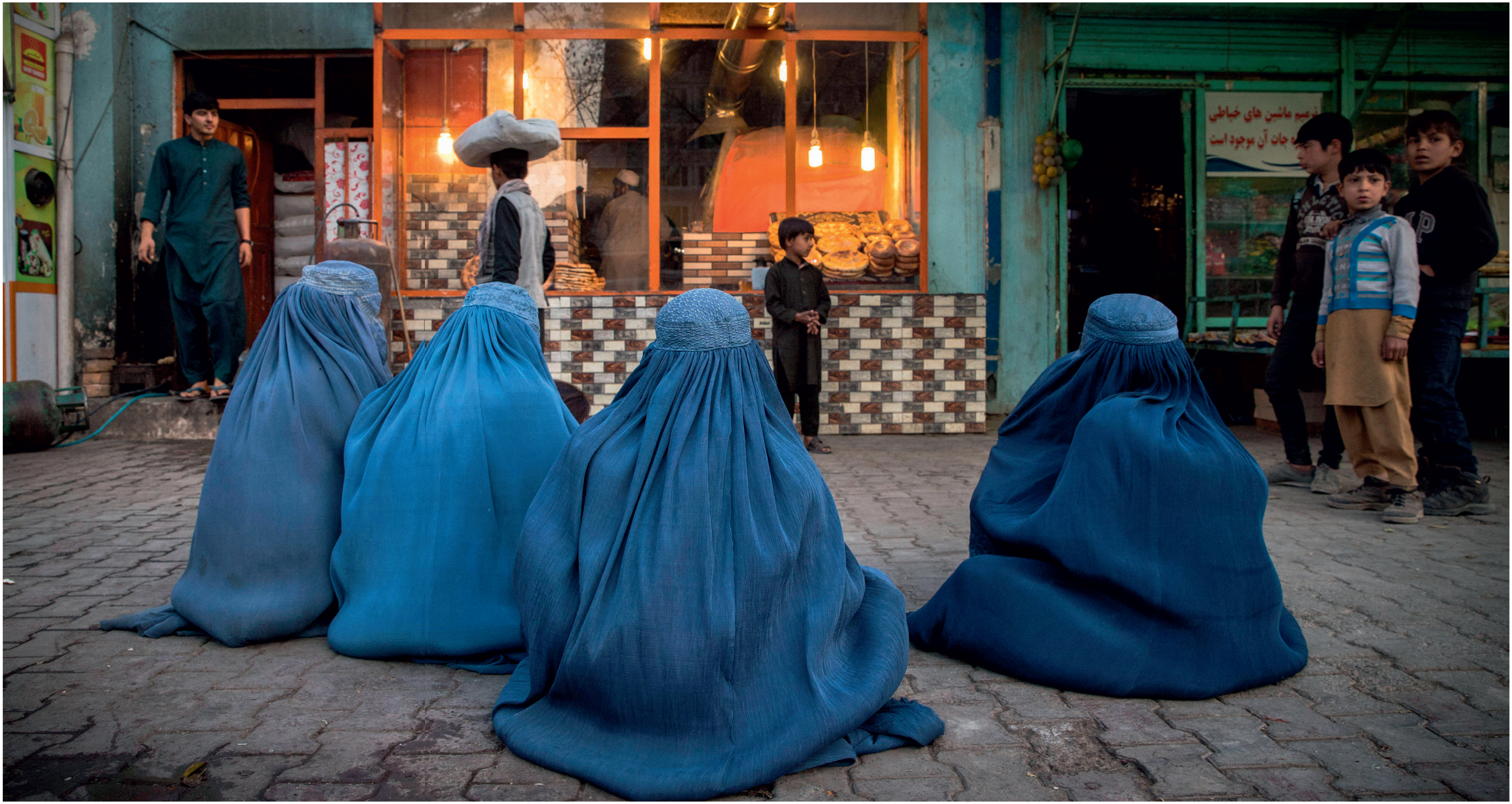
Afghan women wait for donations of bread outside a Kabul bakery
CREDIT: (Joya) Sandford St Martin Trust; (main) Abaca Press / Alamy
The international community and human rights organisations should not close their eyes to this bitter experience. Don’t allow women to be removed from the field of journalism. Don’t allow women to be removed from public life. Ignoring the suffering of Afghan women and leaving them in the depths of Taliban darkness will have disastrous consequences; a disaster with a human burden that will weigh heavily on our consciences for generations to come.